Bath
City Centre & Roman Baths
The Roman and Georgian heart of Bath: the Baths, the Abbey, the Pump Room, and Pulteney Bridge, all within a 10-minute walk of each other in the UNESCO World Heritage zone.
About City Centre & Roman Baths
The City Centre is where Bath's two principal identities - Roman and Georgian - sit directly on top of each other. The Roman Baths (GBP 26) and Bath Abbey occupy adjacent plots in Abbey Churchyard, the pedestrian heart of the city: the Romans built around the hot spring in 70 AD, the Abbey was begun in 1499 on the site of a Norman cathedral, and the Georgians built the Pump Room alongside both in 1799. The Pump Room is still functioning as a restaurant and social space: afternoon tea costs GBP 35-45, the spa water from the hot spring can be tasted at the fountain for free (it tastes of iron and warm minerals), and the Pump Room orchestra performs on certain days. Pulteney Bridge is a 5-minute walk east: designed by Robert Adam in 1774, one of only four bridges in the world with shops on both sides, the view from the bridge over the weir below is the most photographed scene in Bath. The Holburne Museum (free permanent collection) is at the far end of Great Pulteney Street. The city centre streets around Stall Street and Bath Street have the highest concentration of tourist shops: the more interesting independent restaurants are around Kingsmead Square and Cheap Street, away from the main pedestrian circuit. This is the best neighbourhood to stay in for walking to everything without taking a bus.
Things to Do
Top experiences in City Centre & Roman Baths
Roman Baths
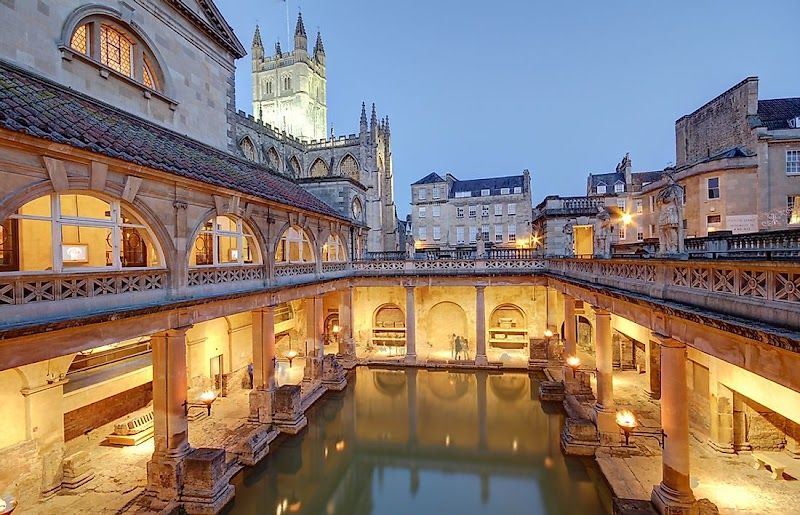
The Roman Baths are the best-preserved Roman bathing complex in northern Europe. The Romans built their first structure here around 70 AD after discovering the hot spring (the only naturally occurring hot spring in Britain, releasing 1.17 million litres of water per day at 46 degrees Celsius). The complex expanded over three centuries into a full thermae: a sacred spring, a bathing hall, and a series of rooms ranging from hot to cold. The green water in the Great Bath is fed by the same spring today, and the steam rising from the surface is the detail that photographs cannot fully prepare you for. The museum around the complex is one of the best Roman collections in Britain: the gilded bronze head of Minerva, the carved stone altar pediment, the curse tablets thrown into the spring by supplicants (a form of petition to the goddess Sulis Minerva that produced extraordinarily personal inscriptions, including requests for the goddess to punish specific people who had stolen specific items). Entry is GBP 26 for adults. The site is busy year-round and extremely busy in summer: book skip-the-line tickets in advance. The evening tours (running in high season from 7 PM, when the site is lit by torchlight) are significantly less crowded than daytime and worth the effort of planning around.
Pulteney Bridge
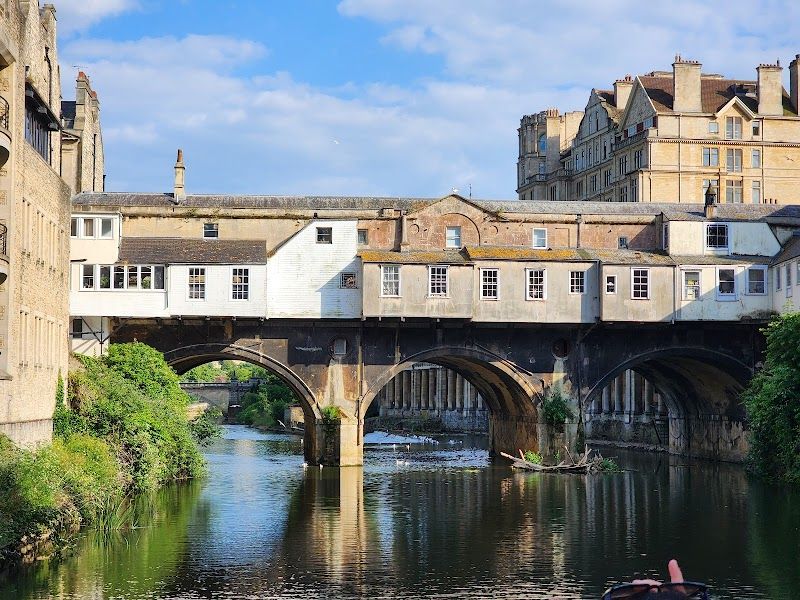
Pulteney Bridge spans the River Avon with shops built directly into its Georgian arches, making it one of only four such bridges worldwide. Designed by Robert Adam in 1774, it connects the city center to Bathwick across three elegant stone arches. You'll find small independent shops selling everything from vintage prints to handmade jewelry tucked inside the bridge structure itself. The real draw is the view downstream: the horseshoe weir creates Bath's most photographed scene, especially when water levels are high. Walking across feels more like strolling down a narrow shopping street than crossing a bridge. The shops are genuinely small, some barely wider than a corridor, and you might not even realize you're above water until you peek through the gaps. The bridge gets busy during peak hours, but the flow keeps moving. From the bridge itself, you can't see the famous weir view that everyone photographs, so you'll need to walk down to river level afterward. Most guides oversell the shopping experience. The shops are charming but limited, and prices reflect the tourist location. The real value is the 10 minutes you'll spend down at Parade Gardens photographing the bridge and weir together. Skip the bridge shops if you're pressed for time, but don't miss the view from below. Early morning gives you the best light and fewer crowds blocking your shots.
Bath Abbey Tower Tour
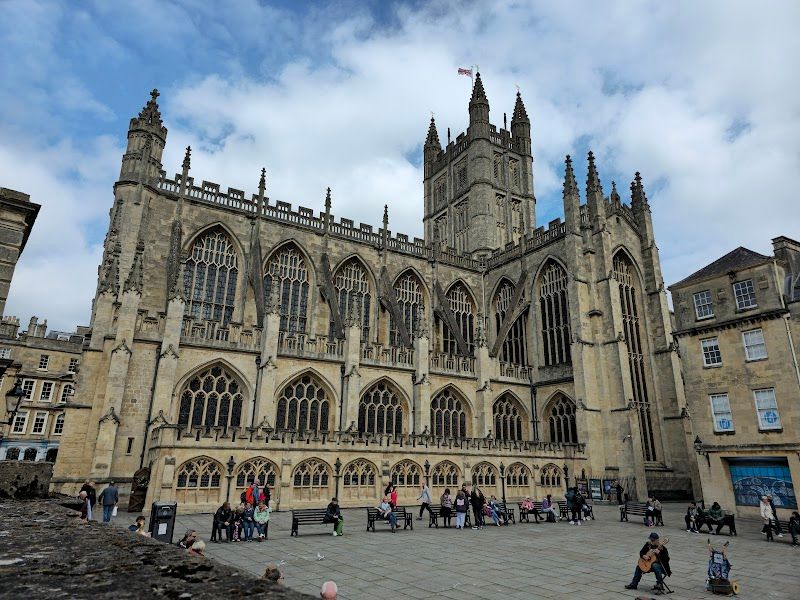
The Bath Abbey Tower Tour takes you up 212 steps through the actual working parts of this 500-year-old church, including the bell chamber where eight bells still ring for services. You'll climb narrow stone spiral staircases, duck through medieval doorways, and emerge onto the tower platform 162 feet above Bath's streets. The panoramic views stretch across the Georgian crescents, the River Avon, and the surrounding Somerset hills. Your guide explains how the fan vaulting was constructed and points out architectural details you'd never notice from ground level. The climb feels like exploring a vertical maze of ancient stone passages and chambers. You'll hear the clock mechanism ticking as you pass through, see massive wooden bell frames up close, and catch glimpses of the nave far below through interior windows. The final push to the rooftop platform is steep, but the 360-degree views make it worthwhile. The space at the top is small, so groups naturally spread around the perimeter to take photos without crowding. Most tower tours in Britain feel touristy and rushed, but this one maintains an authentic working church atmosphere. The £8 adult ticket is reasonable compared to similar climbs in other cities. Skip this if you're claustrophobic or have mobility issues, the medieval staircases are genuinely tight and uneven. The morning tours offer the best light for photography and smaller crowds.
Sally Lunn's Historic Eating House & Museum
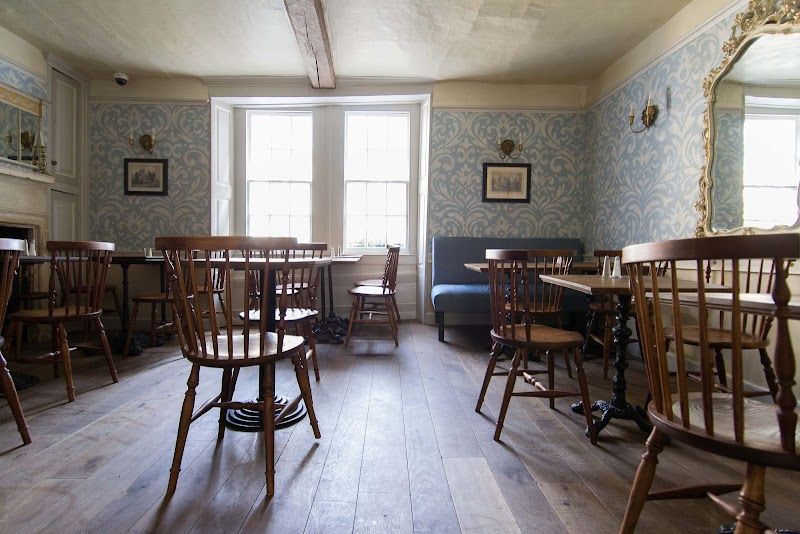
Sally Lunn's operates from Bath's oldest house, dating to 1482, where you'll find both a working tearoom upstairs and a small museum in the basement. The famous Sally Lunn bun is essentially a large, enriched bread roll that's bigger than your fist, served warm with sweet or savoury toppings like cheese, salmon, or jam. The basement museum reveals Roman foundations, medieval ovens, and the original Georgian kitchen range where these buns were first baked in the 1680s. The experience feels like eating in someone's centuries-old home because that's exactly what you're doing. Upstairs, the tearoom spreads across low-ceilinged rooms with uneven floors and tiny windows. Downstairs, the museum part takes about 15 minutes to explore: you'll peer at excavated Roman stones, see the massive bread ovens built into medieval walls, and read about Sally Lunn herself (though historians debate whether she actually existed). Honestly, it's touristy but genuinely atmospheric. The buns cost around £8-12 depending on toppings and they're filling enough to share, though most people don't realize this and order one each. The museum entry is free with any food purchase, otherwise it's £3. Skip the full afternoon tea (overpriced at £25) and just get a bun with butter or cheese. The queue moves faster than it looks because turnover is quick.
Parade Gardens
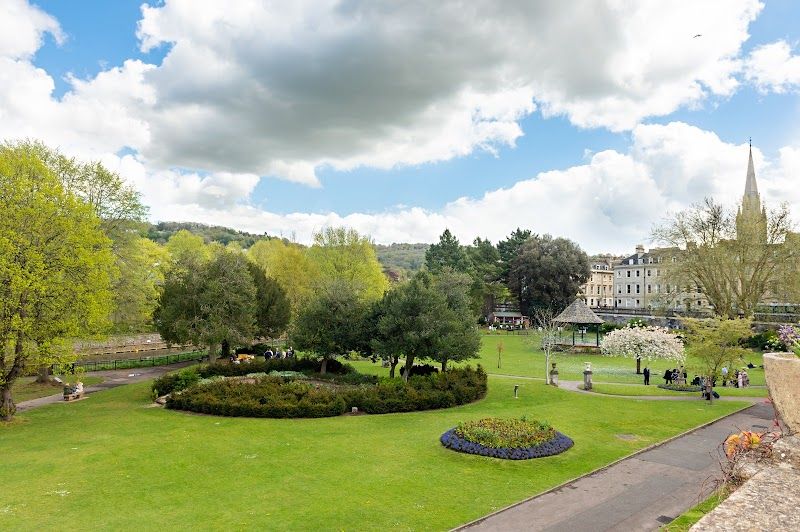
Parade Gardens delivers Bath's postcard shot: Pulteney Bridge framed by riverside lawns and seasonal flower beds. You're paying £1.50 in summer (free October to March) for manicured gardens that sit directly below the famous bridge, with the River Avon flowing past weeping willows and well-maintained borders. The terraced layout gives you multiple angles of the bridge, plus decent spots to sit and watch river traffic. The gardens feel pleasantly compact rather than grand. You'll find yourself on gravel paths winding between rose beds and herbaceous borders, with plenty of benches facing the water. In summer, hired deckchairs (£3 for two hours) dot the main lawn area. The atmosphere stays relaxed even when busy: families picnic, couples pose for photos, and regulars read newspapers by the riverside. The sound of the weir creates constant background noise. Most guides oversell this as essential Bath viewing, but it's really about that one bridge perspective. The gardens themselves are pleasant but unremarkable: standard municipal planting that looks best May through September. Winter visits make more sense financially (free entry, same views), though you'll miss the flower displays. Skip the expensive deckchairs unless you're planning to stay over an hour.
Theatre Royal Bath
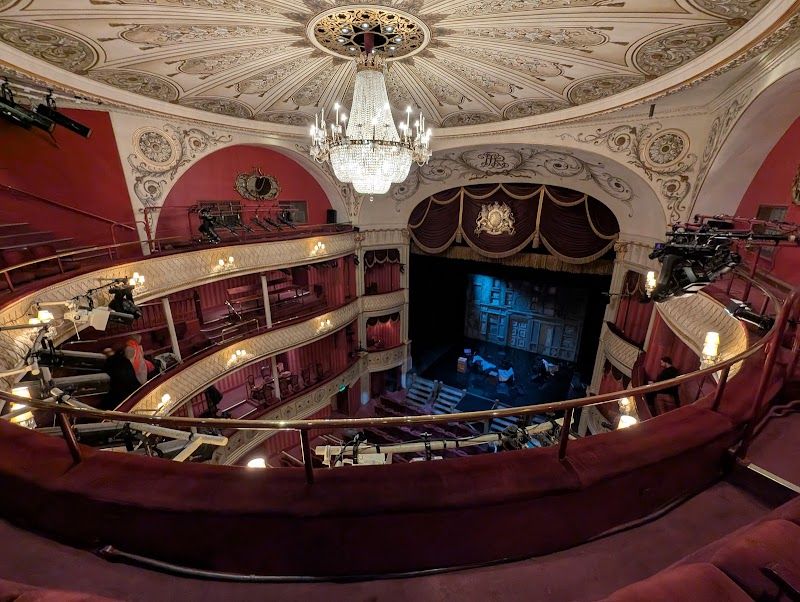
Theatre Royal Bath is Britain's oldest working theatre, a Georgian jewel from 1805 that's hosted everyone from Sarah Siddons to Judi Dench across two centuries. You'll find yourself in an intimate 900-seat auditorium where the closest seat is never more than 65 feet from the stage, creating an intensity that West End mega-theatres can't match. The building itself tells stories: original Georgian plasterwork, hand-painted ceiling roundels, and a working Victorian fly gallery that still hoists scenery by rope and pulley. Walking into the auditorium feels like stepping into Jane Austen's world. The horseshoe-shaped interior wraps around you in cream and gold, with three tiers of seats creating perfect sightlines from almost everywhere. Pre-show, the Georgian bar buzzes with Bath's theatre crowd nursing gin and tonics under crystal chandeliers. During performances, you'll hear every whispered line and catch every facial expression, the kind of theatrical intimacy that makes you feel part of the action rather than just watching it. Ticket prices range from £15 for upper circle seats to £45 for premium stalls, though many productions offer £10 student rush tickets two hours before curtain. Skip the ground floor restaurant, it's overpriced pub food, but do explore the costume and set workshops during their occasional behind-the-scenes tours. Most visitors book whatever's available, but seasoned theatre-goers know that Dress Circle front row beats expensive stalls seats every time for both comfort and views.
The Pump Room
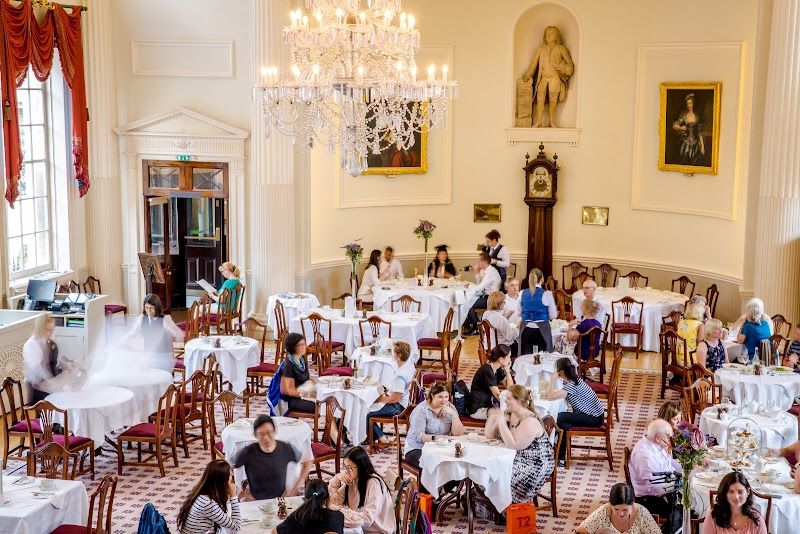
The Pump Room is Georgian Bath's original social hub, where 18th century society gathered to drink the medicinal spa water and see who was worth knowing. You can still taste the famously mineral-heavy water for free at the ornate fountain (it's genuinely awful, like drinking liquid pennies), while the restaurant serves proper afternoon tea in surroundings Jane Austen knew well. The trio plays classical pieces on select days, and the tall windows flood the cream-colored space with natural light. Walking in feels like entering a Jane Austen novel: high ceilings, crystal chandeliers, and tables set with fine china create an atmosphere that's both grand and surprisingly intimate. The spa water fountain draws a constant stream of curious visitors pulling faces after their first sip, while afternoon tea guests settle into comfortable chairs surrounded by Georgian elegance. You can hear the gentle clink of teacups and murmured conversations echoing off the walls. Afternoon tea runs £35 to £45 and honestly feels overpriced for what you get: standard sandwiches and cakes in admittedly lovely surroundings. Most people come for the Instagram potential rather than culinary excellence. Skip the expensive meal and just pop in to try the spa water and admire the architecture. The museum audio guide covers the room's history better than the staff, and weekday mornings offer the most peaceful experience without the afternoon tea crowds.
Victoria Art Gallery
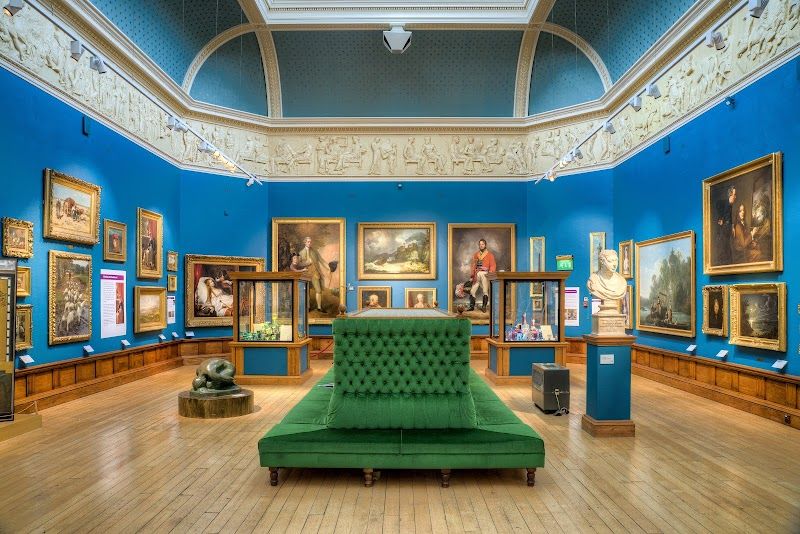
A public art gallery established in 1900 to commemorate Queen Victoria's Diamond Jubilee, housed in a Grade II listed building on Pulteney Bridge. The permanent collection includes British and European art from the 15th century to the present day, with a particularly strong selection of works by artists connected to Bath. Entry is free, with occasional charges for special exhibitions.
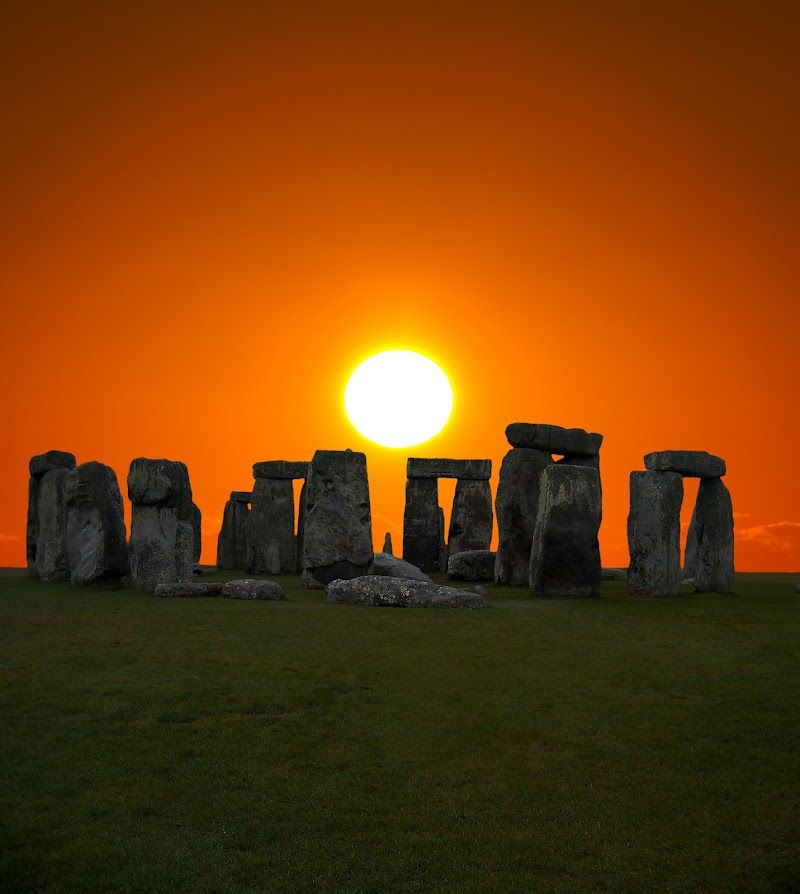
Stonehenge and Bath Day Trip from London
The combination of Stonehenge and Bath in a single day is the most popular day trip from London and, for once, one that actually works: the two sites are 25 miles apart, and a well-organised tour covers both without feeling rushed. Stonehenge (the prehistoric stone circle on Salisbury Plain, built in several phases between 3000 and 1500 BC, the largest Bronze Age monument in Britain) is 40 minutes from Bath by road. Most day trips from London depart Paddington or Victoria between 7:30 and 9 AM, reaching Stonehenge in the late morning and Bath in the early afternoon, with a return to London by 7-9 PM. Bath time on most itineraries is 3-4 hours: enough for the Roman Baths, a walk to the Abbey and the Pump Room, and lunch near the centre. The Stonehenge stop is typically 1.5-2 hours. Entry to Stonehenge is GBP 22 for adults (usually included in the tour price). A typical all-inclusive day trip from London costs GBP 65-95 per person including transport, Stonehenge entry, and a Bath guide. These tours are good value if you are coming from London and do not want to manage the transport logistics yourself.
Where to Eat
Restaurants and cafes in City Centre & Roman Baths
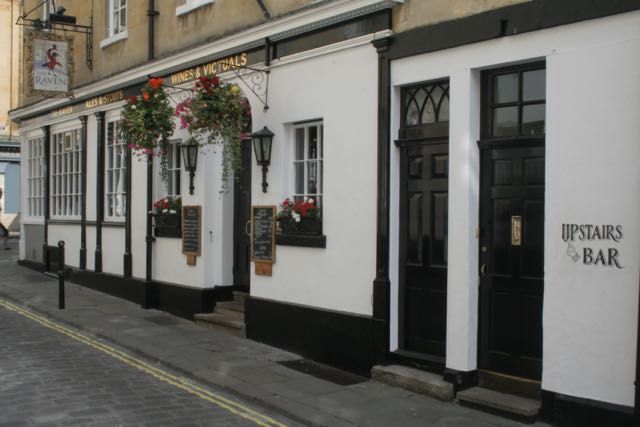
The Raven of Bath
RestaurantBeloved local pub known for its exceptional selection of craft beers and pies. This cozy, traditional pub offers a rotating menu of meat and vegetarian pies alongside an impressive range of local and international ales. The warm atmosphere and knowledgeable staff make it a favorite among Bath residents.
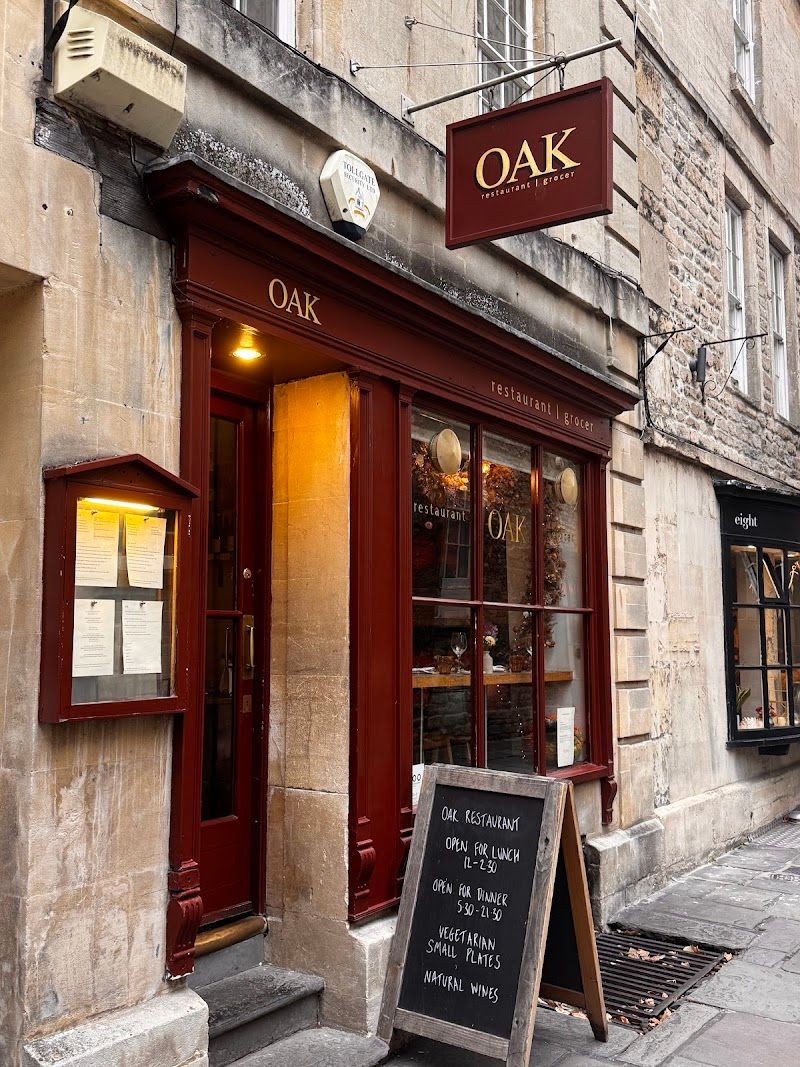
Acorn Vegetarian Kitchen
RestaurantAward-winning vegetarian restaurant on Kingsmead Square where locals eat serious plant-based food. The menu changes seasonally with inventive small plates (GBP 7-10) and mains (GBP 16-20) that showcase vegetables without pretending to be meat.
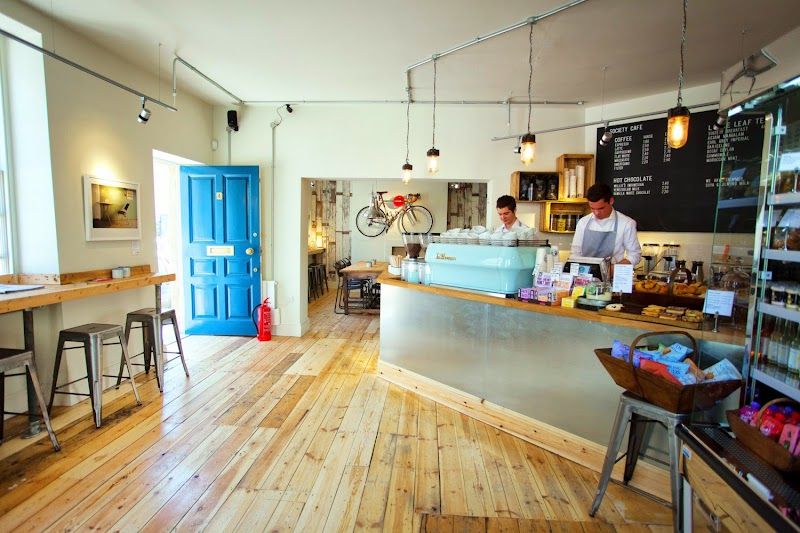
Society Cafe
CafeIndependent artisan café serving specialty coffee and fresh, locally-sourced food in a relaxed, industrial-chic setting. Known for excellent brunches, homemade cakes, and a welcoming atmosphere that attracts creative locals and students. The café also hosts occasional live music and art events.
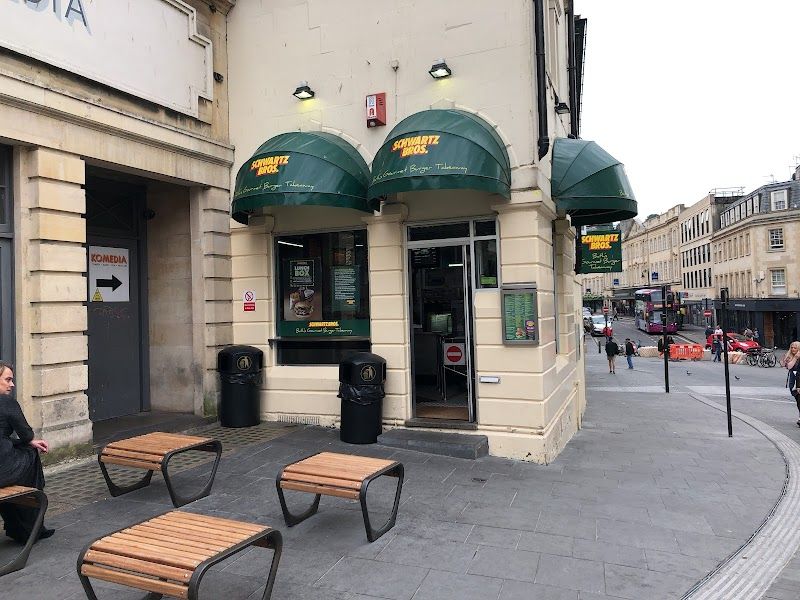
Schwartz Bros Burgers
RestaurantSmash burger specialist on Walcot Street serving simple beef patties (GBP 10-14) on Martin's Potato Rolls with hand-cut fries. The no-frills approach focuses on quality beef from local butchers and properly seasoned, griddle-smashed patties.
Getting Here
On Foot
Entirely walkable. The Roman Baths, Abbey, Pump Room, and Pulteney Bridge are within 5 minutes of each other. The Royal Crescent is 15 minutes uphill on foot. No car required for any city centre attraction.
Insider Tips
Roman Baths timing
Book skip-the-line tickets online before arriving: summer queues without them run 45-60 minutes. The evening tours (7 PM start, high season only, torchlight) are far less crowded than daytime. The audioguide narrated by Bill Bryson is available as an app download rather than a rented device.
Pulteney Bridge view
The best view of Pulteney Bridge is not from the bridge itself but from the weir below: walk down the steps from the bridge to the riverside path and turn back. Parade Gardens (GBP 1-2 entry in summer, free in winter) on the south bank has a terrace with the same view plus deckchairs.
Pump Room spa water
Entry to the Pump Room is free if you are not eating. Walk in, look at the room (it is exactly as grand as a Georgian assembly hall should be), and taste the spa water at the fountain. It is served warm and tastes of iron and minerals: unpleasant but authentic. Afternoon tea (GBP 35-45) requires a booking.
Nearby Neighborhoods
Continue exploring
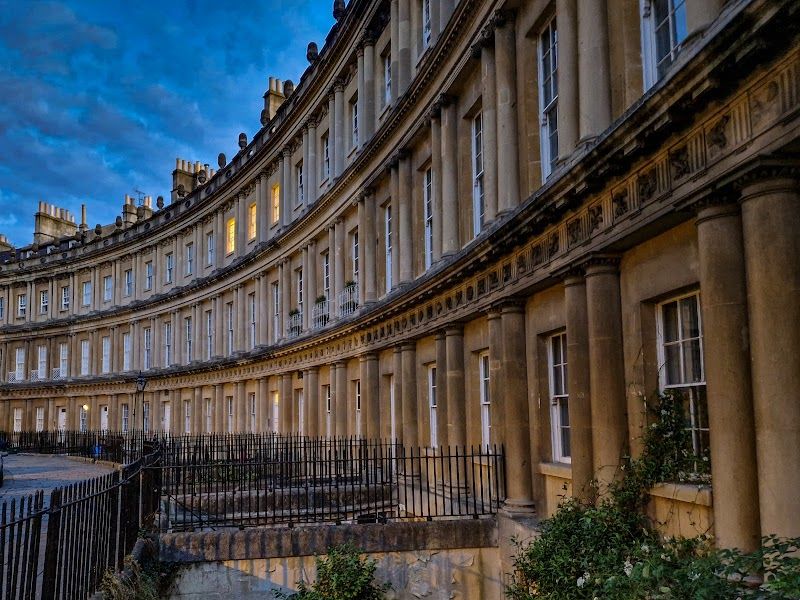
Royal Crescent & The Circus
The Georgian showcase of Bath: the two great set-pieces of English Neoclassical architecture - the Royal Crescent and the Circus - linked by Brock Street, with the Assembly Rooms and Victoria Park nearby.
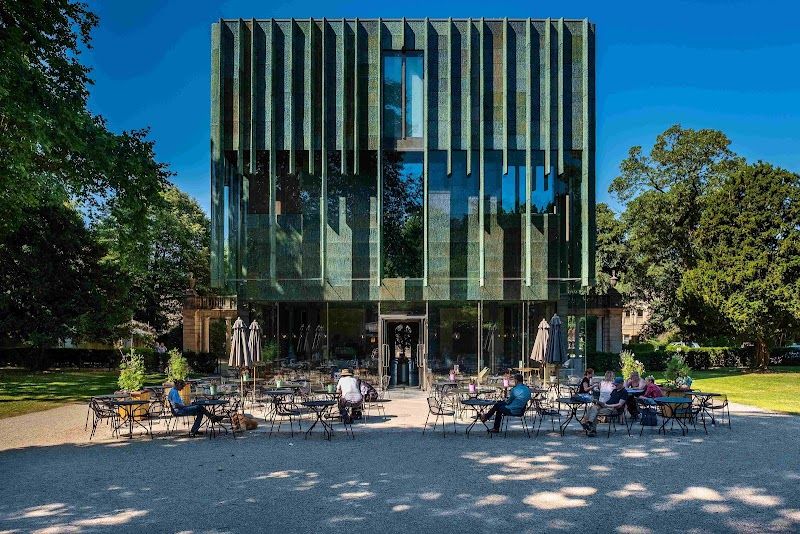
Walcot & Artisan Quarter
The independent quarter north of the city centre: Walcot Street for antiques and local shops, the Thermae Bath Spa for the rooftop pool experience, and the restaurants that locals actually use.
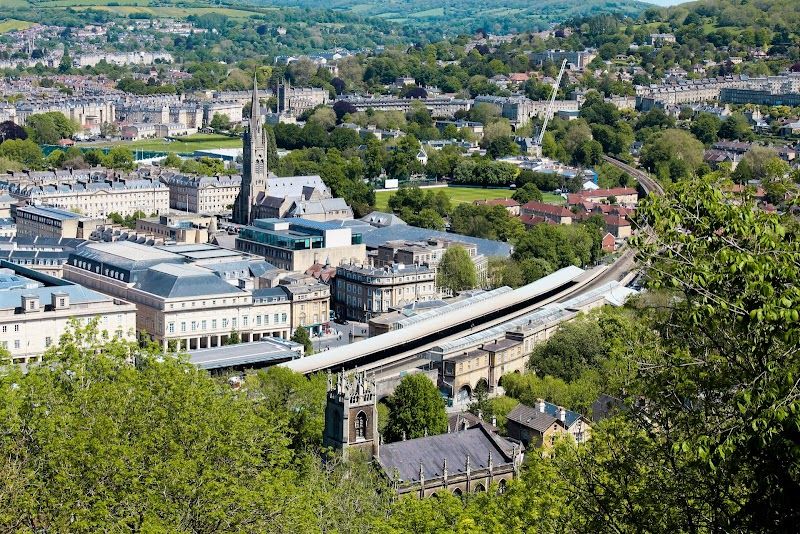
Widcombe & Prior Park
The quiet hillside neighbourhood south of the city centre, home to Prior Park (the best view over Bath and the only Palladian bridge in England you can walk across) and the residential streets of Widcombe.
Plan a trip featuring City Centre & Roman Baths
Get a personalized Bath itinerary with City Centre & Roman Baths built in.
Start Planning