Bath
Things to Do
36 attractions, museums, and experiences
Walcot Street
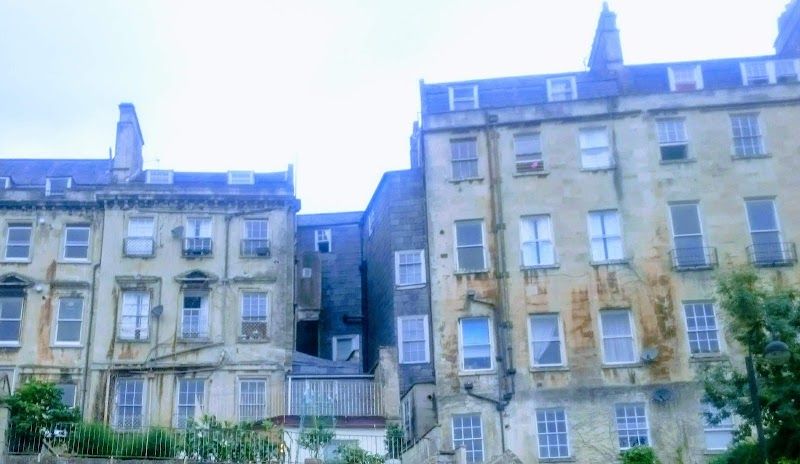
Walcot Street stretches for half a mile through Bath's creative quarter, packed with independent shops that actually matter. You'll find proper vintage clothing at Beyond Retro, rare vinyl at Resident Records, and handmade ceramics at studios where artists work behind glass windows. The Georgian terraces house everything from antique dealers selling genuine Georgian furniture to workshops where you can watch bookbinders and jewelers at work. Walking up from the city center, the street feels like stepping into Bath's alternative universe. Students from Bath Spa Art College browse alongside locals hunting for unique pieces, while the smell of coffee drifts from small cafes squeezed between galleries. The further north you go, the more authentic it becomes: fewer tourists, more working studios, and shops that locals actually use rather than just pose for Instagram. Most guides oversell the entire street, but focus on the middle section between Julian Road and Richmond Place for the best concentration of interesting shops. Skip the southern end near Pulteney Bridge unless you're specifically after tourist souvenirs. Prices vary wildly: vintage finds start around £15, handmade jewelry from £30, but antique furniture can hit hundreds. Come on weekdays when you can actually chat with shop owners without crowds.
Royal Crescent
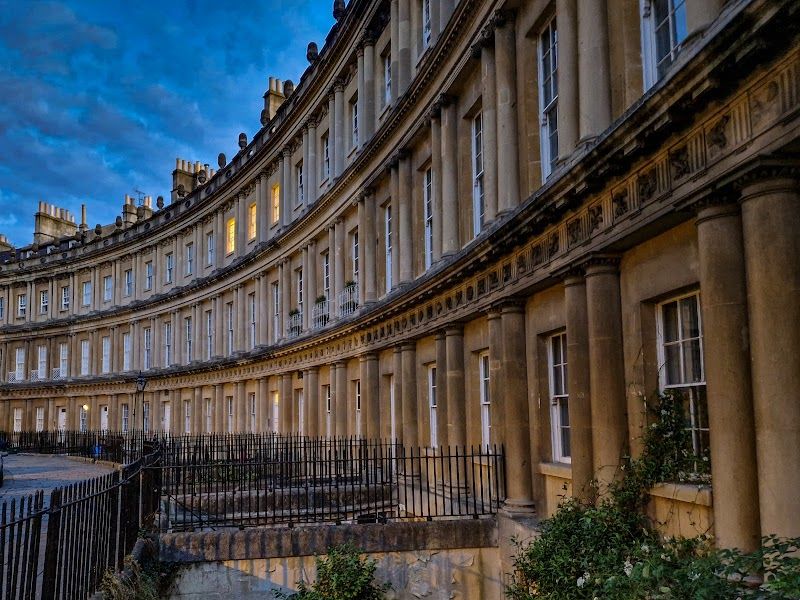
The Royal Crescent is the most celebrated piece of Georgian architecture in England. John Wood the Younger designed and built it between 1767 and 1774: 30 terraced houses arranged in a sweeping arc of 500 feet, facing a private lawn that slopes away toward the city below. The facade is unified by a continuous row of 114 Ionic columns running the full length of the crescent, and the Bath stone from which it is built takes the colour of honey in afternoon sun. The exterior is free to walk along the full length of the curve, which takes about 5 minutes. No. 1 Royal Crescent (the far left house when facing the crescent) is a museum that recreates the interior of a Georgian townhouse as it would have been in the 1770s: the furniture, fabrics, tableware, and room arrangements are period-accurate, and the house gives a precise picture of how the wealthy elite of the Bath season actually lived. Entry to No. 1 Royal Crescent is GBP 12.50 for adults. The private lawn in front of the crescent belongs to the Royal Crescent Society and requires a key: the public path runs along the outside of the iron railing. The best light on the facade is late afternoon (the western exposure catches the last sun of the day).
Alexandra Park
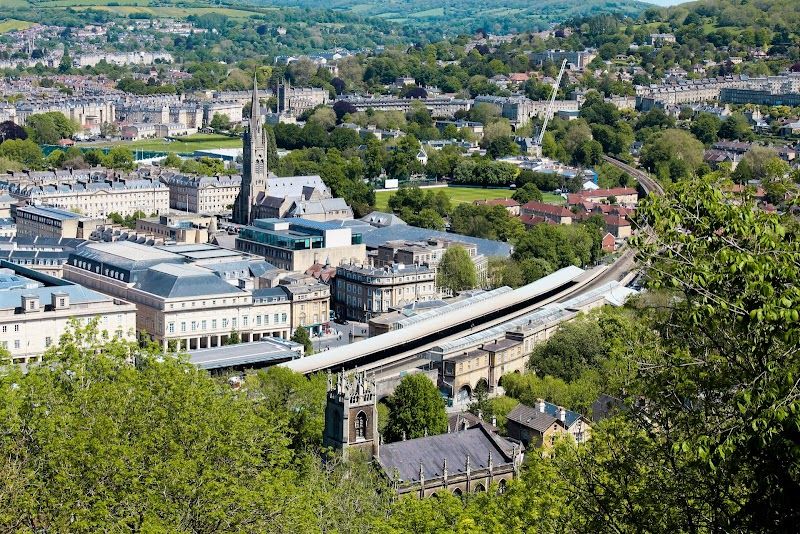
Alexandra Park sits atop Beechen Cliff and delivers Bath's most spectacular panoramic view, the same vista Jane Austen described in Northanger Abbey when Catherine Morland gazed across the city. You'll see the entire Georgian crescent stretching below, with the Abbey towers and Roman Baths clearly visible in the distance. The park itself is simple: grassy slopes, a few benches, and that knockout view northward across Bath's famous honey-colored limestone buildings. The climb up takes real effort, especially the final push up Holloway, but arriving at the top feels genuinely rewarding. You'll catch your breath while taking in a view that shifts throughout the day as shadows move across the Georgian terraces below. Other visitors are usually quiet here, either locals walking dogs or tourists who've made the same pilgrimage for the perfect Bath photo. The elevated position creates a genuine sense of being above it all. Most guidebooks don't mention how underwhelming the park itself is: it's basically an open field with benches. You're here purely for the view, not for gardens or facilities. The walk up is steeper than most people expect, so don't attempt it in inappropriate footwear. Early morning offers the clearest visibility, though afternoon light makes the limestone glow beautifully for photos.
The Circus
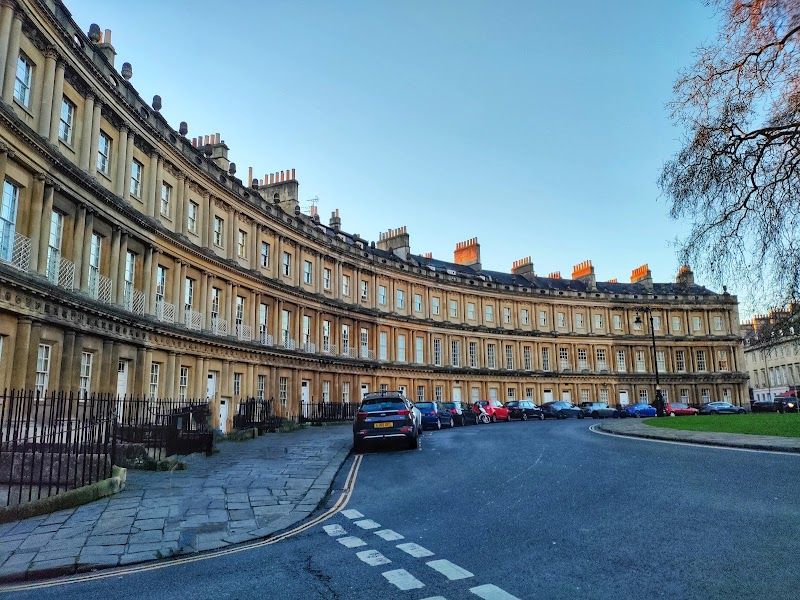
The Circus is John Wood the Elder's brilliant Georgian experiment: 33 townhouses arranged in three perfectly curved segments forming a complete circle. You'll walk around a space that feels both grand and intimate, with identical honey-colored Bath stone facades featuring three different classical orders stacked on each floor. The mature plane trees in the center create a lovely green heart, making this feel more like a peaceful residential square than a tourist attraction. It's free to wander around and genuinely beautiful. Walking the circle takes about five minutes, but you'll want to linger and appreciate the mathematical precision of it all. The curved facades create interesting optical illusions as you move around the perimeter, and the light changes dramatically depending on the time of day. You'll see blue plaques marking famous residents like Thomas Gainsborough and the elder William Pitt. The atmosphere is quietly residential, with locals coming and going from their front doors while visitors photograph the sweeping curves. Most guides oversell this as a major destination when it's really a lovely five minute stop between other Bath attractions. The Royal Crescent gets more attention, but honestly, The Circus is more architecturally interesting and less crowded. Don't bother with paid guided tours here, you can see everything perfectly well on your own. The real magic is in the proportions and the play of light on the curves, which you'll appreciate better without someone talking in your ear.
Roman Baths
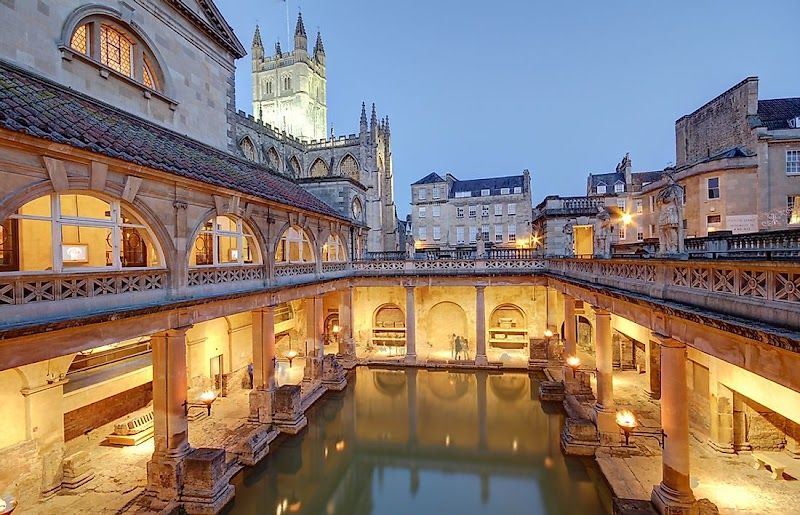
The Roman Baths are the best-preserved Roman bathing complex in northern Europe. The Romans built their first structure here around 70 AD after discovering the hot spring (the only naturally occurring hot spring in Britain, releasing 1.17 million litres of water per day at 46 degrees Celsius). The complex expanded over three centuries into a full thermae: a sacred spring, a bathing hall, and a series of rooms ranging from hot to cold. The green water in the Great Bath is fed by the same spring today, and the steam rising from the surface is the detail that photographs cannot fully prepare you for. The museum around the complex is one of the best Roman collections in Britain: the gilded bronze head of Minerva, the carved stone altar pediment, the curse tablets thrown into the spring by supplicants (a form of petition to the goddess Sulis Minerva that produced extraordinarily personal inscriptions, including requests for the goddess to punish specific people who had stolen specific items). Entry is GBP 26 for adults. The site is busy year-round and extremely busy in summer: book skip-the-line tickets in advance. The evening tours (running in high season from 7 PM, when the site is lit by torchlight) are significantly less crowded than daytime and worth the effort of planning around.
Thermae Bath Spa
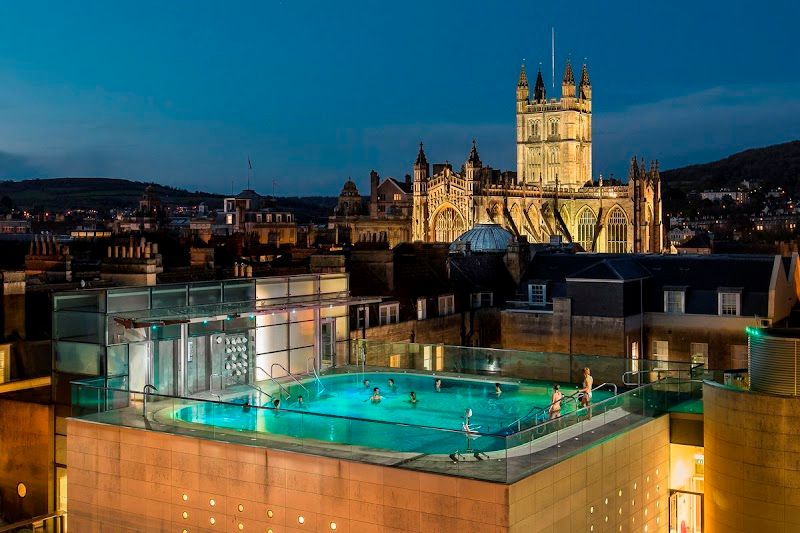
Thermae Bath Spa gives you the only chance in Britain to bathe in natural hot springs open to the public, using the same geothermal waters that attracted the Romans 2,000 years ago. The rooftop pool is what you're really here for: floating in 35-degree mineral water while looking directly at Bath Abbey's towers and the Georgian crescents rolling across the hills. You'll also get the indoor Minerva Bath, multiple steam rooms with different aromatherapy treatments, and a dramatic waterfall shower that feels like standing under Niagara. The experience flows from changing rooms through various pools and steam chambers, but everyone gravitates to that rooftop terrace. The water temperature stays perfect year round, so you can comfortably float even when it's snowing outside. The building itself is surprisingly elegant glass and Bath stone that somehow doesn't clash with the 18th-century streets around it. At sunset, when the Abbey lights come on and steam rises from the water, you'll understand why people have been coming here for millennia. At £42 for two hours, it's expensive but worth it for the uniqueness factor alone. Most people waste time in the steam rooms when they should maximize rooftop pool time, especially at dusk. The spa caps numbers and sells out regularly, so book at least a week ahead in summer. Skip the overpriced cafe and eat elsewhere, but don't rush the experience itself.
Pulteney Bridge
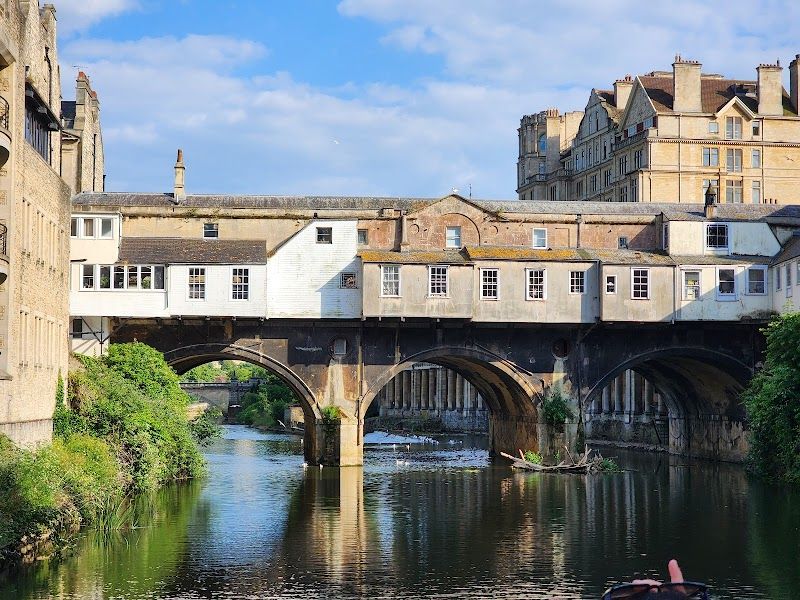
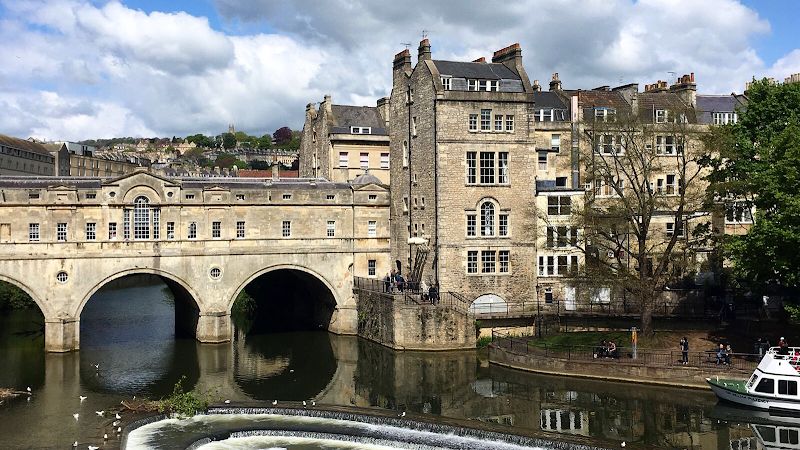
Pulteney Bridge spans the River Avon with shops built directly into its Georgian arches, making it one of only four such bridges worldwide. Designed by Robert Adam in 1774, it connects the city center to Bathwick across three elegant stone arches. You'll find small independent shops selling everything from vintage prints to handmade jewelry tucked inside the bridge structure itself. The real draw is the view downstream: the horseshoe weir creates Bath's most photographed scene, especially when water levels are high. Walking across feels more like strolling down a narrow shopping street than crossing a bridge. The shops are genuinely small, some barely wider than a corridor, and you might not even realize you're above water until you peek through the gaps. The bridge gets busy during peak hours, but the flow keeps moving. From the bridge itself, you can't see the famous weir view that everyone photographs, so you'll need to walk down to river level afterward. Most guides oversell the shopping experience. The shops are charming but limited, and prices reflect the tourist location. The real value is the 10 minutes you'll spend down at Parade Gardens photographing the bridge and weir together. Skip the bridge shops if you're pressed for time, but don't miss the view from below. Early morning gives you the best light and fewer crowds blocking your shots.
Royal Victoria Park
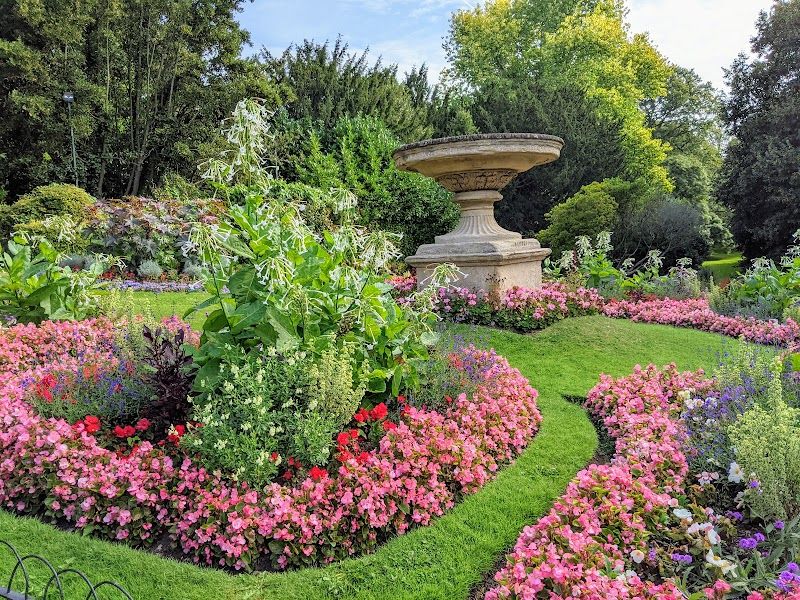
Royal Victoria Park spreads across 57 acres right below the Royal Crescent, making it Bath's largest green space and your best bet for a proper outdoor break from all that Georgian architecture. The botanical garden section showcases labeled collections of rare trees and shrubs, while the rest of the park offers open lawns, a Victorian bandstand that hosts summer concerts, and one of Bath's better children's play areas. You'll find tennis courts, a skate park, and plenty of benches with views back up to the Royal Crescent. The park feels like two different places depending on where you enter. Come through the main Marlborough Lane entrance and you'll start in the formal botanical garden with winding paths between specimen trees and educational plaques. Walk up from the Royal Crescent side and you hit the wide open lawns where families picnic and kids kick footballs around. The Victorian bandstand sits roughly in the middle, and on summer weekends you'll often hear live music drifting across the grass. The whole place has a relaxed, local feel that's quite different from Bath's more tourist heavy spots. Most visitors only see the lawn area near the Royal Crescent and miss the botanical garden entirely, which is backwards since that's where the interesting plants are. The park is completely free, unlike many of Bath's attractions, and the play area is genuinely good if you've got kids in tow. Skip the tennis courts unless you're actually playing, they're nothing special, but do check the bandstand schedule if you're here in summer.
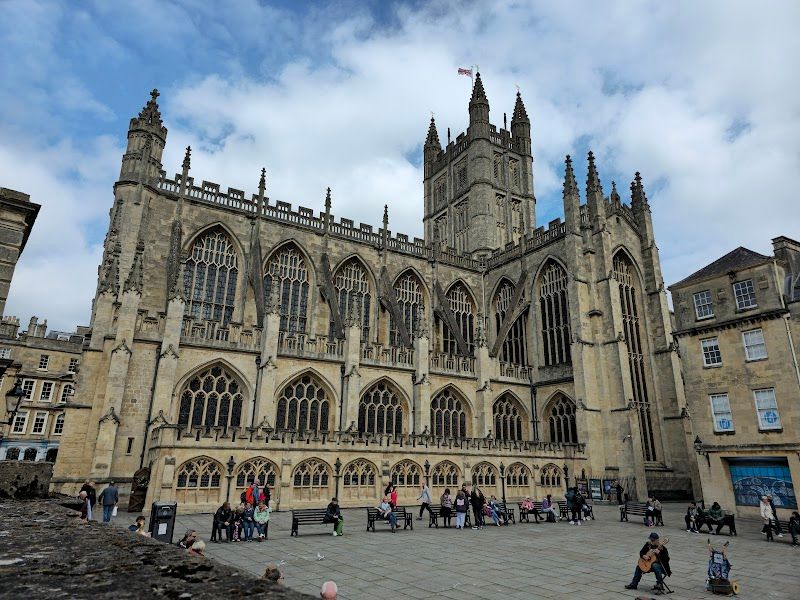
Bath Abbey Tower Tour
The Bath Abbey Tower Tour takes you up 212 steps through the actual working parts of this 500-year-old church, including the bell chamber where eight bells still ring for services. You'll climb narrow stone spiral staircases, duck through medieval doorways, and emerge onto the tower platform 162 feet above Bath's streets. The panoramic views stretch across the Georgian crescents, the River Avon, and the surrounding Somerset hills. Your guide explains how the fan vaulting was constructed and points out architectural details you'd never notice from ground level. The climb feels like exploring a vertical maze of ancient stone passages and chambers. You'll hear the clock mechanism ticking as you pass through, see massive wooden bell frames up close, and catch glimpses of the nave far below through interior windows. The final push to the rooftop platform is steep, but the 360-degree views make it worthwhile. The space at the top is small, so groups naturally spread around the perimeter to take photos without crowding. Most tower tours in Britain feel touristy and rushed, but this one maintains an authentic working church atmosphere. The £8 adult ticket is reasonable compared to similar climbs in other cities. Skip this if you're claustrophobic or have mobility issues, the medieval staircases are genuinely tight and uneven. The morning tours offer the best light for photography and smaller crowds.
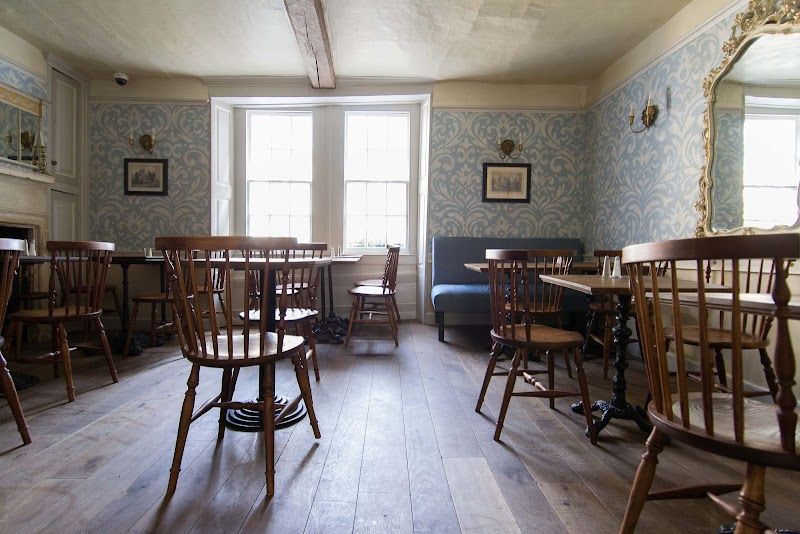
Sally Lunn's Historic Eating House & Museum
Sally Lunn's operates from Bath's oldest house, dating to 1482, where you'll find both a working tearoom upstairs and a small museum in the basement. The famous Sally Lunn bun is essentially a large, enriched bread roll that's bigger than your fist, served warm with sweet or savoury toppings like cheese, salmon, or jam. The basement museum reveals Roman foundations, medieval ovens, and the original Georgian kitchen range where these buns were first baked in the 1680s. The experience feels like eating in someone's centuries-old home because that's exactly what you're doing. Upstairs, the tearoom spreads across low-ceilinged rooms with uneven floors and tiny windows. Downstairs, the museum part takes about 15 minutes to explore: you'll peer at excavated Roman stones, see the massive bread ovens built into medieval walls, and read about Sally Lunn herself (though historians debate whether she actually existed). Honestly, it's touristy but genuinely atmospheric. The buns cost around £8-12 depending on toppings and they're filling enough to share, though most people don't realize this and order one each. The museum entry is free with any food purchase, otherwise it's £3. Skip the full afternoon tea (overpriced at £25) and just get a bun with butter or cheese. The queue moves faster than it looks because turnover is quick.
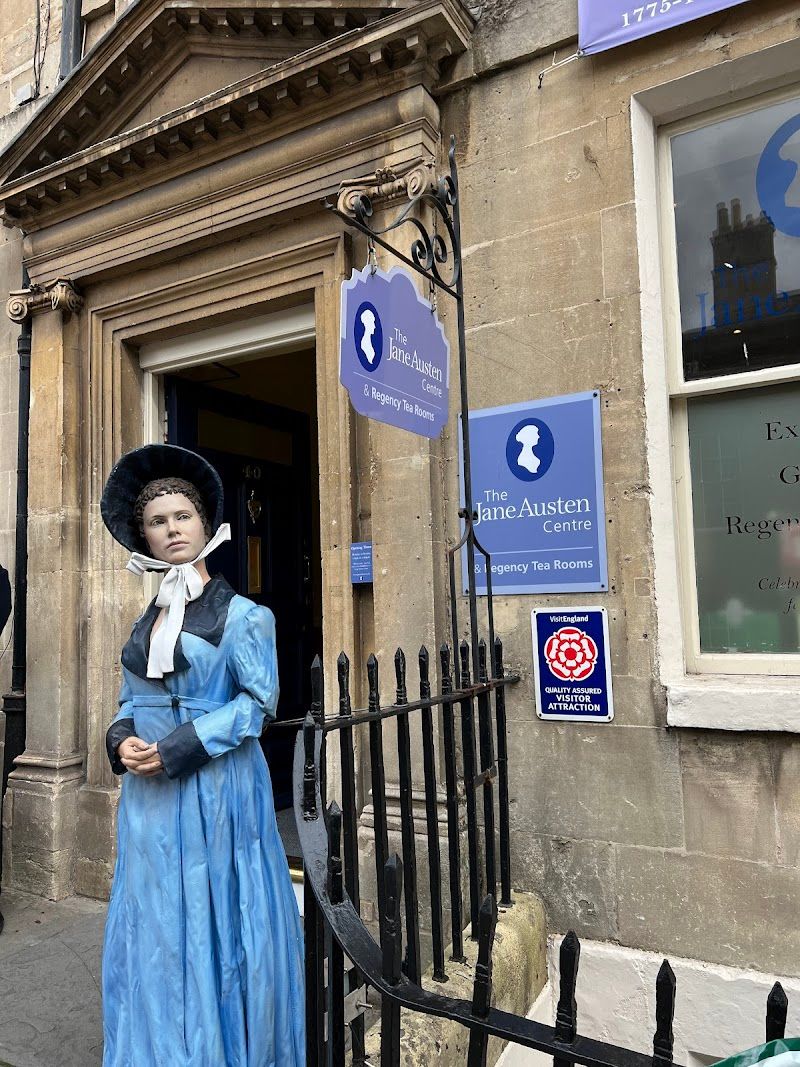
Jane Austen Centre
The Jane Austen Centre recreates the author's five-year stint in Bath from 1801 to 1806, focusing on how the city shaped her final two novels, Northanger Abbey and Persuasion. You'll see period room recreations, original letters, and detailed exhibits about Bath society during the Regency era. The highlight is a surprisingly lifelike wax figure of Austen in authentic period dress, plus interactive displays showing exactly where she lived and shopped. Costumed guides lead you through four floors of Georgian townhouse, explaining how Bath's social scene influenced Austen's writing. The atmosphere feels genuinely intimate rather than stuffy, with guides who clearly know their stuff and aren't afraid to share gossip about Regency social climbing. You'll learn specific details about assembly room etiquette, the politics of morning visits, and why Bath's marriage market was so cutthroat. At £12 for adults, it's decent value if you're already an Austen fan, but casual visitors might find it niche. The audio guide costs extra £2 and isn't worth it, the costumed guides are much better. Skip the gift shop downstairs, it's overpriced Austen tat. The real win is the Regency Tea Room upstairs with proper bone china service for £8.50, though the scones are merely okay.
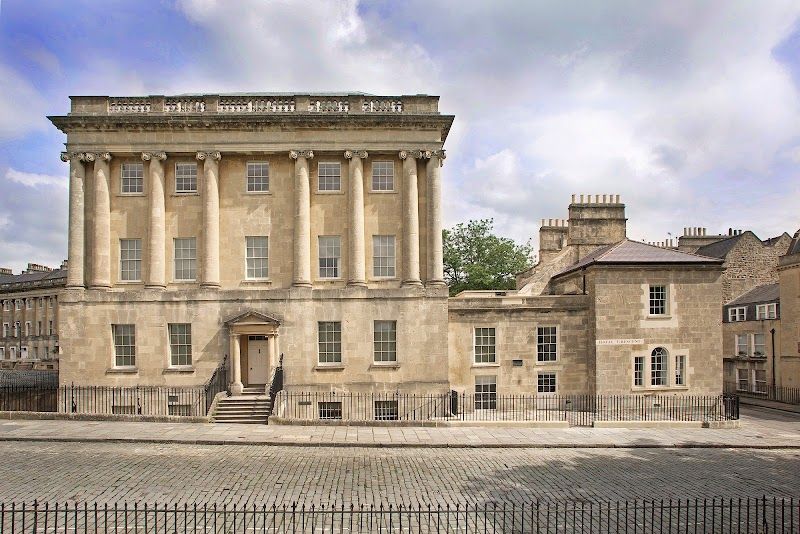
No. 1 Royal Crescent
No. 1 Royal Crescent gives you the only chance to step inside Bath's most famous Georgian terrace and see how the wealthy actually lived in the 1770s. You'll walk through meticulously recreated rooms filled with original period furniture, from the formal dining room with its mahogany table set for dinner to the ladies' withdrawing room complete with silk wallpaper and delicate tea service. The house museum focuses on authentic domestic life rather than famous residents, showing you the reality behind those elegant limestone facades. The visit flows naturally from room to room across three floors, each space telling part of the story of Georgian high society. The dining room feels ready for guests to arrive, while upstairs bedrooms reveal the discomfort behind the elegance (those beds are tiny). The basement kitchen and servants' quarters provide the most fascinating contrast, showing the army of staff needed to maintain this lifestyle. You can almost hear the bustle of meal preparation and feel the hierarchy that kept everything running. Admission costs £12 for adults, which feels steep for about an hour's visit, but the attention to detail justifies it if you're genuinely interested in Georgian life. Most visitors rush through, but slow down in the service areas where the real stories emerge. The audio guide is optional but worth taking, especially for the kitchen sections that most people skip. Avoid weekends when tour groups clog the narrow rooms.
Prior Park Landscape Garden
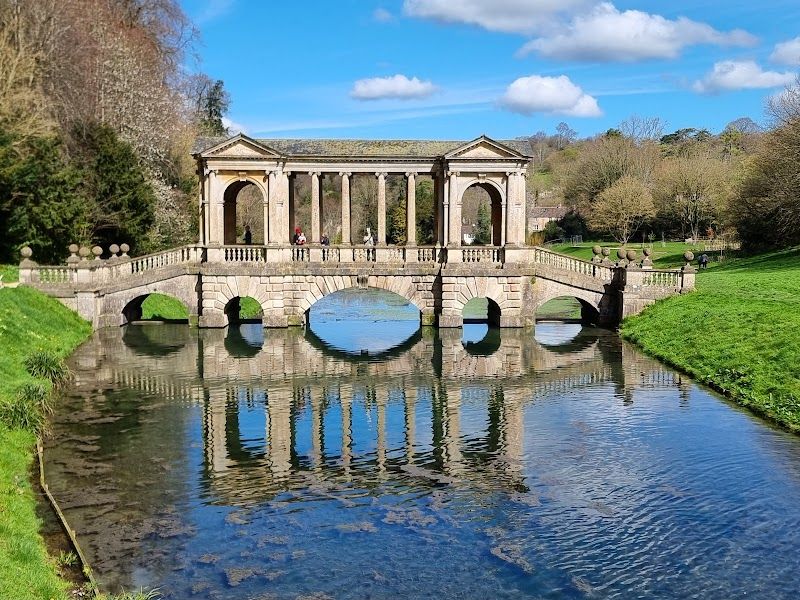
Prior Park gives you the best elevated view of Bath from a National Trust garden that tumbles down a steep hillside in dramatic terraces. You'll walk through 18th century landscape design by Ralph Allen (who built Bath using his own stone quarries) with advice from Alexander Pope and Capability Brown. The real prize is the Palladian bridge at the bottom, one of only four in the world and the only one in England you can actually walk across. From the top terrace, you'll see the entire city spread below: Royal Crescent, Bath Abbey, and the River Avon winding through the valley. The walk down feels like descending through a painting, with each terrace revealing new perspectives of Bath's honey colored Georgian crescents. The mansion at the top (now a school) stays closed to visitors, but the gardens flow naturally from formal terraces to wilder woodland. Other visitors tend to rush straight to the famous bridge, but the real magic happens when you pause at each level to take in how the view shifts. The lower lake reflects the bridge perfectly on still days, creating that postcard shot everyone's after. Most guides don't mention the logistics: there's no parking whatsoever, so you'll need the First Bus 2 from the city center or face a steep 25 minute climb from Widcombe. At £10 entry (free for National Trust members), it's pricey for what amounts to a hillside walk, but that view genuinely can't be matched anywhere else in Bath. Skip it in heavy rain when the grass paths turn treacherous, and wear proper walking shoes because those slopes are no joke.
Parade Gardens
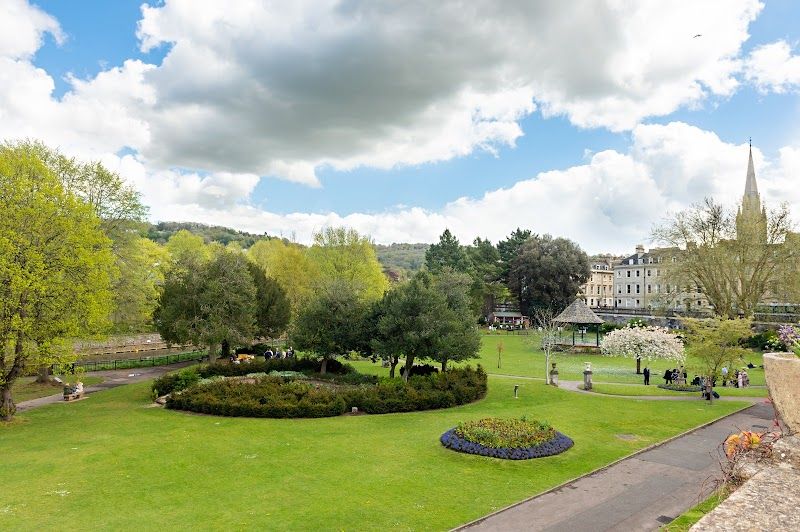
Parade Gardens delivers Bath's postcard shot: Pulteney Bridge framed by riverside lawns and seasonal flower beds. You're paying £1.50 in summer (free October to March) for manicured gardens that sit directly below the famous bridge, with the River Avon flowing past weeping willows and well-maintained borders. The terraced layout gives you multiple angles of the bridge, plus decent spots to sit and watch river traffic. The gardens feel pleasantly compact rather than grand. You'll find yourself on gravel paths winding between rose beds and herbaceous borders, with plenty of benches facing the water. In summer, hired deckchairs (£3 for two hours) dot the main lawn area. The atmosphere stays relaxed even when busy: families picnic, couples pose for photos, and regulars read newspapers by the riverside. The sound of the weir creates constant background noise. Most guides oversell this as essential Bath viewing, but it's really about that one bridge perspective. The gardens themselves are pleasant but unremarkable: standard municipal planting that looks best May through September. Winter visits make more sense financially (free entry, same views), though you'll miss the flower displays. Skip the expensive deckchairs unless you're planning to stay over an hour.
Fashion Museum
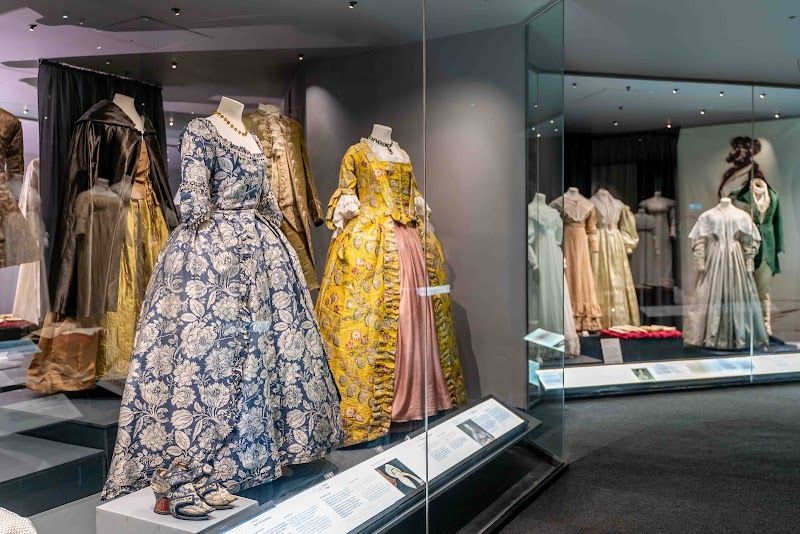
The Fashion Museum sits inside Bath's stunning Assembly Rooms, housing over 100,000 pieces of historic clothing from the 1600s to today. You'll see everything from elaborate Georgian court gowns to contemporary designer pieces, including that famous silver tissue dress from the 1660s and annual Dress of the Year selections dating back to 1963. The collection spans four centuries of fashion evolution, from corsets and crinolines to Vivienne Westwood punk designs. You'll walk through the grand Assembly Rooms first (they're worth seeing on their own), then descend to the basement museum spaces. The chronological layout works well, starting with Tudor ruffs and progressing through each era. The lighting is excellent, letting you see intricate beadwork and fabric details up close. The Dress of the Year display changes annually and always features something unexpected, from space age 1960s pieces to recent red carpet gowns. Most fashion museums feel sterile, but this one gets the balance right between preservation and accessibility. Adult tickets cost £10.25, which feels steep for what's essentially a basement exhibition, but the quality justifies it. Skip the audio guide (£3 extra) and just read the excellent wall text instead. The gift shop is overpriced tourist tat, so save your money for the Roman Baths next door.
The Raven of Bath
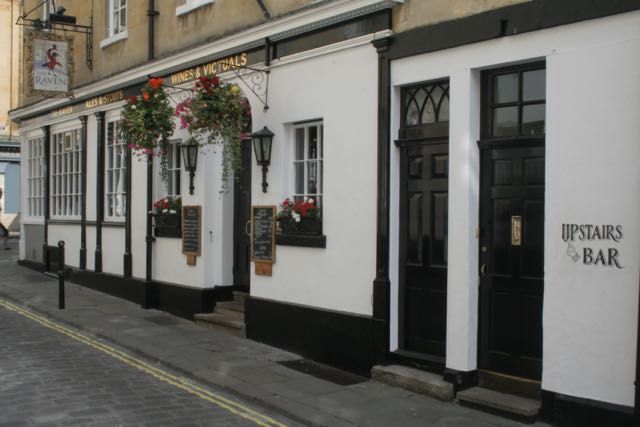
Beloved local pub known for its exceptional selection of craft beers and pies. This cozy, traditional pub offers a rotating menu of meat and vegetarian pies alongside an impressive range of local and international ales. The warm atmosphere and knowledgeable staff make it a favorite among Bath residents.
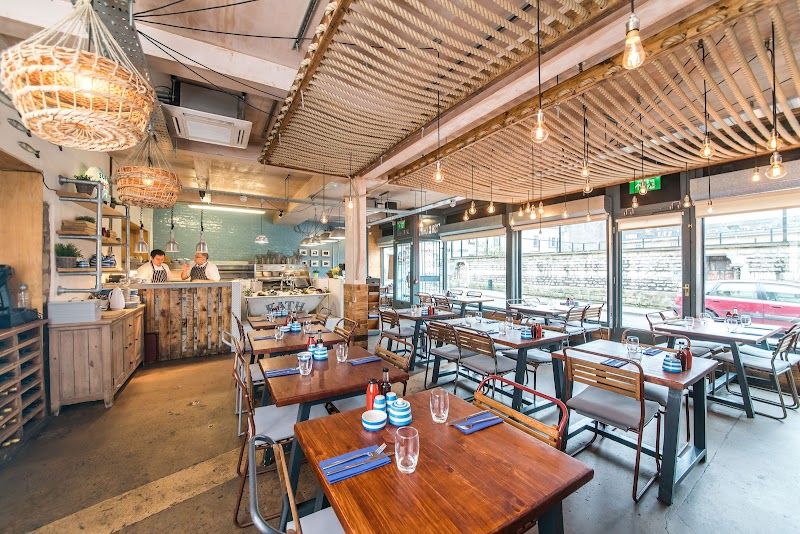
The Scallop Shell
Seafood restaurant on Monmouth Place run by a fishmonger's family, serving fresh fish and chips (GBP 16-18) and daily catch specials. The daily menu depends on what arrived from Brixham and Newlyn that morning.
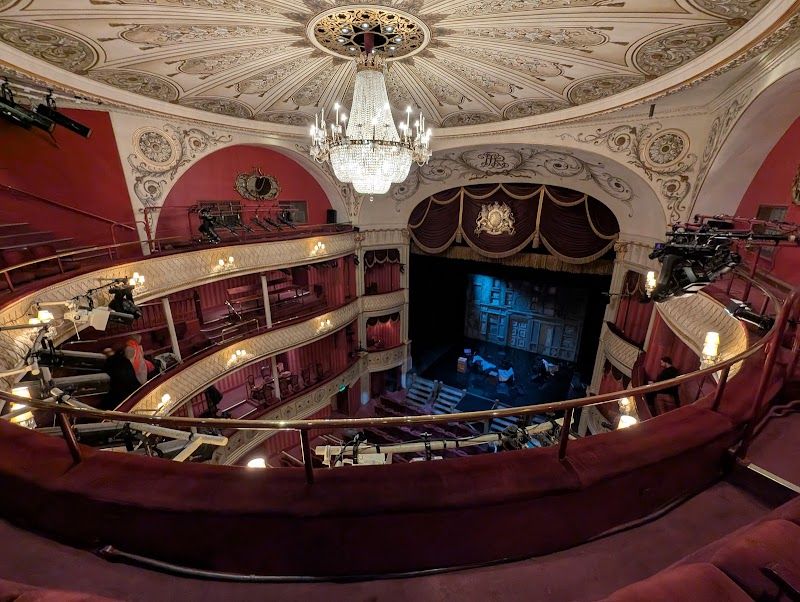
Theatre Royal Bath
Theatre Royal Bath is Britain's oldest working theatre, a Georgian jewel from 1805 that's hosted everyone from Sarah Siddons to Judi Dench across two centuries. You'll find yourself in an intimate 900-seat auditorium where the closest seat is never more than 65 feet from the stage, creating an intensity that West End mega-theatres can't match. The building itself tells stories: original Georgian plasterwork, hand-painted ceiling roundels, and a working Victorian fly gallery that still hoists scenery by rope and pulley. Walking into the auditorium feels like stepping into Jane Austen's world. The horseshoe-shaped interior wraps around you in cream and gold, with three tiers of seats creating perfect sightlines from almost everywhere. Pre-show, the Georgian bar buzzes with Bath's theatre crowd nursing gin and tonics under crystal chandeliers. During performances, you'll hear every whispered line and catch every facial expression, the kind of theatrical intimacy that makes you feel part of the action rather than just watching it. Ticket prices range from £15 for upper circle seats to £45 for premium stalls, though many productions offer £10 student rush tickets two hours before curtain. Skip the ground floor restaurant, it's overpriced pub food, but do explore the costume and set workshops during their occasional behind-the-scenes tours. Most visitors book whatever's available, but seasoned theatre-goers know that Dress Circle front row beats expensive stalls seats every time for both comfort and views.
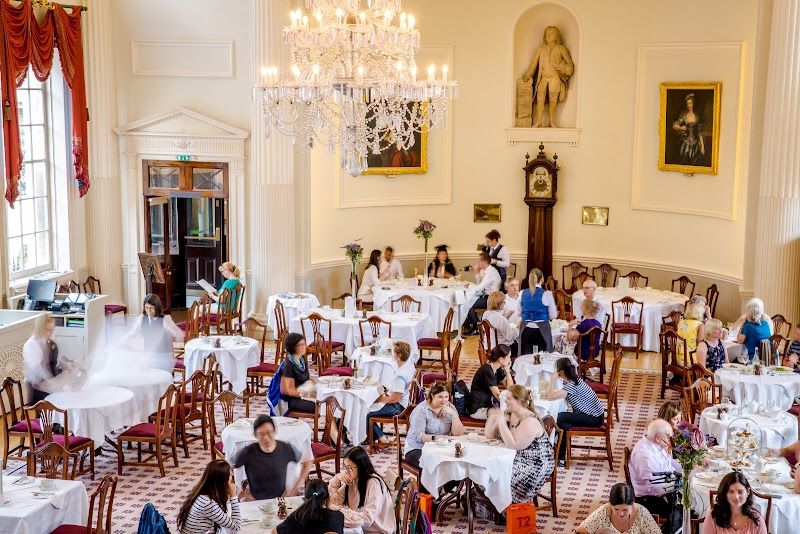
The Pump Room
The Pump Room is Georgian Bath's original social hub, where 18th century society gathered to drink the medicinal spa water and see who was worth knowing. You can still taste the famously mineral-heavy water for free at the ornate fountain (it's genuinely awful, like drinking liquid pennies), while the restaurant serves proper afternoon tea in surroundings Jane Austen knew well. The trio plays classical pieces on select days, and the tall windows flood the cream-colored space with natural light. Walking in feels like entering a Jane Austen novel: high ceilings, crystal chandeliers, and tables set with fine china create an atmosphere that's both grand and surprisingly intimate. The spa water fountain draws a constant stream of curious visitors pulling faces after their first sip, while afternoon tea guests settle into comfortable chairs surrounded by Georgian elegance. You can hear the gentle clink of teacups and murmured conversations echoing off the walls. Afternoon tea runs £35 to £45 and honestly feels overpriced for what you get: standard sandwiches and cakes in admittedly lovely surroundings. Most people come for the Instagram potential rather than culinary excellence. Skip the expensive meal and just pop in to try the spa water and admire the architecture. The museum audio guide covers the room's history better than the staff, and weekday mornings offer the most peaceful experience without the afternoon tea crowds.
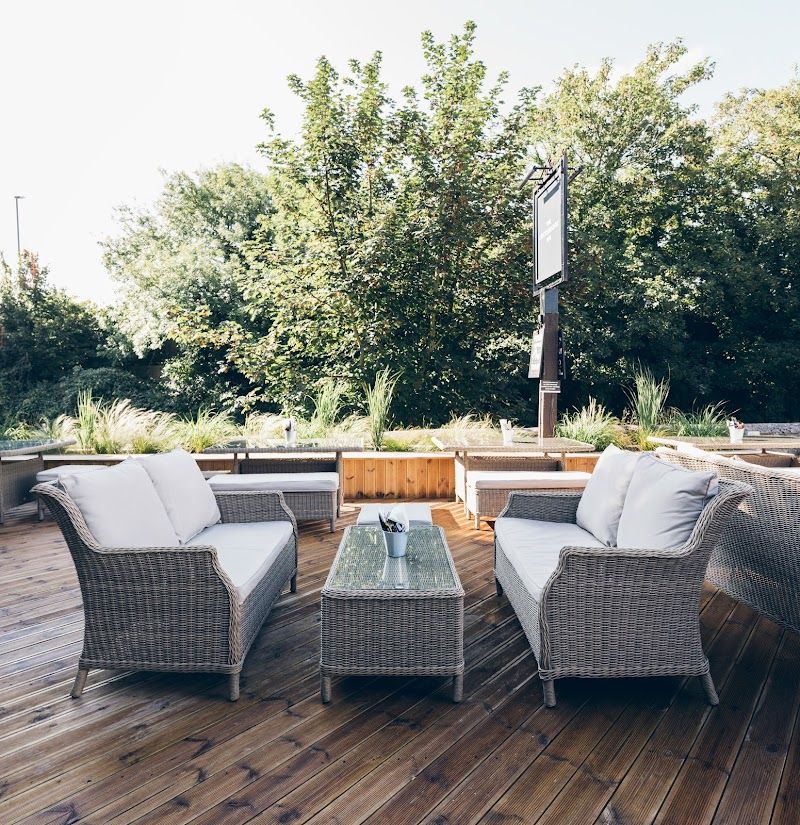
The Locksbrook Inn
Canalside gastropub on Locksbrook Road in Widcombe with outdoor tables overlooking the Kennet and Avon Canal. The menu features seasonal British cooking (mains GBP 16-22) and Sunday roasts with a focus on Somerset suppliers.
Holburne Museum
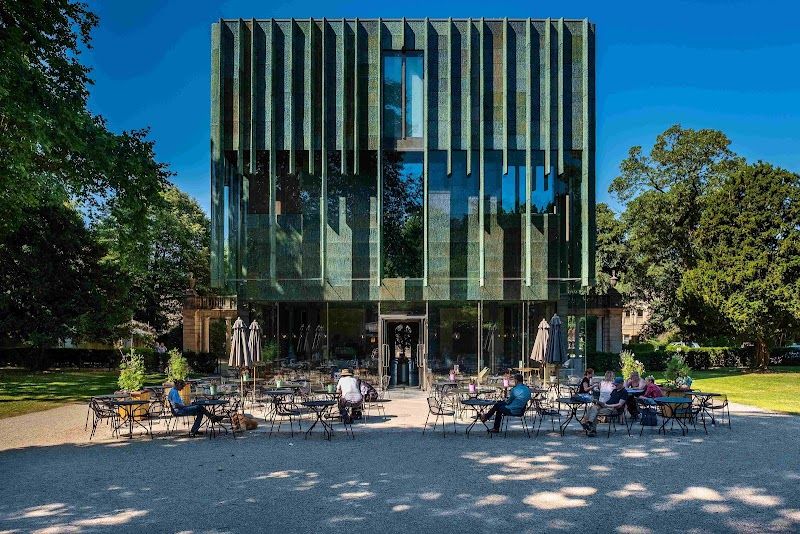
Built in 1796 as the Sydney Hotel, this elegant building at the end of Great Pulteney Street now houses fine and decorative arts collected by Sir William Holburne. The collection includes Old Master paintings, maiolica, porcelain, bronzes, and the best collection of silverware in the West Country. The museum café overlooks the Sydney Gardens, where Jane Austen walked.
Colonna & Small's
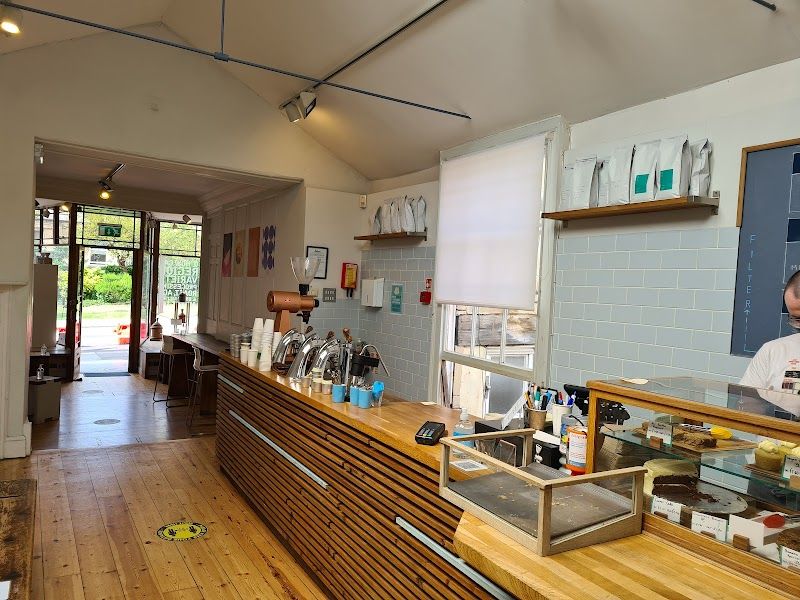
Specialty coffee roasters on Chapel Row serving what many consider the best coffee in Bath. The minimalist space focuses on precision brewing methods and single-origin beans, with knowledgeable baristas who take their craft seriously.
Sydney Gardens
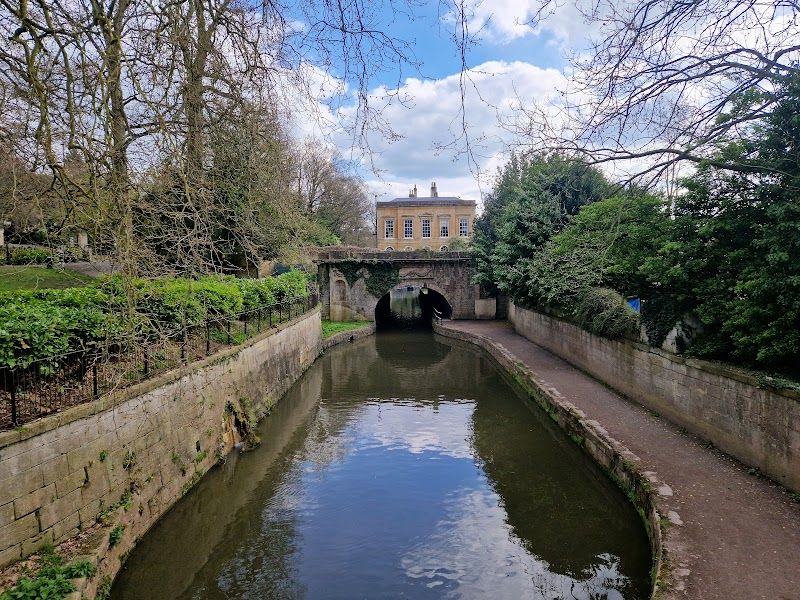
This Grade II listed Georgian pleasure garden opened in 1795 as a public park with original features including stone bridges, a temple, and meandering paths. The Kennet and Avon Canal runs through the gardens with two distinctive cast-iron footbridges, and the park hosts open-air theatre and music events in summer.
The Bell Inn
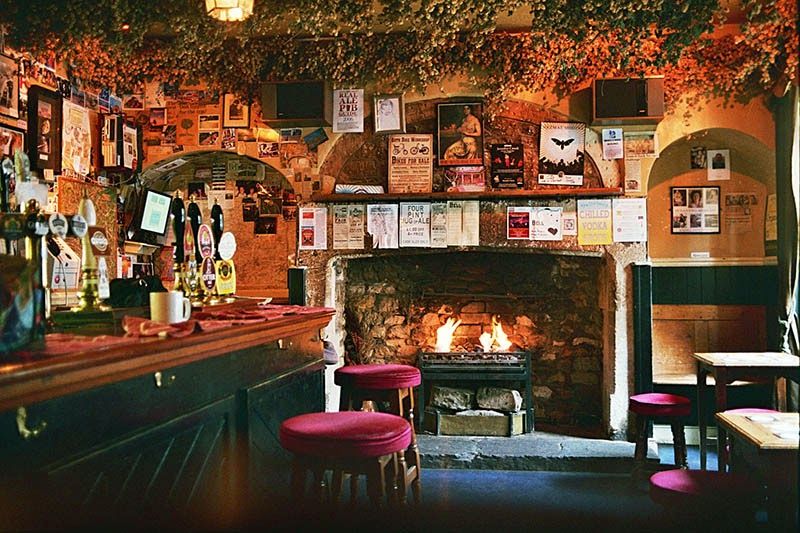
Historic 1750s coaching inn that's become a cornerstone of the Walcot community. This authentic neighborhood pub serves quality traditional pub food and local ales in a genuinely unpretentious setting. The beer garden is particularly popular with locals during warmer months.
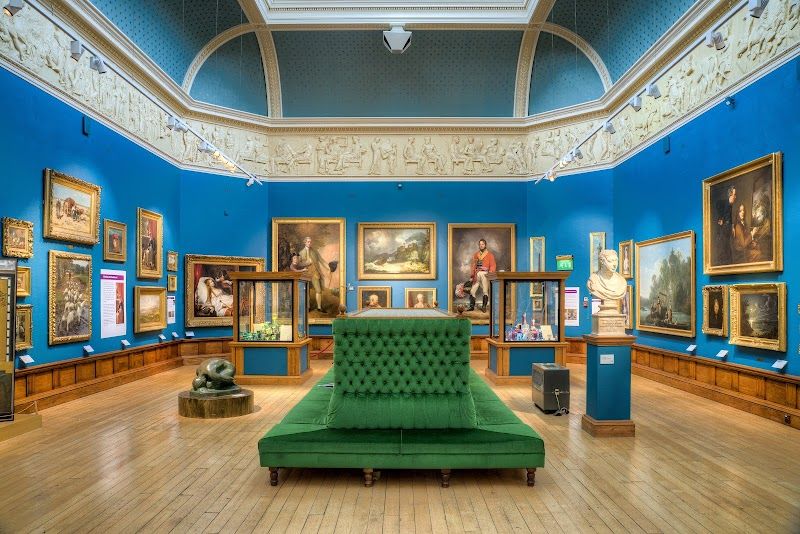
Victoria Art Gallery
A public art gallery established in 1900 to commemorate Queen Victoria's Diamond Jubilee, housed in a Grade II listed building on Pulteney Bridge. The permanent collection includes British and European art from the 15th century to the present day, with a particularly strong selection of works by artists connected to Bath. Entry is free, with occasional charges for special exhibitions.
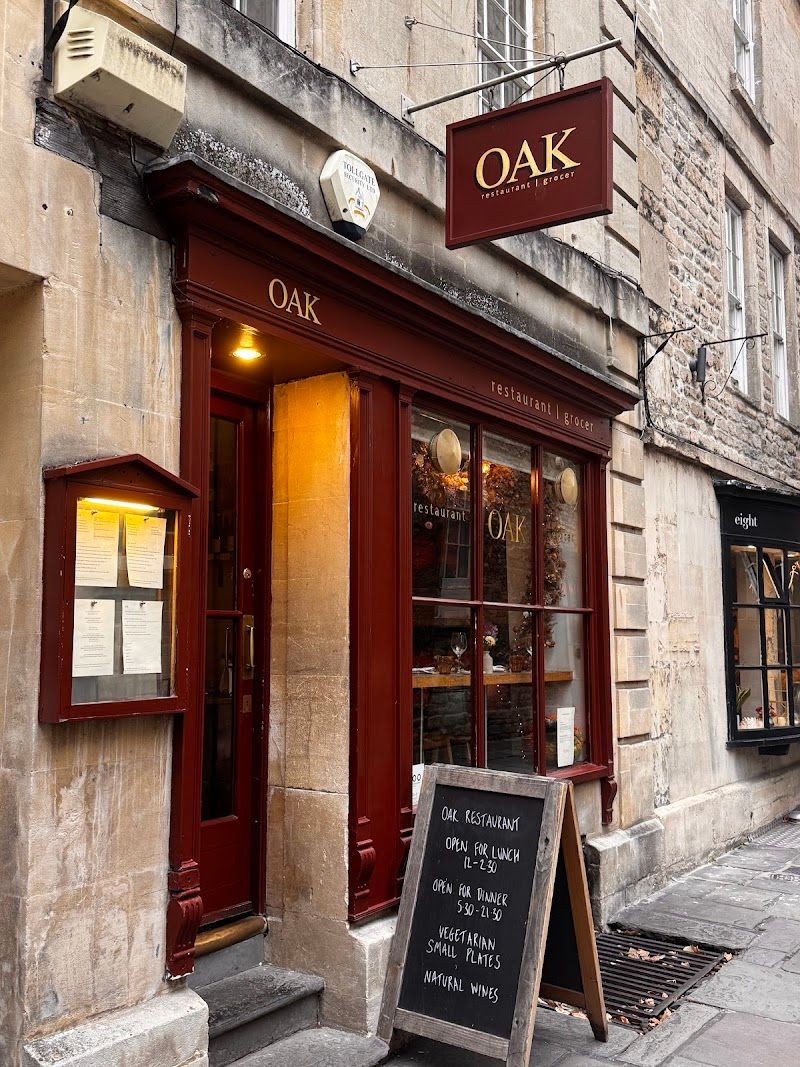
Acorn Vegetarian Kitchen
Award-winning vegetarian restaurant on Kingsmead Square where locals eat serious plant-based food. The menu changes seasonally with inventive small plates (GBP 7-10) and mains (GBP 16-20) that showcase vegetables without pretending to be meat.
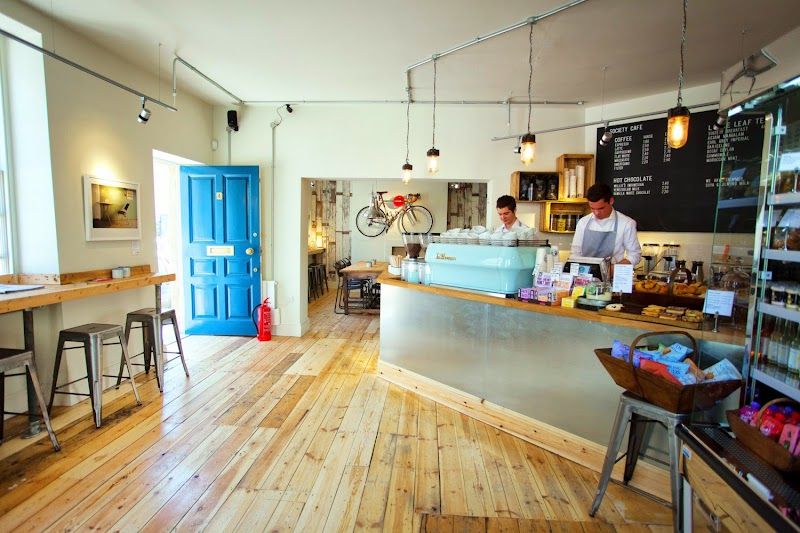
Society Cafe
Independent artisan café serving specialty coffee and fresh, locally-sourced food in a relaxed, industrial-chic setting. Known for excellent brunches, homemade cakes, and a welcoming atmosphere that attracts creative locals and students. The café also hosts occasional live music and art events.
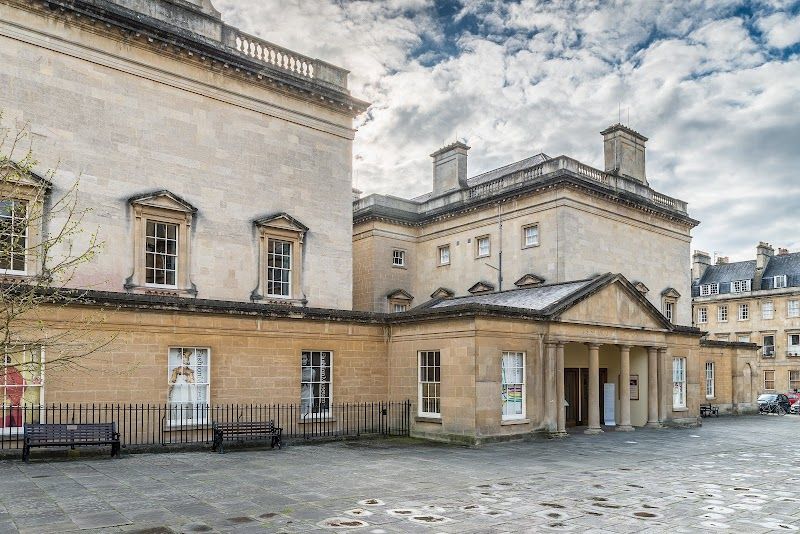
Assembly Rooms
The Upper Assembly Rooms built 1769-1771 by John Wood the Younger, where Jane Austen danced and attended concerts during Bath's Georgian heyday. Now houses the Fashion Museum, one of the best collections of historic dress in Britain with over 100,000 objects spanning 400 years. Entry costs GBP 9.50 and includes access to both the grand assembly rooms and the museum.
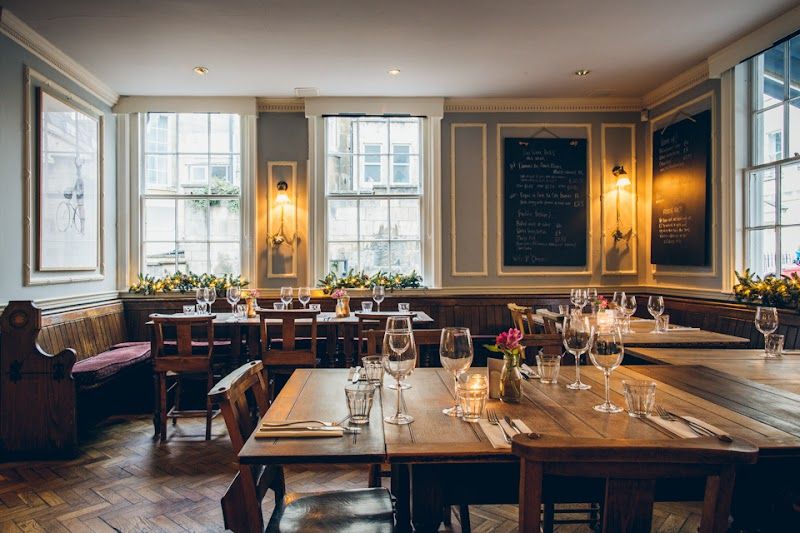
The Chequers
A neighbourhood pub on Rivers Street serving elevated British food in an intimate setting. The menu focuses on local suppliers with mains around GBP 18-24, and the wine list is more ambitious than typical Bath gastropubs.
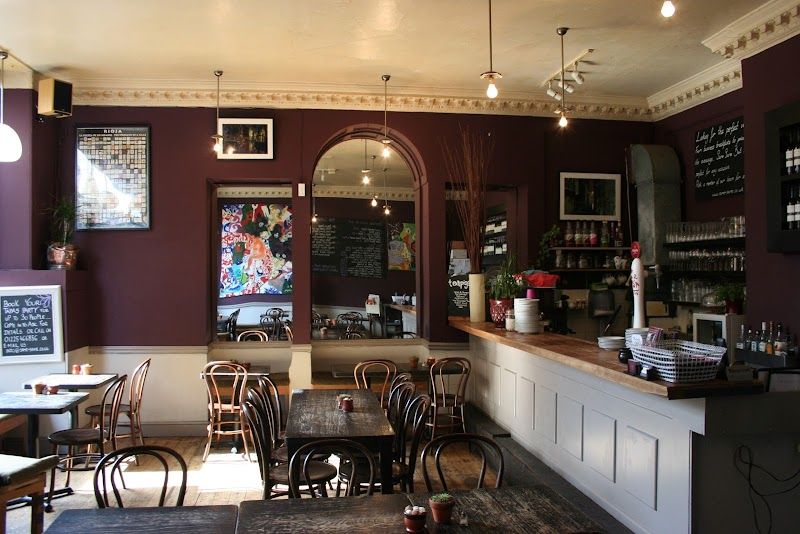
Same Same But Different
Thai street food restaurant on Princes Buildings serving authentic regional dishes (GBP 8-14) from Northern Thailand and Laos. The som tam (papaya salad) and laab are properly spicy, not adjusted for British palates unless requested.
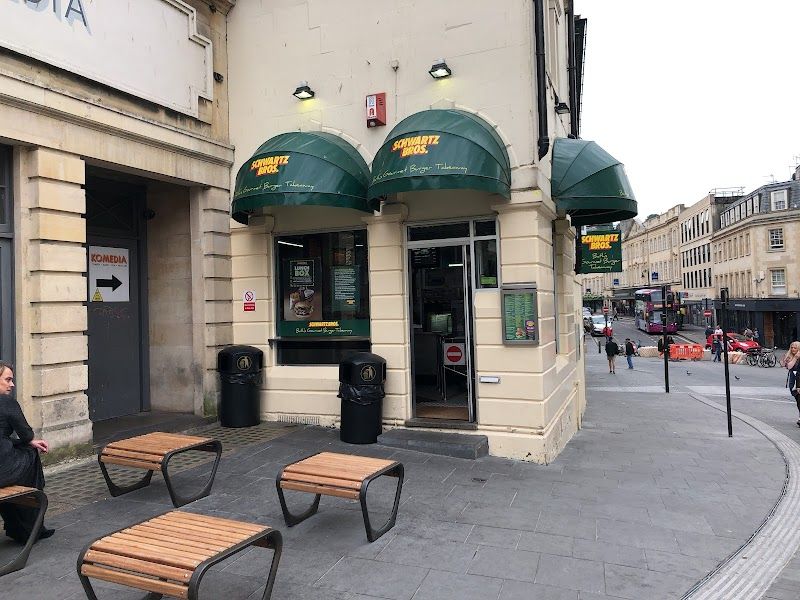
Schwartz Bros Burgers
Smash burger specialist on Walcot Street serving simple beef patties (GBP 10-14) on Martin's Potato Rolls with hand-cut fries. The no-frills approach focuses on quality beef from local butchers and properly seasoned, griddle-smashed patties.
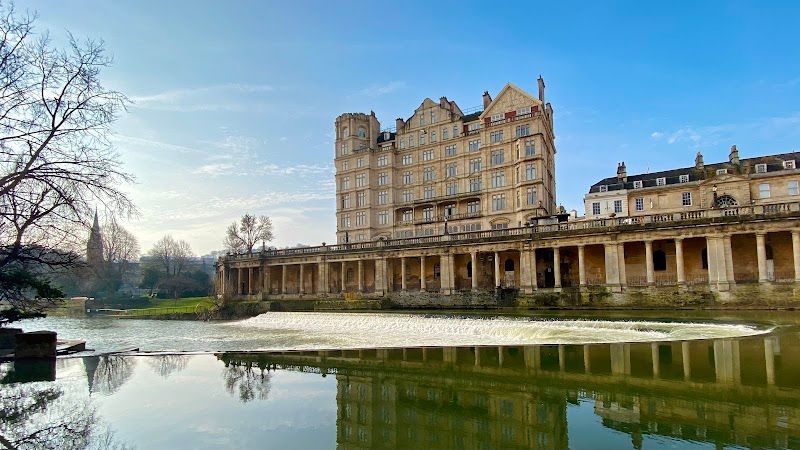
Pulteney Cruisers
Leisurely 50-minute boat trips along the River Avon departing from below Pulteney Weir. The calm waters pass beneath the iconic Pulteney Bridge and wind through riverside meadows. Electric boats provide a peaceful way to see Bath from a different perspective.
Stonehenge and Bath Day Trip from London
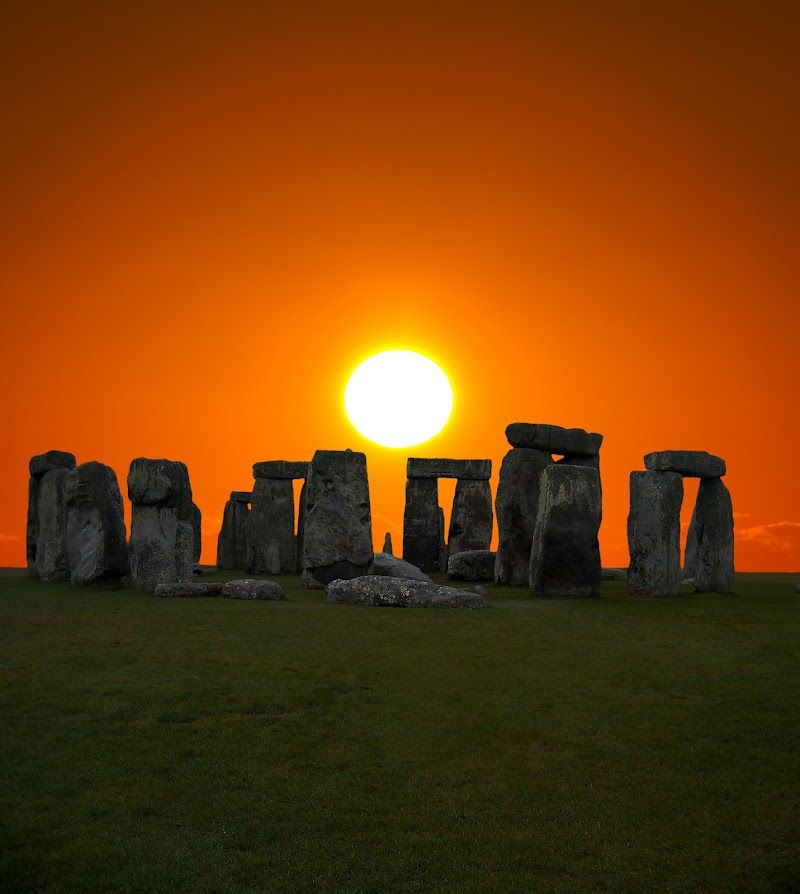
The combination of Stonehenge and Bath in a single day is the most popular day trip from London and, for once, one that actually works: the two sites are 25 miles apart, and a well-organised tour covers both without feeling rushed. Stonehenge (the prehistoric stone circle on Salisbury Plain, built in several phases between 3000 and 1500 BC, the largest Bronze Age monument in Britain) is 40 minutes from Bath by road. Most day trips from London depart Paddington or Victoria between 7:30 and 9 AM, reaching Stonehenge in the late morning and Bath in the early afternoon, with a return to London by 7-9 PM. Bath time on most itineraries is 3-4 hours: enough for the Roman Baths, a walk to the Abbey and the Pump Room, and lunch near the centre. The Stonehenge stop is typically 1.5-2 hours. Entry to Stonehenge is GBP 22 for adults (usually included in the tour price). A typical all-inclusive day trip from London costs GBP 65-95 per person including transport, Stonehenge entry, and a Bath guide. These tours are good value if you are coming from London and do not want to manage the transport logistics yourself.

Bath Boating Station
Victorian-era boating station on the River Avon offering punt, canoe, and kayak hire for self-guided exploration. Located near Bathwick Meadows with access to calm waters upstream from the city. The station operates from its original 1895 building with traditional wooden punts available.
Bath Walking Tour
A guided walking tour of Bath covers the city centre and the main Georgian set-pieces in a coherent sequence that self-guided walking often misses: the connection between the Circus (designed by John Wood the Elder, completed after his death by his son) and the Royal Crescent (designed by John Wood the Younger as the next development), the function of the Assembly Rooms in the Bath social season, the role of the Pump Room and the Roman Baths in Georgian society, and the Jane Austen connection (she lived here 1801-1806, disliked the city, set two novels here: Northanger Abbey and Persuasion). Good tours cover the Pulteney Bridge, Pulteney Street (the longest Georgian street in Britain), and the social hierarchy of Bath society in the 18th century. Tours typically run 2 hours, from outside the Pump Room or the Abbey. Many operators offer a Jane Austen-themed circuit that focuses on the locations mentioned in the novels and the period detail of Bath in Austen's time. GBP 12-18 per person for group tours; private tours GBP 80-120 for up to 6 people.
Museum of Bath Architecture
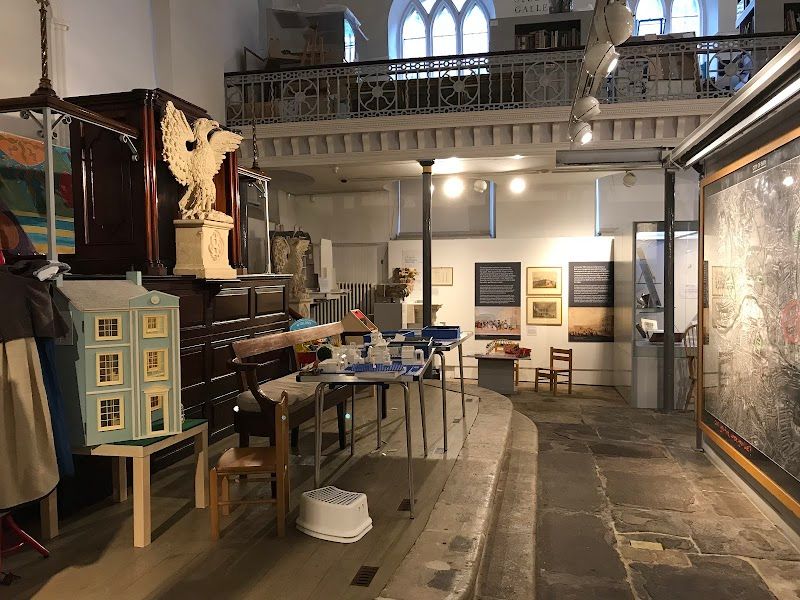
Located in the Countess of Huntingdon's Chapel, this museum covers how Bath was built and the technology of quarrying and dressing Bath stone. The displays explain the construction techniques that created the city's iconic Georgian terraces and crescents.