Bergen
Bryggen & Harbour
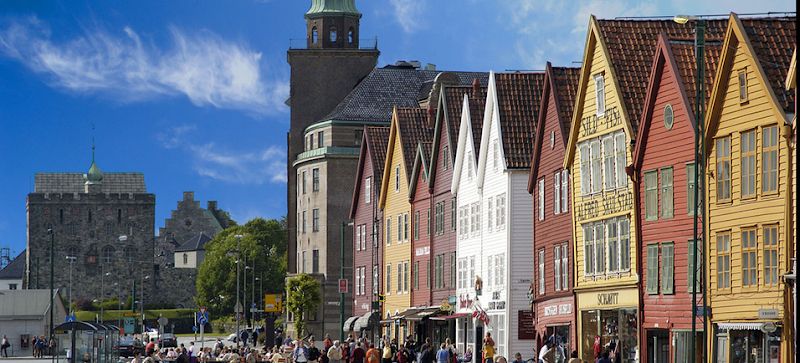
The medieval wharf that put Bergen on the map: 14th-century wooden warehouses with craftspeople inside, the fish market on the square, and a harbour that has been the centre of Norwegian commerce for 800 years.
About Bryggen & Harbour
Bryggen (meaning "the wharf") is the row of wooden Hanseatic buildings on the north side of Bergen harbour, dating in their current form to the 18th century but occupying foundations from the 11th century. The buildings are UNESCO-listed (1979) and lean slightly because they were built on medieval rubble. Behind the colourful facades on the quay is a network of narrow alleyways connecting the buildings: galleries, craftspeople, jewellers, and small restaurants operate inside. The Hanseatic Museum and Schøtstuene (NOK 130, inside one of the original warehouse buildings) explains the German merchant colony that traded here from the 14th to the 18th century. The Bryggen Museum (NOK 120) is built around the excavation of the medieval city exposed when Bryggen burned in 1955: the foundations of the 11th-century city are preserved under glass in the floor. The Fish Market (Fisketorget) occupies the harbour square at the end of Bryggen and has operated in some form since 1276.
Things to Do
Top experiences in Bryggen & Harbour
Bergen Guide Service
Bergen Guide Service runs the only walking tour that gets you inside Bryggen's narrow passageways and private courtyards, places you'd never find wandering solo. Your certified guide explains how German Hanseatic merchants controlled Bergen's cod trade for four centuries, turning this waterfront into medieval Europe's northern trading powerhouse. You'll see original 14th century timber foundations, learn about the devastating 1955 fire, and understand how the colorful wooden facades you photograph today are actually careful reconstructions. The two hour tour moves at a comfortable pace through Bryggen's maze of wooden buildings, with your guide unlocking gates to courtyards where merchants once stored dried cod bound for European markets. You'll duck through low doorways, climb creaking staircases, and hear stories about the apprentice system that kept German culture alive in Bergen for generations. The best moments happen in the quiet back alleys where cruise ship crowds can't follow, surrounded by timber walls that smell of centuries of salt air and fish. Most Bryggen tours are surface level photo walks, but these guides actually know the architecture and trading history in detail. Book directly through their website for 350 NOK per person, cheaper than the generic hop on buses. Skip the afternoon tours when cruise passengers flood the area. The morning slot gives you better light for photos and lets you hear your guide without shouting over crowds.
Bryggen Wharf
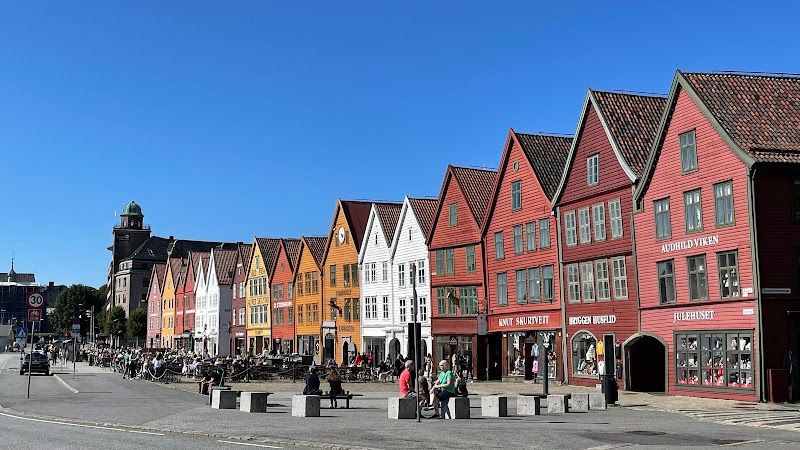
Bryggen is Bergen's surviving row of medieval Hanseatic warehouses, where German merchants once controlled Norway's cod trade. You'll see 14th century trading posts rebuilt after countless fires, their colorful wooden facades (red, ochre, yellow) leaning precariously on 800 years of accumulated rubble. Behind these postcard-perfect fronts lies a maze of narrow wooden alleys connecting original warehouse spaces now housing craftspeople, galleries, and small restaurants. Walking through feels like entering a living museum where tourism and craftsmanship coexist. The harbor-facing facades are pure Instagram gold, but the real magic happens in the back alleys where wooden walkways creak underfoot and you can peer into workshops where artisans blow glass or carve wood. The buildings genuinely lean at odd angles, some looking ready to topple, creating an Alice in Wonderland effect as you navigate the narrow passages. Most visitors snap photos from the harbor and leave, missing the entire back network where the interesting shops are. The Hanseatic Museum (NOK 130) is worth it for seeing an original merchant's quarters, but skip the Bryggen Museum unless you're obsessed with archaeological foundations. Come early morning for photos without crowds, and don't bother with the overpriced restaurants inside, they're tourist traps.
Fløibanen Funicular
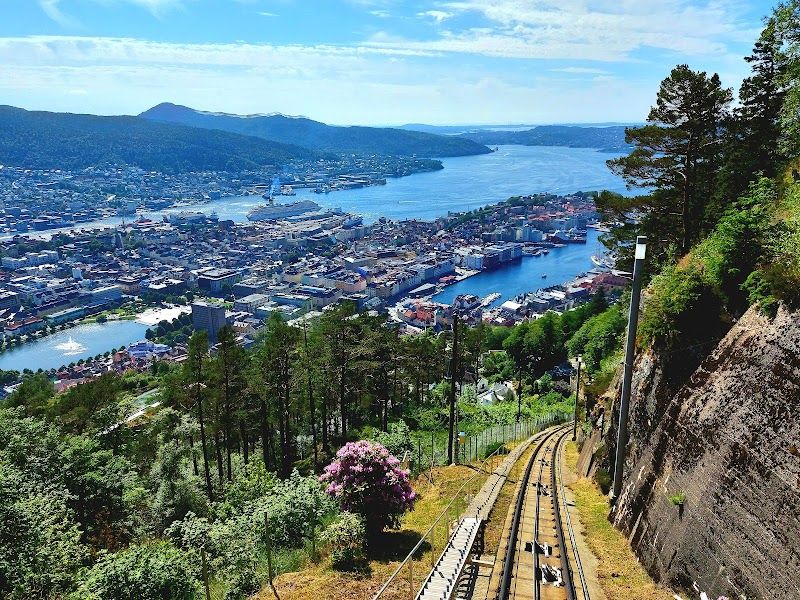
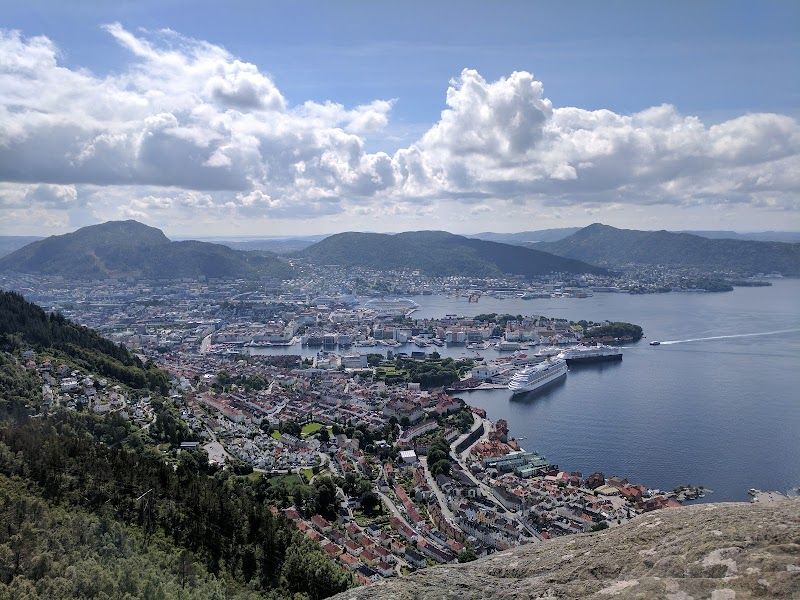
The Fløibanen funicular is Bergen's 100-year-old railway that hauls you 320 meters up Mount Fløyen in just 8 minutes, delivering genuinely spectacular views over Bergen's harbor and the surrounding fjord archipelago. On clear days (which happen about 70 times per year), you can see all the way to the outer islands. The summit has a large viewing platform, a decent cafe, and marked hiking trails that let you walk back down through the forest for free. The ride itself feels like stepping into a time capsule: the original wooden carriages creak and sway as they climb the steep track, passing through neighborhoods and forests. At the top, you'll find yourself on a proper mountain summit with sweeping 360-degree views. The viewing platform gets packed during cruise ship season, but there's enough space to find your spot. The forest trail back down is well-maintained and takes about 45 minutes, winding through pine forests with occasional glimpses of the city below. Here's what most guides won't tell you: Bergen's weather changes every 15 minutes, so don't panic if it's cloudy when you arrive. Check yr.no the night before and aim for clear mornings when the light is best. Skip the return ticket (NOK 135) and walk down instead, saving NOK 60. The summit cafe charges NOK 55-75 for coffee, which is reasonable by Norwegian standards but you're paying for the location.

Fjord Tours Bergen
Fjord Tours Bergen runs full-day trips to Hardangerfjord, Norway's gentlest fjord where apple and cherry orchards cascade down hillsides instead of dramatic cliff faces. You'll catch ferries across mirror-still water, walk through Utne's fruit farms, and stand at the base of 182-meter Vøringsfossen waterfall where the spray creates permanent rainbows. The tour operates year-round, but spring brings the orchards into bloom while autumn paints the valleys gold. The day starts with a bus ride through Bergen's suburbs before hitting winding mountain roads with views that make everyone reach for their cameras. At Utne, you'll have two hours to wander between apple trees and traditional wooden houses, then ferry across to Eidfjord where locals still tend family orchards passed down for generations. The Vøringsfossen stop is pure drama: a viewing platform suspended over the gorge where you can feel the waterfall's power through the ground vibrations. Most operators charge around 1,200 NOK for this route, but Fjord Tours keeps it closer to 950 NOK without cutting corners. Skip the overpriced lunch at Eidfjord's tourist restaurant and pack your own - the best spots are the benches overlooking the water near Utne's small harbor. The weather changes fast here, so bring a waterproof jacket even on sunny days.
Håkonshallen
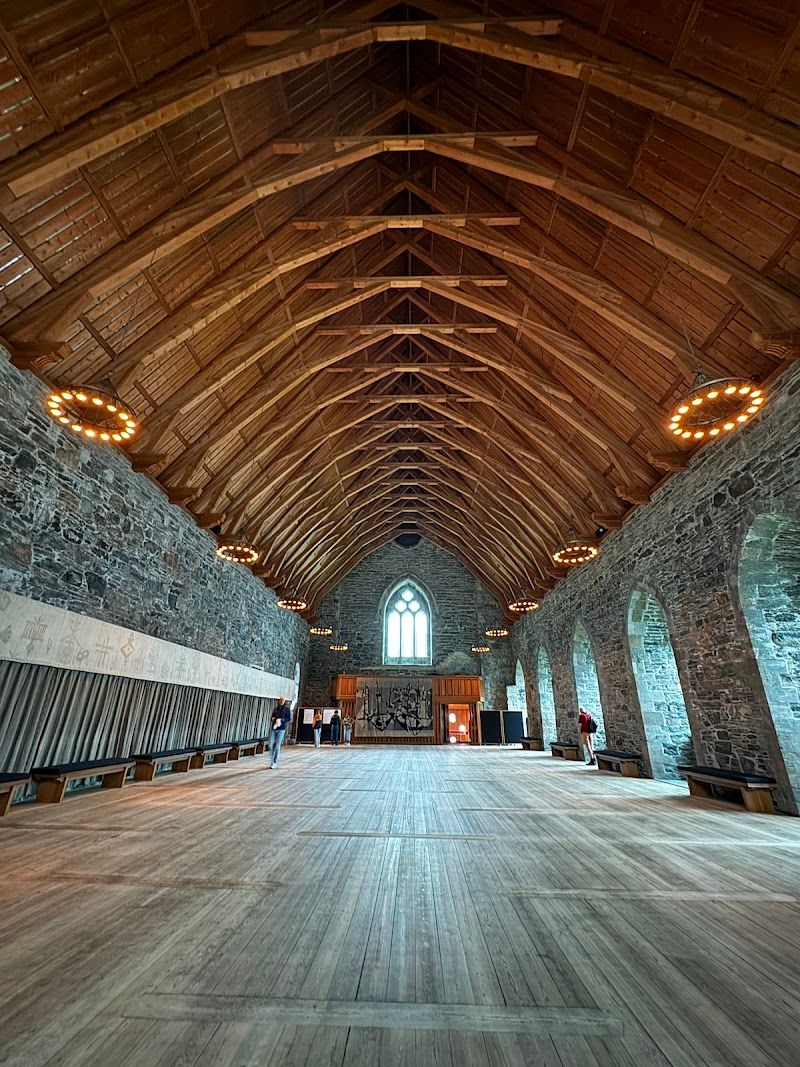
Håkonshallen isn't just another medieval building, it's Norway's largest surviving secular structure from the 1200s, and when you step inside, the scale hits you immediately. The massive stone walls rise to support soaring timber beams that were painstakingly reconstructed after Allied bombing in 1944 flattened the roof. You're looking at where King Håkon threw royal banquets for 400 guests, and the acoustics are so perfect that whispers carry across the entire space. The moment you enter, the temperature drops noticeably and your footsteps echo off stones that have witnessed 760 years of ceremonies. The hall stretches 37 meters long, and there's almost no furniture, which actually works in its favor because nothing distracts from the architectural drama. Windows set high in thick walls create dramatic shafts of light, and you can still see original stonework alongside the careful post war reconstruction. The space feels simultaneously intimate and grand. At 100 NOK, it's pricey for what amounts to one impressive room, but most guides won't tell you that entry also includes Rosenkrantz Tower next door, which doubles the value. Skip the audio guide and just absorb the atmosphere. The hall hosts concerts regularly, and if there's a rehearsal happening, you'll hear it from outside, which gives you a preview of those famous acoustics before you decide whether to pay.
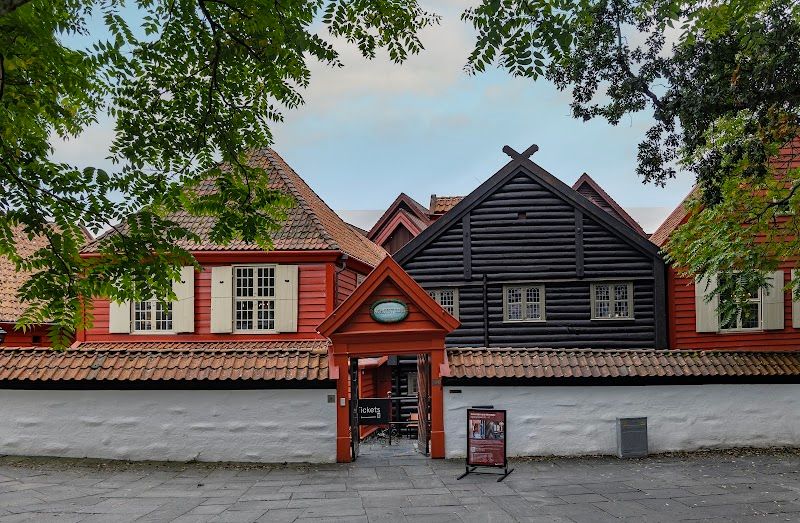
Hanseatic Museum and Schøtstuene
This isn't just another museum display: it's the only surviving intact Hanseatic merchant house in all of Northern Europe. You'll walk through the actual 1704 warehouse where German traders lived and worked for centuries, sleeping in cramped wooden bunks and conducting business deals worth fortunes in cod. The rooms remain exactly as they were abandoned, complete with original furniture, trading scales, and personal belongings that tell the story of Bergen's 400-year domination by the Hanseatic League. The experience feels genuinely eerie as you climb narrow wooden staircases and duck through low doorways into pitch-black storage rooms. Your guide explains how 20 men shared a single room no bigger than a modern bedroom, forbidden from lighting fires or speaking Norwegian. The Schøtstuene assembly rooms next door contrast sharply: warm, communal spaces with massive fireplaces where traders could finally escape the bone-chilling warehouse conditions and conduct their secretive guild business. Most visitors rush through in 30 minutes, but you'll miss the fascinating details about cod grading systems and medieval apprenticeship rituals. Entry costs 120 NOK for adults, and frankly, it's worth every krone for history buffs. Skip it if you're claustrophobic or uninterested in social history: the rooms are genuinely cramped and dark, just as they were 300 years ago.
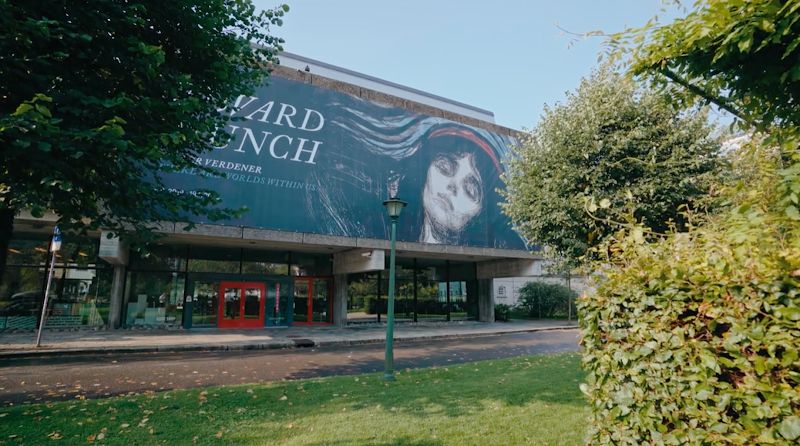
KODE 2
KODE 2 houses the world's largest collection of Nikolai Astrup's work, Norway's most distinctive post-expressionist painter who captured western Norway's mystical landscapes in the early 1900s. You'll see his famous woodcuts of midnight sun festivals, Midsummer bonfires, and fjord villages rendered in intense blues and greens that feel almost supernatural. The collection spans his entire career, from early paintings to his groundbreaking color woodcut technique that made him internationally recognized. The gallery flows chronologically through Astrup's development, starting with darker early works before exploding into the vivid landscapes he's known for. His paintings of Jølster (his home village) dominate the main rooms, where you can study his unique technique up close: thick paint application and bold color choices that make Norwegian rural life look like a fairy tale. The woodcut section shows his painstaking process of creating multiple color blocks for single prints. Most visitors rush through, but Astrup rewards slow looking. His technique becomes addictive once you notice how he builds light effects layer by layer. Single venue tickets cost 120 NOK (much better value than the full KODE pass at 180 NOK if you're only interested in Astrup). Skip the temporary exhibitions downstairs unless you have extra time, the permanent Astrup collection upstairs is why you're here.
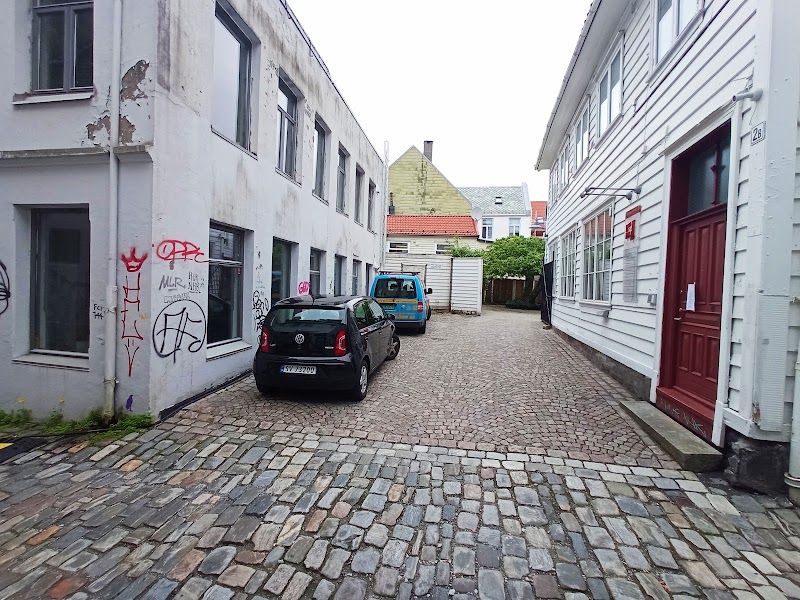
Lille Øvregaten
Lille Øvregaten is a perfectly preserved residential street from the 1700s and 1800s where locals still live in the same colorful wooden houses their ancestors built. You'll walk along cobblestones past butter-yellow, deep red, and forest-green timber homes with traditional Norwegian details like carved window frames and steep-pitched roofs. Unlike the tourist-packed Bryggen area five minutes away, this feels like stepping into someone's neighborhood, which it literally is. The street runs uphill for about 200 meters, lined with maybe two dozen houses on each side. You can peek into front gardens where residents grow vegetables and flowers, and you'll notice how each house sits slightly differently, following the natural slope of the hill. The architecture tells Bergen's story better than any museum: these homes survived fires that destroyed other parts of the city, and you can see centuries-old construction techniques in the overlapping wood planks and hand-forged iron details. Most guidebooks make this sound more exciting than it is. You're looking at houses, not entering them, and the whole street takes 15 minutes to walk end to end. Come here after visiting Bryggen when you want a breather from crowds, not as a destination itself. The houses look best in morning light around 9-10am when the sun hits them directly. Skip it if you're pressed for time, there are no cafes or shops here.
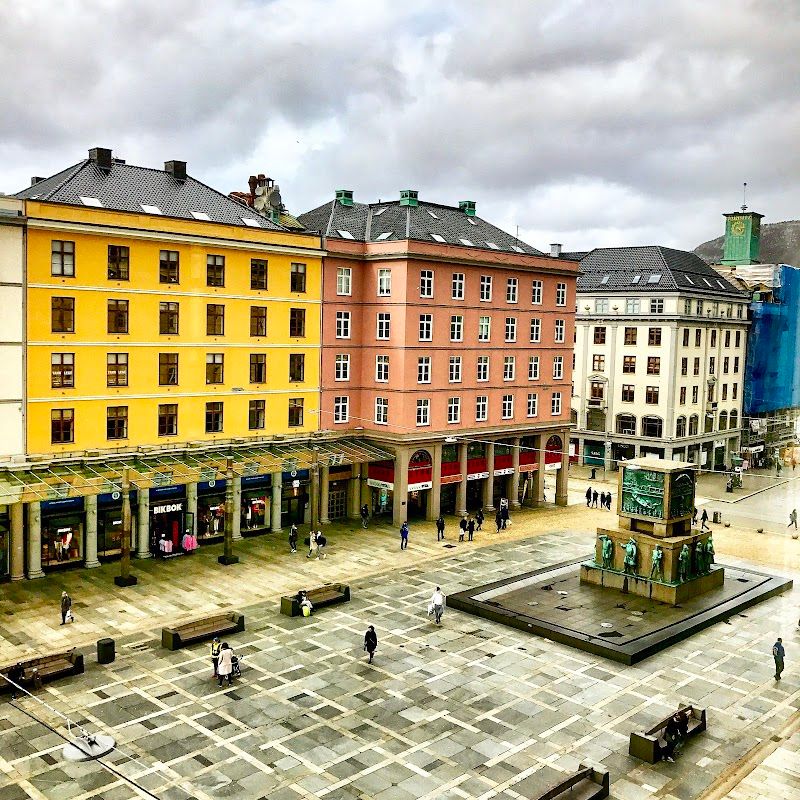
Torgallmenningen
Torgallmenningen is Bergen's main public square, a wide pedestrian plaza that connects the historic Bryggen area to the modern shopping district along Torgalmenningen street. You'll find yourself crossing this space constantly as you navigate between Bergen's key attractions, and it serves as the city's unofficial outdoor living room. The square hosts everything from Saturday farmers markets to major festivals, plus Bergen's biggest Christmas market in December with dozens of wooden stalls selling local crafts and mulled wine. The space feels surprisingly open for cramped Bergen, with modern water features and plenty of room to breathe between the surrounding buildings. During market days the square fills with locals buying fresh produce and tourists browsing crafts, creating a genuine community atmosphere rather than a sterile tourist zone. The fountains provide a soundtrack of flowing water, and kids often play around them while parents sit on the surrounding benches. Street performers regularly set up here, especially during summer months. Most guides oversell this as a destination in itself, but it's really more of a transit hub that happens to be pleasant. The farmers market on Saturdays is genuinely worth timing your visit around, with excellent local cheeses and seafood, but skip the weekday souvenir stalls that pop up. The Christmas market is Bergen's best holiday experience but gets packed after 4pm, so go earlier. Don't expect architectural drama here, it's function over form.
Where to Eat
Restaurants and cafes in Bryggen & Harbour
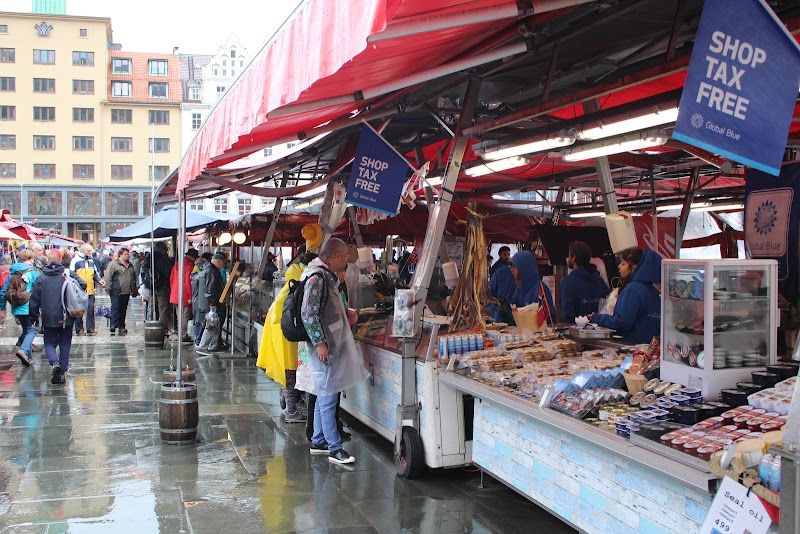
Fisketorget
RestaurantBergen's open-air fish market operating since 1276, where fishmongers sell fresh shrimp, king crab, and prepared seafood from outdoor stalls. The most authentic Bergen experience is buying a bag of fresh reker (shrimp) to eat standing at the counter. Fish soup is served in bread bowls for a quick, filling meal.
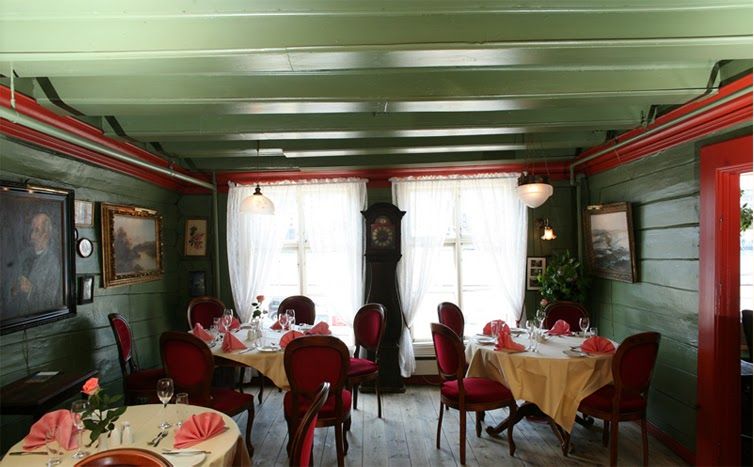
Enhjørningen Fiskerestaurant
RestaurantHistoric fish restaurant in a 1700s Hanseatic building on Bryggen, specializing in traditional Norwegian seafood. Their fiskesuppe is Bergen's finest - thick, creamy, and loaded with salmon, cod, and prawns. The timber-beamed dining room overlooks the harbour through small medieval windows.
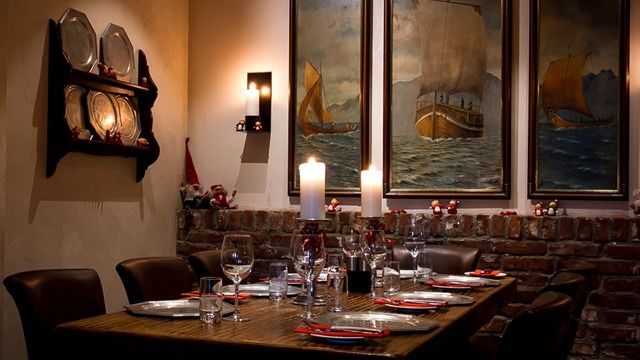
Bryggeloftet & Stuene
RestaurantTraditional Norwegian restaurant in an 18th-century wooden building on Bryggen, serving classic dishes like reindeer, lutefisk, and Bergen's signature creamy fish soup. The upstairs dining rooms retain original wooden beams and small-paned windows. Tourist-focused but reliably good for experiencing historical Norwegian cuisine in an authentic setting.
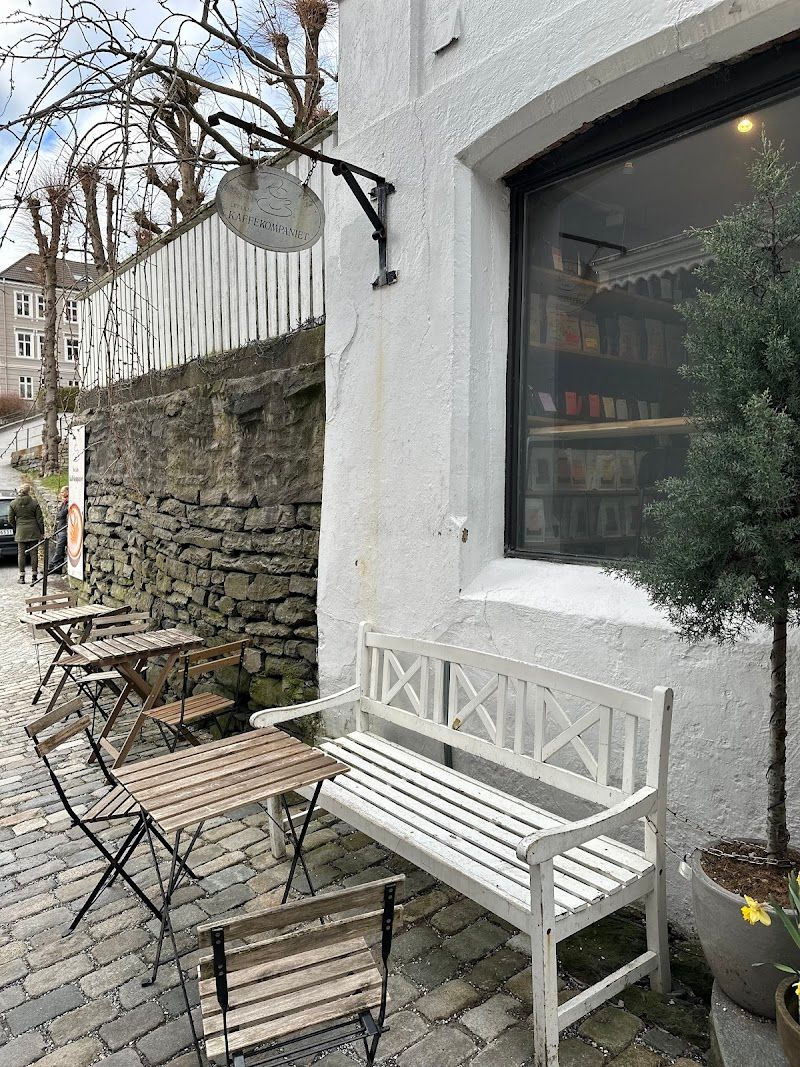
Det Lille Kaffekompaniet
CafeTiny specialty coffee bar with just six seats, tucked down a pedestrian alley near Torgallmenningen. The single barista pulls espresso shots and makes cappuccinos with beans from Norwegian micro-roasteries that rotate weekly. Standing room only, but the coffee is exceptional and the prices are reasonable for Bergen.
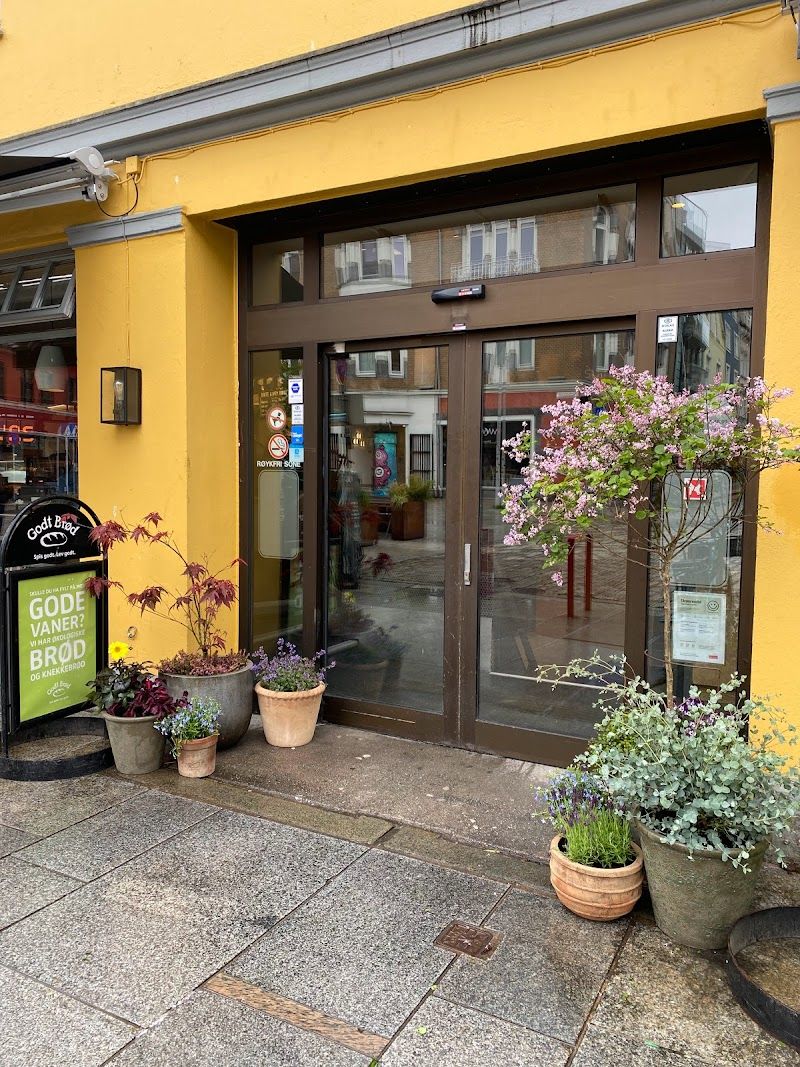
Godt Brød Verftet
CafeOrganic bakery and café in the Verftet cultural centre, serving sourdough breads, open-faced sandwiches, and pastries made from stone-ground Norwegian grains. The coffee is organic and fair-trade, and the casual atmosphere attracts students and artists from the surrounding studios. Part of a small Norwegian chain focused on traditional baking methods.
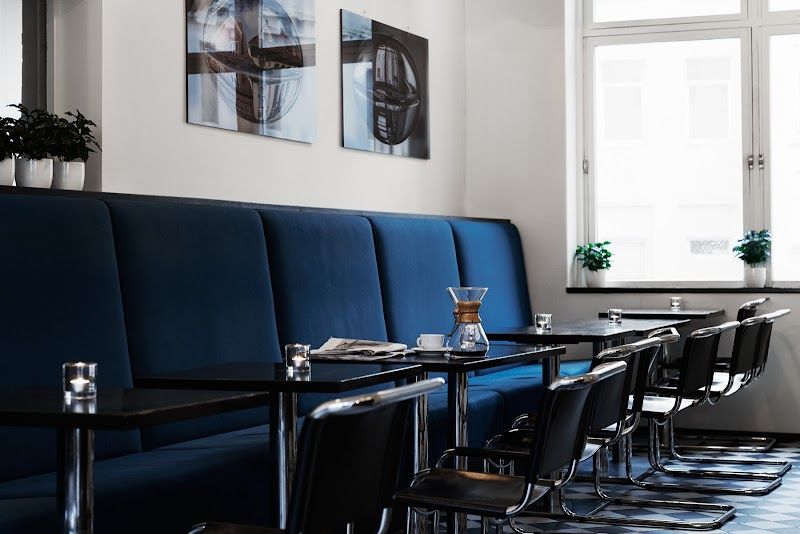
Kaffe Magisteren
CafeBergen's original specialty coffee roastery and café in a bright corner space near Vågsalmenningen. They roast their own beans on-site and serve pour-overs, espresso drinks, and filter coffee alongside simple pastries. The baristas are serious about coffee and happy to discuss brewing methods.
Getting Here
On Foot
Bergen city centre is compact. Bryggen is 5 minutes walk from the main bus and light rail terminus at Byparken. The Fløibanen funicular departure is 300 metres from the end of Bryggen. The harbour square is the departure point for fjord tours and Flam ferry connections.
Insider Tips
Walk the back alleys, not just the quay
The famous photographs of Bryggen show the colourful facades from the harbour side. The more interesting experience is the network of narrow alleyways between and behind the buildings: craftspeople, leatherworkers, jewellers, and small galleries occupy the original warehouse spaces. The alleys are free to walk and open during the day. The oldest sections are closest to the mountain end of the wharf. Allow an hour to explore properly rather than just photographing the front.
Fish Market shrimp at the counter
The Fish Market (Fisketorget, open May-September outdoors, year-round indoors nearby) sells fresh shrimp by the bag (NOK 120-180 for a generous portion). The vendors give you bread and mayonnaise and you eat standing at the counter facing the harbour. King crab is NOK 200-300 for a half crab, expensive but the quality is consistent. The fish soup in a bread bowl (NOK 120-150) is the best value hot meal. The most touristy stalls are on the outer edge; the vendors in the middle of the market tend to have fresher stock and more honest prices.
Nearby Neighborhoods
Continue exploring
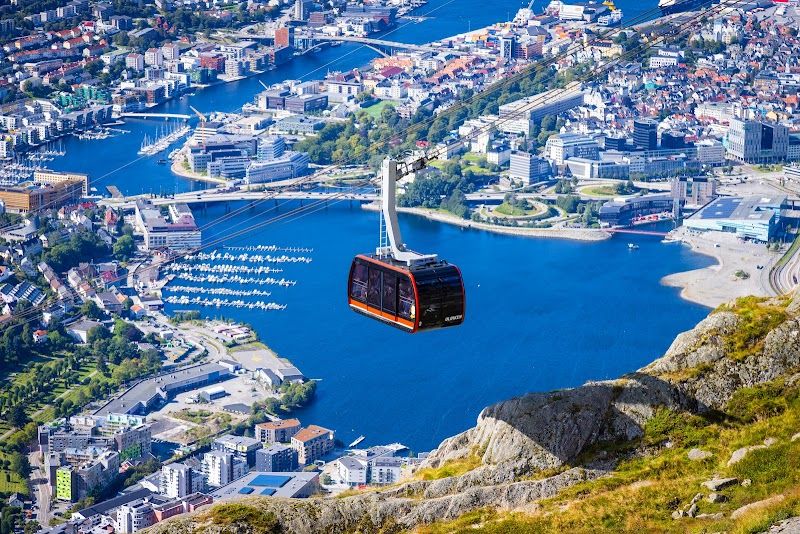
Fløyen & Mountains
The mountain directly above the city: 8 minutes by funicular to 320 metres, the panoramic view over harbour and islands, and forest trails that bring you back down on foot.
Nordnes & Nøstet
The residential peninsula west of the centre with the aquarium at the tip, wooden houses on quiet streets, and a sea bath facing the harbour.
Sandviken & Gamle Bergen
The quiet northern neighbourhood with an open-air museum of 55 historic buildings, Sandviken bay, and the residential streets that the Bryggen crowds never reach.
Plan a trip featuring Bryggen & Harbour
Get a personalized Bergen itinerary with Bryggen & Harbour built in.
Start Planning