3 Days in Budapest: Castle Hill, Ruin Bars, and a Bath Day
Day 1: Pest essentials (Parliament, Basilica, Market, Chain Bridge). Day 2: Buda (Castle District, Gellért Hill). Day 3: Bath day at Széchenyi + City Park + ruin bars in the evening.
The 3-day Budapest sequence that covers the unmissable sights without rushing. Built around one full day at the Széchenyi thermal baths, with morning tours and ruin-bar evenings.
Look, Budapest isn't Prague. It's grittier, more honest, and way less crowded with bachelor parties (though they exist). This three-day plan hits the actual highlights without wasting time on tourist traps. You'll climb Castle Hill before the crowds arrive, soak in thermal baths like a local, and drink in ruin bars that aren't completely overrun yet. Fair warning: you're going to walk a lot, the ruin bar scene can get messy after midnight, and Hungarian food is heavy. But if you want to understand why people fall in love with this city, this is how you do it.
Parliament, Basilica, and the Pest Essentials
Your first day is all about Pest, the flat, commercial side of the river where most of Budapest's grand 19th-century architecture lives. You'll start with the Parliament building (genuinely impressive inside), climb St Stephen's dome for views, eat proper Hungarian food at a no-nonsense deli, and end with a sunset walk across the Chain Bridge. It's touristy, yes, but these are touristy for good reasons.
- Parliament building interior tour
- St Stephen's Basilica dome climb
- Chain Bridge sunset walk
Morning: Parliament Building (9:00 AM)
Book your Parliament tour online at least a week ahead, seriously. The 9 AM English tour is your best bet because it's less crowded and you'll have energy to appreciate the ridiculous amount of gold leaf inside. The building is genuinely impressive, not just big. The main hall feels like someone decided to out-do Versailles but make it Hungarian. Bring your passport for security. The tour lasts exactly 50 minutes and yes, they stick to the schedule. From Kossuth Lajos tér metro (M2 red line), you can't miss the building. It's the enormous neo-Gothic thing dominating the Danube.
Next Stop: St Stephen's Basilica (10:30 AM)
Walk south from Parliament (15 minutes through the government district) or take tram 2 two stops to Széchenyi István tér. The basilica itself is fine, but you're really here for the dome. Pay the 600 HUF for the elevator plus stairs combo because climbing 302 steps is unnecessarily punishing. The view from the top is the best 360-degree perspective in Pest. You can see the Parliament, Castle Hill, and the Danube bend. Go on a clear day or don't bother. The dome closes at 6 PM in summer, 4 PM in winter.
Lunch: Belvárosi Disznótoros (12:30 PM)
This is what Hungarian food actually tastes like, not the goulash soup tourists get fed. It's a self-service deli that's been feeding locals since 1896. Point at what looks good behind the counter. The schnitzel (bécsi szelet) is massive and costs 1,200 HUF. The potato salad is vinegary and perfect. The cucumber salad is mandatory. Grab a table upstairs if you can. Cash only, and the ladies behind the counter don't smile, but the food is honest and filling. It's at Kígyó utca 3, five minutes walk from the basilica.
Afternoon: Great Market Hall and Váci utca (2:00 PM)
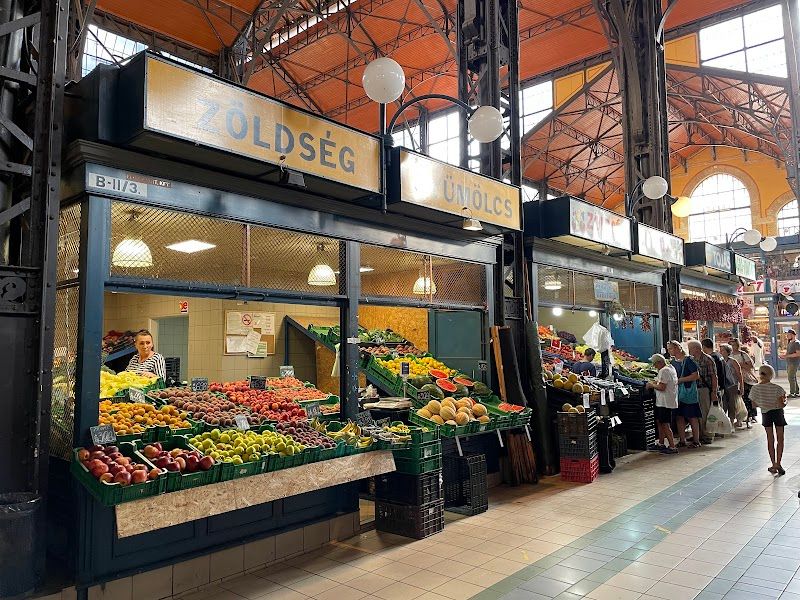
Walk to Great Market Hall (Fővám tér, M3 green line) after lunch. The ground floor is for locals buying vegetables and meat. The tourist stuff is upstairs: overpriced paprika, Hungarian wine, and lángos (fried bread) that's actually pretty good despite being touristy. Try the lángos with sour cream and cheese, skip the ones with weird toppings. Then walk up Váci utca, the main pedestrian shopping street. It's completely commercial and touristy, but it's also how you get to the Danube and it's pleasant for people-watching.
Sunset: Chain Bridge Walk (5:30 PM)
Walk across the Chain Bridge just before sunset. The timing depends on the season, but aim for 30 minutes before the sun goes down. The bridge gets crowded with people taking photos, but the views are legitimately spectacular. Looking back toward Pest, you'll see the Parliament lit up. Looking toward Buda, Castle Hill looms above you. The bridge itself creaks and bounces a bit when trams cross, which is normal but startling the first time.
Dinner: Stand25 (7:30 PM)
Make a reservation at Stand25 (Honvéd utca 3) for modern Hungarian food that doesn't feel heavy. The duck leg with cabbage and the beef goulash actually taste refined here. Mains run 3,500-4,500 HUF. If you can't get in, Borkonyha (Sas utca 3) is excellent but more expensive (6,000-8,000 HUF mains) and you need reservations days ahead. Both are in the Belváros, walking distance from where you'll be.
Castle Hill, Medieval Streets, and Gellért Hill Sunset
Today you cross the river to Buda, the hilly, older side where medieval Budapest still exists in patches. You'll ride the funicular up Castle Hill, explore churches and viewpoints before the tour groups arrive, then climb Gellért Hill for the city's best sunset spot. This is a walking day with real hills, so wear good shoes and pace yourself.
- Funicular ride up Castle Hill
- Fisherman's Bastion at 8:30 AM
- Citadella sunset views
Morning: Funicular and Castle District (8:30 AM)
Take the funicular (Budavári Sikló) up Castle Hill at 8:30 AM sharp. It costs 1,200 HUF return and runs every few minutes. Yes, you could walk up, but it's steep and you'll want your energy for exploring the top. The funicular itself is cute, original from 1870, rebuilt after WWII bombing. At the top, head straight to Fisherman's Bastion before 9 AM. This is crucial timing. After 9 AM, tour buses arrive and it becomes a zoo.
Fisherman's Bastion: Beat the Crowds
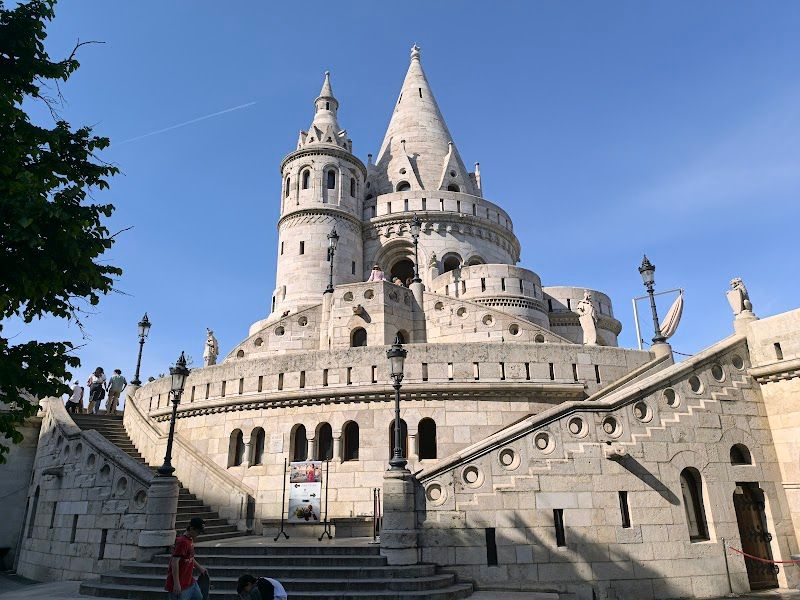
Fisherman's Bastion looks fake, like a Disney castle, because it was built in 1902 as a decorative viewpoint, not a real fortification. But the views over the Danube to Parliament are unbeatable, and at 8:30 AM you'll have it mostly to yourself. The upper level costs 1,000 HUF, the lower level is free. The free level has 90% of the same view, so skip paying unless you're a completionist. Take your photos now because by 10 AM it's shoulder-to-shoulder tourists.
Matthias Church: The Real Medieval Survivor
Right next to Fisherman's Bastion, Matthias Church is the genuine article. It's been here since the 13th century, survived Turkish occupation (when it was a mosque), and has a wild multicolored tile roof that looks almost art nouveau. The interior is worth the 1,800 HUF entry fee. The ceiling frescoes are restored 19th-century work, but the atmosphere feels properly medieval. Climb the bell tower if it's open; the view is different from Fisherman's Bastion and less crowded.
Explore the Medieval Streets
Wander the narrow streets around the castle district: Tárnok utca, Országház utca, Úri utca. These are actual medieval streets, not reconstructions. The houses are a mix of Gothic, Baroque, and 19th-century styles because the area kept getting rebuilt after wars. Look for the bullet holes and shrapnel scars on building walls from 1956 and WWII. Most of the ground floors are now tourist shops selling overpriced Hungarian crafts, but the architecture above is authentic.
Lunch: Pierrot or 21 Magyar Vendéglő
For lunch on Castle Hill, Pierrot (Fortuna utca 14) serves solid Hungarian classics in a medieval cellar setting. The goulash is properly thick, not soupy like tourist versions. Mains 2,800-3,500 HUF. If you want something more refined, 21 Magyar Vendéglő (Fortuna utca 21) does elevated Hungarian food. Both need reservations, especially Pierrot. If both are full, walk down to the Tabán neighborhood below the castle; there are cheaper, less touristy options there.
Afternoon: Descent to Gellért Hill via Tabán
Instead of taking the funicular down, walk down through the Tabán district. Take the stairs near the castle entrance down to Apród utca, then walk through the park toward Gellért Hill. The Tabán used to be a Turkish bath district, then a working-class neighborhood that was demolished in the 1930s. Now it's parkland with a few surviving buildings. The walk takes 20 minutes and gives you a feel for how the hills connect.
Gellért Hill Climb: Prepare for Steps
The climb up Gellért Hill to the Citadella is 235 meters of elevation and a lot of steps. Start from the Gellért Hotel (tram 19 or 41 to Szent Gellért tér) and follow the switchback path. It takes 30-40 minutes depending on your fitness level. The path is paved but steep. There are benches every 100 meters or so. If you're not up for the climb, bus 27 goes to the top, but it only runs every 30 minutes.
Citadella Sunset: Worth the Climb
The Citadella offers the best panoramic view in Budapest. You can see Castle Hill, Parliament, all the bridges, and both sides of the city spread out below. The fortress itself was built by the Austrians in 1851 to control the rebellious Hungarians, so locals hated it for decades. Now there's a cheesy tourist restaurant inside, but the views are free and spectacular. Time your arrival for 90 minutes before sunset to explore and find your photo spots.
Dinner: Csalogány 26 (7:30 PM)
Descend Gellért Hill and head to Csalogány 26 in the Víziváros (Watertown) district below Castle Hill. This is where young Hungarians go for modern bistro food that doesn't feel touristy. The menu changes seasonally, but the duck breast and the Hungarian wine selection are consistently excellent. Mains 3,200-4,200 HUF. Make a reservation because it's small and popular with locals. It's at Csalogány utca 26, obviously.
Thermal Baths, City Park, and Ruin Bar Crawl
Your final day starts with Hungary's most famous thermal bath experience, then explores City Park's eclectic attractions, and ends with the ruin bar scene that put Budapest on the party map. It's a day that mixes relaxation with sightseeing and nightlife, so pace your drinking accordingly.
- Széchenyi thermal baths morning session
- City Park castle and museums
- Jewish Quarter ruin bars
Morning: Széchenyi Thermal Baths (9:00 AM Arrival)
Arrive at Széchenyi at 9 AM when it opens. By 11 AM it's packed, especially the outdoor pools where old Hungarian men play chess in the water. Take M1 yellow line to Széchenyi fürdő station; it's right there. Entry is 5,500 HUF on weekdays, 5,900 HUF weekends. Rent a locker for 800 HUF and bring flip-flops because the tile floors are slippery. The water in the outdoor pools is 38°C (100°F) year-round, which feels amazing in winter when it's snowing.
Bath Etiquette: Don't Be That Tourist
Shower before entering any pool, it's mandatory and locals will glare if you don't. Wear a swimming cap in the serious swimming pools (not the thermal pools). Don't be loud or splash around; this is relaxation time, not a water park. The outdoor thermal pools are for soaking and socializing quietly. Try the different temperature pools; they range from 26°C to 40°C. The saunas are serious business; stay hydrated and don't stay in longer than 15 minutes at a time.
How Long to Stay
Plan on 3-4 hours total. Any less and you won't relax properly; any more and you'll get waterlogged and tired. The ideal schedule: arrive at 9 AM, soak until noon, have lunch in City Park, then continue sightseeing. You can leave and re-enter the same day with your ticket, but most people don't bother. The baths have a decent restaurant inside, but it's overpriced and mediocre.
Lunch in City Park
Exit the baths and walk into Városliget (City Park). There are several lunch options: Robinson restaurant sits over a lake and serves decent Hungarian food (mains 2,500-3,500 HUF), but it's touristy. Better to grab something at Anonymus Café near the Millennium Monument, or walk to Gundel (expensive, famous, stuffy) if you want to splurge on a legendary Budapest restaurant experience. Gundel is 8,000+ HUF per person but historically significant.
Afternoon: Vajdahunyad Castle
This fairy-tale castle in City Park is completely fake, built for the 1896 millennium celebration as a showcase of architectural styles from Hungarian history. It's ridiculous and kitschy and also kind of wonderful. The castle houses the Agricultural Museum, which sounds boring but actually has interesting exhibits about Hungarian rural life. Entry is 1,600 HUF. The castle is most photogenic from across the lake; the reflection shots are what you see on postcards.
Heroes' Square: Quick Photo Stop
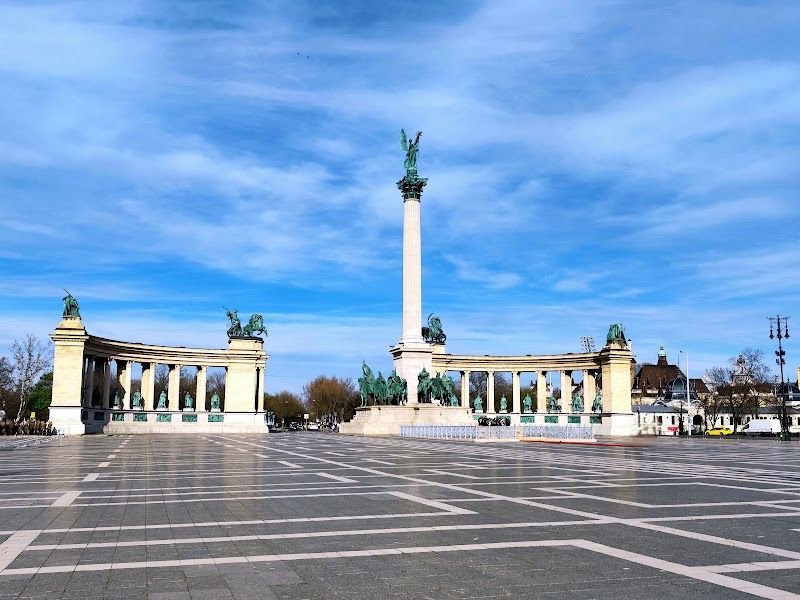
Heroes' Square (Hősök tere) is right there, so walk over for photos with the Millennium Monument and the statues of Hungarian tribal leaders. It's impressive in scale but feels a bit empty and formal. The square was designed to be grand, not cozy. Take your photos and move on; there's not much else to do here. The two museums flanking the square (Fine Arts and Hall of Art) are worth visiting if you have time and interest in art.
Museum of Fine Arts: If You're Into Art
The Museum of Fine Arts has an excellent collection of European paintings, including works by El Greco, Velázquez, and Monet. The Egyptian collection is surprisingly good too. Entry is 3,200 HUF. But honestly, unless you're a serious art lover, you might be museumed out by this point in your trip. The building itself is beautiful neo-classical architecture, worth seeing from the outside even if you skip the interior.
Getting to the Jewish Quarter
From Heroes' Square, take M1 back to Deák Ferenc tér, then switch to M2 or M3 to Astoria, or just walk 20 minutes south through the city center. The Jewish Quarter (District VII) is roughly bounded by Károly körút, Rákóczi út, and Dohány utca. This area was the Jewish ghetto during WWII, then became run-down under communism, and now it's the city's coolest nightlife district.
Early Evening: Szimpla Kert (6:00 PM)
Start your ruin bar experience at Szimpla Kert (Kazinczy utca 14), the original and most famous ruin pub. Yes, it's touristy now, but it's touristy for good reasons. The building is a crumbling apartment complex filled with random furniture, plants growing everywhere, and eclectic decorations. Beer is 600-800 HUF, wine 700-1,000 HUF. Go early (6 PM) when it's less crowded and you can actually see the weird decorations and take photos.
Dinner: Mazel Tov (8:00 PM)
Mazel Tov (Akácfa utca 47) is a Middle Eastern restaurant in a beautiful courtyard covered by a glass roof with plants everywhere. It's stylish without being pretentious, and the food is excellent. Try the hummus platter, lamb kebab, or shakshuka. Mains 2,800-3,800 HUF. Make a reservation because it's popular. The atmosphere bridges the gap between tourist dining and local hangout perfectly.
Night: Instant-Fogas Complex
End the night at Instant-Fogas (Akácfa utca 51), actually several bars connected through holes knocked in apartment walls. Each room has different music and decoration. It gets seriously crowded and smoky after 11 PM, and the drinking can get heavy. The crowd is mix of locals and tourists, ages 20-35 mostly. Entry is usually free before 10 PM, then 1,000-1,500 HUF. It stays open until 6 AM if you're committed to a big night out.
Practical Essentials You Actually Need
Buy a 72-hour BKK transport pass for 4,150 HUF at any metro station. It covers all trams, buses, metro, and funicular. Single tickets are 350 HUF each, so the pass pays off quickly.
Exchange money at proper exchange offices, not at hotels or the airport. Correct rate is around 350-380 HUF per EUR. Avoid places advertising 'no commission' with terrible rates.
Hungarian is completely unrelated to other European languages. Learn 'köszönöm' (thanks) and 'elnézést' (excuse me). English works in tourist areas, German is more useful than you'd expect.
Tipping is 10-15% at restaurants, round up taxi fares, and tip spa attendants 200-500 HUF if they're helpful. Don't tip at self-service places.
Most places accept cards, but carry cash for markets, small bars, and some restaurants. ATMs are everywhere and give fair rates.
What to Skip: Tourist Traps to Avoid
Hop-on-hop-off buses are overpriced at 6,500 HUF. Budapest is walkable and has great public transport. Save your money.
Hungarian National Museum is only interesting if you're genuinely curious about Magyar tribal history and medieval artifacts. Most visitors find it dry.
Dinner cruises on the Danube are expensive (8,000+ HUF) tourist operations with mediocre food. The views are better from bridges and hills.
Horse and carriage rides around Castle Hill cost 8,000-12,000 HUF for a 30-minute tourist show. Walk instead; you'll see more and save money.
The Budapest Eye ferris wheel is 2,500 HUF for views you can get better and free from Gellért Hill or the basilica dome.
Ready to Visit Budapest?
Get a personalized itinerary tailored to your travel style and interests.
Plan Your Budapest TripMore Budapest Guides
The Budapest Bath Guide: Choosing Between Széchenyi, Gellért, and Rudas
Budapest has 100+ thermal springs and a dozen working bathhouses. Most visitors only have time for one. Here is how to choose the right one for your trip - comprehensive comparison.
11 min
Budapest's Ruin Bars: A Walking Guide to the Jewish Quarter
A walking guide to the ruin-bar district in Budapest's Jewish Quarter. Where to start, what to expect, the food situation, the music situation, and a sequence that works for a single Friday or Saturday night.
9 min