Copenhagen
Things to Do
71 attractions, museums, and experiences
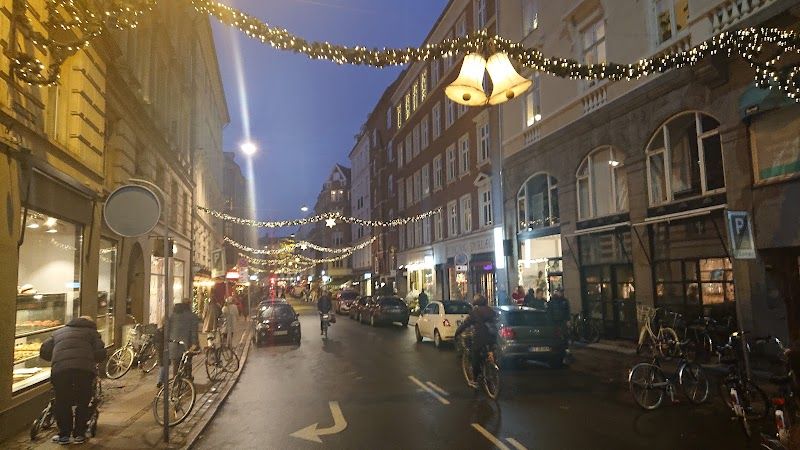
Værnedamsvej
Værnedamsvej stretches just three blocks but packs in more character than Copenhagen's main shopping strips. This pedestrianized street feels like a village high street that wandered into Vesterbro by mistake. You'll find independent cheese shops where locals argue about aged Comté, wine merchants with natural bottles under 200 DKK, and design stores selling ceramics that actually make sense in normal homes. The bakeries smell like cardamom and butter, while vintage shops offer genuine finds rather than overpriced tourist bait. Walking Værnedamsvej moves at neighborhood pace, not tourist speed. Shop owners chat with regulars about weekend plans while you browse hand-selected books or sniff artisanal soaps. The street curves slightly, creating intimate pockets where you can duck into a café without feeling like you're performing for passersby. Mid-afternoon brings the best energy: office workers grabbing coffee, parents with strollers examining organic produce, and design students sketching storefronts. Even on busy days, it never feels rushed. Most guides oversell this as some secret discovery, but locals have shopped here for decades. Skip the overpriced home goods stores at the Gammel Kongevej end and focus on the food shops and bookstores in the middle section. Granola's cinnamon buns cost 35 DKK but justify the hype, while Ost & Vin's cheese plates start around 180 DKK. Come hungry rather than hunting for souvenirs.
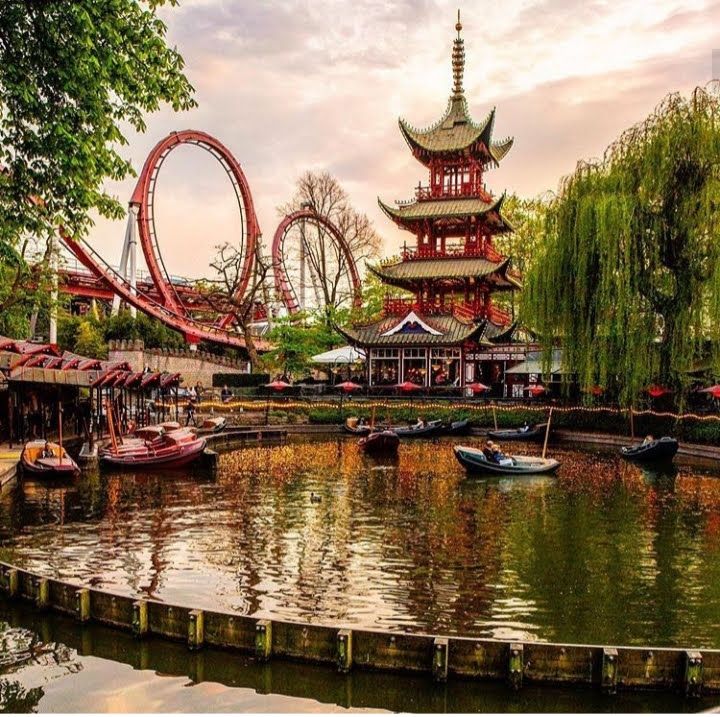
Tivoli Gardens
Tivoli Gardens is the world's second-oldest amusement park, opened in 1843, and it's exactly what Walt Disney studied before creating Disneyland. You're getting 83,000 square metres of meticulously maintained gardens, vintage fairground rides, and theatrical evening lighting in the absolute center of Copenhagen. The star attraction is the 1914 wooden Rutschebanen roller coaster, one of the world's oldest still operating, but you'll also find modern thrill rides and carnival games scattered among peacock-filled gardens and ornate pavilions. The park transforms completely after sunset when 100,000 fairy lights switch on, creating an almost film-set atmosphere that feels distinctly European rather than American theme park. During the day it's pleasant but unremarkable: families with strollers, teenagers queuing for rides, and tourists photographing the Chinese pagoda. Evening visits feel magical, with couples strolling lamp-lit paths and the vintage carousel glowing like a jewelry box. The rides range from gentle (the ferris wheel offers nice city views) to genuinely thrilling (the Star Flyer swings you 80 meters up). Most guides don't mention that entry at DKK 149 plus individual ride tickets gets expensive fast: budget DKK 400-500 per person for a proper visit. The food inside is tourist-priced garbage, so eat beforehand. Skip the shooting galleries and carnival games, they're overpriced even by Danish standards. The Christmas season (mid-November to December) is completely different: mulled wine, wooden stalls, and a cozy winter atmosphere that's genuinely worth experiencing if you're here then.
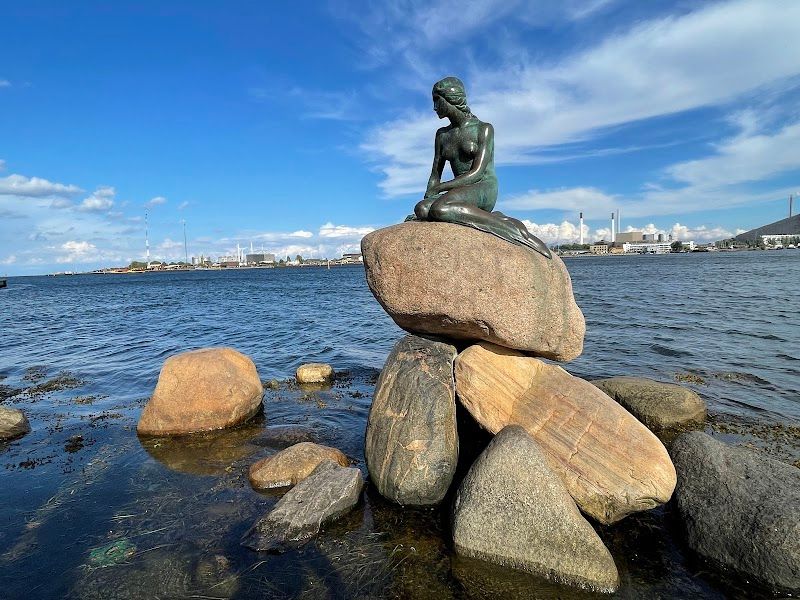
The Little Mermaid
The Little Mermaid is a 1.25-meter bronze sculpture perched on harbor rocks at Langelinie, created by Edvard Eriksen in 1913. You're here to see Denmark's most famous artwork, inspired by Hans Christian Andersen's fairy tale, though the real fascination lies in its turbulent history of vandalism, decapitations, and protest paint jobs that have made it more notorious than beloved. The sculpture sits on a small rock outcrop where Copenhagen's harbor meets a pleasant waterfront promenade. Your visit involves a scenic 20-minute walk from Nyhavn along the flat harbor promenade, passing joggers, cyclists, and fellow tourists. The mermaid herself appears suddenly around a bend, smaller than expected but beautifully positioned against the water. Crowds gather constantly for photos, creating a somewhat chaotic atmosphere around what should be a serene statue. The surrounding area offers views across to Sweden and plenty of benches for resting. Most guides won't mention that this is genuinely underwhelming if you're expecting grandeur, but fascinating if you appreciate the absurdity of Copenhagen's relationship with its reluctant symbol. Skip the expensive harbor bus tours (150+ DKK) and walk instead. The adjacent Kastellet fortress and impressive Gefion Fountain offer better photo opportunities and fewer crowds, making the trek more worthwhile than the mermaid alone.
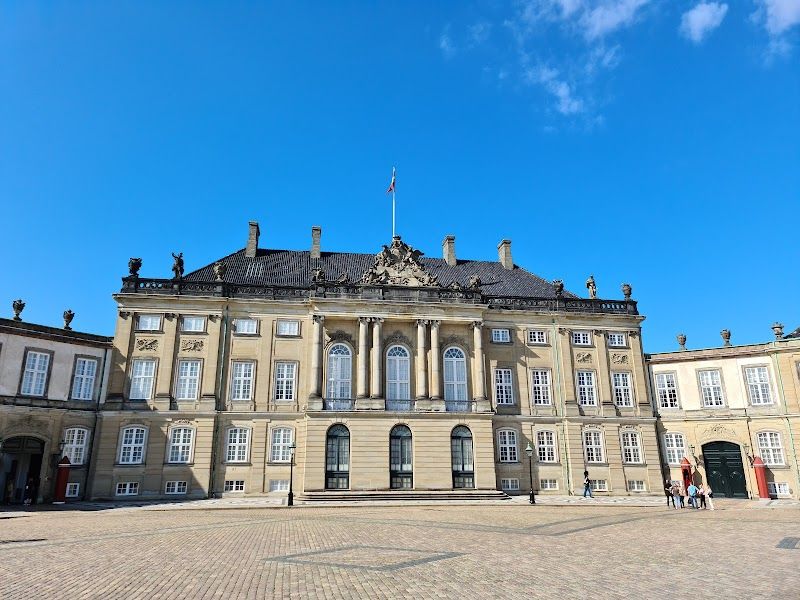
Amalienborg
Four identical rococo palaces form a perfect octagon around a cobblestone courtyard where Denmark's royal family still lives and works. You'll see the changing of the guard ceremony at noon daily (free), explore the Amalienborg Museum's royal apartments with original furnishings from the 1800s, and walk the same courtyard where Crown Prince Frederik jogs. The museum displays actual royal regalia, including ceremonial swords and crowns, while the palace exteriors showcase some of Copenhagen's finest 18th century architecture. The courtyard feels surprisingly intimate for a royal residence, with guards in tall bearskin hats standing perfectly still until the noon ceremony begins. Tourists gather in clusters, phones ready, as the new guard marches from their barracks with military precision. Inside the museum, you'll walk through Princess Louise's drawing room, King Christian IX's study, and see personal items like Queen Margrethe II's gala gowns. The contrast between the formal state rooms and quirky personal touches makes royal life feel tangible. Most visitors only come for the changing of the guard and miss the museum entirely, which is a mistake. The museum costs 125 DKK but offers genuine insight into how Danish royalty actually lives. Skip the audio guide (overpriced at 40 DKK) and read the English placards instead. The ceremony happens rain or shine, but on windy days the guards struggle with their massive hats, which is oddly entertaining.
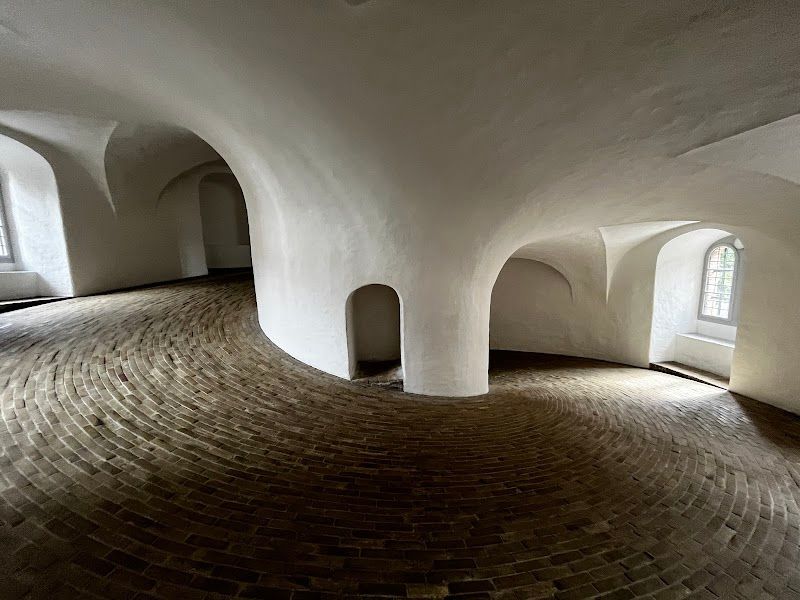
Rundetårn
Rundetårn is Copenhagen's 17th-century Round Tower, built by King Christian IV as an astronomical observatory. Instead of stairs, you'll climb a unique 268-meter spiral ramp that corkscrews gently upward, originally designed so horses could haul heavy telescopes to the top. The observation deck gives you genuine 360-degree views over Copenhagen's copper rooftops, church spires, and the colorful buildings of Nyhavn in the distance. Europe's oldest functioning observatory still operates here, and there's a small exhibition space about astronomy and the tower's history. The walk up feels surprisingly easy since the ramp rises gradually without steps. You'll pass through the old library hall halfway up, where rotating art exhibitions are displayed under vaulted ceilings. The ramp itself becomes the attraction as you spiral upward past thick medieval walls and small windows offering glimpses of the city below. At the top, the viewing platform wraps around the entire tower, and on clear days you can see across to Sweden. Most visitors rush straight up and down, but the library hall often has interesting contemporary art worth a proper look. Entry costs 40 DKK for adults, 10 DKK for children. The ramp can get crowded with tour groups between 11am and 2pm, so arrive early morning or late afternoon for a more peaceful climb. Skip the small gift shop at the bottom, it's overpriced tourist stuff.
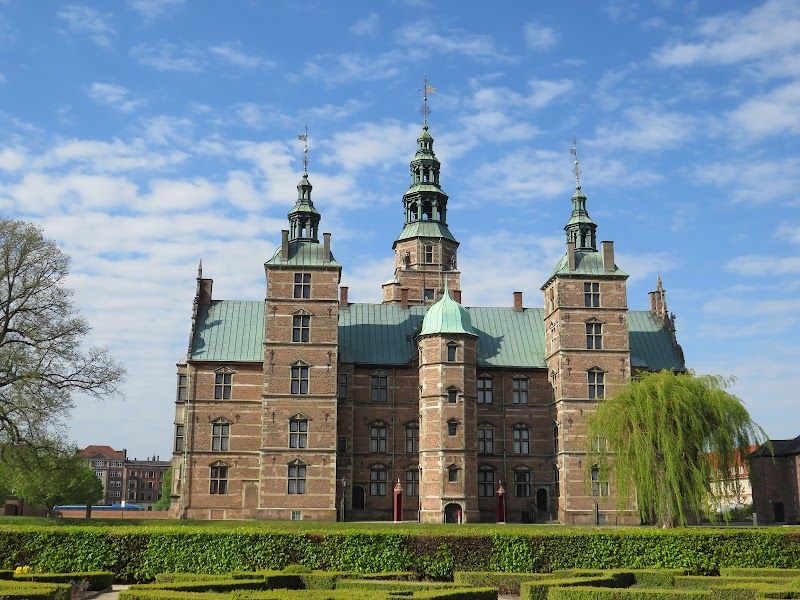
Rosenborg Castle
Rosenborg Castle packs 400 years of Danish royal history into 24 rooms, but honestly, most people come for the basement treasury where the crown jewels live. You'll see three actual coronation crowns (used from 1671 to 1940), Christian IV's emerald set that's genuinely stunning, and the medieval Oldenburg Horn from 1468. The castle itself is Christian IV's Renaissance summer palace from 1624, sitting in Copenhagen's most central park where locals sunbathe and picnic. The visit starts upstairs in chronological room order, moving through centuries of royal portraits, furniture, and personal belongings. Each room represents a different monarch with their actual possessions: Christian IV's writing desk, royal christening gowns, and even Frederik VII's pipe collection. The atmosphere feels intimate rather than grand, more like touring a wealthy relative's house than Versailles. Then you descend to the treasury, where the lighting turns dramatic and security gets serious around cases of diamonds and emeralds. Most guides don't mention that the upstairs rooms get repetitive after room 15, so don't feel guilty about moving faster through the later ones. The treasury is genuinely spectacular and worth the DKK 130 alone. Skip the audio guide (DKK 30 extra) since the English wall texts are thorough. The King's Garden outside is free and perfect for recovering afterward, especially in summer when half of Copenhagen seems to be sprawled on the grass.
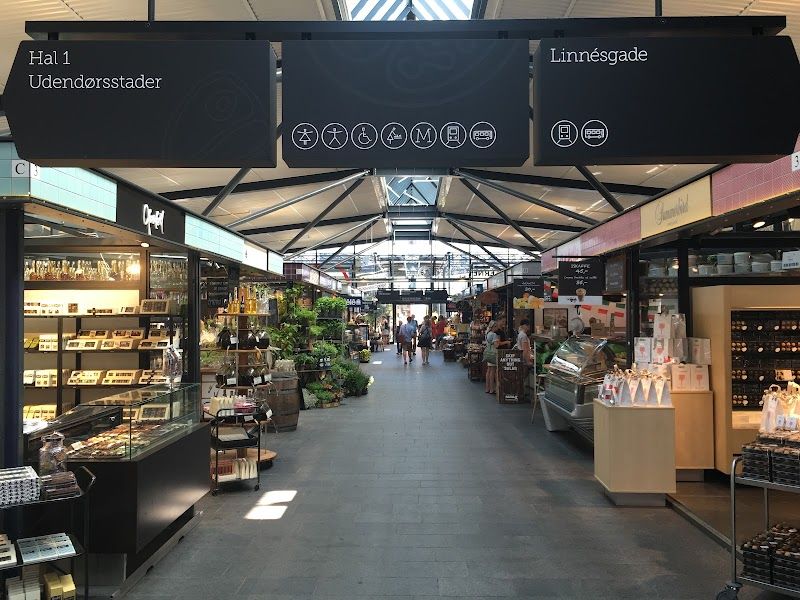
Torvehallerne
Two glass-roofed market halls facing each other across Frederiksborggade, packed with 60+ food stalls. From smørrebrød at Hallernes to fresh oysters, organic vegetables, artisan cheese, and Copenhagen's best coffee at Coffee Collective. This is where chefs shop and locals eat lunch.
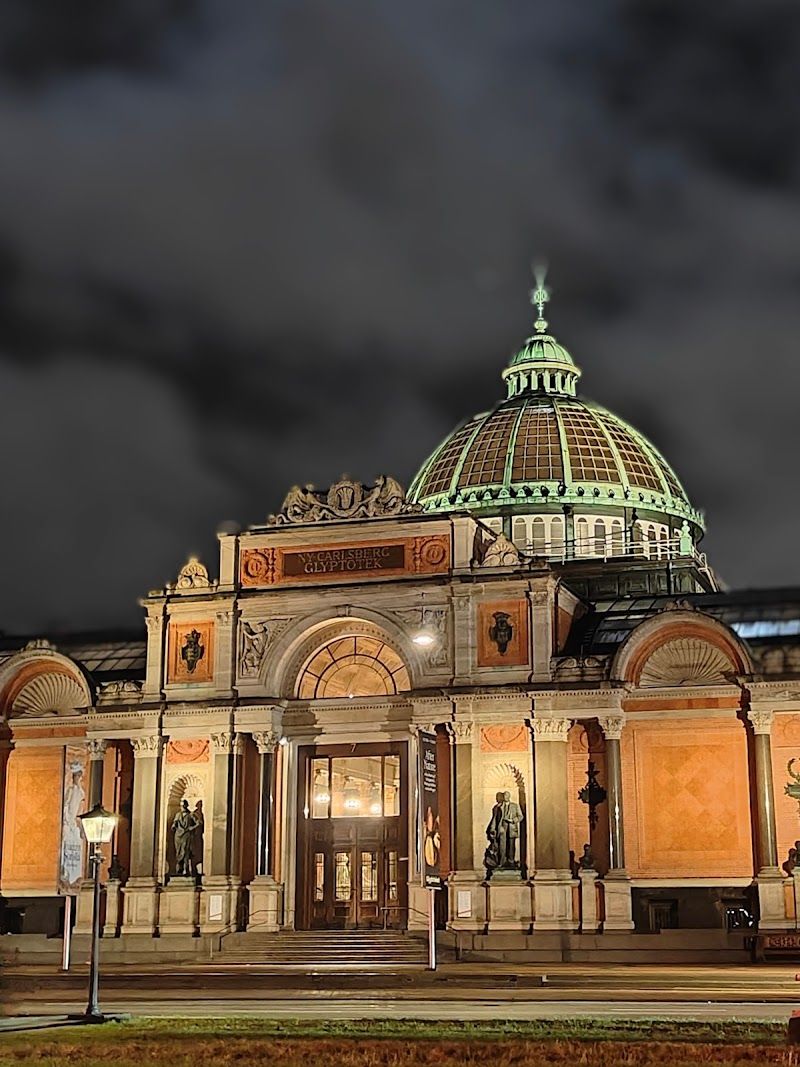
Ny Carlsberg Glyptotek
The Ny Carlsberg Glyptotek houses Copenhagen's most unexpected collection: ancient Roman and Egyptian sculptures alongside French Impressionist paintings, all wrapped around a stunning glass-domed winter garden filled with palm trees. You'll walk from 4,000-year-old Egyptian statues to Rodin sculptures to Degas ballerinas, then sit among tropical plants in what feels like a Victorian conservatory. The building itself is gorgeous, with marble halls that make the art feel even more dramatic. Your visit flows naturally from the ancient Mediterranean galleries through French 19th-century paintings, with the winter garden serving as both centerpiece and breathing room. The Egyptian collection genuinely rivals major museums, while the Impressionist rooms feel intimate rather than overwhelming. The winter garden cafe becomes irresistible after an hour of art viewing, and you'll find yourself lingering longer than planned among the palms and classical sculptures. Most guides don't mention that Sunday's free admission creates crowds, so weekday mornings are infinitely better for actually seeing the art. Skip the Danish Golden Age section unless you're specifically interested, it pales compared to the main collections. At 125 DKK normally, it's pricey but worth it for the unique combination, and spending 2-3 hours here beats rushing through in one.
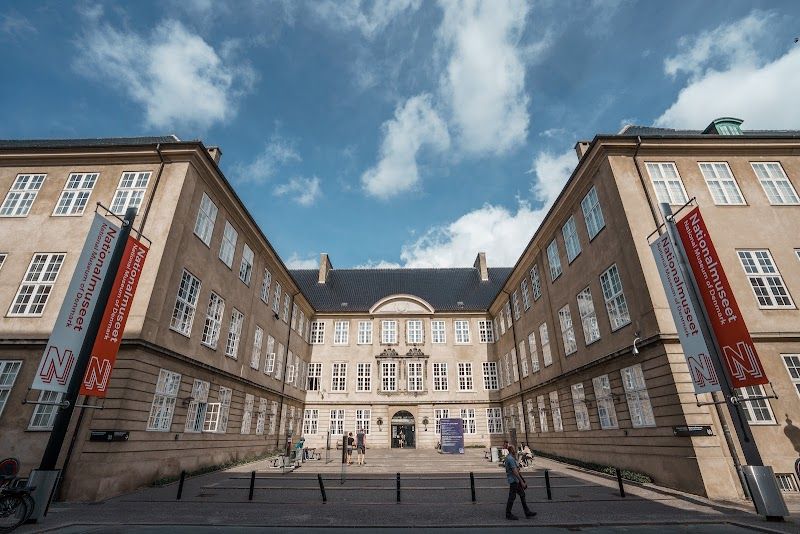
National Museum of Denmark
Denmark's National Museum houses the country's most impressive collection of cultural artifacts, spanning 14,000 years from Stone Age tools to Victorian furniture. You're here for two main draws: the extraordinarily well-preserved bog bodies (including the famous Tollund Man with his leather cap still intact) and the world-class Viking collection featuring ornate jewelry, weapons, and the stunning Trundholm sun chariot. The prehistoric galleries showcase Denmark's Bronze Age craftsmanship better than anywhere else in Scandinavia. The museum sprawls across multiple floors in a former royal palace, so expect to do some walking. The Viking halls feel appropriately dramatic with dim lighting that makes the gold artifacts gleam, while the bog body exhibition maintains a respectfully hushed atmosphere. You'll find yourself face to face with people who lived 2,000 years ago, their facial expressions still visible. The medieval section gets crowded around the runic stones, but the ethnographic collections upstairs remain blissfully quiet. Most visitors spend too much time in the less impressive later periods and rush through the prehistoric sections, which is backwards. The Viking Age and Bronze Age galleries on the ground floor deserve at least 90 minutes, while you can safely skip the 18th and 19th-century rooms unless furniture history excites you. At DKK 120, it's expensive but justified by the bog bodies alone. The audio guide costs extra DKK 30 but adds crucial context to the prehistoric finds.
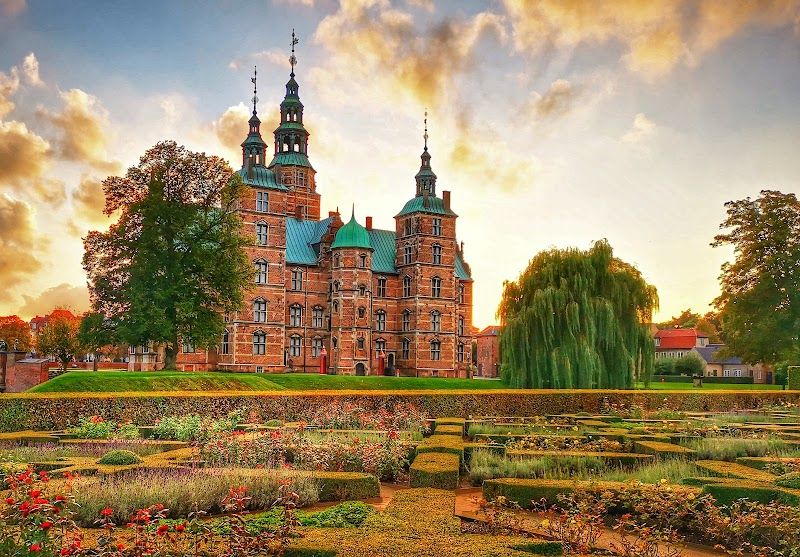
Kongens Have
Kongens Have wraps around Rosenborg Castle in central Copenhagen, giving you Denmark's oldest royal garden from the 1600s. You'll walk through perfectly maintained Renaissance layouts with geometric flower beds, tree-lined paths called allées, and expansive lawns where half of Copenhagen seems to sunbathe on warm days. The rose garden alone contains over 600 varieties, while the Hercules Pavilion anchors the southern end with classical architecture that actually photographs better than the castle itself. The garden flows in concentric circles around Rosenborg, so you naturally spiral inward toward the castle or outward toward the city streets. Locals treat this like their backyard: office workers eat lunch on benches, families spread blankets everywhere, and the puppet theater draws crowds of Danish kids who shriek with delight. The lime trees create natural tunnels of shade, and you'll hear multiple languages as tour groups mix with university students reading under centuries-old trees. Most guidebooks oversell the historical significance when really this works best as Copenhagen's central park with royal bonus points. Skip the weekend afternoons in summer when it's genuinely overcrowded, and don't bother with the northern sections which feel more like municipal landscaping. The southeast corner near the rose garden offers the best combination of flowers, architecture, and people-watching without fighting for space.
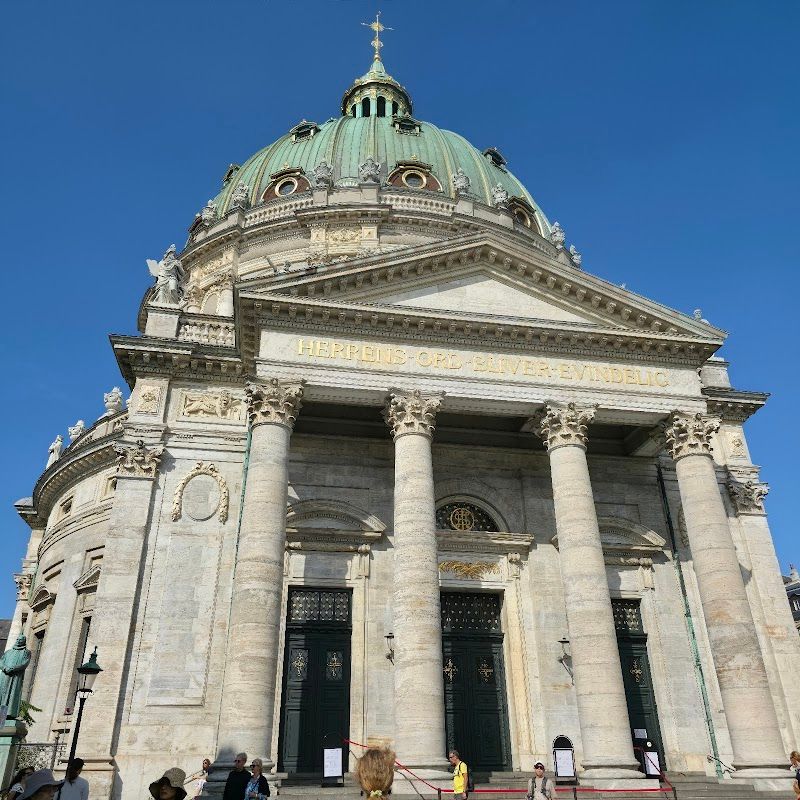
Frederiks Kirke
Frederiks Kirke, better known as the Marble Church, dominates Copenhagen's skyline with Europe's third-largest church dome. You'll walk into a surprisingly intimate rococo interior where 12 marble apostle statues circle the nave under elaborate ceiling frescoes. The real draw is climbing 260 steps through narrow spiral staircases to reach the exterior dome walkway, where you get unobstructed views directly across to Amalienborg Palace's courtyard and the harbor beyond. The climb feels like a workout: you'll spiral up through increasingly tight stone steps, passing small chambers and glimpsing the dome's inner construction. At the top, the circular walkway offers 360-degree views that most visitors aren't expecting. The perspective on Amalienborg is unique because you're looking down into the palace square from above, something impossible from street level. Wind can be fierce up here, so hold onto your hat. Most guides don't mention that the dome climb costs 35 DKK extra and closes 30 minutes before the church itself. Skip the ground-floor museum area, which feels like an afterthought. The morning light hits the dome perfectly for photos, and you'll avoid afternoon tour groups. The church is free to enter, but honestly, without climbing up, you're missing the main event.
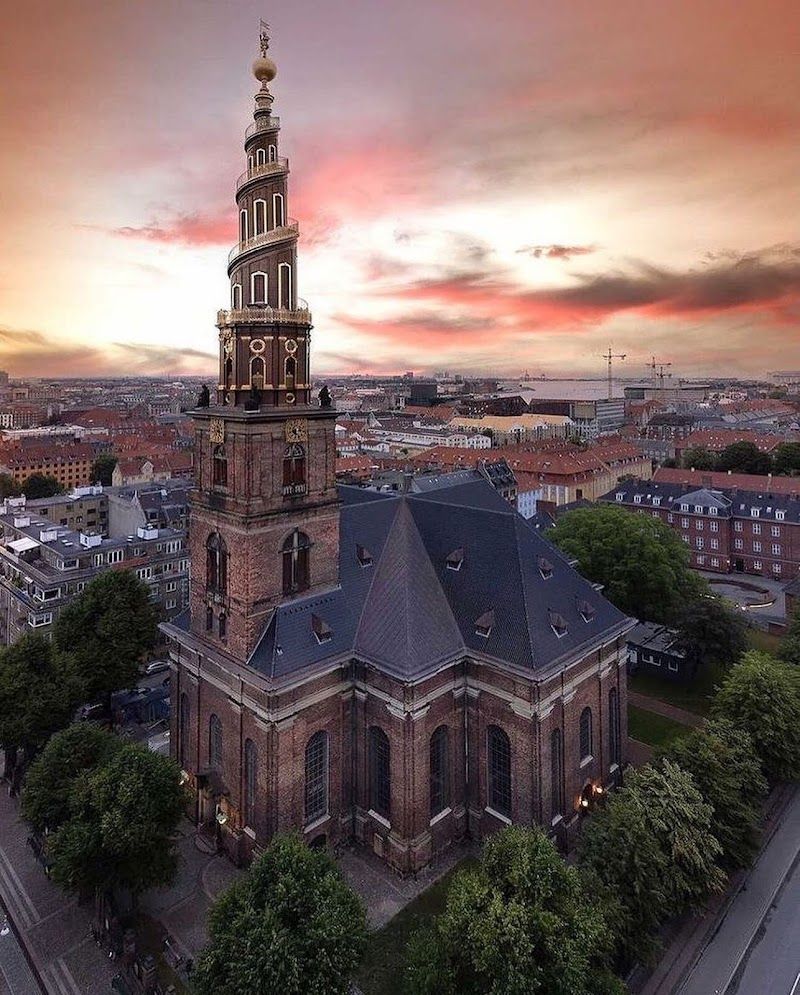
Church of Our Saviour
Church of Our Saviour is a baroque beauty from 1696, but everyone comes for one thing: that spiraling external staircase wrapping around the golden spire. You'll climb 400 steps total, with the final 150 on the narrow outdoor helix that gets your heart racing. The 360-degree views from 90 meters up showcase all of Copenhagen, from the colorful Nyhavn canal to the Øresund Bridge stretching toward Sweden. The climb starts inside through a traditional church interior, then transitions to wooden stairs within the spire before emerging onto the famous golden spiral. The outdoor portion feels precarious but thrilling, with the staircase getting narrower as you ascend. Wind whips around you as Copenhagen spreads below, and the spire's twisted design creates constantly changing perspectives. The final platform barely fits six people, so expect brief waits during busy periods. Most guides don't mention the real challenge: it costs 65 DKK per adult and the outdoor stairs close frequently for weather. High winds, rain, or ice shut down access with little warning, especially October through March. Skip the interior church tour unless you're genuinely interested in baroque architecture. The climb takes most people 20-30 minutes up and 15 minutes down, but your legs will feel it the next day.
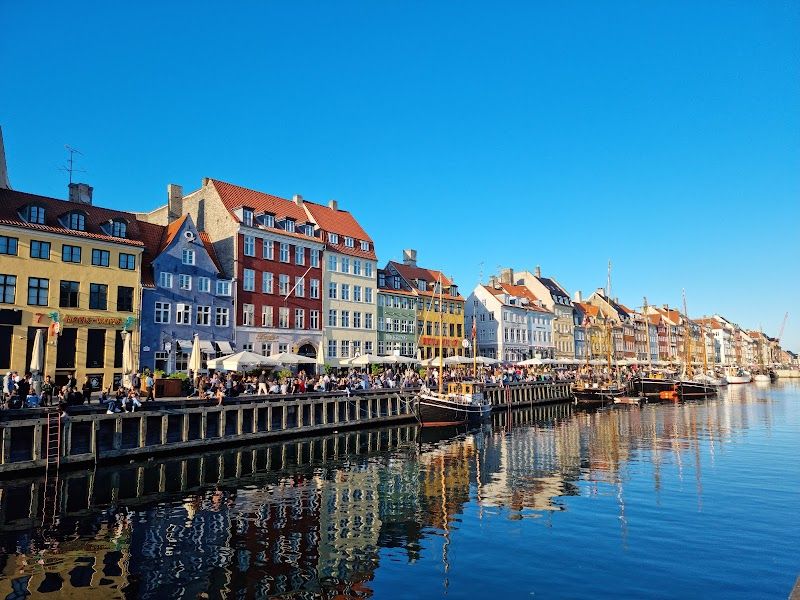
Nyhavn Canal
Nyhavn is Copenhagen's postcard canal, a 350-year-old waterway lined with candy-colored 17th and 18th-century townhouses that'll make your Instagram explode. You're looking at genuine maritime history here: sailors' bars, merchant houses, and the actual spots where Hans Christian Andersen penned his fairy tales (he lived at three different addresses along the canal). The north end bustles with canal boat departures, while the south side serves as Copenhagen's most expensive outdoor bar. The experience splits into two distinct vibes. The sunny south side (numbers 1-20) draws massive crowds to its restaurant terraces, where you'll pay tourist prices for average food while soaking up the atmosphere. The north side feels more authentic, with fewer crowds and better views back toward the colorful houses. Canal boats chug past constantly, their passengers waving and snapping photos of you snapping photos of them. Here's what guidebooks won't tell you: those waterfront restaurants charge 180-250 DKK for basic meals you can get for 80 DKK five minutes inland. The canal boat tours (80-120 DKK) offer the best value if you want harbor views, but skip the expensive dinner cruises. Most visitors camp out at the first pretty spot they see, but walk the entire length first. The real magic happens early morning or late evening when the tour groups disappear.
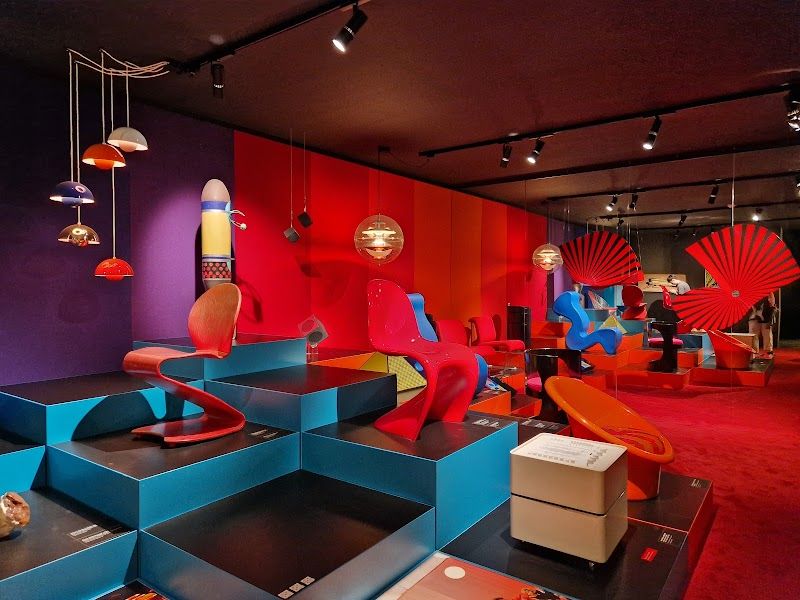
Designmuseum Danmark
Designmuseum Danmark houses the world's finest collection of Danish furniture and applied arts inside an elegant 1752 former hospital building. You'll see the actual Arne Jacobsen chairs that defined mid-century modern style: the curvaceous Egg and Swan chairs alongside his stackable Series 7. The ground floor showcases 300 years of Danish design evolution, from Kaare Klint's functional furniture philosophy to Georg Jensen's silver masterpieces, all demonstrating how Danish designers transformed everyday objects into art. The museum flows chronologically through bright, airy rooms where you can sit in reproduction chairs and handle design objects. The former hospital's classical architecture creates an interesting contrast with the sleek modern pieces displayed throughout. You'll trace how Danish design moved from traditional craftsmanship to industrial mass production, with excellent explanations of the design philosophy behind each era. The upper floors cover fashion and textiles, though these feel less essential than the furniture collections. At DKK 130, this isn't cheap, but the Danish furniture rooms justify the cost if you care about design history. Most guides don't mention that you can skip the fashion floors entirely and focus your two hours on the ground level collections. The museum shop sells both expensive reproductions and more affordable smaller items, though prices reflect the museum premium. Come on weekdays when it's quieter and you can properly examine the iconic pieces without crowds.
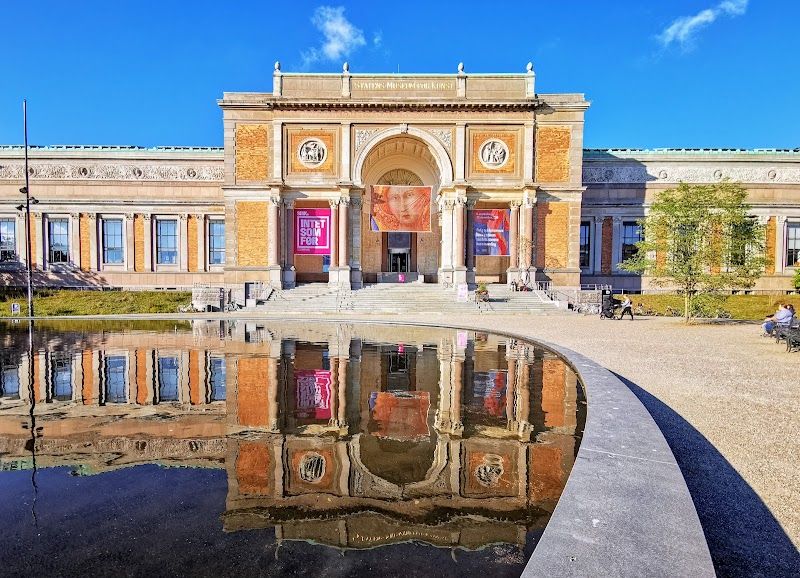
SMK - Statens Museum for Kunst
SMK houses Denmark's most comprehensive art collection, spanning seven centuries from medieval altarpieces to contemporary installations. You'll find Danish Golden Age masterpieces by Eckersberg and Købke, major European works by Matisse and Picasso, and an impressive contemporary wing with rotating exhibitions. The permanent collection covers 40 rooms across two buildings, with Danish art taking center stage alongside French Impressionists and modern European masters. The museum flows chronologically through interconnected galleries, starting with religious art in the old building before moving into the bright, modern wing for 20th century works. The Danish Golden Age rooms feel intimate and personal, while the contemporary spaces open up dramatically with floor to ceiling windows overlooking the sculpture garden. You'll spend most of your time in the Danish collections, which offer insights into Nordic light and landscape that influenced generations of artists. Most guides oversell the European masters section, which feels thin compared to major international museums. Focus your time on the Danish Golden Age rooms and the contemporary wing, where SMK truly excels. The sculpture garden outside gets overlooked but rewards a 10 minute stroll. Permanent collection admission stays free, but special exhibitions cost DKK 120 and often aren't worth the premium unless you're particularly interested in the featured artist.
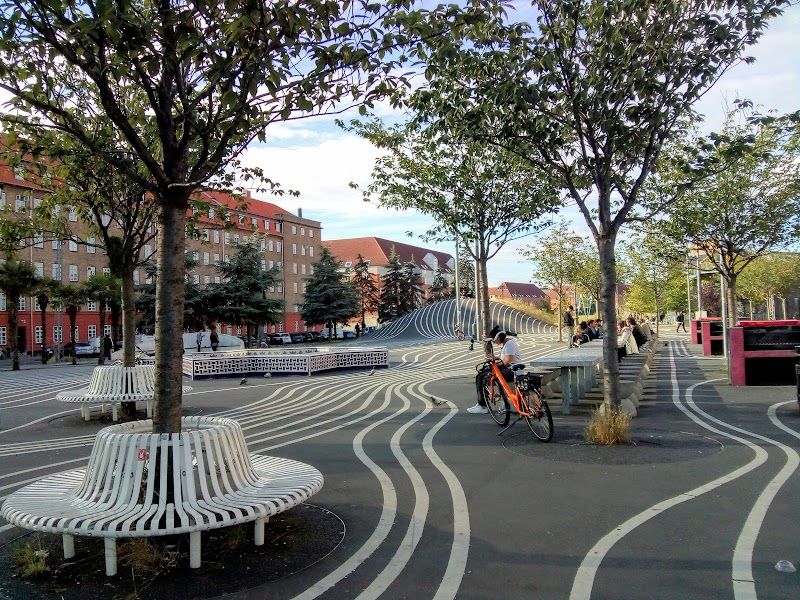
Superkilen
Superkilen stretches along Nørrebrogade as Copenhagen's most ambitious urban experiment: a half-kilometer park where each of 108 objects represents the home countries of local Nørrebro residents. You'll walk through three distinct zones, from the Red Square's angular playground and Thai boxing ring to the Black Market's Moroccan fountain and Palestinian olive trees, ending in Green Park's rolling hills dotted with Japanese cherry trees. It's part museum, part playground, part statement about modern Copenhagen's diversity. The experience flows like flipping through a global catalog in real time. Kids scramble over the bright red playground equipment while teenagers shoot hoops on courts painted in bold patterns. The black section feels more contemplative, with benches positioned around carefully chosen artifacts that locals nominated from their countries of origin. Green Park at the northern end offers actual grass and shade, where you can finally sit and process the sensory overload you've just walked through. Most travel guides oversell this as some profound cultural experience, but honestly, it's best appreciated as clever urban design rather than deep art. The Red Square gets packed with families on weekends and feels chaotic, while the black section can feel oddly sterile despite its meaningful backstory. Go on a weekday morning when you can actually read the plaques explaining each object's significance without dodging strollers and soccer balls.
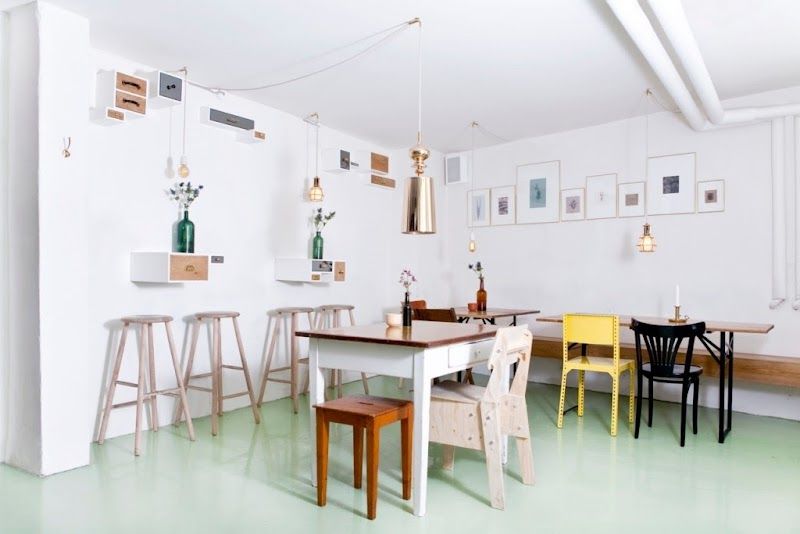
Mikkeller Bar
Iconic craft beer bar from Copenhagen's most famous brewery, offering an extensive selection of experimental and seasonal brews. The dark, cozy interior features chalkboard menus listing rotating taps and rare bottles. A pilgrimage site for beer enthusiasts looking to taste innovative Nordic brewing.
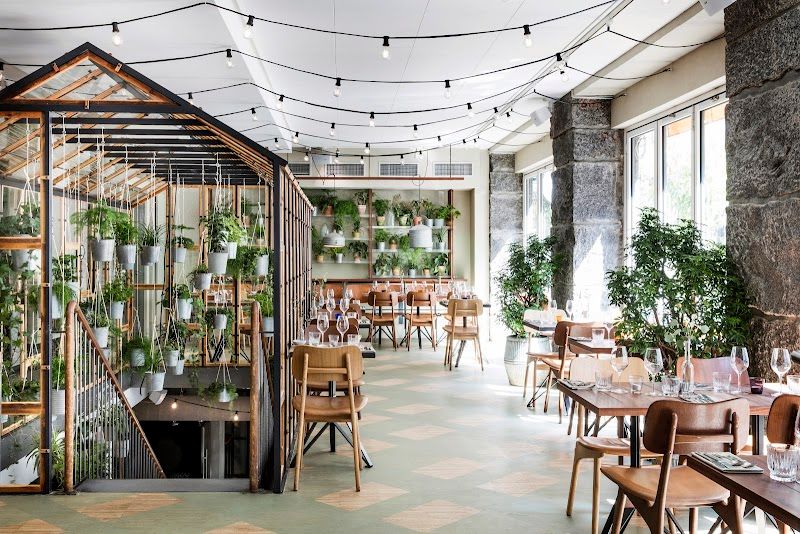
Väkst
Nordic restaurant set in a stunning indoor greenhouse filled with over 2,000 plants and hanging greenery. The menu features seasonal vegetables and sustainable seafood with refined Danish techniques. The lush botanical setting creates an urban oasis perfect for special occasions.
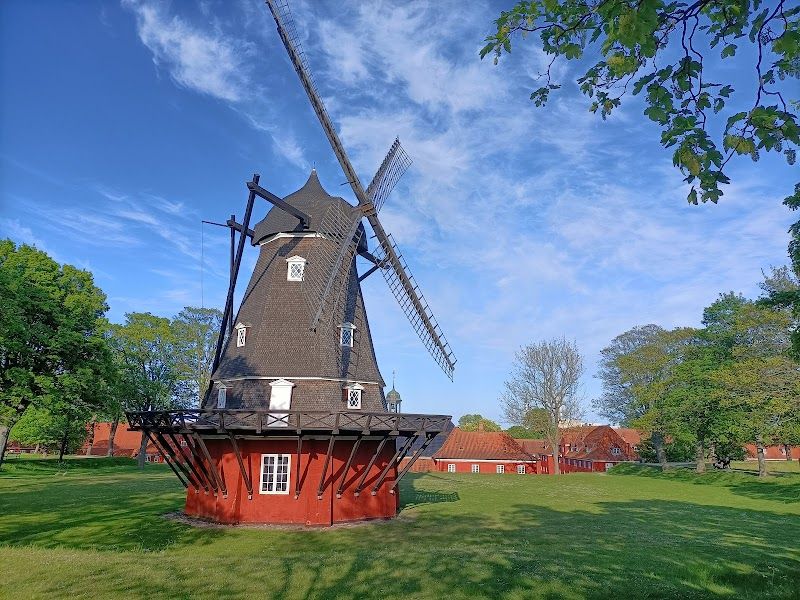
Kastellet
Kastellet is Northern Europe's best preserved star fortress, built in the 1660s and still housing active military personnel today. You'll walk the complete pentagonal ramparts for free, passing through baroque gates, alongside historic windmills, and over stone bridges crossing the moats. The grounds contain working barracks, a small church, and surprisingly peaceful green spaces where soldiers actually live and work. The rampart walk offers excellent harbor views and connects directly to the Little Mermaid statue if you're ticking that box. The atmosphere feels genuinely military rather than tourist focused. You'll see Danish soldiers going about their daily routines, hear commands echoing from training areas, and walk paths that feel authentically functional rather than preserved for show. The star shaped design becomes clear as you follow the raised earthwork walls, with each bastion offering different perspectives over Copenhagen's harbor and the city beyond. The windmill and church create perfect photo opportunities, while the moat areas provide surprisingly quiet spots just minutes from busy Nyhavn. Most guides don't mention that large sections close periodically for military exercises, so check their Facebook page before visiting. The rampart walk takes exactly 45 minutes if you move steadily, though most people linger for photos and harbor gazing. Skip the interior buildings unless you're deeply interested in military history, they're fairly basic. The real value here is the free rampart walk with genuine historical atmosphere, not museum displays.
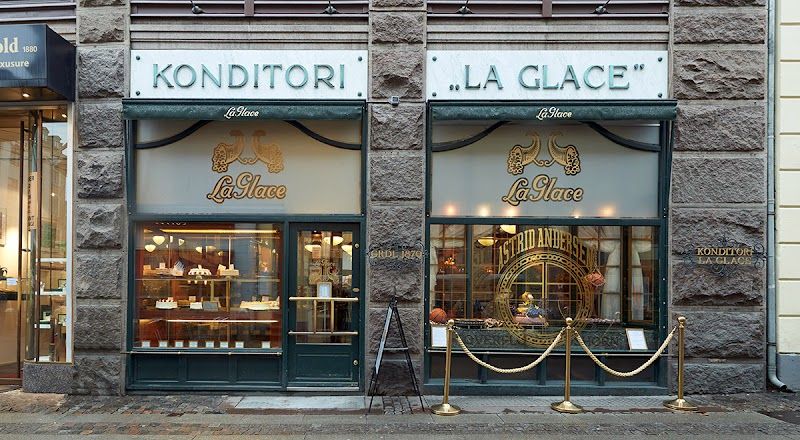
Conditori La Glace
Copenhagen's oldest konditori, operating since 1870 in the same ornate premises near Strøget, famous for its towering layer cakes and traditional Danish pastries served on fine porcelain. The signature Sportskage (a cream cake with caramel and nougat) has been made to the same recipe for over a century. The interior retains its Belle Époque character with crystal chandeliers, velvet banquettes, and glass cases displaying elaborate marzipan confections.
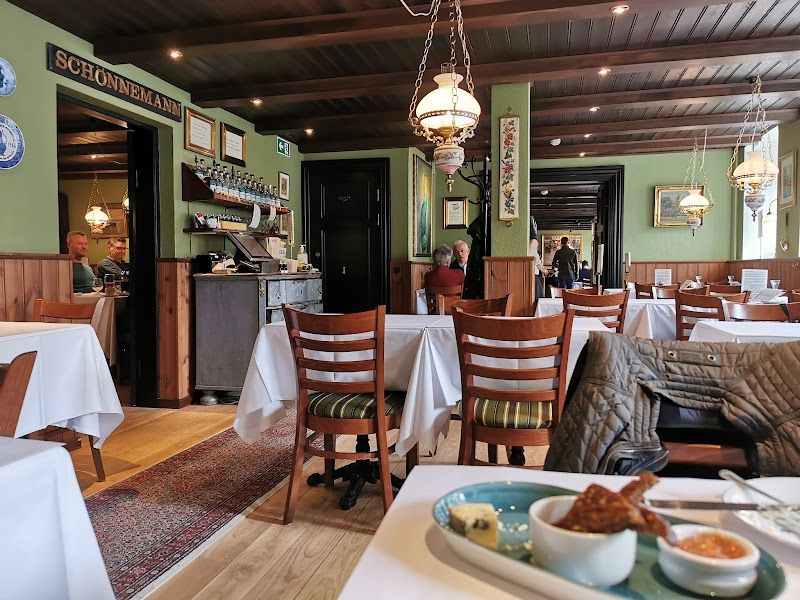
Schønnemann
Copenhagen's oldest smørrebrød restaurant, serving traditional open-faced sandwiches since 1877. The herring platter and roast beef with remoulade are legendary, and the aquavit selection is among the city's best. White tablecloths and waiters in vests maintain the old-world atmosphere.
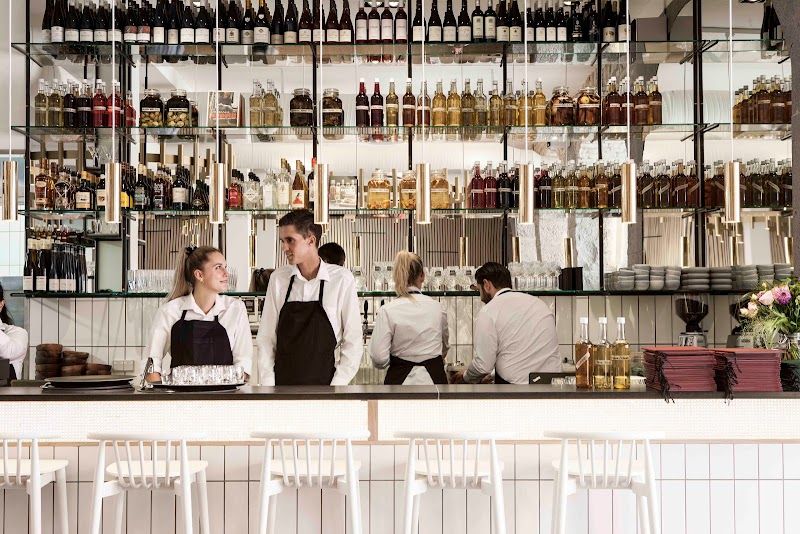
Aamanns 1921
Adam Aamann reinvented smørrebrød for the modern era while respecting tradition. The seasonal menu features creative combinations like smoked duck with pickled pear, but the classic fried plaice remains perfect. The sleek, minimalist interior contrasts beautifully with the historic recipes.
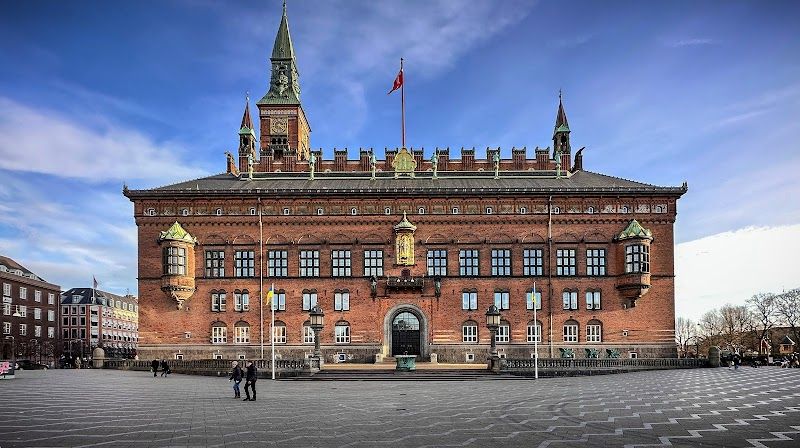
Københavns Rådhus
Copenhagen's City Hall anchors Rådhuspladsen with its striking red brick facade and soaring 105-meter tower that's visible from across the city center. The 1905 National Romantic building houses the working city government, but you're here for two things: the tower views and Jens Olsen's World Clock, an intricate astronomical timepiece that tracks everything from planetary positions to a 25,000-year calendar. The building itself blends medieval Danish architecture with Italian Renaissance touches, creating something uniquely Copenhagen. Inside feels surprisingly intimate for such a grand building. The Great Hall impresses with its vaulted ceilings and murals depicting Danish history, while the famous clock sits in a ground-floor alcove where you can watch its complex mechanisms tick through multiple dials. The tower climb involves 298 steps up narrow spiral staircases, but the panoramic views from the top span the entire city center. You'll spot the Round Tower, Nyhavn's colorful facades, and the copper spires of old churches spread below. Most visitors rush through in 20 minutes and miss the building's working government atmosphere. Tower tours cost 40 DKK and run only at 11am and 2pm on weekdays (plus noon on Saturdays), so book ahead through their website. Skip the clock if you're short on time, the views are the real draw here. The morning tour offers clearer light for photos and smaller crowds than the afternoon slot.
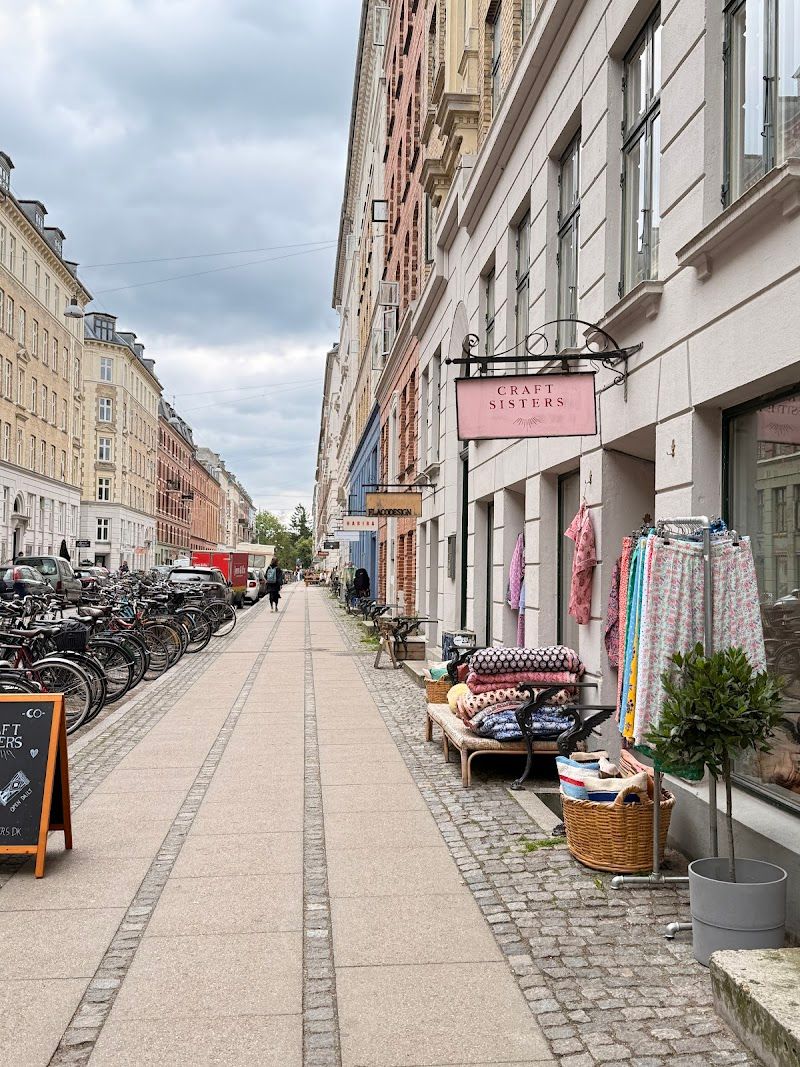
Jægersborggade
A narrow Nørrebro street that has become Copenhagen's unofficial specialty coffee corridor, lined with independent roasters, natural wine bars, and artisan bakeries. Within a 300-meter stretch you'll find Coffee Collective, Relæ Bakery, and several other third-wave coffee spots that draw baristas from across Europe. The street retains its working-class charm with colorful 19th-century buildings and a mix of vintage shops and neighborhood butchers.
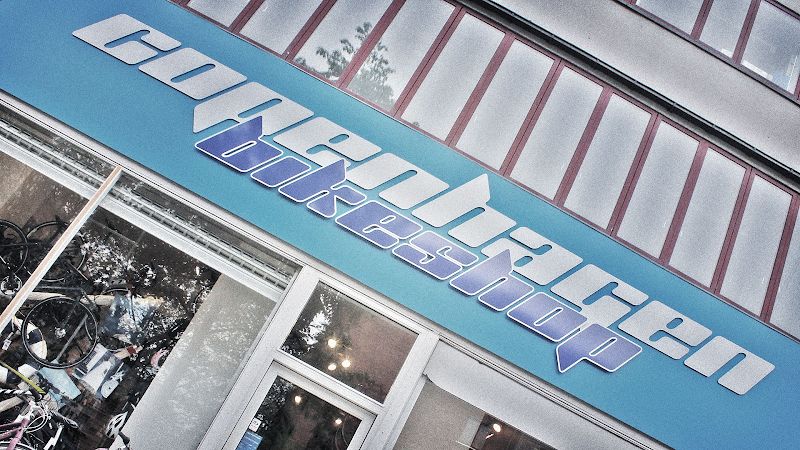
Copenhagen Bicycles
Copenhagen Bicycles runs proper cycling tours that show you how Danes actually live, pedaling through neighborhoods most tourists never see on foot. You'll cover serious ground in three hours, from the alternative community of Christiania to the waterfront developments around Islands Brygge, with stops at local cafés and viewpoints that aren't on standard walking routes. The guides are locals who explain why Copenhagen became the world's cycling capital and point out details you'd miss otherwise. The experience feels authentic because you're doing exactly what 40% of Copenhageners do daily: getting around by bike. You'll cruise along dedicated cycle superhighways, stop at traffic lights with commuters, and navigate the same routes locals use. The pace is relaxed with plenty of photo breaks, and the bikes are comfortable city models with baskets. Groups stay small at 8-12 people, so you can actually hear your guide's stories about Danish urban planning and cycling culture. Most bike tour companies stick to the obvious sights, but Copenhagen Bicycles ventures into residential Nørrebro and working harbor areas that reveal the real city. Tours cost 350 DKK, which is steep but justified by the ground you cover. Skip their evening tours though, the light isn't great for photos and some neighborhoods feel less lively after 6pm.
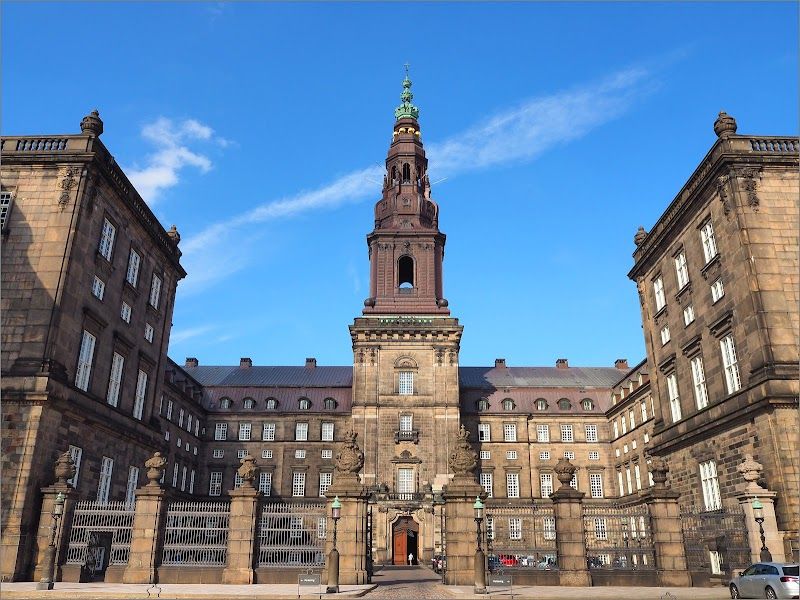
Ruins Under Christiansborg Palace
You're walking through the actual foundations of Copenhagen itself: Bishop Absalon's 1167 castle that became the seed of the entire city. The guided tour takes you through excavated stone corridors and defensive walls that survived eight centuries of building, burning, and rebuilding above. You'll see medieval toilets, kitchen foundations, and a surprisingly intact castle well, all lit dramatically in underground chambers that most Copenhagen visitors never know exist. The tour follows wooden walkways through dimly lit stone chambers where your guide points out different construction periods layered like geological strata. The temperature stays around 12°C year round, creating an almost cathedral-like atmosphere as you move between rooms carved from solid rock and walls built with medieval mortar. Information panels show how each layer represents different eras: Absalon's original fortress, Christian IV's Renaissance additions, and fire damage from various sieges. At 165 DKK for adults, it's overpriced for what amounts to foundation walls and interpretive panels, but the historical significance makes it worthwhile if you're genuinely interested in Copenhagen's origins. Skip it if you're not into medieval history, the guide speaks only Danish and English, and there's zero flexibility in the route. Book ahead during summer since groups are capped at 25 people, and don't expect dramatic ruins like you'd find in Rome.
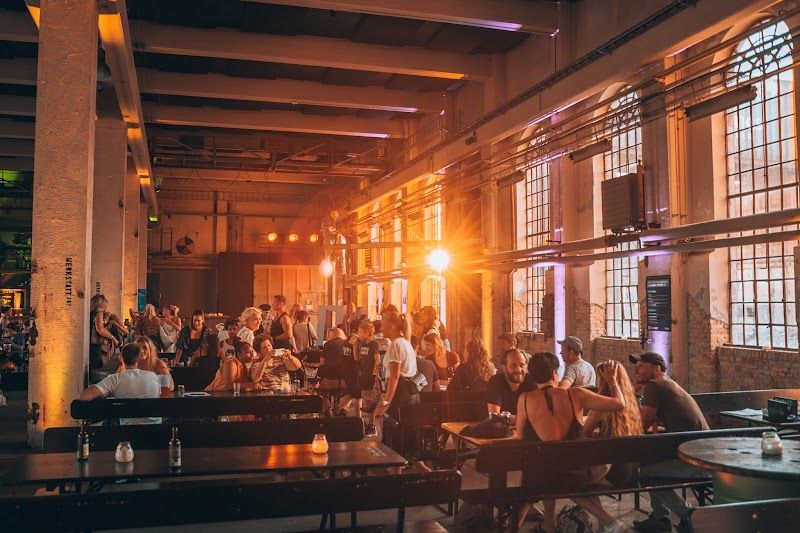
Reffen Copenhagen Street Food
Reffen transforms a former naval base into Copenhagen's largest street food playground, with 41 vendors serving everything from Korean corn dogs to Palestinian falafel in shipping containers and converted military buildings. You'll find serious ramen from Slurp, inventive tacos at Hija de Sanchez, and surprisingly good Indian curries at Bindia, all spread across a waterfront site that feels like a food festival that never ends. The whole complex uses upcycled materials and solar power, creating an Instagram-worthy backdrop for your lunch. The setup works like a giant outdoor food court where you order from different stalls and find seating anywhere from picnic tables to grassy slopes overlooking the harbor. Weekend afternoons turn into impromptu parties with DJs, while weekday visits feel more relaxed and local. The best spots are the wooden decks right on the water where you can watch kayakers paddle past while demolishing a plate of dumplings. Lines form at popular stalls during peak hours, but the turnover stays quick. Most vendors charge 80-150 DKK for mains, which isn't cheap but matches Copenhagen standards with better quality than typical food courts. Skip the pizza and burger stalls that phone it in for tourists, and head straight to vendors with queues of locals. The Korean fried chicken at Kokio consistently delivers, and Atelier September's weekend brunch setup beats their overpriced city location. Bring cash as some smaller vendors still don't take cards despite what their signs claim.
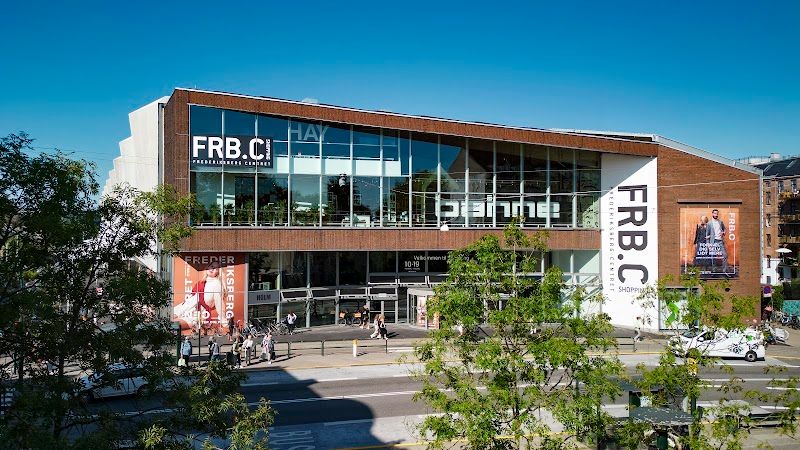
Frederiksberg Centret
Copenhagen's oldest shopping center with a distinctive 1960s architectural style that's been thoughtfully renovated. It houses Danish and international brands, a food court with local eateries, and a rooftop terrace offering views over Frederiksberg. The center has a distinctly local shopping vibe rather than tourist-focused.
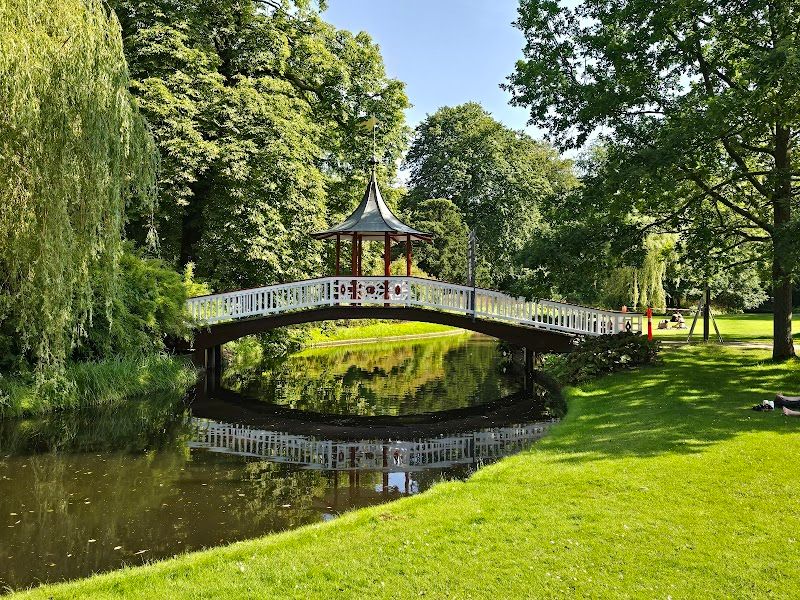
Frederiksberg Have
This romantic landscape garden surrounds Frederiksberg Palace and features English-style landscaping with winding paths, artificial hills, and a series of canals and lakes. Created in the early 1700s, the park includes Chinese pavilions, a Swiss cottage, and the Royal Copenhagen Porcelain viewing pavilion. It's connected to the Copenhagen Zoo, and you can see elephants from certain vantage points.
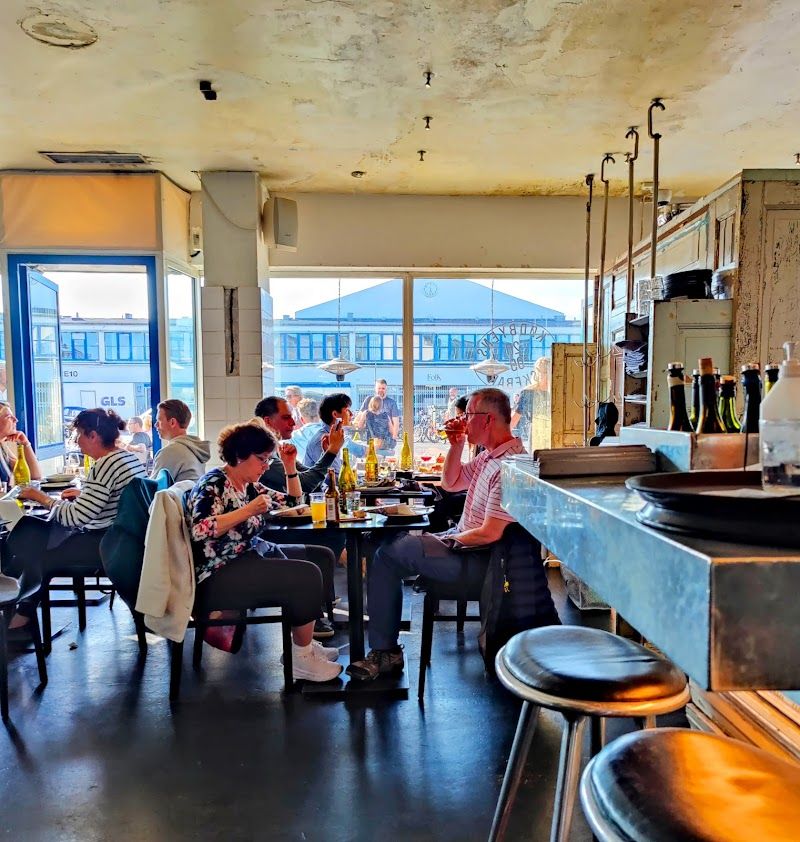
Kødbyens Fiskebar
Seafood specialist in a converted meat warehouse with communal tables and an open kitchen. The daily catch board changes based on what fishing boats bring in, and the shellfish platters are outstanding. Raw bar seats at the counter are first-come, first-served.
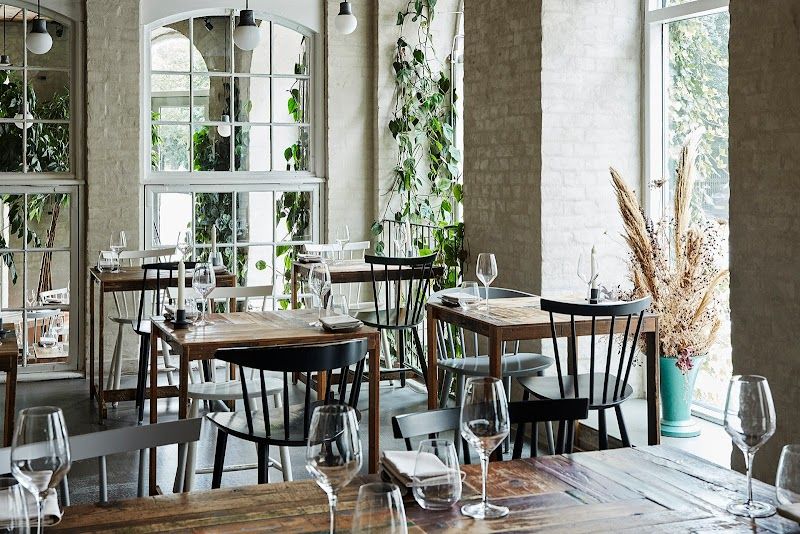
Höst
Modern Nordic restaurant that won international design awards for its warm, rustic interior with birch branches and handmade ceramics. The seasonal tasting menu emphasizes foraged ingredients and traditional techniques without Noma's price tag. Consistently excellent execution.
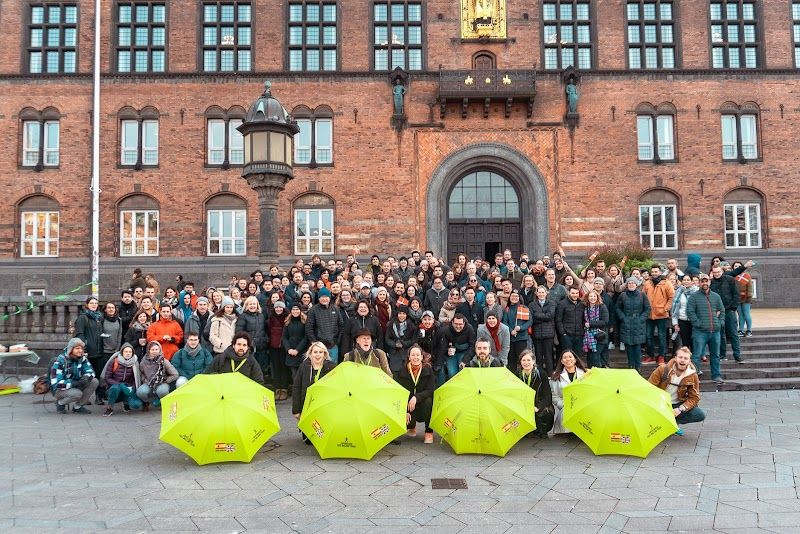
Freetown Christiania Tours
Walking tours led by Christiania residents through the autonomous neighborhood, explaining its 1971 founding, social experiment status, and ongoing battles with authorities. Tours cover the Green Light District, communal buildings, and art installations while respecting the community's photography rules. A rare insider perspective on Copenhagen's most controversial area.
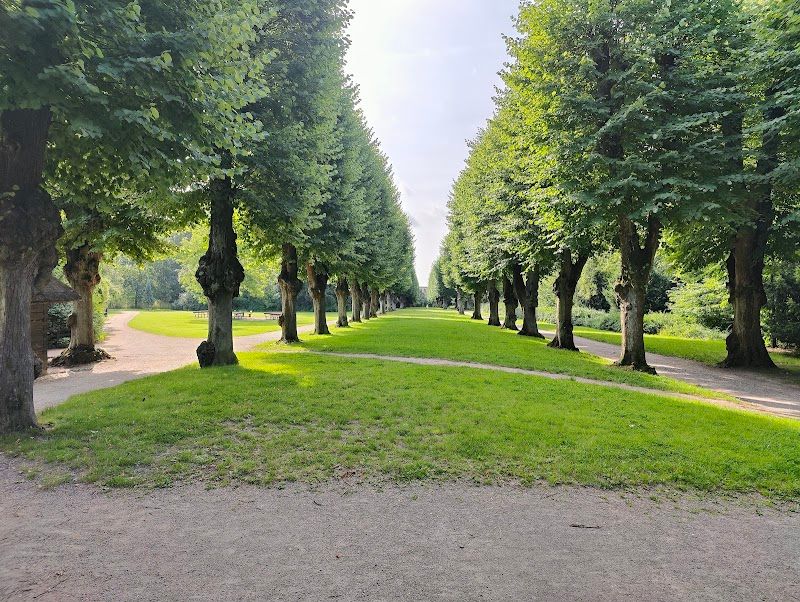
Søndermarken
A sprawling park adjacent to Frederiksberg Gardens but larger and more natural, with open meadows, dense woodlands, and the Carlsberg-founded Cisternerne art space beneath its grounds. The park features ancient trees, grazing Highland cattle, and wide-open spaces perfect for football, frisbee, or simply spreading out a picnic. It feels more like countryside than city park.
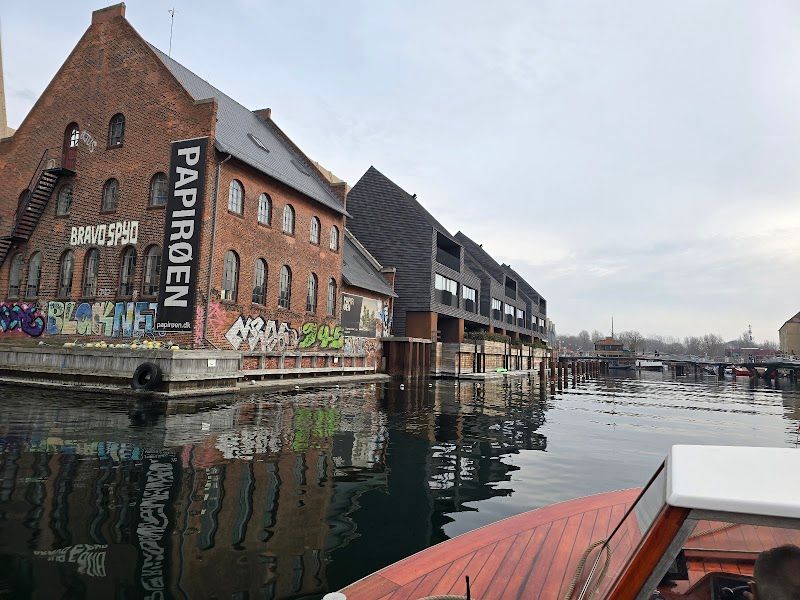
Copenhagen Night Watchman Tour
Evening tours with a costumed guide carrying a lantern and morning star, recreating the 17th-century night watchman's route through cobblestoned old town. The performance includes period songs, stories of fires and thieves, and stops at medieval squares. A theatrical experience blending history with entertainment.
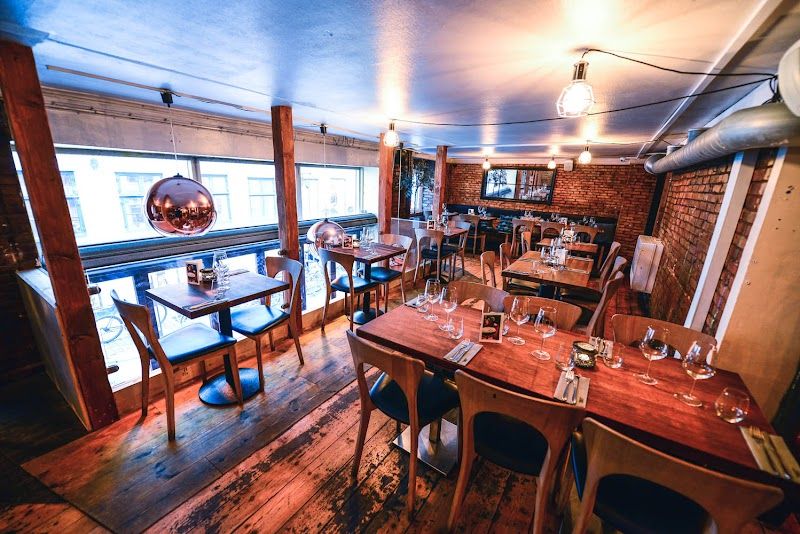
Tight
Danish comfort food and natural wine in a former butcher shop that keeps the vintage tile walls. The menu centers on traditional recipes like frikadeller and tarteletter, executed with quality ingredients and modern technique. The wine list is surprisingly adventurous for the homestyle food.
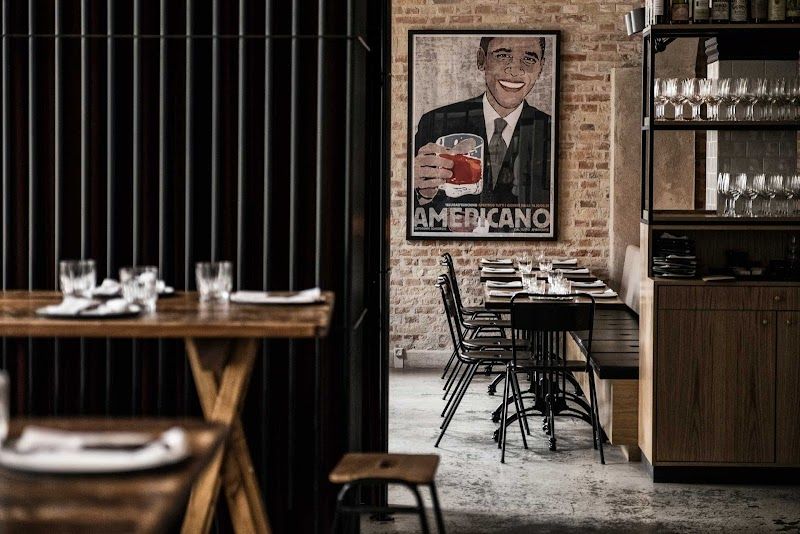
Bæst
Wood-fired pizza and organic Italian food with an attached butcher shop and dairy. The mozzarella is made fresh daily from organic milk, and the salumi hanging in the window is house-cured. The sourdough pizza crust has a devoted local following.
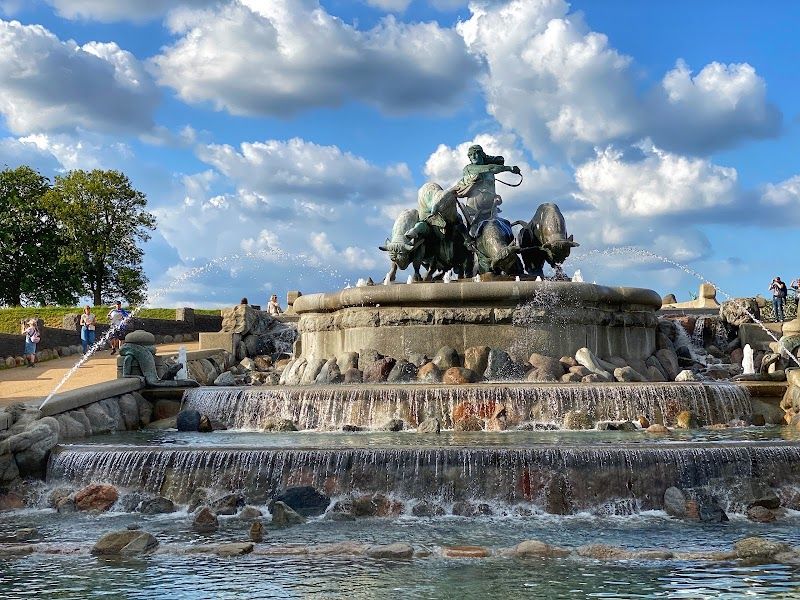
Gefionspringvandet
This monumental bronze fountain depicts the Norse goddess Gefion plowing Zealand out of Sweden with four oxen, which according to legend were her sons transformed into beasts. Completed in 1908, the powerful sculpture shows water cascading from the oxen and plow. Located in a small park near the harbor, it's often overlooked by tourists rushing to the Little Mermaid nearby.
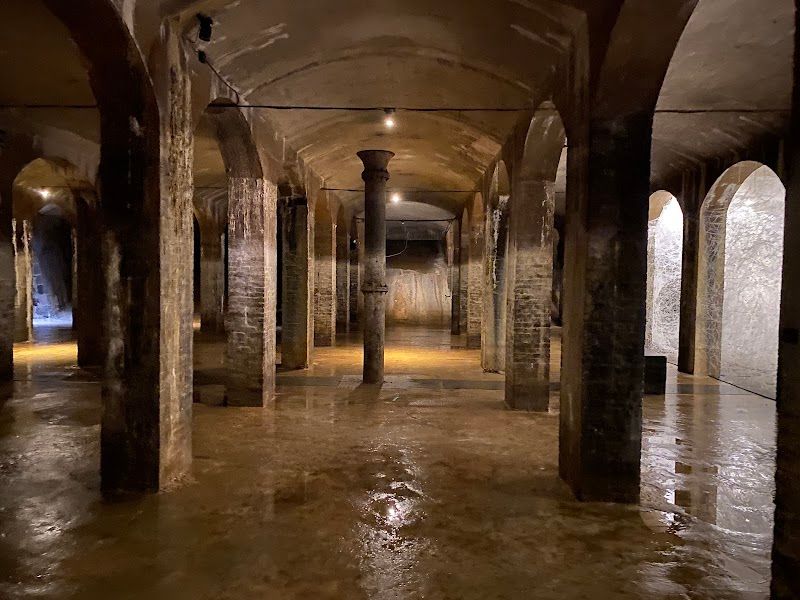
Cisternerne
This former water reservoir beneath Frederiksberg Gardens has been transformed into a dramatic underground exhibition space for contemporary art and installations. The cathedral-like concrete chambers with standing water create an atmospheric backdrop for site-specific works that play with light, sound, and reflection.
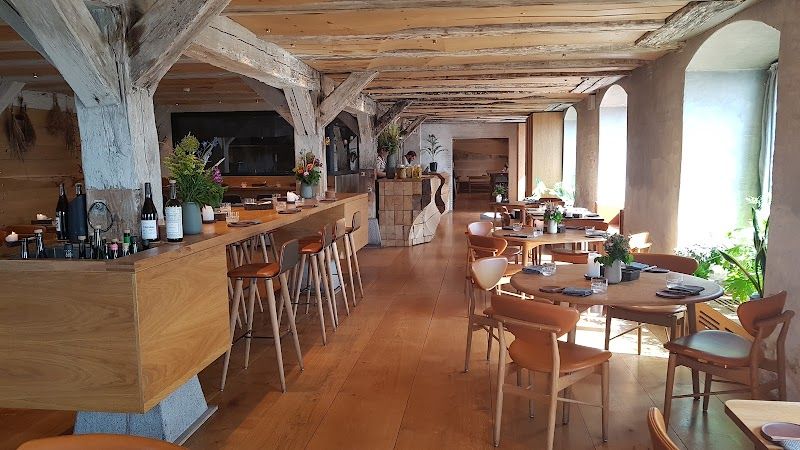
Restaurant Barr
Located in Noma's former space, focusing on North Sea coastal cuisine from Denmark, Germany, and the Netherlands. The beer hall atmosphere combines with refined cooking—think smoked eel, pork schnitzel, and brown butter. The beer list features rare Scandinavian microbrews.
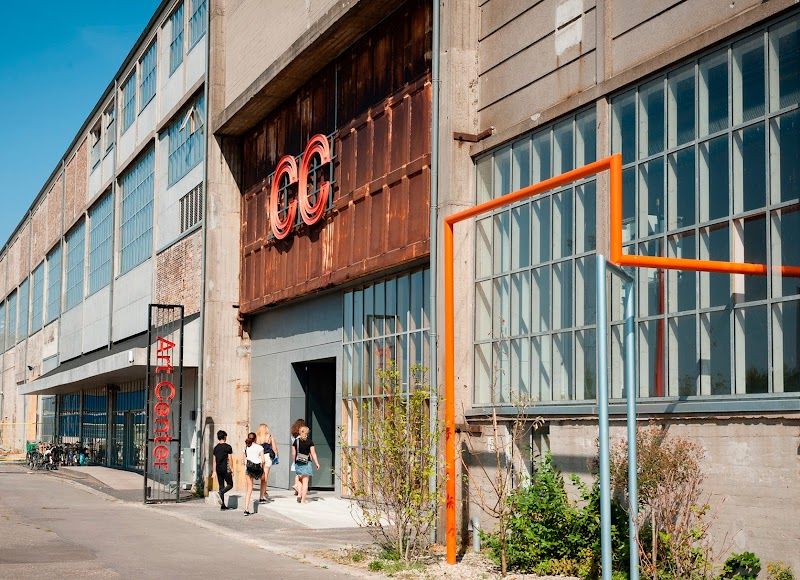
Copenhagen Contemporary
This massive contemporary art space occupies a former welding hall in the industrial Refshaleøen peninsula, featuring large-scale installations and rotating exhibitions. Admission is free or DKK 60 depending on the exhibition, with works too big for traditional museums.
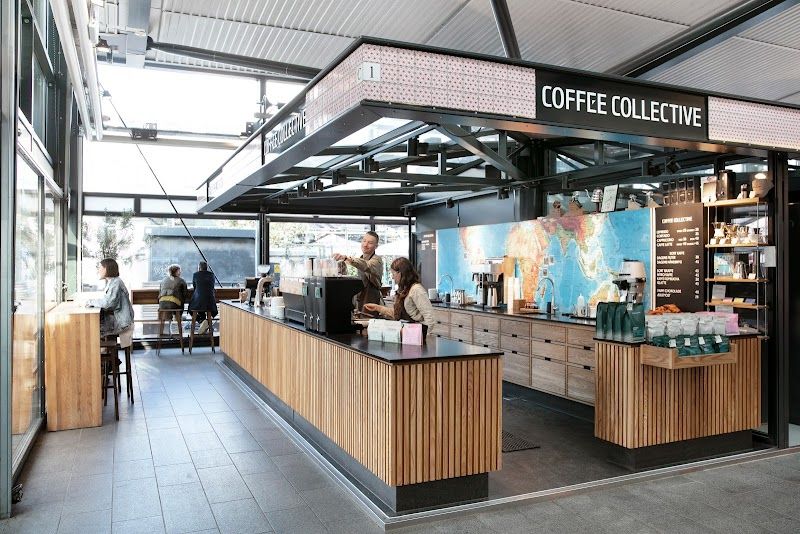
The Coffee Collective Torvehallerne
The Torvehallerne outpost of Copenhagen's pioneering specialty coffee roaster, serving single-origin espresso and filter coffee sourced through direct trade relationships with farmers. The open bar setup lets you watch baristas at work with rotating beans roasted at their Frederiksberg facility, and the menu includes detailed tasting notes for each origin. This location gets the morning foot traffic from Nørreport commuters but maintains exacting standards with precise brew ratios and water temperatures.
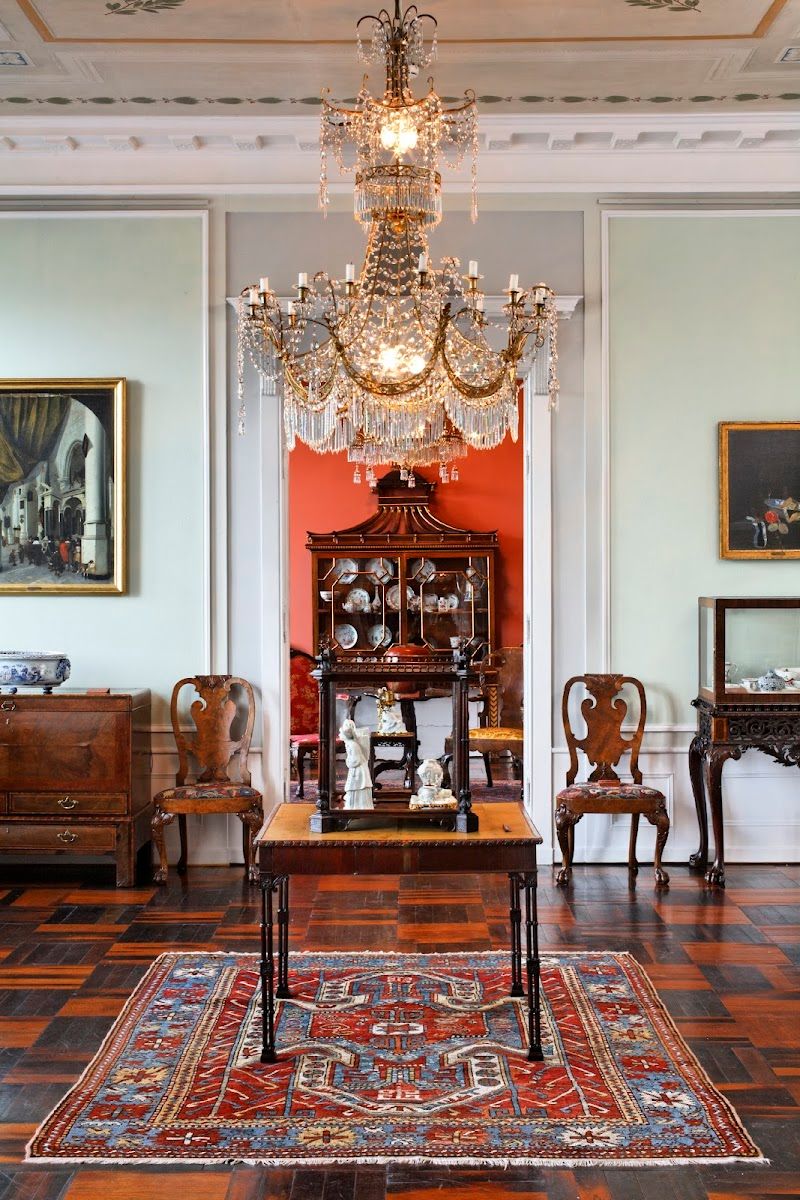
The David Collection
This free museum houses one of Europe's finest collections of Islamic art, from 7th-century ceramics to Mughal miniatures, plus European decorative arts from the 18th century. The intimate townhouse setting makes for an uncrowded, contemplative visit unlike Copenhagen's larger museums.
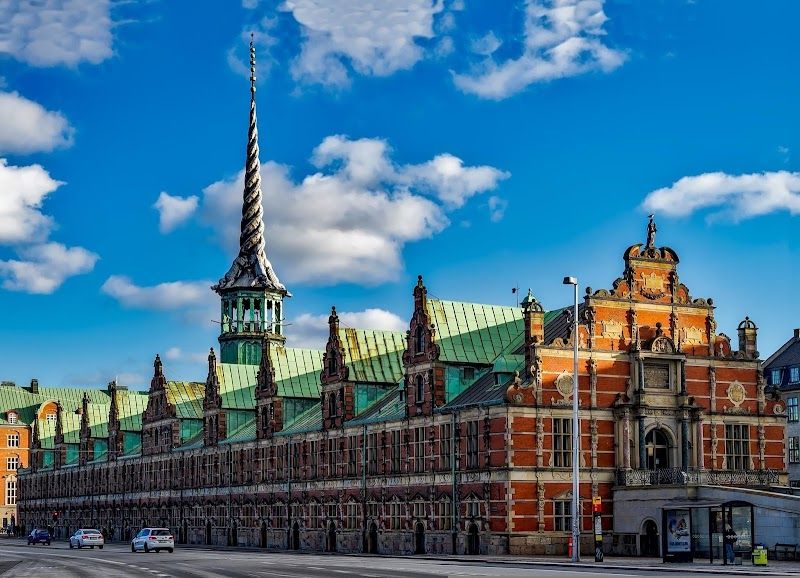
Børsen
The Old Stock Exchange, built in 1625, is one of Copenhagen's oldest buildings and features a distinctive 56-meter spire formed by four intertwined dragon tails. The Dutch Renaissance building served as the stock exchange until the 1970s and now houses the Danish Chamber of Commerce. While not open to the public, its exterior and waterfront location make it a striking landmark.
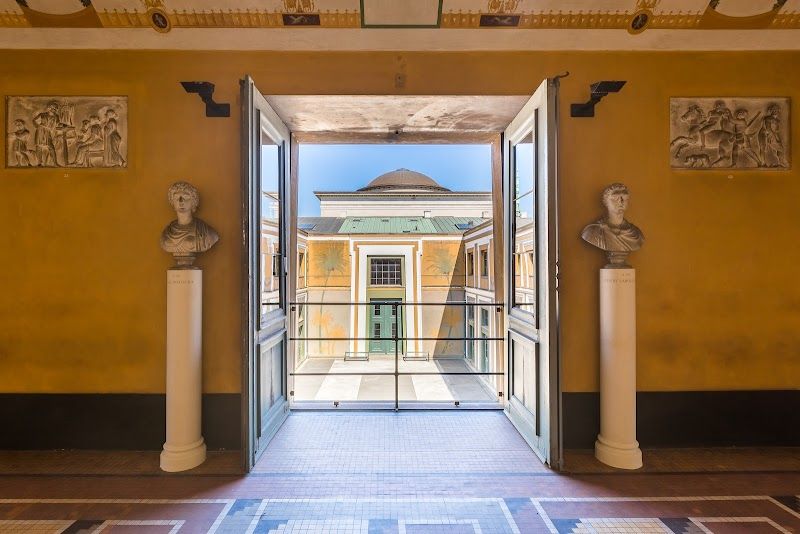
Thorvaldsens Museum
This striking ochre and blue building houses the complete works of Denmark's most celebrated sculptor, Bertel Thorvaldsen, who spent 40 years in Rome. The neoclassical marble sculptures and the artist's personal collection of ancient art fill rooms decorated with original painted ceilings.
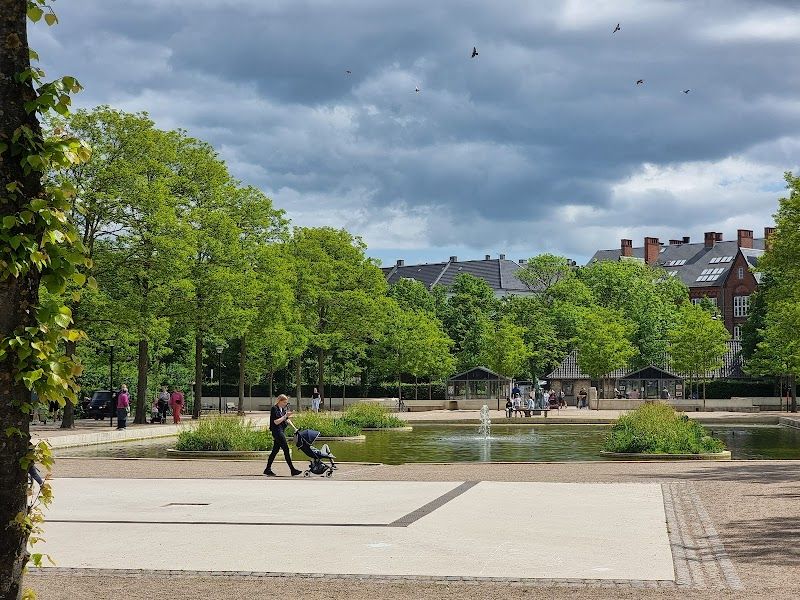
Enghave Park
Spacious green park popular with Vesterbro families and locals seeking quiet away from tourist crowds. Features large lawns, walking paths, a pond, and plenty of space for picnics and sports. The park has a more residential, authentic Copenhagen feel than the city center gardens.
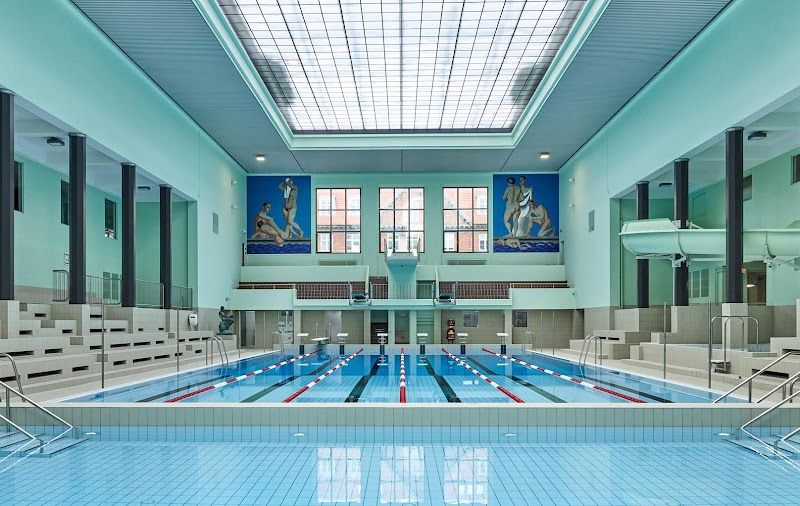
Frederiksberg Svømmehal
Stunning Art Nouveau swimming hall from 1902, featuring original architectural details including ornate ironwork and beautiful tile work. The pool is still in active use and open to the public, offering a unique opportunity to swim in a historically preserved setting. The changing rooms maintain their vintage charm.
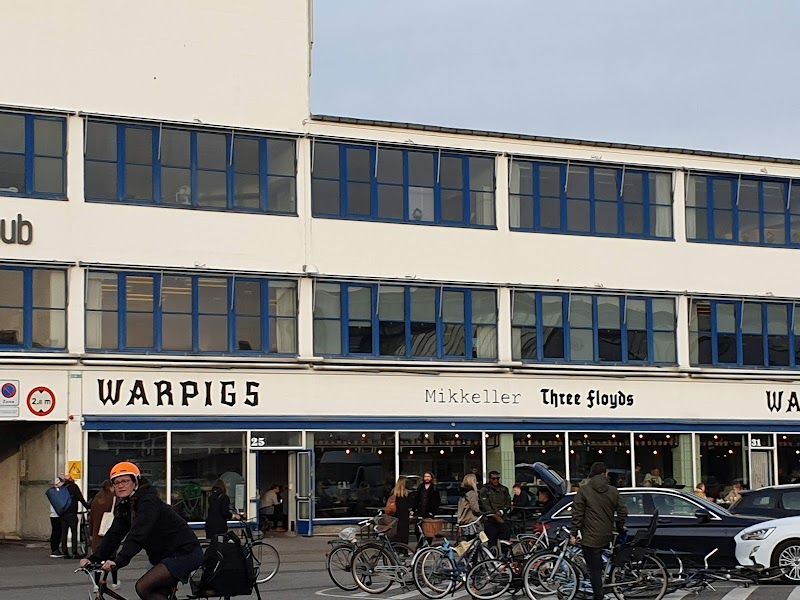
Pâté Pâté
Intimate wine bar and restaurant serving natural wines and French-inspired small plates in a candlelit space. The ever-changing menu focuses on seasonal ingredients and unconventional wine pairings. Known for knowledgeable staff who help navigate their extensive natural wine selection.
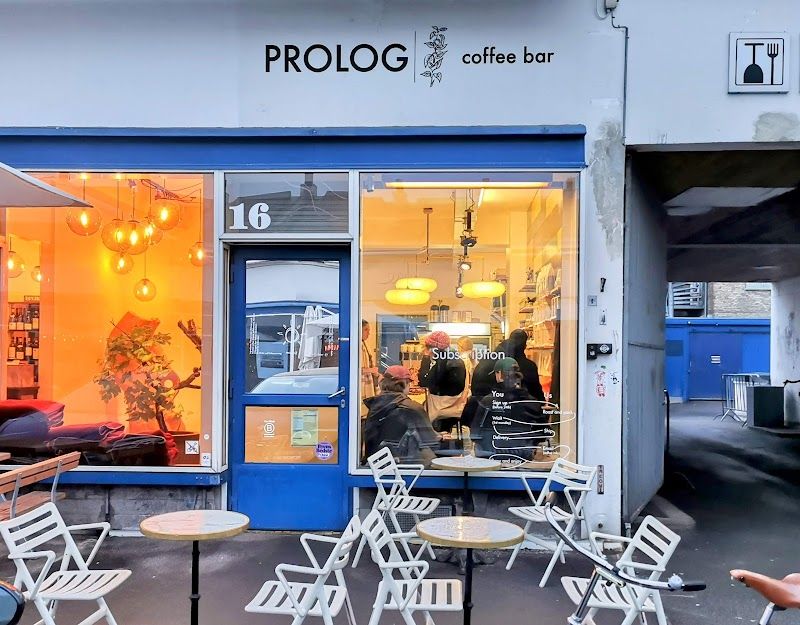
Prolog Coffee Bar
A micro-roastery and espresso bar on Høkerboderne in the Latin Quarter, occupying a former butcher shop with original white tiles and meat hooks now repurposed as coat hangers. Owner-roaster Lasse Steffensen works with a tiny 1kg Probat roaster visible behind the bar, creating small-batch experimental roasts and serving meticulously prepared espresso drinks. The space holds maybe 12 people, creating an intimate atmosphere where serious coffee conversations happen naturally.
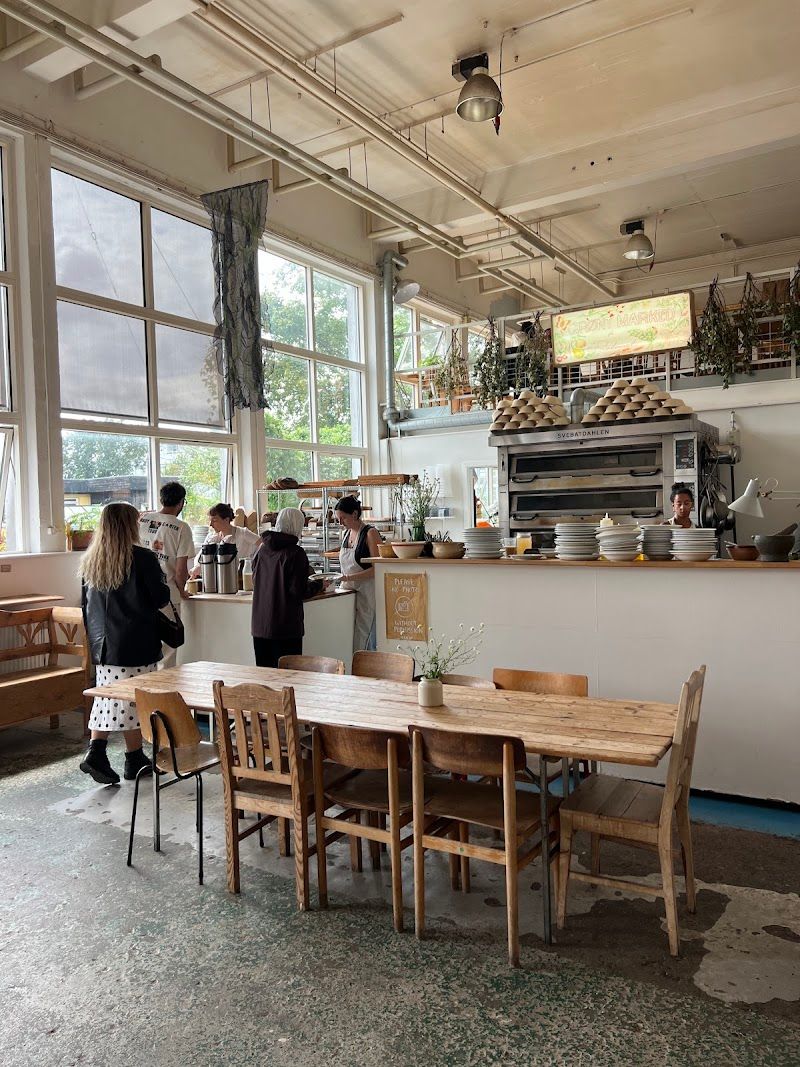
Lille Bakery
Small artisan bakery specializing in naturally leavened sourdough breads and pastries made with organic Danish flour. The cardamom buns and seasonal fruit tarts are neighborhood favorites. Everything is baked fresh daily in small batches.
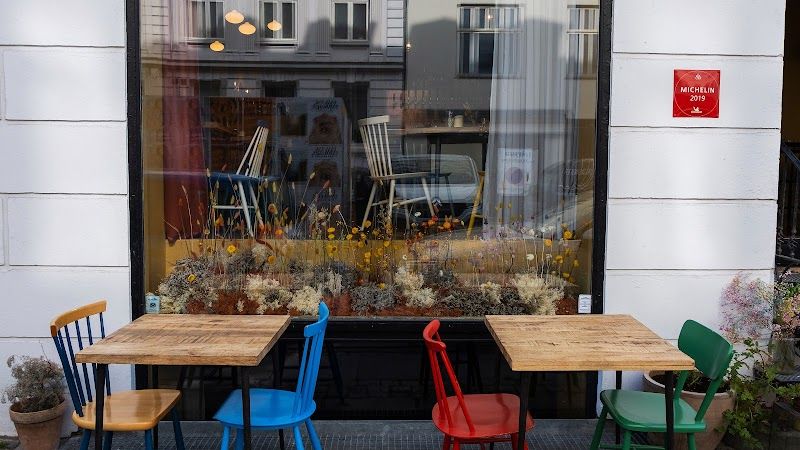
Selma
Third-generation family-run smørrebrød restaurant where nothing has changed since 1970—and that's the point. The egg and shrimp smørrebrød is piled impossibly high, and the liver pâté is made from the grandmother's recipe. Cash only, no reservations, often a queue.
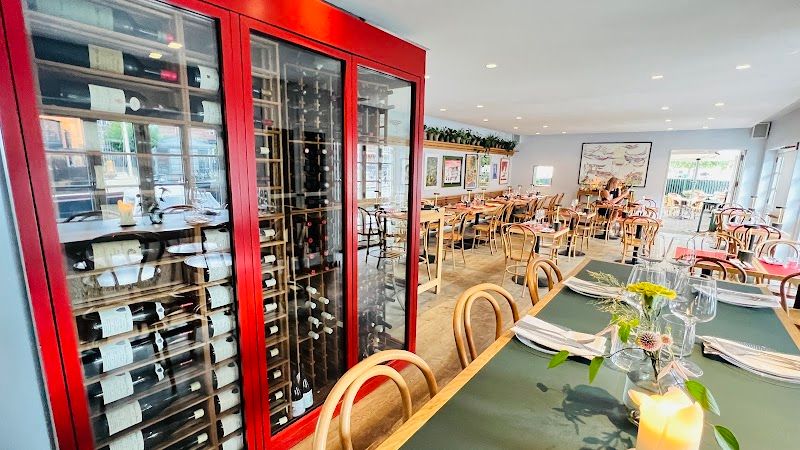
Restaurant Kanalen
Waterfront dining directly on Christianshavn's canal with views of the Børsen spire and colorful buildings. The menu focuses on Danish classics like flæskesteg and herring platters, served on a floating terrace in summer. The location alone makes it memorable.
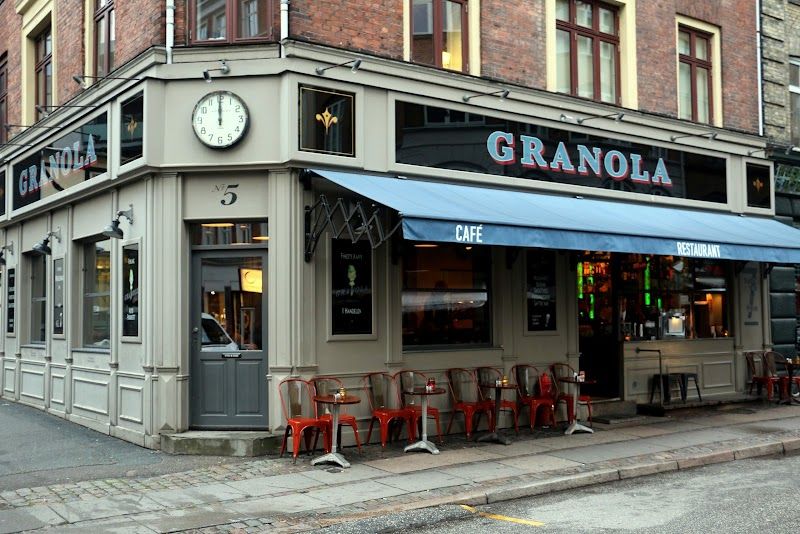
Granola
All-day breakfast and brunch spot in Vesterbro with a loyal neighborhood following. The pancakes are legendary, and the weekend brunch menu includes proper Danish breakfast items alongside international options. Mismatched vintage furniture adds charm to the cozy space.
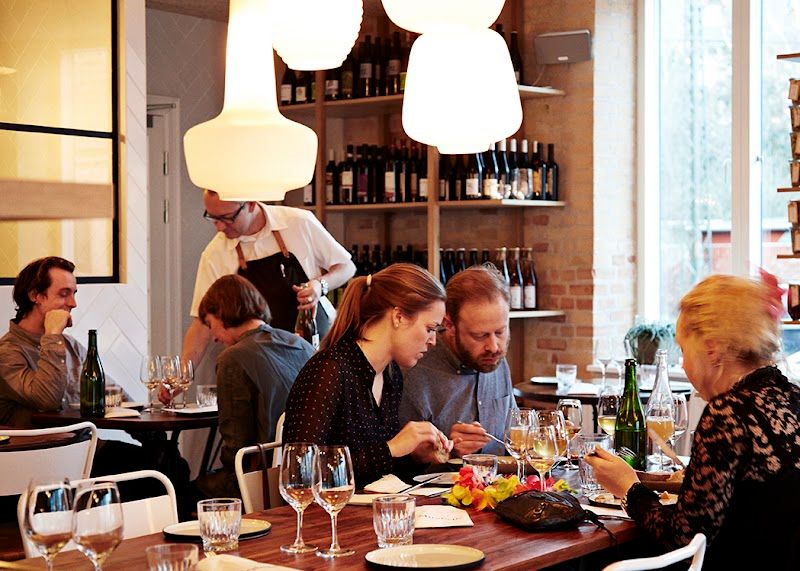
Mirabelle
Neighborhood bakery and café that serves exceptional pastries in the morning and transforms into a natural wine bar at night. The cardamom buns and rye bread are baked daily, and the lunch sandwiches on house-made sourdough sell out by 1 PM.
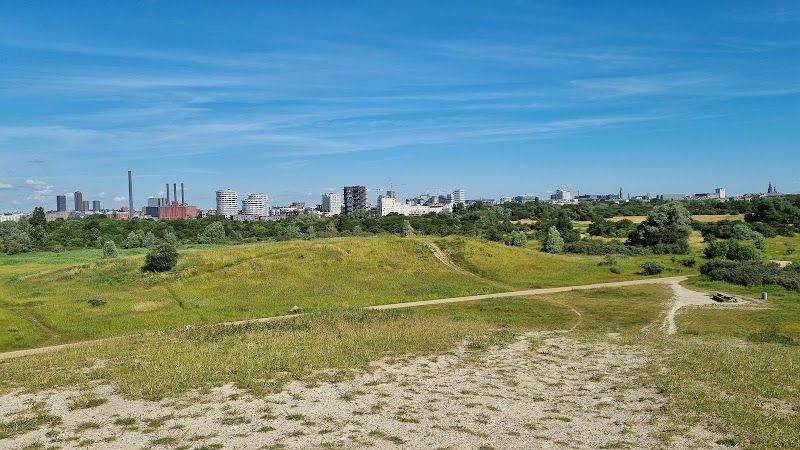
Amager Fælled
A 223-hectare urban nature reserve offering wild meadows, wetlands, and coastal areas just south of the city center. This former military exercise ground is now a haven for birdwatchers, cyclists, and nature lovers, with over 100 bird species recorded and rare orchids blooming in summer. The flat terrain and dedicated bike paths make it ideal for easy cycling through genuinely wild Copenhagen nature.
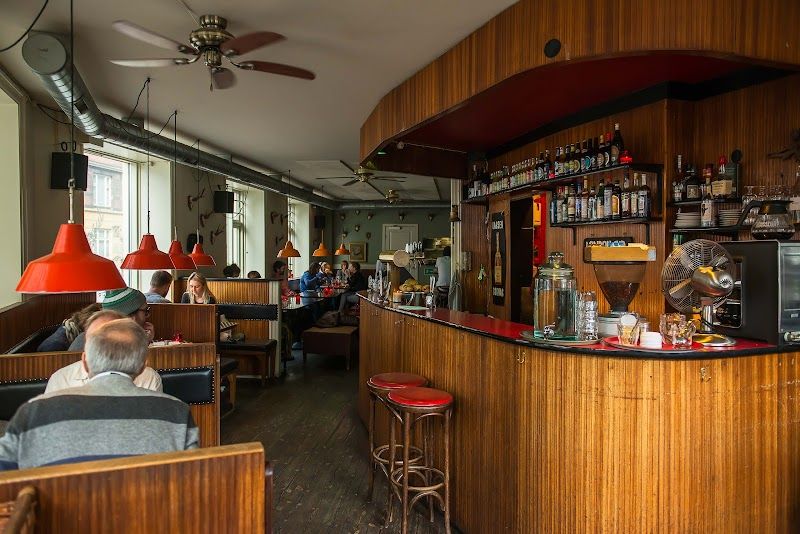
Café Dyrehaven
Classic Copenhagen corner café with original 1970s wood paneling and a warm neighborhood vibe. Known for generous brunch plates, quality coffee, and stellar people-watching from their sidewalk tables. The unpretentious atmosphere attracts a mix of creatives, students, and longtime locals.
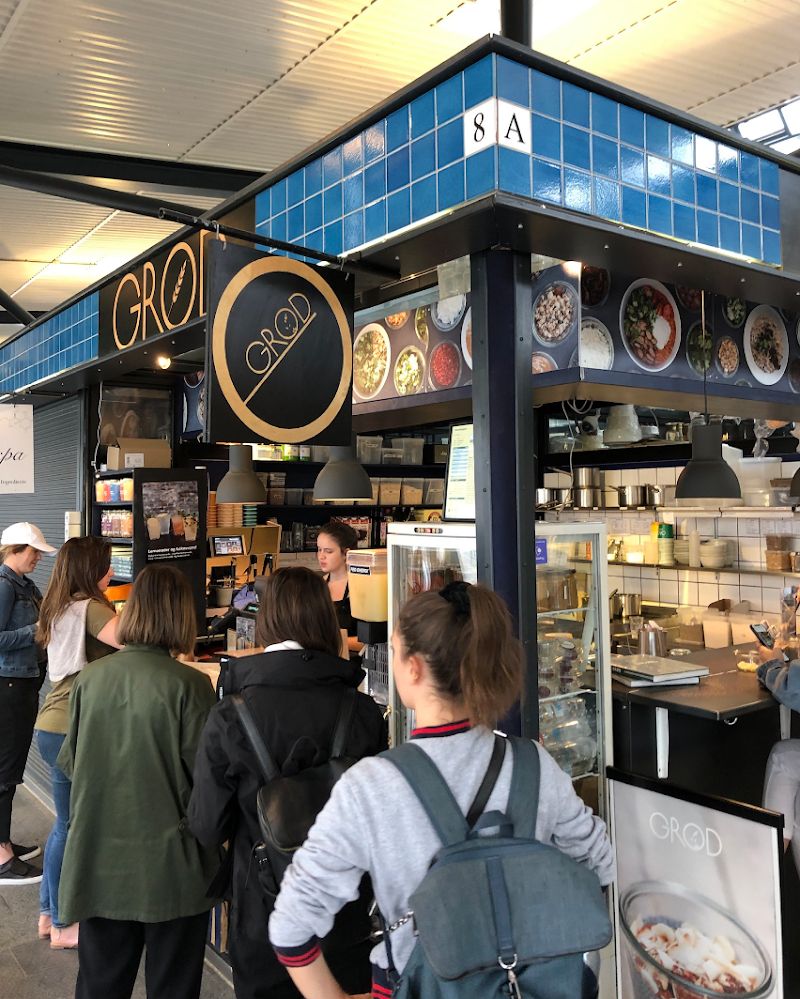
Grød
Porridge café serving Danish grød (porridge) in sweet and savory variations from breakfast through dinner. The concept sounds simple but the organic grains, seasonal toppings, and creative combinations have built a cult following. Multiple locations across the city.
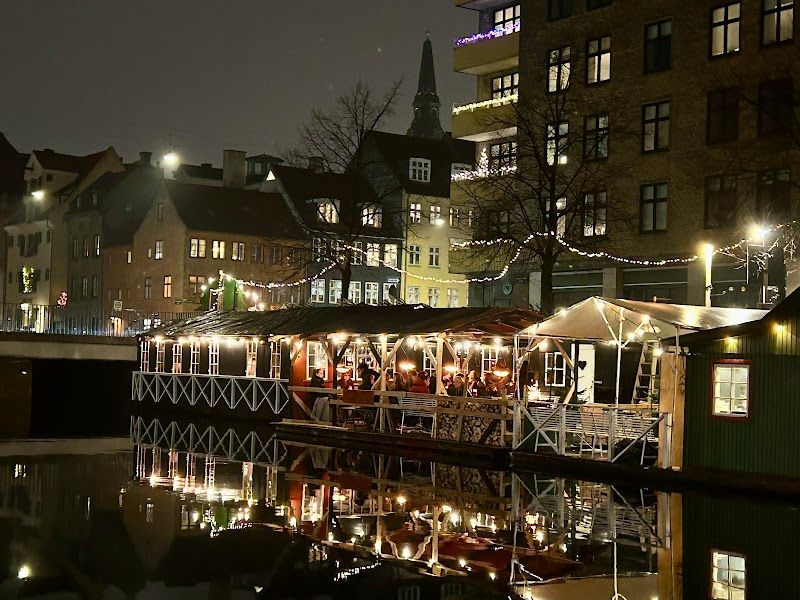
Christianshavns Bådudlejning og Café
Waterside café with kayak and boat rentals located right on the canal. Enjoy coffee and pastries on the floating dock while watching canal life, or rent a kayak to explore Copenhagen's waterways. A quintessential Christianshavn experience combining hygge with outdoor adventure.
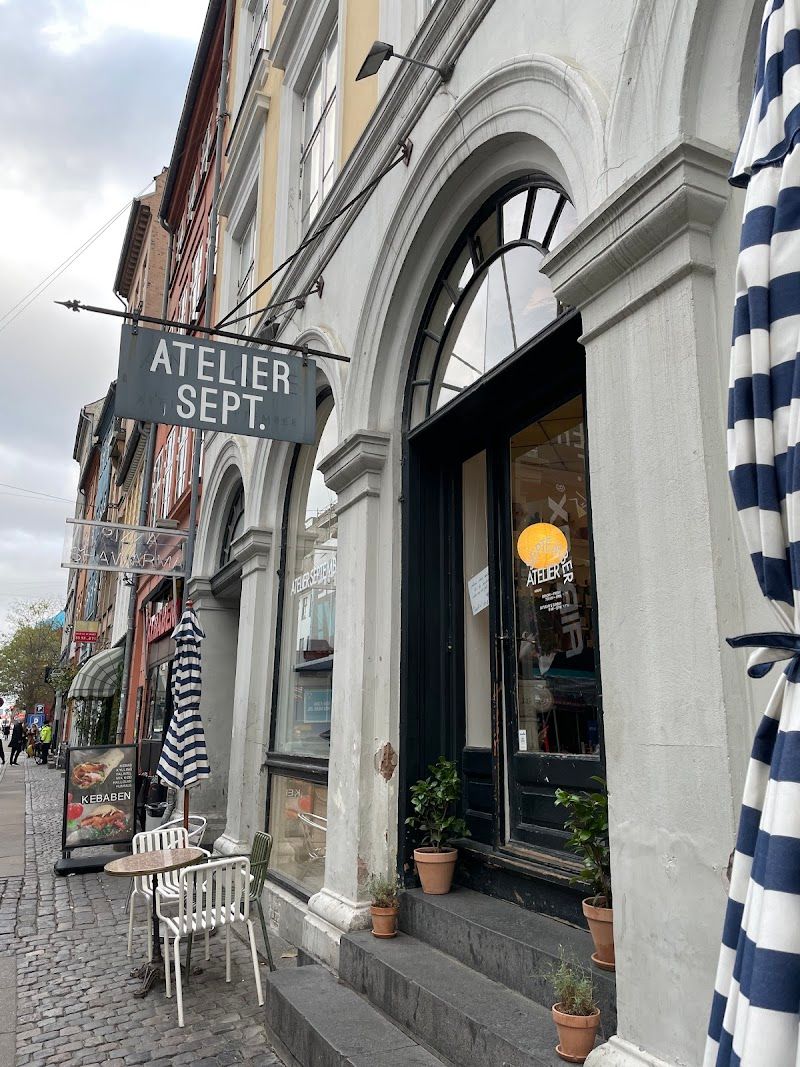
Café Atelier September
Australian-style café serving avocado toast and quality coffee in a minimalist white-walled space. The limited menu focuses on breakfast and lunch items made from organic ingredients. It's Copenhagen's most Instagrammed café, which tells you something about both the food and the crowd.
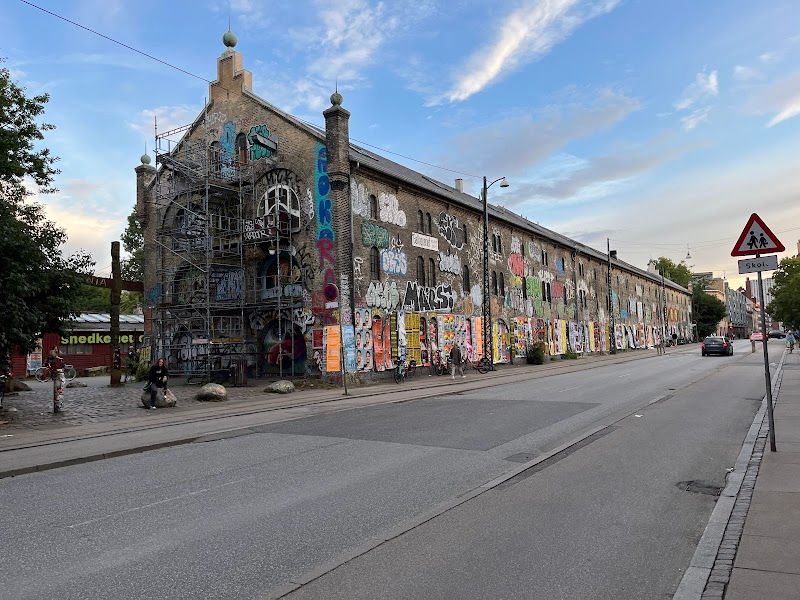
Løppen
Historic music venue and bar located in Freetown Christiania, known for intimate concerts featuring indie, punk, and alternative acts. The raw, authentic atmosphere and affordable prices reflect Christiania's countercultural spirit. Cash only.
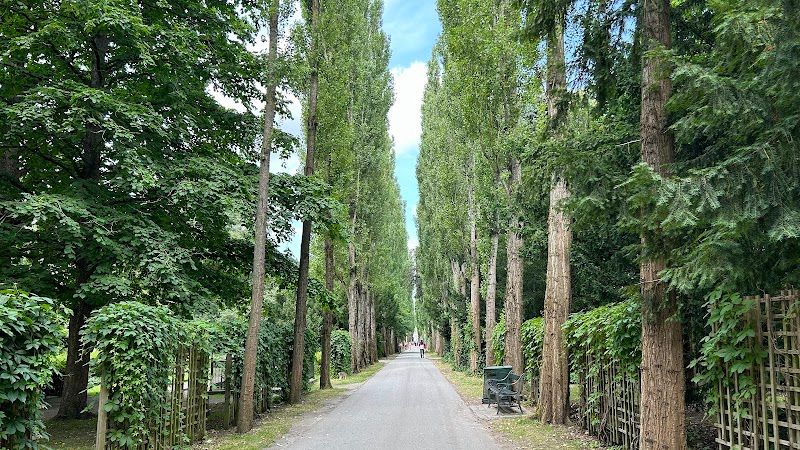
Assistens Kirkegård
This historic cemetery established in 1760 serves as both a burial ground and public park where locals jog, picnic, and sunbathe among the graves. Hans Christian Andersen, Søren Kierkegaard, and Niels Bohr are buried here among lime trees and romantic pathways. The cemetery reflects Danish attitudes toward death as a natural part of life.
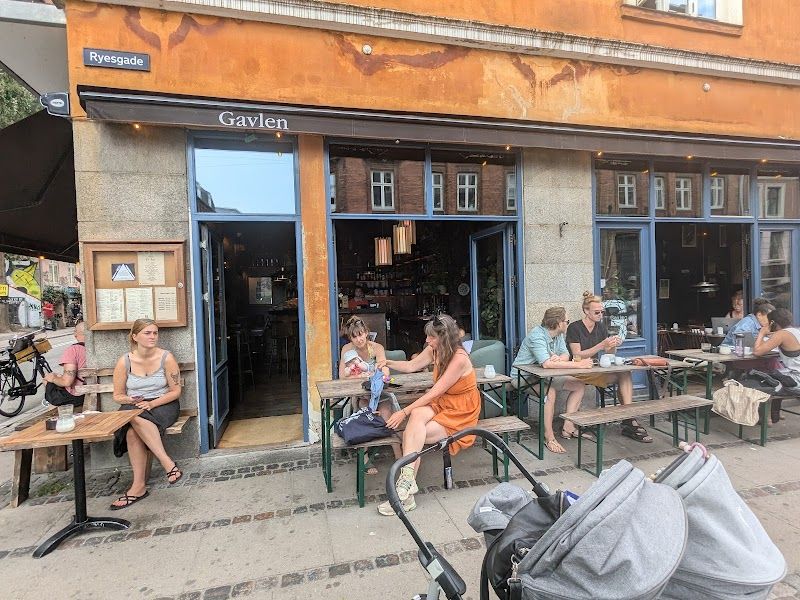
Café Gavlen
No-frills corner café that has been a Nørrebro institution since the 1970s, serving strong coffee and traditional Danish open-faced sandwiches. The walls are covered with local art and community notices, and the outdoor terrace offers prime people-watching along busy Nørrebrogade. Cash only, with an authentic neighborhood vibe unchanged by gentrification.
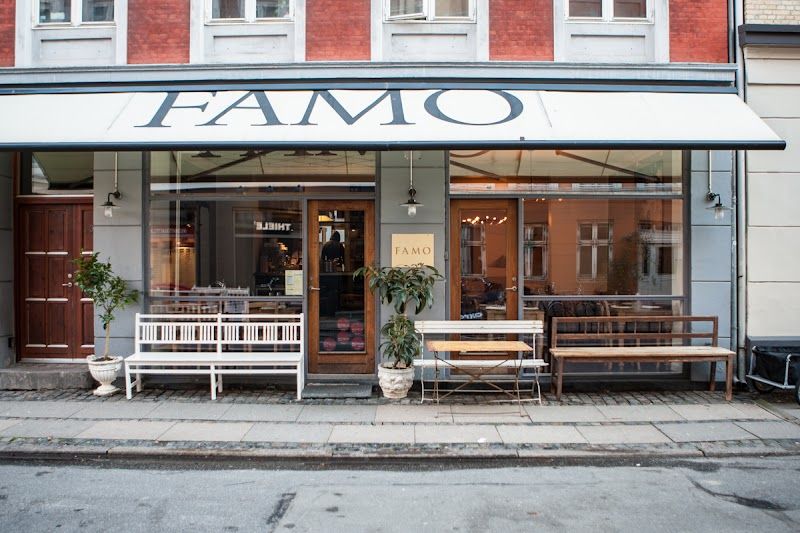
Famo
Frederiksberg's neighborhood Italian restaurant with house-made pasta and wood-fired focaccia. The menu changes seasonally but the cacio e pepe and tiramisu are constants. The corner location has floor-to-ceiling windows perfect for people-watching.
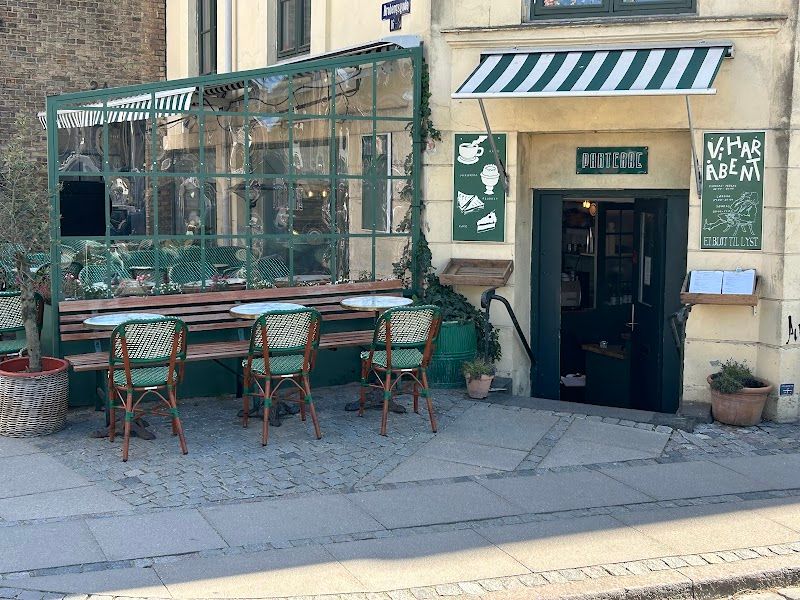
Parterre
Cozy neighborhood café and restaurant serving organic, seasonal Nordic cuisine with a focus on vegetables. The intimate space features mismatched vintage furniture and a welcoming atmosphere. Popular among locals for both weekend brunch and casual dinners.
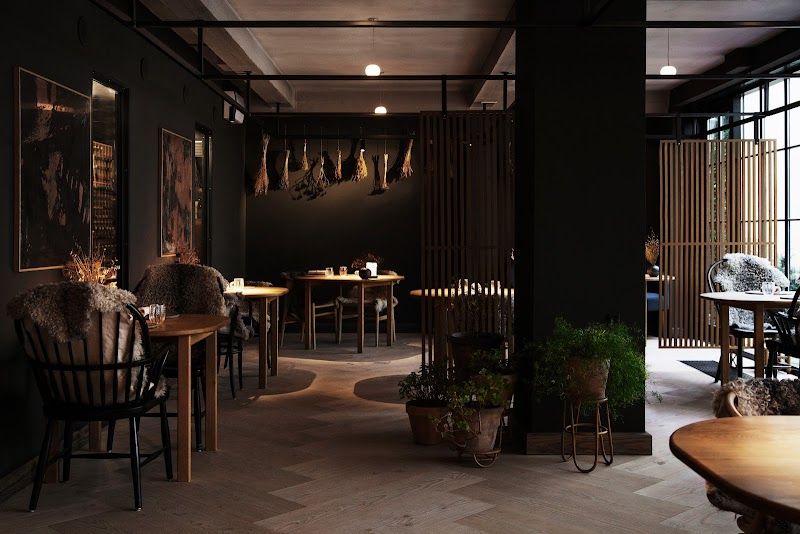
Kadeau Copenhagen
Michelin-starred restaurant bringing Bornholm island's ingredients and cooking techniques to Copenhagen. The tasting menu features smoked and fermented dishes, coastal herbs, and exceptional fish. The harbor views and modern Nordic interior match the ambitious cooking.
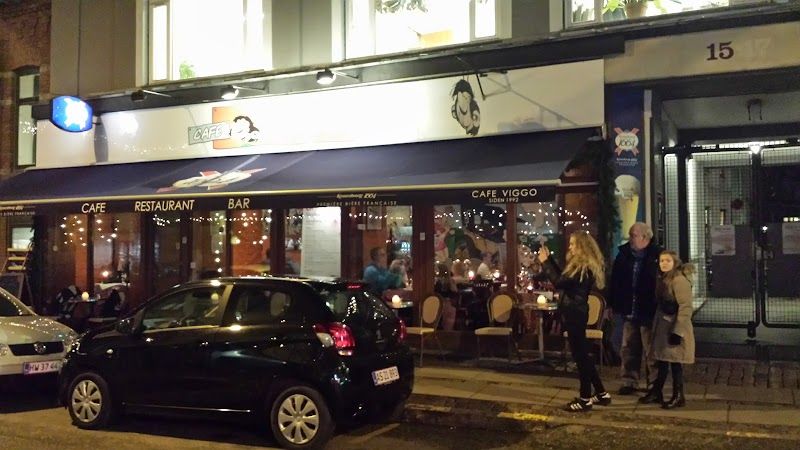
Café Viggo
Cozy neighborhood café beloved by Frederiksberg locals for its excellent brunch, homemade cakes, and quality coffee. The interior features mismatched vintage furniture and a warm, lived-in atmosphere. Their avocado toast and homemade granola are particularly popular among regulars.
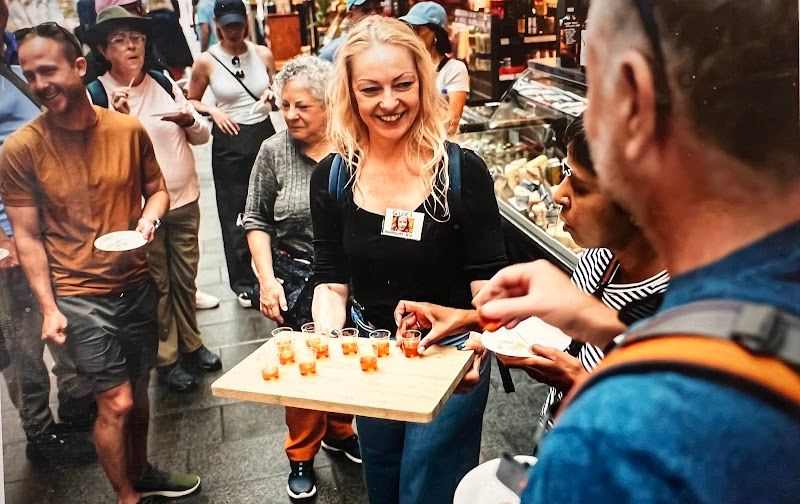
Culinary Classroom by Food Walk
Hands-on cooking classes focusing on Danish classics like smørrebrød open-faced sandwiches and traditional pastries. Classes run 3 hours with market ingredient selection followed by preparation and a sit-down meal of what you've made. Instructors share stories about Danish food culture and New Nordic cuisine influences.
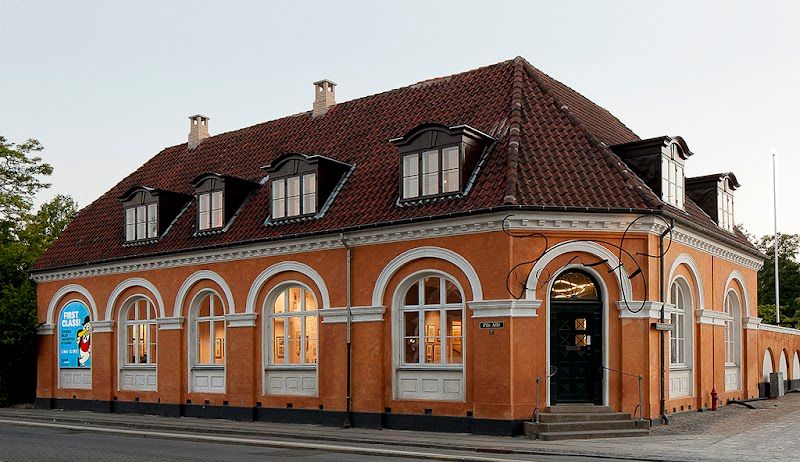
Storm P. Museet
Charming small museum dedicated to Robert Storm Petersen, one of Denmark's most beloved cartoonists and satirists. The museum showcases his witty drawings, paintings, and observations of everyday Danish life from the early 20th century. It's housed in a picturesque yellow building in Frederiksberg Gardens.
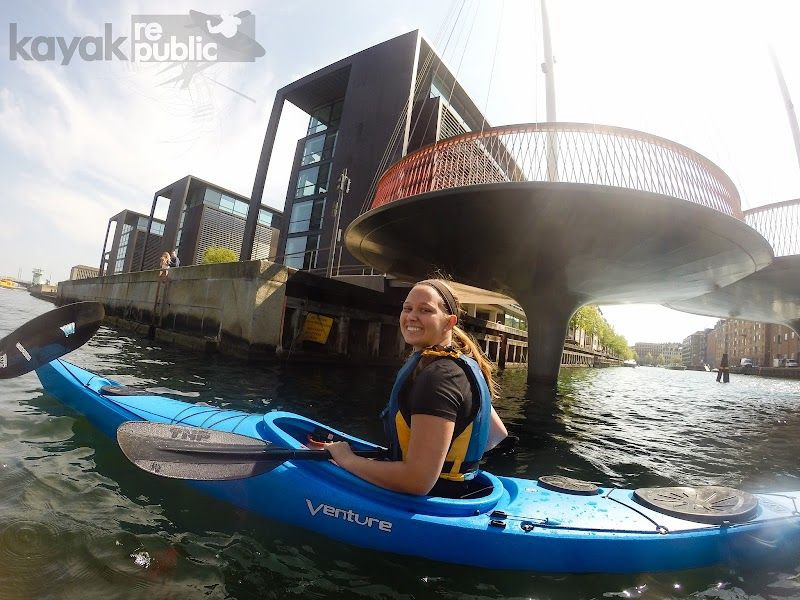
Kayak Republic
Guided kayak tours through Copenhagen's canals and harbor, paddling past The Little Mermaid, Opera House, and Christianshavn's colorful houseboats. Tours last 2-3 hours with wetsuit and equipment provided, offering a unique water-level perspective of the city. Summer sunset tours are particularly popular for the golden hour light on harbor buildings.
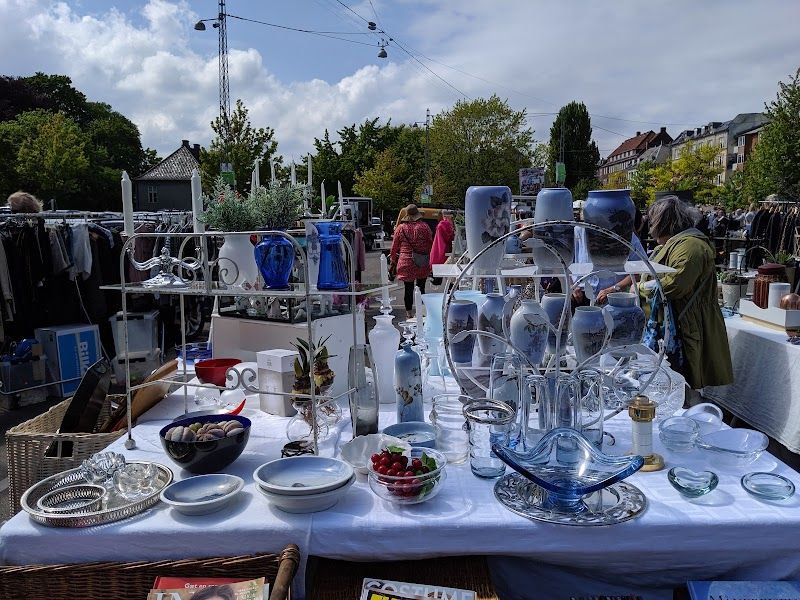
Frederiksberg Flea Market
Authentic weekend flea market on the grounds of Frederiksberg High School where locals buy and sell vintage clothing, antiques, furniture, and curiosities. This is one of Copenhagen's best spots for finding Danish design pieces and retro treasures. The atmosphere is relaxed and distinctly local, far from tourist markets.
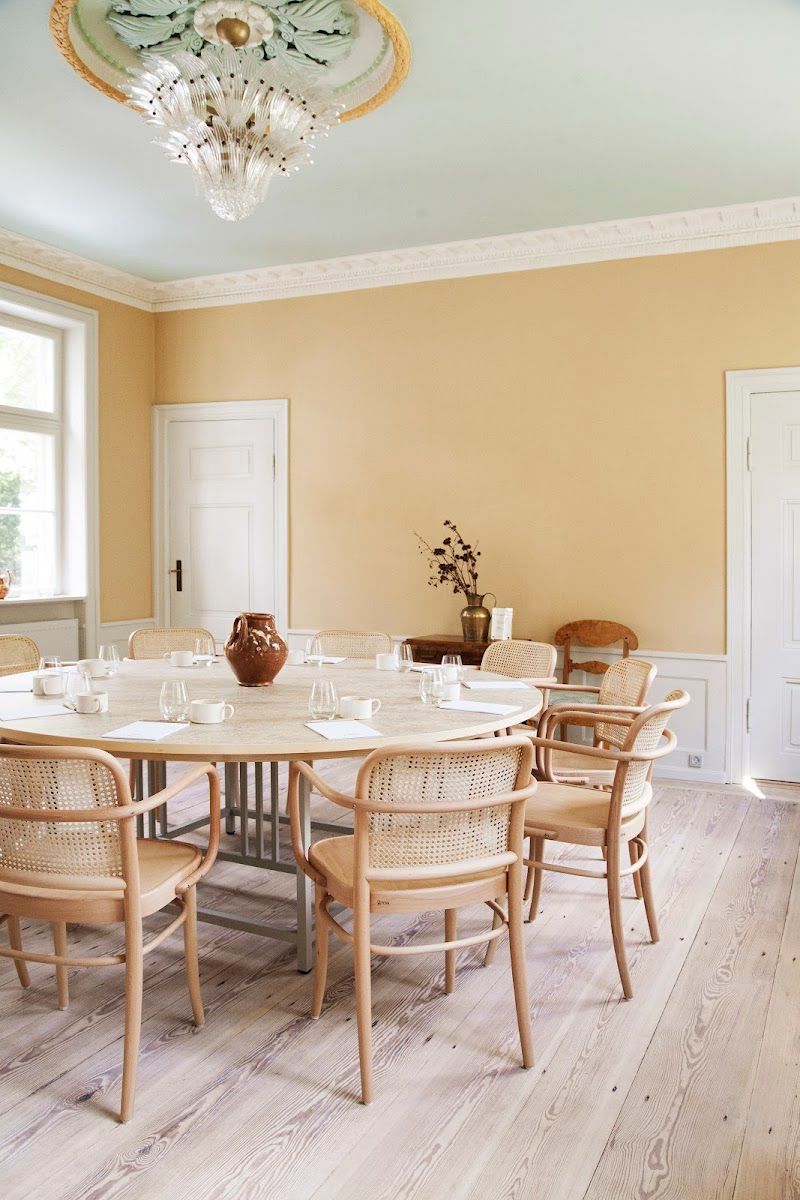
Fasangården
Historic royal pheasantry turned atmospheric restaurant located in Frederiksberg Gardens. The setting combines rustic charm with elegant Danish cuisine, featuring seasonal ingredients and game dishes. The building dates back to 1730 and offers both indoor dining and a lovely terrace overlooking the park.
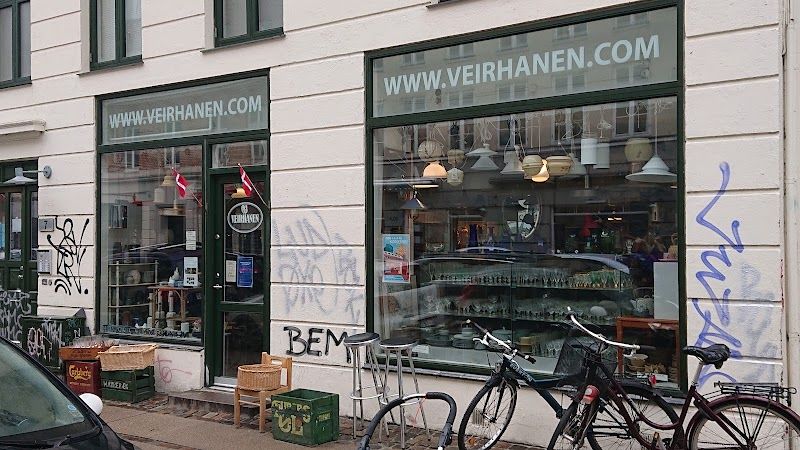
Ravnsborggade Antiques
Charming street lined with vintage shops, antique stores, and retro furniture dealers offering everything from mid-century Danish design to quirky collectibles. The concentration of dealers along this single cobblestone street makes it Copenhagen's premier destination for affordable vintage finds. Each shop has its own character, from serious collectors' pieces to playful bric-a-brac.