Cordoba
Things to Do
32 attractions, museums, and experiences
Juderia (Jewish Quarter) Walk
The Judería is Córdoba's former Jewish quarter, a labyrinth of whitewashed lanes that winds around the Mezquita like a medieval puzzle. You'll walk narrow cobblestone streets lined with flower-draped balconies, wrought-iron gates, and glimpses of tiled patios through doorways. The 14th-century Synagogue on Calle de los Judíos preserves intricate Mudéjar plasterwork and Hebrew inscriptions, one of just three medieval synagogues left in Spain. Calleja de las Flores, barely three meters wide, frames the Mezquita's tower between cascading geraniums. The walk feels like drifting through centuries of layered history where Moorish, Jewish, and Christian Córdoba collide. You'll duck under archways, peek into courtyards, and follow lanes that dead-end at ancient walls or open suddenly onto sun-drenched plazas. The Casa Andalusí shows how wealthy Moors lived in restored 12th-century rooms, while the Zoco Municipal occupies the old souk with leather workers and potters still crafting in traditional workshops. Every corner reveals another photogenic vignette of Andalusian life. Most guides oversell every single alley, but focus on the Synagogue (€0.35 for non-EU, free otherwise) and Calleja de las Flores for the classic shot. Skip Casa Andalusí unless you're genuinely interested in Moorish domestic architecture, it's touristy at €4. The neighborhood gets packed after 10am, so arrive early when the morning light hits those white walls perfectly.
Plaza de la Corredera
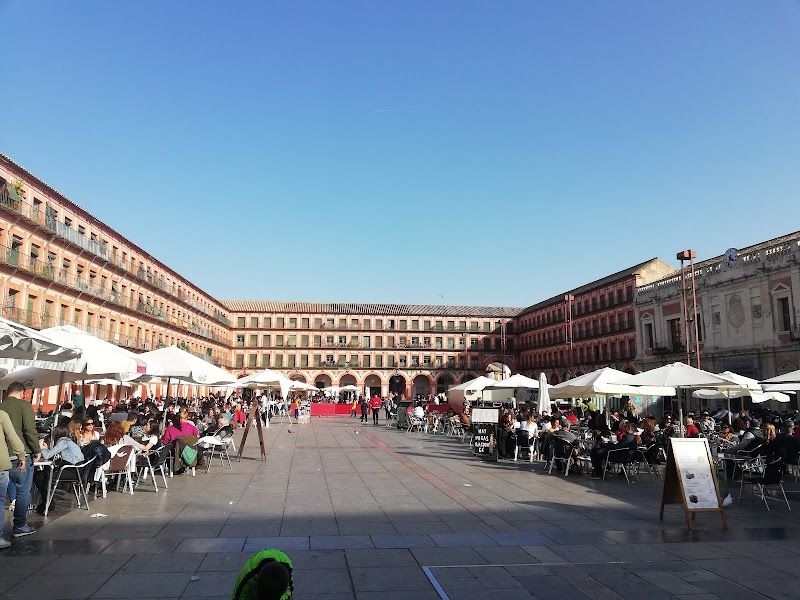
Plaza de la Corredera is Andalusia's only fully enclosed rectangular plaza, surrounded by uniform 17th-century buildings with continuous arcades on all four sides. You'll find yourself in what feels like a stage set, with three stories of red balconies creating perfect symmetry around the central square. The Saturday morning flea market transforms the space into a treasure hunt where locals dig through vintage ceramics, old fans, and dusty books, while the surrounding terrace cafés buzz with conversation year-round. Walking into the plaza feels like entering a private courtyard that somehow belongs to the entire city. The arcaded walkways provide shade as you browse the weekend market stalls or simply people-watch from one of the many café terraces. Children play football in the center while older residents chat on benches, creating an authentically local atmosphere that most tourists miss. The underground archaeological museum beneath your feet reveals Roman mosaics and Moorish foundations, accessible through an unassuming entrance. Most guidebooks oversell this as a major attraction when it's really best appreciated as a living neighborhood space. The Saturday market (free entry) runs 8am to 2pm and gets picked over early, so arrive before 10am for the good stuff. Skip the overpriced tourist restaurants on the plaza itself and head to the side streets for better value. The archaeological museum costs €2 and takes 20 minutes, worth it if you're into Roman history but skippable if you're rushing between major sights.
Roman Bridge (Puente Romano)
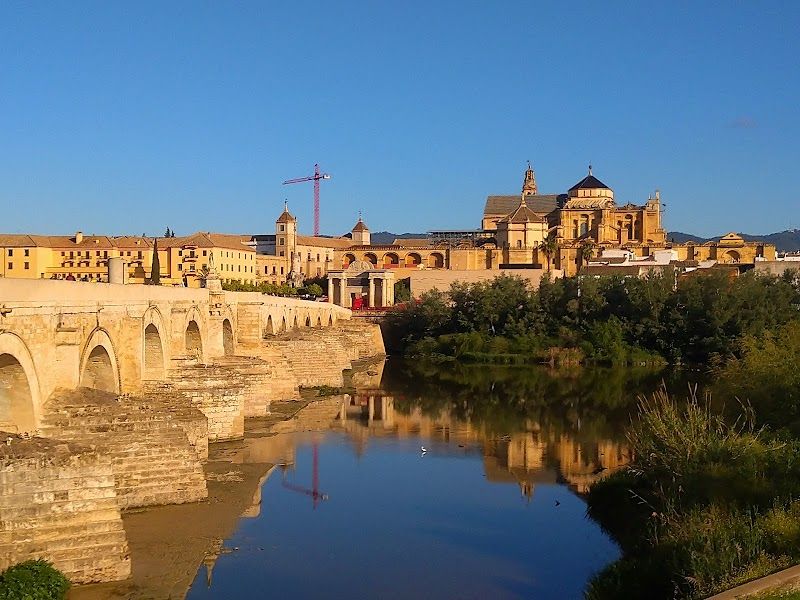
The Puente Romano stretches 331 meters across the Guadalquivir with 16 stone arches that frame Córdoba's defining skyline view. You'll see the Mezquita's bell tower, the Episcopal Palace, and honey-colored medieval walls rising directly from the riverbank. The structure itself mixes Roman foundations with medieval reconstruction, creating a pedestrian-only walkway that doubles as the city's best photography platform. Game of Thrones fans will recognize it as the Long Bridge of Volantis from season five. Walking across feels like stepping into a postcard, especially when the evening light hits the west-facing old town walls. The middle section gives you the classic Mezquita angle, while the Calahorra Tower at the southern end provides context about the bridge's 2,000-year evolution. Water levels in the Guadalquivir vary seasonally, but when it's calm, the reflections double the visual impact. You'll share the space with street musicians, local joggers, and photographers waiting for golden hour. Most guides oversell the Roman authenticity since what you're walking on is largely medieval stonework. The real payoff is the view, not the bridge itself. Skip the Calahorra Tower (EUR 4.50) unless you want rooftop photos looking back toward the Mezquita. The best light happens 30 minutes before sunset when the limestone walls glow amber and reflect in the river below.
Mezquita-Catedral de Cordoba
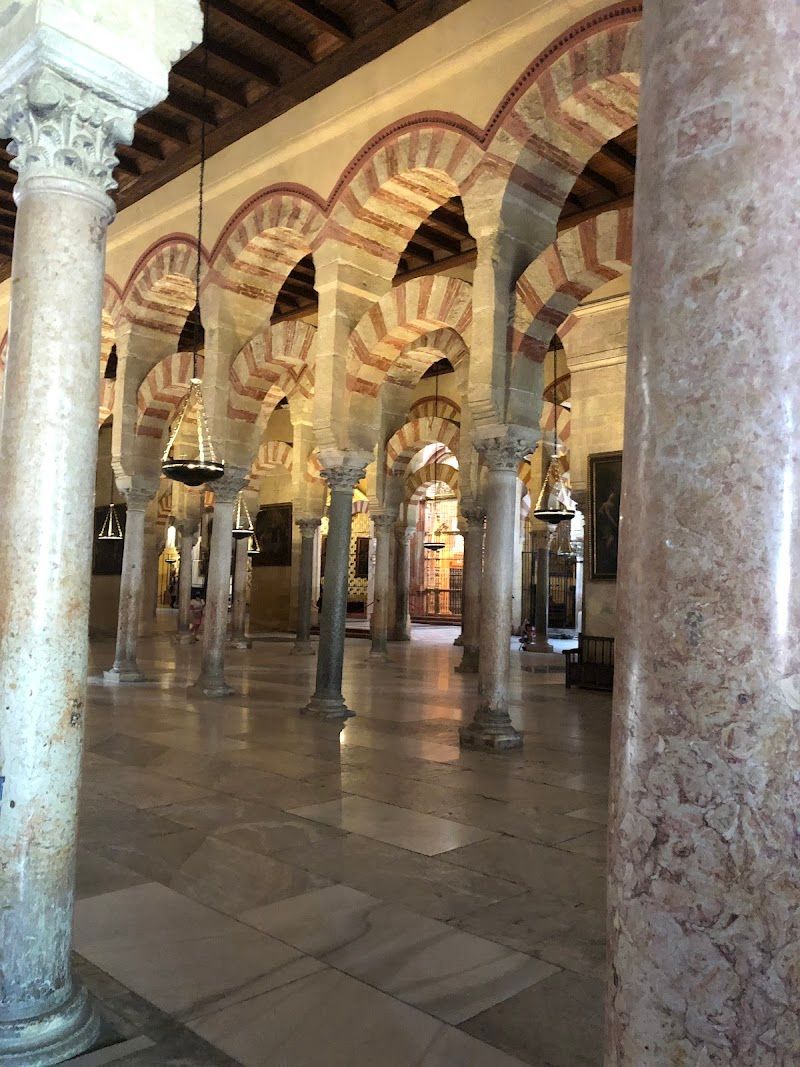
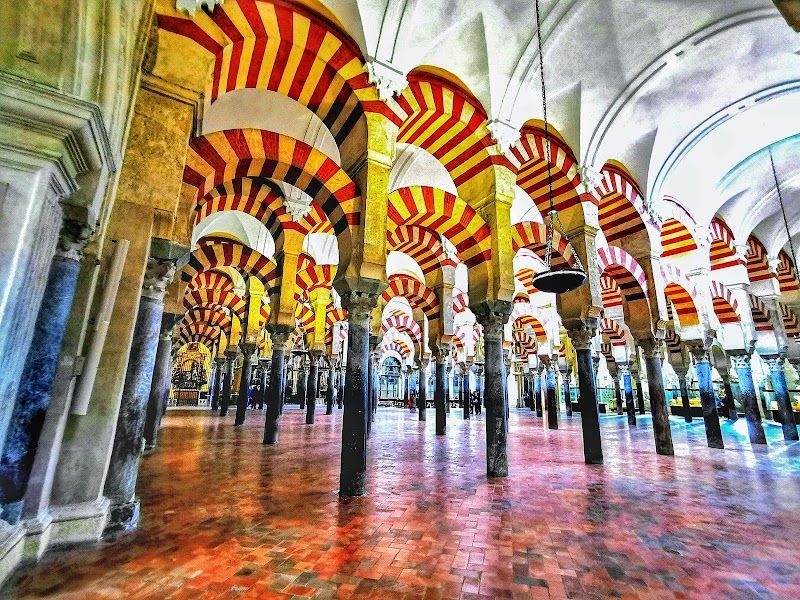
The Mezquita is the world's most extraordinary architectural collision: an 8th-century mosque with a Renaissance cathedral punched through its center. You'll walk through a forest of 856 columns in jasper, onyx, marble, and granite supporting double arches in hypnotic red and white stripes. The Byzantine mosaics covering the mihrab (prayer niche) were a gift from Constantinople's emperor, while the intrusive but beautiful Catholic nave soars above the Islamic geometry in deliberate contrast. Entering feels like stepping into a stone dream where Islamic mathematics meets Catholic grandeur. The column forest creates infinite sight lines that shift as you move, each angle revealing new patterns. Morning light slanting through eastern windows turns the red and white arches into glowing ribbons. The cathedral section feels almost rude in its interruption, yet the baroque details against Moorish backdrop create something genuinely unique. Charles V called it destruction of something irreplaceable to build something ordinary. Most guides don't mention that the free Monday morning slot (8:30-9:30 AM) is absolute chaos with tour groups. Pay the EUR 13 and go at opening instead for manageable crowds and that crucial morning light. The audio guide costs extra but isn't necessary if you read up beforehand. Skip the bell tower climb, it's overpriced at EUR 2 and the views aren't special. Allow 90 minutes minimum to properly absorb the space.
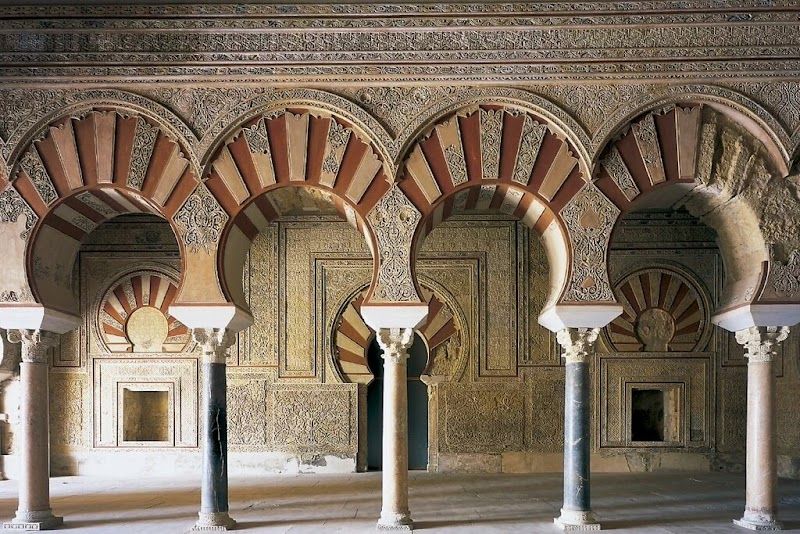
Conjunto Arqueológico Madinat al-Zahra
Madinat al-Zahra was the opulent palace city built by Caliph Abd al-Rahman III in 936 AD, designed to rival Baghdad and Constantinople. You'll walk through the excavated remains of what was once home to 20,000 people, including the stunning Salon Rico with its intricate carved arches and the terraced gardens that once cascaded down the hillside. The scale is staggering: this was essentially a medieval Manhattan built in just 25 years, then destroyed and forgotten for a millennium. Your visit starts with a mandatory shuttle bus ride from the modern visitor center, which includes a solid museum with 3D reconstructions showing how grand this place actually was. The ruins themselves sprawl across terraced levels, with the most impressive sections being the royal palace area and the recently restored Salon Rico. Walking the ancient streets, you get a real sense of the Umayyad court's ambition and the skilled craftsmanship that went into every carved stone capital and decorative panel. Most guides oversell the "complete experience" but honestly, 90% of what you see is foundation stones and partial walls. The real highlights are the Salon Rico and the upper terrace viewpoints, so don't feel obligated to explore every excavated area. Entry costs €1.50 for EU citizens, €1.50 for others, which is ridiculously cheap for a UNESCO site. Skip the audio guide at €2: the information panels in English are perfectly adequate and you'll move at your own pace.
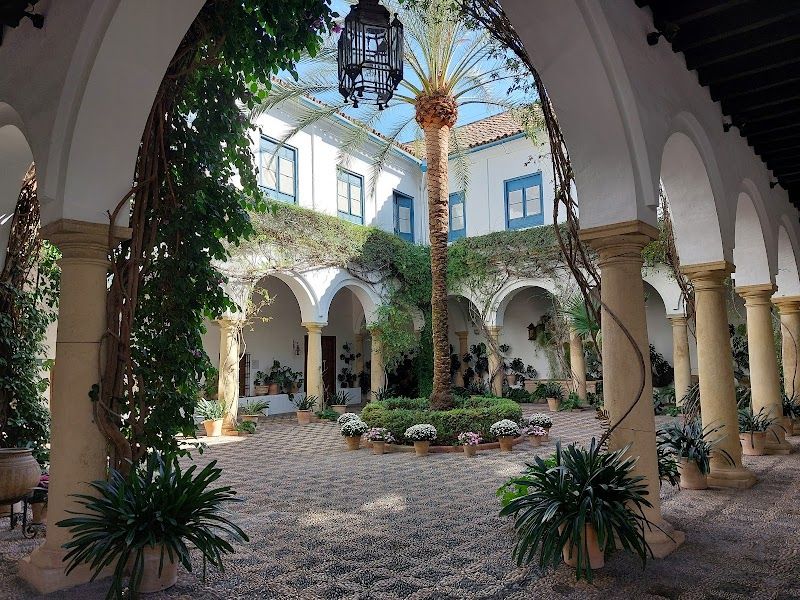
Palacio de Viana
The Palacio de Viana is Cordoba's crash course in courtyard design, with 12 distinct patios that showcase five centuries of Andalusian architecture. You'll walk through Renaissance columns, Baroque fountains, Moorish tilework, and romantic orange groves, all within one 15th-century palace. It's the closest thing to experiencing Cordoba's famous Festival de los Patios year-round, showing you what those private residential courtyards actually look like when they're dressed up in May. The visit flows like a choose-your-own-adventure through interconnected courtyards, each with its own personality and historical period. You'll start in the formal Patio de Recibo with its Renaissance columns, then meander through intimate spaces filled with jasmine, citrus trees, and intricate geometric tiles. The contrast is striking: one moment you're in a grand ceremonial space, the next in a cozy domestic corner where geraniums spill from clay pots. Skip the palace interior (adds EUR 2 but it's just period furniture) and stick to the courtyards-only ticket at EUR 8. Most visitors rush through in 45 minutes, but give yourself 75 minutes to properly absorb each space. The western-facing courtyards get gorgeous light after 4pm. Each patio has explanatory plaques, but honestly, you don't need the history lesson to appreciate why Cordoba's courtyard culture captivated the world.
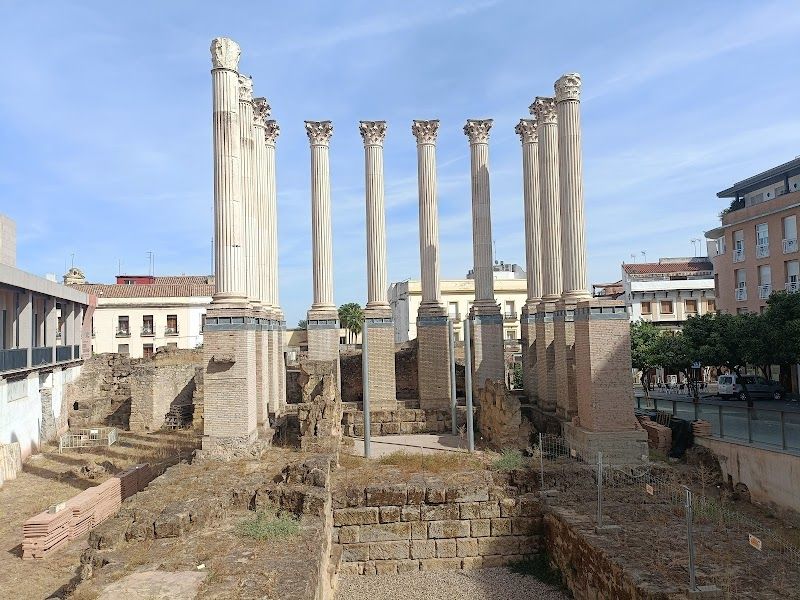
Templo Romano
These towering Corinthian columns are all that remain of a first-century Roman temple that once dominated Córdoba's provincial forum when the city ruled Roman Hispania Ulterior. Six massive columns rise from their original podium right in the middle of a busy street, creating one of Spain's most dramatic examples of ancient architecture surviving in a modern cityscape. You'll walk around the preserved foundations and get close enough to touch 2,000-year-old marble that once supported a temple roof. The contrast hits you immediately: traffic flows around these ancient stones while office workers grab coffee at surrounding cafes. The columns tower above you at nearly 10 meters high, their Corinthian capitals still showing intricate acanthus leaf carvings. Street lights illuminate the marble after dark, and you'll often find locals using the steps as an impromptu meeting spot. The surrounding plaza creates a natural amphitheater effect where the temple becomes the centerpiece. Most guides oversell this as a major attraction, but it's really a 15-minute stop that works best combined with the nearby Mezquita visit. The site is completely free and always accessible, though there's no interpretive signage in English. Skip the overpriced tourist restaurants facing the temple and grab tapas two blocks south on Calle Deanes instead. The columns photograph best in late afternoon when shadows emphasize their carved details.
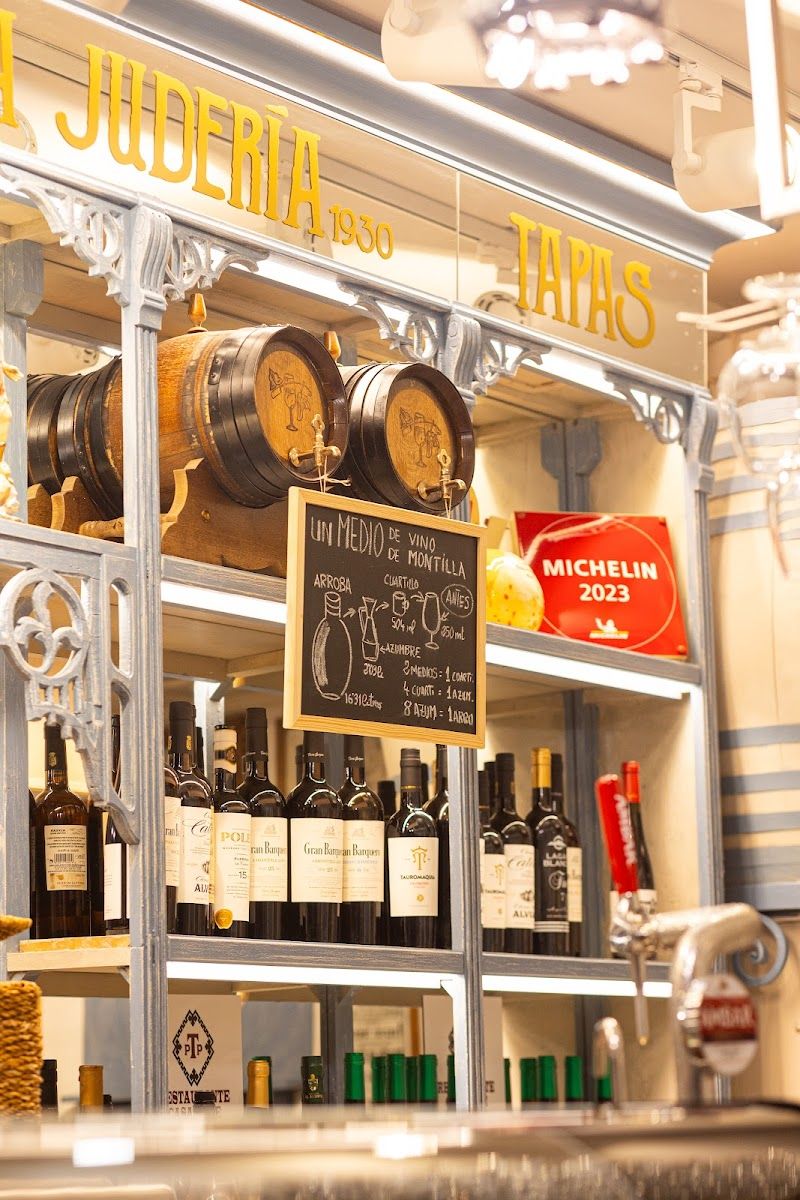
Casa Pepe de la Judería
Traditional Cordoban restaurant in a 15th century building serving all the local classics including their acclaimed salmorejo and rabo de toro. The interior courtyard with original azulejos provides an atmospheric dining space away from the Juderia crowds. Known for generous portions and maintaining authentic recipes passed down through generations.
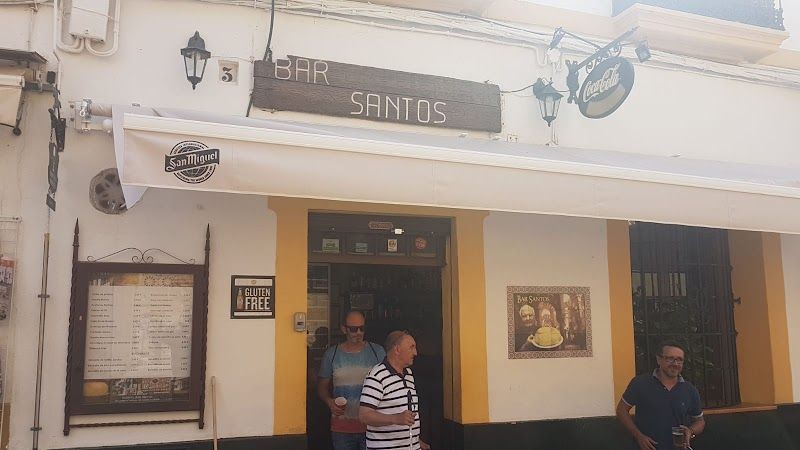
Bar Santos
Legendary breakfast and lunch spot near the Mezquita famous for their tortilla de patatas mounted on fresh bread rolls. Open since 1960, this tiny bar with a handful of stools serves arguably the best tortilla sandwich in Andalusia. Locals queue out the door during peak hours.
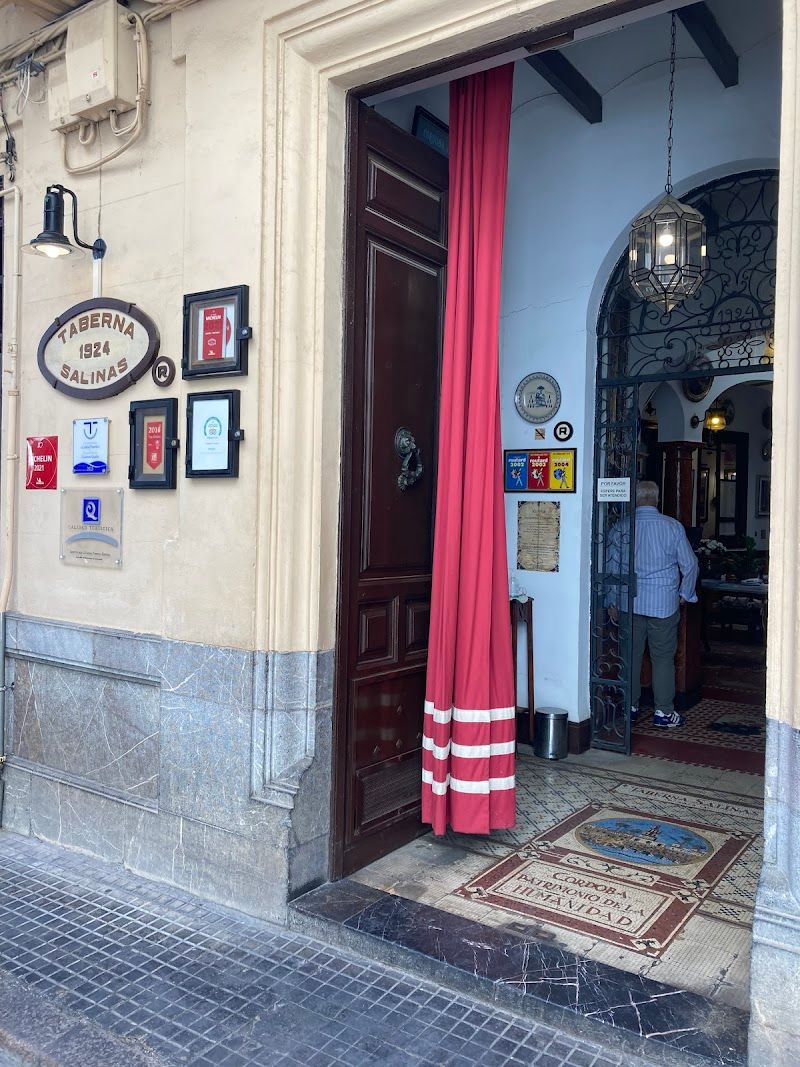
Taberna Salinas
Historic tavern operating since 1879 with original wooden barrels lining the walls and checkered tile floors. Specializes in flamenquin and berenjenas con miel, served in a dining room that feels like stepping back into old Cordoba. The house wine is local Montilla-Moriles served from ceramic pitchers.
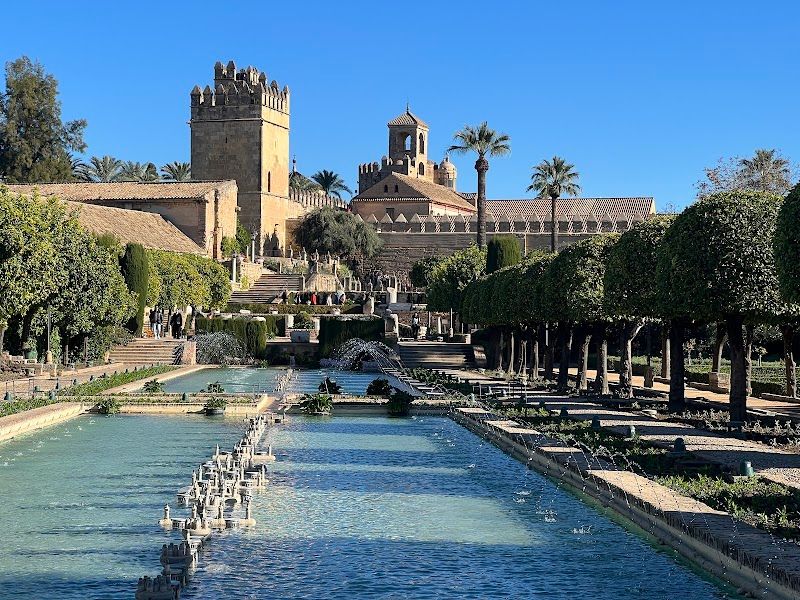
Jardines del Alcázar de los Reyes Cristiano
The Alcázar's gardens sprawl across terraced levels below the fortress walls, mixing Moorish geometric pools with Roman-inspired cypress colonnades and Spanish citrus groves. You'll walk through three distinct garden sections connected by stone pathways, each showcasing different water features: rectangular reflecting pools, circular fountains, and narrow channels that guide water between flower beds. The orange and lemon trees create natural shade tunnels, while the sound of flowing water echoes off the ancient stone walls above. The visit flows naturally downward from the fortress courtyard through increasingly lush terraces. You'll start among formal hedgerows and geometric plantings near the building, then descend past the main fountains where families gather on benches. The lower gardens feel more secluded, with winding paths between mature trees and glimpses of the Guadalquivir River through gaps in the vegetation. Spring brings orange blossom fragrance and the best photo light, while summer offers crucial shade during Córdoba's brutal heat. Most visitors rush through in 20 minutes, but the gardens deserve the full 45 minutes your ticket allows. The lower terraces are consistently less crowded than the upper geometric sections where tour groups cluster around the main pools. Skip the small archaeological exhibits tucked into garden corners, they're poorly labeled and add nothing to the experience. At 6 EUR for fortress plus gardens, it's decent value, but don't come expecting Generalife level grandeur.
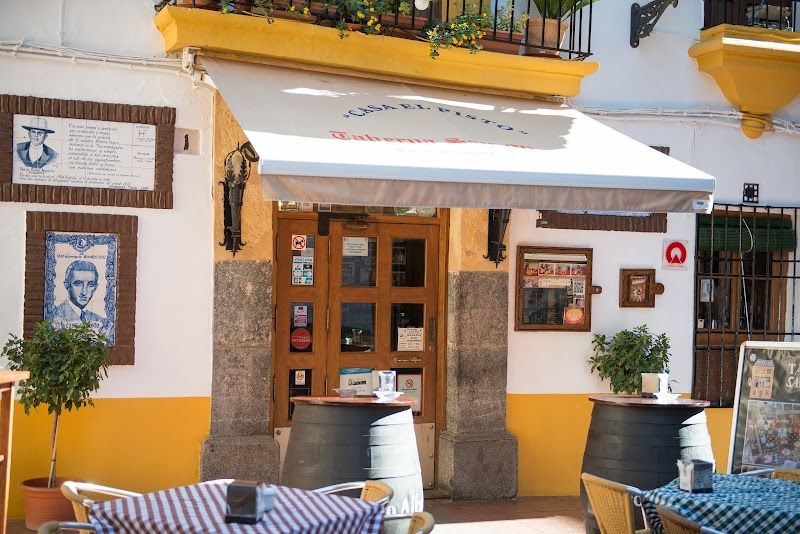
Taberna San Miguel - Casa El Pisto
Historic tavern dating back to 1880, known for its traditional Cordoban cuisine and signature pisto dish. The authentic tile-decorated interior and wooden barrels create a genuine old-world atmosphere. Popular with locals for its rabo de toro and generous portions.
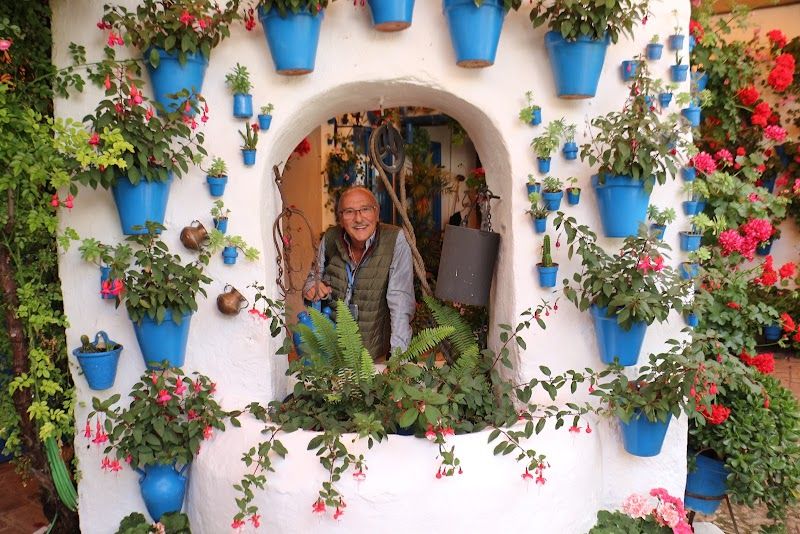
Patios de Cordoba Experience
Cordoba's famous patios aren't just pretty courtyards, they're living spaces where neighbors gather, gossip, and tend extraordinary gardens that bloom impossibly bright against whitewashed walls. This walking tour takes you inside five or six private patios in the San Basilio neighborhood, where residents open their doors year round to share stories about geranium care, jasmine pruning, and the competitive spirit of the annual May festival. You'll learn why these Moorish-influenced courtyards became essential for cooling homes and fostering community in Andalusia's scorching climate. Your guide leads small groups (usually 8-12 people) through narrow cobblestone streets, knocking on wooden doors that open to reveal explosion after explosion of flowers cascading from wrought-iron balconies and ceramic pots. The homeowners often chat directly with visitors about their gardening secrets, pointing out prize-winning arrangements and explaining which plants survive Cordoba's brutal summers. Each patio has its own personality: some feel like outdoor living rooms with fountains and seating areas, others resemble vertical gardens climbing three stories high. Most tours cost around 15-20 EUR and honestly deliver good value, especially if you catch an owner who's passionate about their plants. Skip the expensive private tours that promise "exclusive access" since the regular group tours visit the same patios with the same warm welcomes. The tour works year round, but don't expect the Instagram-worthy flower walls unless you visit between April and June.
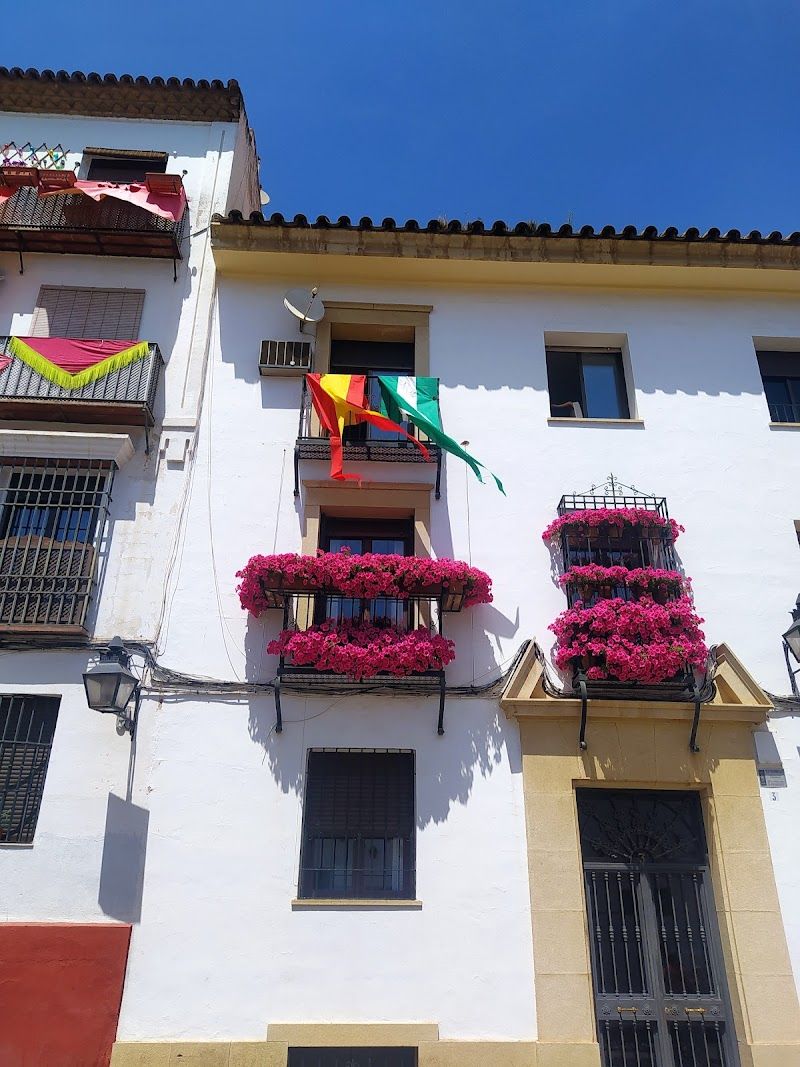
Plaza de Santa Marina
Plaza de Santa Marina sits in one of Córdoba's most authentic residential neighborhoods, centered around a bronze monument to legendary bullfighter Manolete who was born nearby. The square is framed by traditional whitewashed houses with wrought-iron balconies and anchored by the 13th-century Church of Santa Marina de Aguas Santas, one of Córdoba's fernandine churches. You'll find a handful of local bars where neighbors gather for coffee and conversation, plus small shops that serve the community rather than tourists. The plaza has a lived-in quality that feels worlds away from the polished tourist zones. Children play football while their grandparents chat on benches, and locals emerge from the church after evening mass. The Manolete statue draws a steady trickle of bullfighting fans, but most activity revolves around daily neighborhood rhythms. Tables spill out from Bar Santos and other local establishments, where you can nurse a beer for €2 while watching Cordoban life unfold at its natural pace. This isn't a destination you'll spend hours exploring, but it's perfect for a 30-minute break from monument hopping. Most guidebooks barely mention it, which keeps it refreshingly uncommercialized. The church is often closed except for services, so don't plan your visit around going inside. Come for the atmosphere and stay for a drink at one of the family-run bars where English menus don't exist and that's exactly the point.
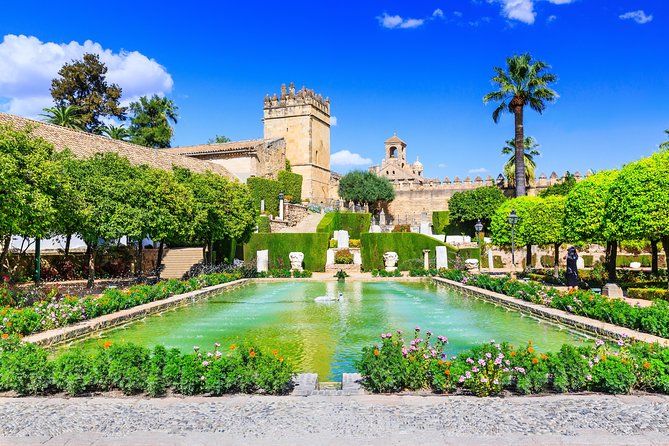
Alcazar de los Reyes Cristianos
The Alcazar de los Reyes Cristianos (Fortress of the Christian Monarchs) is the 14th-century fortress and palace where Ferdinand and Isabella lived for 8 years while planning the final stage of the Reconquista: the siege and capture of Granada. Columbus met the Catholic Monarchs here in 1486 to pitch his voyage west. The fortress later served as the headquarters of the Spanish Inquisition. Today the main attractions are the Roman mosaics (some of the finest in Spain, discovered in the 1960s under the building), the tower views (climb the Torre de los Leones for a panorama of the Mezquita and the Roman Bridge), and the gardens (geometric terraces, fountains, and pools designed in a Roman-Islamic-Spanish hybrid style that represents the cultural collision of Cordoba). Entry EUR 6.
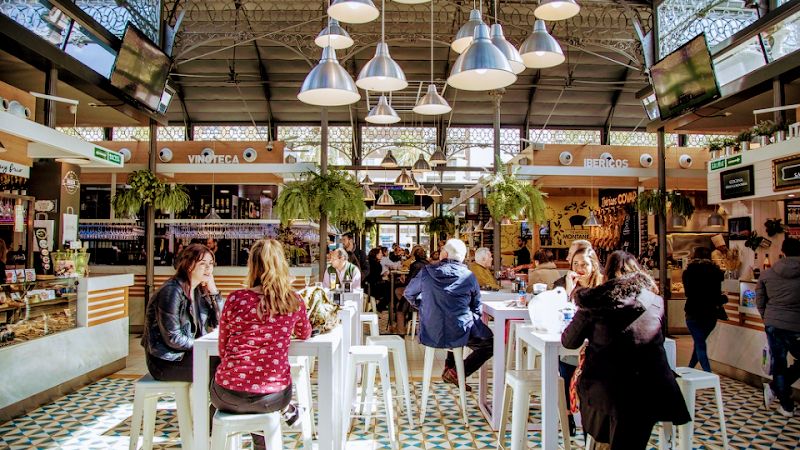
Mercado Victoria
Contemporary food market housed in a 19th century iron and glass structure with multiple stalls offering everything from traditional Cordoban dishes to international cuisine. The central bar area serves Montilla-Moriles by the glass. Popular with younger locals and a mix of tourists looking for variety under one roof.
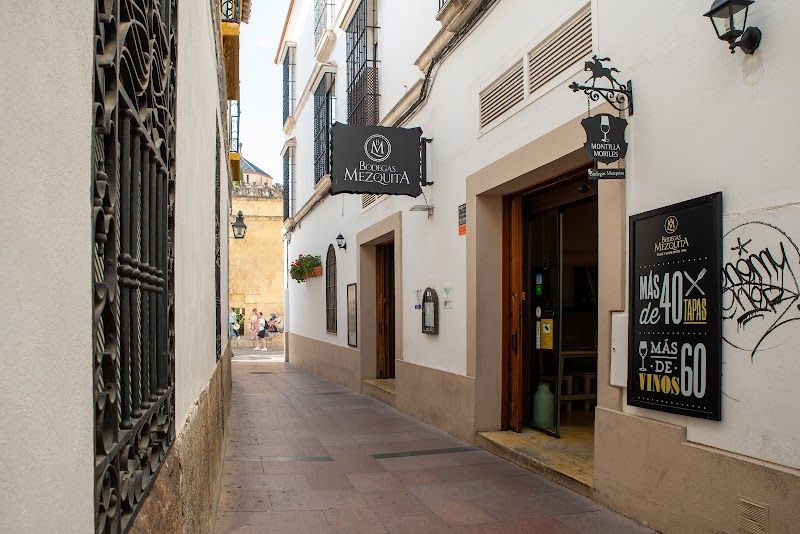
Bodegas Mezquita
No-frills tapas bar steps from the Mezquita serving small plates and montaditos at counter-friendly prices. The walls are covered with bullfighting memorabilia and signed photos of flamenco artists who have eaten here. Their tortilla española is made fresh throughout the day.
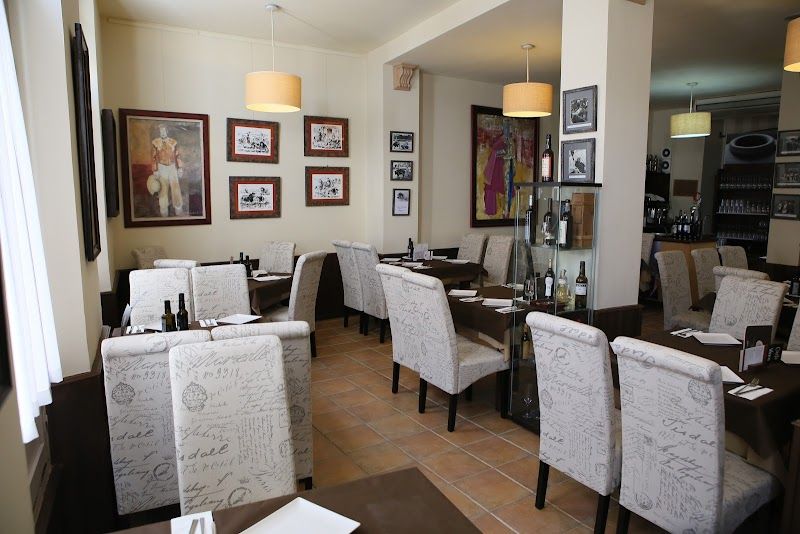
Taberna La Montillana
Small family-run tavern in the Santa Marina neighborhood dedicated to showcasing Montilla-Moriles wines paired with traditional tapas. The owners are passionate about educating visitors on the difference between their local wine and Jerez sherry. Simple menu focused on quality ingredients and proper pairings.
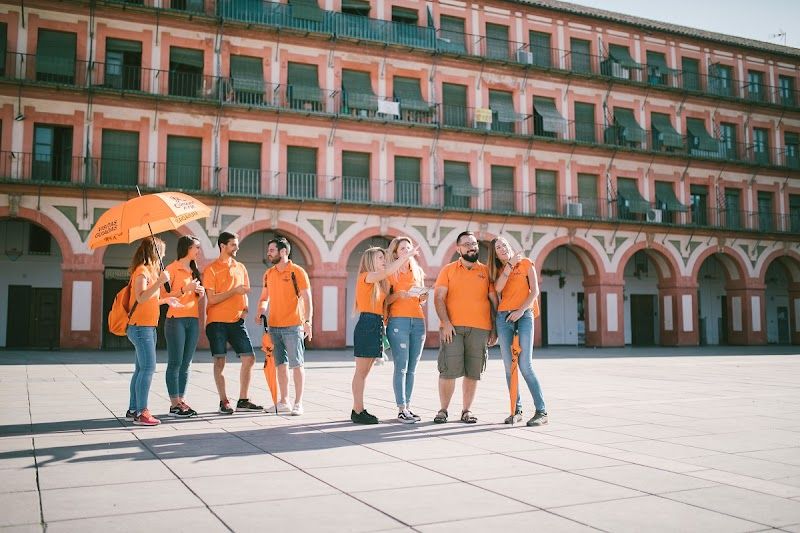
Cordoba Walking Tour: Mezquita, Juderia & Alcazar
A walking tour covering the three main sites of Cordoba: the Mezquita, the Jewish Quarter, and the Alcazar. The tour typically runs 3-4 hours and covers the mosque-cathedral interior, the Juderia alleys (Synagogue, Calleja de las Flores, the souk), and the Alcazar fortress and gardens. The value is in the narrative: a guide who can explain the convivencia (the medieval coexistence of Muslim, Christian, and Jewish cultures in Cordoba) and how that history is visible in the architecture. EUR 30-50 per person with entry tickets included.
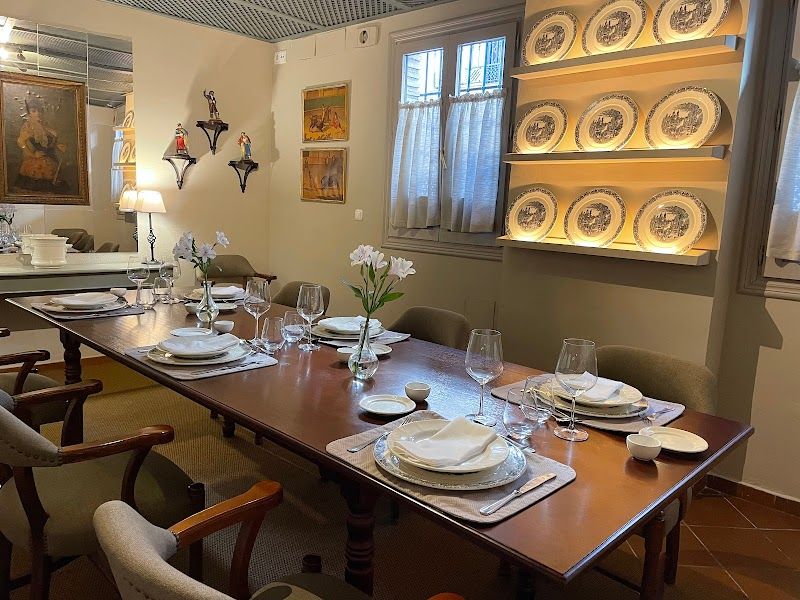
Bodegas Campos
Historic restaurant and wine cellar established in 1908 spread across multiple rooms and patios in a rambling old house. The extensive menu covers all Cordoban specialties with their rabo de toro being particularly celebrated. The barrel-lined bodega room displays their collection of Montilla-Moriles wines dating back decades.
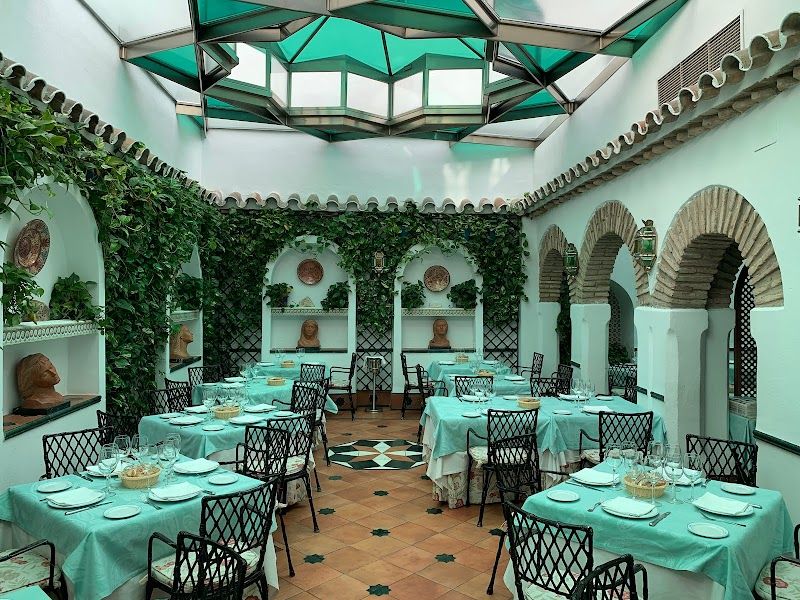
El Churrasco
Upscale restaurant in a converted 14th century Mudejar mansion with multiple patios and dining rooms. Famous for their charcoal-grilled meats and refined versions of Cordoban classics like their signature churrasco Iberico. The wine cellar features an extensive Montilla-Moriles selection alongside Spanish wines.
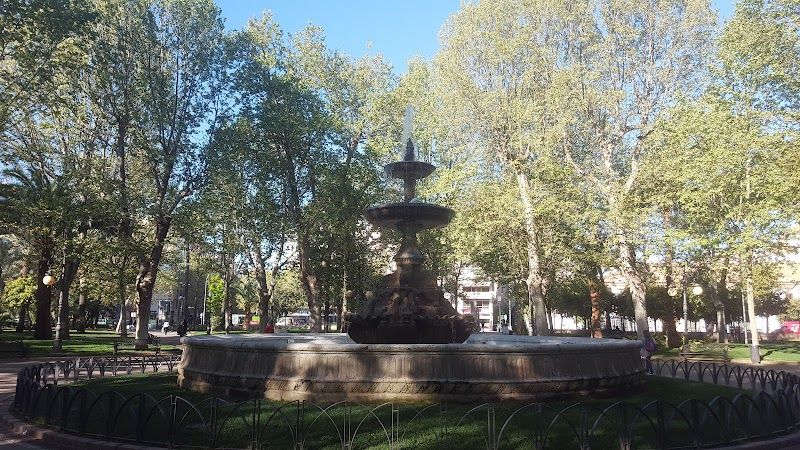
Jardines de la Merced
Jardines de la Merced occupies a prime spot on Plaza de Colón, directly facing the imposing Convento de la Merced that now houses Córdoba's provincial government. You'll find classic Andalusian garden design here: geometric pathways lined with bitter orange trees, decorative ceramic tiles in blues and whites, and several small fountains that actually work. The gardens aren't large, but they're thoughtfully laid out with plenty of shaded benches under mature trees. The atmosphere feels more like a neighborhood square than a tourist destination, which works in your favor. Office workers grab lunch on benches, elderly locals play cards at stone tables, and kids run around the central fountain while parents chat. The orange trees provide excellent shade, and the sound of water from multiple fountains creates a surprisingly peaceful environment despite being steps from busy streets. The tile work shows typical Mudéjar influence with intricate patterns you'll see repeated throughout Córdoba. Most guidebooks barely mention these gardens, so you won't fight crowds for photos. The space works best as a rest stop rather than a destination, perfect when you're walking between the Mezquita and the newer parts of town. Don't expect elaborate landscaping or rare plants. The real value is the shade, the functioning fountains, and the authentic slice of daily Córdoban life you'll witness.
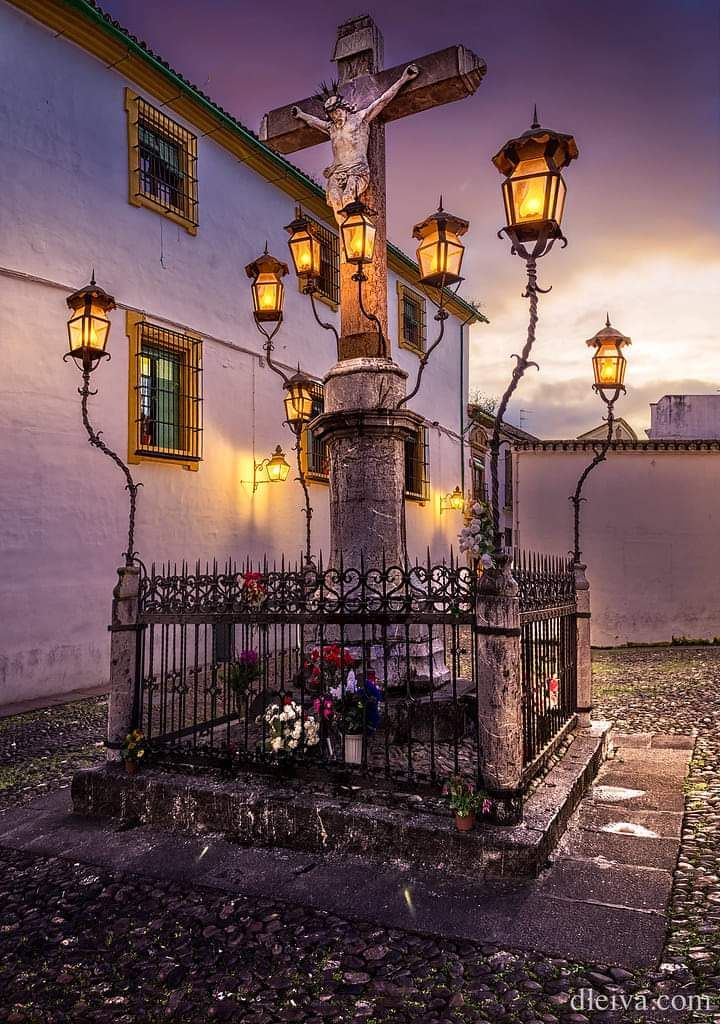
Cristo de los Faroles
Cristo de los Faroles is a simple wooden crucifix surrounded by eight wrought iron lanterns in tiny Plaza de Capuchinos. This isn't some grand monument, it's an intimate religious shrine that locals have been visiting since the 18th century for quiet prayer and reflection. The lanterns create dramatic pools of light after dark, transforming this small square into one of Cordoba's most atmospheric spots. You'll find it just steps from the main tourist routes, but the feeling here is completely different from the busier plazas. The visit itself takes maybe 10 minutes unless you're stopping to pray or soak in the atmosphere. During the day it feels pleasant but unremarkable, just a small crucifix in a quiet square surrounded by typical Cordoba white buildings. The magic happens after sunset when the lanterns cast long shadows across the cobblestones and the space feels almost mystical. You'll often see elderly locals stopping by, crossing themselves, or sitting quietly on the stone benches. The acoustics are wonderful here, footsteps echo softly off the surrounding walls. Most guides oversell this as some major attraction when really it's about the mood, not the monument itself. Skip it during busy afternoon hours when tour groups pass through taking quick photos. The best experience costs nothing and happens around 9 or 10pm when the square empties out completely. Don't expect historical explanations or plaques, this is about feeling rather than learning.
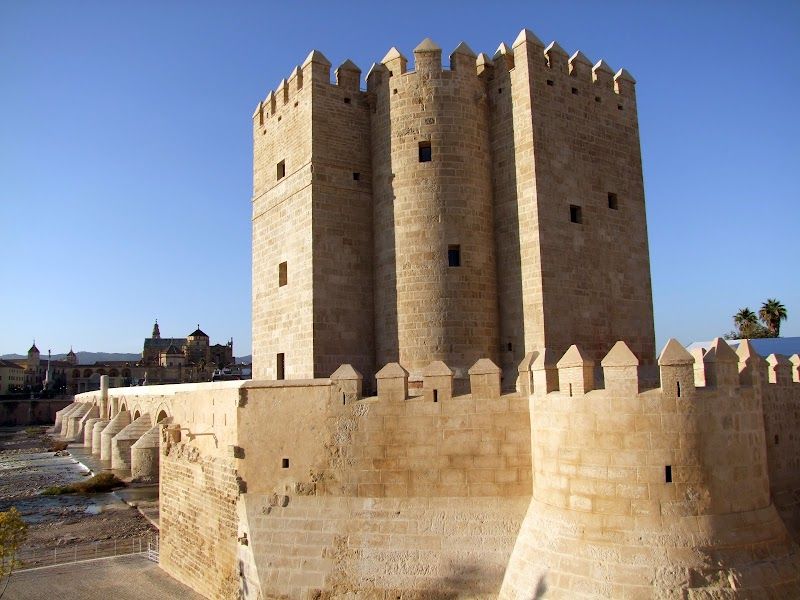
Torre de la Calahorra
This 14th-century fortified tower guards the southern end of Córdoba's Roman Bridge like a medieval sentinel. Inside, you'll find a multimedia museum dedicated to convivencia, the period when Muslims, Jews, and Christians lived together in medieval Andalusia. The displays use sound, projections, and artifacts to tell this story, though honestly the real draw is the rooftop terrace with its panoramic views over the Guadalquivir River and the Mezquita's bell tower. The visit starts in the tower's stone chambers where audiovisual presentations play out scenes from medieval Córdoba's multicultural past. The museum feels a bit dated with its 1990s-style multimedia approach, but the historical content is solid. Climbing the narrow spiral staircase to the top rewards you with arguably the best vantage point in Córdoba. From here you can see the Roman Bridge stretching toward the Mezquita, the river curving through the city, and the sierra mountains beyond. Entry costs 4.50 EUR for adults, which feels steep for what's essentially a 20-minute experience plus rooftop time. Most people rush through the museum displays to reach the terrace, and honestly that's fine. The historical exhibits are informative but not groundbreaking. Come for the views, stay for photos, and don't feel guilty about skipping the detailed audio explanations unless medieval history really grabs you.
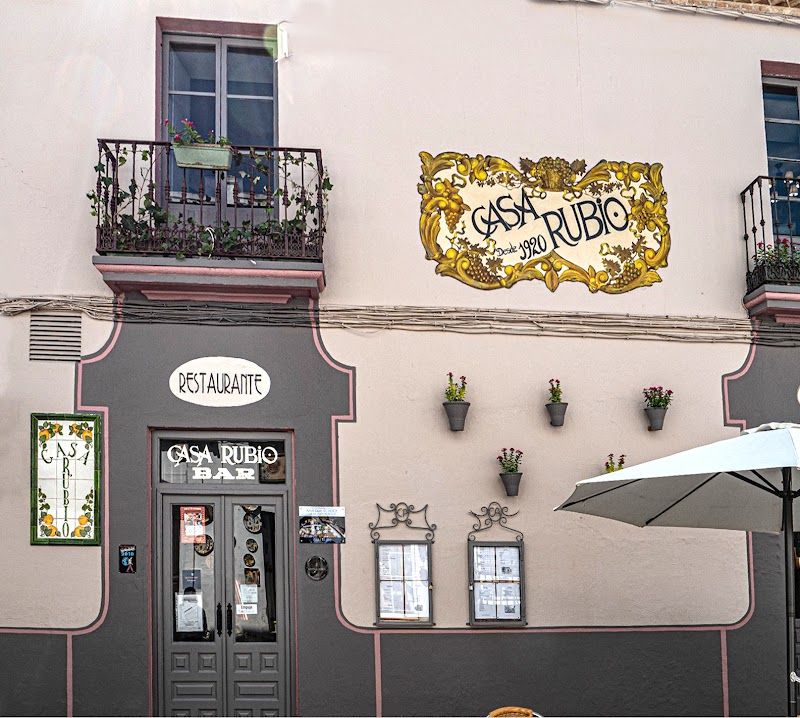
Casa Rubio
Family-run tapas bar serving authentic Cordoban dishes in a no-frills setting frequented almost exclusively by locals. Famous for their flamenquín, salmorejo, and excellent value lunch menu. The walls are covered with bullfighting memorabilia and old photographs of Córdoba.
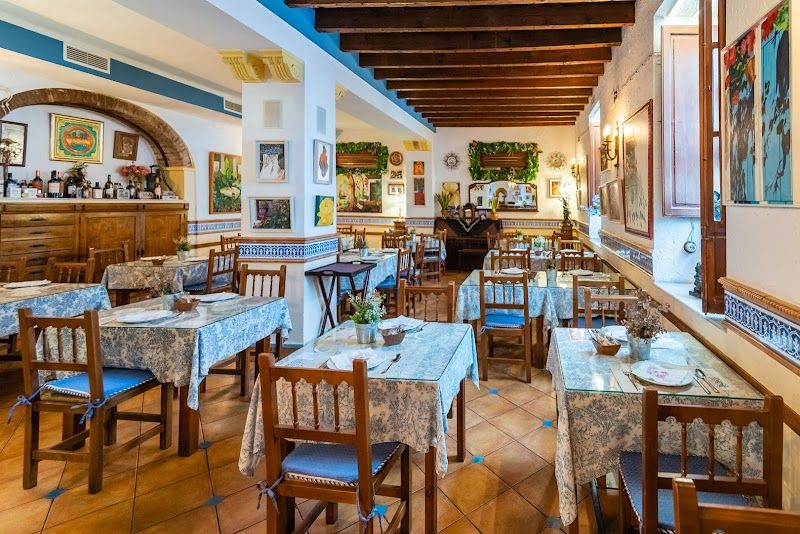
Taberna La Viuda
Authentic neighborhood tavern in Santa Marina where local workers come for generous lunch portions and cheap wine. The daily menu del dia costs EUR 10 and includes salmorejo, a main course of traditional Cordoban cooking, and wine. Zero English spoken, maximum local atmosphere.
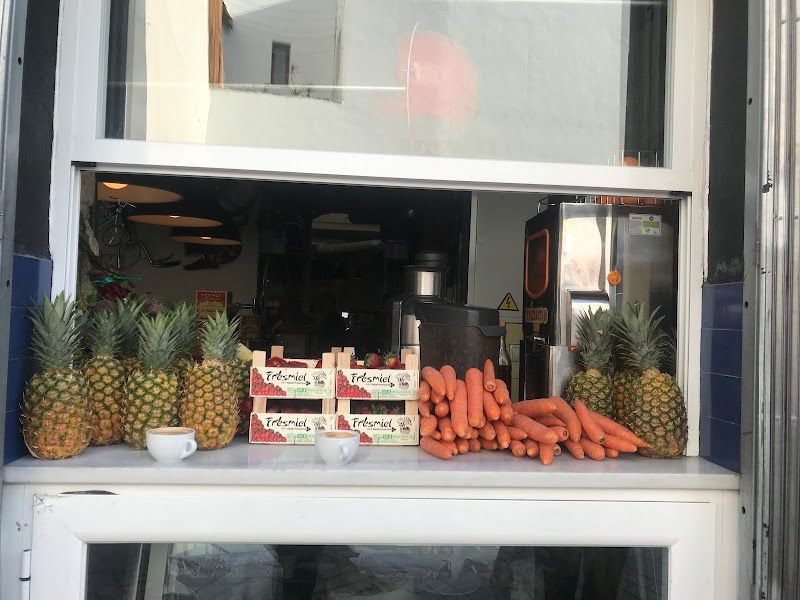
Café Bar La Bicicleta
Cozy neighborhood café with vintage bicycle décor and a relaxed bohemian atmosphere. Serves excellent coffee, homemade cakes, and light meals made with local ingredients. Popular with artists and students from the nearby university, offering a contemporary contrast to traditional Córdoba.
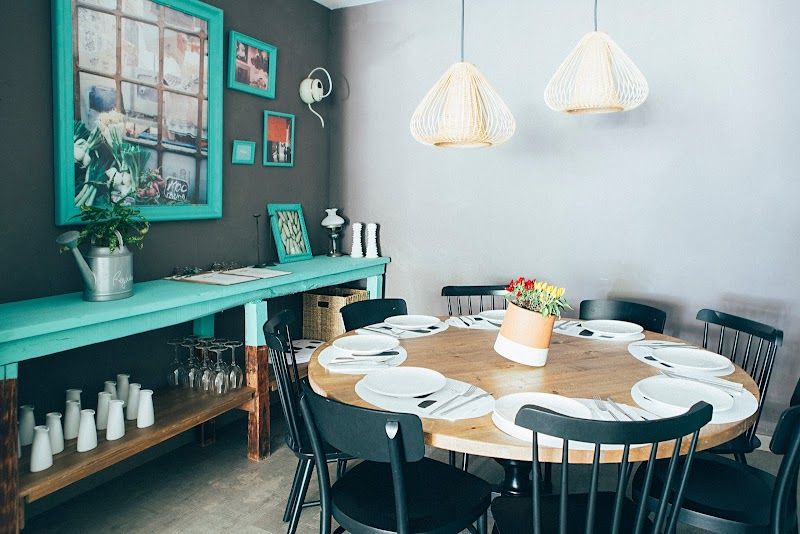
Regadera
Modern bistro on Plaza de la Corredera serving updated versions of Cordoban dishes with seasonal market ingredients. The outdoor terrace provides prime people-watching on the historic square. Their deconstructed salmorejo and creative flamenquin variations attract a younger local crowd.
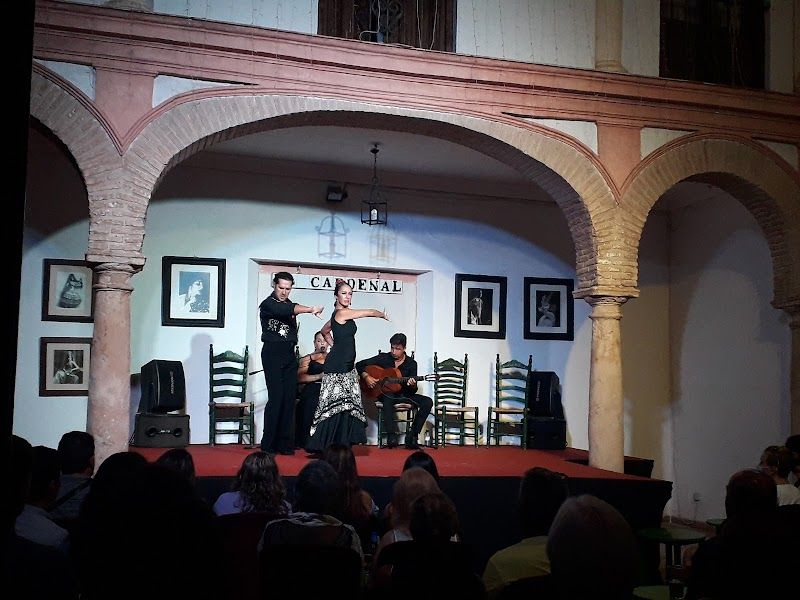
Tablao Flamenco Cardenal
Tablao Flamenco Cardenal showcases authentic Cordoban flamenco in a stone-arched medieval space that seats just 45 people. You'll hear the distinctive Cordoban soleá style, which emphasizes intricate guitar work over the dramatic vocals that dominate Seville's flamenco scene. The intimate setting means you're close enough to see the guitarist's fingering techniques and hear the subtle foot percussion that makes Cordoba's tradition unique. The 70-minute performance unfolds in three acts with local artists who've grown up in this tradition, not polished professionals touring between cities. Stone walls amplify every guitar note and hand clap, creating an acoustic experience you won't find in larger venues. Servers move quietly between small tables, offering wine and basic tapas, but most audiences focus entirely on the music. The medieval architecture frames the performance perfectly, with warm lighting highlighting the worn stone arches. Tickets cost 25 EUR and include one drink, a fair price for authentic flamenco in such an intimate setting. Most guides oversell flamenco as passionate and fiery, but Cordoba's style is more contemplative and guitar-focused, which some visitors find less exciting than expected. Skip the 10pm show, it's packed with tour groups. The venue gets genuinely hot in summer since air circulation is limited in the medieval space.
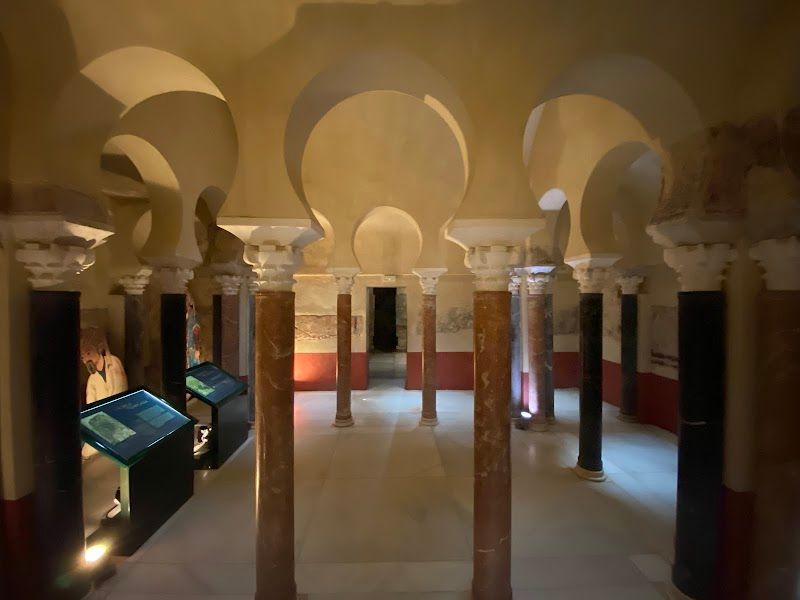
Baños del Alcázar Califal
These 10th century royal baths are the best preserved example of Umayyad bathing culture in Spain, built when Córdoba was the most sophisticated city in Europe. You'll walk through the original sequence of cold, tepid, and hot rooms exactly as caliphs and courtiers used them a thousand years ago. The star shaped skylights still cast the same geometric patterns on ancient floors, and the hypocaust heating system remains visible beneath raised marble slabs. The experience feels surprisingly intimate in these vaulted stone chambers. You follow the traditional bathing circuit from the cold apodyterium (changing room) through progressively warmer spaces, each with different ceiling heights and lighting effects. The audio guide explains how bathers moved between rooms for different stages of cleansing and socializing. Sound carries beautifully in these spaces, creating an almost meditative atmosphere as you imagine courtly conversations echoing off thousand year old walls. Most visitors rush through in 20 minutes, but you'll appreciate the architectural details if you take the full 45 minutes the audio guide suggests. Entry costs €2.50, making this one of Córdoba's best value attractions. Skip it only if you're already doing the Alcázar next door and are museumed out, but honestly, the contrast between the two sites makes both more interesting. The baths close for lunch from 2:00 to 4:30 PM, so plan accordingly.
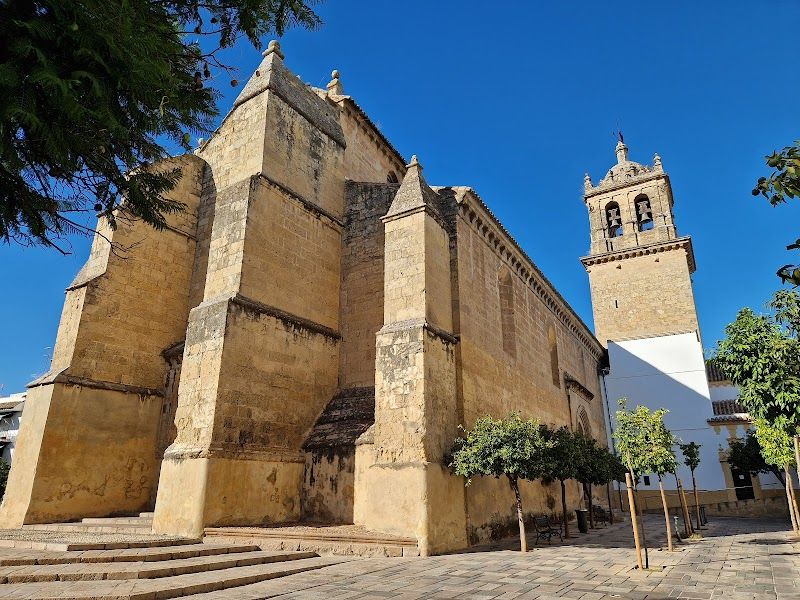
Iglesia de Santa Marina de Aguas Santas
This 13th-century church sits where a mosque once stood, representing Córdoba's layered religious history in stone and mortar. You'll find genuine medieval frescoes inside, some of the best-preserved examples in the city that most tourists never see because they're too busy chasing the Mezquita crowds. The Gothic-Mudéjar architecture shows how Christian and Islamic styles blended during the Reconquista, creating something uniquely Andalusian. The church feels refreshingly authentic after the tourist circus elsewhere. You'll step into cool stone silence where locals still come to pray, not pose for selfies. The interior is deliberately austere, letting those medieval wall paintings do the talking. Outside in the plaza, Manolete's statue draws elderly locals who remember when bullfighting mattered more than Instagram. The neighborhood around here stays genuinely working-class, with older residents chatting on benches. Most guides oversell this as a major attraction when it's really a pleasant 20-minute stop. The church is often locked (typical Spanish church hours are unpredictable), so don't make a special trip. Entry is free when open, usually mornings after 10am. Skip it if you're pressed for time and prioritize the Mezquita instead, but if you're exploring this quieter neighborhood anyway, it adds nice context to Córdoba's Christian period.
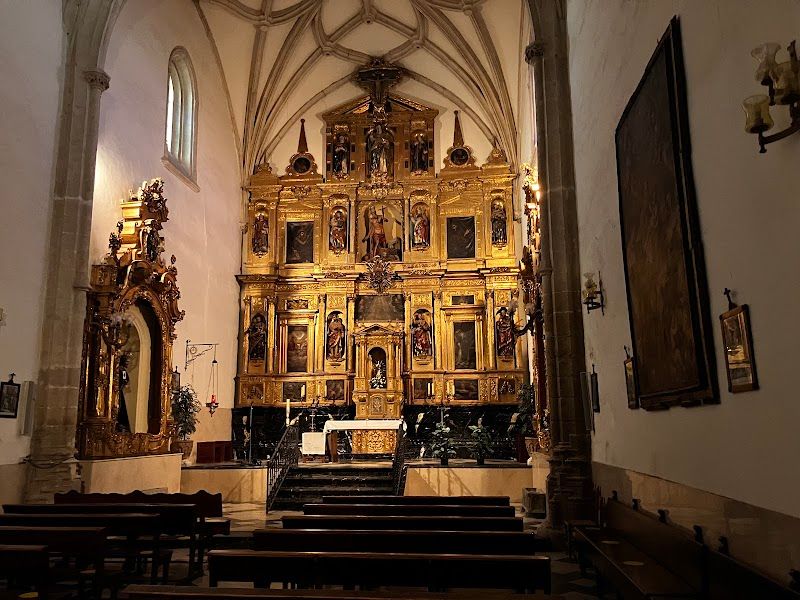
Convento de Santa Marta
Convento de Santa Marta is a working 15th-century convent where Hieronymite nuns have been baking traditional sweets for over 500 years. You'll buy their dulces conventuales through a wooden revolving window called a torno, which keeps the cloistered sisters invisible while they sell you their handmade treats. The pastries include pestiños (honey-soaked spirals), roscos (anise cookies), and seasonal specialties like torrijas during Easter. The experience feels like stepping back centuries. You ring a small bell at the wooden door, wait in a tiny stone vestibule, then speak to an invisible nun through the torno. She'll tell you what's available that day (always in Spanish), you place your money in the wooden compartment, and it rotates back with your sweets in simple paper bags. The whole interaction takes maybe five minutes, but the atmosphere is genuinely otherworldly. Most guidebooks make this sound more mystical than it actually is. The sweets are good but not extraordinary, and you're essentially paying premium prices (expect 8-12 EUR for a small bag) for the novelty experience. Go if you're curious about monastic life, but don't expect gourmet pastries. The nuns often run out of popular items by afternoon, and they close unpredictably for religious observances.