Freiburg im Breisgau
Altstadt (Old Town)
The medieval core of the city: the Munster cathedral (the only German Gothic cathedral to survive the war), the daily market that has run on the square since the 12th century, the Bachle water channels, and car-free pedestrian streets that kids can actually run down.
About Altstadt (Old Town)
The Altstadt is what the rest of Freiburg orbits around. The Munster cathedral (Freiburger Munster, built 1200-1513) is the centrepiece: the 116-metre spire is the only major Gothic tower in Germany to have survived both World Wars intact, and the interior keeps its medieval stained glass. The cathedral is free to enter; climbing the tower costs EUR 5 and rewards you with a 360-degree view that reaches across the Rhine plain to the Vosges in France on a clear day.
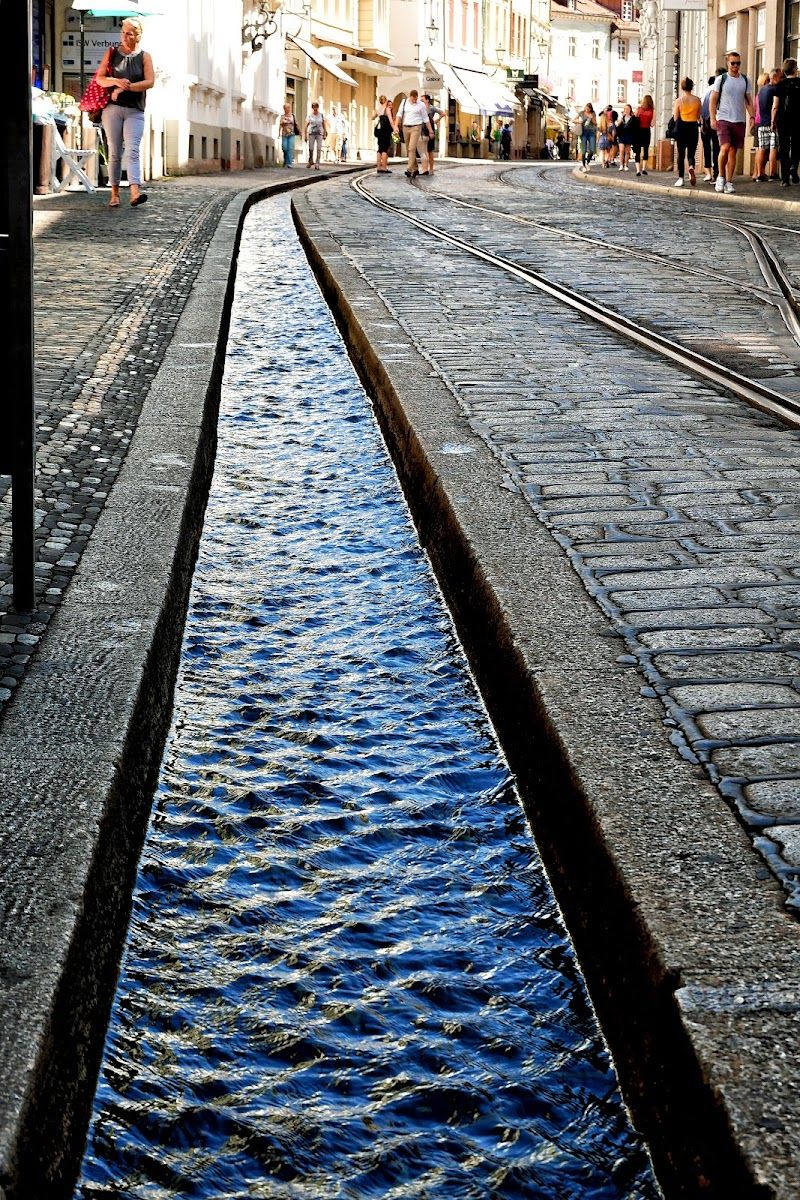
The Munsterplatz holds the city's daily food market (Monday to Saturday, 7:30 AM to 1:30 PM) which is the real institution: bratwurst stands on the south side, cheese and cured meats from Black Forest farms, produce, and the long rope of flower sellers on the west side. The Bachle (pronounced "beck-luh") are the small water channels that run through the cobblestone streets of the old town: they were built in the 13th century for fire protection and drainage, they are knee-deep on kids, and local superstition says if you step in one by accident you will marry a Freiburger. The medieval city gates (Martinstor in the south, Schwabentor in the east) still stand. The old town is entirely car-free during the day: delivery trucks have limited morning windows, after that it is pedestrians, bikes, and the two tram lines that cross the square.
Things to Do
Top experiences in Altstadt (Old Town)
Waldsee Freiburg
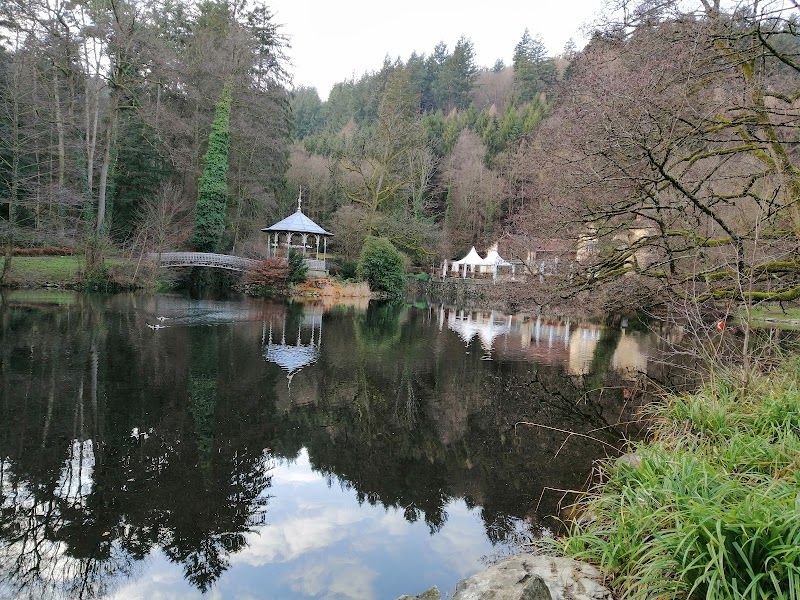
Waldsee is a natural swimming lake fed by Black Forest groundwater, sitting in a quiet corner of Wiehre where locals escape Freiburg's summer heat. You'll find crystal-clear water perfect for swimming, a small sandy beach area, and grassy banks dotted with sunbathers and picnicking families. The lake stays refreshingly cool even in July, and the surrounding forest creates a genuine retreat feeling just 15 minutes from the city center. The atmosphere here is decidedly local: you'll hear more German than English, and families arrive with elaborate picnic setups that put tourists to shame. The east side offers the best spots with afternoon shade, while the west gets full sun until evening. A small kiosk sells coffee (€2.50), ice cream (€3-4), and basic snacks, but most people bring their own food. The water quality is excellent, and you'll often see locals doing their daily swimming laps. Most guidebooks barely mention Waldsee, which keeps it blissfully uncrowded compared to the tourist-packed Bächle fountains downtown. The lake gets busy on hot weekends but stays manageable on weekdays. Don't expect facilities beyond basic toilets and the kiosk. Skip it if you're looking for pristine nature: nearby residential buildings are visible, and you'll hear some traffic noise. But for authentic local life and genuine swimming, it beats any hotel pool.
Freiburg Munster
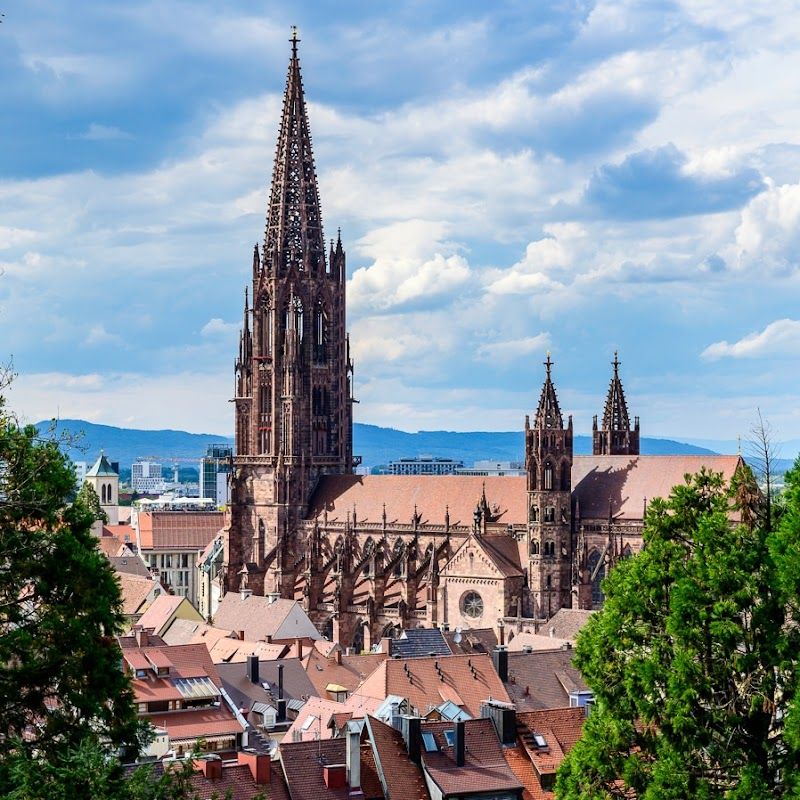
Freiburg's cathedral stands as Germany's only major Gothic church to survive both world wars completely intact, with its original 13th-century stained glass still glowing in the nave. The 116-meter spire, completed in 1330, dominates the old town skyline and offers the city's best panoramic views across the Rhine Valley to the French Vosges mountains. Inside, you'll find Hans Baldung Grien's stunning 1516 high altar and intricate medieval choir stalls carved from oak. The cathedral sits at the heart of daily Freiburg life, surrounded by the city's main market that runs Monday through Saturday mornings. You'll hear vendors calling out prices for local produce while church bells ring overhead, creating an authentic medieval atmosphere that tourist sites rarely capture. The interior feels surprisingly intimate despite its grand scale, with golden light filtering through 700-year-old glass windows that somehow survived Allied bombing. Most visitors skip the tower climb because of the EUR 5 fee, but it's actually the best value viewpoint in the city. The 209 narrow spiral steps aren't suitable for anyone with mobility issues or claustrophobia, but the panoramic views justify the effort on clear days. Skip the overpriced cafes directly on Münsterplatz and head one block away for better coffee at half the price.
Martinstor
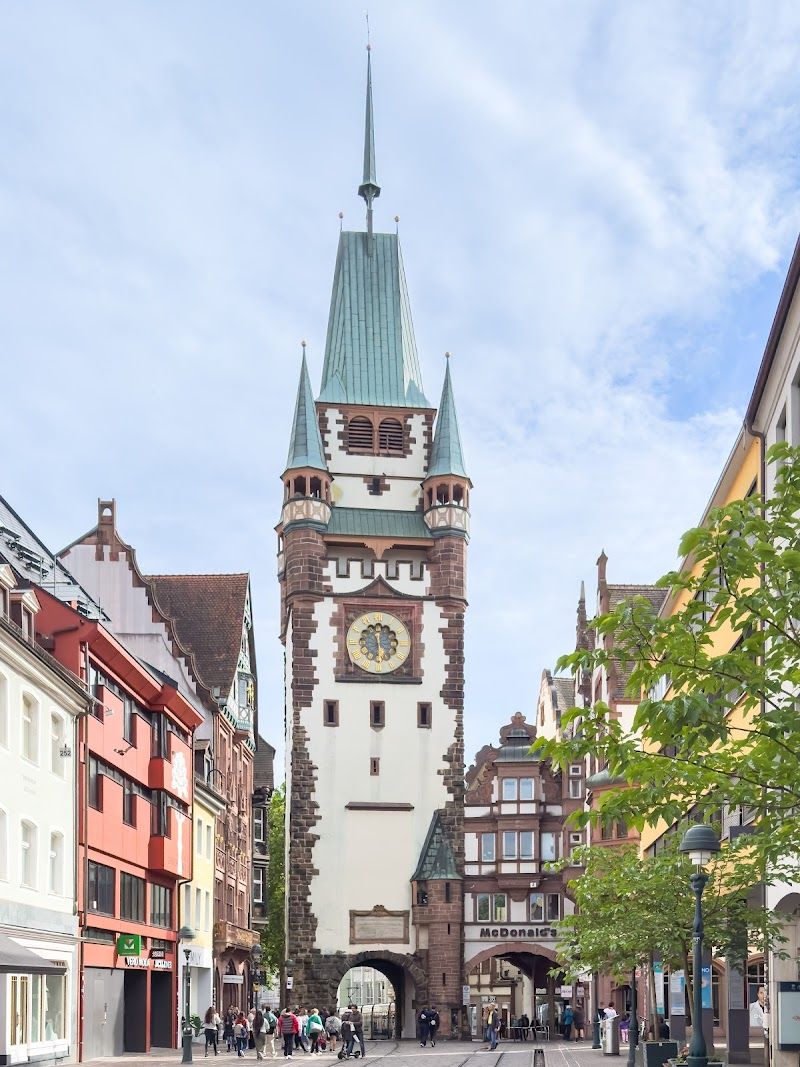
Martinstor stands as Freiburg's western gateway, a 13th century tower that's one of only two surviving medieval city gates. You'll find painted frescoes still visible on the weathered stonework above, while modern trams glide directly through the ancient arch every few minutes. The contrast is startling: medieval craftsmanship framing sleek yellow trams as they carry passengers between the old town and newer districts. Walking through feels like stepping between centuries. Pedestrians flow constantly through the narrow passage alongside the tram tracks, creating an oddly intimate space where you're surrounded by 800 years of history. The tower's bulk dominates the small square, and you can hear the rumble and clang of approaching trams echoing off the stone walls. During rush hour, the steady stream of commuters adds energy to what could otherwise feel like a static monument. Most guides oversell this as a major attraction when it's really a lovely 15 minute stop while exploring the Altstadt. The tower itself isn't accessible inside, so your visit is purely external appreciation and photos. Don't make a special trip just for Martinstor, but definitely pause here when walking between the city center and the western neighborhoods. The painted details are best visible in morning light when shadows don't obscure the upper sections.
Historisches Kaufhaus
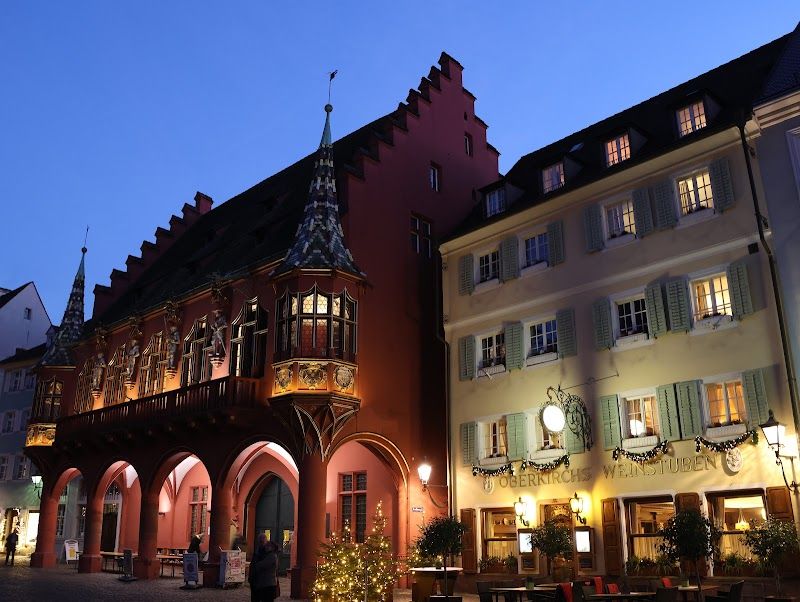
The Historisches Kaufhaus stands like a crimson fortress on Münsterplatz, its Gothic bay windows and four Habsburg emperor statues creating Freiburg's most photographed facade. Built between 1520 and 1532 as the city's customs house and market administration center, it controlled trade flowing through the Black Forest region. You'll spend most of your time admiring the elaborate exterior stonework and the Habsburg coat of arms that symbolized the city's allegiance to the Austrian empire. The building hits you immediately with its deep red sandstone walls and ornate Gothic details that contrast sharply with the cathedral across the square. Most visitors circle the building photographing the statues of Maximilian I, Charles V, Ferdinand I, and Philip I, each carved with impressive detail in their imperial robes. The ground floor arcade offers relief from sun or rain, where original vaulted ceilings showcase medieval craftsmanship that survived five centuries. Honestly, this works better as a photo stop than a destination since there's no permanent museum inside. The occasional art exhibitions on the ground floor are hit or miss, often featuring local artists that won't justify a special trip. Your best bet is combining this with cathedral visits since you're already on Münsterplatz, and the building looks most dramatic in morning light when shadows emphasize the stonework details.
Schlossberg
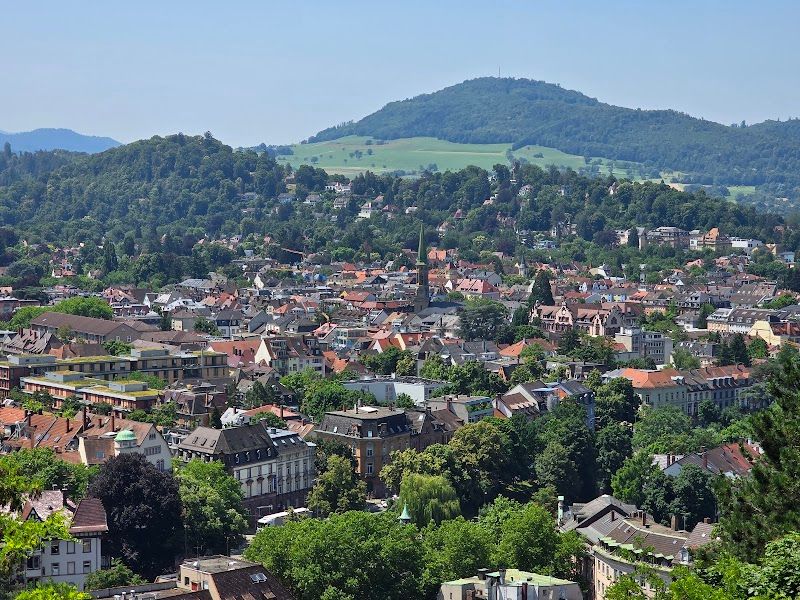
Schlossberg rises 456 meters above Freiburg's old town, topped with the ruins of a fortress that French troops demolished in 1745. You'll find well-marked trails winding through dense beech forest to multiple viewpoints, with the main destination being Kanonenplatz where you get sweeping views across the city's red rooftops to the Rhine Valley and distant Vosges Mountains. The 33-meter Schlossberg Tower at the summit offers 360-degree panoramas for those willing to climb the spiral staircase. The walk up takes about 30 minutes on the main path, passing through cool forest that feels surprisingly wild for being right in the city center. Stone foundations and wall fragments from the old fortress appear throughout the woods, giving the place an atmospheric mix of nature and history. At Kanonenplatz, you'll usually find locals sitting on benches with coffee from the small kiosk, watching hang gliders launch from the nearby platform. The tower itself gets crowded around sunset, but the forest trails stay peaceful even on busy weekends. Most people take the funicular up and miss the satisfying climb through the woods. The Schlossbergbahn costs 2.20 EUR one way and runs every 10 minutes, but honestly, walking up isn't that tough if you're reasonably fit. Skip the restaurant at the top, it's overpriced tourist food. The real reward is the forest itself, not just the views.
Bachle
The Bachle are shallow water channels that flow through Freiburg's cobblestone streets, built in the 13th century for fire protection and still carrying fresh Dreisam river water today. These ankle-deep channels, just 20-30 cm wide, run along major pedestrian streets including Kaiser-Joseph-Strasse and around the Munster cathedral. You'll watch kids wade through them, float sticks, and push toy boats while parents sit nearby on cafe terraces. The water stays surprisingly clean thanks to constant flow from the river. Walking through the old town means constantly stepping over these little waterways as they crisscross your path. On hot summer days the channels come alive with children splashing and playing, their laughter echoing off medieval buildings. The sound of flowing water creates a surprisingly peaceful soundtrack to your exploration. Local tradition claims you'll marry a Freiburger if you step in accidentally, and every local will tell you this with a straight face before breaking into a grin. Most travel guides treat these like a curiosity, but they're actually one of Europe's most successful examples of medieval urban planning still functioning today. The Kaiser-Joseph-Strasse stretch offers the best access and widest channels for kids to play. Don't overthink this one, just enjoy the unique atmosphere they create throughout the old town.
Oberlinden
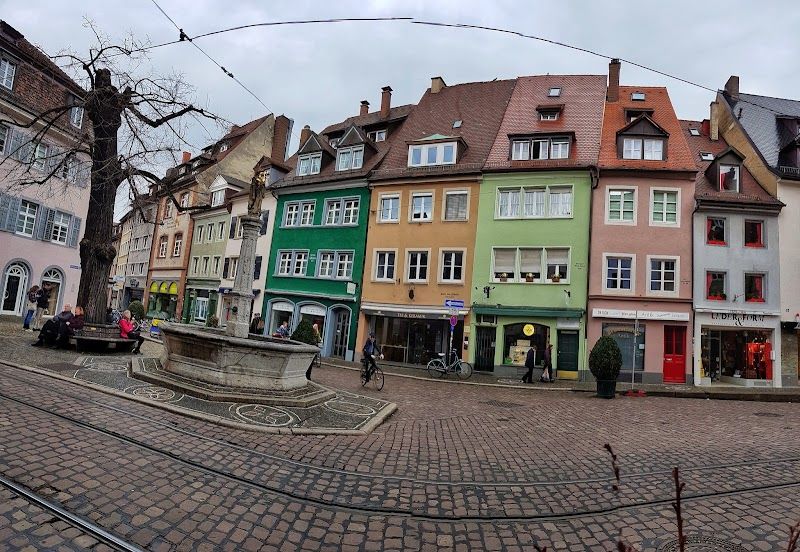
Oberlinden feels like stumbling onto a film set of medieval Germany, where cobblestones meet café culture in perfect harmony. This triangular square sits where Oberlinden street widens at the old town's eastern edge, framed by pastel-painted 18th century houses that now shelter cozy student bars and sidewalk cafés. The 1806 fountain anchors the center while the imposing Schwabentor gate tower looms just steps away, creating an intimate pocket that most tourists walk right past. The square breathes differently than Freiburg's busier plazas. You'll find locals reading newspapers over morning coffee at Café Extrablatt (around €3.50 for cappuccino), while university students claim the outdoor tables by afternoon. The medieval proportions keep everything human-scaled, and the mix of historic architecture with modern café life creates an atmosphere that's both timeless and very much alive. Evening brings a younger crowd to bars like Schlappen, where conversations spill onto the cobblestones. Most guidebooks barely mention Oberlinden, which works in your favor. Skip the overpriced tourist traps near the Münster and grab coffee here instead. The square's real magic happens after 6pm when student energy kicks in, but mornings offer the best light for photos without crowds. Don't expect major sights, this is about soaking up authentic Freiburg life for the price of a drink.
Siegesdenkmal
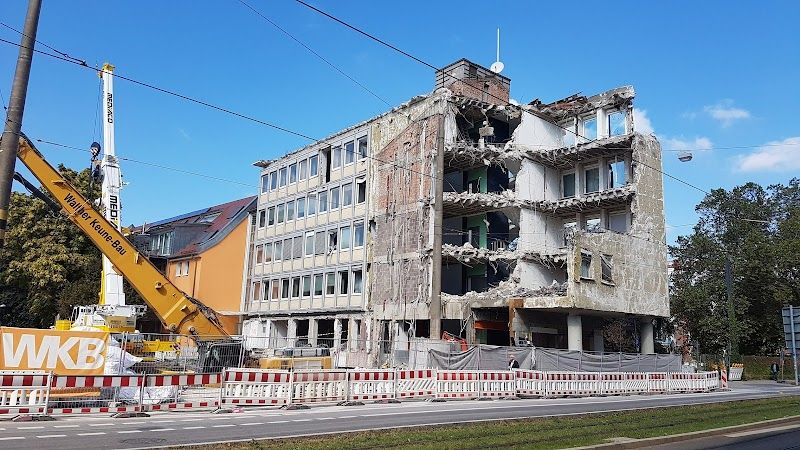
The Siegesdenkmal stands 23 meters tall in the middle of Europaplatz, a bronze winged victory figure crowning a red sandstone column built in 1876 to commemorate Germany's Franco-Prussian War victory. You'll see Carl Schäfer's architectural design up close, with intricate reliefs carved into the sandstone base and the imposing bronze Victoria spreading her wings above the busy plaza. Modern trams circle the monument constantly, creating an odd juxtaposition between 19th-century triumphalism and contemporary urban life. The monument dominates the square despite being surrounded by sleek tram lines and the glass facade of the new university library. You can walk a complete circle around the base to examine the detailed stonework, though the constant tram traffic means you're always aware of the city moving around this historical anchor point. The bronze figure catches light differently throughout the day, and the red sandstone shifts from warm pink in morning sun to deep crimson at sunset. Most travel guides oversell this as a major attraction when it's really a 10-minute stop while you're heading somewhere else. The monument survived WWII bombing that flattened much of the surrounding area, making it feel somewhat isolated from Freiburg's medieval charm. Skip it if you're short on time, but if you're already in the area visiting the university library or catching a tram, it's worth a quick look for the craftsmanship alone.
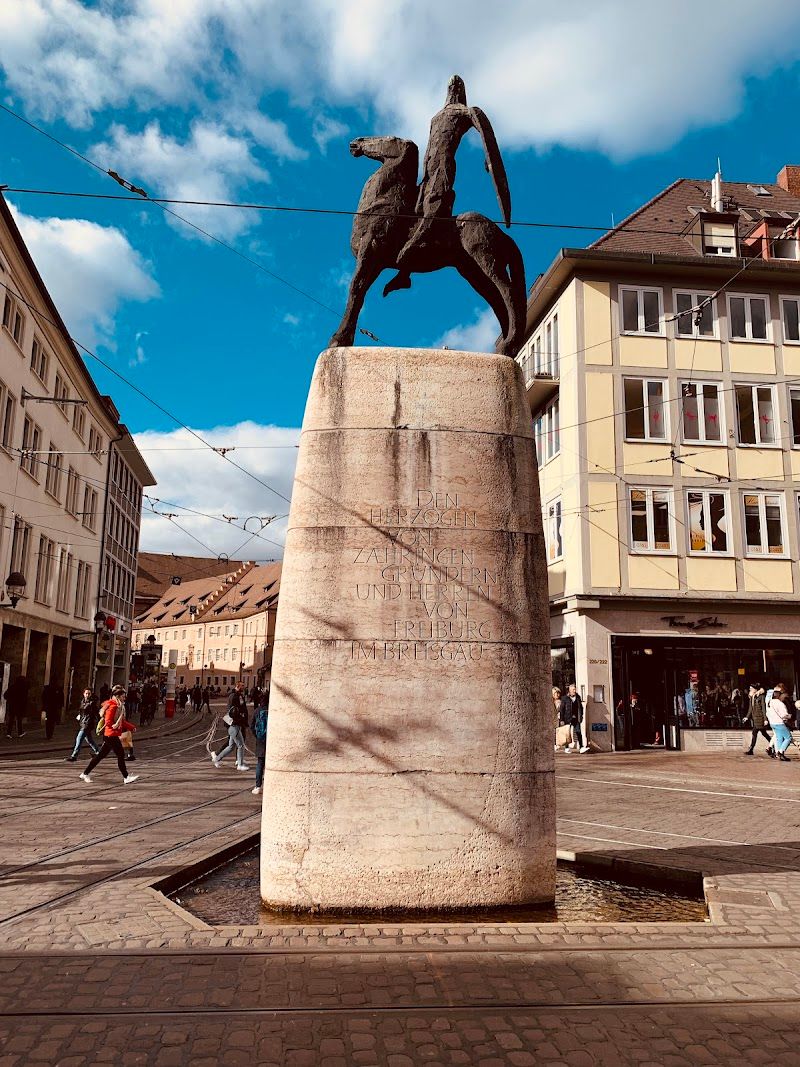
Bertoldsbrunnen
Bertoldsbrunnen sits at the absolute heart of Freiburg's pedestrian zone, where every tram line converges and half the city seems to pass through daily. The bronze fountain commemorates Duke Bertold II, who established Freiburg's market rights in 1120, though what you see today is a 1950s reconstruction after bombing damage. You'll find yourself using this spot constantly as a navigation anchor since every street address in the old town gets measured from here. The fountain operates as Freiburg's unofficial town square, with a steady stream of students, shoppers, and tourists flowing around its base. Trams glide past every few minutes on four different lines, creating a surprisingly pleasant urban rhythm rather than chaos. The surrounding buildings house chain stores and cafes, but the real energy comes from watching locals instinctively gather here before heading anywhere else in the city. Most guidebooks oversell this as a destination when it's really just an excellent meeting point that you'll naturally encounter while exploring. Don't plan a special trip, but do appreciate how efficiently it connects you to Kaiser Joseph Strasse's shopping, the cathedral district, and the university area. The fountain itself takes about 30 seconds to see properly, so your time is better spent people watching with a coffee from one of the nearby cafes (expect 2.50 EUR for an espresso).
Where to Eat
Restaurants and cafes in Altstadt (Old Town)
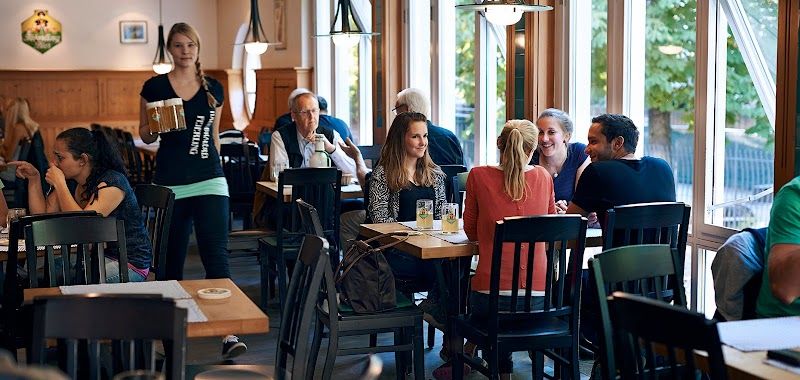
Hausbrauerei Feierling
RestaurantTraditional brewery and beer garden in Wiehre serving house-brewed unfiltered Inselbier alongside Badisch classics like Zwiebelrostbraten and Maultaschen. The sprawling chestnut-shaded beer garden seats 600 and is packed with families and students on summer evenings.
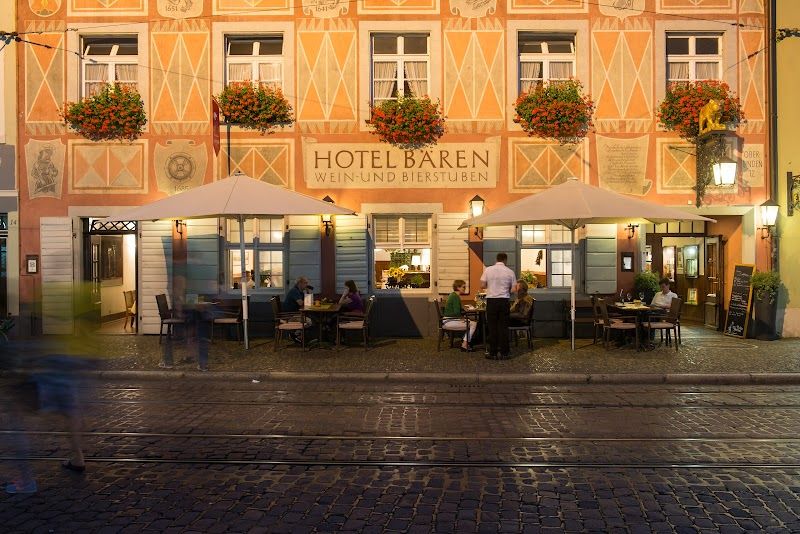
Zum Roten Bären
RestaurantGermany's oldest inn (documented since 1120) in the Altstadt, serving upscale Badisch cuisine in a half-timbered building with Gothic vaulted ceilings. The Hirschrücken (venison, EUR 32) is the signature dish, and the wine list focuses on top-tier Kaiserstuhl estates.
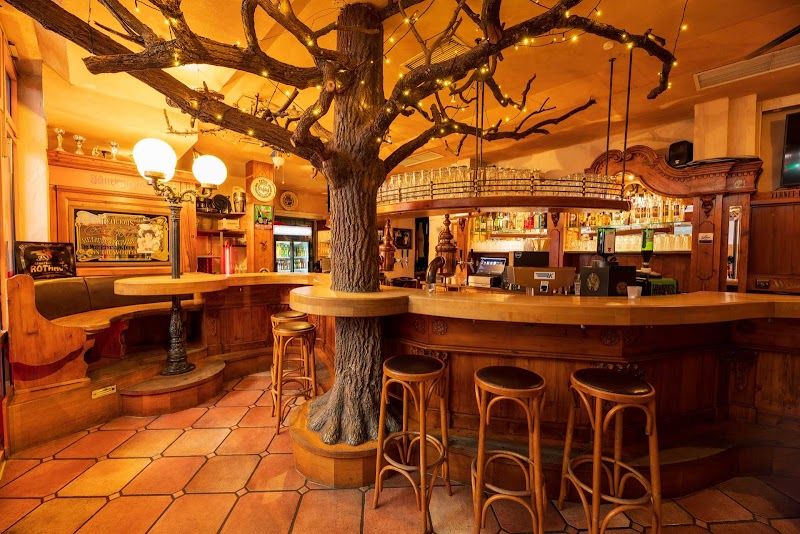
Tacheles
RestaurantStudent-friendly café and plate-lunch spot in Stühlinger offering generous portions of seasonal German and international dishes for EUR 9-13. The daily changing menu is scrawled on a chalkboard, and the mismatched furniture and book-lined walls create a relaxed living-room atmosphere.
Gasthaus Schlossberg
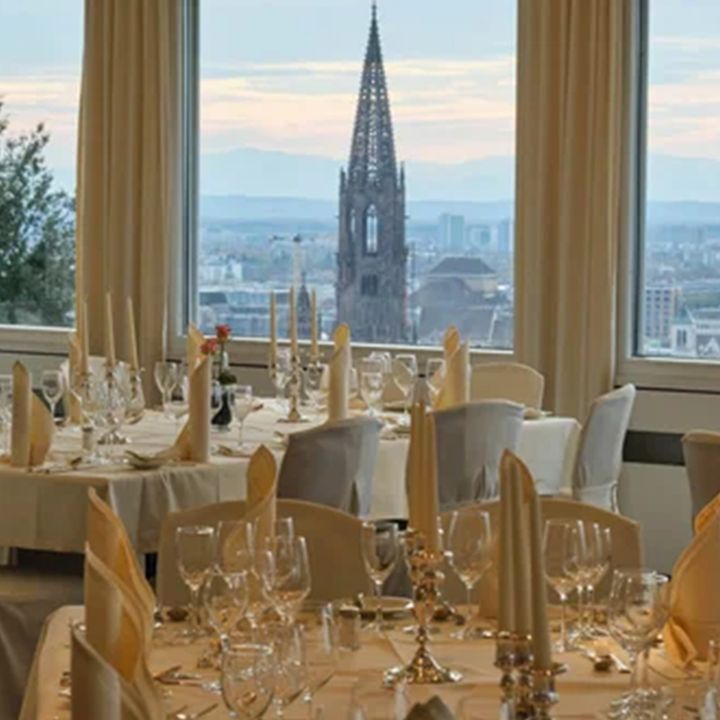
RestaurantTraditional Gasthaus on the lower slopes of Schlossberg with a shaded terrace overlooking the old town, serving Badisch standards and rotisserie chicken. The Zwiebelrostbraten (EUR 24.50) comes with hand-cut Bratkartoffeln, and Rothaus beer is on tap.
Ganter Brauereiausschank
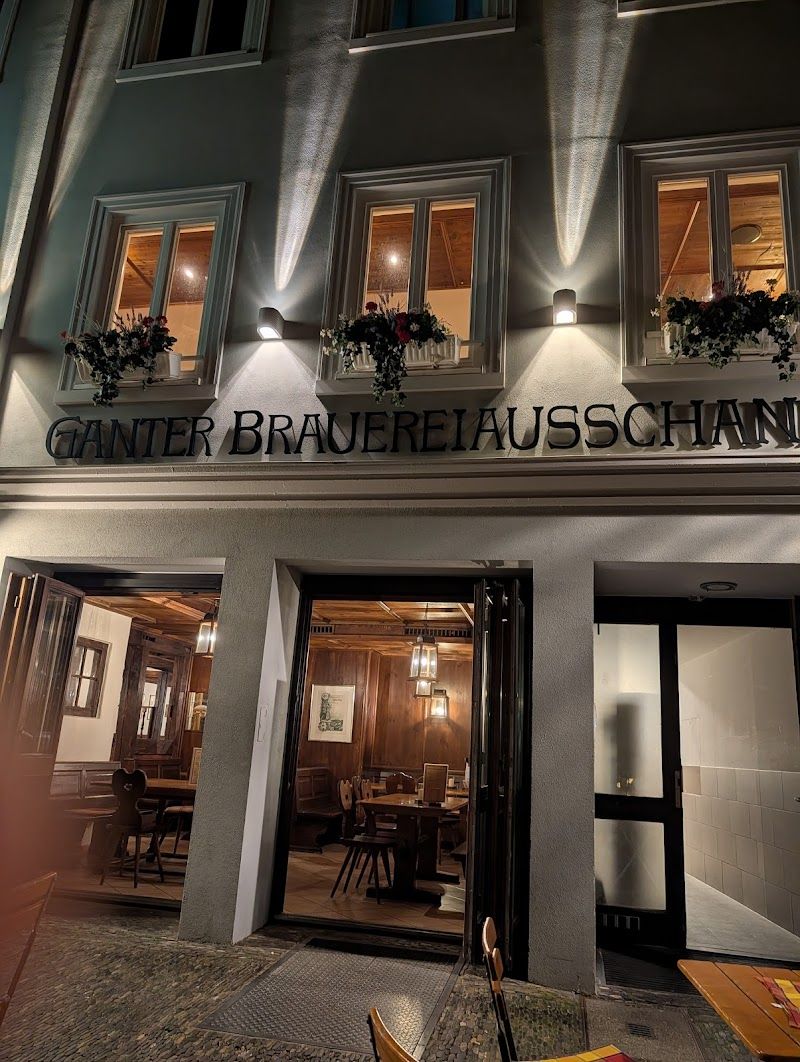
RestaurantOld-town Gasthaus serving Ganter beer and hearty Badisch fare since 1865, with dark wood paneling and hunting trophies on the walls. The Jägerschnitzel with Spätzle is a reliable choice, and the half-liter Pilsner arrives in traditional ceramic steins.
Adelhaus
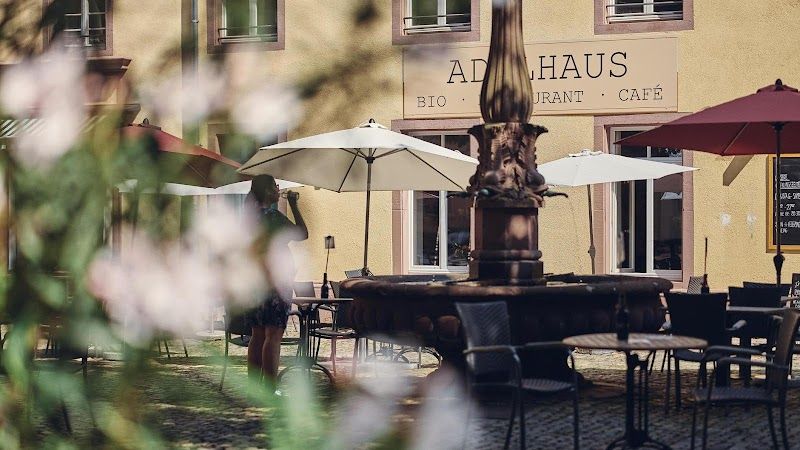
RestaurantModern organic restaurant in Vauban serving seasonal vegetarian and meat dishes made with ingredients from local farms and the Wednesday Vauban market. The lunch plate (EUR 14.50) changes daily, and the bright dining room has floor-to-ceiling windows overlooking a community garden.
Getting Here
Insider Tips
Munster market timing
The daily market runs Monday to Saturday from 7:30 AM to 1:30 PM. Arrive before 10 AM to avoid the lunch rush. The bratwurst stand on the south side (by the Historisches Kaufhaus) is the one locals use: bratwurst in a bun with mustard runs EUR 4-5 and you eat standing up at the metal counter. Buy fruit from one of the Black Forest farm stalls on the east side for kids walking around.
The Bachle tradition
The Bachle water channels look decorative but they are genuinely shallow working streams. Kids will sit in them on hot summer days, which is completely acceptable and what they are for. Local wisdom: if you step in one by accident, you will marry a Freiburger and probably stay in the city forever. Nobody takes this seriously, but every local will tell you the rule.
Munster tower climb
EUR 5, 209 steps, open most days 1 PM to 5 PM (check seasonal hours). The view from the top is the best in the city and reaches across the Rhine to the Vosges in France on clear days. Skip if you have very young children (narrow spiral staircase, no space to pass). The cathedral interior is free and worth 20-30 minutes even if you do not climb.
Nearby Neighborhoods
Continue exploring
Wiehre & Lorettoberg
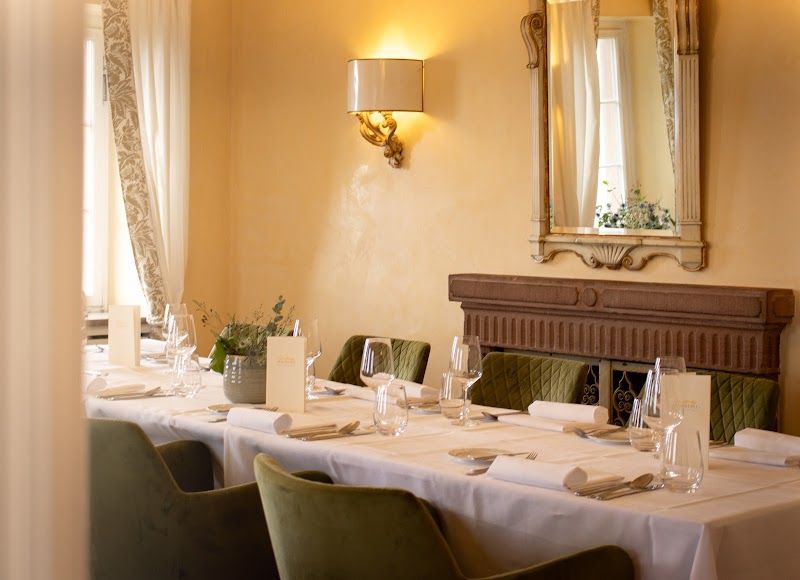
The residential hill quarter where Freiburg families actually live: restored Grunderzeit villas, tree-lined streets, independent cafes, and the Lorettoberg panorama that looks back across the old town to the Black Forest.
Schauinsland & Gunterstal
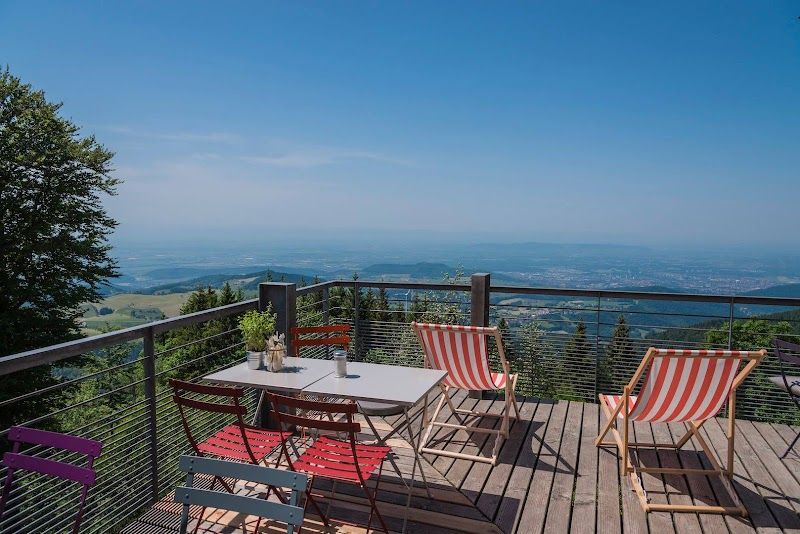
The mountain escape at the southern edge of Freiburg: the Schauinslandbahn cable car (Germany's longest passenger gondola), the summer toboggan run, the mountain-bike trails, and the summit at 1,284m with views across the Rhine to the Vosges.

Stuhlinger & Sedanviertel
The student-and-professional quarter west of the train station: independent bookshops and cafes, affordable plate lunches, the natural history museum with one of the best mineral collections in Germany, and the Sedanviertel squares where residents actually socialise.
Plan a trip featuring Altstadt (Old Town)
Get a personalized Freiburg im Breisgau itinerary with Altstadt (Old Town) built in.
Start Planning