2-3 Days in Granada: First-Timer's Itinerary
The Alhambra at opening, Albaicin at sunset, free tapas for EUR 12, and flamenco in a cave
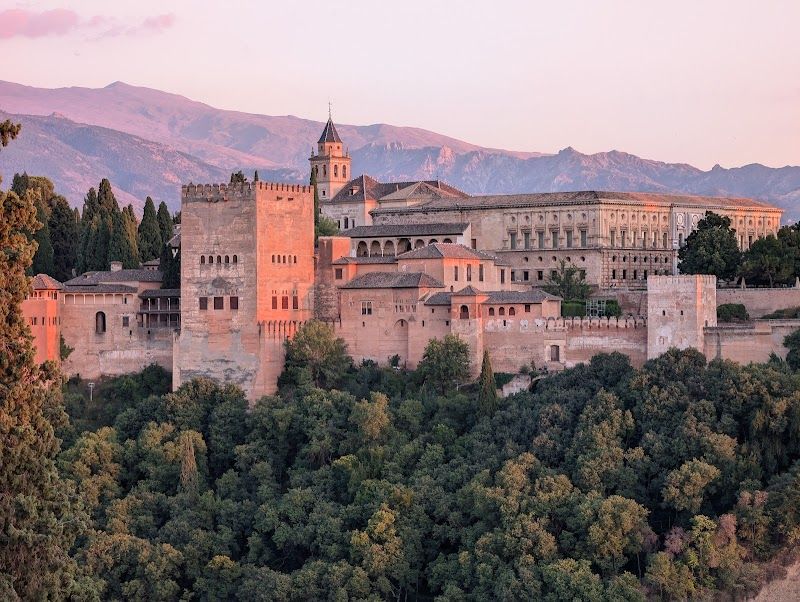
How to spend 2-3 days in Granada: the Alhambra (your time slot is fixed, plan around it), Carrera del Darro to Mirador San Nicolas, the free tapas bar route, and a flamenco show in Sacromonte.
First Time in Granada: What You Need to Know
Granada hits different than other Spanish cities. The Alhambra is the headliner, but the real magic happens in the narrow Albaicin streets where Arabic tea houses sit next to tapas bars, and you get free food with every drink. This is a walking city built on hills, so bring comfortable shoes and expect your calves to burn. The Alhambra ticket you booked months ago will dictate your entire first day, and that's exactly how it should be. Two days gives you the essentials, three days lets you breathe.
The Alhambra
This day revolves entirely around your Nasrid Palaces time slot, which you should have booked months ago. Everything else bends around this 90-minute window of the most beautiful Islamic architecture in Europe. You'll start early in the fortress ruins, spend your morning in palace courtyards reading Arabic poetry carved into walls, then return to the city center for Granada's greatest trick: free tapas with every drink.
- Nasrid Palaces at your timed entry
- Free tapas crawl in the evening
Morning: The Alhambra Complex
Arrive 30 minutes before your Nasrid Palaces slot. If you have the 9 AM entry, be at the Alhambra gates by 8:30 AM when the Alcazaba fortress opens. Start there first. The Alcazaba is the military ruins on the western tip, and climbing the Torre de la Vela ramparts gives you the best introduction to how Granada spreads below. The views explain the whole city: the white Albaicin cascading down the opposite hill, the cathedral dome in the center, the Sierra Nevada mountains backing everything. Spend 45 minutes here, then walk to the Nasrid Palaces entrance and arrive exactly at your time slot. They do not let you in early, and they do not let you in late.
The Nasrid Palaces: 90 Minutes Inside
The palaces flow in sequence: Mexuar (the public reception area), Patio de los Arrayanes (the myrtle courtyard with the reflecting pool), Salon de Embajadores (the throne room with the star ceiling), and finally Patio de los Leones (the lion fountain courtyard everyone photographs). Move slowly. The Arabic calligraphy covering every surface is poetry, mostly about paradise and the glory of God, and it's worth the audio guide to understand what you're reading. The acoustics in the Salon de Embajadores are perfect: whisper to someone across the room. In the Patio de los Leones, stand in the center and count the 12 marble lions. Each one is slightly different. Allow the full 90 minutes.
Generalife Gardens and Return to Town
After the palaces, walk up to the Generalife gardens. This was the summer palace, and it's all about water: channels running along every path, fountains in every courtyard, the sound of water everywhere. The best moment is the view back across to the Nasrid Palaces from the upper gardens. You see the whole complex from the outside, and you understand how it sits on its hill. The cypress alleys are 600 years old. Walk them all. Exit the Alhambra around 12:30 PM and take the bus back down to Plaza Nueva, or walk down through the woods if your knees can handle the descent.
Afternoon: Cathedral and Royal Chapel
The Granada Cathedral is massive and unfinished, but the real attraction is next door: the Royal Chapel where Ferdinand and Isabella are buried. Pay the 6 EUR for the chapel, skip the cathedral unless you have extra time. The royal tombs are in the crypt below the altar, and you can see the actual coffins through a grate. Upstairs in the museum, their personal collection includes Isabella's crown, Ferdinand's sword, and paintings they collected. The chapel itself is Gothic, intimate, and feels like the place where the Reconquista actually ended. Allow 45 minutes total.
Evening: Free Tapas Circuit
Granada's superpower is free tapas: order any drink, get a small plate of food. Start around 9 PM when locals eat dinner. Begin in the bars around Plaza Nueva (Bar Casa Julio for anchovies, Bar La Riviera for tortilla), then move to Calle Navas (the main tapas street). Order a beer or small wine, eat your free tapa, pay 2-3 EUR, move to the next bar. Do this 5-6 times and you've had dinner for 12-15 EUR. Finish in the Realejo neighborhood south of the center, where the bars are less touristy and the portions bigger. Casa Enrique on Calle Acera del Casino does excellent iberico ham.
Albaicin and Sacromonte
Today is about Granada's two ancient neighborhoods: the Albaicin where Muslims lived for 800 years, and Sacromonte where the Roma community created flamenco in caves. You'll walk cobblestone lanes that haven't changed in centuries, drink mint tea in Moorish-style tea houses, and end with flamenco guitar echoing off cave walls. Start early before the tour groups wake up.
- Early morning walk through Albaicin lanes
- Sunset and flamenco in Sacromonte caves
Early Morning: Lower Albaicin Along the River
Start at Plaza Nueva before 10 AM when the lanes are still cool and empty. Head right onto Carrera del Darro, which follows the river with the Alhambra directly above you on the left. This is the most beautiful street in Granada: 16th-century palaces on the right, the medieval Alhambra walls on the left, the sound of water running between. Stop at the Banos Arabes del Banuelo (3 EUR), the oldest Arab baths in Spain. The star-shaped skylights in the ceiling create patterns of light on the brick floors. It's small, allow 30 minutes, but you're standing in 11th-century rooms where people actually bathed.
Climbing Through Albaicin Lanes
From the baths, start climbing uphill through the maze of white-washed lanes. Don't worry about getting lost, every path eventually leads up or down, and up leads to the viewpoints. Stop on Calle Caldereria Nueva, the main tea house street. Pick any one (Kasbah Teteria, Al Andalus) and order mint tea with pine nuts and a piece of baklava. Sit for 20 minutes. The interiors are all low cushions, brass tables, and Arabic music. It feels like Morocco, which is the point. This was the Muslim quarter for 800 years, and these tea houses maintain that tradition.
Mirador San Nicolas: The View Everyone Knows
Continue uphill to Mirador San Nicolas. Yes, it's touristy. Yes, every guidebook mentions it. Go anyway, but go now in the morning when you can actually see the Alhambra without fighting crowds. This is the classic postcard view: the red walls and towers of the Alhambra floating above green trees, with the Sierra Nevada mountains behind. The best spot is on the left side of the terrace near the church wall. Take your photos now because you'll come back at sunset when photography becomes impossible. Head back down to the center for lunch in a normal restaurant with chairs.
Afternoon: Sacromonte Cave Museum
After lunch and a rest, take a taxi up to the Sacromonte Cave Museum (5 EUR). This is the Roma neighborhood built into the hillside caves, and the museum explains how people actually lived in these whitewashed caves until the 1960s. The caves stay cool in summer, warm in winter, and many families still live in modernized versions. The museum shows traditional cave interiors: bedroom, kitchen, stable for animals, all carved into the rock. Allow an hour, then walk back down through the neighborhood. You'll see cave houses with chimneys sticking out of the hillside and laundry hanging from cave entrances.
Sunset and Flamenco: Return to San Nicolas
Return to Mirador San Nicolas 45 minutes before sunset. Now it's packed with tourists, street musicians, and pickpockets, but the light turning the Alhambra walls from red to gold to purple is the reason everyone comes to Granada. Stand in the back, watch your belongings, enjoy the show. After dark, walk up into Sacromonte for flamenco in an actual cave. Book ahead at Venta El Gallo or Cueva La Rocio (22-30 EUR for the 10 PM show). These are tourist shows, but they're in real caves where flamenco was created, and the acoustics make every guitar note and heel stomp echo off rock walls. Include one drink.
Monasteries and Mountains
If you have a third day, you can dig deeper into Granada's extremes: the most over-the-top Baroque interior in Spain, or escape to 3,000-meter peaks in the Sierra Nevada. This is your choose-your-own-adventure day depending on whether you want more culture or more nature. Both options give you a completely different perspective on the city.
- Baroque excess at Cartuja Monastery
- Sierra Nevada day trip option
Morning: Monasterio de la Cartuja
Take a taxi 15 minutes north to the Cartuja Monastery (5 EUR entry). Most visitors skip this, which is their loss. The monastery itself is fine, but the Baroque sacristy is one of the most extreme interiors in Spain. Every single surface is carved, gilded, or inlaid with colored marble. The ceiling is a riot of angels, flowers, and geometric patterns. The altar looks like it's melting with decoration. It's completely over the top, which is exactly the point. Spanish Baroque at its most excessive. Allow 45 minutes total, then taxi back to the center.
Afternoon Option 1: Sierra Nevada
If you want mountains, take the bus to Sierra Nevada (45 minutes from Granada bus station). In winter, this is skiing. In summer, it's hiking at 3,000 meters with views that cover the Alhambra, all of Granada, the Mediterranean coast, and on perfectly clear days, the mountains of Morocco in Africa. The bus takes you to Pradollano village, where you can take the chairlift higher or hike the marked trails. Bring layers: it's 10-15 degrees cooler than Granada even in summer. Return buses run every two hours until 7 PM.
Afternoon Option 2: Alhambra Gardens Revisit
If you'd rather stay in Granada, you can walk the outer areas of the Alhambra without a full ticket. The area around the Generalife entrance, the woods, and the outer walls are free to explore. You won't get back into the palaces (that requires your original ticket), but you can walk the paths, sit in the shade, and see the complex from different angles. It's a peaceful way to spend an afternoon, and the views down to Granada are excellent from various points along the walls.
Final Dinner Recommendation
For your last dinner, skip the tourist tapas circuit and eat properly at Ruta del Azafran in the Albaicin (Paseo de los Tristes 1). This is upscale Granadan cooking with a view of the Alhambra floodlit at night. Order the lamb with honey (12 EUR), the local white beans with ham (8 EUR), and a bottle of wine from the Alpujarras mountains (15 EUR). The terrace tables book up, so reserve ahead. It's more expensive than tapas bars but worth it for a final view of the Alhambra after dark.
Ready to Visit Granada?
Get a personalized itinerary tailored to your travel style and interests.
Plan Your Granada TripMore Granada Guides
First Time in Granada: What You Need to Know
Everything before your first visit: the Alhambra booking process (2-3 months ahead, no exceptions), how the free tapas work, the Albaicin walk (wear proper shoes), and the summer heat rules.
7 min
Where to Eat in Granada: Free Tapas, Moroccan Tea & Late Nights
Granada is the last city in Spain where every drink comes with a free tapa. This is how the system works, where to go by neighbourhood, and what the best tapas actually are.
7 min