Granada
Things to Do
36 attractions, museums, and experiences
Albaicin Neighbourhood Walk
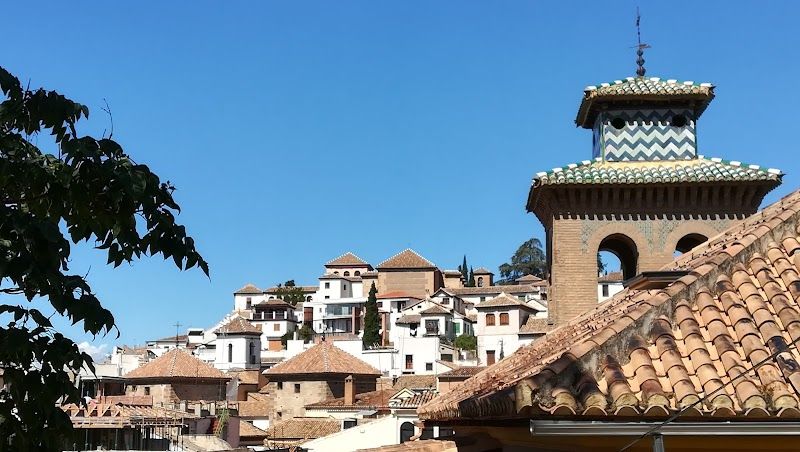
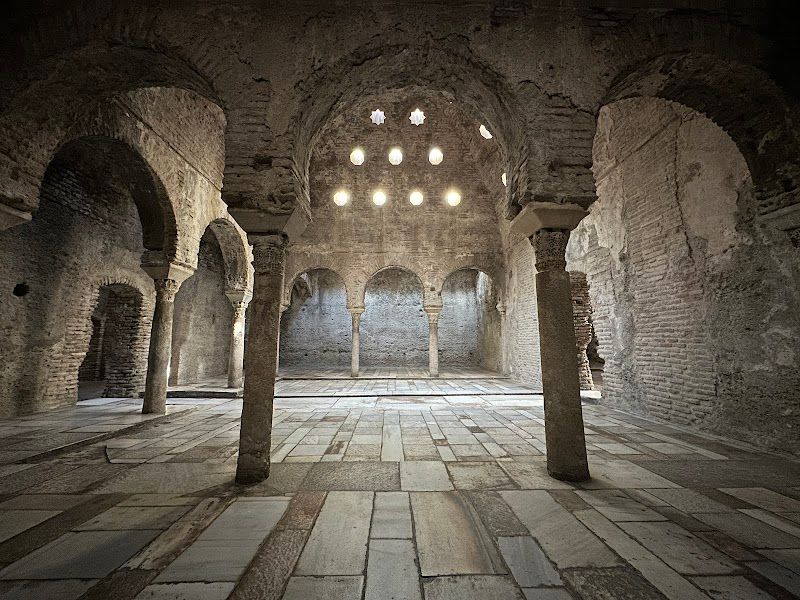
The Albaicín is Granada's medieval Moorish quarter, a UNESCO World Heritage site where narrow cobblestone lanes wind upward through white-washed houses and walled gardens called carmenes. You'll walk past 11th-century Arab baths, churches built on mosque foundations, and authentic tea houses serving mint tea and Moroccan pastries. The neighborhood has remained virtually unchanged since the Nasrid period, making it feel like stepping back 800 years. Start your walk along Carrera del Darro, the atmospheric street that follows the river with the Alhambra rising directly above on the opposite hillside. The sound of flowing water accompanies you past the Baños Árabes del Bañuelo (EUR 3), where star-shaped skylights still illuminate the oldest surviving Arab baths in Spain. From here, the climb through increasingly narrow lanes takes 20-25 minutes to reach Mirador San Nicolás, passing tea houses where locals sip mint tea at low tables. Most guides oversell the entire quarter, but the magic is in the Carrera del Darro approach and the gradual climb to San Nicolás. Skip the tourist-heavy Calle Elvira entrance and avoid the tea houses near Plaza Nueva, which are overpriced tourist traps. The authentic teeterías on Caldereria Nueva charge EUR 2-3 for proper mint tea. Go early morning to avoid crowds and get the best light on the Alhambra views.
Alhambra Palace and Generalife Gardens
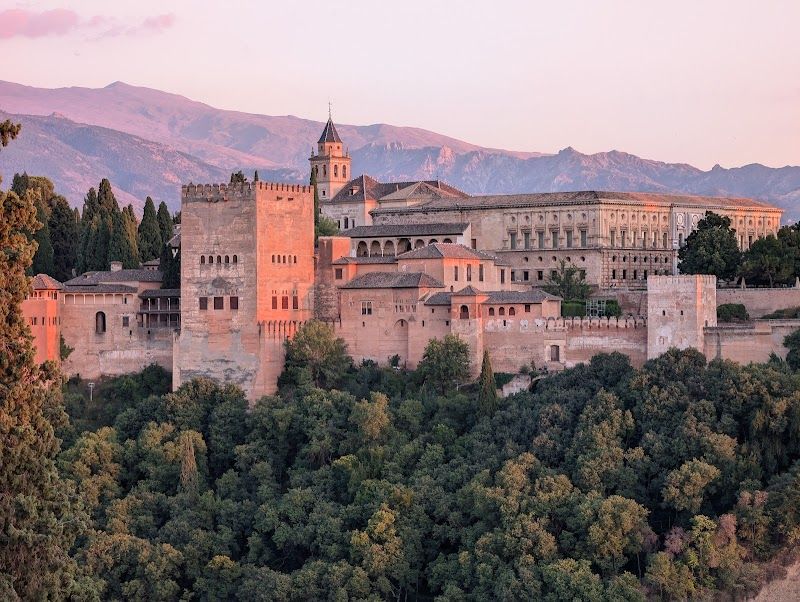
The Alhambra isn't just Spain's most visited monument, it's the most complete Islamic palace complex left on earth. You'll walk through three distinct areas: the military Alcazaba fortress with panoramic views over Granada, the breathtaking Nasrid Palaces with their geometric tile work and stalactite ceilings, and the summer palace gardens of Generalife where water flows through every courtyard. The Court of Lions alone, with its 124 marble columns and central fountain, represents the pinnacle of Islamic decorative art in Europe. The experience flows chronologically through 700 years of Moorish rule, ending at the Catholic Monarchs' Renaissance palace. Morning light streams through the Nasrid Palace courtyards, illuminating intricate Arabic calligraphy carved into every surface. Water is everywhere: trickling down marble channels, pooling in reflecting basins, fountains creating a constant soundtrack. The Generalife gardens feel like stepping into a medieval paradise, with cypress trees framing views back to the palace complex. Most visitors rush through in two hours and miss the subtleties. The EUR 19 general ticket is worth every cent, but your timed Nasrid Palaces entry is non negotiable (guards check strictly). Book 2-3 months ahead or you won't get in. Skip the overpriced palace cafe and bring water. The Charles V Palace museums are free with your ticket and often empty, perfect if you arrive early.
Mirador de San Nicolas Viewpoint
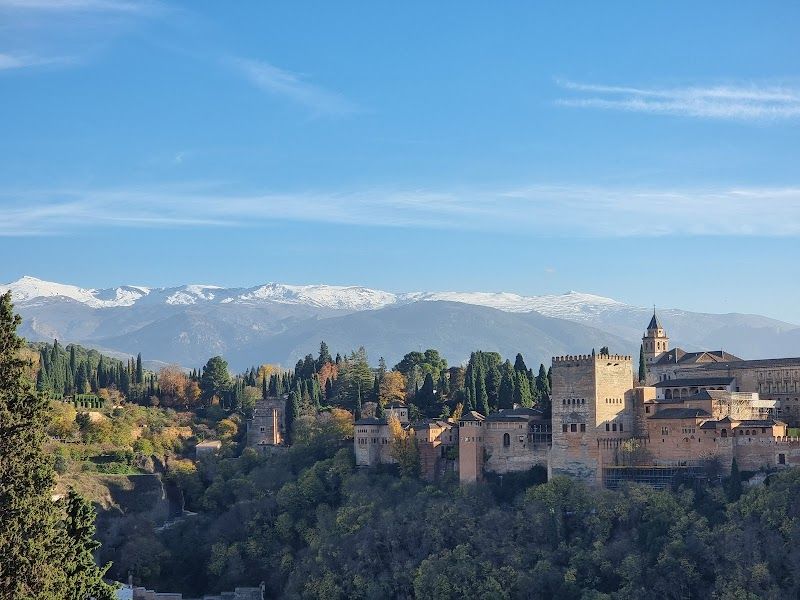
The Mirador de San Nicolás delivers Granada's most photographed view: the entire Alhambra complex spread across the opposite hillside with the Sierra Nevada mountains rising behind it. You're looking directly across the Darro valley at those red ochre walls and towers that define Granada's skyline. On clear days between November and April, snow-capped peaks create a dramatic backdrop that turns the view from good to absolutely spectacular. The viewpoint is a plaza in front of the 16th-century Iglesia de San Nicolás, and it gets packed from mid-afternoon until well after sunset. Flamenco guitarists set up in the corners, playing for tips as the light changes. The atmosphere builds as sunset approaches: couples claim spots along the railing, photographers jostle for position, and the crowd grows restless waiting for that golden hour magic when the Alhambra walls glow amber against the darkening sky. Most guides won't tell you this place is genuinely overrun during peak season, and the famous sunset shots require serious commitment to claim a front-row spot. The walk up from Plaza Nueva takes 25 minutes through steep, narrow Albaicín streets, but a taxi costs just EUR 6-8 and saves your energy for the main event. Skip the overpriced drinks from street vendors and bring water, especially in summer when sunset doesn't happen until after 9:30 PM.

Bar Los Diamantes
The most famous free tapas bar in Granada, specializing in fried fish and seafood since 1942. A beer costs EUR 2.50 and comes with a generous plate of perfectly fried pescaito or gambas. The original location on Calle Navas fills quickly after 8 PM with locals and visitors alike.
Palacio de Carlos V
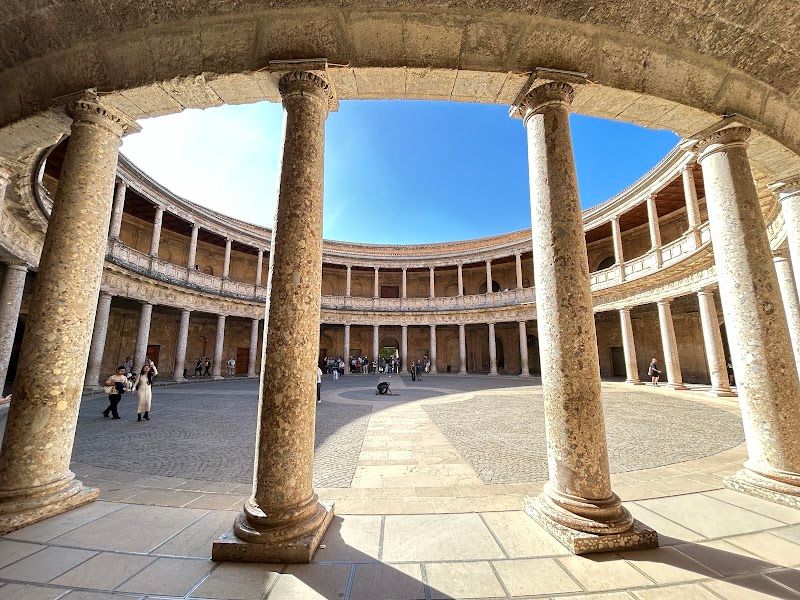
Charles V's Renaissance palace sits like an architectural anomaly inside the Alhambra, its perfectly circular courtyard unlike anything else in Spain. You'll find two-story columns wrapped around a cobblestone circle where the acoustics bounce sound so clearly that whispers carry across the space. The contrast is jarring: step from delicate Islamic arches into this imposing stone statement of imperial power. The palace houses the Alhambra Museum downstairs and Fine Arts Museum upstairs, both included free with your Alhambra ticket. Walking into the circular courtyard feels like entering a Roman amphitheater that someone forgot to put a roof on. The geometric precision of the Renaissance columns creates perfect symmetry, while tourists instinctively test the acoustics by clapping or calling across the circle. Upstairs, the Fine Arts Museum holds some decent religious paintings, though nothing spectacular. The real draw is the architecture itself: standing in the center of that courtyard, you're experiencing Spain's only circular Renaissance patio. Most visitors rush through in 10 minutes, which is a mistake if you appreciate architecture. The Fine Arts Museum upstairs is skippable unless you're really into 17th-century religious art, but spend time in the courtyard itself. The building never feels crowded because everyone's focused on the main Alhambra palaces. If you hear musicians performing here, stop and listen: the acoustics turn even amateur guitar playing into something special.
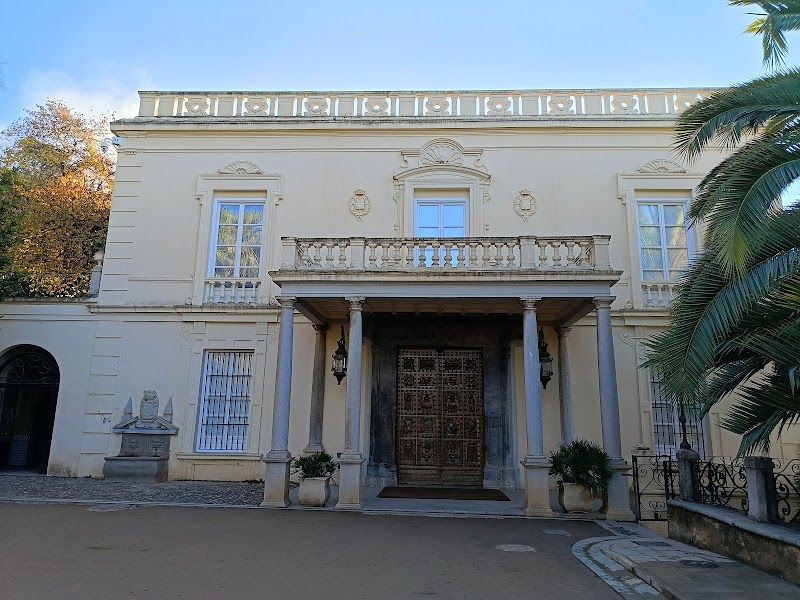
Carmen de los Mártires
Carmen de los Mártires is a 19th-century romantic garden estate that cascades down Alhambra Hill in three distinct sections: formal French parterres, wild English woodland, and intimate Arab-style courtyards with trickling fountains. You'll encounter resident peacocks strutting across manicured lawns, spot ducks on the central lake, and catch glimpses of the Sierra Nevada through carefully framed garden openings. The carmen (traditional Granada villa with gardens) was built by a wealthy family and later donated to the city, creating Granada's most atmospheric public garden. Your visit flows naturally downhill through changing garden styles, each transition feeling like entering a new world. The French section opens with geometric hedges and rose beds, while the English area lets you wander shaded paths between ancient trees and overgrown grottoes. Peacocks call from unexpected corners, their cries echoing off stone walls as you discover hidden benches and romantic gazebos. The atmosphere stays dreamy and slightly melancholic, especially when morning mist clings to the lake. Most guides don't mention that the upper French gardens can feel underwhelming compared to the magical English section, so don't judge the place too quickly. The real magic happens in the wooded areas where most tourists don't venture. Entry is completely free, making this one of Granada's best value experiences. Skip the main entrance crowds and head straight to the lake area for the most rewarding exploration.
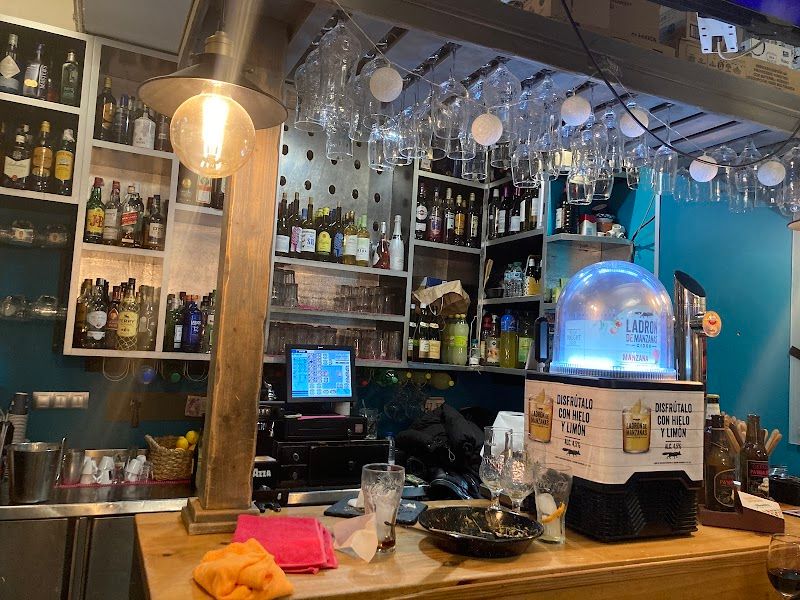
Free Tapas Bar Hopping in Granada
Granada remains the last Spanish city where proper free tapas automatically accompany every drink order, turning bar hopping into a full dinner experience. Order a beer for EUR 2.50 and a real plate arrives: croquetas, grilled prawns, mini paellas, or whatever the kitchen prepared that day. Work through 5-6 bars over an evening and you'll spend EUR 12-15 while getting completely satisfied on substantial portions. The ritual feels authentically Spanish once you grasp the rhythm: order your drink, accept whatever tapa appears within minutes, eat and chat, then move to the next bar for a different drink and completely different food. Calle Navas buzzes with energy but attracts tourists who get basic bread with tomato. The real magic happens in Realejo neighborhood south of the Cathedral, where locals demand generous portions and kitchens deliver accordingly. Most tourists cluster around Plaza Nueva and wonder why the system feels disappointing. The strategy that works: follow Spanish voices, not English ones, and never ask what's coming or try to modify your tapa. Two drinks maximum per bar, then move on for variety. Bars with English menus serve tourist portions, while Spanish-only spots in Realejo double the size and quality because locals won't tolerate less.
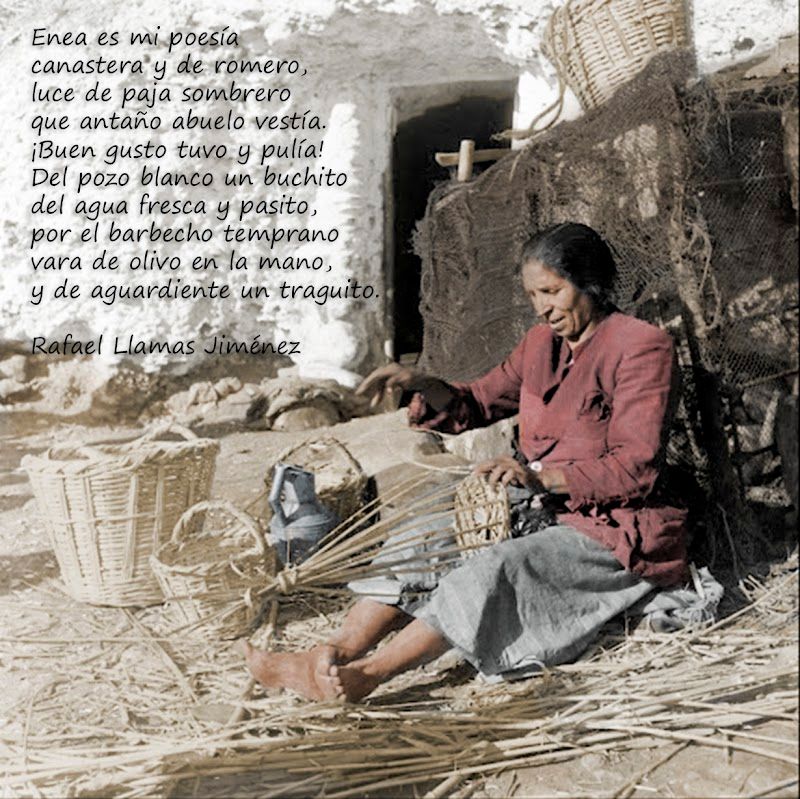
Museo Cuevas del Sacromonte
This hilltop museum recreates authentic Roma cave dwellings that housed Sacromonte's Gitano community for centuries. You'll walk through 10 reconstructed caves filled with period furniture, traditional tools, and domestic artifacts that show how families actually lived in these whitewashed spaces carved into the hillside. The ethnographic displays explain flamenco's origins, metalworking traditions, and the social dynamics of cave neighborhoods, while panoramic terraces offer sweeping views across Granada's red rooftops to the Sierra Nevada. The visit flows naturally through interconnected cave rooms, each themed around different aspects of Sacromonte life: kitchens with ceramic cookware, bedrooms with iron beds, workshops displaying blacksmith tools and wicker baskets. The caves stay refreshingly cool even in summer, and the whitewashed walls create an almost mystical atmosphere. Detailed Spanish and English explanations accompany each room, though the free guided tours bring the displays to life with stories about specific families and cave construction techniques. Most guides oversell this as essential Granada viewing, but it's genuinely worthwhile if you're curious about Roma culture or cave architecture. The €5 admission feels reasonable for 90 minutes of exploring, though the gift shop prices are inflated. Skip the ceramic demonstrations (they're brief and not particularly engaging) and focus your time on the living spaces and the panoramic terrace, which offers the best photography opportunities over the Albaicín and Alhambra.
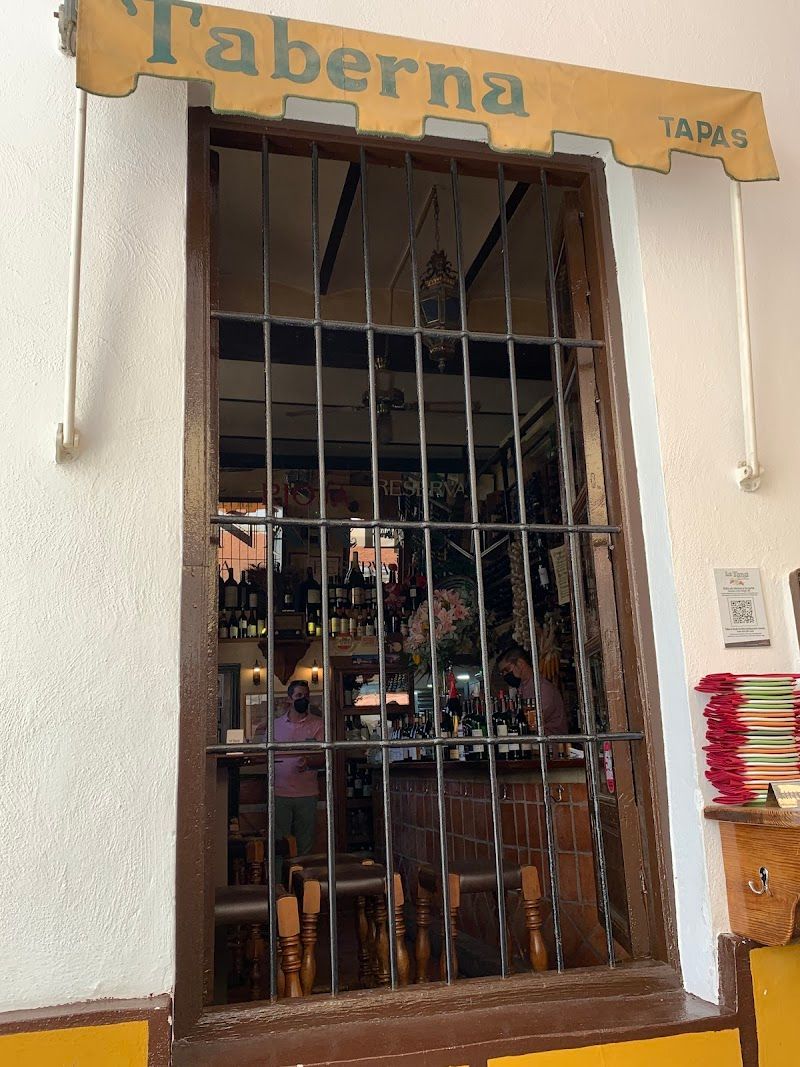
La Tana
A tiny, standing-room-only vermouth and wine bar in Placeta del Agua where every drink comes with exceptional free tapas like solomillo or presa iberica. The owner personally selects natural wines and changes the tapa daily. Expect to squeeze in among regulars debating football and politics.
Bañuelo
Bañuelo houses the oldest surviving Arab baths in Spain, built in the 11th century when Granada was the heart of Al-Andalus. You'll walk through three perfectly preserved rooms that demonstrate sophisticated Islamic engineering: the cold room (frigidarium), warm room (tepidarium), and hot room (caldarium). The star-shaped skylights cut into the brick vaulted ceilings still work exactly as intended, casting geometric patterns across the columns and horseshoe arches throughout the day. Stepping inside feels like entering a medieval spa where Moorish nobles once relaxed. The rooms connect seamlessly, each with different ceiling heights and lighting effects. The hydraulic system that once heated the floors and walls remains visible, showing how hot air circulated beneath the tiles. You can still see the original marble columns, some recycled from Roman buildings, and the intricate brickwork that has survived nearly a thousand years. Most visitors rush through in 10 minutes, but you should spend at least 20 to appreciate the engineering details. Entry costs just 5 EUR, making it one of Granada's best cultural bargains. Skip the audio guide and focus on the light patterns, which change dramatically every hour. The afternoon crowds from Alhambra tours can pack the small space uncomfortably, so morning visits work best.
Hotel Alhambra Palace
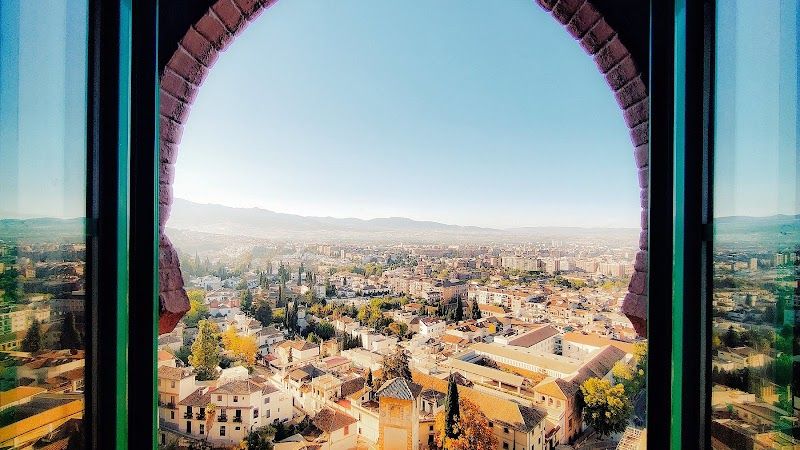
Hotel Alhambra Palace sits on Alhambra Hill like a red-brick castle, built in 1910 as Granada's first luxury hotel. You're coming here for the wraparound terrace that offers the city's best elevated views without hiking to Mirador San Nicolás. The neo-Moorish architecture alone makes it worth seeing: horseshoe arches, geometric tilework, and a lobby that feels like stepping into a smaller version of the actual Alhambra. The terrace bar stretches along the hotel's front facade, giving you panoramic views across Granada's white-washed neighborhoods to the Sierra Nevada mountains. You'll share the space with hotel guests and locals who know this secret, sipping drinks while the light shifts from afternoon gold to purple sunset. The interior public spaces showcase intricate plasterwork and arabesque ceilings, though they feel a bit museum-like compared to the lively terrace atmosphere. Most people assume you need to stay here to enjoy it, but the terrace bar welcomes walk-ins. A beer costs around 4-5 EUR, cocktails run 8-12 EUR, which is reasonable for these views. Skip the restaurant unless you're staying overnight, the food's overpriced and mediocre. The real magic happens between 6-8 PM when the setting sun lights up the city below and the Alhambra glows across the valley.
Puerta de la Justicia
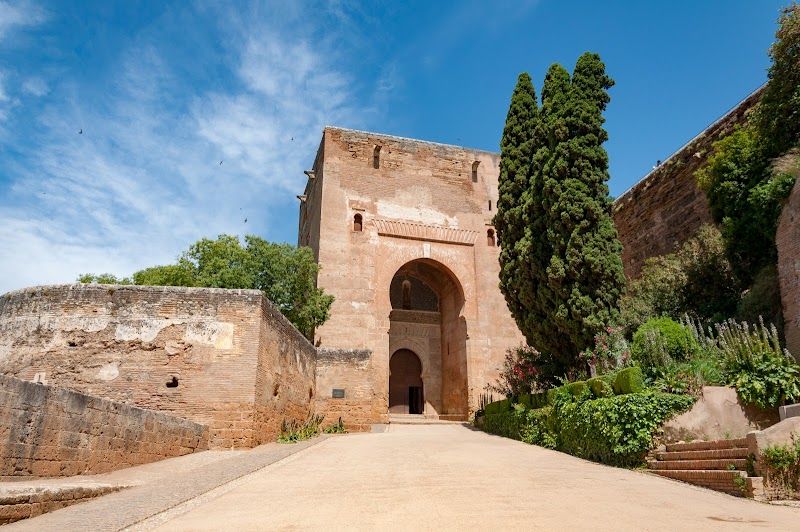
The Puerta de la Justicia serves as your dramatic introduction to the Alhambra, built in 1348 as the fortress's main entrance. You'll walk through a massive L-shaped passageway with two distinct arches: the outer displays a carved hand (symbolizing the five pillars of Islam), while the inner features a key motif. The Islamic calligraphy covering both arches includes Quranic verses about divine protection, creating an impressive gateway that's deliberately intimidating to visitors. Walking through feels like entering a medieval time capsule. The passage forces you to make a sharp turn halfway through, a defensive design that slowed attackers and creates anticipation today. The stonework shows centuries of wear from countless footsteps, and the acoustics amplify every sound. Once you emerge on the other side, the red walls of the Alhambra proper spread before you, making the transition from modern Granada to Nasrid palace unmistakable. Most visitors rush through without noticing the defensive features that made this gate nearly impregnable. The murder holes above (where defenders could attack intruders) are still visible if you look up. Skip the crowded photo ops at the outer arch, the inner courtyard provides better shots with fewer tourists. The gate is included in your Alhambra ticket (14 EUR general admission), so don't pay extra for separate 'gate tours' that some guides offer.
Bar Casa Julio
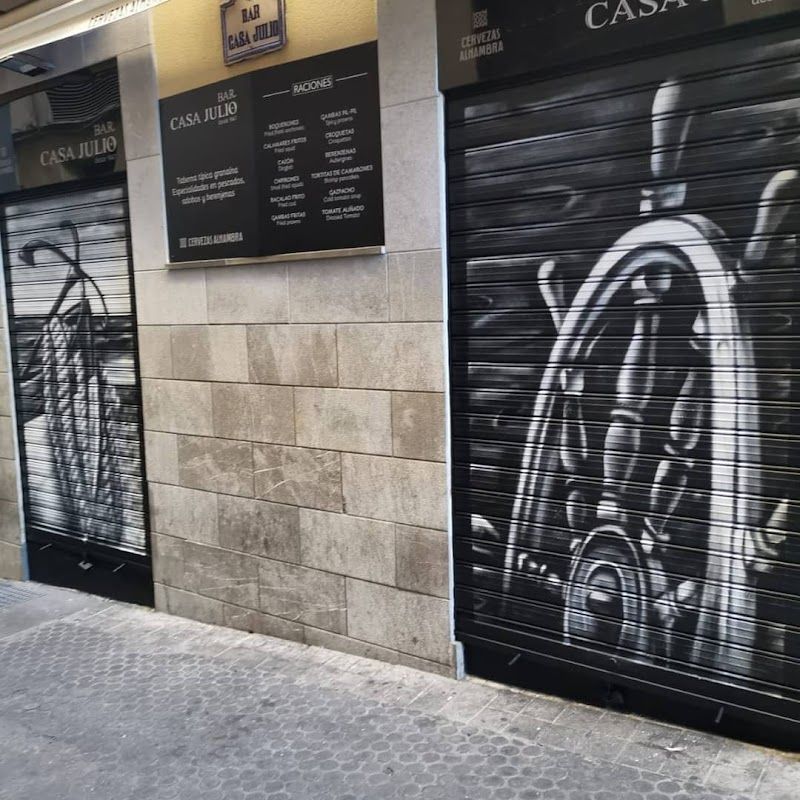
A no-frills Realejo institution serving only one tapa with every drink: perfectly cooked mushrooms sautéed in garlic, olive oil, and white wine. That's it - no menu, no choices, just the best champiñones in Granada for EUR 2.50 per beer. Open since 1952.
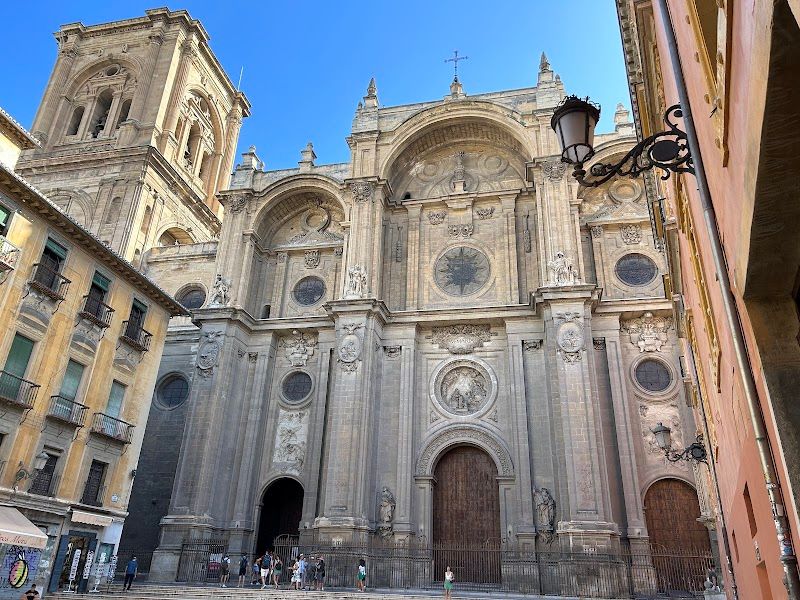
Granada Cathedral and Royal Chapel
The Granada Cathedral is one of the first Renaissance cathedrals in Spain, started in 1523 after the Reconquista and built to assert the primacy of Christian rule in the city. The interior is notable for its scale and its white paintwork (unusual for a Spanish cathedral, which gives it far more light than comparable buildings). Entry is EUR 6. The Royal Chapel (Capilla Real) is a separate building attached to the cathedral and is the reason to visit: it contains the tombs of Ferdinand and Isabella (the Reyes Catolicos who completed the Reconquista and expelled the Moors and Jews from Spain), their daughter Juana la Loca and her husband Philip the Handsome, and Ferdinand's father the Infante Miguel. The marble effigies on the tombs are the most important funerary monuments in Spain. The Royal Chapel also holds the original collections of Isabella: Flemish paintings, jewellery, crowns, and her personal cross and sceptre. Entry to the Royal Chapel is EUR 6. Both are worth visiting but the Royal Chapel is the priority.
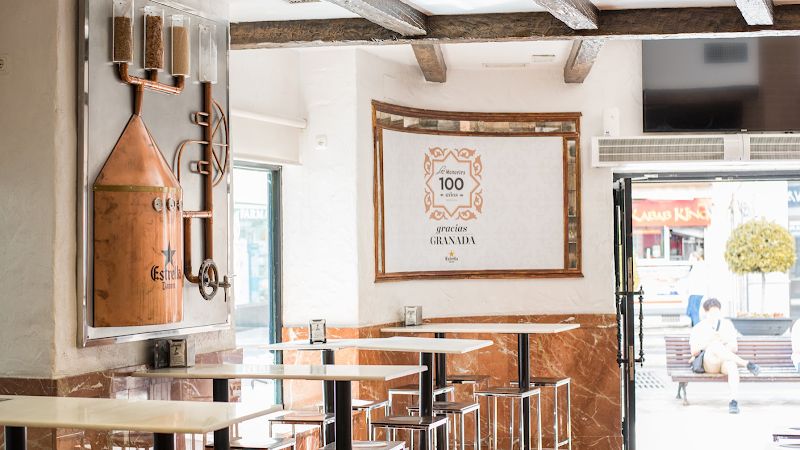
Bar Los Manueles
A traditional tapas bar on Calle Recogidas with bullfighting posters covering every wall and ceiling. Free tapas include classic dishes like migas, habas con jamon, and patatas a lo pobre. Three locations across Granada, but this original has the most atmosphere.
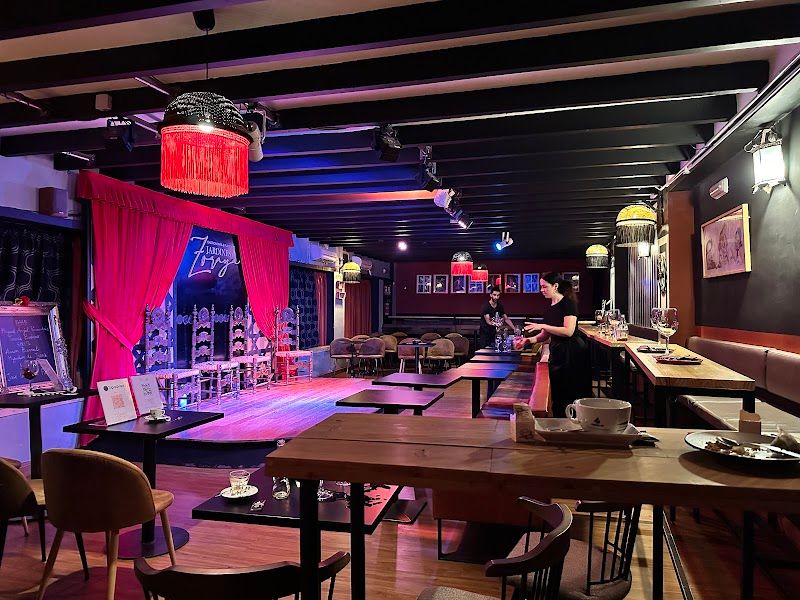
Restaurante Jardines de Zoraya
An intimate restaurant in a traditional carmen with Andalusian gardens, serving regional cuisine alongside nightly flamenco performances. The venue combines authentic local food with live music in a more refined setting than typical tourist flamenco shows. The outdoor patio is surrounded by jasmine and citrus trees.
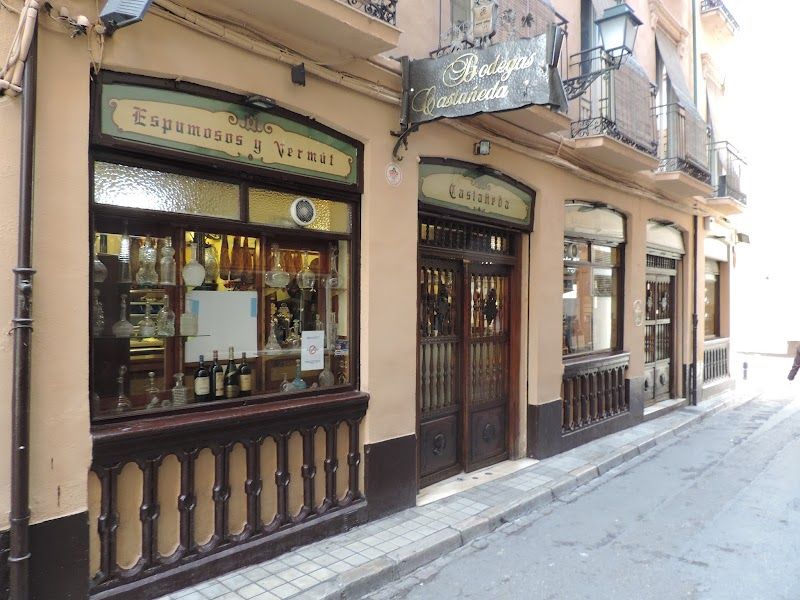
Bodegas Castañeda
A cavernous 1920s bodega with barrels lining the walls and jamones hanging from the ceiling. Every drink comes with a free tapa, and you can also order half or full portions of Granada specialties like remojón granadino. The vermouth on tap is excellent.
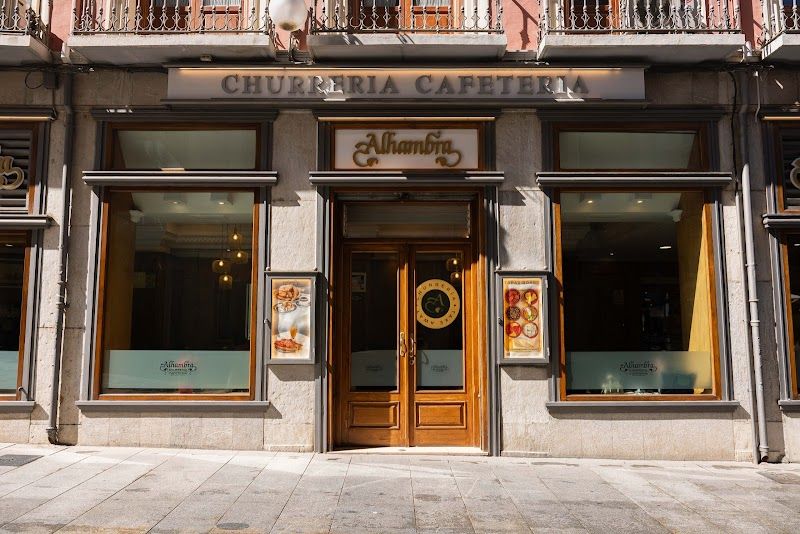
Cafetería Alhambra
A classic cafe on Plaza de Bib-Rambla serving churros con chocolate, coffee, and pastries since 1930. The large terrace overlooks the fountain and flower stalls. Churros cost EUR 4 for a portion with thick hot chocolate for dipping.
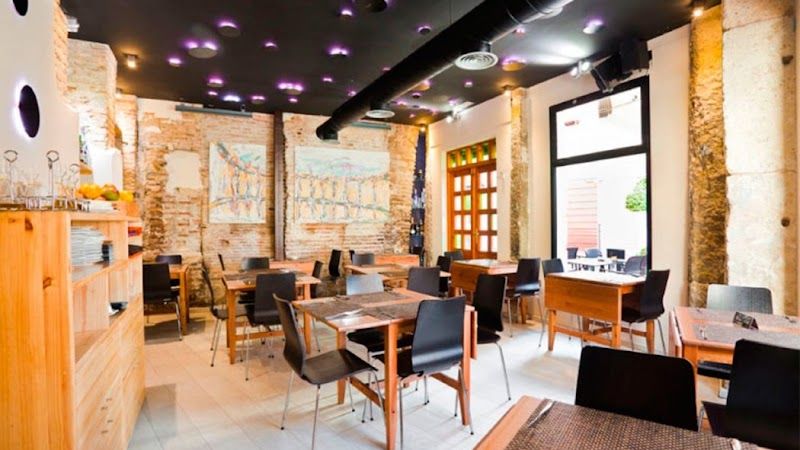
Restaurante Carmela
A modern Granada restaurant near Campo del Príncipe serving creative versions of Andalusian classics. The menu del dia costs EUR 12 and includes dishes like salmorejo with apple and cod cheeks with chickpeas. The dining room features exposed brick and contemporary art.
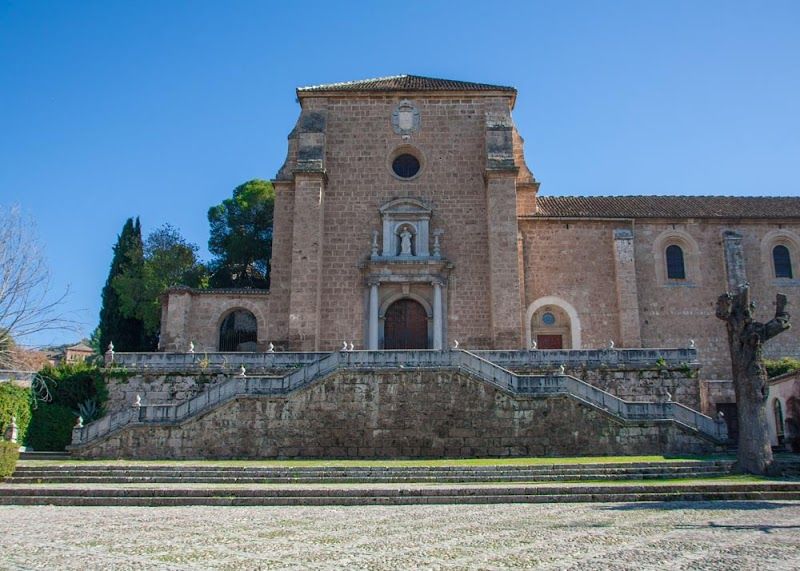
Monasterio de la Cartuja
Monasterio de la Cartuja houses what might be Spain's most overwhelming Baroque interior, a 17th-century Carthusian monastery that'll leave you dizzy from visual overload. The sacristy is the star: every single surface explodes with gilded stucco, marble inlay work, and trompe l'oeil paintings that seem to bend reality. You're looking at the Spanish Baroque at its most unhinged, where restraint was clearly a dirty word. Walking through feels like entering a jewel box designed by someone on a serious sugar rush. The church itself is surprisingly restrained compared to what's coming, then you hit the sacristy and your eyes don't know where to focus first. The ambulatory continues the visual assault with twisted columns and ceiling frescoes that play tricks on your depth perception. It's genuinely disorienting in the best possible way, like standing inside a kaleidoscope. Most guides treat this as a quick checkbox, but you need at least 45 minutes to properly absorb the sacristy's madness. Entry costs 5 EUR, which is honestly a steal for this level of craftsmanship. Skip the monastery's living quarters and focus entirely on the church and sacristy. The audio guide costs extra 2 EUR but adds nothing you can't see with your own eyes.
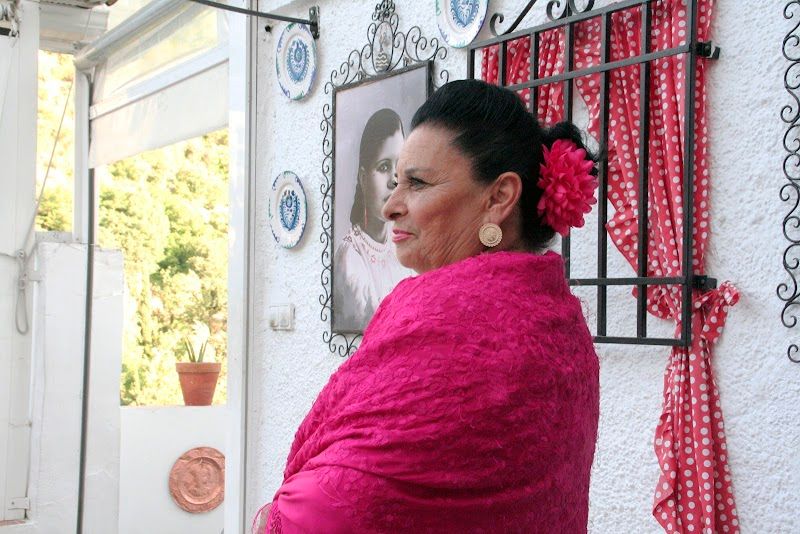
Sacromonte Cave Flamenco Show
The Sacromonte neighbourhood above the Albaicin is built into the hillside in a series of whitewashed cave houses that the Roma community has inhabited for centuries. Flamenco in a Sacromonte cave is different from a city tablao: the setting is underground, the walls are whitewashed rock, the sound is different, and the history of the Roma flamenco tradition in this specific place gives the performance a context that tablaos in the city centre lack. The main venues are Venta El Gallo and Cueva La Rocio (EUR 22-30, shows run from 9:30 PM, 90 minutes, transport from the city centre usually included). Tourist-oriented, yes, but the setting inside an actual cave adds atmosphere that compensates. The Museo Cuevas del Sacromonte (EUR 5) explains the cave-dwelling tradition and Roma history of the neighbourhood and is the best daytime activity in Sacromonte.
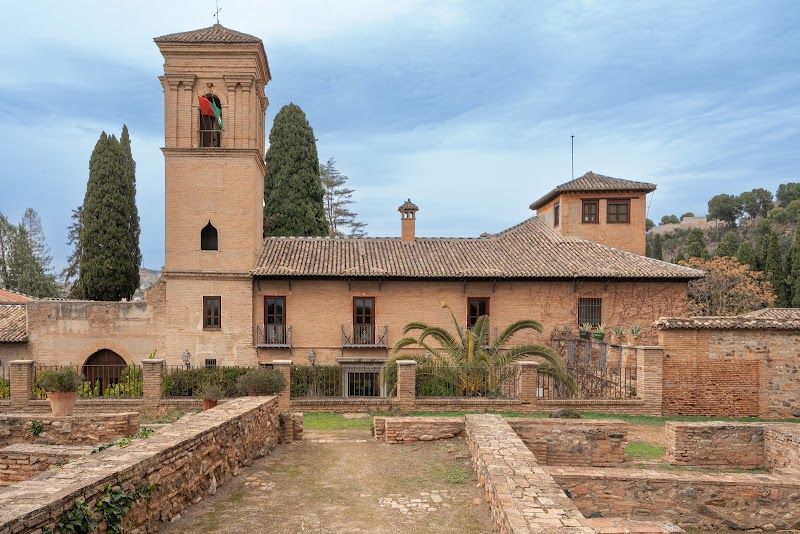
Parador de Granada
A luxury hotel restaurant set within a 15th-century convent inside the Alhambra complex itself. The restaurant offers traditional Andalusian cuisine in an extraordinary historic setting with cloistered gardens. Even if not staying overnight, dining here provides exclusive access to the grounds.
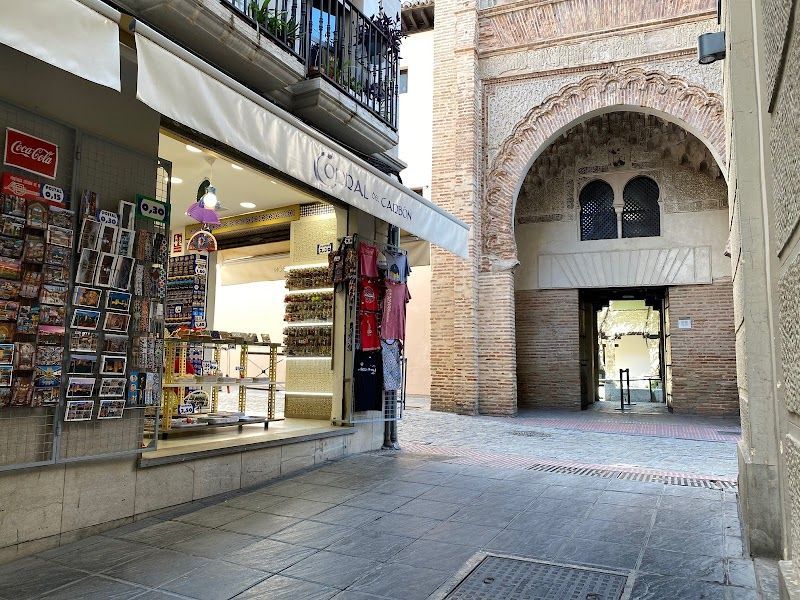
Corral del Carbón
Corral del Carbón is Spain's only surviving caravanserai, a 14th-century Nasrid warehouse where merchants stored goods and slept with their animals during trading journeys. You'll walk through a stunning horseshoe-arched entrance into a rectangular courtyard surrounded by two-story galleries with wooden balconies. The building shows you exactly how medieval Islamic commerce worked: animals and goods stayed on the ground floor while merchants slept upstairs. The visit feels like stepping into a medieval trading post that somehow survived Granada's Christian conquest in 1492. The courtyard stays cool even on hot days, and you can climb wooden stairs to the upper galleries for a bird's eye view of the stone-paved central area. It's remarkably quiet despite being 100 meters from Granada Cathedral, and you'll often have the place to yourself. The Alhambra orchestra offices occupy part of the building now, so you might hear musicians practicing. Most tourists walk right past this place because it looks unremarkable from the street. Entry is completely free, making it Granada's best value alongside the Alhambra views. Don't expect detailed explanations inside: there's minimal signage, so read up beforehand or you'll miss the historical significance. Skip it if you're rushing between major sights, but it's perfect for a quiet 10-minute break from Granada's crowded center.
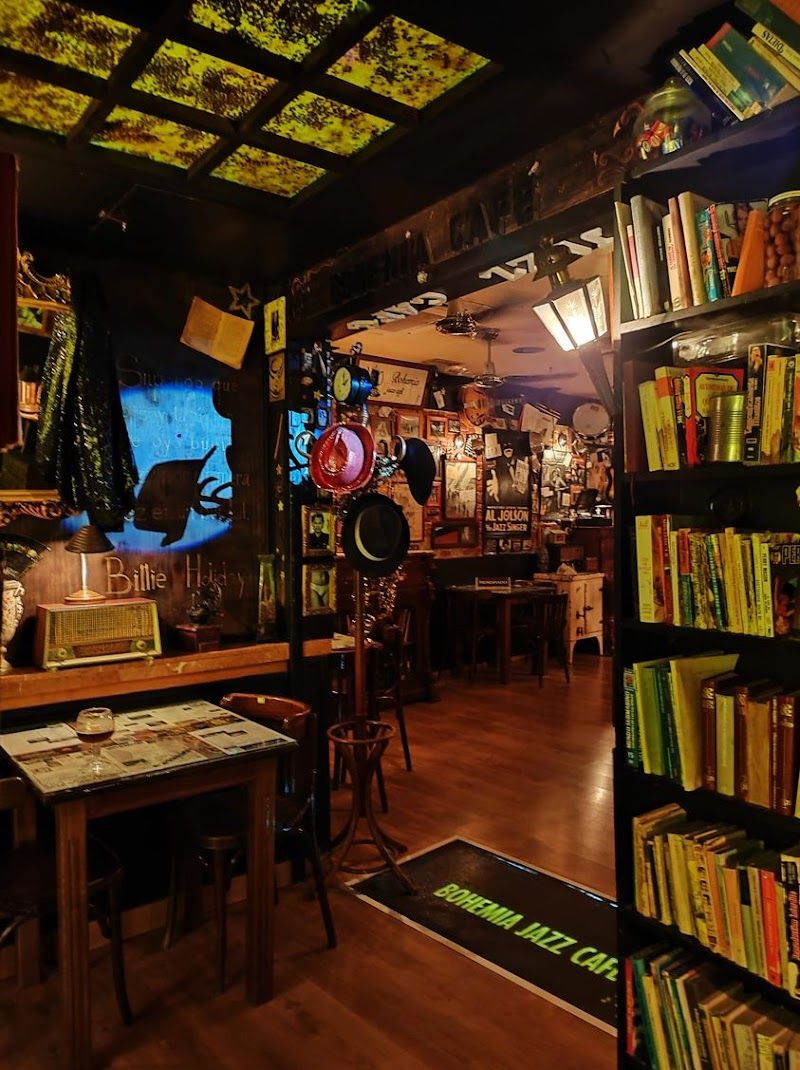
Bohemia Jazz Café
Intimate craft beer and cocktail bar in Realejo featuring rotating local craft beers on tap and creative cocktails made with premium spirits. Live jazz performances several nights per week draw a sophisticated crowd, and the candlelit interior with exposed brick provides a refined alternative to typical tapas bar hopping.
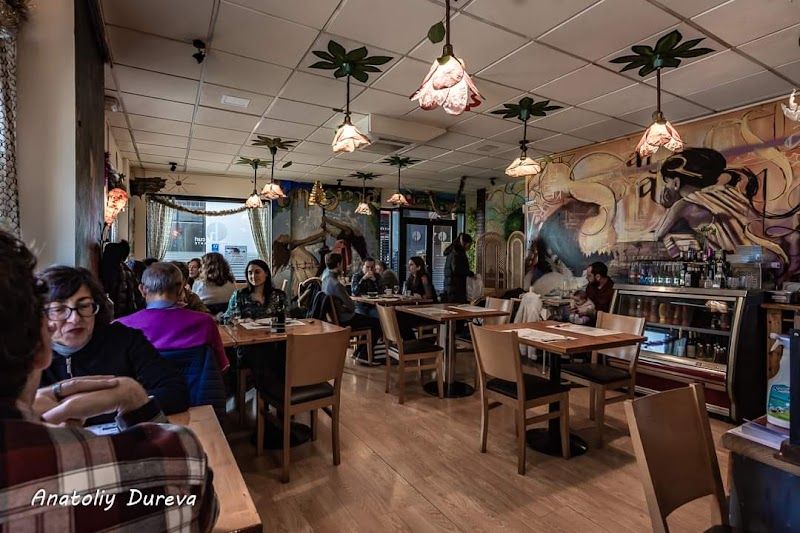
Hicuri Art Vegan Restaurant
Granada's original vegetarian and vegan restaurant, serving creative plant-based versions of Spanish classics since 2012. The menu del dia costs EUR 11 and includes dishes like vegan paella or seitan in almond sauce. The small dining room features local art on rotation.
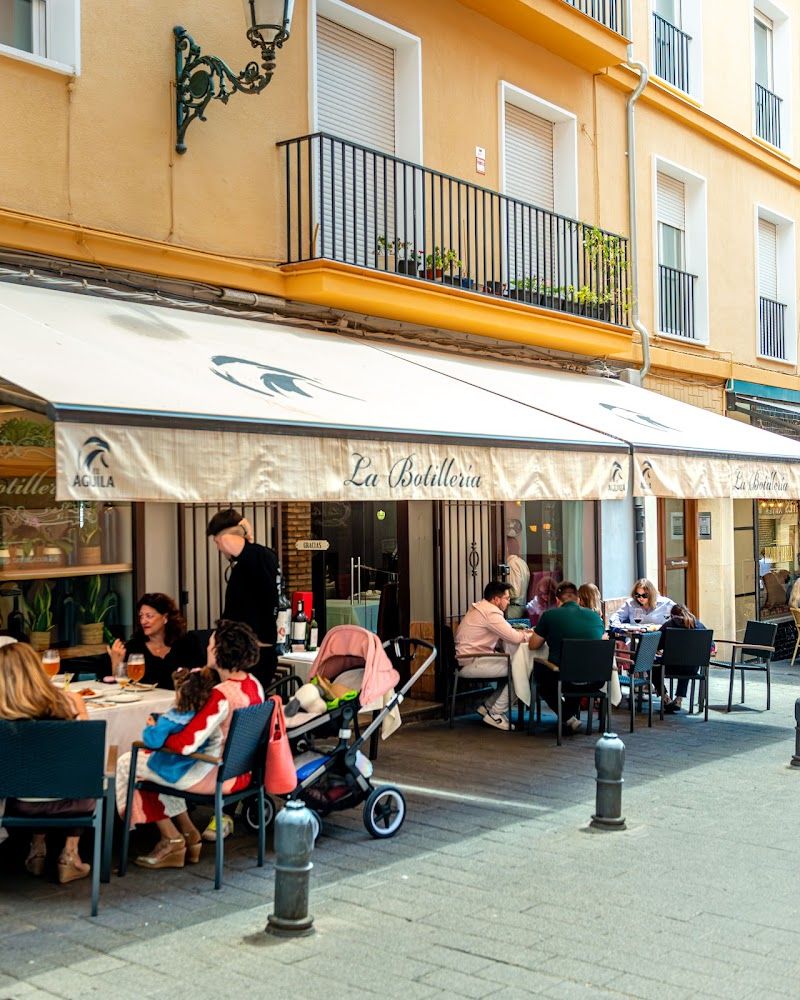
La Botillería
A Calle Elvira tapas bar specializing in montaditos (small open sandwiches) as free tapas with excellent beer selection. Each drink comes with creative toppings like pulled pork with caramelized onion or marinated salmon. Popular with university students and younger locals.
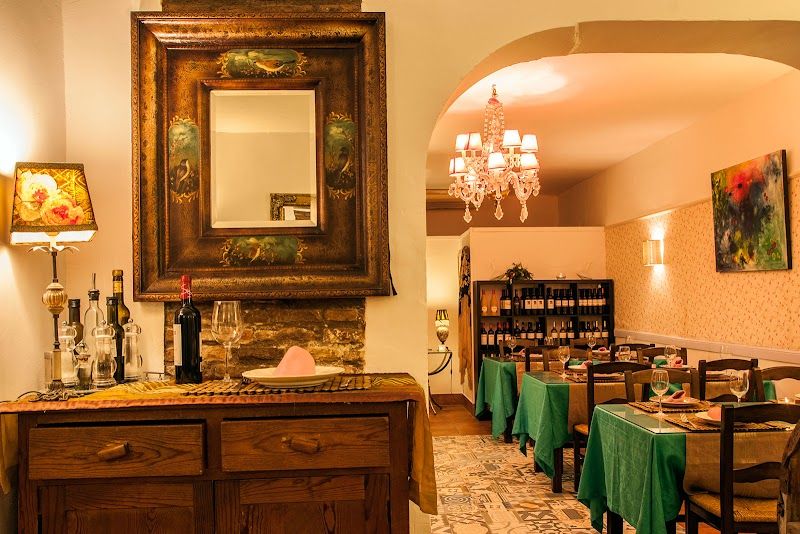
Restaurante El Trillo
A family-run restaurant near the Alhambra entrance serving traditional Granada cuisine with a modern twist. The terrace overlooks the Darro valley and features local specialties like remojón granadino and slow-cooked meats. Locals appreciate the authentic recipes and reasonable prices given the location.
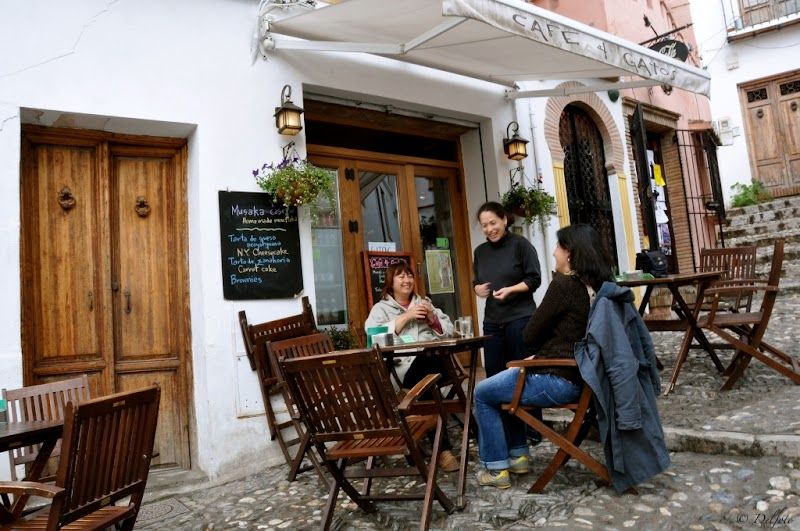
Café 4 Gatos
A sunny cafe and bookshop on Plaza de la Romanilla serving breakfast, coffee, and light meals throughout the day. The menu includes fresh pastries, bocadillos, and salads. The outdoor terrace catches morning sun and fills with students and freelancers working on laptops.
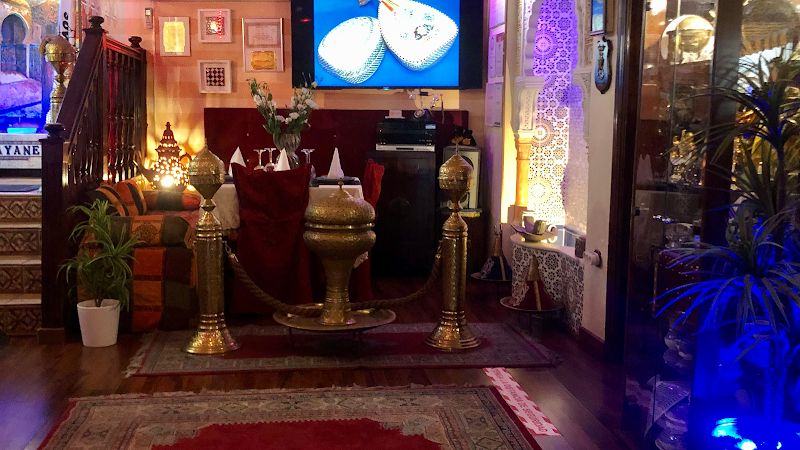
Restaurante Arrayanes
A Moroccan restaurant in the Albaicin serving tagines, couscous, and mezze platters in a candlelit dining room with Moorish tilework. Mains cost EUR 12-16. The restaurant occupies a restored carmen with views toward the Alhambra from the upper dining room.
Tetería Kasbah
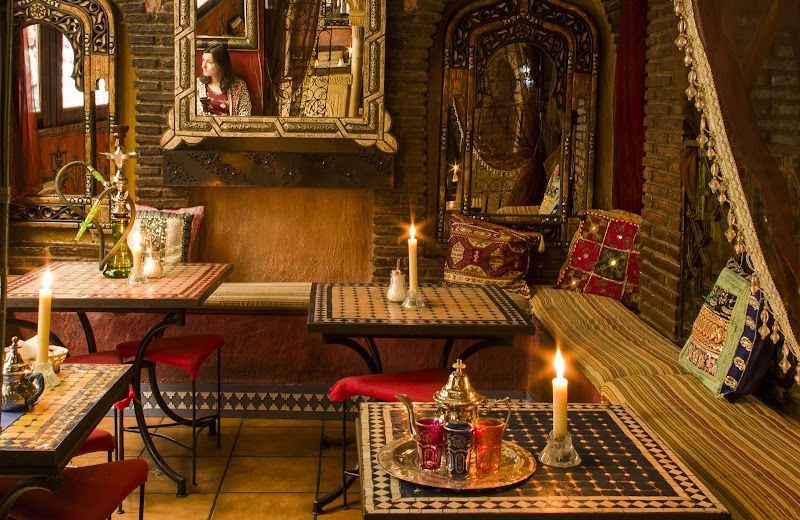
Traditional Moroccan tea house on the famous Calderería Nueva serving mint tea in ornate glasses and a selection of North African pastries including fresh baklava and chebakia. The interior features low cushioned seating, colorful lanterns, and tiled walls creating an authentic atmosphere popular with both locals and visitors after exploring the Albaicín.
Restaurante Ruta del Azafrán
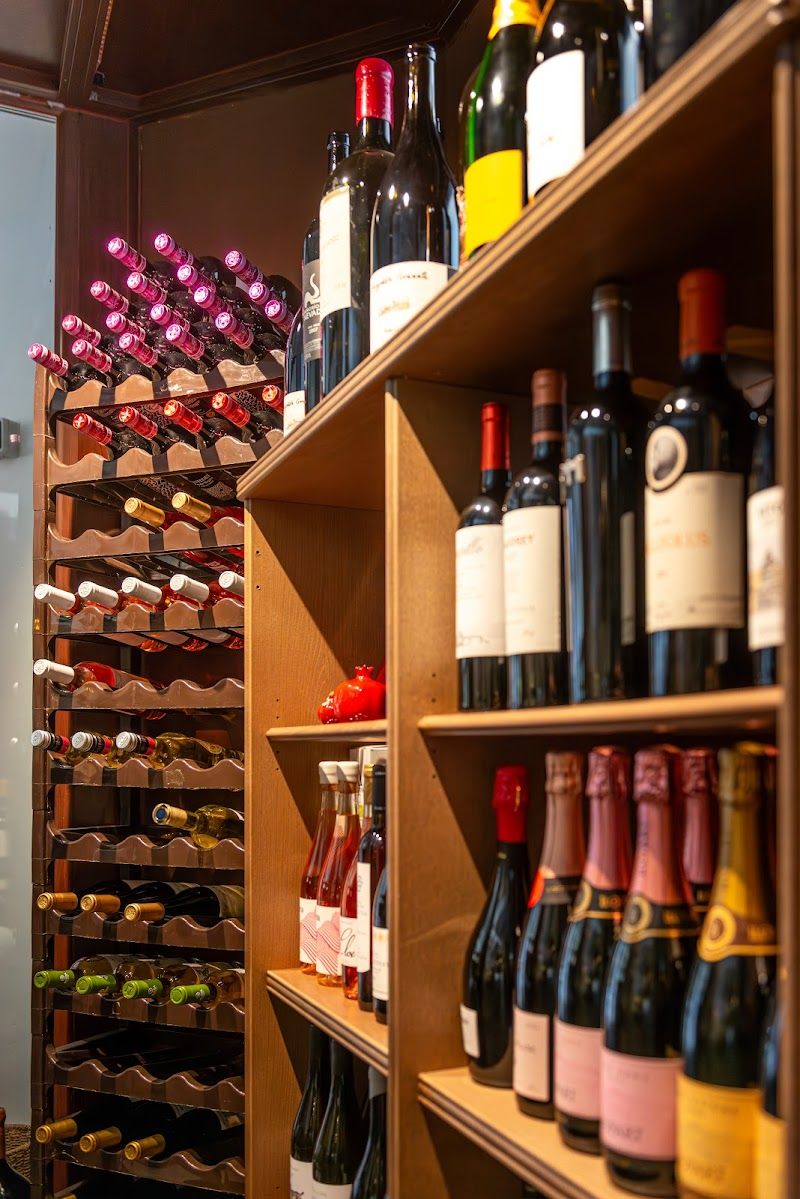
A restaurant with tables right on the Darro River beneath the Alhambra walls, serving proper sit-down meals rather than free tapas. The menu features regional dishes like rabo de toro and bacalao con tomate. The location alone justifies the slightly higher prices of EUR 15-20 per main course.
Bar Poe
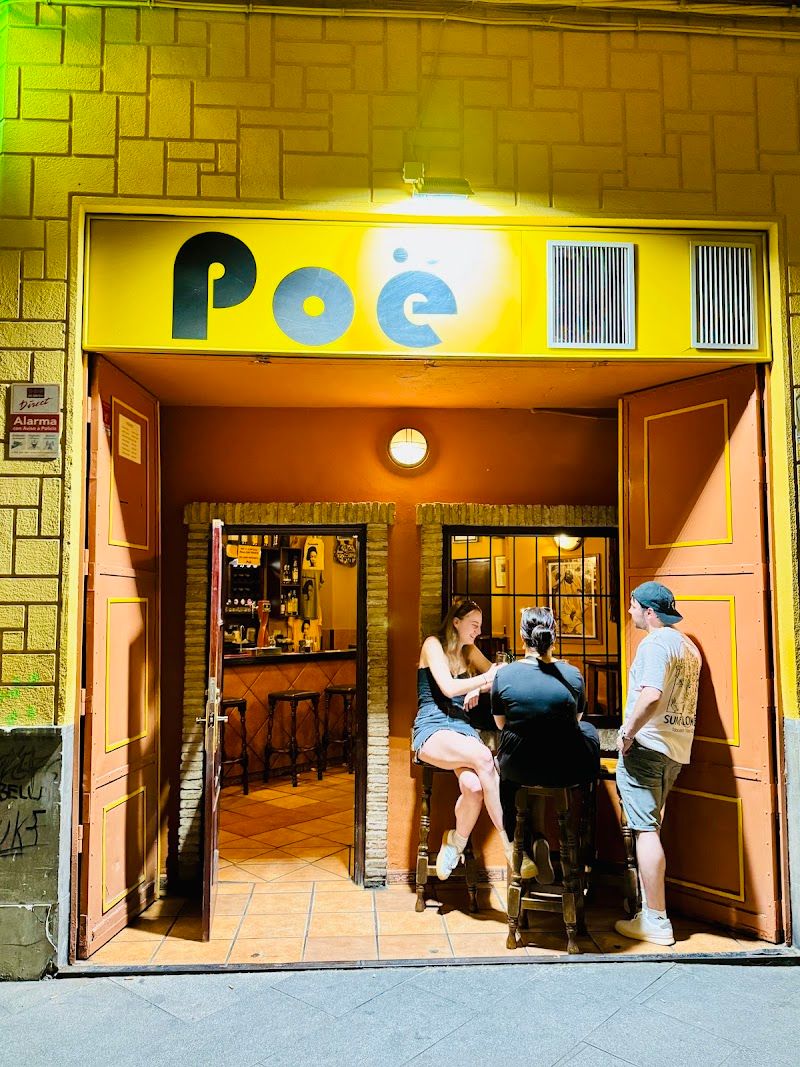
A cozy Realejo corner bar with an Edgar Allan Poe theme, serving excellent free tapas like mini burgers, croquetas, or fried fish with every EUR 2.50 drink. The intimate space fills with neighborhood regulars who spill onto the street with their beers.
Fundación Rodríguez-Acosta
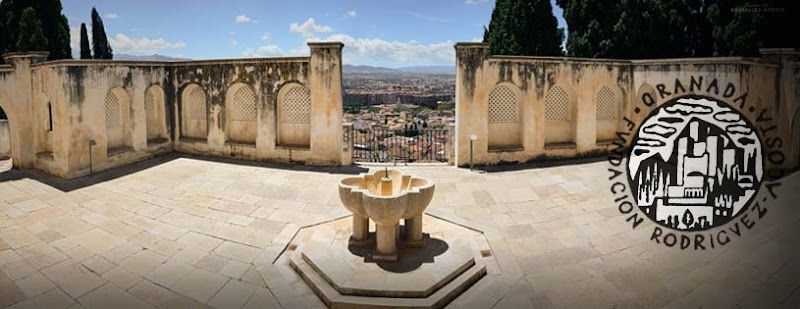
The Carmen de la Fundación Rodríguez-Acosta occupies a spectacular hillside villa that José María Rodríguez-Acosta built in the 1920s as his artist's residence. You'll explore both his preserved studio spaces filled with paintings and sketches, plus decorative arts collections spanning ceramics, textiles, and period furniture. The real star here is the terraced garden that cascades down the Alhambra hill, mixing Moorish water features with Renaissance-style plantings and Art Deco elements. Views stretch across Granada's rooftops to the Sierra Nevada mountains. The visit flows naturally from the intimate house museum down through multiple garden levels connected by stone staircases and pathways. Each terrace reveals different perspectives of Granada below, while fountains and carefully planned sightlines create photo opportunities at every turn. The atmosphere feels like discovering a wealthy artist's private retreat, complete with hidden corners and unexpected architectural details. You'll have the gardens mostly to yourself except during peak tourist season. Most guides oversell the art collection, which is pleasant but not exceptional compared to major Granada museums. Focus your time on the upper terraces for the best Alhambra views, then work your way down slowly. Entry costs 5 EUR for adults, but it's free on Wednesday afternoons after 2:30 PM. Skip this if you're already planning to visit the Generalife gardens, as there's some overlap in the experience.
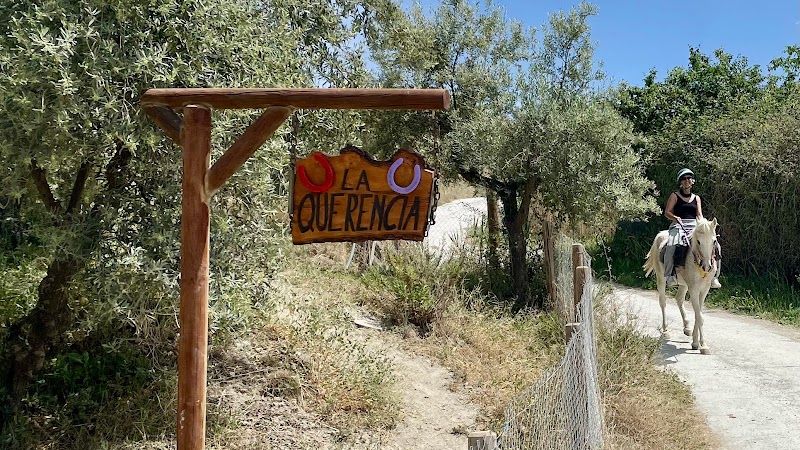
Caballos del Carmen
Caballos del Carmen takes you on horseback through the Dehesa del Generalife, the forested hillside that rises directly above the Alhambra. You'll ride Andalusian horses along ancient irrigation channels and past crumbling cortijos while getting aerial views of the Nasrid Palaces that no tourist on foot ever sees. The route winds through oak groves where the Nasrid sultans once hunted, following paths that connect abandoned Carmen estates with sweeping overlooks of Granada's red rooftops. The experience starts with horse matching based on your riding level, then you follow single file trails that climb steadily through Mediterranean forest. Your guide stops at strategic viewpoints where the Alhambra spreads out below you, completely different from the crowded palace courtyards tourists know. The horses are calm and well trained, comfortable on the rocky terrain and steep sections where you lean forward in the saddle. You'll hear only hoofbeats, wind through leaves, and distant sounds from the city far below. This costs around 65 EUR for the two hour ride and books up quickly in spring and fall. Most guides rush the first viewpoint, but ask yours to linger there because it's actually the best angle of the Generalife gardens. Skip this if you're scared of heights, the drop offs are real and there are no barriers. The afternoon departure really is superior for photography, but morning rides encounter fewer other horses on the narrow trails.
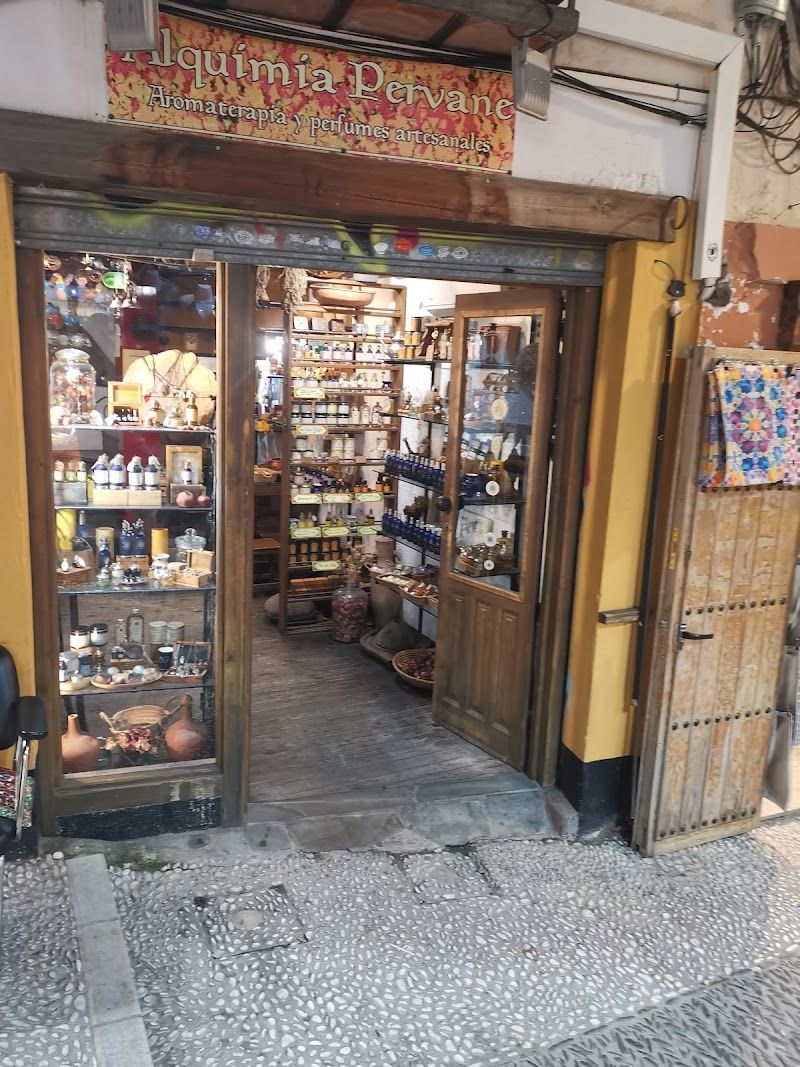
Tetería Nazarí
Long-established tea house in the heart of Calderería Nueva offering over 100 tea varieties, traditional Moroccan sweets, and shisha pipes. The upstairs seating area provides intimate alcoves with cushioned benches and low tables, perfect for unwinding after climbing the Albaicín's steep streets.
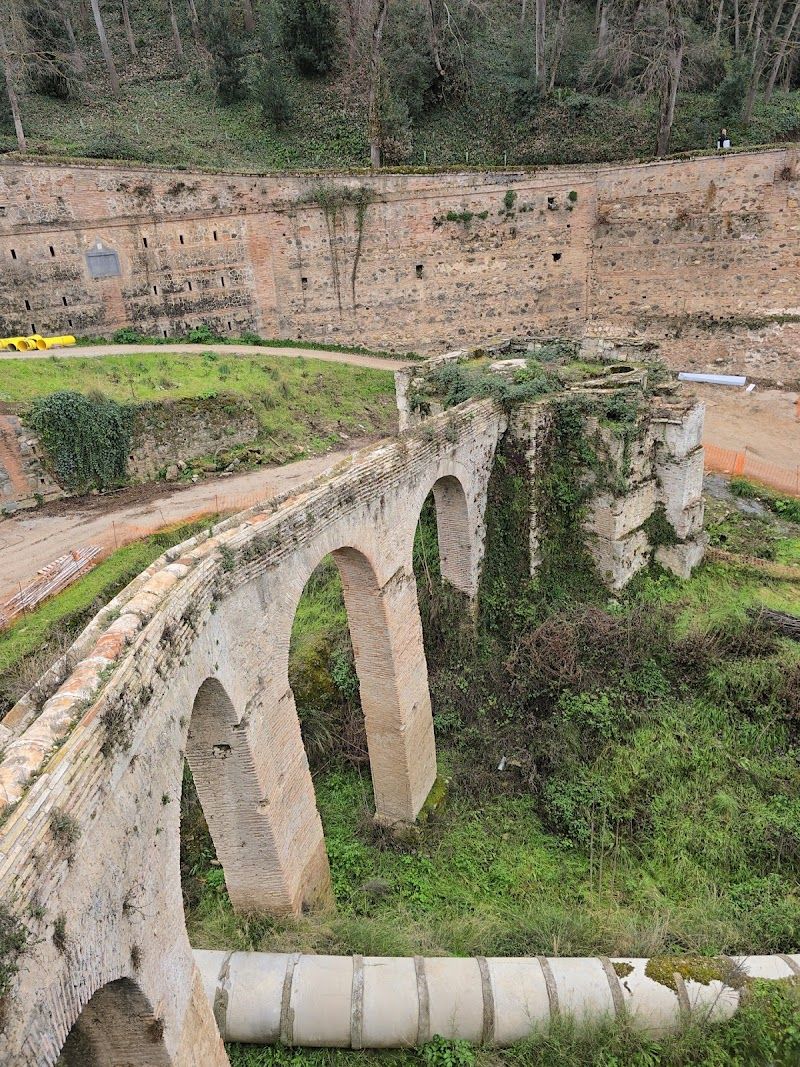
Mirador del Rey Chico
Mirador del Rey Chico sits perched on the Alhambra hill, giving you a completely different angle on Granada than the crowded San Nicolás viewpoint. You'll get stunning views across the Generalife gardens and into the white-washed Albaicín below, with the Sierra Nevada mountains forming a dramatic backdrop. This is supposedly where Boabdil, the last Moorish king, took his final look at Granada before exile, earning it the name "Boy King's Viewpoint." The walk up through the Cuesta de los Chinos feels like hiking through an enchanted forest, with stone walls from the Alhambra rising beside you and dappled sunlight filtering through oak trees. Once you reach the viewpoint, you'll find wooden benches and a peaceful clearing where maybe five other people are taking photos instead of fifty. The silence is remarkable, broken only by birds and the distant sound of fountains from the Generalife below. Most guidebooks treat this as a footnote to San Nicolás, but honestly, the views are just as spectacular without the tourist circus. The afternoon light hits the Albaicín perfectly from here, turning the white houses golden. Skip it if you're mobility-limited though, the uphill walk is steep and takes about 15 minutes of steady climbing from Paseo de los Tristes.