First Time in London: Everything You Need to Know
The practical stuff that makes the difference between a good trip and a great one
London is enormous. Not "bigger than you expected" enormous - genuinely, properly massive. The Tube map has 272 stations and that's still not enough to get you everywhere. Your first trip will involve at least one moment of standing on a street corner wondering how a city can be this large and this old and this loud all at once.
The good news: London is incredibly easy once you know about five things. Contactless payments work everywhere - Tube, buses, shops, pubs. The best museums are free. The weather is annoying but rarely dangerous. The food is actually excellent now. And Londoners aren't unfriendly - they're just in a hurry and wearing headphones.
This guide covers the practical stuff that makes the difference between a good London trip and a great one.
Getting Around
Forget everything you think you know about buying transport tickets. Just tap your contactless bank card (credit or debit) on the yellow reader at every Tube gate and bus entrance. It charges you the exact same fare as an Oyster card, caps your daily spending at £8.10 for zones 1-2, and you never need to queue at a machine or worry about topping up.
If your card doesn't have contactless or charges foreign transaction fees, get an Oyster card from any station (£7 deposit, refundable). Load it with £20-30 and tap as you go.
Never, ever buy paper tickets. A single Tube ride on paper costs £6.70. The same ride on contactless costs £2.80. That's not a typo.
Buses are £1.75 per ride (contactless only, no cash) and cap at £5.25 per day. They're slower than the Tube but you actually see London. The top deck of a double-decker through the West End at night is a free sightseeing tour.
Download Citymapper before you land. It's better than Google Maps for London - it knows about Tube delays, bus routes, and will tell you which carriage to board for the fastest exit at your destination.
When to Visit
Spring (April-May)
- -Parks in bloom - Hyde Park and Kensington Gardens are spectacular
- -Longer days, mild temperatures (12-18C), occasional rain showers
- -Shoulder season prices on hotels, fewer crowds than summer
- -Easter brings some closures but also festive atmosphere
Summer (June-August)
- -Peak tourist season - everything is open, everything is crowded
- -Warm (20-28C) with very long daylight hours until 9:30 PM
- -Outdoor events: Wimbledon, open-air theater, Notting Hill Carnival (August)
- -Highest hotel prices, book 3+ months ahead for good deals
Autumn (September-October)
- -The sweet spot - summer crowds gone, weather still decent
- -Parks turn golden, perfect for photography in Regent's Park
- -Theater season kicks off with new West End shows
- -Hotels drop 20-30% from summer rates
Winter (November-March)
- -Christmas lights and markets (November-January) are genuinely magical
- -Cold (2-8C), dark by 4 PM, rainy - but museums are heated and free
- -Lowest hotel prices of the year, especially January-February
- -Some outdoor attractions reduce hours or close
The Tube
The London Underground is the world's oldest metro system (1863) and it shows - in a charming, "this tunnel was dug by Victorians" kind of way. Here's what you need to know.
The map looks terrifying but you only need 5-6 lines for tourist purposes. The Central line (red) goes east-west through the middle. The Northern line (black) goes north-south. The Piccadilly line (dark blue) connects Heathrow to central London. The District and Circle lines form a loop through Kensington, Westminster, and the City.
The Elizabeth line is new (opened 2022), beautiful, and air-conditioned - a revelation compared to the older lines. It connects Heathrow, Paddington, central London, and Canary Wharf.
Avoid the Central line and Northern line between 8-9:30 AM and 5-6:30 PM. They're sardine tins. If you must travel at rush hour, the Elizabeth line and Jubilee line are wider and less horrible.
Wi-Fi works at most stations (connect to "Virgin Media") but not in the tunnels between stations. 4G/5G works on newer lines like the Elizabeth and Jubilee but not on the deep-level lines like the Northern or Piccadilly.
Eating & Drinking
London's food scene is genuinely world-class now, but the tourist-trap restaurants near landmarks are still awful. The single best advice for eating in London: walk ten minutes away from any famous building before opening a menu.
Pub culture 101: you order at the bar, not at a table. Walk up, wait your turn (there's an invisible queue - Brits can sense who arrived first), order, pay, carry your drinks back. Tipping at pubs is not expected for drinks. For pub food, a 10% tip is appreciated but not required.
Restaurant tipping: 10-12.5% is standard, and many restaurants add a "discretionary service charge" to the bill automatically. Check before you tip on top - you don't need to tip twice. If service charge is included, that's the tip.
Sunday roast is a tradition you should try at least once. A proper roast - beef or lamb, Yorkshire pudding, roast potatoes, vegetables, and gravy - costs £16-22 at a good gastropub. Book by Thursday because popular pubs sell out.
The full English breakfast (eggs, bacon, sausages, beans, toast, and a grilled tomato) costs £8-12 at a proper cafe and will fuel you until 3 PM. Greasy spoons - the traditional workers' cafes - do the best ones.
Common Mistakes First-Timers Make
Trying to walk between major attractions
London is much bigger than it looks on a map. The walk from Buckingham Palace to the Tower of London is 3.5 miles. Use the Tube - it's fast, frequent, and with contactless your daily spending is capped anyway.
Eating near landmarks
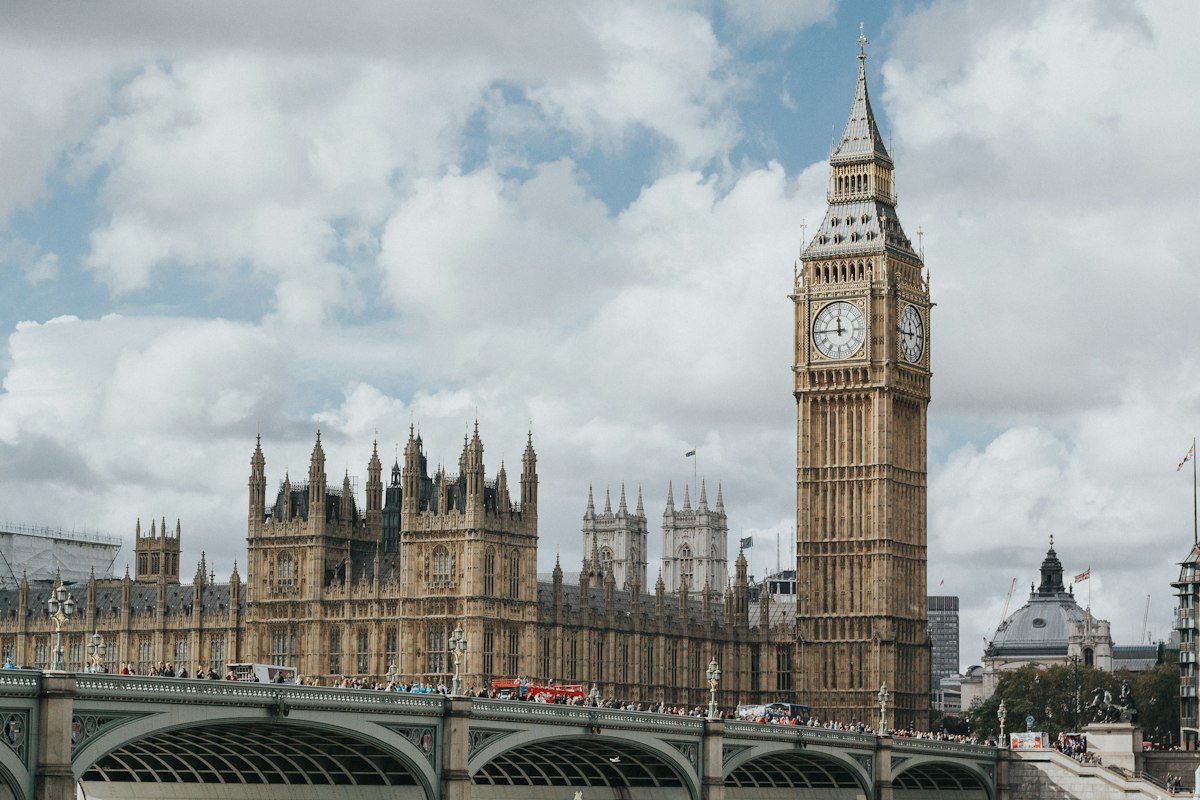
The restaurants within sight of Big Ben, the Tower, and Buckingham Palace are universally mediocre and overpriced. Walk 10 minutes in any direction. The quality doubles and the price halves. This is true every single time.
Buying paper Tube tickets
A single paper ticket costs £6.70. The same journey on contactless costs £2.80. Over three days, paper tickets could cost you an extra £50+ for no reason. Just tap your bank card.
Not booking timed attractions online
The Tower of London, Westminster Abbey, St Paul's Cathedral, and the Harry Potter Studio Tour all have timed entry. Show up without a booking and you'll either wait 45+ minutes or be turned away. Book at least a week ahead for weekends.
Standing on the left side of escalators
Stand on the right, walk on the left. This is not a guideline - it's a social contract. Breaking it will earn you the most aggressive British tutting you've ever experienced, followed by someone physically pushing past you.
Underestimating the weather
It probably won't rain all day, but it will probably rain at some point. Carry a compact umbrella and wear layers. London weather changes three times before lunch. A waterproof jacket beats an umbrella in wind.
Money & Tipping
Contactless payment works literally everywhere in London - Tube, buses, corner shops, market stalls, pubs. Cash is accepted but you could genuinely go a week without touching a banknote.
VAT (20%) is already included in all displayed prices. The number on the tag is what you pay. No surprise tax at checkout like in the US.
Restaurant service charge (10-12.5%) is often added automatically. Check your bill before tipping - double-tipping is the classic tourist mistake. If it says "service included," that's the tip.
Tipping in pubs: not expected for drinks at the bar. For food, round up or leave 10%. For table service in upscale bars, 10% is generous.
Free tap water is your legal right at any licensed premises in England. If a restaurant only offers expensive bottled water, ask for a jug of tap water. They must provide it.
What Nobody Tells You
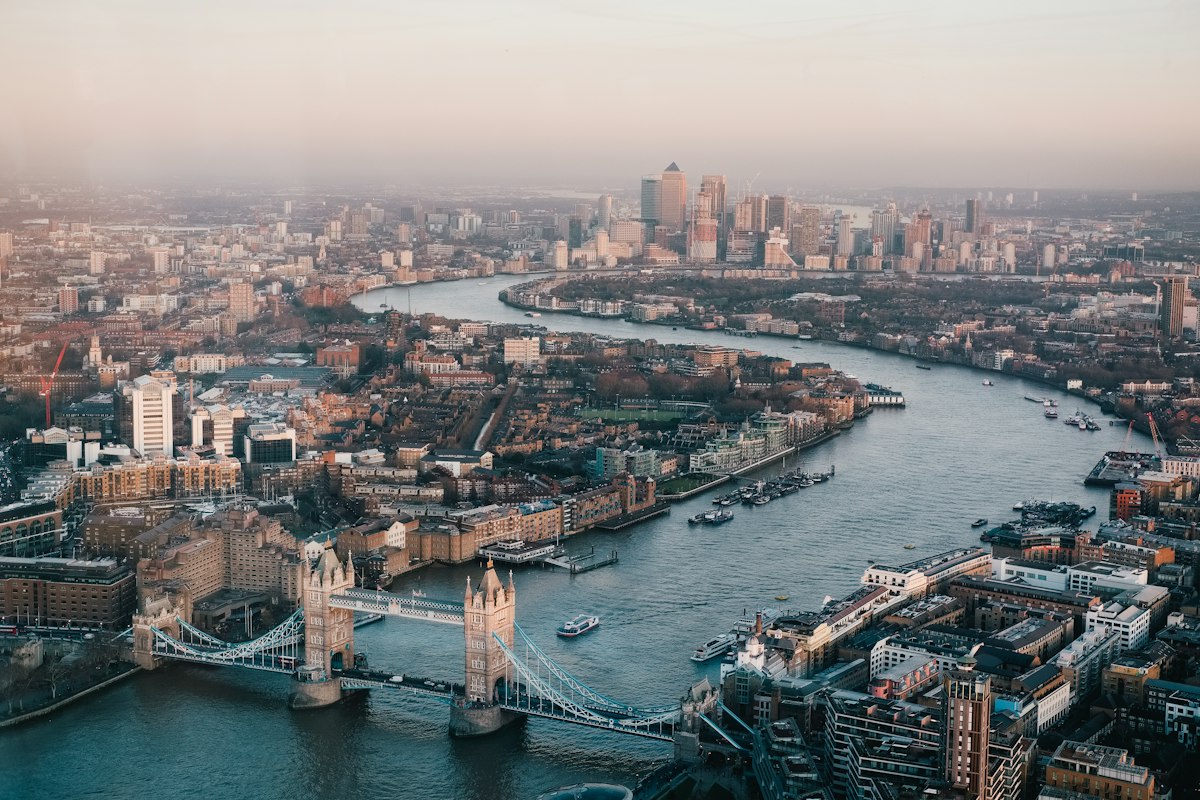
The best views in London are free. Sky Garden (book online), Tate Modern Level 10, Primrose Hill at sunset, and the top floor of the Oxo Tower all cost nothing. The Shard charges £32 for essentially the same view.
London has more green space than you'd expect. Eight Royal Parks cover 5,000 acres. When you need a break from buildings and buses, you're never more than 15 minutes from actual nature.
The Tube stops running around midnight (varies by line). Night Tube runs Friday and Saturday on 5 lines (Central, Jubilee, Northern, Piccadilly, Victoria). Otherwise, it's night buses or a taxi after midnight.
Most London museums are free for the permanent collection but charge £10-25 for special exhibitions. The free stuff is world-class enough that you never need to pay unless a specific exhibition grabs you.
Londoners queue for everything, silently and in order. Cutting a queue is the gravest social offense possible. If you're not sure where the queue ends, ask - someone will tell you, and they'll respect you for asking.
Ready to Visit London?
Get a personalized itinerary tailored to your travel style and interests.
Plan Your London Trip