
London
Things to Do
177 attractions, museums, and experiences
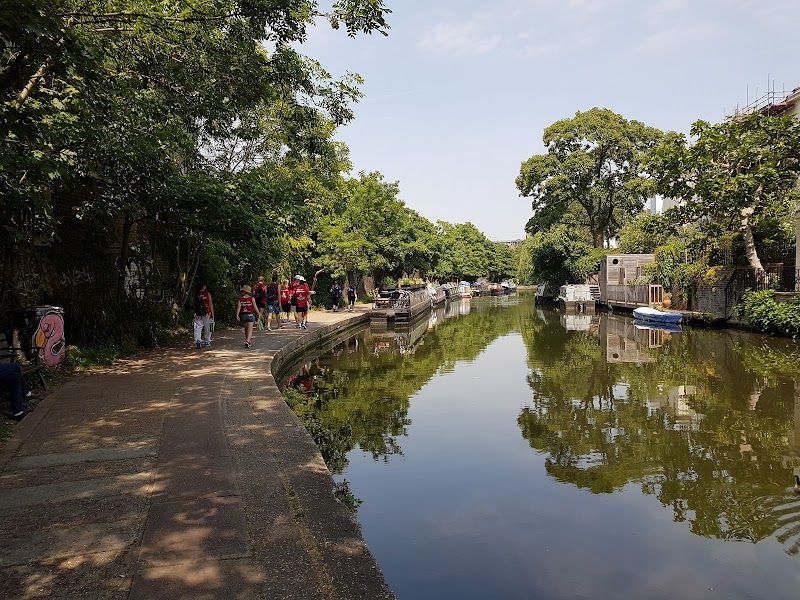
Regent's Canal Towpath
Regent's Canal cuts a surprisingly quiet 8.6-mile path through central London, connecting Little Venice to the Thames at Limehouse. The towpath runs alongside working narrowboats, converted houseboats, and genuine wildlife - herons are common near Camden Lock, and you'll spot coots and moorhens throughout. The stretch from Camden to King's Cross is the most rewarding, passing through two atmospheric tunnels where your voice echoes off Victorian brickwork. The walk feels like stepping into a parallel London where narrow boats replace double-deckers and canal workers replace commuters. At Camden Lock the path gets crowded with tourists, but push through - the section past London Zoo's aviary (you can hear exotic birds calling) opens up beautifully. The Maida Hill tunnel requires a torch on your phone, while the shorter Islington tunnel stays lit. Canal boats chug past constantly, their occupants waving from tiny decks. Most guides oversell the entire route - stick to Camden Lock to Granary Square for the best payoff without the industrial monotony further east. Weekend mornings bring fewer cyclists but more joggers. The path floods after heavy rain near King's Cross, creating muddy detours. Skip Little Venice unless you're already nearby; it's pleasant but not worth a special trip compared to the Camden section.
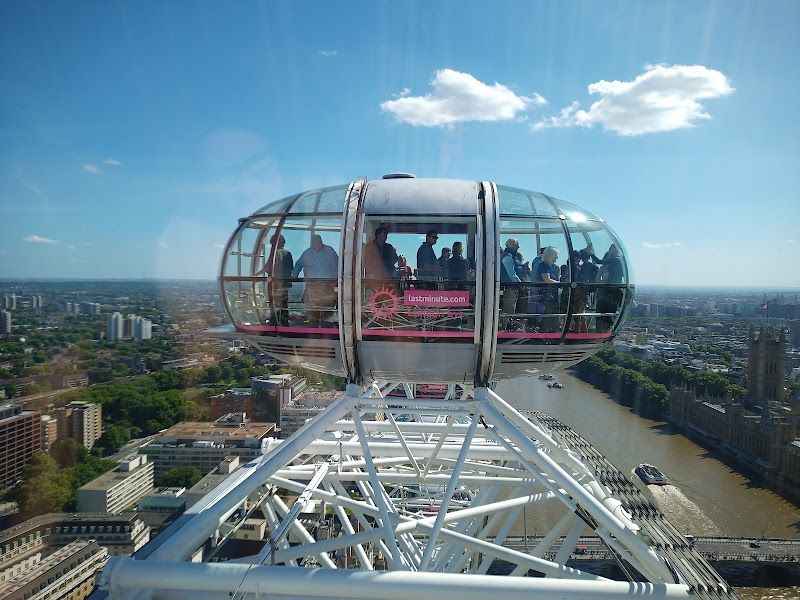
Coca-Cola London Eye
The London Eye gives you London's best 360-degree views from 135 meters up, with sightlines stretching 40 kilometers on clear days. You'll spot Big Ben directly across the Thames, the Shard piercing the southeastern skyline, and Canary Wharf's towers in the distance. The glass capsules are spacious enough that 25 people don't feel cramped, and the wheel moves so slowly you barely notice the motion. The 30-minute rotation feels perfectly timed - long enough to photograph every angle without getting bored. The capsules are fully enclosed and climate-controlled, so weather rarely ruins the experience. Staff efficiently load passengers while the wheel keeps moving, creating a smooth flow without the stop-start of traditional ferris wheels. Honestly, it's touristy and expensive, but the views genuinely deliver. The real trick is timing - summer afternoons create hazy conditions and massive crowds. Winter mornings offer crystal-clear visibility with half the people. Skip the champagne experience unless you're celebrating something special; the standard ride gives you the same views for much less money.
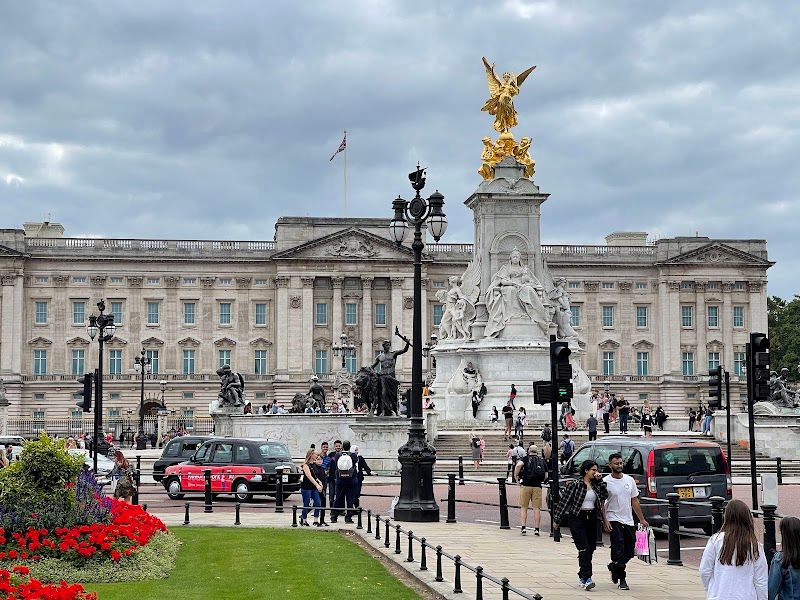
Buckingham Palace
The actual working palace of the British Royal Family, with 775 rooms sprawling behind that familiar grey facade. When the State Rooms open in summer, you're walking through spaces where actual state dinners happen - the Blue Drawing Room still smells faintly of furniture polish, and the Grand Staircase's gilt bronze balustrade catches your sleeve as you climb past portraits of dead monarchs. The visit follows a set audio-guided route through about 19 rooms, taking roughly 90 minutes if you don't dawdle. The Throne Room feels smaller than expected, while the Picture Gallery stretches endlessly with Canalettos lining the walls. The White Drawing Room's hidden door (disguised as a mirror and bookcase) genuinely surprises, and you exit through the massive Marble Hall where the acoustics make every footstep echo. Most visitors rush through to tick a box, but the details reward attention - look for the intricate ceiling work in the Music Room and the way afternoon light hits the silk wall coverings in the Green Drawing Room around 2 PM. Skip the garden cafe (overpriced sandwiches) but don't skip the final room displaying rotating exhibitions of royal collection pieces. The Changing of the Guard is legitimately impressive but wildly overcrowded; the State Rooms visit is the better experience.
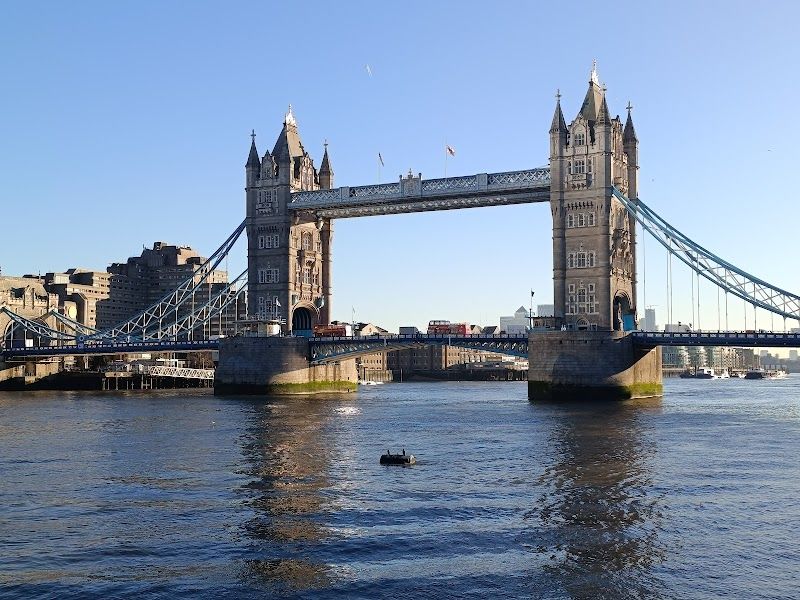
Tower Bridge
Tower Bridge isn't just a river crossing-it's a working piece of Victorian machinery that still operates exactly as designed in 1894. The bascules lift about 800 times per year, and when they do, you're watching the same counterweight system that's been raising this bridge for 130 years. The glass floor walkways, added in 2014, give you a direct view down to the Thames 42 meters below, while the original Victorian Engine Rooms house the massive steam engines that powered the bridge until 1976. Your visit starts in the North Tower with a brief exhibition before climbing to the high-level walkways that connect both towers. The glass panels are genuinely thrilling-much more so than similar attractions elsewhere. The engine rooms, accessed separately, showcase the original coal-fired boilers and steam engines with detailed explanations of the lifting mechanism. Staff are knowledgeable about the engineering and often share stories about famous bridge lifts. The £12 adult ticket is steep for what amounts to great views and some industrial history. Skip the exhibition upstairs-it's mostly generic London content. The real value is the glass floor experience and the engine rooms, which most people rush through but contain the most fascinating technical details. Go early to avoid school groups, and don't bother with the photo opportunities-they're overpriced tourist traps.
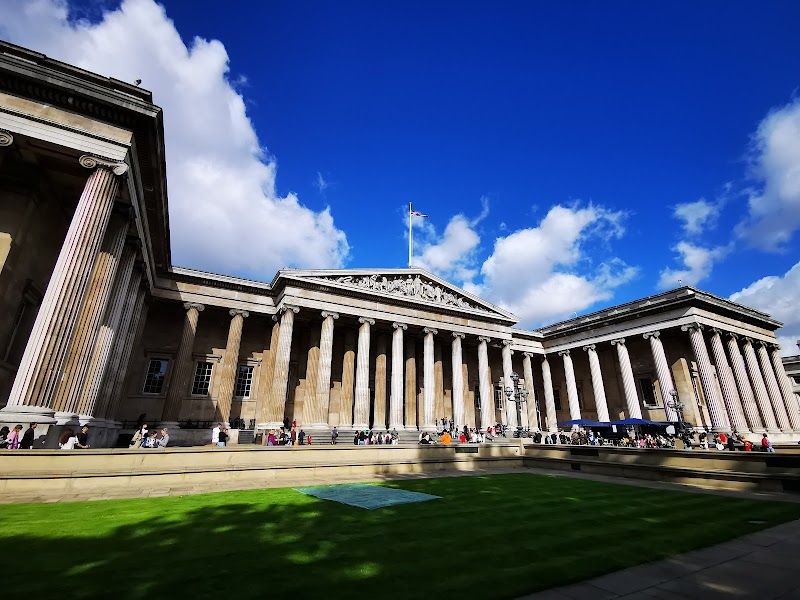
The British Museum Tours
The British Museum's guided tours transform what could be an overwhelming maze of 8 million artifacts into focused storytelling sessions. The highlight tours-Egyptian Death and Afterlife, Ancient Greece, and Assyrian Lion Hunt reliefs-are led by archaeologists and art historians who've spent years studying these specific collections. You'll stand inches from the Rosetta Stone while learning how Champollion cracked hieroglyphics, not just read the wall placard. Expect groups of 15-20 people moving through carefully planned routes that avoid the worst crowds. The Egyptian tour spends serious time in Room 63's mummy cases, explaining CT scan findings and burial practices. Greek tours linger at the Parthenon sculptures in Room 18, addressing the repatriation debate head-on. Tours feel like university seminars-intellectually rigorous but accessible, with guides fielding detailed questions. Skip the general highlights tour unless you're genuinely new to museums. The themed tours dive deeper and attract fewer tourists with short attention spans. Book the 2pm slots when school groups have cleared out. The Lewis Chessmen and Sutton Hoo tours are underrated-smaller groups, better access to cases, and guides who aren't repeating the same Egyptian facts for the thousandth time.
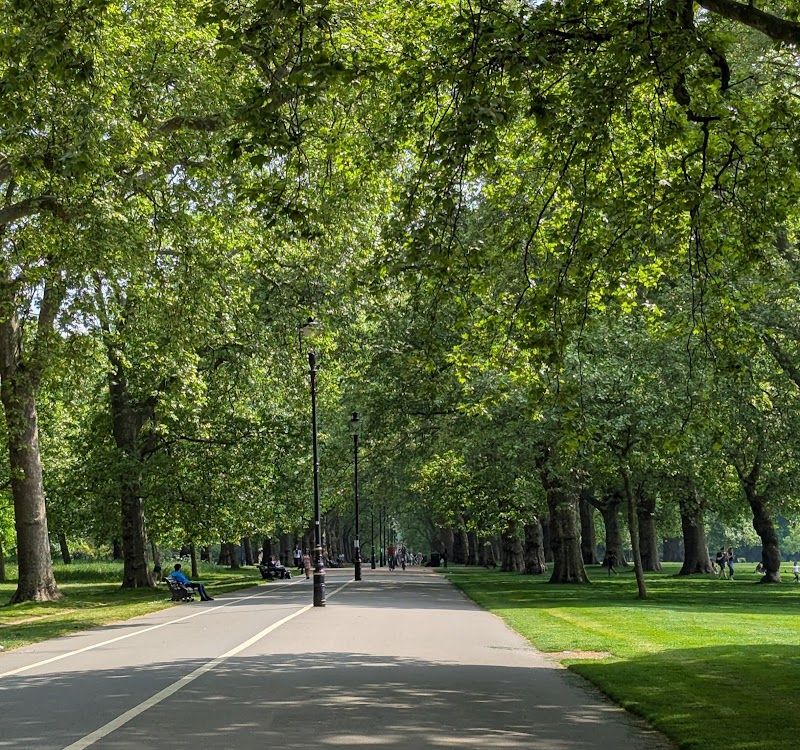
Hyde Park
Hyde Park is London's largest central park, a 350-acre green rectangle that feels surprisingly wild despite being surrounded by traffic. The Serpentine lake cuts through the middle, creating two distinct halves - the busier eastern side near Speaker's Corner and Marble Arch, and the quieter western end that backs up to Kensington Palace. The Diana Memorial Fountain sits in the southwest corner, designed as a flowing oval of Cornish granite that children love to splash in during summer. Walking here feels like moving through different worlds - from the formal Rose Garden near Hyde Park Corner to the wilder areas around the Serpentine where herons fish undisturbed. The paths are wide and well-maintained, perfect for cycling or jogging, while the grass areas fill with picnickers and sunbathers whenever the sun appears. Speaker's Corner on Sunday mornings still draws passionate orators on soapboxes, though the crowds are smaller than they once were. The park works best when you're not trying to see everything - it's massive and you'll exhaust yourself walking corner to corner. The Diana Memorial gets overcrowded on warm days, and Hyde Park Corner is permanently noisy from traffic. Focus on either the lake area for a proper nature break, or the western edge near Kensington Gardens if you want the palace views. Winter Wonderland (November-January) completely transforms the park but brings enormous crowds.
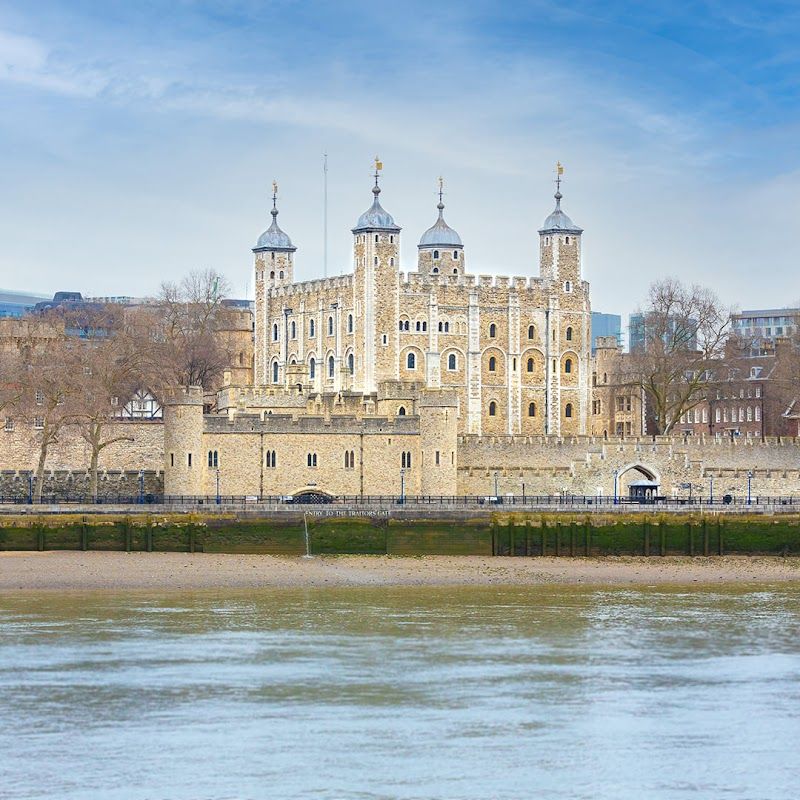
Tower of London
This is Britain's most complete medieval fortress, where you'll walk through 900 years of bloody history while seeing the actual Crown Jewels used at King Charles III's coronation. The Sovereign's Sceptre with the 530-carat Cullinan I diamond genuinely stops you in your tracks, and the moving walkway past the crown collection means you can't dawdle but guarantees everyone gets a proper look. The Yeoman Warders (actual Beefeaters who live on-site) lead the best castle tours anywhere - they're retired military with 22+ years service and tell stories about Anne Boleyn's execution with dark humor that makes history stick. You'll climb the narrow spiral stairs in the Bloody Tower where the princes disappeared, see actual graffiti carved by Tudor prisoners, and meet the six ravens who supposedly protect the kingdom. Skip the audio guide entirely - the Yeoman tours are infinitely better and free. The Medieval Palace gets crowded but has the best preserved royal apartments. The Crown Jewels queue moves faster than it looks, but the gift shop afterwards is a tourist trap with £25 tea towels. Don't rush the Wall Walk - the Thames views are spectacular and often overlooked.
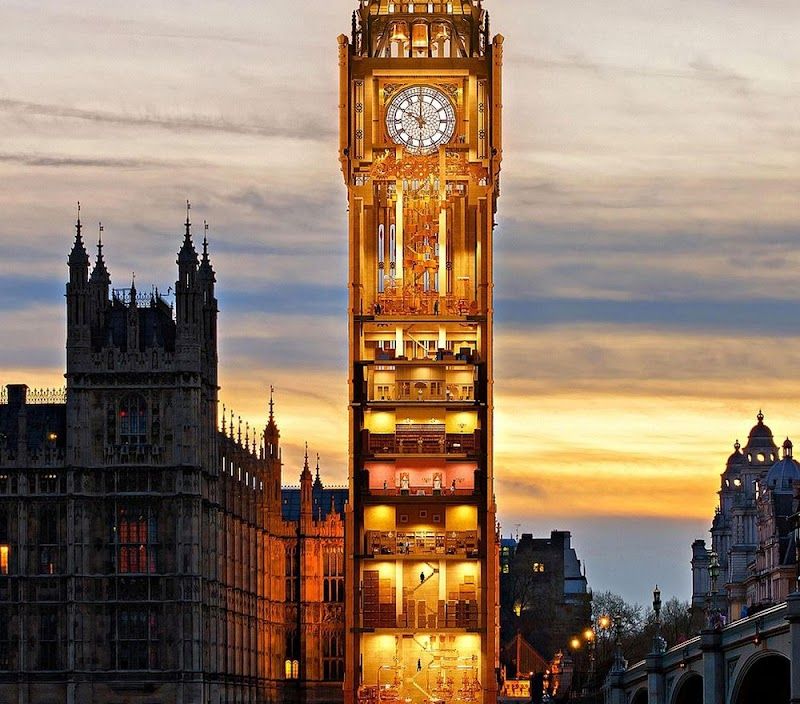
Big Ben
The Elizabeth Tower houses five bells, with the 13.7-ton Great Bell (Big Ben) chiming the hours while four quarter bells play the Westminster Quarters every fifteen minutes. You're looking at 316 steps spiraling up cast iron stairs, passing the Ayrton Light that glows when Parliament sits at night, and reaching the belfry where the mechanism that's kept London punctual for over 160 years still operates with Victorian precision. The 90-minute tour moves through narrow stone corridors and up increasingly steep staircases. Your guide explains how the pendulum swings in a vacuum case and why they add old pennies to adjust timing. The highlight is standing beside the Great Bell when it strikes - the vibration travels through your chest. The clock faces, each 23 feet across, look surprisingly small from inside, and the view from the top spans from Canary Wharf to Windsor Castle on clear days. Only UK residents can tour inside, and you need your MP to request tickets months ahead - it's genuinely exclusive, not tourist theater. The scaffolding finally came down in 2022 after five years of restoration, so exterior photos are perfect again. Skip the expensive Westminster Abbey combo tickets nearby; Big Ben's real magic is hearing those bells up close, not posing outside with every other visitor.
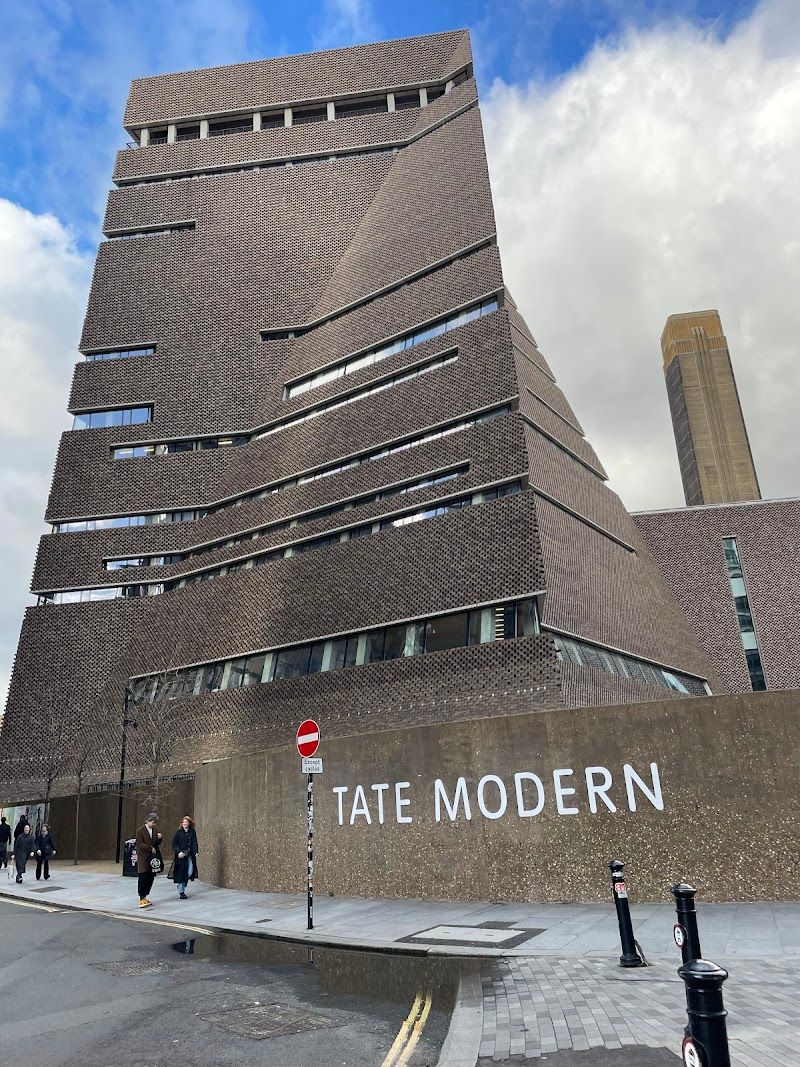
Tate Modern
This converted power station houses one of the world's largest modern art collections, with Picasso, Matisse, and Rothko sharing space with video installations and conceptual pieces. The massive Turbine Hall - five stories tall and football-field long - showcases rotating large-scale installations that use the industrial space brilliantly. The permanent galleries organize art thematically rather than chronologically, so you'll find Warhol pop art next to contemporary digital work. The building itself is half the experience. You enter through the sloped ramp into the cathedral-like Turbine Hall, then take escalators up through galleries that still feel industrial despite the white walls. The viewing level on floor 10 genuinely delivers - St Paul's sits perfectly framed across the Thames, with the City's skyscrapers stretching east. The space never feels cramped even when busy, thanks to the building's massive scale. Skip the audio guide and just wander - the thematic organization means you'll stumble across unexpected connections between artists. The restaurant is overpriced and average; grab coffee from the level 2 café instead. Most people rush to the view, but the Turbine Hall installation deserves 20 minutes minimum. Evening visits after 6 PM are noticeably quieter, and the Thames views are better with London's lights coming on.
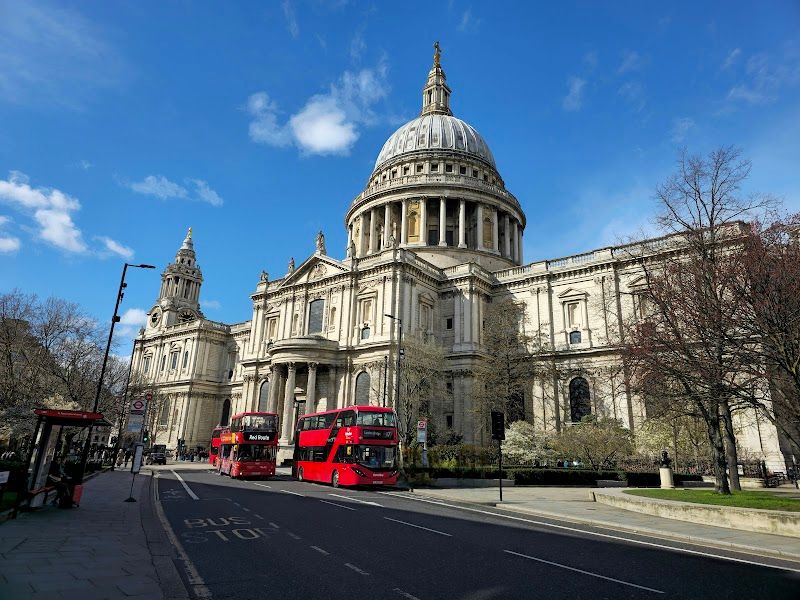
St Paul's Cathedral
Wren's cathedral isn't just architecture-it's a masterclass in baroque engineering where you'll crane your neck at the 365-foot dome painted with scenes from St. Paul's life, walk past Nelson's tomb in the crypt, and discover Churchill's funeral took place right where you're standing. The building survived 29 bombs during WWII, making it genuinely symbolic of London's endurance rather than tourist marketing fluff. The climb happens in three stages: Stone Gallery at 378 steps offers decent views but feels anticlimactic, while the final push to Golden Gallery rewards you with unobstructed 360-degree panoramas where you can spot the Thames snaking east and the London Eye looking toylike to the south. The Whispering Gallery actually works-I've tested it multiple times-but requires patience as crowds make timing tricky. Most visitors rush the crypt, but it's genuinely fascinating with Wellington's massive sarcophagus and fascinating exhibits about the cathedral's construction. Skip the audio guide-the signage is excellent and you'll move at your own pace. Weekday mornings before 10:30am offer the most peaceful experience before tour groups arrive. The dome climb isn't suitable if you're claustrophobic-those final spiral stairs are genuinely narrow and steep.
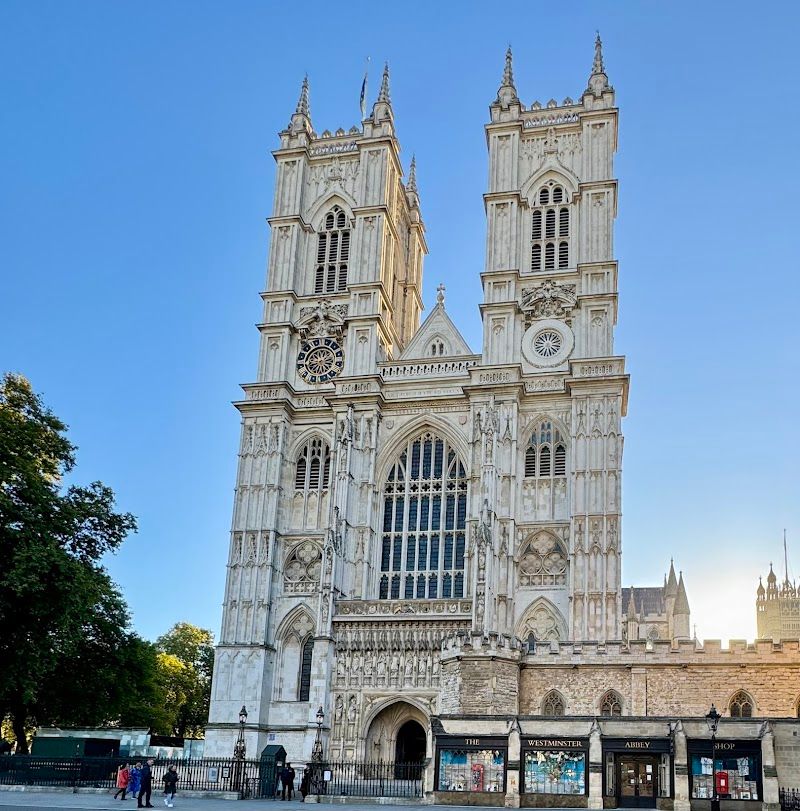
Westminster Abbey
Westminster Abbey isn't just a church - it's Britain's coronation theater and royal necropolis rolled into one. Every monarch since William the Conqueror has been crowned here, and walking through feels like stepping inside a stone history book. The Coronation Chair sits worn smooth by centuries of ceremony, while underfoot lie the remains of Elizabeth I, Mary Queen of Scots, and seventeen other monarchs in the Lady Chapel alone. The visit follows a set route through the nave, crossing, and chapels, but the audio guide makes it feel like a museum shuffle. The real magic happens when you stop moving and actually look up - those fan vaults in Henry VII's Chapel took sixteen years to carve, and you can see why. Poets' Corner feels surprisingly intimate for housing Chaucer's tomb, while the Cosmati pavement near the altar has geometric patterns that predate the Tudors by three centuries. Most visitors rush through in forty minutes and miss everything that matters. The verger tours happen twice daily and cost nothing extra - they'll show you the graffiti carved by Victorian schoolboys and explain why Newton's tomb faces east. Wednesday evenings are genuinely quieter, and if you time it right, you'll hear the organ practice echoing off those stone walls. That's worth the admission alone.
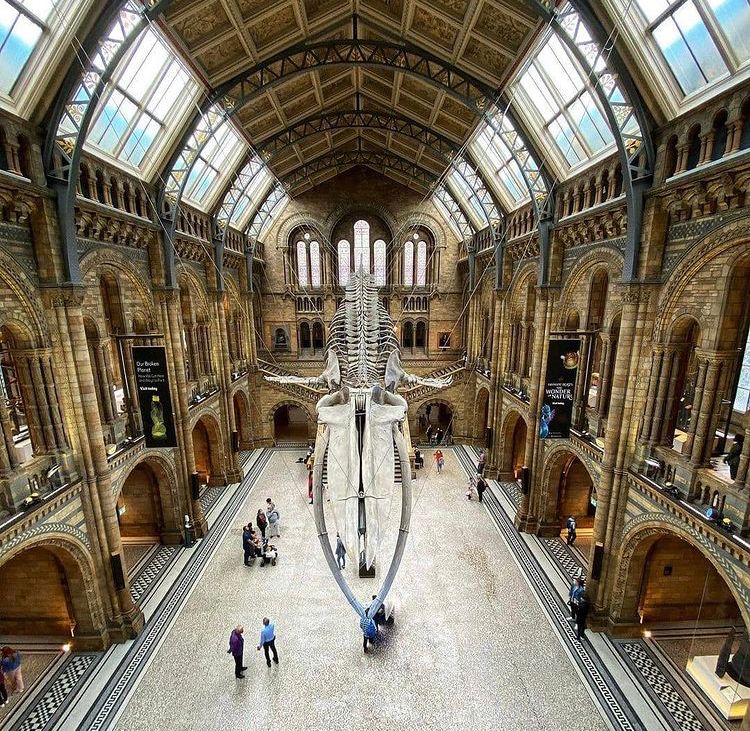
Natural History Museum
The Natural History Museum houses 80 million specimens across five floors of Victorian Gothic architecture. Hope, the 26-meter blue whale skeleton suspended in Hintze Hall, sets the tone immediately. The Dinosaur Gallery's animatronic T-Rex still makes adults jump, while the Mammals Gallery upstairs has excellent interactive displays that often go unnoticed. The Earth Hall's escalator through a metal sphere simulating earthquake effects is effective. Most people head straight for the dinosaurs, causing bottlenecks by 11am. The flow works better when starting with the Human Evolution gallery or Minerals section (the Vault of gems is impressive). The Wildlife Garden behind the museum is an actual ecosystem with over 3,000 species, including foxes that appear around dusk. Skip the overpriced café and eat at the V&A next door instead. The Earth galleries have the most sophisticated content but are often ignored. If you have kids under 8, the Investigate Centre lets them handle real specimens. The museum shop is excellent but expensive - the postcards are reasonable and the quality is high.
Kyoto Garden
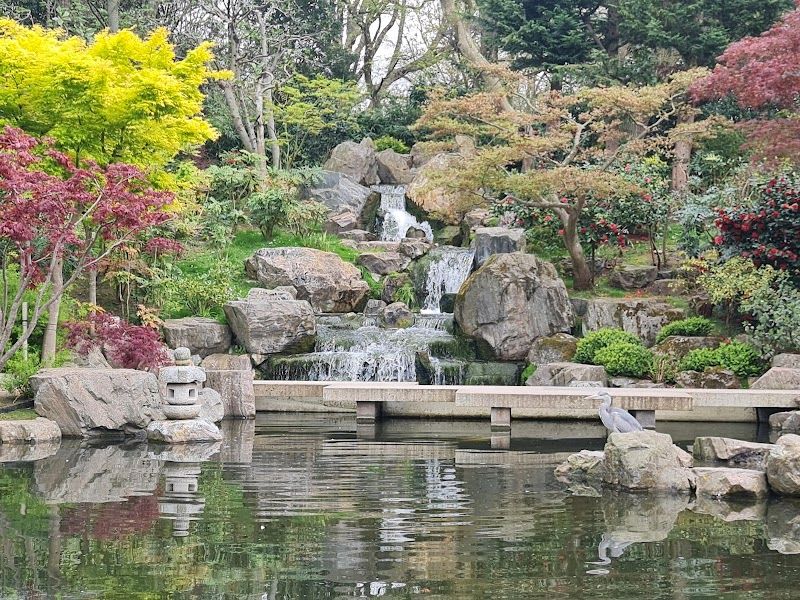
Kyoto Garden sits within Holland Park as London's most authentic slice of Japan, complete with a traditional koi pond, stone lanterns, and carefully positioned rocks that follow centuries-old design principles. You'll find peacocks wandering the surrounding parkland (they're loud but photogenic), while the garden itself maintains perfect silence except for trickling water. The waterfall cascades over dark stones into a pond where massive koi fish surface expectantly - locals feed them despite the signs asking you not to. The wooden bridge crossing the central pond gives you the classic view that fills Instagram feeds, but the real magic happens along the winding stone path where each turn reveals a new composition of plants, rocks, and water. Cherry blossoms draw crowds in April, but the garden works year-round - autumn maples turn brilliant red, while winter reveals the elegant bare structure. You'll hear Japanese spoken as often as English here, and wedding photographers claim spots early on weekends. Most travel guides oversell this as a major destination, but it's genuinely tiny - you can see everything in 15 minutes if rushed. The surrounding Holland Park is actually more interesting for a longer visit, with formal gardens, woodland walks, and those attention-seeking peacocks. Come for 45 minutes total, spend 20 in the Japanese section, then explore the rest. It's completely free, though parking costs £4.90 per hour on surrounding streets.
Saatchi Gallery
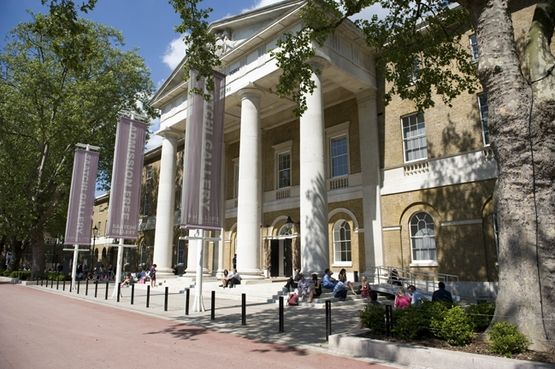
The Saatchi Gallery occupies a grand 1803 military building and has launched more contemporary art careers than anywhere else in London. You'll see works by artists before they hit the international scene - previous unknowns displayed here now sell for millions at Sotheby's. The 15 rooms showcase everything from massive installations to video art, sculpture, and paintings that challenge every assumption about what art should be. Expect to see art that makes you uncomfortable, confused, or completely captivated. The experience flows through interconnected white-walled galleries where each room delivers something completely different. The building's original Georgian proportions create dramatic contrasts with contemporary works - imagine a 20-foot neon sculpture in a room with period moldings. The atmosphere stays surprisingly intimate despite the 70,000 square feet, and you'll often find yourself alone with genuinely provocative pieces. The exhibitions change every 3-4 months, so repeat visits feel entirely fresh. Most guides oversell this as groundbreaking when some exhibitions are frankly pretentious nonsense. The quality varies wildly - sometimes you'll encounter genuinely brilliant emerging talent, other times you'll wonder who decided a pile of discarded mannequins constituted art. Check their website before visiting since some exhibitions are significantly stronger than others. The free admission means you can pop in for 30 minutes if an exhibition doesn't grab you, making it perfect for testing your contemporary art tolerance.
The Roundhouse
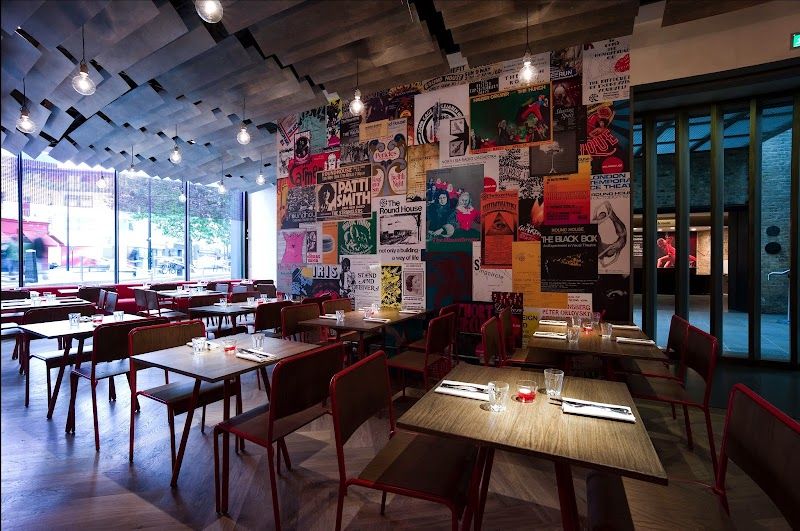
The Roundhouse transforms a Victorian railway engine shed into one of London's most atmospheric concert venues, where you'll watch everything from indie bands to avant-garde theatre under its soaring circular roof. Built in 1847, this Grade II-listed building still feels industrial - exposed brick walls, steel beams, and that distinctive round layout create an intimacy you won't find at other large venues. The main space holds 3,300 standing or 1,800 seated, but even from the back you feel connected to whatever's happening on stage. Inside, the circular design means there's no bad view, though the acoustics vary dramatically depending on where you stand. The ground floor gets packed and sweaty during popular gigs, while the upper gallery offers breathing room and better sightlines. Between shows, you can explore the creative studios upstairs where emerging artists work, and the building buzzes with an energy that feels authentically artistic rather than corporate. The pre-show atmosphere in the bars is often as good as the main event. Ticket prices range wildly from £15 for new bands to £80+ for major acts, but the venue's reputation means even lesser-known shows are usually worth catching. Skip the overpriced merchandise stand and grab drinks before shows start - bar queues get brutal during intervals. The venue oversells its food offerings, so eat in Camden beforehand. Most people don't realize you can book seated tickets for many standing shows, which costs extra but saves your feet during longer performances.
St. Dunstan in the East
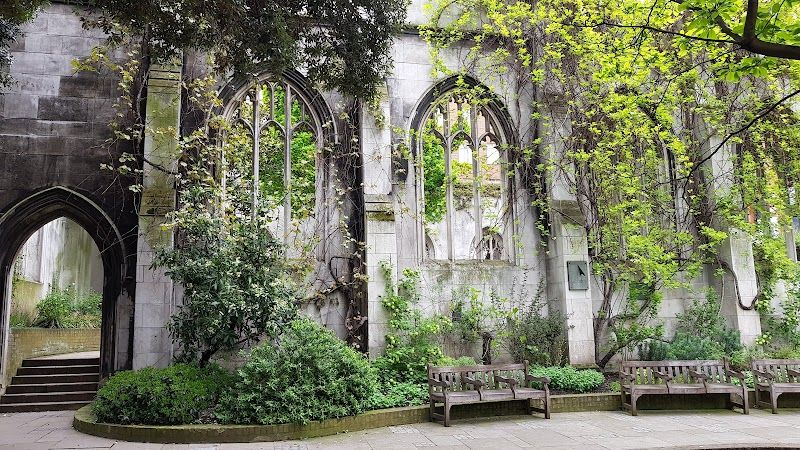
This bombed-out medieval church has become London's most atmospheric public garden, where Gothic stone arches rise like ancient ruins through cascading ivy and mature trees. You'll find genuine 12th-century stonework alongside Christopher Wren's 17th-century tower, all draped in climbing plants that change dramatically with the seasons. It's completely free and feels like discovering a secret courtyard in the middle of the financial district. You enter through a small gate and suddenly you're surrounded by towering stone walls covered in green vines, with dappled sunlight filtering through the canopy above. Office workers eat lunch on wooden benches scattered throughout, while photographers hunt for the perfect shot of light streaming through the empty window frames. The space is surprisingly intimate - you can explore the entire garden in 15 minutes, though most people linger longer just soaking up the peaceful atmosphere. Most guides oversell this as some mystical experience, but it's really just a lovely small garden that happens to have dramatic architecture. The Instagram photos make it look bigger than it actually is - it's about the size of a tennis court. Spring and early summer offer the best visit when the climbing roses bloom, but even winter has its charm with bare stone visible through dormant vines. Skip it if you're short on time and prioritizing major sights.
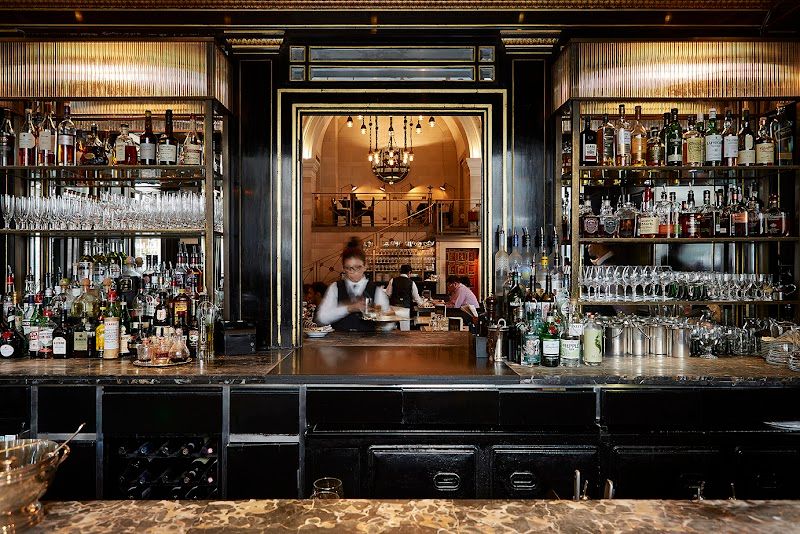
The Wolseley
Grand European café-restaurant housed in a former car showroom with soaring ceilings and Art Deco details. Famous for its all-day menu and particularly its afternoon tea service in an elegant setting. The caviar bar and exceptional pastries make it a Westminster institution.
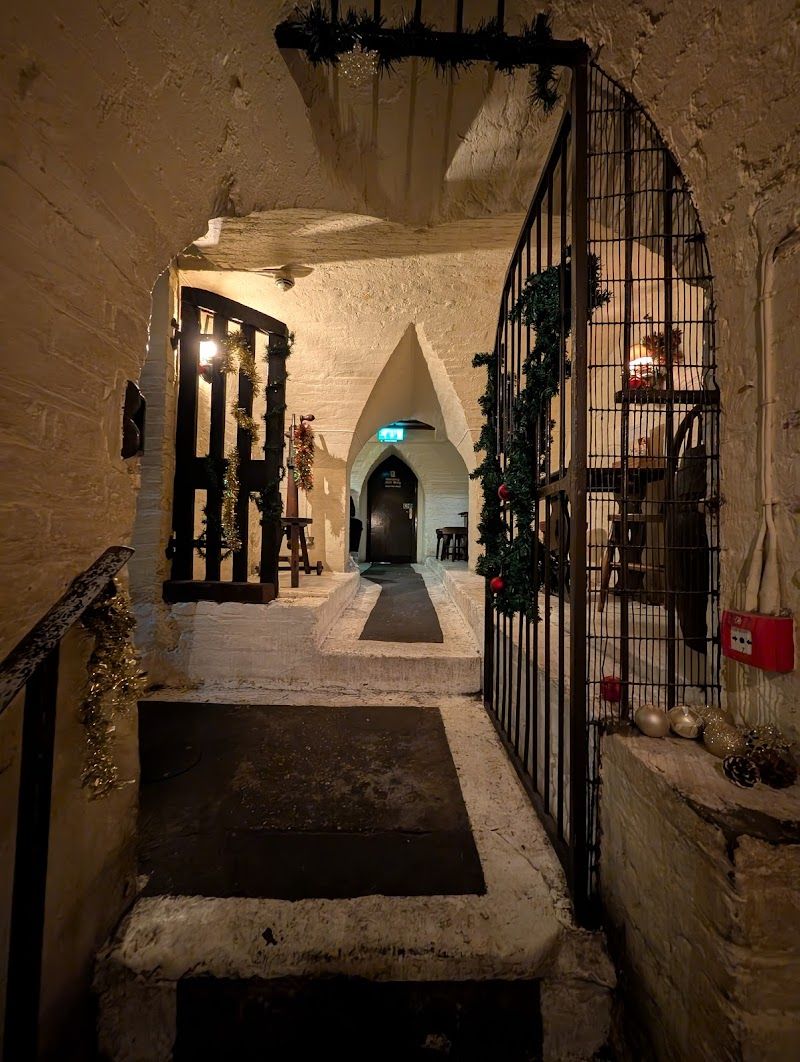
Ye Olde Cheshire Cheese
Rebuilt in 1667 after the Great Fire, this labyrinthine pub features sawdust floors, low ceilings, and six bars spread across multiple levels. Literary regulars included Dickens, Twain, and Dr. Johnson, whose former house stands next door.
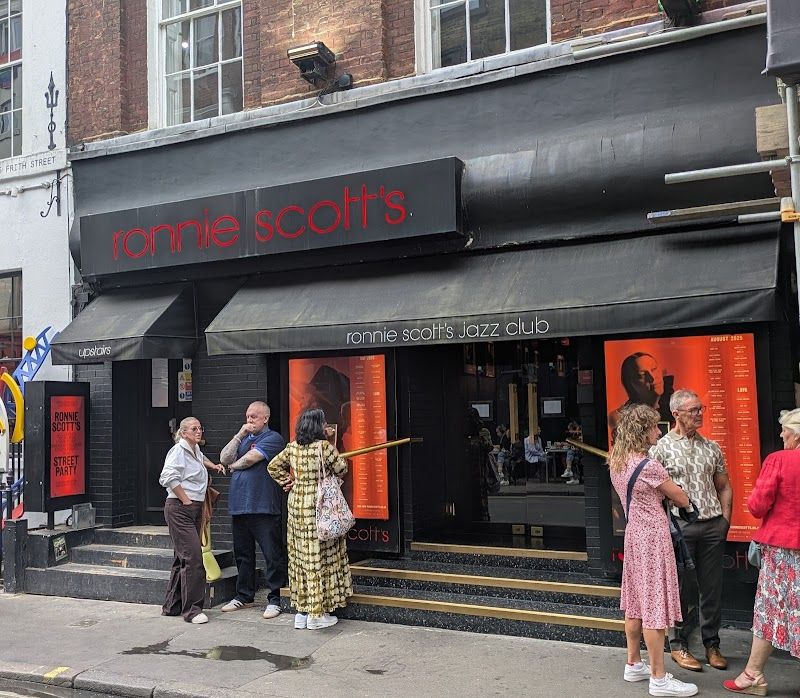
Ronnie Scott's Jazz Club
Legendary jazz club operating since 1959, hosting world-class musicians in an intimate basement setting. The venue maintains its original character with red leather banquettes and a tradition of late-night jam sessions that often feature surprise celebrity performers.
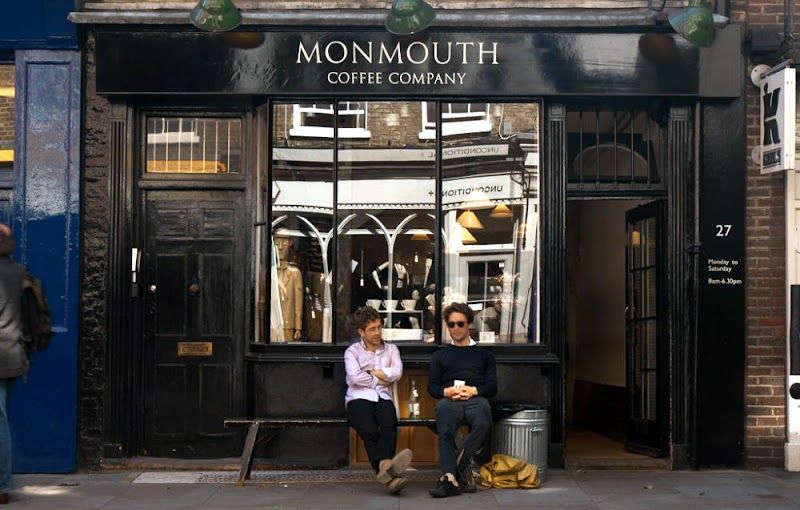
Monmouth Coffee Company
Pioneer of London's specialty coffee scene roasting beans on-site since 1978. The original Covent Garden location serves single-origin coffees in a no-frills space with communal seating. Queue often spills onto the street but moves quickly.
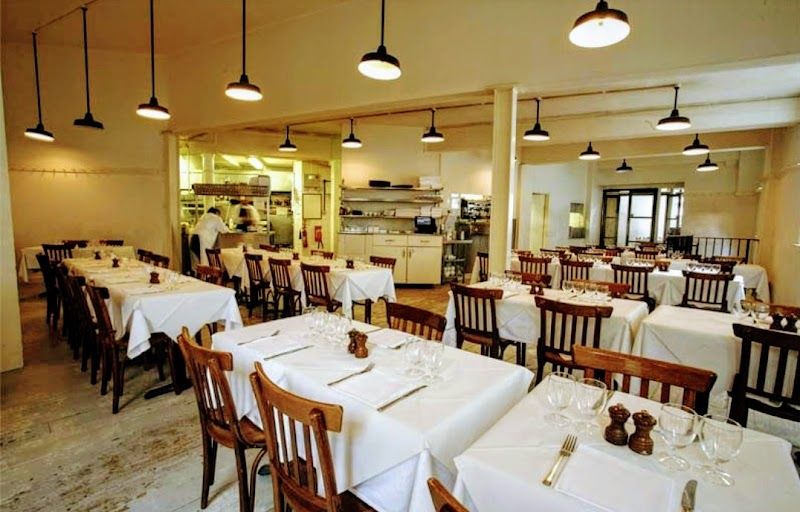
St. John Smithfield
Pioneering nose-to-tail restaurant in a former smokehouse serving offal, whole roasted animals, and house-baked bread. The bone marrow and parsley salad is the signature starter. Fergus Henderson's restaurant changed British dining.
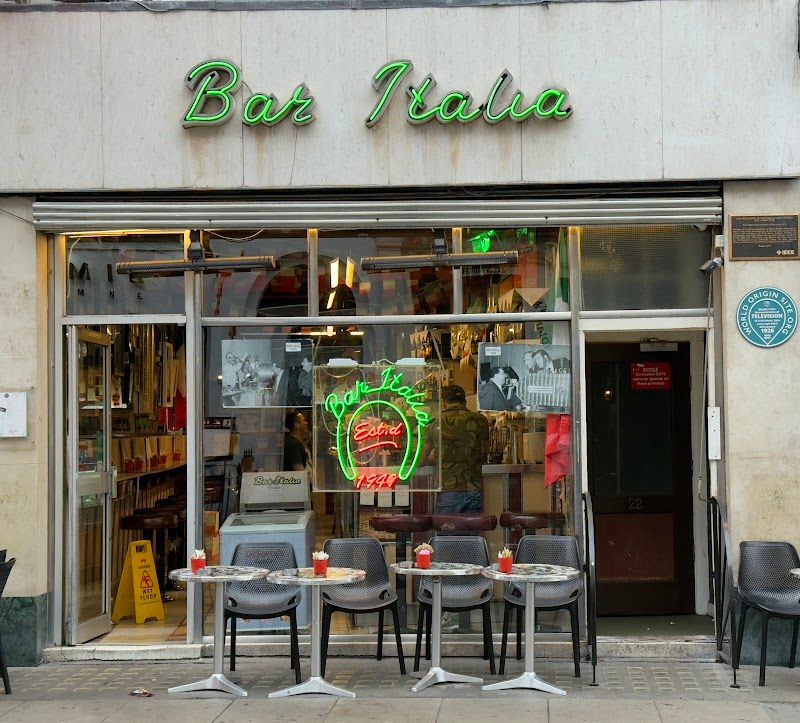
Bar Italia
Legendary 24-hour Italian café operating since 1949 in the heart of Soho. Unchanged décor with vintage Gaggia machines, and walls covered in photos of Italian boxing champions. A genuine Soho institution where night owls and early risers cross paths over strong espresso.
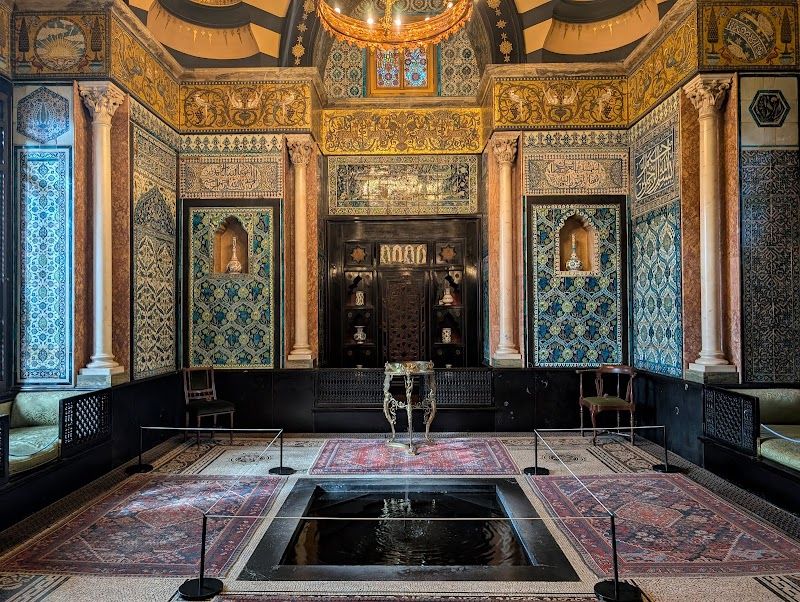
Leighton House Museum
Former home of Victorian artist Frederic Leighton, featuring an Arab Hall with gilded tiles and a golden dome. The house showcases Pre-Raphaelite art and Islamic architecture in a domestic setting that's steeped in history. One of London's many lesser-known museums that's definitely worth a visit.
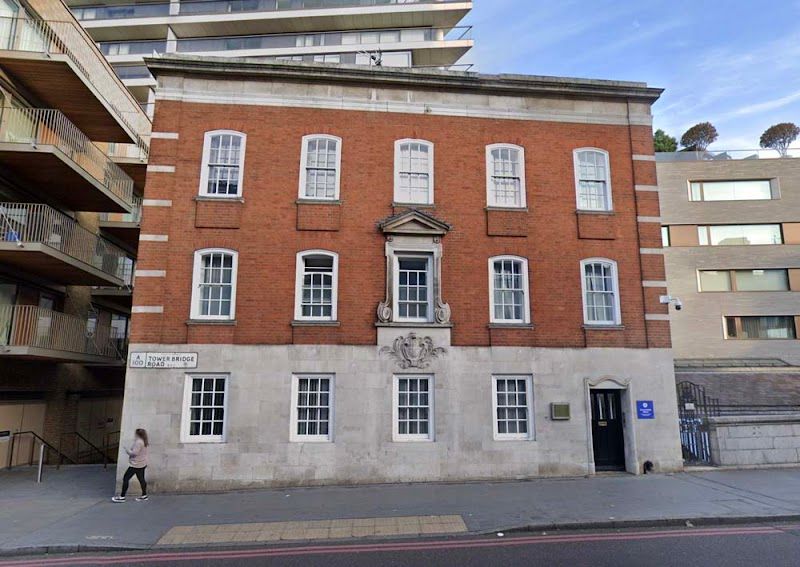
Tower Bridge Experience
Self-guided tour of London's most iconic Victorian bridge, featuring the original steam engines, glass floor walkways 42 meters above the Thames, and exhibitions about the bridge's engineering and construction. Includes views from the high-level walkways connecting both towers.
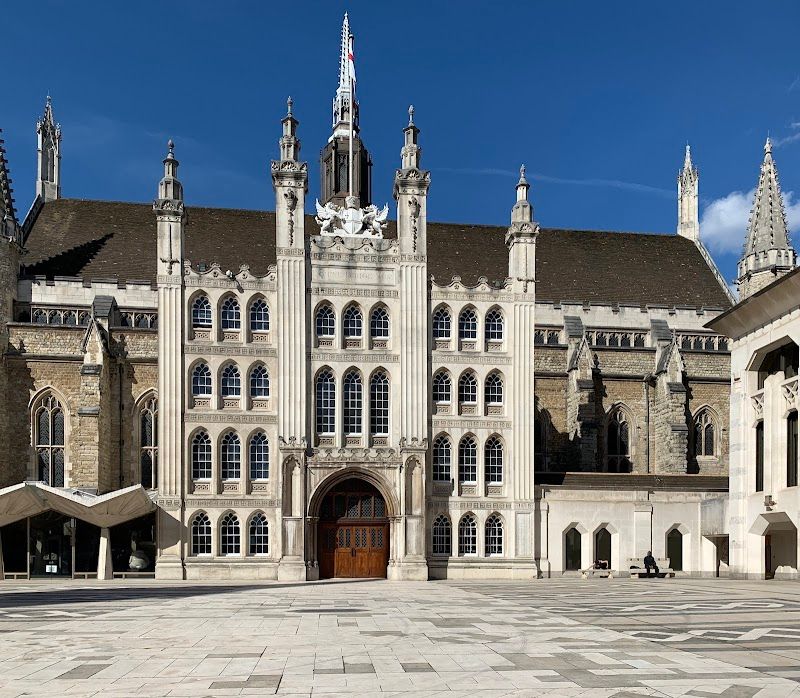
City of London Guildhall
A medieval civic building that has been the seat of City government for over 800 years, featuring a magnificent Great Hall with spectacular vaulted ceilings. The Guildhall Art Gallery houses an impressive collection of 17th-century paintings and the remains of London's Roman amphitheatre in its basement. Free to visit the main hall and Roman ruins.
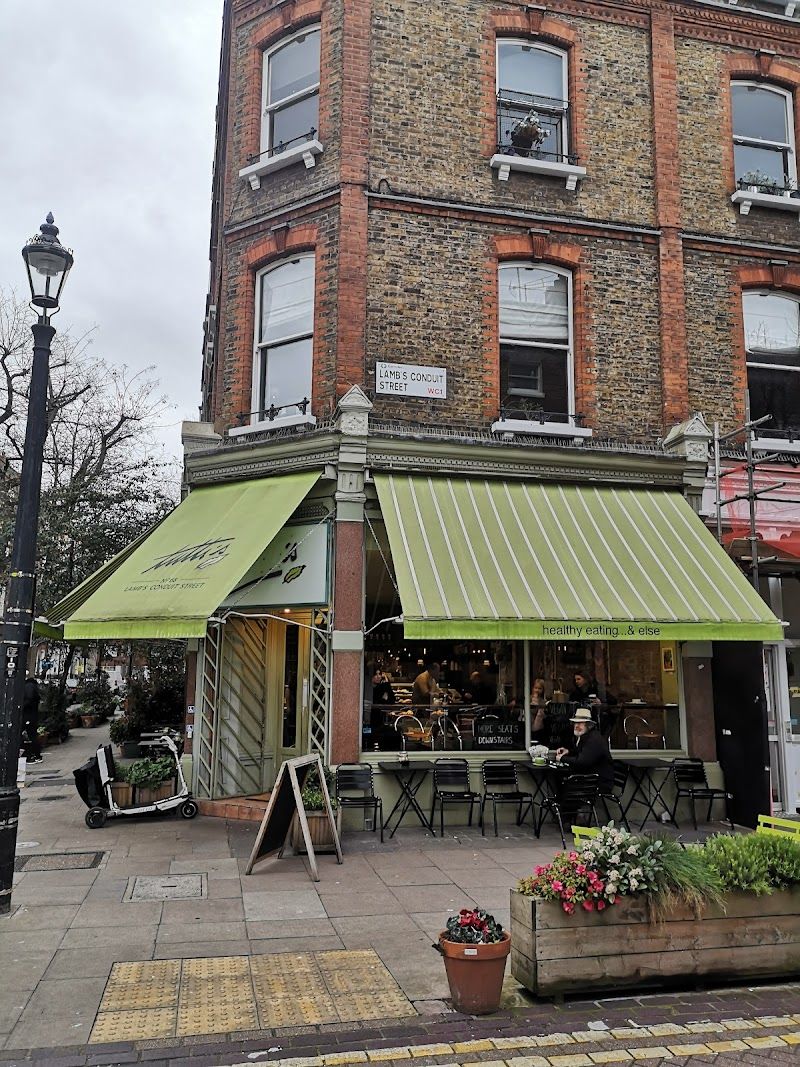
Lamb's Conduit Street
Georgian street named after William Lamb who built a conduit bringing fresh water to the area in 1577. Now lined with independent fashion boutiques, traditional pubs like The Lamb with original Victorian snob screens, and the Persephone Books shop selling forgotten female authors. The street maintains a neighborhood feel despite Bloomsbury's central location.
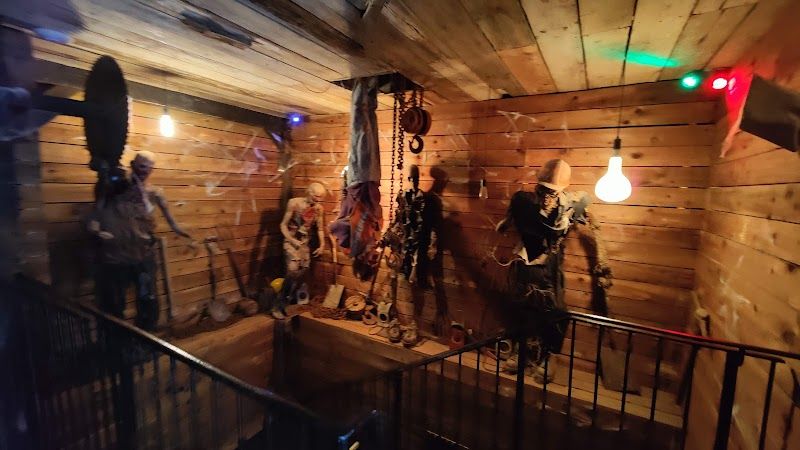
London Bridge Experience
Interactive theatrical tour combining London Bridge's 2,000-year history with a horror attraction set in the medieval vaults beneath the bridge. Actors guide visitors through Roman invasions, Viking attacks, and the Great Fire while jump scares await in the darker sections.
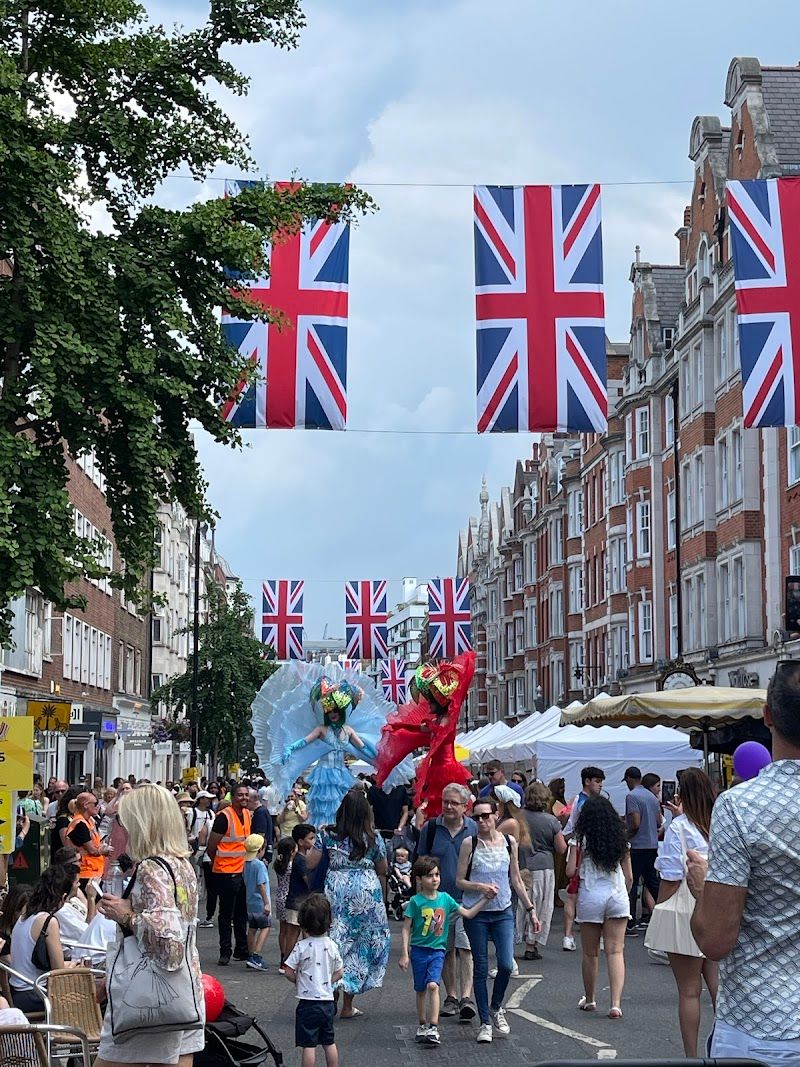
Marylebone High Street
Village-like shopping street with independent boutiques, delis, and the original Daunt Books in an Edwardian bookshop with oak galleries. The street's Georgian buildings house La Fromagerie, artisan bakeries, and the historic Marylebone Farmers' Market on Sundays. Less touristy than Oxford Street but equally central.
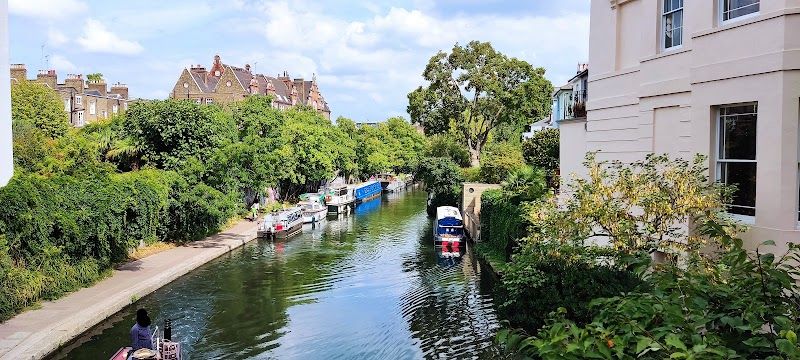
Camden Market
A sprawling collection of interconnected markets including Camden Lock, Stables Market and Buck Street Market, offering vintage clothing, handmade crafts, international street food and alternative fashion. The industrial aesthetic with canal-side location and distinctive horse statues creates a gritty, creative atmosphere. Over 1,000 shops and stalls make this one of London's largest markets.
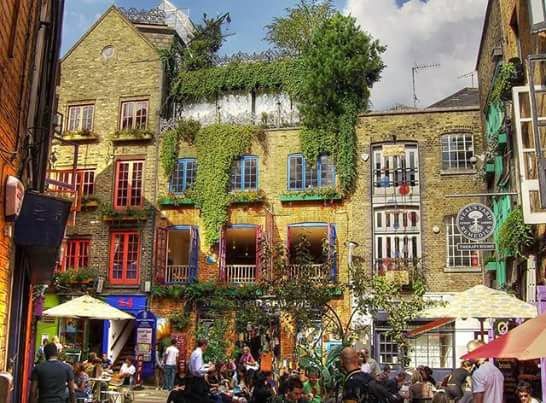
Neal's Yard
The courtyard behind Covent Garden's main streets is painted in blues, purples, and yellows. It houses Neal's Yard Remedies, organic cafés, and alternative therapy shops. The colorful facades and window boxes make the area one of London's most popular photo locations.
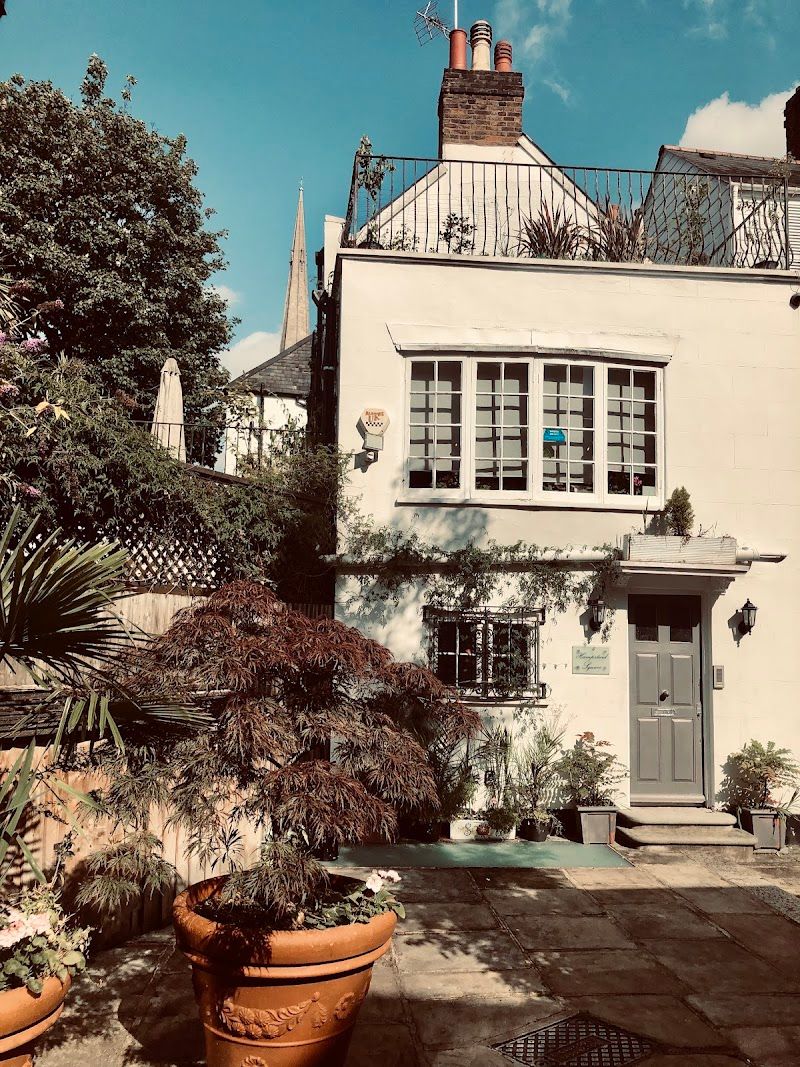
Hampstead Village
Historic hilltop village with Georgian houses, narrow lanes, and independent shops that has retained its village character despite being in Zone 2. Flask Walk, Hampstead High Street, and Church Row form the historic core where writers and artists have lived for centuries. The area offers views across London from its elevated position.
Windsor Castle, Stonehenge & Bath Tour
Full-day coach tour visiting three of England's most iconic sites: Windsor Castle's State Apartments, the prehistoric monument of Stonehenge, and the Georgian architecture of Bath including the Roman Baths. Includes an expert guide and entry tickets to all attractions.
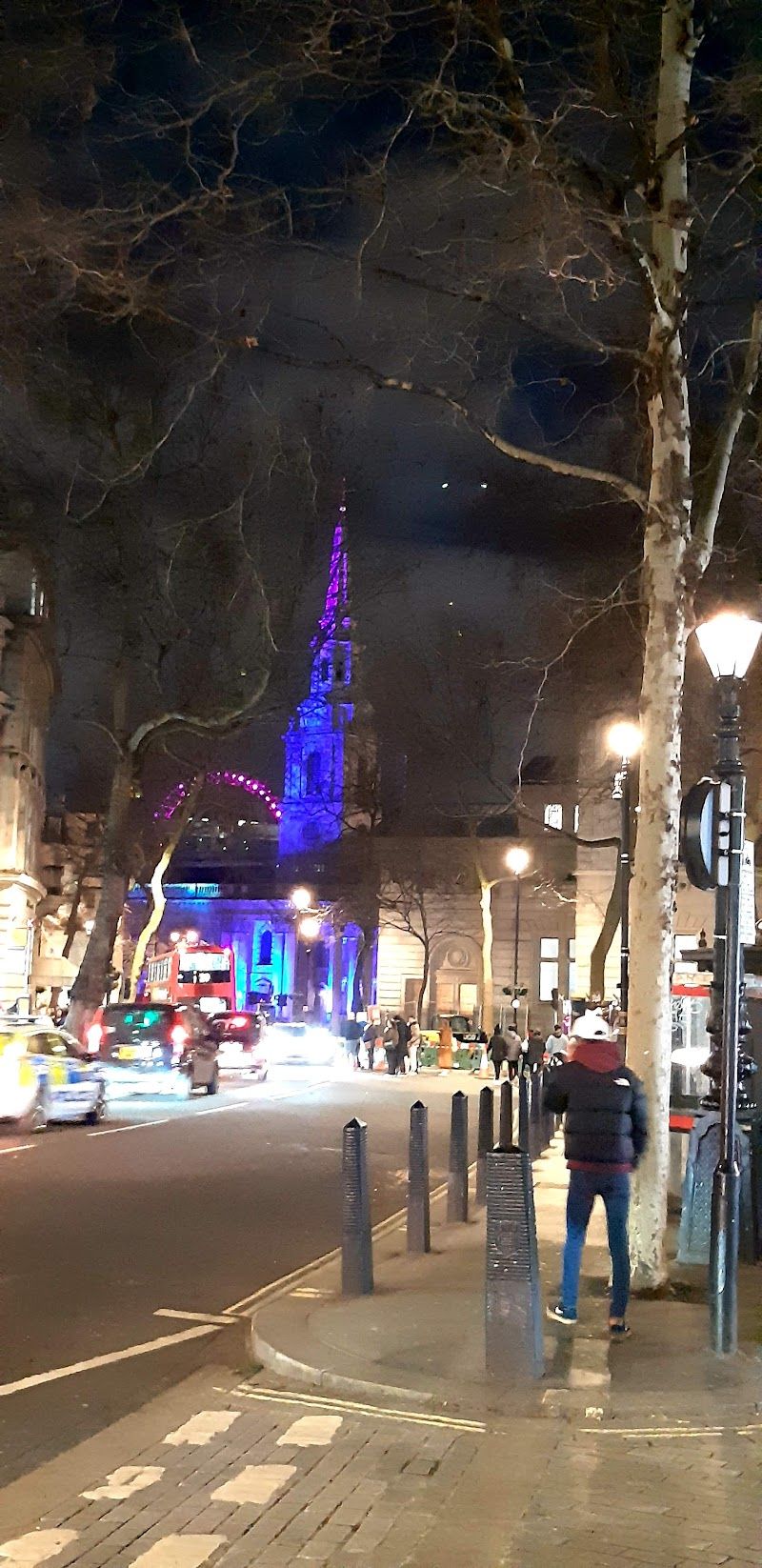
Cecil Court
Pedestrian alley between Charing Cross Road and St Martin's Lane, lined with antiquarian bookshops, print dealers, and map sellers since Victorian times. This street inspired Diagon Alley and retains its old-world charm with shop fronts unchanged for decades. Specialists include rare theatrical books, vintage posters, and first editions.
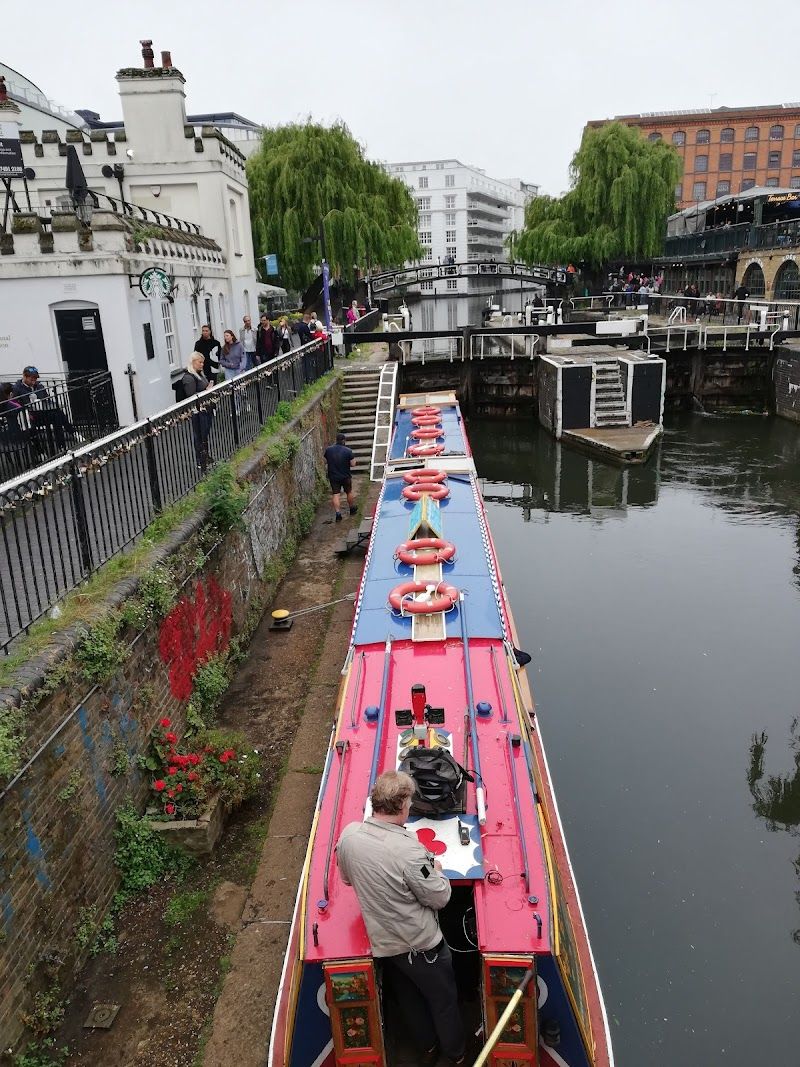
The Notting Hill Walk
Self-guided or group walking tour exploring Notting Hill's pastel-colored mews, Portobello Road's antique shops, and filming locations from the Hugh Grant film. The route covers hidden gardens, Victorian architecture, and the area's Caribbean heritage.
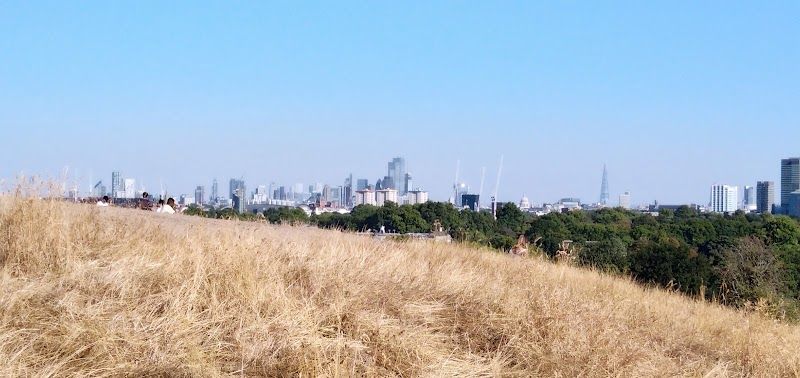
Primrose Hill
This 78-meter grassy knoll offers one of London's finest panoramic viewpoints, with protected sight lines across Regent's Park to the city skyline. The summit provides a peaceful escape with St Paul's Cathedral, the London Eye, The Shard and BT Tower all visible. The surrounding village atmosphere with gastropubs and independent shops adds charm.
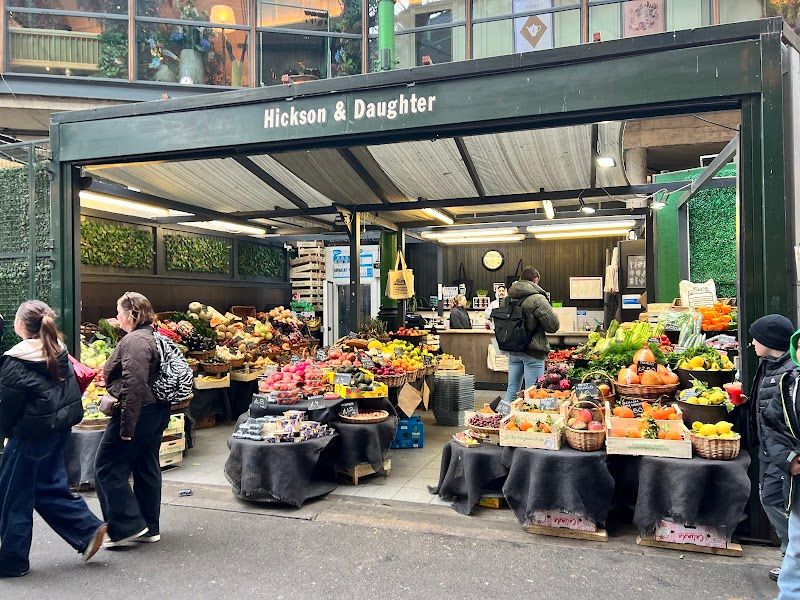
Borough Market Food Tour
Borough Market's guided tour takes you through eight centuries of London's food history, hitting 12-15 stalls in two hours. You'll taste Neal's Yard aged cheddar, Monmouth Coffee's single origins, and whatever seasonal specialties catch your guide's eye that day. The behind-the-scenes element means you'll chat with third-generation cheesemongers and learn why certain Spanish hams cost £200 per kilo. The tour follows a loose figure-eight through the Victorian iron and glass halls, with your guide calling out vendors by name and steering you past the tourist traps toward stalls that actually matter. You'll pause at Appleton's for their legendary Bramley apple juice, sample fresh pasta at Flour Power City, and finish with something sweet from Paul A Young's chocolate counter. The commentary weaves together food history, London geography, and plenty of gossip about vendor rivalries. Honestly, skip this if you're comfortable exploring markets solo - Borough's compact enough to navigate yourself, and you'll save £40 per person. The tour shines for nervous eaters or anyone who wants curated tastings without the decision fatigue. Your guide handles all purchases, so you're not fumbling with cash at every stall. Just know you'll still be hungry afterward since portions are deliberately small.
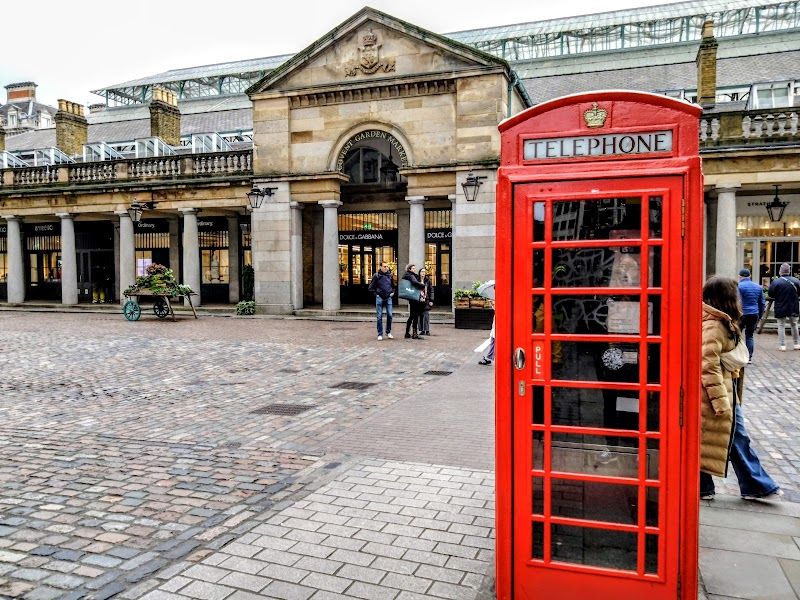
Covent Garden Market
Charles Fowler's 1830s iron and glass market hall contains three connected buildings around a central piazza where professional street performers audition for licenses to perform. The Apple Market in the north building rotates between antiques on Mondays and handmade crafts Tuesday-Sunday, while the east and west buildings house permanent shops from Penhaligon's perfumes to Neal's Yard Remedies. The acoustics under the Victorian canopy amplify every busker and magician, creating a constant soundtrack that either energizes or overwhelms depending on your tolerance. Performers stick to designated spots marked by small plaques, and the quality varies dramatically between the licensed regulars and weekend hopefuls. The upper galleries offer breathing room and better sightlines, but most tourists cluster around ground-level performances. The reality: it's genuinely entertaining for about an hour, then the novelty wears thin and prices become grating. Skip the overpriced restaurants facing the piazza - they're tourist traps. The real finds are in the basement level of the market buildings, where rents are lower and shops more authentic. Early morning before 10am gives you the architecture without the chaos.
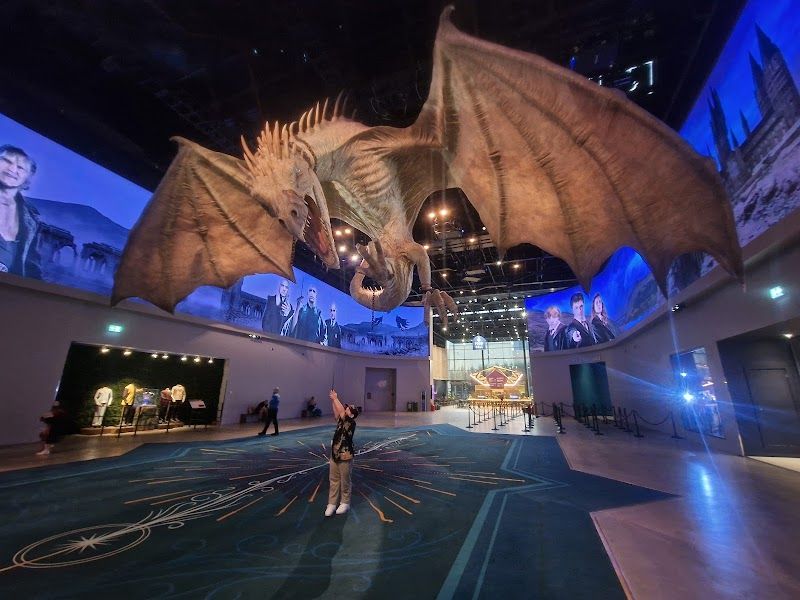
Harry Potter Tour London
This three-hour walking tour connects the actual London locations that inspired or appeared in Harry Potter films, from the real-life Diagon Alley at Leadenhall Market to the Ministry of London phone booth entrance on Great Scotland Yard. Your guide walks you past the Australian House that became Gringotts Bank, under the Millennium Bridge where Death Eaters attacked, and through the same archways Daniel Radcliffe walked through as Harry. The tour moves at a steady pace through central London, with stops lasting 5-10 minutes each while guides explain how each location was transformed for filming. You'll recognize scenes immediately at spots like the Third Hand Book Emporium entrance (which became the Leaky Cauldron exterior) and hear production stories about green screens and camera angles. Groups typically include 15-20 people, and guides carry reference photos to show exact film comparisons. What surprised me most was how ordinary these locations look without movie magic-Leadenhall Market is just a Victorian market hall until you squint and imagine it dressed as Diagon Alley. The tour covers significant walking distance across the City and Westminster, so comfortable shoes matter more than your Hogwarts house. Skip the photo stops if the group is large; you can return later for better shots without crowds.
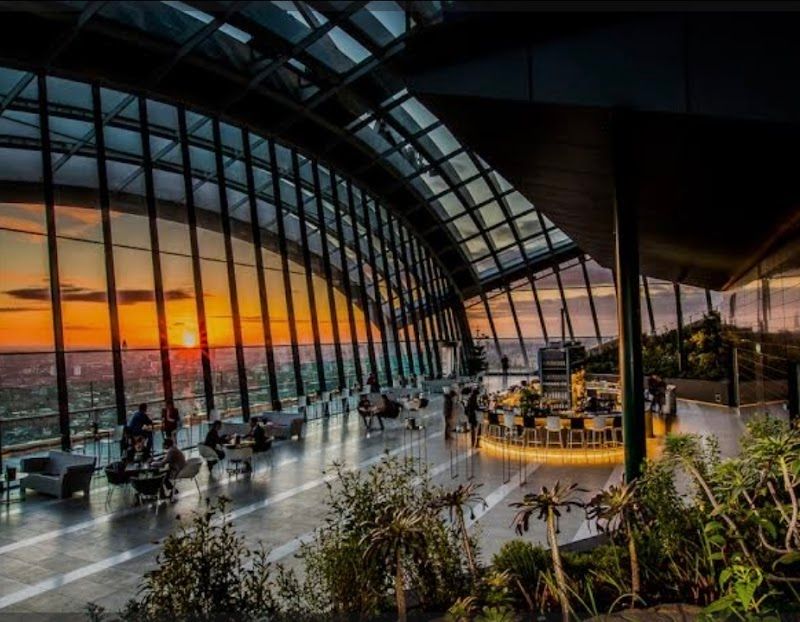
Sky Garden
The Sky Garden sits on floors 35-37 of 20 Fenchurch Street, wrapping around the building's curved glass walls. You get unobstructed sightlines to Tower Bridge, the Shard, St Paul's Cathedral, and straight down the Thames. The actual garden sections are smaller than expected-mostly Mediterranean shrubs and South African plants arranged on terraces, but they're secondary to those floor-to-ceiling windows. The visit flows counterclockwise around the building's perimeter. Start on the west side for Tower Bridge views, then work around to see Canary Wharf and the City. The two bars get crowded by midday, but the observation areas stay manageable. Security checks take 10-15 minutes, and lifts are surprisingly fast to the top. Honestly, calling this London's 'highest public garden' oversells the plants-you're here for the views, and they're spectacular. The 90-minute time limit feels rushed during sunset slots. Skip the overpriced restaurants unless you've booked dinner specifically for the window seats. The free admission makes this unbeatable value, but the booking system is genuinely frustrating.
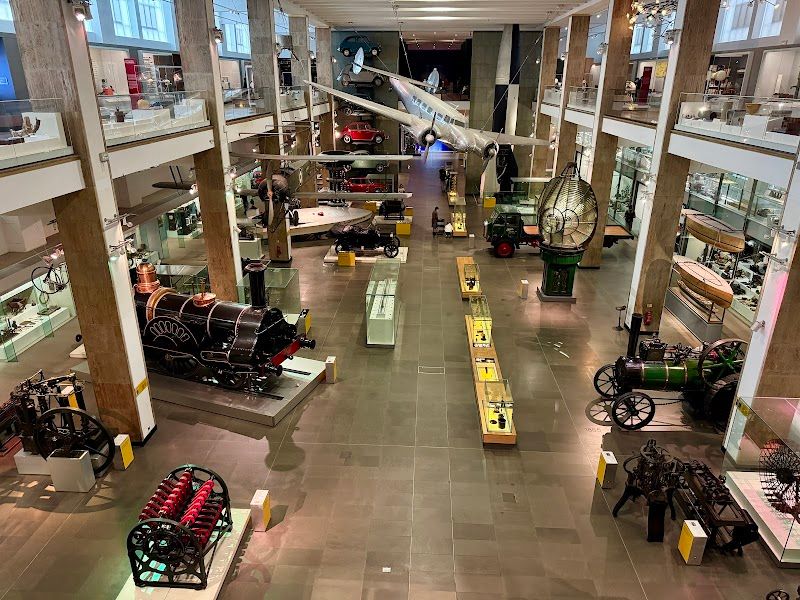
Science Museum
The Science Museum houses seven floors of actual spacecraft, locomotives, and working machines spanning 300 years of innovation. You'll walk through the genuine Apollo 10 command module that orbited the moon, stand next to Stephenson's Rocket from 1829, and see Puffing Billy, the world's oldest surviving steam locomotive. The Information Age gallery traces computing from Babbage's Difference Engine to modern smartphones with working demonstrations. The layout flows chronologically upward, starting with steam engines on the ground floor and progressing to space exploration on the third. Flight gallery showcases everything from the 1903 Wright Flyer replica to modern jet engines you can peer inside. The mathematics gallery, designed by Zaha Hadid, presents abstract concepts through beautiful historic instruments and interactive displays that actually make calculus interesting. Skip the pricey flight simulator and overpriced café on level 2 - the basement café has better sandwiches for half the price. Wonderlab justifies its £15 fee only if you have kids under 10 who enjoy hands-on physics experiments. The free monthly Lates events transform the space into an adult playground with cocktails and live science demonstrations that beat any typical night out.
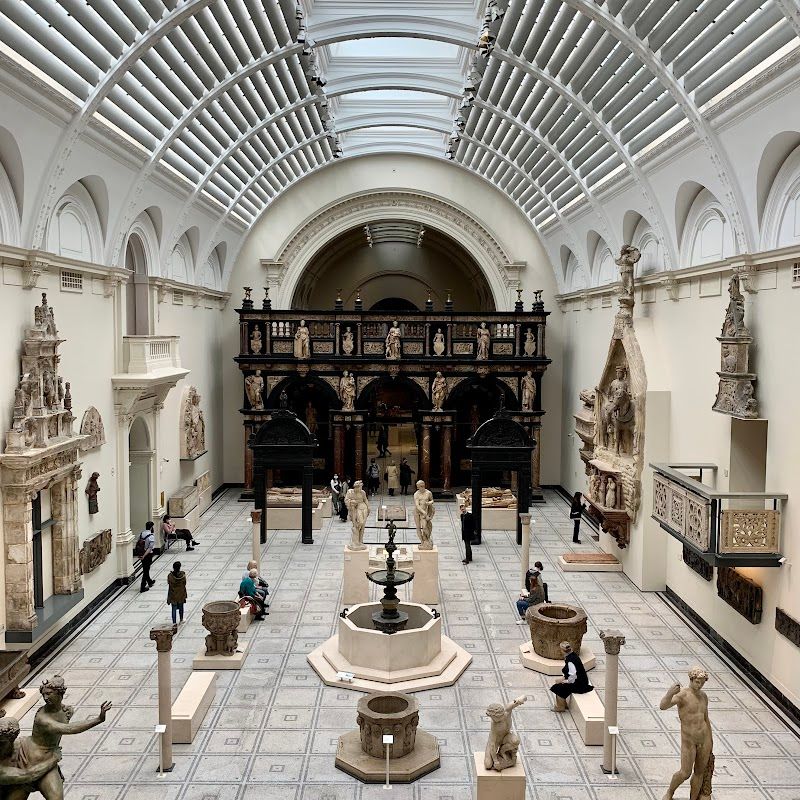
Victoria and Albert Museum
The V&A houses an astonishing collection that jumps between centuries and continents without warning-you'll find a 16th-century bed next to contemporary fashion, then stumble into rooms of Islamic ceramics or Japanese swords. The Cast Courts alone justify the visit: towering plaster casts of Michelangelo's David and Trajan's Column that Victorian collectors commissioned when they couldn't acquire the originals. The museum's layout is genuinely confusing-even the staff carry maps. You'll get lost, but that's part of the experience. The Fashion Gallery draws crowds, while the Medieval & Renaissance galleries stay surprisingly quiet despite housing treasures like the Becket Casket. The building itself tells London's story through its architecture, from the original 1850s sections to the controversial 2017 Exhibition Road entrance. Three hours barely scratches the surface, so pick themes rather than trying to see everything. The jewelry gallery gets packed after 2pm, and the temporary exhibitions (which do charge) often overshadow the free permanent collection. Level 6 stays nearly empty despite having some of the best pieces. Download their app-the paper maps are useless for navigation.
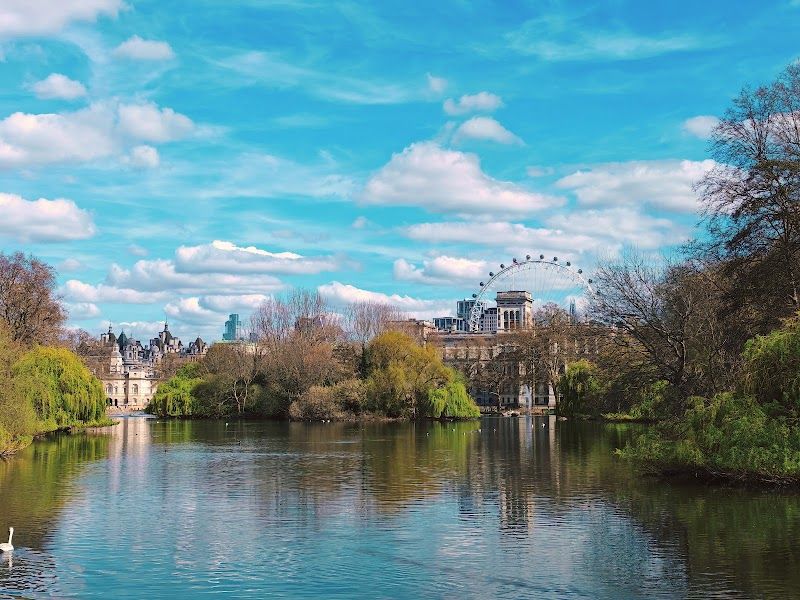
St James's Park
St James's Park sits in the heart of royal London, bordered by three palaces and offering the capital's best unobstructed view of Buckingham Palace from its Blue Bridge. The 57-acre park centers around a serpentine lake where pelicans have lived since Charles II's reign-these aren't just any birds, but descendants of a diplomatic gift that still get hand-fed fish daily. The flowerbeds change with brutal efficiency four times yearly, creating different color schemes that photograph beautifully against the palace backdrop. Walking the park feels like moving through a living postcard. The path along the lake's north side delivers that perfect Buckingham Palace shot everyone wants, while the south side faces the grand government buildings of Whitehall. Duck Island sits mid-lake, accessible only to the pelicans and park staff, creating a wild sanctuary steps from some of London's busiest streets. The tree-lined Mall runs along the northern edge, where you'll hear the clip-clop of Horse Guards riding to ceremony. Most visitors rush straight to the Blue Bridge for palace photos and miss the subtleties. The southwestern corner near Birdcage Walk stays quieter and offers better bird watching beyond the famous pelicans. Skip the crowded lakeside benches during lunch hours-office workers pack them solid. The park works best as a connecting route between sights rather than a destination, though that 2:30pm pelican feeding genuinely draws crowds who know what they're watching.
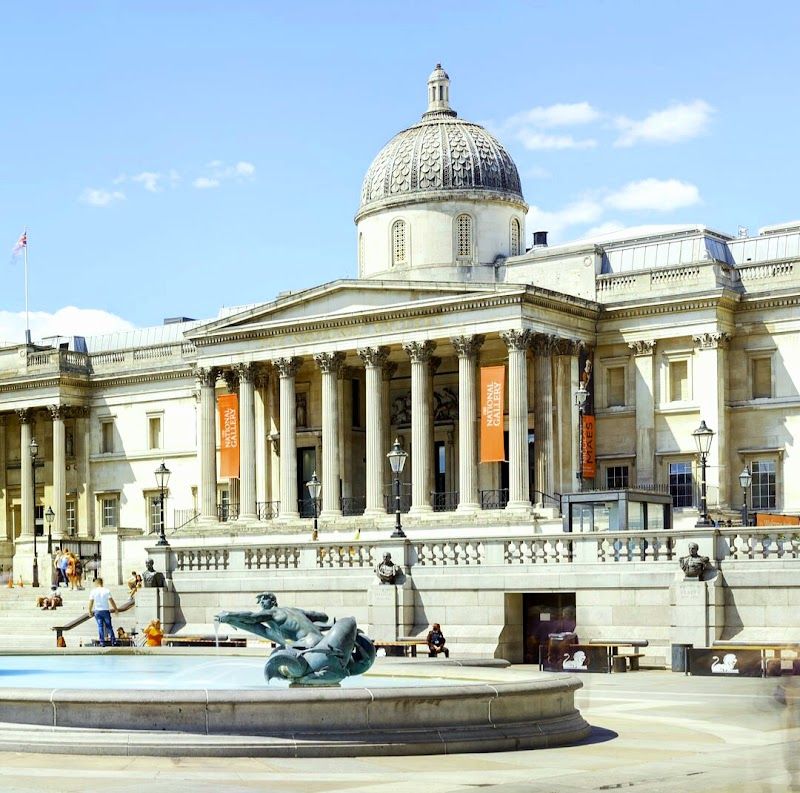
The National Gallery
The National Gallery holds 2,300 paintings spanning six centuries, displayed chronologically from medieval Italian works to French Impressionists. You'll walk through rooms where Van Gogh's Sunflowers hangs near Cézanne's Bathers, while Turner's seascapes occupy an entire wing. The Sainsbury Wing houses early Renaissance masterpieces including Leonardo's cartoon and Botticelli's Venus and Mars. The layout flows naturally from the 1200s through the 1900s, letting you trace artistic evolution room by room. The main floor can feel overwhelming-each gallery contains 20-30 major works that would headline smaller museums. Audio guides help, but the real pleasure comes from discovering paintings you've seen in textbooks suddenly appearing life-sized before you. Skip the audio guide and download their free app instead-it's more flexible and doesn't tie you to their suggested route. Rooms 34-46 (Impressionists) get packed after 2pm, so start there if arriving late morning. The basement cafe serves better coffee than the ground floor, and coat check is essential in winter since you'll be here longer than planned.
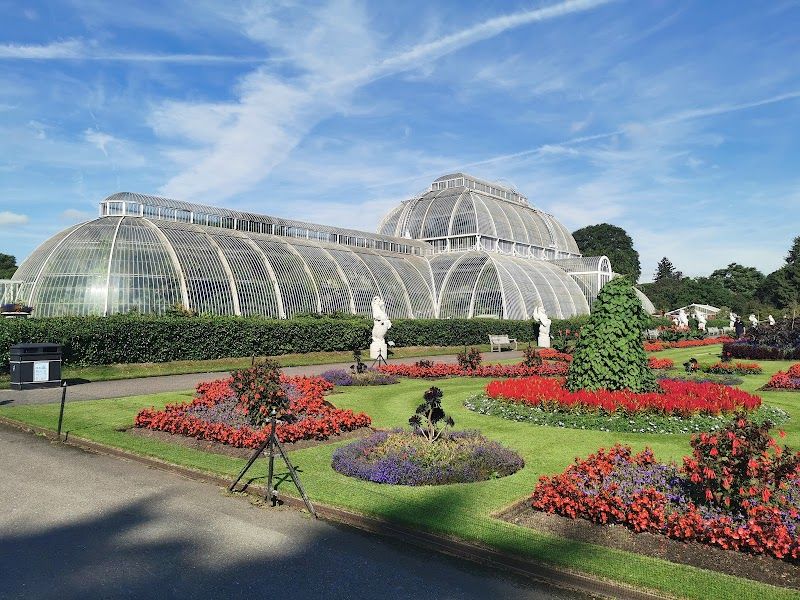
Kew Gardens
Kew's reputation as a research institution is what sets it apart from regular botanical gardens. The Palm House isn't just pretty-it's a functioning Victorian climate laboratory where you'll see 150-year-old cycads and catch researchers taking measurements. The Princess of Wales Conservatory houses ten different climate zones under one roof, from desert cacti to carnivorous plants in boggy conditions. The herbarium stores 8.5 million dried specimens, and you'll spot scientists everywhere. Start early and accept you won't see everything in one visit. The Temperate House reopened in 2018 after five years of restoration and feels genuinely cathedral-like with its soaring glass ceiling. The Japanese Gateway leads to an authentic landscape that changes dramatically with seasons. Walking the Treetop Walkway gives you perspective on how massive the old-growth trees really are, especially the 200-year-old sweet chestnuts. Most people underestimate the scale and spend too much time in the first glasshouse they enter. The queues for the Palm House can be ridiculous on weekends-the Princess of Wales Conservatory is often emptier but equally impressive. Skip the Marianne North Gallery unless you're genuinely into Victorian botanical art. The Hive installation is Instagram bait but the sound design is actually fascinating if you spend more than two minutes there.
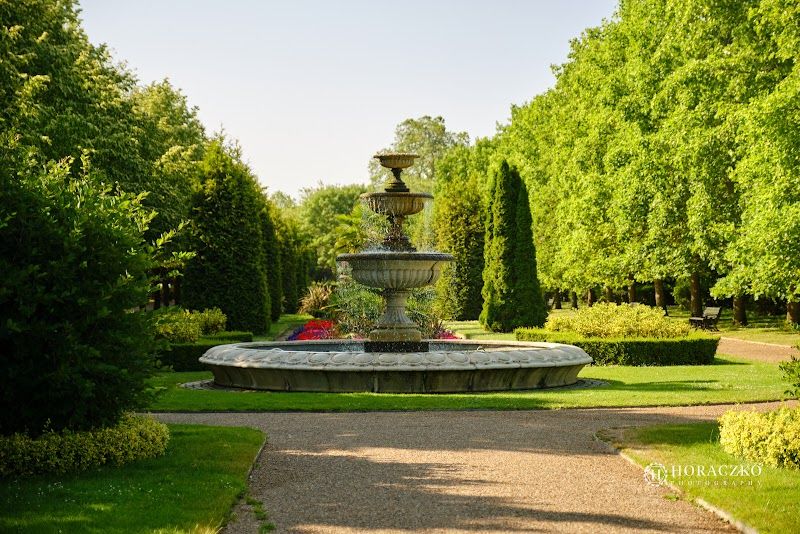
Regent's Park
This massive circular park centers around Queen Mary's Gardens, where 12,000 roses bloom in geometric beds that Nash designed as focal points for his surrounding cream-colored terraces. The zoo anchors the northern edge, while the open-air theatre operates in a natural amphitheater setting that few London parks can match. Walking the Outer Circle takes about 45 minutes and passes some of London's most expensive real estate. The experience flows differently depending on your entry point-Gloucester Gate drops you into the formal gardens immediately, while Baker Street station leads through sports fields first. The Inner Circle walk around Queen Mary's Gardens takes 20 minutes at a leisurely pace, with the rose pergola and waterfall garden as clear highlights. The northern section feels wilder around the zoo perimeter, with actual hills and mature trees. Most visitors cluster around the rose garden and miss the better views from Primrose Hill's southern slopes within the park boundary. The boating lake gets overcrowded on weekends-the Japanese garden tucked behind it stays quieter. Skip the expensive zoo unless you have kids; the free views of giraffes and camels from the path are sufficient. The park's real strength is space to breathe, not individual attractions.
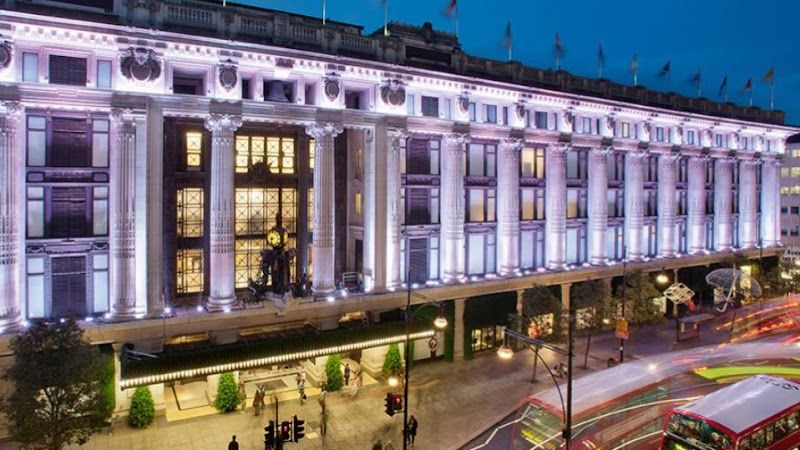
Selfridges
Selfridges is London's theatre of shopping, a 1909 department store that transformed retail into entertainment. You'll find the world's largest beauty hall sprawling across the ground floor, designer fashion across multiple floors, and pop-up installations that change monthly - recent ones featured everything from Korean street food to NFT art galleries. The building itself rewards exploration, with its famous Queen of Time clock outside and restored Art Deco lifts that still operate with uniformed attendants. Shopping here feels like wandering through a series of curated exhibitions rather than browsing traditional departments. The beauty hall buzzes with makeup artists offering free consultations, while the fourth floor houses everything from vintage Chanel to emerging London designers. The food hall resembles a gourmet market with counters serving everything from fresh oysters (£2.50 each) to Japanese wagyu. Each floor has a different energy - menswear feels like a gentleman's club, while womenswear ranges from minimalist galleries to theatrical showcases. Most visitors get overwhelmed by the ground floor chaos and miss the real treasures upstairs. Skip the tourist-packed ground floor beauty counters and head straight to the Ultralounge beauty space on the first floor for better service. The rooftop restaurants are overpriced (mains £25-35) but the views justify a drink. If you're actually shopping, Thursday evenings stay open until 9pm with notably fewer crowds than weekends.
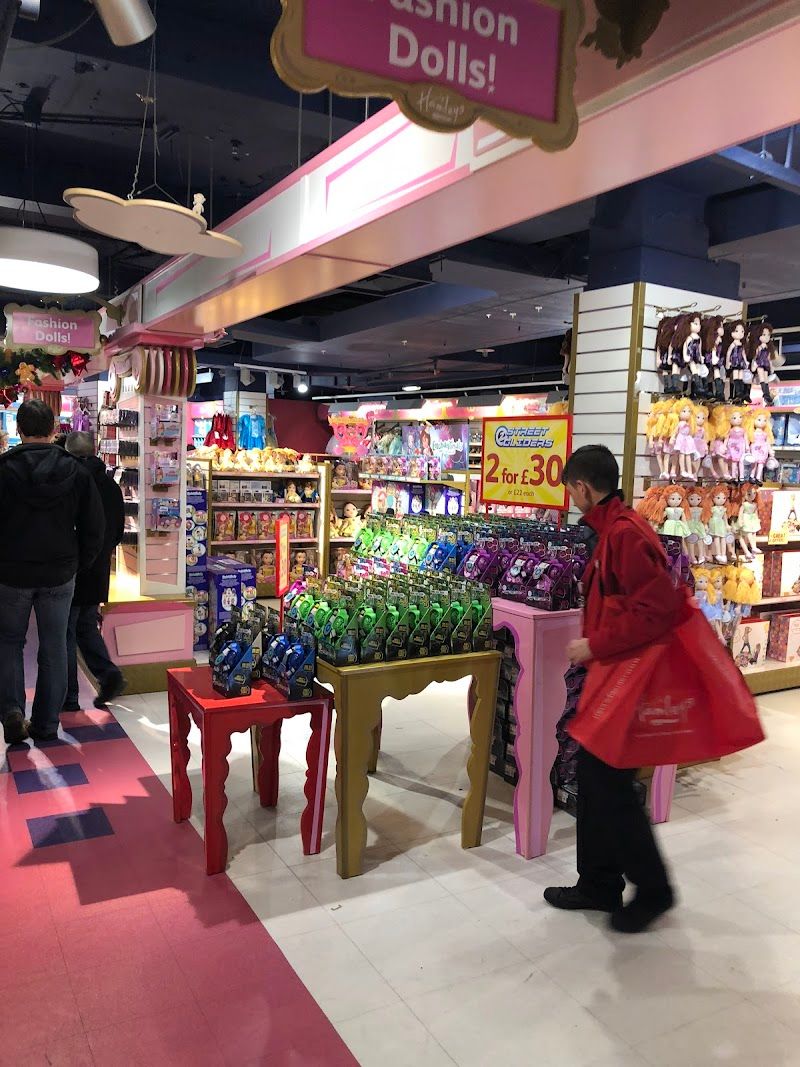
Hamleys
Hamleys isn't just a toy shop-it's a seven-floor playground where staff juggle, demonstrate remote-control helicopters, and show off the latest gadgets. The ground floor buzzes with magic tricks and demonstrations, while each upper floor targets different ages: toddler toys on three, Lego and board games on four, craft supplies on five. The basement houses the impressive radio-controlled section where cars race around a proper track. The experience flows from sensory overload on the crowded ground floor to more manageable browsing upstairs. Staff genuinely know their products and aren't pushy about sales-they're there to entertain. The magic demonstrations draw crowds every 15 minutes, while upstairs feels more like browsing a well-organized department store. The toy soldiers by the entrance and vintage displays give it character beyond typical retail. Skip the ground floor chaos if you're actually shopping-head straight to floors 2-4 where you can think clearly. The basement RC section is genuinely impressive even for adults, but floors 6-7 are mostly overpriced collectibles. Weekday mornings before 11am offer the best browsing experience, though you'll miss some demonstrations.
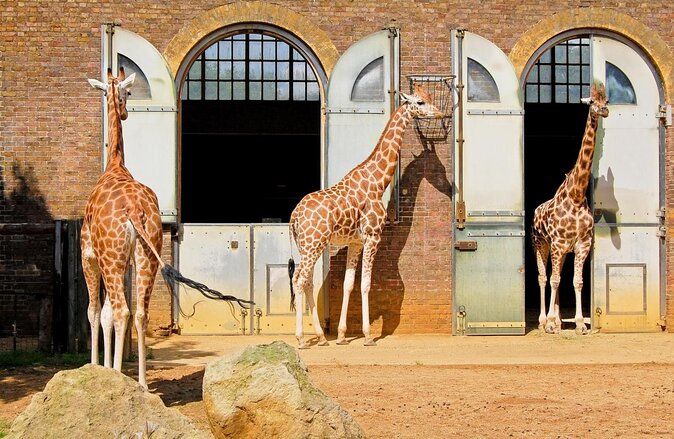
London Zoo
London Zoo occupies 36 acres in the northern corner of Regent's Park and houses over 750 species. The Tiger Territory's floor-to-ceiling glass puts you inches from 400-pound Sumatran tigers - genuinely heart-stopping when they approach. Land of the Lions recreates a Gujarati village complete with railway station, and the penguins have a proper beach with a 140,000-liter pool. The layout follows the outer circle then spirals inward, so you'll walk about 2 miles total. Gorilla Kingdom sits on a hill with three separate viewing areas - the indoor viewing room gets you closest to the silverbacks lounging behind glass. The reptile house runs cool and humid, while Butterfly Paradise stays tropical. Kids sprint between playgrounds scattered throughout. Three hours minimum, but families easily spend five. The Lubetkin penguin pool (1934) no longer houses penguins but architecture fans photograph it constantly. Skip the overpriced cafes - Camden Market is a 10-minute walk. Weekends mean crowds and screaming children echo off the glass enclosures. The new monkey walkway overhead is impressive but brief.
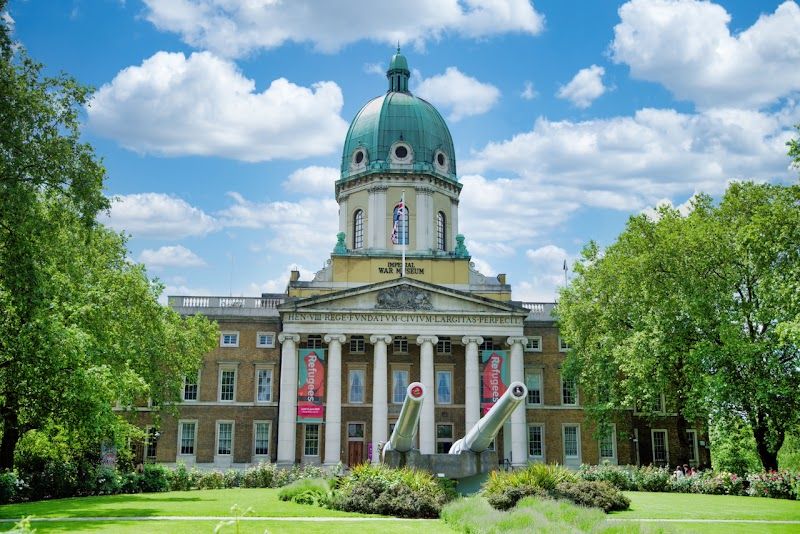
Imperial War Museum
The Imperial War Museum occupies the striking domed building of the former Bedlam asylum, and that architectural history adds weight to its mission of examining war's human cost. The ground floor atrium houses genuine warplanes suspended overhead-including a Spitfire and Harrier jump jet-while tanks and field guns line the floor. The Holocaust exhibition upstairs is genuinely harrowing, using personal testimonies and artifacts in a thoughtfully designed space that never feels exploitative. You'll spend most of your time moving between floors via the central atrium, which creates natural breathing space between intense exhibitions. The First World War galleries recreate trench conditions with unsettling accuracy, complete with mud and the smell of dampness. The contemporary conflict displays on recent wars in Iraq and Afghanistan feel immediate and complex rather than patriotic, examining both military strategy and civilian impact through video testimonies and recovered equipment. This isn't a quick browse-the Holocaust exhibition alone needs 90 minutes if you're reading properly. The café is overpriced and underwhelming, so eat beforehand. Skip the basement Lord Ashcroft Gallery unless you're specifically interested in Victoria Cross medals. The audio guide costs extra but adds crucial context, especially for the newer galleries. Arrive early on weekends; school groups flood in after 11am and the narrow corridors become congested.
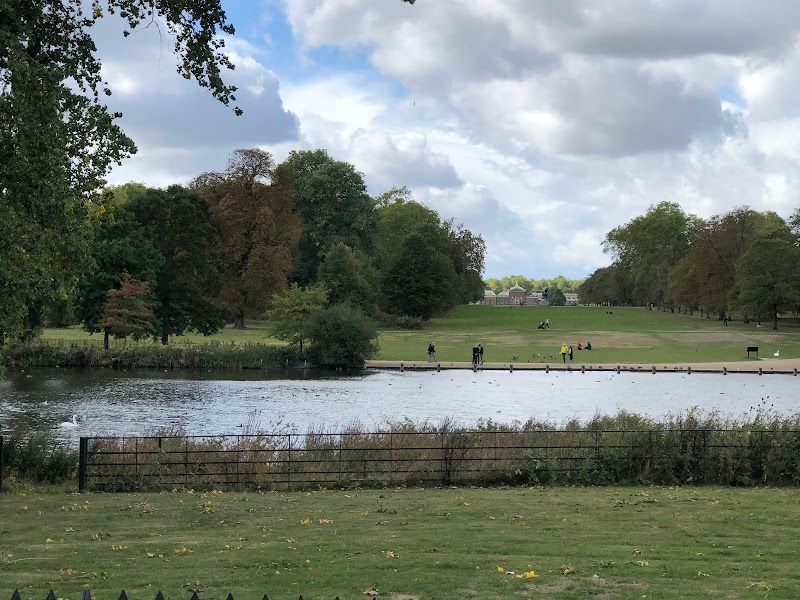
Kensington Gardens
Kensington Gardens is the western half of what most people think is just Hyde Park, but it has a completely different character. The Italian Gardens at the northern edge are formal and geometric with their pristine fountains and clipped hedges, while the southern section around the Albert Memorial feels like an outdoor museum. The Round Pond attracts serious model boat enthusiasts on weekends, and the Serpentine Gallery always has contemporary art worth checking out. The flow here is much more structured than Hyde Park's open meadows. You'll find yourself following the tree-lined avenues that radiate from Kensington Palace, passing dog walkers heading to the designated off-leash areas and joggers doing loops around the Round Pond. The Albert Memorial dominates the southern vista - it's genuinely impressive up close, though most people just photograph it from across the street. The Peter Pan statue draws crowds but the real magic is in the quieter northern sections. Skip the Diana Memorial Playground unless you have kids - it's overcrowded and not particularly special. The palace itself is fine but overpriced for what you get. Instead, spend your time walking the Broad Walk from north to south, which gives you the best sense of the gardens' formal layout. Early morning or late afternoon light makes the whole place feel cinematic.
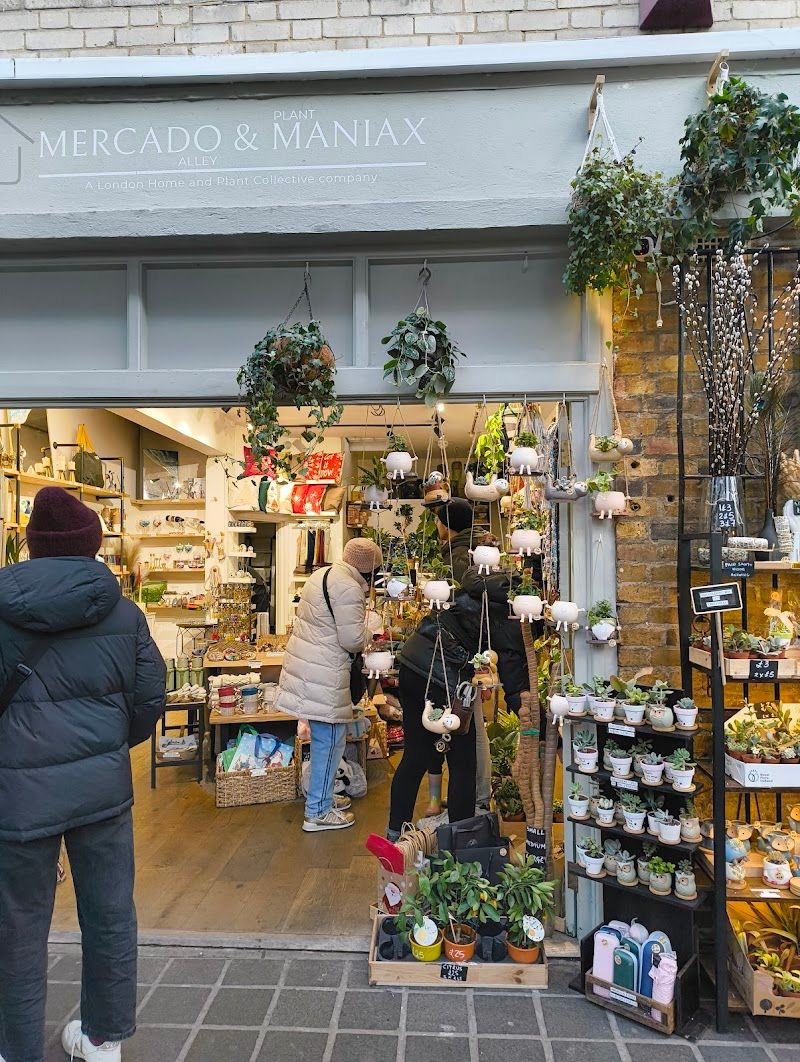
Greenwich Market
Greenwich Market sits in a beautiful Victorian covered hall with iron columns and glass roof panels that let in perfect natural light for browsing. The 120 stalls rotate between antiques dealers on Tuesdays/Thursdays and craft vendors Wednesday-Sunday, with vintage clothing appearing throughout the week. You'll find everything from handmade jewelry and ceramics to rare books and vinyl records, all surrounded by permanent shops selling everything from tea to vintage posters. The market flows in a natural circuit around the central hall, with the best antique dealers clustering near the Turnpin Lane entrance and craft stalls spreading toward the back. The acoustics under that Victorian roof create a pleasant hum of conversation, and the covered space means you can browse comfortably regardless of weather. Saturday mornings bring the biggest crowds but also the best selection of vendors. Honestly, the craft market days (Wednesday-Sunday) offer more interesting finds than the antiques days, which tend toward overpriced collectibles rather than genuine treasures. The food stalls at the far end serve decent but unremarkable fare - save your appetite for the pubs nearby. Plan 90 minutes max unless you're a serious collector, and bring cash since many vendors still prefer it over cards.
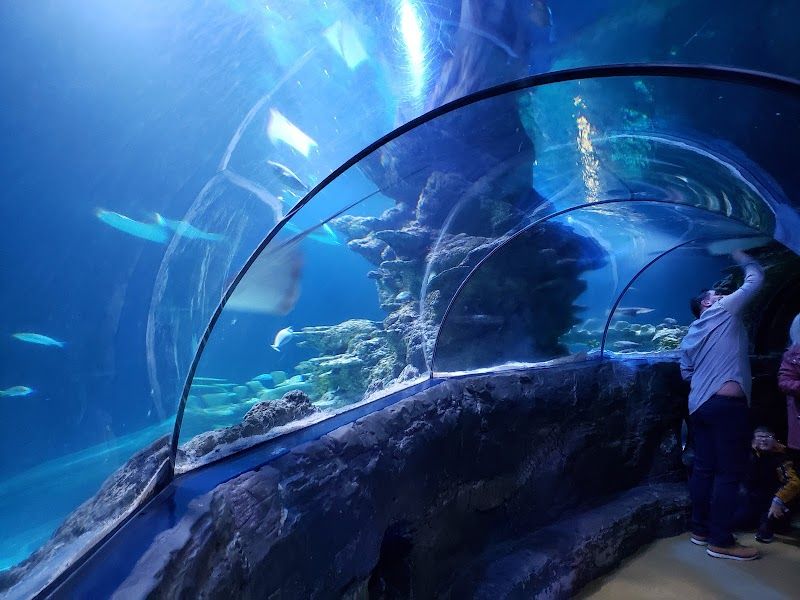
SEA LIFE London Aquarium
SEA LIFE London occupies the basement of County Hall with 14 themed zones spread across three levels. The Pacific Ocean tank's glass tunnel is genuinely impressive-you'll have green sea turtles and blacktip reef sharks swimming directly overhead while rays glide past at eye level. The penguin colony lives in a refrigerated enclosure that actually feels like stepping into Antarctica, complete with snow machines and temperatures around 5°C. The route is clearly marked but feels cramped during peak times, especially in the tunnel sections where everyone stops to take photos. The jellyfish gallery with its color-changing LED walls is surprisingly mesmerizing, while the touch pools let kids handle starfish and small rays. Most talks happen in the central atrium area, which echoes badly when crowded but offers the best photo opportunities with the overhead tank lighting. It's genuinely entertaining for two hours, though the £30+ adult ticket feels steep for what's essentially a basement aquarium. The shark tunnel delivers on its promise, but skip the overpriced souvenir shop and don't bother with the 4D cinema add-on. Weekday mornings before 11am offer the best experience with smaller crowds and cleaner glass viewing panels.
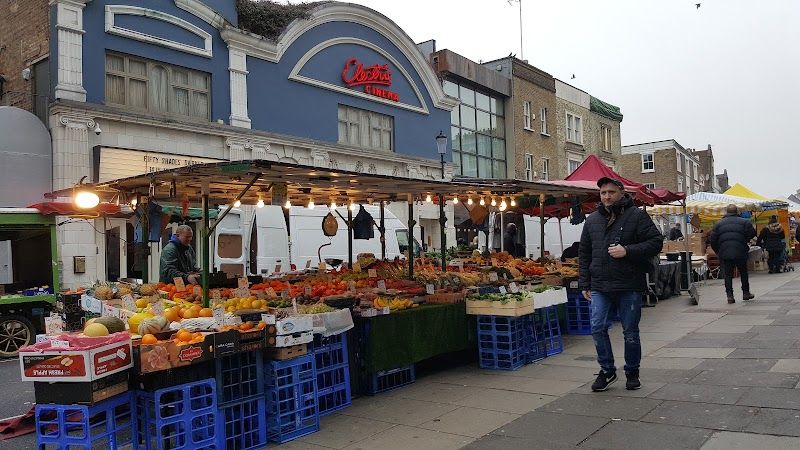
Portobello Road Market
Portobello Road Market stretches from Notting Hill Gate to Ladbroke Grove, transforming dramatically as you walk north. The antiques section near Notting Hill Gate features genuine Victorian jewelry, Art Deco furniture, and rare books in permanent shops that spill onto Saturday sidewalk stalls. The middle section sells vintage band t-shirts, 1960s leather jackets, and costume jewelry, while the northern end under the Westway flyover becomes a proper street market with Caribbean food stalls and household goods. Saturday mornings feel like controlled chaos as dealers arrange Victorian silverware on folding tables while tourists snap photos of the pastel-colored houses from Notting Hill movie fame. The antiques dealers know their stuff and price accordingly-expect genuine pieces but no bargains unless you arrive early. The vintage clothing section draws fashion students and stylists hunting for authentic pieces, though quality varies wildly from stall to stall. Weekdays are completely different-only the permanent antique shops stay open, making it actually better for serious browsing without crowds. Skip the touristy middle section unless you enjoy overpriced vintage band tees. The food stalls under the Westway serve excellent Caribbean dishes but close early afternoon. Most visitors underestimate the walking distance-it's genuinely exhausting to cover the entire market properly.
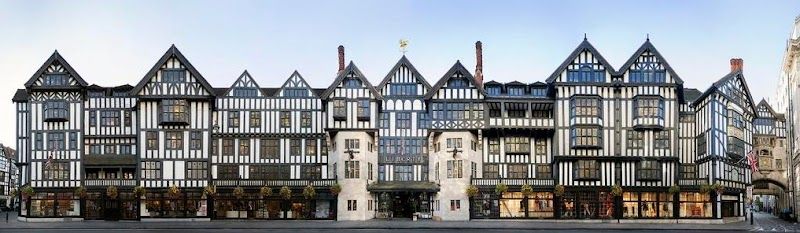
Liberty London
Liberty London occupies a Tudor Revival masterpiece built from the timbers of two decommissioned Royal Navy ships - HMS Impregnable and HMS Hindustan. You'll find six floors of luxury goods, from the famous Liberty print fabrics that made the store legendary to contemporary fashion, home goods, and jewelry. The building itself is the star, with its Tudor-style galleries, carved wooden details, and a stunning central atrium that feels more like a medieval manor than a department store. Walking through Liberty feels like exploring a luxury cabinet of curiosities. The original caged lifts creak between floors while you browse everything from £300 silk scarves to £3,000 handbags. The fabric department on the third floor showcases archive prints dating back decades, many exclusive to Liberty. Each floor has a different character - menswear occupies darker, wood-paneled spaces while the beauty department sparkles under ornate chandeliers. Don't come here for bargains - a basic Liberty print scarf starts at £95, and most clothing runs £200-800. The real value is in the fabric department where you can buy Liberty prints by the meter (from £45) rather than finished goods. Skip the overcrowded ground floor initially and head straight up to explore the upper floors when they're quieter. The beauty department has knowledgeable staff but prices are standard retail.
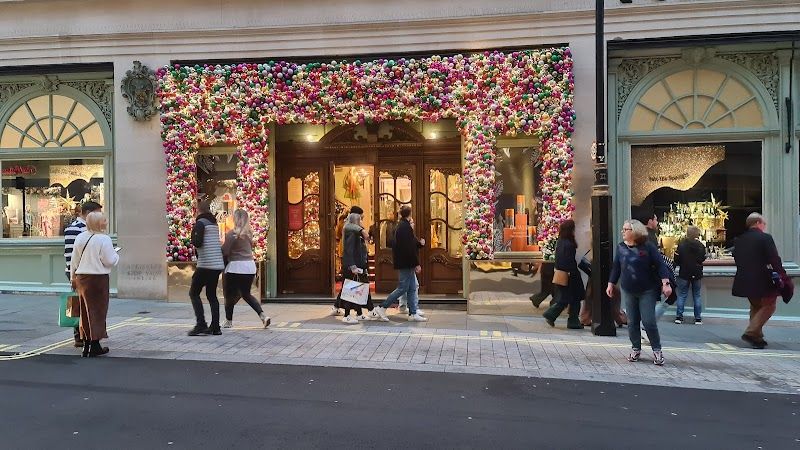
Fortnum & Mason
Fortnum & Mason is London's most storied food emporium, serving the royal family since 1707 and perfecting the art of luxury groceries for over three centuries. You'll find everything from £300 hampers packed with foie gras to their famous English Breakfast tea (£8 for 250g), plus restaurants on multiple floors including the elegant Diamond Jubilee Tea Salon. The ground floor food hall is where tailcoated staff still hand-pack preserves and biscuits into those signature eau de nil boxes, while the basement wine cellar holds bottles worth more than most cars. The experience feels like shopping inside a very posh museum - crystal chandeliers hang over displays of crystallized violets, while the famous mechanical clock dominates the Piccadilly facade. Every hour, wooden figures of Mr. Fortnum and Mr. Mason emerge to bow at each other as bells chime. Inside, you'll weave between tourists photographing £45 Christmas puddings and locals casually dropping £200 on artisanal chocolate. The tea counter offers generous samples, and the cheese department will slice anything you want to try. Honestly, most items are overpriced tourist bait, but the tea selection genuinely justifies the premium - their Earl Grey Classic (£9.95) beats anything you'll find elsewhere. Skip the restaurants unless money's no object (afternoon tea runs £58 per person), but do grab a jar of their Piccalilli (£6.95) or English Mustard (£4.95). The Christmas season turns the place into absolute chaos, so visit between January and October for a civilized browse.
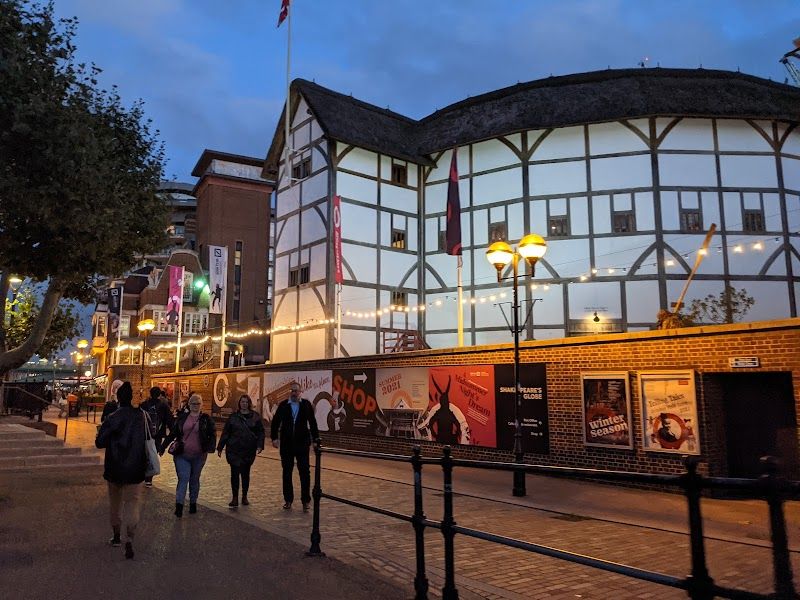
Shakespeare's Globe
Shakespeare's Globe is a painstakingly accurate reconstruction of the 1599 theatre where Shakespeare's plays premiered, built with Tudor techniques using oak, lime plaster, and Norfolk reed thatch. You'll explore three floors of exhibition galleries that show how plays were staged in Shakespeare's time, complete with period costumes you can try on and replica instruments to handle. The highlight is seeing an actual performance in the open-air theatre, where groundlings stand in the pit just as they did 400 years ago. Walking through the exhibition feels like time travel - you'll discover how Elizabethan actors performed all roles including women, how they created sound effects with coconut shells and metal sheets, and what the original Globe smelled like (spoiler: not great). The theatre itself is stunning when empty, with its circular wooden galleries and thrust stage, but truly comes alive during performances when actors interact directly with the standing audience. Rain stops the show since there's no roof over the pit, adding authentic unpredictability. The exhibition costs £17 for adults, but it's genuinely engaging rather than dusty academic displays. Skip the overpriced guided tour (£22) and use the free audio guide instead. If you're not seeing a show, visit on summer afternoons when natural light floods the theatre space. The gift shop is surprisingly good for Shakespeare-related books, though avoid the tourist tat.
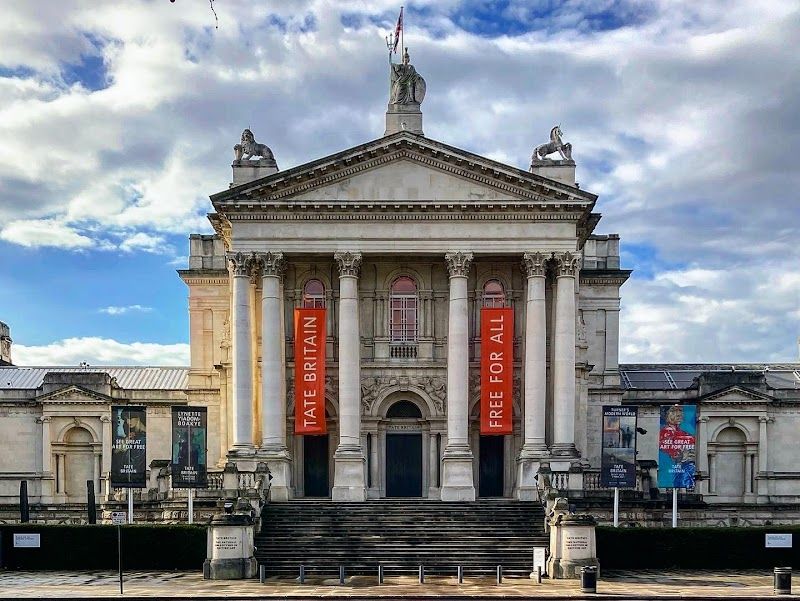
Tate Britain
Tate Britain houses the world's most comprehensive collection of British art, spanning five centuries in a grand neoclassical building on the Thames. You'll find Turner's atmospheric seascapes filling an entire wing, Pre-Raphaelite paintings that look like medieval fever dreams, and Francis Bacon's unsettling distorted figures. The collection moves chronologically from Tudor portraits through to contemporary installations, showing how British artists have wrestled with everything from empire to identity. The galleries flow logically through British art history, though the building itself can feel like a maze with its long corridors and identical-looking rooms. The Turner wing is genuinely spectacular - his late abstract works feel almost modern, and the watercolors change regularly since they can't handle constant light exposure. The contemporary galleries often showcase challenging work that'll either fascinate or frustrate you, while the historical rooms have a quieter, more contemplative atmosphere. Most visitors rush through to tick boxes, but you'll get more from focusing on 2-3 periods that interest you rather than attempting everything. The audio guide costs £5 and is actually worth it for the Turner rooms. Skip the gift shop unless you enjoy paying £25 for art books you can find cheaper elsewhere. Free entry makes this a perfect rainy day backup, and weekday mornings before 11am are noticeably quieter.
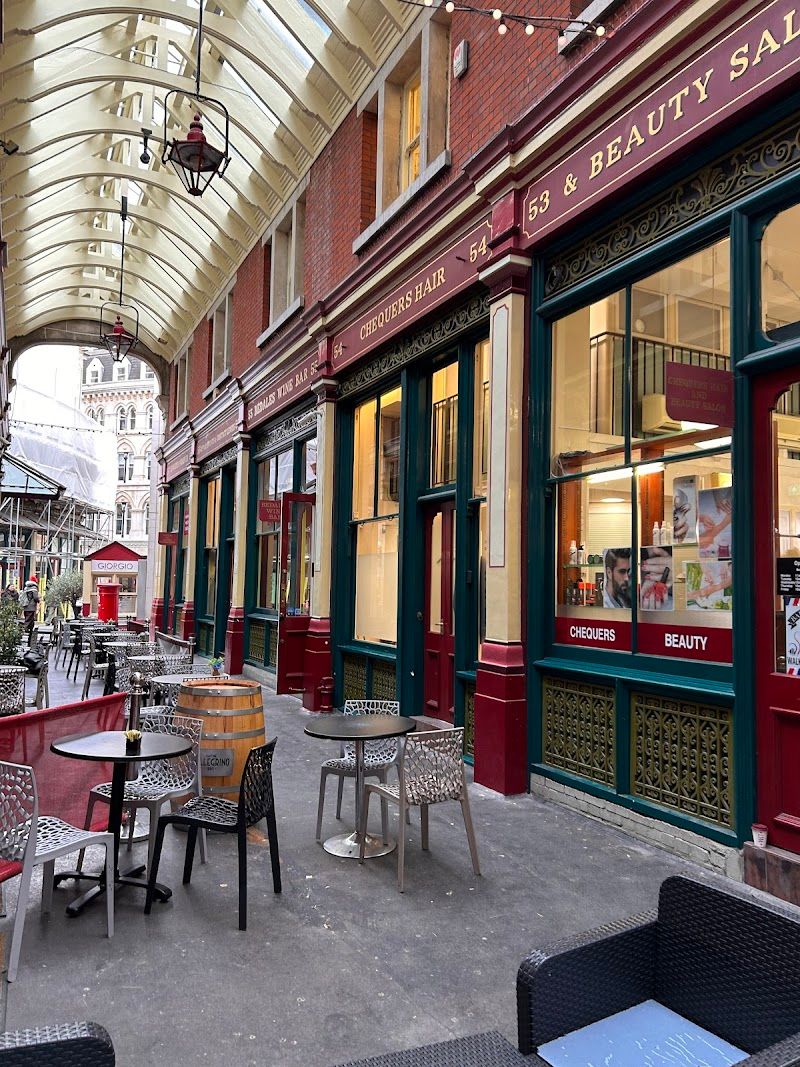
Leadenhall Market
Leadenhall Market occupies the exact spot where Romans gathered for trade 2,000 years ago, now transformed into London's most photogenic Victorian arcade. The ornate cast-iron roof and maroon paintwork create a theatrical backdrop for upscale pubs, wine bars, and boutiques selling everything from handmade chocolates to vintage prints. Harry Potter fans know it as the entrance to Diagon Alley, but the real appeal is wandering these cobbled lanes where City workers grab their morning coffee. The market feels like stepping onto a film set even when cameras aren't rolling. Natural light filters through the glass roof, casting intricate shadows on the tessellated floor, while the sound of your footsteps echoes off Victorian ironwork. During lunch hours it transforms into a social hub where suited bankers queue for gourmet sandwiches at places like Ashby's fishmongers or grab a pint at the Lamb Tavern, London's oldest licensed premises. Most visitors spend 20 minutes taking photos and leave, missing the point entirely. The real experience is grabbing a coffee from one of the specialist roasters and watching the morning routine unfold. Lunch gets ridiculously crowded and expensive (£8-12 for basic sandwiches), so either come early or after 2pm. Skip the touristy Harry Potter photo ops near the Leadenhall Place entrance and explore the quieter Whittington Avenue side where original Victorian shopfronts remain untouched.
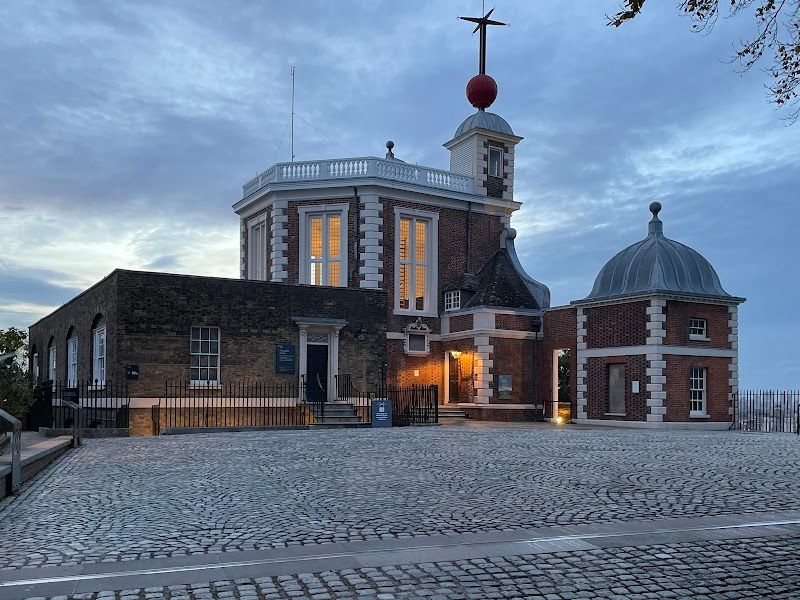
Greenwich Royal Observatory
You'll find yourself standing on the most famous line in the world at this historic observatory, literally straddling the Prime Meridian where east meets west. Since 1675, this UNESCO World Heritage site has been the center of global timekeeping, and you can explore the fascinating history of navigation, astronomy, and Greenwich Mean Time. The Great Equatorial Telescope, Britain's largest refracting telescope, is genuinely impressive, and the planetarium shows are worth your time if you're curious about space. The experience feels like stepping into scientific history. You can set your watch to the daily time ball drop at 1pm (a tradition since 1833), explore the meridian courtyard where tourists queue for photos with one foot in each hemisphere, and wander through galleries packed with maritime clocks, astrolabes, and astronomical instruments. The views from up here are spectacular - you'll see all of London spread out below, from Canary Wharf's towers to the Thames snaking through the city. Honestly, at £16 for the observatory buildings, it's pricey for what amounts to a few hours of browsing. The grounds are free though, and you get those same stunning views plus the meridian line experience without paying. If you're passionate about astronomy or maritime history, the full ticket's worthwhile. Otherwise, enjoy the free bits and spend your money elsewhere in Greenwich.
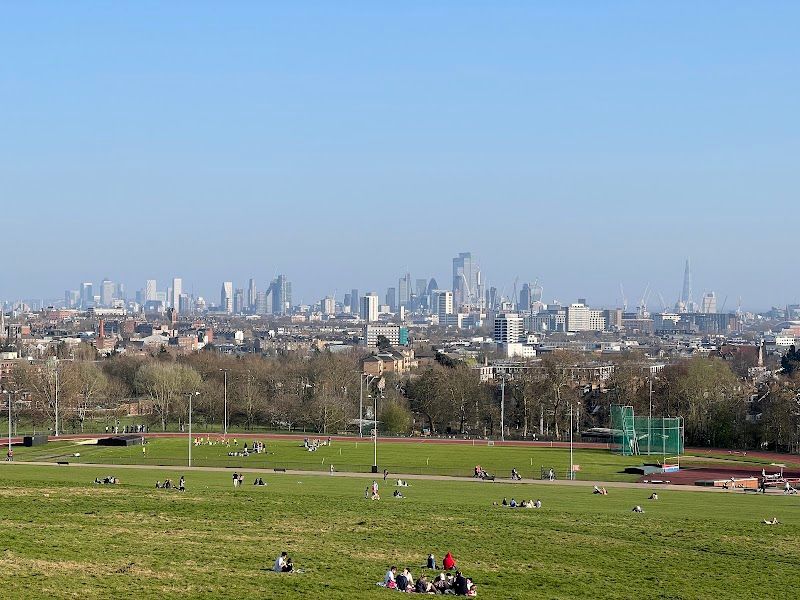
Hampstead Heath & Highgate Tour
This self-guided walking route connects two of North London's most literary neighbourhoods through 800 acres of ancient heathland. You'll pass Keats House in Hampstead Village (where he wrote 'Ode to a Nightingale'), climb Parliament Hill for sweeping views across London's skyline, then descend into Highgate to explore the Victorian necropolis where Karl Marx, George Eliot, and Douglas Adams are buried. The route covers about 4 miles total, weaving through narrow village streets, open heath, and elaborate cemetery paths. The walk feels like travelling through different centuries - Georgian terraces in Hampstead give way to wild heathland where kite-flyers and dog walkers replace tourists, then Victorian gothic drama takes over in Highgate Cemetery's overgrown western section. Parliament Hill offers one of London's best panoramic viewpoints, especially dramatic at sunset when the city lights begin twinkling. The cemetery's crumbling angels and ivy-covered tombs create an atmospheric finish, though crowds thin out significantly in the older western section. Most walking tours rush this route in 3 hours, but you'll want 4-5 to properly explore. Keats House charges £7.50 entry but the blue plaque outside tells you everything essential. Skip the overpriced Hampstead village cafes and pack snacks for Parliament Hill instead. Highgate's West Cemetery (£4) is far more atmospheric than the tidier East Cemetery where Marx lies - most visitors do this backwards.
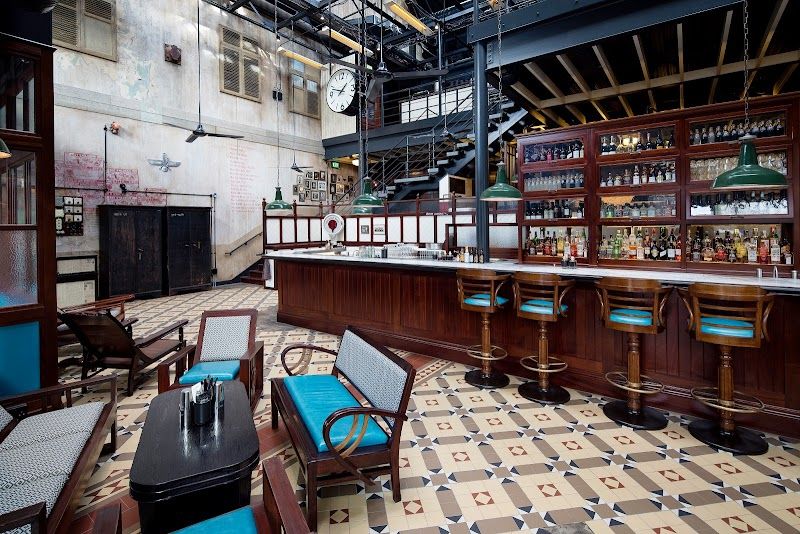
Dishoom King's Cross
Bombay-style café in a former Victorian transit shed serving breakfast through dinner. The bacon naan roll at breakfast and black daal are institution-level dishes. The space features original industrial architecture with booth seating.
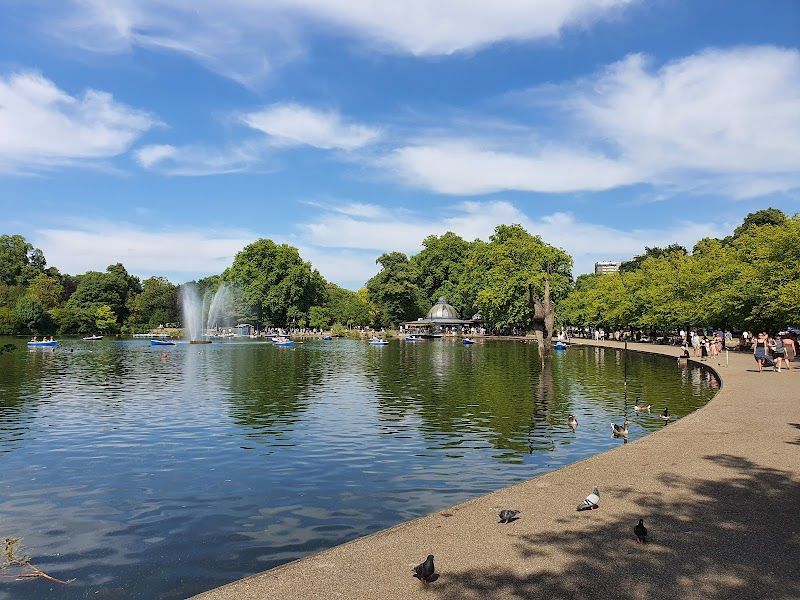
Victoria Park
Victoria Park spans 213 acres of East London and genuinely earns its 'People's Park' nickname - it's where proper Londoners come to escape without the tourist crowds of Hyde Park. You'll find two ornamental lakes with decent-sized island populations of waterfowl, a genuine Chinese pagoda (moved here piece by piece in the 1840s), and the kind of mature tree canopy that makes you forget you're in Zone 2. The Sunday food markets and year-round weekend sports leagues give it an authentic neighbourhood feel that most central parks lack. The western half feels formal with its geometric flower beds and tree-lined avenues, while crossing the central road takes you into wilder territory with rougher paths and better bird-watching. Families dominate the playgrounds and lakes, dog walkers own the early mornings, and weekend football matches create a proper community atmosphere. The Pavilion sits right at the heart, serving as both café and unofficial social hub where regulars actually chat to strangers. Most guides oversell the festivals - they're good but turn the park into a muddy mess for weeks after. The real charm is everyday use: it's large enough that you won't lap it accidentally but small enough to feel intimate. Skip the formal gardens unless flowers are your thing, and don't bother with the sports facilities unless you're joining a league. The Pavilion café charges London prices (£4+ for coffee) but the outdoor seating overlooking the lake justifies it.
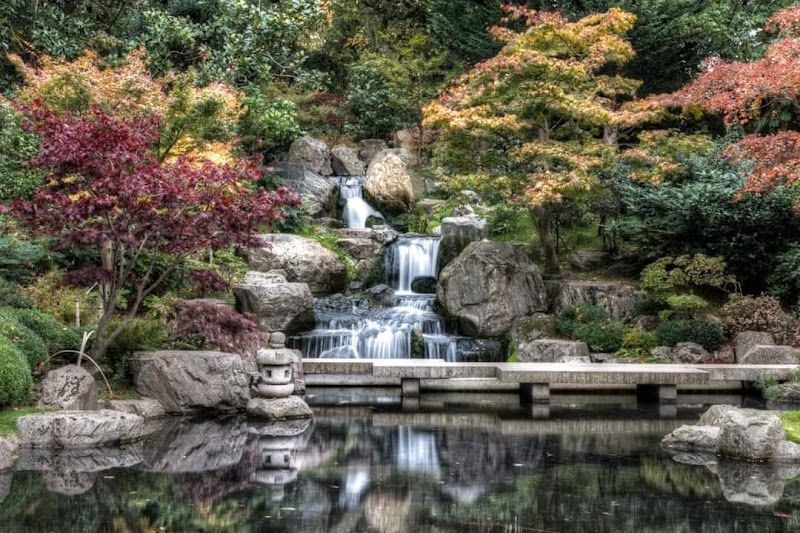
Holland Park
Holland Park wraps around the skeletal remains of Holland House, a 17th-century mansion that took a direct hit during the Blitz. What survived - arched doorways, stone walls, and a colonnade - now frames outdoor opera performances in summer and creates an unexpectedly romantic backdrop year-round. The real draw is the Kyoto Garden, where waterfalls cascade over rocks into pools filled with massive koi carp, while peacocks strut across manicured lawns and call from tree branches. The park splits into distinct worlds - you'll move from formal gardens with neat hedgerows to wild woodland where squirrels dart between ancient oaks. The Japanese garden feels transported from another continent, complete with a moon bridge and carefully placed stones that follow traditional design principles. Peacocks appear everywhere, often blocking paths while they display their tail feathers or eyeing visitors' picnics with obvious intent. The contrast between manicured sections and overgrown areas makes each turn feel like discovering a new park entirely. Most people beeline straight to the Kyoto Garden and miss the best bits. The woodland area in the park's northern section stays empty while crowds cluster around the waterfall. Skip the crowded central lawn on weekends - it's just grass. The ruins are more atmospheric at dusk when golden light hits the remaining walls. Free entry means you can pop in for 20 minutes or spend the whole afternoon, but 90 minutes covers everything comfortably without feeling rushed.
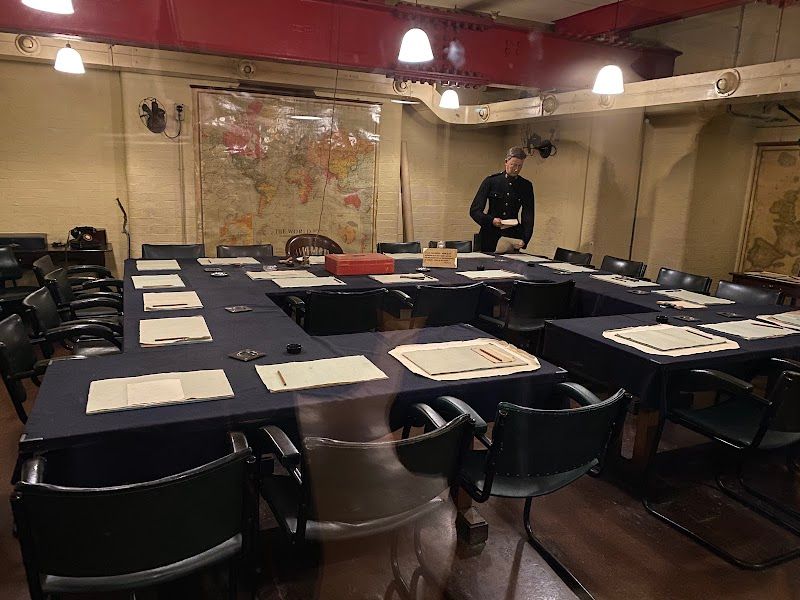
Churchill War Rooms
Churchill's actual wartime headquarters lies three floors beneath Whitehall, where Britain's government operated from 1939 to 1945. You'll walk through the Map Room with its original pushpins marking Allied positions, the Cabinet Room where crucial decisions were made, and Churchill's bedroom-office where he slept during the Blitz. The attached Churchill Museum traces his entire life through interactive displays, original letters, and personal artifacts - including his famous siren suit and half-finished whisky bottle. The underground rooms feel genuinely frozen in time, with period telephones still on desks and military maps covering every wall. Audio guides (included) provide context as you move through the cramped corridors, but the real impact comes from the atmosphere - these aren't reconstructions but the actual rooms where the war was managed. The Churchill Museum section feels more modern with touchscreen displays and multimedia presentations, creating an interesting contrast with the preserved bunker. Entry costs £26 for adults, which feels steep for what's essentially a well-preserved office space, but the historical significance justifies it. Skip the gift shop unless you're obsessed with Churchill memorabilia - it's overpriced tourist tat. The audio guide drags in places, so don't feel obligated to listen to every single commentary point. Focus your time on the Map Room and Cabinet Room, then move quickly through the more mundane sleeping quarters and kitchens.
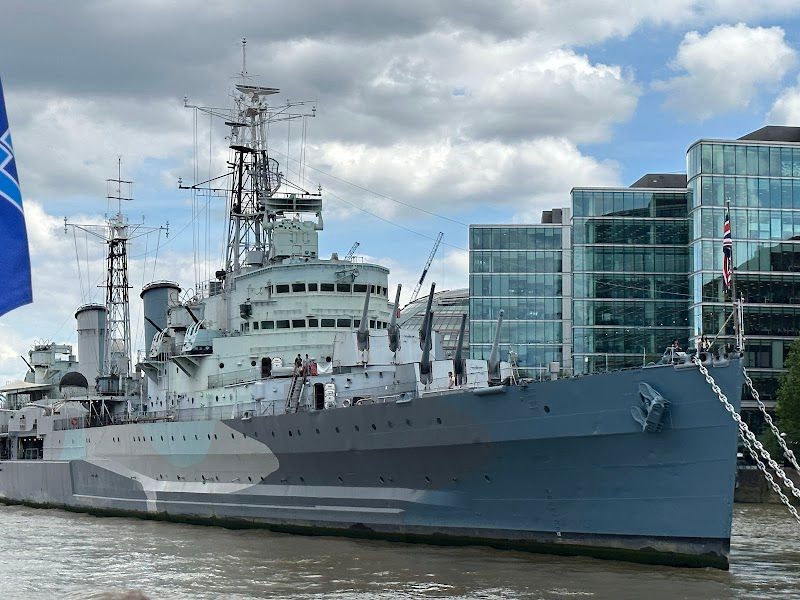
HMS Belfast
HMS Belfast is a genuine WWII warship moored permanently on the Thames, and you're exploring the actual vessel that fought in the Battle of North Cape and shelled Normandy on D-Day. All nine decks are open, from the cramped crew quarters where 950 sailors lived for months at sea to the bridge where officers plotted enemy positions. You'll climb through narrow hatches, peer into massive gun turrets, and walk through the actual engine rooms where temperatures reached 50°C during combat. The visit feels like moving through a small floating city - the ship is surprisingly huge once you're inside. You'll queue to squeeze through authentic doorways (mind your head constantly), explore the dentist's surgery where teeth were pulled without anesthetic, and stand where shells weighing 112 pounds each were loaded by hand. The Operations Room still has original plotting tables and radio equipment, while the punishment cells show the harsh reality of naval discipline. Most guides don't mention that adult tickets cost £25.20, which feels steep for what's essentially a self-guided tour through cramped metal corridors. The nine decks sound impressive but several are essentially just passageways - focus your time on the bridge, gun turrets, and engine rooms where you'll understand how this floating fortress actually worked. Skip the basic cafe onboard and grab lunch at Borough Market nearby instead.
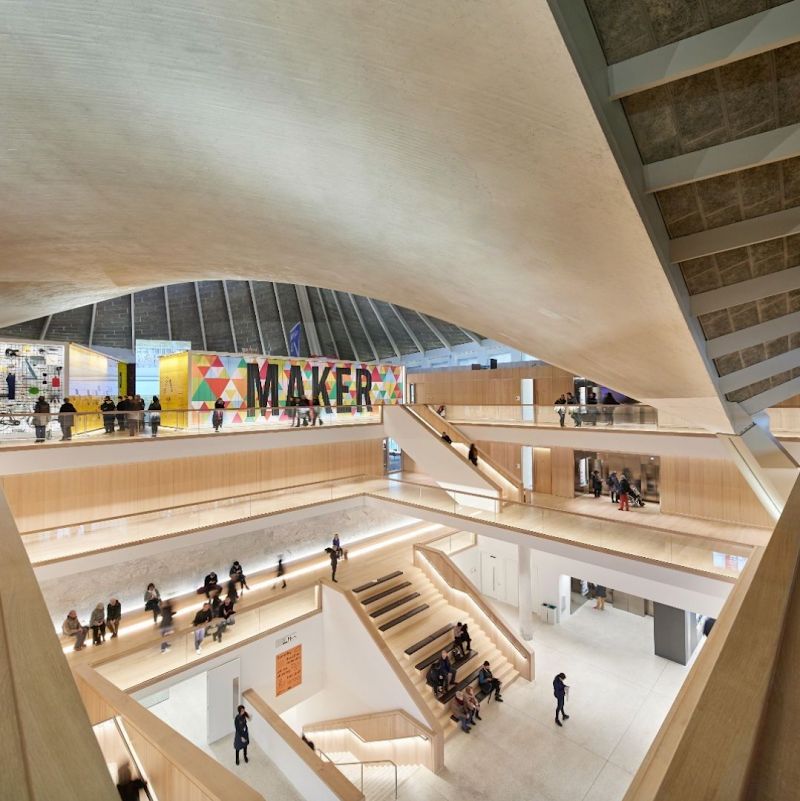
Design Museum
Design Museum showcases how objects shape our daily lives, from the computer mouse you're probably using to read this to the chair you're sitting on. The permanent collection spans centuries of design evolution - you'll see everything from 1960s furniture to contemporary sneakers, plus temporary exhibitions that rotate every few months covering topics like video game design or sustainable fashion. The building itself is striking: John Pawson transformed a 1960s concrete structure into a bright, minimalist space with a dramatic helical staircase at its centre. You'll start on the ground floor with temporary exhibitions (these vary wildly in quality), then work your way up. The real highlight sits on the top floor - the permanent 'Designer Maker User' collection spreads across bright, airy galleries where you can trace design stories from the AK-47 to the iPhone. The displays explain not just what objects look like, but why they were made that way and how they changed behaviour. The rooftop offers decent views over Holland Park, though it's nothing special. Here's what most guides won't tell you: the temporary exhibitions cost £16-18 and are often hit-or-miss, while the best content (the permanent collection) is completely free. Skip the overpriced cafe downstairs - there are better options on Kensington High Street. The museum shop is genuinely good if you're into design books or quirky homeware, though expect to pay premium prices. Visit on weekday mornings to avoid school groups.
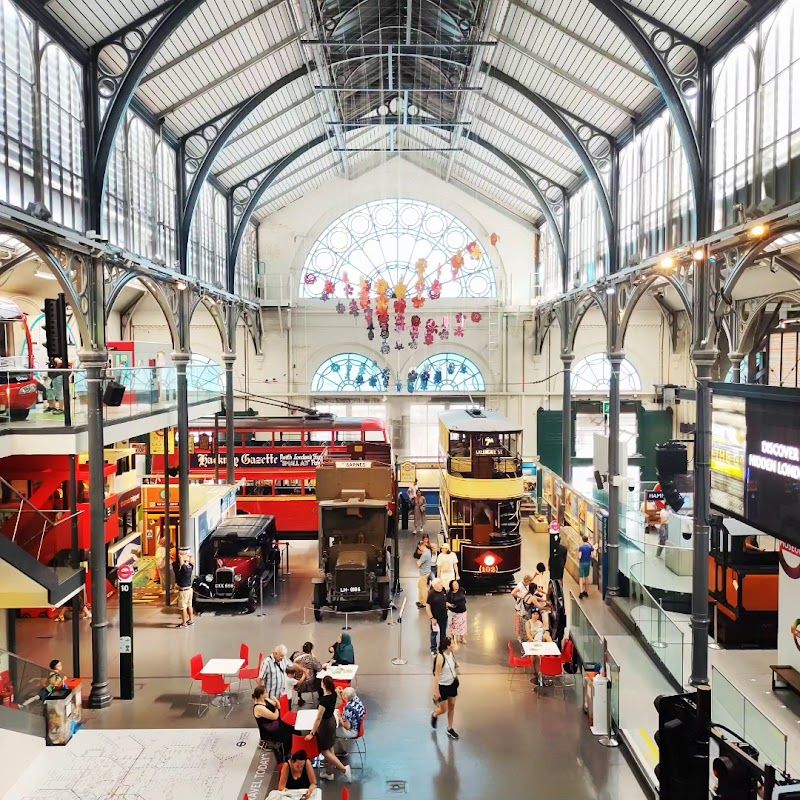
London Transport Museum
London Transport Museum occupies the gorgeous Victorian iron and glass buildings of old Covent Garden market, displaying 200 years of the capital's transport evolution. You'll climb aboard original red buses, Victorian steam trains, and early electric Tube carriages, plus operate real signal boxes and design your own Underground station on interactive screens. The star attraction is the world's first underground steam locomotive from 1866, but honestly, sitting in the driver's seat of a 1960s Routemaster bus feels more magical. The museum flows chronologically through three levels, starting with horse-drawn omnibuses and ending with modern transport planning. Kids dominate the interactive zones, but adults get genuinely absorbed in the signal simulators and the recreation of an Underground control room. The Victorian market setting adds serious atmosphere - those soaring glass ceilings and cast-iron columns make even a 1930s Tube carriage look elegant. The audio guide (included) is excellent, packed with stories about strikes, wartime damage, and engineering breakthroughs. Adult tickets cost £23, which stings until you realize your ticket gives unlimited returns for a full year. Most visitors rush through in 90 minutes, but you'll miss the best bits - spend time in the London Today gallery upstairs where transport planners explain current projects. Skip the shop unless you're obsessed with Tube memorabilia. The cafe's overpriced and cramped, so eat elsewhere in Covent Garden.
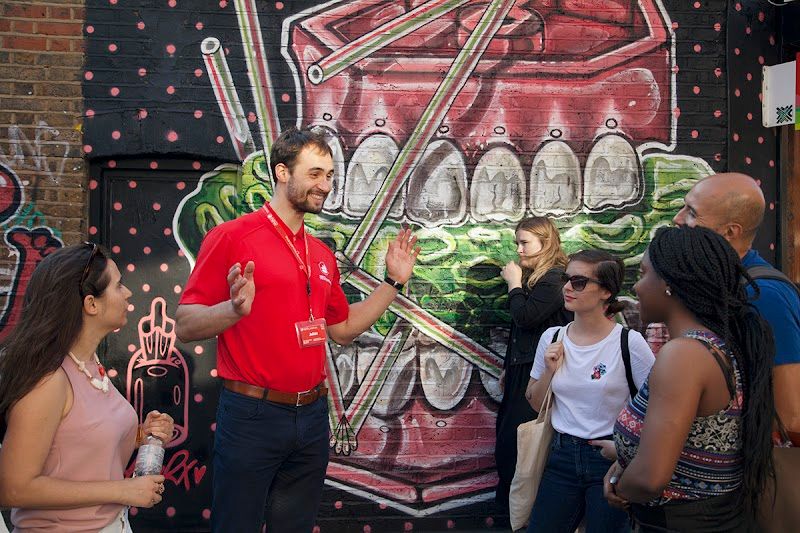
Westminster Walking Tour
This two-hour guided walk covers Westminster's political core, taking you past the Houses of Parliament, Westminster Abbey's Gothic facade, Buckingham Palace gates, and Horse Guards Parade. You'll get context about British government while walking through St James's Park and seeing the ceremonial side of monarchy. The tour times align with Changing of the Guard when it's happening, though the ceremony itself draws massive crowds that can block your view. Your guide leads groups of 15-20 through streets packed with tourists, stopping frequently for explanations about parliamentary procedures and royal protocols. The pace is leisurely with plenty of photo opportunities at each landmark. You'll spend the most time around Parliament Square and the palace gates, where guides point out architectural details and share political gossip. The atmosphere shifts from the formal government district to the more relaxed park setting as you move between locations. Most Westminster tours cover identical routes and cost £20-25, so this format works if you want commentary without paying entry fees. Skip it if you're comfortable exploring independently - the sights are all exterior views you can easily find yourself. The Guard ceremony is genuinely spectacular but creates such crowds that you'll barely see it unless you arrive 45 minutes early. Save your money and do a self-guided version using a map.
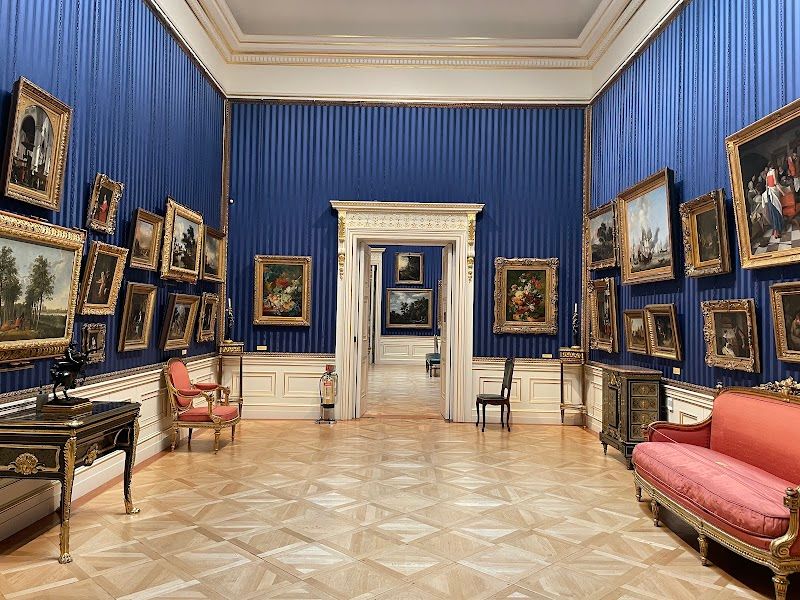
The Wallace Collection
The Wallace Collection occupies a gorgeous 18th-century mansion that feels more like visiting a wealthy collector's private home than a public museum. You'll find Fragonard's swooningly romantic paintings hanging in silk-lined drawing rooms, medieval armor displayed in wood-paneled galleries, and Sèvres porcelain that Napoleon himself would have recognized. The Great Gallery stretches the length of the building, packed with works by Titian, Rubens, and Rembrandt in heavy gold frames. Walking through feels genuinely intimate - you're peering into ornate cabinets filled with snuffboxes and miniatures, then turning a corner to find Poussin's massive canvases. The atmosphere stays hushed and contemplative, nothing like the cattle-drive feeling of the National Gallery. Each room flows naturally into the next, and the covered courtyard provides a serene break with decent coffee and surprisingly good pastries. Most guides don't mention that half the visitors only make it through the ground floor before giving up - the real treasures are upstairs. Skip the medieval arms collection unless you're genuinely interested; focus your time on the first-floor paintings and French furniture. The audio guide costs £5 but isn't necessary - the wall labels are comprehensive and the layout is intuitive.
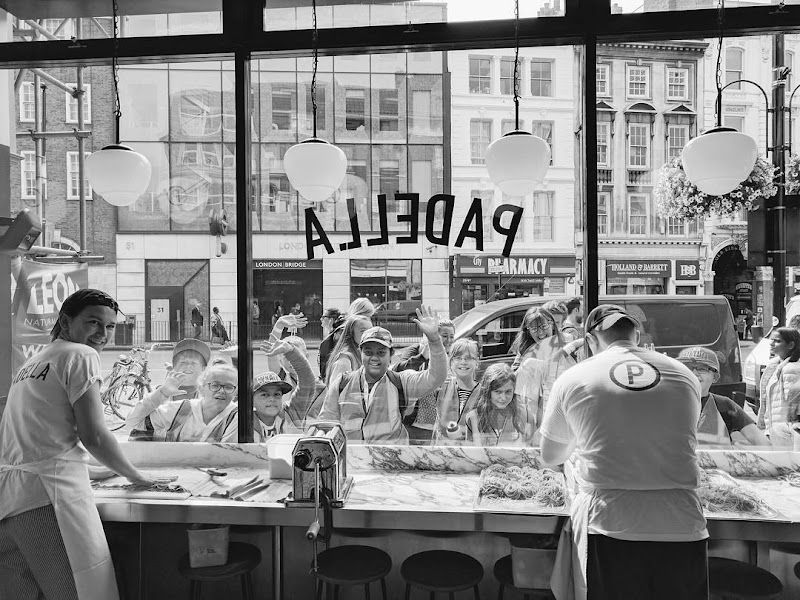
Padella
Fresh pasta specialist near Borough Market with handmade tagliatelle, pici, and pappardelle prepared throughout the day. The famous pici cacio e pepe and ragú regularly sell out. Queue-only policy keeps prices remarkably low.
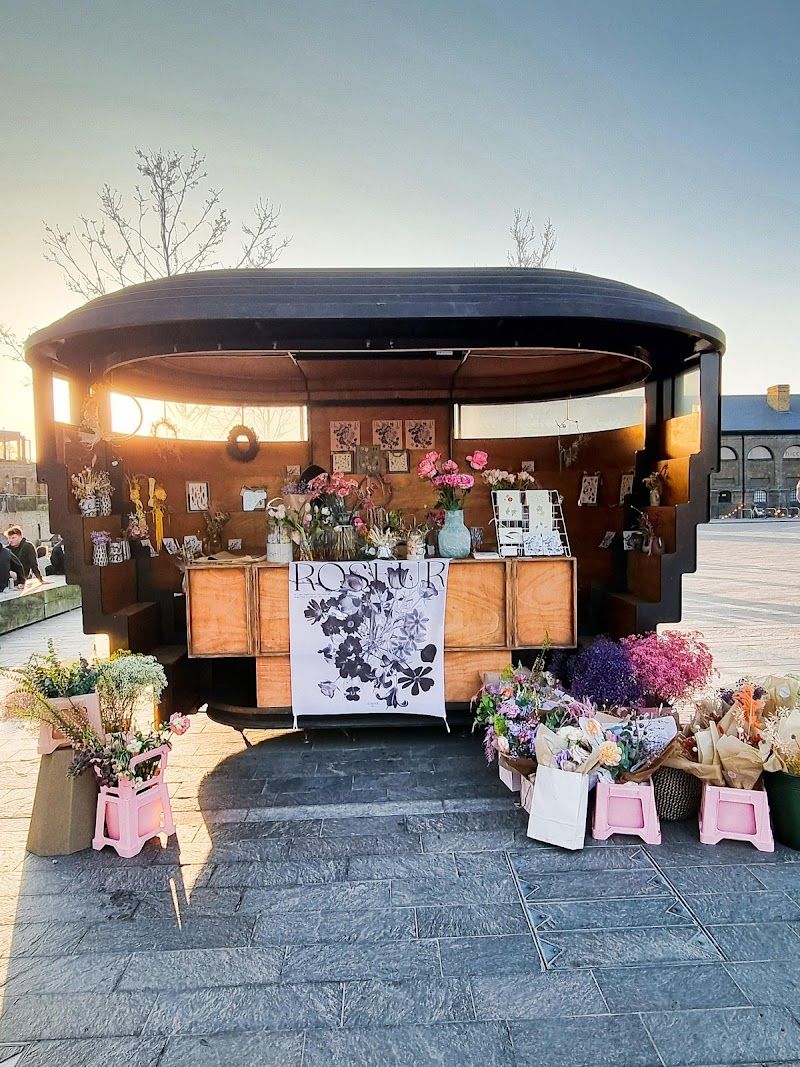
Coal Drops Yard
Coal Drops Yard is Thomas Heatherwick's clever rework of two Victorian railway buildings, where the architect bent the roofs until they kiss in the middle, creating London's most photogenic shopping canopy. You'll find 50+ shops spanning independent fashion brands, design studios, and restaurants spread across the ground floor arches and upper galleries. The £2 billion King's Cross redevelopment's retail centerpiece sits right on Regent's Canal, so you can combine serious shopping with waterside dining. The whole place feels like stepping into an architectural Instagram post - those curved roofs create dramatic shadows and sightlines you'll want to photograph from every angle. You'll wander between the parallel buildings through connecting bridges, with canal boats drifting past the floor-to-ceiling windows. The mix works well: COS and & Other Stories anchor the fashion offering while smaller independents fill the Victorian arches. The restaurants spill onto canal-side terraces where you can watch narrowboats navigate the locks. Most travel writers oversell this as revolutionary retail - it's basically a very pretty shopping center with £25 main courses and £150 jumpers. The architecture delivers, but many shops you'll find elsewhere in London for less money. Focus your time on the independents like Present & Correct for stationery or Cubitts for glasses, skip the obvious chains, and budget £15-20 for canal-side coffee and pastry. The whole experience takes 2-3 hours if you're actually shopping rather than just gawping at the roof.
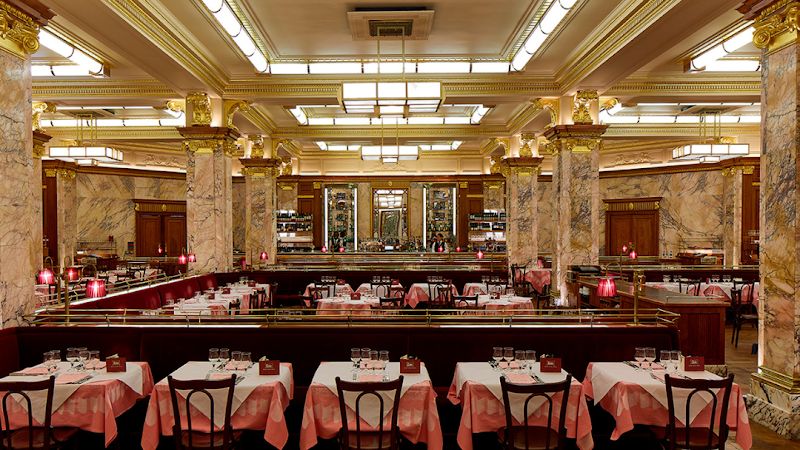
Zédel
Grand Parisian brasserie in a restored 1930s Art Deco ballroom near Piccadilly. The menu offers French classics at remarkably affordable prices. Live music in the adjoining Bar Américain nightly.
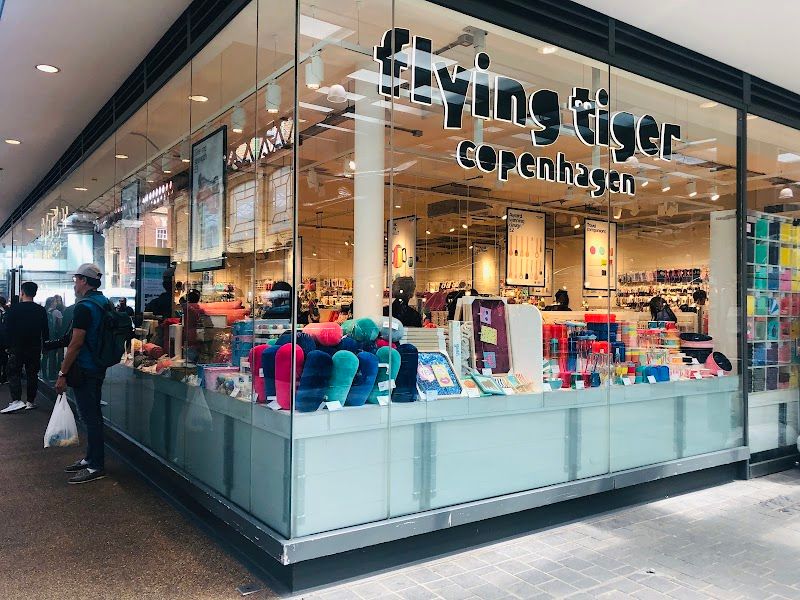
Old Spitalfields Market
Old Spitalfields Market transforms daily from fashion hub to food paradise to antique treasure trove, all under a soaring Victorian roof topped with modern glass. You'll find 40-odd stalls selling everything from £15 vintage band tees to £8 artisan sandwiches, with the mix changing dramatically based on the day. Thursday brings serious vintage dealers with curated 1960s pieces and rare band merchandise, while Sunday shifts to handmade crafts and specialty foods. The covered hall feels like a genteel cousin to Camden Market - less chaotic, better lit, and significantly cleaner. The Victorian ironwork creates natural sections, with food vendors clustering near the Lamb Street entrance and fashion dominating the center. Surrounding arcade shops house independent record stores where you can flip through vinyl for hours, plus boutiques selling everything from Japanese streetwear to handmade jewelry. The acoustics mean conversations blend into a pleasant hum rather than overwhelming noise. Most guides oversell the weekend crowds - Saturday sees long queues for mediocre street food that costs £12-15 per dish. Your best bet is Thursday for vintage hunting or Tuesday-Wednesday for a relaxed browse without the tourist crush. Skip the overpriced artisan coffee (£4.50) and grab a proper cup from Blixen restaurant on the eastern edge for £2.80. The surrounding Spitalfields area offers better lunch options than most market stalls.
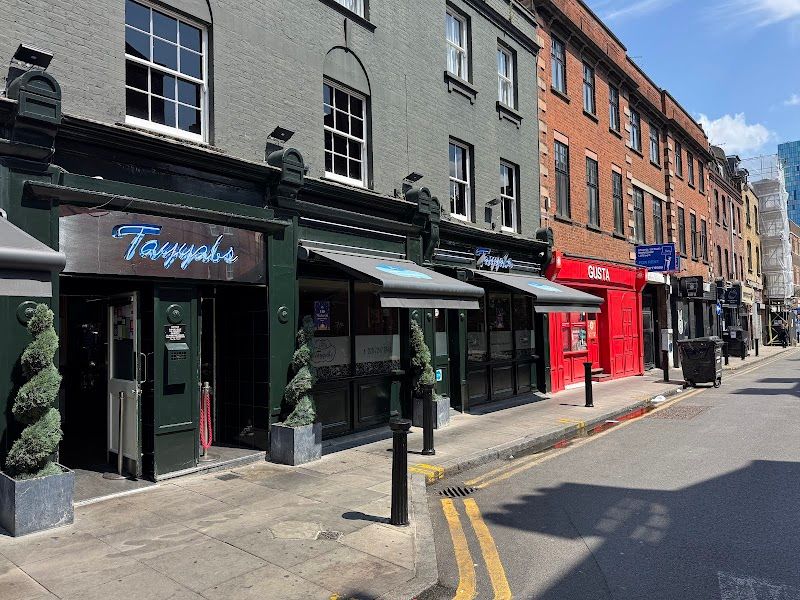
Tayyabs
Family-run Punjabi grill house serving karahi, seekh kebabs, and grilled lamb chops since 1972. The open kitchen shows the tandoor ovens in action. Expect queues, bring cash, and order the tandoori lamb chops.
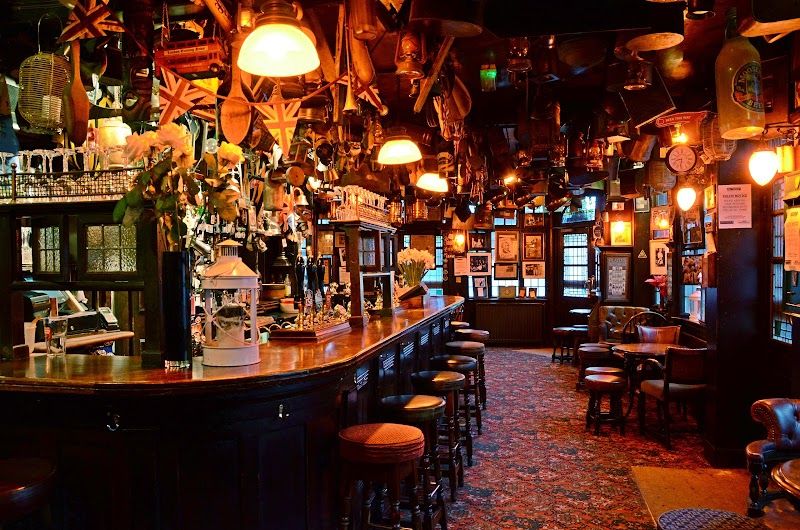
The Churchill Arms
Kensington pub famous for its year-round floral displays covering the entire exterior and a quirky Thai restaurant in the conservatory out back. The interior is cluttered with Churchill memorabilia and over 90 hanging baskets create a horticultural spectacle visible from Kensington Church Street.
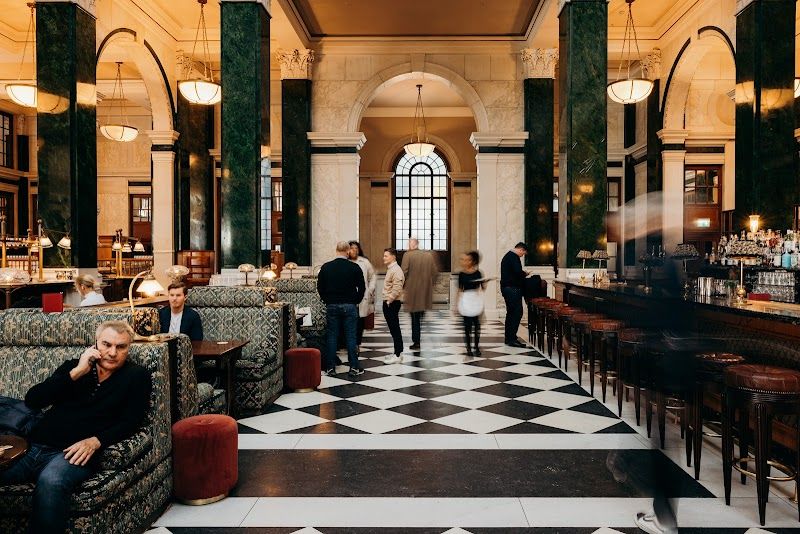
The Ned
A spectacular 1920s former bank transformed into a members' club and hotel with multiple restaurants including a stunning ground floor space beneath the original banking hall's soaring columns. The Nickel Bar offers classic cocktails in a grand Art Deco setting accessible to non-members. Perfect for experiencing Old World City glamour.
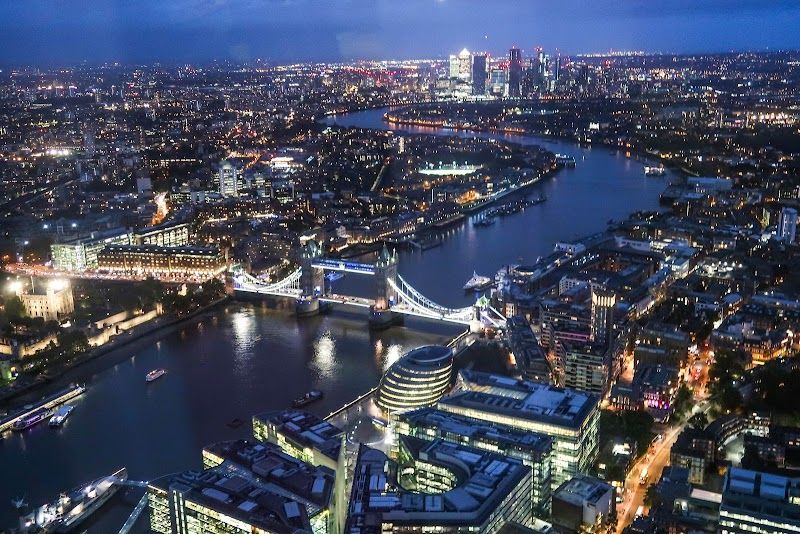
The View from The Shard
The Shard's viewing galleries sit 244 meters above London Bridge, giving you the city's highest public viewpoint across three floors. You'll see St Paul's Cathedral, Tower Bridge, and the Thames snaking east toward Canary Wharf, with the Surrey Hills visible on clear days up to 40 miles out. The real draw is level 72's open-air Skydeck where London wind hits you properly and the glass barriers don't interfere with photos or that stomach-dropping sensation. Your visit starts with high-speed lifts shooting you up in 60 seconds flat, then you work your way through floors 68 and 69's indoor galleries before heading to the outdoor deck. The views genuinely change throughout the day as London's light shifts from morning haze to golden afternoon glow. Level 72 can get properly windy - people shriek with delight and grab onto railings, which adds to the thrill but makes it tough for steady photography. Tickets cost £32 for adults during peak times, dropping to £25 off-peak, which makes timing crucial for your wallet. Most visitors rush straight to the top deck and miss the best photo opportunities on floor 69 where you're protected from wind shake. Skip the overpriced champagne bar unless you're celebrating something major - you're paying restaurant prices for airport-quality drinks.
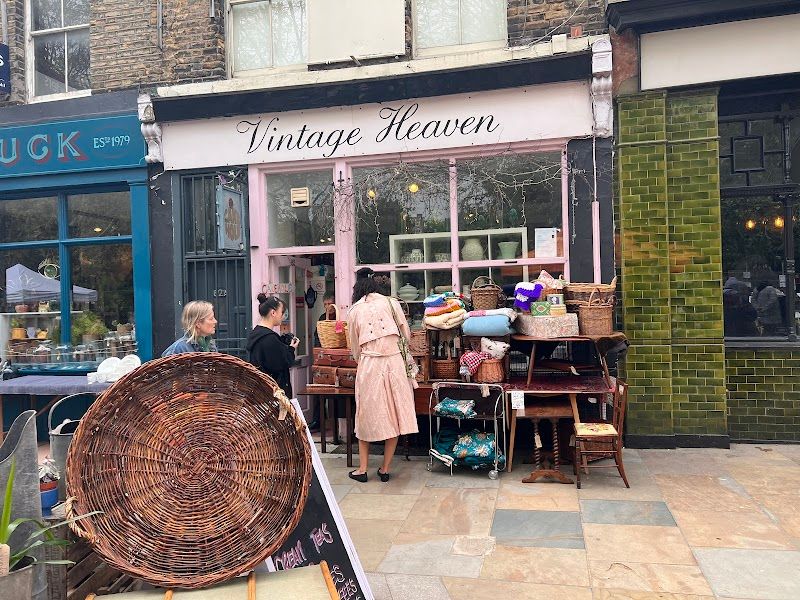
Columbia Road Flower Market
Columbia Road transforms into London's most atmospheric flower market every Sunday from 8am to 3pm, where sixty traders hawk everything from £3 bunches of tulips to exotic orchids for £15. You'll hear proper Cockney banter as sellers compete for attention along the narrow Victorian street - "Two bunches for a fiver, lovely!" The surrounding independent shops only open on Sundays, selling vintage ceramics, artisanal bread, and quirky homeware that you won't find anywhere else. The street gets absolutely rammed between 10am and 1pm, with crowds moving at snail's pace past stalls overflowing with seasonal blooms. The air smells of fresh flowers mixed with coffee from tiny cafés squeezed between shops. Traders pile tulips, daffodils, and roses into buckets while shouting prices, creating a proper old-school market atmosphere. You'll find yourself shoulder-to-shoulder with locals clutching armfuls of flowers and tourists snapping photos of the colorful chaos. Most guides don't mention how crushingly crowded it gets - avoid 11am-1pm unless you enjoy being trapped in slow-moving human traffic. The flowers are decent quality but not cheap (expect £5-8 for standard bouquets), though bulbs and plants offer better value than cut flowers. Skip the overpriced vintage shops and focus on the actual market - you're here for the atmosphere and fresh flowers, not £40 ceramic bowls.
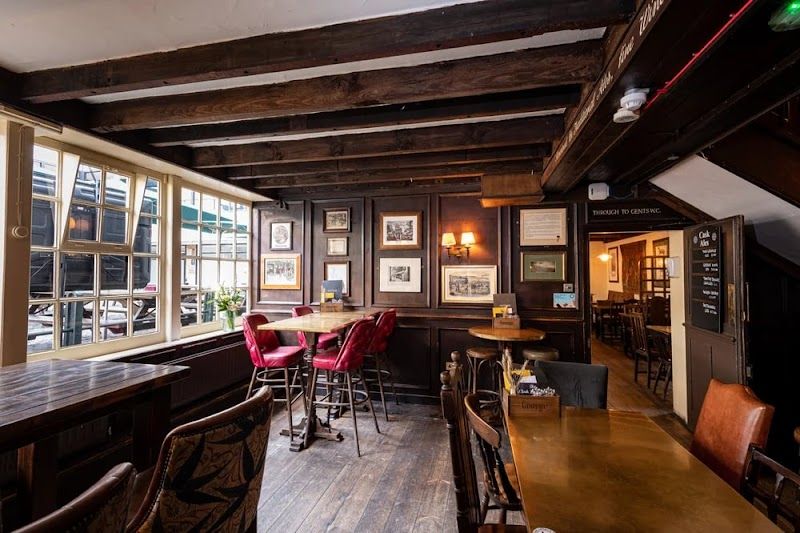
The George Inn
London's last surviving galleried coaching inn, owned by the National Trust and dating to the medieval period, though rebuilt after a 1676 fire. The open galleries and courtyard hosted Shakespearean plays, and Dickens referenced it in Little Dorrit.
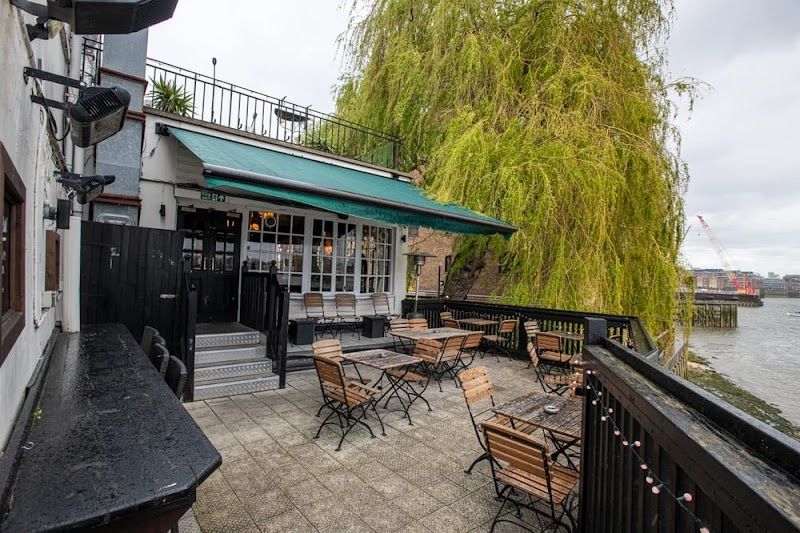
The Prospect of Whitby
Dating to 1520, this riverside pub claims to be London's oldest on the Thames, with flagstone floors and a pewter-topped bar. The waterside terrace offers views of the river where Samuel Pepys and Charles Dickens once drank, and where Judge Jeffreys allegedly watched hangings at Execution Dock.
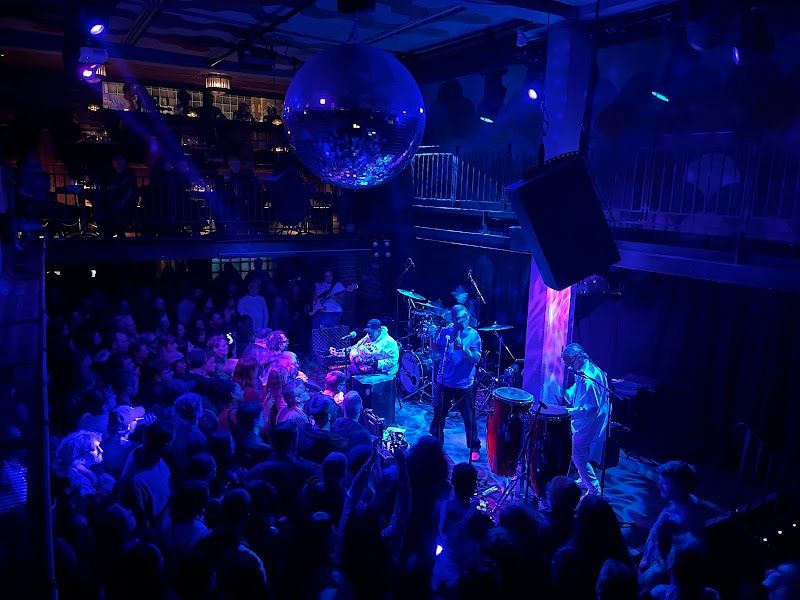
Jazz Cafe
Camden's premier live music venue in a converted bank building, hosting everything from jazz and soul to hip-hop and R&B. The two-tier layout with balcony dining offers excellent sightlines, and the venue has launched careers of artists from Amy Winehouse to D'Angelo.
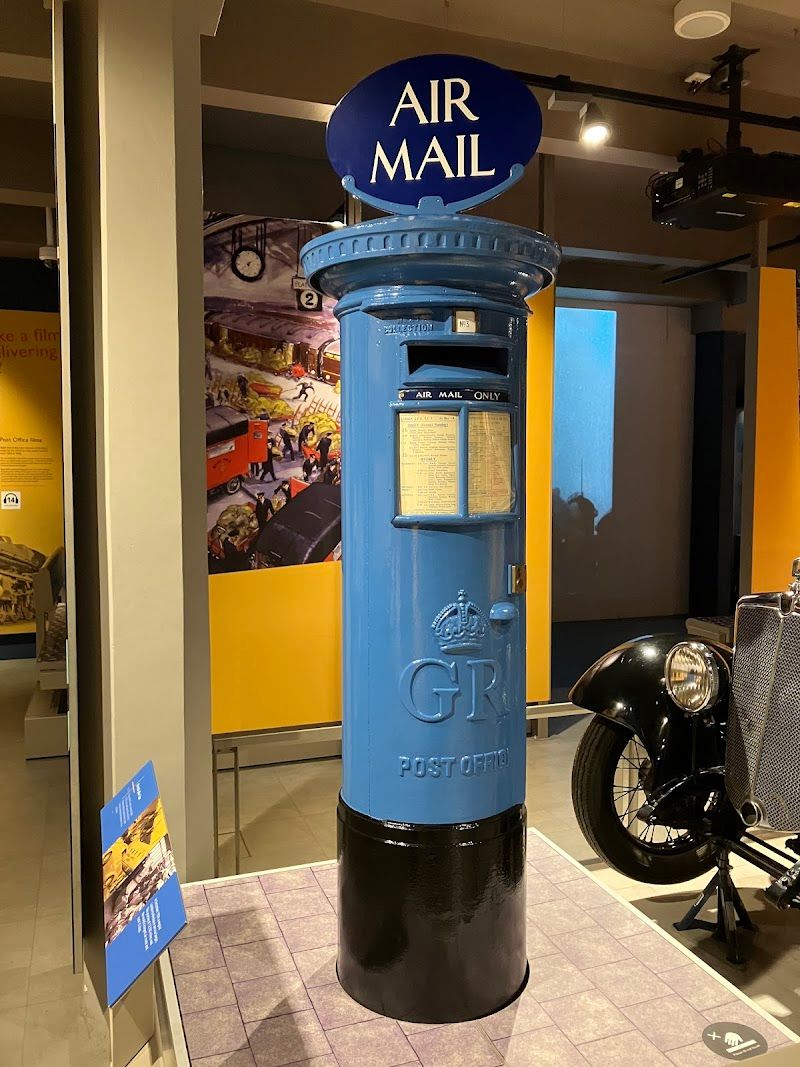
The Postal Museum
The Postal Museum tells Britain's 500-year postal story through everything from medieval letter delivery to modern parcel sorting, but the real draw is Mail Rail - a 15-minute ride through the actual underground railway that carried London's mail from 1927 to 2003. You'll sit in purpose-built carriages that glide through narrow Victorian tunnels, past original platforms and sorting stations frozen exactly as postal workers left them. The museum upstairs covers Penny Black stamps, wartime postal services, and those red postboxes you see everywhere - it's surprisingly engaging even if you've never thought twice about how your letters get delivered. The Mail Rail experience feels like stepping into a secret London most people never knew existed. The tunnels are genuinely atmospheric - dimly lit brick archways with authentic railway signals and abandoned mail bags still scattered about. Upstairs, the museum flows chronologically through British postal history with interactive sorting games, vintage uniforms, and a recreation of a 1930s post office counter. The whole place has that satisfying blend of nostalgia and clever engineering that makes you appreciate something you'd normally take for granted. Most visitors rush straight to Mail Rail and barely glance at the museum proper, which is a mistake - the upstairs exhibits are genuinely well done and provide context that makes the underground ride more meaningful. Adult tickets cost £17, which feels steep for what's essentially a 15-minute train ride plus a small museum, but the novelty factor justifies it if you're curious about London's infrastructure. Skip the gift shop unless you're genuinely into postal memorabilia - it's overpriced tourist tat.
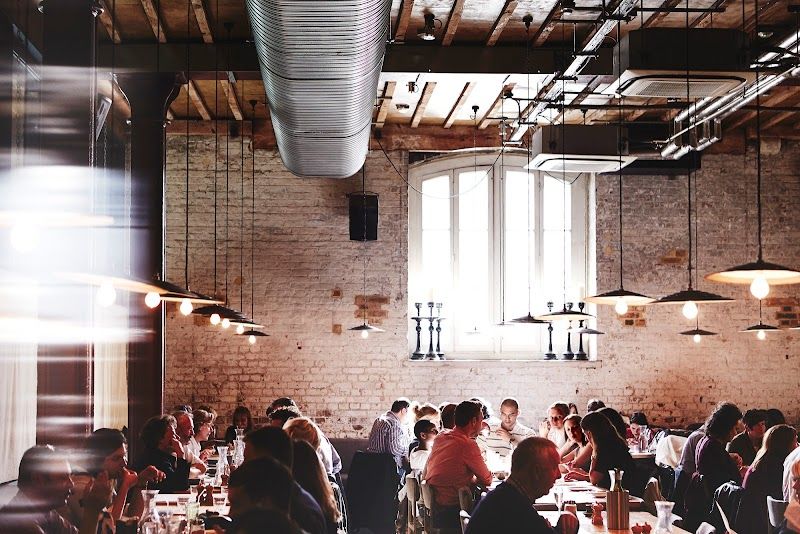
Caravan King's Cross
All-day restaurant in Granary Square with global small plates and specialty coffee. The weekend brunch draws crowds for shakshuka, pancakes, and avocado toast. The outdoor seating overlooks the fountain.
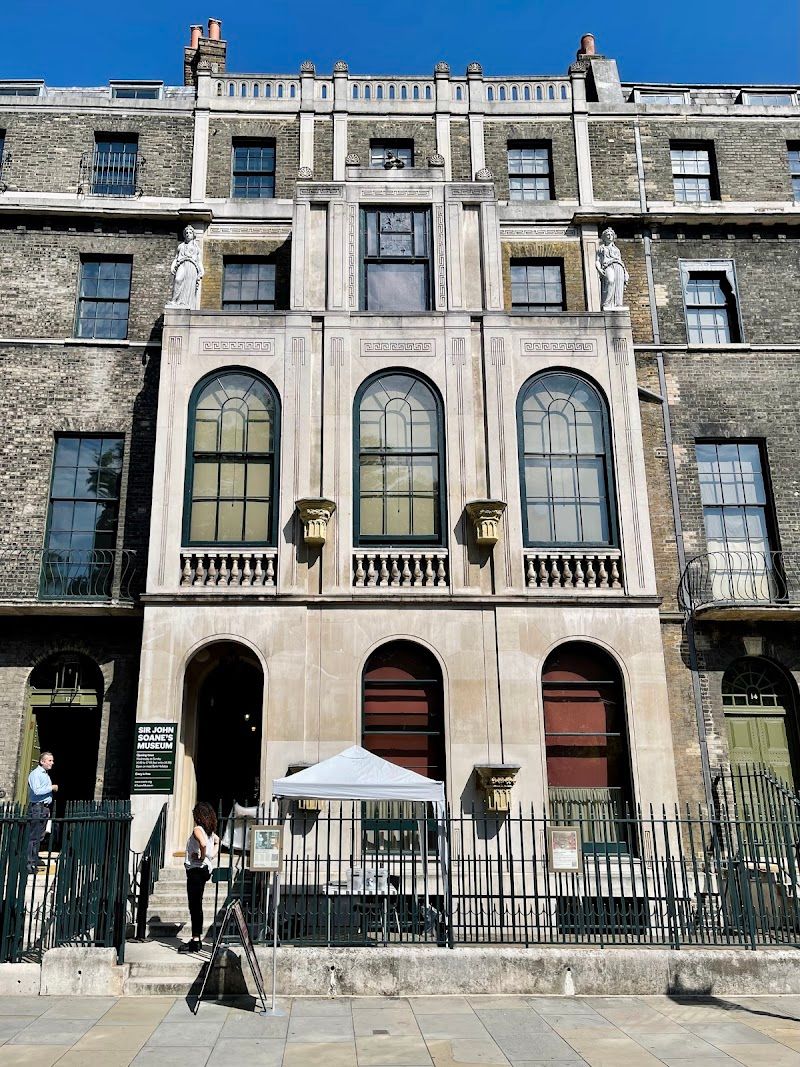
Sir John Soane's Museum
Sir John Soane's Museum is the preserved home of Britain's most eccentric architect, crammed with his personal collection of everything from Roman sculptures to Egyptian sarcophagi. You'll see Hogarth's complete Rake's Progress series, fragments of medieval monasteries, and Turner paintings scattered throughout rooms that feel frozen in 1837. The Picture Room's hinged walls fold back like giant books to reveal three times more paintings than the space should hold - it's architectural wizardry that still amazes. Walking through feels like exploring someone's private study where they've left everything exactly as it was. The rooms flow oddly into each other, mirrors create impossible reflections, and light filters through coloured glass in unexpected ways. Seti I's alabaster sarcophagus dominates the basement, while upstairs tiny medieval treasures hide in every corner. It's deliberately overwhelming - Soane wanted visitors to feel slightly lost in his labyrinth of curiosities. Entry is free but the museum only allows 90 people inside at once, so queues form quickly after 11am on weekends. Most people rush through in 30 minutes and miss half the collection - take your time with the folding Picture Room and don't skip the basement Sepulchral Chamber. The building gets uncomfortably warm when busy, and photography isn't allowed anywhere, which frustrates Instagram hunters but preserves the intimate atmosphere.
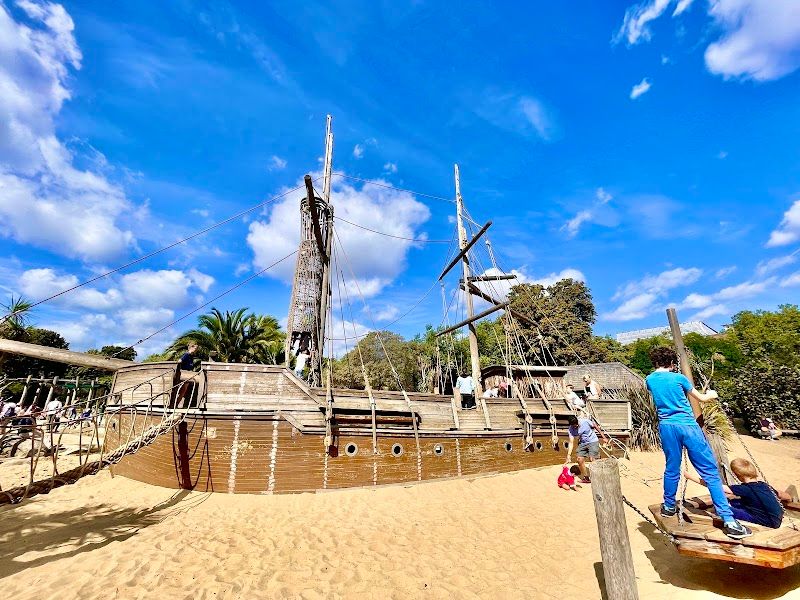
Diana Memorial Playground
Diana Memorial Playground transforms a corner of Kensington Gardens into an adventure zone built around Peter Pan's Neverland. The centerpiece is a massive wooden pirate ship where kids can climb rigging, work the ship's wheel, and peer through portholes. Beyond the ship you'll find wigwam-style teepees, a sensory trail with different textures underfoot, musical instruments built into tree stumps, and a beach area with real sand where toddlers can dig and build. The playground buzzes with purposeful chaos as children aged 12 and under explore every nook. Parents perch on benches while kids disappear into the ship's lower decks or scramble up rope climbing frames. The whole space feels enclosed and safe behind its fence, with trained play workers keeping an eye on things. The design cleverly separates areas for different ages, so toddlers aren't overwhelmed by bigger kids charging around the pirate ship. This is genuinely free entertainment that can easily fill two hours, making it exceptional value in expensive London. The playground gets packed on sunny weekends when the queue stretches along Broad Walk - rainy days are actually perfect since most equipment stays usable under tree cover. Don't bother bringing your own snacks since there's nowhere to eat inside, and forget about checking emails since mobile signal is patchy within the gated area.
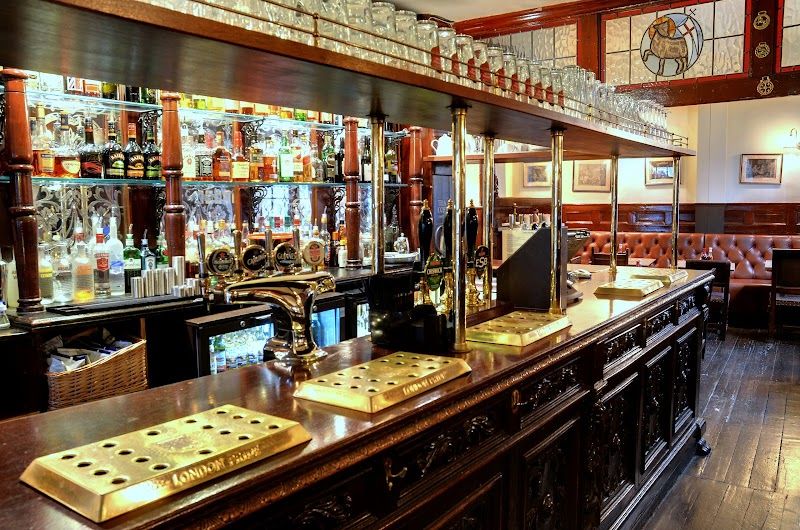
The Lamb and Flag
17th-century pub tucked down an alley off Garrick Street, once known as the 'Bucket of Blood' for hosting illegal bare-knuckle fights. The narrow, wood-paneled interior retains its historic character, with multiple floors that fill quickly with theatregoers and local workers.
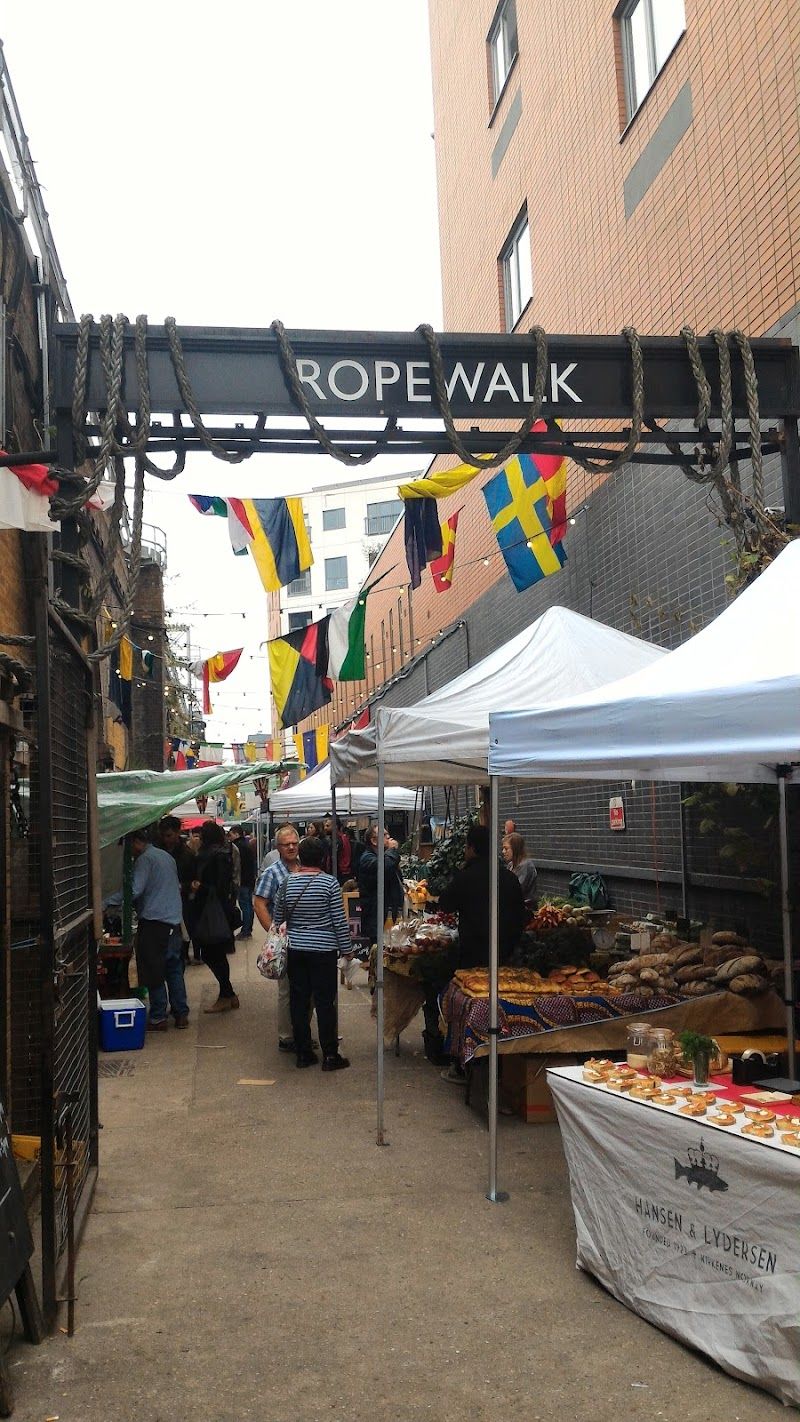
Maltby Street Market
Maltby Street Market transforms Victorian railway arches into London's most discerning weekend food scene. You'll find about 30 vendors spread between the main arches and the converted rope factory, each one carefully curated for quality. Permanent fixtures like St. John Bakery serve their legendary doughnuts (£3.50), while Monmouth Coffee pulls espresso shots under brick vaulting. The Ropewalk section houses Little Bird Gin's working distillery where you can taste botanical spirits alongside artisan cheese and charcuterie. Saturdays bring a more relaxed crowd than the tourist-heavy Borough Market nearby. You'll weave between narrow passages where craft beer flows from Kernel Brewery taps (£4-5 per pint) and vendors slice jamón ibérico to order. The atmosphere stays conversational even when busy - locals chat with stallholders they've known for years. Steam rises from Gujarati dhokla stalls while jazz occasionally drifts from impromptu musicians. Most food guides oversell this as a Borough Market alternative, but it's actually better - smaller, less commercial, with vendors who genuinely care about their craft. Skip the overpriced weekend brunch spots nearby and eat here instead. Budget £15-20 per person for a proper food crawl. The market's compact size means you can sample everything without the marathon walking that Borough requires.
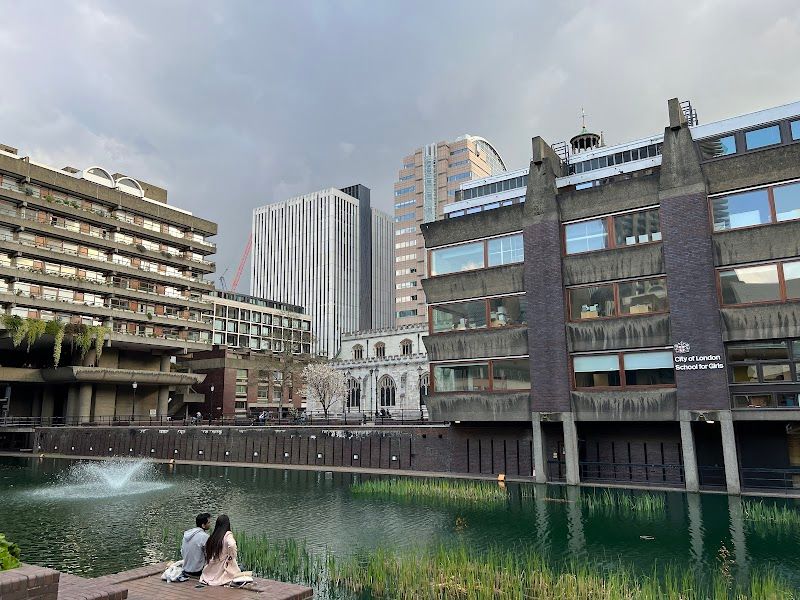
Barbican Centre
The Barbican Centre transforms a brutalist concrete fortress into Europe's largest arts complex, where you'll find the London Symphony Orchestra's home concert hall, two theatres staging everything from Shakespeare to experimental works, three cinemas showing arthouse films, and rotating contemporary art exhibitions. The building itself is the real star - this 1960s architectural statement divides opinion fiercely, but walking through its elevated walkways and discovering spaces feels like exploring a concrete spaceship that's somehow become beautiful with age. Your visit unfolds across multiple levels connected by those famous concrete walkways and glass bridges. The foyers buzz with pre-show energy, while the arts galleries offer quiet contemplation between performances. The tropical conservatory on level 3 provides the biggest surprise - stepping from cold concrete into humid jungle air filled with towering palms and the sound of water trickling past sleeping koi. The outdoor terraces give you breathing space with views across the residential towers where 4,000 people actually live. Most people either love or hate the architecture immediately, but the programming is consistently excellent - LSO concerts from £10, theatre tickets £15-65, and cinema screenings around £12-16. Skip the overpriced restaurants and grab something quick from the ground-level café instead. The art gallery is often underwhelming compared to major museums, so prioritize performances and that conservatory visit. Book concerts well ahead - the acoustics in the main hall are genuinely spectacular.
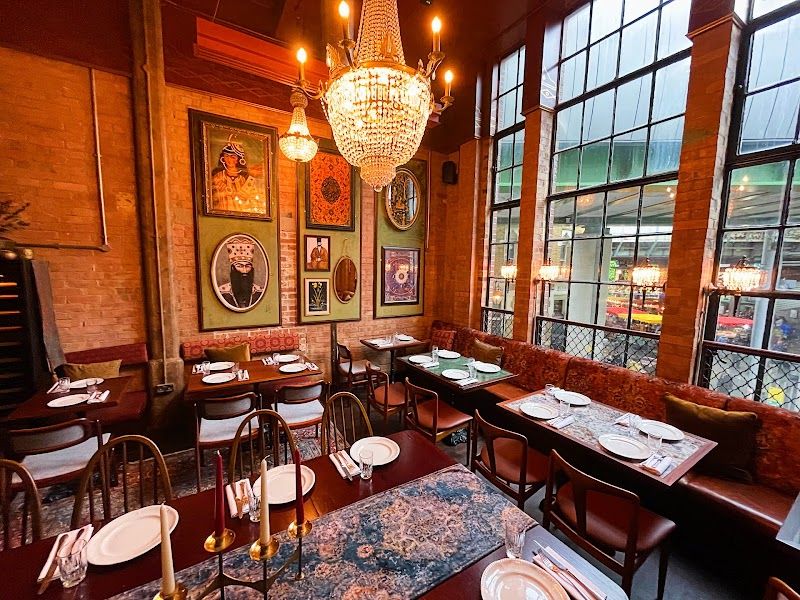
Berenjak Borough
Iranian kabab house recreating the coal grill restaurants of Tehran. The bread bar serves lavash straight from the clay oven. The chicken and lamb kababs are grilled over charcoal and served with saffron rice.
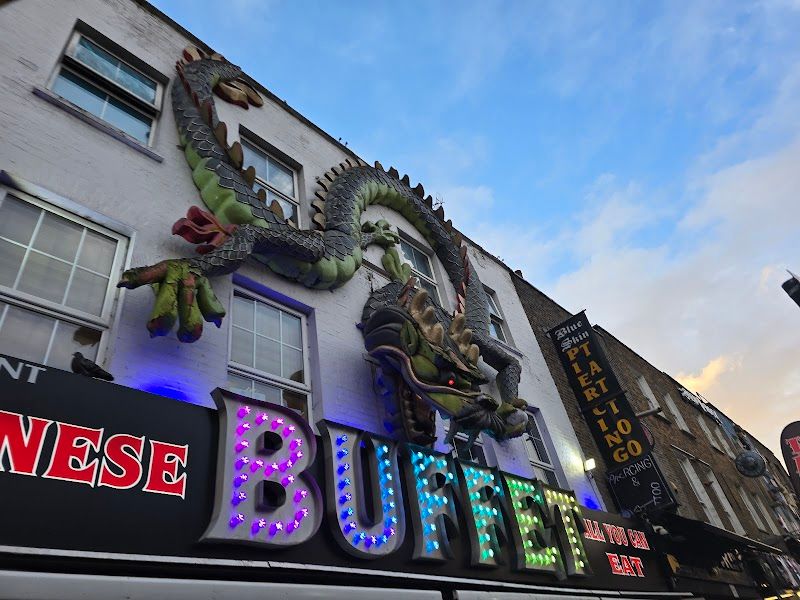
Camden Market Food Tour
Camden Market's food tour takes you through four distinct market areas where vendors serve everything from Korean corn dogs to Moroccan tagines. You'll hit 6-8 stalls over two hours, getting generous samples plus stories about how Camden transformed from a working-class area into London's alternative culture capital. The guide knows which Ethiopian stall makes the best injera and why the Venezuelan arepa guy switched from engineering to street food. The tour flows between Camden Lock Market's international offerings, the Stable Market's quirky converted railway arches, and Horse Hospital's more experimental vendors. You're constantly moving and eating - no sitting around listening to lengthy explanations. The guide keeps things moving but pauses to explain how punk culture shaped this area's food scene. Expect to try things you've never heard of alongside elevated versions of street food classics. Most food tours in London feel touristy and overpriced, but this one actually delivers. At around £45-55 per person, you get enough food to count as lunch plus insider access to stalls that might intimidate solo diners. Skip the weekend tours unless you enjoy being jostled by teenagers taking Instagram photos. The Tuesday-Thursday sweet spot gives you the same vendors with breathing room to actually taste your food.
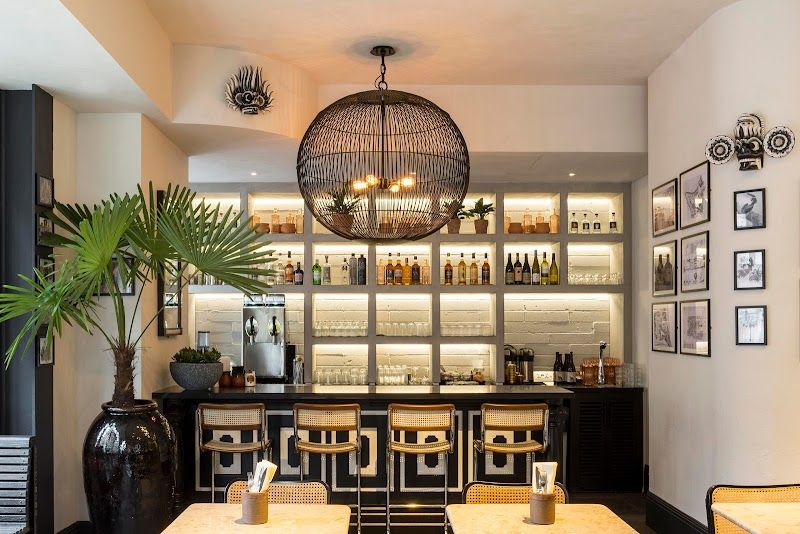
Hoppers St Christopher's Place
Sri Lankan restaurant specializing in fermented rice hoppers, kotthu roti, and bone marrow varuval. The open kitchen shows the hopper griddles in action. Order the eponymous hopper with a runny egg baked into the center.
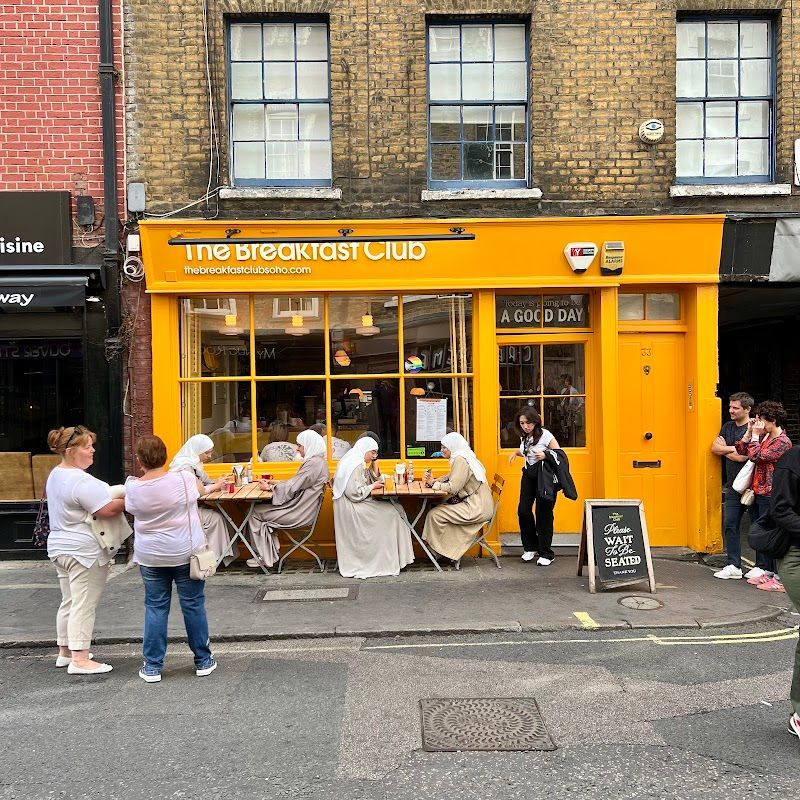
The Breakfast Club
Retro American-style diner in the heart of Soho serving all-day breakfast and brunch with a quirky 1980s theme. Milkshakes, pancakes, and generous portions in a fun atmosphere with booth seating and pop culture décor. Popular with younger crowds and weekend brunchers.
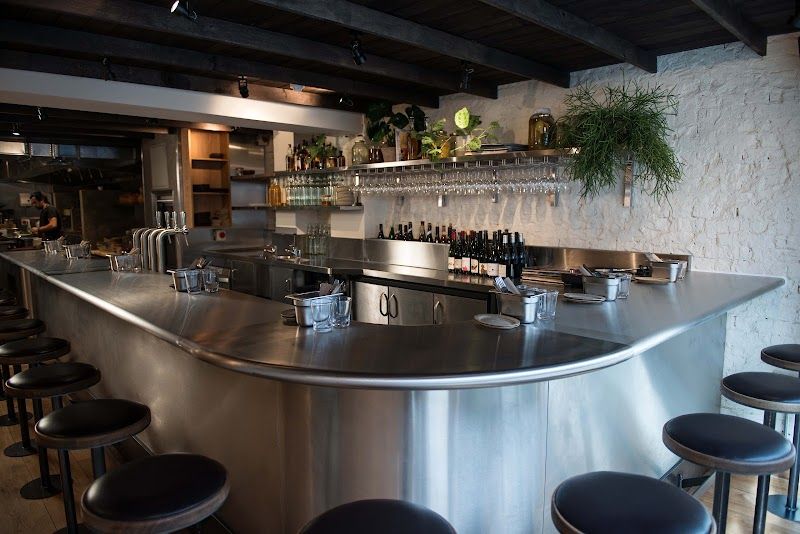
Kiln
Thai restaurant focusing on clay pot cooking and regional Northern Thai dishes. The menu changes frequently but the charcoal-grilled meats and Burmese-influenced curries are constants. Counter seating faces the open flames.
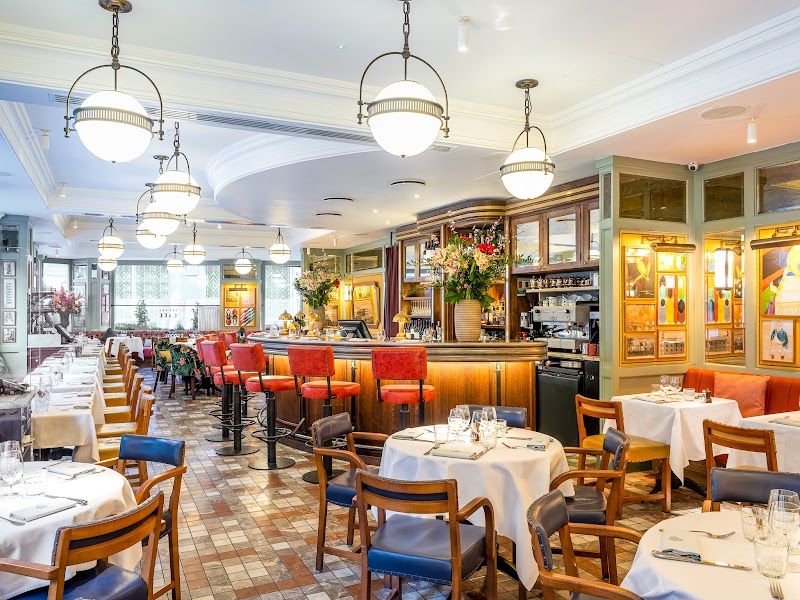
The Ivy Café
More casual offshoot of the famous Ivy restaurant in Marylebone, serving breakfast through dinner in a glamorous art deco setting. Known for excellent afternoon tea and all-day availability without the main restaurant's exclusivity. The green leather booths and stained glass create an elegant atmosphere.
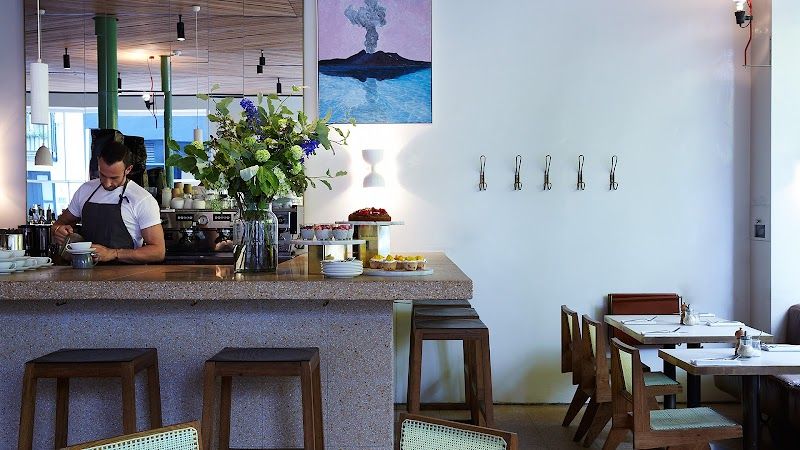
Granger & Co
Australian restaurateur Bill Granger's all-day dining spot in Notting Hill serving his famous ricotta hotcakes and relaxed brunch dishes. Light-filled corner space with whitewashed interiors and communal tables. The Aussie-style coffee is consistently excellent.
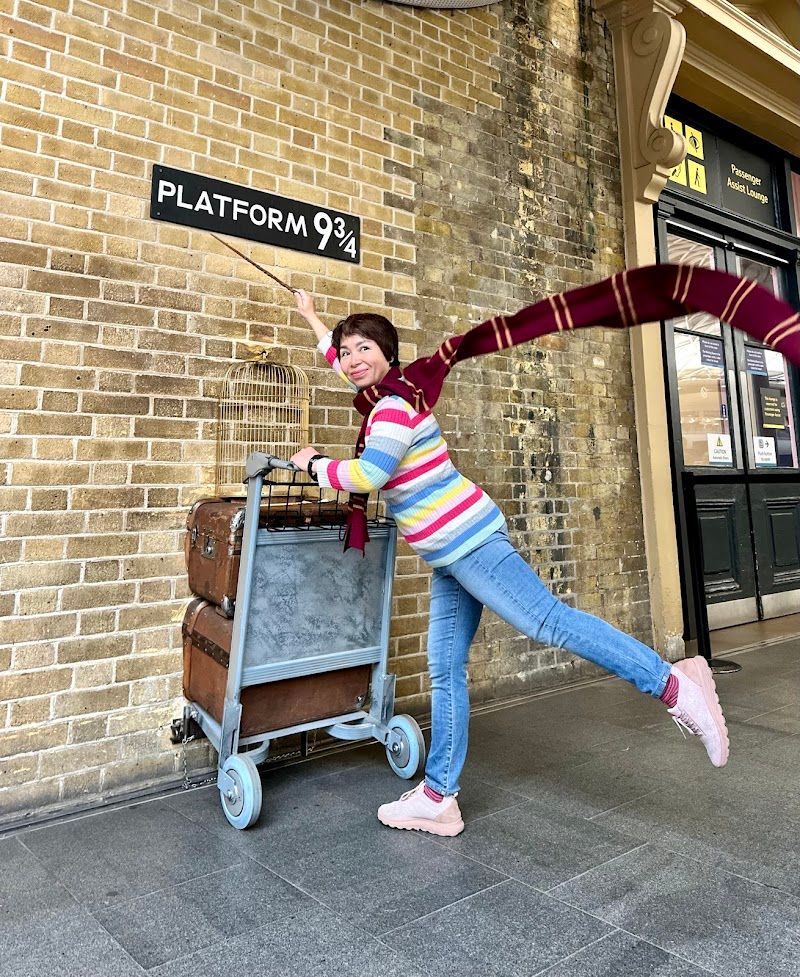
Platform 9¾
A luggage trolley permanently embedded in the wall between platforms 9 and 10 marks the fictional entrance to the Hogwarts Express from Harry Potter. A photographer is on hand daily to capture your shot with provided House scarves, and the adjacent shop sells official merchandise. The queue moves quickly outside peak times.
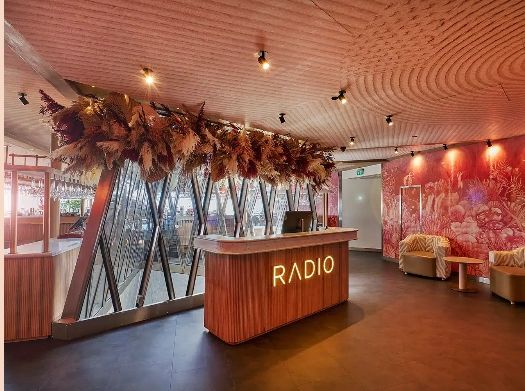
Radio Rooftop Bar
Tenth-floor rooftop bar at ME London hotel with wraparound views of Westminster, the London Eye, and the Thames. The heated terrace and retractable roof make it viable year-round, with sunset being prime time for photographing parliament and the river.
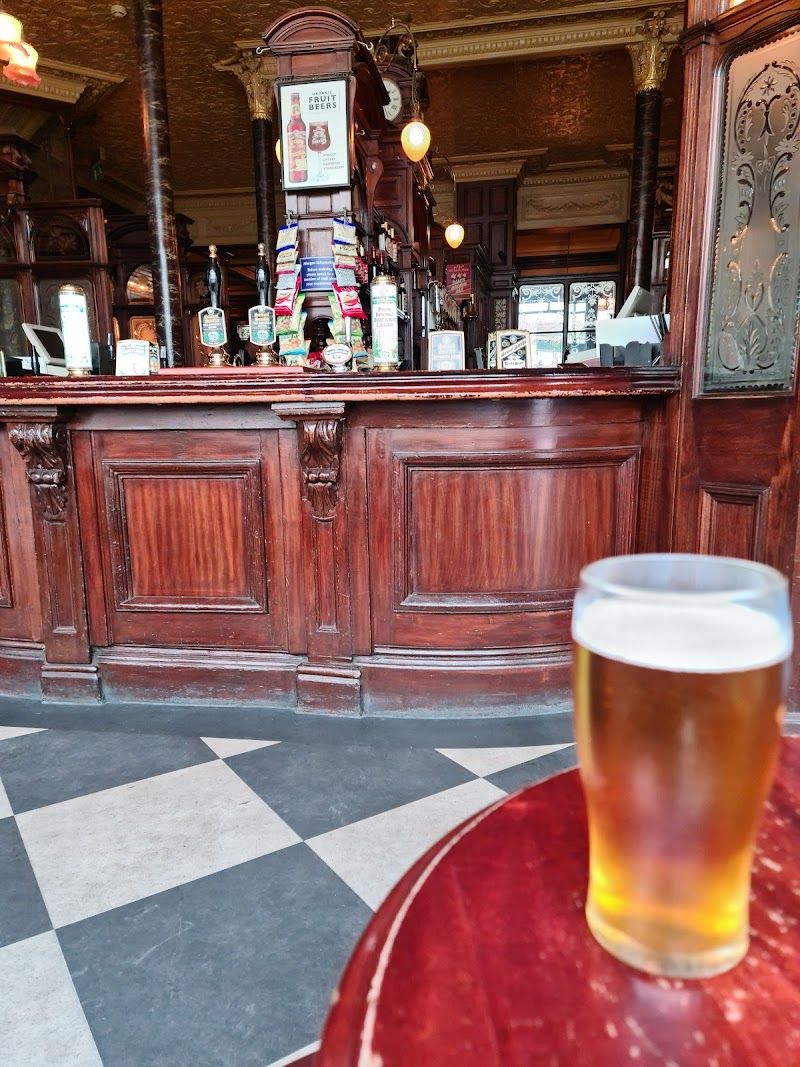
The Princess Louise
Victorian gin palace in Holborn with spectacularly preserved 1891 interiors featuring etched glass screens, ornate tilework, and a horseshoe bar. The individual drinking booths were originally designed for privacy in an era when public drinking was considered scandalous.
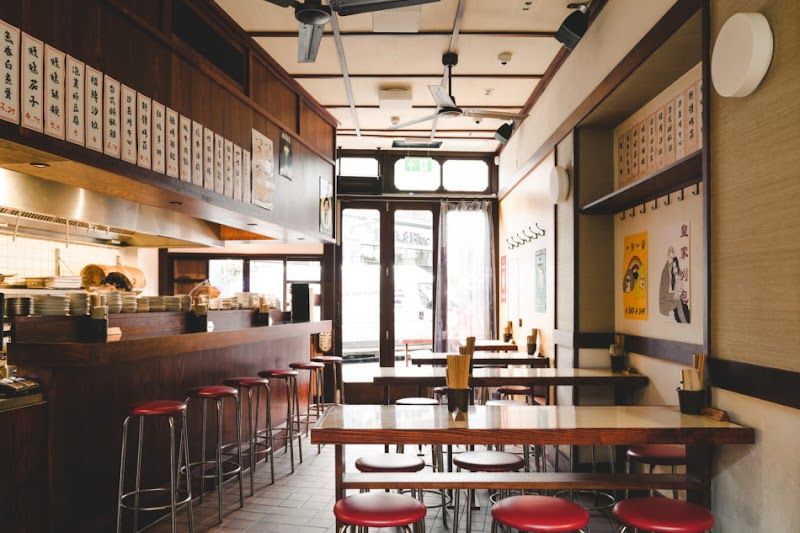
Bao Borough
Taiwanese restaurant near Borough Market with full-service dining and reservations available. The xiao chi small plates showcase Taiwan's night market culture. The guinea fowl bao and peanut ice cream sandwich are signatures.
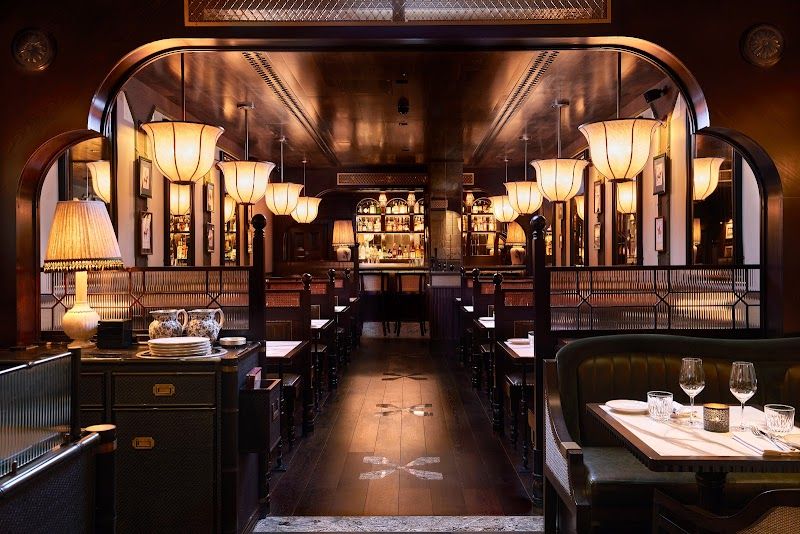
Gymkhana
Michelin-starred Indian restaurant inspired by colonial Indian gymkhana clubs. The wild muntjac biryani and kid goat methi keema are refined versions of regional dishes. The bar serves Indian-inspired cocktails.
Manteca
Italian restaurant in Shoreditch focused on pasta and whole-animal butchery. The pasta is made daily and the wine list emphasizes natural Italian wines. The cacio e pepe and beef shin ragu rotate seasonally.
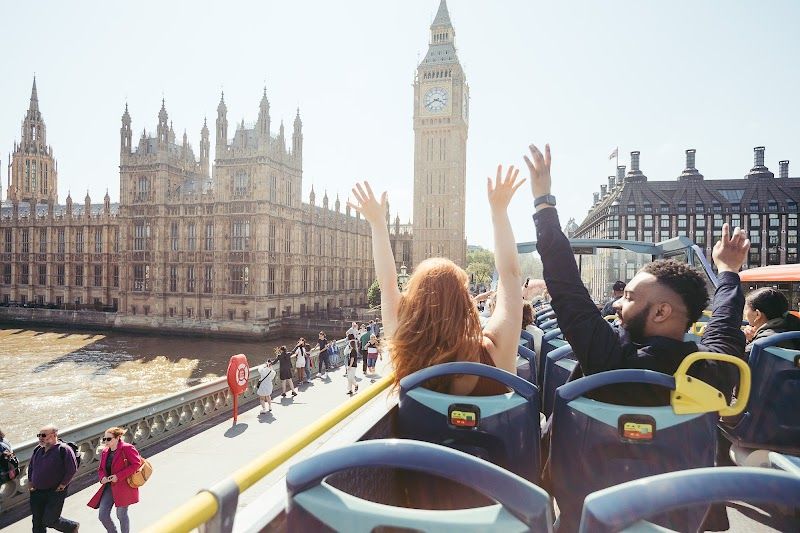
Tootbus London Discovery Tour
Open-top double-decker bus tour with live English commentary covering over 30 London landmarks across three interconnecting routes. The full circuit without hopping off takes 2.5 hours and includes dedicated routes for Westminster and West End sights.
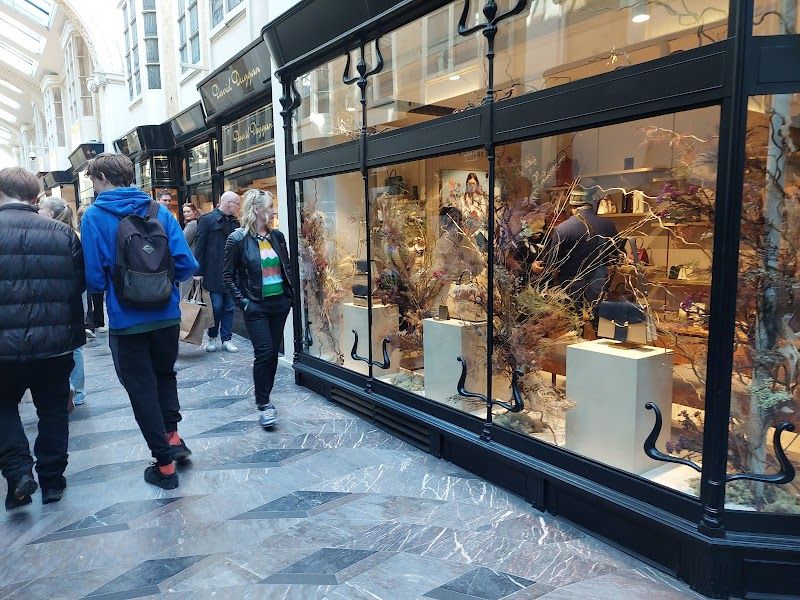
Burlington Arcade
A Regency-era covered shopping arcade from 1819 running parallel to Bond Street, originally built for Lord Cavendish's wife to shop safely. The 195-meter passage houses 40 luxury boutiques behind a mahogany facade. Uniformed beadles (Britain's smallest police force) enforce the historic code of conduct prohibiting whistling and running.
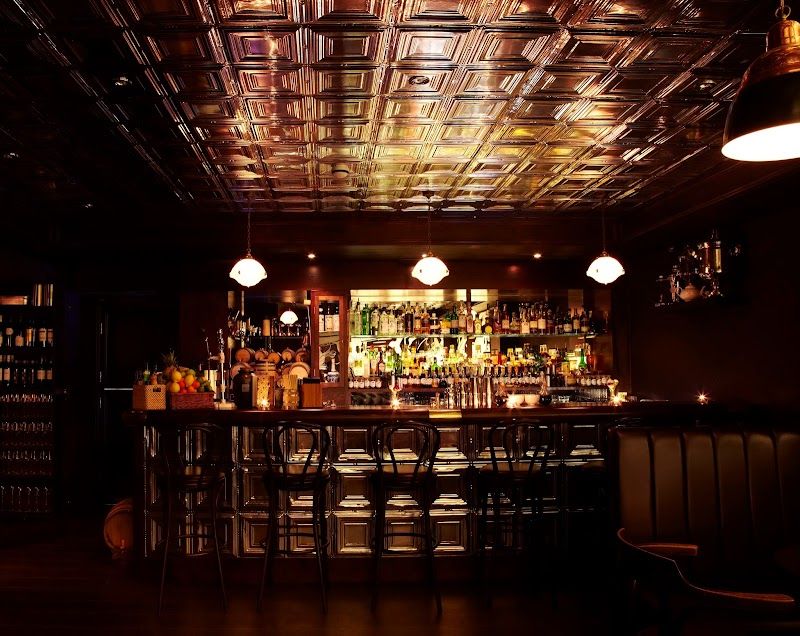
Nightjar
Prohibition-era speakeasy in Shoreditch featuring live jazz, swing, and blues seven nights a week in a candlelit basement setting. The cocktail menu spans vintage recipes from 1700 to 1969, with elaborate presentations involving smoking cloches and theatrical garnishes.
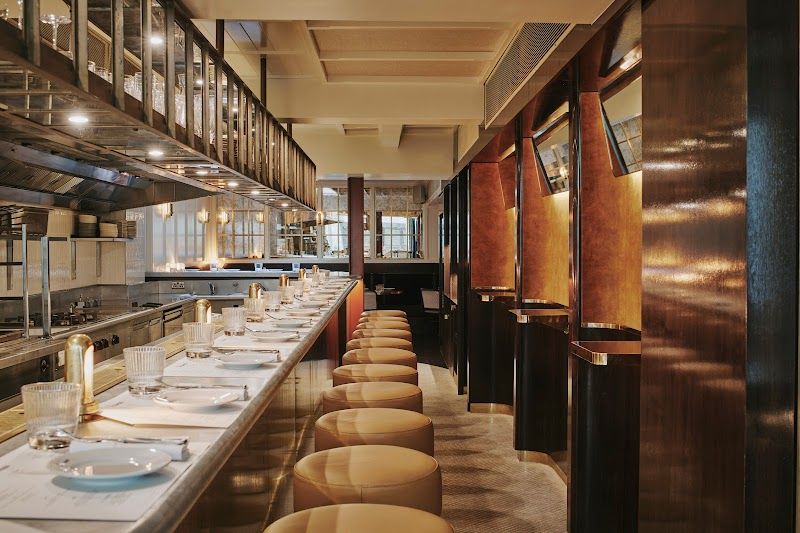
The Palomar
Jerusalem-style restaurant in Soho with a zinc bar and open kitchen. The menu spans modern Jerusalem, Southern Spain, and Italy. The kubaneh bread with tahini and tomatoes is baked to order.
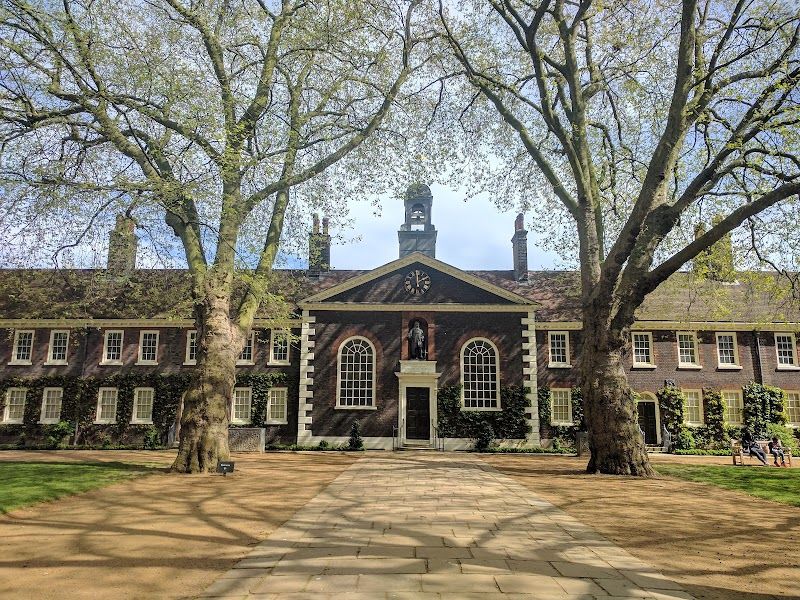
Geffrye Museum - Museum of the Home
Eleven period room displays chart the evolution of English domestic interiors from 1630 to present day, set in beautiful 18th-century almshouses. Recently reopened after major renovation, the museum explores how homes reflect social history and changing lifestyles. The four historic period gardens complement the interior displays. Free admission makes this local attraction easily accessible.
Smoking Goat Shoreditch
Thai restaurant focusing on the smoky flavors of Thailand's fish sauce wings, grilled meats, and laab. The signature fish sauce wings are sticky, salty, and addictive. The space has a warehouse vibe with communal tables.
Cây Tre
Vietnamese restaurant in Hoxton with regional dishes from North and South Vietnam. The pho is made with 24-hour beef broth and fresh herbs. The summer rolls and bún chả are standouts from an extensive menu.
Brat
Basque-inspired restaurant in Shoreditch cooking everything over wood fire and charcoal. Turbot cooked whole over charcoal is the signature dish. Chef Tomos Parry won a Michelin star cooking out of a former strip club.
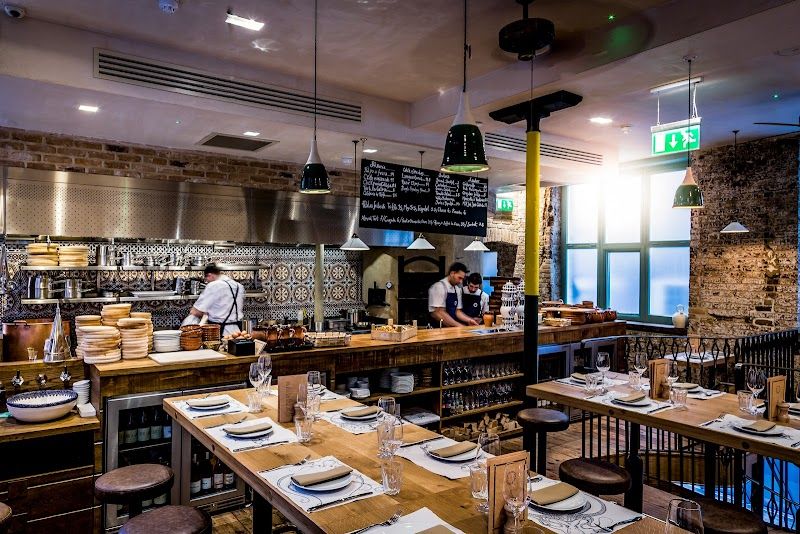
Sabor
Spanish restaurant with two floors - upstairs asador grill and downstairs counter serving tapas. Nieves Barragán Mohacho's menu showcases regional Spanish cooking. The tortilla and grilled meats are exceptional.
100 Club
Legendary basement venue on Oxford Street operating since 1942, pivotal in British music history from hosting early Rolling Stones gigs to being the birthplace of UK punk with the 1976 Punk Festival. The low ceilings and sticky floors are part of the authentic rock and roll experience.
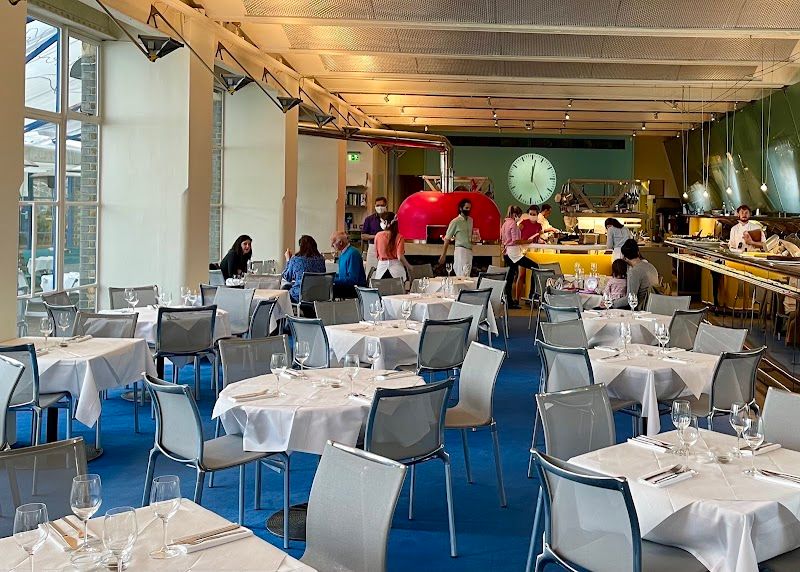
The River Café
Italian restaurant in Hammersmith with a wood-fired oven and riverside garden. Ruth Rogers has maintained the Michelin star for decades with handmade pasta and wood-roasted dishes. The cookbook series influenced a generation of chefs.
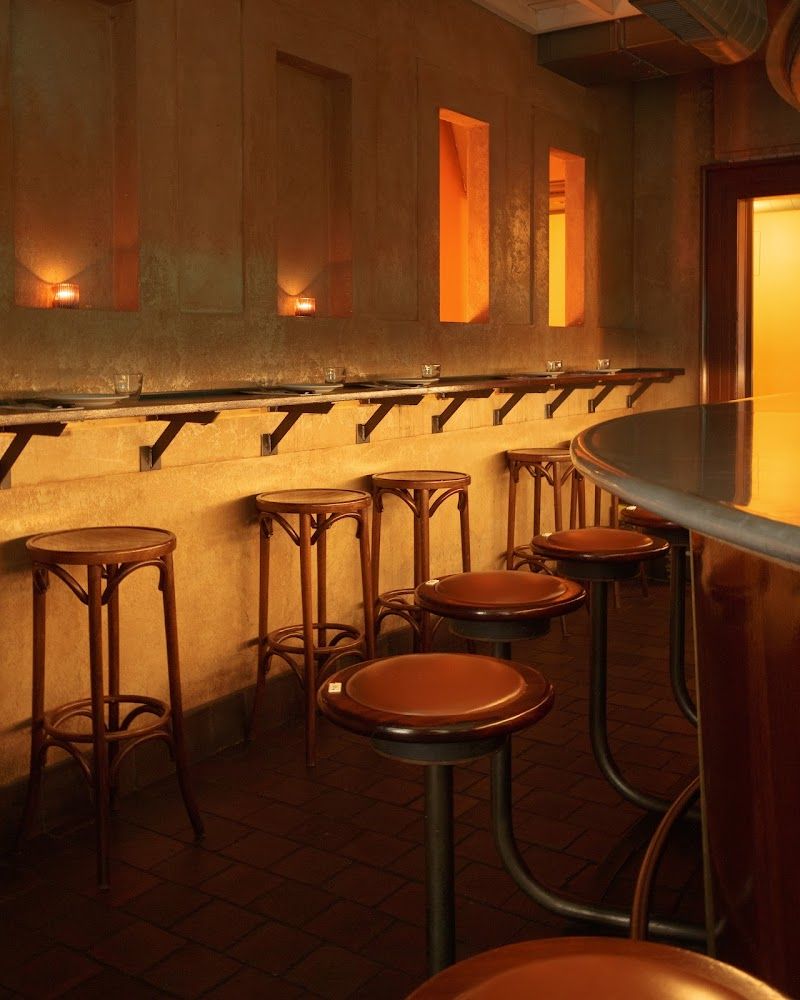
The Barbary
24-seat counter restaurant in Covent Garden serving dishes from the Barbary Coast. The menu spans Morocco, Tunisia, and southern Spain. The pita with tahini arrives warm from the oven throughout service.
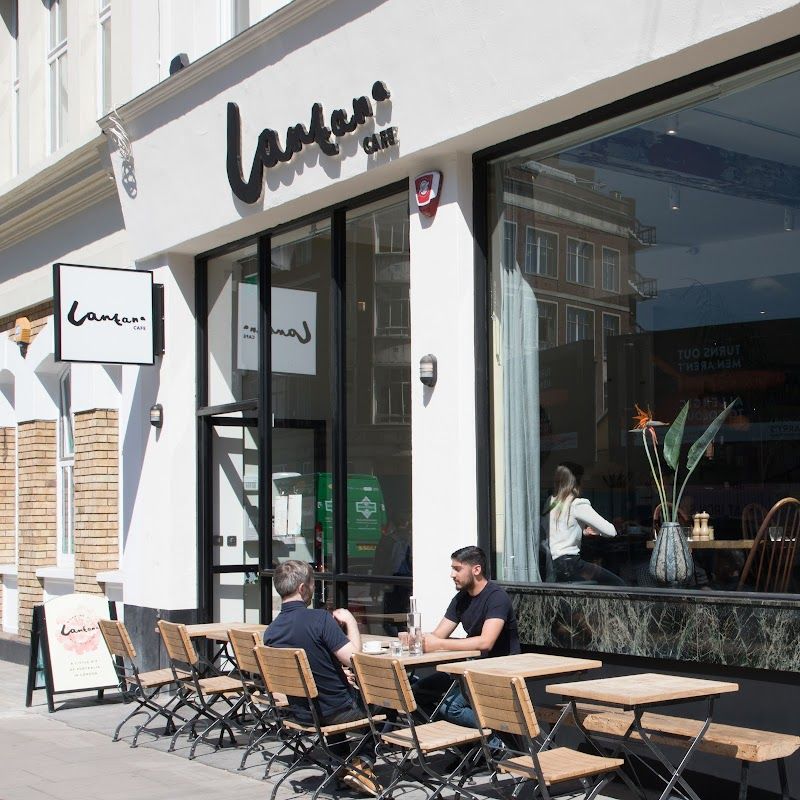
Lantana
Australian-style café in Fitzrovia credited with bringing antipodean brunch culture to London. Compact space with a focus on fresh, seasonal ingredients and excellent coffee. The corn fritters and avocado toast remain menu staples years after opening.
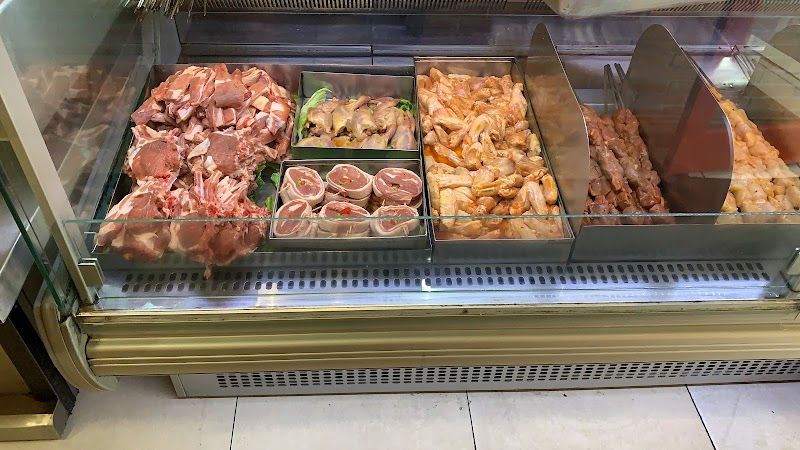
Mangal 1
Turkish ocakbasi grill on Arcola Street where meat and vegetables are grilled over charcoal in front of diners. The lamb şiş and Adana kofte are hand-cut daily. Cash only, unlicensed but BYOB.
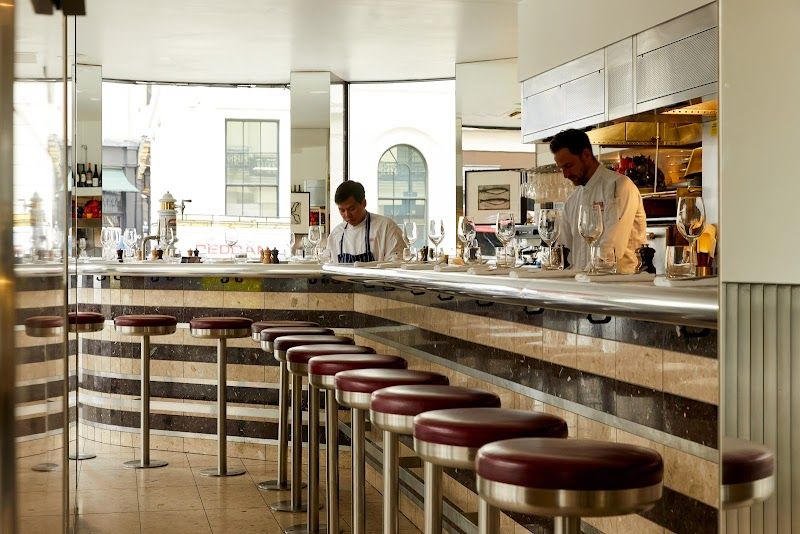
Barrafina Adelaide Street
Counter-only Spanish restaurant serving exceptional tapas and seafood. Watch chefs prepare tortilla, jamón, and grilled prawns right in front of you. No reservations - queue system only.
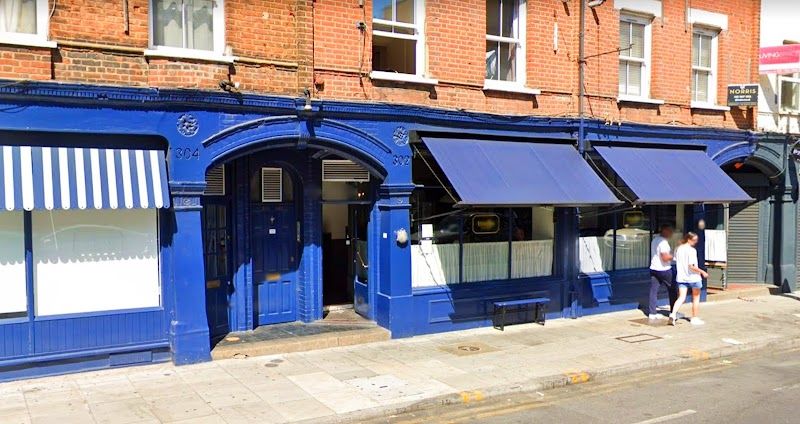
Trullo
Italian restaurant in Highbury specializing in handmade pasta and wood-grilled meats. The regional Italian wine list is carefully curated. The beef shin ragu and pappardelle is a signature dish.
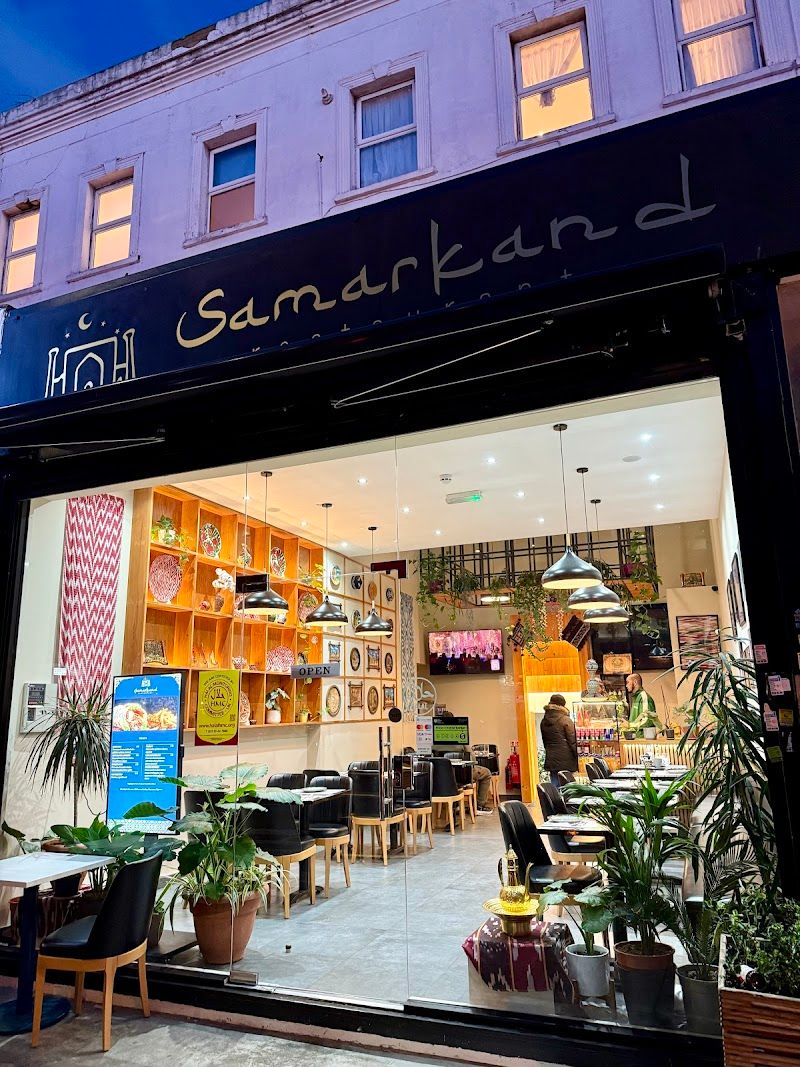
Samarkand
Intimate Uzbek restaurant serving authentic plov, lagman noodles, and samsa in a cozy setting. The bread is baked fresh in a traditional tandoor oven, and the lamb dishes are particularly outstanding. A hidden gem for Central Asian cuisine in South Kensington.
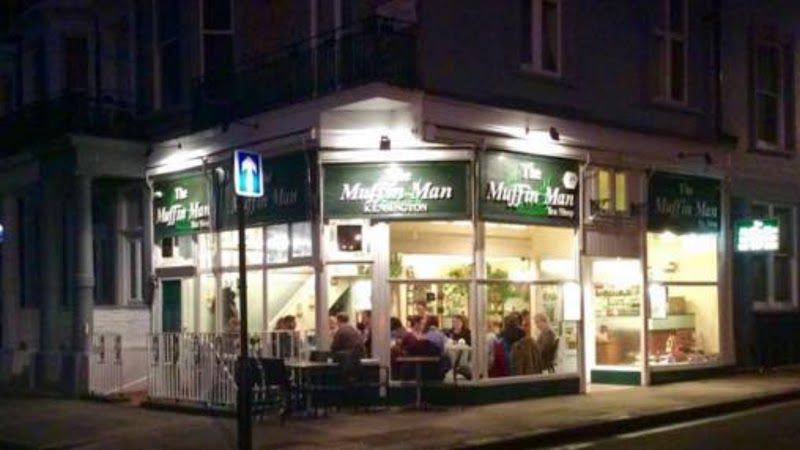
The Muffin Man Tea Shop
Traditional English tea room tucked away in a former muffin bakery dating back to the 1890s. Serves proper afternoon tea with homemade scones, finger sandwiches, and cakes in a quaint Victorian setting. Quintessentially British without the tourist crowds.
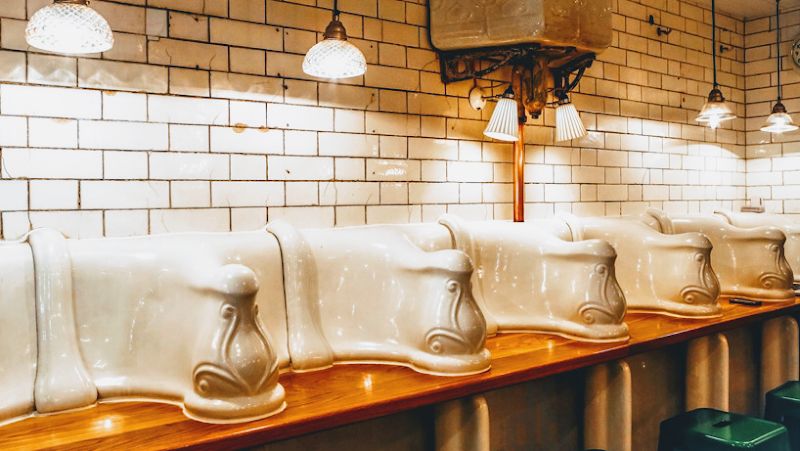
Attendant
Specialty coffee shop built inside a restored Victorian underground public toilet in Fitzrovia. Original porcelain urinals remain as quirky décor while serving excellent coffee and breakfast. The unique location makes it one of London's most unusual café experiences.
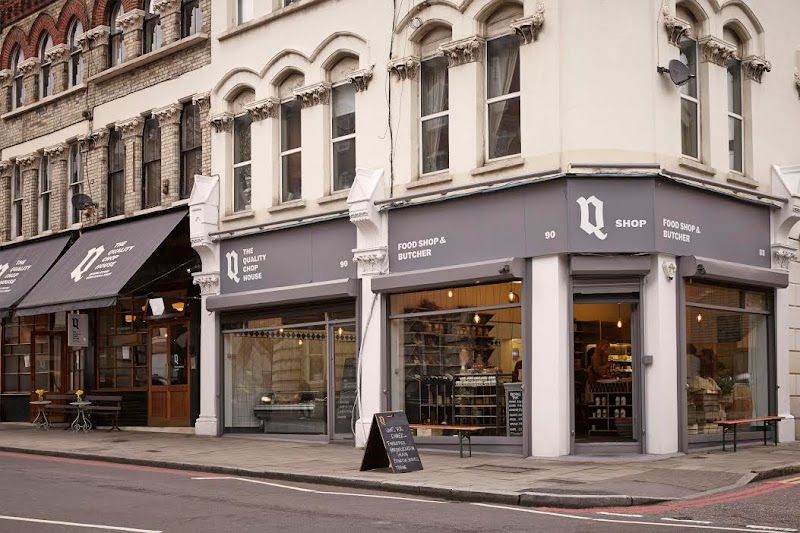
Quality Chop House
Historic Victorian working-class dining room serving British food and exceptional wine. The original wooden booths from 1869 remain. The confit potatoes and steak are menu fixtures.
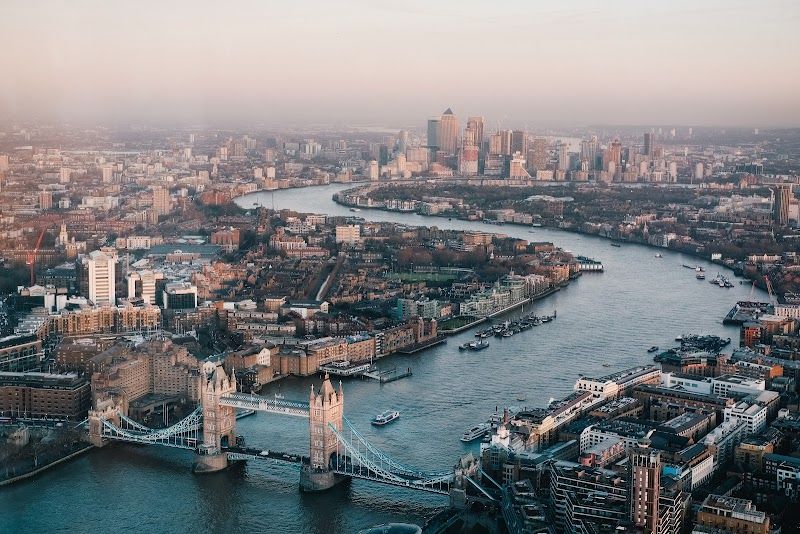
Thames River Cruise
The classic way to see London from the water - Big Ben, the Tower, Greenwich, and the Thames Barrier all slide past while you sit with a drink. The City Cruises route from Westminster to Greenwich is the sweet spot: 30 minutes, great commentary, and you end up somewhere worth exploring. Thames Clippers (Uber Boat) are the local alternative - no commentary but half the price and accepted on Oyster cards.
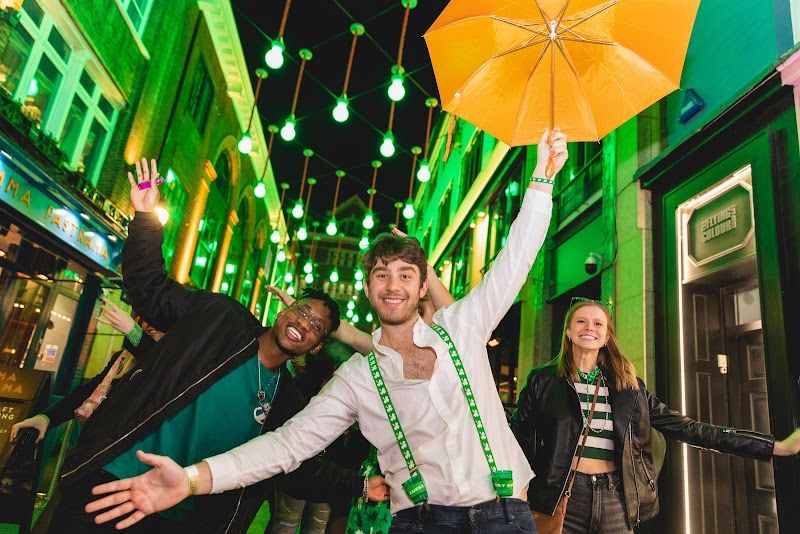
London Pub Crawl
Organized evening tour visiting four traditional pubs across Soho and Covent Garden, with a local guide sharing pub etiquette, drinking traditions, and neighborhood history. Includes a welcome drink and drinking games at select venues.
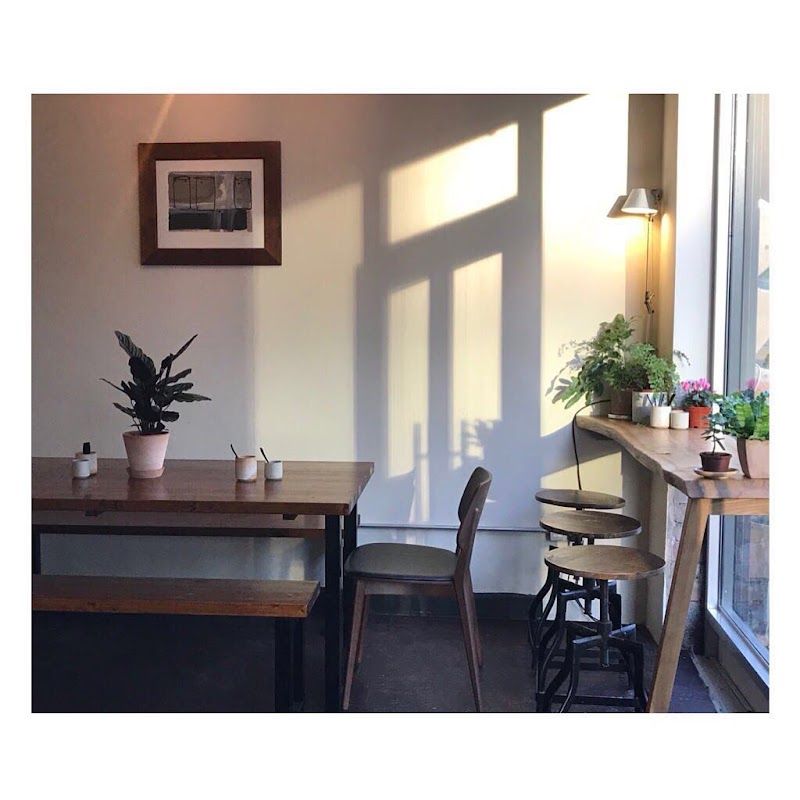
Pophams Bakery Islington
Bakery cafe specializing in laminated pastries with creative fillings that change seasonally. The bacon and maple syrup croissant is a cult item. All pastries are baked on-site daily.
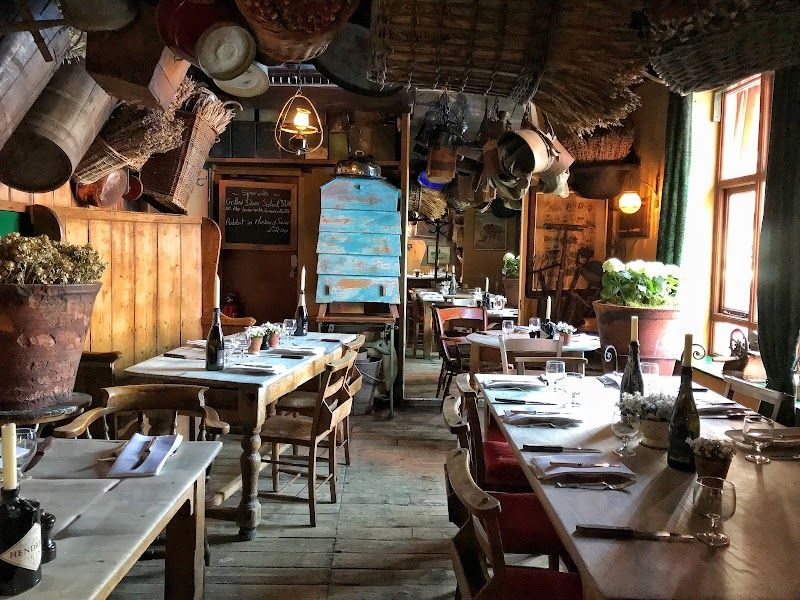
Maggie Jones's
Rustic British restaurant in a charming 18th-century building with farmhouse décor and candlelit atmosphere. Known for generous portions of traditional dishes like steak and kidney pie, game, and sticky toffee pudding. A Kensington institution since 1964.
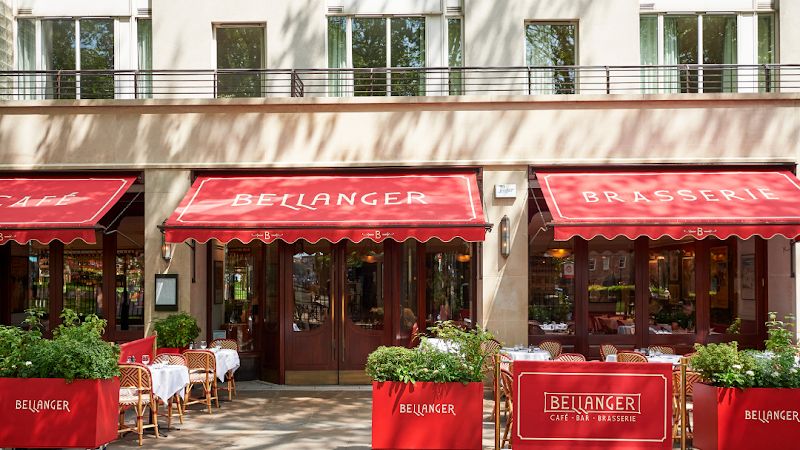
Bellanger
All-day Alsatian brasserie in Islington with breakfast through dinner service. The tarte flambée, choucroute, and schnitzel reflect the French-German border cuisine. Weekend brunch draws neighborhood crowds.
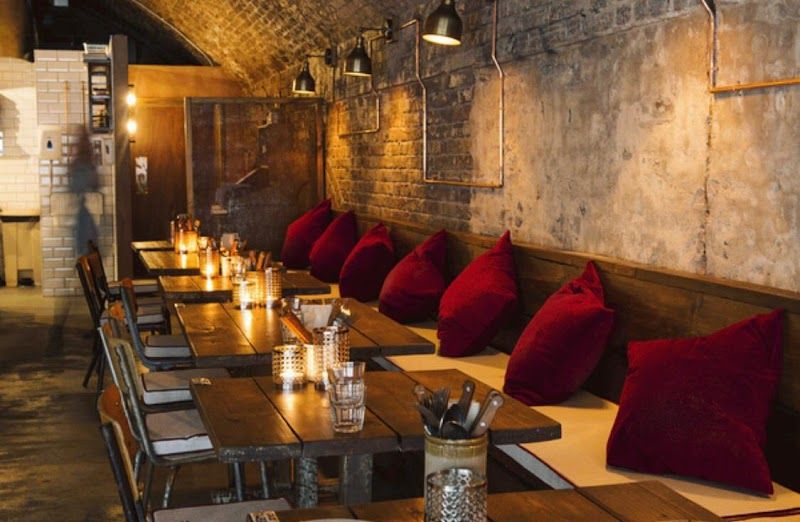
Berber & Q
Middle Eastern barbecue restaurant in Haggerston with dishes cooked over charcoal and wood. The shawarma-spiced lamb shoulder and burnt eggplant are signatures. The industrial space has communal tables.
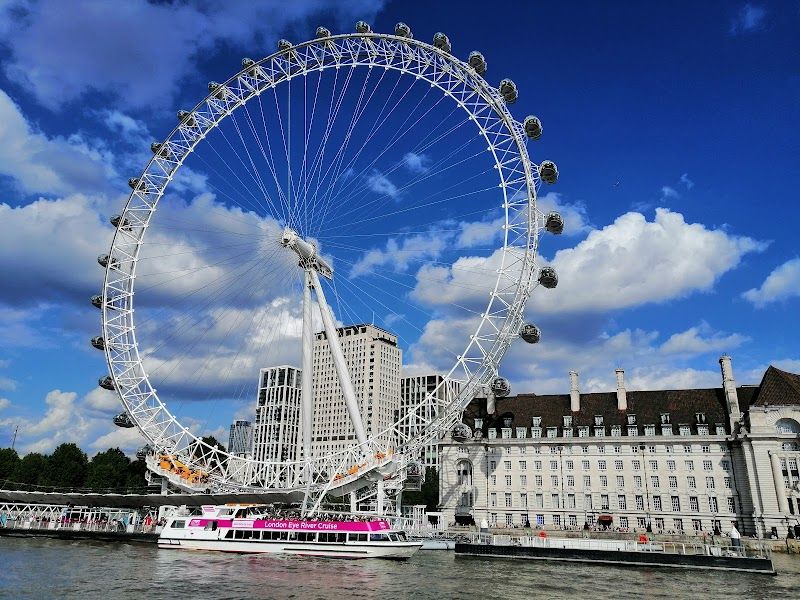
City Cruises Thames Dinner Cruise
Three-course dinner cruise aboard a modern vessel featuring floor-to-ceiling windows and an open-air deck. The journey passes illuminated landmarks including the Tower of London, St. Paul's Cathedral, and Houses of Parliament while live musicians perform.
Pizarro
Spanish restaurant in Bermondsey from José Pizarro with regional dishes and grilled seafood. The outdoor seating on Bermondsey Street is ideal for weekend lunch. The tortilla and grilled octopus are signatures.
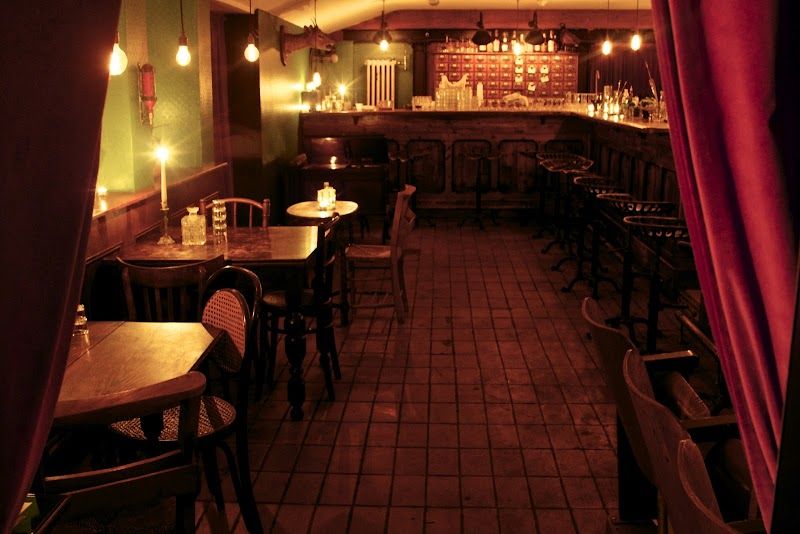
Evans & Peel Detective Agency
Hidden speakeasy disguised as a 1920s detective agency in Chelsea, where you must solve a case via phone before receiving the secret address. Inside, the elaborately themed rooms include a library, evidence room, and interrogation room, with bartenders in character serving creative cocktails.
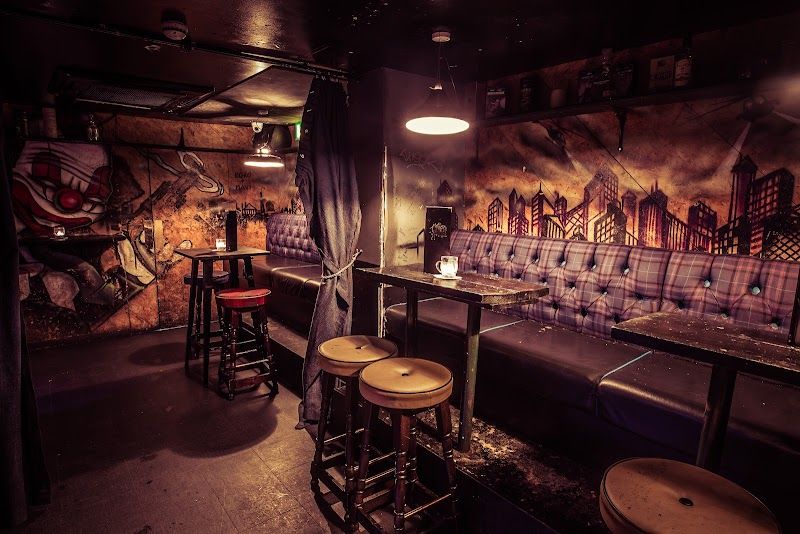
London Cocktail Club Masterclass
Two-hour cocktail making workshop teaching classic and contemporary cocktail techniques, including shaking, stirring, muddling, and garnishing. Participants make and sample four cocktails while learning about spirits history and bar craft.
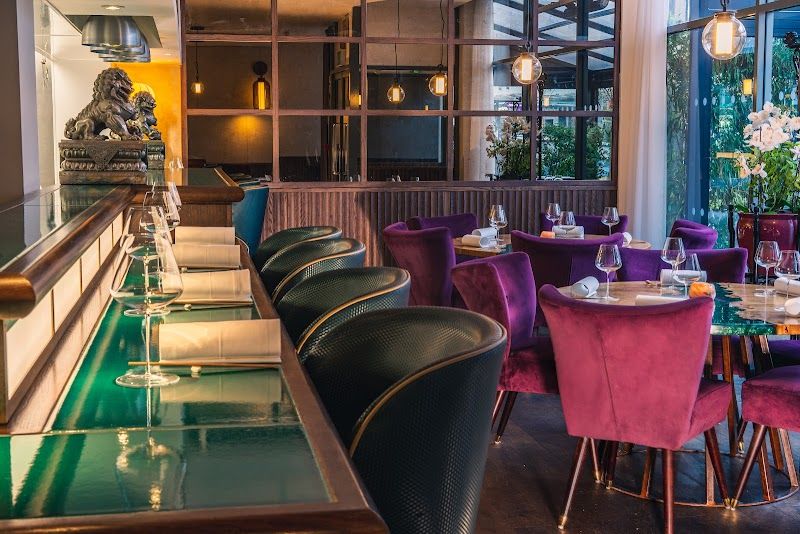
A Wong
Two-Michelin-star Chinese restaurant in Victoria with regional dim sum menu downstairs and tasting menu upstairs. Andrew Wong's menu spans all Chinese provinces with technical precision. The Forbidden City dim sum is theatrical.
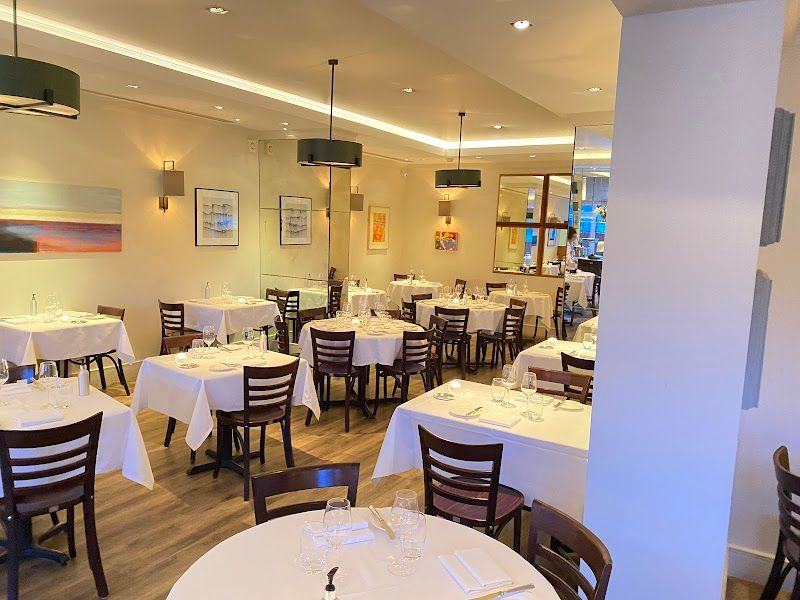
Chez Bruce
Modern European restaurant in Wandsworth Common with a neighborhood feel despite the Michelin star. The seasonal menu changes frequently and the cheese trolley is wheeled to your table. Bruce Poole has run it since 1995.
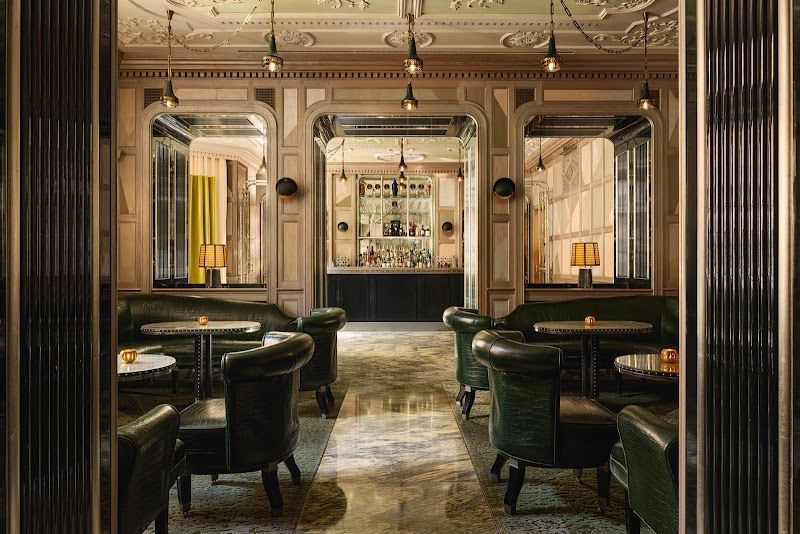
The Connaught Bar
Platinum-paneled art deco cocktail bar in Mayfair, consistently ranked among the world's best bars. The martini trolley service is legendary, with bespoke preparations mixed tableside, and bartenders create custom drinks based on detailed taste consultations.
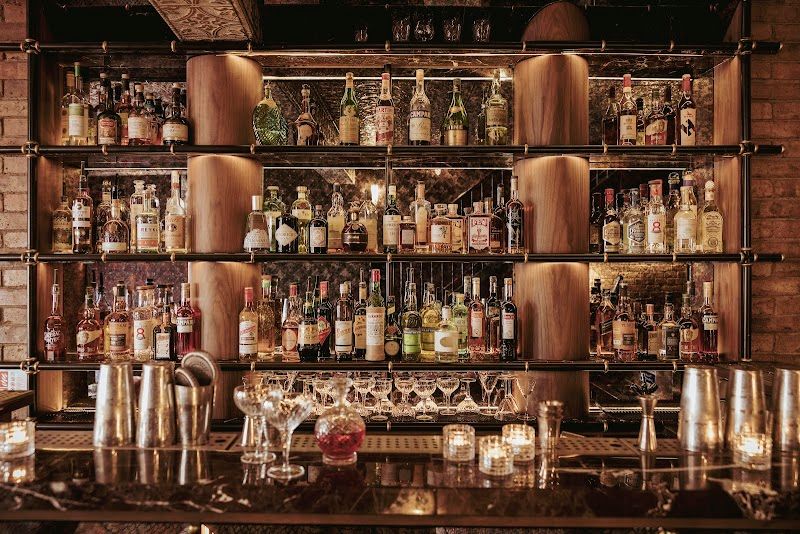
Experimental Cocktail Club
Chinatown speakeasy behind an unmarked door at street level, featuring moody lighting, vintage furniture, and creative cocktails from the acclaimed Experimental Group. The intimate space across three small rooms maintains a living room atmosphere with velvet sofas and exposed brick.
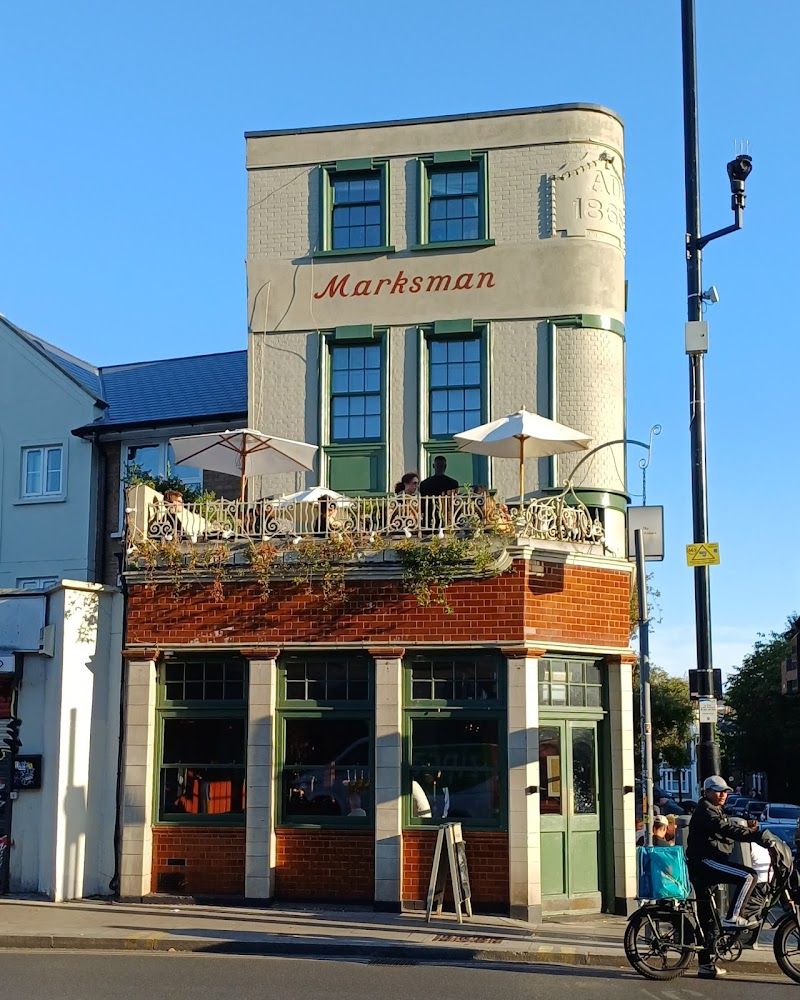
The Marksman
Gastropub on the corner of Hackney Road with a Michelin-starred restaurant upstairs. The ground floor bar serves elevated pub classics while the upstairs dining room offers tasting menus. The Sunday roast is legendary.
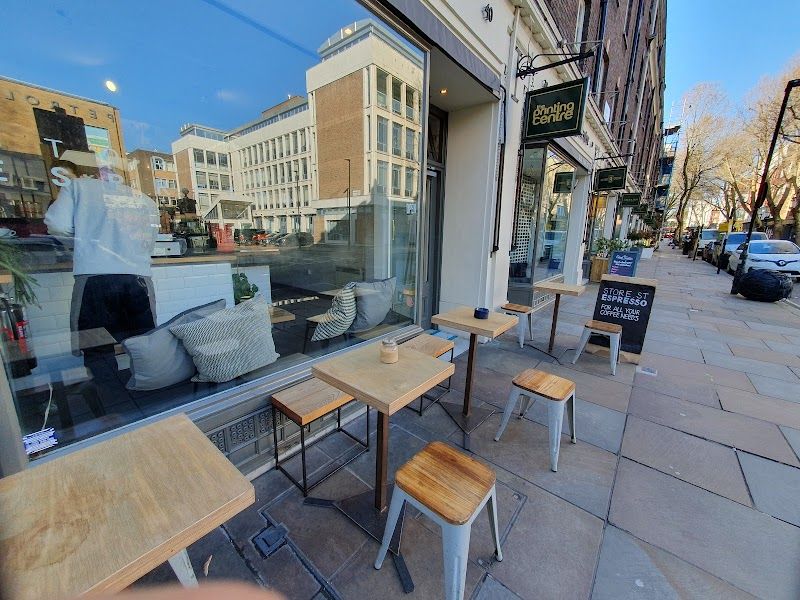
Store Street Espresso
Tiny hole-in-the-wall coffee bar in Bloomsbury with just a few seats, focusing purely on exceptional specialty coffee. Serious baristas pulling perfect espresso shots using beans from top UK roasters. No laptop policy ensures quick turnover and social interaction.
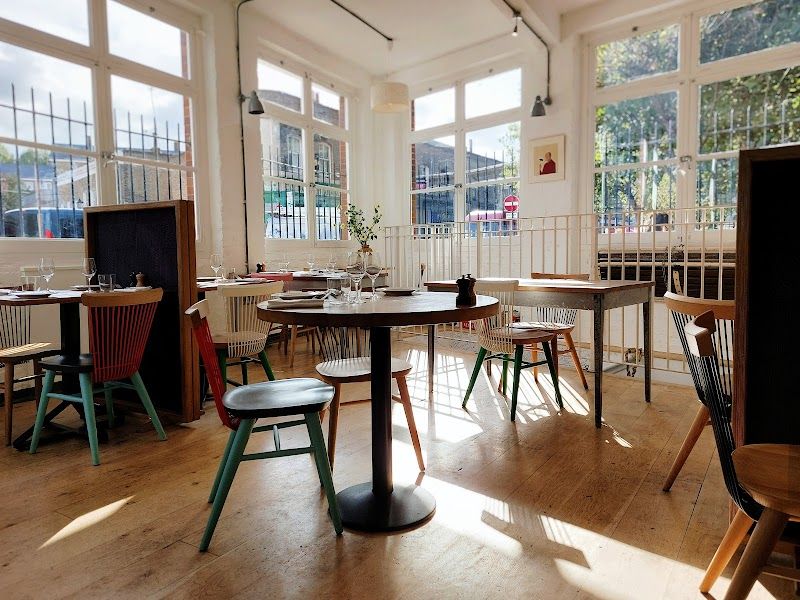
Brawn
Neighborhood restaurant in Bethnal Green serving nose-to-tail cooking and natural wines. The daily menu changes based on what's available. The open kitchen faces the dining room and the wine shop next door shares inventory.
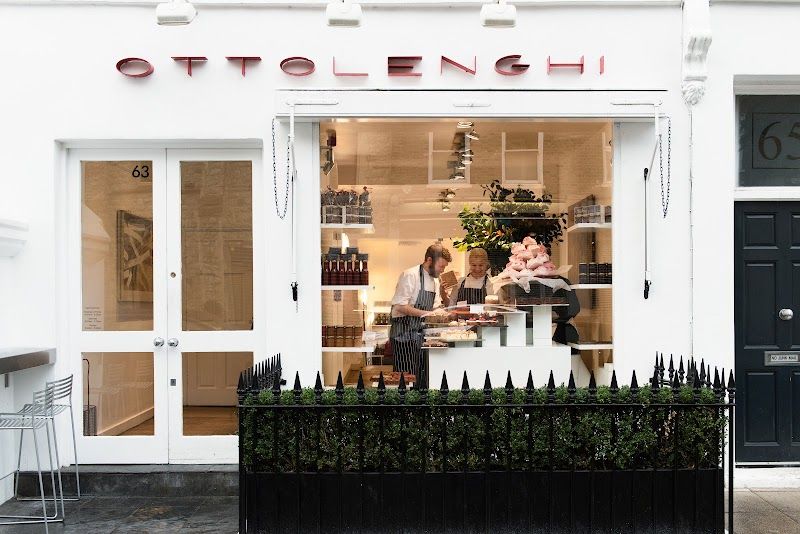
Ottolenghi Notting Hill
Yotam Ottolenghi's original restaurant and deli with Mediterranean and Middle Eastern salads, baked goods, and takeaway. The communal table displays seasonal salads. The cakes and meringues are architectural.
The Clove Club
Michelin-starred restaurant in Shoreditch Town Hall serving modern British tasting menus. The bar area offers an à la carte menu without reservations. Isaac McHale's cooking showcases Scottish seafood and British game.
Ikoyi
Two-Michelin-star restaurant in St James's reimagining West African flavors with British ingredients. The spice-focused tasting menu uses over 30 spices sourced from specific regions. Chef Jeremy Chan's approach is intellectually rigorous.
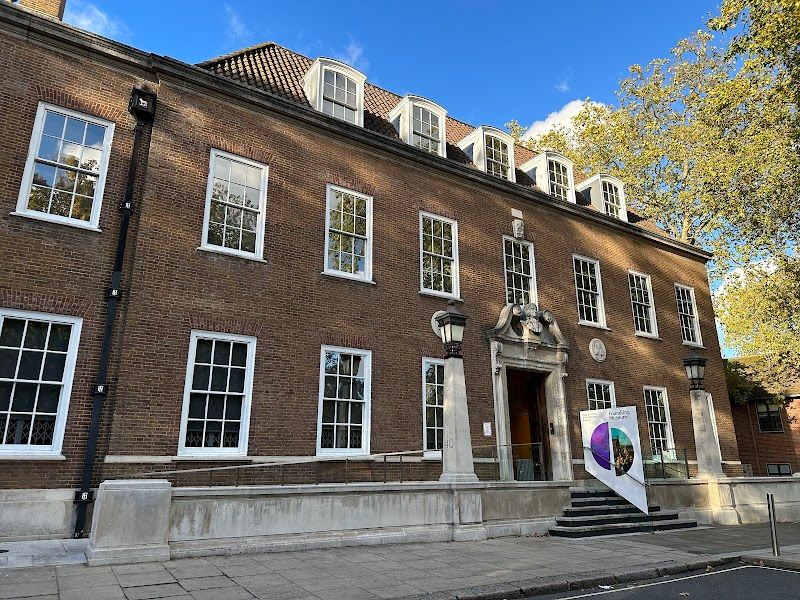
The Foundling Museum
This museum tells the story of the Foundling Hospital, Britain's first home for abandoned children, established in 1739. Tokens left by mothers hoping to reclaim their children are displayed alongside Handel's manuscripts and Hogarth paintings donated to support the charity. The intimate galleries occupy the original hospital buildings with period rooms restored.
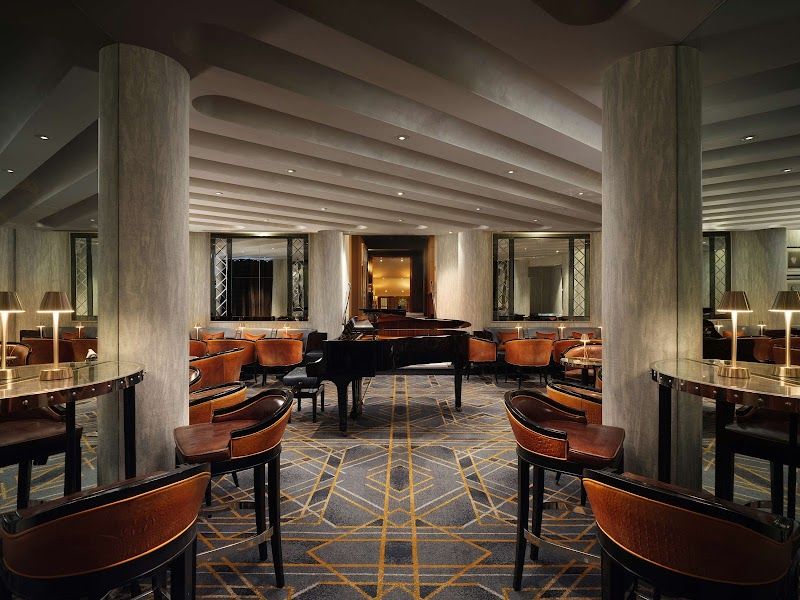
The American Bar at The Savoy
Opened in 1893 as the first bar in Britain to serve American-style cocktails, this art deco jewel maintains its reputation for impeccable service and classic drinks. The white piano performances and theatrical presentations elevate cocktails like the Corpse Reviver to ceremonial events.
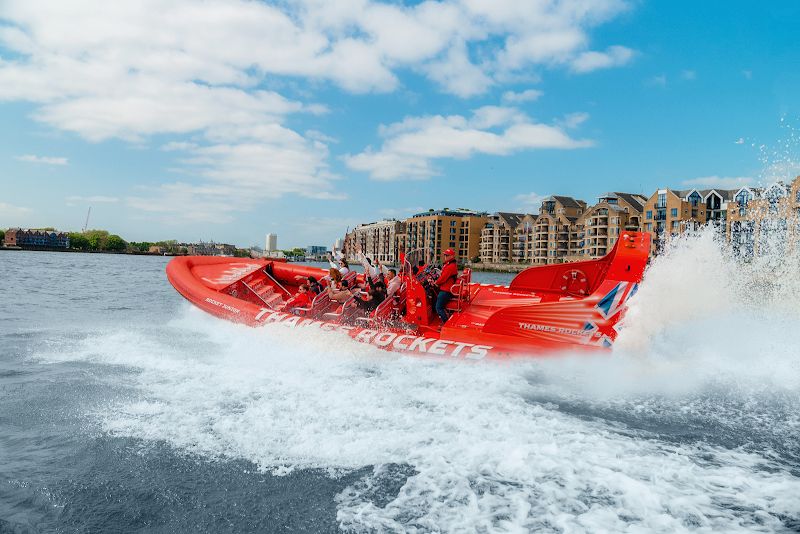
Thames Rockets Speedboat Experience
50-minute high-speed inflatable boat ride blasting through the Thames from London Eye to Canary Wharf and back, with music, comedy commentary, and thrilling speeds up to 35mph. The boat slows for photo opportunities at major landmarks.
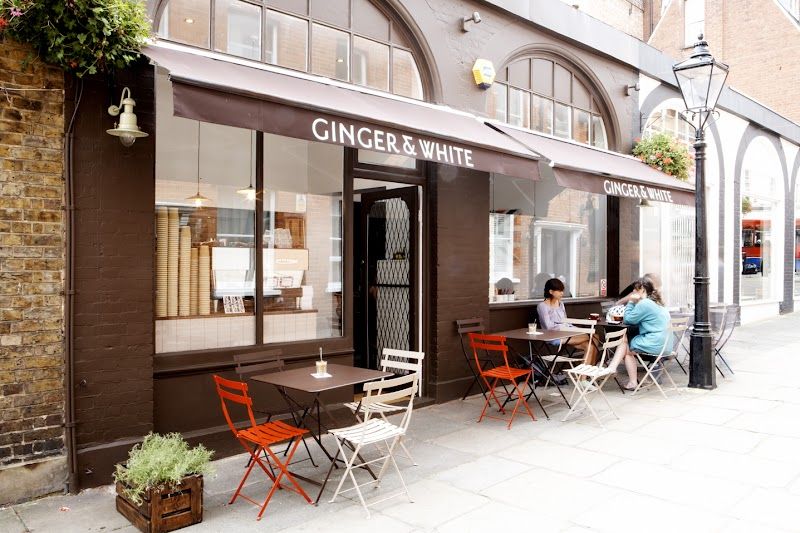
Ginger & White
Neighbourhood café in Hampstead with an Australian-influenced menu and expertly made flat whites. Cosy interior with mismatched furniture and walls lined with books. Known for excellent breakfasts and homemade cakes that draw people from across London.
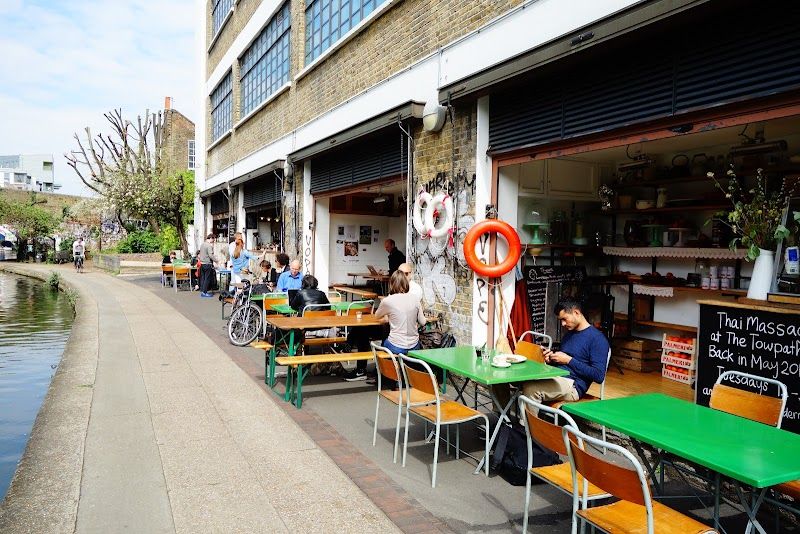
Towpath Café
Tiny seasonal café on the Regent's Canal towpath serving simple, ingredient-focused dishes and excellent coffee. Only a handful of outdoor tables overlooking the water, operating April to October. Beloved by locals for its fresh approach and canal-side setting.
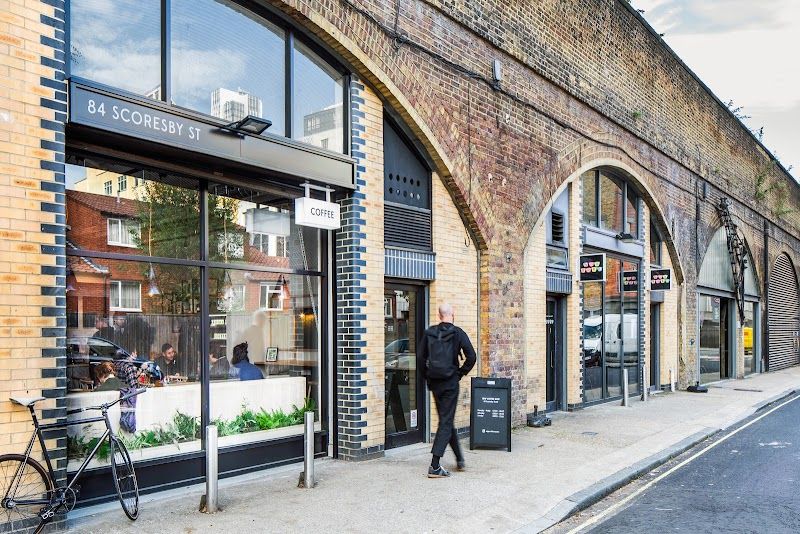
Origin Coffee Roasters
Cornwall-based specialty roaster's London outpost in the heart of the City near Bank. Modern space with copper piping and exposed brick serving meticulously sourced single-origin coffees. Friendly baristas happy to discuss the coffee's provenance and brewing methods.
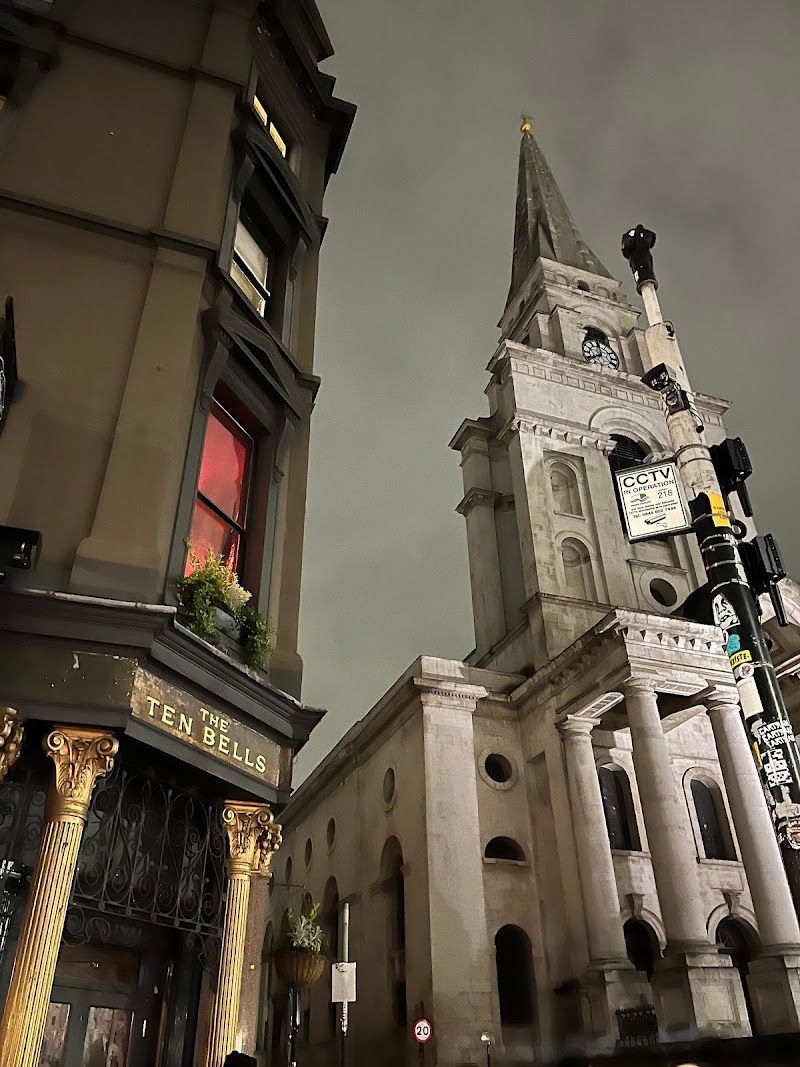
Jack the Ripper Tour
Evening walking tour through Whitechapel's narrow Victorian streets, retracing the footsteps of history's most infamous serial killer. Led by Ripper-ologists who present historical evidence and theories while visiting actual murder sites.
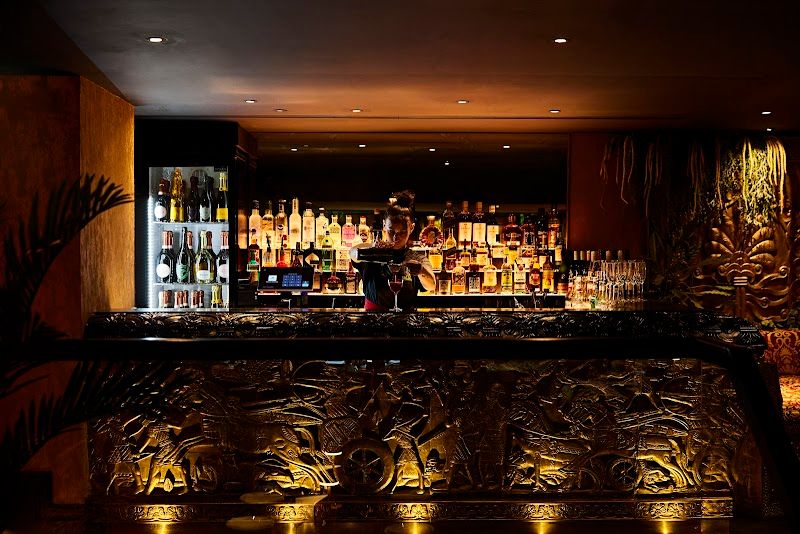
Gilgamesh
A dramatic Pan-Asian restaurant and bar housed in a massive Victorian warehouse with ornate interiors featuring carved wood, bronze statues, and theatrical decor. The venue spans three levels with a stunning bar area and offers an extensive cocktail menu alongside dishes from across Asia. Popular for special occasions and late-night dining with a lively atmosphere.
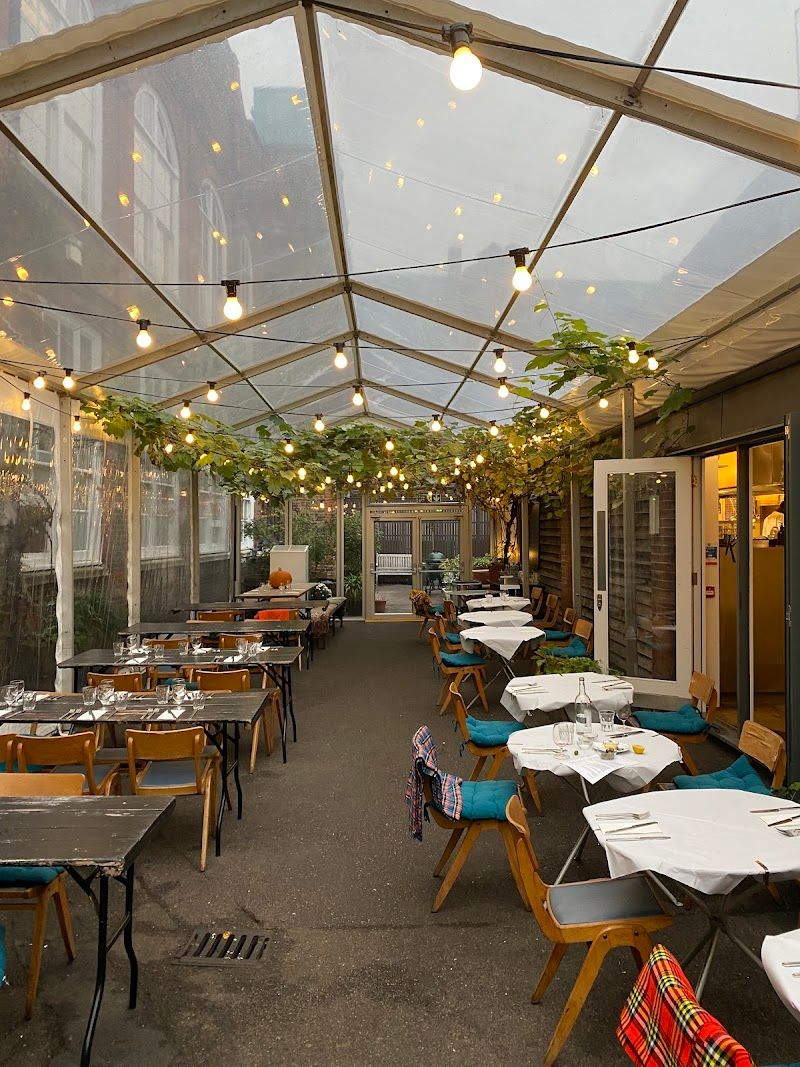
Rochelle Canteen
British restaurant hidden in a former bike shed within the Rochelle School courtyard. Margot Henderson serves seasonal British dishes for lunch only. The space is accessed through a door in a brick wall on Arnold Circus.
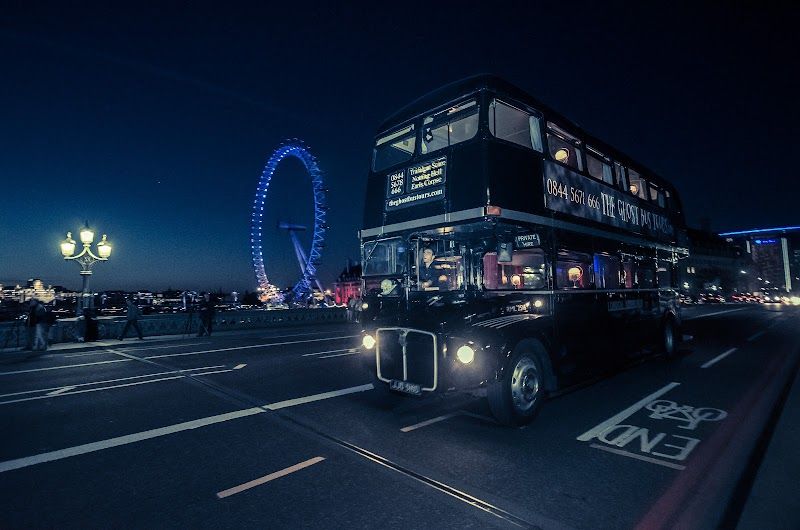
London Ghost Walk
Evening walking tour exploring haunted sites, execution grounds, and plague pits across the City of London and Westminster. Led by theatrical guides sharing documented paranormal activity and gruesome historical tales from medieval times through the Victorian era.
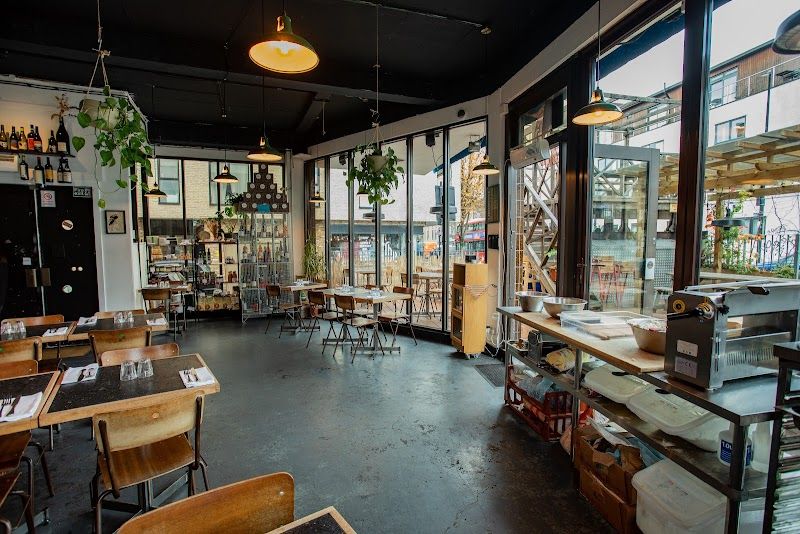
Ombra
Venetian bacaro-style restaurant under Maltby Street arches serving cicchetti and natural wine. The small plates reflect Venetian market cooking. The outdoor seating under the railway arches creates atmosphere.
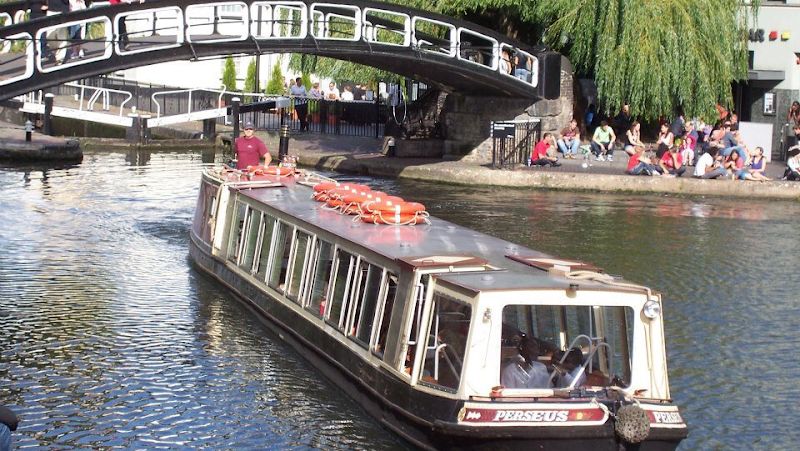
Little Venice Canals
Regent's Canal meets the Grand Union Canal at a quiet area, with waterways lined by willows and permanent mooring for narrowboats painted in various colors. The junction is flanked by Blomfield Road and Warwick Avenue, which form the center of this neighborhood. Waterfront cafés are located along the main roads, alongside the Canal Café Theatre on a barge and Browning's Pool, which is named after the famous poet Robert Browning. Waterbus services operate to Camden and London Zoo.
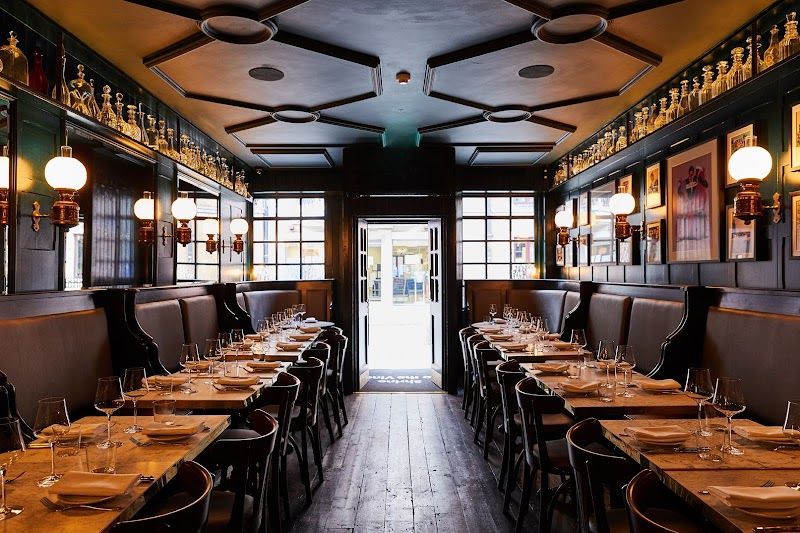
Noble Rot Soho
Wine bar and restaurant with one of London's best wine lists and a menu designed to pair with natural wines. The meatballs in tomato sauce and bone marrow have cult followings. The space feels like a Parisian wine bar.
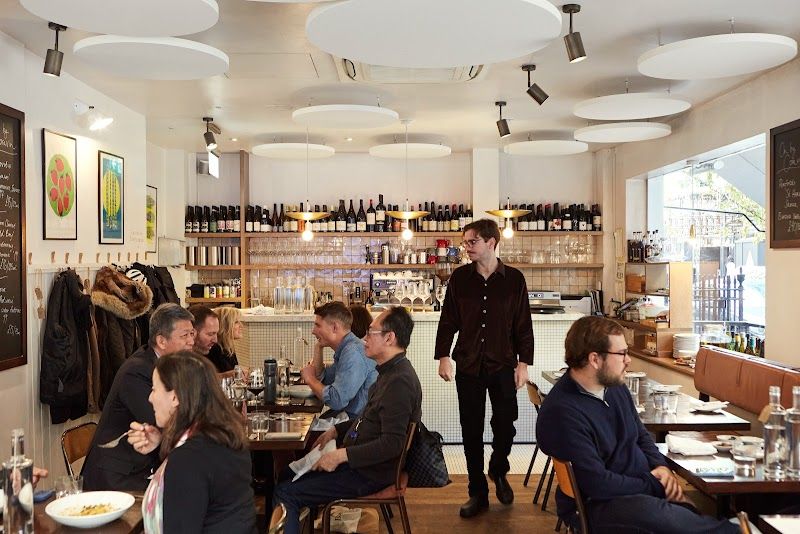
Clipstone
Neighborhood restaurant in Fitzrovia with daily-changing menu and natural wine focus. The kitchen uses the wood oven for vegetables and meat. Sister restaurant to Portland, with a more relaxed vibe.
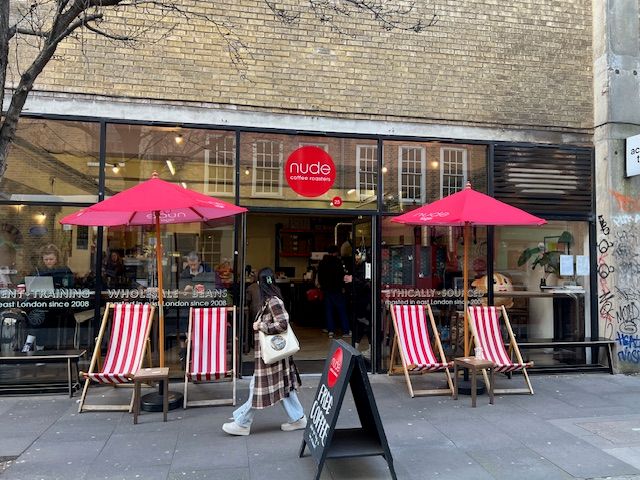
Nude Espresso
Pioneering third-wave coffee roaster that helped establish Shoreditch's specialty coffee scene. Industrial space with communal tables serving their own roasted beans and excellent brunch. Popular with local creatives and remote workers.
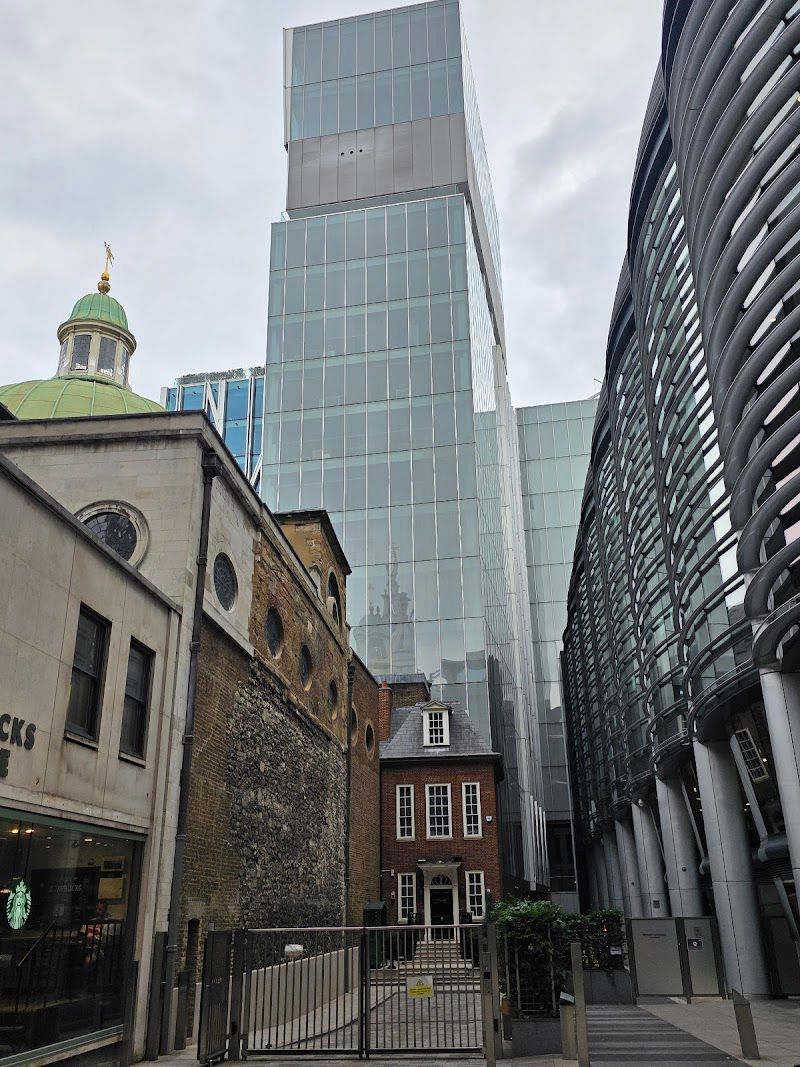
Camden Rock Walking Tour
Music heritage walk through Camden Town covering the venues, pubs, and recording studios that shaped British rock history. The tour covers stories of Amy Winehouse, The Clash, Pink Floyd, and other artists who made Camden their home.
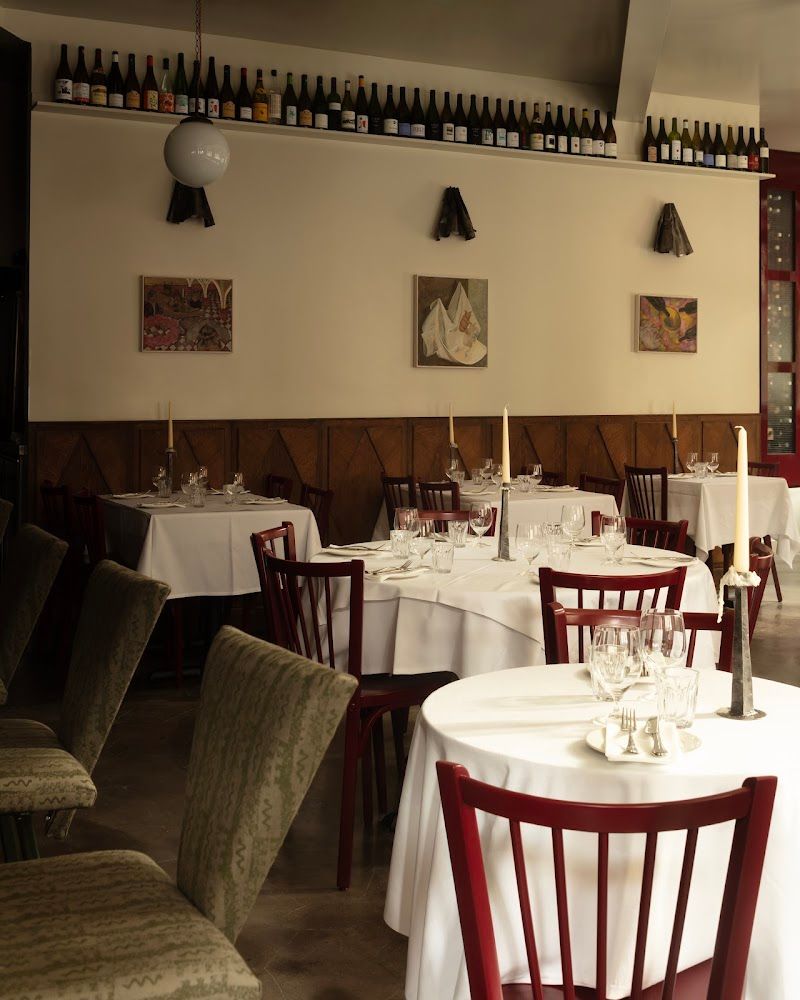
Bistro Freddie
French bistro in Shoreditch serving provincial French cooking with British ingredients. The menu changes daily based on market availability. The wine list focuses on small French producers.
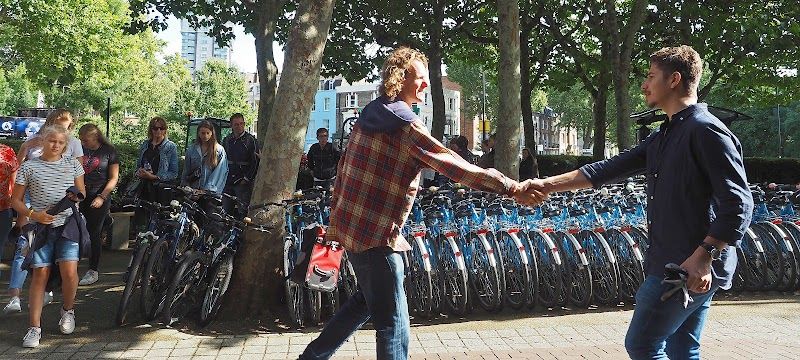
The London Bicycle Tour Company
Guided cycling tours exploring London's royal parks, riverside paths, and historic neighborhoods with knowledgeable local guides. The classic tour covers 8 miles at a leisurely pace, including stops at Buckingham Palace, Westminster, and Covent Garden.
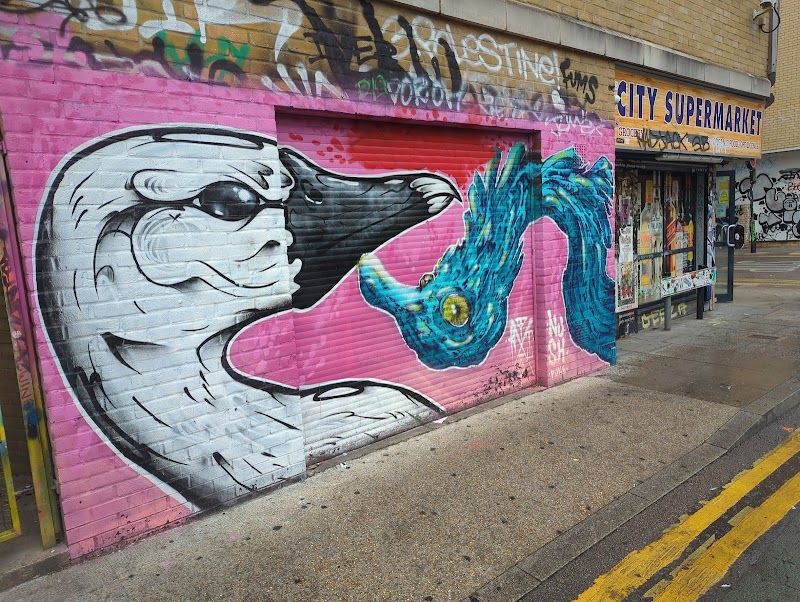
Alternative London Walking Tour
Street art and counter-culture tour through Shoreditch and Brick Lane led by local artists and activists. Covers major Banksy works, hidden murals, and the social history behind East London's transformation into a global street art capital.
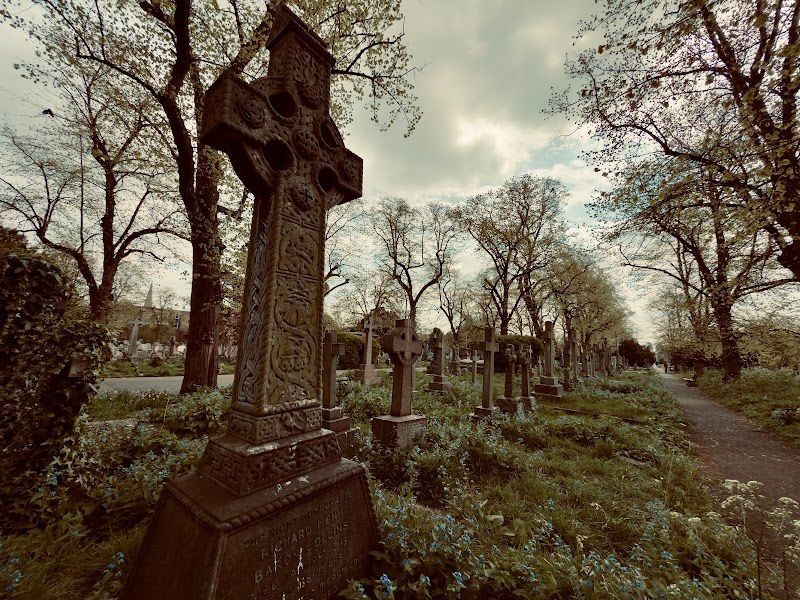
Brompton Cemetery
Magnificent Victorian cemetery opened in 1840, featuring elaborate Gothic architecture, tree-lined avenues, and ornate monuments. It's a beautiful green space for peaceful walks and one of London's 'Magnificent Seven' cemeteries. Notable burials include suffragette Emmeline Pankhurst.
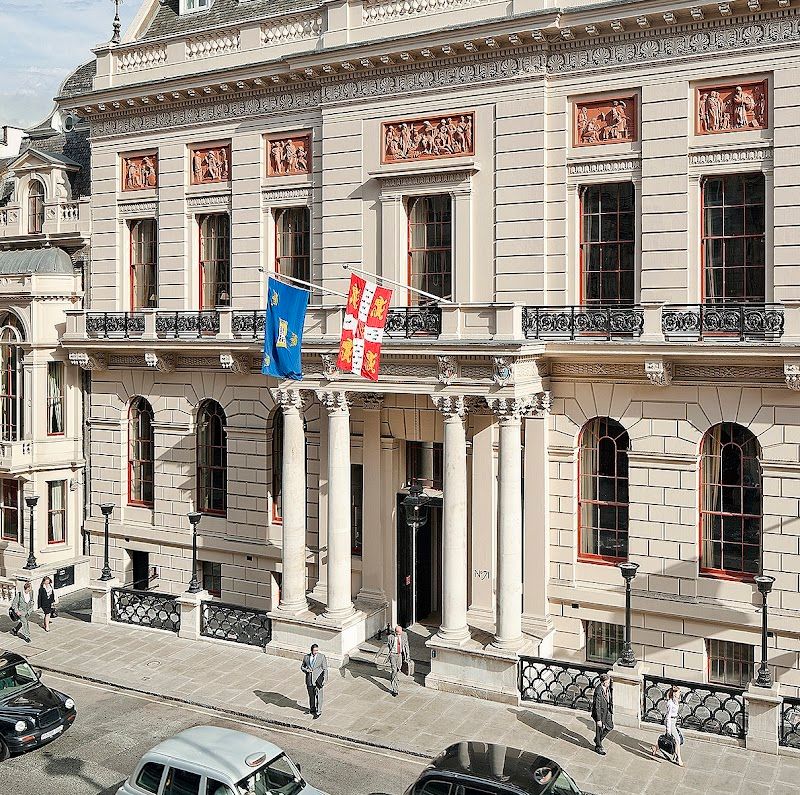
Oxford & Cambridge University Tour
Day trip by coach visiting the historic university cities of Oxford and Cambridge in one day, with guided walking tours through the colleges, libraries, and courtyards. Includes visits to Christ Church College in Oxford and King's College Chapel in Cambridge.
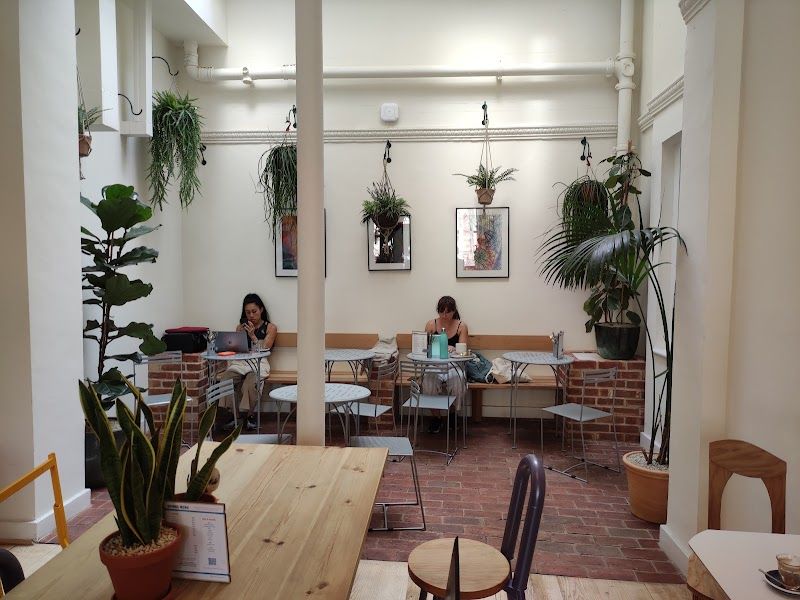
Redemption Roasters
Social enterprise coffee roastery training young offenders as baristas, located in Bloomsbury. Light industrial space with high ceilings serving excellent specialty coffee roasted on-site. The mission-driven business model adds meaningful purpose to your morning coffee.
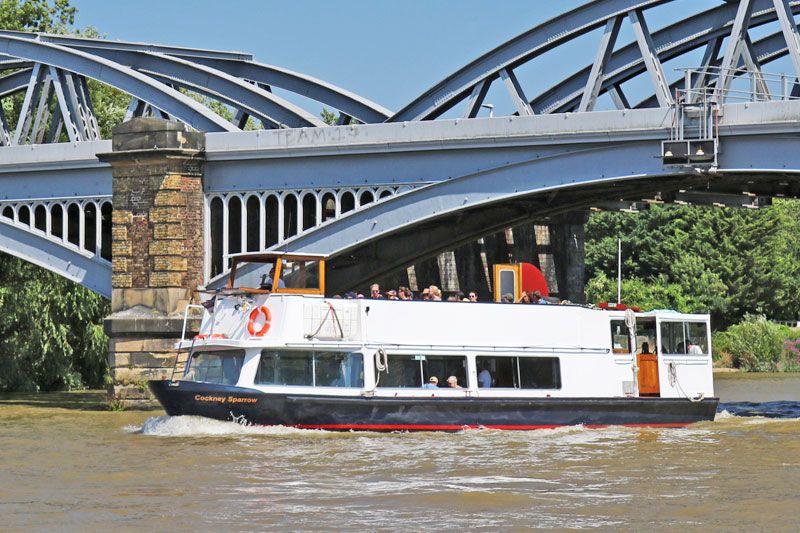
Thames River Boats
Hop-on hop-off river cruise service operating between Westminster and Greenwich, with commentary covering London's riverside landmarks. Boats run every 30 minutes with multiple piers including London Eye, Tower of London, and Canary Wharf.
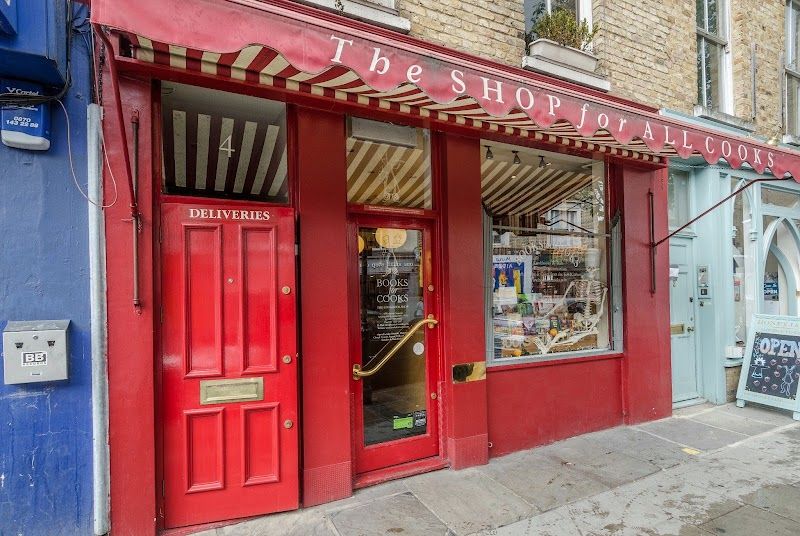
Books for Cooks
Specialist cookbook shop in Notting Hill with an incredible selection of culinary books from around the world. The tiny test kitchen at the back prepares dishes from featured books for lunch each day. A paradise for food lovers and home cooks.
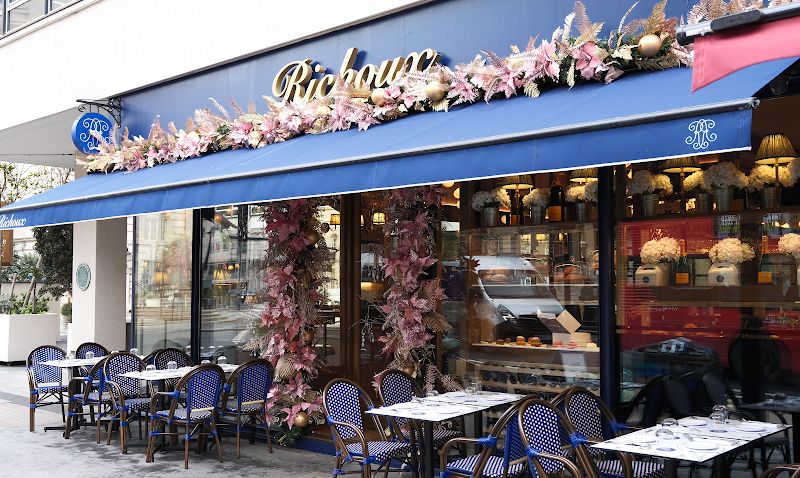
Richoux
Historic English tea room operating since 1909 on Piccadilly with old-world charm and traditional afternoon tea service. Red leather banquettes, white tablecloths, and attentive service transport you to another era. Proper afternoon tea with finger sandwiches and tiered cake stands.
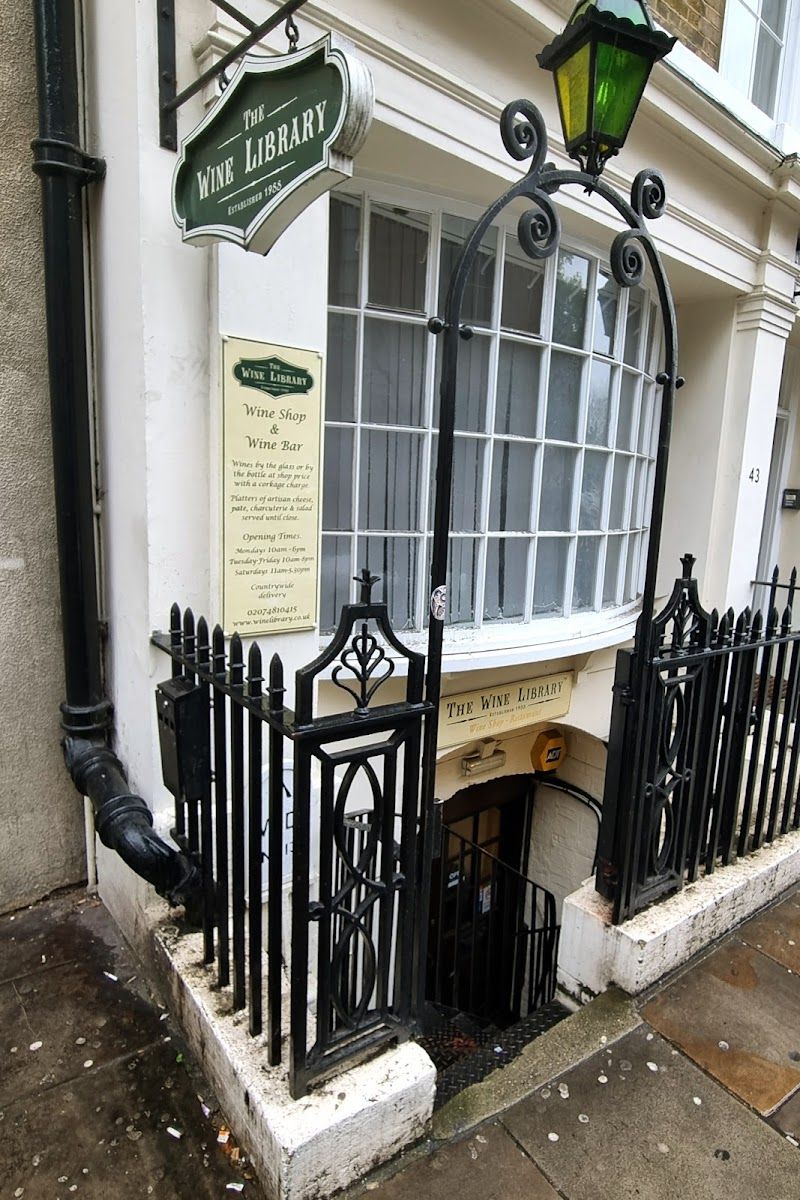
The Wine Library
A unique underground wine bar and shop specializing in fine wines served at retail prices plus a small corkage fee. Located in a Victorian railway arch near Fenchurch Street, it offers an exceptional selection of wines by the glass and an intimate, knowledgeable atmosphere. Popular with City workers seeking quality without restaurant markups.
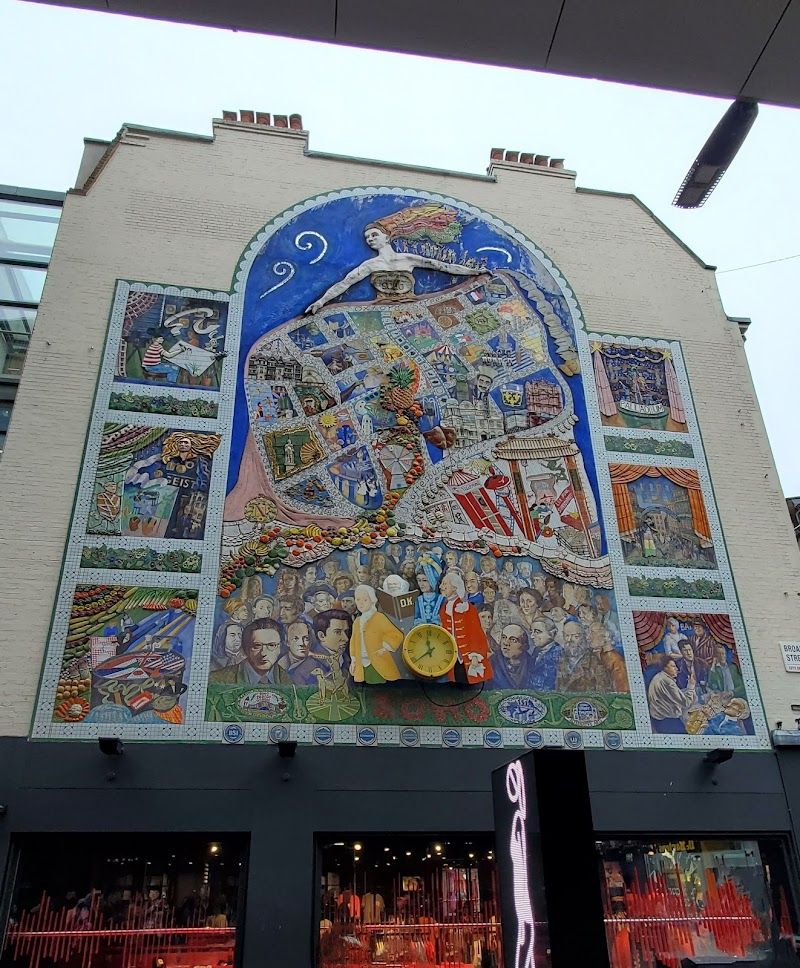
London Beatles Walking Tour
Two-hour guided walk through Soho and Marylebone covering significant Beatles locations including Abbey Road Studios, the flat where they wrote early hits, and pubs where they performed. Guides play relevant tracks at each location on portable speakers.
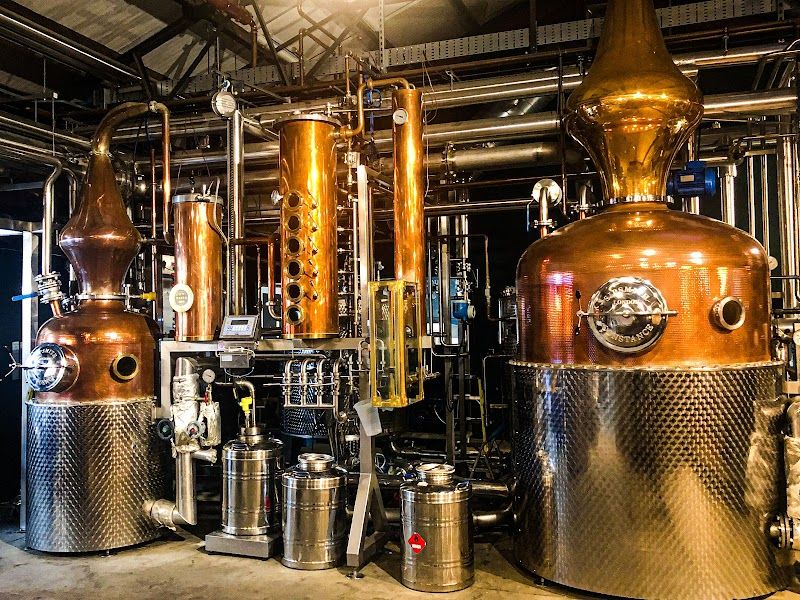
Sipsmith Distillery
Gin distillery tour showcasing traditional copper pot still gin production in West London, with tutored tastings of their signature spirits. The tour includes access to the working distillery floor and ends with sampling four different gins paired with appropriate garnishes.
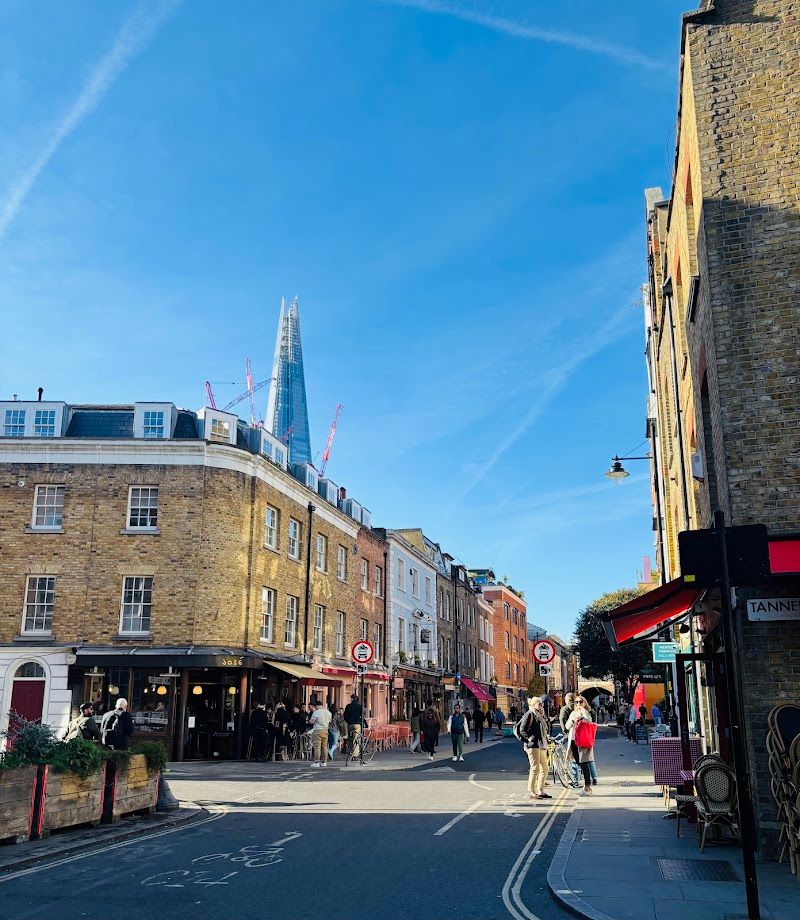
Bermondsey Street
Medieval route linking London Bridge to Bermondsey Abbey, now a gastro-hub with white-painted buildings housing independent restaurants, antique shops, and the Fashion and Textile Museum. The street retains its medieval width and layout while the White Cube gallery anchors the contemporary art scene. Weekend mornings see locals queuing at artisan bakeries.
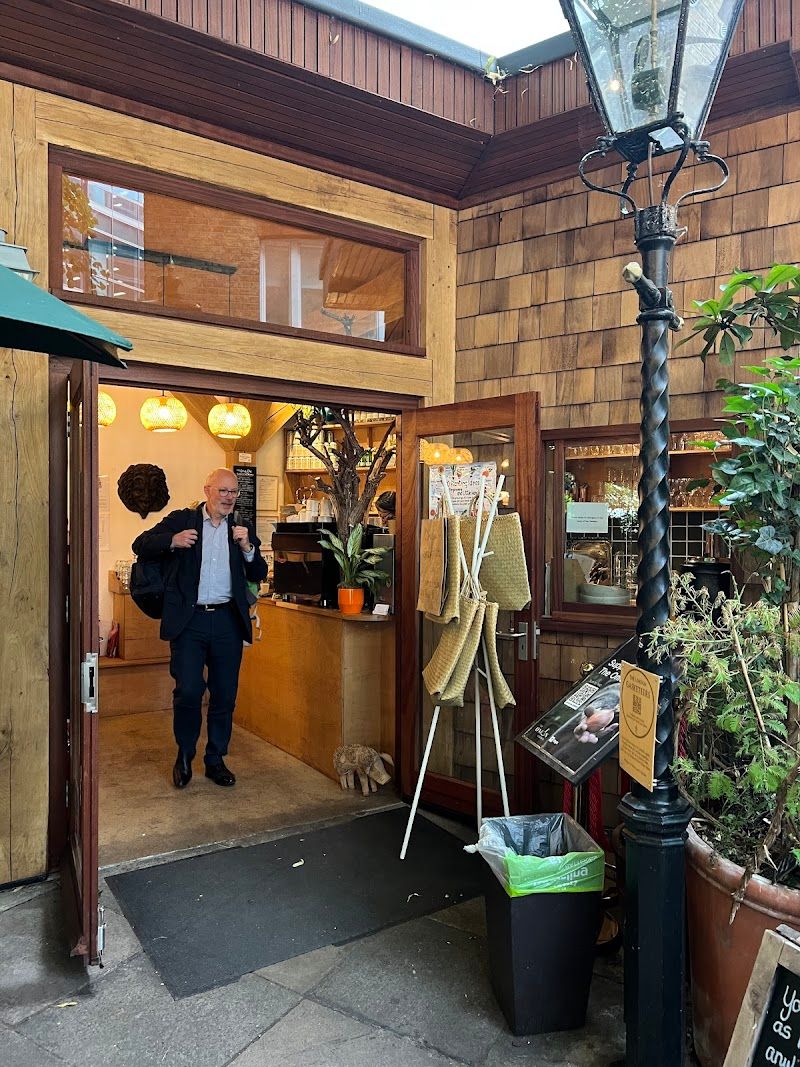
Flat Cap Coffee Co.
Nordic-inspired specialty coffee roastery in a converted railway arch underneath London Bridge. Minimalist design with concrete and light wood, serving meticulously crafted filter coffees and seasonal pastries. The spacious interior feels like a calm oasis despite the busy location.
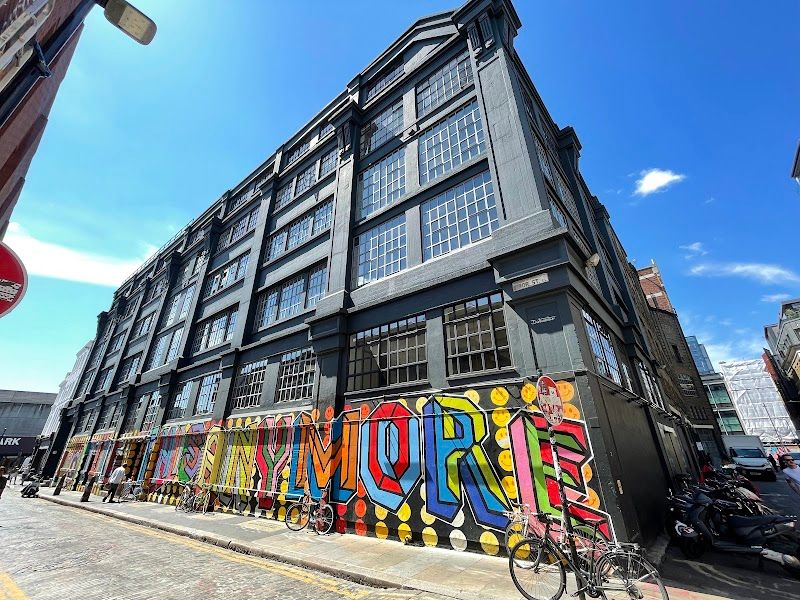
Redchurch Street
East London street anchoring Shoreditch's independent fashion and design scene with boutiques showcasing emerging designers. Converted Victorian workshops house concept stores, specialty coffee roasters, and restaurants with industrial interiors. The street connects to Brick Lane but maintains a more curated, less chaotic atmosphere.
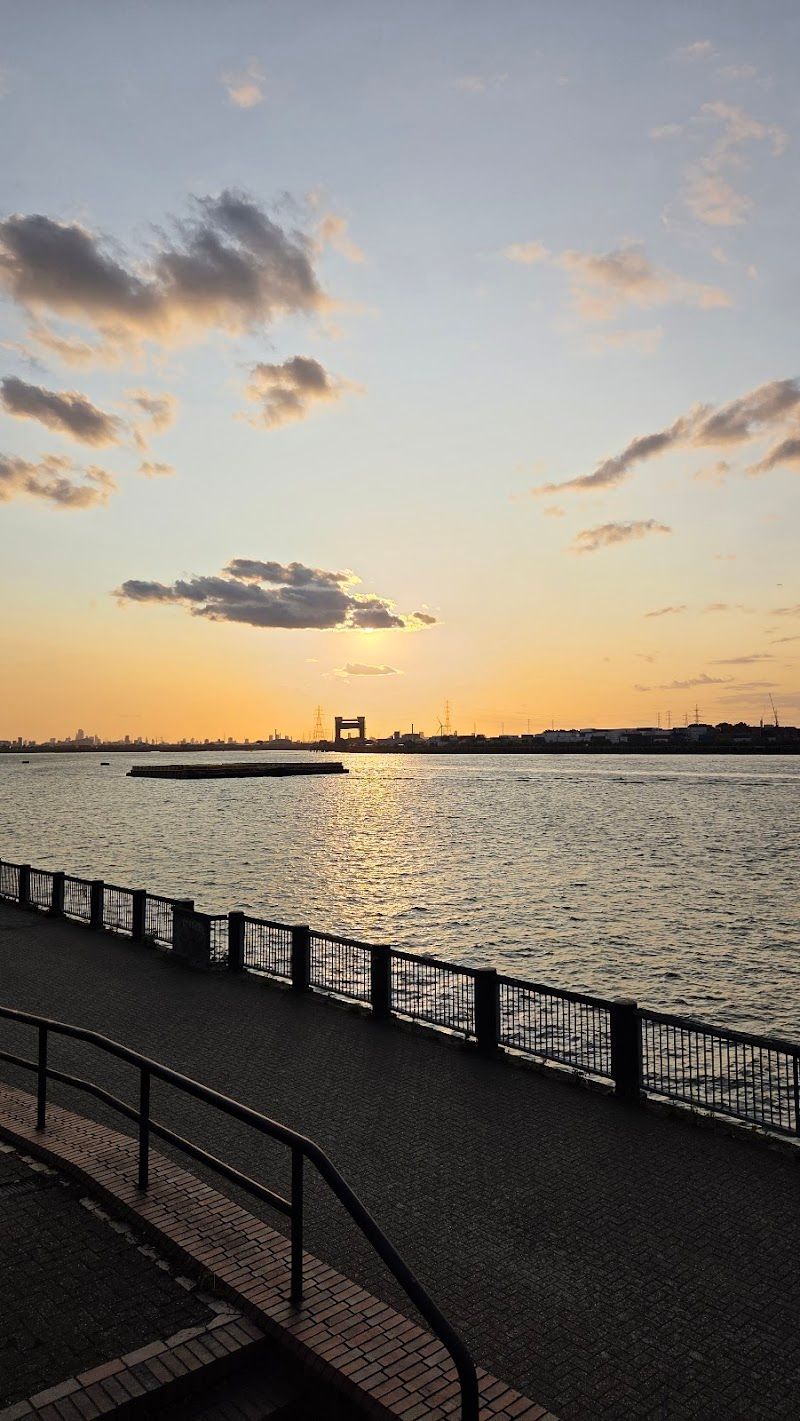
Thames Path - Tower Bridge to Bermondsey
Riverside walk along the south bank passing through Shad Thames with its Victorian warehouse conversions and overhead iron bridges. The path continues past Butler's Wharf restaurants, Design Museum, and HMS Belfast before reaching quieter sections with converted wharves. Views across to the Tower of London and City skyscrapers remain constant.
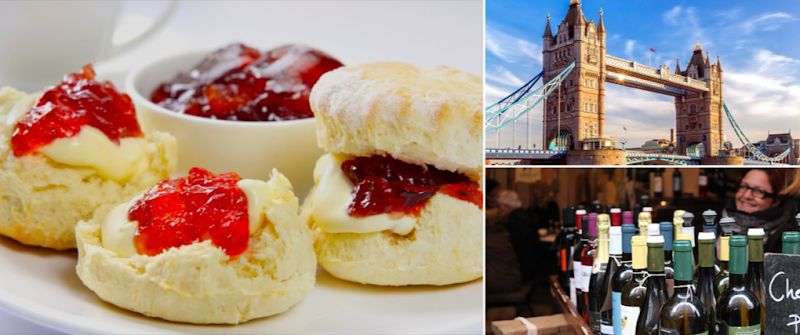
London Food Lovers Tour
Half-day walking tour through Marylebone and Fitzrovia neighborhoods, visiting independent food shops, delis, and cafés while sampling British and international specialties. Includes cheese tastings, afternoon tea, and stops at food halls.
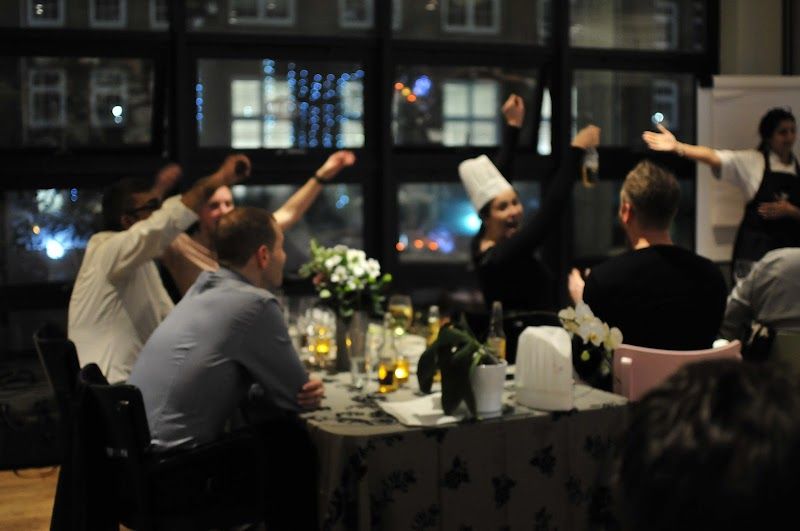
The Cooking Academy
Hands-on cooking classes in a professional kitchen near Oxford Circus, teaching techniques from sushi rolling to pasta making. Classes are taught by working chefs and include all ingredients, equipment, and the meal you prepare.
Bright
Neighborhood restaurant in Hackney focusing on seasonal cooking and natural wine. The daily menu features British ingredients prepared simply. The corner location has large windows flooding the space with light.
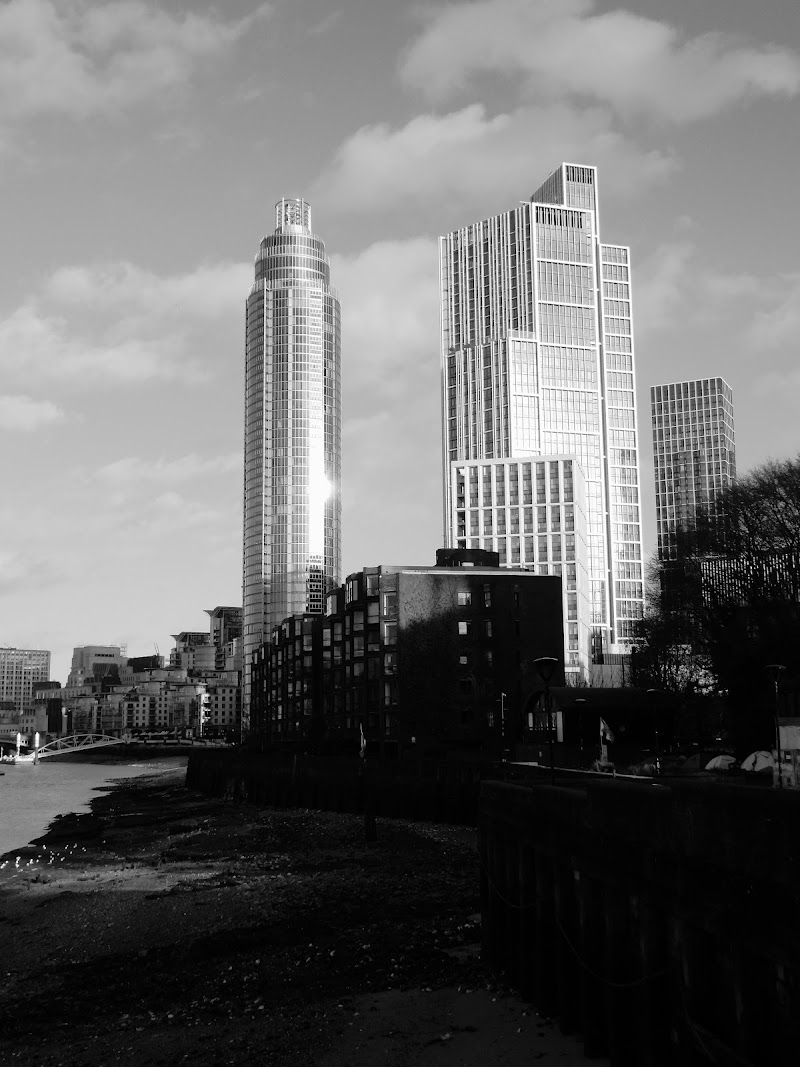
Thames Path Walk
Self-guided walk along the Thames riverfront from Westminster Bridge to Tower Bridge, passing the Southbank Centre, Tate Modern, Shakespeare's Globe, and Borough Market. The continuous riverside path offers street performers, book stalls, and views across to the City.