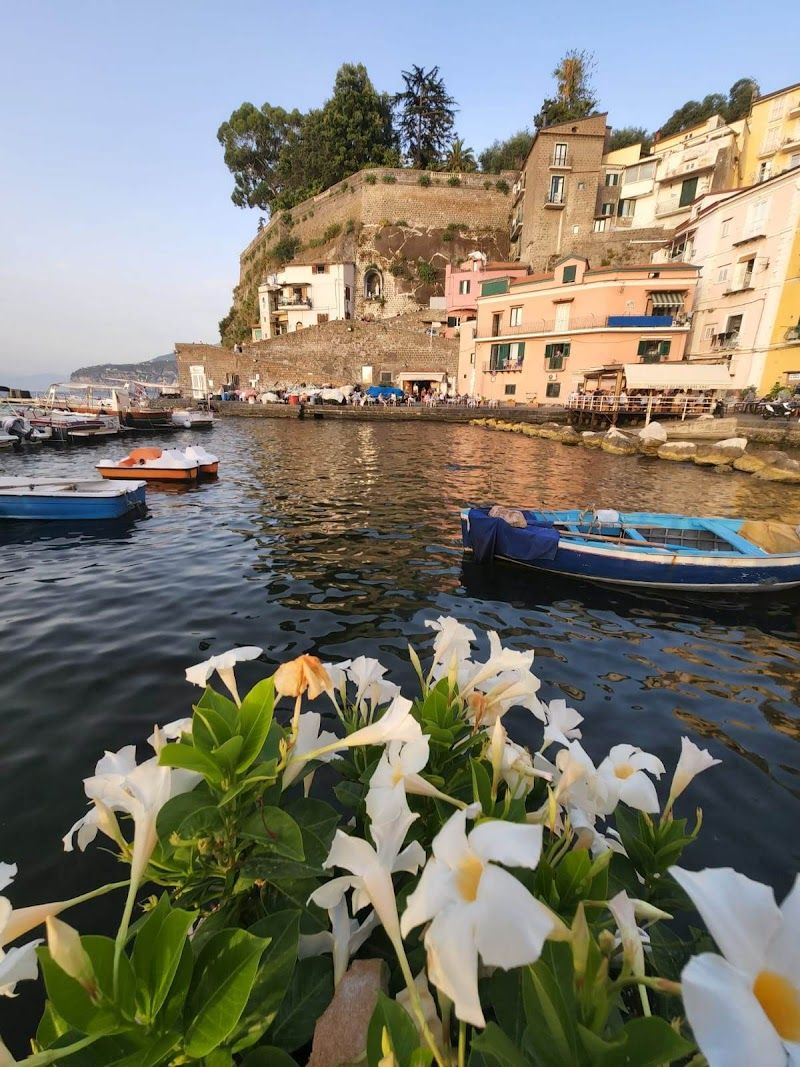
2-3 Days in Naples: First-Timer's Itinerary
Spaccanapoli, the Veiled Christ, Pompeii, pizza, and the Lungomare
How to spend 2-3 days in Naples: Cappella Sansevero at opening, the centro storico walk, the best pizzerias, the National Archaeological Museum, and an optional Pompeii day.
2-3 Days in Naples: First-Timer's Itinerary
Look, Naples isn't going to coddle you. This is a city that throws its best and worst at you simultaneously: world-class art next to crumbling facades, the planet's best pizza served in rooms that haven't been renovated since 1960, baroque churches squeezed between laundry-draped tenements. Three days gives you just enough time to understand why people either fall completely in love with this place or flee back to Florence. Here's how to see Naples properly, not the sanitized version they sell to cruise passengers.
Centro Storico: The Real Naples
Your first day throws you into the deep end of Naples' historic center, where every corner reveals another layer of the city's chaotic beauty. You'll start with art that will make you question physics, eat pizza that ruins you for all other pizza, and end watching the sun set over the Bay of Naples. This is Naples showing off, but in the most authentic way possible.
- Cappella Sansevero's impossible sculptures
- Pizza pilgrimage to Da Michele
- Sunset at Castel dell'Ovo
Morning: Cappella Sansevero and Spaccanapoli
Get to Cappella Sansevero right at 9 AM when it opens. Book your ticket online the night before (EUR 10) because this tiny chapel fills up fast, and once you see why, you'll understand. The Veiled Christ sculpture is genuinely impossible to comprehend. Giuseppe Sanmartino carved marble so thin in 1753 that the veil looks like actual fabric draped over Christ's body. You can see his eyelashes through the marble. The two other veiled sculptures are equally mind-bending, but save time for the crypt where Raimondo di Sangro's anatomical machines display perfectly preserved human circulatory systems from the 1760s. Still nobody knows how he did it. After twenty minutes of staring at marble that defies logic, walk east along Spaccanapoli, the arrow-straight Roman road that slices the old city in half. The cobblestones are polished smooth by centuries of feet, and the buildings lean toward each other like they're sharing secrets.
Late Morning: Christmas Alley and Santa Chiara
Turn north onto Via San Gregorio Armeno, which locals call Christmas Alley because the nativity scene artisans have been carving here for 700 years. Yes, it's touristy, but watch an old man carving a shepherd's face with tools his grandfather used and you'll forget about the kitsch. The workshops smell like wood shavings and tempera paint. Don't buy anything unless you're prepared to carry it home, but do peek into the back rooms where three generations work side by side. Then duck into Santa Chiara through the side entrance (the main door leads to the tourist-trap church). The cloister is free and feels like a secret garden in the middle of the chaos. Fourteenth-century columns are wrapped in hand-painted majolica tiles depicting daily life in 18th-century Naples. Sit on a bench and decompress from the sensory overload of the streets.
Lunch: The Pizza Pilgrimage
Now comes the decision that will define your Naples experience: Da Michele or Sorbillo. Da Michele serves only two pizzas, margherita and marinara, the way they have since 1870. The room looks like a train station cafeteria, you'll wait 20 minutes even with a reservation, they only take cash, and it's absolutely worth it. The crust has char bubbles the size of golf balls and tastes like bread and smoke had a baby. Sorbillo offers more variety and the same quality, but Da Michele is a pilgrimage. Order a margherita (EUR 5), eat it with your hands like everyone else, and understand why Neapolitans get genuinely offended by pizza from anywhere else. The tomatoes are sweet enough to make you rethink what a tomato can taste like.
Afternoon: Quartieri Spagnoli
Walk west into the Quartieri Spagnoli, the grid of impossibly narrow streets built to house Spanish soldiers in the 16th century. This is Naples at its most intense: laundry flapping overhead like prayer flags, Vespas threading through gaps you wouldn't attempt on foot, the smell of ragu simmering in kitchen windows. Look for the Maradona murals, because Diego is still the neighborhood saint here. Duck into any bar for espresso (EUR 0.80, cheaper than anywhere else in the city) and watch how locals drink it: two sips while standing, then leave. The baristas pull shots that taste like liquid chocolate and serve them in cups the size of thimbles.
Evening: Royal Naples and Sunset
Walk south to Piazza del Plebiscito, the massive semicircular square that feels like Rome's little brother trying too hard. The Royal Palace is impressive from outside but skip the interior unless you love mediocre furniture. The real draw is San Francesco di Paola, the church that copies the Pantheon but somehow makes it work in Naples. Then walk east along the Lungomare toward Castel dell'Ovo. This seaside promenade is where Neapolitans come to see and be seen, especially during the evening passeggiata. The castle itself is free to explore and offers the best sunset view in the city, with Vesuvius looming across the bay like a sleeping giant. Get there by 6 PM in winter, 7 PM in summer, claim a spot on the ramparts, and watch the city light up as the sun disappears behind Posillipo hill.
Dinner: Trattoria da Nennella
End your first day at Trattoria da Nennella in the Quartieri Spagnoli (Via Lungo Teatro Nuovo 103). This place embodies everything wonderful and chaotic about Naples: the waiters sing opera between courses, the walls are covered in photos of regulars, and the ragu has been simmering since morning. Order the spaghetti alle vongole (EUR 12) and watch them toss it in the pan with more garlic and parsley than seems structurally sound. The wine is house red from a carafe (EUR 8), and it pairs perfectly with the controlled chaos happening around you. Expect to wait for a table, expect to be charmed by the complete lack of pretension, and expect to understand why Neapolitans eat dinner at 10 PM.
Museum and Vomero: High Culture and City Views
Day two balances Naples' incredible artistic heritage with its most photogenic neighborhood. You'll spend the morning face-to-face with mosaics and frescoes that make Pompeii feel immediate, then escape the street-level intensity by riding vintage funiculars up to Vomero, where tree-lined streets and panoramic terraces remind you why people have been falling in love with this bay for 3,000 years.
- Archaeological Museum's ancient treasures
- Funicular ride to Vomero
- Panoramic views from Castel Sant'Elmo
Morning: National Archaeological Museum
The National Archaeological Museum (EUR 18) houses the world's best collection of Roman art, mostly because everything good from Pompeii and Herculaneum ended up here. Start in Room 61 with the Alexander Mosaic, a floor decoration made from 1.5 million tiny tiles that shows Alexander the Great defeating Darius at the Battle of Issus. The detail is photographic: you can see fear in soldiers' eyes, dust kicked up by horses, the reflection of sky in a shield. Then head upstairs to the Farnese Collection, where the Farnese Bull sculpture took three brothers 10 years to carve from a single piece of marble. Save the Secret Cabinet (Gabinetto Segreto) for last. These erotic frescoes and sculptures from Pompeii were locked away for centuries because Victorian sensibilities couldn't handle Roman sexual frankness. The art is beautiful, funny, and refreshingly honest about human desires.
Afternoon: Funicular to Vomero
Take the Chiaia funicular (EUR 1.10) from Via del Parco Margherita up to Vomero. These vintage cars have been climbing Naples' hills since 1889, and the ride offers glimpses into apartment windows and hidden gardens as you ascend. Vomero feels like a different city: wide streets, Art Nouveau buildings, locals walking dogs instead of dodging scooters. Head straight to the Certosa di San Martino (EUR 6), a 14th-century monastery with a baroque cloister that's almost too ornate to process. The presepe collection shows nativity scenes as historical documents, depicting 18th-century Naples in miniature. Then walk five minutes to Castel Sant'Elmo (EUR 5), a star-shaped fortress that offers the best panoramic view in Naples. From here, the city spreads below you like a amphitheater facing the bay, with Vesuvius providing the dramatic backdrop.
Evening: Vomero Dining
Stay in Vomero for dinner at a neighborhood trattoria where locals eat Sunday lunch with their families. Try Trattoria San Antonio (Via Santa Maria Antesaecula 109). Order rigatoni alla Genovese (EUR 14), a pasta dish that has nothing to do with Genoa but everything to do with slow-cooking onions until they become sweet silk, then braising beef until it falls apart. Or try paccheri al ragu (EUR 12), where the wide tubes of pasta hold onto every bit of the meat sauce that's been simmering since morning. The dining room fills with three generations arguing politics over house wine, and nobody rushes you through dinner. Take the funicular back down around 10 PM and watch the city lights spread out below you like scattered stars.
Pompeii: The Day Trip That Changes Everything
Your third day takes you 2,000 years into the past. Pompeii isn't just ruins; it's a complete Roman city where you can walk the streets, peek into houses, and see exactly how people lived before Vesuvius buried them in 79 AD. The experience is haunting, fascinating, and utterly unlike anything else you'll do in Italy. Plan to be moved, educated, and slightly overwhelmed by the weight of history.
- Circumvesuviana train to ancient ruins
- Walking streets frozen in time
- Villa of the Mysteries frescoes
Getting There: The Circumvesuviana Experience
Take the Circumvesuviana train from Napoli Centrale, but not from the main station. Head downstairs to the lower-level platforms that look like they haven't been updated since 1950, because they haven't. Buy tickets to Pompei Scavi (EUR 3.60 each way) from the tobacco shop, not the machines that eat your money. The Sorrento line train runs every 30 minutes, takes 35 minutes, and offers glimpses of Vesuvius getting larger as you approach. The cars are basic, the seats are hard plastic, and locals treat it like a city bus. Get off at Pompei Scavi, not Pompeii (that's the modern town), and follow the crowds to the entrance.
Exploring Pompeii: What Actually Matters
Pompeii is enormous (66 hectares) and poorly signposted, so prioritize ruthlessly. Buy your ticket (EUR 18) and head straight to the Forum, the city's main square surrounded by temples and government buildings. The columns frame Vesuvius perfectly, and you can almost hear the ancient crowd noise. Then find the Lupanar, the ancient brothel with explicit frescoes advertising services. It's tiny, crowded with tourists, and historically fascinating. The Villa of the Mysteries, outside the main city walls, contains the most extraordinary painted frieze in the ancient world: life-sized figures performing mysterious religious rituals in colors that still glow after 2,000 years. The plaster casts of Vesuvius victims are displayed throughout the site. They're haunting and immediate, showing people's final moments with devastating clarity.
Making Sense of It All
Rent the audio guide (EUR 8) or splurge on a private guide (EUR 120-150 for up to 8 people) because Pompeii without context is just old stones. A good guide will show you details you'd miss: the ruts worn by chariot wheels in stone streets, the take-away food shops with built-in heating elements, the graffiti that reads like ancient Yelp reviews. Allow 3-4 hours minimum, wear comfortable shoes (the stone streets are uneven and slippery), bring water (EUR 3 for a bottle inside), and prepare to have your perspective on ancient Rome completely rewired. The Amphitheatre, built in 70 BC and Rome's oldest surviving arena, makes a good final stop before catching the train back to Naples.
Essential Naples Tips
Always stand at the bar for coffee. Sitting doubles the price.
Traffic lights are suggestions. Cross streets with confidence but watch for scooters coming from everywhere.
Restaurants don't open for dinner until 7:30 PM, and locals don't eat until 9 PM.
Keep valuables in front pockets. Pickpockets work the tourist areas and crowded trains.
Learn to love cash. Many places don't take cards, and ATMs charge fees.
Sunday morning markets in Porta Nolana sell the best produce, but get there early.
Ready to Visit Naples?
Get a personalized itinerary tailored to your travel style and interests.
Plan Your Naples TripMore Naples Guides
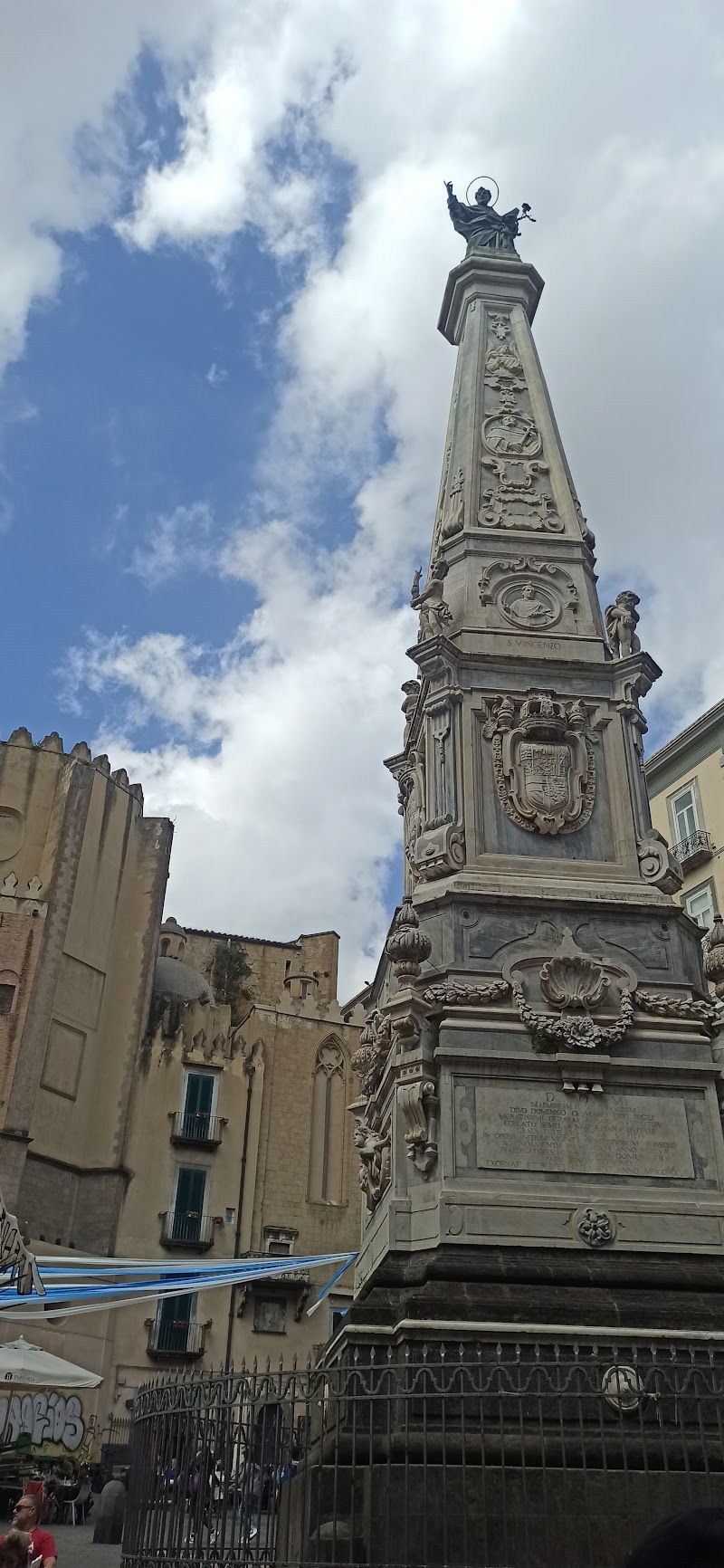
First Time in Naples: What You Need to Know
Everything before your first visit: the safety reality, pizza rules, the Circumvesuviana for Pompeii, how to drink espresso standing at a bar, and how the city actually works.
7 min
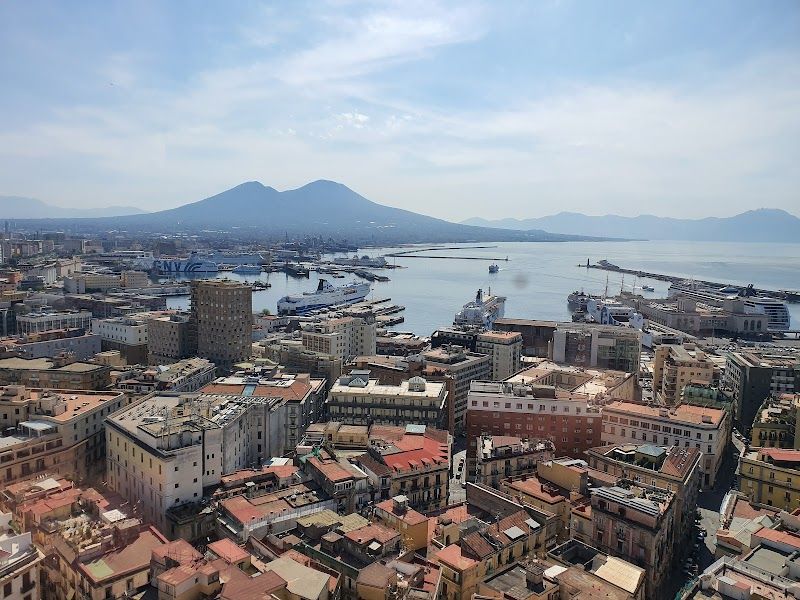
Where to Eat in Naples: Pizza, Sfogliatella & Street Food
How to eat in Naples: pizza at the right places, sfogliatella riccia not frolla, the cuoppo and pizza fritta, the trattoria dishes worth ordering, and the things that do not exist here.
8 min