Nice
Things to Do
37 attractions, museums, and experiences
Place Masséna
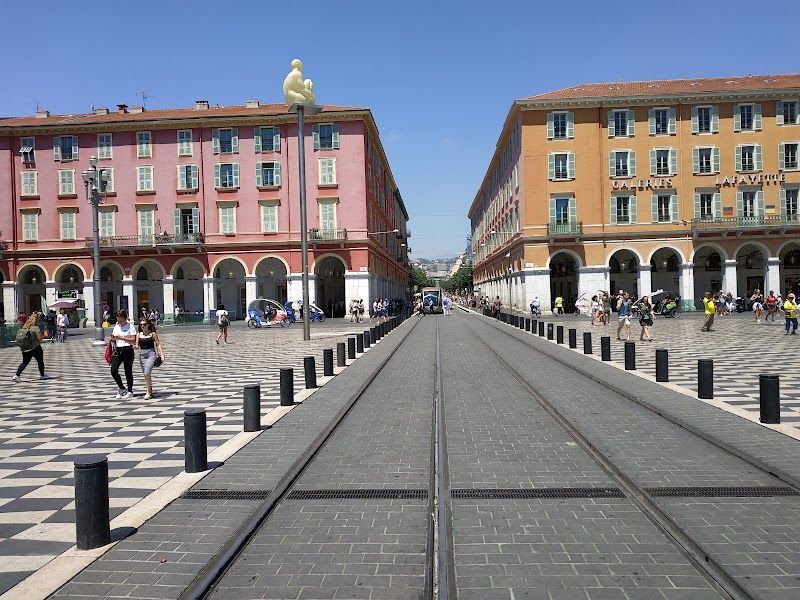
Place Masséna sits at the exact center of Nice, where the old town's narrow streets meet the modern shopping district. You'll find seven towering statues on 10-meter poles representing the continents, changing colors every few minutes throughout the day. The square's red ochre buildings with neo-Moorish arcades frame the space perfectly, while interactive fountains let kids (and adults) cool off during summer heat. The square feels like Nice's living room where everyone eventually passes through. Street performers claim corners near the fountains, while locals cut across on their way to work or shopping. The contrast hits you immediately: medieval old town alleys on one side, modern tram lines and chain stores on the other. During festivals, temporary stages transform the space, but day to day it maintains an elegant calm despite constant foot traffic. Most guides oversell this as a destination when it's really a perfect starting point. Don't plan more than 20 minutes here unless there's an event happening. The real value is using it as your navigation hub: old town to the south, shopping streets to the north, and Promenade du Paillon gardens stretching behind. Skip the overpriced cafes around the edges and grab coffee in the old town instead.
Colline du Chateau (Castle Hill)
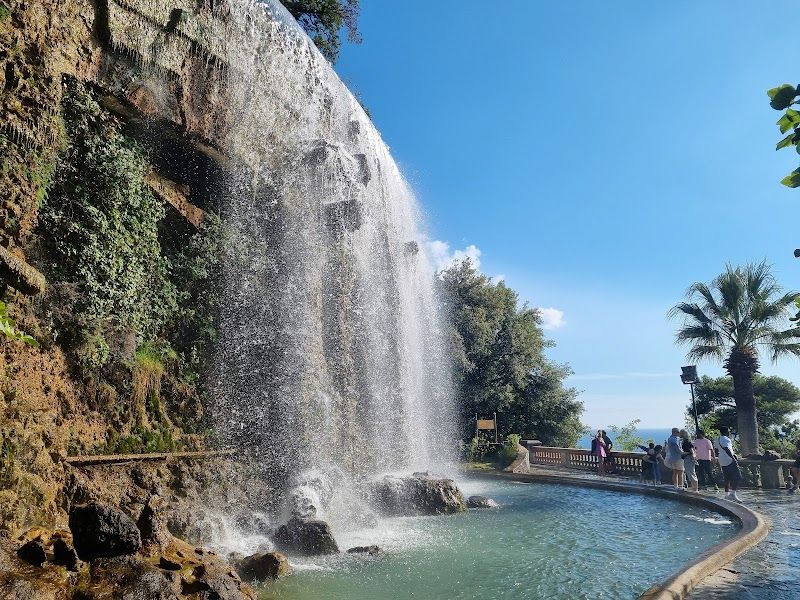
Take the stairs up from the east end of Quai des Etats-Unis rather than the elevator: you'll pass the waterfall and arrive less crowded at the top Most visitors cluster at the main western viewpoint. Walk to the eastern edge near the cemetery for equally good views of the port without the crowds Go before 10am when the morning light hits the Promenade perfectly and the tour groups haven't arrived yet
Musee National Marc Chagall
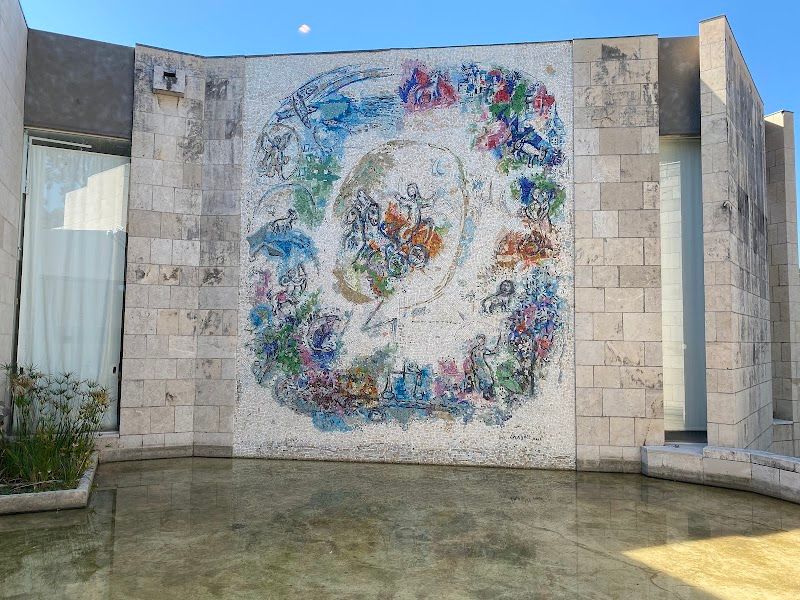
The Musée National Marc Chagall houses the world's largest collection of works by the Russian-French artist, built specifically around his Biblical Message series of 17 monumental paintings. You'll see Chagall's interpretation of Genesis and Exodus in canvases over 4 meters wide, where floating lovers, mystical animals, and biblical figures swirl in his signature dreamlike style. The museum also displays preparatory sketches, lithographs, and five remarkable stained glass windows that bathe the concert hall in deep blue light. The experience flows through two main galleries with perfect overhead lighting that makes Chagall's reds, blues, and yellows practically glow on the walls. The space feels intimate despite the large canvases, and you can get surprisingly close to see his brushwork and layered symbolism. The concert hall with its blue stained glass creates an almost chapel-like atmosphere where the windows seem to merge with the walls. Outside, a large mosaic beside a reflecting pool adds a peaceful conclusion to your visit. Most visitors rush through in 45 minutes, but you'll want longer to absorb the Biblical Message cycle properly. The EUR 10 entry may feel expensive for the museum's size, but the quality justifies it. Skip the temporary exhibitions upstairs, they are usually minor works that pale next to the main collection. The combined ticket with Matisse Museum saves you EUR 2 and gives you 48 hours to visit both, which makes sense since they are in the same neighborhood.
Musee Matisse Nice
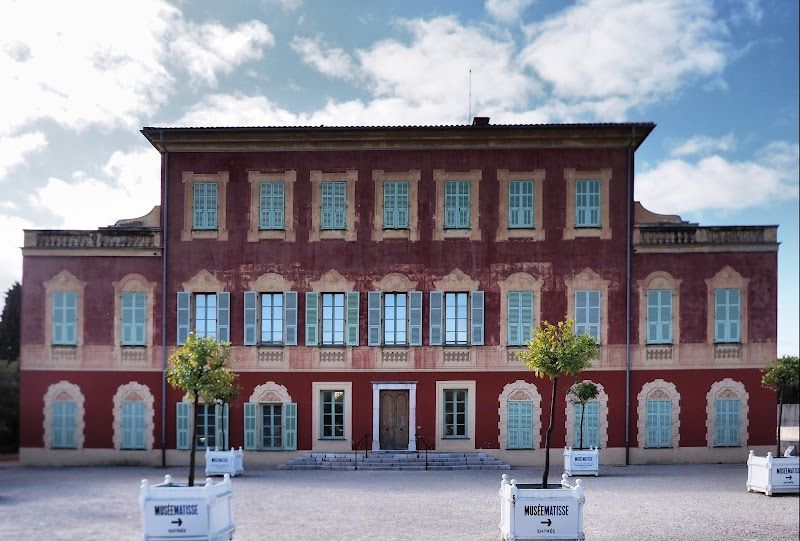
The Musée Matisse sits in a gorgeous 17th-century terracotta villa surrounded by olive trees in Cimiez, housing the world's largest Matisse collection. You'll see 68 paintings, 236 drawings, and crucially, his legendary paper cut-outs including Jazz (1947) and the massive Oceanie (1946). The chronological layout traces his evolution from dark early works through his Fauve period to those luminous cut-outs he created when arthritis forced him to stop painting. The villa itself feels intimate, like wandering through Matisse's personal archive rather than a formal museum. The cut-outs on the upper floors are revelatory: seeing them life-size makes you understand why they revolutionized modern art in ways no reproduction can capture. The rooms flow naturally, and you're never fighting crowds like at the Picasso Museum. The terracotta walls and Mediterranean light streaming through windows create the perfect backdrop for his work. At €10, it's excellent value, but most people rush through in 45 minutes and miss the point entirely. Spend at least 90 minutes, especially upstairs with the cut-outs. Skip the ground floor gift shop browsing and head straight to the first floor chronological displays. The archaeological site next door is free and worth 20 minutes if you're not museum-ed out. Closed Mondays, and the bus ride up (lines 15 or 17 from Place Masséna) takes 20 minutes but saves the steep walk.
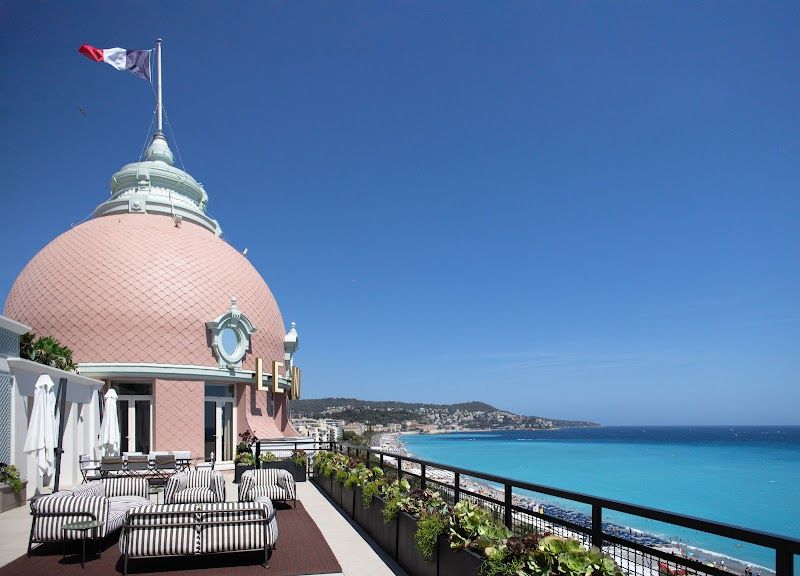
Hôtel Negresco
The Negresco isn't just any luxury hotel: it's a living museum where you can admire a €16 million Baccarat chandelier, Renaissance paintings, and Belle Époque furnishings without paying the €400+ nightly room rate. Built in 1913 by Romanian entrepreneur Henri Negresco, this pink-domed palace houses one of France's most eclectic private art collections, from Napoleon III furniture to contemporary sculptures. You'll walk through the same opulent spaces where royalty and celebrities have stayed for over a century. Stepping into the oval lobby feels like entering a jewel box, with that massive crystal chandelier dominating the space and museum-quality pieces displayed along the corridors. The grand staircase leads to semi-public areas where you can browse oil paintings and antique furniture as if you're touring a château. Staff rarely question visitors who walk purposefully through the public spaces, and the atmosphere remains refined rather than stuffy. Most travel guides don't mention that you can see 80% of the art collection without spending a euro, just by confidently exploring the lobby and first-floor corridors. Skip the overpriced cocktails at the rooftop bar (€18 for a basic drink), but do peek into the Chantecler restaurant to see its ornate dining rooms. The hotel's exterior looks best photographed from across the Promenade des Anglais, where you can capture both the pink dome and the Mediterranean backdrop.
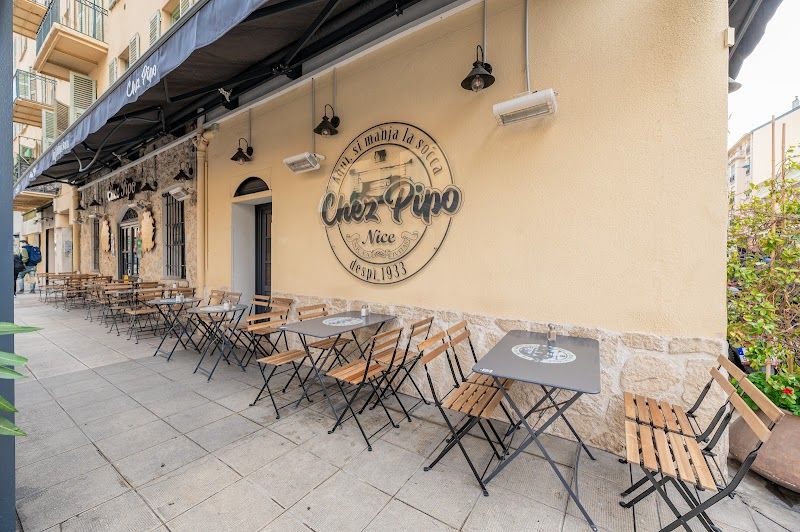
Chez Pipo
The larger of the two great socca specialists in Nice, serving the chickpea flatbread hot from the wood oven since 1923. Also excellent pissaladiere and petits farcis. Counter seating lets you watch the socca being cut and served straight from the pan.
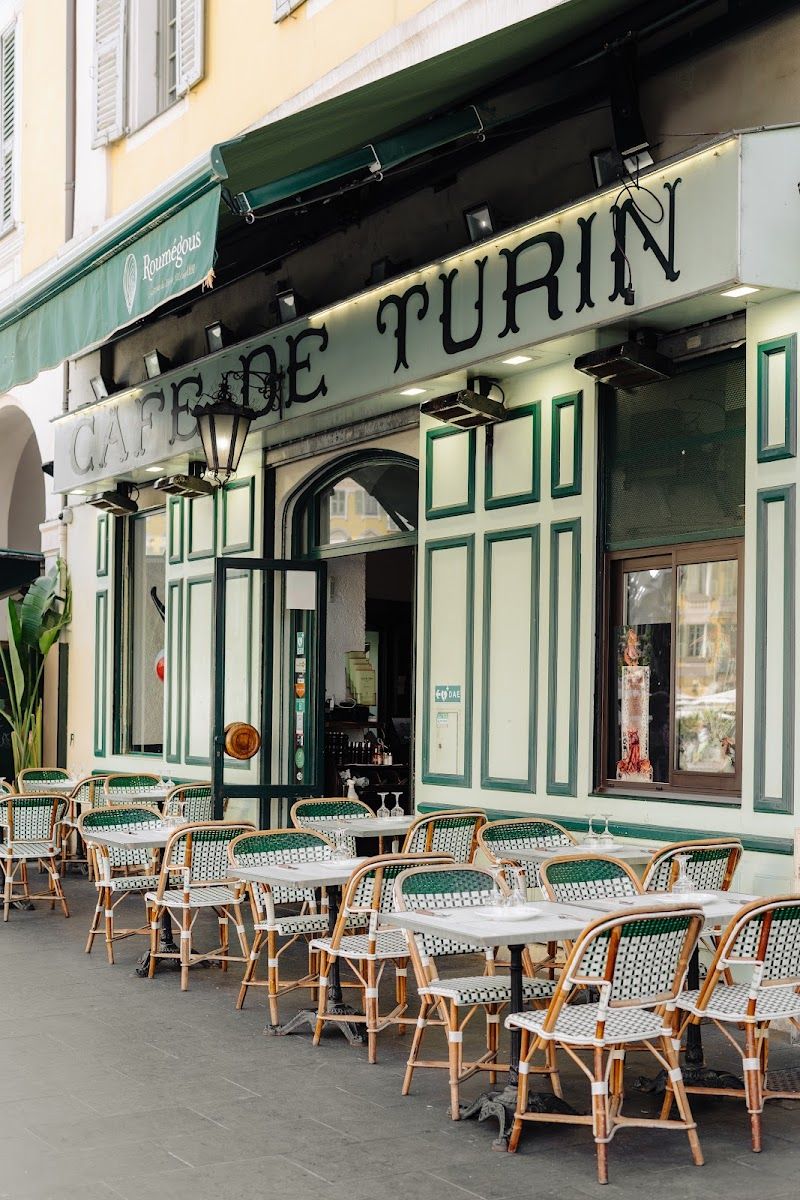
Le Café de Turin
Legendary seafood café on Place Garibaldi serving platters of oysters, sea urchins, and shellfish since 1908. The terrace is packed year-round with locals downing plateaux de fruits de mer with chilled white wine. Service is brisk and no-nonsense, with prices displayed on the board behind the bar.
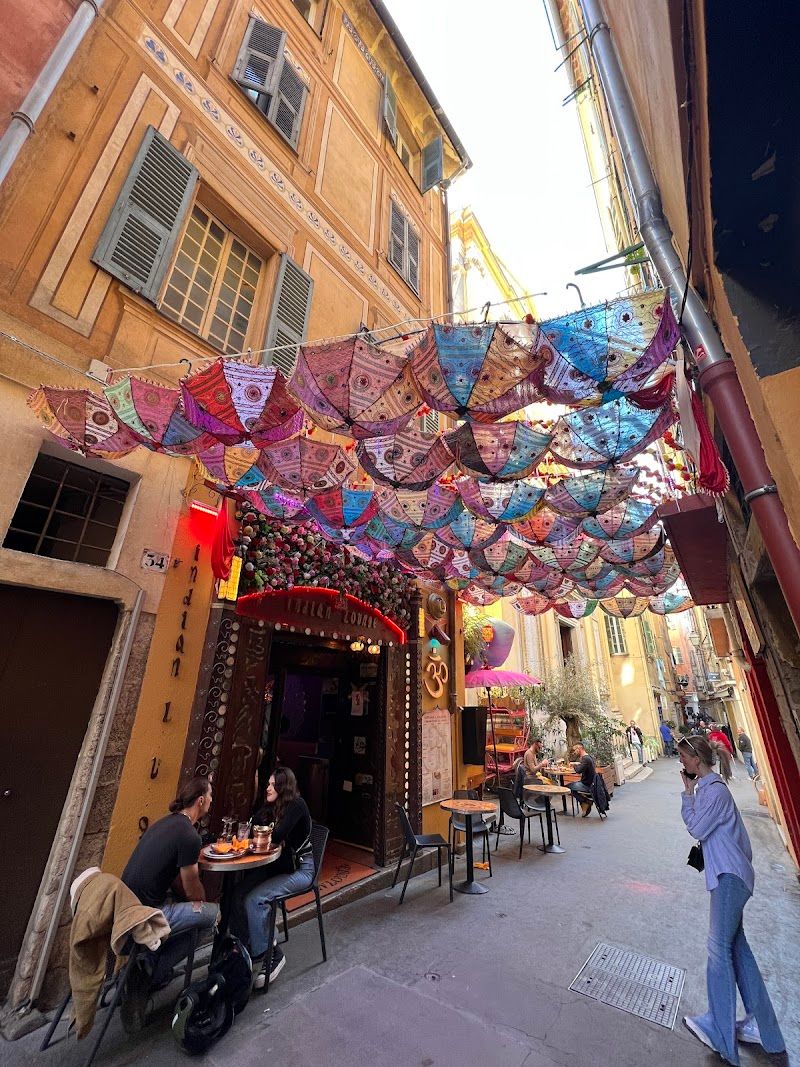
Cours Saleya Market
The Cours Saleya is the long pedestrian plaza running through the heart of Old Nice and the morning flower and food market that fills it from Tuesday to Sunday is the reason to arrive early. From around 6 AM to 1 PM, the market covers the full length of the cours: cut flowers, potted lavender, mimosa, and roses on the eastern half (Nice is the cut flower capital of France), and food on the western half: vegetables from the Var and Alpes-Maritimes, olives in dozens of varieties, charcuterie, cheese from Provence and Piedmont, and street food. The street food is the point: Chez Theresa's stall serves socca (a thin chickpea flatbread cooked on a massive copper pan over a wood fire, EUR 3 a portion, served hot, eaten with black pepper and nothing else) and pissaladiere (onion tart with anchovies and olives, EUR 3-4). Both are Nicoise specialities and both are best eaten standing at the stall with a small coffee from the bar across the cours. On Monday the flower market becomes an antique and flea market. The Cours Saleya is the centre of the social life of Old Nice and works as an outdoor living room. The restaurants on the north side are more tourist-oriented; the ones on the south side facing the Flower Market are more local. Budget EUR 5-10 for a morning of socca, pissaladiere, and coffee.
Promenade du Paillon
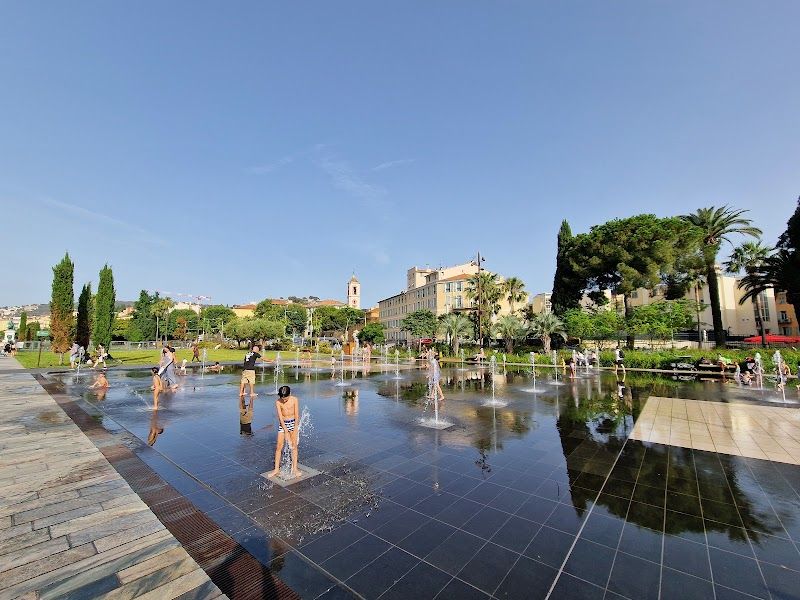
The Promenade du Paillon replaced a buried river with 12 hectares of parkland stretching from Place Masséna to the sea. You'll find sprawling lawns dotted with Mediterranean pines, an adventure playground that keeps kids occupied for hours, and the spectacular mirror fountain plaza with 128 choreographed water jets. It's essentially Nice's Central Park, connecting the old town to the beach through manicured green space that locals use for picnics, jogging, and escaping the coastal crowds. Walking the full length takes about 20 minutes, but you'll want to linger in the different zones. The fountain area becomes a splash pad in summer where children (and some adults) cool off while parents watch from shaded benches. The northern section near the National Theatre feels more formal with geometric plantings, while the southern end opens toward the Mediterranean with palm trees and sea breezes. Evening brings families with takeaway dinners and couples sharing wine on the grass. Most guides make this sound more exciting than it actually is. It's a pleasant urban park, nothing revolutionary, but genuinely useful if you need green space or have restless kids. The fountains operate daily but the light show only happens in summer. Skip the northern entrance near the theatre, it's the least interesting section. Start at Place Masséna and work south toward the sea for the best progression.
Musée d'Art Moderne et d'Art Contemporain
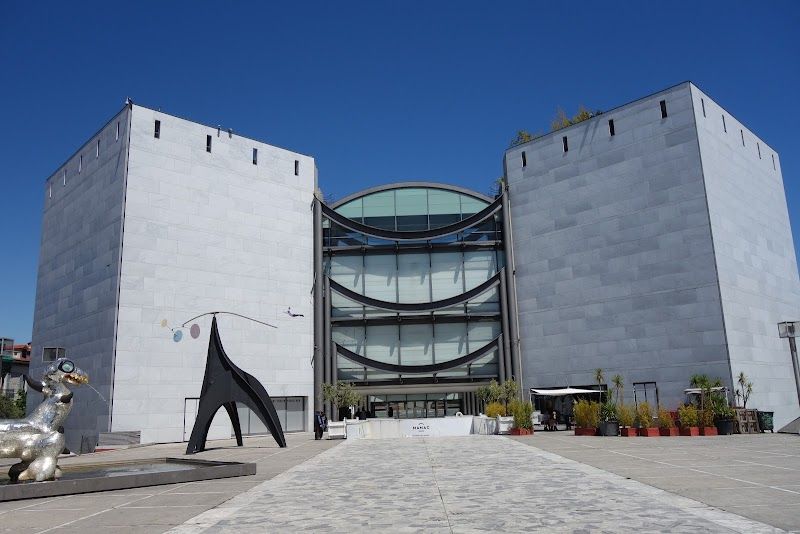
This marble cube perched in Vieux-Nice holds one of Europe's strongest collections of 1960s Pop Art and New Realism. You'll find major pieces by Yves Klein (including his signature ultramarine blue works), Andy Warhol's screen prints, Niki de Saint Phalle's colorful sculptures, and Roy Lichtenstein's comic book style paintings. The four floors move chronologically through movements that defined contemporary art, with particularly strong French representation alongside American Pop masters. The museum feels refreshingly spacious compared to Nice's cramped historic galleries. Natural light floods the white-walled rooms through floor to ceiling windows, and the layout flows logically without the maze-like confusion of larger institutions. Each floor focuses on different movements, so you can easily spend time with what interests you most. The rooftop terrace delivers spectacular 360-degree views over the Baie des Anges and Nice's terracotta rooftops. Entry costs €10, but honestly, many visitors come primarily for the free rooftop access via the external elevator. The collection, while excellent, isn't huge, so two hours covers everything comfortably. Skip the ground floor temporary exhibitions unless they specifically interest you, and head straight to floors two and three for the permanent highlights. The museum shop overcharges for basic postcards at €2 each.
Le Plongeoir
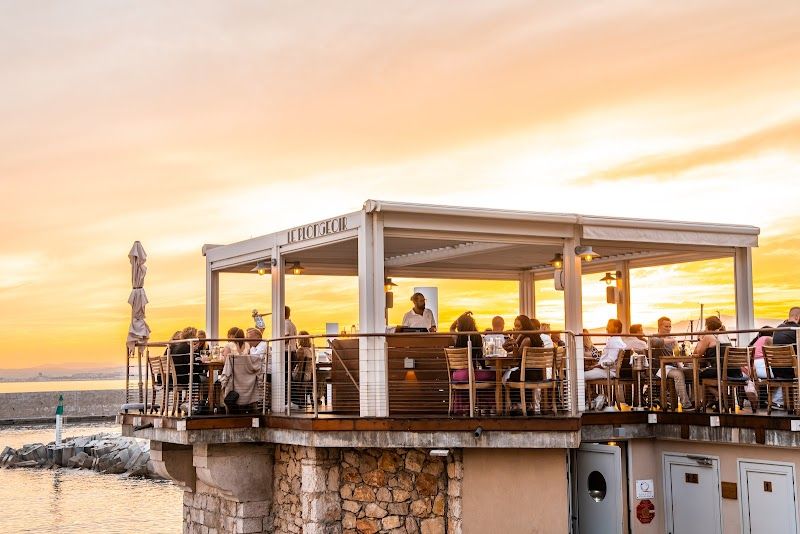
Restaurant perched on a rock platform jutting into the Mediterranean Sea is accessed by a wooden walkway. Originally built as a 19th-century bathing establishment, it offers views of the sea and Mediterranean cuisine in a unique setting. The location at the base of Castle Hill sets it apart from other restaurants in Nice.
Promenade des Anglais
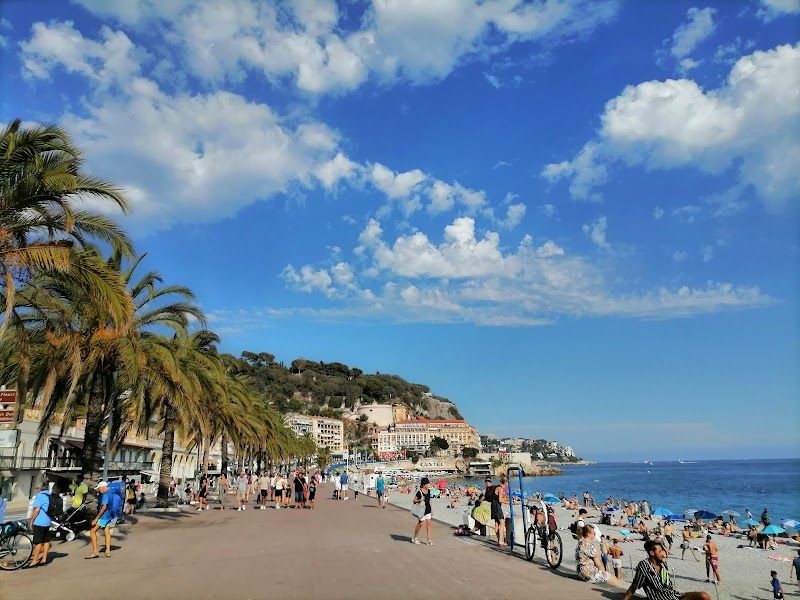
The Promenade des Anglais is the 7 km seafront walk along the Bay of Angels (Baie des Anges), and it is genuinely beautiful despite the fact that every photograph of Nice features it. The promenade was built in the 1820s, funded by English aristocrats wintering here (hence the name), and the current version has a dedicated walking lane, a cycle lane, and the famous blue chairs (chaises bleues) that face the sea. The beach is shingle, not sand: round white pebbles that are actually more comfortable to lie on than sand (they drain quickly, do not get as hot, and do not stick to everything). The water is the transparent Mediterranean blue that made the Cote d'Azur famous. Private beach clubs (EUR 15-25 for a mattress, umbrella, and shower) line most of the western promenade; free public beaches (Plage Publique Beau Rivage, Plage Carras) exist too. The most photogenic section is between the Jardin Albert 1er and the Hotel Negresco (the white building with the pink dome): 1.5 km that covers the quintessential Nice view. The Negresco (built 1913) is not a budget hotel (rooms from EUR 400) but the carousel outside, the view of the rotunda dome, and the brasserie Chantecler are worth knowing about.
Port Lympia
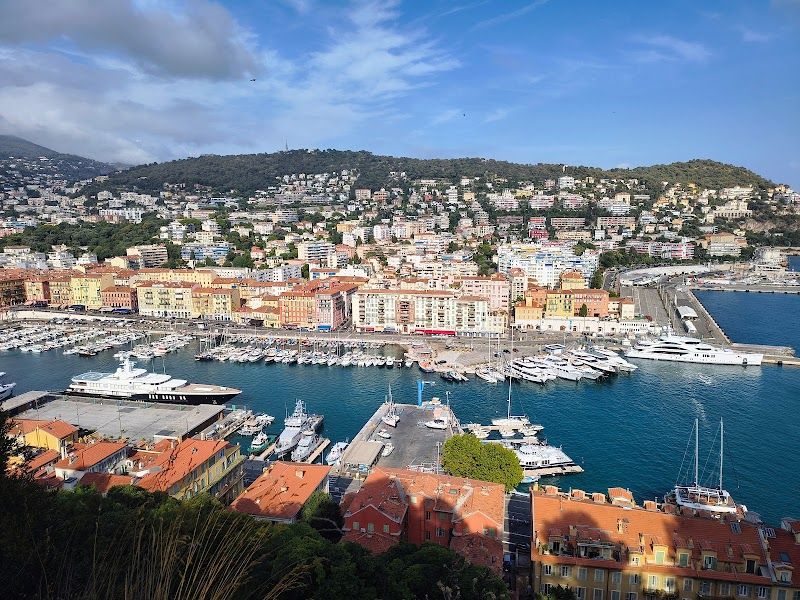
Port Lympia is Nice's working harbor, a deep-water port built in the 1780s that still functions exactly as intended. You'll find Corsican ferries departing daily, fishing boats returning with their catch, and expensive yachts moored alongside working vessels. The port is ringed by four-story Italianate buildings in weathered ochre and salmon pink, their ground floors housing ship chandlers, cafés, and the occasional maritime office. The architecture feels authentically Niçois rather than touristy, since this area serves locals and sailors first. Walking the port's perimeter takes about 30 minutes if you don't stop, but you'll want to pause frequently. The eastern quay offers the best views back toward the old town's hillside buildings, while the western side gets you close to the working boats. Early morning brings the fish market energy as trawlers unload their night's work, with locals queuing for the freshest catch. The atmosphere shifts throughout the day from working port to leisurely promenade as visitors discover the waterfront cafés. Most guidebooks oversell this as a major attraction when it's really a pleasant neighborhood walk. The cafés here charge tourist prices (€4-6 for coffee) despite the authentic setting. Skip the boat tour operators who approach you, they're overpriced at €25-35 for basic harbor circuits. Instead, time your visit for 7-8am when the fish sales happen, or late afternoon when the light hits those ochre facades perfectly.
La Merenda
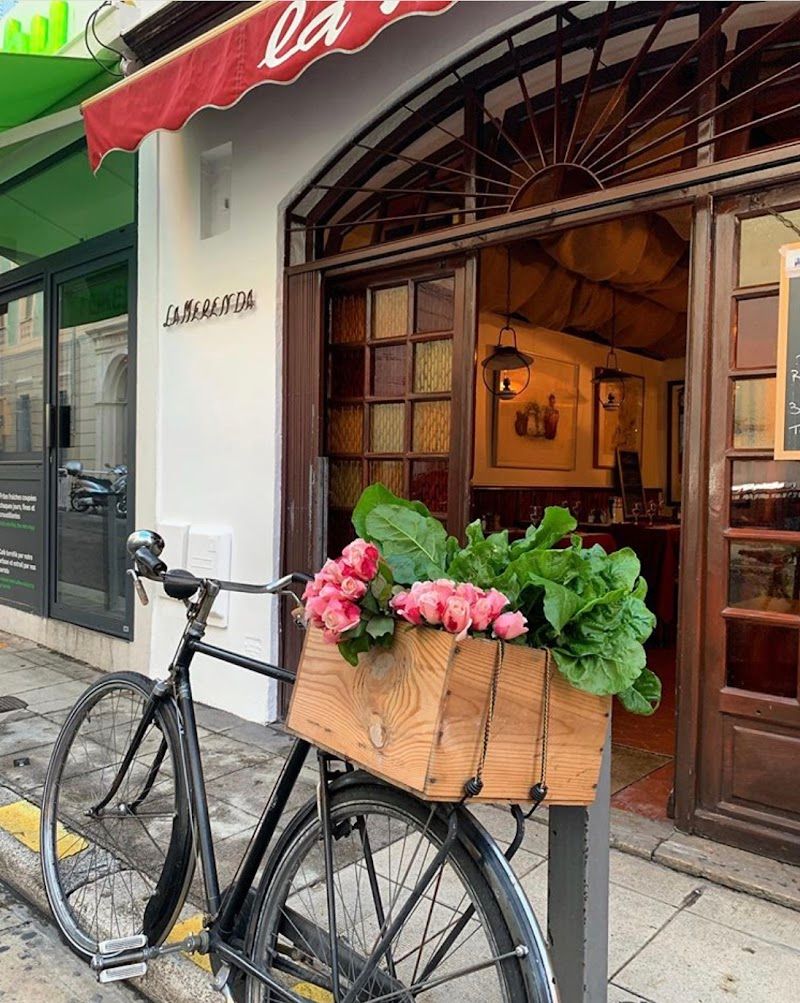
Dominique Le Stanc's 24-seat restaurant serves the most authentic Nicoise cooking in the city. No phone, no credit cards, no website. Handwritten daily menus feature dishes like stuffed sardines, tripe nicoise, and proper ratatouille with vegetables cooked separately then layered.
Trans Côte D'Azur
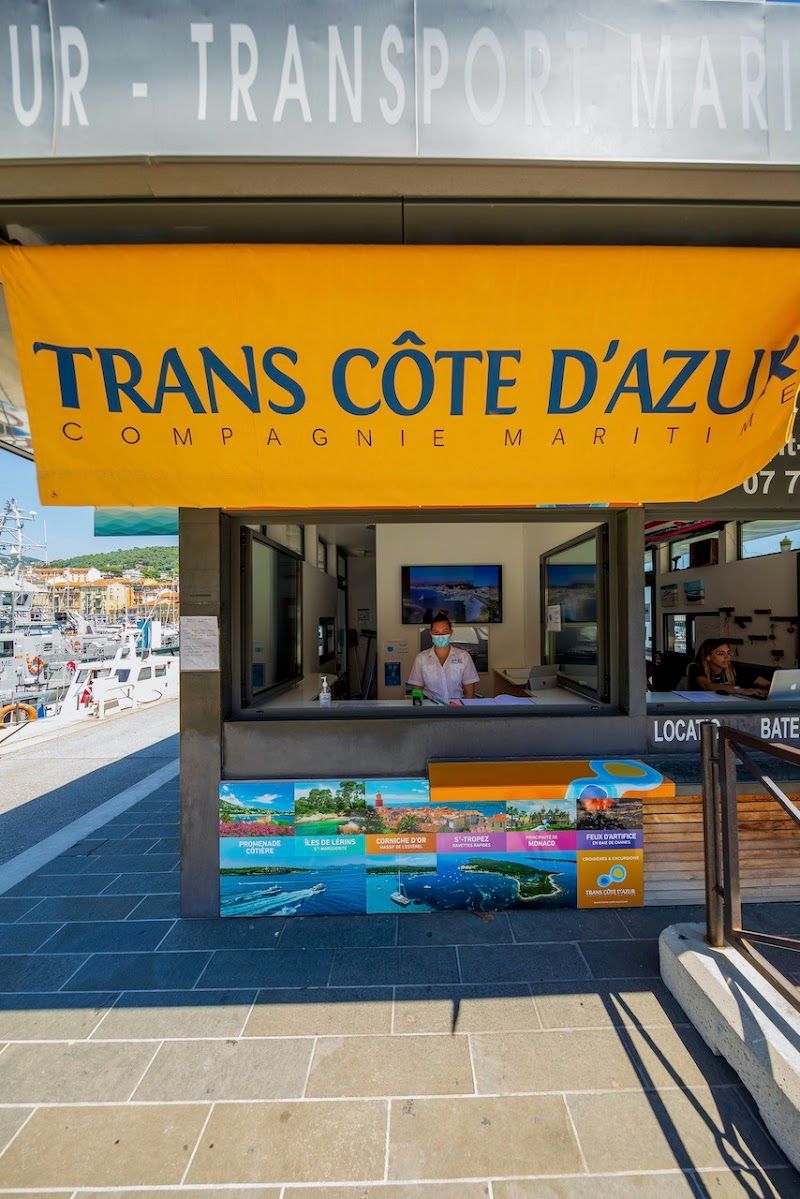
Trans Côte d'Azur runs proper boat excursions from Nice's Port to the Riviera's glamour spots, with their Monaco run being the standout. You'll cruise past the millionaire mansions of Cap Ferrat, get postcard views of Villa Ephrussi's pink facade from the water, and dock right in Monaco's harbor where superyachts cost more than small countries. The boats are comfortable catamarans that handle the Mediterranean chop well, and the commentary is actually informative rather than touristy fluff. The journey feels like you're seeing the Côte d'Azur as it was meant to be seen, from the sea. You'll pass dramatic cliffs, secluded coves that aren't accessible by land, and get that perfect angle of Monaco rising from the harbor that every postcard tries to capture. The crew points out celebrity villas and gives you the real gossip about who owns what. Most passengers crowd the upper deck for photos, but the lower level has better seating and still excellent views through large windows. Here's what other guides won't tell you: the afternoon departures can be rough when the wind picks up, and half the passengers end up queasy. Tickets cost around 45 EUR for Monaco, which is fair value considering you're getting transport plus sightseeing. Skip their Saint-Tropez trip though, it's overpriced at 65 EUR and the journey's too long for what you get. Book directly at their kiosk rather than through hotel concierges who add a markup.
A Taste of Nice Food Tours
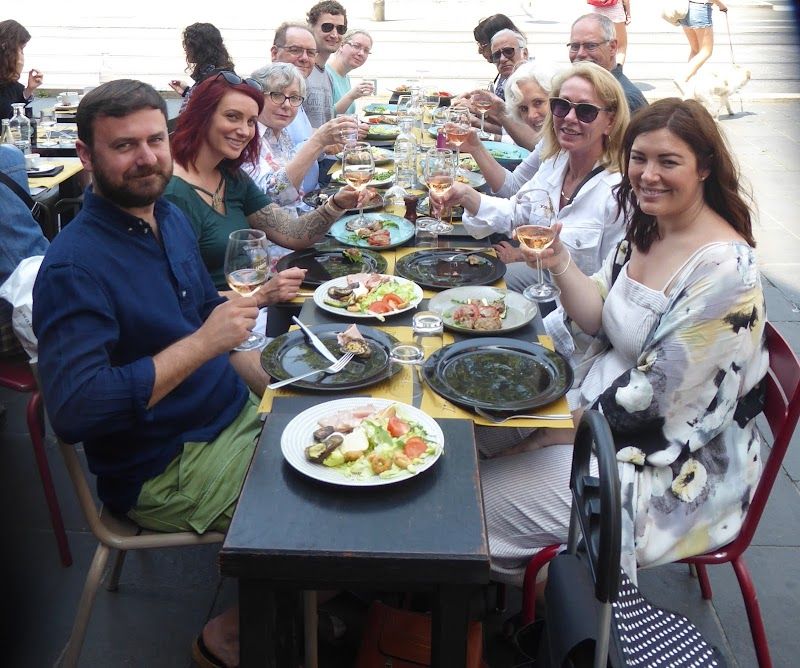
A Taste of Nice runs the best food tour in Vieux-Nice, taking you beyond tourist traps to family shops that locals actually use. Your English-speaking guide knows these vendors personally and gets you behind-the-scenes stories while you sample socca from century-old recipes, pissaladière that hasn't changed since the 1800s, and olive oils pressed by third-generation producers. The 8-10 tastings include proper portions, not tiny samples, plus you'll learn why Niçoise cuisine differs so dramatically from the rest of France. The three-hour route winds through narrow cobblestone streets and the legendary Cours Saleya market, where your guide greets vendors by name and secures tastings you'd never get as a solo visitor. You'll sit at marble counters eating warm socca while locals queue behind you, then compare three different olive oils while the producer explains harvest techniques. The group size stays small at 12 people maximum, so you can actually hear everything and ask questions without shouting over crowds. At 89 EUR per person, it's expensive but worth every euro for the access and education you get. Most food tours rush through tastings, but this one lets you linger and actually understand what you're eating. Book at least three days ahead since they sell out regularly, especially on weekends. The meeting point at Place Vieille is tiny and easy to miss, so arrive five minutes early and look for the guide with the small ATNT sign.
Vieux-Nice Street Walk
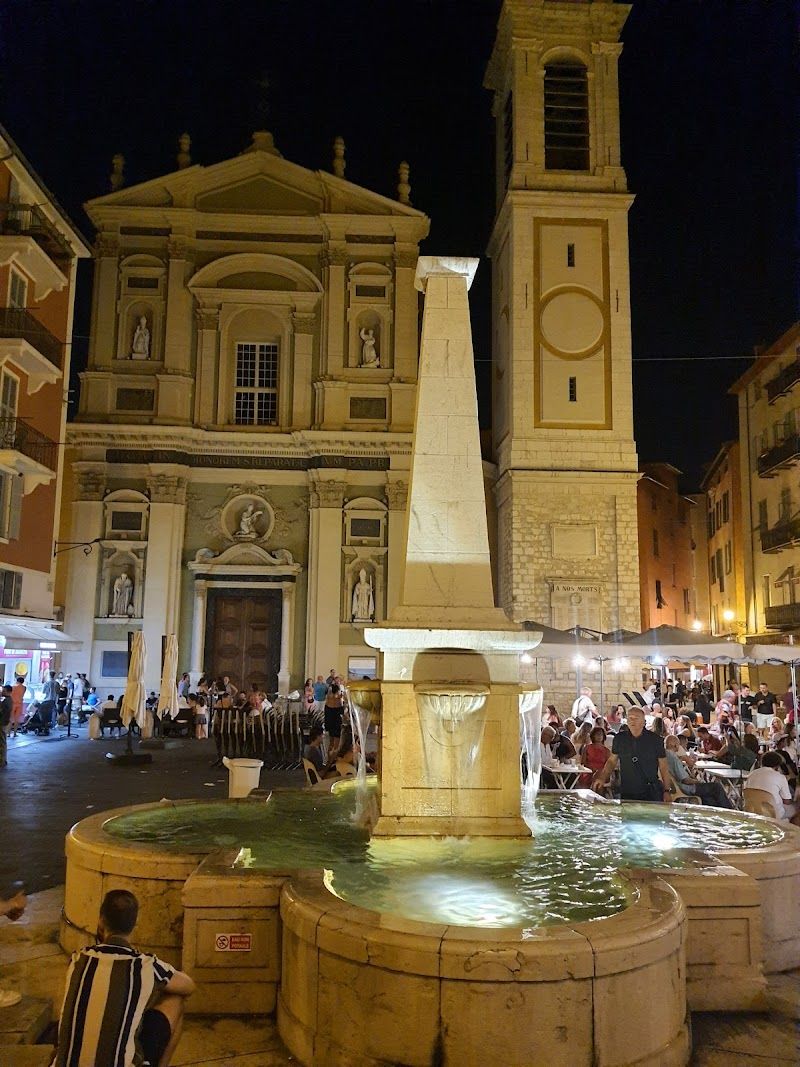
Old Nice (Vieux-Nice) is a dense grid of narrow streets between the Cours Saleya and the Colline du Chateau, built in the 17th and 18th centuries when Nice was part of the Duchy of Savoy. The buildings are painted in ochre, terracotta, rose, and faded yellow, with laundry strung between windows and Baroque churches occupying every other block. The architecture is more Italian than French: the Baroque facades, the narrow alleys (carruggi in Genoese dialect), and the dense population all reflect the Piedmontese and Ligurian connections that persist in the local dialect (Nicois) and the food. The key streets are Rue Saint-Francois-de-Paule (connects Cours Saleya to Place Massena, with the Opera de Nice and the olive oil shop Nicolas Alziari), Rue Rossetti (leads to Place Rossetti and the Fenocchio gelato shop, 100+ flavours, EUR 2-3 per scoop), and the Rue du Marche (the covered food market tunnel). The Baroque churches worth entering are the Cathedrale Sainte-Reparate (the 17th-century dome is the architectural centrepiece of Old Nice), Chapelle de la Misericorde (the most ornate interior in the city), and Eglise Saint-Jacques (the Baroque excess at its most committed). Most are free to enter.
Parc Phoenix
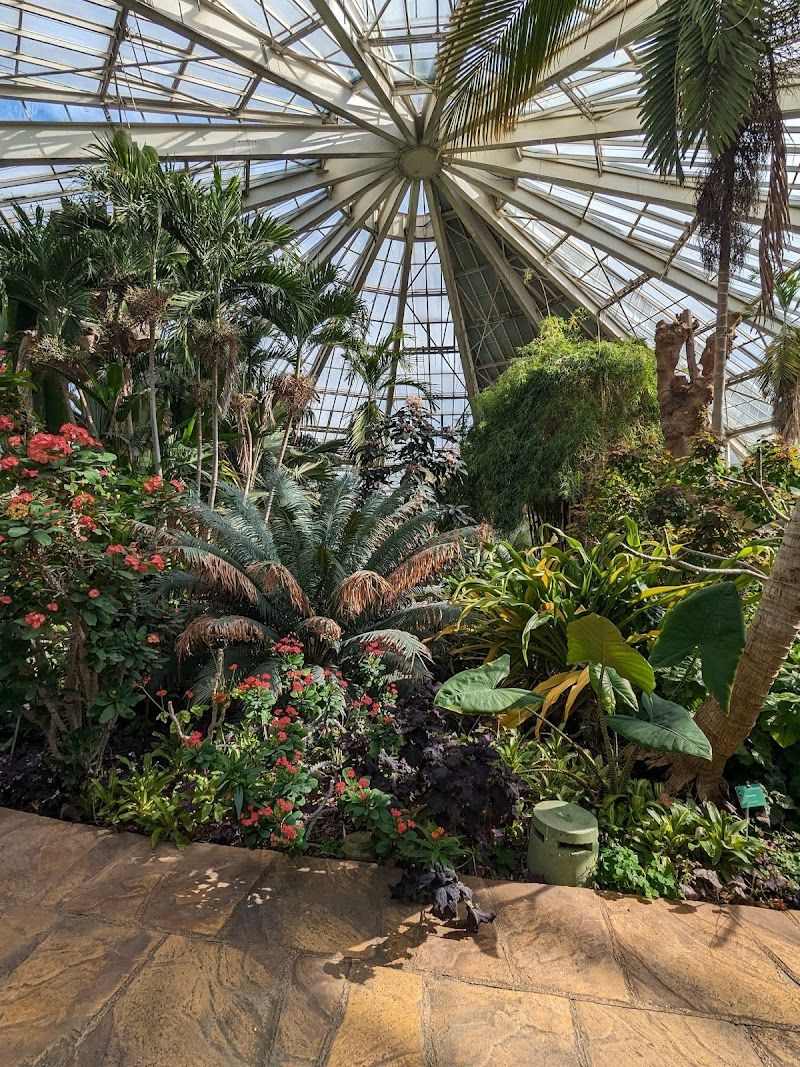
Parc Phoenix is Nice's ambitious answer to tropical paradise, cramming seven climate zones into a massive greenhouse that feels like walking through different continents in 20 minutes. You'll find everything from Madagascar baobab trees to Australian eucalyptus, plus desert cacti that tower overhead. Outside, the park's lake hosts actual flamingos and black swans that pose like they know they're photogenic, while Asian otters dive and play in rocky pools that resemble more naturalistic zoo enclosures. The experience flows from tropical humidity to desert dryness as you move between climate zones, each transition surprisingly dramatic. The greenhouse sections feel genuinely immersive, especially the rainforest area where mist machines create that authentic jungle atmosphere. Outside, the grounds are more manicured park than wild nature, but watching otters hunt for fish while flamingos strut nearby creates a peaceful combination. The whole place has a retro 1990s theme park vibe. Most travel guides may lead you to expect Parc Phoenix as a botanical wonder, but it's truly best enjoyed as a relaxing afternoon escape rather than an educational deep dive. The EUR 3 admission is genuinely good value, making it cheaper than most Nice attractions. Consider skipping the upper greenhouse levels on a hot summer day and focus your time on the otter enclosures and lake areas where the animals are most active. The plant collections are decent but not spectacular when compared to the major European botanical gardens.
Jardin Albert 1er
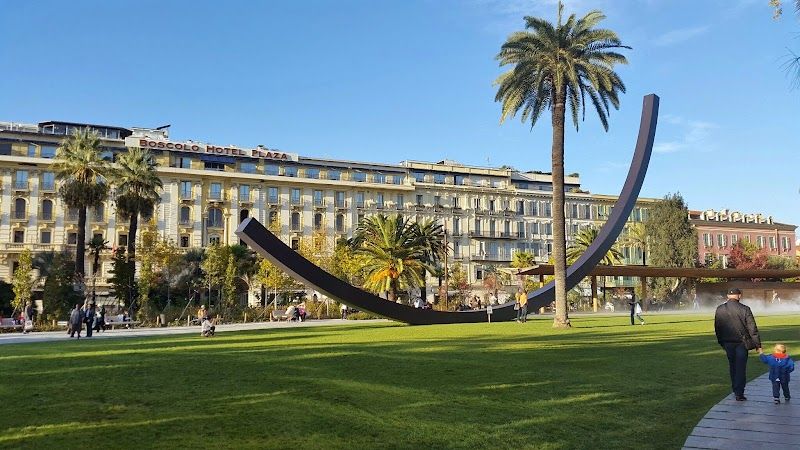
Jardin Albert 1er is Nice's most central green space, a Belle Époque garden stretching between the Promenade des Anglais and Old Town. You'll find the famous Triton fountain at its heart, surrounded by perfectly manicured lawns, towering palm trees, and seasonal flowerbeds that locals actually care for. The real draw is the Théâtre de Verdure, an open-air amphitheater that hosts everything from jazz concerts to classical performances during summer evenings. The garden feels like a proper French park: formal but not stuffy, with wide gravel paths perfect for an evening stroll after dinner in Vieux Nice. Families spread picnic blankets on the grass while joggers loop the perimeter paths. The Triton fountain becomes a magnet for kids splashing around, and you'll hear multiple languages as tourists take selfies with the palms. Evening concerts transform the space completely, with locals bringing wine and cheese to enjoy performances under the stars. Most guides oversell this as a major attraction, but it's really a pleasant pit stop between the beach and Old Town. The summer concert program is genuinely excellent and often free, but check the schedule posted at Avenue de Verdun entrance gates. Skip it entirely if you're short on time, unless there's a performance. The fountain area gets crowded with tour groups around 11am, so early morning or late afternoon visits work better.
French Riviera Pass
The French Riviera Pass gets you into Monaco's top three attractions without queuing: the Oceanographic Museum with its jaw-dropping aquarium tanks, Prince's Palace where you can tour the royal apartments, and the Casino Monte-Carlo's viewing terrace overlooking the gaming floors. You'll spend a full day exploring Monaco's old town and Monte-Carlo district, with audio guides explaining everything from Princess Grace's story to Jacques Cousteau's deep-sea discoveries. The free shuttle saves your legs between the clifftop palace and waterfront museum. Your day flows naturally from Monaco-Ville's narrow medieval streets down to the harbor district. The palace feels surprisingly intimate for a royal residence, especially the throne room with its Renaissance frescoes. At the Oceanographic Museum, the shark lagoon and tropical aquariums are genuinely spectacular, while the rooftop terrace offers postcard views across the Mediterranean. The casino's Belle Époque architecture impresses even from the public viewing area, though you can't actually gamble without paying extra. Most visitors rush through all three attractions and miss the best parts. The palace tour takes 45 minutes if you actually listen to the audio guide, the museum needs at least two hours for the main floors, and the casino viewing terrace is frankly skippable unless you're obsessed with gambling history. At €35 for adults, you'll break even versus individual tickets, but only if you skip the rushed tourist pace and actually enjoy each stop.
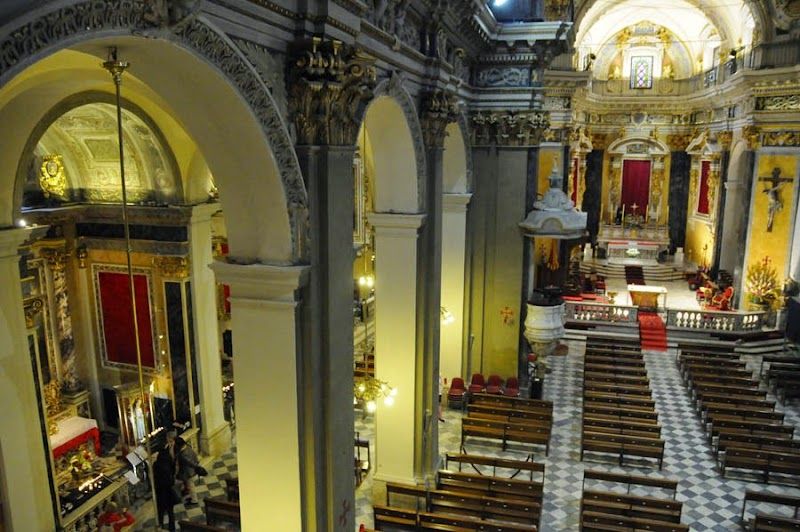
Cathédrale Sainte-Réparate de Nice
This 17th-century baroque cathedral is dedicated to Saint Réparate whose legendary body floated ashore guided by doves. The green-tiled dome dominates Vieux-Nice's skyline, while inside you'll find ten side chapels packed with marble altars, gilt decorations, and surprisingly detailed trompe-l'oeil ceiling frescoes. The carved wooden choir stalls and colorful stained glass windows create an intimate atmosphere despite the ornate baroque excess. You enter through Place Rossetti, a historic square, past gelato vendors and café terraces. Inside, the cathedral feels compact but rich, each chapel telling its own story through paintings and sculptures. The acoustics are remarkable: even whispered conversations carry, and if you're lucky enough to hear the organ, the sound fills every corner. Natural light filters through, illuminating gold leaf details and creating dramatic shadows across the marble columns. Most guides might suggest this cathedral as a major attraction, but it's a relatively short stop. You can take 15 minutes here while exploring Vieux-Nice, but if you're cathedral-weary from other European cities, you can skip it. The real draw is the setting on Place Rossetti, making it a good spot to combine with gelato from Fenocchio next door, which has gained popularity for its high quality. Entry is free, but avoid Sunday mornings when mass disrupts sightseeing. Exterior photos are actually more impressive than the interior experience.
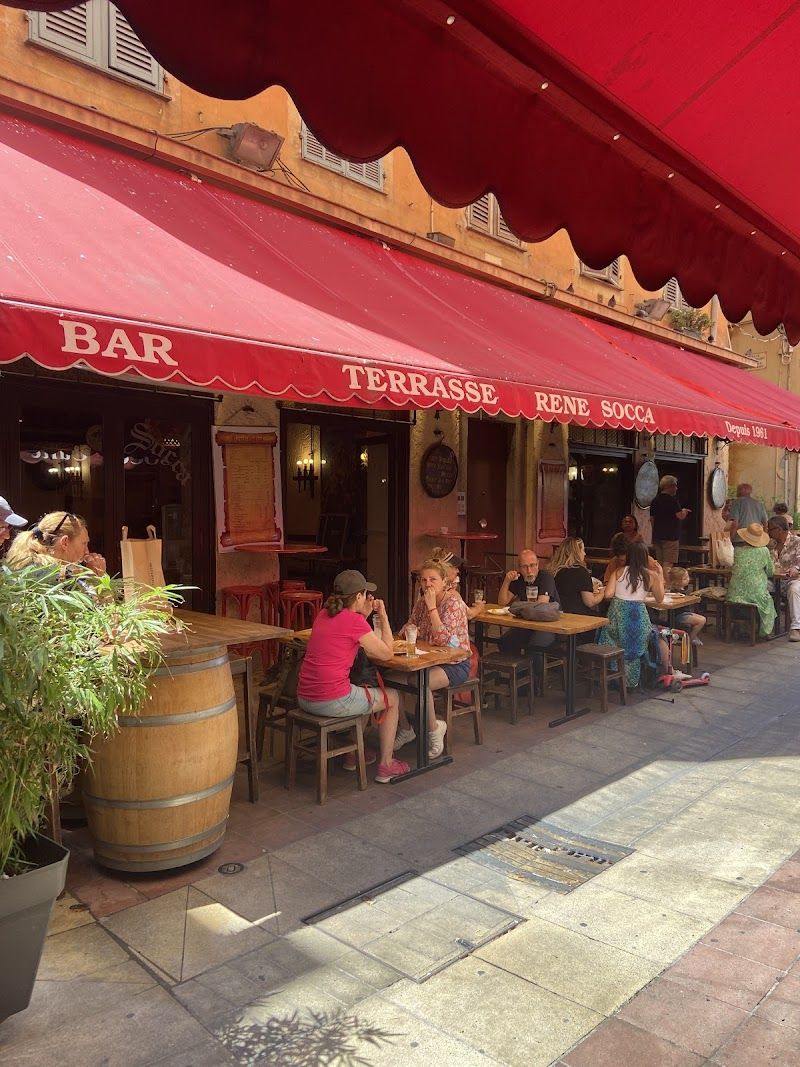
Chez Rene Socca
The smaller, more rustic socca specialist where locals queue for the EUR 3 portions served on paper plates. Located in a working-class neighborhood away from tourist routes. Only open afternoons Tuesday through Sunday, often sells out by 7 PM.
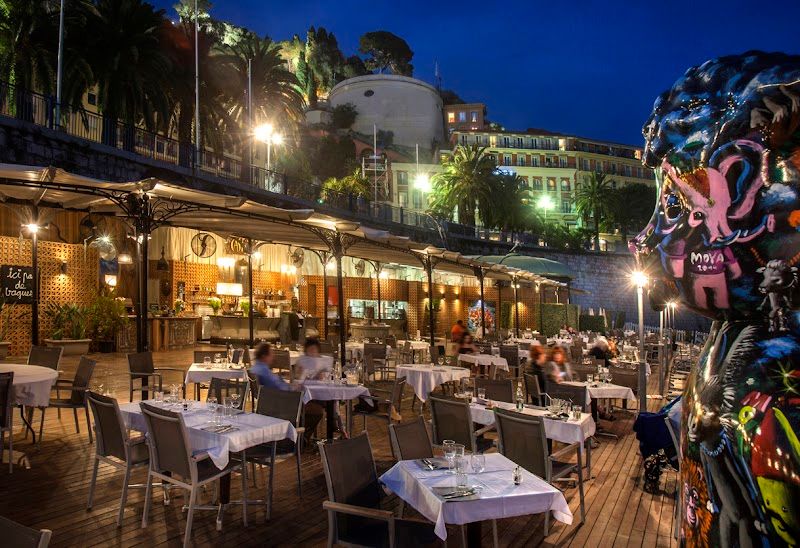
Castel Plage
Historic beach restaurant at the foot of Castle Hill, operating since 1927. This private beach and restaurant serves fresh Mediterranean cuisine with tables right on the pebble beach. It's a local favorite for long weekend lunches with views of the Baie des Anges.
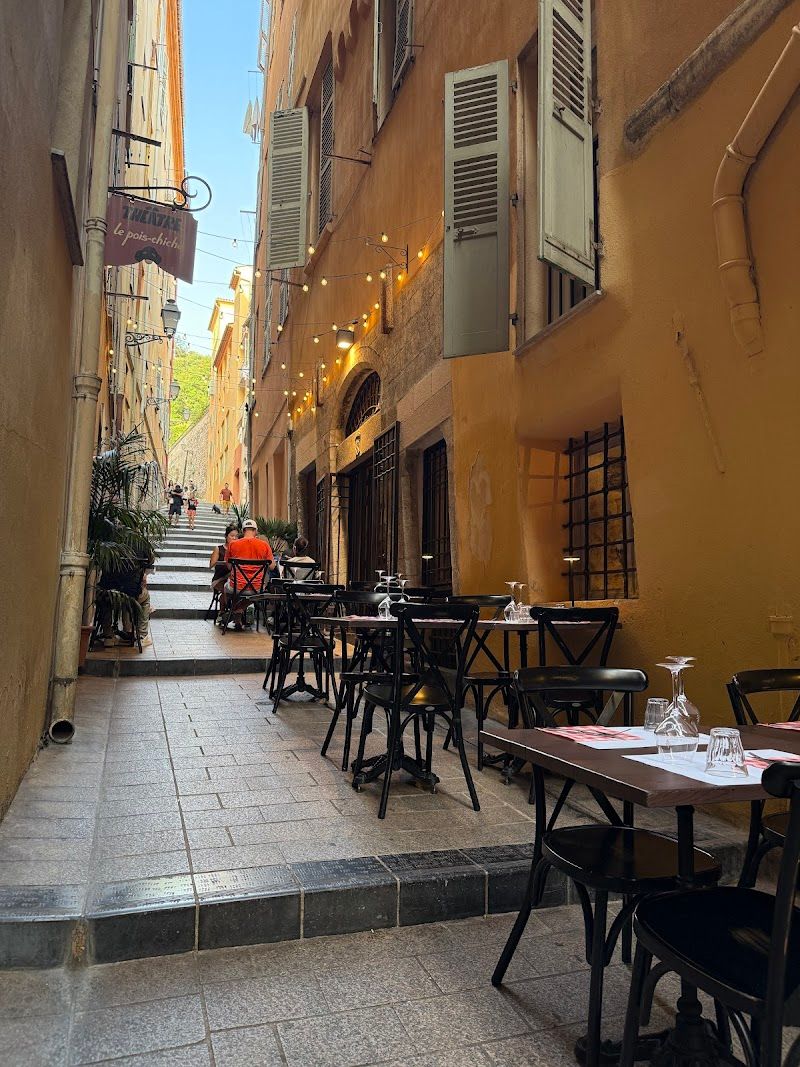
Acchiardo
A family-run restaurant since 1927 serving authentic Nicoise dishes in a tiny dining room with just a handful of tables. The daube (beef stew), stockfish, and stuffed vegetables are prepared following generations-old recipes. Cash only, closed weekends.
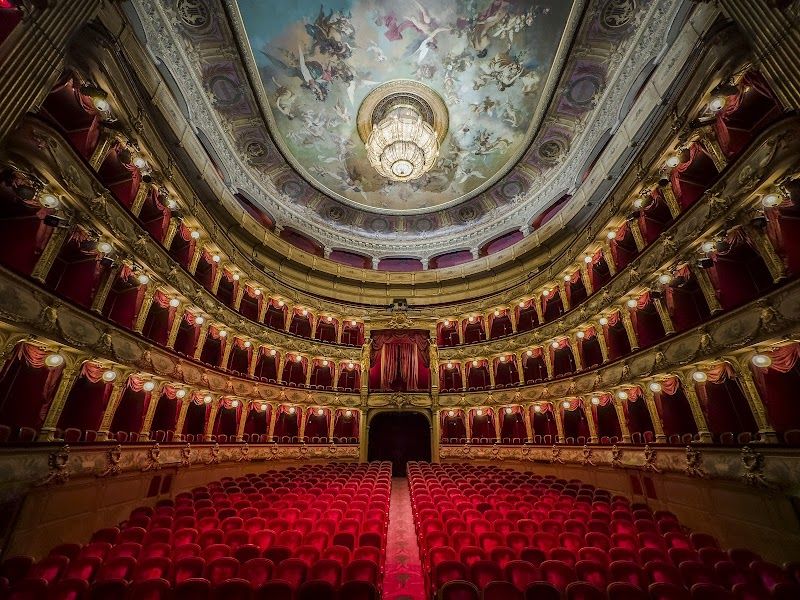
Opéra de Nice
Rush tickets go on sale exactly two hours before curtain at the box office, often EUR 15-20 for seats that normally cost EUR 50 or more The building's exterior looks particularly good at golden hour around 6pm when the setting sun hits the facade columns and sculptures perfectly Balcony seats offer the best views of both the stage and the painted ceiling, while orchestra seats give you the most intimate connection to performers.
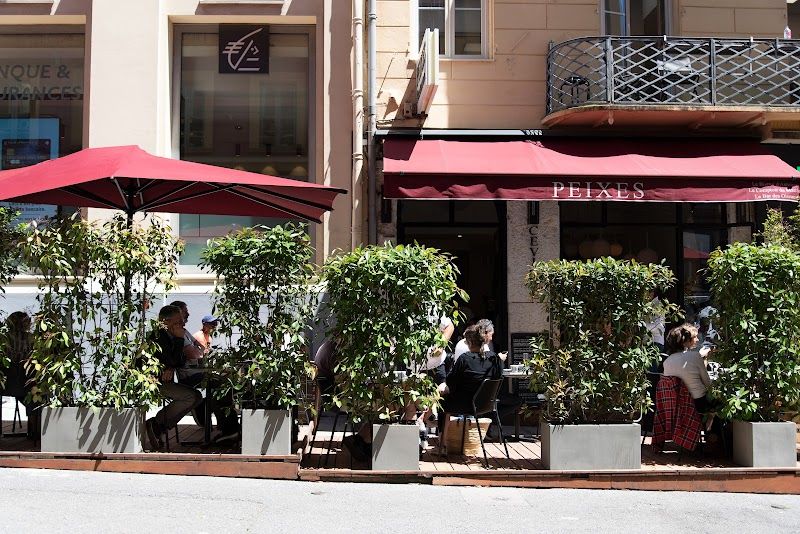
Peixes
A small fish restaurant specializing in the daily catch from the Mediterranean, prepared simply with olive oil and herbs. The menu changes based on what arrives from the market. The outdoor tables on Rue de l'Opera fill quickly in summer.
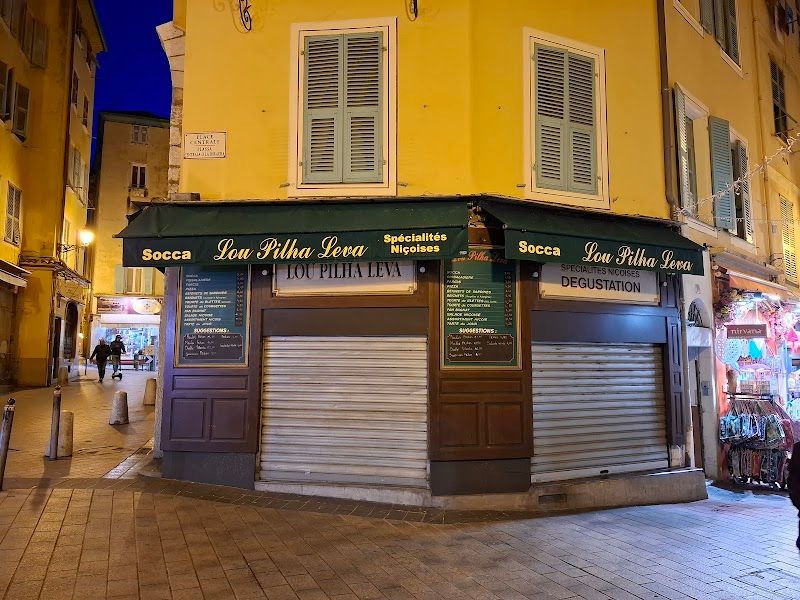
Lou Pilha Leva
A stand-up counter restaurant serving traditional Nicoise street food including socca, pissaladiere, tourte de blettes (Swiss chard tart), and pan bagnat. Everything is prepared fresh daily and served on paper. No seating, pure local experience.
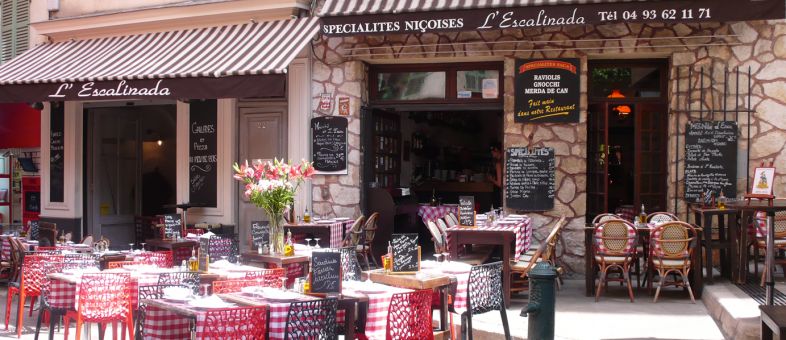
L'Escalinada
A traditional Nicoise restaurant on the stepped streets of Old Nice serving dishes like daube, stockfish, and stuffed sardines. The terrace tables on the stone steps offer views down to the old town. Family-run for three generations.
Musée des Beaux-Arts Jules Chéret
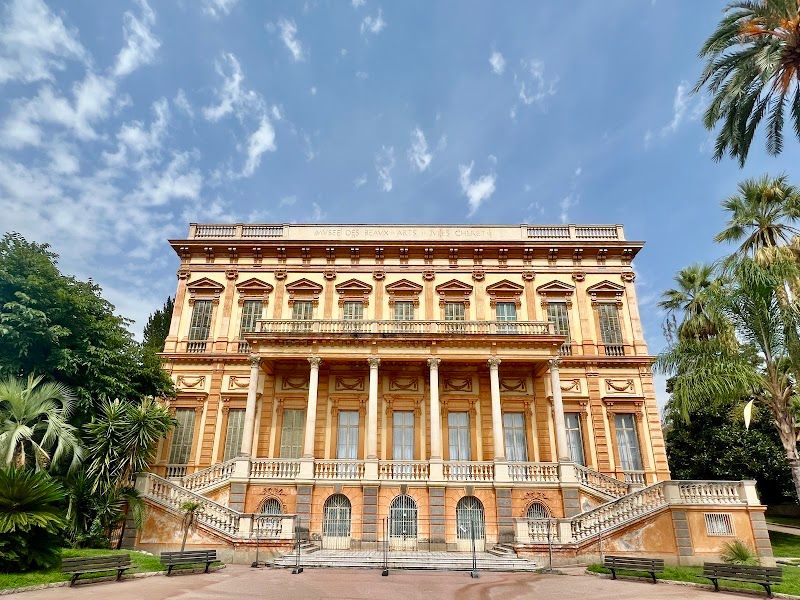
The Musée des Beaux-Arts Jules Chéret occupies the Villa Thompson, a 19th-century mansion built for Ukrainian Princess Kotschoubey. The art inside is certainly as impressive as the villa itself. You'll find France's largest collection of Raoul Dufy paintings alongside works by Monet, Renoir, and Sisley, displayed in period rooms with original ceiling frescoes and parquet floors. The museum covers French art from the 17th century to the early 20th century, with strong holdings in Impressionist and Post-Impressionist art. Walking through the villa feels like exploring a wealthy collector's private home rather than a formal museum. The ground floor shows 18th and 19th-century paintings in rooms with ornate moldings and period furniture, while upstairs, you'll discover the Dufy collection in galleries with plenty of natural light. The villa's original decorative elements, including ceiling paintings, compete with the artworks for your attention. Most rooms hold just 8-12 paintings, creating an unhurried viewing experience that's a welcome change from the more crowded museums. Since many tourists rush between the Matisse and Chagall museums, this place tends to be overlooked. That works entirely in your favor. Entry costs €10 for adults (€5 reduced), making it a good value compared to Nice's more expensive attractions. Focus your time on the Dufy rooms upstairs and don't miss the central staircase with its painted dome. The audio guide costs extra but isn't necessary since the wall texts are clear and comprehensive.
Le Bistrot d'Antoine
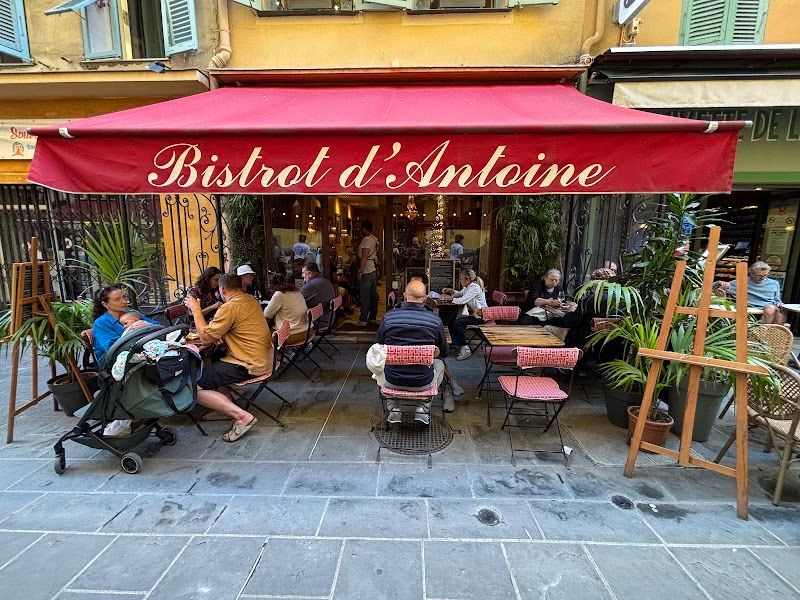
Chef Armand Crespo's neighborhood bistrot serves refined versions of Nicoise and Provencal dishes using market ingredients. The fixed-price lunch menu (EUR 29) includes dishes like rabbit with polenta and lemon tart. Reservations essential.
Monastère de Cimiez
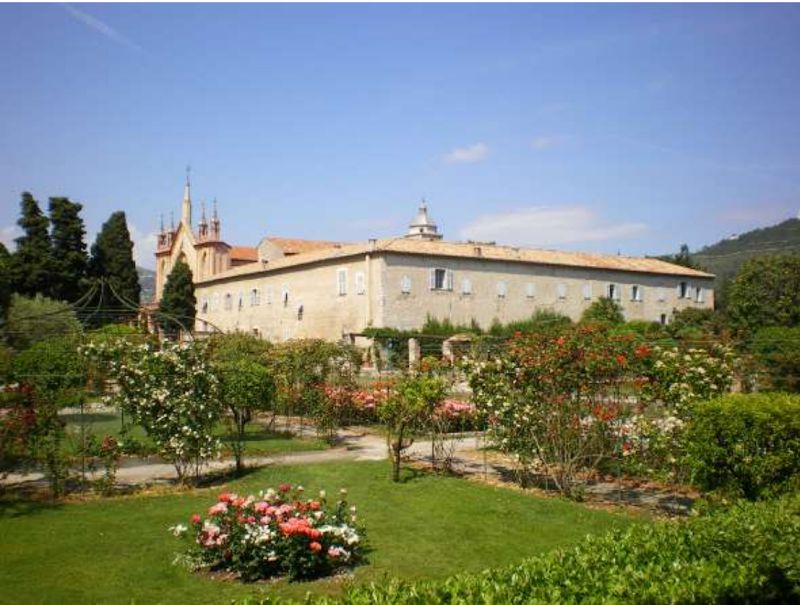
This 9th-century Franciscan monastery sits high in Cimiez with views over Nice's red rooftops and the Mediterranean beyond. You'll find a working monastery where monks still live and pray, surrounded by gardens filled with olive trees and lavender that are meticulously maintained. The Gothic church houses baroque altarpieces, while the small cemetery contains the graves of Henri Matisse and Raoul Dufy, marked by stone crosses. The monastery grounds feel peaceful, a sharp contrast to the busy Promenade des Anglais below. You can wander through the gardens, peek into the Gothic church during services (respectfully), and explore the small museum housed in medieval rooms. The best moments come when you catch glimpses of the monks going about their daily routines, tending their herb garden or walking the cloisters in brown robes. A panoramic view is available from the terrace, especially in late afternoon light. Most guides exaggerate the Matisse connection, but his grave consists of two simple stones in a corner. The real draw is the atmosphere and the views, which are completely free to enjoy. It's worth avoiding the gift shop unless you need religious trinkets. The €5-admission museum feels overpriced for three small rooms of frescoes. Come in the morning when tour groups haven't arrived yet, and you may have the gardens almost to yourself.
La Rossettisserie
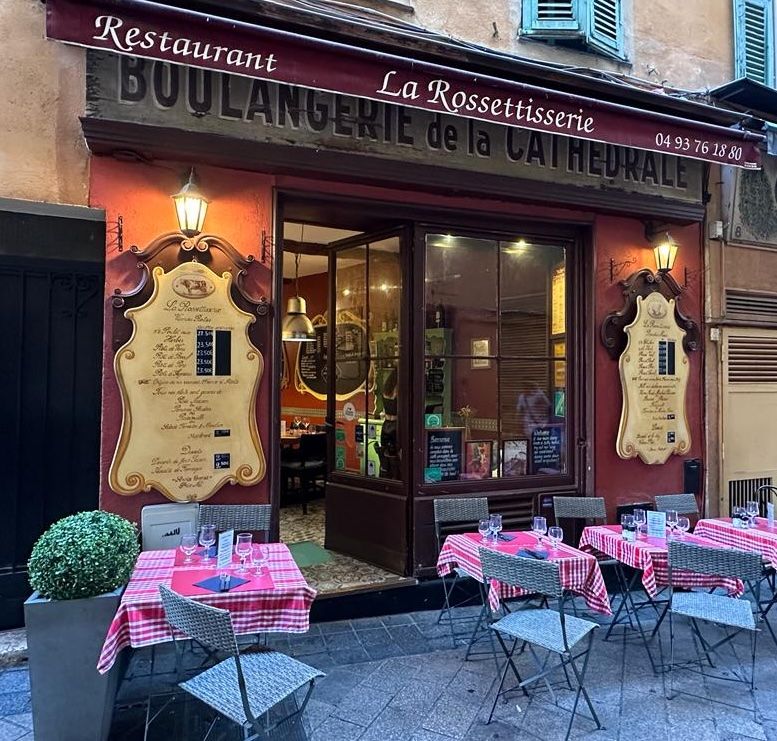
A tiny rotisserie specializing in spit-roasted chicken, rabbit, and guinea fowl prepared with Nicoise herbs. The aroma fills Rue Massena. Order at the counter and eat at one of six small tables or take away. Popular with locals for quick, quality meals.
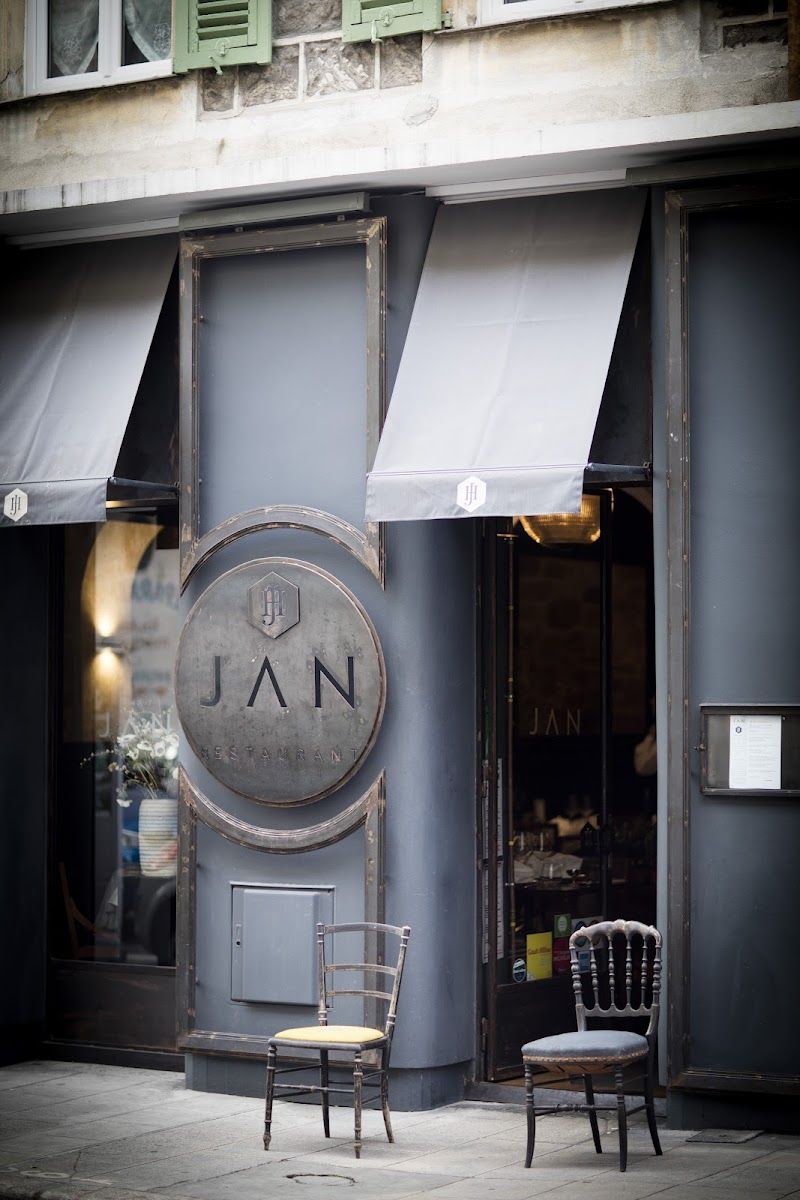
Jan
South African chef Jan Hendrik van der Westhuizen's Michelin-starred restaurant combines Nicoise ingredients with global techniques. The tasting menu changes seasonally. Located in a quiet Old Nice street in a beautifully restored 19th-century building.
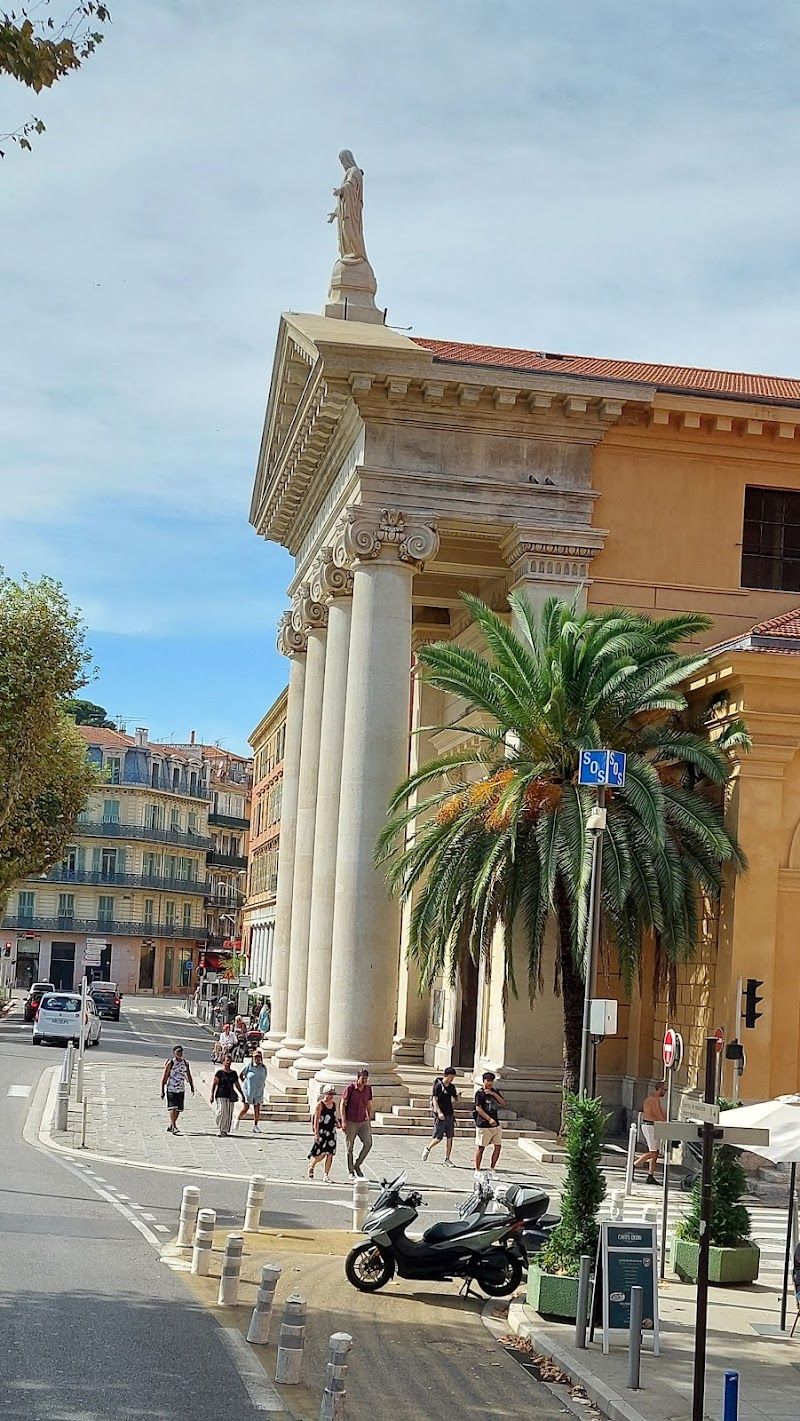
Église du Port - Notre-Dame du Port
This bright yellow neo-classical church from 1853 serves Nice's port community and offers one of the city's best elevated views over the harbor. You'll find beautiful 19th-century religious paintings inside, ornate altar work, and surprisingly good acoustics during services. The church sits on Place de l'Île de Beauté, perfectly positioned between the old port and the start of the Promenade des Anglais. The interior feels intimate rather than grand, with local parishioners often lighting candles and chatting quietly in Niçois dialect before services. Morning light streams through the windows beautifully, illuminating the painted ceiling and creating a peaceful atmosphere that contrasts with the busy port below. You'll hear boat engines and seagulls through the windows, reminding you of the maritime community this church has served for over 170 years. Most tourists walk right past without noticing, which is their loss. The 20-minute visit works perfectly as a quiet break while exploring the port area, and it's completely free. Skip the rushed photo stop approach: sit in a pew for a few minutes to appreciate the acoustics and neighborhood atmosphere. The exterior photos are best from across the square where you can capture both the facade and port backdrop.
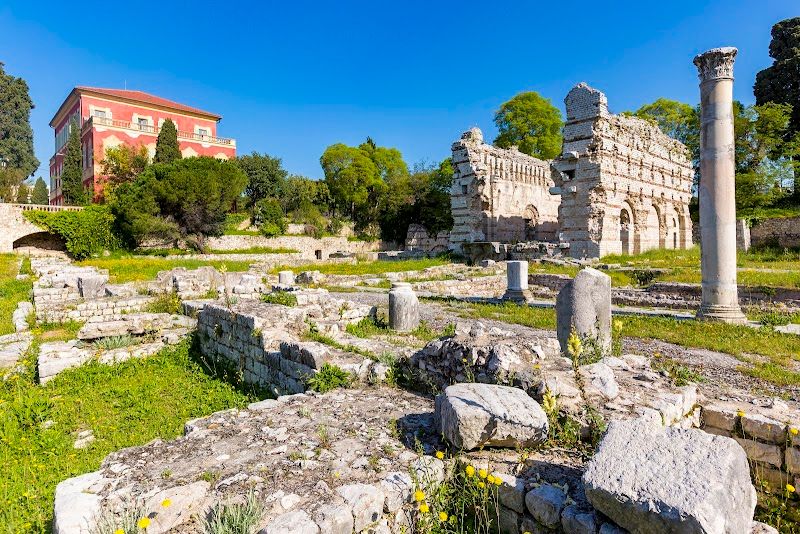
Site Archéologique de Cimiez
Site Archéologique de Cimiez gives you authentic Roman ruins without the tourist circus you'd find in Rome or Pompeii. You'll walk through a genuine 1st-century amphitheater where gladiators fought, plus sprawling 2nd-century thermal baths with visible heating systems, pools, and changing rooms. The site sits where ancient Cemenelum once ruled as capital of the Roman province covering the French Riviera, and the olive groves surrounding the ruins create an unexpectedly peaceful setting just minutes from Nice's city center. The experience feels like discovering ruins in someone's backyard rather than visiting a polished museum. You can climb the amphitheater's stone seating tiers and sit where Romans cheered 2,000 years ago, then wander through the bath complex's remarkably intact rooms and corridors. Information panels explain the heating systems and daily life, but honestly, the ruins speak for themselves. The Mediterranean garden setting means you'll hear birds and smell lavender instead of dealing with audio guides and rope barriers. Most travel guides oversell this as a major attraction when it's really a lovely 45-minute detour that history lovers will appreciate and others might find underwhelming. The site is free, which explains why maintenance is basic and some areas look neglected. Skip it if you're rushing between Nice's beaches and Monaco, but it's perfect if you want to escape crowds and actually touch 2,000-year-old stones. The adjacent Matisse Museum makes a good combo visit.
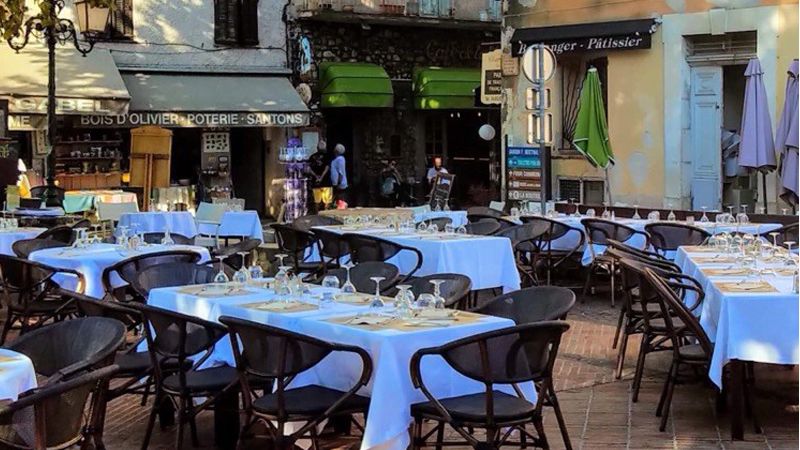
Café de la Poste
Authentic neighborhood café on Place Île de Beauté, serving as the living room for port residents since the early 20th century. This traditional French café maintains its vintage charm with a zinc bar, terrace seating, and simple but excellent coffee and croissants. It's where sailors, shopkeepers, and locals gather for morning coffee and afternoon pastis.
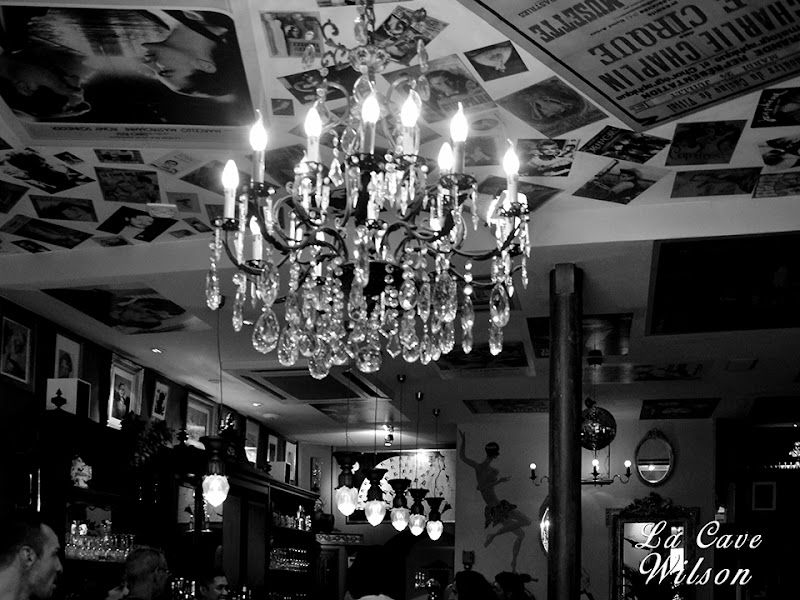
Cave Wilson
Intimate wine bar tucked on a narrow Old Nice street specializing in natural wines from Provence, Corsica, and small Italian producers. The stone-walled cave offers a rotating selection of 15 wines by the glass paired with charcuterie and local cheeses. Owner Jean-Marc personally guides guests through the list with genuine passion.