1-2 Days in Oxford: First-Timer's Itinerary
The Bodleian, Christ Church, punting on the Cherwell, and the Inklings' pub
How to spend 1 or 2 days in Oxford: the Bodleian and Divinity School in the morning, Christ Church Great Hall before the crowds, lunch in the Covered Market, punting on the Cherwell, and a pint in the Eagle and Child.
1-2 Days in Oxford: First-Timer's Itinerary
Oxford works best when you book ahead and start early. The colleges close for meals and exams without warning, the Bodleian tours sell out, and the narrow medieval streets clog with tour groups by midday. Your first day should hit the big three: the Bodleian Library, Christ Church College, and a proper walk through the meadows. Your second day is for the museums and smaller colleges that most visitors skip. Don't try to see every college or you'll spend your time queuing instead of actually experiencing what makes Oxford special.
Colleges, Libraries, and the Covered Market
This is the Oxford you came to see: ancient libraries with chained books, college halls where prime ministers ate dinner, and meadows where you can walk along the Thames. You'll start in the medieval heart around Radcliffe Square, eat lunch in a market that's been here since 1774, then spend the afternoon in the college that inspired Hogwarts. The day ends with a pint at the pub where Tolkien and Lewis argued about their manuscripts every Tuesday for sixteen years.
- Bodleian Library's Divinity School
- Christ Church Great Hall
- Walk through Christ Church Meadow
Morning: The Bodleian and Radcliffe Square
Book your Bodleian tour first thing (bodleian.ox.ac.uk, £14 standard, £18 extended). The extended tour gets you into Duke Humfrey's medieval library with the original chained books, but honestly, the standard tour's highlight is the Divinity School. This vaulted stone ceiling from 1490 is the finest piece of late Gothic architecture in England, and it's where they filmed the Hogwarts infirmary scenes. The tour guides are usually graduate students who know which stones were carved by which mason. After the tour, walk across Radcliffe Square to see the Radcliffe Camera. You can't go inside, but the view of that circular dome from the cobblestones is the photo everyone takes home. If you want to see the Bodleian from above, climb the Sheldonian Theatre cupola for £3. It's Christopher Wren's first major building and the wooden benches still have graffiti from 1669.
Lunch: The Covered Market
Walk down Catte Street to High Street and enter the Covered Market from either High Street or Market Street. This has been Oxford's main market since 1774, and it still feels like it. Ben's Cookies has been here since 1984 and makes the best chocolate chip cookies in England for £2. The original Pie Shop sells proper British pies for £4 each, the steak and kidney is the one locals order. Avoid the sandwich shops, they're overpriced and mediocre. The butcher shops and flower stalls are the real reason to come here, you're seeing how Oxford actually feeds itself.
Afternoon: Christ Church College
Book Christ Church online for £18 and avoid meal times when the hall is closed. Yes, it's expensive and yes, it's full of Harry Potter tourists, but the Great Hall is genuinely spectacular. The hammerbeam ceiling is 16th century, the portraits are of prime ministers and archbishops who actually ate here, and Lewis Carroll taught mathematics in the rooms upstairs. The cathedral is England's smallest, built in 1180, and Tom Tower was designed by Christopher Wren. The bell still rings 101 times at 9:05 PM every night, five minutes later than Greenwich Mean Time because Oxford is five minutes west of the meridian. After the college, walk south through the gates into Christ Church Meadow. This is 100 acres of fields and riverside paths where Oxford students have walked for 800 years. Follow Broad Walk south to the Thames, then loop back along the river. It takes 45 minutes and you'll see more of the real Oxford than in any college tour.
Evening: The Eagle and Child
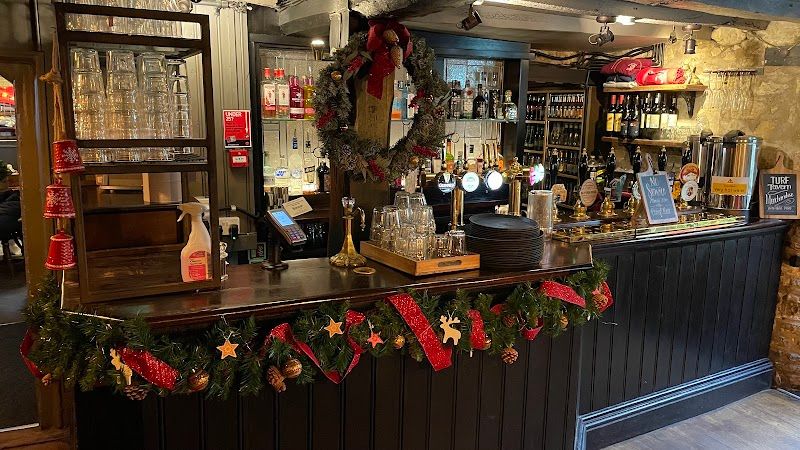
The Eagle and Child at 49 St Giles' is where Tolkien and C.S. Lewis met every Tuesday from 1933 to 1949 with their writing group, the Inklings. They sat in the back room called the Rabbit Room, and you can still drink there. A pint costs £5-6 and the pub food is decent but not special. If you want older and more atmospheric, go to the Turf Tavern down Bath Place off Holywell Street. It's been here since 1381, the ceiling is so low you'll hit your head, and Bill Clinton famously smoked pot here as a Rhodes Scholar (though he didn't inhale). Both pubs get crowded with students after 8 PM, so go earlier if you want to sit down.
Museums, Smaller Colleges, and Punting
Today you'll see Oxford's quieter side: museums that hold treasures from ancient Egypt and Victorian expeditions, college gardens where deer roam freely, and the river where students have been punting boats since the 1860s. The morning is for Oxford's world-class museums, which are free and usually empty. The afternoon is for Magdalen's deer park or New College's Harry Potter cloisters, then an hour on the water if it's warm enough.
- Ashmolean's Alfred Jewel
- Pitt Rivers' shrunken heads
- Punting on the Cherwell
Morning: Ashmolean and Pitt Rivers Museums
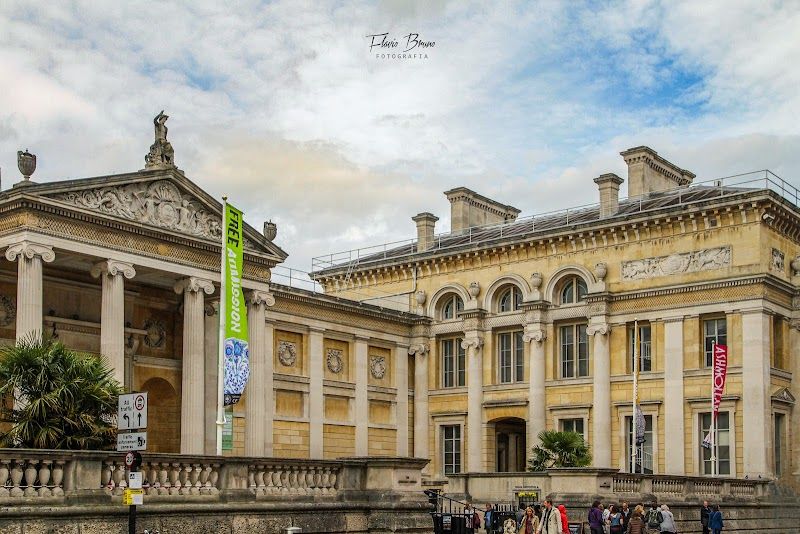
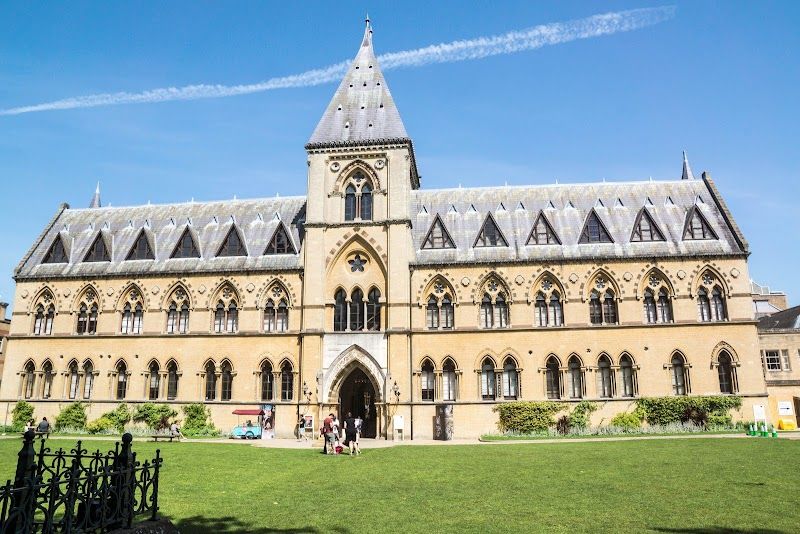
Start at the Ashmolean (free, opens 10 AM) and go straight to the upper floors. The Alfred Jewel is a 9th-century gold and enamel masterpiece that's only 6 cm long but represents the pinnacle of Anglo-Saxon craftsmanship. The Egyptian rooms have a better mummy collection than most people realize, including a 2,000-year-old child's coffin that still makes you hold your breath. Budget 90 minutes, then walk up Parks Road to the Oxford University Museum of Natural History. Spend 20 minutes looking at the cast-iron Victorian architecture and the dodo skeleton, then walk through to the Pitt Rivers Museum. This is the strangest museum in Oxford: a Victorian anthropology collection arranged by function rather than culture, so all the world's masks are together, all the weapons are together, all the shrunken heads are together. It's dimly lit, densely packed, and absolutely fascinating. The labels were written in the 1880s and they show you exactly how Victorian collectors thought about the world. Budget another 90 minutes here.
Afternoon: Magdalen or New College
Choose between Magdalen College (£7) and New College (£7 in term time, free in holidays). Magdalen has the best college gardens in Oxford, a deer park where the same family of deer has lived since the 15th century, and medieval cloisters where C.S. Lewis walked every day when he was a Fellow here. The Magdalen Tower is where the choir sings at dawn on May 1st every year while students drink champagne in punts on the river below. New College has the best chapel, with an Epstein sculpture that students either love or hate, and the cloisters where they filmed Harry Potter scenes. The medieval walls of the college are actually part of Oxford's original city walls from 1226. Both colleges take about an hour to see properly.
Punting (May-September Only)
If it's warm enough, punt from Magdalen Bridge Boathouse at the east end of High Street. It costs £24-30 per hour for self-drive and you need to book online for weekends. Punting is harder than it looks: you push the boat with a long pole from the back, and you will get wet. The Cherwell River is narrower and prettier than the Thames, with overhanging willows and college boathouses. Most people can't punt in a straight line for the first 20 minutes, so don't plan to go far. An hour is enough to get up the river, turn around somewhere near the University Parks, and come back slightly less incompetent than when you started. If it's cold or rainy, skip it entirely. Punting in bad weather is miserable.
If You Only Have One Day
Book the Bodleian tour and Christ Church online first, they're the two things you absolutely can't miss. Start with the Bodleian at 9 AM, walk through Radcliffe Square, eat lunch in the Covered Market, spend the afternoon at Christ Church and walking through the meadow. Skip all the museums, you can see Egyptian artifacts and shrunken heads anywhere. You can't see Duke Humfrey's Library or the Great Hall where Lewis Carroll taught mathematics anywhere else in the world. End with a pint at the Eagle and Child if you want to sit where Tolkien wrote, or the Turf Tavern if you want to drink where Clinton didn't inhale.
Ready to Visit Oxford?
Get a personalized itinerary tailored to your travel style and interests.
Plan Your Oxford TripMore Oxford Guides
First Time in Oxford: What You Need to Know
Everything before your first Oxford visit: how the college system works, which colleges to visit, where the Harry Potter locations actually are, how punting works, and what to eat in the Covered Market.
7 min
Oxford's Literary Pubs and the Inklings Trail
Tolkien and Lewis met every Tuesday at the Eagle and Child from 1933 to 1949. The Lord of the Rings and the Narnia books were shaped in a small back room on St Giles'. Here is the literary pub trail.
5 min