Oxford
Covered Market & High Street
The commercial and gastronomic centre of Oxford: the Covered Market (open since 1774, the best lunch in the city), the Tolkien and Lewis pub on St Giles', and the full sweep of the High Street from Carfax to Magdalen Bridge.
About Covered Market & High Street
The Covered Market opened in 1774 and is the oldest continuously operating covered market in Oxford, housed in a Victorian iron and glass structure accessed from the High Street and from Market Street. It contains the best casual food options in the city: Ben's Cookies (the original Oxford cookie shop, GBP 2-3 per cookie, the chocolate chip is the version that launched a chain but the original Covered Market shop is still the best), a pie shop, traditional butchers, cheesemongers, fishmongers, greengrocers, and flower stalls. Lunch in the market costs GBP 5-10 compared to GBP 15-20 in a High Street restaurant. The High Street (known locally simply as "the High") runs east from Carfax Tower to Magdalen Bridge and has one of the finest street vistas in England: Magdalen Tower visible at the eastern end, the facades of Merton, Oriel, University, and Queen's colleges on the south side, and the curve of the street that makes the full length visible at once. The Eagle and Child pub (49 St Giles', technically just off the High Street north) is where Tolkien, C.S. Lewis, and the Inklings group met every Tuesday from 1933 to 1949.
Things to Do
Top experiences in Covered Market & High Street
Ashmolean Museum
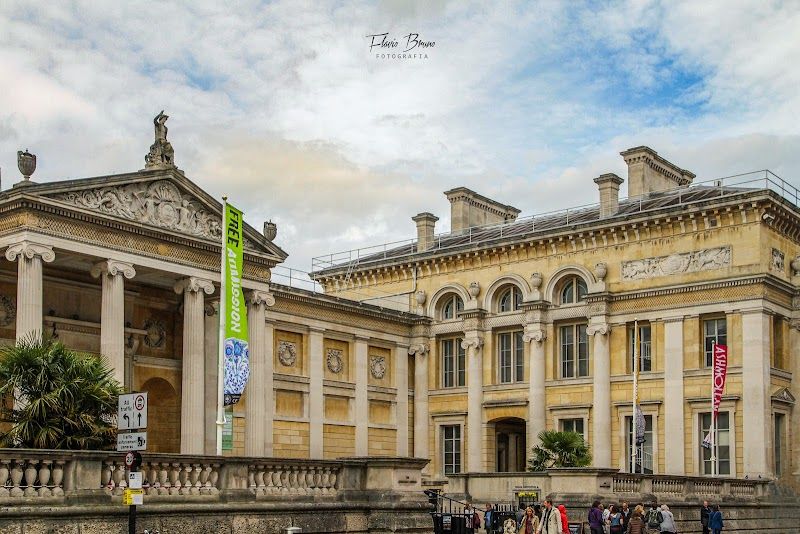
The Ashmolean is the University of Oxford's museum of art and archaeology, founded in 1683, and the oldest public museum in the world still in operation. The original collection was given to the university by Elias Ashmole, who had received it from the naturalists John Tradescant the Elder and his son, who had spent decades collecting objects from around the world. The current building on Beaumont Street was designed by Charles Robert Cockerell and completed in 1845. Admission is free. The Egyptian and Near Eastern galleries on the upper floors hold genuine archaeological significance: the Alfred Jewel (a 9th-century Anglo-Saxon artefact of enamel, crystal, and gold, believed to have been owned by King Alfred the Great, found in Somerset in 1693) is one of the most important early medieval objects in Britain. The Egyptian mummy collection and the Greek and Roman antiquities are well displayed. The painting collection spans European art from the medieval period to the 20th century, with particular strengths in Italian Renaissance (including works by Raphael and Michelangelo), 17th-century Dutch and Flemish painting, and Pre-Raphaelite works (Hunt, Rossetti, Millais). The Cast Gallery in the basement holds plaster casts of classical sculpture made for teaching purposes in the 19th century. Budget 2-3 hours for the full collection.
Merton College
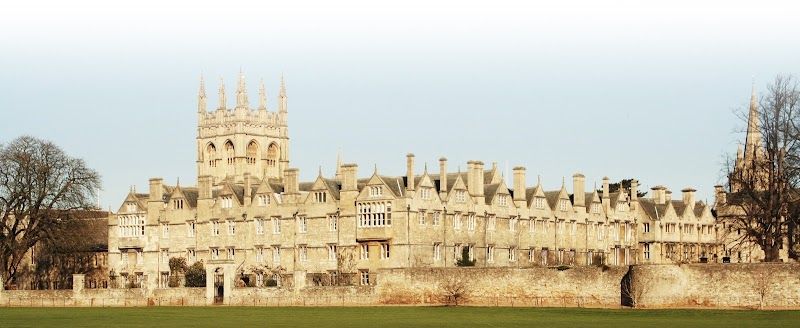
Merton College holds the title of Oxford's oldest continuous foundation from 1264, and you'll understand why it became the template for every college that followed. The medieval library from the 1370s still functions today with original chained books, while the 13th-century chapel houses England's oldest complete medieval stained glass windows. Mob Quad, built in the 1290s, created the archetypal Oxford quadrangle that every other college copied. Walking through feels like entering a perfectly preserved medieval university. The chapel's jewel-toned windows cast colored light across worn stone floors, while the library's wooden reading desks and chained manuscripts create an atmosphere unchanged for six centuries. Students still study here daily, so you're witnessing a living institution rather than a museum. The stone corridors echo with footsteps, and you'll catch glimpses of academic life through open doorways. Most visitors rush through in 20 minutes, missing the library entirely because it's often unstaffed and easy to overlook. The chapel gets overcrowded between 11am and 2pm when tour groups arrive. Entry is free, though donations are welcomed. Skip the souvenir shop but don't miss climbing the worn stone steps to see the medieval ironwork on the library doors up close.
Footprints Tours
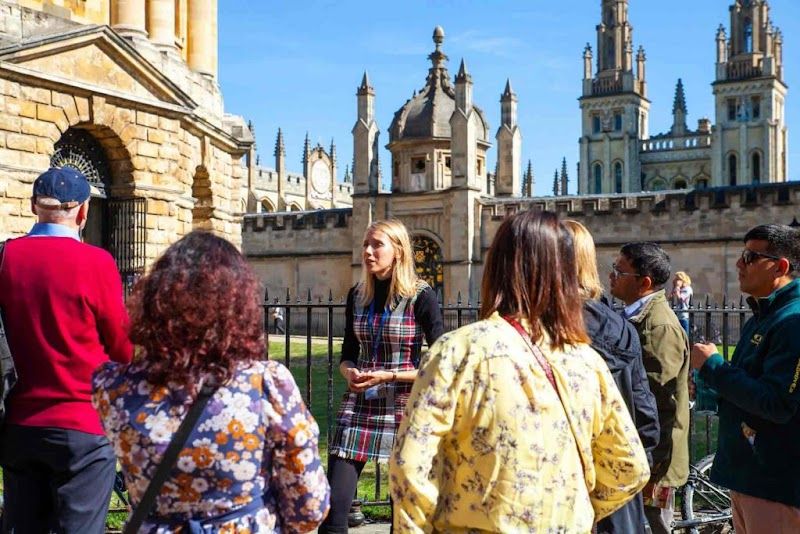
Current Oxford students lead these walking tours, giving you actual insider stories instead of recycled historical facts you can Google. You'll visit the main colleges like Christ Church and the Bodleian Library, plus filming spots from Harry Potter and Inspector Morse, but the real value comes from hearing what it's actually like to study here. Your guides share stories about midnight library sessions, formal hall disasters, and which professors are legends or nightmares. The tour flows naturally through Oxford's medieval streets, stopping at college gates where your guide points out architectural details while explaining the weird traditions inside. You'll hear about student pranks, dating disasters, and exam stress alongside the official history. The atmosphere feels like chatting with a friend rather than following a script, and groups stay small enough for real conversation. Your guide's enthusiasm is infectious, especially when they point out their own college windows or favorite study spots. Most tour companies hire professional guides who've never lived the student experience, but these tours give you genuine authenticity. The pay what you think model works brilliantly, with most people tipping £10 to £15 per person for good reason. Skip this if you want hardcore historical detail, but it's perfect for understanding modern Oxford beyond the postcard image.
Modern Art Oxford
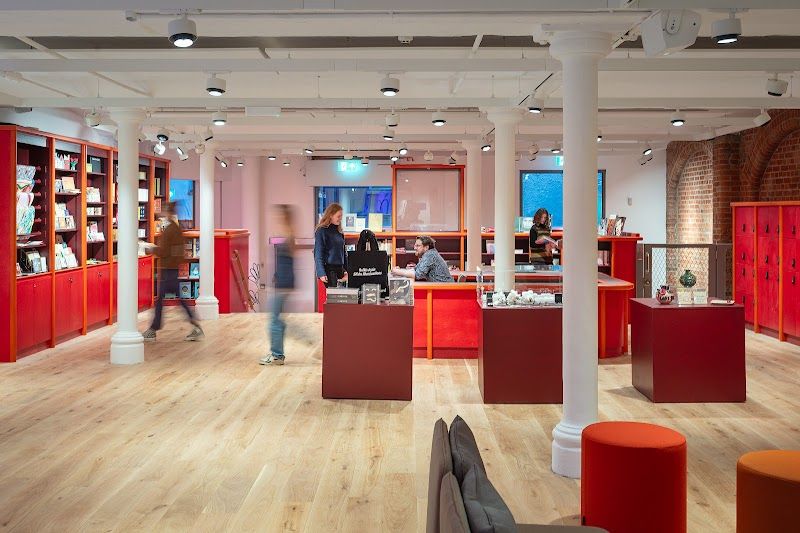
Modern Art Oxford occupies a beautifully converted Victorian brewery warehouse on Pembroke Street, just steps from Oxford's city center. You'll encounter genuinely challenging contemporary art here: video installations that fill entire rooms, large scale sculptures that make you reconsider the space, and conceptual pieces from artists you'll be hearing about in five years. The programming is seriously ambitious, rotating every 8-12 weeks with solo shows from emerging artists alongside established names. The free admission makes it one of Oxford's best cultural bargains. The galleries flow across two levels of the converted warehouse, with high ceilings and polished concrete floors that let the art breathe. You'll usually find 2-3 exhibitions running simultaneously, each occupying distinct spaces that feel intimate despite the industrial bones of the building. The atmosphere strikes a perfect balance between serious art appreciation and accessibility, without the stuffiness of many university galleries. The ground floor bookshop is exceptional, stocked with art theory texts and exhibition catalogues you won't find elsewhere in Oxford. Most visitors rush through in 20 minutes, but give yourself the full hour to properly engage with pieces that reward closer attention. The gallery can feel empty on weekday afternoons, which actually enhances the experience of video installations. Skip the cafe upstairs, it's overpriced and underwhelming. The bookshop often has exhibition catalogues reduced after shows end, perfect for £8-15 rather than £25-30 at full price.
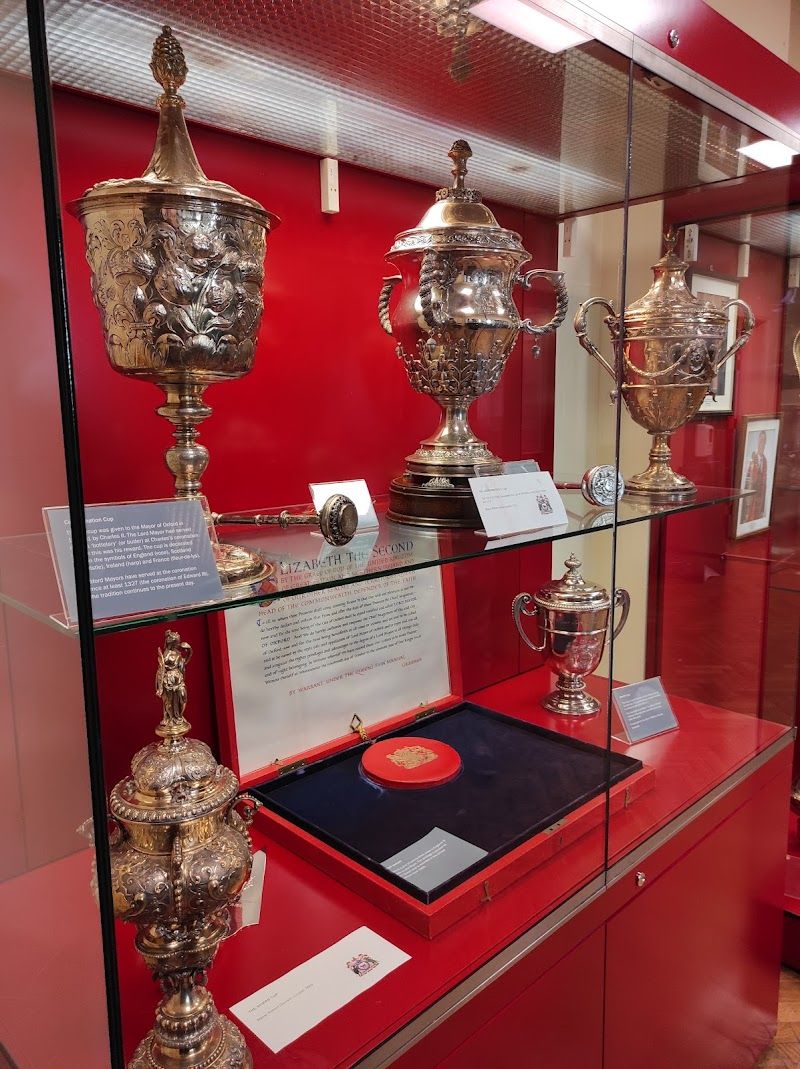
Museum of Oxford
The Museum of Oxford sits above the Town Hall and tells the city's story from a local perspective, not the university's. You'll find genuine Roman finds from beneath Oxford's streets, Civil War armor from when the city served as Charles I's capital, and displays about Morris Motors and marmalade making. The exhibitions focus on ordinary Oxford residents and their complex relationship with the gown crowd, including riots, protests, and economic tensions that shaped the city. The galleries flow chronologically through small, intimate rooms with original artifacts and reconstructed shop fronts. A Victorian parlor recreation feels authentic, while the Civil War section displays actual musket balls found during local excavations. The atmosphere is quiet and contemplative, very different from the tourist crowds at university colleges. You'll often have entire rooms to yourself, especially mid-afternoon. Most visitors rush through in 30 minutes, but that's a mistake. The local industry displays are fascinating and reveal how Oxford survived economically beyond academia. The temporary exhibitions upstairs are often excellent and completely free. Skip the gift shop (overpriced postcards), but don't miss the view from the upper windows overlooking St Aldate's. Entry is genuinely free with no suggested donation pressure.
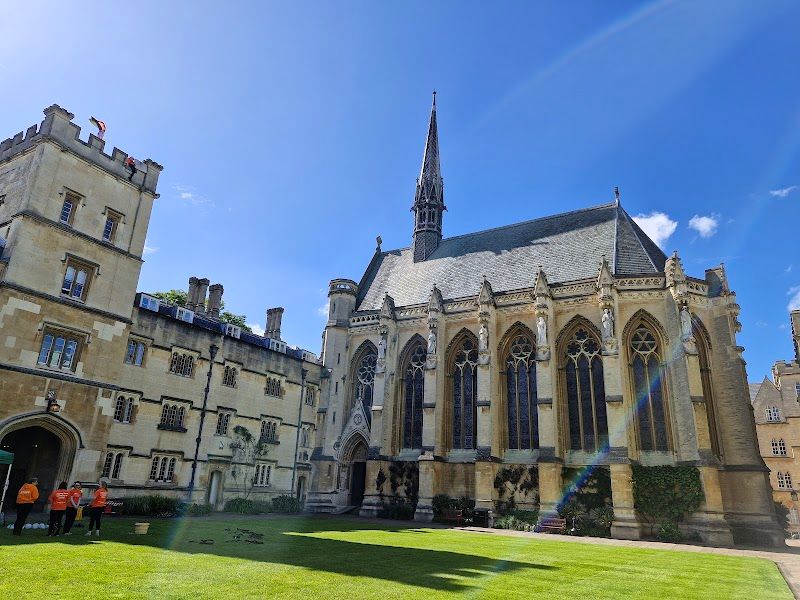
Exeter College
Founded in 1314, this college is known for its ornate Victorian Gothic chapel designed by George Gilbert Scott with a stunning mosaic by William Morris and tapestry by Edward Burne-Jones. J.R.R. Tolkien was a student here, and the Fellows' Garden is said to have inspired elements of Middle-earth. Philip Pullman is also an alumnus.
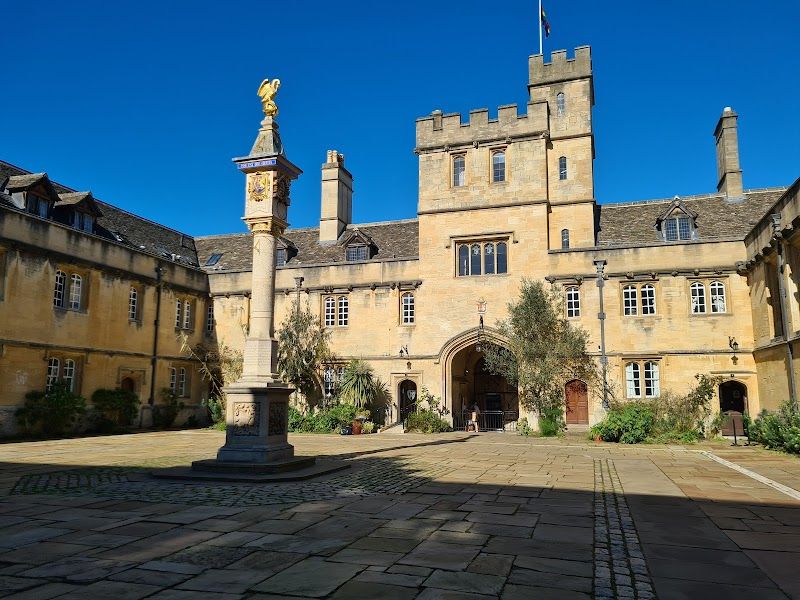
Corpus Christi College
One of Oxford's smallest colleges, founded in 1517, featuring the famous Pelican sundial in its intimate front quad. Houses an exceptional library and the Corpus Clock, a unique timepiece that 'eats' the minutes. The college maintains a close-knit, traditional atmosphere.
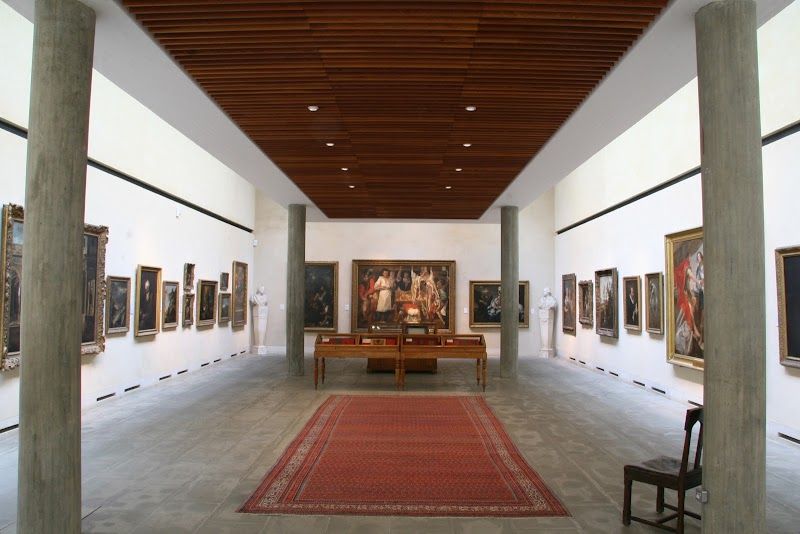
Christ Church Picture Gallery
One of England's best-kept secrets, this small gallery accessible via Oriel Square holds over 200 Old Master works including paintings and drawings by Tintoretto, Veronese, and Leonardo da Vinci. The collection was amassed by Christ Church alumni and donors over centuries. At GBP 5, it offers exceptional value for Renaissance art enthusiasts.
Where to Eat
Restaurants and cafes in Covered Market & High Street
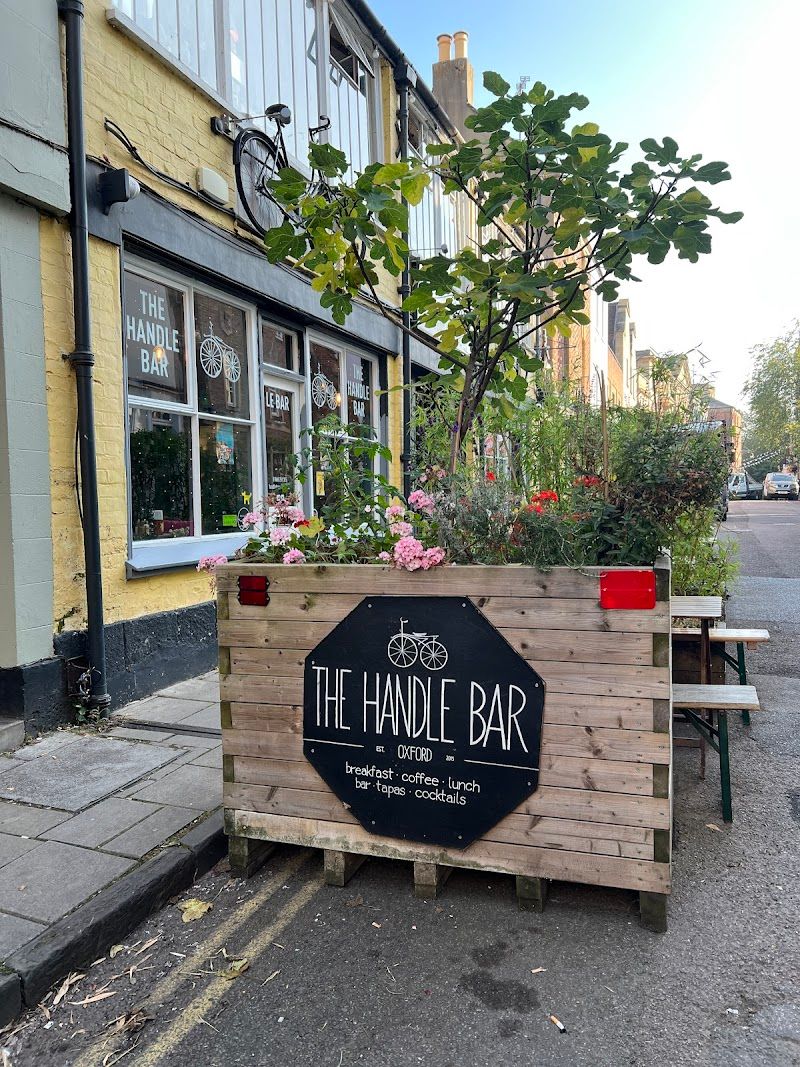
Handle Bar Cafe and Kitchen
CafeBicycle-themed cafe on Little Clarendon Street in Jericho serving brunch, lunch and speciality coffee. Bike parts decorate the walls and cyclists get a discount. Menu includes sourdough toasts, salads and daily specials at reasonable prices.
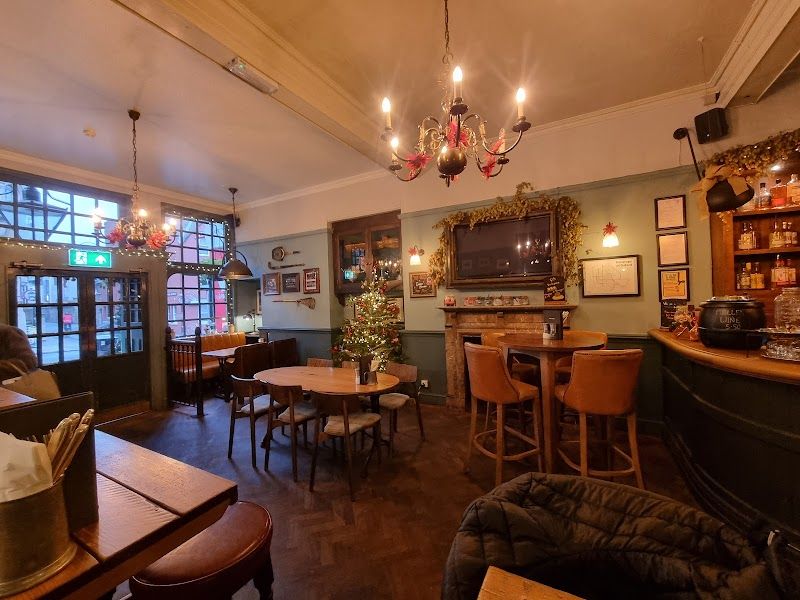
St Aldates Tavern
RestaurantHistoric pub dating back to the 16th century, located directly opposite Christ Church. Cozy traditional interior with low beams and a warm atmosphere, serving real ales and home-cooked British pub food. A genuine local favorite away from the tourist circuit.
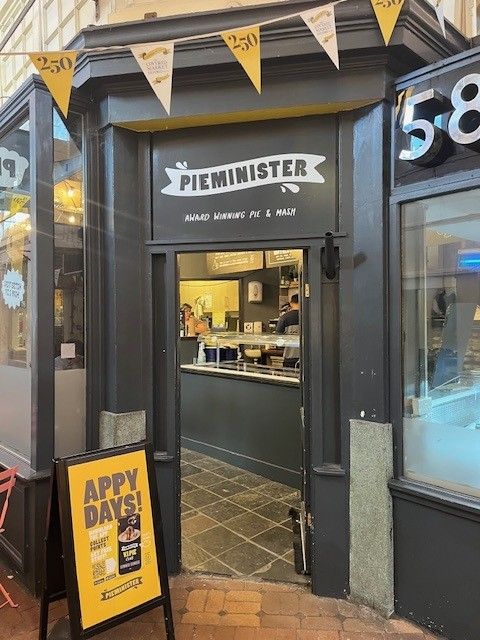
Pie Minister
RestaurantPie shop in the Covered Market selling traditional British pies with various fillings, both savoury and sweet. Established stall serving hot pies to eat in or take away, with proper pastry crusts and hearty fillings. Lunch around GBP 6-8.
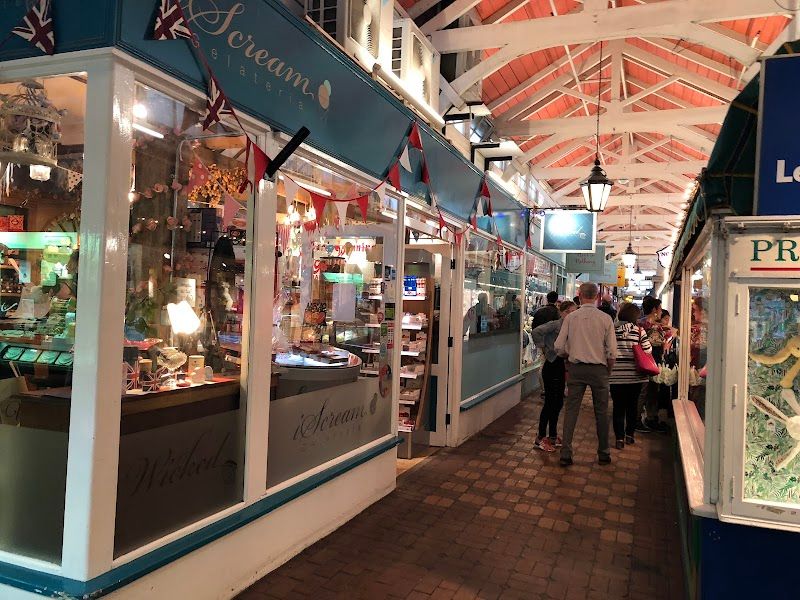
Ben's Cookies
CafeFounded in Oxford's Covered Market in 1983, selling fresh-baked cookies GBP 2-3 each. The chocolate chip is the original recipe. Cookies are baked throughout the day so you often get them warm from the oven.
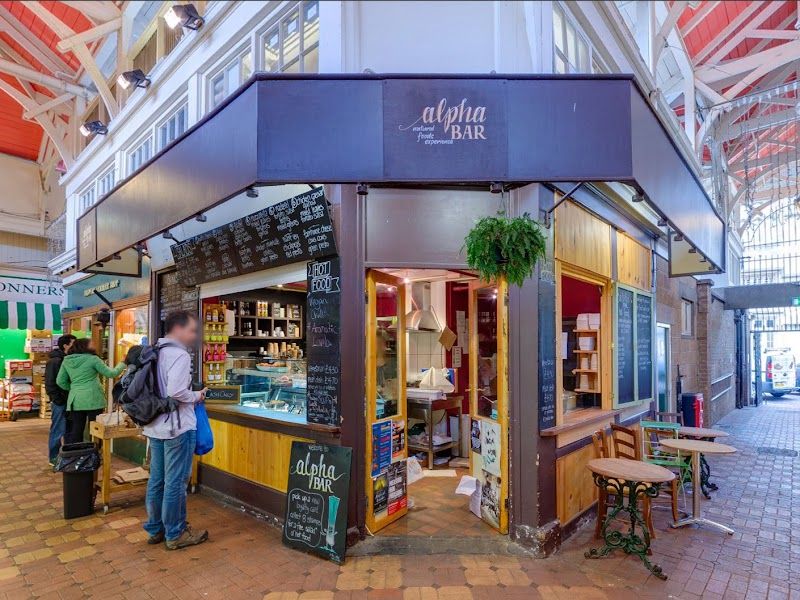
Alpha Bar
RestaurantGreek restaurant in the Covered Market serving souvlaki, gyros and Greek salads at counter-service speed. Fresh ingredients prepared in front of you, with portions sized for hungry students. Lunch typically GBP 7-10.
Getting Here
On Foot
The Covered Market and the High Street are at the centre of Oxford. Everything within the ring road is walkable. Magdalen Bridge is a 10-minute walk east along the High Street.
Insider Tips
Covered Market lunch
The Covered Market (accessible from High Street or Market Street, open Monday-Saturday roughly 9 AM-5:30 PM) has the best value lunch in central Oxford. Ben's Cookies at the rear of the market: GBP 2-3 per cookie, arrive at opening to get the first batch warm. The pie shop (centre of the market) sells hot pies from GBP 4. The deli counters have good sandwich options for GBP 5-7.
Eagle and Child
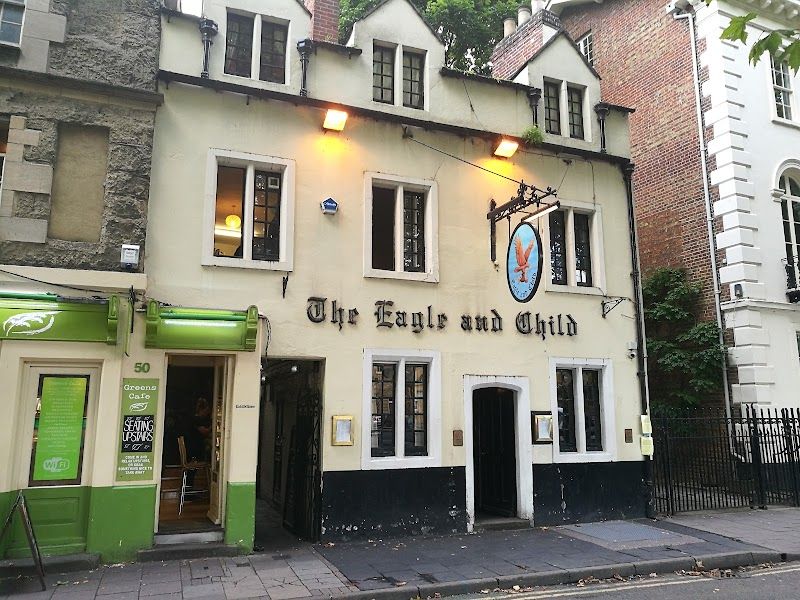
The Eagle and Child at 49 St Giles' (5 minutes north of the Bodleian) is where J.R.R. Tolkien, C.S. Lewis, Charles Williams, and the wider Inklings group met every Tuesday from 1933 to 1949 to read each other their work. The Lord of the Rings and the Narnia books were partly shaped by these meetings. GBP 5-6 for a pint. The pub acknowledges the literary connection and has a small display. It is a functioning pub, not a museum.
High Street walk
Walk the High Street from Carfax Tower east to Magdalen Bridge: about 800 metres with Magdalen Tower visible at the far end. The curve of the street means the full length comes into view gradually. The college facades on the south side (Oriel, Merton, University College, Queen's) are best lit in the afternoon. Carfax Tower (GBP 3-5, 99 steps) gives a rooftop view of the whole street.
Nearby Neighborhoods
Continue exploring
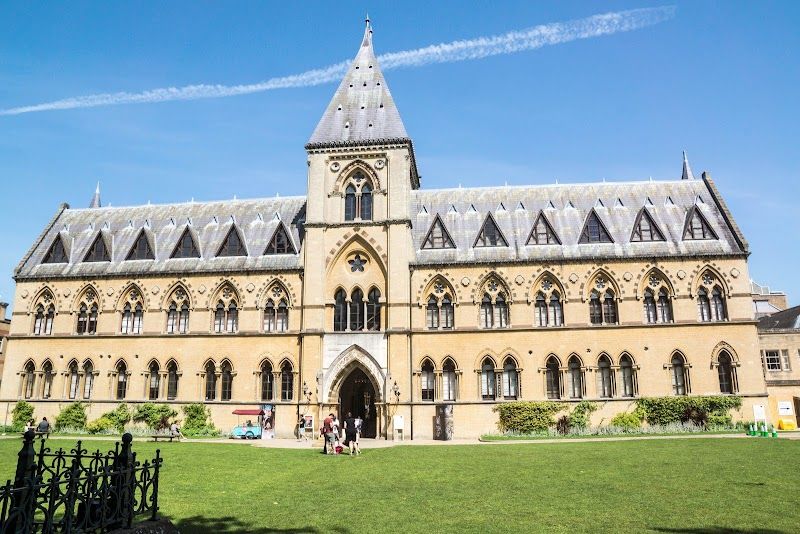
Central University & Bodleian
The university at its most concentrated: the Bodleian, Radcliffe Camera, Sheldonian Theatre, Bridge of Sighs, and the colleges of Broad Street and the Turl, all within a five-minute walk of each other.
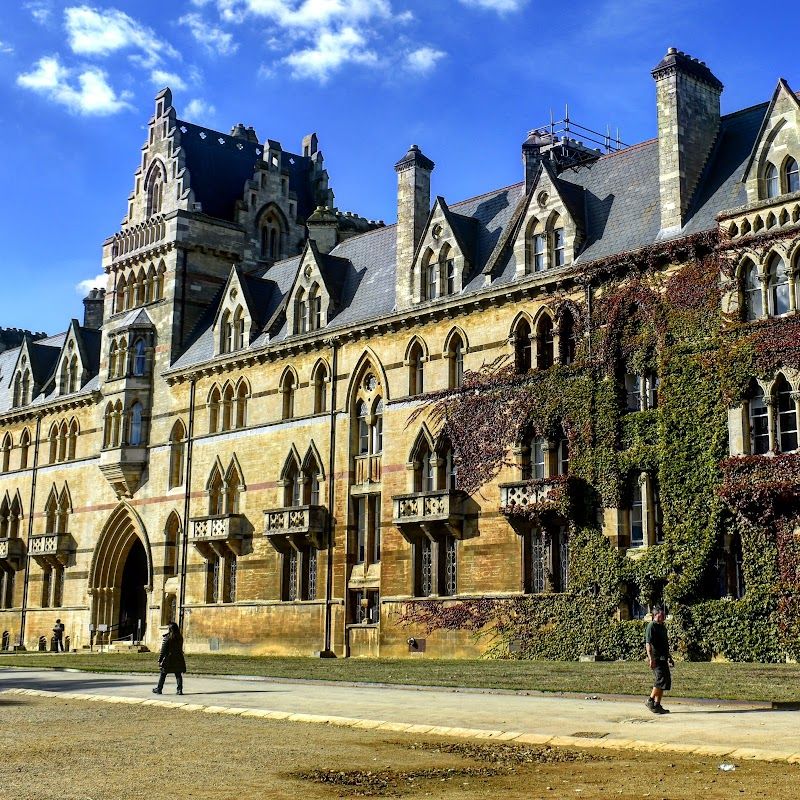
Christ Church & Meadow
Oxford's most famous college, the meadow where Alice's story began, and the Cherwell riverbank where punting happens from May to September.
Jericho & North Oxford
The residential neighbourhood northwest of the university centre: the Ashmolean Museum, independent cafes and restaurants on Little Clarendon Street, and the University Parks along the Cherwell.
Plan a trip featuring Covered Market & High Street
Get a personalized Oxford itinerary with Covered Market & High Street built in.
Start Planning