San Gimignano
Things to Do
23 attractions, museums, and experiences
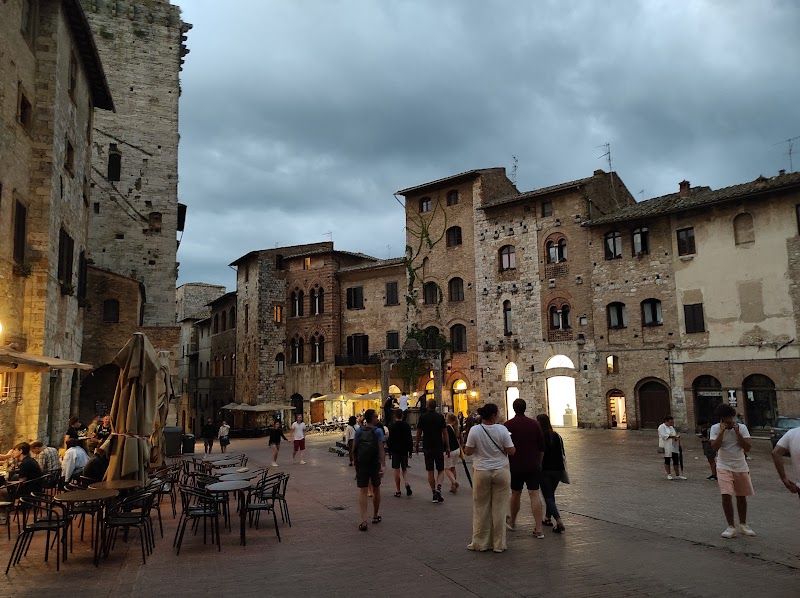
Piazza della Cisterna
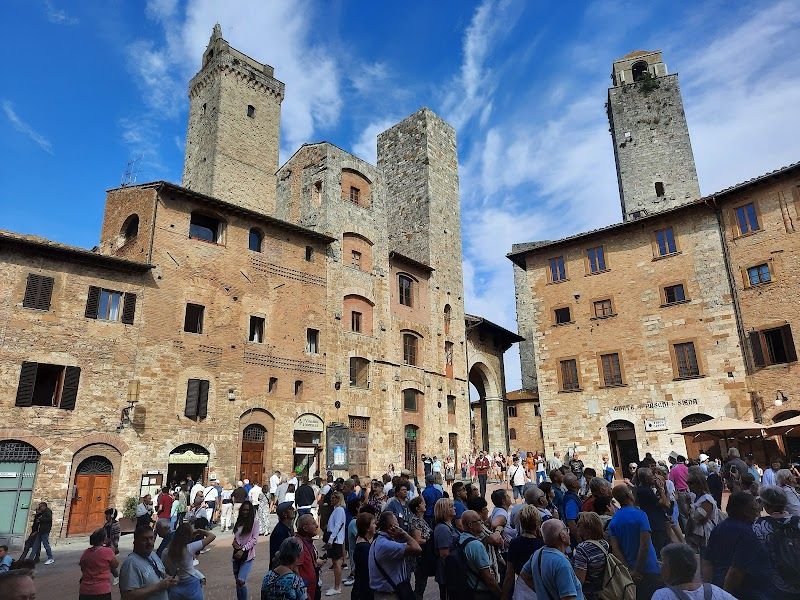
Piazza della Cisterna is San Gimignano's triangular heart, a perfectly preserved medieval square where 13th-century tower houses lean inward like protective guardians. You'll see the famous twin Torri dei Salvucci dominating the north side, while Torre del Diavolo looms to the east, all connected by herringbone brick paving that's remained unchanged for 700 years. The central wellhead that gives the piazza its name still sits exactly where medieval residents drew their water. Walking into this space feels like stepping onto a movie set, except the worn brick beneath your feet and the weathered stone facades are completely authentic. Morning light creates dramatic shadows between the towers while locals emerge for their morning coffee at the corner cafes. You'll hear the echo of footsteps bouncing off ancient walls and catch glimpses of laundry hanging from upper windows where people still actually live. Most visitors rush through for photos, but this square rewards lingering. Skip the overpriced tourist restaurants on the main corners and grab a coffee at Bar dalle Volte for EUR 1.50 instead of EUR 3 elsewhere. Gelateria Dondoli lives up to its world champion reputation, though EUR 4 for two scoops stings. The real magic happens early morning or late afternoon when tour groups clear out and you can actually hear the medieval silence.
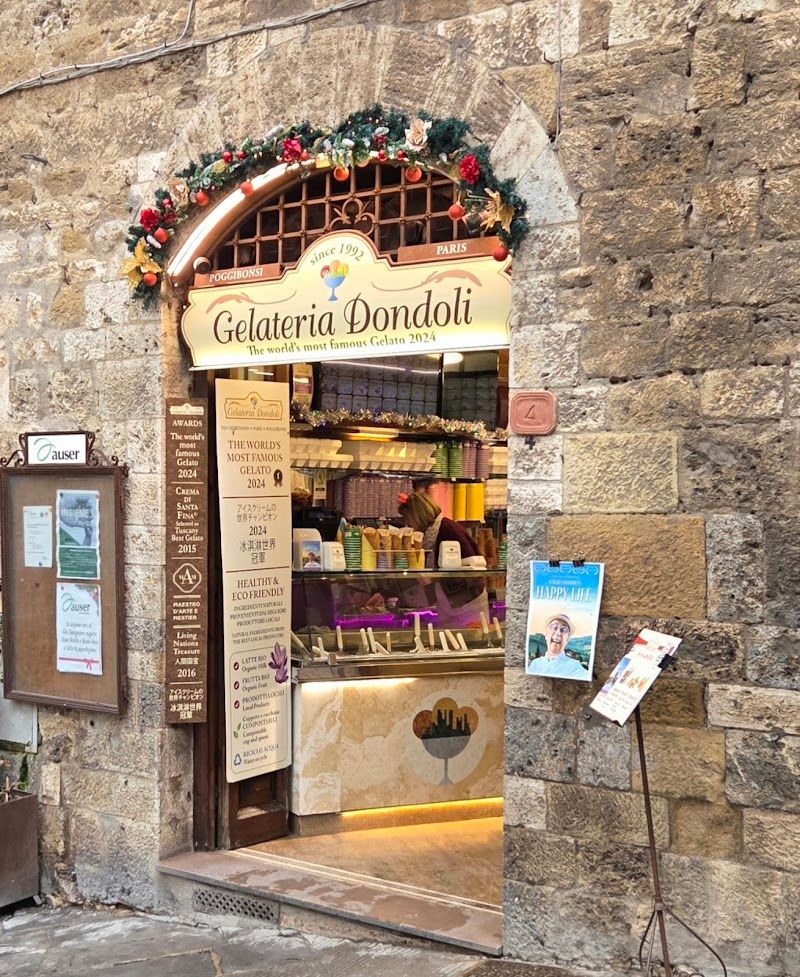
Gelateria Dondoli
Award-winning gelato shop run by Sergio Dondoli, World Champion gelato maker. The crema di Santa Fina made with saffron and pine nuts pays homage to San Gimignano's patron saint and local saffron tradition. Expect queues that stretch into the piazza during peak season.
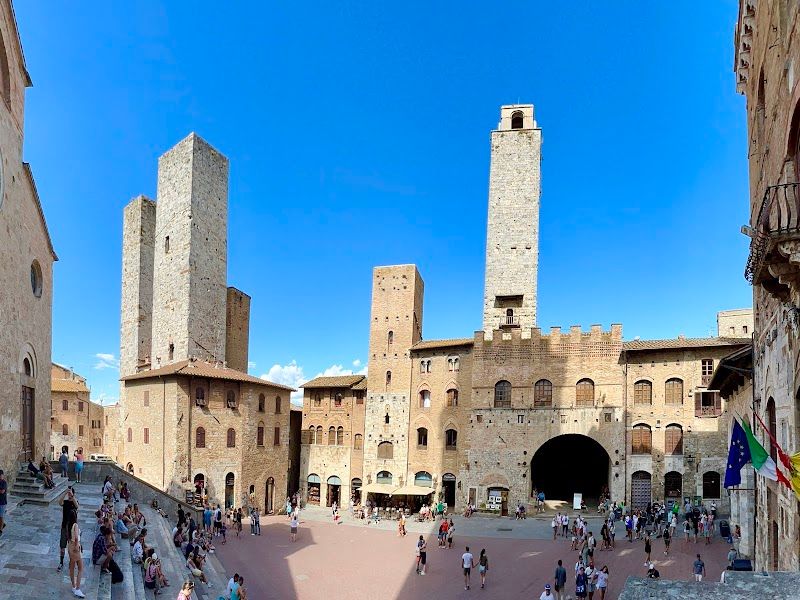
Torre Grossa
Torre Grossa is San Gimignano's tallest surviving medieval tower at 54 meters, and the only one you can actually climb. Built in 1311, it's accessed through the Palazzo Comunale museum with a EUR 9 combined ticket that includes both attractions. The narrow stone spiral staircase winds up 218 steps with no elevator, leading to a platform that holds maximum 20 people at once. From the top you get sweeping 360-degree views across the Val d'Elsa valley, rolling Tuscan hills, and all 13 remaining towers at eye level. The climb feels genuinely medieval: your legs burn on the tight stone steps, and the platform feels thrillingly exposed when you emerge into daylight. Wind whips around the top constantly, making it feel wild and authentic rather than sanitized. The views are spectacular but the real magic is seeing San Gimignano's famous skyline from within, with the other towers jutting up around you like stone skyscrapers. The Palazzo Comunale museum downstairs houses a beautiful Lippo Memmi Maesta fresco and the Sala di Dante, where Dante actually spoke as a Florentine ambassador in 1300. Most visitors treat this as a quick photo stop, but you're paying EUR 9 for both tower and museum, so use them. The museum is genuinely interesting and usually empty while everyone queues for the tower. Go at 10am opening to avoid crowds on the narrow stairs. Skip this entirely if you have mobility issues: those 218 steps are relentless and there's nowhere to rest halfway up.
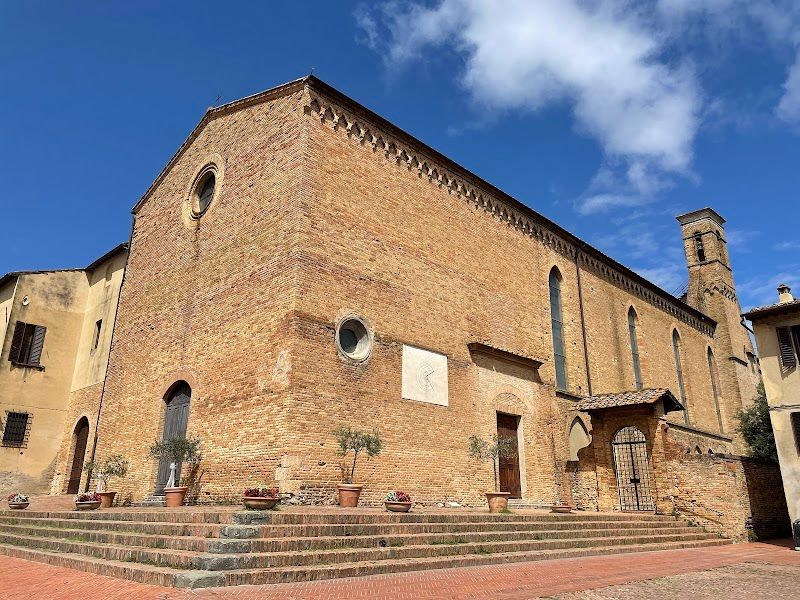
Chiesa di Sant'Agostino
Chiesa di Sant'Agostino houses one of Tuscany's most complete Renaissance fresco cycles, but without the crowds crushing into the Collegiata nearby. Benozzo Gozzoli spent two years covering the entire apse with scenes from Saint Augustine's life, creating a visual biography that reads like a medieval comic strip. The marble altar by Benedetto da Maiano anchors the space, while intricately carved choir stalls showcase the woodworking mastery that made San Gimignano wealthy. The church feels refreshingly spacious after navigating the town's narrow streets. You'll enter through a simple facade into a surprisingly bright interior where Gozzoli's blues and golds dominate the apse. The fresco cycle unfolds chronologically from left to right, depicting Augustine's conversion, his time as Bishop of Hippo, and his scholarly pursuits. Local families commissioned individual scenes, so you'll spot portraits of 15th-century San Gimignano residents mixed among the saints. Most visitors rush through in 15 minutes, missing the narrative details that make this special. Bring a coin for the lighting system (usually 1 EUR) because the frescoes fade into shadows without it. Skip the sacristy unless you're obsessed with vestments. The real payoff is standing directly in front of the apse and reading the scenes like a storybook, something impossible in more famous churches where ropes keep you at distance.
Rocca di Montestaffoli
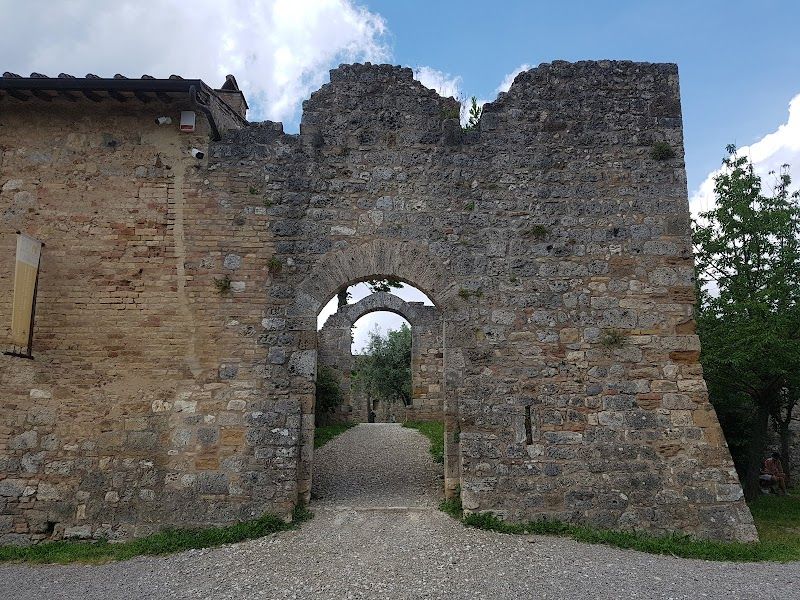
Rocca di Montestaffoli is what remains of a 14th-century fortress that once protected San Gimignano's southern flank. You'll find crumbling walls, a single surviving tower, and terraced gardens that deliver the town's best panoramic views absolutely free. The elevated position puts you above the medieval towers, looking out over rolling Tuscan vineyards and hilltop villages that stretch to the horizon. Climbing through the ruined gateway feels like discovering your own private viewpoint, even though locals have been coming here for decades. The grassy areas inside the walls invite you to sit and soak in the scenery, while the remaining tower provides a dramatic foreground for photos of San Gimignano's famous skyline. Late afternoon light turns the countryside golden, and you'll often share the space with Italian families enjoying impromptu picnics. Most guidebooks barely mention this spot, which keeps it relatively peaceful compared to the crowded main squares below. The walk up Via della Rocca takes about 10 minutes from the center and gets steep near the end, but it's worth every step. Skip it only if you have mobility issues, as the paths inside are uneven stone and grass.
Collegiata di Santa Maria Assunta
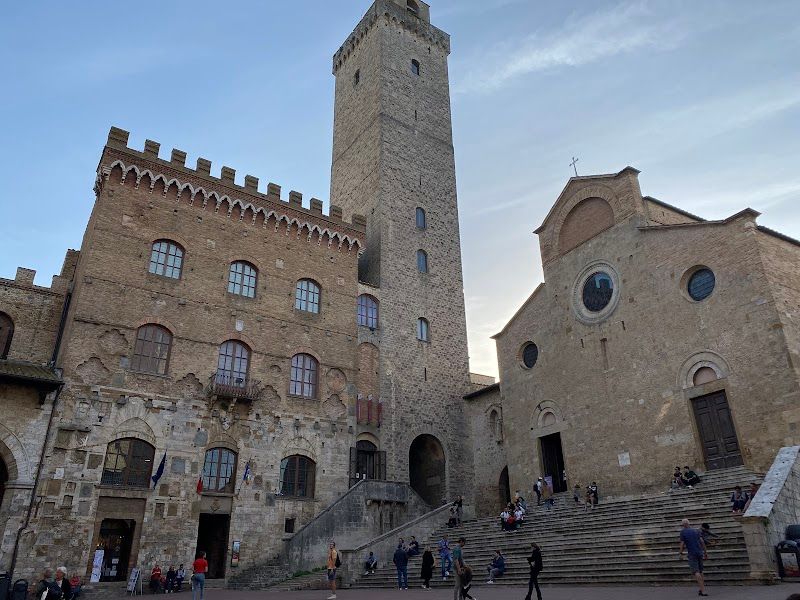
The Collegiata houses the most intensely frescoed interior in Tuscany, with three separate fresco cycles that span 200 years of Italian art. You'll find Old Testament scenes by Bartolo di Fredi covering the left wall, New Testament episodes from Simone Martini's workshop on the right, and Taddeo di Bartolo's apocalyptic Last Judgment consuming the back wall. The Chapel of Santa Fina contains Ghirlandaio's Renaissance masterpiece depicting the local saint's miracles. Walking inside feels like entering a medieval comic book where every surface tells a story through vivid colors and intricate details. The left wall's Creation scenes flow into Noah's flood with remarkable narrative clarity, while demons on the back wall torture sinners in graphic detail that makes modern horror films look tame. The atmosphere shifts completely in Santa Fina's chapel, where Ghirlandaio's refined Renaissance style creates an oasis of serenity. At EUR 5, this beats any museum in Florence for value, but most visitors rush through without reading the story sequences properly. Skip the audio guide and use the free printed sheets instead. The Santa Fina chapel sits to the right of the altar and gets missed by 80% of visitors who focus only on the main nave.
Torri dei Salvucci
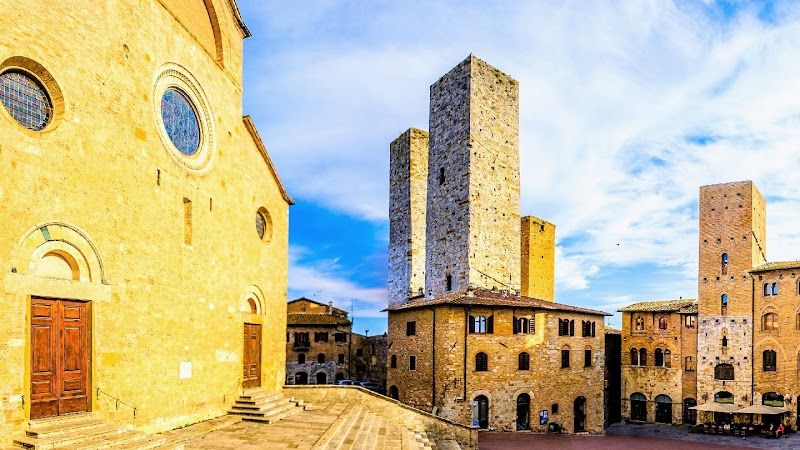
The Torri dei Salvucci are twin stone towers that perfectly capture medieval San Gimignano's cutthroat family politics. Built by the wealthy Salvucci clan in the 13th century, these towers were constructed specifically to outdo their rivals, the Ardinghelli family, whose towers stand directly across Piazza del Duomo. The taller tower reaches about 50 meters while its companion stands slightly shorter, creating an asymmetrical silhouette that's become one of the town's most recognizable sights. You can't enter the towers, so your visit is really about appreciating their imposing presence from street level. Standing in the small piazza, you'll feel dwarfed by these stone giants that have watched over San Gimignano for 800 years. The morning light hits the weathered stone beautifully, casting sharp shadows that emphasize every crack and crevice. The contrast between these militant structures and the elegant Collegiata church nearby perfectly illustrates medieval priorities: God and warfare in equal measure. Most visitors snap a quick photo and move on, which is honestly about right for a 15 minute stop. The towers look impressive but there's no signage explaining their history, so you'll want to read up beforehand. Skip the crowded midday visits when tour groups cluster here. The real value is understanding how these towers represent the medieval arms race that created San Gimignano's extraordinary skyline.
Palazzo del Podestà
Palazzo del Podestà anchors Piazza del Duomo as San Gimignano's seat of medieval power, built in 1239 when the city was flexing its merchant wealth. The palace's Torre Rognosa stands 51 meters tall, deliberately constructed as the official height limit that no private family tower could legally exceed. You'll see original Romanesque arches along the ground level and weathered medieval stonework that's survived nearly 800 years of Tuscan weather. You can't enter the palace interior, so this is purely an exterior appreciation stop that takes about 15 minutes. The building dominates the cathedral square with its imposing bulk, and you'll find yourself craning your neck to trace the tower's ascent. The palazzo feels stern and governmental compared to the more decorative towers nearby, which makes sense given its role as the podestà's official residence. Morning light hits the facade beautifully, bringing out the warm honey tones in the stone. Most guides oversell this as a major attraction when it's really a quick photo stop and architecture lesson. The real value comes from understanding how this tower enforced medieval building codes across the entire city. Don't waste time lingering too long here, especially since the interior offers nothing to see. Instead, use it as your reference point to spot how every other private tower respects the height restriction as you explore the rest of San Gimignano.
Tenuta Torciano Winery
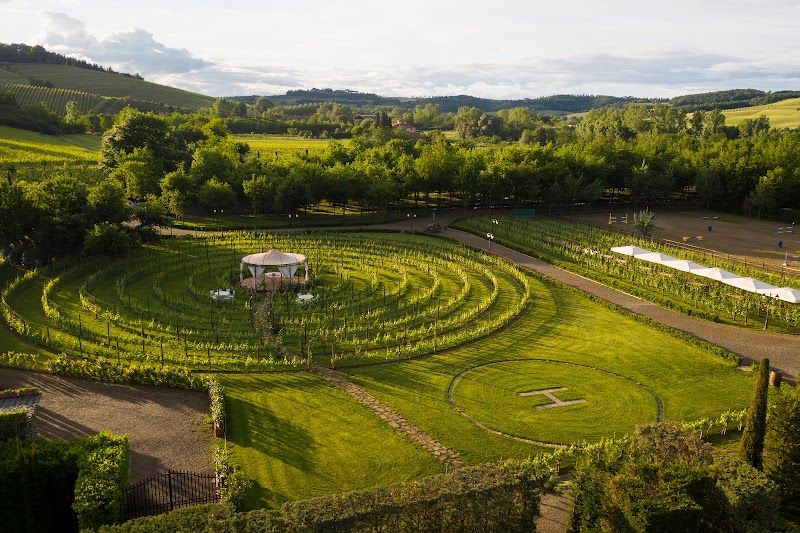
Tenuta Torciano sits just north of San Gimignano's medieval walls, where three generations of the Giachi family have been making Vernaccia and Chianti since 1720. You'll walk through their underground cellars carved into tufa stone, see massive oak barrels aging Chianti Classico, and learn why their Vernaccia grapes thrive in this specific microclimate. The tour includes tastings of 4-5 wines paired with their estate olive oil, local pecorino cheese, and proper Tuscan bruschetta. The experience starts in their rustic tasting room filled with wine awards and family photos spanning decades. Your guide (usually a family member) walks you through vineyards explaining why they still hand-harvest everything, then down into cool stone cellars where you can smell the fermentation process. The atmosphere stays relaxed and intimate, never rushed. You'll end back upstairs for the tasting portion, which happens around a communal wooden table with views over the Elsa Valley. Most winery tours in Tuscany feel scripted, but this one genuinely educates you about traditional methods without the pretension. The basic tour costs €25 and includes generous pours of their entire range. Skip the premium €45 option unless you're obsessed with reserve wines. Book directly through their website to avoid third-party markups. The family speaks excellent English and you'll leave understanding why Tuscan winemaking differs from other regions.
Porta San Giovanni
Porta San Giovanni serves as your grand entrance into medieval San Gimignano, a 13th-century gateway that's survived seven centuries practically unchanged. You'll walk through massive stone walls topped by a defensive tower, passing under the original wooden doors that still swing on their iron hinges. The archway frames your first glimpse of Via San Giovanni stretching uphill toward the famous towers, making it one of Italy's most photogenic medieval entrances. Walking through feels like crossing a threshold into the past. The thick walls create a cool, shadowy tunnel where your footsteps echo off ancient stones. Most visitors rush through without looking up, missing the medieval vaulting overhead and the sinister murder holes that defenders once used to rain death on attackers. The contrast is striking: you emerge from the dim passageway into bright Tuscan sunlight with the medieval town spread before you. Honestly, it's more atmospheric than spectacular, and 15 minutes is generous unless you're really into architectural details. The gate works best as a dramatic starting point for exploring the town rather than a destination itself. Skip it if you're entering from other directions, but if you're coming from the main parking areas below, take 30 seconds to appreciate the medieval engineering before joining the crowds heading uphill.
La Cisterna
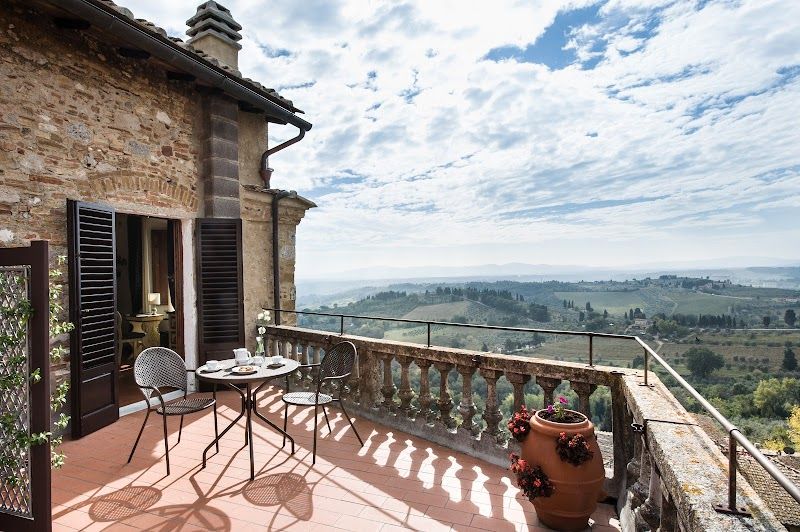
Historic restaurant with terrace seating directly on Piazza della Cisterna, offering prime tower views. The menu leans traditional with elevated presentations, featuring saffron risotto and pappardelle with hare. Service is formal and the setting particularly romantic at sunset when the piazza glows amber.
Bel Soggiorno
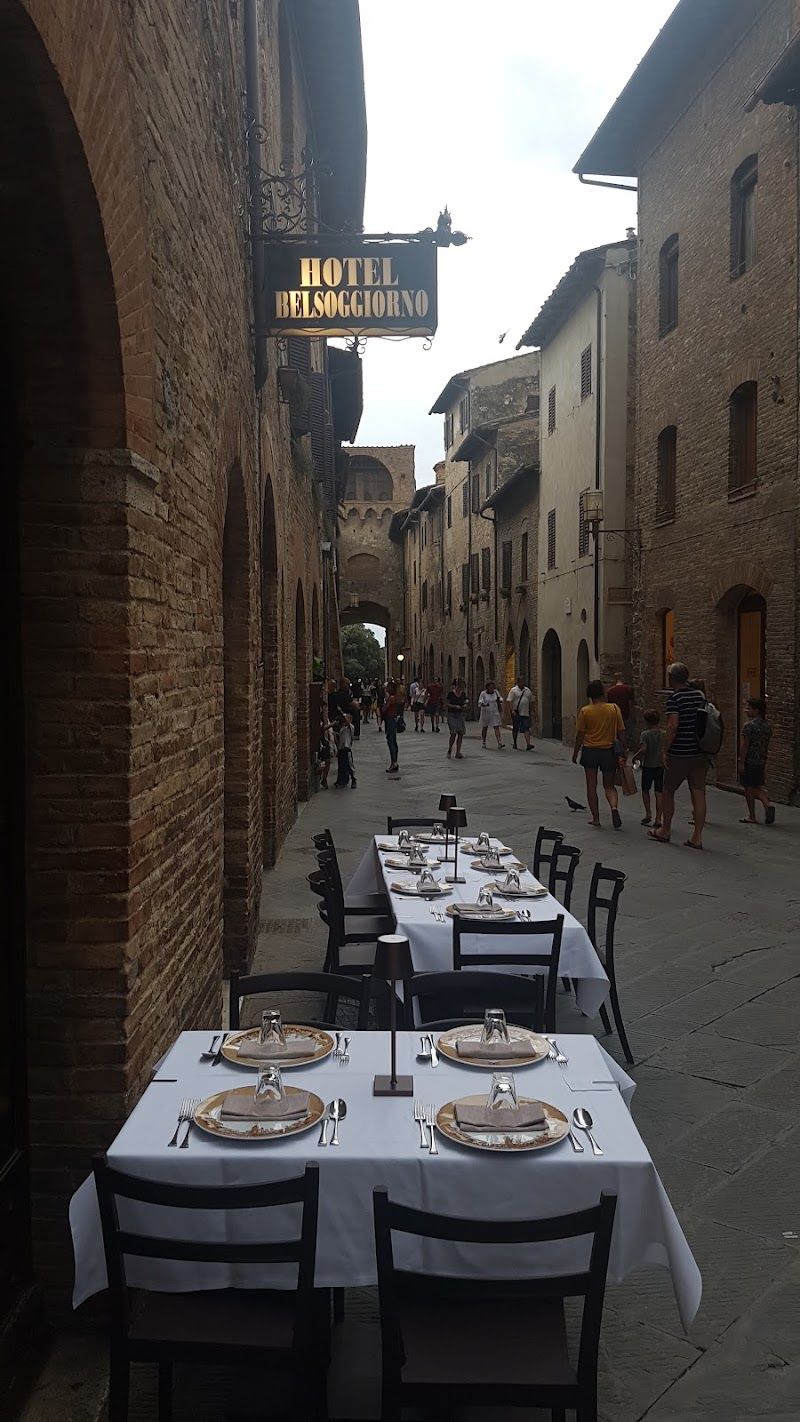
Traditional Tuscan restaurant with a stunning panoramic terrace overlooking the Val d'Elsa valley. Known for its homemade pici pasta and wild boar dishes prepared with locally sourced ingredients. Family-run establishment offering authentic regional cuisine in an elegant yet welcoming atmosphere.
Locanda Sant'Agostino
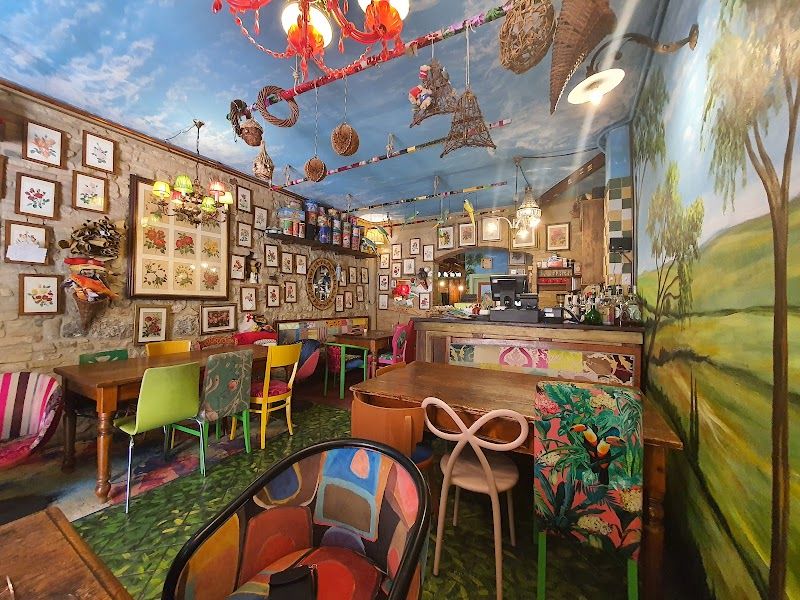
Restaurant located just off the main tourist circuit near the Sant'Agostino church. The menu changes weekly based on market availability, but the wild boar stew and hand-rolled pici are constants. Locals frequently dine here, especially on weekday evenings.
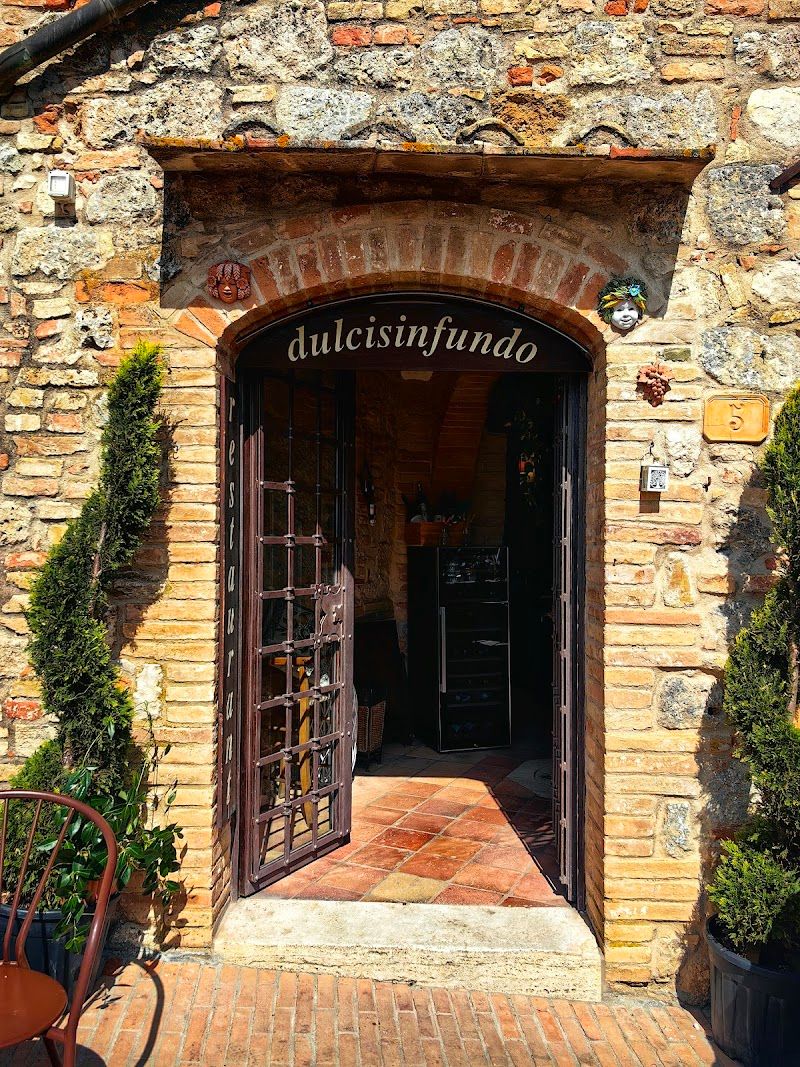
Dulcis In Fundo
Wine bar and restaurant with an extensive Vernaccia selection and a menu focused on seasonal Tuscan fare. The chef pairs each dish with a recommended local wine, and the pecorino tasting board features cheeses aged in nearby caves. Stone walls and wooden beams create an intimate dining environment.
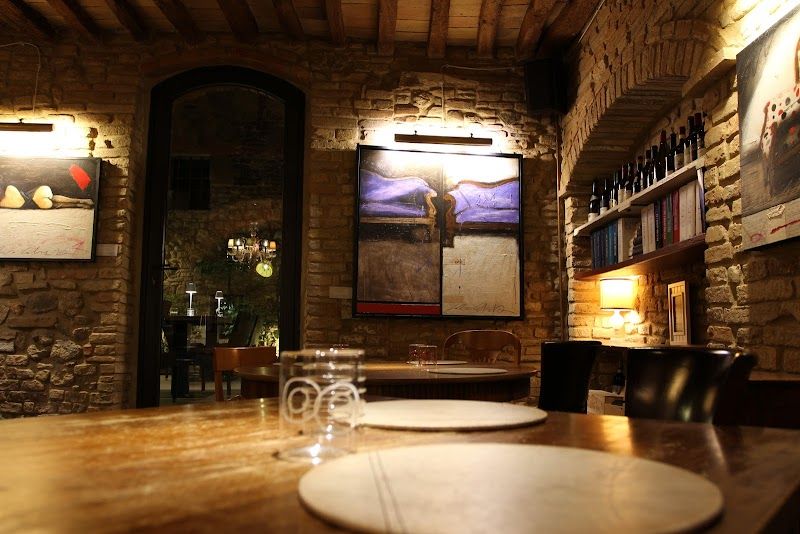
Cum Quibus
Small family-run restaurant serving traditional Tuscan dishes with a focus on local ingredients. The pici pasta with wild boar ragu and the ribollita soup are house specialties, prepared following recipes passed down through generations. Tables are set in a medieval stone interior with vaulted ceilings.
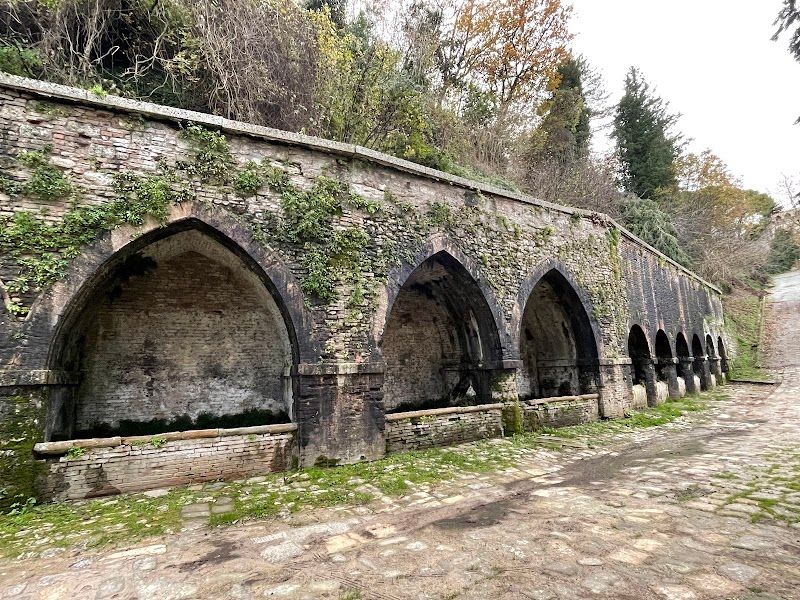
Fonti Medievali
These 13th century public washing fountains represent one of San Gimignano's most authentic medieval experiences, completely free of crowds and tourist shops. You'll descend into vaulted brick chambers where local women once gathered to wash clothes in natural spring water that still flows today. The stone basins remain perfectly intact, and the arched ceilings create an almost cathedral like atmosphere that stays refreshingly cool even during August heat waves. The visit feels like discovering a secret underground world that most tourists walk right past. You enter through weathered stone archways into chambers that echo with every footstep, the sound of trickling water constant in the background. The medieval engineering impresses: gravity fed spring water flows through carved stone channels exactly as it did 800 years ago. The light filtering through the entrance creates dramatic shadows across the worn stone surfaces. Most guidebooks barely mention this place, which keeps it wonderfully peaceful while the towers above swarm with visitors. The entire experience takes just 15 minutes, but it's more atmospheric than many paid attractions in town. Skip it only if you have mobility issues since the stone steps are steep and can be slippery. The fountains work best as a cool retreat during midday heat or as an early morning stop before the town wakes up.
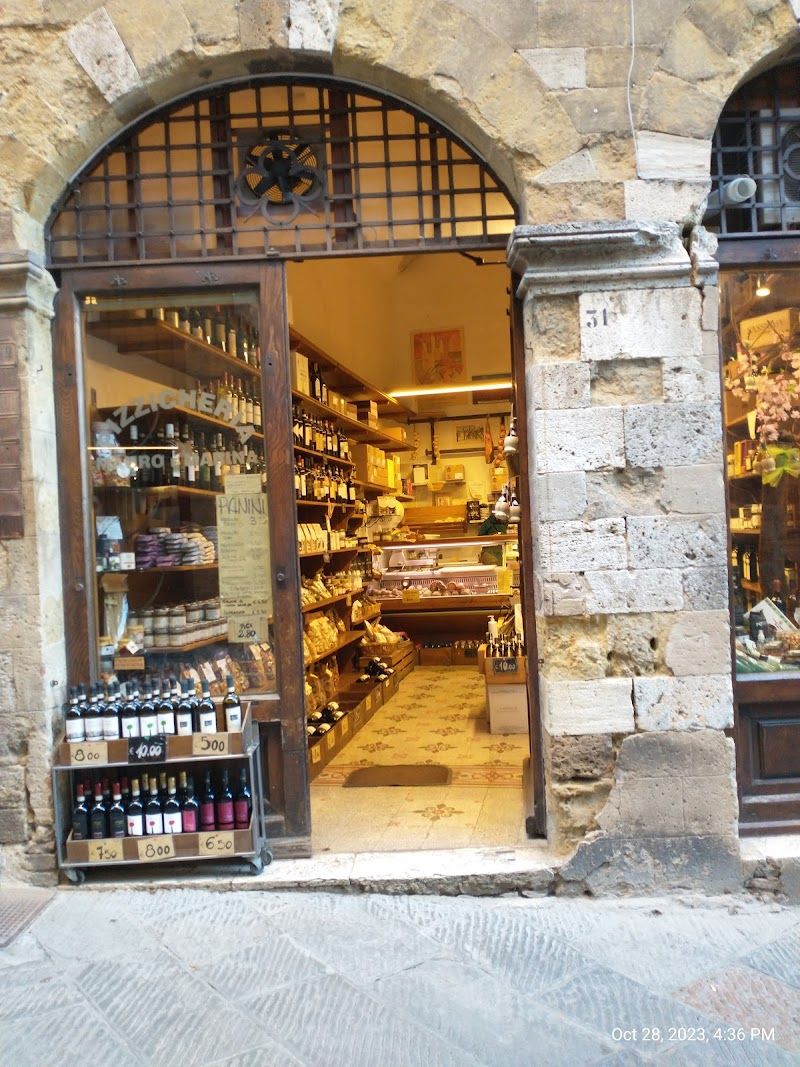
Enoteca Gustavo
Gustavo runs the kind of wine shop that makes you forget about the tourist traps outside. This isn't just another place selling overpriced Chianti to day trippers: Gustavo personally sources bottles from tiny family vineyards you've never heard of, focusing on exceptional Vernaccia di San Gimignano and lesser known Tuscan varietals. You'll taste wines that cost €15-35 per bottle, paired with proper pecorino stagionato and wild boar salumi from local producers. The space feels more like visiting a friend's cellar than shopping. Gustavo talks you through each wine's story while you sample at the small wooden counter, explaining why this producer uses only indigenous yeasts or how that vineyard's elevation affects the grape's minerality. He'll open bottles based on your preferences, not what he needs to sell. The atmosphere stays relaxed even when other visitors arrive: everyone ends up chatting about wine discoveries. Most wine shops in San Gimignano markup tourist bottles 200%, but Gustavo's prices reflect actual quality. Skip the generic Chianti Classico you can buy anywhere and focus on his Vernaccia selection, especially bottles from Cesani and Panizzi vineyards. Tastings run €8-12 depending on wines chosen. Don't rush: Gustavo's knowledge is worth more than the wine itself, and he genuinely enjoys sharing it with people who care about what they're drinking.
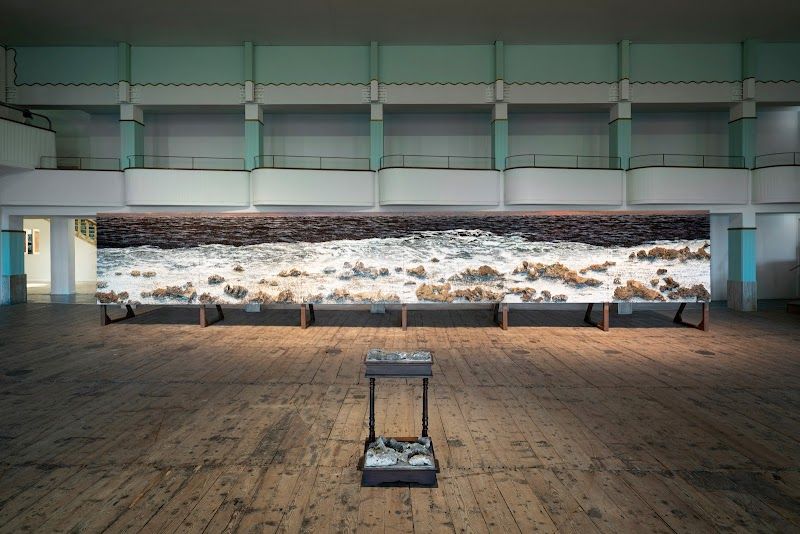
Galleria Continua
Galleria Continua transforms a 1920s Art Deco cinema into one of Europe's most compelling contemporary art spaces, right in medieval San Gimignano's heart. You'll find major international artists like Anish Kapoor, Ai Weiwei, and Antony Gormley showing work in rooms where locals once watched films. The original cinema details remain: ornate ceiling moldings, vintage lighting fixtures, and that unmistakable theater atmosphere now serving massive installations and cutting edge sculptures. Walking through feels surreal because you're experiencing world class contemporary art surrounded by 13th century stone walls. The main gallery occupies the former screening room, while smaller exhibitions fill what were once the lobby and projection areas. The contrast works brilliantly: ancient Tuscan architecture provides an unexpected backdrop for video installations, conceptual pieces, and large scale sculptures that would look predictable in a sterile white cube gallery. Most travel guides treat this as a quick cultural checkbox, but serious art lovers should budget 90 minutes minimum. The gallery's free, which is remarkable given the caliber of artists they show. Skip it if you're only interested in Renaissance art or feel overwhelmed by conceptual work. The exhibitions change every few months, so what you see depends entirely on timing, but the quality stays consistently high.
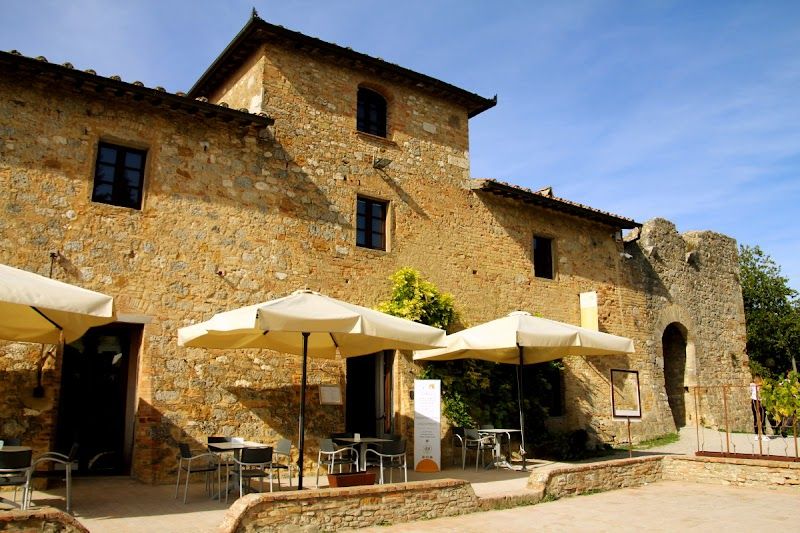
Vernaccia Wine Tasting
Vernaccia di San Gimignano is the local white wine, the first Italian wine to receive DOCG status, produced from vineyards that start at the town walls. Wine tastings are available at enotecas around Piazza della Cisterna (EUR 5-10 for 3-4 wines) or at vineyards in the surrounding countryside (EUR 10-20, booking recommended). The wine is light, crisp, and pairs well with the local pecorino cheese. The Vernaccia di San Gimignano Wine Experience museum in the Rocca fortress (EUR 5-8) offers structured tastings with historical context. A glass at a restaurant costs EUR 3-5, a bottle to take away EUR 8-12.
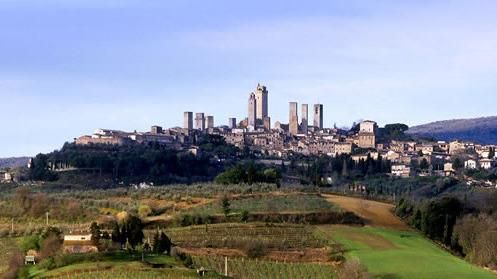
San Gimignano Walking Tour
A walking tour of San Gimignano covering the medieval towers, Piazza della Cisterna, Piazza del Duomo, the contrada system, and the history of the tower-building competition that defined the town. San Gimignano is small enough to cover in 1.5-2 hours with a guide who explains why the towers were built, why 14 survived when most Tuscan cities demolished theirs, and how the town preserved its medieval character. Tours typically run EUR 15-30 per person for small groups. The town is entirely pedestrian inside the walls.
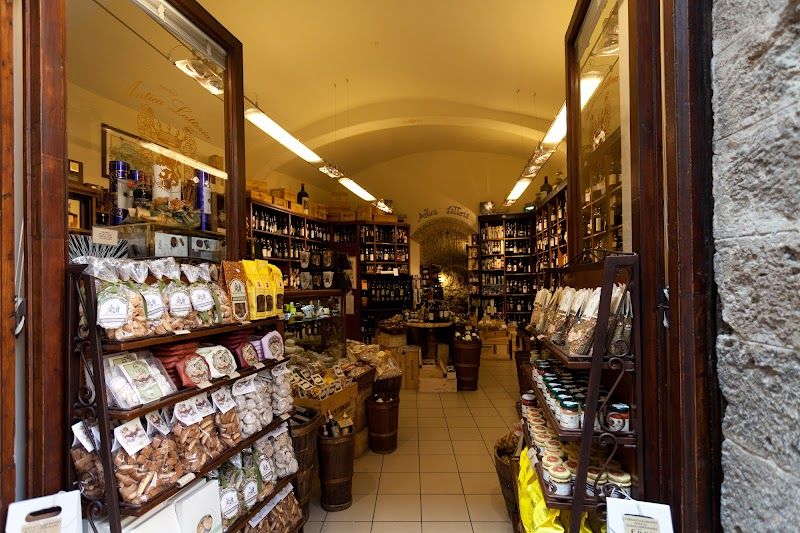
L'Antica Latteria
Cozy artisan gelato and pastry shop located just steps from the Duomo, famous for its creamy gelato made with organic milk from local farms. Features seasonal flavors and traditional Tuscan desserts including ricciarelli and panforte. Small batch production ensures exceptional quality and freshness.
Cappella di Santa Fina
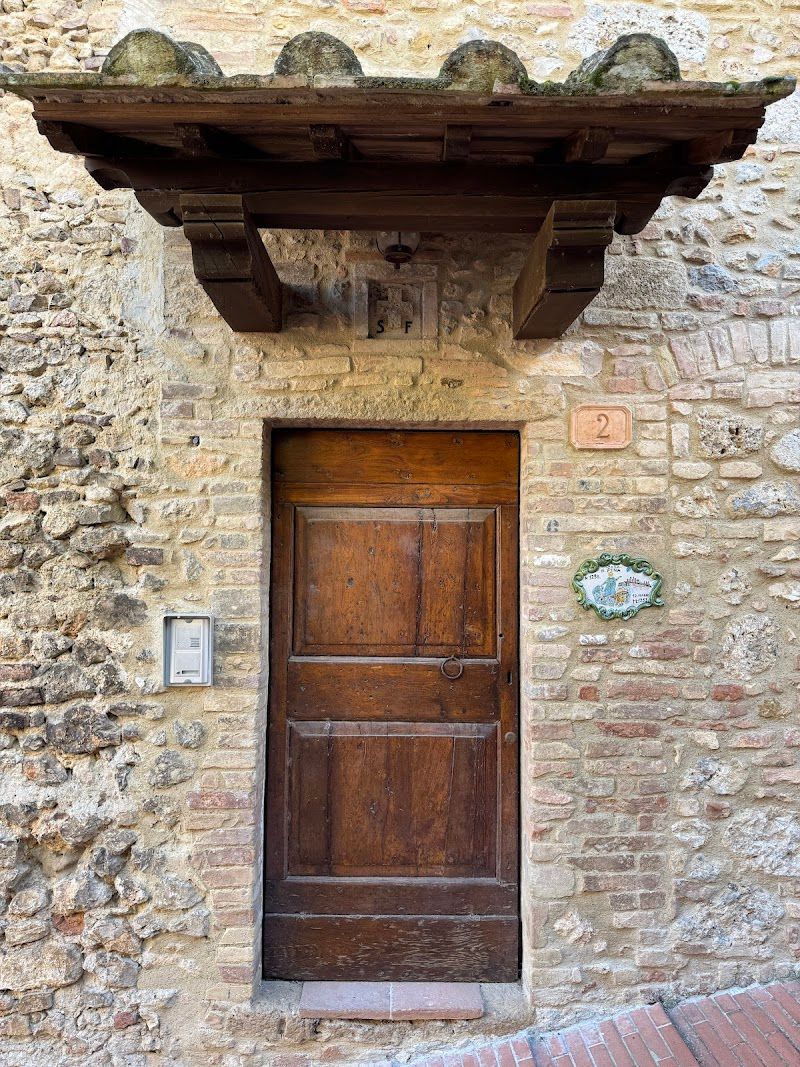
The Cappella di Santa Fina houses Domenico Ghirlandaio's stunning 1475 fresco cycle telling the story of San Gimignano's teenage patron saint who died at 15 after years of illness and prayer. You'll find two main scenes: Santa Fina's death surrounded by angels and flowers, and the miracles that followed her passing. The chapel sits inside the Collegiata di Santa Maria Assunta, and the entrance fee covers both the main church and this smaller chapel. The frescoes show incredible detail in the faces, clothing, and architectural backgrounds that include recognizable views of medieval San Gimignano. The chapel feels intimate compared to the larger Collegiata, with just enough space for about 15 people at once. Natural light from high windows plays across the frescoes throughout the day, changing how the colors appear. You'll spend most of your time looking up at the walls where Ghirlandaio painted Santa Fina's story in two large panels that face each other. The space stays cool even in summer, and you can take your time studying the intricate details without feeling rushed. Most visitors rush through here on their way to climb the Torre Grossa, but you're missing some of the finest Renaissance art in Tuscany if you don't pause. The chapel is included in the 9 EUR ticket for the Collegiata complex, which also gets you into the church and tower. Skip the audio guide (overpriced at 3 EUR) and instead look for the small placard in English that explains the saint's story. The morning light really does make a difference, so don't save this for late afternoon when the colors look flat.
Museo d'Arte Sacra
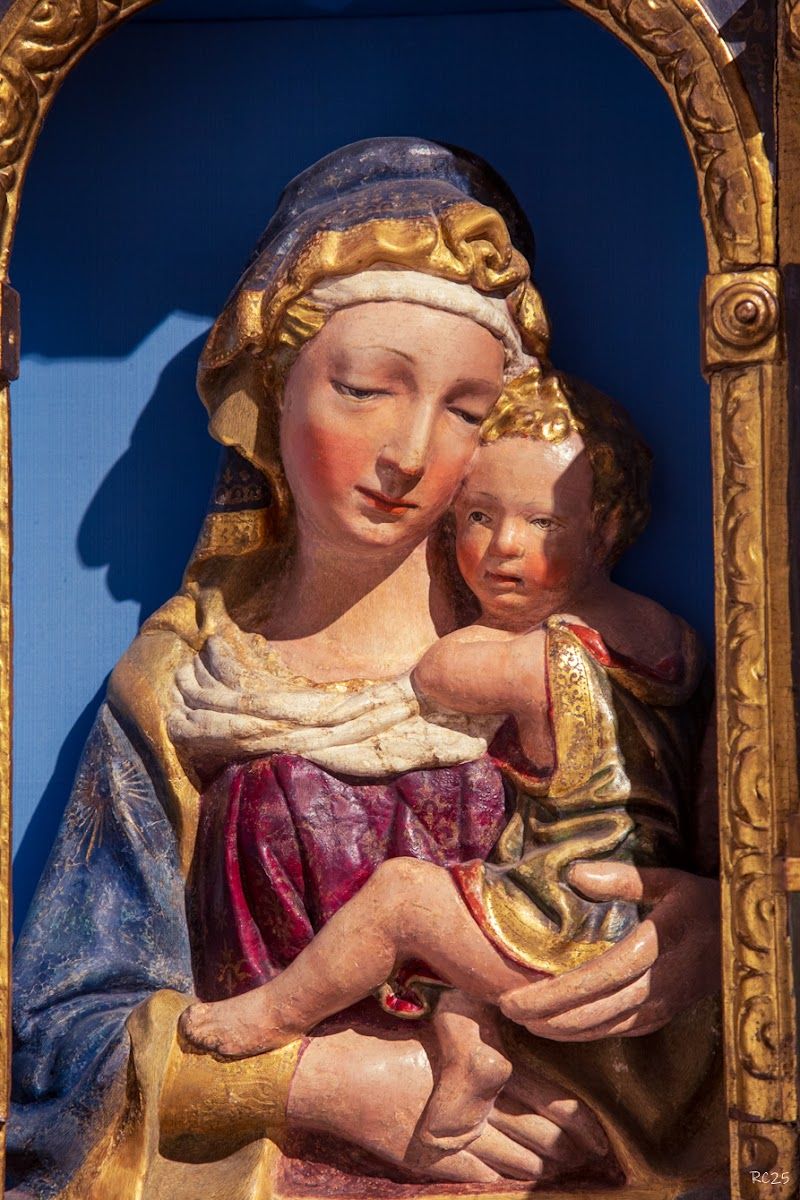
This compact museum houses San Gimignano's most precious religious artifacts, collected from churches across the medieval town. You'll find illuminated manuscripts with gold leaf details, intricately carved wooden sculptures of saints, and ornate vestments that bishops wore centuries ago. The collection spans five centuries (12th to 17th) and tells the story of just how wealthy this little hill town became during its golden age. The pieces aren't just beautiful, they're proof of the serious money flowing through San Gimignano when it controlled key trade routes. The museum occupies just a few rooms adjacent to the Collegiata, so you'll move through quickly but every display case rewards close inspection. The lighting is excellent, letting you see fine details in the manuscript pages and wood carvings that would be lost in the dim churches where they originally lived. The atmosphere is hushed and contemplative, with detailed explanations in English that actually explain why these objects mattered to medieval life. You'll often have rooms to yourself, especially in the afternoon. Most guidebooks barely mention this place, which is exactly why you should visit. The combined ticket with the Collegiata costs EUR 6 versus EUR 4 for the church alone, making the museum essentially EUR 2 extra. That's incredible value for what you see. Skip it only if you're completely uninterested in religious art, but even secular visitors appreciate the craftsmanship and historical context. Visit the museum first to understand what made San Gimignano's churches so spectacular.
Filters
Must-See
Neighborhood
Sort By
Filters
Must-See
Neighborhood
Sort By
Plan your San Gimignano trip
Get a personalized itinerary with the best of San Gimignano.
Start Planning