Val d'Orcia
Things to Do
25 attractions, museums, and experiences
Bagno Vignoni
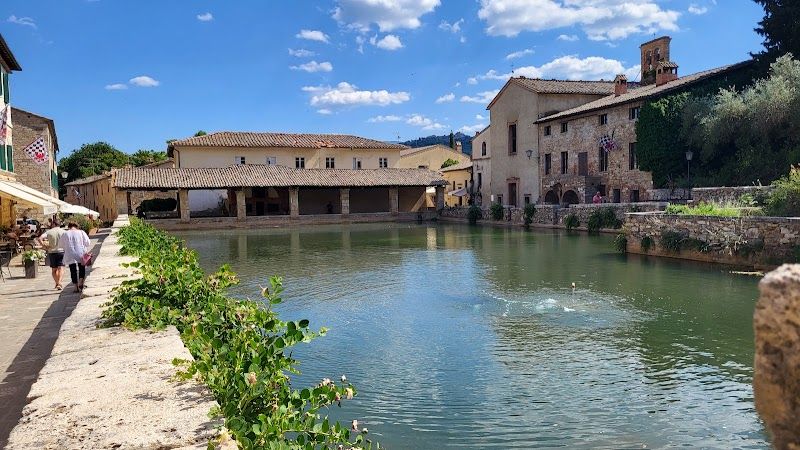
Bagno Vignoni is probably the most surreal village you'll encounter in Tuscany: the entire main piazza is filled with a massive rectangular thermal pool that's been bubbling at 49°C since Roman times. Steam rises constantly from the mineral-rich water while Renaissance loggias and weathered stone buildings frame this ancient bathing site. You can't swim in the main pool anymore (it's protected), but the sight of this steaming lake surrounded by medieval architecture feels like stumbling into a fantasy film set. The village itself takes maybe 20 minutes to explore completely, but the atmosphere keeps you lingering longer than expected. Steam drifts across the piazza creating an almost mystical mood, especially in cooler months when the contrast is most dramatic. The handful of restaurants and cafes have terraces overlooking the thermal pool, so you'll find yourself nursing a coffee while watching the hypnotic steam patterns. The sound of gently bubbling water creates a surprisingly meditative backdrop. Most guides oversell this as a full morning destination when it's really a atmospheric 1-hour stop. The restaurants around the piazza are predictably overpriced (expect €15-20 for basic pasta), so eat elsewhere. The real value is in the free Parco dei Mulini below the village where thermal water cascades over ancient mill ruins and you can actually soak your feet. Skip the souvenir shops, grab your photos of the steaming piazza, then head down to the park for the genuine thermal experience.
Pienza Panoramic Walk
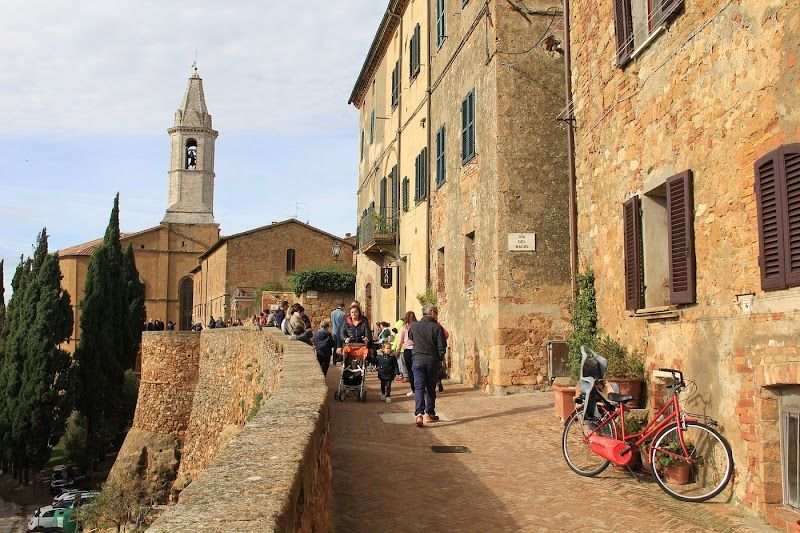
The panoramic walk along Pienza's southern ramparts gives you the single best view in Val d'Orcia, period. You'll walk along medieval walls perched on the hilltop's edge, looking out over the postcard landscape that defines Tuscany: rolling clay hills striped with wheat fields, lone cypress trees marking ridgelines, and Montalcino's silhouette on the distant hill. The entire spectacle unfolds below you like a Renaissance painting, completely free and accessible 24/7. The walkway stretches about 800 meters along the old defensive walls, with several wooden benches and stone overlooks perfectly positioned for photos. You'll start from either end near Via dell'Amore or Via del Casello and meander slowly eastward, stopping constantly to absorb the view. The path feels like a private balcony over the valley, especially at sunset when the clay hills turn golden and the light shifts through amber and deep red. Even in peak summer, you'll rarely encounter crowds here. Most guides bury this in lists of Pienza attractions, but honestly, skip the overpriced pecorino tastings and head straight here. The walk takes 20 minutes if you're rushing, but plan 45 minutes to actually enjoy it. Come 30 minutes before sunset for the magic hour lighting, though morning light works beautifully too. Unlike most Tuscan viewpoints, this one costs nothing and delivers everything.
Bagni San Filippo
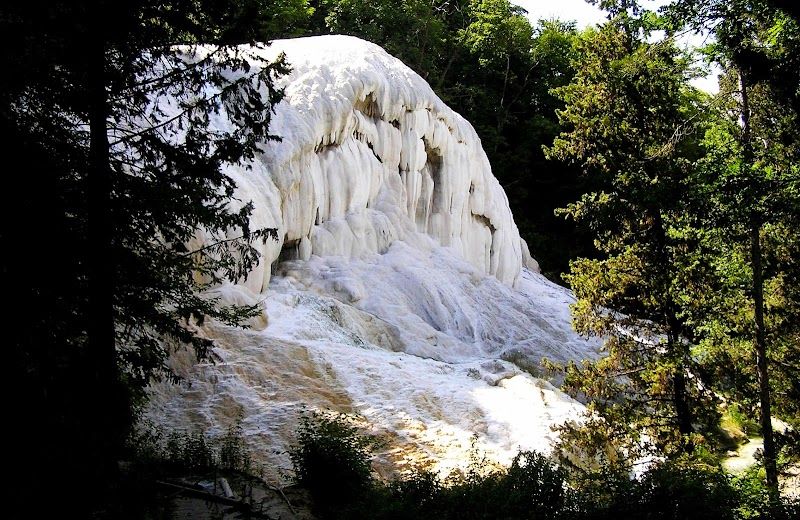
Bagni San Filippo delivers some of Tuscany's most dramatic natural thermal pools, where 37-48°C spring water has carved brilliant white travertine terraces into the forested hillside. The star attraction is Fosso Bianco, a stunning cascade of calcium deposits that looks like frozen waterfalls against the dark trees. You'll soak in multiple natural pools of varying temperatures, each one sculpted by centuries of mineral-rich water flow. The experience starts with a gentle 10-minute hike down forest paths to reach the main pools, where steam rises through the trees and the sulfur smell tells you you're close. The white limestone formations are genuinely spectacular, especially when sunlight filters through the canopy onto the flowing water. You'll move between different pools to find your perfect temperature, with locals often camping out in their favorites for hours. Most guides don't mention that weekends turn this place into a thermal pool party, complete with portable speakers and crowds. The free access is fantastic, but bring proper footwear since the rocks get slippery. Skip the upper pools near the parking area, they're lukewarm and unremarkable. The real magic happens downstream where fewer people venture.
Cappella della Madonna di Vitaleta
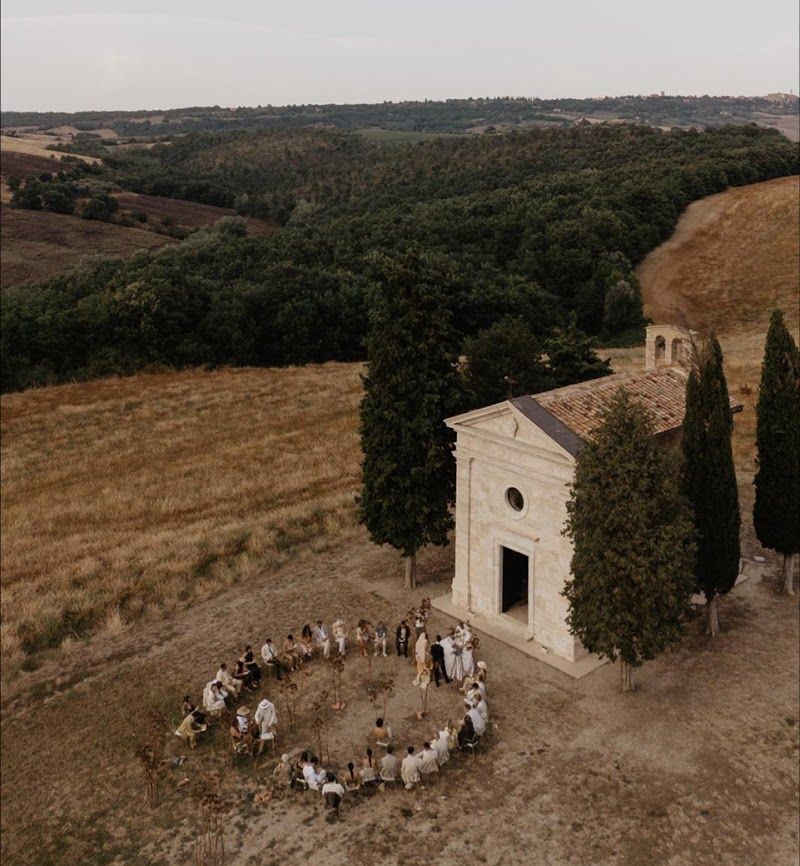
This 16th century chapel sits perfectly centered between two towering cypress trees in Val d'Orcia's golden wheat fields, creating what's arguably Tuscany's most photographed rural scene. The tiny Renaissance structure was built by Pope Pius II's family as a roadside shrine, and today it draws photographers from around the world who come for that classic Tuscan composition. You'll walk 15 minutes through working farmland on a gravel track, passing olive groves and getting close-up views of the rolling hills that UNESCO protects. The walk itself is half the experience, taking you through genuine agricultural land where tractors still work the fields and farmers wave from their doorways. When you reach the chapel, you understand immediately why it's so famous: the proportions are absolutely perfect, with the two cypresses framing the small stone building like natural columns. The light changes constantly as clouds move across the sky, and you'll find yourself taking dozens of photos as the shadows shift across the wheat. It's peaceful here, with only the sound of wind through grain and the occasional bird call. Most photography guides oversell this as a sunrise spot, but honestly, any time except harsh midday works beautifully. The walk can get muddy after rain, and your shoes will definitely get dusty. Skip it during harvest season (late June through July) when combine harvesters make the path dangerous and the wheat is gone anyway. The chapel itself is always locked, so this is purely about the exterior shot and the experience of walking through working farmland.
Tempio di San Biagio
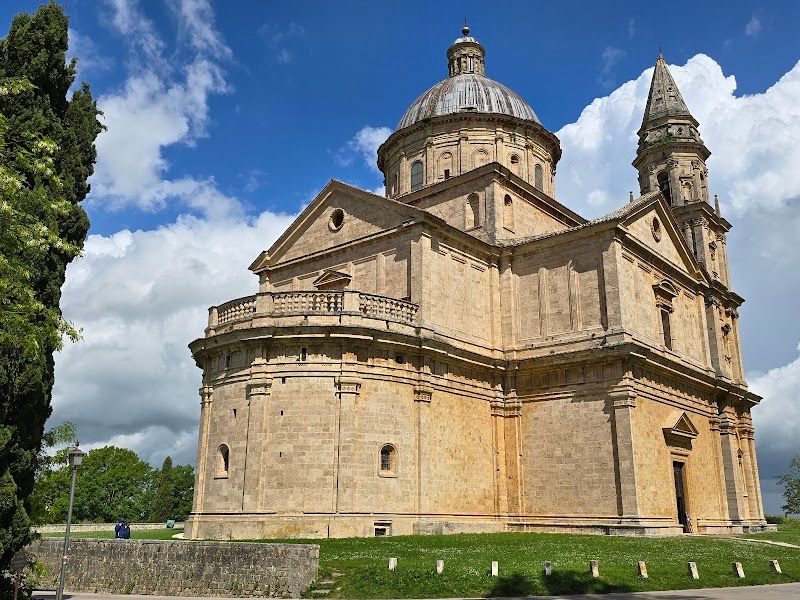
Tempio di San Biagio stands alone in a cypress-dotted meadow below Montepulciano, one of the most perfect examples of High Renaissance architecture you'll find in Tuscany. Antonio da Sangallo the Elder designed this honey-colored travertine church in 1518, creating a masterpiece of geometric harmony with its Greek cross plan and soaring central dome. The building's isolation makes it even more striking, rising from green fields with nothing to distract from its pure proportions. You'll circle the exterior first, appreciating how the building looks perfectly balanced from every angle. The travertine stone changes color throughout the day, from pale gold in morning light to warm amber at sunset. Inside, the space feels surprisingly intimate despite the grand proportions, with simple decoration that lets the architecture speak for itself. The acoustics are remarkable, every footstep echoing softly in the vaulted spaces. Most visitors rush through in 15 minutes, but you'll want at least 30 to really absorb the craftsmanship. Entry is free, though there's sometimes a small donation box. Skip the small museum next door unless you're obsessed with Renaissance construction techniques. The real magic happens when you sit on the steps and look back toward Montepulciano perched on its hilltop, understanding exactly why Sangallo chose this spot.
Piazza Grande
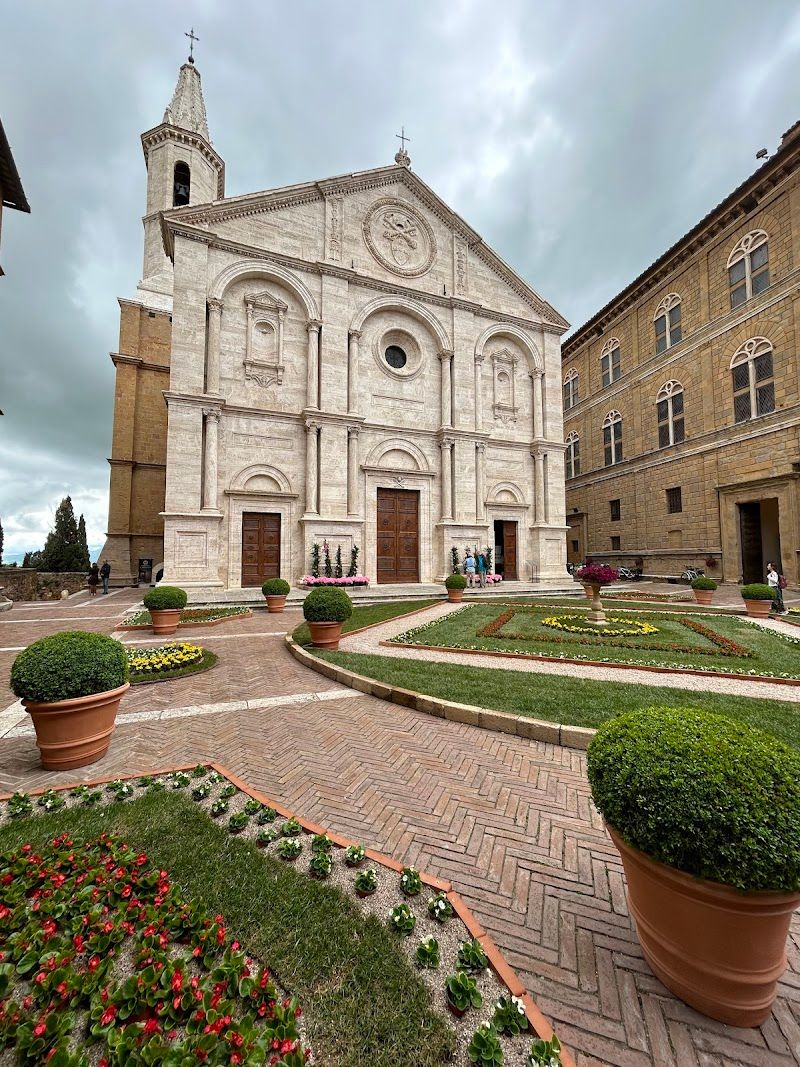
Piazza Pio II forms the heart of Pienza's Renaissance perfection, a perfectly proportioned square designed by Bernardo Rossellino in the 1460s for Pope Pius II. You'll find the cathedral with its unusual Gothic facade (rare for Renaissance Pienza), the papal palace, and the town hall arranged in harmonious symmetry. The cathedral's interior surprises with soaring Gothic arches and three stunning altarpieces, while the papal palace offers guided tours of opulent papal apartments. The piazza feels like stepping onto a movie set, which it literally has been for films like Gladiator and The English Patient. Morning light hits the travertine paving stones beautifully, and you'll often have the space nearly to yourself before 10am. The cathedral's acoustics are remarkable, and if you're lucky, you might catch choir practice echoing through the space. The papal palace's hanging garden provides unexpected views over the Val d'Orcia that most visitors miss entirely. Most guides oversell the papal palace tour (EUR 7), which feels rushed and overpriced for what you see. Instead, spend your time in the free cathedral and exploring the square's architectural details up close. The real magic happens at sunrise when you'll have this UNESCO World Heritage site practically to yourself, and the golden light makes every stone glow.
Osteria Sette di Vino
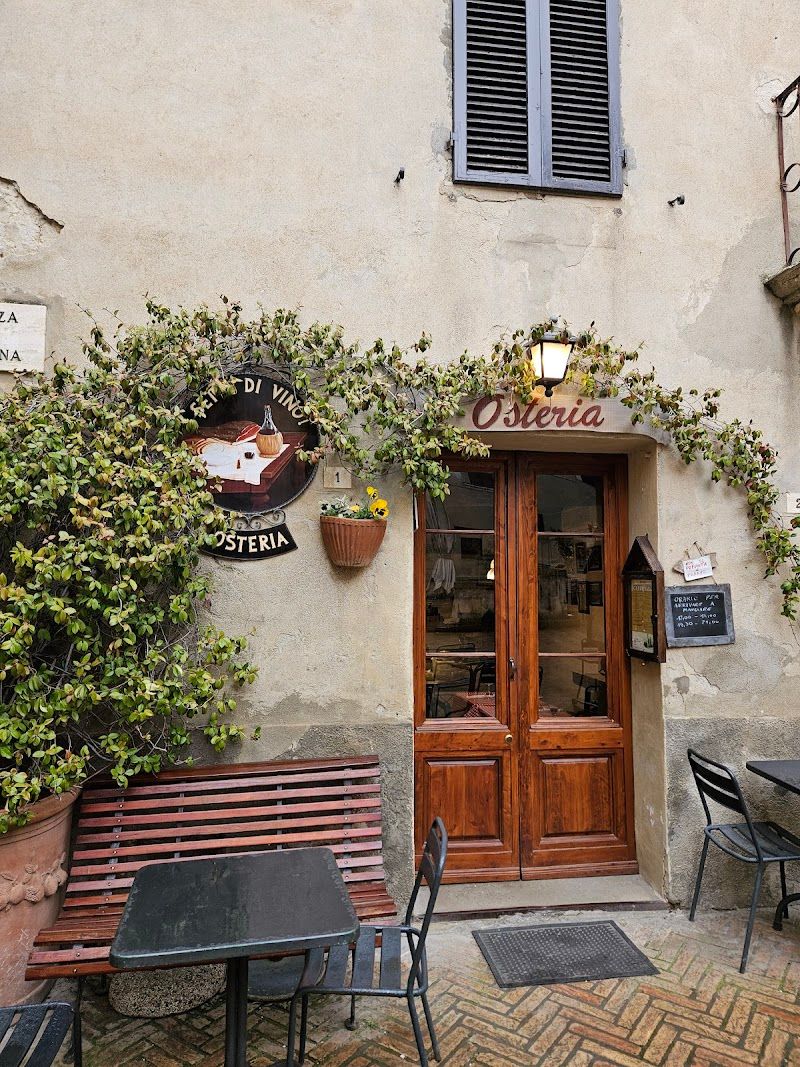
Family-run trattoria in the center of Pienza serving hand-rolled pici with ragu di cinghiale and local pecorino dishes. The wine list focuses on small Orcia Valley producers with Rosso di Montalcino starting at EUR 5 per glass. Pasta is made fresh each morning in the open kitchen visible from the dining room.
Cantina de' Ricci
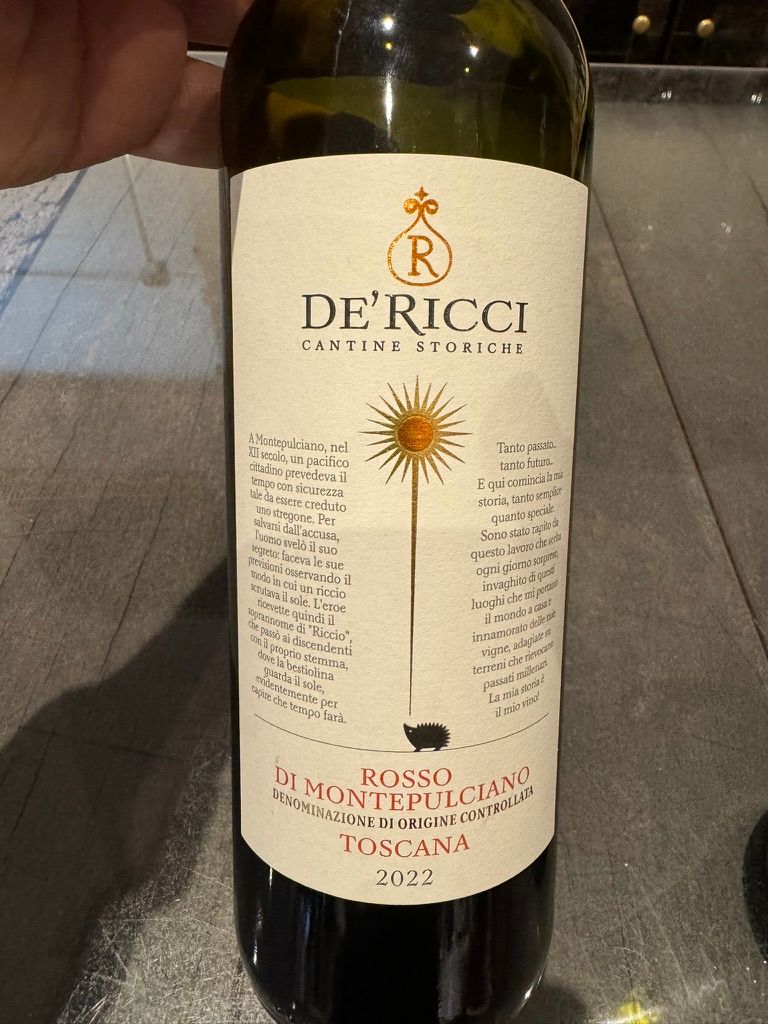
Cantina de' Ricci houses the largest wine cellar complex in Montepulciano, with cathedral-like chambers carved directly into the volcanic tufa beneath the historic center. These aren't just storage rooms: they're genuine Etruscan tunnels that stretch deep underground, now lined with thousands of bottles of Vino Nobile di Montepulciano. The 45-minute tours take you through multiple levels of vaulted stone chambers, some dating back over 2,000 years, where you'll taste wines in rooms that feel more like ancient crypts than typical tasting rooms. Descending into the cellars feels like entering a medieval cathedral made of stone. The temperature drops noticeably as you move deeper, and your guide's voice echoes off the curved ceilings while they explain how Etruscan drainage systems still function today. The scale surprises everyone: these aren't cramped basement rooms but soaring chambers where you can walk upright through corridor after corridor. The stone walls weep moisture that creates the perfect aging conditions, and you'll see bottles covered in decades of cellar dust. Most wine tours in Montepulciano feel rushed and touristy, but Cantina de' Ricci delivers something genuinely atmospheric. Standard tours cost around 25 EUR and include three wine tastings, which is fair value for the quality. Skip the expensive reserve tastings unless you're seriously into wine: the standard Vino Nobile selections showcase the terroir perfectly well. The regular tour covers plenty of ground, though the extended version does access some genuinely spectacular deeper tunnels that justify the extra cost if you're fascinated by Etruscan architecture.
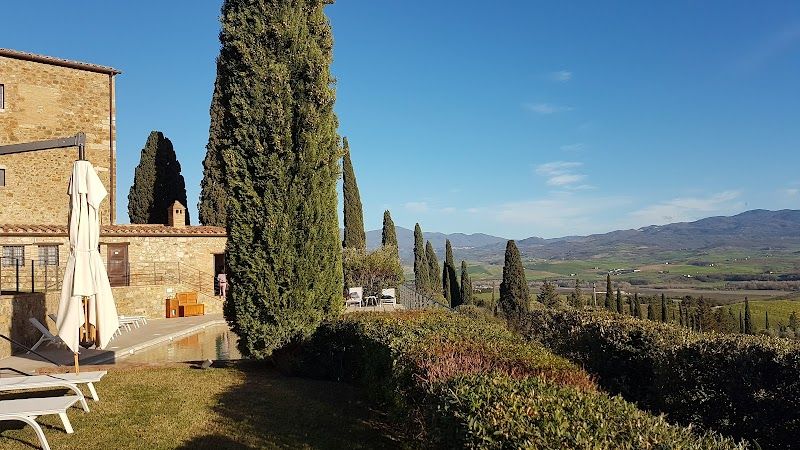
Castello Banfi - Il Borgo
Castello Banfi spreads across 7,100 acres of prime Montalcino countryside, producing some of Tuscany's most respected Brunello wines from this 13th century castle estate. You'll tour temperature controlled cellars where thousands of barrels age the wine, taste directly from the source, and explore their fascinating glass museum displaying centuries of wine bottle evolution. The Michelin recommended restaurant serves excellent Tuscan cuisine paired with their wines, while the medieval architecture provides stunning Val d'Orcia views. Your visit starts in the glass museum where antique bottles tell the story of winemaking evolution, then moves to the production facilities where you'll see modern technology working within ancient walls. The cellar tours are genuinely informative, with guides explaining the Brunello aging process as you walk through rows of French oak barrels. The tasting room overlooks vineyards stretching toward Montalcino, and staff pour generous samples while sharing stories about specific vintages. Most wine estate tours feel rushed, but Banfi gives you proper time to appreciate each wine. Basic tastings start at EUR 15 for four wines, while reserve flights cost EUR 25 and include their premium Brunello selections. Skip the gift shop unless you're serious about buying, prices are steep. The restaurant requires reservations and runs EUR 45 to 60 per person, but you can bring your own purchased bottles for EUR 15 corkage.
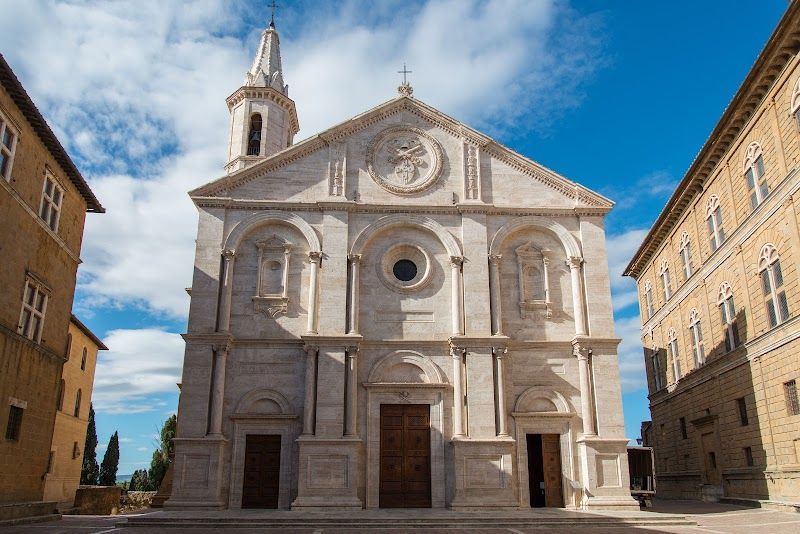
Cattedrale di Santa Maria Assunta
This cathedral represents Pope Pius II's bold attempt to create the perfect Renaissance church in his redesigned hometown of Pienza. You'll find an unusual hybrid of architectural styles: a Renaissance facade hiding a Gothic interior flooded with natural light through unusually tall windows. The interior feels more like a bright hall than a traditional dark cathedral, with clean lines and minimal decoration that was revolutionary for the 1460s. The wooden choir stalls and Flemish tapestries add warmth to the otherwise stark stone interior. Walking inside feels immediately different from other Italian churches. The light streaming through those oversized windows creates an almost Protestant atmosphere that Pope Pius II specifically wanted to embody humanist principles. You'll notice how the space echoes more than expected, and the wooden ceiling gives it an intimate scale despite the soaring windows. The side chapels contain decent altarpieces, but honestly, the architecture itself is the main attraction here. Most guides oversell this as a masterpiece, but it's really more interesting for what it represents than what it contains. The real appeal is understanding Pius II's vision and seeing how it influenced later church design. Skip the crypt unless you're particularly interested in papal history. The cathedral works best as part of exploring Pienza's main square rather than as a standalone destination, and you'll see everything worthwhile in 20 minutes.
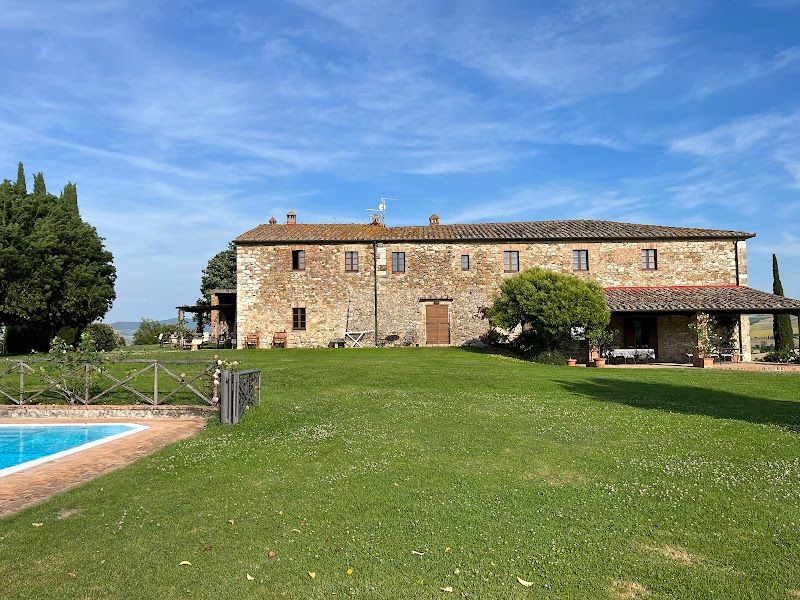
Viale dei Cipressi Poggio Covili
This perfectly straight cypress avenue leads to a classic Tuscan farmhouse and represents everything people imagine when they think of Val d'Orcia. You'll find a double row of towering cypresses creating a natural corridor that frames the weathered stone building at the end. The trees stand like sentinels, their dark green spires contrasting beautifully with the golden rolling hills that stretch beyond. It's free to visit since you're photographing from the public road. You'll spend most of your time positioning yourself along Via Cassia to capture the perfect shot. The experience is purely visual: the geometric precision of the cypress alignment creates an almost hypnotic effect as your eye follows the trees toward the farmhouse. Late afternoon light transforms the scene completely, backlighting the building and creating long shadows that emphasize the avenue's dramatic perspective. You'll hear nothing but wind through the cypresses and perhaps the distant sound of tractors. Honestly, thirty minutes is generous unless you're a serious photographer. Most people snap their photos in ten minutes and move on. The farmhouse and grounds are strictly private property, so don't even think about walking down that tempting avenue. This spot gets busy with tour groups around 4-5 PM when the light is best, so arrive earlier or later for solitude.
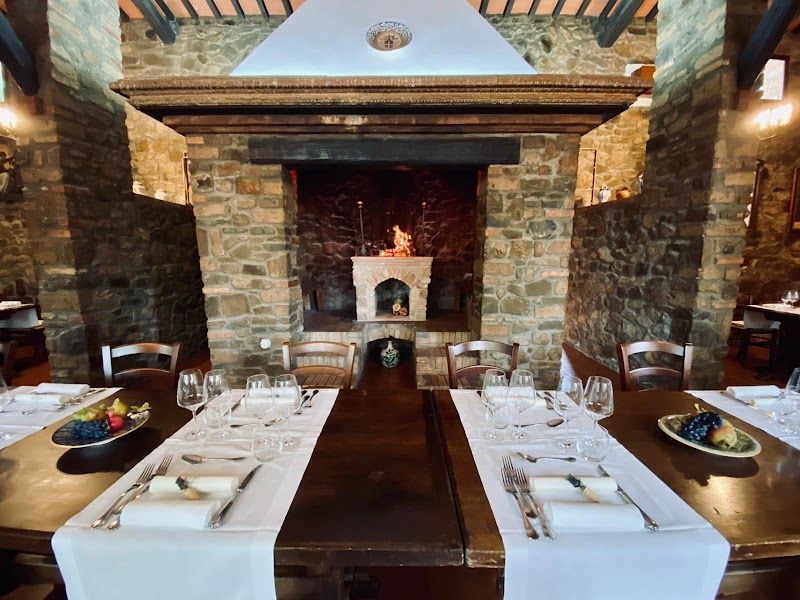
Taverna dei Barbi
Restaurant on the grounds of Fattoria dei Barbi winery serving estate-raised meats and wine produced from surrounding vineyards. The signature dish is scottiglia, a slow-cooked mixed meat stew traditionally made by Montalcino farmers. Brunello wine from the estate is available by the glass starting at EUR 8.
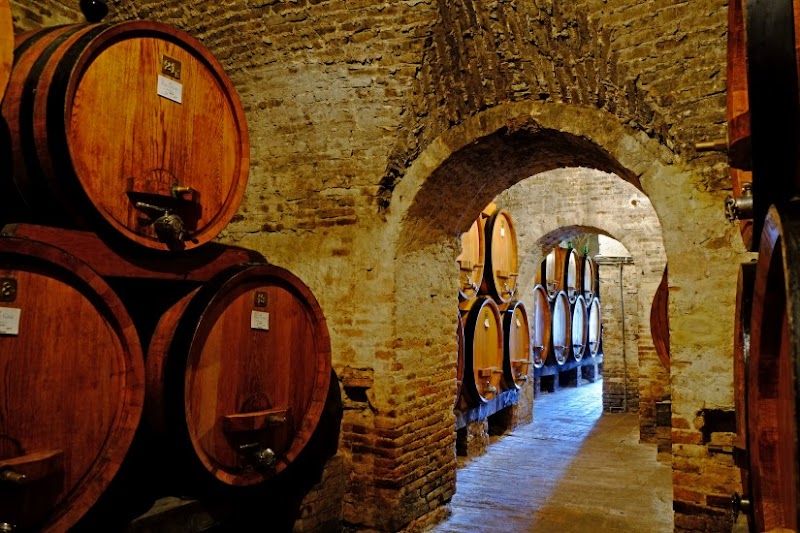
Underground Cellars Montepulciano (Contucci)
The Contucci cellar sits directly beneath Piazza Grande in a maze of tufa caves carved centuries ago. You're walking through genuine Renaissance-era storage chambers where the Contucci family has aged Vino Nobile di Montepulciano since the 1600s. The tufa rock maintains perfect temperature year-round, and massive oak barrels line chambers that stretch beneath the entire piazza above your head. You'll enter through the family's Renaissance palace and descend into cool, atmospheric chambers that feel genuinely ancient. The stone walls weep slightly with humidity, creating the perfect aging environment. Staff pour generous tastings of their current Vino Nobile while explaining the traditional methods still used today. The contrast between the sun-baked piazza above and these cool, quiet caves below is striking. This is absolutely the best free wine experience in Montepulciano, and most visitors rush past without realizing it exists. Skip the overpriced tastings elsewhere and start here. Bottles range from EUR 12 to 25, which is fair for estate-produced Vino Nobile. If you want drama over substance, De' Ricci nearby (EUR 5) has more impressive vaulted rooms but charges for everything Contucci gives free.
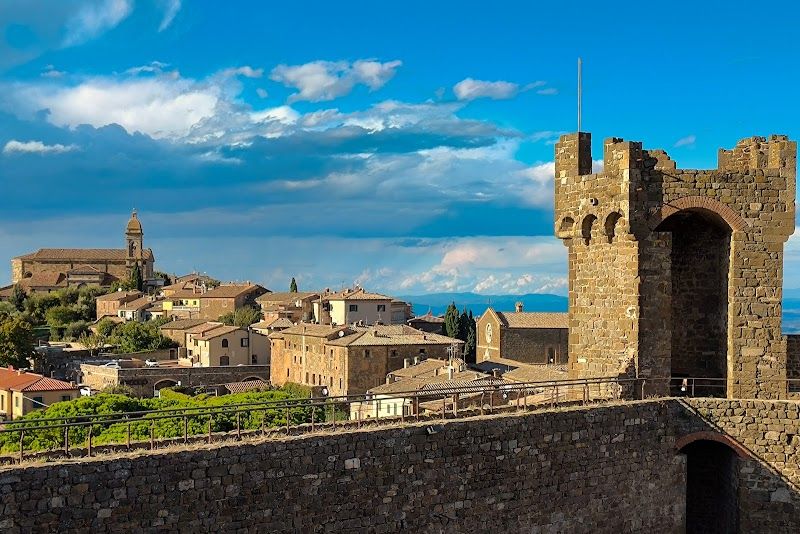
Montalcino Fortezza
The Fortezza di Montalcino is a perfectly preserved 14th-century fortress perched at Montalcino's highest point, offering complete rampart walks around intact medieval walls. You can walk the entire perimeter on stone battlements, looking out over the rolling Val d'Orcia landscape and the Brunello vineyards that made this town famous. Inside the fortress walls, a wine bar serves Brunello di Montalcino by the glass, letting you drink some of Italy's finest wine while standing on medieval ramparts. The fortress visit starts at the main gate where you pay EUR 4 for access to the ramparts and interior courtyard. The walk along the walls takes about 20 minutes at a leisurely pace, with panoramic viewpoints at each corner revealing different aspects of the valley below. The wine bar operates from a stone building inside the courtyard, and you can carry your glass up onto the ramparts for what might be the most perfectly matched wine and view combination in Tuscany. Most people rush through the rampart walk in 10 minutes, but slow down and actually look at the landscape. The fortress itself is small, so don't expect extensive interior rooms or museums. The wine bar charges EUR 6 to 15 for Brunello depending on the producer, which is reasonable for this quality. Skip the small souvenir shop unless you need emergency gifts, the wine selection is better in town.
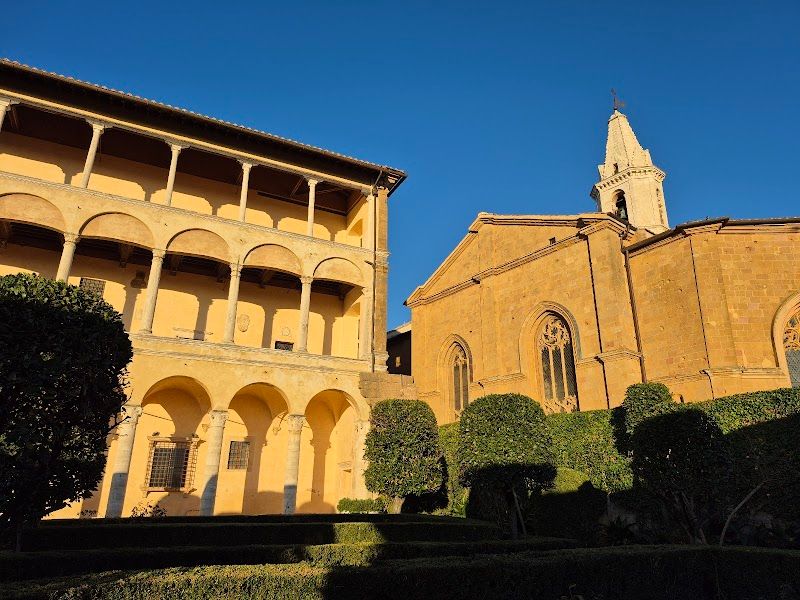
Palazzo Piccolomini Pienza
Palazzo Piccolomini is Pope Pius II's personal residence, built in the 1460s as the crown jewel of his utopian Renaissance city project. You'll see the papal apartments with original 15th century furnishings, a weapons room displaying period armor, and the spectacular hanging garden with its famous loggia. The loggia frames the Val d'Orcia landscape in what architect Bernardo Rossellino designed as the perfect marriage of Renaissance architecture and Tuscan countryside. The guided tour moves through intimate papal chambers where you can touch 500 year old furniture and peer into the Pope's private study. The real magic happens when you step onto the rear loggia: the view opens up like a Renaissance painting, with the Val d'Orcia rolling away in perfectly composed layers. The guide explains how Rossellino calculated every sight line to create this visual masterpiece, and you'll understand why this single view appears on countless Tuscany postcards. At EUR 7, this is exceptional value for a papal palace with original interiors intact. Most visitors rush through the indoor rooms to reach the loggia, but the papal apartments contain genuine treasures including Pius II's personal books and ceremonial objects. The tour runs every 30 minutes and is mandatory for entry, lasting about 45 minutes. Skip the expensive restaurants on the square afterward and grab paninis from the local shops instead.
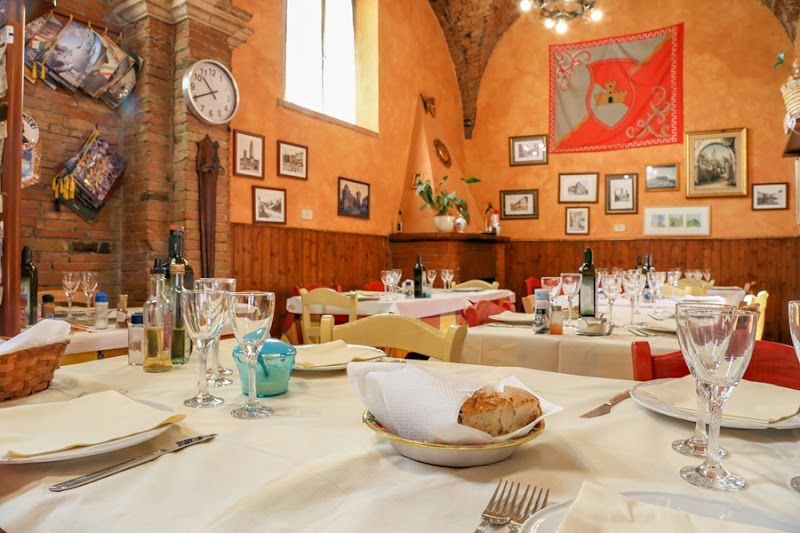
La Grotta
Stone-walled restaurant built into a 13th-century wine cellar beneath Montepulciano serving ribollita and pappardelle with duck ragu. The cheese cart features 15 varieties of local pecorino and the wine list highlights vertical tastings of Vino Nobile. Brick vaulted ceilings and candle lighting create medieval atmosphere.
Dopolavoro La Foce
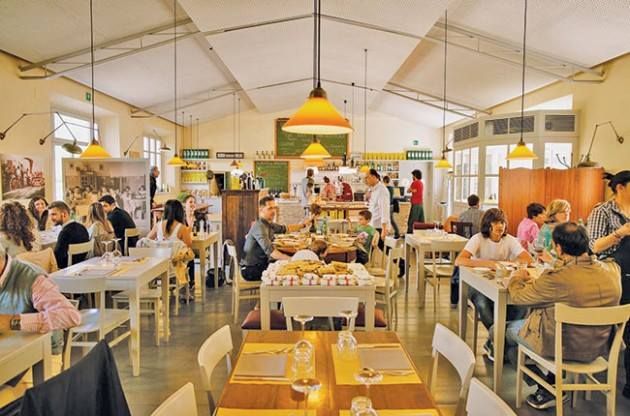
Dopolavoro La Foce occupies a restored 1930s workers' club on one of Tuscany's most photographed estates, serving simple lunches that change daily based on what's growing in their garden. You'll eat house-made salumi, local pecorino, and whatever soup they've made that morning, all sourced from the estate or neighboring farms within a few kilometers. The real draw is the terrace overlooking those perfectly aligned cypress trees that appeared in Gladiator, plus the rolling hills that define this corner of Val d'Orcia. The space feels authentically rustic without being precious about it: weathered wooden tables, mismatched chairs, and a handwritten menu that reflects whatever arrived fresh that morning. Service moves at countryside pace, which means you'll have plenty of time to soak in the view while nursing a glass of local Brunello. The food is honest and unpretentious, the kind of simple plates that taste better because of where you're eating them. Most people just snap photos of the cypress road and leave, missing this completely. The menu is limited but that's the point: they do a few things well rather than trying to please everyone. Expect to pay around 15-20 EUR for a light lunch with wine. Skip it if you want a full meal, but it's perfect for a leisurely break while exploring the area.
Enoteca La Fortezza di Montalcino
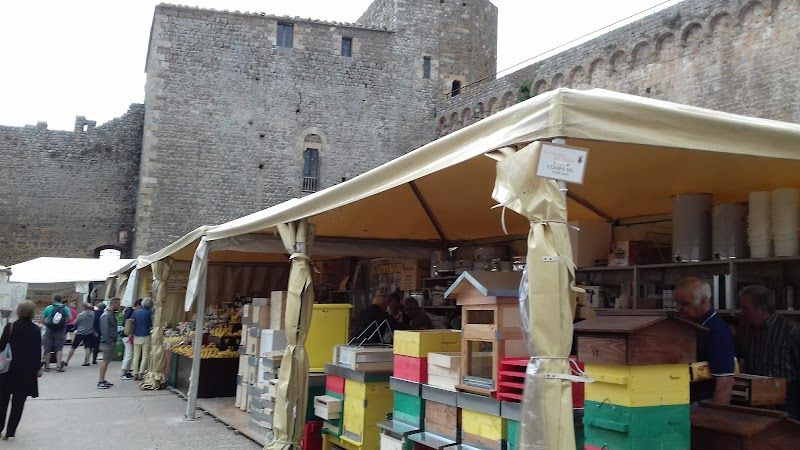
This wine bar sits inside Montalcino's medieval fortress, where thick stone walls create natural cellars perfect for storing Italy's most celebrated red wine. You'll find over 100 Brunello producers represented here, with tastings starting at EUR 5 per glass and flights from EUR 15. The setting feels like drinking wine in a castle dungeon, but in the best possible way: vaulted ceilings, stone arches, and bottles lining ancient walls create an atmosphere you won't find anywhere else. The experience flows between indoor tastings and fortress exploration. You'll sample wines at heavy wooden tables while sommeliers explain the differences between estates, then climb stone steps to walk the ramparts overlooking Val d'Orcia's rolling hills. The contrast works perfectly: serious wine education indoors, then fresh air and panoramic views outside. Late afternoon light makes the landscape glow golden, and you'll understand why this valley inspired Renaissance painters. Most wine bars feel touristy, but locals actually drink here, especially on weekends when families gather for afternoon tastings. Skip the expensive food platters (EUR 18-25) and focus on the wine: the real value lies in comparing different producers side by side. The sommelier knows every bottle personally, so don't be shy about asking for recommendations. Avoid summer weekends when tour groups crowd the small space, making conversation impossible.
Cantine Gattavecchi
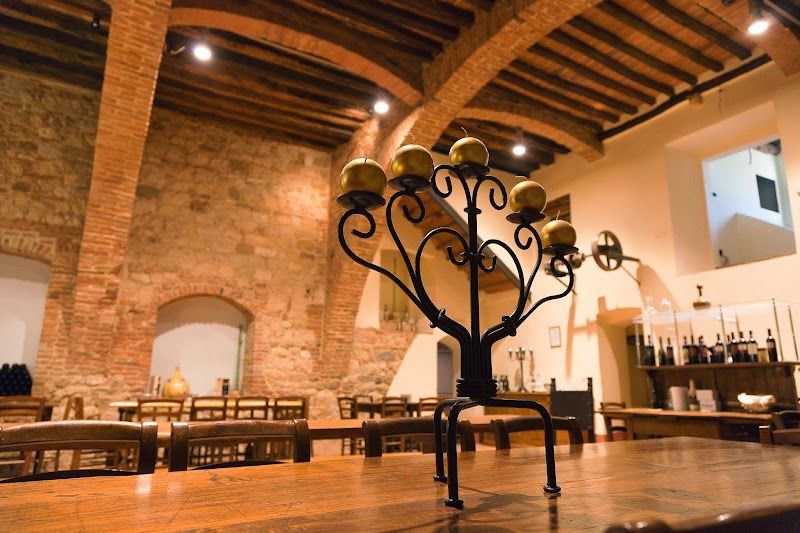
Cantine Gattavecchi occupies the underground cellars of a deconsecrated 13th-century church in Montepulciano, where you'll taste Vino Nobile wines surrounded by centuries-old stone walls. The cellars stretch through multiple levels carved from volcanic tufa, with some tunnels dating back to Etruscan times. You'll sample three to five wines depending on which tasting you choose, learning about the family's winemaking traditions that span six generations. The experience starts in the original church space above ground before descending into the labyrinthine cellars below. The temperature drops noticeably as you walk through narrow passages lined with aging barrels and bottles. Your guide explains the geology while you taste, pointing out where medieval monks stored communion wine and how the Etruscans first carved these tunnels. The stone walls create an almost cathedral-like acoustics that makes every explanation feel more dramatic. Most wine tastings in Montepulciano feel formulaic, but this one genuinely transports you. The basic tasting costs EUR 10 and includes four wines plus a brief cellar tour, which beats the EUR 15 to 20 you'll pay elsewhere for less atmosphere. Skip the expensive reserve tasting unless you're seriously considering buying bottles. The regular Vino Nobile selections show the terroir just as well, and you'll spend more time exploring the fascinating underground spaces.
E Lucevan Le Stelle
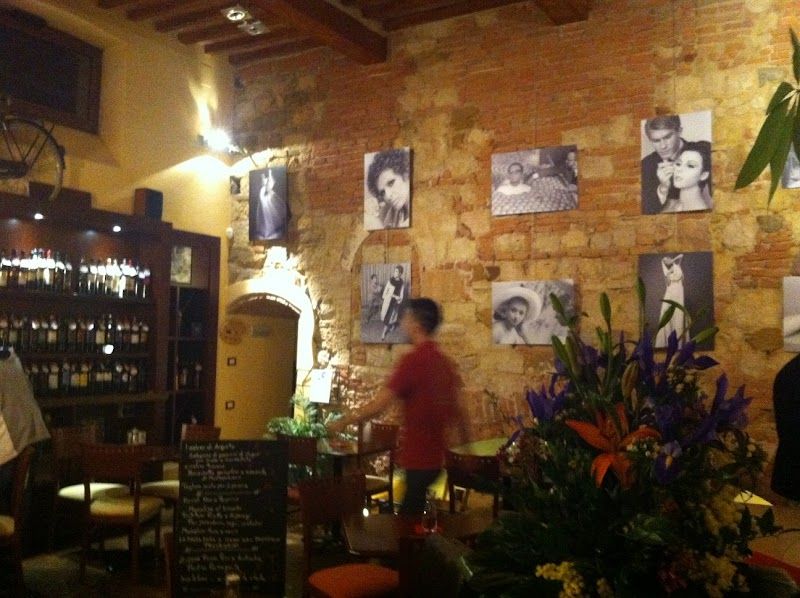
Intimate restaurant with a creative approach to Tuscan cuisine, housed in a historic cellar with vaulted ceilings. Chef prepares seasonal tasting menus that reimagine traditional dishes with modern techniques. The wine list showcases excellent local Vino Nobile alongside lesser-known regional producers.
Duomo di Montepulciano
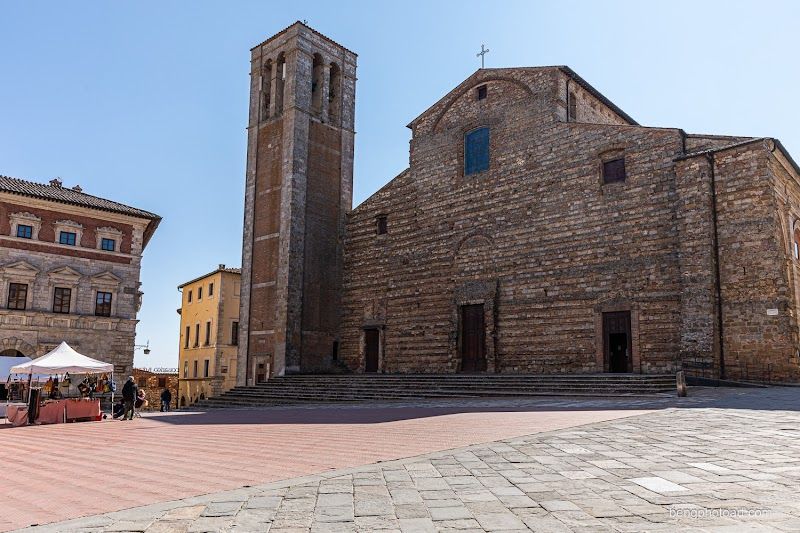
Montepulciano's cathedral sits at the heart of Piazza Grande, its deliberately unfinished brick facade hiding one of Tuscany's finest artistic surprises: Taddeo di Bartolo's stunning 1401 Assumption triptych. The massive altarpiece dominates the simple interior with brilliant blues and golds, showcasing Sienese Gothic painting at its peak. You'll also find scattered pieces of Michelozzo's Renaissance tomb for Bartolomeo Aragazzi, reassembled throughout the church after being dispersed for centuries. The contrast hits you immediately when you step inside: the plain brick exterior gives way to soaring white columns and that magnificent altarpiece drawing your eye straight to the altar. The space feels intimate despite its size, with morning light filtering through simple windows to illuminate the artwork. Most visitors spend their time photographing the triptych, but the tomb fragments deserve equal attention, each piece a masterwork of Renaissance sculpture scattered like puzzle pieces around the nave. Entry is free, which makes this one of the best cultural values in Montepulciano. Skip the audio guide (they don't offer one anyway) and focus your 20 minutes on the altarpiece and hunting down all five pieces of the Aragazzi tomb. Most tourists rush through after a quick photo, but the triptych rewards closer study: look for the detailed expressions in the crowd of apostles. The church closes for lunch from 12:30 to 3:30pm, so time your visit accordingly.
Il Rossellino
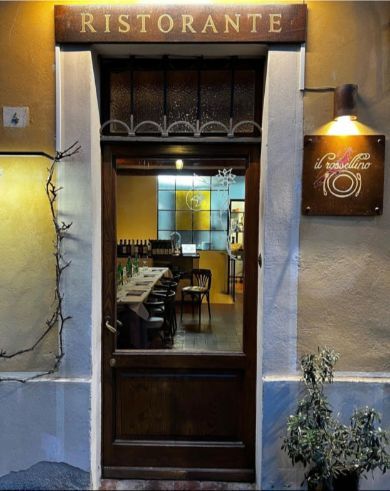
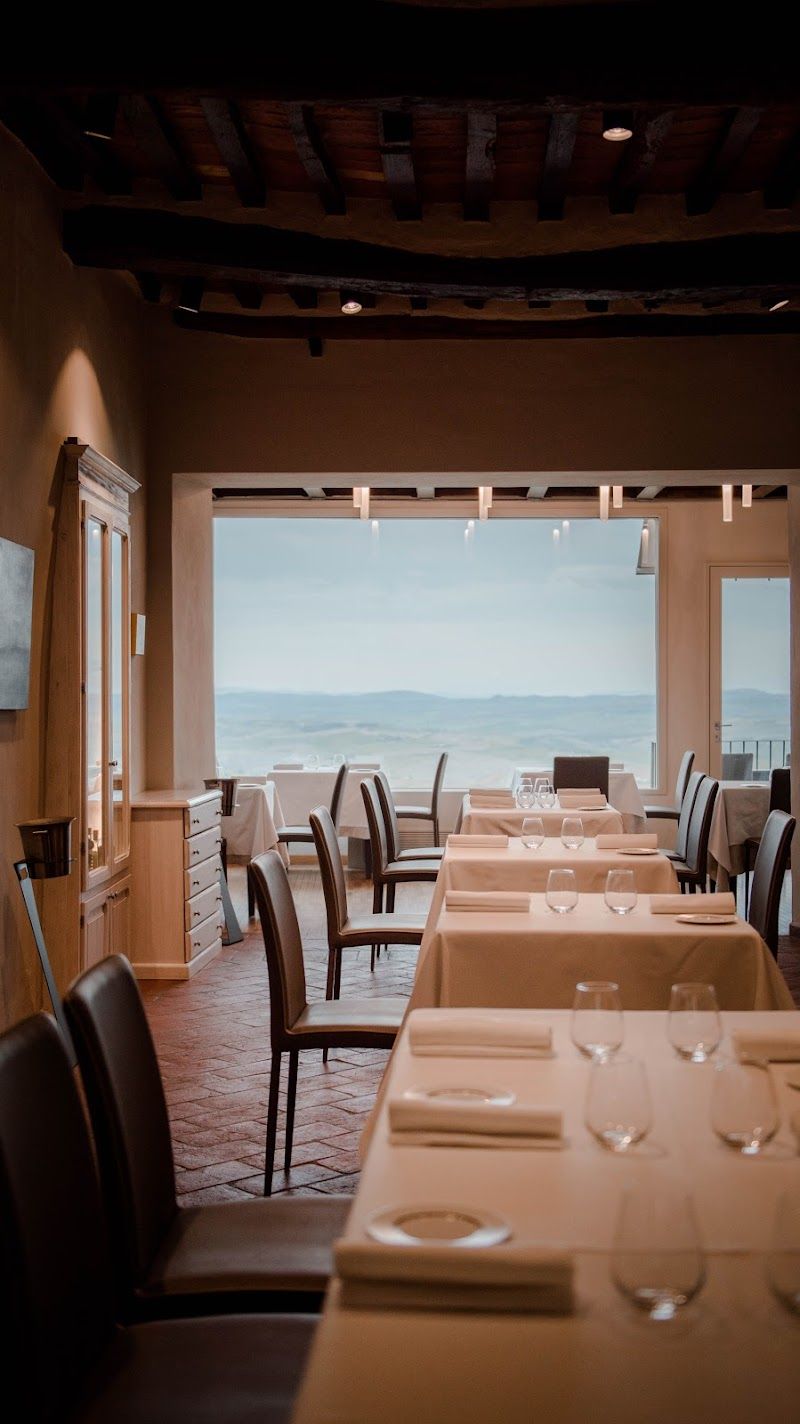
Small restaurant on Pienza's main square serving seasonal Tuscan menu with outdoor tables facing the Palazzo Piccolomini. Known for cacio e pepe with Pienza pecorino and pici all'aglione, a garlic and tomato sauce traditional to the valley. The kitchen sources lamb from Crete Senesi shepherds.
Osteria Osticcio
No-frills trattoria outside Montalcino walls frequented by local farmers serving generous portions of pici and roasted meats. The daily changing menu is handwritten on a chalkboard and lunch costs around EUR 15 for two courses and wine. The house red is poured from unmarked jugs filled at nearby farms.
Brunello Wine Tour
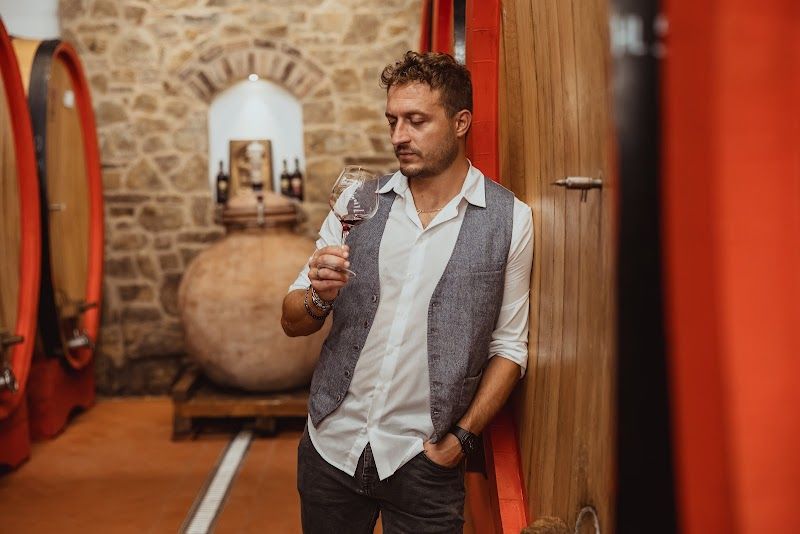
A guided wine tour of the Montalcino area visiting 2-3 Brunello producers with tastings at each estate. Tours typically include transport from Montalcino or Siena, visits to the vineyards and cellars, tastings of Brunello and Rosso di Montalcino, and often a light lunch or food pairing. EUR 80-150 per person for a half-day tour, EUR 120-200 for a full day. The major producers (Biondi-Santi, Il Poggione, Casanova di Neri, Banfi) require booking 2-3 days ahead. Smaller producers are more flexible. A guided tour provides context on why Brunello ages 4+ years, the difference between annata and riserva, and which producers represent the traditional vs modern styles.
Enoteca di Ghino
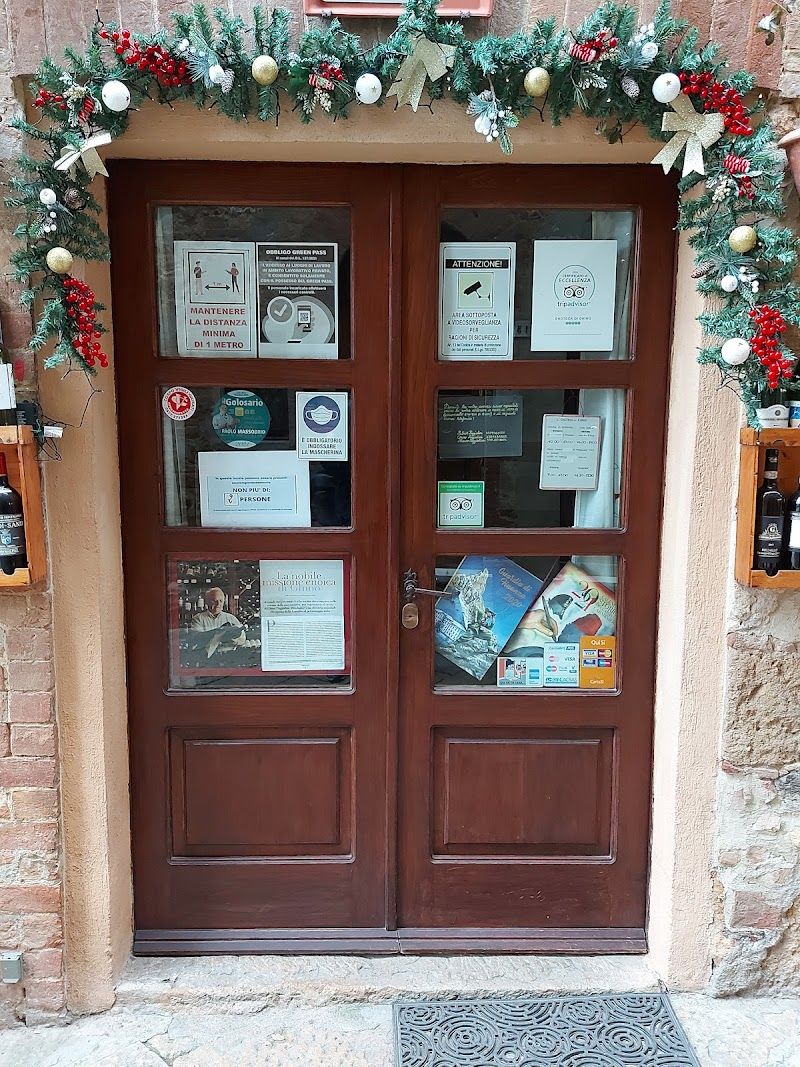
Enoteca di Ghino sits right on Pienza's main drag, Corso Rossellino, but don't let the touristy location fool you. Owner Ghino has created something genuinely useful here: side by side tastings that compare Vernaccia di San Gimignano with Brunello di Montalcino, starting at EUR 8. You'll actually learn the difference between these two Tuscan wines instead of just sipping randomly, and Ghino knows his stuff when it comes to explaining terroir and grape characteristics. The space is small and intimate, with wooden shelves packed floor to ceiling with local bottles. Ghino sets up your tasting at a simple counter where you can really focus on the wines without distractions. The comparison format works brilliantly because you're tasting both wines within minutes of each other, making the differences obvious even if you're not a wine expert. The atmosphere is relaxed and educational rather than pretentious. Most wine shops in Pienza are just tourist traps selling overpriced bottles, but this one actually teaches you something. The EUR 5 pecorino pairing is absolutely worth it because the cheese completely changes how both wines taste. Skip the expensive bottles for purchase here though, you can find the same wines cheaper at local supermarkets. Focus on the tasting experience, which is genuinely one of the better wine education experiences in Val d'Orcia.