First Time in Amsterdam: Everything You Need to Know
The honest guide to bike lanes, brown cafes, and eating dinner before 9 PM
The Honest First-Timer Briefing
Amsterdam is one of the easiest cities in Europe to visit and one of the hardest to do well. The easy part: it's compact, everyone speaks English, the tram system makes sense, and you can't walk 10 minutes without finding a cafe. The hard part: the best experiences require booking ahead, the bike lanes will punish you if you don't learn the rules fast, and the difference between a €5 tourist-trap waffle and a €3 fresh stroopwafel from the market is the difference between a forgettable trip and a great one.
This guide covers the things that nobody tells first-timers until they've already made the mistakes.
Getting Around
Forget the metro. Amsterdam has one, but it's mostly for getting to the suburbs. The trams are your best friend: lines 2, 5, and 12 cover most of what you'll want to see, and a GVB day pass costs €9. Contactless bank cards work on all trams and buses (just tap in and out), and there's a daily cap so you'll never overpay.
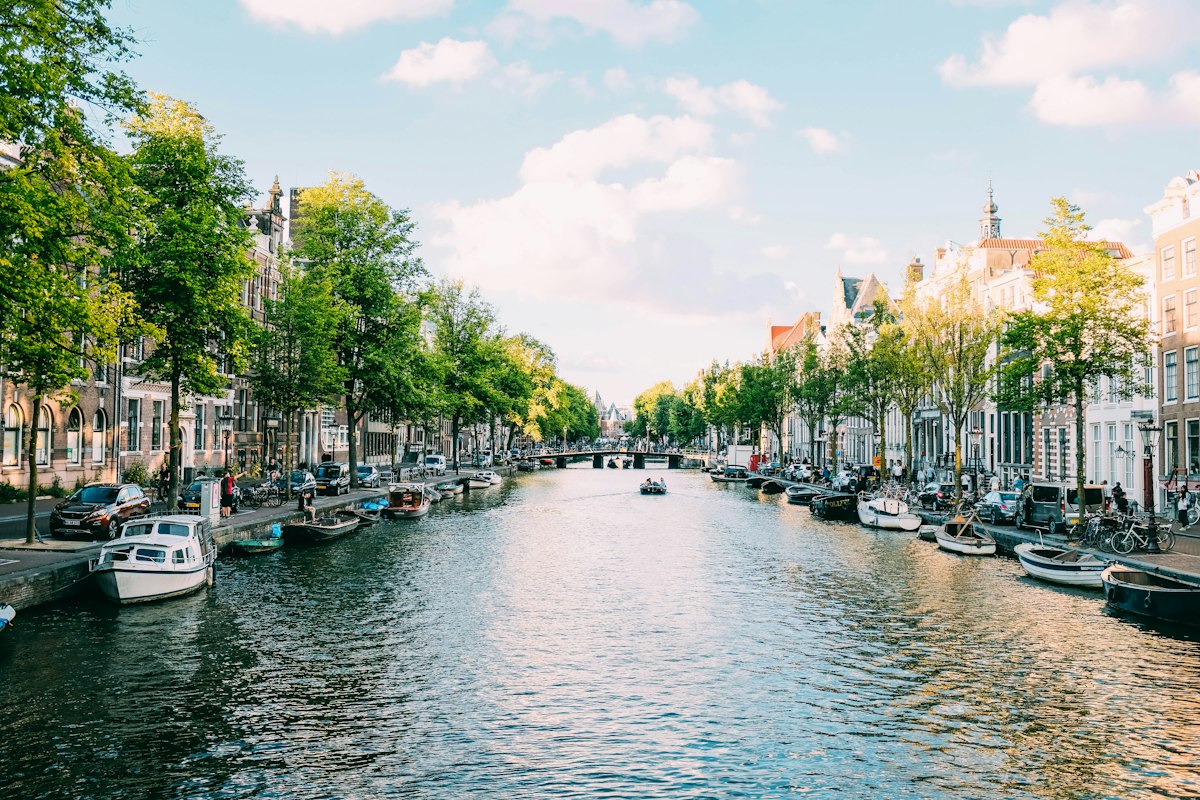
But honestly, rent a bike. This isn't a cute suggestion. It's how Amsterdam is designed to work. The canal ring is 3km across, and a bike turns a 40-minute walk into a 12-minute ride along the water. MacBike and Donkey Republic rent from €11-15/day. Avoid the red tourist bikes. They're heavy, overpriced, and Dutch people can spot them from a distance.
The bike rules are simple and non-negotiable: stay in the red-asphalt bike lanes, signal before turning left (stick your arm out), don't stop in the bike lane to check your phone, and absolutely do not walk in the bike lane. The Dutch will ring their bell aggressively and they will not swerve. You will learn this once.
The Eating Schedule
The Dutch eat dinner at 6 PM. Restaurants start winding down by 9:30 PM. If you're used to Barcelona's 10 PM dinners, this will feel absurdly early, but it's how Amsterdam works. Book dinner for 7 PM if you want options. By 8:30 many kitchens are closing.
Lunch is simple: a broodje (sandwich) from a bakery for €4-5, or a tostie (toasted sandwich) at a cafe for €7-8. The midday sit-down lunch culture doesn't really exist here the way it does in Paris or Rome.
The real food culture is the snacks. Bitterballen (deep-fried beef ragout balls, €5-7 for six) at any brown cafe. Herring from a market stand (€4, eat it standing up with onions and pickles like a local). Stroopwafels fresh from a market press (€3, eat immediately while the caramel is warm). Kaassoufflé from a FEBO automat wall (€2.50, it's fast food from a vending machine and it's a national institution. Try it once). And the Indonesian rijsttafel, 12-20 small dishes covering the entire spice spectrum, is Amsterdam's best food experience, period. Budget €35-45 per person at Restaurant Blauw.
Coffee Shops vs Cafes vs Brown Cafes
This confuses every first-timer and the Dutch find it endlessly amusing.
A "coffee shop" sells cannabis. The menu is on the wall, you can smoke inside, and the staff can explain the difference between strains. They also sell actual coffee and it's usually terrible. You don't have to visit one. Amsterdam has plenty more to offer. But if you're curious, the ones in the Jordaan are mellower than the tourist-heavy ones on Damrak.
A "cafe" is a normal cafe. Coffee, cake, maybe sandwiches. Exactly what you'd expect.
A "brown cafe" (bruine kroeg) is a traditional Dutch pub, called brown because the wood paneling has darkened from centuries of smoke. They serve beer, genever (Dutch gin), bitterballen, and conversation. These are Amsterdam's soul. Cafe 't Smalle, Cafe Papeneiland, and In 't Aepjen (in a building from 1519) are among the best. You order at the bar, pay when you leave (usually), and tip by rounding up.
When to Visit
Spring (April-May)
- -Tulip season. Keukenhof is open, the parks explode with colour, and King's Day (April 27) turns the entire city into an orange street party.
- -Weather is unpredictable but the good days are spectacular.
Summer (June-Aug)
- -Warmest, longest days, canal-side terraces at full capacity. Festival season. Grachtenfestival puts classical musicians on canal boats.
- -Hotels are most expensive. Book everything ahead.
Autumn (Sep-Oct)
- -Crowds thin, prices drop, the canal trees turn gold. The best time for museums without queues.
- -Bring layers and a rain jacket.
Winter (Nov-Mar)
- -Cold, dark, and surprisingly charming. Amsterdam Light Festival illuminates the canals November-January. Ice skating on Museumplein.
- -The cheapest hotels. Brown cafes feel even cozier with rain on the windows.
Common Mistakes
Not booking the Anne Frank House in time
Tickets release exactly two months before the visit date at 10 AM CET on Tuesdays. They sell out in minutes. Set an alarm. There is no walk-up, no standby, no charming your way in.
Walking in the bike lane
The red asphalt is a bike highway. Standing in it to take a photo is like stopping in the middle of a motorway to tie your shoe. The locals will ring their bell with a fury that suggests you've personally offended their ancestors.
Eating near Dam Square or Centraal Station
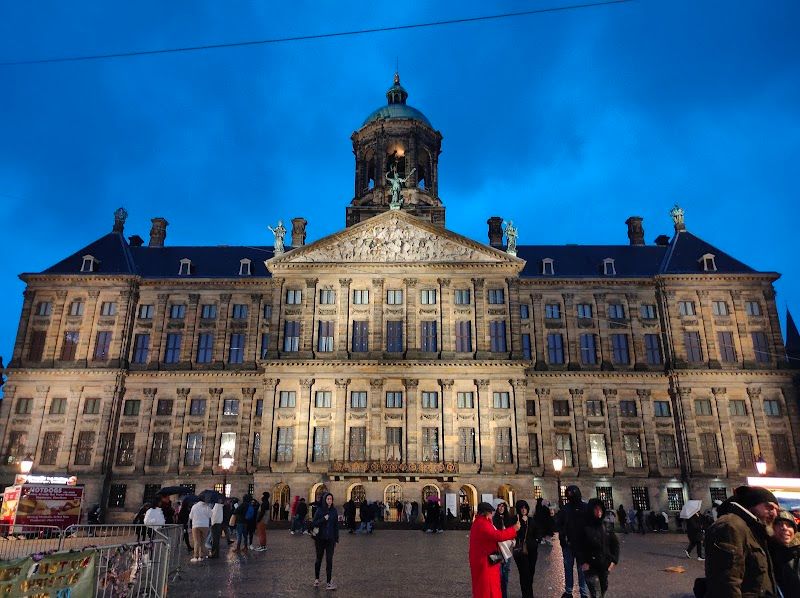
Tourist-trap Nutella pancakes for €14 and frozen kroket for €8. Walk 10 minutes in any direction, literally any direction, and the food improves by 300% and costs half as much.
Buying the I Amsterdam City Card without doing the maths
It costs €65 for 24 hours and includes a canal cruise and transport. But if you're only doing the Van Gogh (€20) and Rijksmuseum (€22.50) plus a boat tour (€15), you'd spend €57.50 separately. The card only pays off if you're cramming 3+ paid attractions into one day, which defeats the point of Amsterdam.
Skipping the brown cafes
These aren't tourist attractions and they won't appear on most guides. They're where Amsterdam actually lives. Walk into any one with dark wood paneling, order a beer and bitterballen, and sit for an hour. This is worth more than any museum.
Trying to see Amsterdam without a bike
You can walk everything, technically. But cycling the canal ring in the morning light, stopping when something catches your eye, and locking up for a spontaneous coffee: that's the Amsterdam experience. Walking is the backup plan.
What Nobody Tells You
The tap water is excellent and free at restaurants. Just ask for "kraanwater." Don't pay €4 for a bottle of Spa.
Dutch directness isn't rudeness. When a waiter says "no, we're full" without smiling, they're being honest, not hostile. You'll start to appreciate it by Day 2.
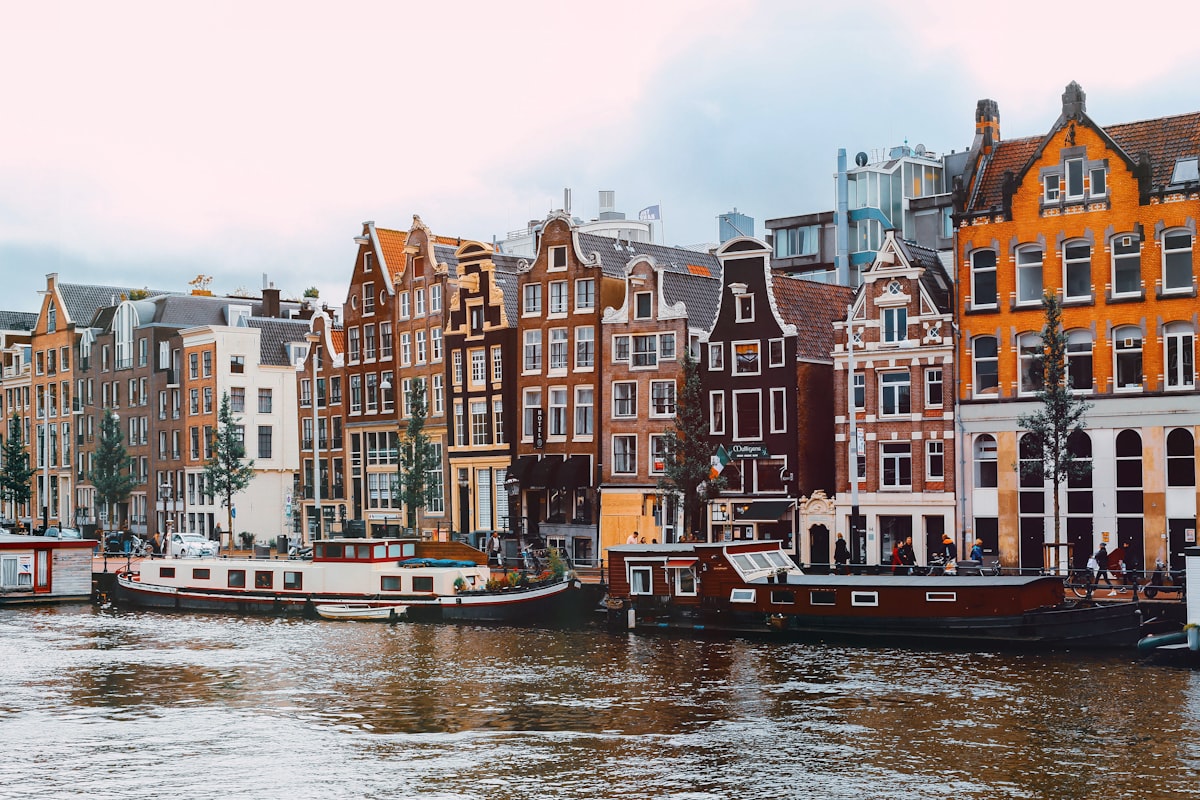
The houseboats on the canals are real homes. Don't walk on them or take close-up photos of people's living rooms. They deal with enough tourists already.
Free ferry to Amsterdam Noord runs behind Centraal Station every 5 minutes. There's no ticket, no queue, and you can bring your bike. Most tourists never go north and they're missing some of the best bars and restaurants in the city.
Genever (Dutch gin) is not regular gin. Order an "oude genever" at a brown cafe. It's maltier, sweeter, and served in a tulip glass filled to the rim. The first sip is taken by bending down to the glass on the bar without lifting it. This is tradition, not a party trick.
Ready to Visit Amsterdam?
Get a personalized itinerary tailored to your travel style and interests.
Plan Your Amsterdam Trip