
Netherlands
Amsterdam
Canals, bikes, Vermeer, and brown cafes that haven't changed since your grandparents were born
Best Time
April-May for tulips, June-September for weather
Ideal Trip
3-4 days
Language
Dutch (everyone speaks English)
Currency
EUR
Budget
EUR 42-106/day (excl. hotel)
About Amsterdam
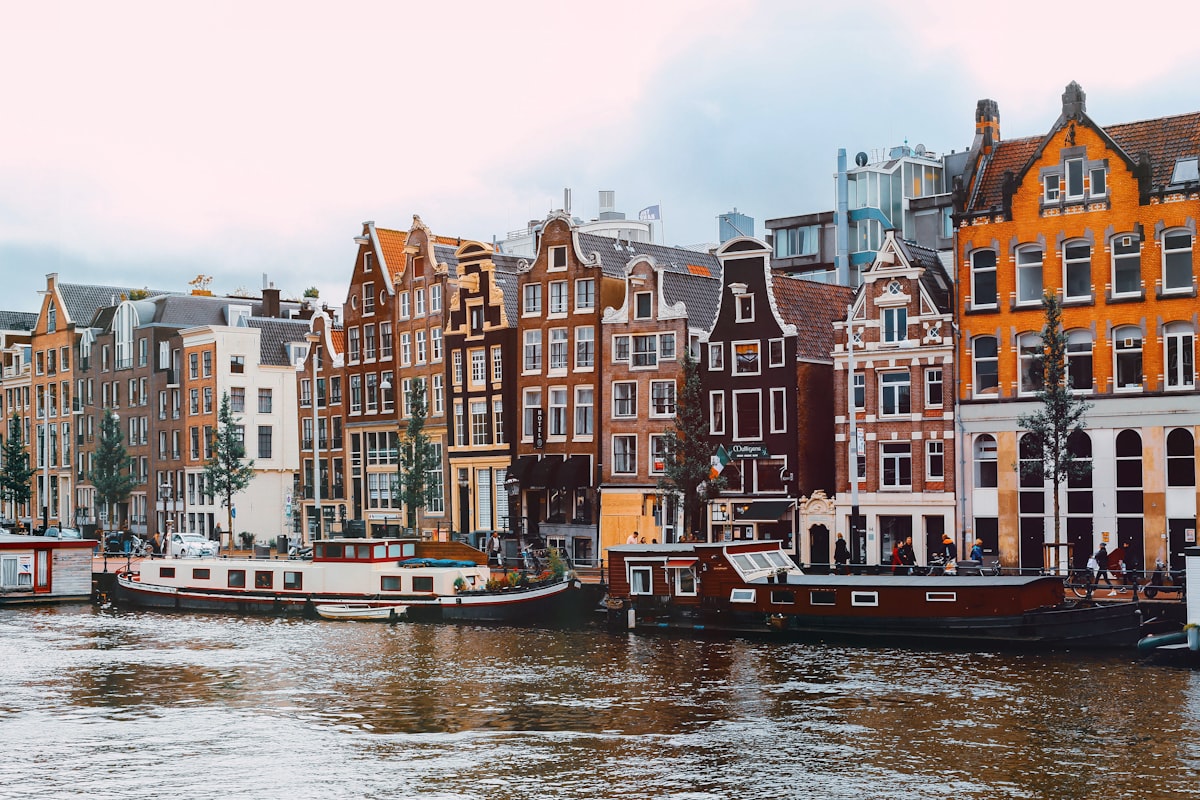
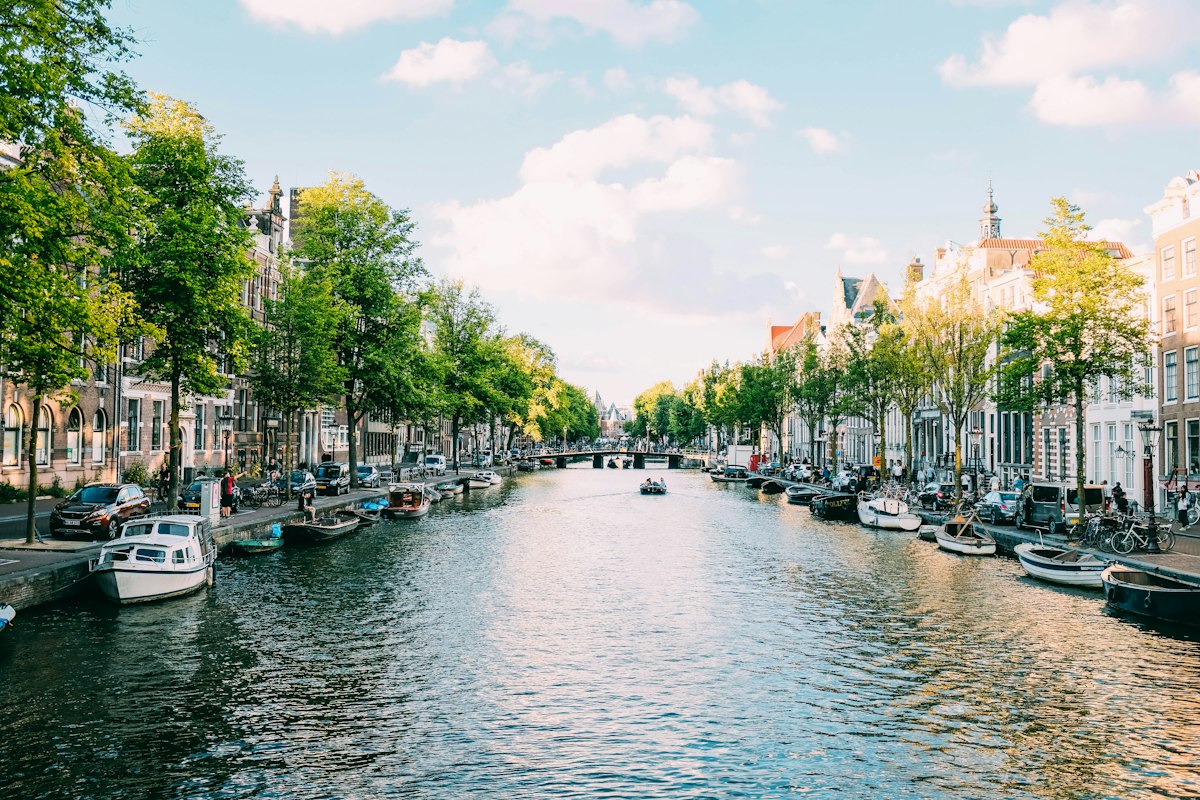
Amsterdam is a city built on water, bikes, and the quiet confidence that comes from turning a swamp into one of Europe's most livable capitals. The canal ring, a UNESCO World Heritage Site since 2010, still looks like a Vermeer painting on a good day: light hitting the gabled facades, houseboats bobbing at the edges, someone cycling past with a crate of tulips strapped to the rack.
But this is not a museum city. The Jordaan, once a working-class district, is now where you'll find Saturday markets, independent galleries, and brown cafes (bruine kroegen) where the wood paneling has been absorbing smoke and conversation for three hundred years. Cross the IJ to Noord and the landscape shifts: repurposed shipyards, rooftop bars, and Europe's largest open-air flea market at NDSM Wharf.
The cultural weight punches above the city's compact size. The Van Gogh Museum holds the world's largest collection of his work. The Rijksmuseum's Gallery of Honour leads to Rembrandt's Night Watch. The Stedelijk delivers contemporary art in a building locals call "the bathtub." And all three sit within a five-minute walk of each other on Museumplein.
Amsterdam runs on pragmatism and tolerance, two qualities that explain everything from the bike infrastructure (more bikes than people, 767 km of dedicated lanes) to the coffeeshop culture to the fact that you can have a Surinamese roti, an Indonesian rijsttafel, and a fresh herring from a market stall all in the same afternoon. Pack layers. It will rain. You won't care.
Neighborhoods
Each district has its own personality
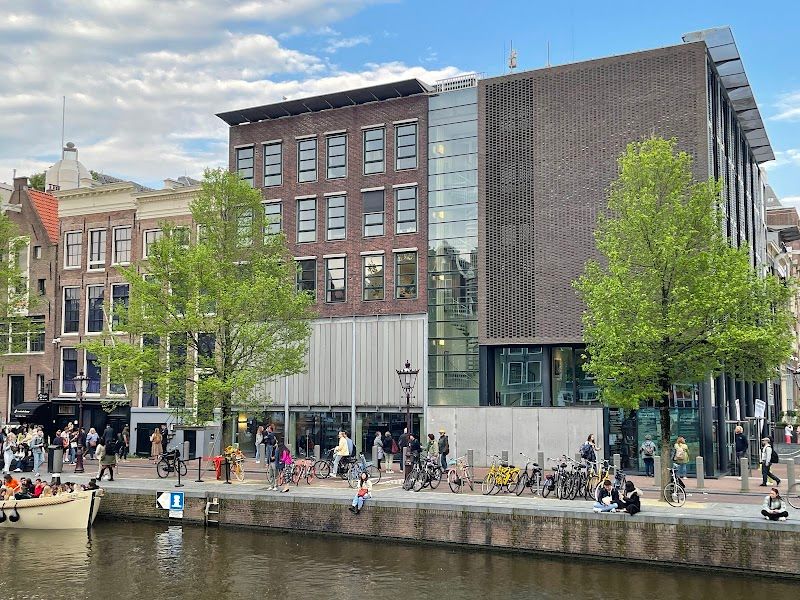
Jordaan
Prettiest canal streets, brown cafes, Saturday markets, galleries in former warehouses
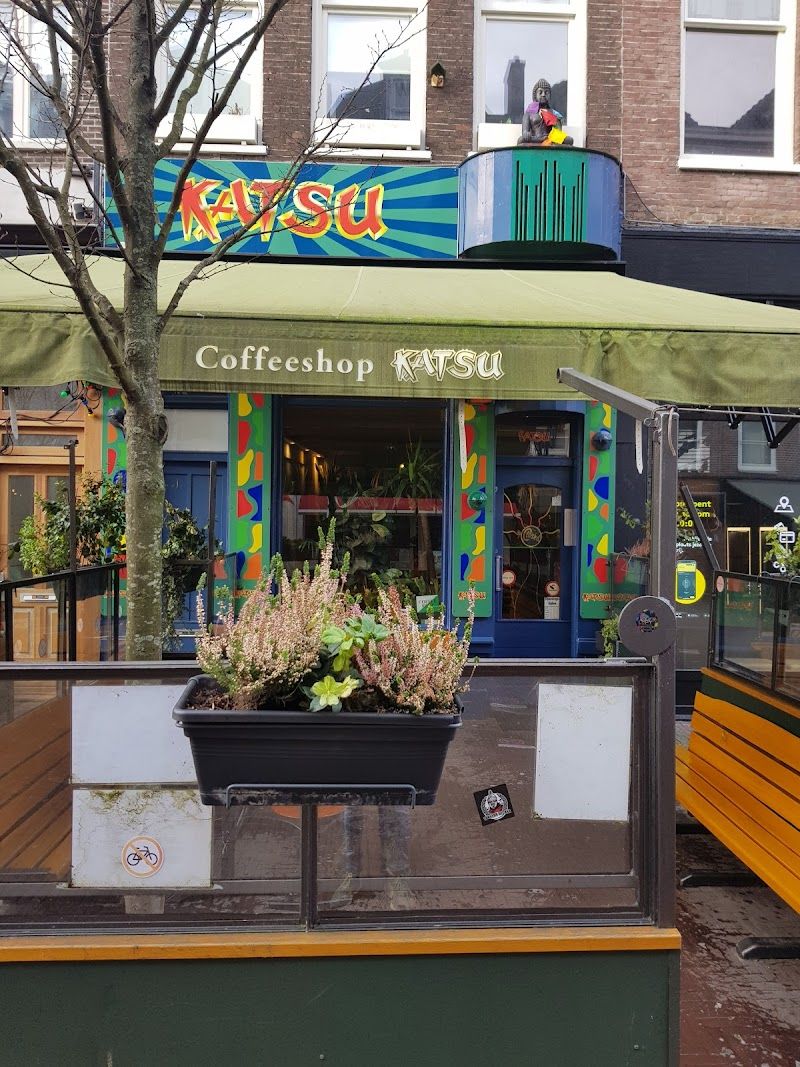
De Pijp
Albert Cuyp Market, multicultural food scene, Heineken Experience adjacent, young professional crowd

Canal Ring (Grachtengordel)
UNESCO-listed canals: Herengracht, Keizersgracht, Prinsengracht

Museum Quarter (Museumplein)
The cultural heavyweight stretch: Van Gogh, Rijksmuseum, Stedelijk, Vondelpark
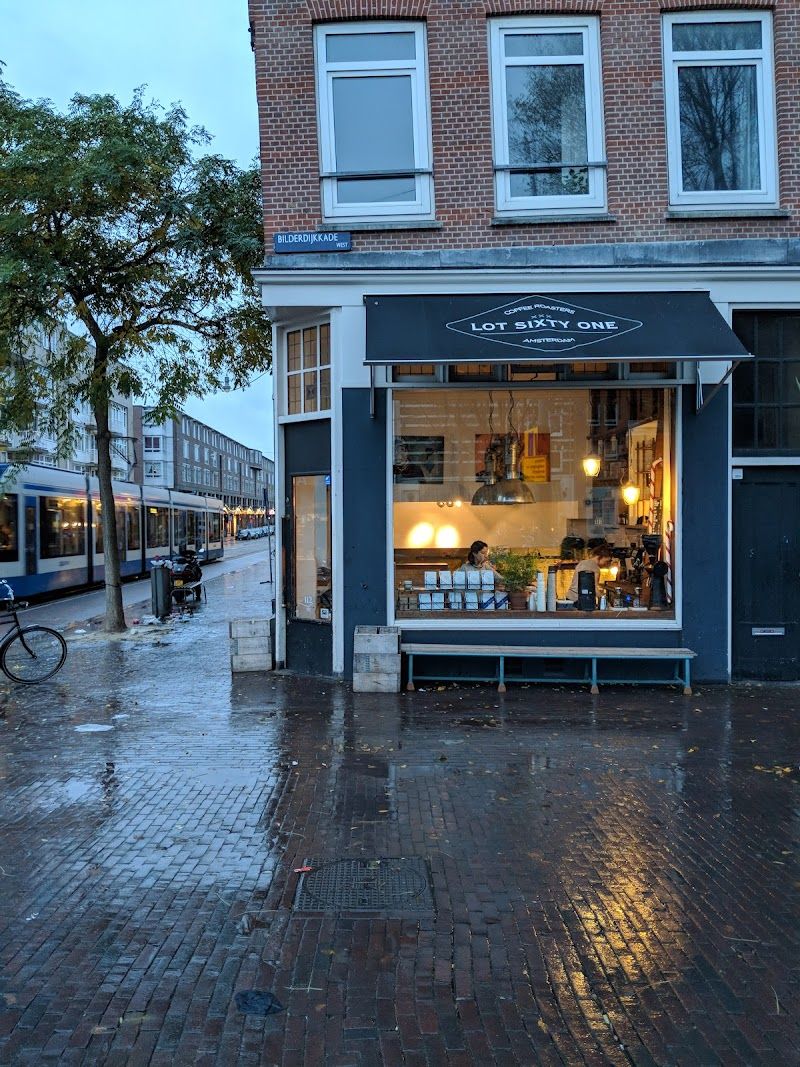
Oud-West
De Foodhallen, Vondelpark's western edge, locals' cafes, the neighborhood Amsterdammers actually recommend
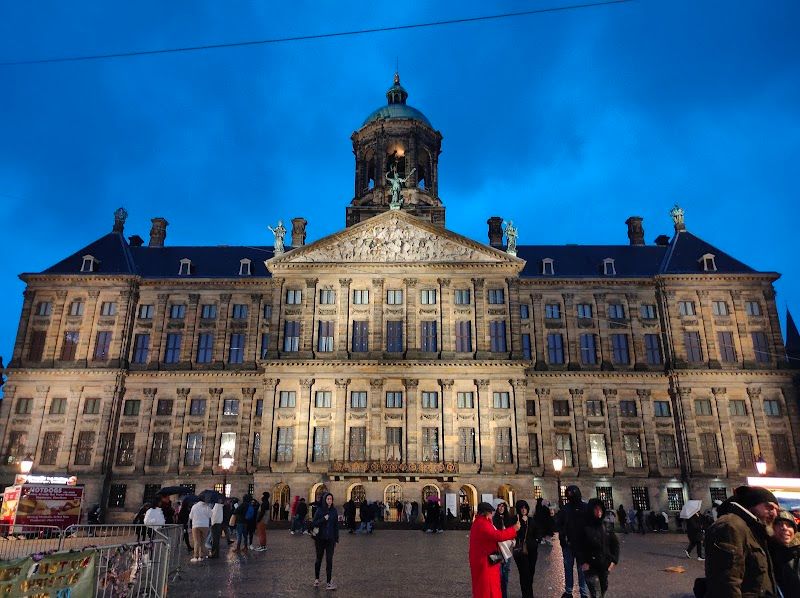
Centrum
Dam Square, Royal Palace, Nieuwe Kerk, Red Light District, Central Station
Things to Do
Top experiences in Amsterdam
De Negen Straatjes
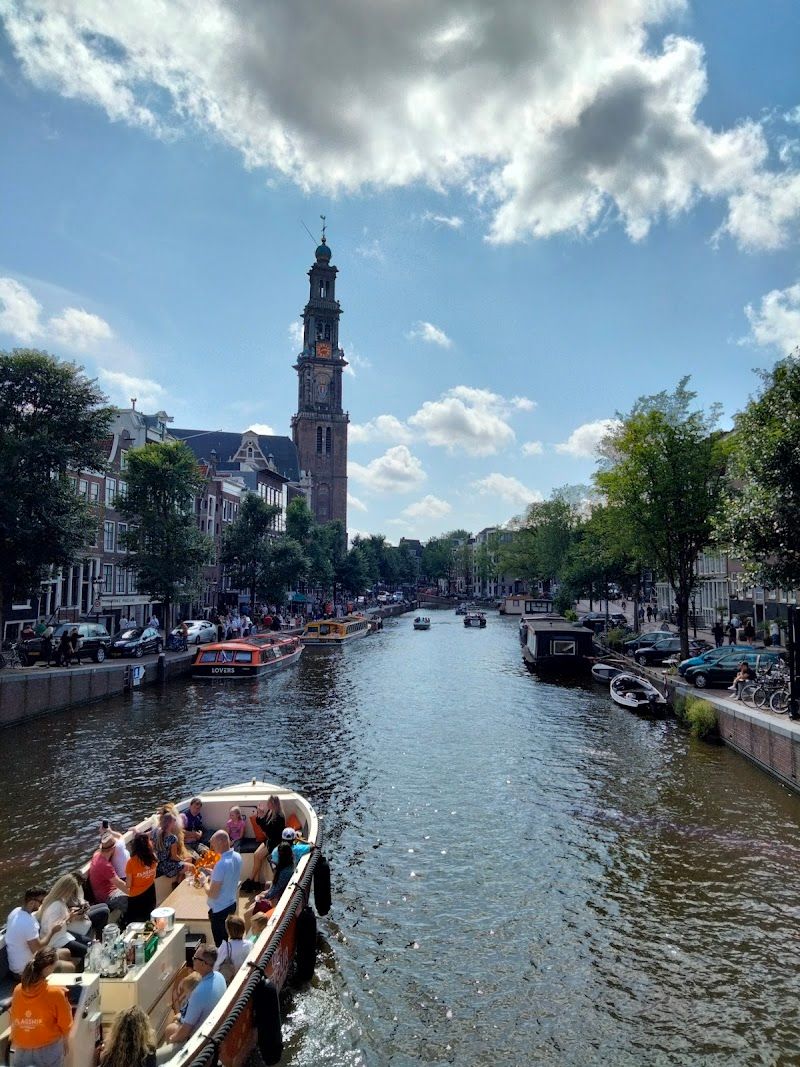
Nine picturesque streets connecting the three major canals (Prinsengracht, Keizersgracht, Herengracht) in the city center, packed with independent boutiques, vintage shops, specialty stores, and cafes. Each street has its own character: Reestraat for fashion, Huidenstraat for homeware and design, Gasthuismolensteeg for vintage. The canal crossings between streets give you postcard views in every direction. These nine streets occupy some of the most expensive real estate in Amsterdam, but somehow most of the shops remain independent rather than chain. You'll find a perfumer who's been blending custom scents for 30 years next to a cheese shop that's been in the same family for generations. The vintage clothing stores are genuinely good, not the picked-over tourist-bait you find elsewhere. Laura Dols on Wolvenstraat specializes in vintage evening wear and is worth a visit even if you're not buying. The Nine Streets are also a strong lunch and coffee stop. Screaming Beans on Hartenstraat does excellent specialty coffee. The Pancake Bakery on Prinsengracht (technically one block north) serves the Dutch pancakes you're supposed to try at some point. Plan to spend a couple of hours wandering. The streets are short, so you can cover all nine at a comfortable pace. Most shops close on Mondays, and Sundays are quieter than Saturday. Visit Tuesday through Saturday for full access to everything.
Ten Katemarkt
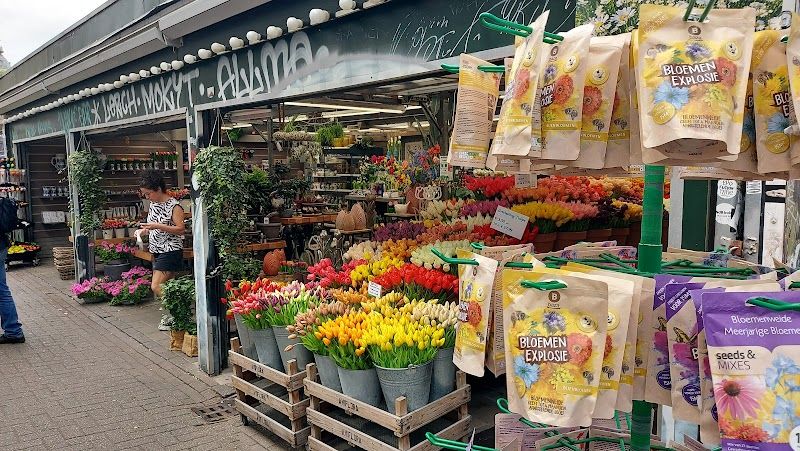
One of Amsterdam's most authentic neighborhood markets, stretching along Ten Katestraat in Oud-West. It has been running since 1908 and serves the local community rather than tourists, which means the prices are real, the produce is fresh, and the vendors know their regulars by name. The market reflects the multicultural makeup of Oud-West, with stalls selling Turkish bread, Surinamese vegetables, Moroccan spices, and Dutch cheese side by side. The food stalls are the highlight. The Surinamese roti near Kinkerstraat is some of the best in Amsterdam. The fish stall does excellent kibbeling (battered fried cod) with garlic sauce. The cheese vendors will let you taste before buying, and the bread stalls bake fresh that morning. It's smaller and less overwhelming than Albert Cuyp Market, which makes it easier to browse without feeling like you're in a tourist funnel. The market runs Monday through Saturday. Saturday morning is the liveliest, when the Foodhallen indoor food court (a 2-minute walk on Bellamyplein) is also open and you can combine the two. Ten Katemarkt is surrounded by good everyday shops and the neighborhood feel of Oud-West, which is rapidly becoming one of Amsterdam's most interesting residential areas. This is where Amsterdammers actually shop. No tulip magnets, no wooden clogs, just good produce and honest prices.
Rijksmuseum
The national museum of the Netherlands, and the Gallery of Honour is the reason to come. The long corridor of Golden Age masterpieces leads to Rembrandt's Night Watch at the far end, restored and rehung in 2023 in its own dedicated room with controlled lighting. Vermeer's Milkmaid and The Little Street are here too. The building itself, a Pierre Cuypers cathedral of art from 1885, is worth the visit for the architecture alone. The bike tunnel running through the building is pure Amsterdam. The collection spans 800 years, from medieval religious art through the Dutch Golden Age to 20th-century design, but the second floor is where you'll spend most of your time. The Vermeer room groups several paintings together, and after the 2023 exhibition that reunited nearly every Vermeer on earth, they've kept the improved display. The Delftware collection on the ground floor is unexpectedly fascinating, blue-and-white pottery telling the story of Dutch trade with China and Japan. Budget at least three hours. The museum is enormous (80 galleries, 8,000 objects on display) and trying to see everything in one visit will exhaust you. Instead, pick two or three periods that interest you and go deep. The Rijksmuseum gardens are free to enter and hide several sculptures and a nice cafe. The library reading room on the first floor, with its spiral staircase and floor-to-ceiling bookshelves, is one of the most photographed rooms in the Netherlands and completely free to walk into.
Van Gogh Museum
The largest collection of Van Gogh's work on earth houses more than 200 paintings and 500 drawings, arranged in a chronological order that shows his style evolve from the dark potato-eating peasants of Nuenen to the swirling skies of Saint-Remy. The museum handles crowds by limiting entry to timed slots, but it often sells out weeks ahead. Booking the earliest morning slot (usually 9 AM) allows you to have the galleries nearly to yourself for the first 45 minutes. Begin on the second floor with the self-portraits and work down. The chronological layout is the primary point: you see him teaching himself to paint in the Netherlands, discovering colour in Paris, losing his mind in Arles, and producing his most notable work during his final years. The Bedroom at Arles, Sunflowers, Almond Blossom, and Wheatfield with Crows are all on display. The letters to his brother Theo are displayed alongside the paintings and provide context. You realize he wasn't some tortured genius working in isolation; he was a thoughtful, articulate person who analyzed his own process obsessively. The museum building was designed by Gerrit Rietveld in 1973 and is connected to a newer wing by Kisho Kurokawa. The temporary exhibitions on the ground floor are consistently good, usually pairing Van Gogh with his contemporaries or influences. The museum shop is genuinely good, offering products beyond the usual tote-bag-and-magnet range. Allow two to three hours for your visit. Tickets cost €20, and the Friday evening sessions run until 9 PM with a bar and a DJ in the lobby.
Anne Frank House
The actual house where Anne Frank and her family hid for over two years during the Nazi occupation. The annex behind the canal house at Prinsengracht 263 is preserved as it was: the bookcase that concealed the entrance, the rooms where eight people lived in silence during working hours, the pencil marks on the wall tracking the children's growth. The diary quotes on the walls hit differently when you're standing where she wrote them. This is not entertainment. It is witness. Tickets are the hardest reservation in Amsterdam. They release online exactly two months before the visit date at 10 AM CET on Tuesdays, and popular dates sell out within minutes. This is not an exaggeration. Set a phone alarm for 09:58 CET on the Tuesday they release for your dates, have the website loaded, and be ready to click. There is no walk-up entry, no standby line, no way to talk yourself in. If you miss the tickets, you miss the house. It costs €16 for adults, free for under-10s, and every slot is timed to keep the space from becoming overcrowded. The visit takes about an hour. You move through the front house, through the bookcase entrance, and into the annex rooms in the order the family experienced them. The audio guide is included and worth using. It layers diary entries over the rooms you're standing in. The museum section at the end covers what happened after the arrest and the diary's journey to publication. Most people are quiet throughout. Some are crying. The gift shop at the exit sells the diary in dozens of languages for €12. If you haven't read it, buy it here. It matters more after you've stood in her room.
Vondelpark
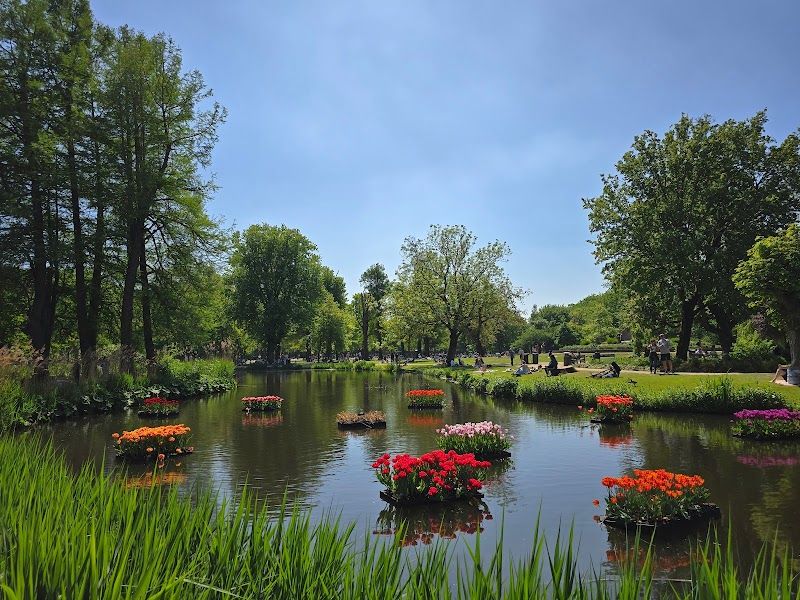
Amsterdam's largest park at 47 hectares, and the city's living room. On any warm day, half of Amsterdam is here: cycling through, having picnics, watching free performances at the open-air theatre in summer, or just lying in the grass staring at the sky. The park runs east-west, with the Museum Quarter at the eastern entrance and Oud-West along the southern edge. The rose garden has 70 species and peaks in June. The Blauwe Theehuis (Blue Tea House) in the center is the classic meeting spot. The park was designed in 1865 as a private garden for wealthy residents, went public in the 1950s, and by the 1970s had become the legendary campsite and gathering place of the hippie trail. Today it is beautifully maintained. The ponds, bridges, and winding paths create the illusion of much more space than 47 hectares. The southern section near the music dome is the quietest. The western end has a large playground and paddling pool that fills up with families on warm weekends. The Openluchttheater (Open Air Theatre) runs free concerts, comedy, and theatre performances from June through August, and it is one of Amsterdam's best-kept secrets. Shows range from classical music to hip-hop to children's theatre, and you simply show up and sit down. The park is also a legitimate cycling corridor. Thousands of commuters cut through it daily, so stick to the walking paths if you want to avoid becoming a speed bump. On King's Day (April 27), the park becomes Amsterdam's biggest outdoor party.
NEMO Science Museum
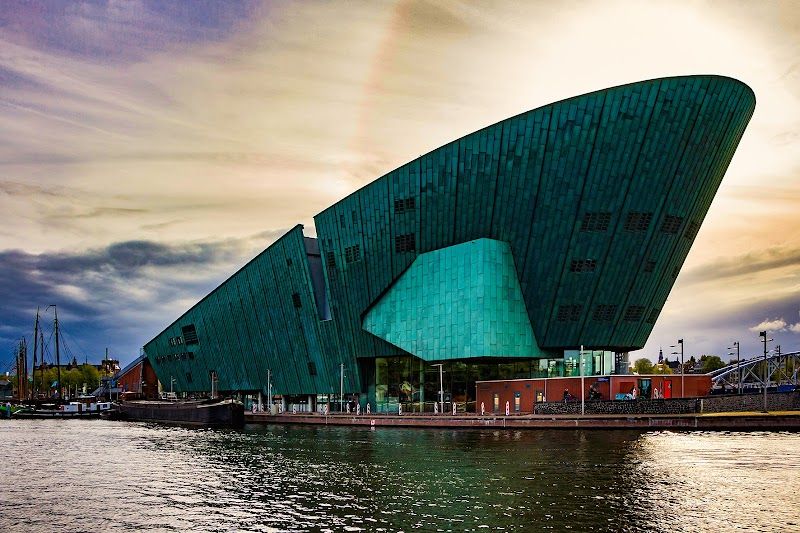
The green copper building shaped like a ship's hull on the eastern docklands is Amsterdam's hands-on science museum. Five floors of interactive exhibits cover energy, technology, the human body, and for some reason, a very popular "teenager exhibition" about puberty. Kids can touch everything. The rooftop terrace (free access, no ticket needed) has the best open view in Amsterdam: 360 degrees of canal ring, IJ waterway, and Central Station. EUR17.50 entry, free for under-4s.
Artis Royal Zoo
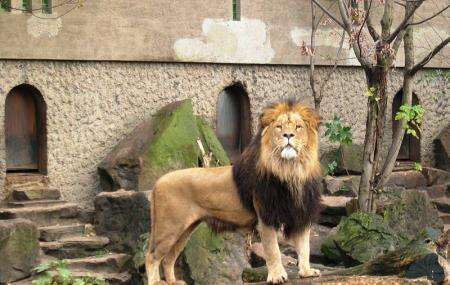
One of the oldest zoos in Europe, founded in 1838, set in landscaped grounds in the Plantage district. Artis is more than a zoo: the aquarium building dates from 1882, the planetarium runs daily shows, and the Micropia museum next door (separate ticket) is the world's only museum dedicated to microbes. The animal collection includes African elephants, giraffes, jaguars, and a walk-through butterfly house. Genuinely well-run, with visible conservation efforts.
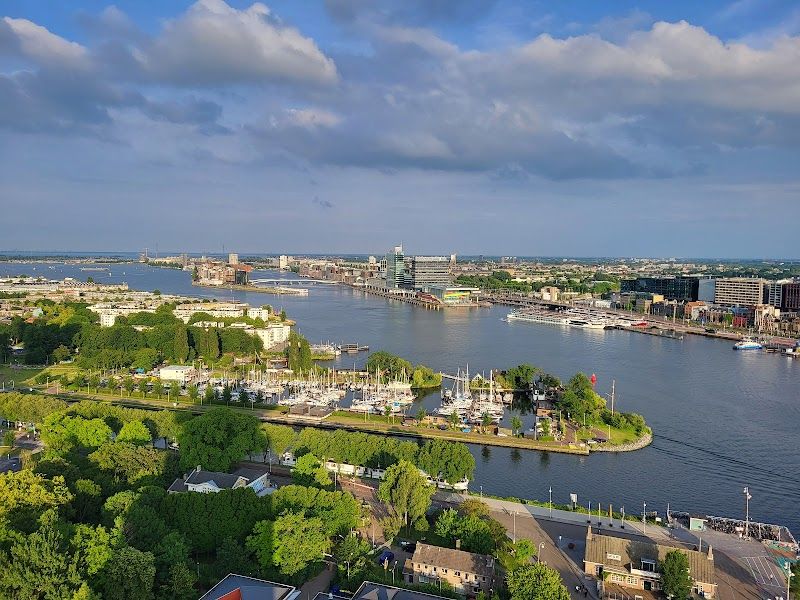
A'DAM Lookout
Observation deck atop the A'DAM Tower offering 360-degree views from 100 meters high, with Amsterdam's historic center on one side and the harbor on the other. Europe's highest swing 'Over the Edge' dangles you over the building's edge. The skybar and rotating restaurant occupy the same floor.
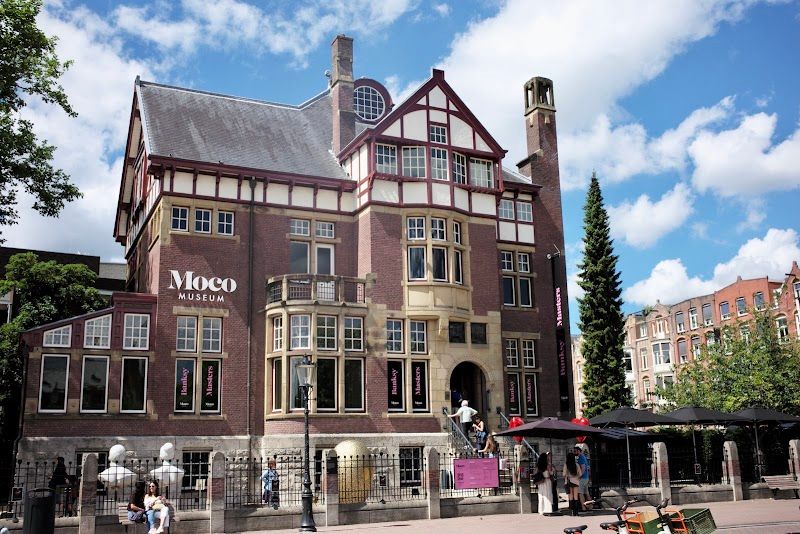
Moco Museum
Modern and contemporary art museum in a 1904 townhouse featuring Banksy, Basquiat, Haring, and immersive installations. The collection focuses on rebellious and subversive artists who challenge conventions. Special exhibitions rotate regularly, and the digital art room provides Instagram-worthy experiences.
Royal Palace Amsterdam
Built as the city hall during the Dutch Golden Age, converted to a royal palace by Napoleon's brother Louis in 1808, and still used for state receptions today. The Citizens' Hall on the ground floor has a marble floor inlaid with maps of the world as the Dutch saw it: Amsterdam at the center, with the Eastern and Western hemispheres spread beneath your feet. The chandeliers, the Atlas carrying the globe, and the sheer scale of the interior are genuinely impressive. The building was designed by Jacob van Campen in 1648 and required 13,659 wooden piles driven into the sandy soil to support its weight (every Dutch schoolchild knows this number). The architect intended it to rival the great buildings of Rome, and he pulled it off. The magistrates' chambers, the tribunal, and the bankruptcy room (yes, they had one) are all preserved. The paintings on the walls and ceilings by Ferdinand Bol and Govert Flinck tell the story of Amsterdam's rise as a trading power, with a healthy dose of civic pride and mythological allegory. Entry is €12.50, the audio guide is included and worth using, and the palace is rarely crowded. The contrast between this and other European palaces is striking. There is no Versailles-level gilt and spectacle here. The decoration is restrained, Protestant, and focused on civic duty rather than royal ego. It tells you everything you need to know about Dutch values in the Golden Age. Check opening hours before visiting, as the palace closes without notice for state events.
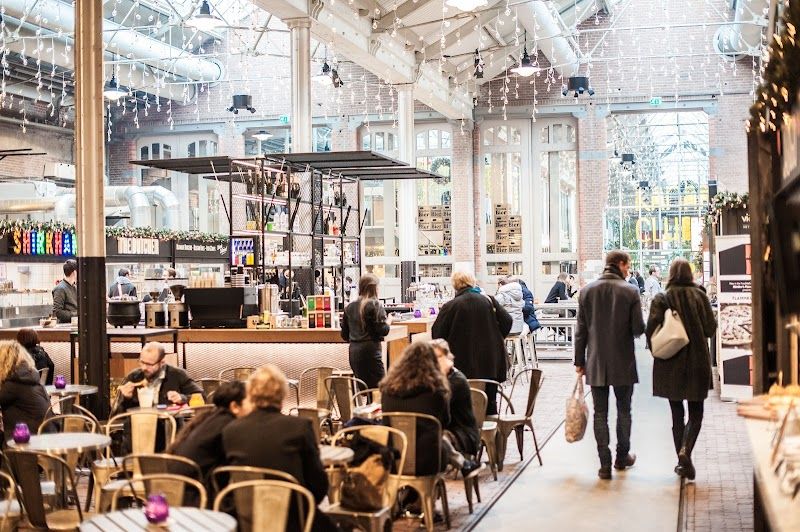
De Hallen Foodhallen
Indoor food market with 21 stalls serving everything from Vietnamese banh mi to Argentinian empanadas. The converted tram depot has communal seating and a lively atmosphere on weekends.
Travel Guides
Expert guides for every travel style
Best of the Jordaan: A Walking Guide
12 min read
Where to Eat in Amsterdam: A Neighborhood Food Guide
14 min read
First Time in Amsterdam: Everything You Need to Know
15 min read
Amsterdam with Kids: Family-Friendly Guide
14 min read
5 Days: The Complete Amsterdam Experience
16 min read
3 Days in Amsterdam: First-Timer's Itinerary
12 min read
From the Journal
Amsterdam vs Copenhagen: Which Northern European Capital Wins Your Trip
Amsterdam's canal ring versus Copenhagen's harbor front - we break down costs, culture, and which city deserves your limited vacation time in northern Europe.
Amsterdam Daily Budget: Real Costs for Food, Transport, and Activities in 2024
Amsterdam costs EUR 50-180 per day depending on your choices. We break down real prices for food, transport, museums, and hotels to help you plan your actual budget.
Practical Tips
Stay in the bike lane (the red asphalt), signal left turns with your hand, never stop in the bike lane, and lock with two locks minimum. Rent from MacBike (EUR 20/day) or Donkey Republic (EUR 18/day). Standard bikes now cost EUR 18-25/day across the city. Skip the Red bikes, they scream tourist.
Van Gogh Museum and Anne Frank House sell out weeks ahead. Book the moment slots open. Anne Frank House releases tickets on a rolling 8-week basis at 10:00 AM CET and they disappear in minutes. At EUR 16, tickets are relatively affordable but nearly impossible to get without planning. Rijksmuseum at EUR 22.50 is easier to book but still reserve online to skip the entrance queue.
Get a GVB day pass (EUR 8.5) for unlimited trams, buses, and metro. Trams are king for getting around. The metro has 5 lines including the Noord-Zuidlijn. The free ferry to Noord runs 24/7 from behind Centraal Station and takes 5 minutes.
A 'coffee shop' means cannabis. A 'cafe' means coffee. A 'brown cafe' (bruine kroeg) means old-school pub. Getting these confused is practically a rite of passage for first-timers.
Dress in layers and bring a rain jacket. Amsterdam can serve you four seasons in a single afternoon. This is not Southern Europe. The wind off the canals adds a chill even in summer.
Frequently Asked Questions
Three to four days hits the sweet spot. Day 1 for the museums (Van Gogh + Rijksmuseum), Day 2 for the canals and Jordaan, Day 3 for Noord and De Pijp. A fourth day lets you add a day trip to Haarlem (15 minutes by train) or Zaanse Schans windmills.
Mid-range by European standards. A meal out runs EUR25-40, coffee is EUR2.5-4.5, museum entry EUR16-22.5. Hotels average EUR150-250/night. Save money with GVB day passes (EUR8.5), market lunches (Dutch cheese EUR3-6, stroopwafels EUR2-4), and free ferries to Noord.
Very safe overall. The main risks are bike theft (always double-lock), pickpockets in crowded tourist areas near Centraal and Dam Square, and cycling accidents if you wander into bike lanes on foot. Watch for fake monks and 'did you drop this ring?' scams.
Do the math before buying. It covers major museums and transport, but if you're only visiting 2-3 museums, individual tickets plus a GVB pass often cost less. The card pays off if you're hitting 4+ museums in 2 days.
Direct train to Amsterdam Centraal takes 15 minutes and costs EUR5.4 with OV-chipkaart. Trains run every 10 minutes from 6 AM to midnight, and hourly overnight. Taxis cost EUR45-60 and take longer during rush hour.