
Amsterdam
Oud-West
De Foodhallen, Vondelpark's western edge, locals' cafes, the neighborhood Amsterdammers actually recommend
About Oud-West
Oud-West is the neighborhood Amsterdammers recommend when you ask where they actually eat and drink. It sits just west of Vondelpark, close enough to the Museum Quarter to be convenient but far enough from the tourist routes to feel like a different city. The streets around Kinkerstraat and Overtoom have the concentration of good restaurants, cafes, and bars that tourists miss entirely.
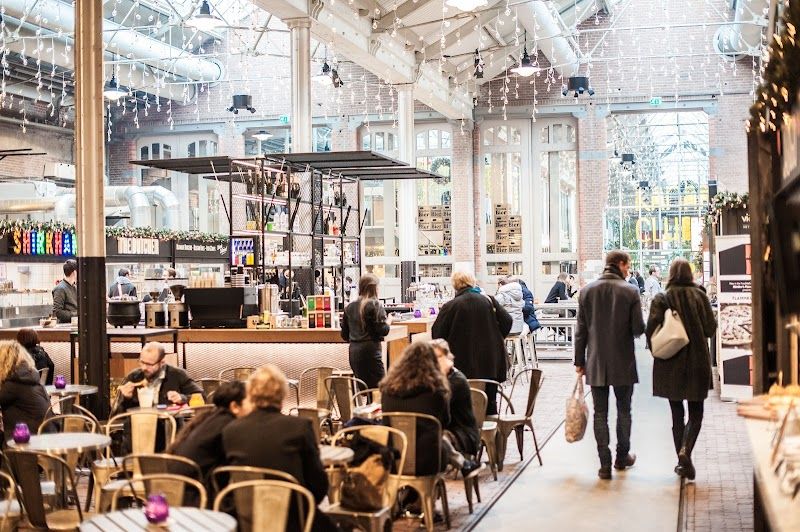
De Foodhallen is the anchor. Set in a converted tram depot, it's a food hall with 20+ stalls covering Vietnamese bao buns, Dutch bitterballen, Neapolitan pizza, craft beer, and Pacific oysters. It's popular with locals, not just tourists, which is the key distinction. The surrounding streets, particularly the Ten Katemarkt area, have specialty shops, vintage stores, and neighborhood bakeries.
The natural wine bar scene here is one of the best in northern Europe. Glou Glou, Bar Centraal, and a handful of newer spots have turned Oud-West into a destination for people who care about what they drink. The vibe is relaxed, the prices are fair by Amsterdam standards, and nobody is trying too hard.
Things to Do
Top experiences in Oud-West
Ten Katemarkt
One of Amsterdam's most authentic neighborhood markets, stretching along Ten Katestraat in Oud-West. It has been running since 1908 and serves the local community rather than tourists, which means the prices are real, the produce is fresh, and the vendors know their regulars by name. The market reflects the multicultural makeup of Oud-West, with stalls selling Turkish bread, Surinamese vegetables, Moroccan spices, and Dutch cheese side by side. The food stalls are the highlight. The Surinamese roti near Kinkerstraat is some of the best in Amsterdam. The fish stall does excellent kibbeling (battered fried cod) with garlic sauce. The cheese vendors will let you taste before buying, and the bread stalls bake fresh that morning. It's smaller and less overwhelming than Albert Cuyp Market, which makes it easier to browse without feeling like you're in a tourist funnel. The market runs Monday through Saturday. Saturday morning is the liveliest, when the Foodhallen indoor food court (a 2-minute walk on Bellamyplein) is also open and you can combine the two. Ten Katemarkt is surrounded by good everyday shops and the neighborhood feel of Oud-West, which is rapidly becoming one of Amsterdam's most interesting residential areas. This is where Amsterdammers actually shop. No tulip magnets, no wooden clogs, just good produce and honest prices.
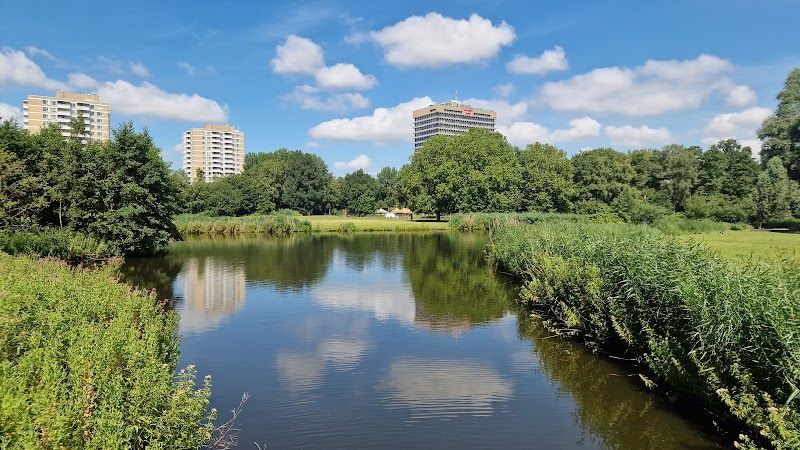
Rembrandtpark
A sprawling 45-hectare park in West Amsterdam with sports facilities, a petting zoo, and the iconic Sloterplas lake ideal for swimming and SUP boarding. Less touristy than Vondelpark, it's a favorite among local families with its vast open spaces and wooded areas.
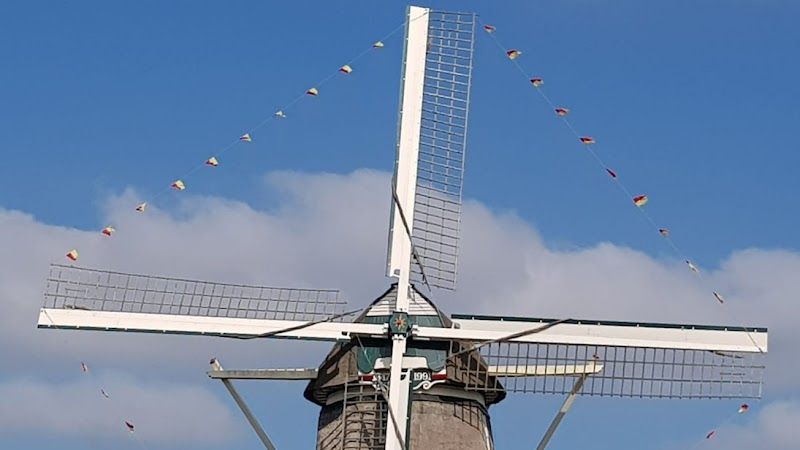
Molen van Sloten
Working 17th-century windmill that still pumps water from the polder, keeping Amsterdam's feet dry. The miller demonstrates traditional windmill operation and grinding grain. The adjacent cooperage museum shows barrel-making techniques. Climb steep stairs to the cap for views over the western suburbs.
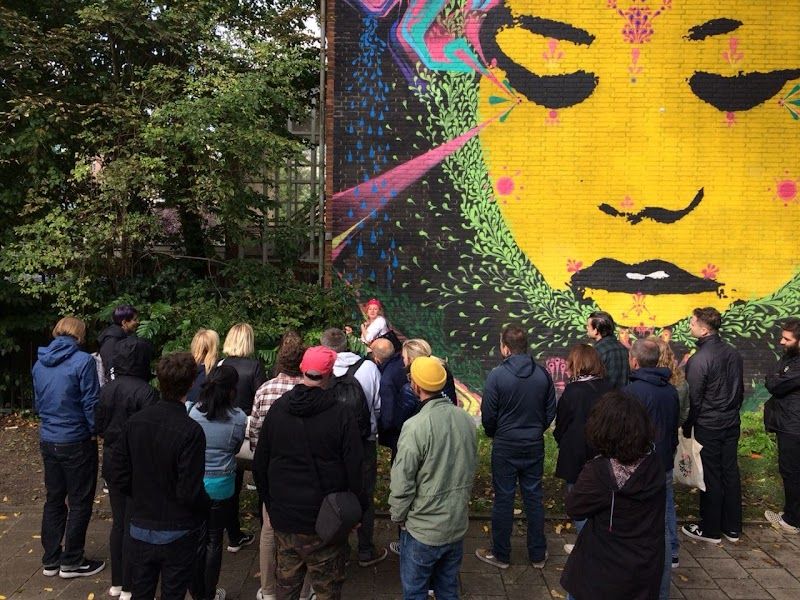
Amsterdam Street Art Museum
Two-hour guided street art tour through Nieuw-West district, exploring large-scale murals by international artists in the NDSM wharf area. The tour covers graffiti culture history, artist techniques, and the tension between vandalism and commissioned public art.
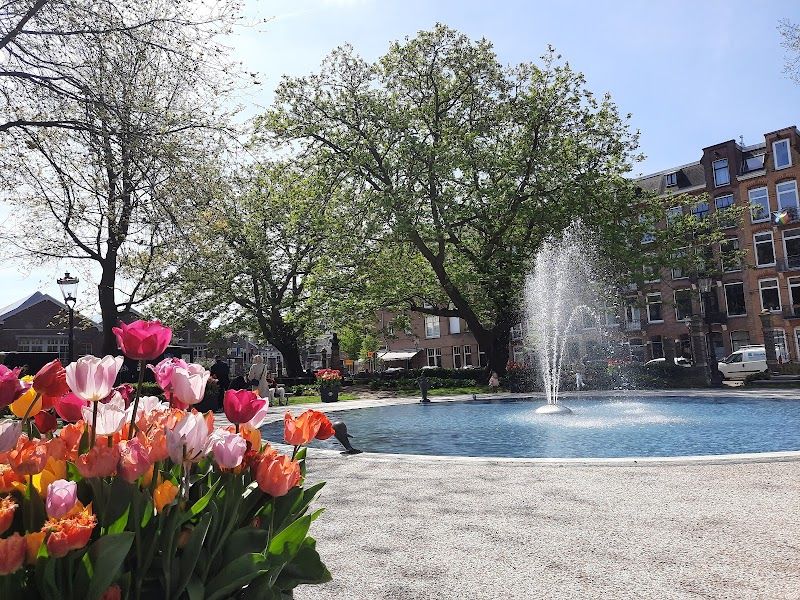
Bellamypark
Peaceful neighborhood park with mature trees, open lawns, and a playground, providing a green escape from the urban bustle. Popular with local families and dog walkers, the park features winding paths and benches ideal for relaxation. Adjacent to the cultural hub of De Hallen.
Where to Eat
Restaurants and cafes in Oud-West
Lot Sixty One Coffee Roasters
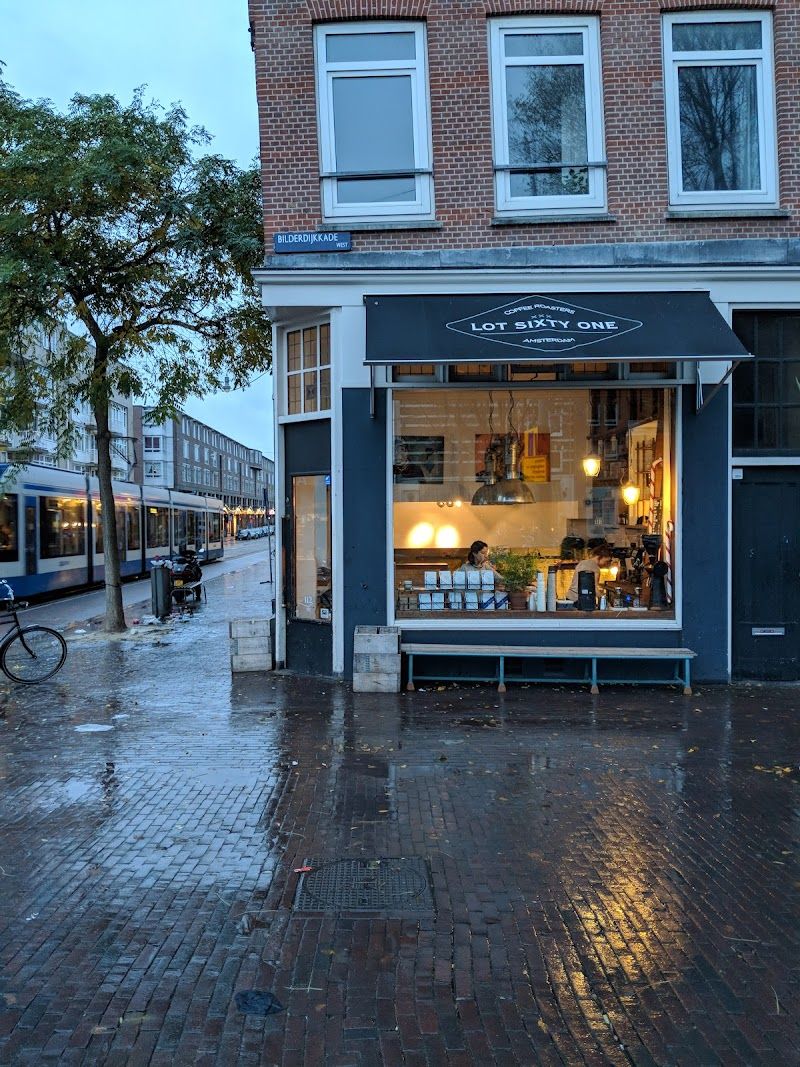
CafeSpecialty coffee roastery and cafe in the heart of the Jordaan, and one of the spots that helped kick off Amsterdam's third-wave coffee scene. The space is minimal: exposed brick, a La Marzocca machine, a small roaster visible behind the counter, and not much else. The coffee is excellent. They roast in small batches, rotate single origins regularly, and the baristas know what they're doing. The pour-over and filter options change weekly depending on what's been roasted. The espresso-based drinks are consistently good, with a house blend that balances fruit and chocolate without the aggressive acidity that some specialty roasters lean into. There's no real food menu beyond a pastry or two, and that's fine. You come here for the coffee. Lot Sixty One is on Kinkerstraat in Oud-West (they also have a Jordaan location on Haarlemmerdijk). The space is small and doesn't have much seating, so most people take their coffee to go or perch on the bench outside. If you need to sit and work, this isn't the spot. If you want genuinely good coffee prepared by people who care about extraction and origin, it's one of the best in Amsterdam. The beans are available to buy and make excellent gifts.
Restaurant Blauw
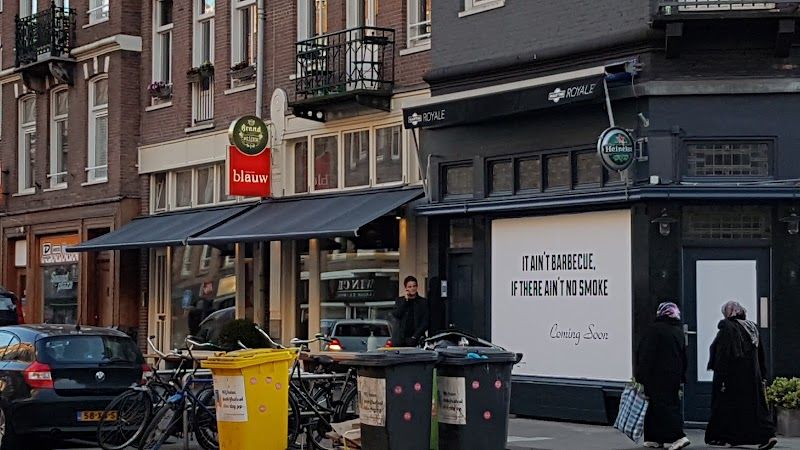
RestaurantThe best Indonesian restaurant in Amsterdam, which in a city with this much colonial history and this many Indonesian restaurants is a serious claim. The rijsttafel (rice table) is the thing to order: a parade of 15-20 small dishes served simultaneously, covering the full range of Indonesian cuisine from satay to rendang to gado gado to sambal-scorched green beans. It's a shared feast designed for the table, not the individual. The rijsttafel tradition exists almost exclusively in the Netherlands, a direct result of the colonial era when Dutch plantation owners in Indonesia would have elaborate multi-dish meals served to impress their guests. The cuisine itself is Indonesian, but the format is Dutch-Indonesian, and Amsterdam is the world capital of it. Blauw does it better than anyone else in the city. The dishes are precise, the spice levels are authentic (not toned down for Dutch palates), and the presentation is beautiful. Blauw is on Amstelveenseweg in Oud-Zuid, near the Vondelpark. The space is modern and sleek, not the faded colonial decor you find at older Indonesian places. The full rijsttafel for two runs about €45-50 per person. They also do smaller set menus and a la carte if you don't want the full spread, but the rijsttafel is the point. Reserve for dinner, especially on weekends. If you're interested in the history behind the cuisine, the Tropenmuseum in Oost has an excellent exhibition on Dutch-Indonesian relations that adds context to what you're eating.
De Hallen Foodhallen
RestaurantIndoor food market with 21 stalls serving everything from Vietnamese banh mi to Argentinian empanadas. The converted tram depot has communal seating and a lively atmosphere on weekends.
Vondeltuin
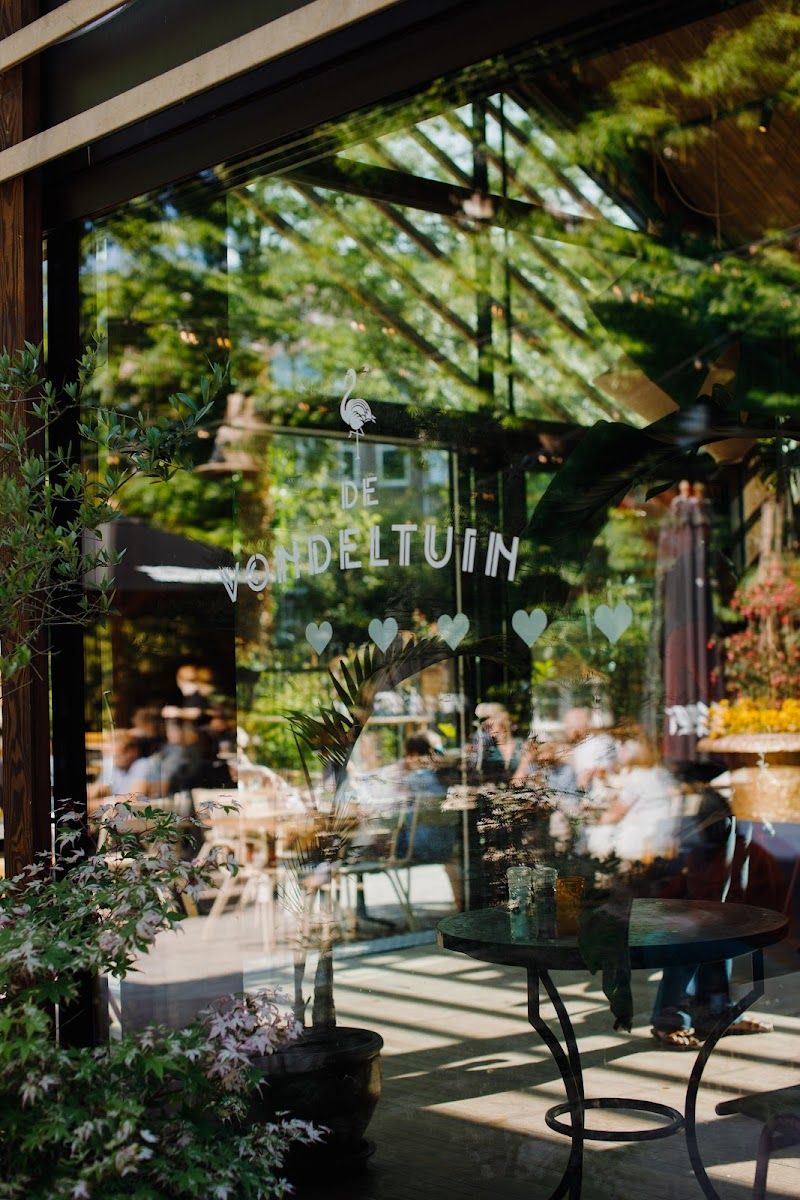
RestaurantA hidden garden restaurant tucked into the edge of Vondelpark, serving organic and seasonal dishes in a greenhouse-like setting. The focus is on vegetables and sustainable ingredients, with a menu that changes weekly. The peaceful garden terrace feels like an escape from the city despite being in the heart of Amsterdam.
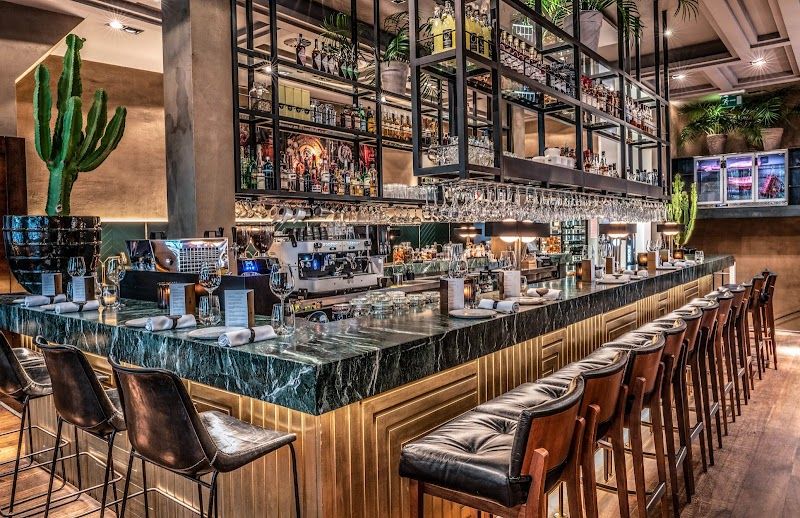
Ron Gastrobar
RestaurantMichelin-starred chef's casual restaurant serving refined small plates and comfort food at non-fine-dining prices. The fried chicken and beef croquettes showcase high-end technique applied to accessible dishes.
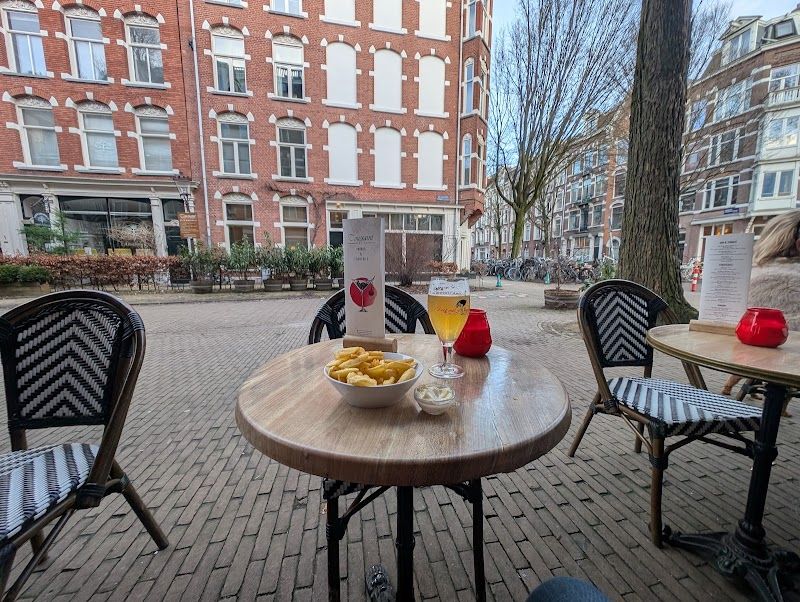
Café Toussaint
CafeThis cozy brown café has been a neighborhood institution since 1970, serving honest Dutch-French cuisine in an intimate, candlelit setting. The menu changes regularly based on seasonal ingredients, and the atmosphere is quintessentially Amsterdam with locals chatting over wine. The apple pie is a must-try dessert.
Getting Here
Metro Stations
Getting There
Tram 1 or 11 along Kinkerstraat, or tram 7/17 along Overtoom. Both connect to Centraal Station in about 15 minutes.
On Foot
10-minute walk to Vondelpark. 15 minutes to Museumplein. The neighborhood is compact and easy to navigate on foot.
By Bike
The flattest and most bikeable neighborhood in Amsterdam. Wide streets, good lanes, and plenty of parking.
Insider Tips
Foodhallen Timing
De Foodhallen is best at 5-6 PM on weekdays when you can actually find a table. Weekend evenings get packed. Go hungry and share between stalls rather than committing to one.
Ten Katemarkt
The Ten Katemarkt (Mon-Sat mornings) is a genuinely local market with better prices than Albert Cuyp. Cheese, produce, and a few good Turkish food stalls.
Vondelpark Western Side
Enter Vondelpark from the Oud-West side. The western half is quieter, has the rose garden, and connects to the open-air theatre in summer.
Nearby Neighborhoods
Continue exploring

Museum Quarter (Museumplein)
The cultural heavyweight stretch: Van Gogh, Rijksmuseum, Stedelijk, Vondelpark

Jordaan
Prettiest canal streets, brown cafes, Saturday markets, galleries in former warehouses
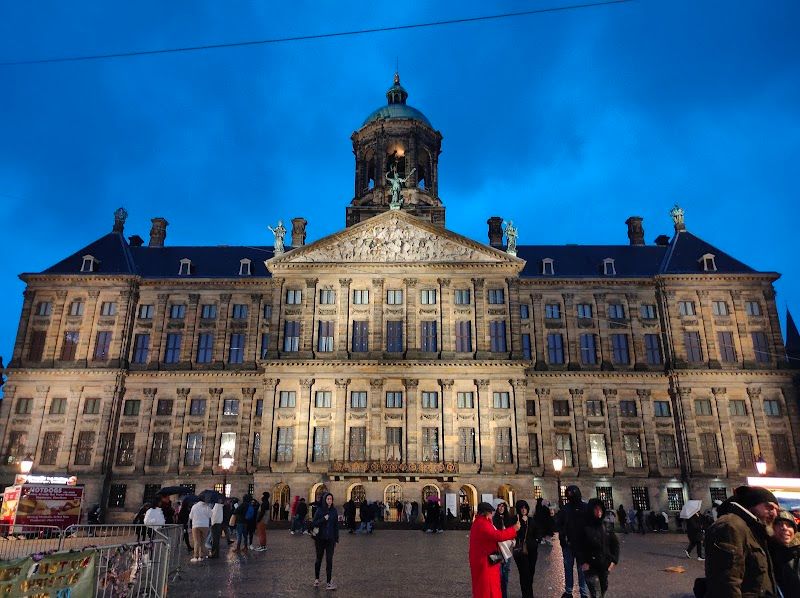
Westerpark & Haarlemmerbuurt
Westergasfabriek cultural complex, Haarlemmerdijk shopping street, Sunday Market, local neighborhood feel
Related Articles
Amsterdam vs Copenhagen: Which Northern European Capital Wins Your Trip
Amsterdam's canal ring versus Copenhagen's harbor front - we break down costs, culture, and which city deserves your limited vacation time in northern Europe.
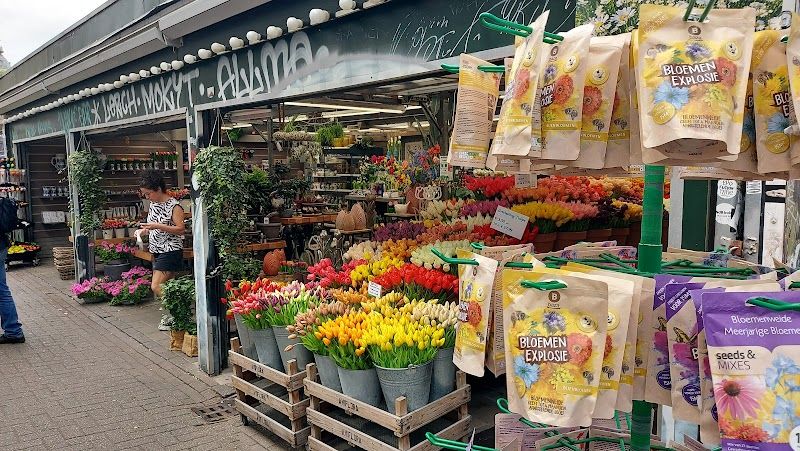
Amsterdam Daily Budget: Real Costs for Food, Transport, and Activities in 2024
Amsterdam costs EUR 50-180 per day depending on your choices. We break down real prices for food, transport, museums, and hotels to help you plan your actual budget.
Plan a trip featuring Oud-West
Get a personalized Amsterdam itinerary with Oud-West built in.
Start Planning