The Amsterdam vs Copenhagen debate represents one of Europe's most compelling travel choices: two capitals that perfected the art of living well on water, where bicycles outnumber cars and design thinking shapes everything from coffee shops to public toilets. Both cities seduce visitors with their livability, but they do it in fundamentally different ways.
Amsterdam operates on the principle that pleasure and pragmatism can coexist perfectly. The Dutch capital gives you 17th-century canal houses filled with art, brown cafes where locals have been drinking jenever for centuries, and a transportation system so efficient you'll forget why anyone ever bought a car. Copenhagen, meanwhile, built its reputation on the idea that good design can solve most problems. The Danish capital offers New Nordic cuisine that redefined how the world thinks about food, enough bike lanes to make Amsterdam jealous, and a commitment to sustainability that makes other cities look lazy.
After spending considerable time in both cities, the choice comes down to what you value more: Amsterdam's relaxed hedonism or Copenhagen's purposeful minimalism. Here's how they actually compare when you're planning your northern Europe trip.
Cost Comparison: Amsterdam vs Copenhagen Budget Reality
Copenhagen will drain your wallet faster than a leaky dike. Denmark's high taxes and strong currency make everything cost more, while Amsterdam, despite being expensive by most standards, offers significantly more value for travelers.
Daily budget breakdown for mid-range travelers:
| Category | Amsterdam | Copenhagen |
|---|---|---|
| Hotel (3-star, double) | EUR 150-250 | EUR 200-320 |
| Meals (breakfast, lunch, dinner) | EUR 35-55 | EUR 50-80 |
| Local transport day pass | EUR 8.5 | EUR 12-15 |
| Museum admission (major) | EUR 22.5 | EUR 18-25 |
| Coffee | EUR 2.5-4.5 | EUR 4-6 |
| Local beer | EUR 4-7 | EUR 6-9 |
The budget winner: Amsterdam, by a significant margin. A mid-range traveler can expect to spend EUR 200-320 per day in Amsterdam versus EUR 290-450 in Copenhagen. The difference becomes more pronounced with food costs - while Amsterdam offers excellent value at neighborhood restaurants in the Jordaan or De Pijp, Copenhagen's restaurant scene, while exceptional, commands premium prices even for casual dining.
Copenhagen does offer some cost advantages: many museums provide free admission on certain days, and the city's compact size means you can walk to most attractions. However, these savings don't offset the significantly higher costs for accommodation and dining.
Getting Around: Bikes, Boats, and Public Transport
Both cities worship the bicycle, but they approach urban mobility differently. Amsterdam treats cycling as a practical necessity - you'll see businesspeople in suits, parents with three kids strapped to cargo bikes, and elderly residents pedaling to the market with the confidence that comes from decades of proper infrastructure.
Copenhagen views cycling as part of a larger urban design philosophy. The city's bike lanes feel more engineered, with dedicated traffic lights, heated cycle paths in winter, and integration with public transport that borders on obsessive. Copenhagen wins on cycling infrastructure quality, but Amsterdam wins on cycling culture authenticity.
For visitors, Amsterdam offers more transportation variety. The canal cruise network provides both sightseeing and practical transportation, while the GVB system connects every neighborhood efficiently. A GVB 7-day pass at EUR 36 gives you unlimited access to trams, buses, and metros.
Copenhagen's public transport costs more but covers less. The city center is walkable, which compensates somewhat, but reaching attractions outside the core requires more planning and expense.
Cultural Attractions: Museums and Monuments
Amsterdam's cultural scene revolves around three institutions within walking distance of each other in the Museum Quarter. The Rijksmuseum at EUR 22.5 houses the world's finest collection of Dutch Golden Age art, including Rembrandt's Night Watch and Vermeer's Milkmaid. The Van Gogh Museum at EUR 22 contains the largest collection of the artist's work, while the Anne Frank House at EUR 16 provides one of Europe's most moving historical experiences.
Copenhagen counters with smaller but equally compelling attractions. The National Museum of Denmark offers excellent Viking collections, while the Thorvaldsen Museum showcases neoclassical sculpture in a beautiful setting. The city's strength lies more in design museums and contemporary art spaces than blockbuster attractions.
Amsterdam wins decisively on museum concentration and international recognition. The Dutch capital offers more must-see cultural attractions within a smaller area, making it more efficient for culture-focused travelers. Copenhagen's attractions require more geographic spread and cultural curiosity to appreciate fully.
The I amsterdam City Card (EUR 65 for 24 hours, EUR 85 for 48 hours) provides excellent value for museum-heavy itineraries, including admission to major attractions and public transport. Copenhagen's equivalent city card offers similar savings but covers fewer world-renowned institutions.
Neighborhoods: Where Local Life Happens
Amsterdam's neighborhood personality comes from centuries of organic development along its canal system. The Jordaan maintains its working-class character despite gentrification, with Saturday markets, brown cafes like Café 't Smalle, and narrow streets that feel like secrets locals share reluctantly. De Pijp centers around the Albert Cuyp Market, where you can eat your way through international cuisines while locals shop for vegetables.
Copenhagen's neighborhoods reflect Danish design principles: clean lines, purposeful spaces, and the assumption that good planning creates better communities. Nørrebro offers the city's best international dining and nightlife, while Vesterbro combines historic buildings with contemporary restaurants and boutiques. The harbor areas showcase Copenhagen's commitment to transforming industrial spaces into livable communities.
Amsterdam's neighborhoods feel more lived-in and layered, while Copenhagen's feel more curated and intentional. Both approaches work, but Amsterdam offers more opportunities for accidental discovery. You might stumble upon a hidden courtyard garden in the Jordaan or find an excellent Indonesian restaurant in an unmarked building. Copenhagen's pleasures require more intention to uncover.
Food and Dining: From Brown Cafes to New Nordic
The Amsterdam vs Copenhagen food comparison reveals fundamentally different approaches to dining culture. Amsterdam treats food as fuel for a good life - hearty, affordable, and designed for lingering conversation. The city's brown cafes serve bitterballen and Dutch cheese alongside local beers, while neighborhood restaurants in Oud-West offer everything from Indonesian rijsttafel to modern European cuisine at reasonable prices.
Copenhagen revolutionized how the world thinks about fine dining with the New Nordic movement. Restaurants like Noma (currently closed but reopening) and Geranium redefined ingredient sourcing and presentation, influencing restaurants globally. Even casual dining in Copenhagen shows this attention to ingredients and preparation.
For food lovers with serious budgets, Copenhagen offers unmatched dining experiences. The city's commitment to local sourcing, seasonal menus, and innovative preparation techniques creates memorable meals worth planning trips around. However, casual dining costs significantly more than Amsterdam, where excellent meals remain accessible to average travelers.
Amsterdam's food scene strength lies in its diversity and value. You can eat well at Moeders in the Jordaan for traditional Dutch cuisine, sample Indonesian food at Restaurant Blauw, or grab excellent coffee at Lot Sixty One - all without requiring reservations weeks in advance or spending EUR 200 per person.
Nightlife and Entertainment: Tolerance vs Hygge
Amsterdam's nightlife operates on principles of tolerance and variety. The city offers everything from intimate jazz clubs to large-scale electronic music venues like Paradiso and Melkweg. The infamous Red Light District provides adult entertainment alongside excellent bars and restaurants, while brown cafes throughout the city serve as community gathering spaces where conversations stretch late into the night.
Copenhagen's nightlife reflects Danish hygge culture - focused on comfort, quality, and intimate social connections. The city's bars emphasize craft cocktails and natural wines, while music venues book innovative Nordic artists alongside international acts. Nightlife tends to start and end earlier than Amsterdam, with more emphasis on meaningful connections than hedonistic experiences.
Amsterdam wins for nightlife variety and energy. The Dutch capital offers more options across more price points, with venues that cater to every taste and budget. Copenhagen's nightlife, while high quality, serves a narrower range of preferences and costs significantly more.
Weather and Timing: When to Visit Each City
Both cities experience similar northern European weather patterns, but timing affects them differently. Amsterdam's museum-heavy attractions and indoor cafe culture make it viable year-round, though spring tulip season (April-May) creates the most compelling reason to visit. The Keukenhof day trip at EUR 21.5 is only available mid-March to mid-May.
Copenhagen's outdoor culture and harbor activities make summer visits more rewarding. The city's parks, outdoor markets, and harbor baths reach peak appeal between June and August, while winter months can feel particularly harsh given the higher costs and shorter days.
Amsterdam offers more consistent year-round appeal, while Copenhagen rewards summer visits more dramatically. If you're planning a northern Europe trip between October and March, Amsterdam provides better value and more indoor activities.
Architecture and Urban Design: Golden Age vs Modern Minimalism
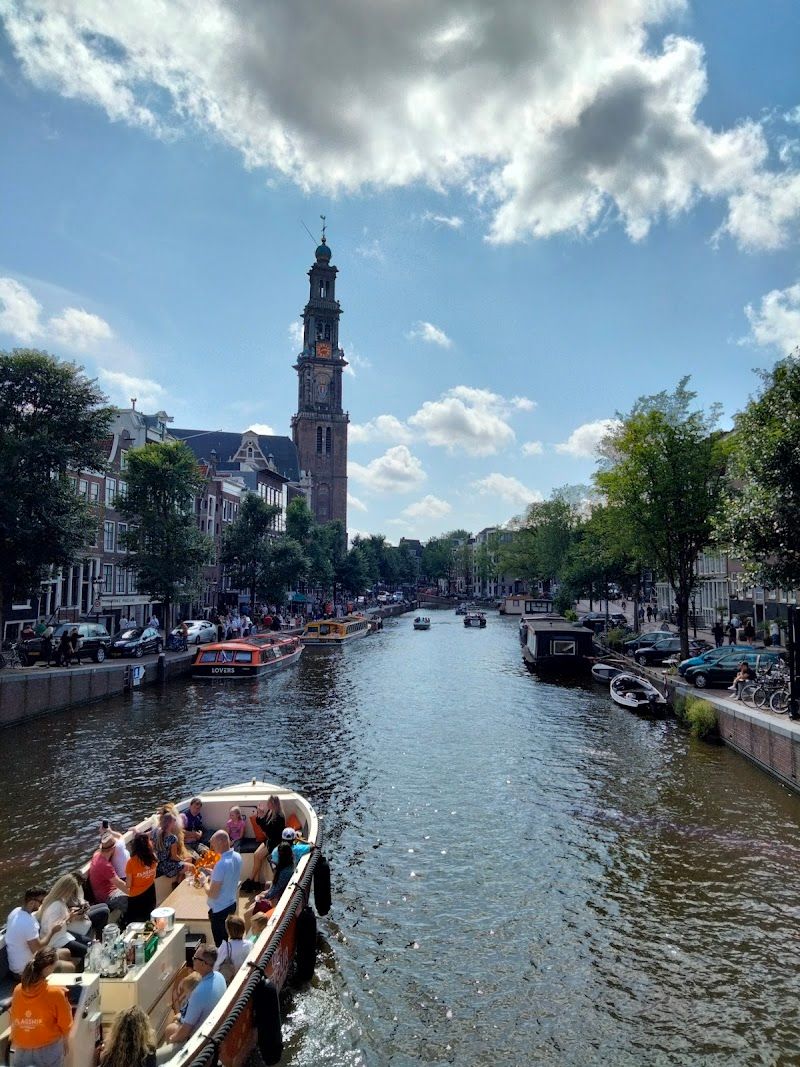
The Amsterdam vs Copenhagen architectural comparison showcases two different periods of European urban development. Amsterdam's Canal Ring represents 17th-century merchant prosperity frozen in time - narrow houses with ornate gables, bridges that seem designed for Instagram, and a UNESCO World Heritage site that functions as a living city rather than a museum.
Copenhagen demonstrates what happens when contemporary urban planning meets historical preservation. The city's harbor front development, bicycle infrastructure, and public spaces show thoughtful design that prioritizes livability over tourism. Buildings like the Black Diamond library and the Copenhagen Opera House represent architectural ambition balanced with practical function.
Amsterdam wins on architectural romanticism and historical density, while Copenhagen excels at contemporary urban design. Photography enthusiasts and history lovers will find more inspiration in Amsterdam's layered streetscapes, while design professionals and urban planning enthusiasts will appreciate Copenhagen's forward-thinking approach to city building.
Day Trip Options: Beyond the City Limits
Amsterdam's location provides superior day trip opportunities. You can visit traditional Dutch villages like Zaanse Schans, explore the cheese markets of Edam or Alkmaar, or take the train to Haarlem for museums and medieval architecture. The flat landscape and excellent train connections make exploration easy and affordable.
Copenhagen offers access to Swedish cities via the Øresund Bridge, historic castles like Kronborg in Helsingør, and the Louisiana Museum of Modern Art. However, these trips require more time and expense than Amsterdam's day trip options.
Amsterdam provides more varied and accessible day trip options, particularly for travelers interested in traditional Dutch culture and landscapes. Our 5-day Amsterdam guide includes detailed day trip recommendations that maximize your time outside the city.
Making Your Choice: Amsterdam vs Copenhagen for Different Travelers
Choose Amsterdam if you want:
- Maximum cultural attractions per euro spent
- Diverse nightlife and dining options
- Easy walking distances between major sights
- Better value for money across all categories
- Rich historical architecture and museum collections
- More opportunities for spontaneous discovery
Choose Copenhagen if you want:
- contemporary design and architecture
- Cutting-edge Nordic cuisine (with the budget to match)
- Superior cycling infrastructure and urban planning
- A more intimate, less touristy capital experience
- Easy access to Swedish cities and Nordic culture
- Emphasis on sustainability and quality of life
For first-time visitors to northern Europe with limited time and budgets, Amsterdam offers more concentrated attractions, better value, and greater variety of experiences. The city's walkable size, museum density, and cultural richness provide more reward per day spent exploring.
Copenhagen appeals more to travelers who appreciate contemporary design, have generous dining budgets, and prefer cities that feel more like livable communities than tourist destinations. The Danish capital rewards longer stays and deeper cultural engagement rather than quick sightseeing.
The Verdict: Which City Wins
Amsterdam emerges as the better choice for most travelers planning their first northern Europe trip. The combination of museums, historic architecture, diverse neighborhoods, and reasonable costs creates more value per day than Copenhagen can match. The Dutch capital's compact size means you can see major attractions like the Rijksmuseum, explore atmospheric neighborhoods like the Jordaan, and experience authentic local culture without breaking your budget.
Copenhagen deserves consideration for travelers with specific interests in Nordic design, contemporary cuisine, or sustainable urban development. The city excels at showing how thoughtful planning creates better communities, and its food scene represents one of Europe's most innovative dining destinations.
However, for the Amsterdam vs Copenhagen comparison, Amsterdam wins on value, accessibility, cultural density, and overall travel satisfaction. The Dutch capital provides more experiences per euro, more convenience per day, and more stories to tell when you return home. Copenhagen can wait for your second northern Europe trip - Amsterdam deserves your first.
Both cities reward visitors who move beyond surface attractions to explore neighborhood life, engage with local culture, and appreciate the different ways Europeans have learned to live well in challenging climates. But if you can only choose one, Amsterdam's combination of historical significance, cultural richness, and practical advantages makes it the clear winner in this northern European capital showdown.