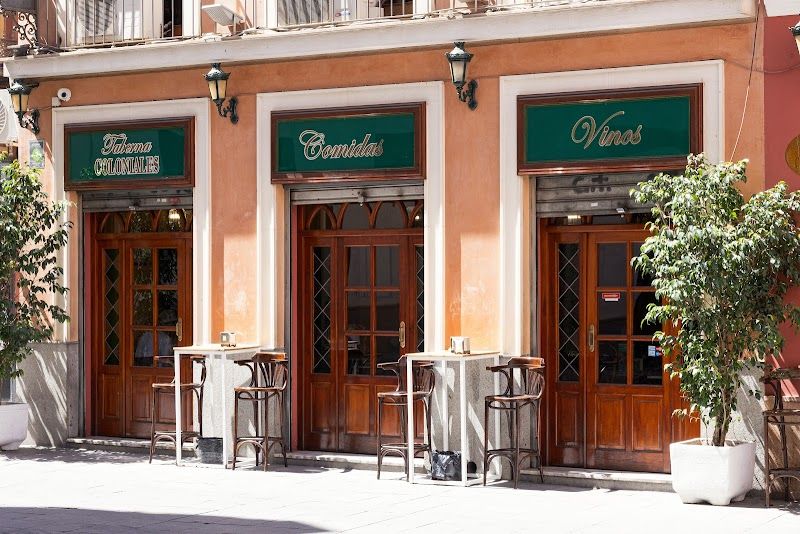
Seville's food scene is deceptive. Walk down Calle Sierpes and you'll find overpriced tourist restaurants serving mediocre paella to people who don't know better. But turn into any side street and you'll discover century-old tabernas where locals argue over football while eating jamón ibérico that costs EUR 3-8 per plate.
This Seville food guide cuts through the tourist noise to show you where Sevillanos actually eat. You'll find tabernas that have been serving the same families for generations, food markets where vendors know their regulars by name, and modern restaurants that respect tradition while pushing boundaries.
The key to eating well in Seville is timing. Lunch happens at 2 PM, not noon. Dinner starts at 9 PM if you're early, 10 PM if you're normal. The evening tapeo (tapas crawl) begins around 8 PM and can last until midnight. Fight this schedule and you'll eat alone or with other confused tourists.
Traditional Seville Dishes You Must Try
Salmorejo is Seville's answer to gazpacho, but thicker and more satisfying. Made with tomatoes, bread, olive oil, and garlic, then topped with hard-boiled egg and jamón serrano, it's served cold and the brutal summer heat. The best version is at Casa Morales on Calle García de Vinuesa, where they've been making it the same way since 1850.
Pescaíto frito (fried fish) is what locals eat when they want comfort food. Small fish like boquerones (anchovies) and chanquetes (tiny fish) are lightly floured and fried in olive oil until crispy. El Rinconcillo in Centro claims to be America's oldest bar (1670) and their pescaíto is legendary, served in paper cones for EUR 6-10.
Spinacas con garbanzos (spinach with chickpeas) is Seville's most traditional stew, cooked with garlic, cumin, and paprika. It's Lenten food that became beloved year-round. Every abuela has her own recipe, but the version at Taberna del Alabardero on Calle Zaragoza is restaurant-quality at EUR 8-12.
Rabo de toro (bull's tail) is the dish that separates tourists from locals. Slow-cooked in red wine until the meat falls off the bone, it's rich, deep, and completely worth overcoming any squeamishness. Try it at Casa Ricardo on Calle Hernán Cortés, where they serve it with french fries for EUR 15-18.
Tortilla de camarones are paper-thin fritters made with tiny shrimp, flour, and parsley. They're technically from Cádiz but adopted by Seville with enthusiasm. The secret is making them so thin they're almost transparent. Order them at Bar Las Teresas in Santa Cruz for EUR 4-6.
Where to Find the Best Seville Food Markets
The Mercado de Triana is where locals shop for daily ingredients and where you should eat lunch. This 1823 market was renovated in 2009 but kept its neighborhood soul. The upstairs has proper restaurants, but the downstairs stalls are where the action is.
Islabahía (stall 37-38) serves the market's best jamón ibérico, sliced to order by José, who knows exactly how thick each cut should be. A plate costs EUR 12-18 and comes with bread and manchego cheese. Más que Vinos (stall 16) pairs local wines with cheese and charcuterie plates for EUR 8-15.
For breakfast, Hermanos Gómez (stall 1-2) makes proper tostada con tomate - grilled bread rubbed with tomato and drizzled with olive oil. It costs EUR 2.5-5 and is what every Sevillano eats to start the day.
The market opens Monday-Saturday from 9 AM to 3 PM and Thursday-Saturday from 5:30 PM to 8:30 PM. Go Thursday evening when locals shop for weekend meals.
Mercado Lonja del Barranco near the river is more tourist-friendly but worth visiting for its modern food court setup. Market food here costs EUR 8-15 for street food style meals. La Más Bonita makes excellent croquetas (EUR 1.50 each), while Grupo Abades serves updated Andalusian classics.
The Best Traditional Tapas Bars in Seville
Santa Cruz & Cathedral Area
La Bodega Santa Cruz on Calle Rodrigo Caro looks like a tourist trap because of its location, but locals pack it every evening. The walls are covered with old tiles and the jamón ibérico hangs from the ceiling. Order the montadito de pringá (EUR 3.50) - a sandwich filled with the meat from cocido stew.
Casa Román on Plaza de los Venerables serves the neighborhood's best tortilla española (EUR 4-5 per slice). They make it with potato and onion only, the way it should be, and serve it at room temperature with good bread.
Centro & Alameda District
The Centro neighborhood has Seville's highest concentration of authentic tabernas. Casa Plácido on Calle Mesón del Moro has been family-run since 1955. Their specialty is chicharrones (pork cracklings) for EUR 5-7, served with cold beer in small glasses called cañas (EUR 2-4).
Eslava on Calle Eslava bridges traditional and modern. Chef Javier Abascal trained in high-end restaurants but chose to work in a neighborhood bar. His huevos estrellados con jamón (broken eggs with ham) costs EUR 8-10 and elevates simple ingredients into something memorable.
La Azotea has multiple locations but the original on Calle Zaragoza is best. Their salmón marinado (marinated salmon) for EUR 7-9 shows how Seville chefs adapt international ingredients to local tastes.
Triana Neighborhood
Cross the river to Triana for a different food culture. This traditionally working-class neighborhood has tabernas that feel more authentic because they serve locals, not tourists.
Casa Anselma on Calle Pagés del Corro has no sign, no menu, and no tourists. Anselma serves whatever she's cooked that day - usually chickpeas with spinach (EUR 6-8) or lentils with chorizo (EUR 7-10). She also pours the strongest drinks in Seville.
Blanca Paloma on Calle Págés del Corro specializes in caracoles (snails) cooked in broth with cumin and mint. It's an acquired taste that locals love and visitors usually hate. The dish costs EUR 5-7 and comes with toothpicks for extraction.
Modern Restaurants Respecting Tradition
Seville's new generation of chefs respects tradition while adding their own perspective. These restaurants cost more than traditional tabernas but offer experiences you can't get elsewhere.
Bardal on Calle Pérez Galdós earned a Michelin star by treating Andalusian ingredients with Japanese technique. Chef Dani García's tuna tataki with gazpacho pearls (EUR 24-28) sounds fusion but tastes deeply Sevillian.
Cañabota on Calle Zaragoza specializes in fish from the Bay of Cádiz. Their red tuna carpaccio (EUR 18-22) uses the same fish served in neighborhood bars but presents it with restaurant technique.
Abantal on Calle Alcalde Manuel del Valle has one Michelin star and focuses entirely on Andalusian products. The tasting menu costs EUR 95-120 but every dish references traditional recipes while using modern cooking methods.
For more accessible modern cooking, La Bicicleta on Plaza San Lorenzo serves updated tapas in a casual setting. Their oxtail brioche (EUR 8-10) takes traditional rabo de toro and puts it in a sandwich that works perfectly.
Seville Food Tour: A Neighborhood-by-Neighborhood Guide
Morning: Santa Cruz Breakfast Culture
Start at Café Bar Carmela on Calle Vida for proper Sevillian breakfast. Order tostada con tomate (EUR 2.5-5) and café con leche (EUR 1.2-2.5). The bread is toasted over charcoal, rubbed with tomato, and drizzled with olive oil. Add jamón serrano for EUR 2 extra.
Walk through the narrow streets of Santa Cruz to Vinería San Telmo on Paseo de Catalina de Ribera. They open at 11 AM for vermut (vermouth) service, the Spanish equivalent of elevenses. Try their boquerones en vinagre (marinated anchovies) for EUR 4-6 with a glass of Martini Rojo (EUR 3-5).
Afternoon: Triana Market Lunch
Take the Triana neighborhood walk across the river and arrive at the market hungry. The Mercado de Triana upstairs restaurants serve proper sit-down meals.
Purísima Trinidad (restaurant level) serves excellent arroz con pollo (chicken and rice) for EUR 12-15. This isn't paella - it's Seville's daily rice dish, cooked in a shallow pan with saffron and chicken stock.
Downstairs, buy ingredients for evening picnic: jamón ibérico (EUR 12-18 per 100g), manchego cheese (EUR 8-12 per 100g), and good bread (EUR 2-3 per loaf).
Evening: Traditional Tapeo Route
Spanish dinner happens late. Start your tapeo at 8 PM at Casa Morales near the Cathedral. This 1850 taberna has wine barrels as tables and serves classic tapas. Try their salmorejo (EUR 4-6) and jamón ibérico (EUR 12-15).
Move to El Rinconcillo for their famous spinach with chickpeas (EUR 6-8). The bar dates to 1670 and still writes your tab in chalk on the wooden bar.
Finish at La Bartola on Calle Castelar for their excellent croquetas (EUR 1.50 each). Try the jamón ibérico and the bacalao (cod) versions.
Total cost for this tapeo: EUR 25-35 per person including drinks.
Understanding Seville's Sherry Culture
Sherry isn't just fortified wine in Seville - it's liquid culture. Most bars serve manzanilla (dry, light) and fino (also dry, slightly richer) from the barrel, not bottles. A glass costs EUR 2.5-5 and pairs perfectly with jamón and olives.
La Sacristía on Calle Corral del Rey has Seville's best sherry selection, with over 200 bottles. Owner Antonio explains the difference between palomino and Pedro Ximénez grapes while pouring tastings. A proper sherry tasting costs EUR 15-20 per person.
Modesto on Calle Cano y Cueto serves sherry the traditional way - in small glasses called catavinos, never filled more than one-third full. Their manzanilla la Gitana pairs with their excellent jamón ibérico.
For sweet sherry, try Pedro Ximénez served over vanilla ice cream. Heladería La Jijonenca on Calle Francos serves this combination for EUR 4-6.
Seasonal Eating in Seville
Seville's food follows strict seasons. Summer means cold soups, fried fish, and lots of beer. Winter brings stews, roasted meats, and red wine.
Summer (June-September): When temperatures hit 40°C, locals eat gazpacho, salmorejo, and pescaíto frito. Restaurants serve larger portions of cold dishes and smaller portions of hot food. Dinner moves even later - 10 PM is early.
Winter (December-February): Cocido andaluz (chickpea stew) appears on menus everywhere. Casa Ruperto on Calle San Fernando serves the city's best version for EUR 12-15. Oranges ripen in January, and fresh orange juice appears at every breakfast spot.
Spring (March-May): Artichoke season brings alcachofas al montillano (artichokes in Montilla wine) to restaurant menus. Casa Ricardo does them perfectly for EUR 8-10.
Budget vs. Splurge: Seville Food Costs
Budget Eating (Under EUR 25/day)
- Breakfast: Tostada con tomate and coffee at neighborhood bar (EUR 4-6)
- Lunch: Menu del día at local restaurant (EUR 12-18)
- Dinner: Tapas crawl hitting 3-4 bars (EUR 15-20)
Mid-Range Eating (EUR 25-50/day)
- Breakfast: Full breakfast with jamón at good café (EUR 8-12)
- Lunch: Proper restaurant meal with wine (EUR 18-25)
- Dinner: Modern tapas restaurant or traditional taberna (EUR 25-35)
Splurge Eating (Over EUR 50/day)
- Breakfast: Hotel or high-end café (EUR 12-18)
- Lunch: Michelin-recommended restaurant (EUR 35-50)
- Dinner: Fine dining or extensive tapas tour with good wine (EUR 45-80)
The best value in Seville is mid-range eating. You'll eat where locals eat without tourist markup, and the quality difference between budget and mid-range is significant.
Practical Food Tips for Seville
Timing is everything. Restaurants close between 4 PM and 8 PM. Many neighborhood bars close on Sundays. Tourist restaurants stay open all day but serve inferior food.
Cash is king. Many traditional tabernas don't accept cards, especially for small amounts. Bring EUR 20-30 in small bills for tapas crawling.
Standing is normal. Good tapas bars are often standing-room only. Tables cost extra at many places - the same tapa costs EUR 2 at the bar, EUR 3 at a table.
Bread is free but olive oil isn't always. Some bars charge EUR 0.50-1 for good olive oil to accompany bread.
Tap water is safe but locals drink bottled water with meals. Ask for agua del grifo (tap water) to save EUR 2-3 per meal.
Seville rewards food adventurers who eat with the rhythms of the city. Skip the restaurants with English menus near major monuments and follow locals down narrow streets to family-run tabernas. The best meals happen when you surrender to Spanish timing and trust neighborhood recommendations over tourist guides.
For comprehensive planning beyond food, check our 2-3 days in Seville itinerary and first-time visitor's guide to build the perfect trip around these culinary discoveries.