Prague's tourist machine is relentless, but the city locals experience is different from the one most visitors see. After analyzing hundreds of Prague things to do Reddit threads and talking to longtime residents, certain patterns emerge. The best Prague experiences aren't s (locals hate that phrase), they're about timing, location, and knowing when something mainstream is worth your time.
The Timing Game: Prague Local Recommendations That Actually Work
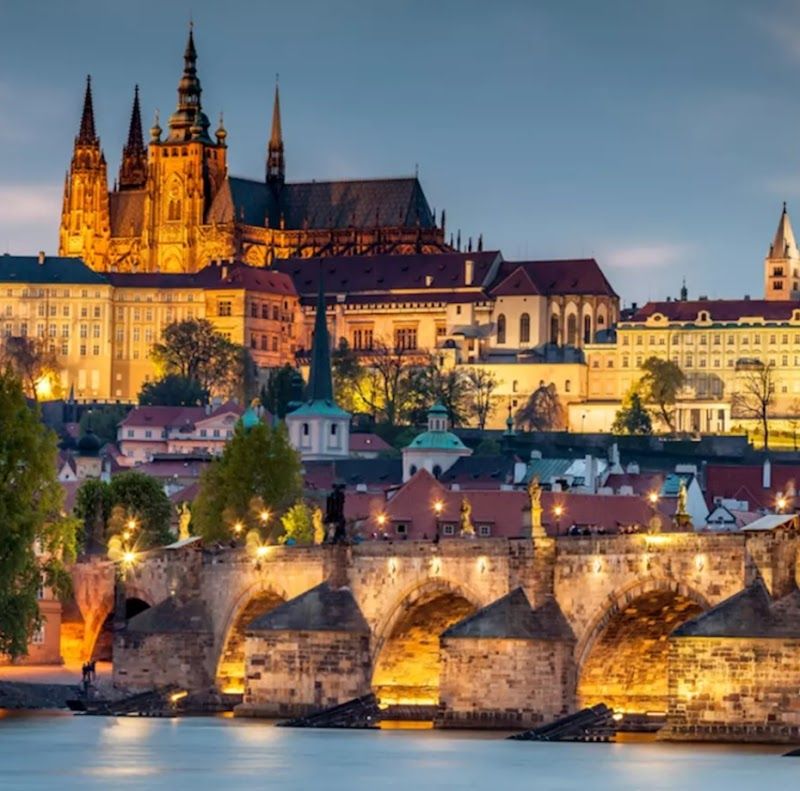
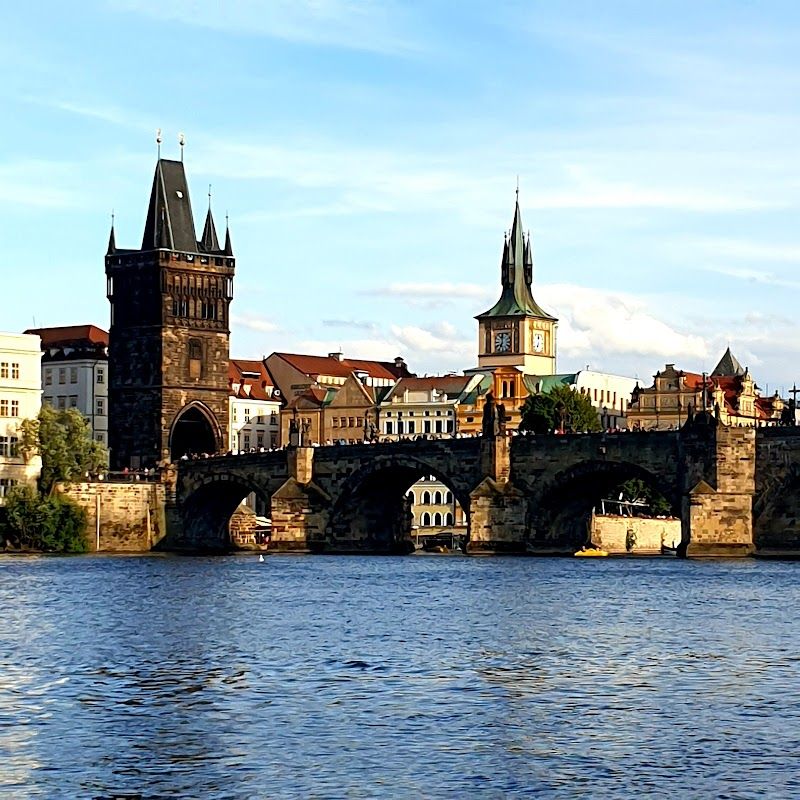
The single most valuable Prague insider tip is understanding timing. Charles Bridge at 6 AM feels like your private medieval crossing. The same bridge at 11 AM is a selfie stick battlefield. This timing principle extends across Prague.
Prague Castle opens at 6 AM from April to October and entry is free until 9 AM for the courtyards. By 10 AM, tour groups arrive and the magic dies. The locals' move: arrive when it opens, walk the courtyards, then decide if Prague Castle entry (CZK 250) is worth it. Most days, the exterior experience alone justifies the early wake-up.
The Old Town Square & Astronomical Clock follows similar rules. Before 8 AM or after 8 PM, you can actually see the architecture instead of the backs of tour groups. The hourly clock show draws crowds, but the astronomical mechanism works continuously. Skip the show, watch the mechanism.
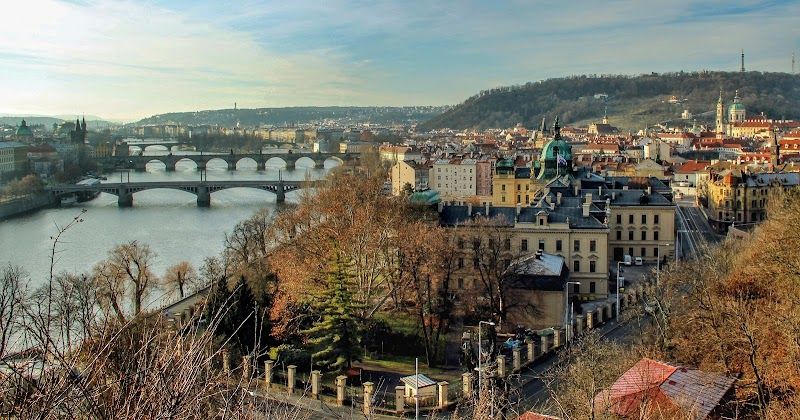
Letná Park represents Prague's best-kept secret in plain sight. While tourists queue for Petřín Observation Tower & Funicular Experience (CZK 150 for the tower), locals head to Letná Park. The beer garden overlooks the Vltava with the same views, beer costs CZK 55 instead of CZK 120, and you're drinking with Czechs instead of tour groups.
The Neighborhood Reality Check
Staré Město (Old Town) is Prague's postcard, but living like a local means understanding when to be there and when to escape. Mornings belong to tourists, evenings to locals. After 6 PM, the restaurant equation changes completely.
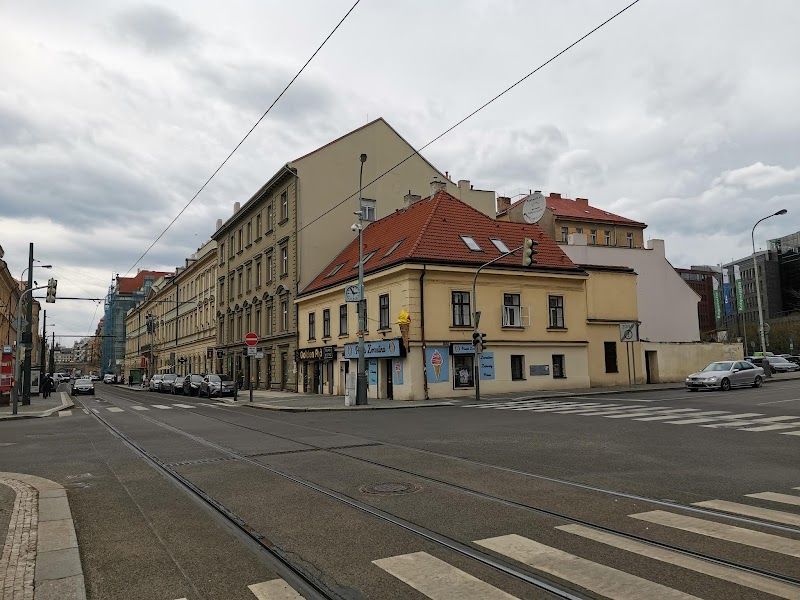
Vinohrady is where Prague locals actually recommend living and eating. Náměstí Míru (Peace Square) has better restaurants than Old Town Square, prices are 30-40% lower, and you'll eat alongside Prague residents instead of German tour groups. A traditional goulash costs CZK 180-320 here versus CZK 400-500 in tourist areas.
Žižkov earns its reputation through authenticity, not marketing. The Žižkov Television Tower is genuinely weird (giant babies crawling up a TV tower), and the neighborhood pubs serve the cheapest beer in Prague. Pivovar Malešice sells half-liter Pilsners for CZK 35, which locals consider expensive.
Prague Reddit Travel Wisdom: What Actually Gets Upvoted
Reddit's Prague community consistently upvotes practical advice over romantic descriptions. The most valuable Prague authentic experiences come from understanding what locals consider normal.
Food Reality vs Tourist Fantasy
Czech food is heavy, meaty, and designed for manual laborers. Reddit travelers who expect refined cuisine leave disappointed. Those who embrace goulash, schnitzel, and beer halls leave satisfied. Lokál Dlouhááá in Old Town gets recommended because it serves proper Czech food to actual Czechs, despite the tourist location.
The authentic Prague food experience isn't about finding the perfect hidden restaurant. It's about understanding that Czechs eat lunch between 11:30 AM and 1 PM, dinner service is often perfunctory, and beer is cheaper than water (literally - bottled water costs CZK 25-45, beer costs CZK 55-120).
Trdelník represents Prague's tourist food reality. This sweet pastry costs CZK 80-150 everywhere in the city center, despite being invented for tourists (traditional Czech desserts are different). Reddit's consensus: try it once, understand why locals ignore it, move on.
Our Prague food guide breaks down the neighborhood-by-neighborhood reality of Prague dining, including which tourist-area restaurants locals actually frequent.
The Communist Legacy Nobody Talks About
Prague's communist period (1948-1989) shaped everything locals consider normal, but tourist materials barely mention it. Panel housing (concrete apartment blocks) houses 40% of Prague residents, but visitors never see these neighborhoods. The Prague locals experience includes regular interaction with communist-era architecture, bureaucracy, and social expectations.
Josefov (Jewish Quarter) represents Prague's most complex neighborhood emotionally. The synagogue circuit (CZK 350) tells the Holocaust story, but locals remember this area as the communist-era antique district where you could buy pre-war furniture. Both histories matter for understanding contemporary Prague.
Wenceslas Square looks like a shopping street to tourists, but locals remember it as the site of 1968 Soviet invasion protests and 1989 Velvet Revolution demonstrations. The National Museum (CZK 280) finally reopened after decade-long renovations with exhibits that explain why these events matter to daily Prague life.
Prague Local Activities That Make Sense
The Castle District Strategy
Hradčany is more than Prague Castle. Loreta (a baroque pilgrimage site) costs nothing to admire from outside and offers better city views than the castle gardens. The Strahov Monastery Library (currently closed for renovations) historically offered Prague's best Instagram shot for CZK 150.
Locals recommend the castle strategy: see it from below first (from Charles Bridge), decide if the interior justifies CZK 250, then explore the surrounding Hradčany neighborhood regardless. The castle's importance is visual, not experiential.
River Activities Beyond Tourist Cruises
Vltava River cruises cost CZK 350-650 for one hour of basic sightseeing. Local alternative: take tram 17 along the riverbank for CZK 32 (90-minute ticket). You see the same riverside architecture, plus you can stop anywhere interesting.
Kampa Island Park offers free access to the river with sculpture installations and peaceful walking paths. Most tourists miss this because it requires crossing under Charles Bridge rather than over it.
Karlín represents Prague's newest cultural district with modern restaurants and bars along the renovated riverfront. Kasárna Karlín hosts concerts, exhibitions, and food markets in converted military barracks. This is where Prague's creative class actually spends weekends.
The Beer Culture Reality
Prague's beer culture extends far beyond tourist beer halls. Czech beer consumption (143 liters per person annually) means every neighborhood has local pubs where half-liter Pilsners cost CZK 35-55. These establishments don't advertise to tourists because they don't need to.
Beer etiquette matters more than beer quality. Wait to be seated, don't order food without beer, pay when you finish (not when you order), and understand that "Na zdraví" (To your health) is the proper toast. Our comprehensive Prague beer guide explains the cultural context that makes Prague beer experiences authentic.
Pilsner was invented 90 minutes from Prague in Plzeň (Pilsen). The Pilsner Urquell Brewery Day Trip offers the origin story, but locals drink whatever Czech beer costs least. Brand loyalty is for tourists.
Beyond Prague: Day Trip Realities
Prague's location makes Central European day trips feasible, but locals rarely take them. Czechs vacation in their countryside (chalupy), not medieval towns. The day trip recommendations come from expats and tourists, not locals.
[Kutná Hora](approximately 1 hour by train, CZK 200 round-trip) offers the Sedlec Ossuary (bone church) and medieval silver mining history. This qualifies as a genuine day trip because the return train schedule forces a full day commitment.
Český Krumlov (3 hours each way) represents a weekend trip disguised as a day trip. Locals who visit Český Krumlov stay overnight. The rush to return to Prague the same day ruins the medieval town experience.
Our Prague day trips guide provides realistic timing and transportation details for regional destinations worth your time.
Practical Prague: What Locals Actually Do
Prague local recommendations center on practical life, not sightseeing. Locals shop at Albert, Tesco, or Billa supermarkets (not tourist souvenir shops), drink coffee at café chains like Costa or local places like Café Louvre, and meet friends at shopping centers like Palladium or Quadrio.
Public transportation works perfectly. The metro, trams, and buses run on time with clear English announcements. A 72-hour transport pass (CZK 330) covers everything including airport connections. Locals use contactless payment or Lítačka cards, tourists buy paper tickets from machines.
Prague's architectural significance extends beyond Gothic and Baroque showpieces. The city has Europe's largest collection of Art Nouveau buildings, plus significant Cubist architecture. Dancing House represents contemporary Prague architecture, though locals consider it a tourist curiosity rather than architectural achievement.
Local Prague activities include regular visits to Wenceslas Square for shopping and banking, Old Town Square for weekend markets, and neighborhood squares for daily life. Tourists see monuments, locals see infrastructure.
The Prague Budget Reality
Prague remains Central Europe's best-value capital, but costs vary dramatically by location and authenticity. Tourist area prices run 200-300% higher than local neighborhood prices for identical items.
A mid-range dinner with drinks costs CZK 400-800 in tourist areas versus CZK 200-400 in residential neighborhoods. Fine dining dinner with wine ranges CZK 1200-2500, but locals rarely eat these meals except for special occasions.
Accommodation follows similar patterns. Budget hotels (CZK 1800-3200) and hostels (CZK 600-1200 for dorm beds) concentrate outside the historic center. Mid-range hotels (CZK 3500-6500) offer the best balance of location and value. Luxury hotels (CZK 8000-18000) target business travelers and special occasion tourists.
Our Prague budget guide provides neighborhood-specific price breakdowns and strategies for experiencing Prague affordably without sacrificing quality.
Prague's authenticity comes from understanding that locals live normal Central European lives in an extraordinarily preserved historical setting. The city's magic isn't hidden, it's contextual. When you time your visits properly, choose your neighborhoods wisely, and understand the cultural background, Prague reveals why it survived the 20th century as Central Europe's most complete medieval city.