Czech Republic
Prague
Gothic spires, CZK 50 beer, and a castle that takes an entire hilltop
Best Time
April-June and September-October
Ideal Trip
3-4 days
Language
Czech, English widely spoken in tourist areas
Currency
CZK
Budget
CZK 689-1751/day (excl. hotel)
About Prague
Prague is the city that survived the 20th century almost untouched. While most Central European capitals were bombed flat in WWII, Prague came through with its Gothic, Renaissance, Baroque, and Art Nouveau architecture intact. The result is a city centre that looks like a film set, and it is: Prague doubles for cities across Europe in movies precisely because it still has everything.
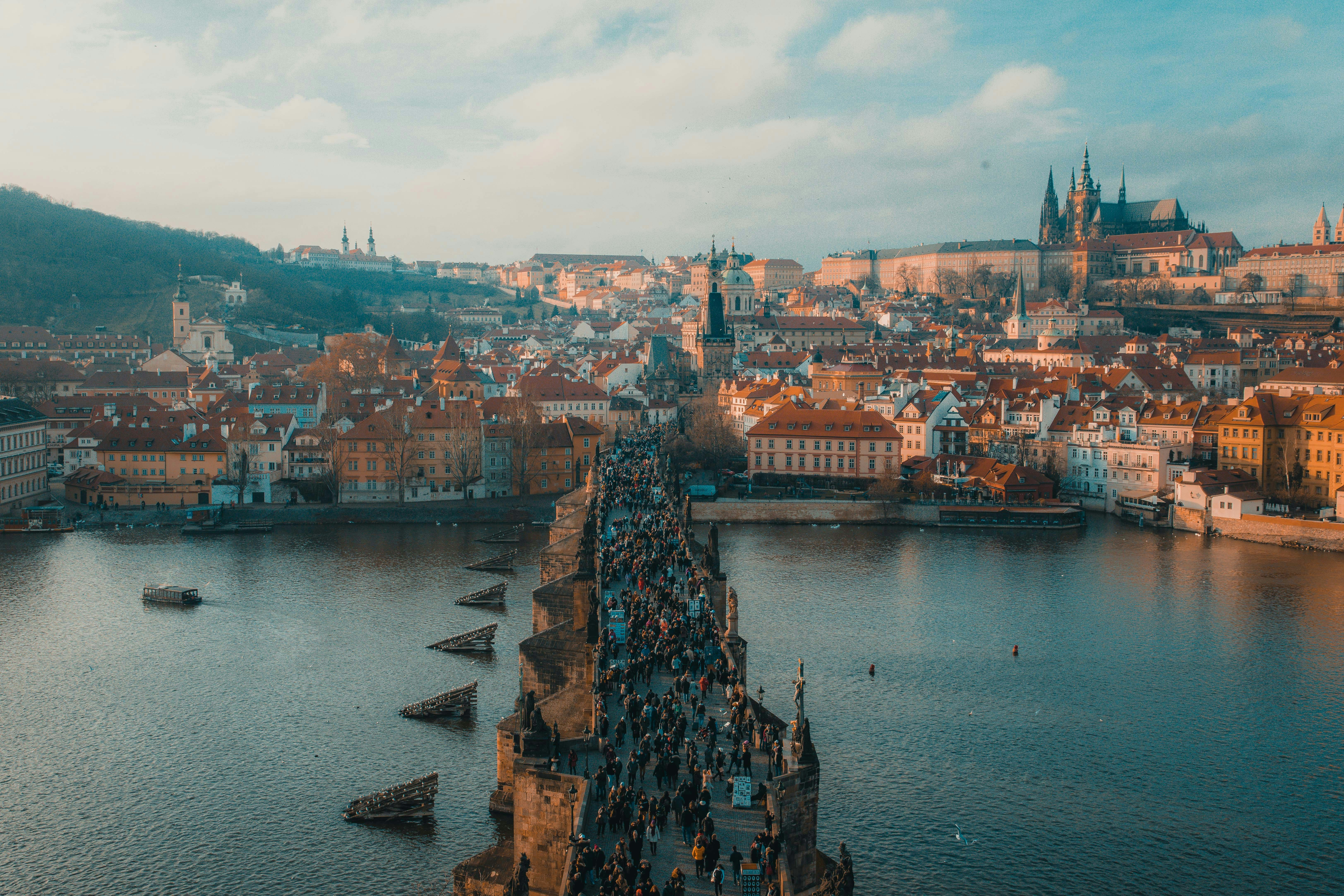
The Charles Bridge is the headline, and it earns it. Thirty Baroque statues line a 14th-century stone bridge connecting the Old Town to Mala Strana, with Prague Castle looming above. But the bridge is also a lesson in timing: at sunrise you might share it with a dozen people, by 10 AM there are thousands. This timing principle applies to most of Prague. The Old Town Square, the Astronomical Clock, the Castle, the Jewish Quarter, all of them reward early mornings or late afternoons.
Prague Castle is not a single building but an entire complex: St. Vitus Cathedral (free to enter the nave, CZK 250 for the full circuit), the Old Royal Palace, Golden Lane, and gardens that take half a day to explore properly. The Jewish Quarter (Josefov) tells a darker story: six synagogues and the Old Jewish Cemetery preserved because the Nazis intended them as a "museum of an extinct race." The combined ticket (CZK 500) is the most emotionally heavy experience in Prague.
The food is heavier than you expect: svickova (marinated beef with cream sauce and dumplings), trdelnik (the chimney cake tourists love but locals never eat), and koleno (roasted pork knee that feeds two). The beer is extraordinary and extraordinarily cheap: CZK 50-70 for a half-litre of Pilsner Urquell, Staropramen, or Kozel at a proper beer hall. Prague has more Michelin-starred restaurants than you would expect, and the cocktail bar scene has exploded in the last five years.
Beyond the tourist core, neighbourhoods like Vinohrady (Art Nouveau facades, brunch culture, wine bars), Zizkov (the TV Tower, dive bars, the most pubs per capita in Prague), Holesovice (galleries, DOX Centre, converted industrial spaces), and Karlin (post-flood renewal, the best new restaurants) are where Prague feels like a living city rather than an open-air museum.
Neighborhoods
Each district has its own personality
Staré Město
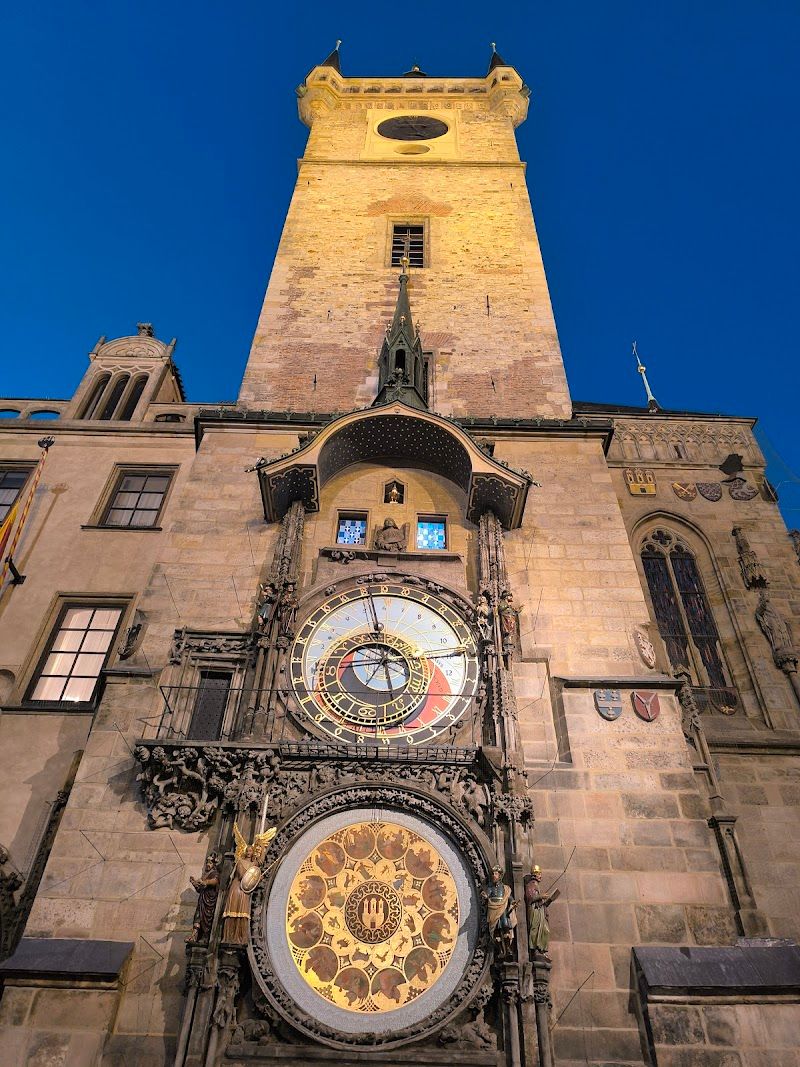
Prague's medieval core: the Astronomical Clock, Gothic churches, Baroque palaces, and the narrow lanes that have not changed in 600 years
Malá Strana
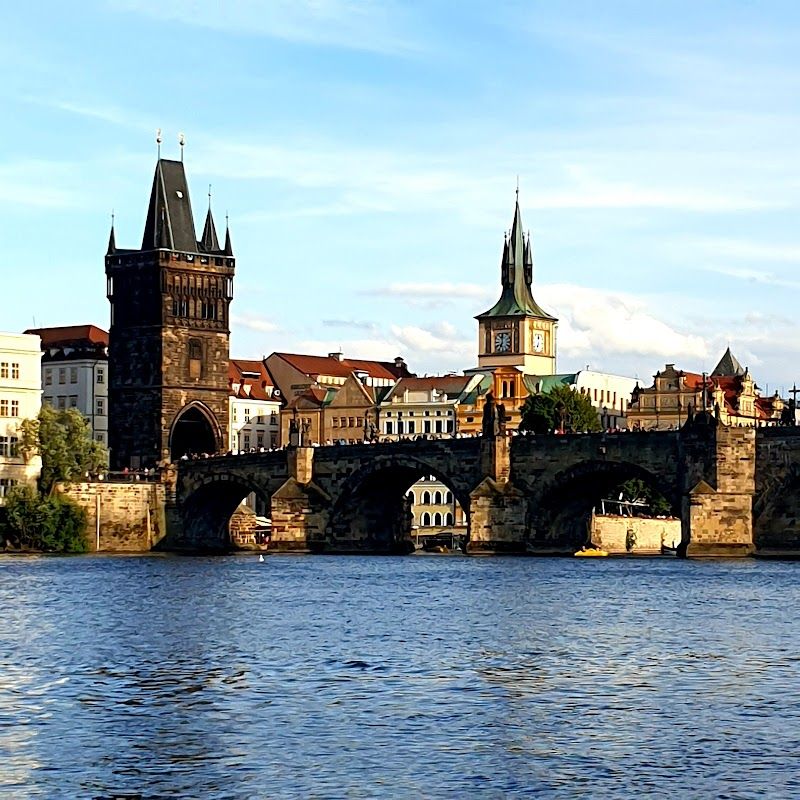
Prague's Baroque quarter: palace gardens, cobbled lanes, hidden courtyards, and the romantic atmosphere that the Old Town has traded for souvenir shops
Hradčany
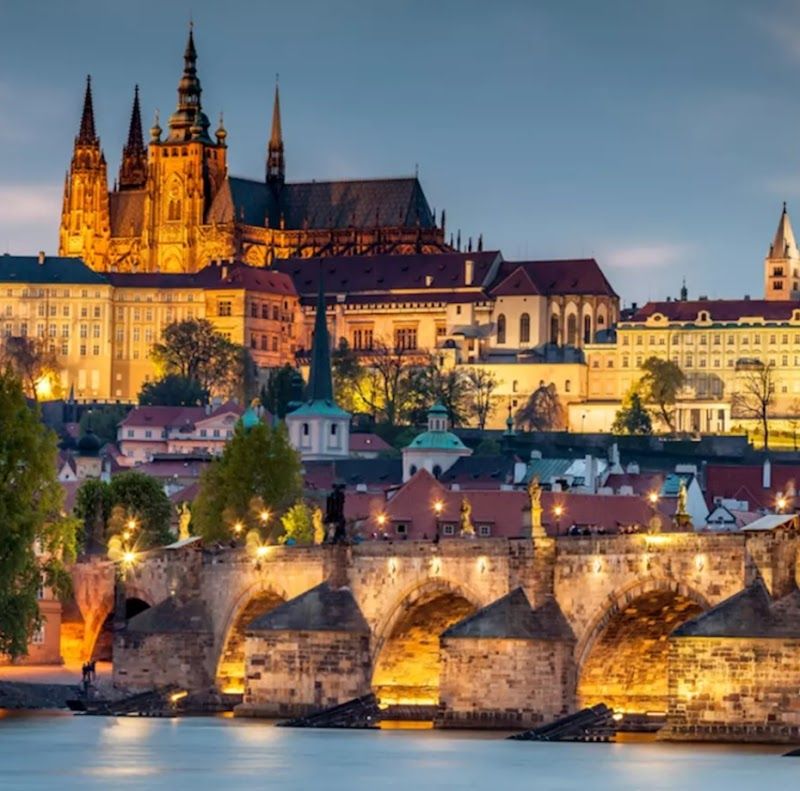
The castle hilltop: the largest castle complex in the world, a Gothic cathedral, a medieval lane, and the monastery library that Instagram made famous
Josefov
Prague's Jewish Quarter: six synagogues, the most haunting cemetery in Europe, and a history preserved for the darkest of reasons
Nové Město
Prague's commercial centre: Wenceslas Square, the National Museum, Art Nouveau architecture, and the neighbourhood where business meets nightlife
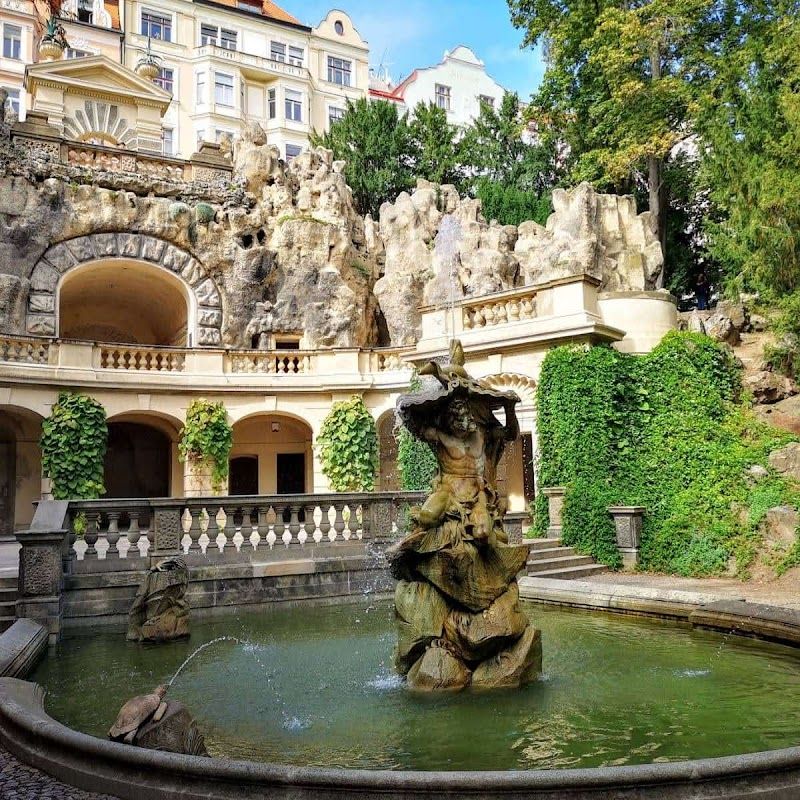
Vinohrady
Prague's most liveable neighbourhood: Art Nouveau boulevards, brunch culture, wine bars, and the park beer garden with the best Castle view in the city
Things to Do
Top experiences in Prague
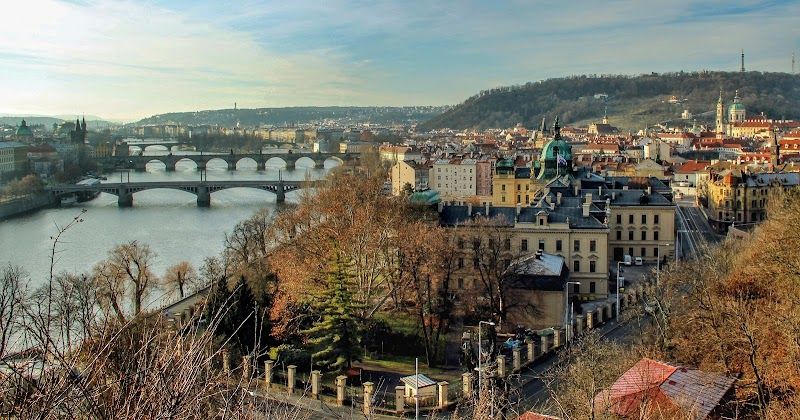
Letná Park
Letná Park sprawls across a plateau above the Vltava River, offering some of Prague's best panoramic views without the tourist crowds of Prague Castle. You'll find the towering Metronome sculpture ticking away where Stalin's massive statue once stood, plus tree-lined paths perfect for running or cycling. The park connects several neighborhoods and serves as Prague's unofficial outdoor living room, complete with a proper beer garden that locals actually use. Walking through Letná feels like discovering Prague's backyard: dog walkers emerge from every path, skateboarders practice tricks near the Metronome, and families spread blankets under chestnuts and lindens. The river views unfold gradually as you walk toward the southern edge, revealing the full sweep of Prague's bridges and red rooftops. The atmosphere stays relaxed year-round, though summer brings outdoor ping-pong tables and impromptu football games. Most guides oversell the Metronome itself (it's just a big ticking sculpture), but undersell the beer garden experience. Letenský zámeček serves proper Pilsner Urquell for around 50 CZK with million-dollar views. Skip the formal gardens near the entrance and head straight for the river overlooks. The park works best as a sunset spot after visiting nearby attractions, not as a destination itself.
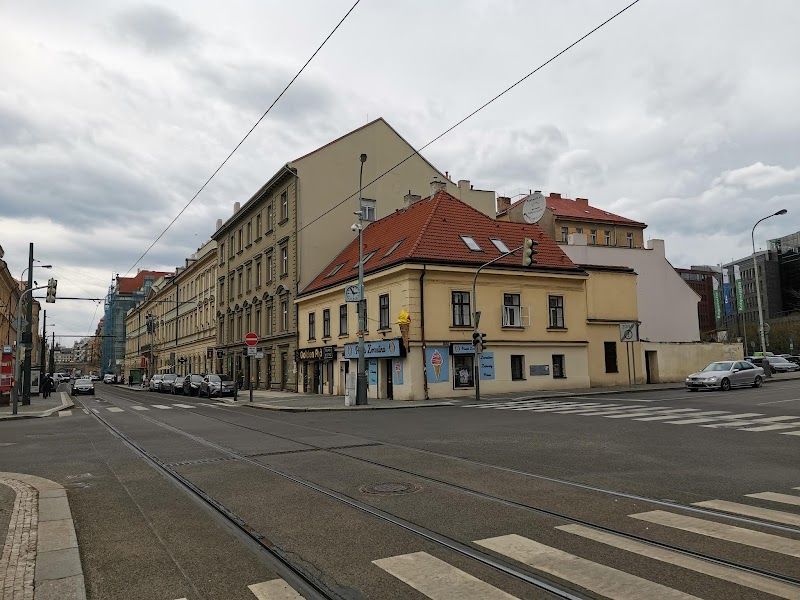
Karlínské náměstí
Karlínské náměstí is the heart of Prague's Karlín district, a square surrounded by beautifully restored 19th-century buildings that showcase the neighborhood's evolution from industrial zone to residential area. You'll find yourself in a local space where kids play on modern playground equipment while their parents relax on benches beneath mature trees. The centerpiece is SS. Cyril and Methodius Church, whose Byzantine Revival domes and ornate facade create an exotic focal point in this otherwise Central European setting. Walking around the square feels like discovering a neighborhood secret that most Prague visitors never find. The morning light hits the colorful Neo-Renaissance facades perfectly, and you can grab coffee from nearby cafes to enjoy on one of the many benches. The church often stands open, revealing Byzantine-style interior decorations that match the unique style found in the city center. Local residents walk their dogs, elderly men play chess, and the whole scene has an authentic Prague neighborhood vibe that's increasingly rare. Most guidebooks barely mention this square, which is exactly why it's worth the 10-minute tram ride from the center. It's best to visit if you have time to explore beyond the tourist circuit, as this gives you a taste of residential Prague. The church interior is free when open (usually mornings and early evenings), and the square itself makes for a 30-minute stop rather than a destination.
Prague Castle
Prague Castle sprawls across 70,000 square meters above the Vltava River, housing nearly 1,000 years of Czech royal history in one massive complex. You'll walk through St. Vitus Cathedral's soaring Gothic nave (free entry), climb the 287-step tower for city views, explore the cramped medieval houses of Golden Lane where Kafka once lived, and wander through the Old Royal Palace's vast Vladislav Hall. The full circuit ticket costs CZK 250 and covers all the main interiors, though you can easily spend hours just in the free cathedral sections. The experience feels like walking through a living history book, with each courtyard revealing different architectural periods from Romanesque to Baroque. St. Vitus Cathedral dominates the first courtyard, its blackened stone exterior giving way to jewel-toned light filtering through Mucha's Art Nouveau stained glass. Golden Lane gets packed with tourists photographing the tiny colorful houses, while the Royal Palace's enormous halls echo with footsteps on worn stone floors. The complex sits on multiple levels, so you're constantly climbing stairs and discovering new views across Prague's red rooftops. Most guidebooks oversell Golden Lane, which is essentially a tourist trap with overpriced medieval-themed shops. The real highlights are the cathedral's free sections and the tower climb, though skip the tower if you're doing Petřin Hill later. The CZK 250 circuit ticket is worth it only if you're genuinely interested in royal apartments and historical interiors. Buy online to skip ticket queues, especially in summer when lines stretch across the courtyard.
Charles Bridge
Charles Bridge is Prague's 14th-century stone lifeline connecting Old Town to Lesser Town, lined with 30 Baroque statues that feel like silent guardians watching over the Vltava River. You'll walk the same 516-meter cobblestone path that's carried everyone from medieval merchants to modern backpackers for over 600 years. The Gothic towers at each end frame castle views that'll make you understand why Prague gets called the City of a Hundred Spires. Walking across feels like stepping onto a medieval film set, complete with street artists, souvenir hawkers, and tourists posing with the bronze plaques on St. John of Nepomuk's statue (touching it supposedly brings good luck). The experience shifts dramatically with the crowds: early morning gives you space to actually appreciate the craftsmanship of those Baroque saints, while midday turns it into a slow-moving parade of selfie sticks. The river views open up beautifully from the center, with Prague Castle looming magnificently to the west. Most guides won't tell you that the bridge itself is completely free, but climbing either tower costs extra: Old Town Tower runs 150 CZK, Lesser Town Tower costs 100 CZK. Skip the overpriced souvenirs on the bridge and save your money for the tower climb instead. The timing makes or breaks this experience, so either go at sunrise when you'll have it mostly to yourself, or embrace the chaos and go at sunset for the classic castle backdrop shot.
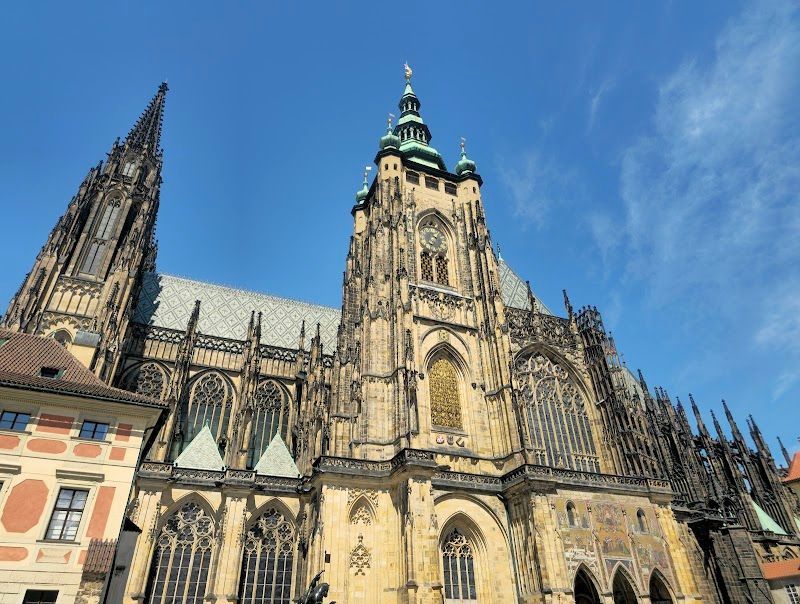
St. Vitus Cathedral
St. Vitus Cathedral is Prague's Gothic masterpiece, a towering spire that took 600 years to finish and houses Czech kings in its crypt. You'll walk through soaring stone arches where colored light streams through medieval stained glass, including Alphonse Mucha's Art Nouveau window depicting Saints Cyril and Methodius. The Chapel of St. Wenceslas glitters with semi-precious stones covering every wall, while the royal tombs below hold Charles IV and Rudolf II. The nave feels impossibly tall and hushed, with tourists craning their necks at the ribbed vaulting overhead. Most people cluster around the Mucha window (third on the left as you enter), but the real showstopper is St. Wenceslas Chapel, where every surface sparkles with jasper, amethyst, and gold leaf. If you buy the full circuit ticket, the tower climb gets progressively narrower until you're squeezing through medieval stone passages to emerge 287 steps later with panoramic views over red rooftops. Here's what most guides won't tell you: the nave is completely free, so don't feel pressured to buy the 250 CZK circuit ticket unless you specifically want the tower climb and Wenceslas Chapel access. The crypt is interesting but skippable unless you're obsessed with Habsburg history. Morning light makes the stained glass absolutely sing, while afternoon visits feel dim and gloomy.
Old Town Square & Astronomical Clock
Old Town Square anchors Prague's historic center with 900 years of continuous use as the city's main marketplace and gathering point. The medieval Astronomical Clock on Old Town Hall Tower, operational since 1410, performs its famous hourly show where twelve apostles parade past tiny windows while mechanical figures of Death, Vanity, Greed, and a Turk move below. The real attraction isn't the 45-second show but the intricate clock face itself: an astronomical dial tracking sun and moon positions, a detailed calendar dial, and Renaissance-era craftsmanship that still functions perfectly. The square buzzes with tour groups clustering around the clock tower every hour, cameras ready for the brief mechanical performance. Between shows, you can properly examine the clock's complex dials and symbolic figures without crowds blocking your view. The Gothic twin spires of Tyn Church dominate the square's eastern edge, while colorful baroque buildings line the other sides. Street performers, horse-drawn carriages, and outdoor restaurant terraces fill the remaining space with constant activity. Honestly, the hourly show disappoints most visitors: it's literally 45 seconds of wooden apostles rotating past windows. Skip the crowds and focus on studying the clock's astronomical details up close. Climb the tower for 310 CZK to get Prague's best aerial view of the square and surrounding red rooftops. Every restaurant directly on the square charges tourist prices, easily double what you'll pay on nearby Dlouhá street just two minutes away.
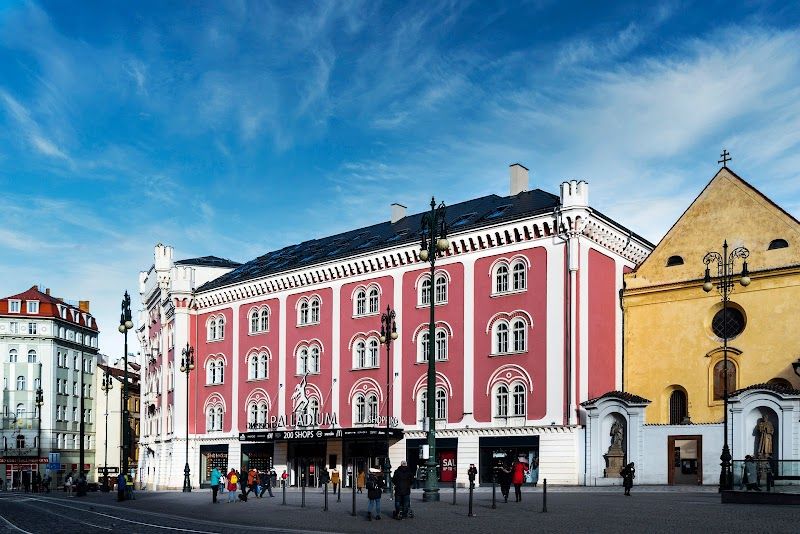
Palladium
Palladium transforms a 1920s military barracks into Prague's most architecturally interesting shopping center, blending original Art Nouveau details with sleek modern retail spaces across five floors. You'll find 200 stores ranging from H&M and Zara to local Czech brands, plus a massive Albert hypermarket in the basement and a food court on the top floor. The real draw isn't just shopping: it's seeing how cleverly they've preserved the building's military heritage while creating a genuinely pleasant place to spend time. Walking through feels like exploring a beautifully renovated fortress rather than a typical mall. The central atrium showcases original brick arches and period details, while wide corridors lined with shops maintain an airy, uncluttered feel. The basement Albert buzzes with locals doing their weekly shopping, and the top floor food court offers decent views over Náměstí Republiky. Even if you're not shopping, the architecture alone makes it worth a quick walk through. Most visitors stick to the main floors and miss the best parts. Skip the generic international chains on floors 2-3 and head straight to the basement Albert for genuinely useful Czech products at local prices: Kofola costs 15 CZK, Karlovarské wafers run about 35 CZK. The food court is overpriced at 200-300 CZK per meal, but the building's original features are most visible from up there. Weekday afternoons are perfect for avoiding crowds while still seeing the place come alive.
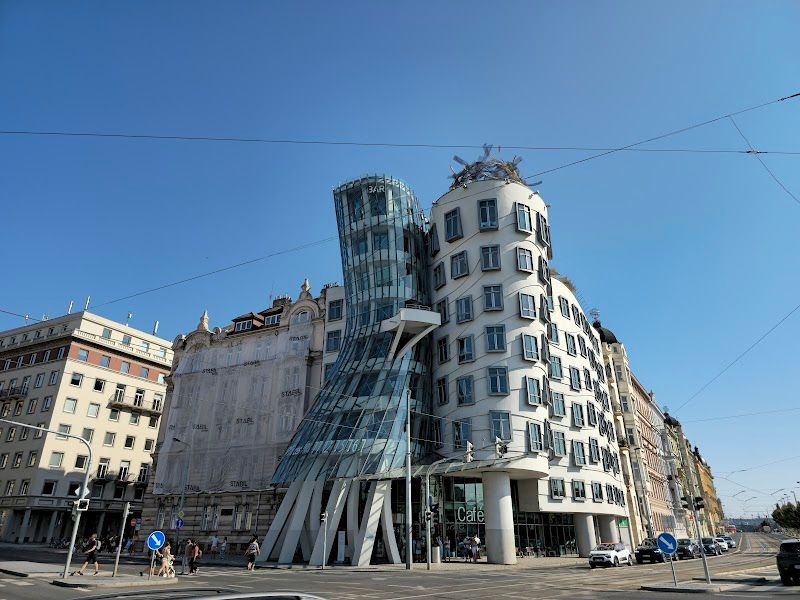
Dancing House
Dancing House stands out like a wobbly sculpture among Prague's baroque buildings, its curved glass and concrete designed to resemble a dancing couple. You're looking at Frank Gehry's first major European project, completed in 1996 after years of controversy from locals who thought it ruined their historic skyline. The building houses offices, a hotel, and the top floor Ginger & Fred restaurant with panoramic views over the Vltava River and Prague Castle. Walking up close, you'll notice how the wavy facade creates different silhouettes from every angle, especially where the concrete 'Fred' leans into the glass 'Ginger.' The ground floor feels surprisingly ordinary inside, just a hotel lobby and some shops. Most people spend 10 minutes circling the building for photos, then either head up to the restaurant or cross the river for wider shots. The contrast with neighboring 19th century apartments is jarring in the best way. Honestly, the exterior is the real show here, and it's completely free. The top floor restaurant charges around 800 CZK for mains and gets packed with tour groups by noon. Skip the overpriced drinks on the roof terrace unless you're desperate for Castle views. The building photographs better from across the river anyway, where you can capture it alongside Prague's traditional architecture for context.
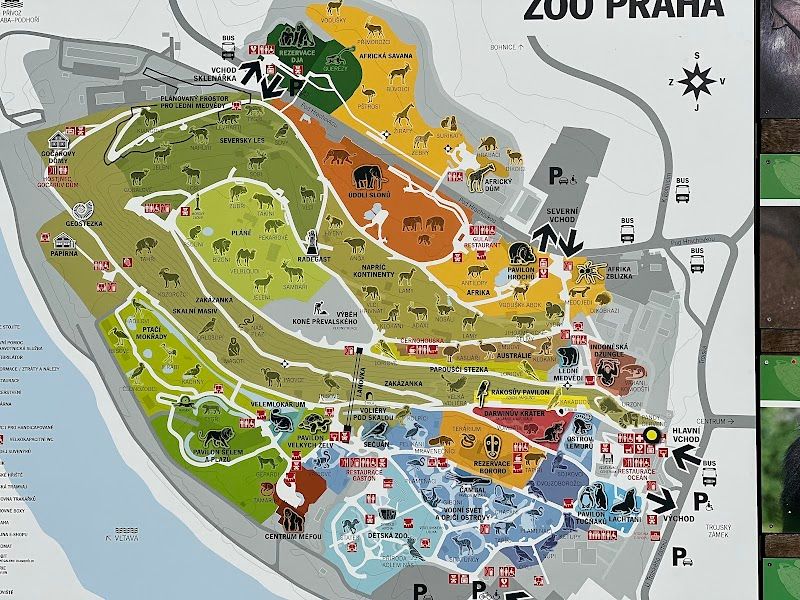
Prague Zoo
Prague Zoo is consistently ranked among the top 10 zoos in the world and it deserves the ranking. Spread over 58 hectares on a hillside above the Vltava in Troja, the zoo specialises in conservation programs and has naturalistic enclosures that do not feel depressing. The Indonesian Jungle pavilion, the gorilla family, and the elephant valley are highlights. The chairlift (CZK 30) takes you to the upper section with panoramic views. CZK 320 adults, CZK 220 children. Allow 4-6 hours. It is genuinely good enough to justify half a day.
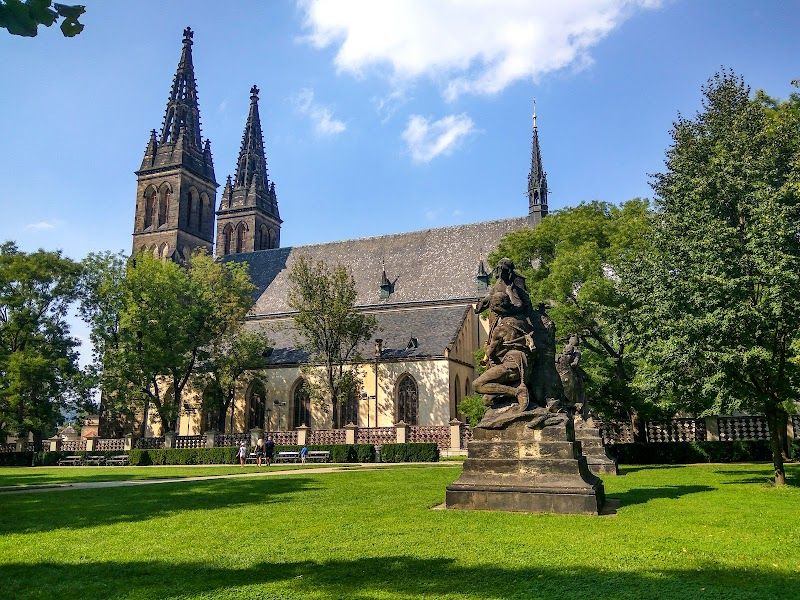
Vyšehrad Fortress Historical Tour
Vyšehrad Fortress sits on a rocky outcrop above the Vltava, predating Prague Castle by centuries and serving as the legendary seat of Czech princes. You'll walk medieval ramparts with sweeping river views, explore underground casemates storing original Charles Bridge statues, and visit the neo-Gothic Church of St. Peter and Paul with its distinctive twin spires. The cemetery here holds Czech cultural giants like composer Dvořák and Art Nouveau master Mucha, making this both a historical site and national pantheon. The fortress feels refreshingly peaceful compared to Prague's tourist chaos. You'll enter through ancient gates into landscaped gardens where locals jog and families picnic, creating an unexpectedly relaxed atmosphere. The underground casemates provide a cool contrast to outdoor exploration, displaying massive baroque statues in atmospheric brick vaults. Walking the ramparts gives you Prague's best panoramic views without the crowds of Prague Castle, especially beautiful at sunset when the city lights reflect off the Vltava. Most visitors rush through in 45 minutes, but you need at least 90 to appreciate the casemates and cemetery properly. The church interior costs 50 CZK extra and honestly isn't worth it unless you're obsessed with neo-Gothic details. Skip the overpriced fortress restaurant and bring snacks for the gardens instead. The real treasure is the peaceful atmosphere, so avoid weekends when Prague families claim every bench.
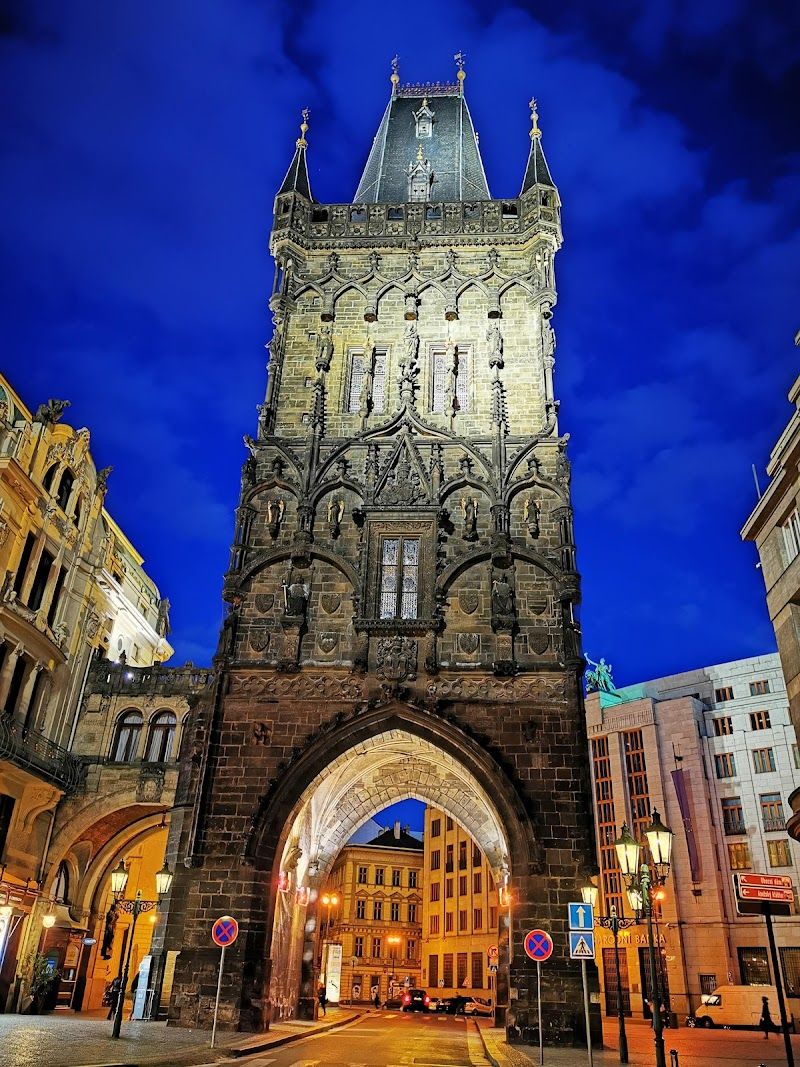
Powder Gate
Powder Gate stands as Prague's last surviving city gate, a 65-meter Gothic tower that once marked where merchants entered Old Town. You'll climb 186 narrow stone steps to reach the viewing gallery, which offers solid perspectives over náměstí Republiky and down the Royal Route toward Wenceslas Square. The tower got its name from storing gunpowder in the 17th century, though it was built in 1475 as part of the original city fortifications. The climb feels authentic with worn medieval steps winding up through multiple levels of the tower's interior. Halfway up you'll pass small windows that frame different angles of the surrounding streets, and the final gallery wraps around the tower's exterior under Gothic arches. The views aren't Prague's most spectacular, but they give you a unique perspective on how Old Town connects to New Town, with the Municipal House's Art Nouveau dome directly below. Most visitors rush through in 20 minutes, but the 100 CZK admission feels steep for what you get. The tower closes at 6pm (4pm in winter), so don't arrive late. Skip this if you're already planning to climb Petřin Tower or the Astronomical Clock, both offer better views. The real value comes from combining it with Municipal House next door, where the architecture and interiors justify the area visit.
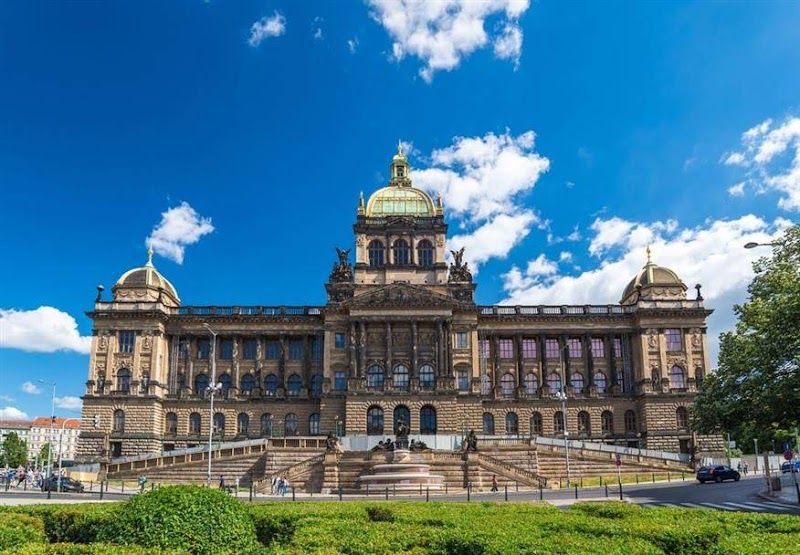
National Museum
Prague's National Museum fills a spectacular neo-Renaissance palace that looks like it could house royalty instead of rocks and bones. The 2018 renovation revealed gilded ceilings, marble staircases, and crystal chandeliers that honestly outshine most of the exhibits. You'll find everything from meteorites to stuffed animals, plus the Pantheon upstairs where Czech cultural heroes get the marble bust treatment. The building itself tells Prague's story better than many of the collections inside. Your visit flows up the grand central staircase past restored frescoes and into halls that feel more like Versailles than a natural history museum. The mineral collection sparkles under ornate ceilings, while the paleontology section puts dinosaur bones in rooms fit for emperors. Most visitors spend time gawking at the architecture, which is exactly right. The rooftop terrace opens onto sweeping views of Wenceslas Square, and you can see why this building anchors Prague's most famous boulevard. At 250 CZK, you're really paying for the building tour with some decent exhibits thrown in. Skip the zoology floors unless you love taxidermy, and don't expect world-class collections. The Pantheon feels like a who's who of people you've never heard of, but the gilded dome above makes it worthwhile. Come for the restored interiors and that rooftop view, treat everything else as a bonus.
Travel Guides
Expert guides for every travel style

Prague Architecture: Gothic to Cubist in One City
Prague was not bombed in WWII, which means 1,000 years of architecture survived: Romanesque basements, Gothic spires, Renaissance courtyards, Baroque facades, Art Nouveau boulevards, and the only Cubist architecture in the world.
5 min read

Day Trips from Prague: Kutná Hora, Český Krumlov & Beyond
Kutná Hora and its bone church is an hour by train, Český Krumlov is the fairytale medieval town, and Karlštejn Castle sits on a hilltop 40 minutes from the city. All by train, no car needed.
5 min read

The Beer Guide to Prague: Where, What & How Much
The Czech Republic drinks more beer per capita than any country on earth, and Prague is where they perfected the art. From 500-year-old beer halls to craft breweries, here is where to drink.
5 min read

Prague on a Budget: Central Europe's Best-Value Capital
Prague is one of the cheapest capital cities in Western/Central Europe. Beer for CZK 50, lunch specials for CZK 150, and free views that rival paid attractions. Here is how to do Prague well for less.
4 min read
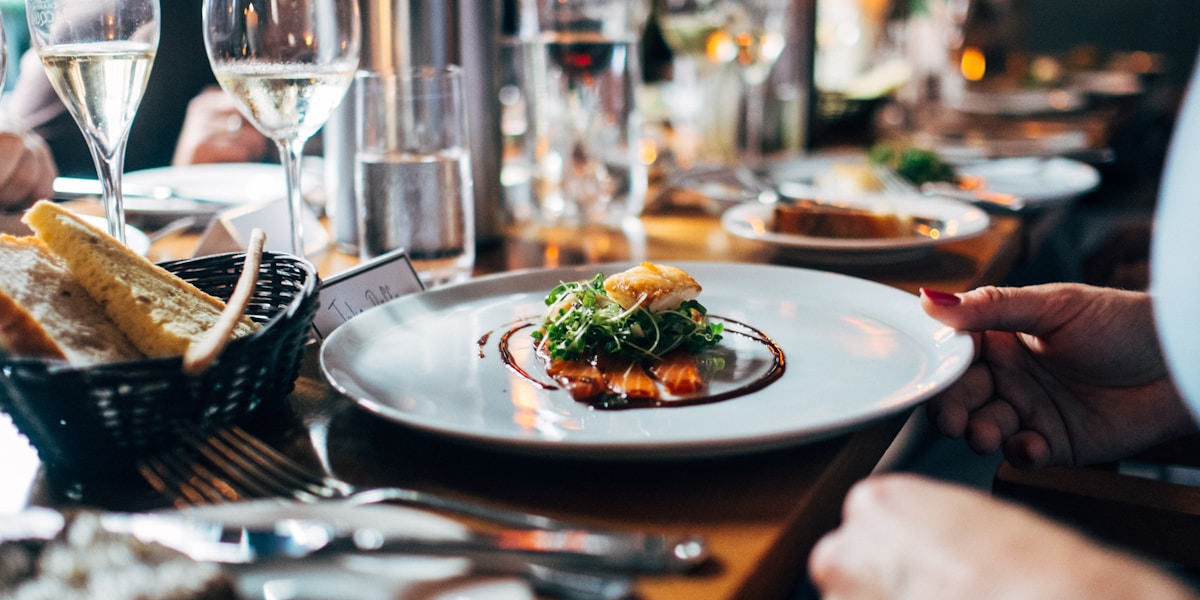
Where to Eat in Prague: A Neighbourhood Food Guide
Czech food is heavier than you expect: dumplings, cream sauces, roasted pork knees, and beer that costs less than water. Here is where to find the real Czech kitchen, neighbourhood by neighbourhood.
5 min read

3 Days in Prague: A First-Timer's Itinerary
Three days covers the Castle, Charles Bridge, the Jewish Quarter, and enough beer halls to understand why Prague takes its brewing so seriously. The city is compact and flat on one side, hilly on the other.
6 min read
From the Journal
Prague in December: Christmas Markets, Ice Skating, and Winter Activities Worth Your Time
Prague transforms in December with Christmas markets, ice skating, and cozy cafes. Here's what's actually worth doing in winter's embrace.
Prague Activities That Actually Matter: What Locals and Travelers Really Recommend
Cut through Prague's tourist noise with recommendations that locals and experienced travelers swear by. From timing the Charles Bridge to finding authentic goulash.
What Food Actually Costs in Prague: Restaurant Prices by Neighborhood
Prague food prices vary dramatically by neighborhood. Tourist areas charge EUR 8-12 for goulash while locals pay EUR 4-6 just blocks away. Here's where to eat well for less.
Frequently Asked Questions
Most travelers find 4-5 days ideal to explore the main neighborhoods, museums, and dining scenes without feeling rushed. A long weekend works for a focused visit, while a week allows for day trips and deeper neighborhood exploration.
Le Marais offers the best balance of central location, walkability, dining, and nightlife. Saint-Germain-des-Pres suits those seeking a quieter, more literary atmosphere. For first-time visitors who want proximity to major landmarks, the 7th Arrondissement near the Eiffel Tower is convenient.
Generally very safe for tourists. Standard big-city precautions apply: watch for pickpockets in crowded metro stations and tourist areas, keep valuables secure, and stay aware of your surroundings at night. Avoid leaving bags unattended at cafe terraces.
April through June and September through October offer the best weather, fewer crowds than peak summer, and pleasant temperatures for walking. July and August are hot and busy but have the longest days. Winter is cold but offers lower prices and shorter museum queues.
The metro is fast, cheap, and covers the entire city - stations are never more than 500 meters apart. Buy a Navigo Easy card and load t+ tickets. Walking is the best way to discover neighborhoods. Avoid taxis during rush hour; ride-sharing apps work well late at night.
English is widely spoken in tourist areas, hotels, and restaurants. However, starting interactions with "Bonjour" goes a long way - Parisians appreciate the effort. Learn a few basics: "merci", "s'il vous plait", "l'addition" (the bill). Younger staff are typically more comfortable in English.