
Prague
Staré Město
Prague's medieval core: the Astronomical Clock, Gothic churches, Baroque palaces, and the narrow lanes that have not changed in 600 years.
About Staré Město
Staré Město is the beating heart of Prague and the reason most people come. The Old Town Square is the centrepiece: the Astronomical Clock (free to watch the hourly show, CZK 310 to climb the tower), the twin Gothic spires of the Church of Our Lady before Tyn (free entry), and the pastel Baroque facades that surround the square. Charles Bridge starts here, at the Old Town Bridge Tower (CZK 150 to climb, best views in Prague). The lanes between the square and the river are a maze of Gothic cellars, Baroque churches, and restaurants that range from tourist traps to genuine discoveries. Avoid the restaurants directly on the square. Walk two blocks in any direction for better food at half the price.
Things to Do
Top experiences in Staré Město
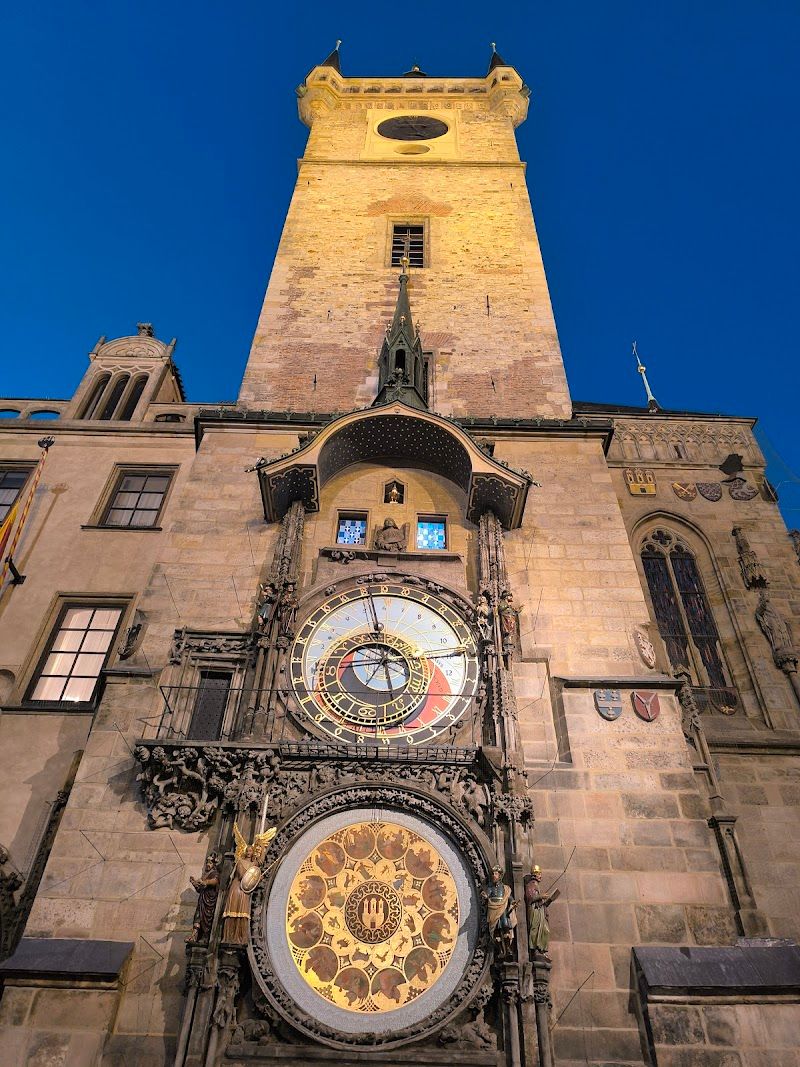
Old Town Square & Astronomical Clock
Old Town Square anchors Prague's historic center with 900 years of continuous use as the city's main marketplace and gathering point. The medieval Astronomical Clock on Old Town Hall Tower, operational since 1410, performs its famous hourly show where twelve apostles parade past tiny windows while mechanical figures of Death, Vanity, Greed, and a Turk move below. The real attraction isn't the 45-second show but the intricate clock face itself: an astronomical dial tracking sun and moon positions, a detailed calendar dial, and Renaissance-era craftsmanship that still functions perfectly. The square buzzes with tour groups clustering around the clock tower every hour, cameras ready for the brief mechanical performance. Between shows, you can properly examine the clock's complex dials and symbolic figures without crowds blocking your view. The Gothic twin spires of Tyn Church dominate the square's eastern edge, while colorful baroque buildings line the other sides. Street performers, horse-drawn carriages, and outdoor restaurant terraces fill the remaining space with constant activity. Honestly, the hourly show disappoints most visitors: it's literally 45 seconds of wooden apostles rotating past windows. Skip the crowds and focus on studying the clock's astronomical details up close. Climb the tower for 310 CZK to get Prague's best aerial view of the square and surrounding red rooftops. Every restaurant directly on the square charges tourist prices, easily double what you'll pay on nearby Dlouhá street just two minutes away.
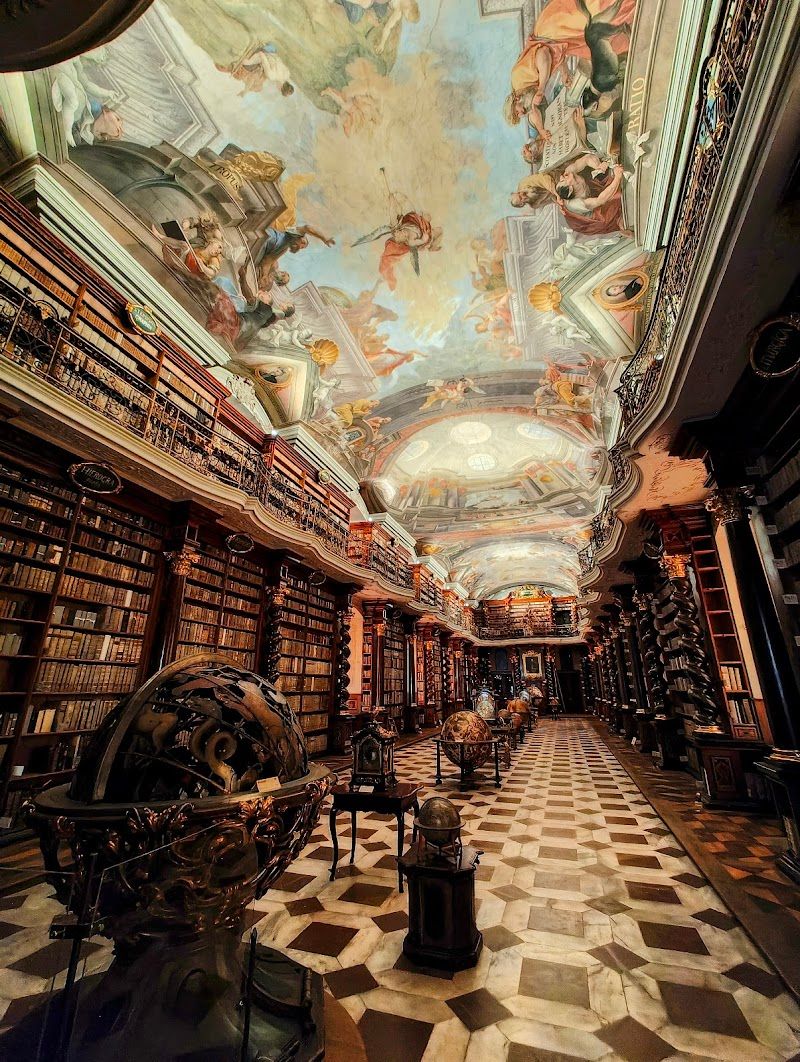
Klementinum
The Klementinum is a massive 17th-century Jesuit complex that houses Prague's National Library and some genuinely spectacular rooms you can visit on guided tours. The 300 CZK tour takes you through the jaw-dropping Baroque Library Hall with its ceiling frescoes and ancient globes, the Meridian Hall where they've recorded weather data since 1775, and up the Astronomical Tower for panoramic views over Prague's red rooftops. You'll also see the original astronomical instruments and learn how this place operated as the intellectual heart of Bohemia for centuries. The tour moves at a brisk pace through surprisingly intimate spaces. The Library Hall genuinely takes your breath away when you first walk in: floor-to-ceiling books, gilded details everywhere, and those famous antique globes positioned perfectly for photos. The climb up the Astronomical Tower involves 172 steps on narrow spiral staircases, but the 360-degree views from the top are worth every step. Your guide shares stories about the Jesuit scholars who lived and worked here, making the place feel lived-in rather than just pretty. Most guides oversell this as a library experience, but it's really about the architecture and views. The actual library visit lasts maybe 10 minutes since you can't touch anything or explore freely. Book online in advance during summer since tours do fill up, especially the morning slots. Skip the expensive gift shop and spend that money on the nearby cafes instead. The tower views are genuinely better than Prague Castle's more crowded alternatives.
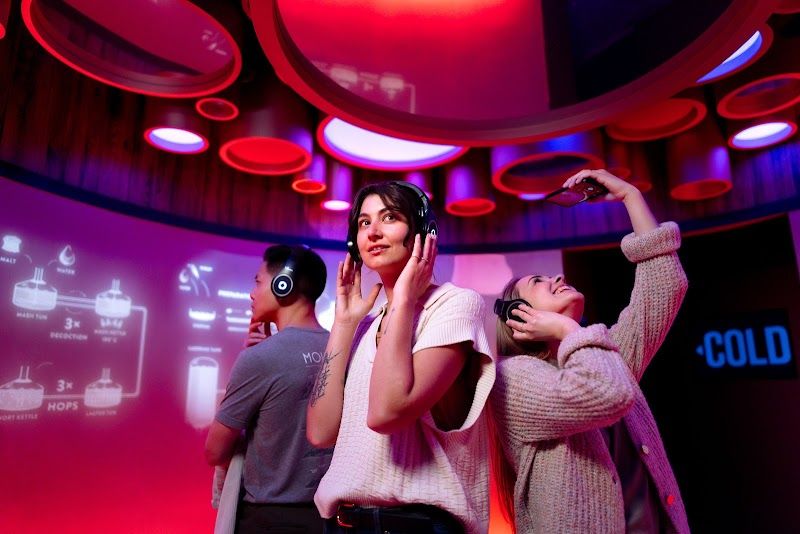
Pilsner Urquell Brewery Day Trip
Pilsner Urquell Brewery sits 90 kilometers west of Prague in Plzeň, where Czech brewmaster Josef Groll invented pilsner beer in 1842. You'll descend into medieval sandstone cellars that stay naturally cool year-round, where massive oak barrels hold unfiltered beer that tastes nothing like the bottled version. The tour includes the original brewhouse where they still use open copper kettles, plus a modern bottling plant that fills 120,000 bottles per hour. The cellar experience feels like entering a beer cathedral: 9 kilometers of tunnels carved from sandstone, with your guide drawing fresh beer directly from wooden barrels using a wooden tap. The temperature stays at 1°C year-round, so you'll need the provided jacket. Above ground, the historic brewhouse smells of hops and malt, while massive copper vessels bubble away. The bottling plant moves at hypnotic speed, with green bottles racing along conveyor belts. Most tours cost around 350 CZK and include three beer tastings, but skip the basic tour for the premium version at 490 CZK. It includes the cellar experience, which is the only reason to make this trip. The museum section feels like corporate propaganda, so spend your time in the cellars and historic brewhouse instead.
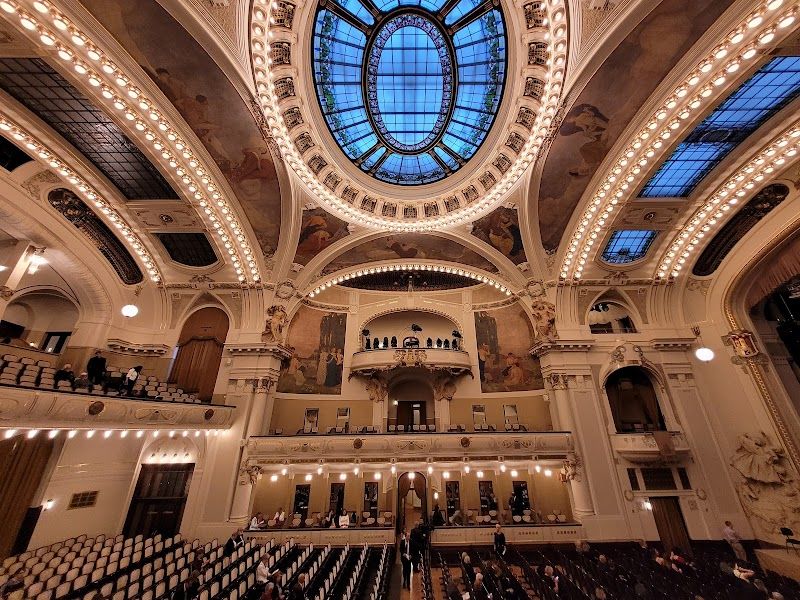
Smetana Hall Classical Concert
Smetana Hall sits inside Prague's Municipal House, delivering classical concerts in what's genuinely one of Europe's most beautiful concert venues. You'll hear the Prague Symphony Orchestra perform works by Czech masters like Dvořák and Smetana beneath Alphonse Mucha's swirling Art Nouveau ceiling murals. The acoustics are exceptional, every note carries perfectly whether you're in the front row or upper balcony. The experience begins the moment you enter the Municipal House's mosaic covered foyer, then ascend the marble staircase to the concert hall itself. The hall glows golden under crystal chandeliers, and Mucha's allegorical paintings seem to dance in the warm light. During intermission, you can explore the building's other decorated rooms, including the Lord Mayor's Hall with its intricate stained glass. Ticket prices range from 890 CZK for balcony seats to 2,200 CZK for premium orchestra sections. Skip the tourist focused "Best of Czech Classics" programs, they're overpriced at 1,500+ CZK and feel rushed. Instead, book regular Prague Symphony Orchestra concerts for authentic programming at better prices. The venue's beauty makes even mediocre performances memorable, but check the conductor, some guest conductors phone it in.
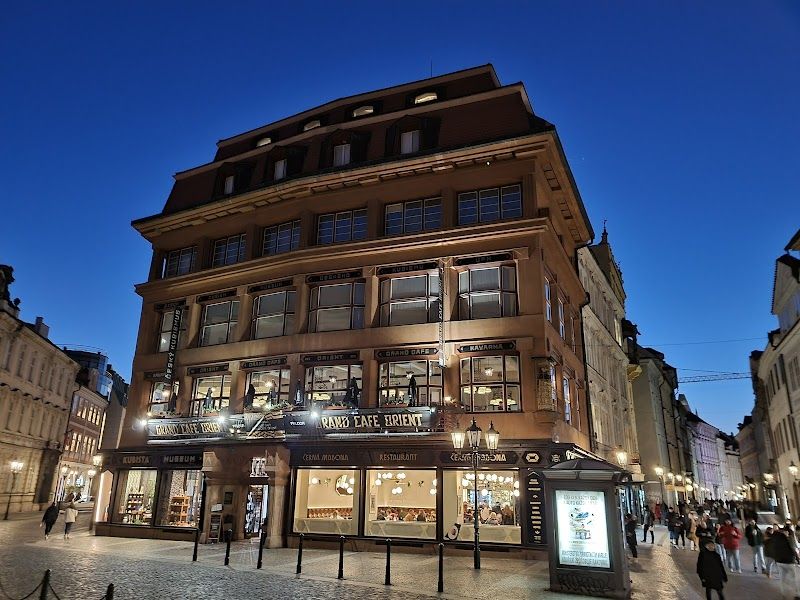
House of the Black Madonna
This is genuinely the world's only Cubist museum, housed inside Josef Gočár's 1912 architectural masterpiece that pioneered Cubist building design. You'll see original Czech Cubist furniture, paintings, and decorative objects from 1911-1919, including Pavel Janák's angular chairs and Vlastislav Hofman's geometric ceramics. The collection is small but extraordinary: every piece represents a brief moment when Czech artists applied Cubist principles to everyday objects like lamps, vases, and tables. The museum occupies just three floors of the narrow building, so you'll move through intimate rooms rather than vast galleries. The Cubist furniture looks surprisingly modern, with sharp angles and faceted surfaces that catch light dramatically. What's remarkable is seeing how artists transformed ordinary objects into geometric sculptures while keeping them functional. The building itself is part of the exhibition, with Gočár's angular facade and crystalline details visible from every window. Most visitors rush through in 30 minutes, but you should spend at least an hour to appreciate the craftsmanship. At 150 CZK, it's excellent value for such rare pieces. Skip the basement level if you're short on time: the ground floor furniture collection is the real highlight. The museum shop sells quality reproductions, but they're expensive at 800-2000 CZK for small items.
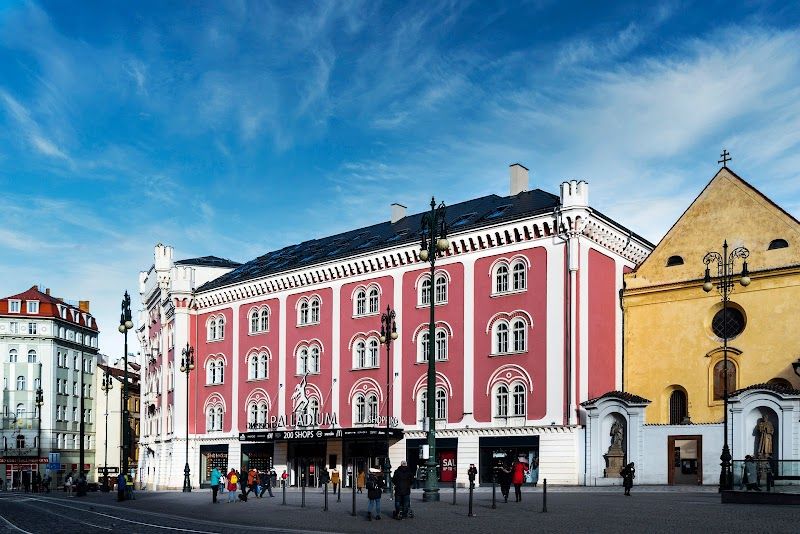
Palladium
Palladium transforms a 1920s military barracks into Prague's most architecturally interesting shopping center, blending original Art Nouveau details with sleek modern retail spaces across five floors. You'll find 200 stores ranging from H&M and Zara to local Czech brands, plus a massive Albert hypermarket in the basement and a food court on the top floor. The real draw isn't just shopping: it's seeing how cleverly they've preserved the building's military heritage while creating a genuinely pleasant place to spend time. Walking through feels like exploring a beautifully renovated fortress rather than a typical mall. The central atrium showcases original brick arches and period details, while wide corridors lined with shops maintain an airy, uncluttered feel. The basement Albert buzzes with locals doing their weekly shopping, and the top floor food court offers decent views over Náměstí Republiky. Even if you're not shopping, the architecture alone makes it worth a quick walk through. Most visitors stick to the main floors and miss the best parts. Skip the generic international chains on floors 2-3 and head straight to the basement Albert for genuinely useful Czech products at local prices: Kofola costs 15 CZK, Karlovarské wafers run about 35 CZK. The food court is overpriced at 200-300 CZK per meal, but the building's original features are most visible from up there. Weekday afternoons are perfect for avoiding crowds while still seeing the place come alive.
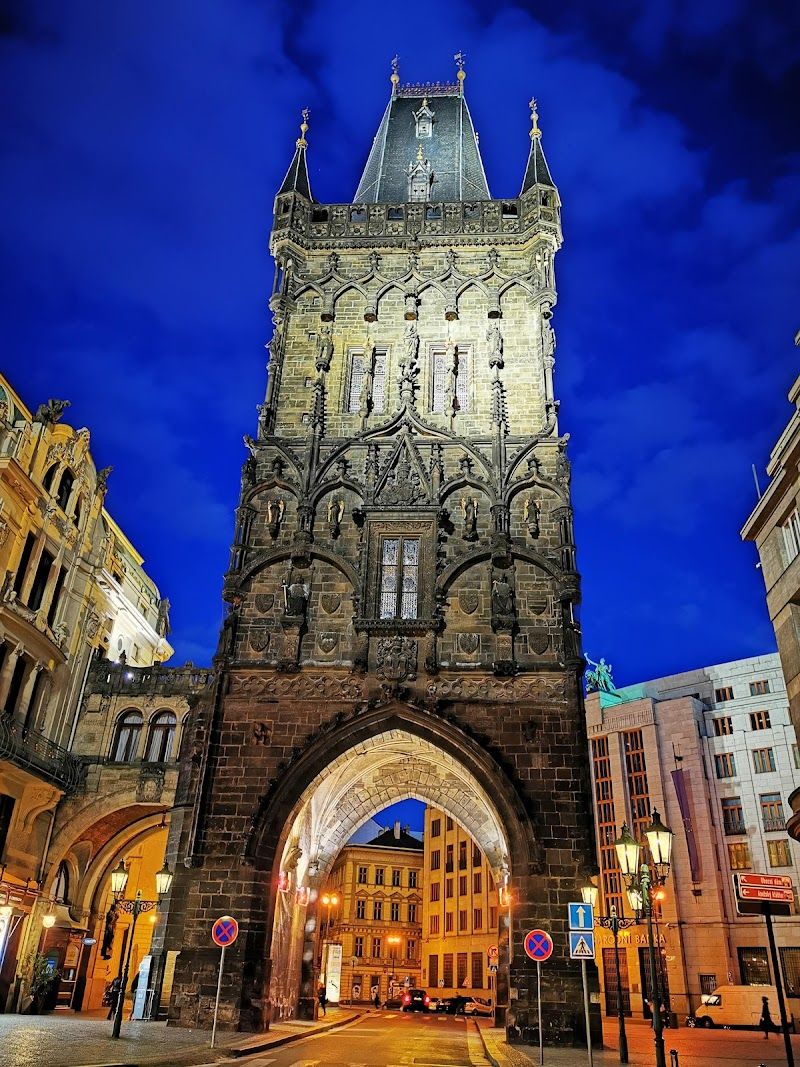
Powder Gate
Powder Gate stands as Prague's last surviving city gate, a 65-meter Gothic tower that once marked where merchants entered Old Town. You'll climb 186 narrow stone steps to reach the viewing gallery, which offers solid perspectives over náměstí Republiky and down the Royal Route toward Wenceslas Square. The tower got its name from storing gunpowder in the 17th century, though it was built in 1475 as part of the original city fortifications. The climb feels authentic with worn medieval steps winding up through multiple levels of the tower's interior. Halfway up you'll pass small windows that frame different angles of the surrounding streets, and the final gallery wraps around the tower's exterior under Gothic arches. The views aren't Prague's most spectacular, but they give you a unique perspective on how Old Town connects to New Town, with the Municipal House's Art Nouveau dome directly below. Most visitors rush through in 20 minutes, but the 100 CZK admission feels steep for what you get. The tower closes at 6pm (4pm in winter), so don't arrive late. Skip this if you're already planning to climb Petřin Tower or the Astronomical Clock, both offer better views. The real value comes from combining it with Municipal House next door, where the architecture and interiors justify the area visit.
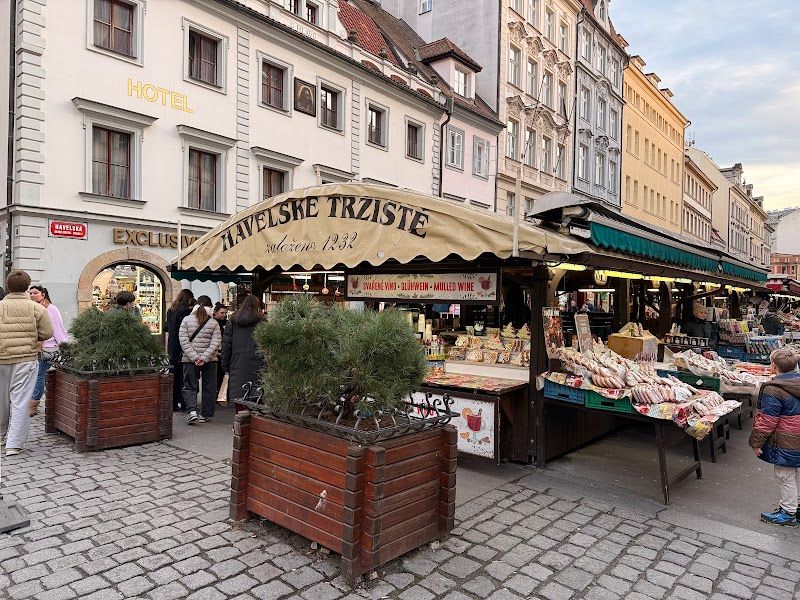
Havelské tržiště
Havelské tržiště runs down a narrow cobblestone street that's been hosting merchants since the 1200s, making it Prague's oldest market. You'll find traditional wooden stalls selling everything from seasonal Czech produce to handmade marionettes, with genuine local vendors mixed among the tourist-focused shops. The produce quality rivals any supermarket, with prices around 30-40 CZK for a kilo of apples or 20 CZK for fresh herbs that elderly vendors grow in their own gardens. The market stretches about 200 meters along Havelská street, creating a natural funnel between Old Town Square and Wenceslas Square. Morning brings the authentic local atmosphere: you'll hear vendors calling prices in Czech while tourists browse wooden toys and crystallware. The mix feels genuine rather than staged, with flower sellers arranging fresh bouquets next to babushkas hawking homegrown vegetables from plastic crates. Most guidebooks overhype this as some magical experience, but it's really just a pleasant working market that happens to occupy medieval real estate. Skip the overpriced souvenirs (those wooden toys cost 200-300 CZK here versus 100 CZK in normal shops) and focus on the produce and flowers. The fruit vendors offer samples freely, and their seasonal offerings beat anything you'll find in Prague's chain stores.
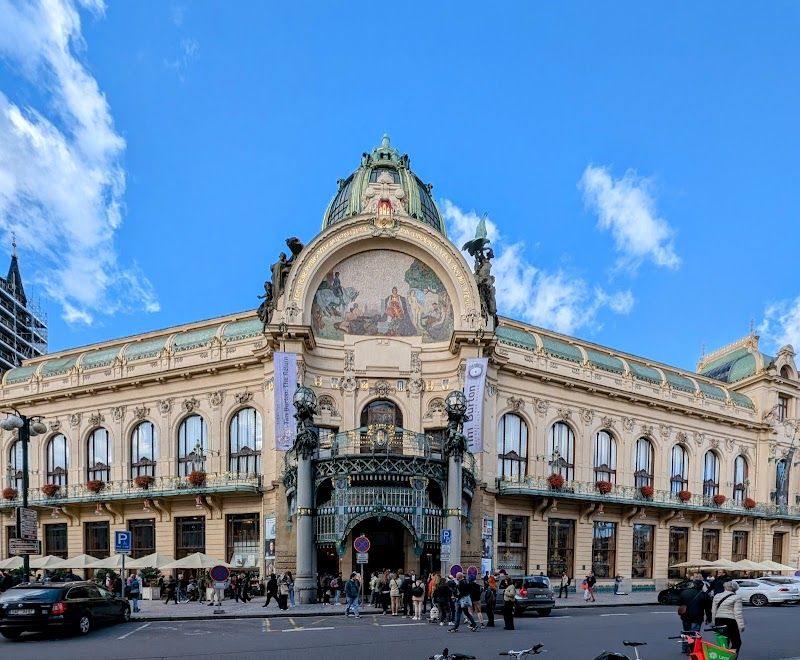
Municipal House (Obecní dům)
The Municipal House is Prague's Art Nouveau masterpiece, built 1905-1912 on the site of the medieval Royal Court. The exterior is impressive but the interior is extraordinary: Smetana Hall (where the Prague Spring festival opens annually), the Mayor's Hall decorated entirely by Alphonse Mucha, and public spaces dripping with mosaics, stained glass, and gilded stucco. The guided tour (CZK 290) is the only way to see the Mayor's Hall and the private rooms. The ground-floor cafe (Kavárna Obecní dům) is open to everyone and is one of the most beautiful cafe interiors in Europe. Smetana Hall concerts are regular and affordable (CZK 400-1000).
Where to Eat
Restaurants and cafes in Staré Město
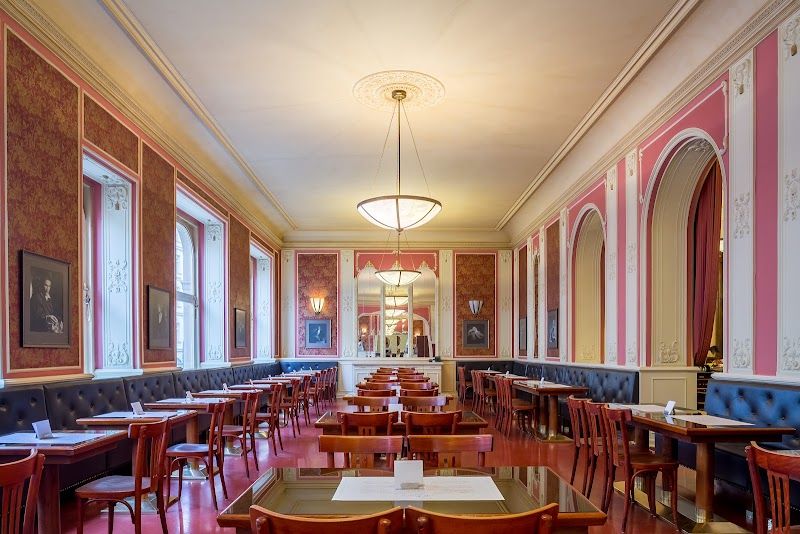
Café Louvre
RestaurantCafé Louvre serves as Prague's most atmospheric literary café, occupying the same Art Nouveau space where Einstein debated relativity and Kafka scribbled stories in 1911. You'll find yourself dining under soaring ceilings with original moldings, surrounded by marble-topped tables and burgundy banquettes that have hosted a century of conversations. The menu spans Czech classics like goulash (280 CZK) and schnitzel (320 CZK) alongside all-day breakfast options and exceptional cakes that locals actually order. The experience feels like stepping into pre-war Central Europe, with waiters in bow ties navigating between tables of students, business meetings, and tourists clutching guidebooks. The main dining room buzzes with multilingual chatter, while the upstairs billiard room maintains its original 1902 tables and quieter atmosphere. Service moves at old-world pace, giving you time to absorb the literary ghosts and watch Prague's intellectual class still gathering over coffee and newspapers. Most guides oversell the Kafka connection, but the café genuinely delivers on atmosphere without feeling like a museum. Skip the tourist-heavy weekend brunches when tables turn slowly and opt for weekday mornings or late afternoons instead. The apple strudel (120 CZK) is legitimately excellent, and the billiard room upstairs often goes unnoticed by visitors focused on the main floor.
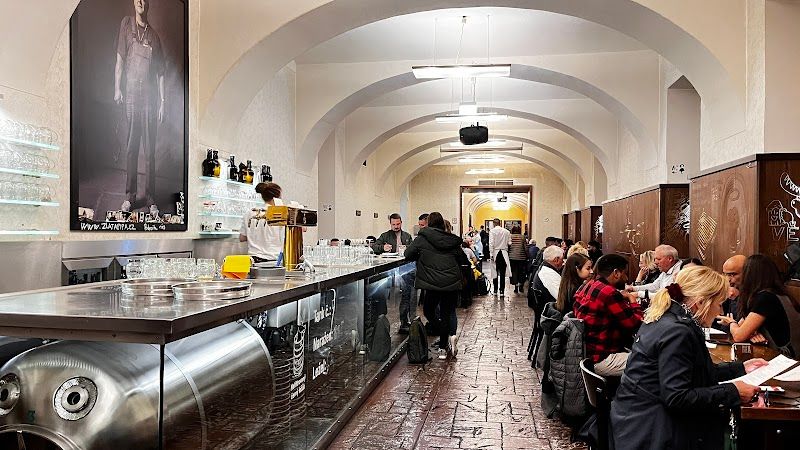
Lokál Dlouhááá
RestaurantLokál Dlouhááá delivers exactly what Prague's beer hall culture should be: fresh Pilsner Urquell straight from tanks, proper Czech comfort food, and an atmosphere that feels authentically local rather than touristy. You're here for the svíčková (beef sirloin in cream sauce), goulash, and schnitzel that actually taste like your Czech grandmother made them, plus beer so fresh it hasn't seen the inside of a bottle. The Ambiente restaurant group runs this place, so standards stay consistently high across their multiple locations. The moment you walk in, servers in traditional vests start marking beer tallies on paper coasters without asking if you want one. Tables fill with a genuine mix of office workers, residents, and tourists who've done their homework, all digging into massive plates while conversations flow in multiple languages. The energy peaks around lunch and dinner when every seat fills and the noise level rises to proper beer hall volume. Your server will be brisk, efficient, and won't hover, which is exactly how it should be. Most guides won't tell you that the food here actually outshines many fancier Czech restaurants at half the price. Mains run 200-350 CZK, beer costs around 45 CZK for 0.5L, making a full meal with multiple beers easily under 500 CZK per person. Skip the tourist trap beer halls near the castle and come here instead. The only downside is no reservations, so arrive early or be prepared to wait during peak times.
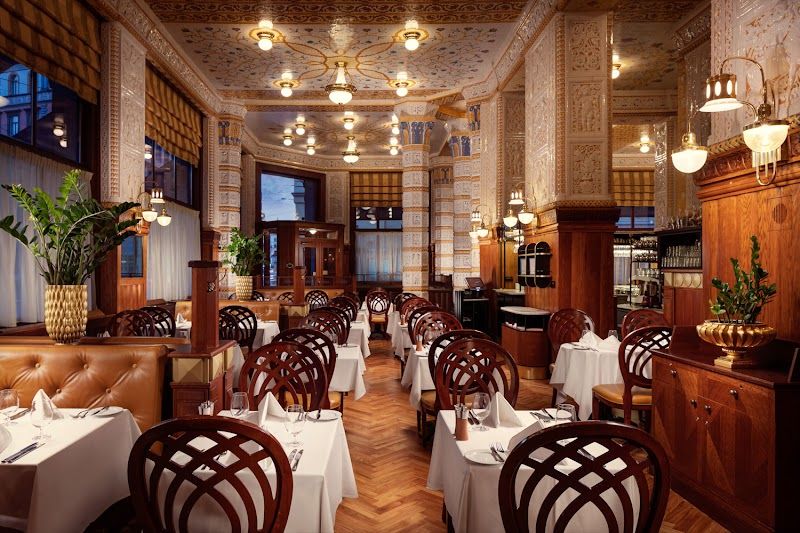
Café Imperial
RestaurantCafé Imperial opened in 1914 as Prague's most opulent coffeehouse, and its restored Art Nouveau interior remains absolutely stunning today. The main dining hall showcases intricate ceramic tilework covering every surface, crystal chandeliers hanging from an ornate ceiling, and marble columns that make you feel like you're dining in a palace. You'll get excellent Czech classics like goulash (420 CZK) and schnitzel (380 CZK), plus they serve breakfast all day including proper eggs Benedict (290 CZK). Walking into the main hall feels like stepping into early 20th century elegance, with tourists and locals alike craning their necks to admire the ceiling details. The atmosphere stays refined but relaxed, servers move efficiently between marble-topped tables, and the kitchen consistently delivers well-executed traditional dishes. Weekend brunch draws Prague families who linger over coffee and pastries, creating a genuinely local feel despite the grand setting. Most guidebooks won't mention that half the tables sit in a bland side room with none of the spectacular tilework, so request the main hall when booking. Expect to pay about 800-1000 CZK per person for a full meal with drinks, which is expensive for Prague but worth it for the setting. Skip the tourist-trap desserts and focus on the mains, they're what the kitchen does best.
Café Slavia
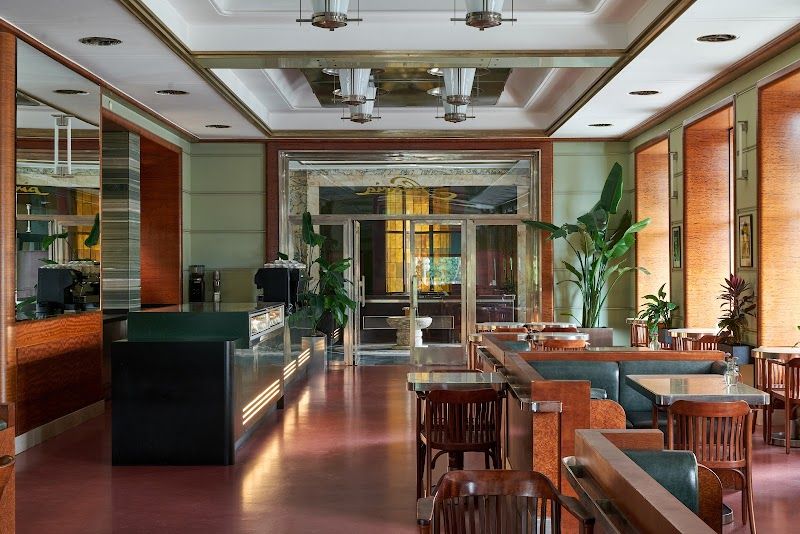
CafeCafé Slavia sits directly across from the National Theatre with floor-to-ceiling windows facing Prague Castle and the Vltava River. This 1884 coffeehouse served as a meeting spot for dissidents during communist rule, including future president Václav Havel, and maintains its original Art Deco interior with marble tables and red banquettes. You'll find traditional Czech pastries like medovník (honey cake) for 85 CZK and proper absinthe service with the sugar cube ritual. The atmosphere feels genuinely old world, not touristy recreation. Waiters in bow ties serve coffee from silver trays while locals read newspapers and tourists crane their necks toward the castle views. The river-facing windows create a natural gallery of Prague's skyline, especially beautiful during golden hour when the castle glows. Conversations happen in hushed tones, maintaining the intellectual coffeehouse tradition that survived decades of political upheaval. Most guidebooks oversell the food quality, it's decent but not exceptional. The real draw is the location and atmosphere, not the 140 CZK goulash. Window tables book up fast, so arrive by 8am or after 4pm for the best castle views. Skip the tourist-heavy weekend afternoons when service slows to a crawl and focus on weekday mornings when locals still outnumber visitors.
Havelská Koruna
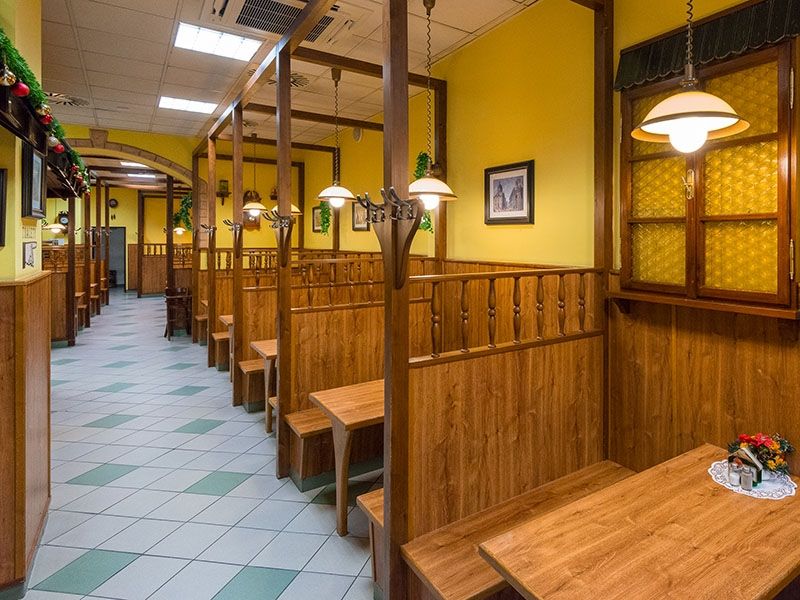
RestaurantNo-frills cafeteria-style restaurant in Staré Město serving Czech basics since 1935. You get a tray, point at what you want, pay, and find a seat. Incredibly cheap (full meal under 150 CZK), totally local, and the svíčková is actually good. Zero English, zero atmosphere, maximum authenticity.
Kantýna
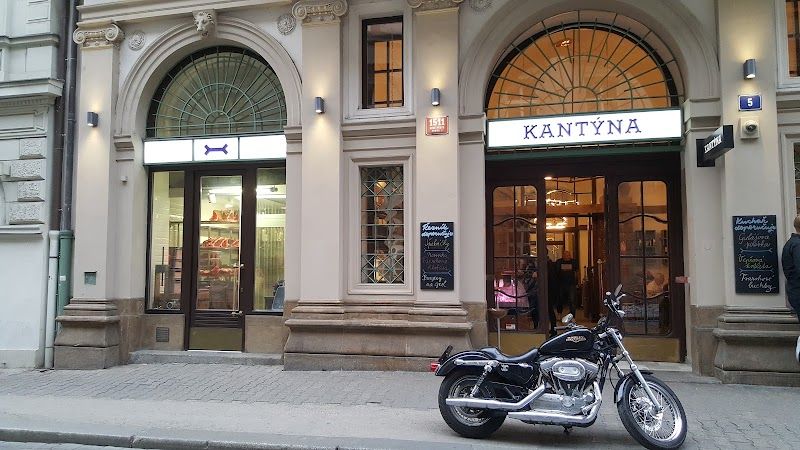
RestaurantVinohrady's bustling bistro with an open kitchen, breakfast all day, and a menu that mixes Czech and international comfort food. Their burger is one of Prague's best, the kulajda soup is excellent, and weekend brunch draws queues. Counter seating lets you watch the kitchen work.
Nightlife
Bars and nightlife in Staré Město
Roxy
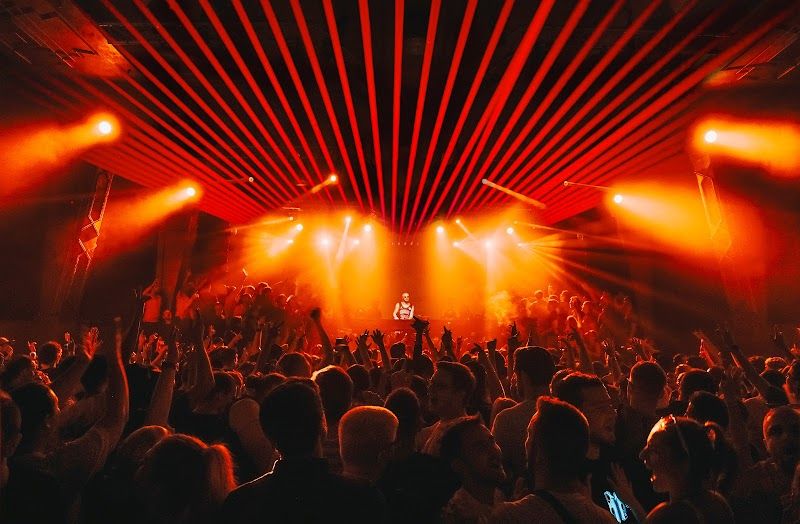
NightlifeExperimental cultural center housed in a converted 1930s cinema, known for cutting-edge electronic music, live performances, and art installations. The main hall retains original theater elements while the basement NoD club hosts techno and house nights. The programming ranges from international DJs to film screenings and contemporary art exhibitions.
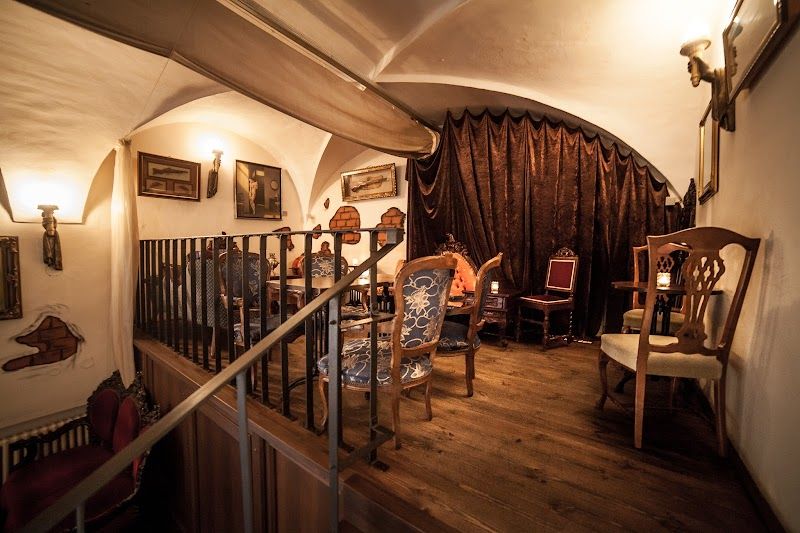
Anonymous Bar
NightlifeTheatrically designed cocktail bar themed around Guy Fawkes and secret societies, with masked servers and elaborate presentations. The cocktails arrive with smoke, fire, and dramatic flair, while the dimly lit interior features conspiracy theory decor and hidden alcoves. It is more accessible than Hemingway Bar but still delivers serious cocktail craftsmanship.
Getting Here
Insider Tips
Charles Bridge timing
Cross the bridge at sunrise (before 7 AM in summer). By 10 AM it is a conveyor belt of tour groups. Sunset from the Old Town side looking west toward the Castle is the money shot, but you will share it with hundreds of others.
Astronomical Clock reality check
The hourly show (the apostles parade) lasts about 45 seconds and is genuinely underwhelming. The clock itself is beautiful. Climb the tower (CZK 310) for the best aerial view of Old Town Square. Skip the show, admire the clock, climb the tower.
Restaurant rule
If a restaurant has a person outside trying to seat you, walk past. The best food in Staré Město is on the side streets: Dlouha, Haštalská, and the lanes near the Clementinum.
Nearby Neighborhoods
Continue exploring

Malá Strana
Prague's Baroque quarter: palace gardens, cobbled lanes, hidden courtyards, and the romantic atmosphere that the Old Town has traded for souvenir shops.
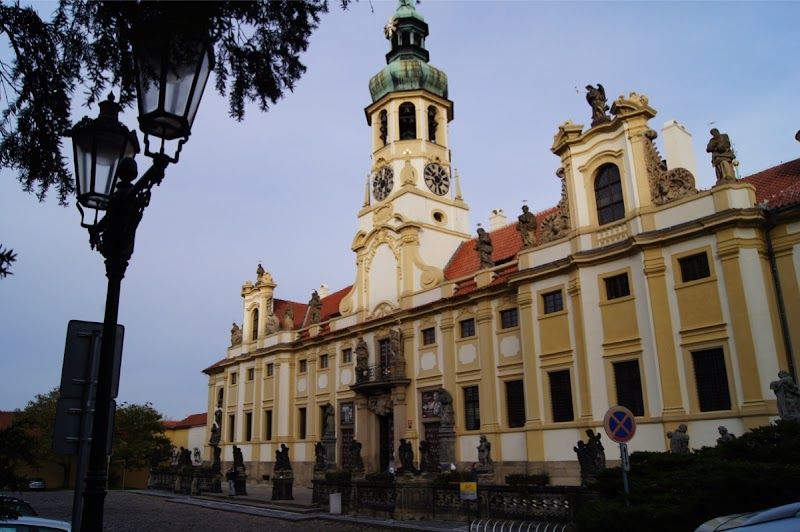
Hradčany
The castle hilltop: the largest castle complex in the world, a Gothic cathedral, a medieval lane, and the monastery library that Instagram made famous.

Josefov
Prague's Jewish Quarter: six synagogues, the most haunting cemetery in Europe, and a history preserved for the darkest of reasons.
Related Articles
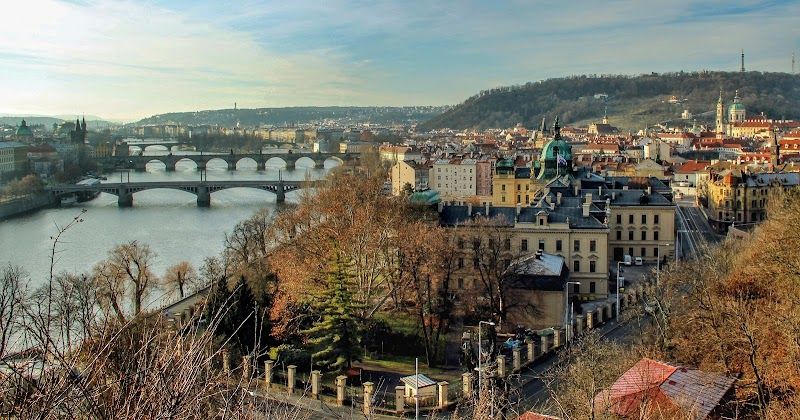
Prague in December: Christmas Markets, Ice Skating, and Winter Activities Worth Your Time
Prague transforms in December with Christmas markets, ice skating, and cozy cafes. Here's what's actually worth doing in winter's embrace.
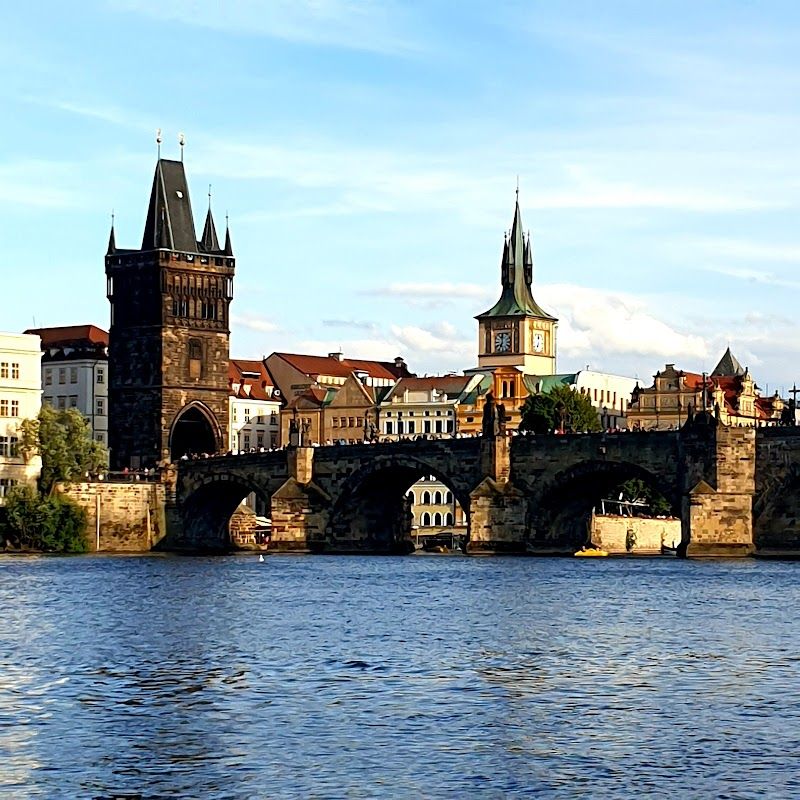
Prague Activities That Actually Matter: What Locals and Travelers Really Recommend
Cut through Prague's tourist noise with recommendations that locals and experienced travelers swear by. From timing the Charles Bridge to finding authentic goulash.
Plan a trip featuring Staré Město
Get a personalized Prague itinerary with Staré Město built in.
Start Planning