
Prague
Josefov
Prague's Jewish Quarter: six synagogues, the most haunting cemetery in Europe, and a history preserved for the darkest of reasons.
About Josefov
Josefov is Prague's former Jewish ghetto and the most emotionally complex neighbourhood in the city. The Jewish community lived here from the 13th century until WWII. The Nazis preserved the synagogues and cemetery because they intended the collection as a "museum of an extinct race." The result is an extraordinary and devastating collection of artefacts. The combined ticket (CZK 500) covers five synagogues and the Old Jewish Cemetery, where 12,000 headstones are layered on top of each other because the community was not allowed to expand the burial ground. The Pinkas Synagogue walls are inscribed with the names of 77,297 Czech Jews murdered in the Holocaust. The Spanish Synagogue is architecturally the most beautiful. Allow 3-4 hours for the full circuit.
Things to Do
Top experiences in Josefov
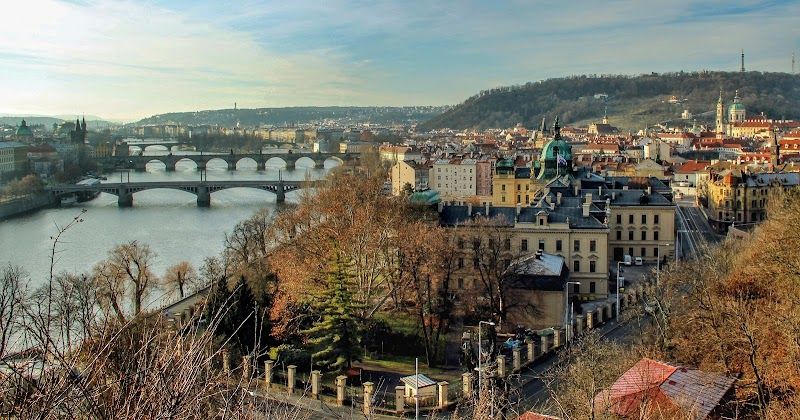
Letná Park
Letná Park sprawls across a plateau above the Vltava River, offering some of Prague's best panoramic views without the tourist crowds of Prague Castle. You'll find the towering Metronome sculpture ticking away where Stalin's massive statue once stood, plus tree-lined paths perfect for running or cycling. The park connects several neighborhoods and serves as Prague's unofficial outdoor living room, complete with a proper beer garden that locals actually use. Walking through Letná feels like discovering Prague's backyard: dog walkers emerge from every path, skateboarders practice tricks near the Metronome, and families spread blankets under chestnuts and lindens. The river views unfold gradually as you walk toward the southern edge, revealing the full sweep of Prague's bridges and red rooftops. The atmosphere stays relaxed year-round, though summer brings outdoor ping-pong tables and impromptu football games. Most guides oversell the Metronome itself (it's just a big ticking sculpture), but undersell the beer garden experience. Letenský zámeček serves proper Pilsner Urquell for around 50 CZK with million-dollar views. Skip the formal gardens near the entrance and head straight for the river overlooks. The park works best as a sunset spot after visiting nearby attractions, not as a destination itself.
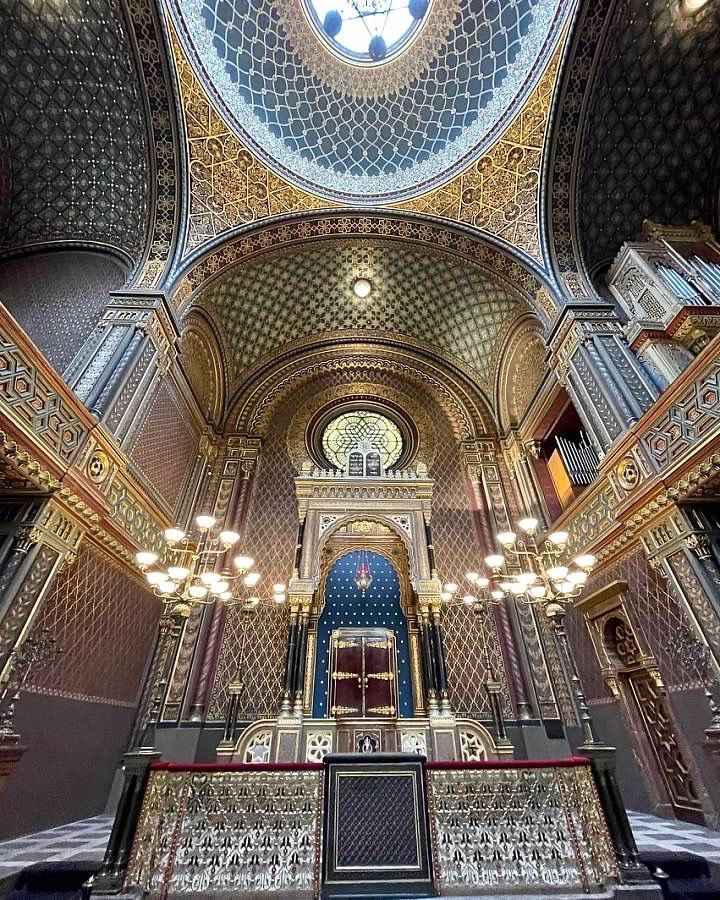
Spanish Synagogue
The Spanish Synagogue isn't Spanish at all, but it's Prague's most architecturally striking synagogue, built in 1868 on the site where Prague's first Jewish community supposedly prayed. The interior explodes with intricate Islamic-inspired geometric patterns covering every surface: golden arabesques climb the walls, ornate tiles frame the windows, and the domed ceiling feels more like a Moorish palace than a Central European synagogue. You'll find exhibitions covering Jewish life in Bohemia from the 1800s to present day, plus a beautiful 19th-century organ that still gets used for concerts. Walking inside feels like stepping into a jewelry box. The afternoon light streaming through stained glass windows illuminates the gold leaf details, making the whole space shimmer. The ground floor focuses on 19th and early 20th century Jewish life, while upstairs covers the darker Holocaust period and communist era. Unlike other Prague synagogues that feel somber, this one feels celebratory, almost festive. The acoustics are incredible, which explains why they still hold classical concerts here. Entry costs 350 CZK for the Jewish Quarter ticket (covers multiple synagogues), but honestly, if you're only doing one synagogue, make it this one. Most people rush through in 15 minutes taking Instagram photos, but the second floor exhibition deserves time. Skip the overpriced audio guide at 50 CZK. The building's beauty overshadows some of the other Jewish Quarter sites, so don't feel guilty about spending most of your ticket value here.
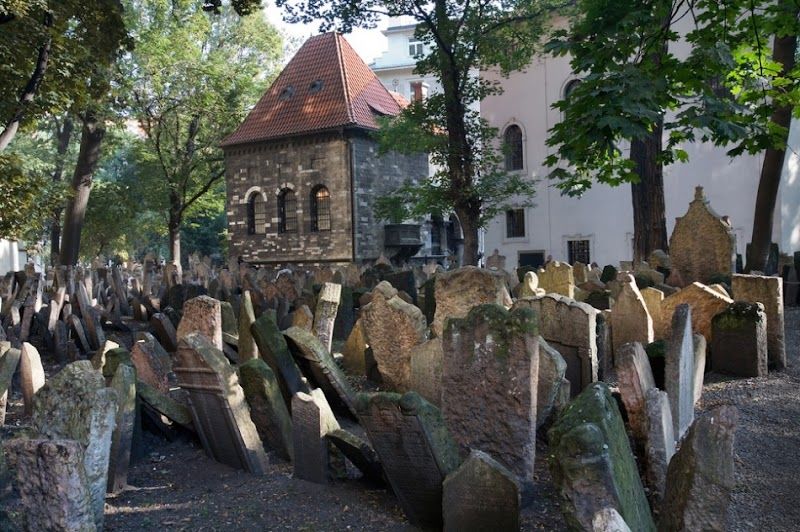
Jewish Quarter (Josefov)
Prague's Jewish Quarter preserves six historic synagogues and Europe's oldest surviving Jewish cemetery, telling the story of a community that lived here from the 13th century until the Holocaust. You'll see 77,297 names of murdered Czech Jews inscribed on the Pinkas Synagogue walls, children's drawings from Terezin concentration camp, and the Old Jewish Cemetery where 12,000 visible headstones are layered up to 12 levels deep. The Spanish Synagogue (1868) showcases stunning Moorish architecture, while the Old-New Synagogue from 1270 remains Europe's oldest active synagogue. The visit feels like walking through layers of history, from medieval persecution to Nazi horrors to modern preservation. The Pinkas Synagogue hits hardest, with floor-to-ceiling names and heartbreaking children's artwork upstairs. The cramped cemetery tells its own story of forced confinement, while the Spanish Synagogue's golden interior provides architectural relief. Most visitors spend 3-4 hours moving between sites, and the emotional weight is significant. The CZK 500 combined ticket covers five synagogues and the cemetery, but you'll pay extra CZK 200 for the Old-New Synagogue, which is worth it. Most guides don't mention how emotionally draining this is, so plan lighter activities afterward. Skip the Klaus Synagogue if you're short on time, it's the least compelling. Start early to avoid tour groups, and buy tickets online to skip queues.
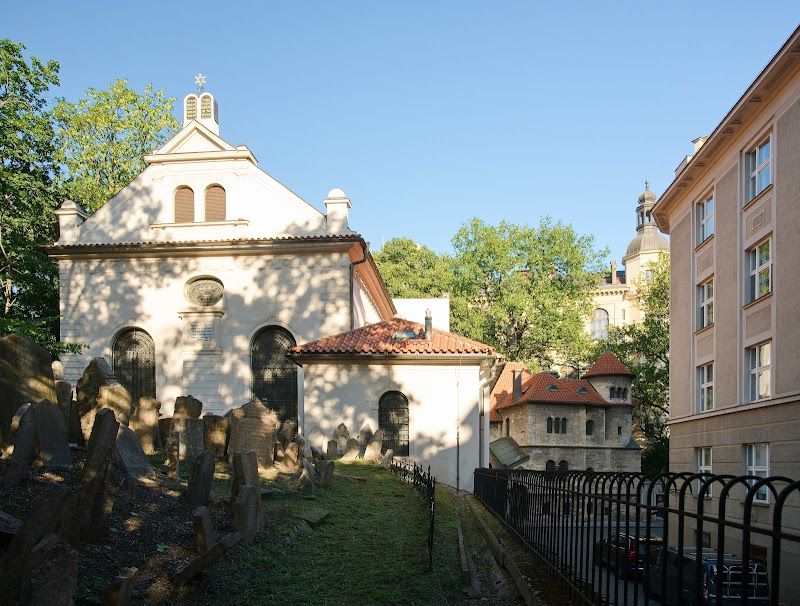
Old Jewish Cemetery
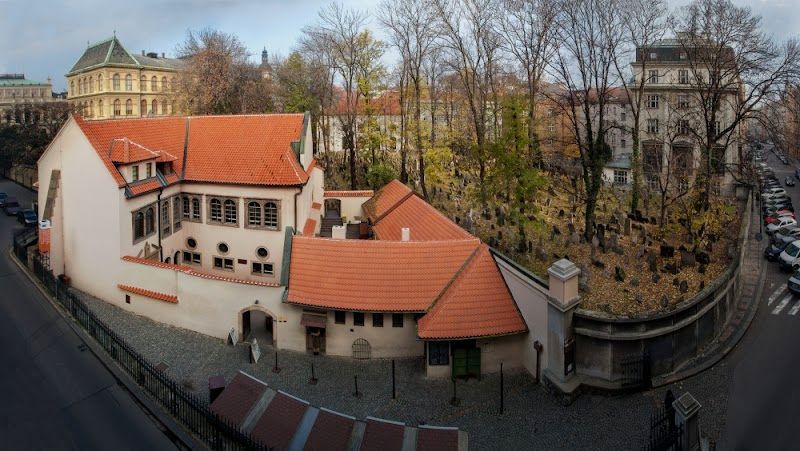
The Old Jewish Cemetery holds around 12,000 gravestones packed into a space smaller than a football field, creating Europe's most densely layered burial ground. Bodies were buried up to twelve layers deep over 350 years, pushing weathered tombstones at odd angles that catch shadows beautifully. You'll walk narrow paths between Hebrew inscriptions dating back to 1439, including graves of famous rabbis like Judah Loew ben Bezalel, creator of the legendary golem. The visit feels otherworldly as you navigate between tilted stones covered in moss and centuries of wear. Crowds move slowly through the cramped pathways, and the atmosphere stays reverent despite tour groups. The contrast between cramped burial space and ornate synagogues nearby shows how Prague's Jewish community adapted to severe restrictions. Hebrew text covers every surface, with symbolic carvings of hands, grapes, and lions marking different family lineages. Entry costs 350 CZK for the full Jewish Museum circuit, which includes four synagogues you honestly don't need to see. The cemetery alone justifies the price, but most visitors rush through in 15 minutes when you should spend at least 30. Skip the audio guide and focus on the famous graves marked with small plaques. Morning visits before 10am avoid the worst crowds, and winter visits offer the most atmospheric lighting through bare trees.
Pinkas Synagogue
Pinkas Synagogue transforms a 16th-century place of worship into Prague's most powerful Holocaust memorial. Every wall bears the hand-painted names of 77,297 Czech and Moravian Jews who perished in the Holocaust, creating an overwhelming visual reminder of individual lives lost. Upstairs, you'll find drawings and poems created by children at Terezín concentration camp, many depicting memories of home alongside their harsh reality. The experience hits you immediately when you enter the main hall and see names covering every surface from floor to ceiling. The atmosphere is profoundly quiet, with visitors speaking in hushed tones as they scan the walls for family names or simply absorb the scale of loss. The children's artwork upstairs provides a different kind of impact: colorful butterflies and house drawings that make the tragedy feel deeply personal rather than abstract. Most guides don't mention that the memorial was closed for decades under communist rule and only reopened in 1991. The entry ticket costs 400 CZK for the full Jewish Quarter circuit, but you can't buy single-site tickets. Don't rush this one, many people spend only 15 minutes when the children's drawings alone deserve half an hour. Skip the crowded afternoon hours when tour groups make the narrow spaces feel cramped.
Prague Evening Vltava River Cruise
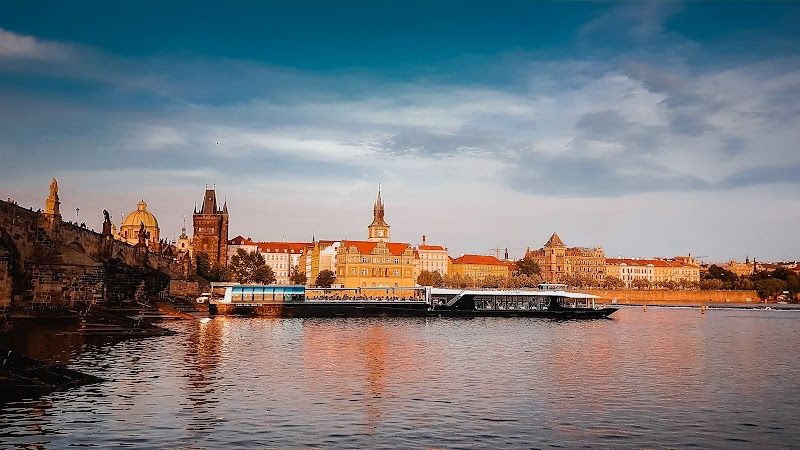
This two-hour evening cruise takes you along the Vltava River past Prague's floodlit landmarks, including Prague Castle perched above the water, the Gothic towers of Charles Bridge, and the gold-domed National Theatre. You'll glide under ten bridges while a live accordionist plays Czech folk songs, and there's a decent buffet dinner included (think goulash, roast pork, and local sides). The boat has both heated indoor seating and open-air upper decks perfect for photos during golden hour. The experience feels like floating through a fairy tale as Prague's skyline transforms from daylight to evening illumination. You'll start near the Jewish Quarter and cruise south past Kampa Island, then loop back north, giving you multiple angles of each landmark. The accordion music creates a genuinely romantic atmosphere without feeling cheesy, and other passengers tend to be a mix of couples and families rather than rowdy tour groups. The dinner service happens midway through, so you're not juggling food and photos during the best lighting. Honestly, this beats the daytime cruises hands down because Prague's architecture looks spectacular when lit up. The buffet is better than expected for a tourist boat (around 890 CZK total), though skip the wine unless you enjoy overpriced Moravian varieties. Most people crowd the back deck initially, but the front upper section offers cleaner shots of Prague Castle without other tourists' heads in your frame. The cruise runs year-round, but spring through early fall gives you the warmest outdoor deck experience.
Prague Food Tour - Karlín & Holešovice
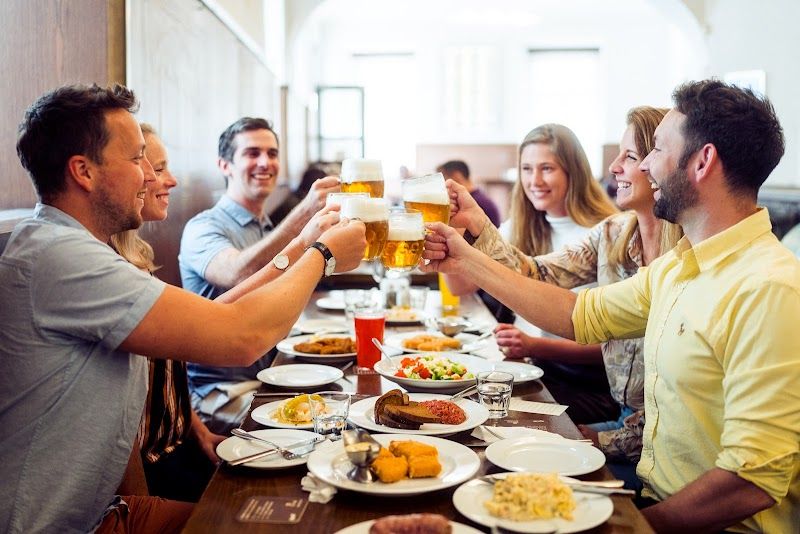
This four-hour walking tour takes you through Karlín and Holešovice, two former industrial districts that've become Prague's most exciting food neighborhoods. You'll hit six carefully chosen spots: a traditional restaurant for proper svíčková na knedlíku, an artisan deli with house-cured meats, a neighborhood bakery for authentic trdelník (not the tourist version), a modern bistro doing Czech fusion, a craft brewery, and a classic lokál pub. Your guide explains how these areas transformed from communist-era factories into foodie havens, plus you'll learn about Czech culinary traditions that most tourists never encounter. The tour moves at a relaxed pace with plenty of time to actually enjoy each stop rather than rushing through tastings. You'll walk tree-lined streets past converted warehouses and new apartment buildings, getting a real sense of how Prague locals live outside the tourist center. The lokál pub visit is particularly good: you'll learn proper beer-pouring technique from the tapster and understand why Czechs take their pub culture so seriously. The portions are generous enough that this easily replaces lunch and dinner. Most food tours in Prague stick to Old Town tourist traps, but this one actually goes where locals eat. At 1,200 CZK per person it's pricier than some alternatives, but the quality justifies it. Skip the morning tours if possible, the afternoon ones (starting 2pm) have better energy and the venues are livelier. The walking distance is manageable but wear comfortable shoes since you'll cover about 3km on cobblestones and uneven sidewalks.
Where to Eat
Restaurants and cafes in Josefov
Pavilon
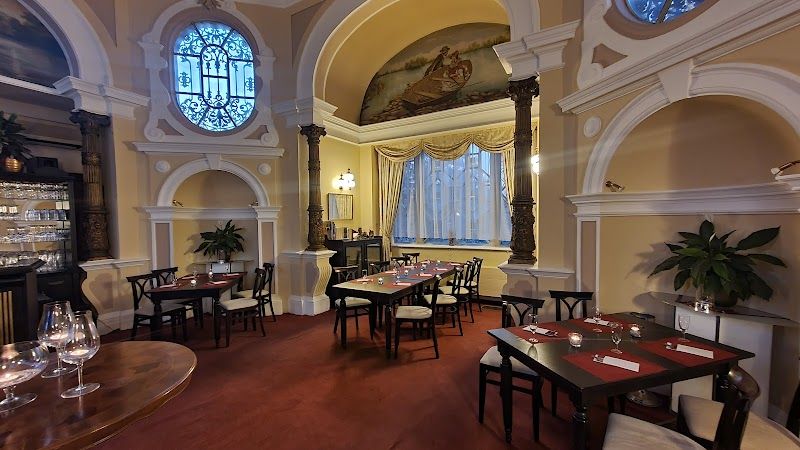
RestaurantPavilon occupies a gorgeous 1890s glass pavilion in Havlíček Park that was originally built for the Jubilee Exhibition. You'll dine inside an Art Nouveau greenhouse with soaring windows, ornate ironwork, and period details that survived decades of neglect before the restaurant's careful restoration. The seasonal Czech menu focuses on locally sourced ingredients, with mains running 380-680 CZK and the three-course lunch menu at 450 CZK. The experience feels like dining in a Victorian conservatory that happens to serve exceptional food. Natural light floods through the glass walls during lunch, while evening service gets moody with warm lighting reflecting off the metal framework. The terrace overlooks the park's vineyard and offers distant city views, though the indoor space is more atmospheric. Service runs professionally without being stuffy, and the kitchen executes modern takes on Czech classics like duck confit with red cabbage or beef tartare with quail egg. Most reviews rave about the setting, but honestly, it's the food that justifies the prices. Skip the basic salads (overpriced at 280 CZK) and go for the seasonal game dishes or fish preparations where the kitchen really shines. The wine list emphasizes Czech bottles, including some from their own vineyard, though markups are steep. Book ahead for weekend dinners, but weekday lunches usually have space.
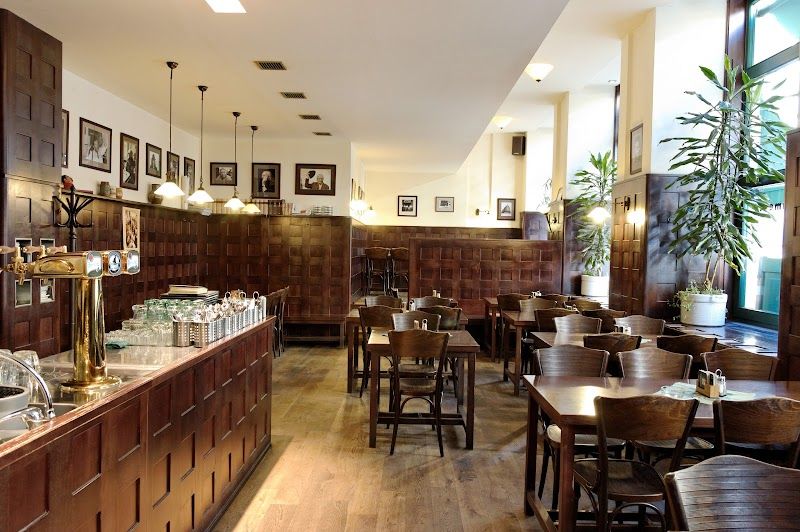
U Parliamentu
RestaurantAuthentic Malá Strana hospoda just below the Castle, where locals still outnumber tourists despite the location. The vepřo-knedlo-zelo is proper Czech soul food, beer is under 60 CZK, and the garden out back is perfect in summer. No English menu, limited English from staff.
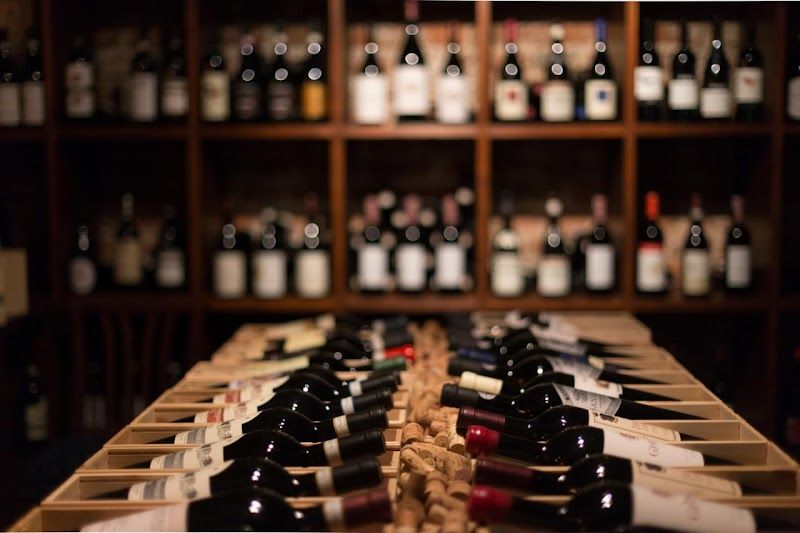
La Finestra in Cucina
RestaurantIntimate Italian restaurant run by chef Riccardo Lucque, featuring authentic regional Italian cuisine with fresh pasta made daily and seasonal ingredients sourced from small producers. The open kitchen allows diners to watch the culinary mastery firsthand in this cozy, upscale setting just steps from the Jewish Quarter.
Getting Here
Insider Tips
Combined ticket strategy
CZK 500 for the combined ticket covering 5 synagogues + cemetery. Buy online to skip the queue. Start at the Pinkas Synagogue (the most emotionally intense) and end at the Spanish Synagogue (the most beautiful). Allow 3-4 hours for everything.
Old-New Synagogue
The oldest active synagogue in Europe (1270). It costs CZK 200 separately (not included in the combined ticket). Worth it for the Gothic vaulting and the legend of the Golem. Services are still held here.
Emotional preparation
The Pinkas Synagogue walls covered in names of Holocaust victims and the children's drawings from Terezin concentration camp on the upper floor are profoundly affecting. This is not a casual visit. Give yourself time and space afterward.
Nearby Neighborhoods
Continue exploring

Staré Město
Prague's medieval core: the Astronomical Clock, Gothic churches, Baroque palaces, and the narrow lanes that have not changed in 600 years.

Malá Strana
Prague's Baroque quarter: palace gardens, cobbled lanes, hidden courtyards, and the romantic atmosphere that the Old Town has traded for souvenir shops.
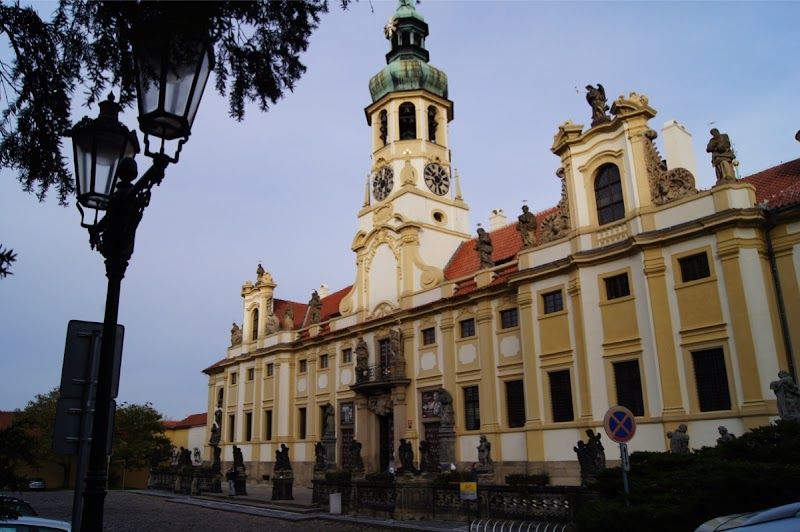
Hradčany
The castle hilltop: the largest castle complex in the world, a Gothic cathedral, a medieval lane, and the monastery library that Instagram made famous.
Related Articles
Prague in December: Christmas Markets, Ice Skating, and Winter Activities Worth Your Time
Prague transforms in December with Christmas markets, ice skating, and cozy cafes. Here's what's actually worth doing in winter's embrace.
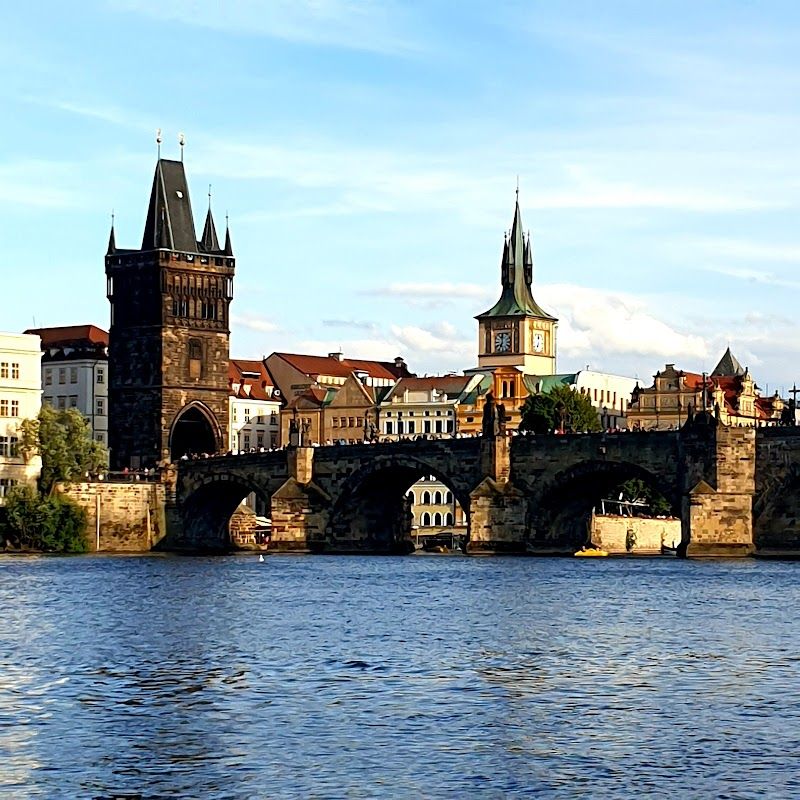
Prague Activities That Actually Matter: What Locals and Travelers Really Recommend
Cut through Prague's tourist noise with recommendations that locals and experienced travelers swear by. From timing the Charles Bridge to finding authentic goulash.
Plan a trip featuring Josefov
Get a personalized Prague itinerary with Josefov built in.
Start Planning