Prague
Karlín
Prague's post-flood success story: the best new restaurants, renovated Art Nouveau buildings, and the food scene that has Vinohrady looking over its shoulder.
About Karlín
Karlín was devastated by the 2002 floods and rebuilt almost from scratch. The result is Prague's most exciting emerging neighbourhood: renovated Art Nouveau buildings, the best new restaurant scene in the city, a riverside park, and a residential character that feels nothing like the tourist centre. Karlínské náměstí (the main square) is the hub, with the Church of Saints Cyril and Methodius as the landmark. The walk up to Vítkov Hill (free, the largest equestrian statue in Europe, panoramic views) starts here. The Křižíkova street strip has craft coffee, natural wine bars, and restaurants that attract diners from across the city.
Things to Do
Top experiences in Karlín
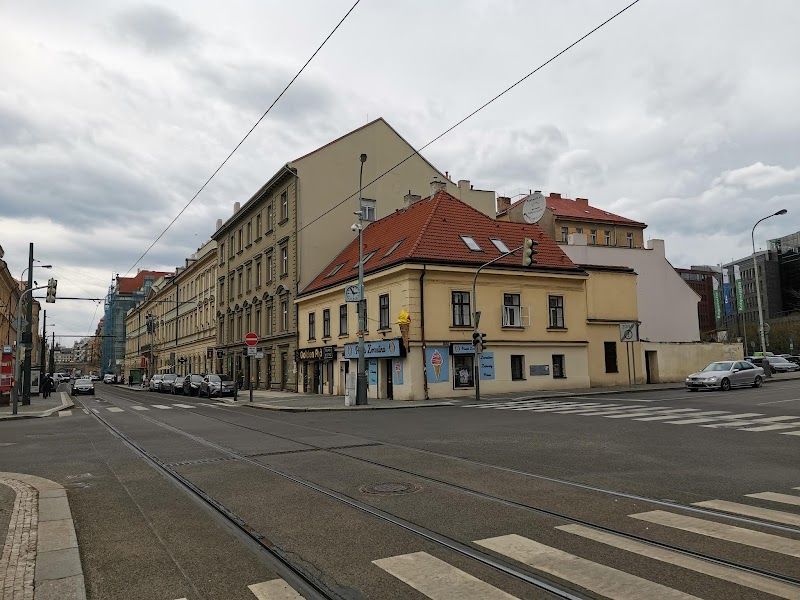
Karlínské náměstí
Karlínské náměstí is the heart of Prague's Karlín district, a square surrounded by beautifully restored 19th-century buildings that showcase the neighborhood's evolution from industrial zone to residential area. You'll find yourself in a local space where kids play on modern playground equipment while their parents relax on benches beneath mature trees. The centerpiece is SS. Cyril and Methodius Church, whose Byzantine Revival domes and ornate facade create an exotic focal point in this otherwise Central European setting. Walking around the square feels like discovering a neighborhood secret that most Prague visitors never find. The morning light hits the colorful Neo-Renaissance facades perfectly, and you can grab coffee from nearby cafes to enjoy on one of the many benches. The church often stands open, revealing Byzantine-style interior decorations that match the unique style found in the city center. Local residents walk their dogs, elderly men play chess, and the whole scene has an authentic Prague neighborhood vibe that's increasingly rare. Most guidebooks barely mention this square, which is exactly why it's worth the 10-minute tram ride from the center. It's best to visit if you have time to explore beyond the tourist circuit, as this gives you a taste of residential Prague. The church interior is free when open (usually mornings and early evenings), and the square itself makes for a 30-minute stop rather than a destination.
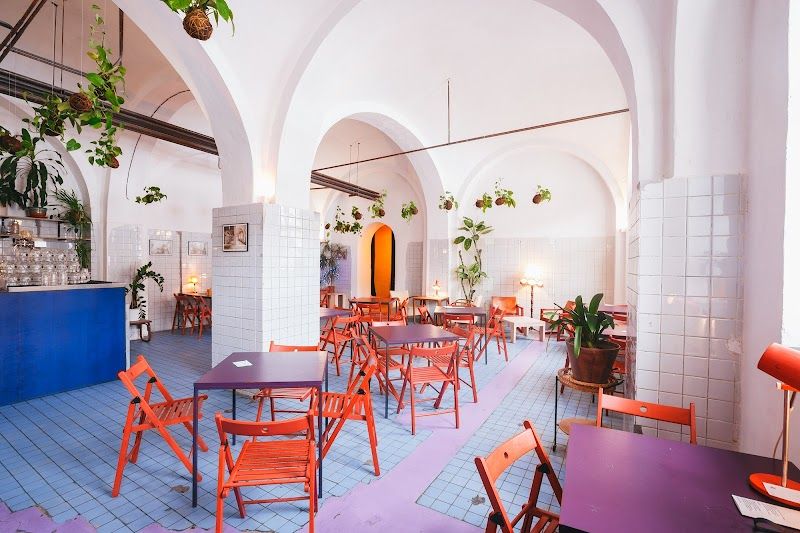
Kasárna Karlín
Kasárna Karlín transforms a sprawling 19th-century Habsburg military complex into Prague's most successful urban regeneration project. You'll find designer co-working spaces, rotating art installations, independent coffee shops, and weekend farmers markets all housed within beautifully restored brick buildings. The central courtyard hosts everything from outdoor cinema screenings to vintage flea markets, while the surrounding spaces house architects, startups, and creative agencies that give the place genuine energy beyond just weekend tourists. Walking through feels like discovering Prague's creative future housed in its imperial past. The original military architecture remains intact, with high ceilings and massive windows now filled with modern furniture and contemporary art. On weekends the central courtyard comes alive with families browsing market stalls, freelancers working on laptops at outdoor tables, and kids playing while parents drink specialty coffee. During weekdays it's quieter but more authentic, with actual tenants going about their business in what feels like a functioning creative community rather than a tourist attraction. Most travel guides oversell this as a major sightseeing destination when it's really best experienced as part of daily Prague life. The weekend farmers market (Saturday 8am to 2pm) offers excellent local produce and artisanal goods, but skip the overpriced organic vegetables and focus on the bread, cheese, and craft beer stalls. Coffee runs about 80-120 CZK, comparable to central Prague prices. The real appeal isn't any single attraction but the atmosphere of seeing how Prague's young professionals actually live and work.
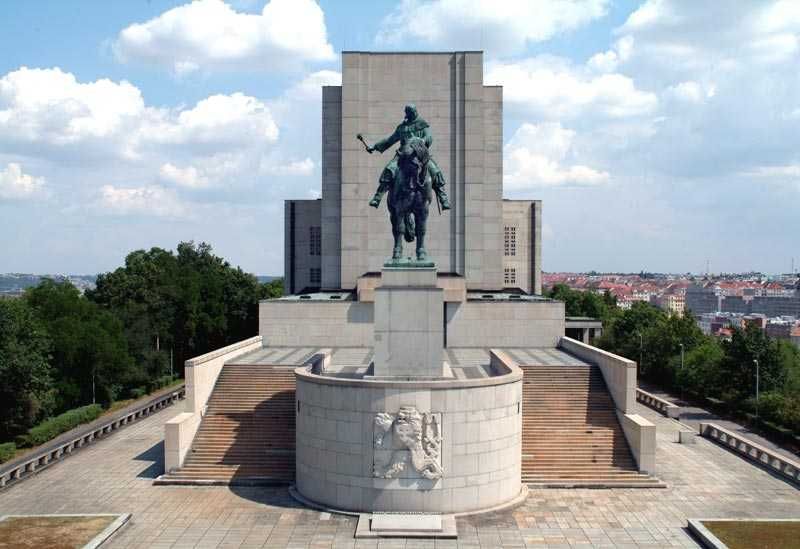
National Memorial on the Vítkov Hill
The National Memorial on Vítkov Hill dominates Prague's skyline with Jan Žižka's colossal bronze statue, the world's third largest equestrian monument at 9 meters tall. Inside, the museum chronicles Czechoslovakia's turbulent 20th century through artifacts, photographs, and multimedia displays covering both world wars, the communist era, and the Velvet Revolution. The real prize is the free rooftop terrace, which delivers 360-degree views across Prague's red rooftops, castle, and the Vltava River winding below. You'll start in the stark functionalist interior where exhibits feel somewhat dated but tell compelling stories of resistance fighters and political upheaval. The communist-era propaganda displays are particularly fascinating, showing how history was rewritten multiple times. Climbing to the terrace feels like emerging from a time capsule into brilliant daylight, where the panorama stretches from Petřin Hill to the TV tower. Most visitors skip this place entirely, which is their loss. The museum entry costs 120 CZK, but you can access the terrace for free. Skip the underground crypt unless you're genuinely interested in interwar architecture. The walk up from Florenc metro takes 15 minutes and gets steep, but it's worth every step for views that rival those from Prague Castle without the crowds.
Where to Eat
Restaurants and cafes in Karlín
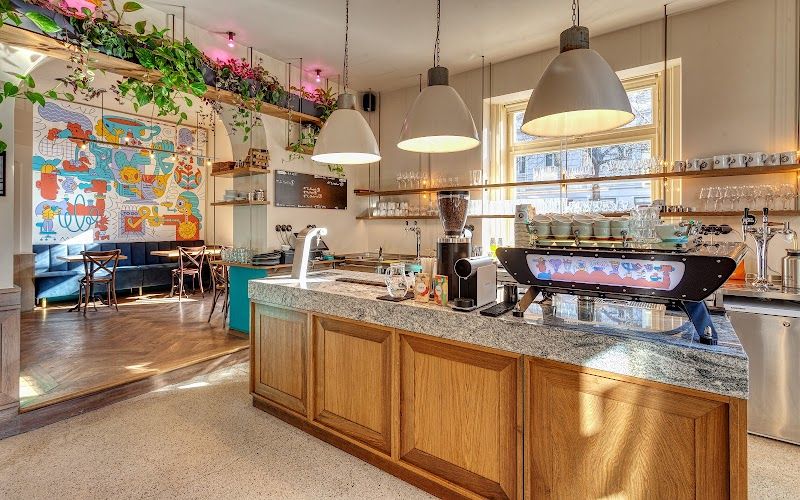
Můj šálek kávy
CafePioneering third-wave coffee roastery in Karlín that helped establish Prague's specialty coffee scene. Rotating single-origin beans roasted on-site, with baristas who explain brewing methods and tasting notes. Minimalist Scandinavian-inspired interior with concrete floors and communal wooden tables.
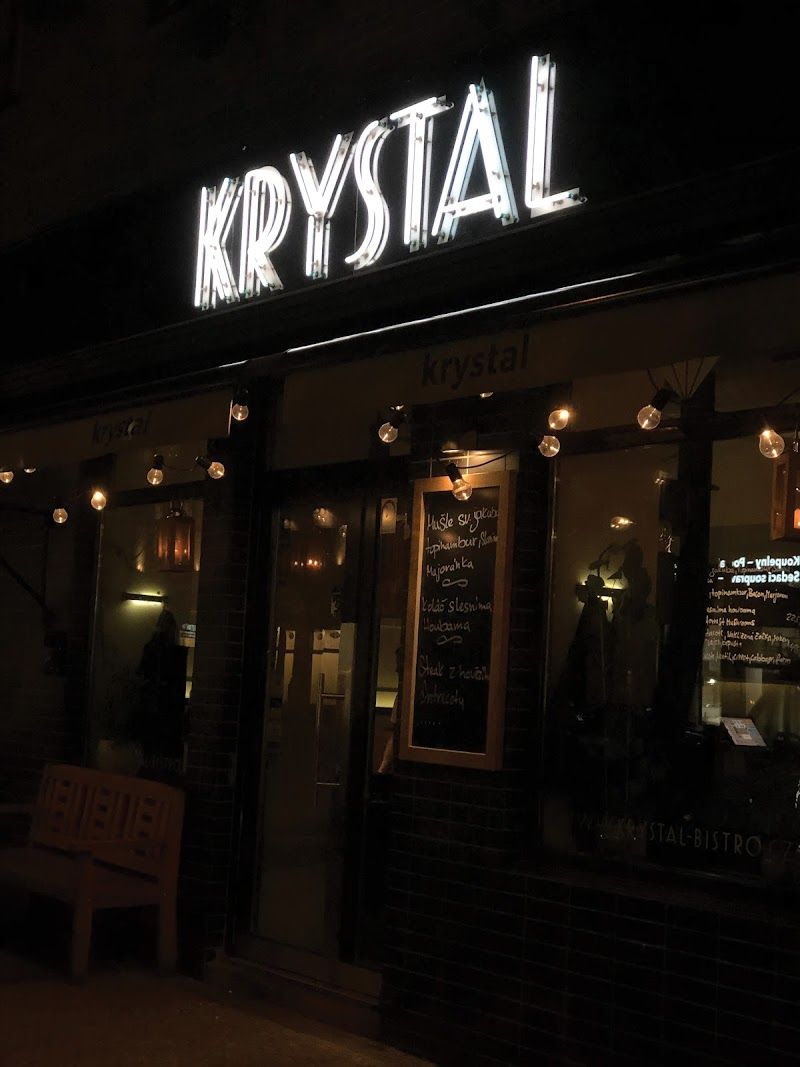
Krystal Mozaika Bistro
RestaurantVinohrady neighborhood spot with a daily-changing menu written on mirrors, Czech wines by the glass, and creative seasonal cooking. The space is tiny (12 seats), reservations essential, and the chef-owner sources from small Czech farmers. Dinner feels like eating at a friend's very talented home.
Nightlife
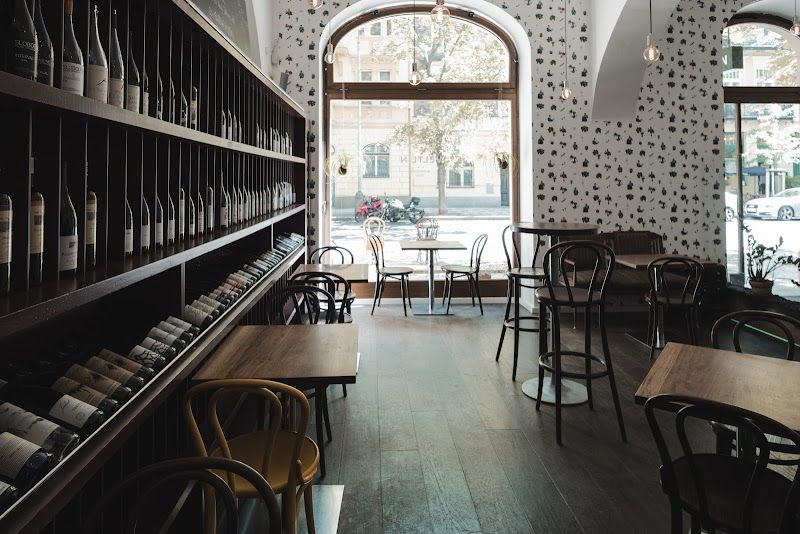
Bars and nightlife in Karlín
Getting Here
Insider Tips
Restaurant scene
Karlín has the highest concentration of excellent new restaurants in Prague. Eska (fermentation-focused, CZK 400-600 per head), Proti Proudu (natural wine and small plates), and Můj šálek kávy (best flat white in Prague) are the anchors. Book Eska ahead.
Vítkov Hill
Walk up from Karlín for the panoramic view. The National Memorial (free viewing terrace) has the largest equestrian bronze in Europe and a history of Czech independence. The park around it is peaceful and undervisited.
Post-flood architecture
Look up at the renovated facades on Sokolovská and Křižíkova. The 2002 floods forced a complete renovation, and the result is some of the best-preserved Art Nouveau in Prague, without the tourist markup of the Old Town.
Nearby Neighborhoods
Continue exploring

Staré Město
Prague's medieval core: the Astronomical Clock, Gothic churches, Baroque palaces, and the narrow lanes that have not changed in 600 years.

Malá Strana
Prague's Baroque quarter: palace gardens, cobbled lanes, hidden courtyards, and the romantic atmosphere that the Old Town has traded for souvenir shops.
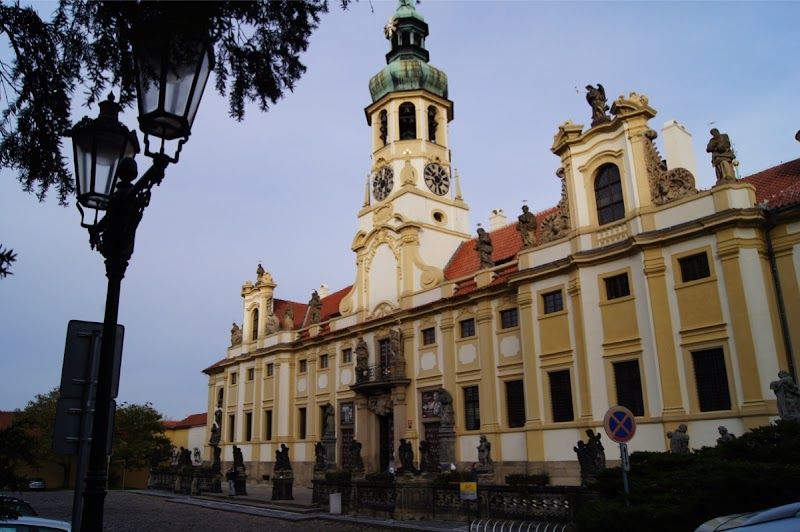
Hradčany
The castle hilltop: the largest castle complex in the world, a Gothic cathedral, a medieval lane, and the monastery library that Instagram made famous.
Related Articles
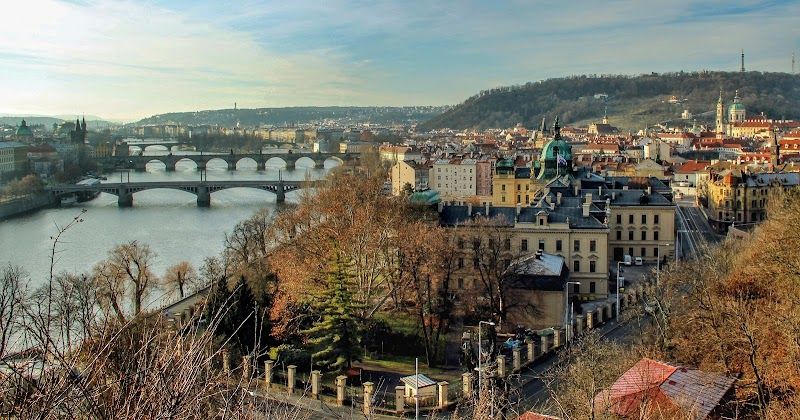
Prague in December: Christmas Markets, Ice Skating, and Winter Activities Worth Your Time
Prague transforms in December with Christmas markets, ice skating, and cozy cafes. Here's what's actually worth doing in winter's embrace.
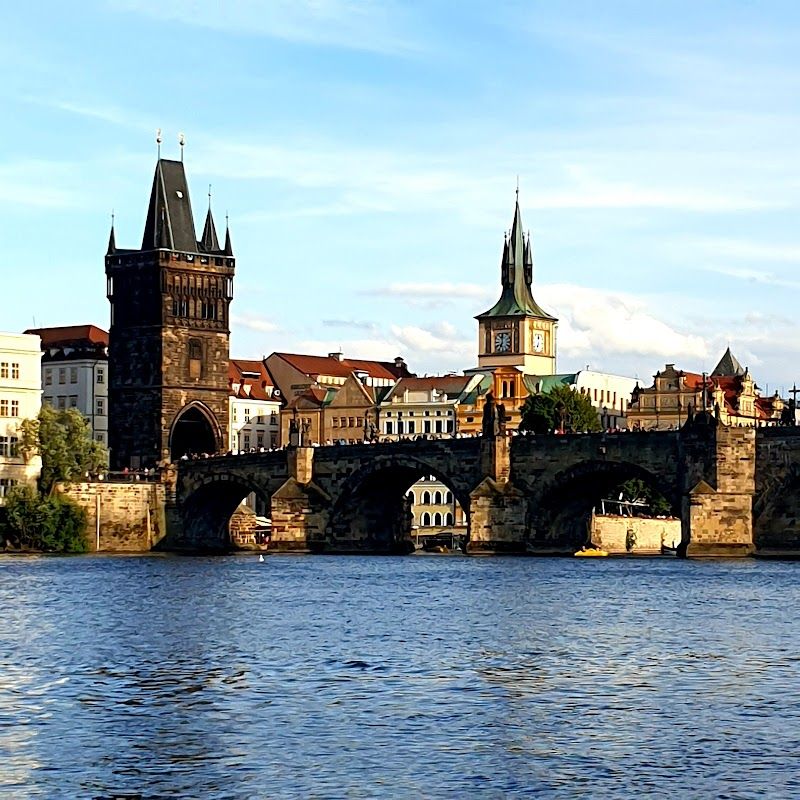
Prague Activities That Actually Matter: What Locals and Travelers Really Recommend
Cut through Prague's tourist noise with recommendations that locals and experienced travelers swear by. From timing the Charles Bridge to finding authentic goulash.