Seville is not Barcelona or Madrid when it comes to street crime, but pretending every corner of this Andalusian city is equally safe sets you up for trouble. While violent crime against tourists remains rare, certain neighborhoods have higher rates of petty theft, drug activity, and general safety concerns that you should factor into your accommodation choices.
The reality is that most visitors to Seville will never encounter serious problems, regardless of where they stay. However, understanding which Seville neighborhoods to avoid, particularly for first-time visitors or those traveling with families, helps you make informed decisions about where to book your hotel or Airbnb.
The Areas You Should Think Twice About
Polígono Sur: The Neighborhood That Doesn't Make Tourist Maps
Polígono Sur, located southeast of the city center, represents Seville's most challenging neighborhood from a safety perspective. This area has unemployment rates exceeding 60% and significant drug trafficking activity that creates an environment most tourists should avoid entirely.
The neighborhood consists primarily of social housing blocks built in the 1960s and remains largely disconnected from Seville's tourist infrastructure. You won't find hotels here, but some vacation rental platforms list apartments in the area at suspiciously low prices. The savings aren't worth the security concerns.
Getting there by accident is unlikely since it requires taking the SE-30 ring road or specific bus lines (21, 22, or 38) that don't serve typical tourist destinations. If you do find yourself in the area, particularly after dark, prioritize getting back to central Seville quickly.
Las Tres Mil Viviendas: Another Area to Skip
This neighborhood, also known as Polígono Norte, sits north of the Macarena district and shares similar challenges with Polígono Sur. High unemployment, drug-related activity, and limited police presence make this another area where accommodation hunting shouldn't take you.
The neighborhood's name literally means "The Three Thousand Homes," referring to the large-scale housing project that defines the area. While some residents work to improve community conditions, visitors have no compelling reason to stay here when safer alternatives exist throughout the city.
Public transport connections are limited, primarily served by bus line 13, which further isolates the area from Seville's main tourist zones.
Neighborhoods That Require Extra Caution
Parts of Macarena: Mixed Bag Territory
Macarena presents a more nuanced situation. The area immediately around the Basílica de la Macarena and the historic sections near the city walls remain relatively safe, but the neighborhood extends north into areas with higher crime rates.
The southern portion of Macarena, particularly around Resolana street and closer to the Alameda de Hércules, maintains better security and connects easily to central Seville. However, the further north you go, especially toward the Ronda del Tamarguillo, the more the neighborhood's character changes.
Staying in Macarena isn't automatically problematic, but research the specific street location carefully. Properties within a 10-minute walk of Alameda de Hércules generally offer better security and connectivity than those in the neighborhood's northern reaches.
San Jerónimo After Dark
San Jerónimo, east of the center near the Santa Justa train station, experiences most safety issues during nighttime hours. The area has several clubs and late-night establishments that attract both locals and visitors, but also create opportunities for pickpocketing and drink-spiking incidents.
During daylight hours, particularly near the train station, the neighborhood functions normally with standard urban precautions. The problems arise primarily on weekend nights when the combination of alcohol, crowds, and reduced police visibility creates conditions for petty crime.
If you book accommodation in San Jerónimo for convenience to the train station, avoid walking alone through the area after midnight, especially on weekends. Taxi rides to central neighborhoods cost approximately EUR 8-12 and provide much better security than late-night walks.
Certain Sections of La Calzada
La Calzada, between the center and Triana, contains pockets that require attention. The area near the Puente de los Remedios (Remedios Bridge) has experienced increased incidents of bag snatching, particularly targeting pedestrians walking between Triana and the city center.
The northern sections of La Calzada, closer to the Guadalquivir river, maintain better security than the southern areas near the SE-30 ring road. Properties within three blocks of Calle Betis in Triana offer significantly better safety profiles than those deeper into La Calzada.
The Safest Seville Neighborhoods for Travelers
Santa Cruz: Tourist-Safe but Crowded
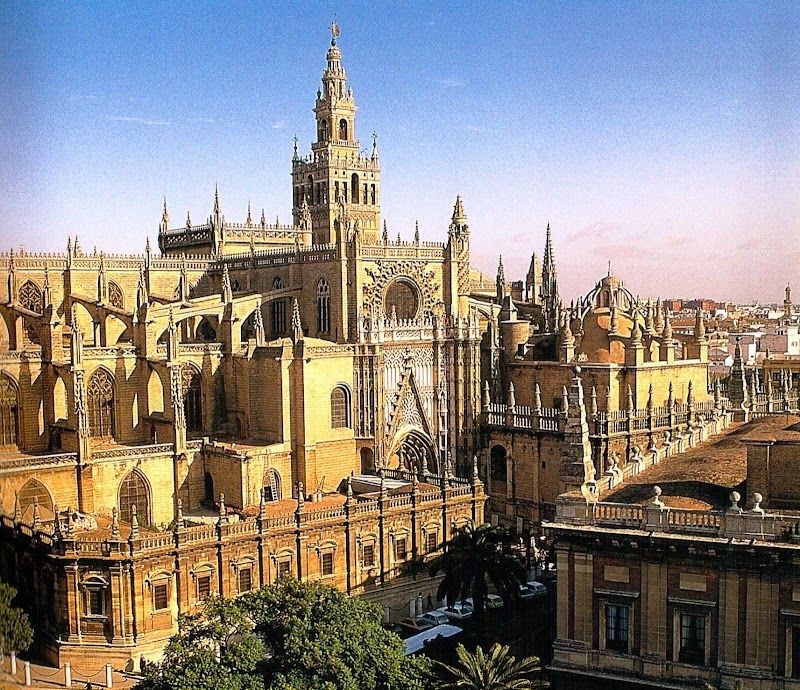
Santa Cruz represents Seville's safest bet for first-time visitors concerned about security. The neighborhood maintains constant foot traffic during daylight hours and regular police patrols due to its concentration of major attractions like the Cathedral and Alcázar.
The area's narrow streets and tourist density create natural surveillance that deters most criminal activity. Violent crime in Santa Cruz is virtually nonexistent, though pickpocketing attempts occur, particularly around the Cathedral and Real Alcázar entrances.
Accommodation prices reflect the security premium. Budget hotels start around EUR 45-80 per night, while mid-range options run EUR 85-150. The investment pays off in peace of mind and walking distance to major attractions.
Nighttime safety in Santa Cruz remains excellent due to restaurant activity and tourist movement that continues until late hours. Even solo female travelers report feeling comfortable walking through the neighborhood after dark.
Centro: Urban Safety with Local Life
Centro offers an excellent balance between safety and authentic Seville experience. The area around Calle Sierpes and Plaza del Salvador maintains high security due to commercial activity and police presence, while providing access to local restaurants and bars that tourists often miss.
The neighborhood's main advantage over Santa Cruz lies in better value accommodation with similar security levels. Budget hotels in Centro start around EUR 40-75 per night, and you'll find more local dining options than in the tourist-heavy Santa Cruz.
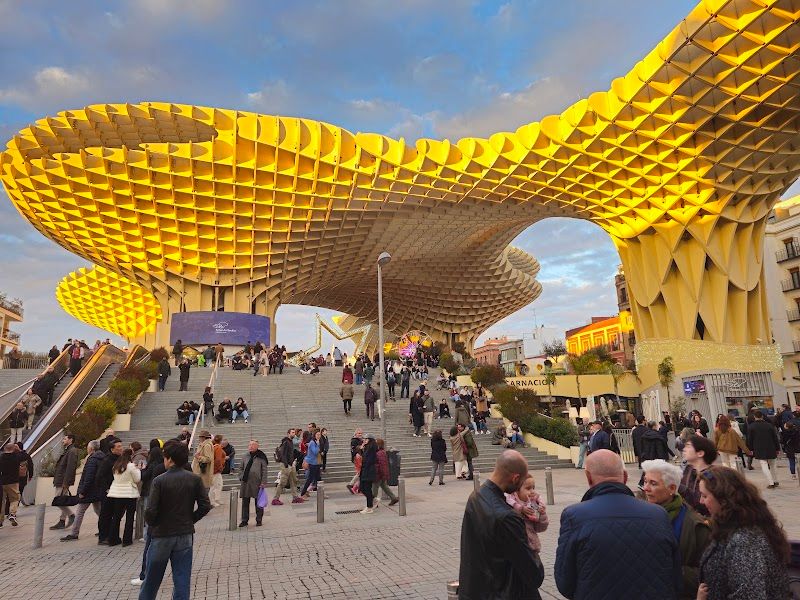
Areas near Metropol Parasol (Las Setas) and Plaza del Salvador provide the best security within Centro, with well-lit streets and regular evening activity that extends into nighttime hours.
The Alameda de Hércules area requires slightly more attention during late hours, but day-to-day safety remains excellent for travelers using standard urban precautions.
Triana: Riverside Security
Triana, across the Guadalquivir from the historic center, offers some of Seville's best safety-to-authenticity ratios. The neighborhood's strong local identity and community oversight create natural security, while tourism levels remain manageable.
Properties within two blocks of Calle Betis provide excellent security with the added benefit of riverside views and easy access to central Seville via the Triana Bridge. The area around Mercado de Triana maintains particularly good safety due to constant foot traffic and local business activity.
Nighttime security in Triana benefits from the neighborhood's restaurant and bar scene, which keeps streets active without the excessive tourism that sometimes creates target-rich environments for pickpockets.
Accommodation in Triana runs slightly lower than Santa Cruz, with budget options starting around EUR 40-70 per night and mid-range hotels at EUR 75-140.
El Arenal: Waterfront Security
El Arenal provides another safe option with excellent connectivity to major attractions. The area between the Cathedral and the river maintains high security due to tourist police presence and constant foot traffic during daylight hours.
The neighborhood's proximity to the Torre del Oro and Hospital de la Caridad creates natural surveillance from museum security and tourist movement.
Evening safety in El Arenal remains strong, particularly along the riverside areas where restaurant terraces extend operating hours and maintain street activity.
Practical Safety Tips Beyond Neighborhood Selection
Transportation Security
Seville's public transportation system maintains good security, but late-night metro and bus services (after 11 PM) experience higher incident rates than daytime transportation. The metro single ticket costs EUR 1.35, and the 10-trip card at EUR 8.50 provides better value for multiple journeys.
Taxi services offer the safest late-night transportation option, with rides between central neighborhoods typically costing EUR 6-12. The fixed airport taxi fare of EUR 22-30 eliminates negotiation concerns and provides direct service to your accommodation.
Street-Level Precautions
Seville's street crime primarily involves pickpocketing and bag snatching rather than violent crime. The highest-risk situations occur around ATMs, particularly those in tourist-heavy areas after dark. Using ATMs inside bank branches or shopping centers reduces exposure significantly.
Restaurants in tourist areas often experience credit card skimming attempts. Paying with cash for meals under EUR 25 eliminates this risk entirely, and most establishments accept cash payments without issue.
Emergency Resources
Seville's tourist police (Policía del Turismo) operate from offices near major attractions and provide English-language assistance. The main tourist police office operates at Plaza de San Francisco, 19, open daily 9 AM-2 PM and 5 PM-8 PM.
The general emergency number 112 provides English-language service, while 091 connects directly to the Policía Nacional. Both services respond quickly to incidents in central neighborhoods.
Making the Final Decision
Choosing where to stay in Seville shouldn't be driven entirely by safety concerns, since most of the city presents minimal risk to travelers using basic precautions. However, understanding which Seville neighborhoods to avoid helps you focus your accommodation search on areas that offer both security and accessibility.
For first-time visitors, Santa Cruz and Centro provide the best combination of safety and convenience to major attractions. More experienced travelers might prefer Triana for its local character and riverside location.
Avoiding Polígono Sur, Las Tres Mil Viviendas, and the northern sections of Macarena eliminates the most problematic areas without significantly limiting your accommodation options. The areas that require extra caution, like parts of San Jerónimo and La Calzada, can work for budget-conscious travelers willing to take additional precautions.
Seville's relatively compact size means that choosing a safe neighborhood doesn't isolate you from the city's attractions or authentic experiences. The EUR 15-25 per night premium for accommodation in safer areas pays dividends in peace of mind and reduced travel time to the sites most visitors want to see.
Remember that safety situations can change, and recent visitor reports provide more current information than general neighborhood reputations. Checking recent reviews on accommodation booking platforms often reveals neighborhood-specific safety updates that help refine your decision.
When planning your stay, consider reading our First Time in Seville guide for additional context on navigating the city safely, and check our 2-3 Days in Seville itinerary for recommendations on safe routes between major attractions.