Seville
El Arenal & Riverside
The riverfront between the Cathedral and Triana: the Torre del Oro, the Maestranza bullring, and the Guadalquivir promenade where Seville walks in the early evening.
About El Arenal & Riverside
El Arenal is the district between the Cathedral and the Guadalquivir river, named for the sandy riverbank (arenal) where ships unloaded the cargo of the American trade in Seville's 16th and 17th century commercial peak. The Torre del Oro (Tower of Gold, EUR 3 for the museum inside) is the 13th-century Almohad watchtower that once guarded the river entrance: the maritime museum inside documents Seville's role as the gateway to the Americas. The Plaza de Toros de la Maestranza is Spain's most architecturally significant bullring (EUR 10 for the tour): whether or not you have views about bullfighting, the 18th-century baroque architecture and the history of the building (this is where Spain's bullfighting calendar begins each year with the April Feria) are worth 45 minutes. The Guadalquivir riverside walk from the Torre del Oro north toward the Puente de Triana is the best evening promenade in Seville.
Things to Do
Top experiences in El Arenal & Riverside
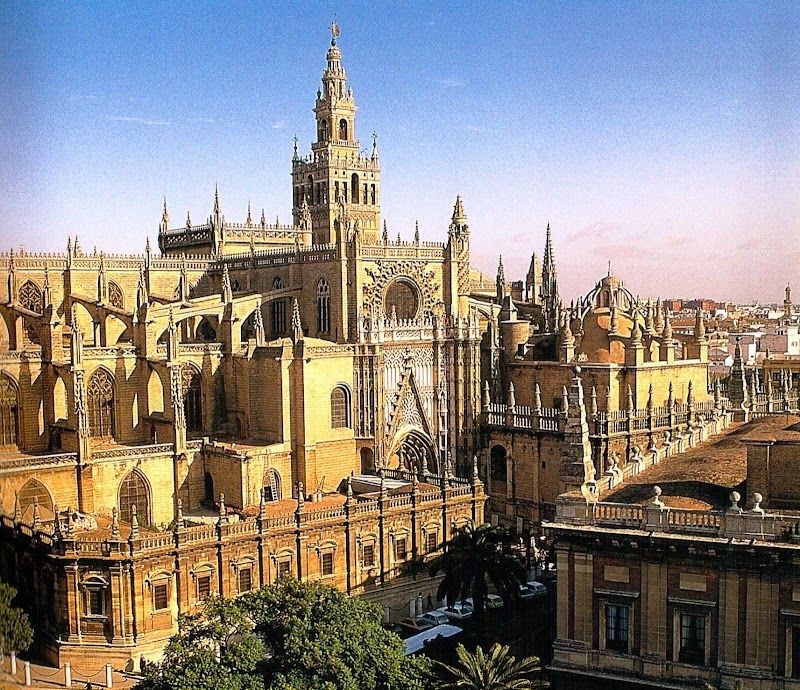
Seville Cathedral and Giralda Tower
This is the world's largest Gothic cathedral by volume, built on the site of Seville's great mosque between 1401 and 1506. The scale hits you immediately: the nave soars 42 meters high, and the Capilla Mayor houses the world's largest altarpiece, an 80-year golden masterpiece that dominates the space. Columbus rests here in a tomb held by four bronze kings, and the attached Giralda Tower (the original minaret) offers panoramic views from 70 meters up. The visit flows from overwhelming grandeur to intimate discovery. You'll crane your neck at vaulted ceilings, then find yourself studying intricate chapels tucked into corners. The Giralda climb uses ramps instead of stairs, making the ascent surprisingly comfortable. At the top, 360-degree views stretch across Seville's rooftops, the Guadalquivir River, and the sprawling Andalusian landscape beyond. Most guides don't mention that the main entrance queue can stretch for blocks, especially after 10 AM. Entry costs EUR 12 for both cathedral and tower, but buy online and use the Puerta de San Cristóbal entrance on the south side to skip the chaos. The cathedral closes Mondays, and Sunday mornings are for worship only. Plan 90 minutes minimum, but you could easily spend half a day here.
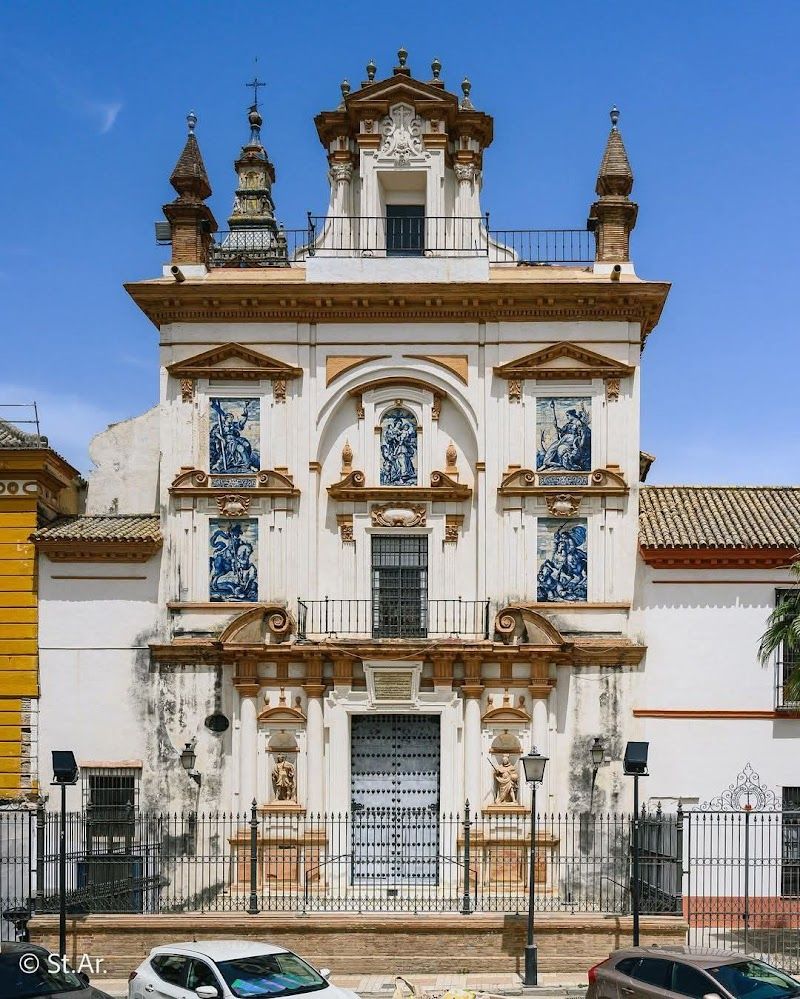
Hospital de la Caridad
This 17th-century baroque hospital turned museum houses some of Seville's most powerful religious art, including Murillo's luminous charity scenes and Valdés Leal's deeply unsettling vanitas paintings that'll stick with you for days. The building itself is gorgeous: a peaceful courtyard lined with blue and white azulejo tiles surrounds a central fountain, while the church sanctuary glows with gilded altarpieces. You're essentially walking through a working example of Counter-Reformation art designed to move souls, not just decorate walls. The visit flows naturally from the serene entrance courtyard into increasingly dramatic spaces. You'll start with Murillo's warm depictions of charitable acts in the main halls, then move to the church where his massive canvases dominate the walls. The real punch comes in the back chapel with Valdés Leal's two famous death paintings: skeletons, decomposing bishops, and scales weighing sins versus good deeds. The contrast between Murillo's gentle beauty and Valdés Leal's brutal mortality reminders creates an emotional whiplash that's genuinely affecting. Most guides overhype this as essential Seville, but honestly, it's only compelling if you're interested in religious art or baroque symbolism. Entry costs around 8 EUR, which feels steep for what's essentially six rooms. Skip it if you're rushed and prioritize the Cathedral or Alcázar instead. If you do visit, spend your time in the church and back chapel where the real masterpieces hang.
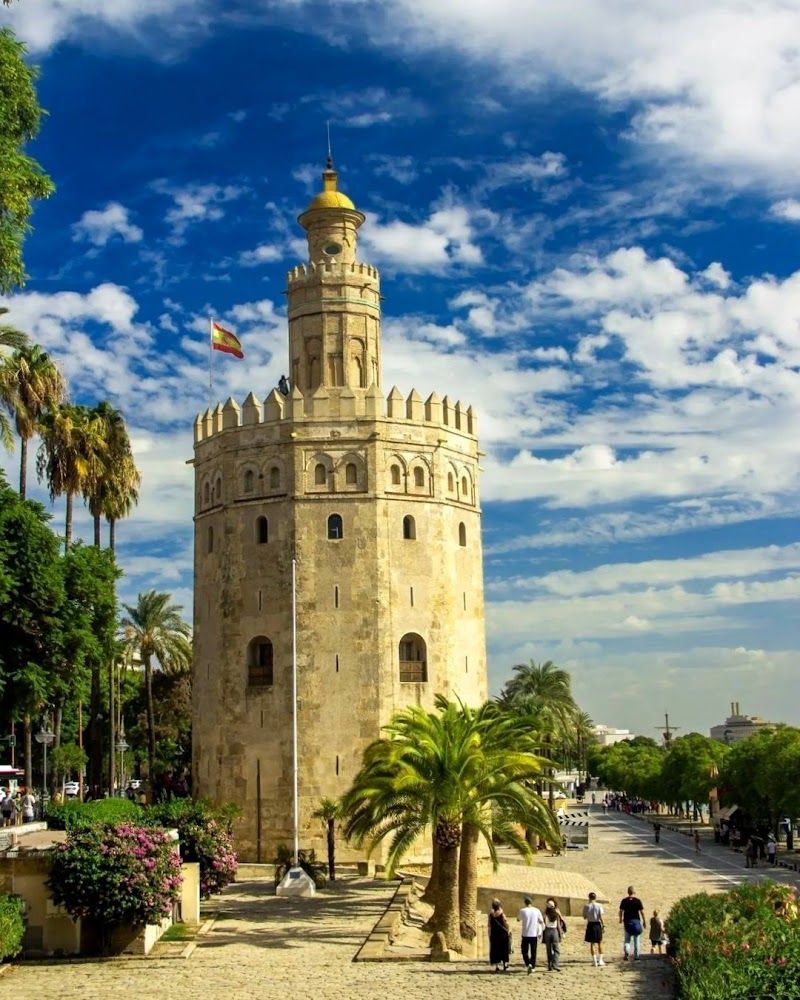
Torre del Oro and Guadalquivir Riverside Walk
The Torre del Oro (Tower of Gold) is a 13th-century Almohad watchtower on the Guadalquivir riverbank that was once connected to the city walls by a chain stretched across the river to block enemy ships. The name comes from the golden reflection of the tower in the water at sunset, or alternatively from the gold tiles that once covered the exterior. Inside is the Museo Naval (maritime museum, EUR 3, small but well-organized with old maps, ship models, and documentation of Seville's role in the Americas trade). The riverside paseo along the Guadalquivir runs north and south from the tower: north along the Triana bank for the best sunset views of the Cathedral, south toward the Parque de Maria Luisa. The riverfront from the Torre del Oro to the Puente de Isabel II is Seville's evening promenade route.
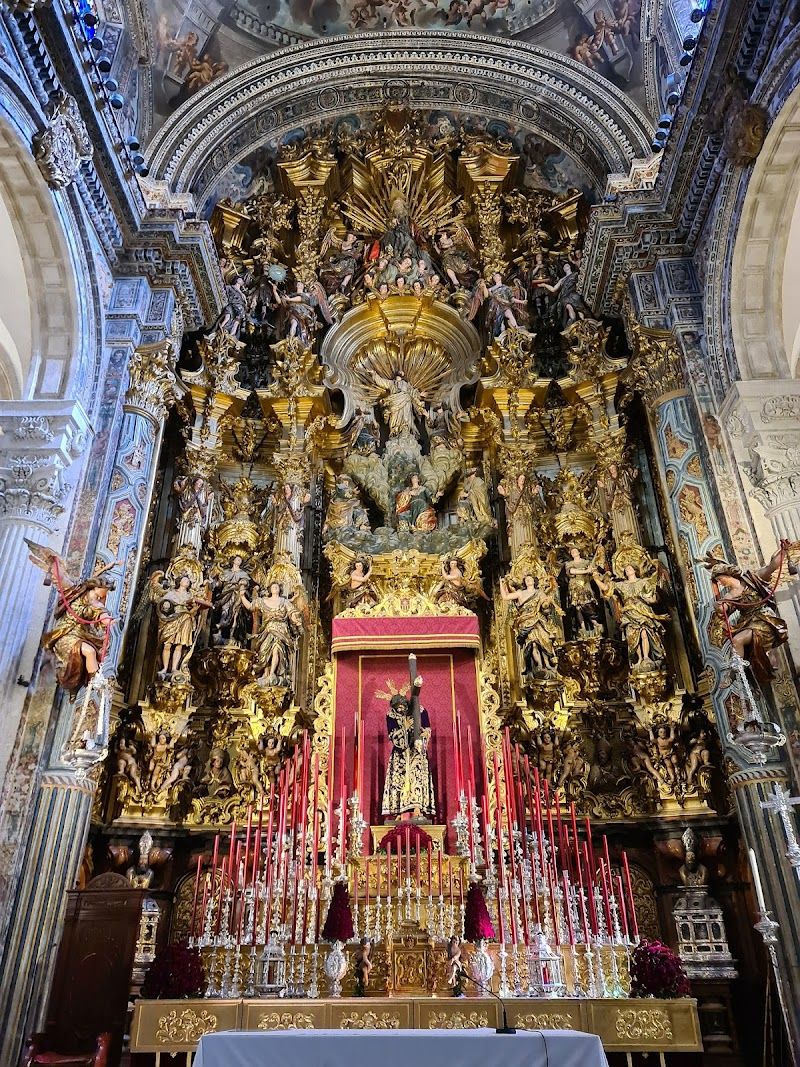
Iglesia del Salvador
The Salvador Church stands on the foundations of Seville's original Friday mosque, creating a spectacular collision between Islamic architecture and Baroque excess. You'll find the second largest church in the city after the Cathedral, where every surface screams for attention with gilded altarpieces, spiral columns, and dramatic religious sculptures. The original mosque courtyard survives as the Patio de los Naranjos, offering a peaceful contrast to the interior's visual chaos. Walking inside feels like entering a golden jewelry box that's been turned inside out. The main altar rises like a theatrical stage set, while side chapels compete for your attention with increasingly elaborate decorations. The contrast hits you immediately: step from the serene orange tree courtyard into an interior that represents Baroque architecture at its most unapologetic. Most visitors spend their time craning their necks upward, trying to process the sheer amount of detail crammed into every corner. Most guidebooks treat this as a Cathedral afterthought, but it's actually more impressive in some ways because you can get closer to the artwork. The 4 EUR entry fee feels steep for 45 minutes, but your Cathedral ticket gets you in free within 48 hours. Skip the audio guide and focus on the main altarpiece and the Capilla de la Virgen de las Aguas. Come early morning when light streams through the windows and tourist groups haven't arrived yet.
Archivo General de Indias
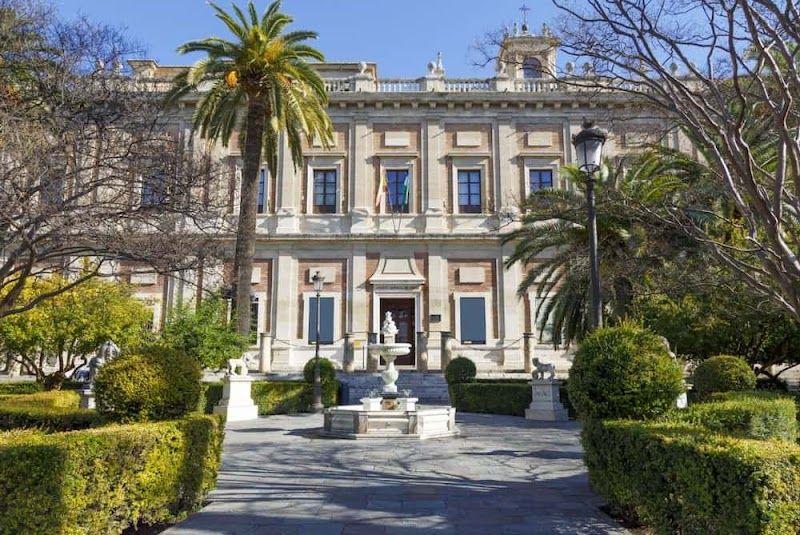
The Archivo General de Indias holds the world's most complete record of Spanish colonial empire, housed in Juan de Herrera's stunning 16th-century Mannerist building. You'll see original Columbus logbooks, hand-drawn maps of unexplored territories, royal decrees, and personal letters from conquistadors. The collection spans 80 million pages documenting three centuries of exploration, trade, and conquest across the Americas, Philippines, and Caribbean. Entry is completely free. The experience centers on the main exhibition hall with its soaring stone vaults and perfect acoustics. Rotating displays showcase different themes: sometimes it's navigation instruments and sea charts, other times personal correspondence between Spanish royalty and colonial governors. The documents are beautifully lit in climate-controlled cases, with Spanish and English explanations. The building itself competes for attention, its geometric courtyard and marble staircases rivaling the archives. Most visitors rush through in 20 minutes, but you'll want 45 minutes to properly read the translations and absorb the historical weight. The permanent collection rotates every few months, so what you see depends entirely on timing. Skip this if you're not genuinely interested in colonial history or Spanish exploration, the displays require focus and reading. The building's architecture alone justifies a brief visit, even if documents aren't your thing.
Sevilla Bike Tour
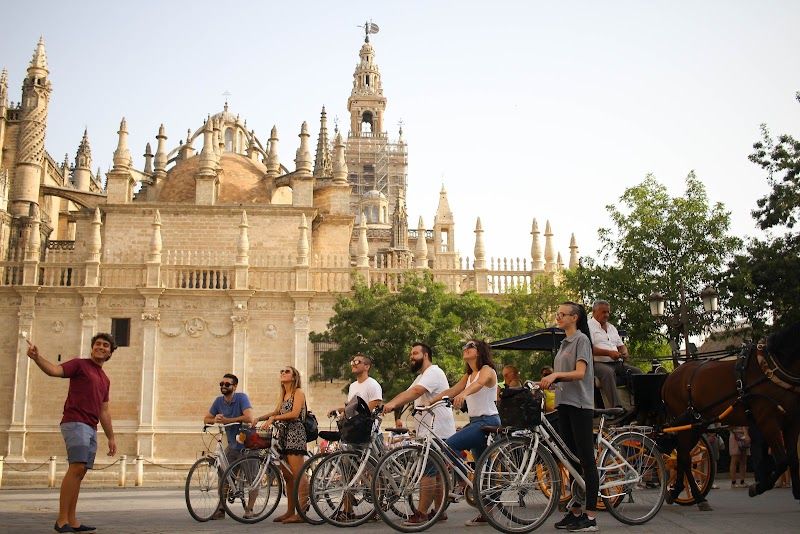
This guided bike tour covers Seville's most important sights across three hours, taking you through the old quarter, along the Guadalquivir River, and into the Triana neighborhood. You'll cycle past the Cathedral, Real Alcázar, Plaza de España, and Torre del Oro while your guide explains the history at each stop. The route uses Seville's excellent bike lanes and sticks to flat terrain, making it manageable for most fitness levels. The tour moves at a relaxed pace with frequent stops for photos and explanations. Your guide pauses at major monuments for 10-15 minutes, giving you time to ask questions and learn context you'd miss exploring alone. The riverside stretch through Parque de María Luisa feels like cycling through a green tunnel, while crossing into Triana gives you great views back toward the cathedral spires. Groups stay small (usually 8-12 people), so it never feels rushed. Most bike tours in Seville cover similar ground, but this one's guides actually know their history rather than just pointing at buildings. Tours cost around 25-30 EUR per person, which includes a decent hybrid bike and helmet. Skip the afternoon departures in summer: Seville hits 40°C regularly, and cycling becomes miserable after 2pm. The morning tours finish by noon, leaving your afternoon free for air-conditioned museums.
Seville Tapas Evening Tour
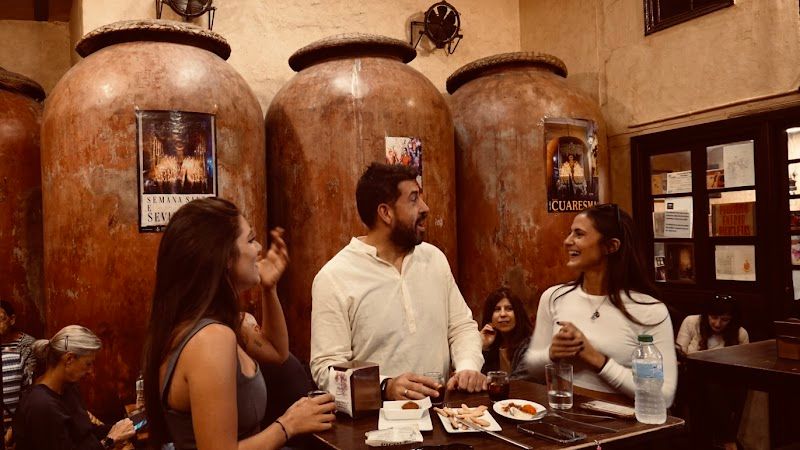
A guided tapas tour in Seville covers 3-4 bars in the Santa Cruz, Arenal, or Alameda neighbourhoods with a guide who knows the owners and can order in the Andalusian way: one tapa at a time, eaten standing at the bar, washed down with a glass of cold manzanilla or beer before moving on. The essential Seville tapas to try: salmorejo (the thick, chilled tomato and bread soup that is richer than gazpacho and topped with Iberian ham and hard-boiled egg, EUR 4-5), espinacas con garbanzos (spinach with chickpeas and cumin, the signature tapa of Seville, EUR 3-4), carrillada (braised pork cheek in wine sauce, EUR 5-6), croquetas de jamon (Iberian ham croquettes, EUR 3-4 for two). Tours run EUR 65-85 per person with 4-5 tastings and a glass of wine or beer at each stop. Evening tours (starting 7-8 PM) are best: this is when the bars fill up with locals and the atmosphere is authentic.
Where to Eat
Restaurants and cafes in El Arenal & Riverside
Taberna Coloniales
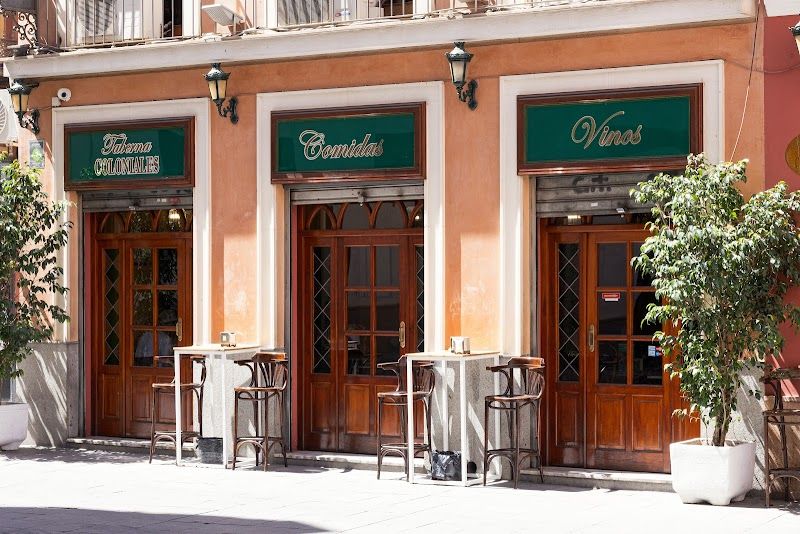
RestaurantA reliably good tapas spot with multiple locations, but the original near Plaza Cristo de Burgos is where locals go. The solomillo al whisky and the tortilla de camarones are standouts. Prices are fair at EUR 3-4 per tapa and the outdoor tables fill up fast on warm evenings.
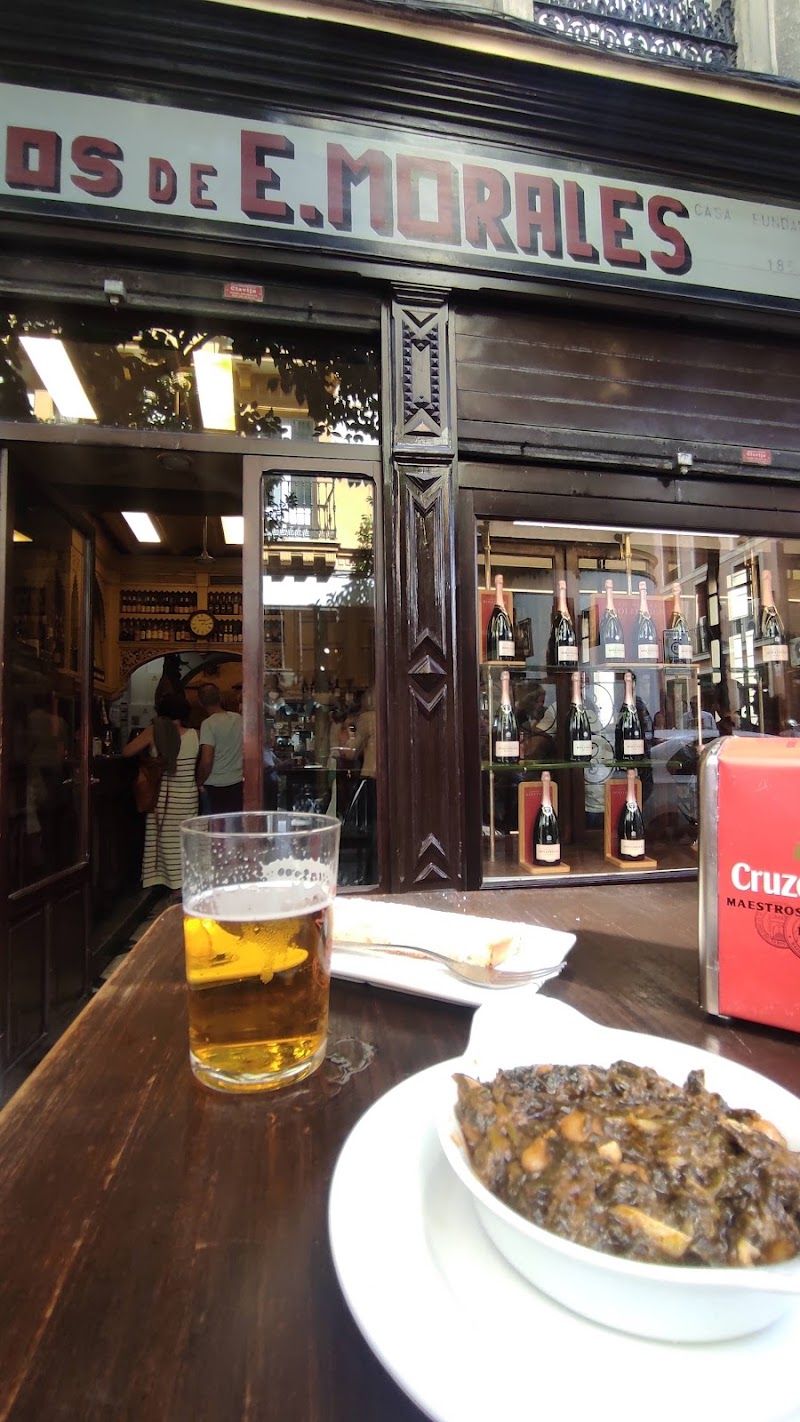
Casa Morales
RestaurantA classic 1850 tavern with terracotta amphorae still lining the walls from its days as a wine merchant. The house wine comes from their own barrels and the montaditos de lomo are served on crusty bread. This is where warehouse workers and office staff from El Arenal come for lunch.
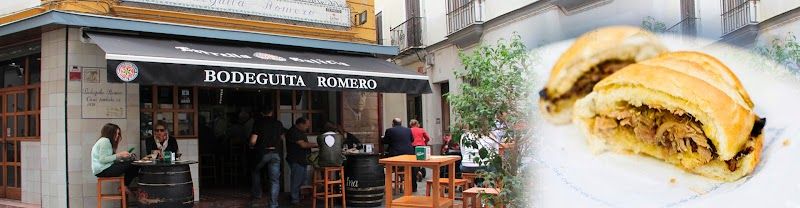
Bodeguita Romero
RestaurantA tile-covered corner bar in the Alameda area known for its enormous portions of chicharrones and perfectly executed croquetas. The manzanilla flows cold and the atmosphere is loud, smoky, and packed with university students and neighbourhood regulars. Tapas cost EUR 3-4 and could feed two.
Getting Here
Getting There
Walkable from Santa Cruz (10 min) or from Triana bridge (5 min).
On Foot
Flat. The riverside paseo is entirely pedestrian.
Insider Tips
Torre del Oro from the Triana bank
The best view of the Torre del Oro is from the Triana side of the river, looking back. Cross the Isabel II bridge and look east: the tower, the river, and the Cathedral behind it are the classic Seville image. The tower is best photographed in the late afternoon when the west-facing gold stone catches direct sun.
Maestranza tour
EUR 10 for the guided tour of the bullring (tours in English run regularly). The tour covers the ring, the chapel where bullfighters pray before fighting, the infirmary, the stables, and the museum with historic costumes and memorabilia. The architecture of the building (18th century, the most refined bullring in Spain) is the main point even for those who oppose the activity.
Nearby Neighborhoods
Continue exploring
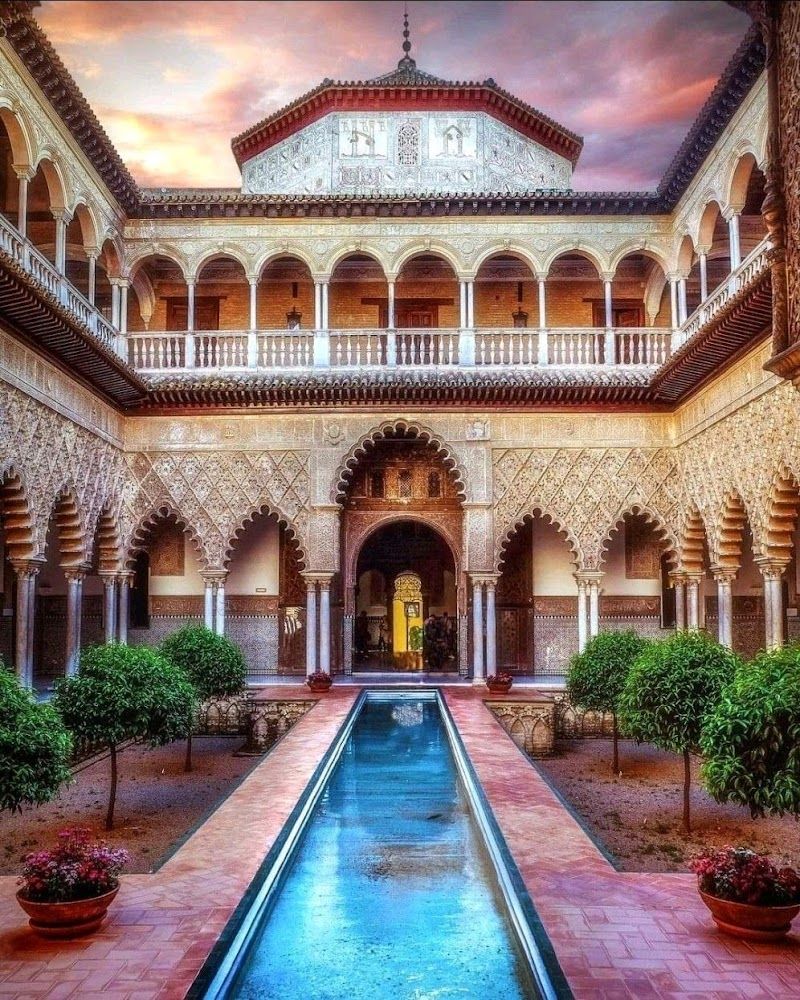
Santa Cruz & Cathedral
The monumental core: the Cathedral and its Giralda tower, the Real Alcazar and its Mudejar gardens, and the old Jewish quarter with whitewashed lanes and tiled patios.
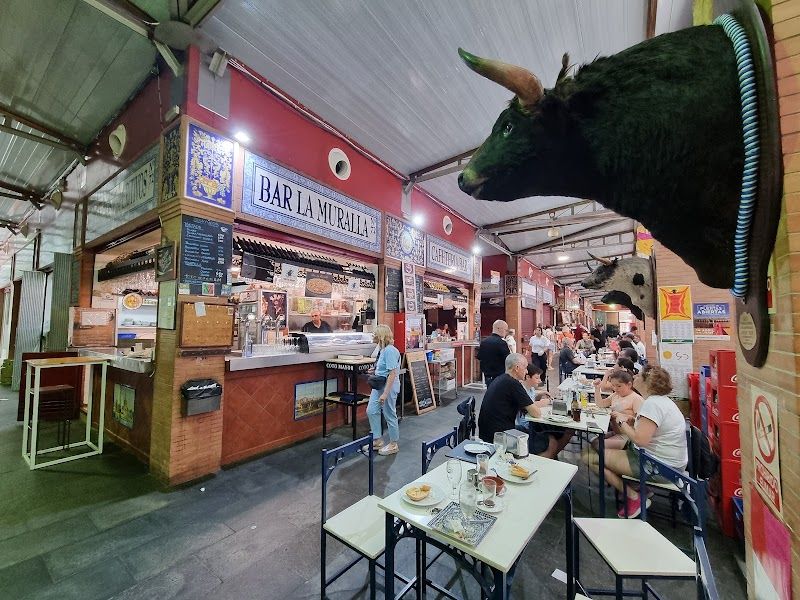
Triana
Across the Guadalquivir: the flamenco district, the ceramics tradition, the most local tapas bars in Seville, and a riverside street with one of the best bar terraces in the city.
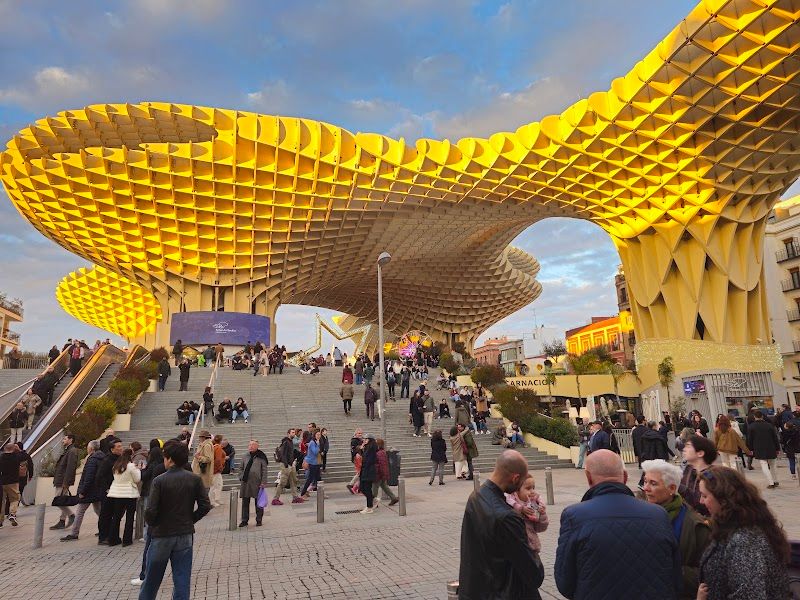
Centro & Alameda
The modern city centre north of the Cathedral: the Metropol Parasol waffle structure at sunset, the Museo de Bellas Artes, the Alameda de Hercules, and the streets where Seville under 40 goes on Thursday through Saturday evenings.
Related Articles
The Complete Seville Food Guide: Where Locals Actually Eat
Skip the tourist traps and eat where Sevillanos do. From century-old tabernas to modern food markets, this Seville food guide reveals the real local favorites.
Seville Safety Guide: Which Neighborhoods to Avoid and Where to Stay Instead
Most of Seville is safe, but certain areas demand caution. Here's where to avoid staying and which neighborhoods offer better options for travelers concerned about safety.
Plan a trip featuring El Arenal & Riverside
Get a personalized Seville itinerary with El Arenal & Riverside built in.
Start Planning