Seville
Triana
Across the Guadalquivir: the flamenco district, the ceramics tradition, the most local tapas bars in Seville, and a riverside street with one of the best bar terraces in the city.
About Triana
Triana is the neighbourhood west of the Guadalquivir river that Sevillanos consider the real soul of the city. It is where flamenco tradition is deepest (several of Spain's most important flamenco artists were born here), where the ceramic workshops still operate (Ceramica Santa Ana on Calle San Jorge has been making Triana tiles since 1870), and where the bars are cheaper and more local than anything in the centre. The Puente de Isabel II (the 1852 iron bridge) connects the centre to Triana. Calle Betis is the riverside street where the terrace bars look back over the Guadalquivir to the Torre del Oro and the Cathedral: in the late afternoon the view across the river is one of the best in Seville. The Mercado de Triana (the covered market on the riverside) is local, cheap, and calm compared to the tourist markets of the old town. The free tapas tradition is strongest in Triana: in some bars a beer (EUR 2.50-3) comes with a tapa automatically.
Things to Do
Top experiences in Triana
Mercado de Triana
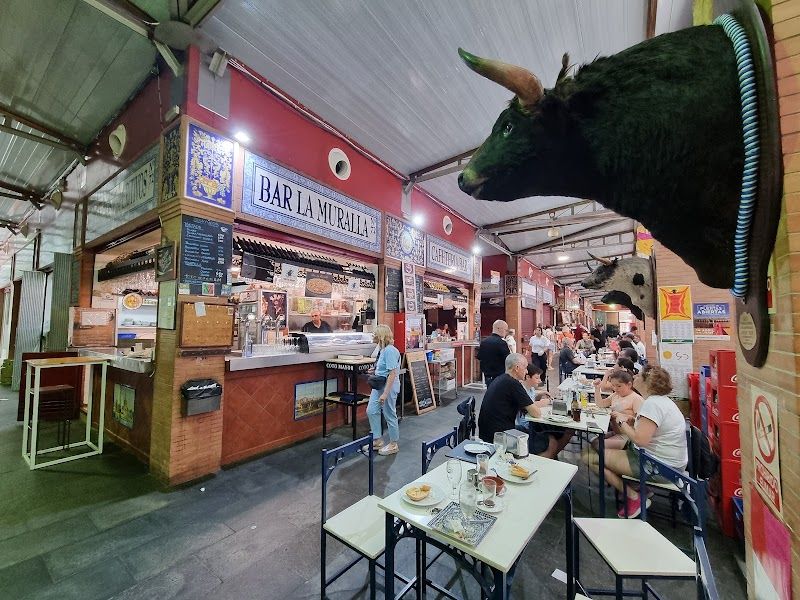
Mercado de Triana sits right on the Guadalquivir's edge where a medieval Inquisition castle once stood, and today it's the only central Seville market where actual locals do their daily shopping. You'll find proper fishmongers selling catch from Cádiz, elderly women haggling over vegetables, and ceramic vendors offering authentic Triana pottery alongside the usual tourist stuff. The top floor opens onto terraces with river views where you can grab wine and tapas for 3 to 5 EUR while watching boats drift past. The ground floor feels authentically Spanish: vendors call out prices, locals chat while selecting produce, and the smell of fresh fish mixes with jamón hanging from hooks. Unlike other Seville markets that cater mainly to tourists, this one maintains its working market atmosphere even when visitors wander through. The upstairs bar area gets lively around sunset, but during morning hours you'll mostly encounter neighbors picking up groceries and catching up on local gossip. Most travel guides oversell the basement archaeology, it's just a few display cases and foundation stones that take five minutes to see. The real draw is the authentic market experience and those riverside terraces, which offer some of the best value drinks with views in Seville. Skip the overpriced ceramic shops near the entrance and head straight to the back stalls where prices drop significantly for the same Triana pottery.
Triana Neighbourhood Walk
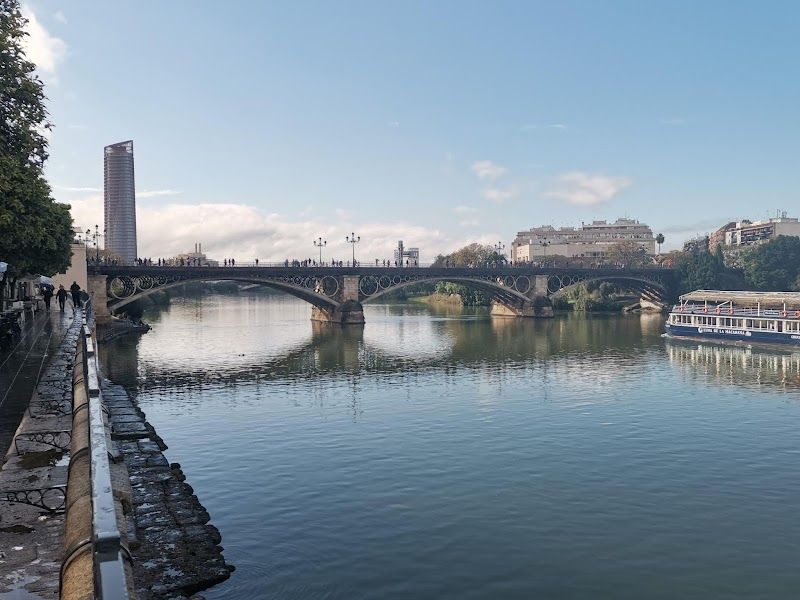
Triana is the neighbourhood west of the Guadalquivir river that Sevillanos consider the real soul of the city. It is where flamenco tradition is deepest (the birthplace of many of Spain's greatest flamenco artists), where the ceramics workshops still operate, and where the bars are cheaper and more local than anything in the centre. The Puente de Isabel II (the iron bridge from 1852) connects the centre to Triana. Calle Betis is the riverside street: the terrace bars here look back over the river to the Torre del Oro and the cathedral. The Triana market (Mercado de Triana) is inside a covered space on the riverside and sells local produce, fish, and ceramics. Cerámica Santa Ana on Calle San Jorge has been making Triana tiles since 1870. The neighbourhood is largely residential, the bars are neighbourhood spots, and the tile murals on the buildings depict bullfighters, Virgin icons, and historic scenes in the local style.
Conjunto Arqueológico de Itálica
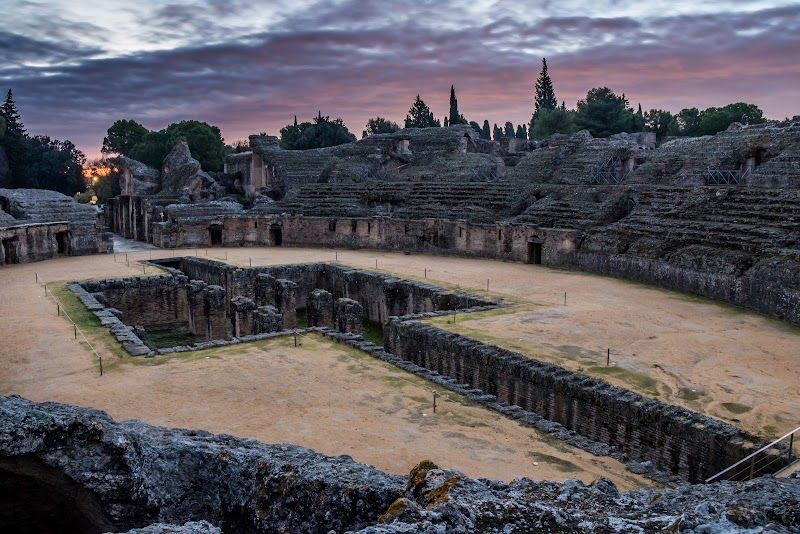
Italica sits 30 minutes northwest of Seville and delivers Rome-quality ruins without the crowds. You'll walk through the birthplace of emperors Trajan and Hadrian, where massive mosaics still cover villa floors in intricate detail. The Neptune mosaic alone spans 50 square meters, while geometric patterns in the House of Birds look like they were installed yesterday. The amphitheater, third largest in the Roman Empire, hosted 25,000 spectators and still echoes when you shout from the arena floor. The site sprawls across olive groves with numbered ruins connected by gravel paths. Start at the visitor center for context, then follow the circuit through residential districts where wealthy Romans lived. Room after room reveals pristine mosaics: dolphins, peacocks, mythological scenes rendered in tiny colored stones. The amphitheater sits at the circuit's end, its underground chambers and tiered seating intact enough that Game of Thrones filmed here. You'll have most spaces to yourself, especially weekday mornings. Entry costs 1.50 EUR, making this exceptional value compared to similar sites elsewhere. Most visitors rush through in an hour, but you need three to appreciate the craftsmanship properly. Skip the audioguide and download the free app instead. The site closes at 3 PM from April through September, catching many off guard. Bring serious sun protection since there's zero shade among the ruins.
Capilla de los Marineros
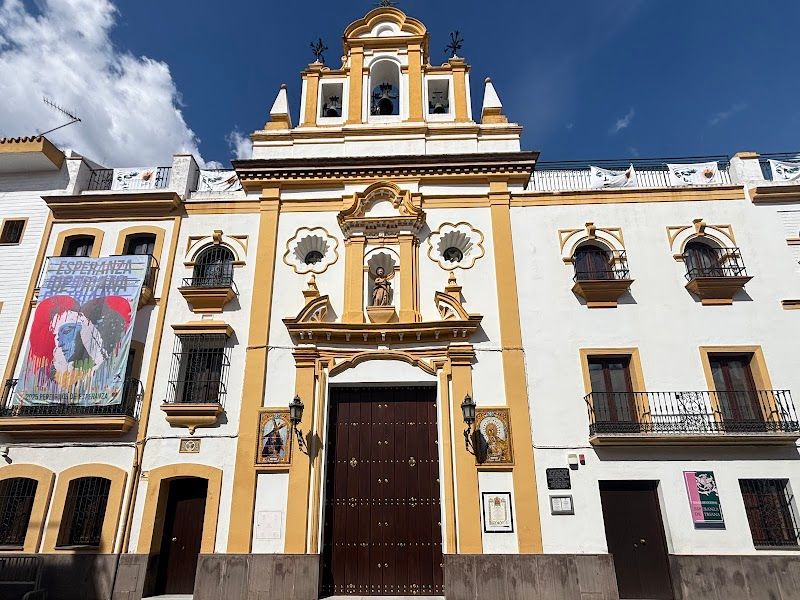
This intimate 15th-century chapel houses one of Seville's most revered Virgin statues, Nuestra Señora de la Esperanza de Triana, whose golden throne and elaborate baroque setting create an unexpectedly powerful spiritual atmosphere. You're looking at exceptional religious art including intricate altarpieces and silverwork that rival anything in the cathedral, but in a space so small you can examine every detail up close. The chapel serves as headquarters for the Esperanza de Triana brotherhood, one of Holy Week's most important, so you're seeing living religious tradition, not just museum pieces. Stepping inside feels like entering a jewelry box lined with gold leaf and devotional paintings. The Virgin's statue dominates the main altar, surrounded by candles and fresh flowers that locals bring daily. You'll hear whispered prayers and see people touching the walls in reverence, creating an atmosphere that's genuinely moving whether you're religious or not. The space is so compact that even a few visitors make it feel full, but this intimacy is exactly what makes it special. Most guidebooks barely mention this place, which is exactly why you should visit. Entry is free, though there's a small donation box if you want to light a candle for €1. Skip the rushed afternoon visits when tour groups occasionally appear, and don't bother if you're only interested in grand architecture. This is about devotion and craftsmanship on an intimate scale, best appreciated when you have time to really look at the details.
Mercado del Arenal
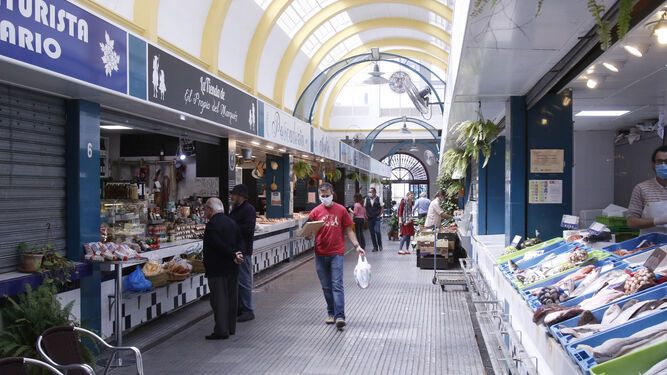
Mercado del Arenal sits in a 19th century iron and glass pavilion that once served Seville's shipbuilding district. You'll find two distinct worlds here: authentic produce vendors selling to neighborhood families on one side, and touristy tapas counters on the other. The fish section displays glistening pescado caught along the Andalusian coast, while vegetable stalls overflow with tomatoes, peppers, and oranges that locals actually buy for their kitchens. The morning crowd consists of Spanish housewives scrutinizing melons and fishmongers shouting prices in rapid Andalusian. By 1pm, the atmosphere shifts as office workers and tourists crowd around the prepared food stalls for lunch. You can watch vendors slice jamón ibérico paper thin, grill sardines over charcoal, and ladle gazpacho from enormous clay pots. The acoustics amplify every conversation, creating a symphony of Spanish chatter and clinking glasses. Most guidebooks oversell this place. The restaurant side charges tourist prices (expect 8 to 12 EUR for basic tapas) and the quality doesn't match neighborhood bars five minutes away. Focus your time on the produce section where vendors still haggle and locals shop seriously. The fish counter at Bar Las Teresas does excellent grilled catches for 6 to 8 EUR, but avoid the overpriced jamón stalls that target cruise ship groups.
Castillo de San Jorge
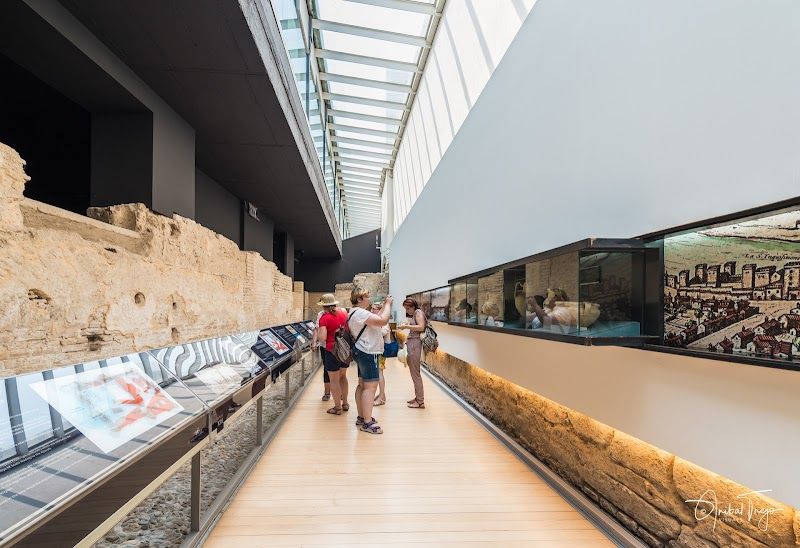
This underground archaeological site sits beneath Triana's market, revealing the actual foundations and prison cells of the Spanish Inquisition's castle that operated here from 1481 to 1785. You'll walk through excavated stone cells where prisoners were held, see original foundations, and explore exhibits that explain how the Inquisition functioned as both religious tribunal and political tool. The displays include artifacts found during excavation and detailed information about daily life in the prison. The visit feels surprisingly intimate and sobering. You descend into the actual excavated ruins, walking on glass platforms above the original floor levels while peering into cramped cells through protective barriers. The lighting is dim and atmospheric, and information panels in Spanish and English explain what each space was used for. The temperature stays cool year round, and the acoustics make everything feel hushed and reverent. Most travel guides oversell this as a major attraction, but it's really a specialized interest site that history buffs will appreciate more than casual visitors. The entire space is quite small and you can see everything meaningful in 30 minutes despite the suggested 45 minute duration. Entry is completely free, which makes it worth a quick stop if you're already exploring Triana, but don't cross the city specifically for this unless you're particularly interested in Inquisition history.
Where to Eat
Restaurants and cafes in Triana
Blanca Paloma
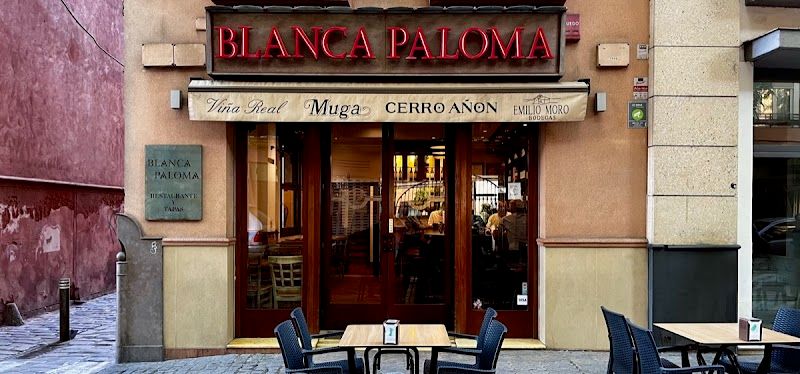
RestaurantA no-frills Triana bar where a beer still comes with a free tapa, chosen by the kitchen. The pescaito frito arrives perfectly crisp and the carrillada melts on the fork. This is the Triana eating experience: standing at the bar, local dialect spoken fast, cheap and generous.
Bar Bistec
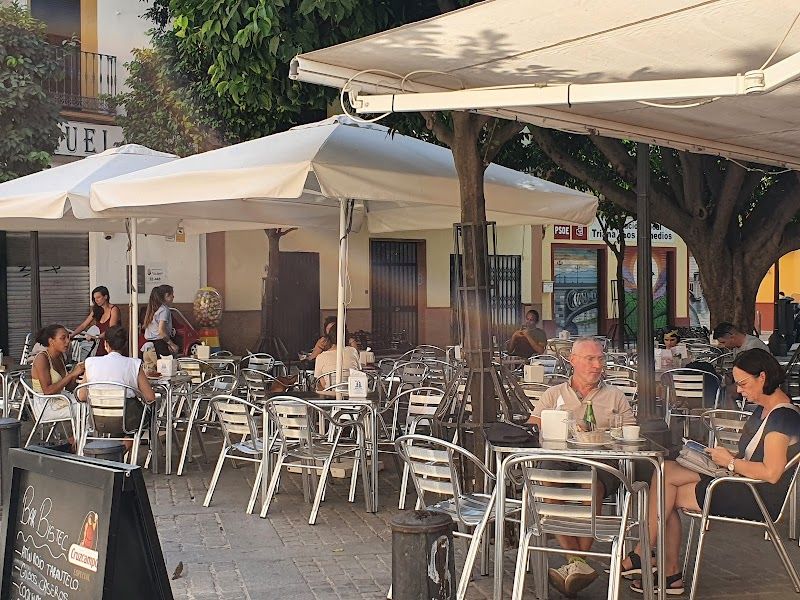
RestaurantAuthentic Triana tavern known for its perfectly grilled meats and traditional tapas, beloved by locals for over four decades. The no-frills atmosphere and house specialty-solomillo al whisky (whisky-flamed pork tenderloin)-make it a neighborhood institution. Small, bustling space with friendly service and excellent value.
Getting Here
Getting There
Walk across the Puente de Isabel II (10 min from Santa Cruz).
On Foot
Flat and walkable. The riverside is the main navigation route.
Insider Tips
Calle Betis for sunset
The terrace bars on Calle Betis face the Guadalquivir and the Seville skyline. Arrive by 7 PM to get a table with the Cathedral and Torre del Oro in view. The sunset light on the old town from here is the best free spectacle in Seville.
Ceramics at Ceramica Santa Ana
Calle San Jorge 31: the ceramics workshop has been operating since 1870 and sells genuine Triana tiles (decorative tiles EUR 6-15, bowls EUR 8-20). The back of the shop has seconds at reduced prices. This is where the Alcazar tiles were traditionally made.
Free tapas at Triana bars
The bars on Calle Alfareria (one block from the river, away from the tourist circuit) are the most local. A cerveza costs EUR 2.50-3 and a tapa arrives automatically in many. This is the Andalusian free tapas tradition at its most genuine.
Nearby Neighborhoods
Continue exploring
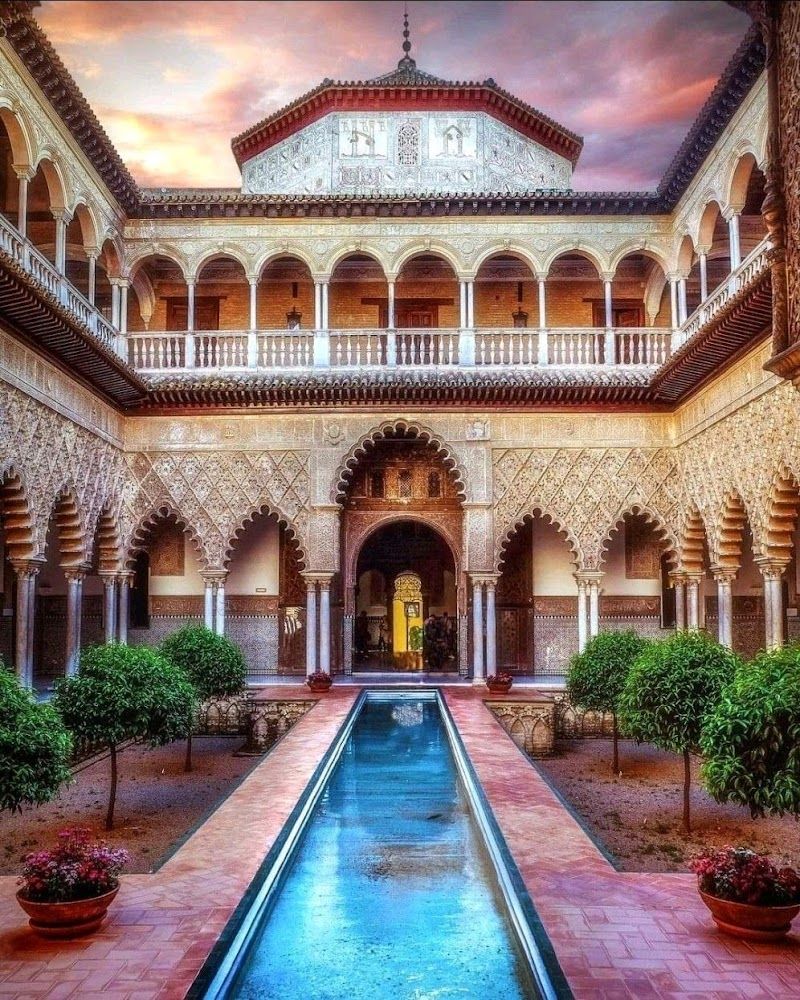
Santa Cruz & Cathedral
The monumental core: the Cathedral and its Giralda tower, the Real Alcazar and its Mudejar gardens, and the old Jewish quarter with whitewashed lanes and tiled patios.
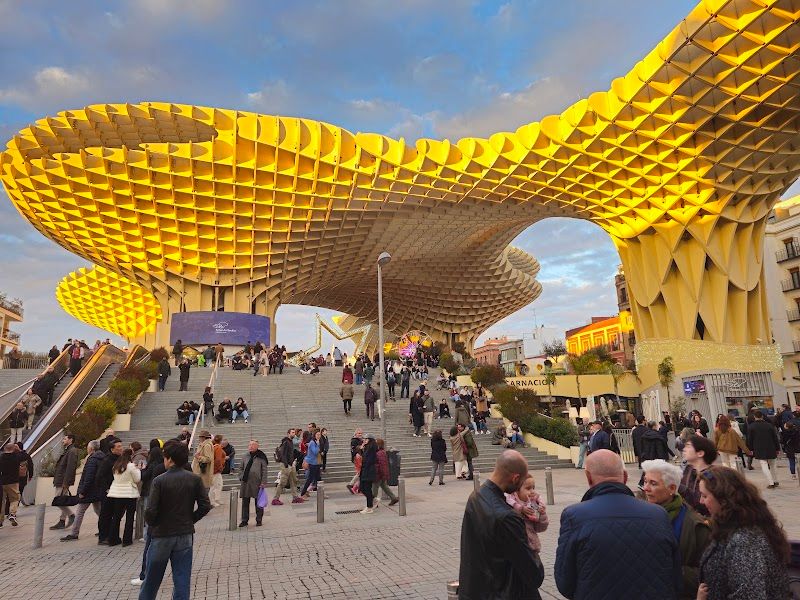
Centro & Alameda
The modern city centre north of the Cathedral: the Metropol Parasol waffle structure at sunset, the Museo de Bellas Artes, the Alameda de Hercules, and the streets where Seville under 40 goes on Thursday through Saturday evenings.
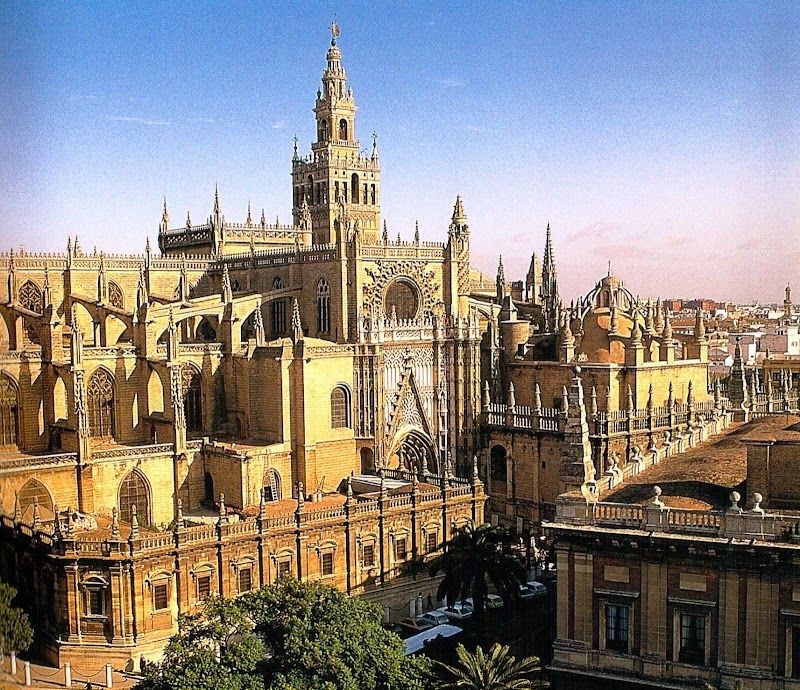
El Arenal & Riverside
The riverfront between the Cathedral and Triana: the Torre del Oro, the Maestranza bullring, and the Guadalquivir promenade where Seville walks in the early evening.
Related Articles
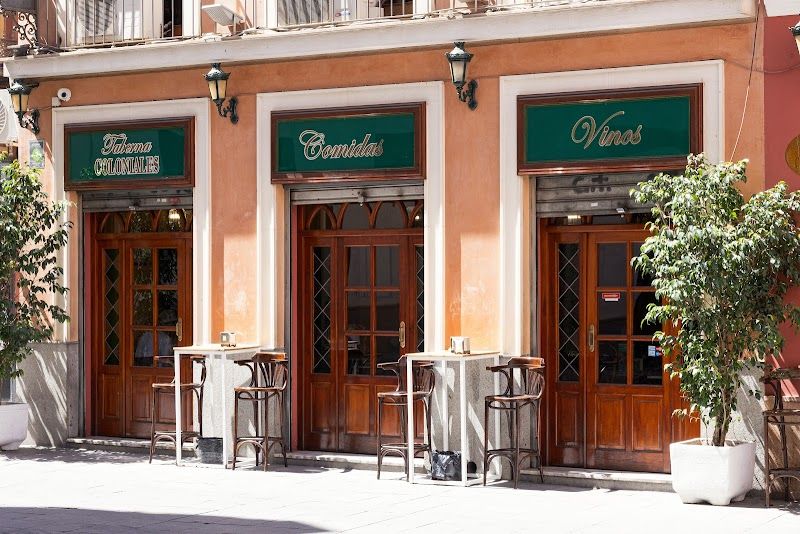
The Complete Seville Food Guide: Where Locals Actually Eat
Skip the tourist traps and eat where Sevillanos do. From century-old tabernas to modern food markets, this Seville food guide reveals the real local favorites.
Seville Safety Guide: Which Neighborhoods to Avoid and Where to Stay Instead
Most of Seville is safe, but certain areas demand caution. Here's where to avoid staying and which neighborhoods offer better options for travelers concerned about safety.
Plan a trip featuring Triana
Get a personalized Seville itinerary with Triana built in.
Start Planning