Seville
Centro & Alameda
The modern city centre north of the Cathedral: the Metropol Parasol waffle structure at sunset, the Museo de Bellas Artes, the Alameda de Hercules, and the streets where Seville under 40 goes on Thursday through Saturday evenings.
About Centro & Alameda
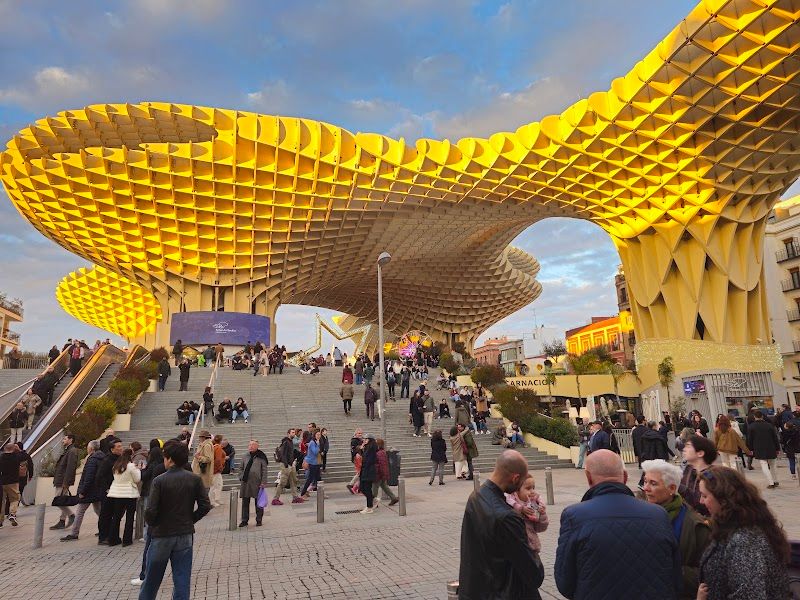
The Centro is the part of Seville that tourists often miss because they spend their time between Santa Cruz and Triana. Plaza de la Encarnacion has the Metropol Parasol (Las Setas), the controversial wooden lattice structure that is simultaneously the largest wooden structure in the world and the most photographed building in modern Seville. The rooftop walkway (EUR 5, includes a drink) at sunset is the best EUR 5 in the city. The Museo de Bellas Artes (EUR 1.50) is Spain's second-best collection of Spanish Baroque painting after the Prado, housed in a former convent: Murillo's largest canvases, Zurbaran, and Valdes Leal in rooms that still have the convent architecture. The Alameda de Hercules is the long shaded promenade north of the centre where young Seville eats, drinks, and gathers from Thursday to Saturday evenings, with outdoor bar terraces, modern tapas, and an energy that is entirely different from the tourist circuit.
Things to Do
Top experiences in Centro & Alameda
Metropol Parasol (Las Setas)
The Metropol Parasol looks like six giant wooden mushrooms that crash-landed in central Seville. This massive lattice structure rises 28 meters above Plaza de la Encarnación, built from bonded timber in an alien-looking waffle pattern that somehow works. You're here for the rooftop walkway (€5), which snakes through the canopy and delivers spectacular views over the old city, plus there's a basement level showcasing Roman ruins discovered during construction. Climbing to the walkway feels like entering a futuristic treehouse. The serpentine path winds through the timber structure, casting intricate shadows that shift throughout the day. You'll peer down at the plaza below while gazing out over terracotta rooftops toward the Cathedral and Giralda tower. The wooden lattice creates natural frames for photos, and the perspective keeps changing as you follow the curved walkway through the parasols. Most guides don't mention that your €5 ticket includes a drink voucher worth €3-5, making the net cost almost nothing. The Roman ruins downstairs require a separate ticket and aren't particularly impressive compared to what you'll see elsewhere in Seville. Skip the morning visit when the light is harsh and shadows are minimal. The structure divides locals (many think it's an eyesore) but visitors consistently love it, especially at golden hour when those geometric shadows create Instagram gold.
Alameda de Hércules
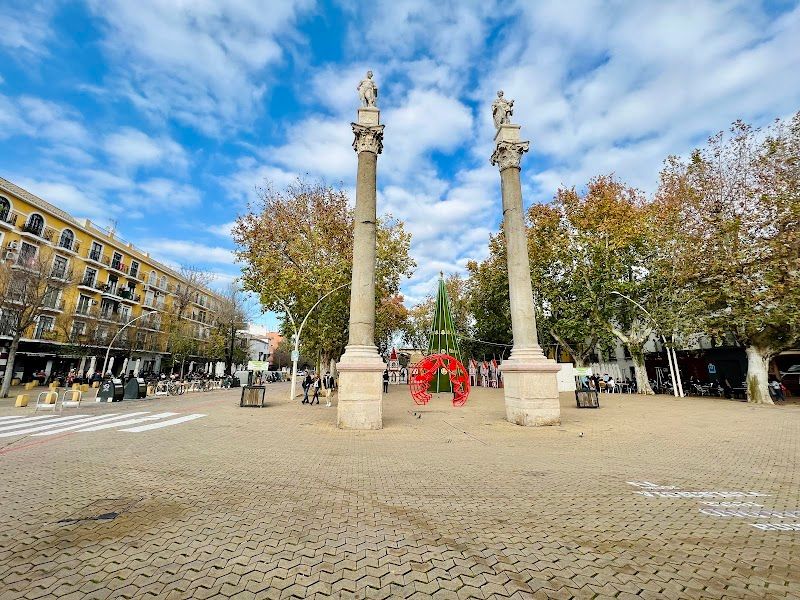
Alameda de Hércules stretches for six blocks through Seville's most bohemian neighborhood, anchored by two genuine Roman columns topped with statues of Hercules and Julius Caesar at the southern end. This rectangular promenade, created in the 16th century from a drained swampland, has become the city's unofficial outdoor living room where locals gather day and night. You'll find outdoor terraces lining both sides, palm trees providing shade, and a distinctly local crowd that feels refreshingly removed from Seville's tourist trail. The atmosphere shifts dramatically throughout the day. Mornings bring dog walkers and joggers, while afternoons see families claiming benches under the trees. By evening, the outdoor bars fill with university students and young professionals nursing beers and sharing tapas plates. The Sunday flea market transforms the space completely, with vendors spreading vintage clothes, old records, and random antiques across the pavement while neighbors browse and chat. Most guidebooks oversell this as a major attraction, but it's really about soaking up authentic Seville neighborhood life. The bars charge standard prices (€2.50 for beer, €4-6 for tapas), and the flea market runs more toward junk than treasures. Skip the touristy restaurants at the Hercules end and head toward the northern section where locals actually hang out.
Palacio de las Dueñas
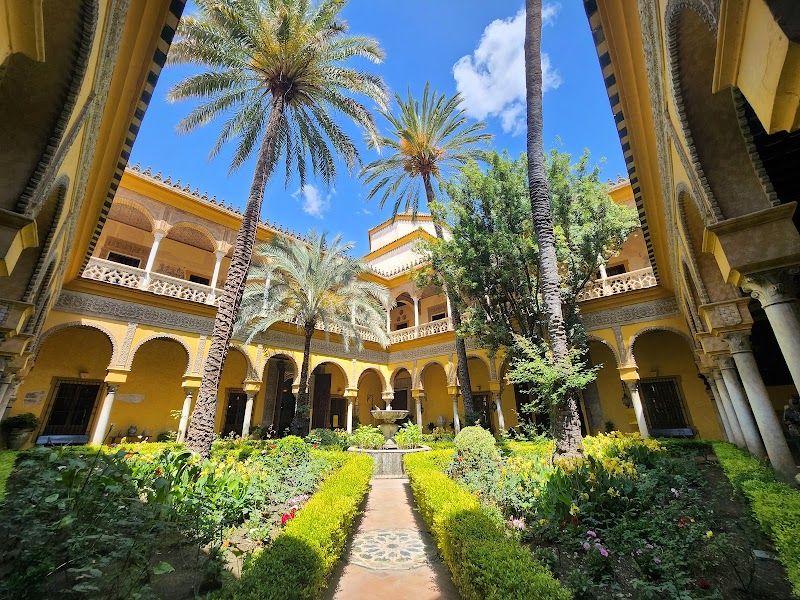
The Palacio de las Dueñas offers an authentic glimpse into aristocratic Seville life, with five centuries of treasures displayed exactly as the Alba family still uses them. You'll wander through intimate salons filled with Goya paintings, ancient tapestries, and personal photographs of Spanish royalty visiting for dinner parties. The courtyards steal the show: orange trees frame original 16th century azulejo tiles, while fountains trickle in spaces where poet Antonio Machado took his first steps. The self guided visit flows through surprisingly lived in rooms where you can picture the Duchess of Alba hosting gatherings last week. Unlike sterile palace museums, this feels like exploring a wealthy friend's home while they're away. The library holds 40,000 books, the chapel displays religious art spanning four centuries, and every room reveals layers of Spanish history through family portraits and furniture. The intimate scale means you're never fighting crowds in narrow hallways. Most guides oversell this as a major attraction, but it works best as a peaceful complement to the overwhelming Cathedral and Alcázar. Entry costs 12 EUR and the audio guide adds nothing valuable, skip it and read the English room descriptions instead. Focus your time in the main courtyard and the Machado room, but honestly the whole circuit takes just an hour if you don't linger over every decorative detail.
Casa de la Memoria
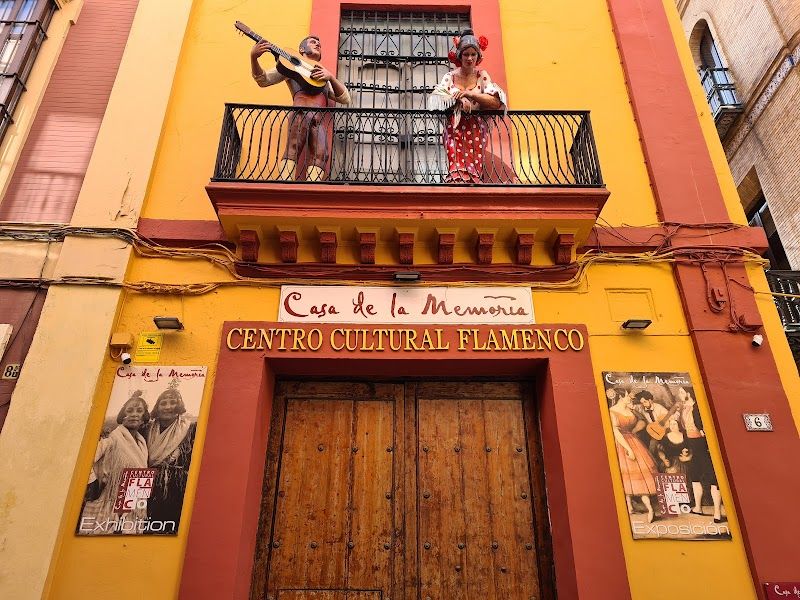
Casa de la Memoria transforms a 15th-century palace courtyard into Seville's most intimate flamenco experience, where you sit just meters from world-class performers. The venue hosts 90-minute shows featuring acclaimed guitarists, singers, and dancers performing without microphones or amplification in the stone-walled patio. You'll hear every guitar string resonate, every heel strike the floor, and every passionate vocal cry echo off ancient walls. The experience feels like stumbling into a private flamenco gathering rather than attending a tourist show. You enter through heavy wooden doors into a candlelit courtyard surrounded by Moorish arches, where 100 chairs create an impossibly close circle around the performance space. The acoustics are perfect: guitarists' fingers sliding across strings, the rhythmic clapping, and dancers' rapid-fire footwork create an almost hypnotic soundscape that reverberates through your chest. This isn't cheap flamenco dinner theater, it's the real deal. Tickets cost around 22 EUR for general admission, though exact pricing varies by season. The 7:30 PM show draws fewer tour groups than the 9 PM slot, giving you a better chance at front-row seats. Skip the expensive drinks here and grab something beforehand, the focus should be entirely on the performance, which consistently features some of Andalusia's finest flamenco artists.
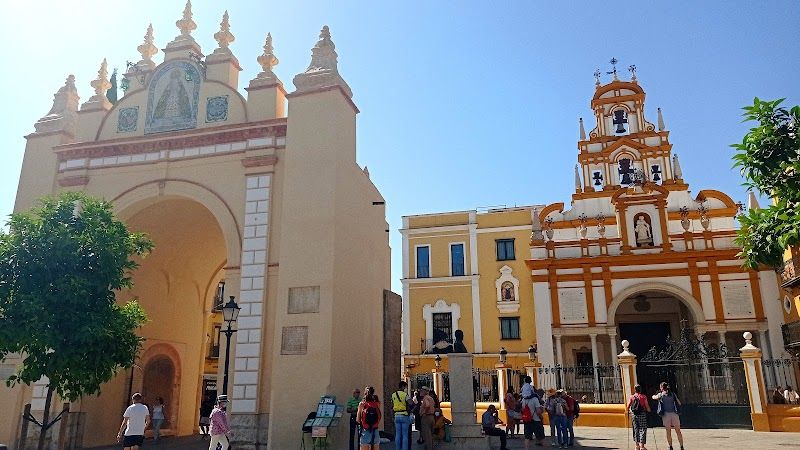
Basílica de la Macarena
This neo-Baroque basilica from 1949 houses Seville's most adored Virgin, La Macarena, whose tear-streaked face and emerald-encrusted crown draw devotees year-round. You'll find her in a glass case behind the altar, draped in velvet and surrounded by hundreds of flickering candles. The attached museum displays her jaw-dropping jewelry collection (emeralds, diamonds, and pearls worth millions) plus the massive silver pasos that carry her through the streets during Easter processions. The church feels more like a living shrine than a tourist attraction. Locals genuflect and whisper prayers while you explore, creating an atmosphere that's deeply reverent yet welcoming to visitors. The Virgin's face is genuinely moving up close: glass tears, perfectly sculpted anguish, and an otherworldly presence that explains centuries of devotion. The museum feels like a royal treasury, with cases full of brooches, necklaces, and ceremonial robes donated by grateful believers. Most guides oversell this as essential Seville, but it's really for those interested in religious art and local culture. The museum costs 5 EUR and takes 20 minutes max. Skip it if you're rushed, but if you're curious about Andalusian devotion, this offers genuine insight into how Sevillanos connect with their faith. The church itself is free and more atmospheric than the museum.
Where to Eat
Restaurants and cafes in Centro & Alameda
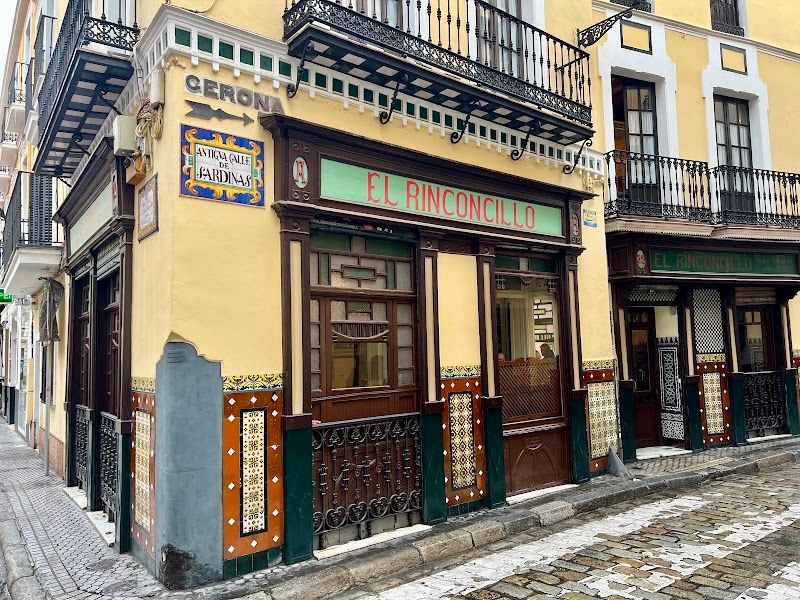
El Rinconcillo
RestaurantSeville's oldest bar, established in 1670, where tabs are still chalked directly on the wooden bar counter. The house speciality is espinacas con garbanzos, slow-cooked with cumin and paprika. Stand at the bar like locals do and order the pavias de bacalao with a glass of cold manzanilla.
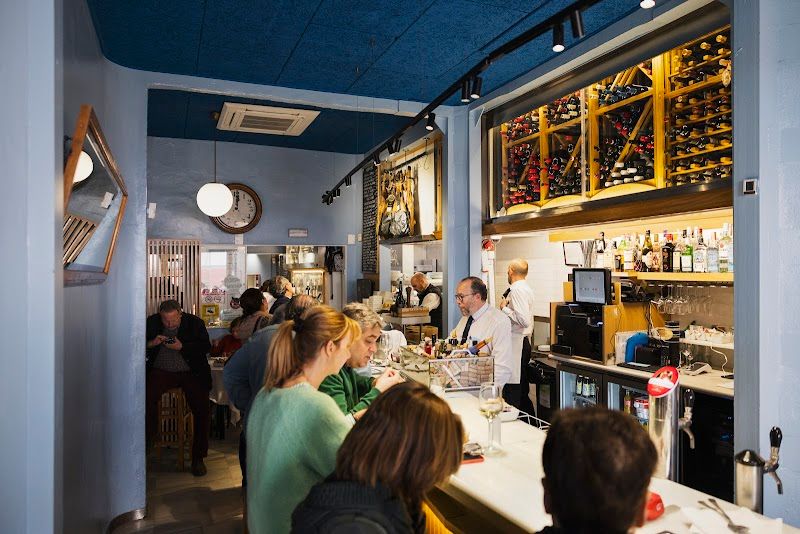
Eslava
RestaurantA modern tapas bar that earned a Michelin recommendation while keeping prices reasonable and the counter full of locals. The huevo con foie and caramelized idiazabal cheese are creative takes on tapas tradition. Reservations recommended for the dining room, but the bar is first-come.
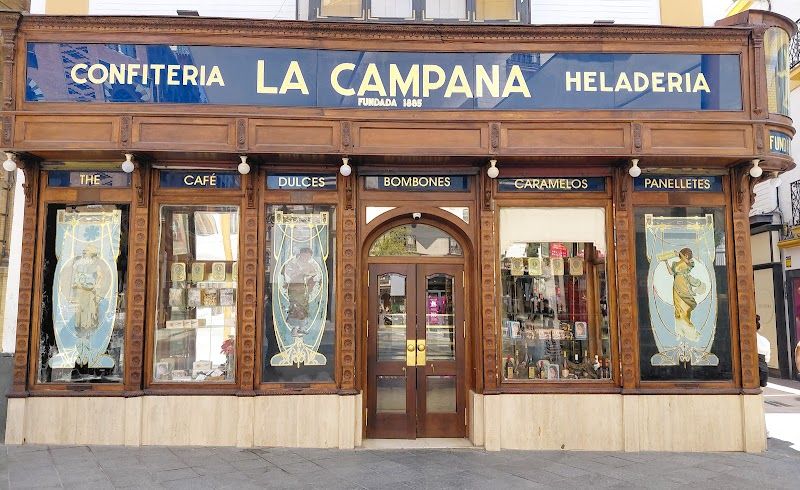
Confitería La Campana
CafeSeville's most famous pastry shop since 1885, located on the main shopping street. The cortaditos (small coffees with a splash of milk) cost EUR 1.20 and the tocino de cielo is a local egg-yolk dessert originating from a nearby convent. Stand at the bar for breakfast like Sevillanos do.
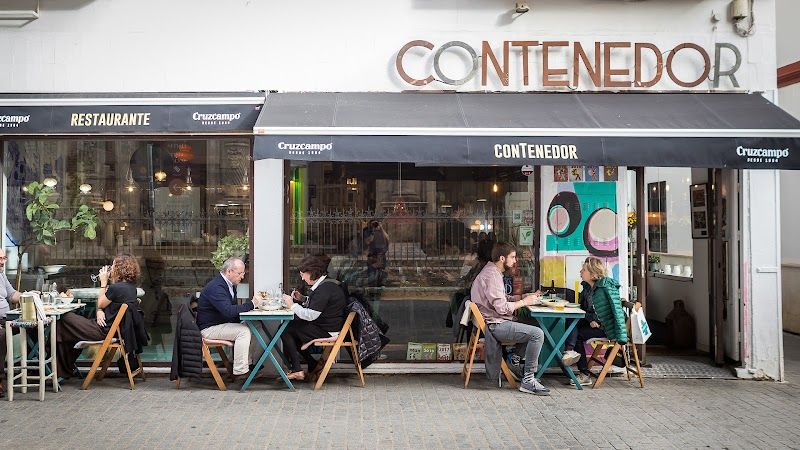
Contenedor
RestaurantA modern brunch spot near Alameda de Hércules serving avocado toast, smoothie bowls, and specialty coffee in a bright space with plants. This is where young Sevillanos come on Sunday mornings when they want eggs Benedict instead of churros. Prices are EUR 8-12 for brunch dishes.
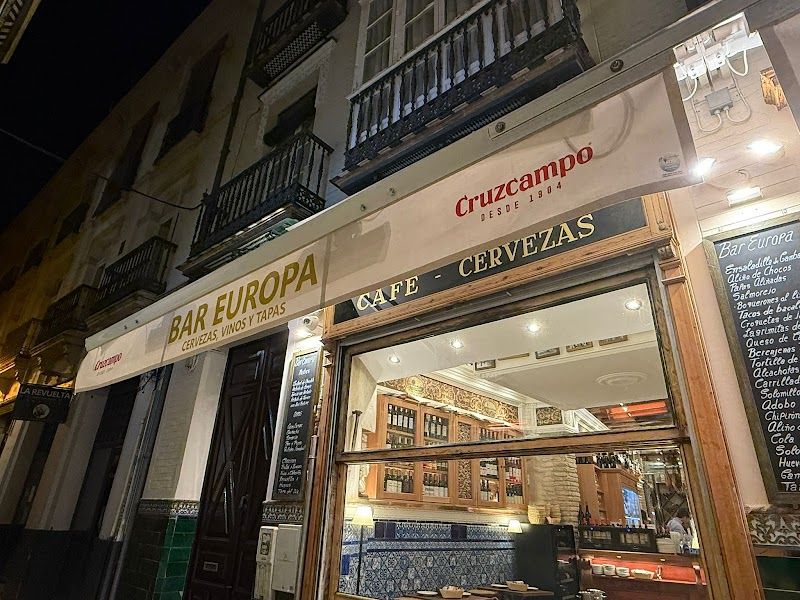
Bar Europa
RestaurantAn Art Deco cafe on Plaza del Duque that has been serving cortados and tostadas since 1925. The mirrored walls and marble tables are original, and the clientele includes everyone from businessmen to elderly ladies. A coffee and toast with olive oil costs around EUR 3 total.
Nightlife
Bars and nightlife in Centro & Alameda
Getting Here
Getting There
No metro line through Centro. Walkable from Santa Cruz (15 min).
On Foot
Flat and walkable. The Alameda is 20 min on foot from Santa Cruz.
Insider Tips
Metropol Parasol at sunset
The rooftop walkway (EUR 5 including a drink from the bar on the walkway) is best at sunset: the lattice casts shadows across the old city and the Cathedral and Giralda are visible in one direction. The Roman ruins in the basement (visible below the structure through glass panels) are a separate ticket. Go 30 minutes before sunset and stay for the blue hour.
Museo de Bellas Artes on a weekday morning
EUR 1.50 entry (free for EU citizens, check documentation). Closed Monday. The Murillo room is the main event: his largest canvases fill walls that were originally convent chapel walls. Zurbaran's monk portraits in the adjoining room are the second highlight. The inner convent courtyard is free to walk through during visiting hours.
Alameda de Hercules for dinner
The bars and restaurants along and around the Alameda start filling at 9:30 PM and are busiest after 10:30 PM. This is where Seville eats dinner: locals, not tourists. The tables on the outdoor terraces are first-come-first-served. Thursday and Friday are the most local nights; Saturday draws a wider crowd.
Nearby Neighborhoods
Continue exploring
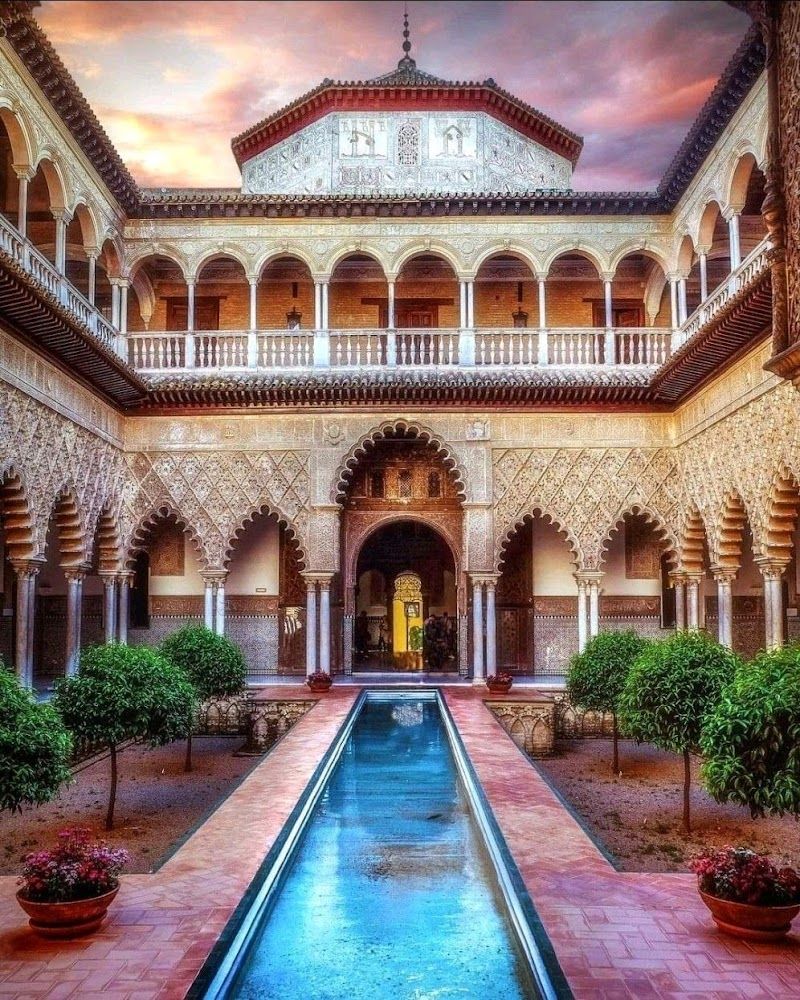
Santa Cruz & Cathedral
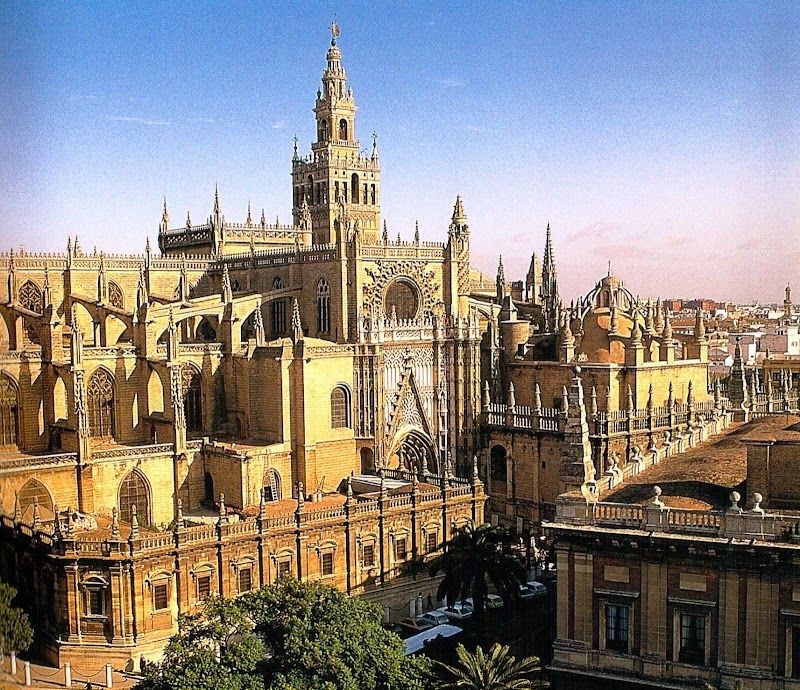
The monumental core: the Cathedral and its Giralda tower, the Real Alcazar and its Mudejar gardens, and the old Jewish quarter with whitewashed lanes and tiled patios.
Triana
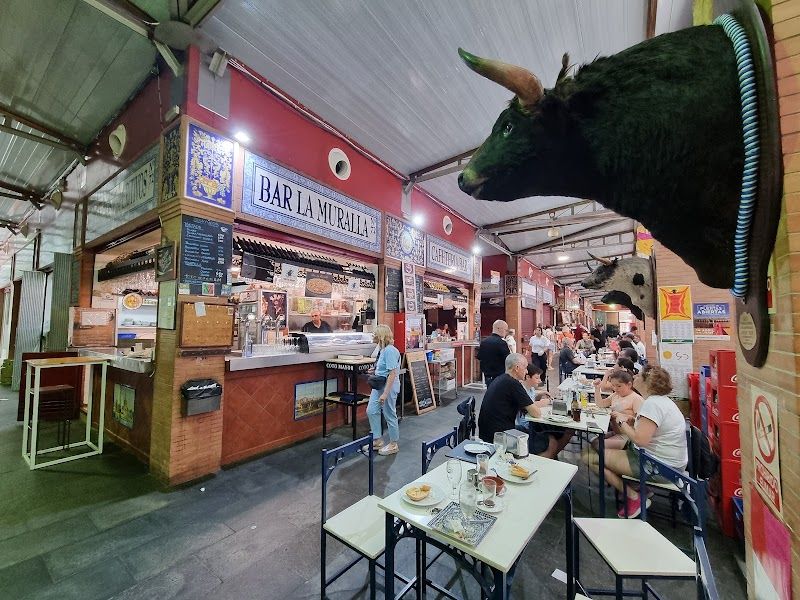
Across the Guadalquivir: the flamenco district, the ceramics tradition, the most local tapas bars in Seville, and a riverside street with one of the best bar terraces in the city.
El Arenal & Riverside
The riverfront between the Cathedral and Triana: the Torre del Oro, the Maestranza bullring, and the Guadalquivir promenade where Seville walks in the early evening.
Related Articles
The Complete Seville Food Guide: Where Locals Actually Eat
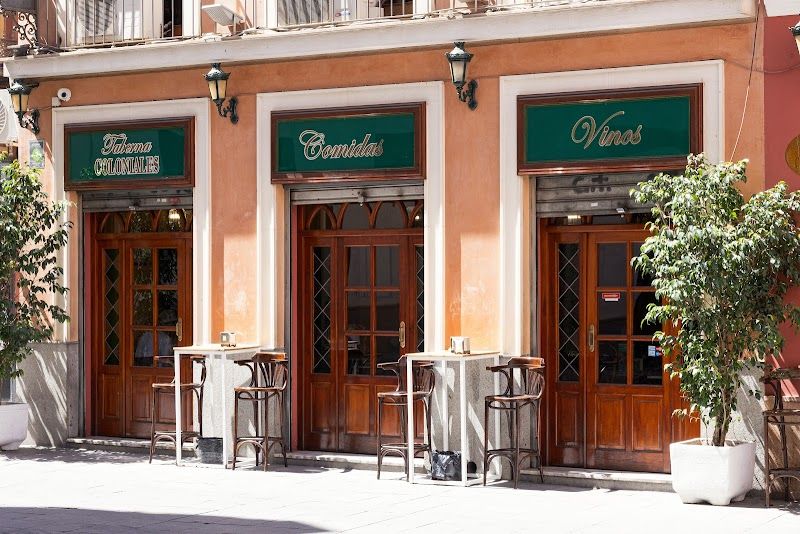
Skip the tourist traps and eat where Sevillanos do. From century-old tabernas to modern food markets, this Seville food guide reveals the real local favorites.
Seville Safety Guide: Which Neighborhoods to Avoid and Where to Stay Instead
Most of Seville is safe, but certain areas demand caution. Here's where to avoid staying and which neighborhoods offer better options for travelers concerned about safety.
Plan a trip featuring Centro & Alameda
Get a personalized Seville itinerary with Centro & Alameda built in.
Start Planning