Seville
Santa Cruz & Cathedral
The monumental core: the Cathedral and its Giralda tower, the Real Alcazar and its Mudejar gardens, and the old Jewish quarter with whitewashed lanes and tiled patios.
About Santa Cruz & Cathedral
Santa Cruz is where Seville keeps its greatest monuments and its most atmospheric streets. The Cathedral is the largest Gothic church in the world: go for the scale, the altarpiece, and the Columbus tomb. The Giralda tower beside it is the former minaret of the mosque that stood here before 1401, converted into a bell tower, and the climb (a ramp, not stairs, so accessible) takes you to a platform with views over the city. The Real Alcazar next door is the Mudejar palace that Pedro I of Castile built in the 14th century after visiting the Alhambra and wanting something comparable: the result is extraordinary and the gardens behind it (7 hectares of orange trees, fountains, and pavilions) were the Game of Thrones Dorne location. Book both the Cathedral and Alcazar online, as early as possible, with timed entry. Below the Alcazar, the old Jewish quarter is a labyrinth of narrow lanes too narrow for cars, too irregular for a grid, and too full of plants and tiles to be uninteresting. Go early morning or evening to avoid tour group congestion.
Things to Do
Top experiences in Santa Cruz & Cathedral
Real Alcázar de Sevilla
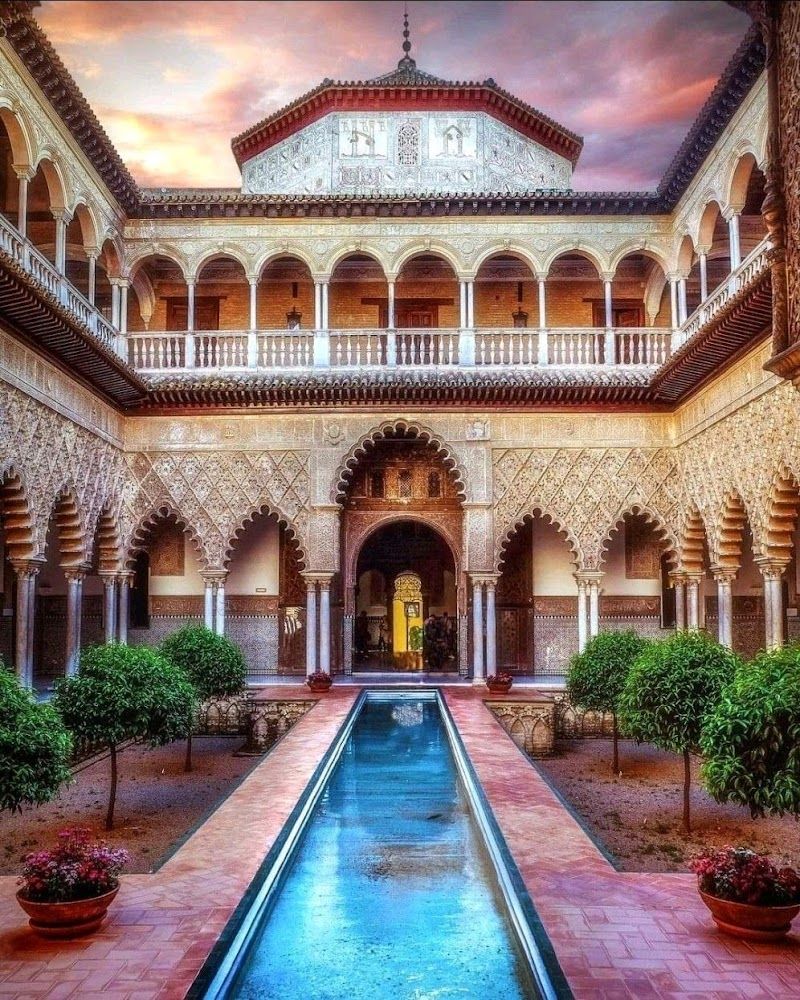
The Real Alcázar isn't just another palace: it's a 14th-century Christian king's love letter to Islamic architecture, built by Pedro I using Granadan craftsmen who created something even more ornate than the Alhambra. You'll walk through rooms where Columbus planned his voyages, marvel at tilework that took decades to complete, and explore gardens where peacocks strut past 500-year-old orange trees. The palace complex spans nearly 1,000 years, from Almohad walls to Renaissance additions, all still functioning as Spain's oldest royal residence. Your visit flows from the austere medieval entrance into increasingly elaborate courtyards, each more breathtaking than the last. The Patio de las Doncellas stops everyone cold: its reflecting pool mirrors intricate muqarnas while afternoon light transforms the space into something almost mystical. You'll climb narrow staircases worn smooth by centuries of footsteps, peek into Pedro's private apartments, then emerge into gardens where the scent of jasmine mingles with fountain spray. Most guides push the full complex, but honestly skip the upper floors (€4.50 extra) unless you're obsessed with 19th-century royal apartments. The real magic happens in the main palace and gardens. Entry costs €13.50, but book online weeks ahead or you'll waste time in crushing lines. Start with the Patio del Yeso, which most people rush past, then work toward the famous courtyards when your eyes are still fresh.
Casa de Pilatos
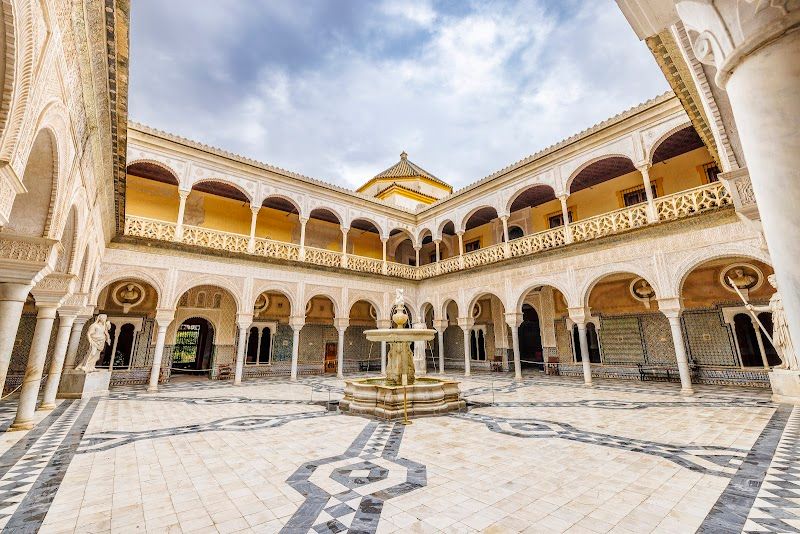
Casa de Pilatos showcases the most sophisticated blend of Mudéjar and Renaissance architecture in Seville, built by the first Marquis of Tarifa after his pilgrimage to Jerusalem in 1519. You'll find elaborate geometric azulejo tilework covering entire walls, intricate coffered ceilings, and a central patio surrounded by marble columns and classical busts. The palace name comes from local belief that it replicated Pontius Pilate's house, though it's actually inspired by Italian Renaissance palaces the Marquis admired during his travels. Walking through feels like discovering a private museum where you can actually get close to the artwork. The ground floor's patio draws gasps with its perfect symmetry and detailed tile patterns, while upstairs rooms contain original 16th century frescoes depicting mythological scenes. Unlike the Alcázar, you'll often have entire rooms to yourself, letting you photograph details and study the craftsmanship without crowds pressing behind you. Most visitors make the mistake of buying the 10 EUR ground floor ticket, missing the palace's best features upstairs. The full 12 EUR ticket includes private apartments with stunning frescoes and the family chapel with an impressive altar. Skip the audio guide at 3 EUR, the English descriptions on wall plaques are sufficient. The morning light illuminates the central patio beautifully, making tile colors pop for photos.
Jardines de Murillo
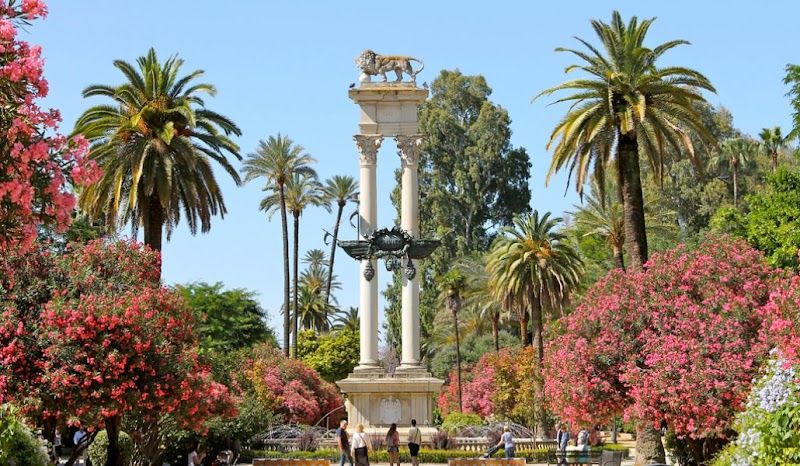
Jardines de Murillo stretches along Seville's ancient Almohad walls, creating a palm-shaded corridor between the cathedral quarter and the Santa Cruz neighborhood. These former Alcázar orchards were transformed into public gardens in the early 1900s, featuring geometric flower beds, ceramic tile fountains, and monuments to Columbus and other historical figures. You'll walk on gravel paths beneath towering palms and orange trees while views of the Giralda tower peek through the foliage. The gardens feel like a linear park rather than an enclosed space, with multiple entry points along its 400-meter length. Locals use the benches for morning coffee breaks and evening conversations, while tourists discover it as a quiet escape from the cathedral crowds just 100 meters away. The Moorish-influenced landscaping includes intricate tile work and small fountains that create a cooling effect even on scorching summer afternoons. The northern end opens dramatically to reveal the full cathedral facade. Most visitors stumble through randomly and miss the best parts. Start from the Santa Cruz end near Plaza de la Alianza and walk north toward the cathedral for the most impressive finale. The gardens are free but don't expect manicured perfection: this is a neighborhood park that locals actually use. Skip it if you're short on time and prioritize the Alcázar gardens instead, but it's perfect for a 15-minute breather between major sights.
Museo del Baile Flamenco
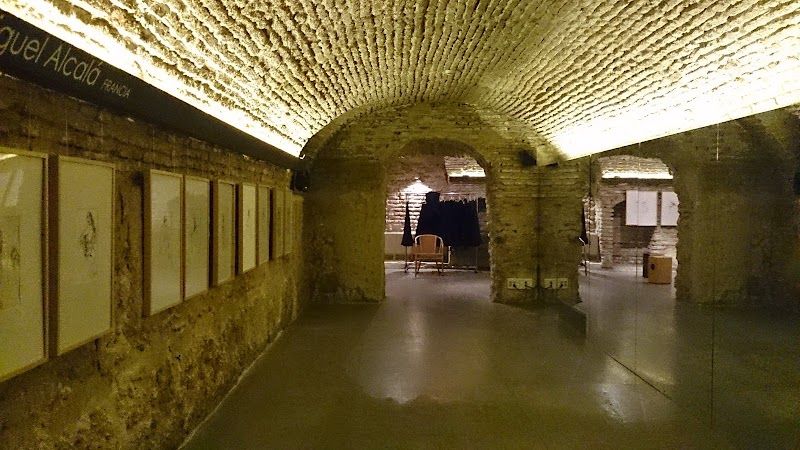
Cristina Hoyos created this focused museum in 2006 to showcase flamenco's evolution from its 18th century origins to modern masters. You'll find carefully curated exhibits on the three pillars of flamenco: cante (song), baile (dance), and toque (guitar), with interactive displays letting you explore different palos (flamenco styles). The real treasures are the video archives featuring legends like Carmen Amaya and Antonio Gades performing in grainy black and white footage you won't see anywhere else. The museum occupies three floors of an 18th century palace, with the ground floor covering flamenco's roots in Andalusian, Gypsy, and Arabic cultures. Upstairs, the video installations play on loop in darkened rooms where you can sit and watch masters demonstrate techniques that modern flamenco builds upon. The building feels intimate rather than grand, with creaky wooden floors and small rooms that force you to slow down and pay attention to details. Skip the costume displays on the first floor, they're generic and poorly lit. The €10 entry fee is reasonable if you spend at least 30 minutes with the video archives, but many visitors rush through in 15 minutes and feel ripped off. Come before 2pm when the rooms are quieter and you can properly absorb the performances without crowds shuffling behind you.
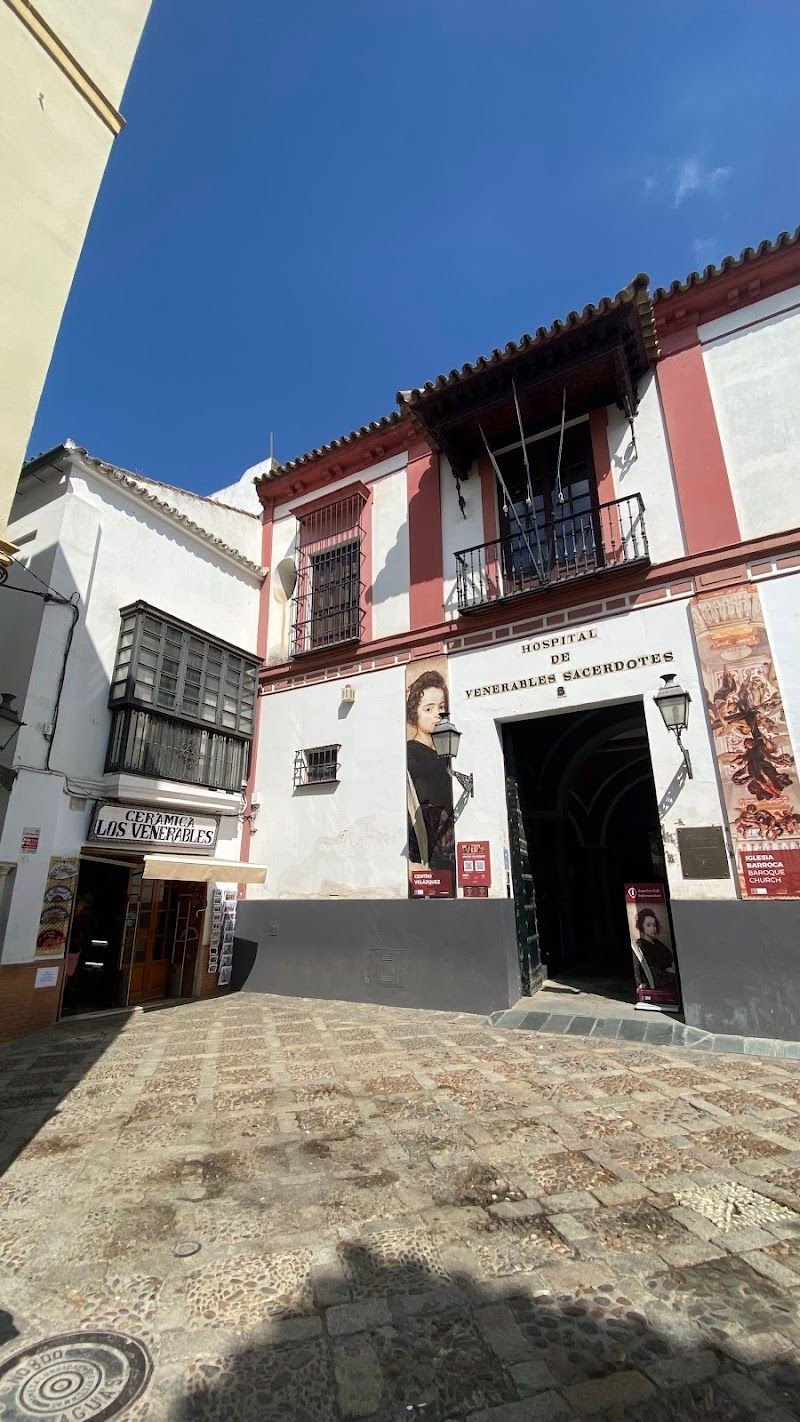
Hospital de los Venerables
Hospital de los Venerables is a perfectly preserved 17th-century Baroque hospital that once housed retired priests and now displays some of Seville's finest religious art. You'll see masterpieces by Velázquez and Murillo arranged around an elegant white marble courtyard, plus Juan de Valdés Leal's spectacular ceiling fresco in the church that creates one of Spain's most convincing optical illusions. The intimate scale makes it feel like wandering through a private collector's mansion rather than a traditional museum. The visit flows naturally from the central courtyard through interconnected rooms where religious paintings line whitewashed walls under exposed wooden beams. The highlight is the church where Valdés Leal's ceiling fresco plays visual tricks that'll have you craning your neck and questioning perspective. The marble courtyard provides breathing space between rooms, and the acoustics in the church make even whispers carry. It's refreshingly quiet compared to the Cathedral crowds just blocks away. Most guides oversell this as essential Seville viewing, but it's really for art lovers who appreciate quality over quantity. The €5 entrance fee feels reasonable for what amounts to a greatest hits collection in beautiful surroundings. Skip it if you're rushed or not particularly interested in religious art, but if you enjoy intimate museums, this beats the overwhelming Museo de Bellas Artes. The whole visit takes about 45 minutes unless you're studying every brushstroke.
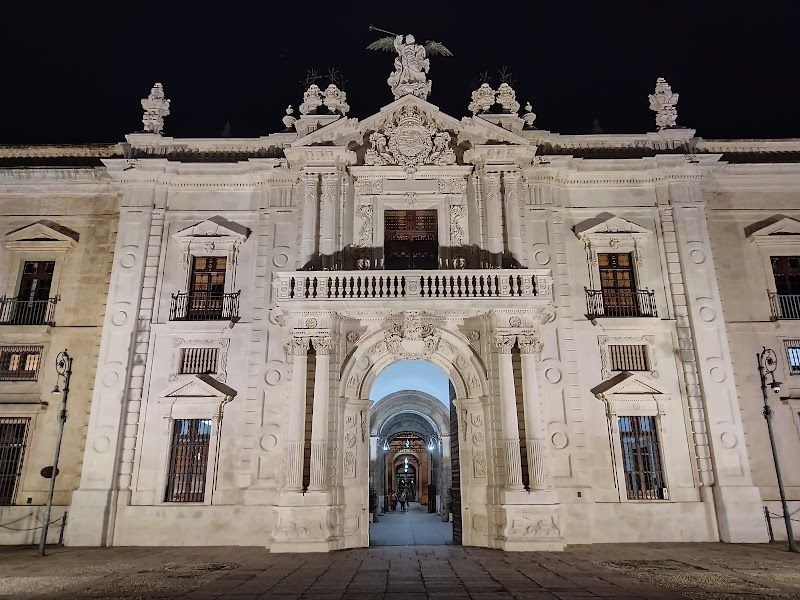
Real Fábrica de Tabacos
The Real Fábrica de Tabacos was Europe's largest tobacco factory when it opened in 1758, and today it houses the University of Seville's administrative offices. You can walk through the massive baroque building for free, exploring the central courtyards where 10,000 workers once rolled cigars by hand. The facade stretches 185 meters along San Fernando street, making it one of Spain's largest 18th-century buildings. These cigar-rolling women, called cigarreras, inspired Bizet's opera Carmen. Walking through feels like entering a working palace rather than a factory. The main entrance leads to a stunning central patio surrounded by two-story galleries with Renaissance arches. Students hurry between classes in spaces where tobacco leaves once dried, and you can peek into converted lecture halls that still show original industrial features. The building stays surprisingly cool even in summer thanks to its thick stone walls and cross-ventilation design. Most guides oversell this as a major attraction, but it's really a pleasant 20-minute architectural detour. The exterior impresses more than the interior, which is just university corridors now. Skip it during exam periods in January and June when access gets restricted. Focus on the main courtyard and don't bother hunting for specific Carmen references, there aren't any obvious markers inside.
Where to Eat
Restaurants and cafes in Santa Cruz & Cathedral
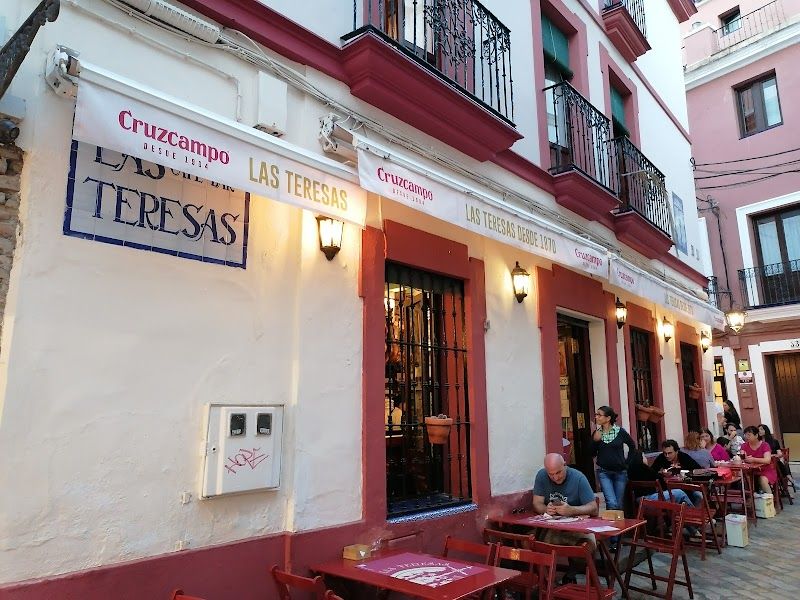
Bar Las Teresas
RestaurantA Santa Cruz institution with cured hams hanging from the ceiling and azulejo tiles covering every wall. The salmorejo here is served ice-cold with generous amounts of jamón ibérico and chopped egg. Despite the tourist location, locals still pack the bar at lunch.
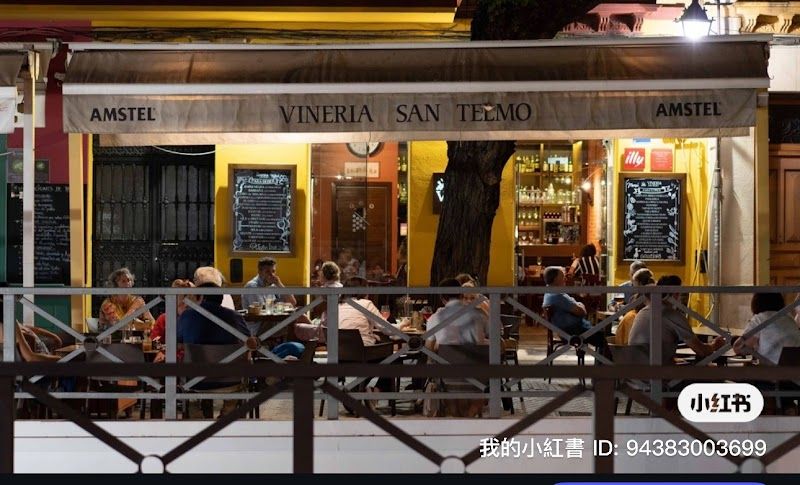
Vineria San Telmo
RestaurantModern tapas restaurant blending traditional Andalusian ingredients with creative presentations in a cozy brick-walled setting. Their carrillada and tuna tartare are standout dishes that locals rave about. The wine list features excellent Andalusian selections at fair prices.
Nightlife
Bars and nightlife in Santa Cruz & Cathedral
Getting Here
Getting There
No metro in central Seville. Tram C1 to Archivo de Indias stop.
On Foot
Very walkable. The entire historic centre is a pedestrian zone.
Insider Tips
Book the Alcazar immediately
The Alcazar has timed entry and daily visitor caps. In spring and summer (March to October) tickets sell out by mid-morning on the day. Book at entradas.alcazarsevilla.es the moment you fix your dates. The 9:30 AM opening slot has the best light in the Patio de las Doncellas and the fewest tour groups.
Cathedral morning entry
Buy Cathedral tickets online and use the Puerta de San Cristobal entrance on the south side to skip the main door queue. The Giralda climb (EUR 12 combined ticket) is a ramp not stairs: 343 switchbacks to the top, accessible with any level of fitness. The views from the top over Santa Cruz and the Alcazar are the best in the city.
When to walk Santa Cruz
Before 9:30 AM and after 7 PM are the best times: fewer groups, better light, and the flower-draped lanes are quiet. In July and August the midday heat in Santa Cruz's narrow streets is genuinely unpleasant. Casa de Pilatos at the north end (EUR 12, Mudejar and Italianate Renaissance) is one of the best palaces in Seville and consistently undervisited compared to the Alcazar.
Nearby Neighborhoods
Continue exploring
Triana
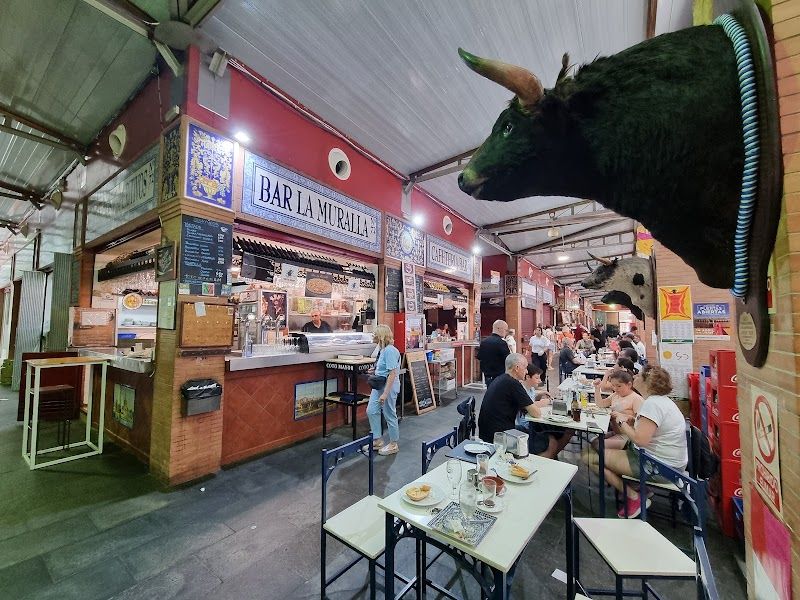
Across the Guadalquivir: the flamenco district, the ceramics tradition, the most local tapas bars in Seville, and a riverside street with one of the best bar terraces in the city.
Centro & Alameda
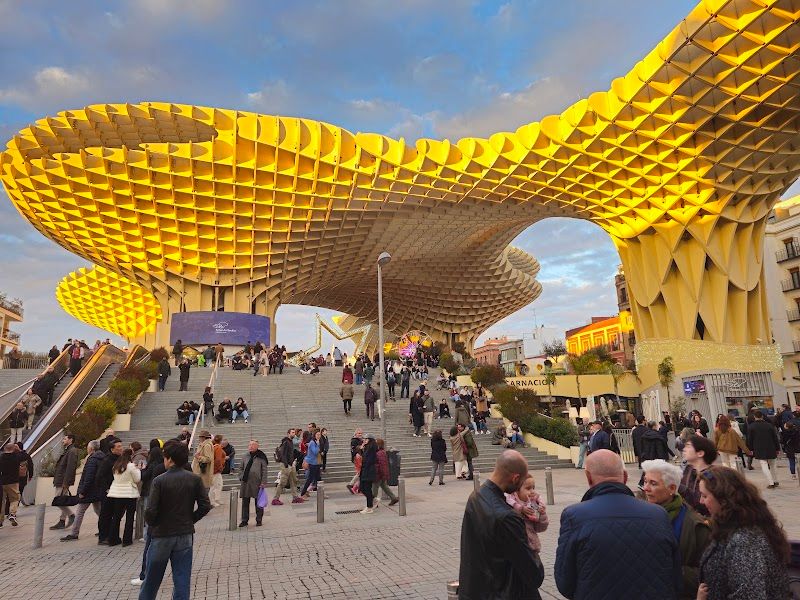
The modern city centre north of the Cathedral: the Metropol Parasol waffle structure at sunset, the Museo de Bellas Artes, the Alameda de Hercules, and the streets where Seville under 40 goes on Thursday through Saturday evenings.
El Arenal & Riverside
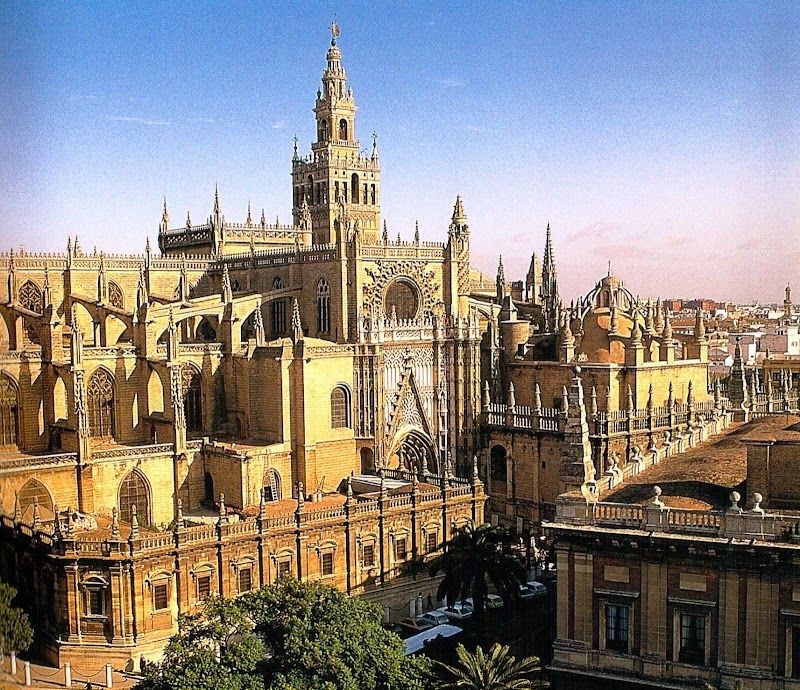
The riverfront between the Cathedral and Triana: the Torre del Oro, the Maestranza bullring, and the Guadalquivir promenade where Seville walks in the early evening.
Related Articles
The Complete Seville Food Guide: Where Locals Actually Eat
Skip the tourist traps and eat where Sevillanos do. From century-old tabernas to modern food markets, this Seville food guide reveals the real local favorites.
Seville Safety Guide: Which Neighborhoods to Avoid and Where to Stay Instead
Most of Seville is safe, but certain areas demand caution. Here's where to avoid staying and which neighborhoods offer better options for travelers concerned about safety.
Plan a trip featuring Santa Cruz & Cathedral
Get a personalized Seville itinerary with Santa Cruz & Cathedral built in.
Start Planning