2-3 Days in Seville: First-Timer's Itinerary
The Alcazar, Cathedral, Triana at sunset, and a flamenco show you can feel
How to spend 2-3 days in Seville: the Alcazar and Cathedral at opening, Santa Cruz in the morning, Triana and Calle Betis at sunset, and where to find flamenco that is not theatre.
Three days in Seville is enough to see the monuments that matter, eat properly, and understand why this city operates on its own schedule. You'll sweat through the afternoon heat, drink manzanilla at 11 AM without shame, and discover that flamenco sounds different when you hear it where it was born. This itinerary respects Seville's rhythm: early mornings before the heat, long lunches during siesta, and nights that don't start until 9:30 PM.
Monuments and Santa Cruz
Your first day tackles Seville's heavyweight monuments when the morning air is still cool. You'll walk through Moorish palaces that put Versailles to shame, climb a minaret that became a bell tower, and get lost in the Jewish quarter's maze of whitewashed lanes. The tourists are here too, but the buildings are so extraordinary that you won't care.
- Alcazar palace and gardens
- Cathedral and Giralda tower
- Santa Cruz neighborhood
Morning: Alcazar (9:30 AM - 12:00 PM)
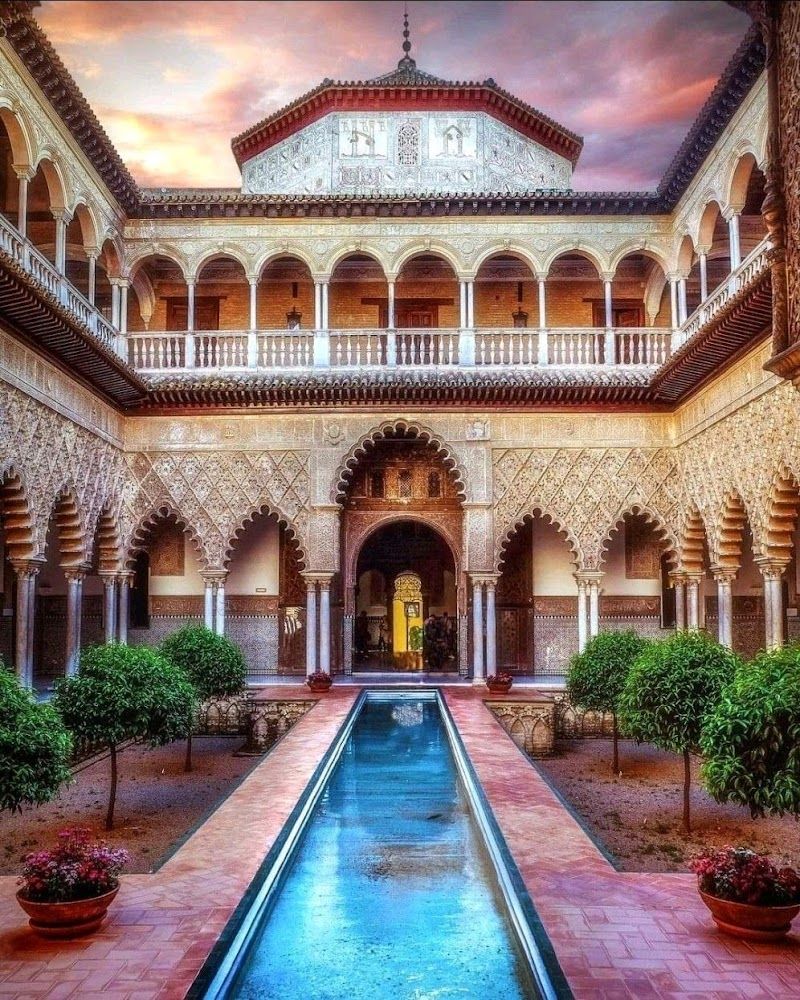
Start at the Alcazar gates at 9:30 AM sharp with your pre-booked timed ticket (buy online at least a week ahead or risk disappointment). This is the oldest functioning royal palace in Europe, and it shows in every gilded ceiling and hand-carved archway. The Patio de las Doncellas with its sunken courtyard and reflecting pool is the most photographed spot, but the real treasure is the Patio de las Muñecas, a tiny courtyard with columns so delicate they look like jewelry. The gardens sprawl for acres behind the palace: walk to the Galeria del Grutesco for shade and the sound of water running through 16th-century fountains. Allow 2.5 hours minimum. The palace audio guide costs EUR 5 and is worth it for the gossip about which king slept where.
Late Morning: Cathedral and Giralda (12:00 PM - 1:30 PM)
Walk 200 meters from the Alcazar exit to the Cathedral's Puerta de San Cristobal entrance (again, book online). This is the world's largest Gothic cathedral, built on the site of Seville's main mosque to prove that Christian Spain had money to burn. Christopher Columbus is buried here in a tomb carried by four kings, though half his remains are probably still in the Dominican Republic. The real attraction is climbing the Giralda tower: 343 switchback ramps (not stairs) that horses once climbed to the top. The view from the bell chamber spans the entire city, and you can see the bullring, the river, and the cathedral's flying buttresses from above. The climb takes 15 minutes up, 10 minutes down.
Lunch: Santa Cruz Tapas (1:30 PM - 2:30 PM)
Duck into any bar in Santa Cruz with locals standing at the counter and order salmorejo (cold tomato soup that's thicker than gazpacho, served with jamón and hard-boiled egg, EUR 4-5) and a glass of manzanilla sherry (EUR 2-3). Bar Alicantino on Calle Rodrigo Caro does both well and doesn't try to charm you with tablecloths or English menus. Stand at the bar like everyone else, eat with the plastic spoon they give you, and watch the bartender work. The salmorejo should be thick enough to hold the jamón pieces without them sinking.
Afternoon: Santa Cruz and Casa de Pilatos (2:30 PM - 5:00 PM)
Walk off lunch in Santa Cruz's narrow streets, heading north from the Alcazar along Callejón del Agua. This lane runs beside the old city wall with glimpses of private gardens through iron gates. The orange trees planted along every street drop fruit in winter that no one picks; it's too bitter to eat but makes the whole neighborhood smell like citrus. Continue north to Plaza de Pilatos and the Casa de Pilatos palace (EUR 12 for the full tour). This is the tourist-free alternative to the Alcazar: a 16th-century mansion with the best collection of Roman statues in Spain and azulejo tiles in every room. The main staircase alone justifies the entrance fee. Most tourists skip this completely, which is their loss and your gain.
Late Afternoon: Metropol Parasol Sunset (5:00 PM - 6:30 PM)
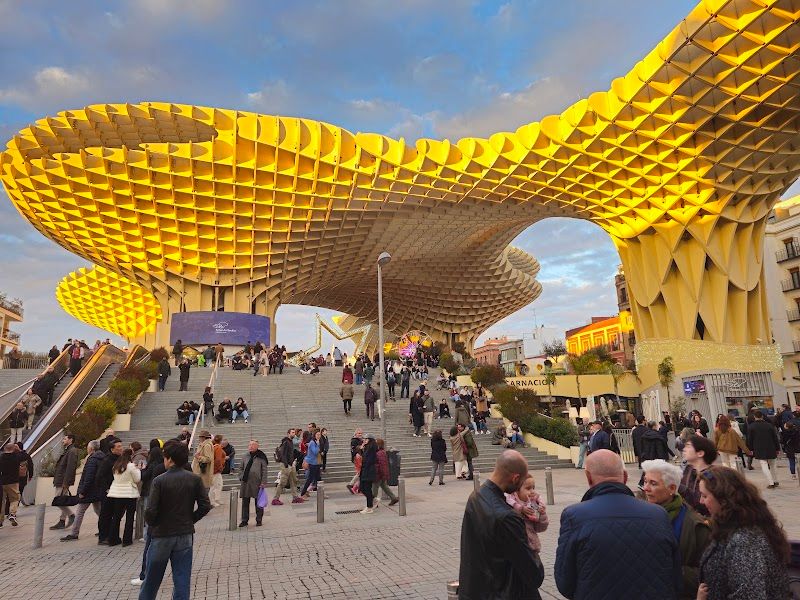
Walk 10 minutes west to the Metropol Parasol, Seville's giant wooden mushrooms that look like a mistake until you get to the top. Pay EUR 5 for the elevator to the walkway 85 feet above the city. The view covers everything you saw today from a different angle, and there's a small bar on the walkway where you can buy a beer (EUR 4) and watch the sun drop toward the Guadalquivir River. The structure is controversial among Sevillanos, but the sunset view isn't. Stay until the cathedral lights come on.
Evening: Alameda de Hercules (9:30 PM - late)
End your first day at Alameda de Hercules, a tree-lined square with a dozen tapas bars that come alive after 9:30 PM. Start at Casa Morales, a wine bar in business since 1850 with barrels stacked to the ceiling and jamón hanging over your head. Order a bottle of local red wine (EUR 18-22) and jamón ibérico (EUR 16 for a plate that serves two). The crowd is local, the lighting is dim, and the floor is covered in sawdust and discarded napkins. This is what tapas culture looked like before it became a tourist attraction.
Triana and Flamenco
Day two takes you across the Guadalquivir to Triana, Seville's working-class neighborhood that produced the city's best flamenco singers and ceramic artists. You'll shop in a riverside market, watch potters work clay that's been dug from the same riverbank for 700 years, and end with flamenco performed in a setting intimate enough to see the sweat on the singer's forehead.
- Triana neighborhood across the river
- Ceramic workshops and riverside markets
- Authentic flamenco performance
Morning: Triana Market and Ceramics (10:00 AM - 12:30 PM)
Cross the Isabel II bridge (the locals call it the Triana bridge) to reach Triana's Mercado de Triana by 10 AM. This covered market sits right on the riverbank where the old castle used to stand. Buy coffee and a tostada with tomato (EUR 3) from one of the breakfast stalls and eat standing up like the vendors do. The market sells produce, jamón, and fresh fish from Cádiz, but the real attraction is watching Triana residents shop for their daily meals. After the market, walk 300 meters to Ceramica Santa Ana on Calle San Jorge, a tile workshop that's been family-run since 1870. You can watch artisans hand-paint azulejo tiles and buy a decorative tile (EUR 6-15) that will remind you of every Sevillano patio you've seen.
Lunch: Calle Alfarería Tapas (12:30 PM - 2:00 PM)
Find any bar on Calle Alfarería where the tapa comes free with your beer (EUR 2.50). This is old-school Triana: each drink earns you a small plate of whatever the kitchen made that morning. It might be chickpeas with spinach, grilled pork, or tortilla española, but you don't get to choose. Order two beers and you'll have enough food for lunch. Bar Bistec at number 25 has been doing this longer than most and serves the beer cold enough to hurt your teeth.
Afternoon: Calle Betis and River Views (2:00 PM - 4:00 PM)
Walk along Calle Betis, the riverside street lined with bars that have terraces facing the cathedral. This is the best view of Seville's skyline: the Giralda, the cathedral's flying buttresses, and the Torre del Oro all lined up across the water. The bars here are touristy and overpriced, but the view from the public walkway is free. Walk to the far end of Calle Betis and back, then cross the bridge to return to the city center. The walk back gives you a completely different perspective on everything you saw yesterday.
Late Afternoon: Siesta Break (4:00 PM - 7:00 PM)
Return to your hotel and rest during the hottest part of the day. This isn't laziness; it's survival when the temperature hits 37°C (99°F) in summer. Seville invented the siesta for good reason, and you'll need the energy for tonight's flamenco show. If you must stay out, find a bar with air conditioning and nurse a cold beer until the sun drops lower.
Evening: Flamenco Performance (9:00 PM - 11:00 PM)
Book tickets 2-3 days ahead for either Casa de la Memoria or Casa del Flamenco (both EUR 22). These are small venues where you'll sit close enough to see the guitarist's fingers and hear every heel strike on the wooden stage. Casa de la Memoria is in a 15th-century palace with shows at 9 PM; Casa del Flamenco is more intimate with performances at 9:30 PM. Both attract tourists, but the performers are serious professionals who learned flamenco in Triana and Jerez. Skip the dinner-and-flamenco packages; you want to hear the music without the distraction of waiters carrying plates.
Late Evening: Post-Flamenco Drinks
After the show, walk to La Bartola on Calle Pérez Galdós for a nightcap. This tiny bar specializes in Spanish gin and tonics (EUR 8-10) made with Larios gin and more garnishes than you'd expect: pink peppercorns, cardamom, star anise, fresh herbs. The bartender treats each drink like a cocktail experiment, and the locals don't mind waiting while he gets the garnish selection exactly right. Order the house gin and tonic and watch him work.
Parks and Museums
Your third day moves at a slower pace through Seville's parks and lesser-known museums. You'll photograph the city's most famous square in perfect morning light, see paintings by masters who worked here 400 years ago, and end with a quiet walk along the river that runs through everything you've seen.
- Plaza de España before the crowds
- Museo de Bellas Artes masterpieces
- Riverside walk along the Guadalquivir
Early Morning: Plaza de España (7:30 AM - 9:30 AM)
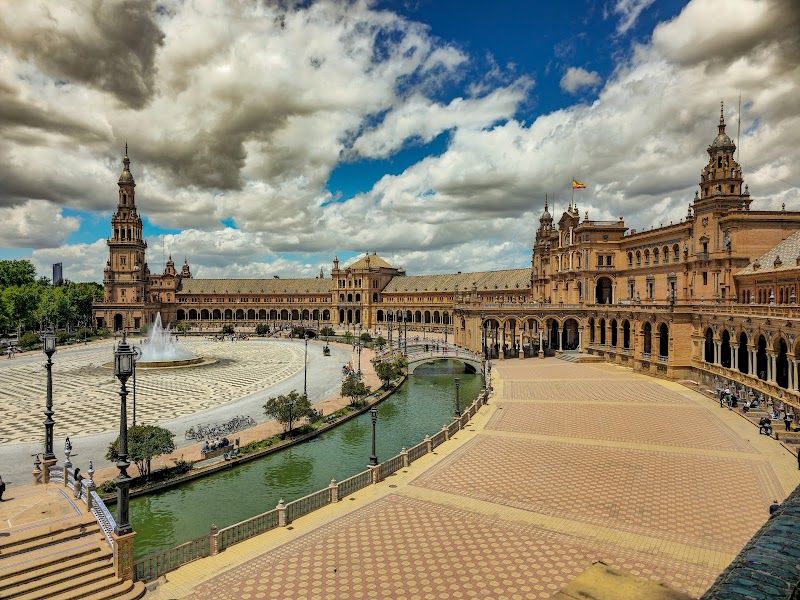
Set an alarm and reach Plaza de España by 7:30 AM with your camera. This massive plaza, built for the 1929 Ibero-American Exhibition, is pure architectural theater: a semicircular palace 500 meters across with a canal running in front and bridges decorated with azulejo tiles. Early morning is the only time you'll have it mostly to yourself before the tour buses arrive. Rent a rowboat on the canal (EUR 6 for 35 minutes) and paddle around the plaza from water level. The boats are basic and the paddle technique is up to you, but the perspective from the canal shows you details in the bridges and towers that you can't see from ground level.
Morning: Parque de María Luisa (9:30 AM - 11:00 AM)
Walk directly from Plaza de España into Parque de María Luisa, Seville's green lung donated by a duchess in 1893. The park is full of shaded paths, orange trees, and ceramic benches perfect for a rest. Look for the rose garden near the Glorieta de Bécquer, where the flowers bloom year-round in Seville's mild climate. The park feels like a private estate opened to the public, which is exactly what it was. Walk the main paths but also explore the smaller trails that lead to hidden fountains and pavilions left over from the 1929 exhibition.
Late Morning: Museo de Bellas Artes (11:00 AM - 12:30 PM)
The Museo de Bellas Artes is Spain's second most important art museum after the Prado, and at EUR 1.50 for EU citizens (EUR 3 for others), it's the best cultural bargain in the city. The museum occupies a former convent, and the Murillo and Zurbarán rooms alone justify the entrance fee. These painters worked in Seville during the city's golden age, and their religious paintings cover entire walls with saints, angels, and martyrs painted in oils that still glow 400 years later. Room V has Murillo's 'Immaculate Conception' series; Room X displays Zurbarán's monk portraits that are so realistic you expect them to step out of their frames.
Lunch: Arenal Working Lunch (12:30 PM - 2:00 PM)
Walk to the Arenal neighborhood near the bullring for lunch with the working crowd. Bar Eslava on Calle Eslava serves updated tapas (bacalao croquettes, EUR 3; slow-cooked pork cheeks, EUR 8) to locals who work in nearby offices. The atmosphere is business-lunch practical rather than tourist-friendly, which means good food at honest prices. Order at the bar, find a table, and watch Sevillanos eat quickly before returning to work.
Afternoon: Torre del Oro (2:00 PM - 3:00 PM)
Visit Torre del Oro, the 13th-century watchtower that once controlled access to Seville's port. The maritime museum inside (EUR 3) displays maps, ship models, and documents related to Columbus and Magellan's voyages that departed from Seville. The collection is small but historically significant: this is where Spain planned its exploration of the Americas. The tower's thick walls keep the interior cool, making it a good escape from afternoon heat. Climb to the top for river views and a different perspective on the cathedral across the water.
Late Afternoon: Guadalquivir Riverside Walk (3:00 PM - 5:00 PM)
Walk north along the Guadalquivir River from Torre del Oro toward the Isabel II bridge. The riverside path is lined with palm trees and benches where you can sit and watch the occasional river traffic. This is Seville at its most relaxed: joggers, dog walkers, and couples sharing benches in whatever shade they can find. The river is narrow and slow-moving here, more like a wide canal than the major waterway it becomes downstream. Cross the bridge to Triana and back for the full riverside circuit, or just walk as far as your energy allows.
Evening: Final Dinner (9:30 PM - late)
End your Seville experience at Abantal, a modern Andalusian restaurant near the cathedral that serves updated versions of local dishes without losing their essential character. The tasting menu (EUR 95) includes courses like Iberian pork with sweet potato purée, local fish with gazpacho pearls, and olive oil ice cream that tastes better than it sounds. Book ahead and arrive hungry. This is where Sevillano cuisine is heading: respectful of tradition but not trapped by it, much like the city itself.
Essential Practical Information
Book Alcazar tickets online at least one week ahead; Cathedral tickets can usually be bought 2-3 days in advance
Restaurants open for dinner at 8:30 PM earliest, but locals don't arrive until 9:30-10:00 PM
August temperatures regularly exceed 40°C (104°F); plan indoor activities between 2-6 PM
Manzanilla sherry is acceptable at any hour; locals drink it with morning coffee
The Seville Card (EUR 33/day) includes skip-the-line access but isn't worth it unless you're visiting 4+ attractions per day
Taxis are plentiful and cheap (EUR 6-8 for most cross-city trips); Uber operates but traditional taxis are often faster
Ready to Visit Seville?
Get a personalized itinerary tailored to your travel style and interests.
Plan Your Seville TripMore Seville Guides
First Time in Seville: What You Need to Know
Everything for a first visit: why you must book the Alcazar now, how the Seville schedule works (lunch 2 PM, dinner 10 PM, siesta real), where the free tapas are, and what flamenco actually sounds like up close.
7 min
Where to Eat in Seville: Tapas, Sherry & Late Nights
The Seville dishes you should order, where the free tapas are, why manzanilla is the right drink, and how to eat dinner at 10 PM without it feeling unreasonable.
8 min