Where to Eat in Seville: Tapas, Sherry & Late Nights
Salmorejo, espinacas con garbanzos, manzanilla cold, and dinner at 10 PM
The Seville dishes you should order, where the free tapas are, why manzanilla is the right drink, and how to eat dinner at 10 PM without it feeling unreasonable.
Look, I've lived in Seville for three years and I'm going to tell you exactly how to eat here. Forget the guidebook nonsense about charming tapas crawls. Seville eating is about timing, neighborhood politics, and knowing the difference between tourist traps and the places where locals actually drink manzanilla at 11 PM on a Tuesday. The food isn't fancy, but when it's done right (thick salmorejo that coats the spoon, carrillada so tender it falls apart when you look at it), it's perfect. Here's how to eat like you actually live here.
THE SEVILLE TAPAS CLASSICS
Salmorejo (EUR 4-5)
The thick chilled tomato and bread soup topped with Iberian ham and hard-boiled egg. Richer and more filling than gazpacho, it should coat your spoon and taste like concentrated summer tomatoes. This is Cordoba's gift to Andalusia and every bar in Seville makes it. The good ones use day-old bread and let it sit overnight.
Espinacas con Garbanzos (EUR 3-4)
Spinach with chickpeas cooked with cumin and paprika, the signature tapa of Seville. When done properly, the chickpeas have been soaking since yesterday and the spinach doesn't taste like it came from a bag. This is the tapa that separates the real bars from the tourist operations.
Carrillada (EUR 5-6)
Braised pork cheek in wine sauce, the slowest-cooked and most satisfying tapa. The meat should fall apart when you press it with your fork, and the sauce should be dark and wine-heavy. If it arrives in under ten minutes, they reheated it from yesterday (which might still be good, but you'll know).
Croquetas de Jamón (EUR 3-4 for two)
Iberian ham croquettes where the standard of excellence is the quality of the ham and the crumb-to-filling ratio. The outside should crack when you bite it, the inside should be molten béchamel with actual pieces of jamón ibérico, not mystery meat paste.
Pavia de Bacalao (EUR 4-5)
Battered salt cod, crispy outside, flaky inside, served with lemon and alioli. The batter should be light and the cod should taste like the sea, not like frozen fish. Good pavia makes a satisfying crack when you bite through the crust.
THE FREE TAPAS SYSTEM
In some bars in Triana and the Alameda de Hercules neighborhood, a drink comes with a free tapa. Order a beer (EUR 2.50-3) or a glass of wine, and a tapa arrives. Order a second, a different tapa comes. The total cost of an evening is EUR 12-15. The bars on Calle Alfareria in Triana are the most reliable for this. The tourist bars in Santa Cruz generally charge EUR 3-4 per tapa and look at you funny if you expect anything free. The free tapa tradition requires neighborhood bars away from the main circuit, places where the bartender recognizes the regulars and the TV is showing Betis matches, not CNN.
SHERRY
Seville is the gateway to the sherry triangle (Jerez, Sanlúcar de Barrameda, El Puerto de Santa María). The correct drink with tapas is manzanilla (from Sanlúcar, dry, cold, slightly saline, with seafood and cured meat, EUR 2-3 a glass) or fino (from Jerez, similar style, EUR 2-3). The sweet cream sherries exported to the UK are a different product entirely from what is drunk here. Ask for a manzanilla bien fría (very cold) and drink it like white wine. It goes cloudy if it's not cold enough, which means the bar doesn't know what they're doing.
BY NEIGHBORHOOD
Triana
The most local bars, where the free tapas tradition is strongest. Calle Betis has terrace bars for drinks with cathedral views, but you'll pay for the scenery. The real action is on the side streets where construction workers drink beer at 11 AM. Mercado de Triana has fresh food stalls and cheap bar lunches if you want to eat sitting down.
Santa Cruz
Tourist-priced but some genuinely good spots for salmorejo and espinacas con garbanzos exist. Look for bars with Sevillanos inside rather than English menus in the window. If the waiters speak perfect English and smile too much, you're paying Santa Cruz prices for mediocre food.
El Arenal
The lunch crowd here is market workers, office workers, and bullfighters eating near the Maestranza. Honest prices and the least tourist-facing area in the center. The bars here close early and don't care about atmosphere, just about getting food out fast and cheap.
Alameda de Hercules
Modern tapas, brunch, cocktail bars, where young Seville goes Thursday through Saturday. Not the traditional tapas circuit but good modern Spanish cooking. Expect creative small plates and higher prices, but the ingredients are usually better than the old-school places.
TIMING
Seville eating schedule: coffee at 9 AM, lunch at 2-3 PM (the main meal, restaurants fill at 2:15 PM and are empty by 4 PM), evening tapas from 9-11 PM, dinner from 10 PM. Arriving at a restaurant at 7 PM is a tourist move and the kitchen may not be fully running. The best tapas bars don't even turn on their fryers until 8:30 PM. If you're hungry at 6 PM, buy some jamón and cheese from a deli and eat it in a park like a civilized person.
FINAL RULES
Never order sangria with tapas. It's tourist fuel and no Spanish person drinks it with food.
If a bar has tablecloths and printed menus, you're paying restaurant prices for bar food.
The best tapas come from bars where you can see the kitchen and it looks slightly chaotic.
Standing at the bar gets you faster service and sometimes better tapas than sitting at tables.
Learn to say 'una caña' (a small beer) and 'jamón ibérico' properly. Your pronunciation determines how you're treated.
Ready to Visit Seville?
Get a personalized itinerary tailored to your travel style and interests.
Plan Your Seville TripMore Seville Guides
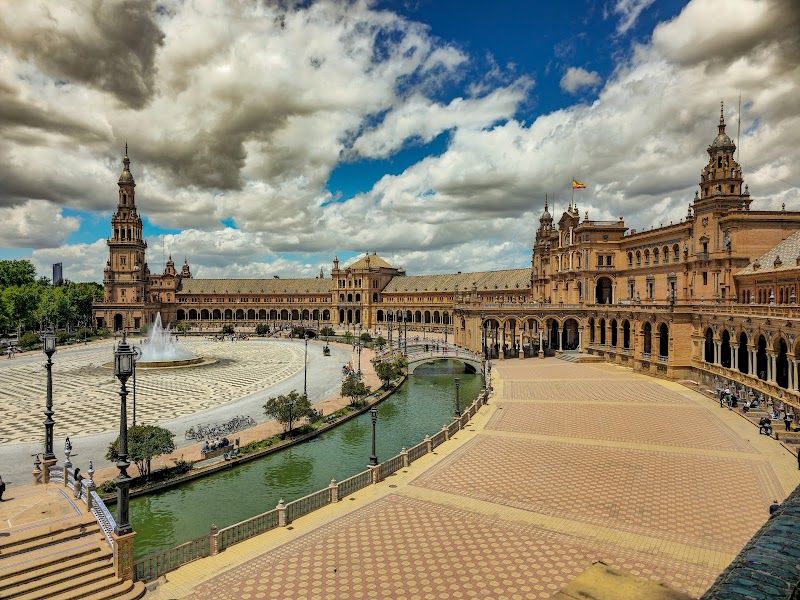
2-3 Days in Seville: First-Timer's Itinerary
How to spend 2-3 days in Seville: the Alcazar and Cathedral at opening, Santa Cruz in the morning, Triana and Calle Betis at sunset, and where to find flamenco that is not theatre.
8 min
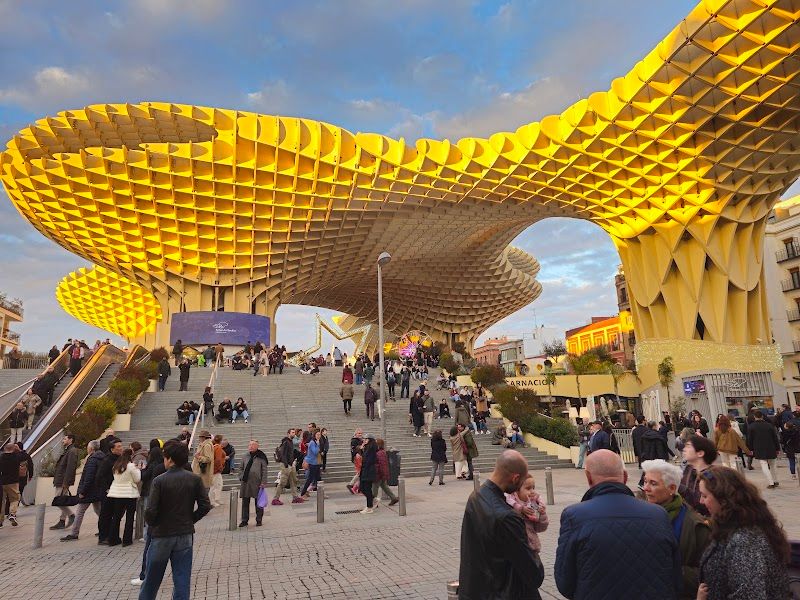
First Time in Seville: What You Need to Know
Everything for a first visit: why you must book the Alcazar now, how the Seville schedule works (lunch 2 PM, dinner 10 PM, siesta real), where the free tapas are, and what flamenco actually sounds like up close.
7 min