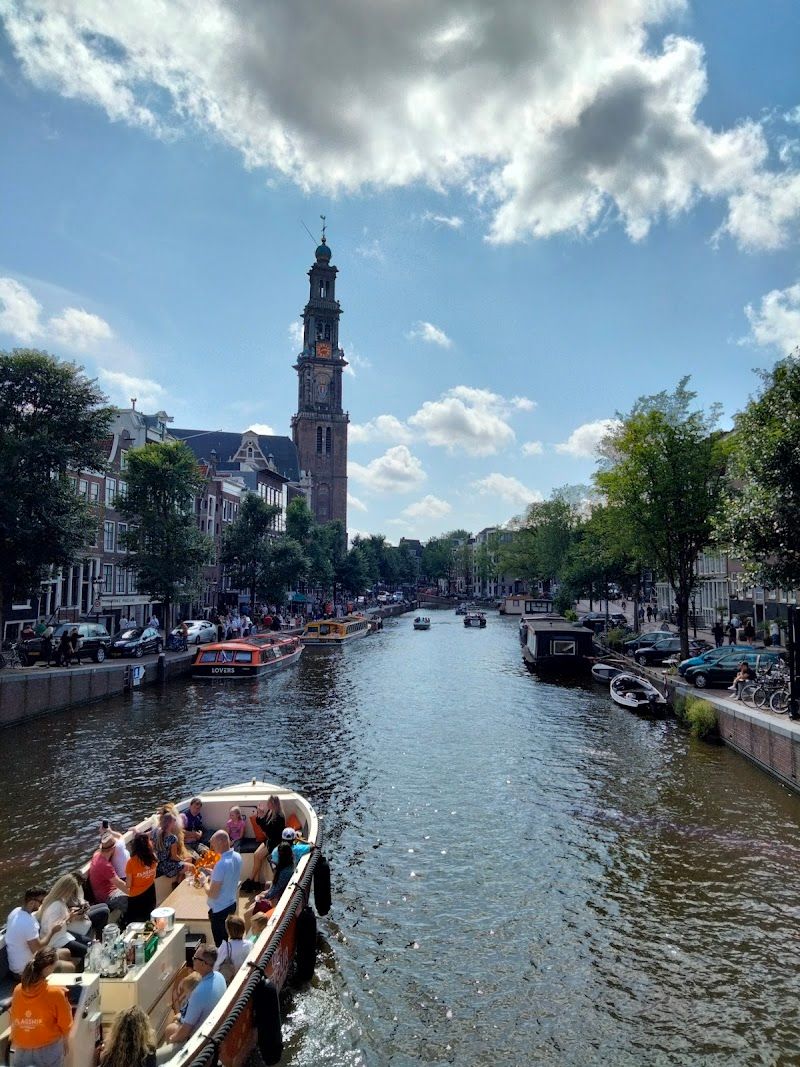
Amsterdam budget per day ranges from EUR 50 for backpackers to EUR 180+ for comfortable travelers, but the devil is in the details. After spending months tracking real prices across the city's neighborhoods, we've found that your daily spend depends less on Amsterdam being expensive and more on understanding where tourists get gouged versus where locals eat, drink, and explore.
The average amsterdam budget per day breaks down to EUR 25-35 for accommodation, EUR 20-40 for food, EUR 8-15 for transport, and EUR 15-25 for activities. But these numbers mean nothing without context about what you actually get for your money.
Budget Traveler: EUR 50-70 Per Day
Backpackers can comfortably explore Amsterdam for EUR 50-70 daily by making smart choices about where to sleep, eat, and spend time. This budget covers a hostel bed, street food and market meals, public transport, and one or two paid attractions.
Accommodation: EUR 25-45
Hostel dorm beds cost EUR 25-45 per night, with prices varying dramatically by season and location. Book beds in Jordaan or De Pijp rather than Centrum to save EUR 5-10 nightly while staying in neighborhoods with actual character.
The best budget option isn't always the cheapest hostel. ClinkNOORD in Noord offers EUR 28 beds with excellent facilities, while central hostels charging EUR 40+ often pack eight people into rooms designed for four.
Food: EUR 15-25
Budget food in Amsterdam means embracing markets and avoiding tourist traps near Dam Square. Start your day with a bakery breakfast for EUR 4-7 - a croissant and espresso will cost EUR 2.5-4.5 for coffee plus EUR 2-4 for pastry.
Lunch at Albert Cuyp Market in De Pijp delivers the best value. A stroopwafel costs EUR 2-4 from street vendors, while a proper lunch from market stalls runs EUR 8-15. The Indonesian food trucks here serve portions that work as dinner for EUR 10.
Ten Katemarkt in Oud-West offers cheaper prices than Albert Cuyp with half the tourists. Dutch cheese samples cost EUR 3-6, and you'll find bread, fruit, and prepared foods at prices locals actually pay.
Dinner means cooking in hostel kitchens or finding neighborhood spots away from canals. Turkish restaurants in West serve substantial meals for EUR 12-18, while Chinese takeaway in Nieuwmarkt costs EUR 8-12.
Transport: EUR 8.5
Buy a GVB 1-day pass for EUR 8.5 instead of individual tickets at EUR 3.4 per hour. The math works if you take three or more journeys, which most visitors do. Walking and cycling are free alternatives, but Amsterdam's weather makes public transport worth the investment.
Activities: EUR 10-20
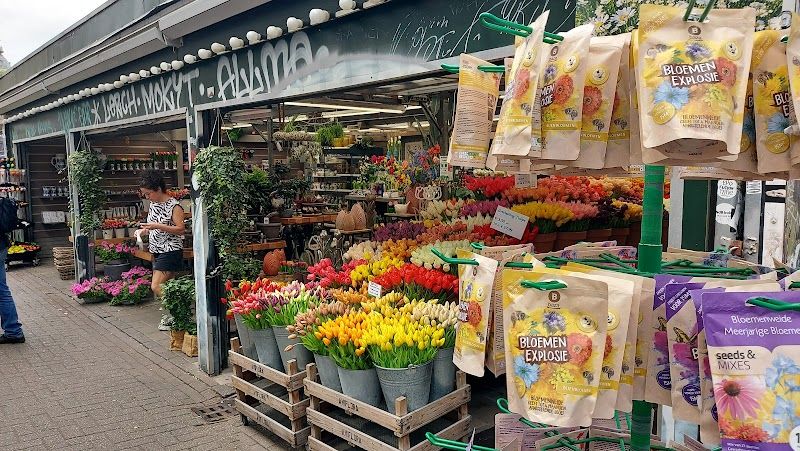
Free activities define budget travel in Amsterdam. Vondelpark costs nothing and provides better people-watching than most paid attractions. Walking through Jordaan or exploring the Bloemenmarkt flower market requires only curiosity.
Budget one paid attraction daily. The Anne Frank House costs EUR 16, while the Rijksmuseum charges EUR 22.5. Skip the I amsterdam City Card unless you plan to visit four museums in two days - it costs EUR 65 for 24 hours but only pays off for museum marathoners.
Mid-Range Traveler: EUR 100-140 Per Day
Mid-range amsterdam travel costs EUR 100-140 daily and opens up comfortable hotels, restaurant dining, and multiple attractions without constant budget calculations. This category offers the best balance between comfort and value.
Accommodation: EUR 80-120
Budget hotels and well-located guesthouses cost EUR 80-120 for double rooms. Properties in Oud-West and Oost offer better value than Canal Ring locations at identical price points.
The Lloyd Hotel in Oost charges EUR 95-110 for unique rooms with real character, while generic Canal Ring hotels demand EUR 140+ for half the space. Location matters, but Amsterdam's excellent public transport makes slightly peripheral neighborhoods perfectly convenient.
Food: EUR 35-50
Mid-range eating means restaurant lunches and dinners without stress about prices. Budget lunch set menus cost EUR 8-15 at neighborhood cafes, while dinner with drinks runs EUR 25-40 at places locals frequent.
Moeders in Jordaan serves traditional Dutch food for EUR 18-25 per dish. The portions are substantial, and the atmosphere feels authentically local rather than tourist-focused. Katsu in De Pijp offers excellent Japanese food for EUR 22-35 per person.
Coffee culture becomes affordable at this budget level. Specialty coffee costs EUR 3.5-5 at places like Lot Sixty One Coffee Roasters in Oud-West, while brown cafe drinks run EUR 4-7 for beer and EUR 5-9 for wine.
Restaurant selection improves dramatically in this price range. Restaurant Blauw in Oud-West delivers high-quality Indonesian cuisine for EUR 25-35 per person, while waterfront dining at Noord locations costs EUR 30-45.
Transport: EUR 10-15
Mid-range transport means GVB day passes plus occasional taxis for convenience. A 7-day GVB pass costs EUR 36, averaging EUR 5 daily for unlimited public transport. Add EUR 5-10 for taxis during late nights or poor weather.
Bike rentals cost EUR 10-15 daily but require comfort cycling in traffic. Amsterdam drivers respect cyclists, but tourist cyclists often struggle with the city's cycling culture and infrastructure.
Activities: EUR 25-40
Mid-range budgets accommodate multiple museum visits and tours. The Van Gogh Museum costs EUR 22, while canal cruises run EUR 16-22 for basic hour-long tours.
Combine free and paid activities for better value. Morning walks through Jordaan cost nothing, while afternoon museum visits add cultural depth. Evening drinks at traditional brown cafes like Café 't Smalle provide authentic local experiences for EUR 15-25.
Specialty tours like Mike's Bike Tours Amsterdam cost approximately EUR 30-35 but include bike rental and guide expertise. These tours work best for first-time visitors who want orientation and historical context.
Luxury Traveler: EUR 180-300+ Per Day
Luxury amsterdam budget for 5 days runs EUR 900-1500 total, covering boutique hotels, fine dining, private tours, and premium experiences without budget constraints.
Accommodation: EUR 200-350
Boutique hotels cost EUR 200-350 nightly and offer design, location, and service that justify the premium. The Hoxton in Canal Ring charges EUR 250-320 for rooms with canal views and locally-sourced amenities.
Luxury hotels reach EUR 400-800 per night. The Waldorf Astoria Amsterdam occupies six 17th-century canal houses with rooms starting at EUR 550. At these prices, location and historical significance matter more than standard hotel amenities.
Food: EUR 60-120
Fine dining in Amsterdam means EUR 60-120 per person for dinner with wine. De Kas in Oost grows its own ingredients in greenhouse dining rooms, charging EUR 75-95 for multi-course meals that showcase Dutch seasonal cooking.
Michelin-starred restaurants demand EUR 150-250 per person. Ciel Bleu offers two-star dining with city views for EUR 195 per person, while De Librije's Amsterdam outpost charges EUR 225 for elaborate tasting menus.
Lunch at luxury level means EUR 35-55 for high-end cafe dining or hotel restaurants. Breakfast at boutique hotels typically costs EUR 25-35 but often matches neighborhood restaurant quality.
Transport: EUR 20-40
Luxury transport means taxis and private transfers. Taxi rides within Amsterdam cost EUR 15-25 for typical journeys, while private airport transfers run EUR 60-80 compared to EUR 5.4 for NS trains from Schiphol.
Private bike tours and water taxis add convenience and exclusivity. Those Dam Boat Guys offer private canal tours starting at approximately EUR 200 for small groups.
Activities: EUR 40-80
Luxury activities mean private guides, exclusive access, and premium experiences. Private museum tours cost EUR 200-300 for groups, while after-hours access to major attractions commands premium prices.
The Keukenhof day trip with private transport costs approximately EUR 150-200 per person compared to EUR 30-40 for public transport options. The convenience and flexibility justify the premium for luxury travelers.
Transportation Costs Breakdown
Amsterdam transport costs vary dramatically based on duration and travel patterns. Understanding the GVB system saves money regardless of budget level.
Public Transport Options
Single Journey Tickets: EUR 3.4 per hour of travel across metro, tram, and bus networks. These tickets work for tourists making 1-2 journeys daily but become expensive quickly.
Day Passes: EUR 8.5 for unlimited 24-hour travel. The breakeven point is three journeys, which most visitors reach easily. Buy passes at metro stations or through the GVB app.
Weekly Passes: EUR 36 for seven consecutive days. Daily cost drops to EUR 5.14, making weekly passes worthwhile for stays longer than four days with regular transport use.
Airport Transport
NS trains from Schiphol cost EUR 5.4 and reach Amsterdam Central in 15 minutes. This option beats alternatives for speed, price, and environmental impact.
Connexion Bus 397 Airport Express costs EUR 6.5 and takes 30-45 minutes to reach the city center. Choose buses only when trains face delays or strikes.
Taxis charge EUR 45-60 for airport transfers with fixed pricing available through official taxi services. Private transfers cost EUR 60-80 but include meet-and-greet service.
Walking vs Cycling vs Public Transport
Amsterdam's compact center makes walking viable for short distances. Most canal ring attractions sit within 20 minutes' walk of each other. Comfortable shoes matter more than transport passes for central sightseeing.
Cycling works best for confident urban cyclists. Bike rentals cost EUR 10-15 daily, but Amsterdam's cycling culture requires understanding right-of-way rules and traffic patterns that confuse tourists.
Public transport excels for longer distances and poor weather. The network connects all neighborhoods efficiently, making remote areas like Noord and Oost easily accessible.
Food Budget by Meal Type
Amsterdam food costs depend heavily on location and establishment type. Tourist areas charge premium prices for average quality, while neighborhood spots offer better value and authentic experiences.
Breakfast Options
Bakery breakfast costs EUR 4-7 for pastry plus coffee. Local bakeries in residential neighborhoods charge EUR 1-2 less than canal ring locations for identical items.
Cafe breakfast with eggs, bread, and coffee runs EUR 8-15 at neighborhood spots. Tourist cafes near major attractions charge EUR 15-25 for similar portions.
Hotel breakfast varies from EUR 15 at budget properties to EUR 35 at luxury hotels. Quality correlates loosely with price - some expensive hotels serve continental breakfast that local cafes surpass.
Lunch Costs
Market lunch from stalls costs EUR 8-15 for substantial portions. Albert Cuyp Market and Ten Katemarkt offer the best selection and value.
Cafe lunch with soup, sandwich, or simple hot dish runs EUR 12-20 in neighborhoods, EUR 18-28 near tourist attractions. Quality remains consistent, but location dramatically affects pricing.
Restaurant lunch means EUR 15-25 for main courses plus drinks. Business lunch menus offer better value than a la carte ordering, especially at upscale establishments.
Dinner Planning
Neighborhood restaurant dinner costs EUR 18-35 per person for main courses. Wine adds EUR 5-9 per glass, beer costs EUR 4-7. These prices apply in Jordaan, De Pijp, Oud-West, and other residential areas.
Canal ring dining premiums run EUR 5-10 per dish compared to identical restaurants elsewhere. The atmosphere justifies higher prices for special occasions but not daily dining.
Fine dining starts at EUR 45-65 per person before drinks. Amsterdam's high-end restaurant scene competes internationally, with prices reflecting ingredient quality and preparation complexity.
Museum and Attraction Costs
Amsterdam's major museums charge EUR 15-25 admission, making attraction costs a significant budget category for culture-focused visitors.
Major Museum Pricing
The Rijksmuseum costs EUR 22.5 and requires 2-3 hours for adequate viewing. Free for children under 18, with audio guides available separately.
Van Gogh Museum admission costs EUR 22 with advance booking required. The museum often sells out weeks ahead during peak season.
Anne Frank House charges EUR 16 but demands online booking months in advance. Walk-up availability doesn't exist during tourist season.
Museum Pass Value Analysis
The I amsterdam City Card costs EUR 65 for 24 hours, EUR 85 for 48 hours. The card includes public transport and museum admission but only provides value for intensive sightseeing.
Breakeven analysis: EUR 65 card requires EUR 57 in admissions plus EUR 8.5 transport to match individual purchase costs. Four major museums (EUR 80+ combined) plus transport easily justifies the card.
Skip the card for leisurely travel focusing on free activities and 1-2 museum visits. Buy the card for museum-heavy itineraries cramming maximum culture into minimum time.
Free Attractions Worth Visiting
Vondelpark provides Amsterdam's best people-watching and outdoor relaxation without admission fees. The park hosts free concerts and events throughout summer.
Jordaan neighborhood walking tours cost nothing but curiosity. The area's canals, cafes, and architecture rival paid attractions for visual appeal and cultural insight.
Bloemenmarkt flower market requires no admission but expect to spend EUR 5-15 on tulip bulbs or fresh flowers as souvenirs.
Accommodation Budget Ranges
Amsterdam accommodation costs vary dramatically by location, season, and booking timing. Understanding neighborhood differences saves money without sacrificing convenience.
Budget Accommodation: EUR 25-45 Per Night
Hostel dorm beds in central locations cost EUR 35-45, while peripheral hostels charge EUR 25-35. Quality varies more than prices suggest - research facilities and reviews rather than choosing solely on cost.
NOORD hostels offer excellent value at EUR 28-35 per bed with easy metro access to central Amsterdam. The neighborhood provides authentic local atmosphere away from tourist crowds.
Mid-Range Hotels: EUR 80-250 Per Night
Budget hotel chains charge EUR 80-120 for basic double rooms with private bathrooms. Location within Amsterdam's ring roads adds EUR 20-40 to comparable properties outside.
Boutique guesthouses in Oud-West and De Pijp cost EUR 120-180 and offer character that chain hotels lack. These neighborhoods provide local dining and nightlife within walking distance.
Mid-range canal ring hotels cost EUR 150-250 but occupy historic buildings with unique architectural features. Premium locations justify higher prices for visitors prioritizing atmosphere over amenities.
Luxury Accommodations: EUR 250+ Per Night
Boutique luxury hotels start at EUR 250 and emphasize design, location, and personalized service. The Hoxton and Lloyd Hotel represent this category's best value propositions.
Five-star international chains charge EUR 400-800 per night for premium locations and full-service amenities. The Waldorf Astoria and Conservatorium Hotel deliver luxury experiences that justify premium pricing.
Weekly Budget Breakdown: Amsterdam Budget for 5 Days
Planning your amsterdam budget for 5 days requires understanding daily costs and weekly economies of scale. Transport passes and dining patterns affect total spending significantly.
5-Day Budget Traveler: EUR 250-350 Total
Accommodation: EUR 125-225 (hostel beds at EUR 25-45 nightly)
Food: EUR 75-125 (markets, cheap eats, occasional restaurant meals)
Transport: EUR 36 (7-day GVB pass covers entire stay)
Activities: EUR 50-75 (2-3 paid attractions plus free walking tours)
5-Day Mid-Range Traveler: EUR 500-700 Total
Accommodation: EUR 400-600 (budget to mid-range hotels)
Food: EUR 175-250 (restaurant meals with occasional splurges)
Transport: EUR 50-75 (public transport plus occasional taxis)
Activities: EUR 125-200 (multiple museums, tours, entertainment)
5-Day Luxury Traveler: EUR 900-1500+ Total
Accommodation: EUR 1000-1750 (boutique to luxury hotels)
Food: EUR 300-600 (fine dining with wine pairings)
Transport: EUR 100-200 (taxis and private transfers)
Activities: EUR 200-400 (private tours, premium experiences)
Understanding how much Amsterdam costs per day helps budget realistic expectations, but the real key is matching spending to your travel priorities. Focus money on experiences that matter most, whether that means splurging on restaurants while staying in hostels or booking luxury hotels while eating street food. Amsterdam rewards travelers who understand the difference between paying for location, quality, and convenience versus paying tourist premiums for average experiences.
For detailed neighborhood-specific recommendations, check our complete Amsterdam food guide and 5-day Amsterdam itinerary for activity planning that matches your budget level.