Amsterdam
Centrum
Dam Square, Royal Palace, Nieuwe Kerk, Red Light District, Central Station. Tourist central but unavoidable
About Centrum
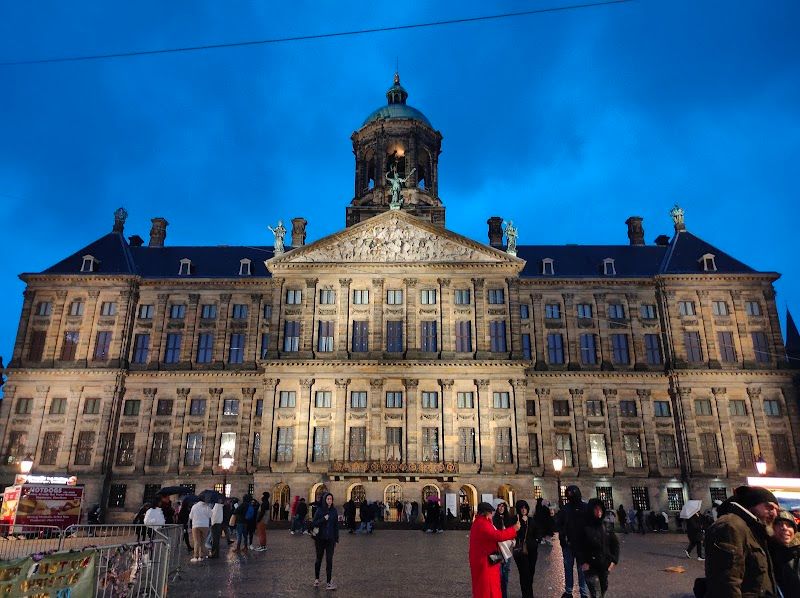
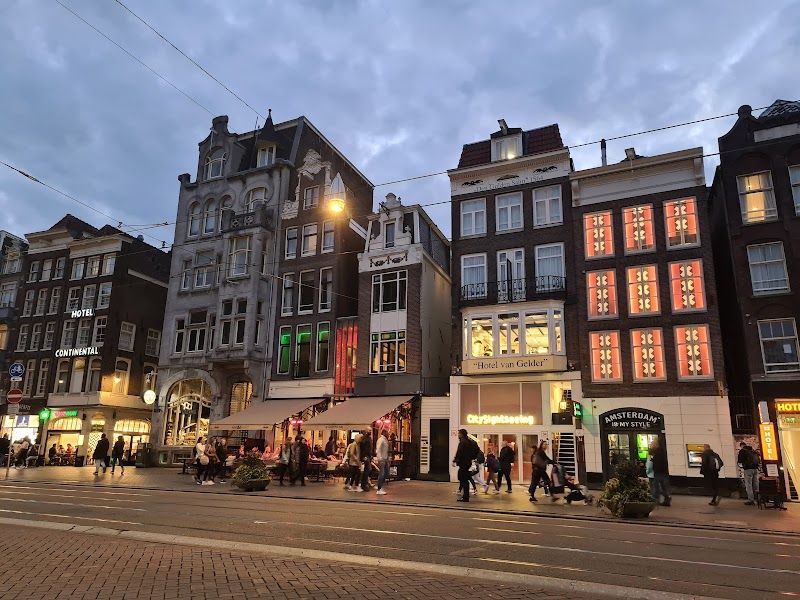
Everyone passes through Centrum, and that's fine, but nobody should spend all their time here. Dam Square anchors the neighborhood with the Royal Palace (EUR12.50, the marble floor alone is worth it), Nieuwe Kerk (rotating exhibitions), and Madame Tussauds (skip it). The streets radiating from the square are the most touristic in Amsterdam, with the predictable mix of souvenir shops, fast food, and cannabis coffee shops that give the city its reputation.
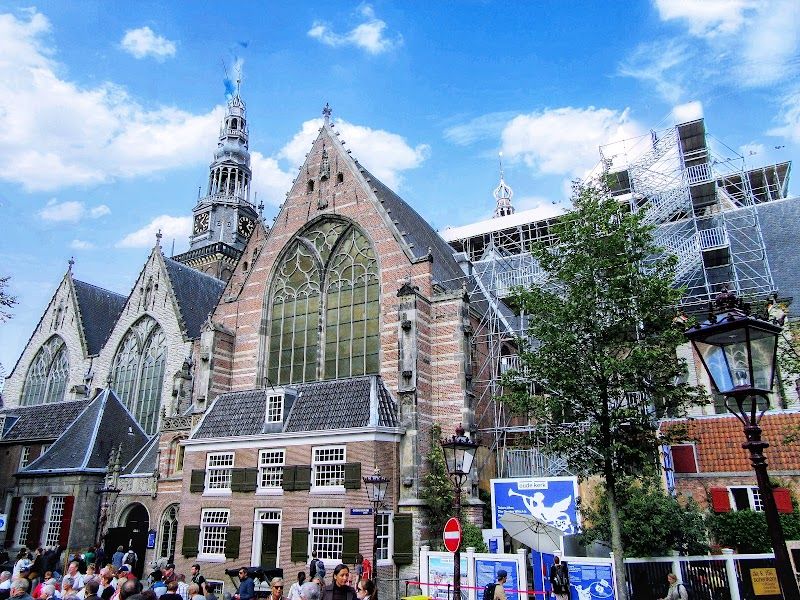
The Red Light District (De Wallen) occupies the eastern edge. It's smaller than you'd expect, it's safer than you'd imagine, and the Oude Kerk (Old Church, dating to 1306) sitting in the middle of it is one of the more surreal juxtapositions in European architecture. The area is gentrifying, with cocktail bars and specialty coffee shops moving in alongside the windows.
The real reason to know Centrum is logistics. Centraal Station is the transit hub for trains, trams, buses, metro, and the free ferry to Noord. Damrak connects the station to Dam Square in a 10-minute walk. Use Centrum for orientation and transit, then get on a tram to the neighborhoods where the real Amsterdam happens.
Things to Do
Top experiences in Centrum
Royal Palace Amsterdam
Built as the city hall during the Dutch Golden Age, converted to a royal palace by Napoleon's brother Louis in 1808, and still used for state receptions today. The Citizens' Hall on the ground floor has a marble floor inlaid with maps of the world as the Dutch saw it: Amsterdam at the center, with the Eastern and Western hemispheres spread beneath your feet. The chandeliers, the Atlas carrying the globe, and the sheer scale of the interior are genuinely impressive. The building was designed by Jacob van Campen in 1648 and required 13,659 wooden piles driven into the sandy soil to support its weight (every Dutch schoolchild knows this number). The architect intended it to rival the great buildings of Rome, and he pulled it off. The magistrates' chambers, the tribunal, and the bankruptcy room (yes, they had one) are all preserved. The paintings on the walls and ceilings by Ferdinand Bol and Govert Flinck tell the story of Amsterdam's rise as a trading power, with a healthy dose of civic pride and mythological allegory. Entry is €12.50, the audio guide is included and worth using, and the palace is rarely crowded. The contrast between this and other European palaces is striking. There is no Versailles-level gilt and spectacle here. The decoration is restrained, Protestant, and focused on civic duty rather than royal ego. It tells you everything you need to know about Dutch values in the Golden Age. Check opening hours before visiting, as the palace closes without notice for state events.
Mike's Bike Tours Amsterdam
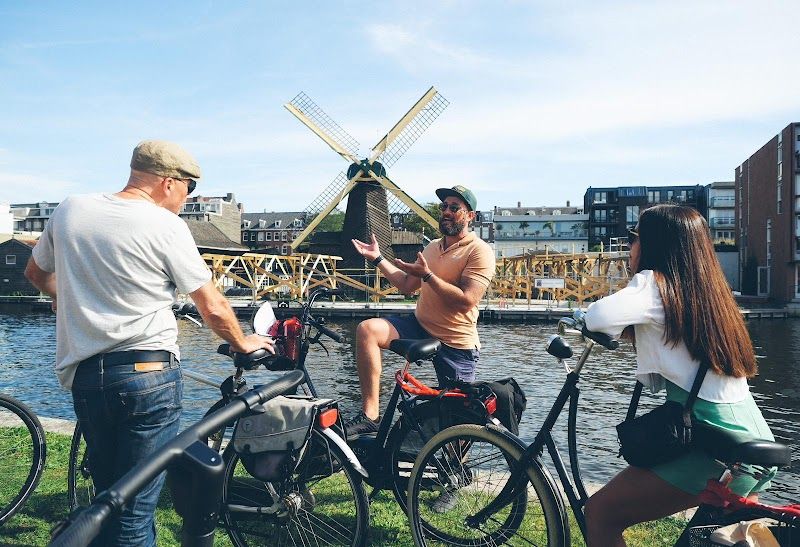
The original bike tour operation in Amsterdam, running since 2001, and still the best way to see the city if you want to cover ground while getting context from someone who knows it. The guides are international residents who've made Amsterdam home, and they balance history, architecture, and local culture with genuine enthusiasm. You cover areas that most tourists miss on foot: the Jordaan's back canals, the Vondelpark, the harbor area, and residential neighborhoods. The standard city tour runs about 3 hours and covers roughly 15 kilometers at a casual pace. You stop frequently for explanations and photos, so you don't need to be a serious cyclist. The bikes are comfortable Dutch-style city bikes with upright posture and back-pedal brakes. If you've never ridden a Dutch bike, they'll teach you in 30 seconds. The countryside tour is a half-day ride through the polders to Waterland, a landscape of windmills, wooden houses, and dairy farms that feels completely different from the city. Tours depart from a meeting point near the Rijksmuseum. The standard city tour costs around €32 and includes the bike. Book online or show up 15 minutes early (they take walk-ups if there's space). Groups are capped around 15 people, which keeps things manageable. They also rent bikes for self-guided exploration, which is a good option if you want the freedom to stop wherever. Cycling in Amsterdam is safe if you follow the rules: stay in the bike lanes, signal your turns, and never stop in the middle of a bike path.
Keukenhof Day Trip
The world's largest flower garden, open for roughly eight weeks each spring (mid-March to mid-May), with seven million bulbs blooming across 32 hectares of manicured grounds. The tulip fields surrounding the park stretch to the horizon in stripes of red, yellow, purple, and white. If you're in Amsterdam during tulip season, this is non-negotiable. There is nothing else like it on earth. The park itself is meticulously designed. Different sections feature different tulip varieties, hyacinths, daffodils, and other spring flowers in themed gardens, along ponds, and through wooded areas. The indoor pavilions display exotic varieties and flower arrangements. The whole operation is run with Dutch efficiency: bus transfers from Schiphol Airport and Leiden Centraal run frequently, and the entry process is smooth despite the enormous visitor numbers (about 1.5 million people visit during those eight weeks). Get there early. The park opens at 8 AM and the first two hours are the quietest. By midday the pathways are crowded and the photo opportunities narrow considerably. The cycle route through the surrounding tulip fields is the hidden gem: rent a bike at the park entrance and ride through kilometers of commercial tulip fields that most visitors never see. Budget half a day minimum, a full day if you include the bike ride. Tickets are €19.50 online (always book in advance, they sell out), and the bus transfer from Amsterdam is about €12 each way. The combination of the formal gardens and the raw agricultural fields is what makes Keukenhof special. The gardens show you what humans can do with flowers. The fields show you what the Dutch can do with an entire landscape.
Oude Kerk
Amsterdam's oldest building, consecrated in 1306, stands paradoxically in the heart of the Red Light District. The vast wooden vaulted ceiling is the largest medieval roof in Europe. Rembrandt's wife Saskia is buried here, and the floor is covered with 2,500 gravestones of prominent Amsterdammers.

Amsterdam Cocktail Cruise
Evening canal cruise with an onboard bartender serving craft cocktails made with Dutch genever, fresh herbs, and premium spirits. The 90-minute small-boat experience is limited to 20 passengers and includes three cocktails plus bartending demonstrations.
De Waag
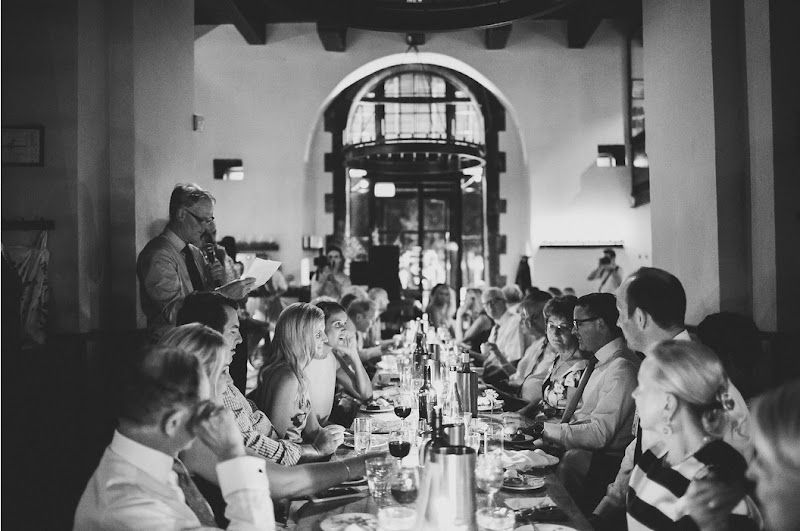
Amsterdam's oldest non-religious building from 1488, originally a city gate and later a weigh house for goods. The upper floors housed surgeon's guilds, Rembrandt painted The Anatomy Lesson of Dr. Tulp here. Now a restaurant, its medieval fortress architecture dominates Nieuwmarkt square.
Nieuwe Kerk
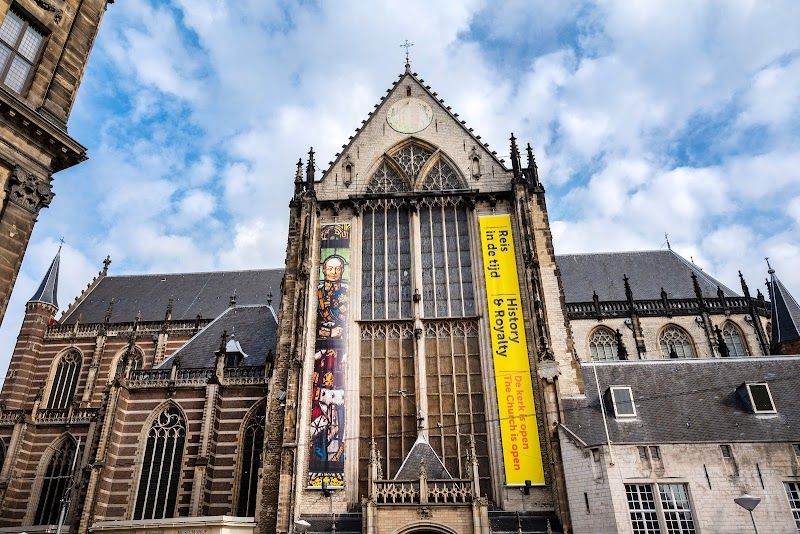
Amsterdam's coronation church where Dutch monarchs are inaugurated, dating from 1408. Though called 'new,' it's a Gothic masterpiece hosting major art exhibitions and cultural events. The massive organ and elaborate carved choir screen survived the Reformation. Royal tombs include Admiral Michiel de Ruyter.
Friendship Amsterdam
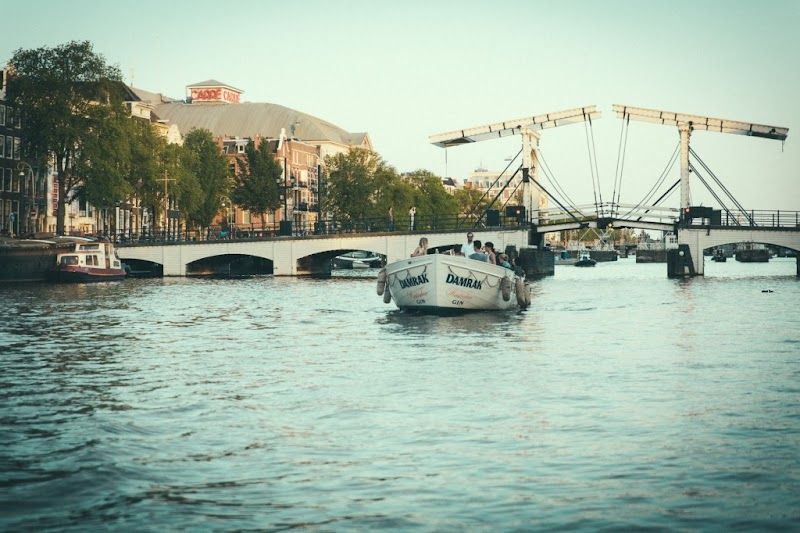
Authentic tall ship cruise aboard a 1920s sailing vessel through Amsterdam's harbor and IJ river. The 90-minute journey includes hands-on sailing participation where passengers help hoist sails and steer while the crew explains Dutch maritime history.
Bruges Day Trip
Full-day coach tour from Amsterdam to the medieval Belgian city of Bruges, covering 280 kilometers roundtrip. Includes walking tour of the historic center with its Gothic belfry, canals, and market squares, plus free time for chocolate shops and Belgian beer tasting.
Where to Eat
Restaurants and cafes in Centrum
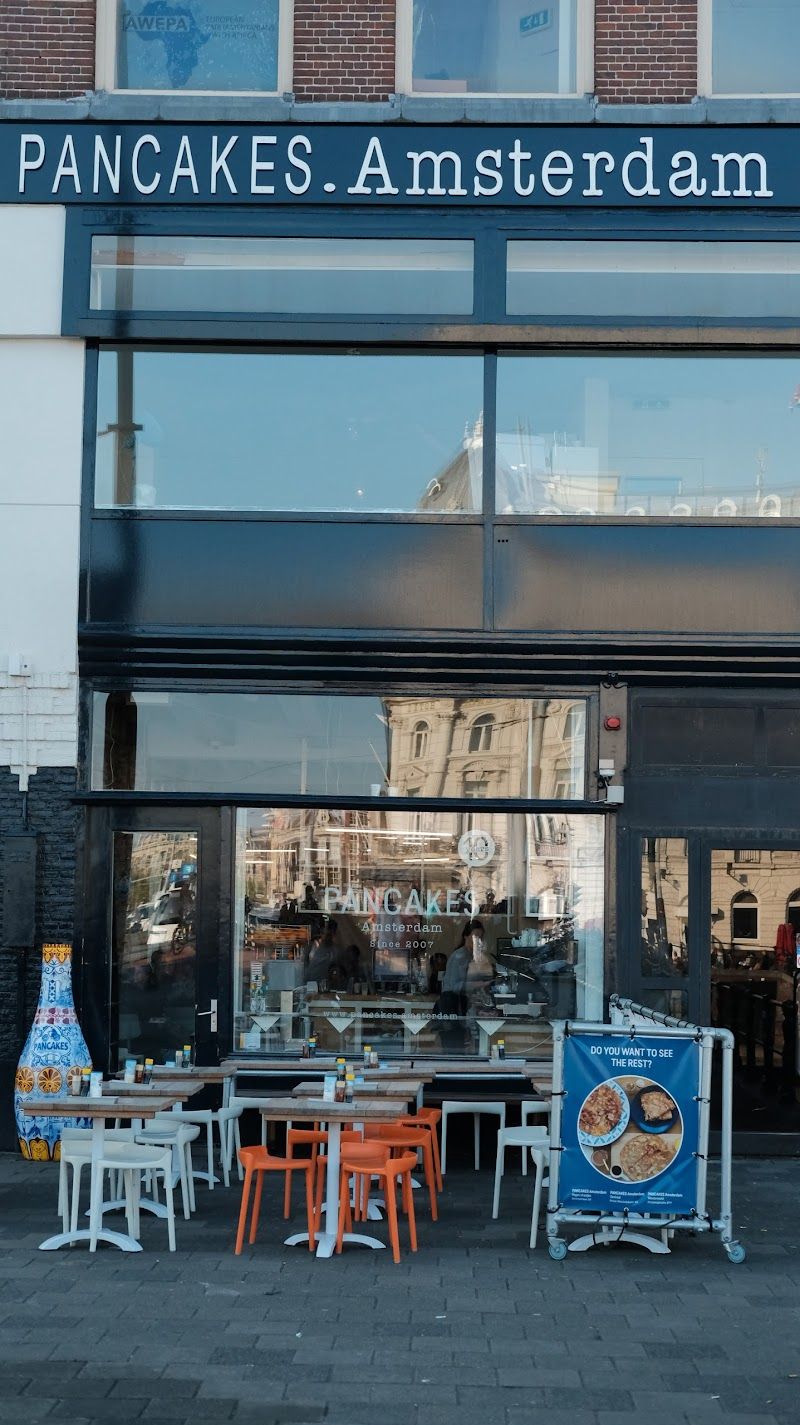
Pancakes Amsterdam
RestaurantTraditional Dutch pancake house serving both sweet and savory pannenkoeken that are thin, crepe-like, and plate-sized. The bacon and cheese pancake and the apple-cinnamon are classics.
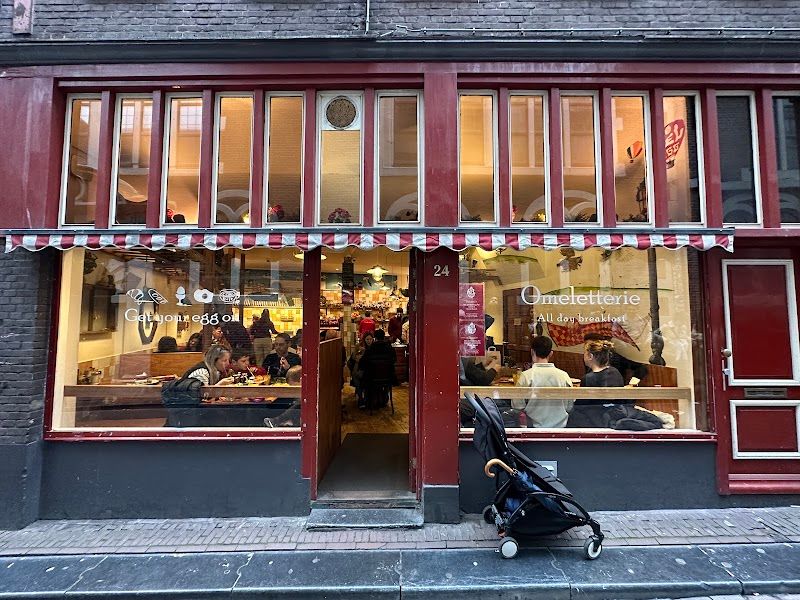
Omelegg
RestaurantA cozy breakfast and brunch spot specializing in creative omelettes with Dutch and international ingredients. This small, friendly café is beloved by locals for its fresh ingredients, generous portions, and relaxed weekend brunch atmosphere.
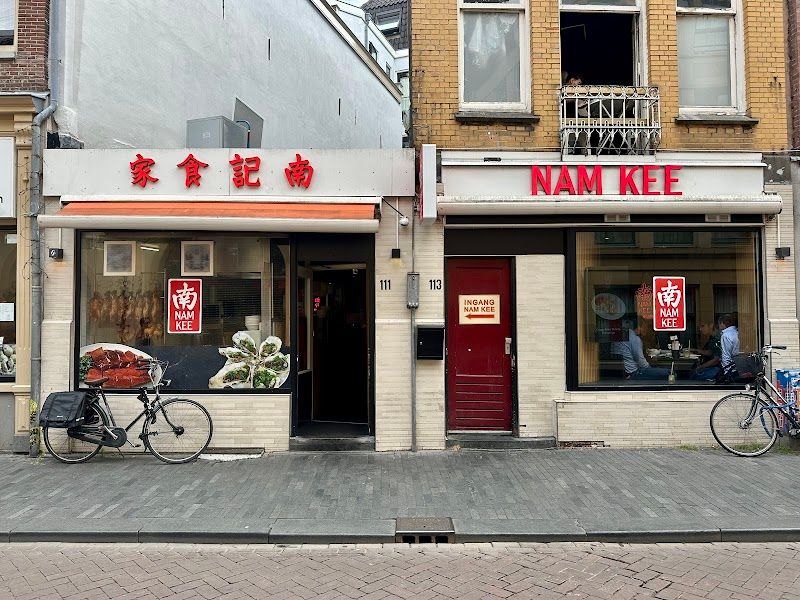
Nam Kee
RestaurantNo-frills Chinese restaurant in Chinatown known for oysters with black bean sauce and salt-baked chicken. The service is famously brusque but the food is authentic Cantonese at budget prices.
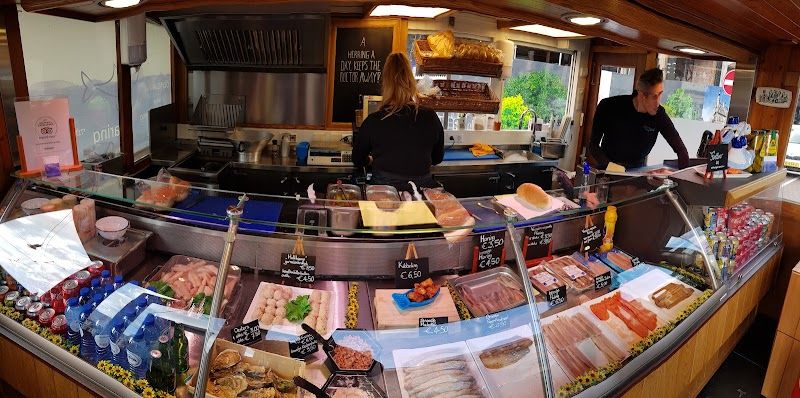
Stubbe's Haring
RestaurantFish stall on a houseboat serving the freshest herring in Amsterdam with traditional toppings of onions and pickles. The owner sources directly from Scheveningen fishing boats.
Rotisserie Sander
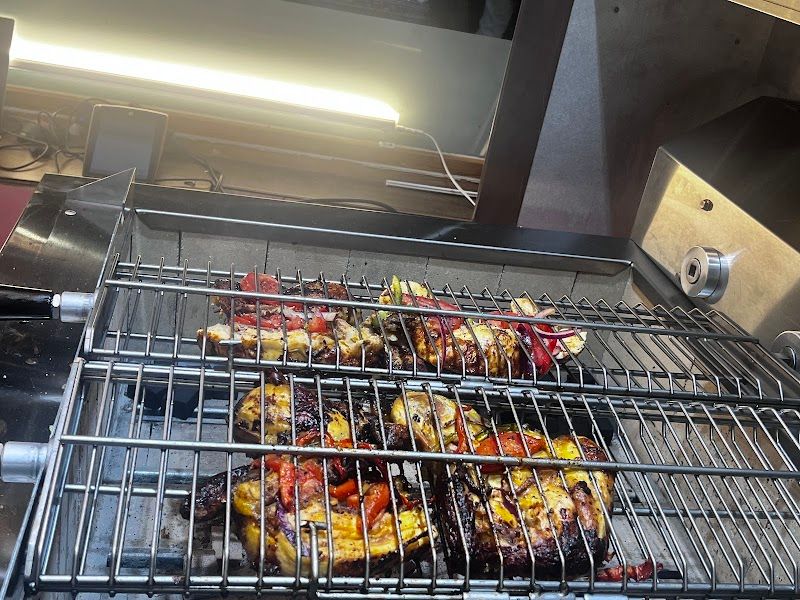
RestaurantSmall rotisserie specialist serving spit-roasted chicken with seasonal sides and sauces in a minimalist space. The chicken is brined for 24 hours and rotates over coals all day.
Nightlife
Bars and nightlife in Centrum
Getting Here
Metro Stations
Getting There
Centraal Station is the hub for everything. All tram lines, metro lines 51/52/53/54, and trains to Schiphol (15 min), Haarlem (15 min), and the rest of the Netherlands.
On Foot
Very walkable but very crowded, especially Damrak, Kalverstraat, and Leidsestraat. Side streets are quieter and often more interesting.
By Bike
Not ideal for cycling due to pedestrian congestion on the main streets. Better to walk or take the tram through Centrum and cycle in the outer neighborhoods.
Insider Tips
Skip the Tourist Traps
Avoid eating on Damrak or Leidsestraat. Walk two blocks in any direction and prices drop 40% for better food. Haarlemmerdijk (north-west of Centraal) is the closest good restaurant street.
Royal Palace Visit
The Royal Palace is EUR12.50 and almost never crowded. The Citizens' Hall marble floor, depicting the world as the Dutch saw it in the 1600s, is genuinely impressive. Check opening hours, it closes for state events.
Red Light District Etiquette
Never photograph the windows. It's disrespectful and the security guards will tell you to stop. The area is safe to walk through, even late at night. Visit the Oude Kerk while you're there.
Nearby Neighborhoods
Continue exploring

Canal Ring (Grachtengordel)
UNESCO-listed canals: Herengracht, Keizersgracht, Prinsengracht. Anne Frank House, Westerkerk, houseboats

Jordaan
Prettiest canal streets, brown cafes, Saturday markets, galleries in former warehouses
Nieuwmarkt & Plantage
Chinatown, Artis Zoo, Hortus Botanicus, the Jewish quarter history, quieter east side
Related Articles
Amsterdam vs Copenhagen: Which Northern European Capital Wins Your Trip
Amsterdam's canal ring versus Copenhagen's harbor front - we break down costs, culture, and which city deserves your limited vacation time in northern Europe.
Amsterdam Daily Budget: Real Costs for Food, Transport, and Activities in 2024
Amsterdam costs EUR 50-180 per day depending on your choices. We break down real prices for food, transport, museums, and hotels to help you plan your actual budget.
Plan a trip featuring Centrum
Get a personalized Amsterdam itinerary with Centrum built in.
Start Planning