Amsterdam
Nieuwmarkt & Plantage
Chinatown, Artis Zoo, Hortus Botanicus, the Jewish quarter history, quieter east side
About Nieuwmarkt & Plantage
Nieuwmarkt and Plantage occupy the quieter eastern side of Amsterdam's old center, and the contrast with Centrum is immediate. The Waag (Weigh House) on Nieuwmarkt square dates to 1488 and now houses a cafe with a terrace that's one of the best in the city. The streets around it form Amsterdam's small but genuine Chinatown, with dim sum restaurants and Asian supermarkets that locals actually use.
The Plantage area, stretching east, holds some of Amsterdam's most affecting history. The Jewish Historical Quarter tells the story of Amsterdam's once-thriving Sephardic and Ashkenazi communities, largely destroyed during the occupation. The Portuguese Synagogue, completed in 1675, still holds services by candlelight. The National Holocaust Memorial opened in 2021.
For families, this is the sweet spot. Artis Zoo is one of the oldest in Europe (founded 1838) and genuinely well-run. Hortus Botanicus, founded in 1638 as a medicinal herb garden, is a peaceful afternoon escape. The Tropenmuseum is a 15-minute walk east. All three are manageable in a single day without rushing.
Things to Do
Top experiences in Nieuwmarkt & Plantage
NEMO Science Museum
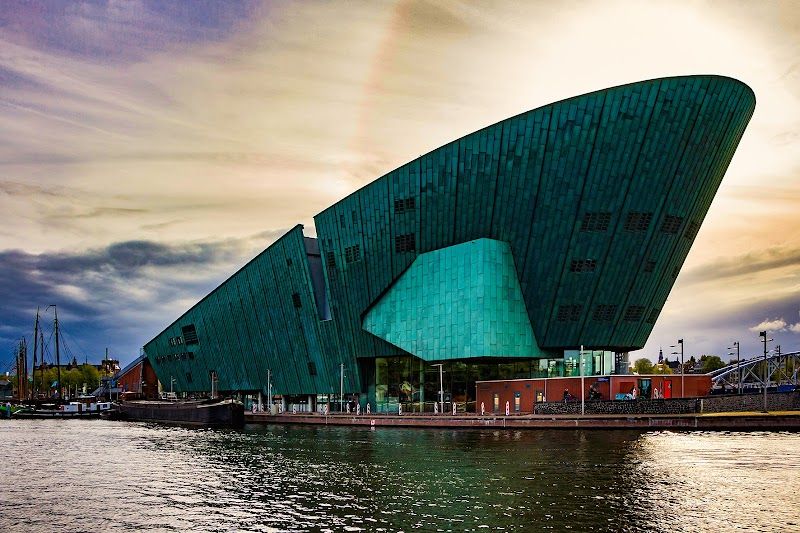
The green copper building shaped like a ship's hull on the eastern docklands is Amsterdam's hands-on science museum. Five floors of interactive exhibits cover energy, technology, the human body, and for some reason, a very popular "teenager exhibition" about puberty. Kids can touch everything. The rooftop terrace (free access, no ticket needed) has the best open view in Amsterdam: 360 degrees of canal ring, IJ waterway, and Central Station. EUR17.50 entry, free for under-4s.
Artis Royal Zoo
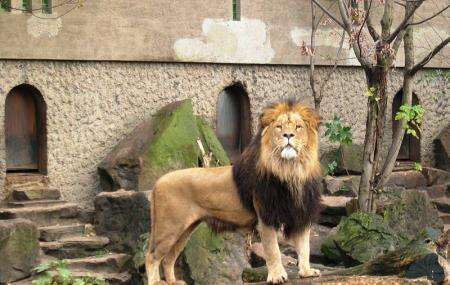
One of the oldest zoos in Europe, founded in 1838, set in landscaped grounds in the Plantage district. Artis is more than a zoo: the aquarium building dates from 1882, the planetarium runs daily shows, and the Micropia museum next door (separate ticket) is the world's only museum dedicated to microbes. The animal collection includes African elephants, giraffes, jaguars, and a walk-through butterfly house. Genuinely well-run, with visible conservation efforts.
Het Scheepvaartmuseum
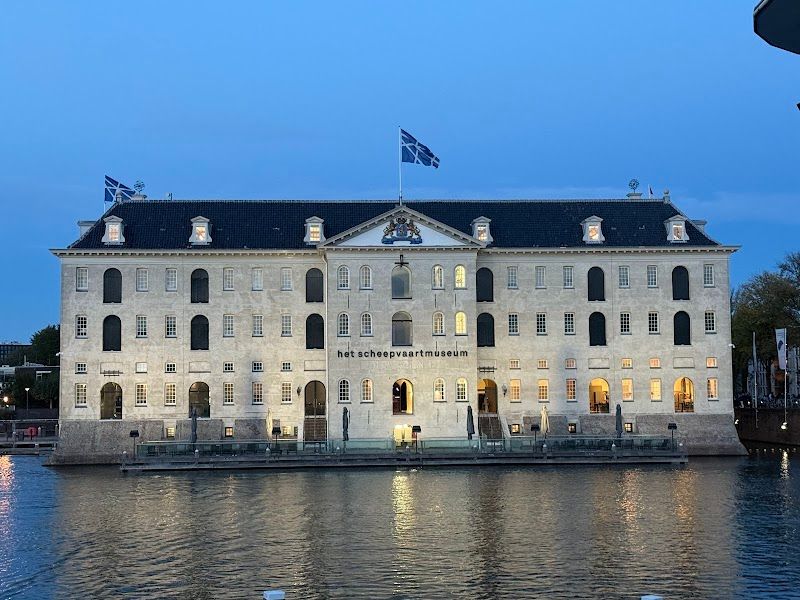
Netherlands' maritime history museum in a former naval storehouse displaying ship models, navigational instruments, and maritime paintings. The full-scale replica of the 18th-century VOC ship Amsterdam is moored outside and open to explore. Interactive exhibits show how the Dutch became a global seafaring power.
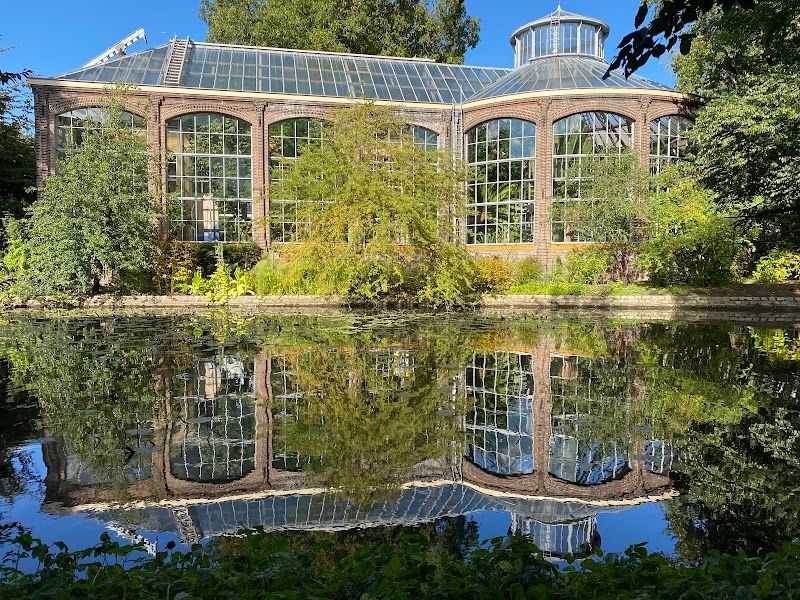
Hortus Botanicus
One of the world's oldest botanical gardens, founded in 1638 with rare medicinal plants for doctors and apothecaries. The greenhouse complex houses a 2,000-year-old agave, tropical palms, and cacti from around the world. The butterfly house swarms with exotic species in the summer months.
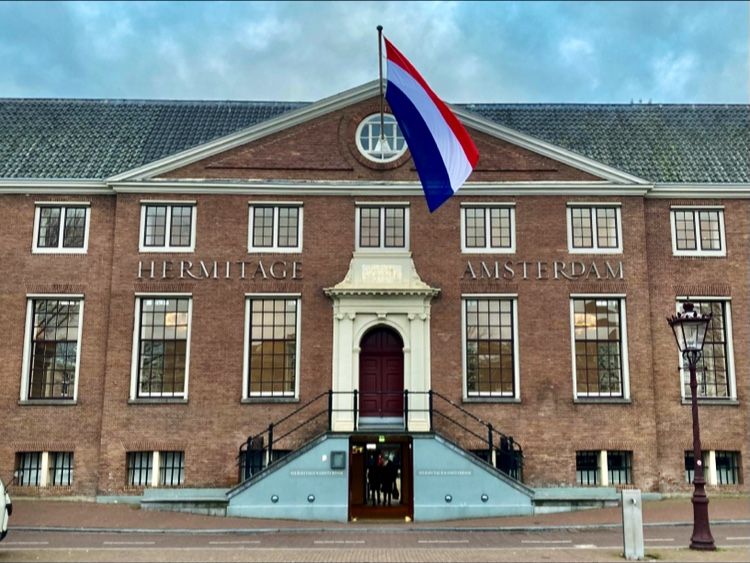
Hermitage Amsterdam
Branch of St. Petersburg's famous museum in a monumental 17th-century building that once housed elderly women. Two major exhibitions per year bring Russian masterpieces to Amsterdam, from imperial Fabergé eggs to avant-garde art. The permanent wing explores 300 years of Dutch-Russian cultural exchange.
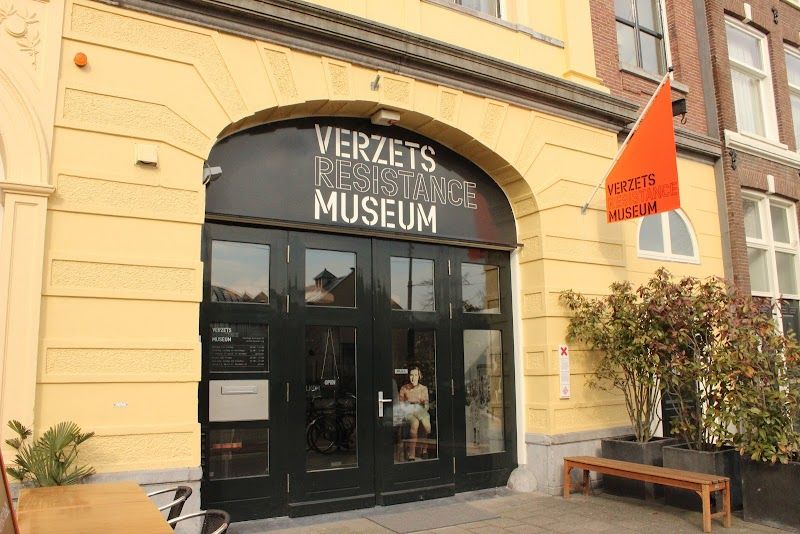
Verzetsmuseum
Dutch Resistance Museum chronicling civilian life during Nazi occupation from 1940-1945. Personal stories, photographs, and artifacts reveal how ordinary people resisted, collaborated, or simply survived the war years. The children's section uses a family's story to explain the occupation to younger visitors.
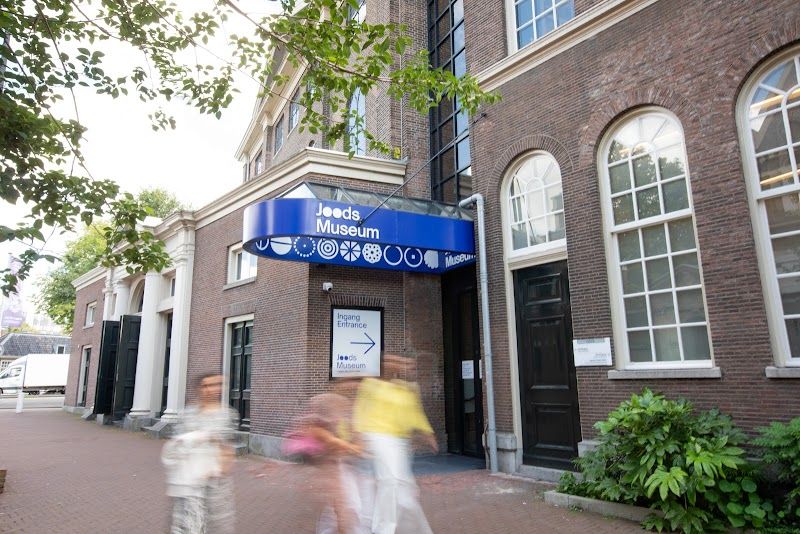
Joods Historisch Museum
Four Ashkenazi synagogues connected to form a comprehensive museum of Jewish history and culture in the Netherlands. The Great Synagogue dating from 1671 houses religious objects, while other wings cover daily life, persecution, and post-war reconstruction. The children's museum offers interactive exhibits about Jewish traditions.
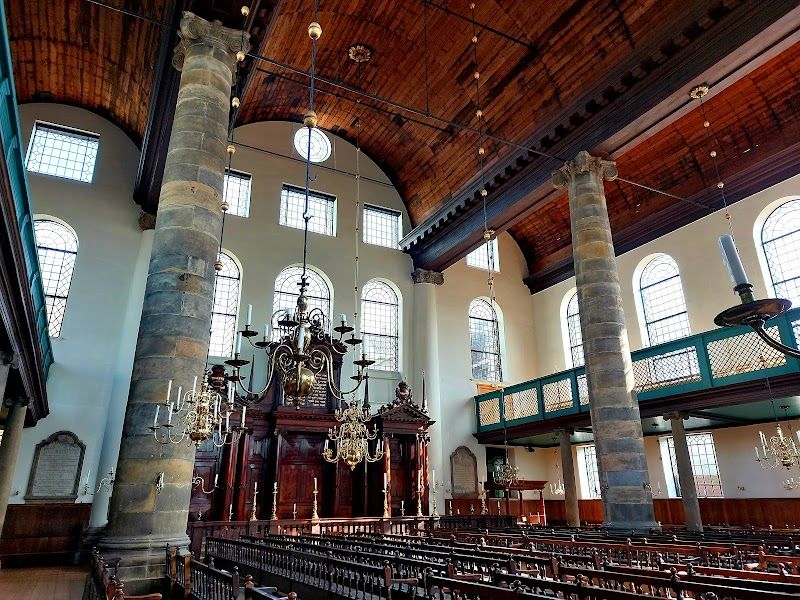
Portugese Synagoge
Built in 1675, this is the world's oldest functioning synagogue still in its original building. The vast interior remains lit entirely by candles in massive brass chandeliers, with sand covering the floors as in Sephardic tradition. The adjacent library houses one of the most important Jewish literary collections in Europe.
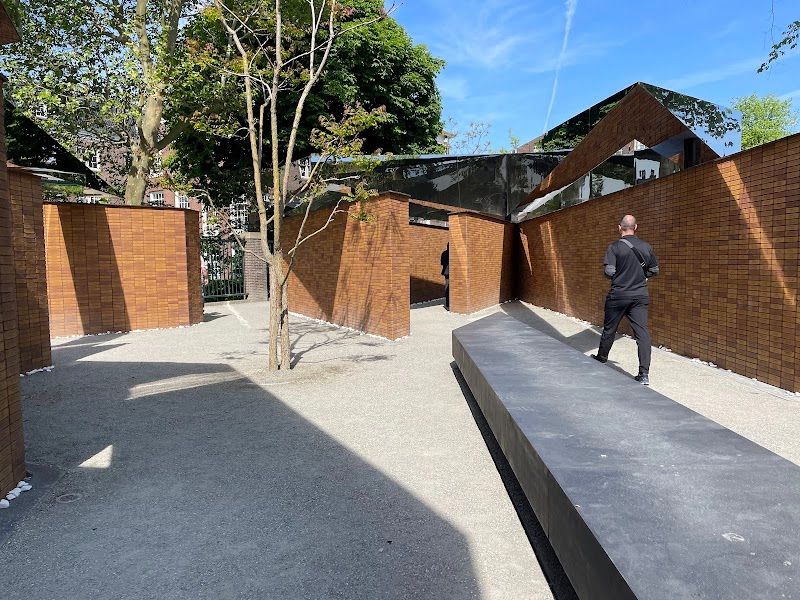
Nationaal Holocaust Namenmonument
Opened in 2021, this memorial features 102,000 bricks each inscribed with the name, birthdate, and age of a Dutch Holocaust victim. The labyrinth design by Daniel Libeskind invites quiet contemplation. Hebrew letters spelling "In Memory" rise from the structure.
Where to Eat
Restaurants and cafes in Nieuwmarkt & Plantage
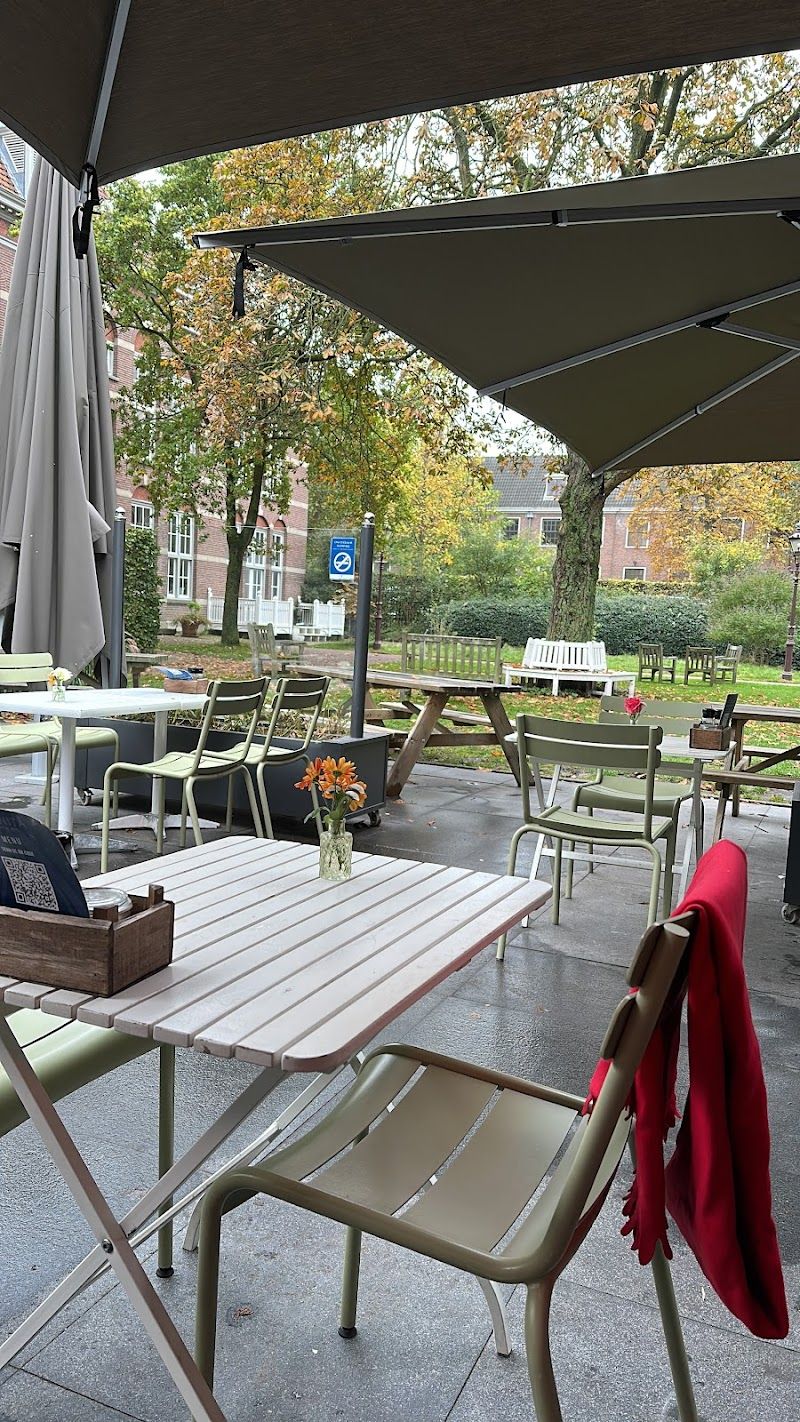
Dignita Hoftuin
CafeAll-day brunch cafe with a hidden garden courtyard in the Museum Quarter near the Rijksmuseum. The menu features healthy bowls, fresh juices, and specialty coffee in a bright, plant-filled space. Popular with the creative crowd for both breakfast meetings and weekend brunch.
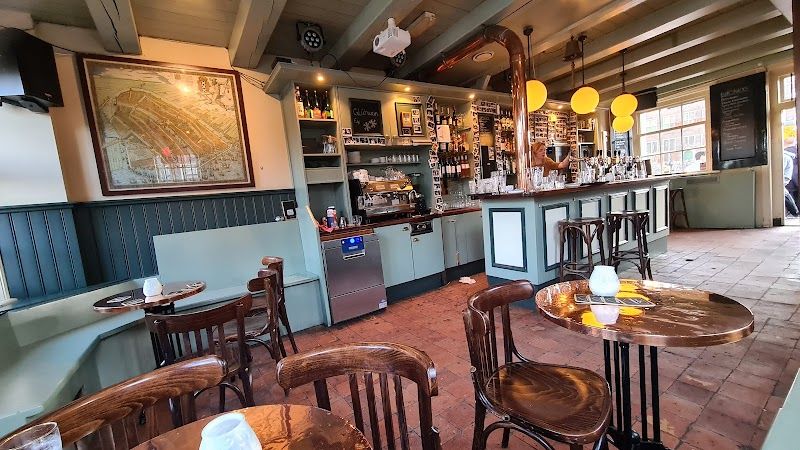
Café de Sluyswacht
RestaurantCrooked 17th-century lock-keeper's house turned brown café serving bitterballen, cheese, and simple sandwiches. The building leans dramatically due to subsiding foundations and has a sunny waterside terrace.
Cafe Kadijk
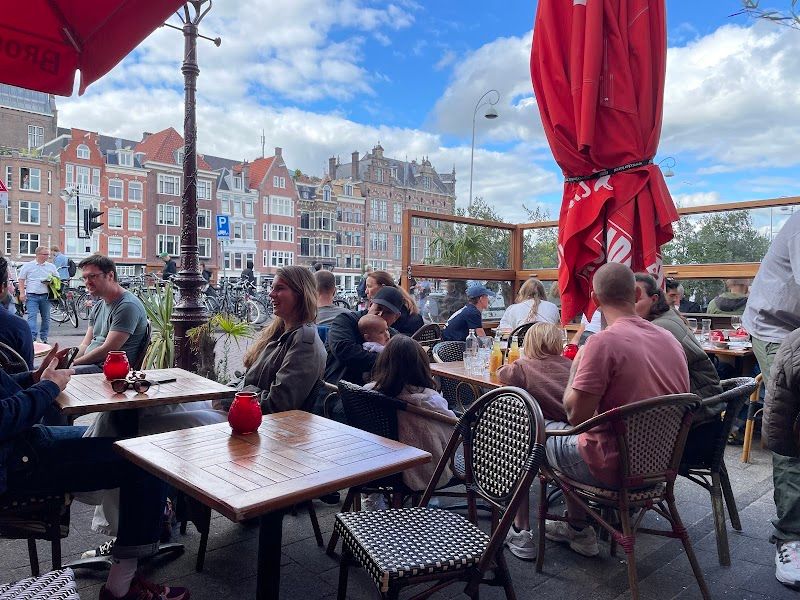
RestaurantHidden waterfront café in the old shipyard district serving homemade soups, sandwiches, and cakes. The sunny terrace overlooks a quiet canal with houseboats and zero tourist traffic.
Nightlife
Bars and nightlife in Nieuwmarkt & Plantage
Getting Here
Metro Stations
Getting There
Metro to Nieuwmarkt station (lines 51/53/54) puts you right on the square. Tram 14 runs east along Plantage Middenlaan to Artis Zoo.
On Foot
Flat and pleasant walking. From Dam Square it's a 10-minute walk east to Nieuwmarkt. From Nieuwmarkt to Artis Zoo is another 10 minutes.
By Bike
Good cycling area with less traffic than Centrum. Plantage Middenlaan has wide bike lanes and connects to Oost.
Insider Tips
Nieuwmarkt Cafe
The cafe inside the Waag (In de Waag) is one of Amsterdam's best-kept lunch spots. The building is from 1488, the terrace overlooks the square, and somehow it's not overrun with tourists.
Jewish Quarter Walk
Start at the Portuguese Synagogue, walk through the Jewish Historical Museum, and end at the National Holocaust Memorial. Allow 2-3 hours and go in the morning when it's quieter.
Artis Evening Opening
Artis Zoo opens late on summer Saturday evenings (Artis by Candlelight). The atmosphere changes completely when the paths are lit and the crowds are gone.
Nearby Neighborhoods
Continue exploring
Centrum
Dam Square, Royal Palace, Nieuwe Kerk, Red Light District, Central Station. Tourist central but unavoidable
Oost (East)
Tropenmuseum, Oosterpark, Javanese and Surinamese food, Dappermarkt (the real local market)

Canal Ring (Grachtengordel)
UNESCO-listed canals: Herengracht, Keizersgracht, Prinsengracht. Anne Frank House, Westerkerk, houseboats
Related Articles
Amsterdam vs Copenhagen: Which Northern European Capital Wins Your Trip
Amsterdam's canal ring versus Copenhagen's harbor front - we break down costs, culture, and which city deserves your limited vacation time in northern Europe.
Amsterdam Daily Budget: Real Costs for Food, Transport, and Activities in 2024
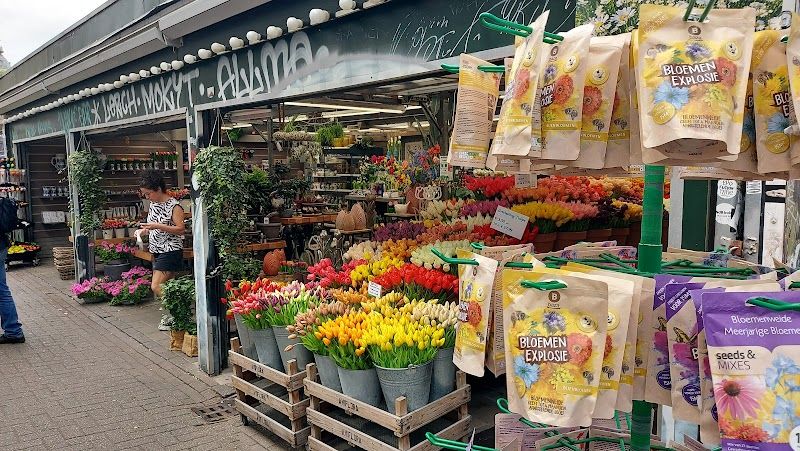
Amsterdam costs EUR 50-180 per day depending on your choices. We break down real prices for food, transport, museums, and hotels to help you plan your actual budget.
Plan a trip featuring Nieuwmarkt & Plantage
Get a personalized Amsterdam itinerary with Nieuwmarkt & Plantage built in.
Start Planning