First Time in Barcelona: Everything You Need to Know
The stuff nobody tells you until you've already made the mistake
Barcelona is easier than Paris, cheaper than London, and warmer than both. But it runs on its own clock, speaks its own language (literally - Catalan, not Spanish), and has a few unwritten rules that nobody tells first-timers until they've already eaten overpriced paella on Las Ramblas. This guide is the conversation you'd have with a friend who lives here, covering everything from what time to eat dinner (not before 9) to which neighborhoods deserve your time (most of them) and which streets to avoid (mainly one).
The Eating Schedule
This is the single most important thing to understand about Barcelona, and most first-timers fight it for two days before giving in.
Breakfast (8-10 AM): A coffee and a croissant at a bar counter. Maybe a bikini (grilled ham and cheese) if you're hungry. €2-4. Nobody sits down for breakfast.
Lunch (1:30-3:30 PM): The main meal. The menu del dia is three courses with bread and a drink for €12-15. This is how Barcelona eats, and it's the best deal in the city. Any restaurant with a handwritten "Menu" sign serves it. Eaten at a table, properly. Budget an hour.
Merienda (5-7 PM): Optional snack time. Coffee and a pastry, or a vermouth with olives. The vermouth hour (la hora del vermut) is a Barcelona tradition - you'll see people at bar terraces with a glass of red vermouth, a soda siphon, and a plate of chips or olives around 6 PM.
Dinner (9-11 PM): Lighter than lunch, often tapas. Restaurants don't fill up until 9:30 PM. If you're eating at 7 PM, you're eating alone in a tourist restaurant and the food reflects it. Wait. Have a drink. Barcelona rewards patience.
Getting Around
T-Casual card: €11.35 for 10 trips on metro, bus, tram, and the Montjuic funicular. Buy it at any metro station ticket machine (they have English). You'll use roughly 4-6 trips per day, so one card lasts 2 days. The card is NOT valid for the Aerobus or the Montjuic cable car.
Walking: Barcelona's center is compact and flat. Gothic Quarter to El Born is 5 minutes on foot. El Born to Barceloneta beach is 10 minutes. Passeig de Gracia to Sagrada Familia is 20 minutes. You'll walk 12,000-18,000 steps per day without trying.
Metro: Clean, fast, runs 5 AM to midnight (24 hours on Saturdays). The L3 (green line) and L4 (yellow line) cover most tourist needs. Jaume I (Gothic Quarter/El Born), Passeig de Gracia (Eixample), and Sagrada Familia are the stations you'll use most.
Aerobus: Airport to Placa Catalunya in 35 minutes. €7.75 one way. Runs every 5 minutes from both terminals. The easiest airport transfer in Europe. A taxi is €39 flat rate if you prefer.
The Pickpocket Reality
Let's be honest about this: Barcelona has a pickpocket problem, mainly on Las Ramblas, in the metro, and around major attractions. It's petty theft, not violent crime, and it's entirely preventable.
The rules: Phone in your front pocket or in your hand. Bag across your body with the zip facing your body. Don't put your phone on a restaurant table near the sidewalk. Don't keep your wallet in your back pocket. If someone "accidentally" bumps into you or asks for directions while another person stands too close, walk away.
Where it happens: Las Ramblas (especially near the Boqueria), the metro (especially L3 and L4 during rush hour), Placa Catalunya, and the beach. El Born, Gracia, Poble Sec, and the Eixample are basically fine.
Perspective: Millions of tourists visit Barcelona annually and most have zero problems. Basic awareness is all you need. Don't let the reputation stop you from enjoying the city - just don't be careless.
Catalan vs Spanish
Barcelona is in Catalonia, and Catalan is the primary language - street signs, metro announcements, and restaurant menus are in Catalan first. Most everyone speaks Spanish too, and English is widely understood in tourist areas and by younger people.
You don't need Catalan or Spanish to get by, but a few words go further than you'd think: - "Bon dia" (good morning in Catalan) instead of "Buenos dias" gets a warmer response - "Una canya" (a small draft beer) is the most useful phrase in Barcelona - "La cuenta" (the bill) works everywhere - "Gracia" (Catalan thank-you) or "gracias" (Spanish) - both work fine
The Catalan independence question is real and feels strongly. Don't bring it up unless someone else does. If they do, listen more than you talk.
Common First-Timer Mistakes
The Mistake
- -Eating paella on Las Ramblas (€15 for microwaved rice)
- -Buying paper metro tickets (€2.40 each instead of €1.14 with T-Casual)
- -Visiting Sagrada Familia without booking ahead (sold out)
- -Having dinner at 7 PM (tourist restaurants, tourist prices, tourist food)
- -Spending a whole day on Las Ramblas (the city's least interesting street)
- -Skipping El Born for the Gothic Quarter (El Born is better for food and nightlife)
Do This Instead
- -Eat paella at a Barceloneta restaurant where locals eat (Can Ros, Can Majo)
- -Buy a T-Casual card for €11.35 (10 trips, works on metro/bus/tram)
- -Book Gaudi attractions 2+ weeks ahead online
- -Have vermouth at 7 PM, dinner at 9 PM - the food is genuinely better
- -Walk Las Ramblas once (10 min), then spend your time in El Born, Gracia, or Poble Sec
- -Base yourself in El Born - same medieval streets, better restaurants, more locals
What Nobody Tells You
Tap water is safe to drink but tastes terrible. Locals drink bottled. Most restaurants bring a bottle (€1-2) automatically. Asking for "agua del grifo" (tap water) is free and fine, just not tasty.
Sundays are dead in Barcelona. Most shops close, many restaurants close, and the city has a ghost-town feel outside the tourist areas. Plan museums and parks for Sunday, not shopping or neighborhood exploring.
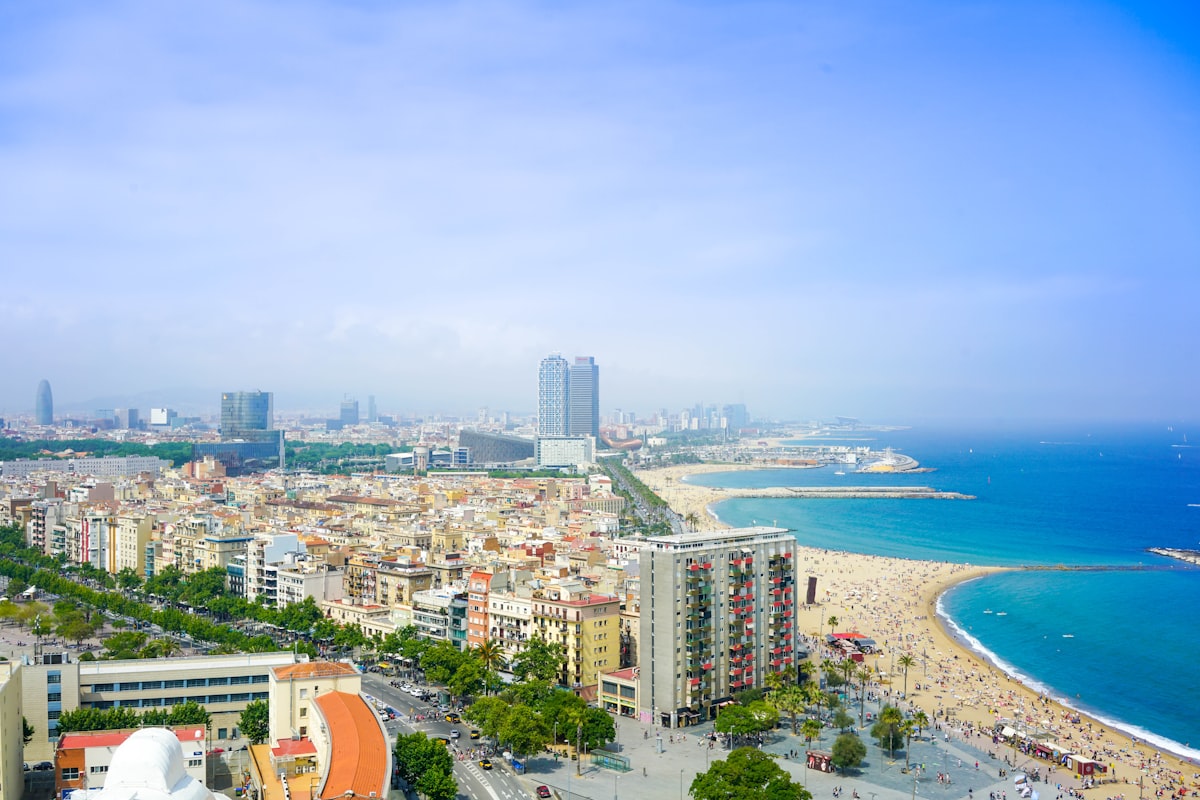
The beach is genuinely good. This isn't a "nice for a city" beach - the sand is clean, the water is Mediterranean-warm from June to October, and the promenade goes for 4km. Bring a towel and sunscreen and spend a proper afternoon.
Brunch culture doesn't really exist in Barcelona. If you want a proper sit-down breakfast with eggs, you'll find it at international-style cafes in El Born and the Eixample, but it's not a Barcelona thing. Embrace the counter coffee and croissant.
The Boqueria is a real market that serves real restaurants, not a tourist attraction - but the first three rows of stalls near the entrance are tourist-priced. Walk deeper in for the authentic experience and lower prices.
Ready to Visit Barcelona?
Get a personalized itinerary tailored to your travel style and interests.
Plan Your Barcelona Trip