
Barcelona
Things to Do
166 attractions, museums, and experiences
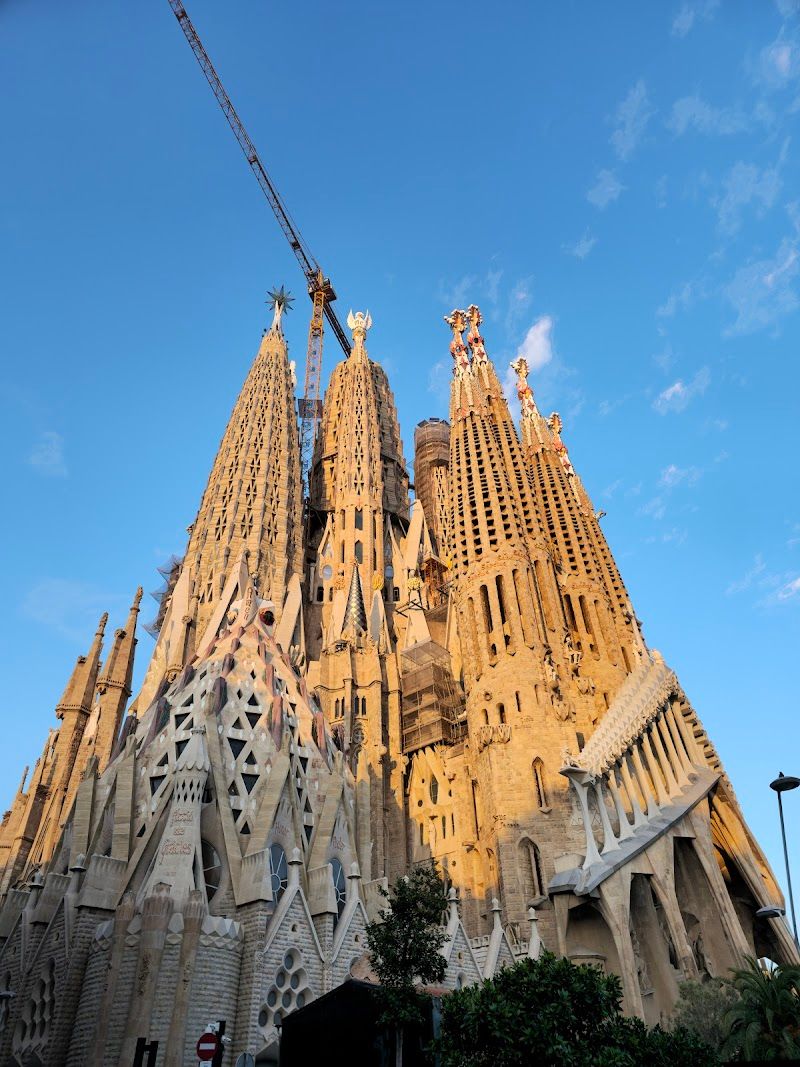
Sagrada Familia
Every photo you've seen of the Sagrada Familia is wrong. Not inaccurate - just incapable of capturing what happens when you walk inside and the morning light hits those columns. Gaudi designed the interior as a forest, and that's not a metaphor: the columns branch like trees, the light filters through stained glass like a canopy, and your neck hurts from looking up within thirty seconds. The exterior gets all the photos but the inside is the actual masterpiece. Book tickets online at least two weeks ahead - they sell out, and the guys outside offering "skip the line" are either scalpers charging triple or scammers selling nothing. The €26 basic entry is worth every cent. The €36 tower ticket adds a lift to either the Nativity or Passion tower - the Nativity tower has better views and more Gaudi detail, but both involve narrow spiral staircases on the way down that aren't great if you're claustrophobic or have bad knees. Timing matters more here than almost anywhere else in Barcelona. The eastern stained glass windows light up between 9-10 AM, turning the entire nave blue and green - it's the single most beautiful moment in the building. By 11 AM the light shifts and the crowds arrive. Late afternoon between 5-6 PM, the western windows go orange and red, which is equally stunning but harder to get tickets for. Midday is the worst time: flat light, maximum crowds, and you'll spend more time dodging selfie sticks than looking up. The construction has been going since 1882 and the completion date keeps slipping - 2026 was the target but don't count on it. The cranes and scaffolding are part of the experience at this point. The Nativity facade facing the park is Gaudi's original work - intricate, organic, covered in stone animals and figures. The Passion facade on the opposite side was finished by sculptor Josep Subirachs in a completely different angular style, and locals have been arguing about it since the 1980s. Walk around the full exterior before going in - it's free and takes 15 minutes, and you'll appreciate the inside more knowing what holds it all together.
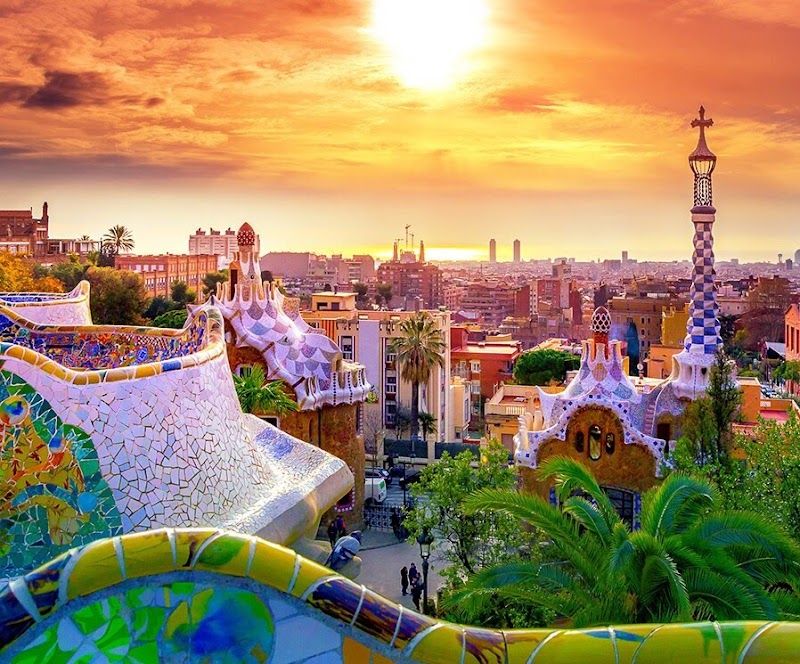
Park Guell
Park Güell is Gaudí's wonderland perched on a hill above Barcelona, where organic architecture meets playground fantasy. The paid Monumental Zone (€10, free under 6) contains the famous dragon salamander, the serpentine mosaic bench overlooking the entire city, and the forest of tilted columns in the Hypostyle Hall. You'll get sweeping views from the Mediterranean to Tibidabo, plus those Instagram shots everyone takes of the colorful trencadís mosaics. The experience flows from whimsical to surreal as you navigate Gaudí's curved pathways and gingerbread-house structures. Kids run wild on the undulating surfaces while adults marvel at how every surface seems to ripple and breathe. The crowds can be intense around the dragon, but once you reach the upper terrace with its famous wavy bench, Barcelona spreads out below you in a perfect panorama that makes the chaos worth it. Here's what most guides won't tell you: the free areas surrounding the Monumental Zone are genuinely beautiful and less crowded. The viaducts and walking paths cost nothing and still showcase Gaudí's organic style. Skip the overpriced Gaudí House Museum (€5.50) unless you're obsessed - it's his former residence but frankly unremarkable. Book timed entry online since they cap visitors at 400 per half hour, and don't bother with the audio guide - the park speaks for itself.
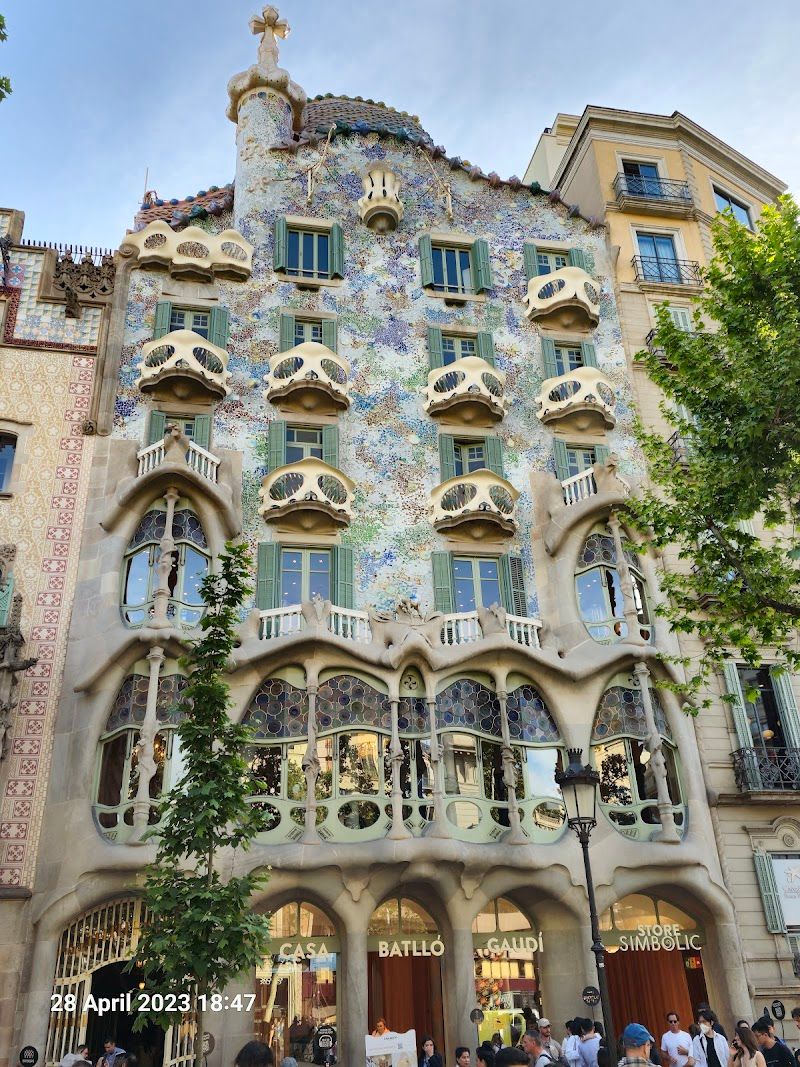
Casa Batllo
Casa Batlló is Gaudí's most fantastical residential redesign, where he transformed a conventional 1877 townhouse into something that looks alive. The facade ripples with bone-like balconies and scales that shift color in the light, while inside, every surface flows like water - doorways melt into walls, and staircases curve without a single straight edge. The blue-tiled light well creates an underwater atmosphere that changes as you climb from dark ocean depths to bright surface levels. Your visit flows upward through increasingly dramatic spaces. The main floor's undulating salon feels like being inside a sea cave, with skylights that cast dancing reflections. The attic's catenary arches create a ribcage effect that's genuinely striking, while the rooftop delivers Barcelona's most theatrical chimney pots - twisted, colorful sculptures that look like a dragon's spine. The audio guide's augmented reality features actually enhance rather than distract from the architecture. At €35 for adults, it's expensive but justified once you experience how completely Gaudí reimagined domestic space. Most visitors rush through to reach the famous rooftop, but the light well's color gradation is equally impressive and often overlooked. Book online to avoid queues - walk-up tickets cost the same but you'll waste time waiting. The gift shop is overpriced even by Barcelona standards.
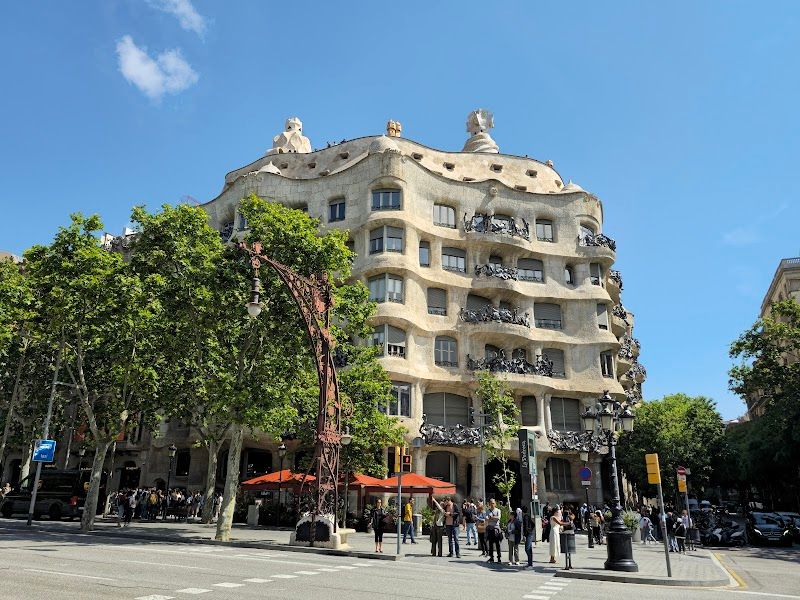
La Pedrera (Casa Mila)
Casa Milà is Gaudí's final apartment building and his most radical departure from straight lines - the entire facade ripples like water, with wrought-iron balconies that look like tangled seaweed. You'll explore a recreated 1910 bourgeois apartment (complete with period furniture and servant quarters), the undulating attic with its cathedral-like arches, and the rooftop where 30 sculptural chimneys rise like armored sentinels. The audio guide explains Gaudí's engineering genius, from the innovative ventilation system to the load-bearing walls that eliminated the need for interior supports. The visit flows upward through increasingly surreal spaces. The apartment feels lived-in rather than museum-sterile, with Art Nouveau details in every door handle and light fixture. The attic's white parabolic arches create an almost spiritual atmosphere - this is where Gaudí's structural innovations become pure art. The rooftop finale delivers Barcelona's best 360-degree views, framed by those otherworldly chimneys that change personality depending on the light. At €25 for adults, it's expensive but less crowded than Casa Batlló and more architecturally significant. Skip the €7 audio guide upgrade - the free version covers everything important. The gift shop is overpriced tourist trap, but the rooftop cafe serves decent coffee with unbeatable views. Summer evening visits (€34) include cava and projection mapping on the chimneys - genuinely magical if you don't mind the premium.
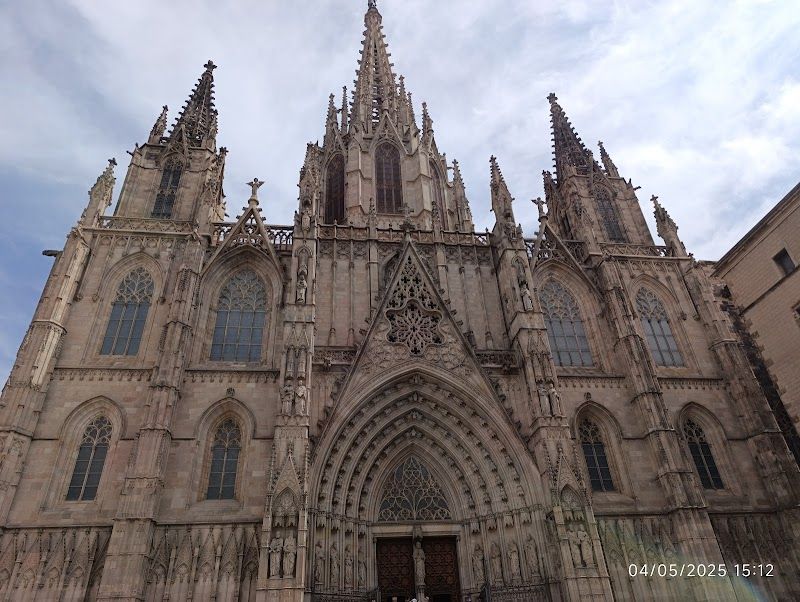
Barcelona Cathedral
Most visitors to Barcelona's Gothic Quarter pass by the Cathedral of the Holy Cross and Saint Eulalia on their way to the Sagrada Familia. That's their loss. This is the medieval original: a more peaceful destination, where you can actually hear yourself think inside. The Gothic nave with its soaring ribbed vaults dates to the 13th century. Unlike the Sagrada Familia, there's no Gaudi razzle-dazzle here. Instead, you'll find 700 years of stone, shadow, and the particular silence that old churches create. Free entry is available before 12:30 PM and after 5:15 PM. The €9 tourist ticket, which includes access from 12:30 PM to 5:15 PM, also grants entry to the choir stalls, the rooftop terrace, and the small museum. The rooftop alone is worth visiting: you can take a lift up for €3.50 and enjoy a view across Gothic Quarter rooftops, the spires of the cathedral, and on clear days, out to the sea. This popular spot is often empty, making it an even more appealing experience for those looking for quiet time. The cloister is the best part of the building and many people never find it. A doorway on the right side leads to a courtyard with palm trees, a mossy fountain, and 13 live white geese - a unique tribute to Saint Eulalia's martyrdom at age 13. The geese have been present since medieval times and honk indignantly at those walking past. A peaceful moment awaits you in the cloister, especially during morning light between 9-10 AM, when you're unlikely to find anyone else around. Don't confuse this with Santa Maria del Mar in El Born (also worth visiting) or Santa Maria del Pi nearby. There are several Gothic churches in Barcelona. This is the main one - the seat of the Archbishop, home to the geese, and the one you should visit first.
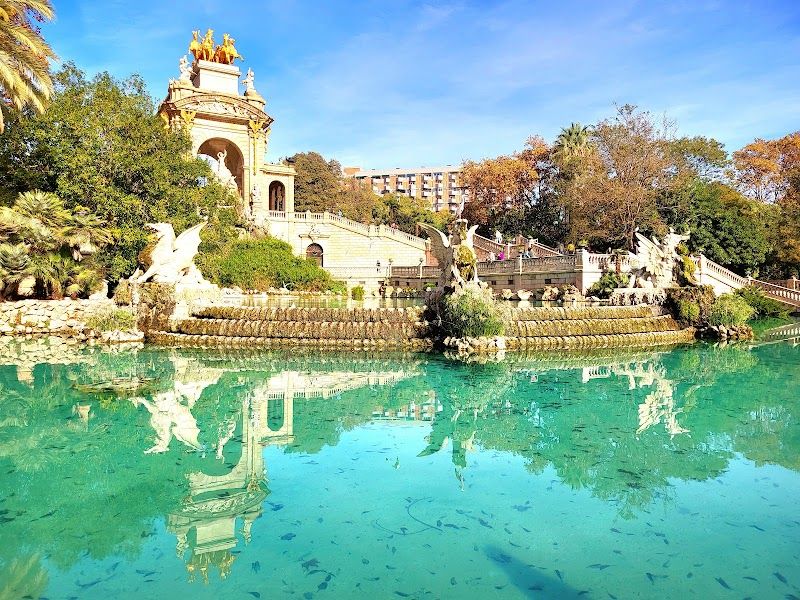
Parc de la Ciutadella
Parc de la Ciutadella is Barcelona's most beloved green space, built on the ruins of an 18th-century military fortress that locals despised. The star attraction is the monumental Cascada fountain, where a young Gaudí helped design the waterworks before he became famous. You'll find rowboats circling a peaceful lake, the impressive Arc de Triomf entrance, and the city zoo sprawling across one section. The Catalan Parliament occupies a grand building here, and several excellent museums border the grounds. Weekends transform this place into Barcelona's unofficial town square. Drummers gather near the fountain creating impromptu concerts, families spread blankets everywhere for epic picnics, and street performers work the crowds. The atmosphere feels authentically local rather than touristy. You'll hear more Catalan than English, watch kids feed ducks while parents chat on benches, and see teenagers practicing guitar under palm trees. The paths wind past tropical plants and sculptures, with plenty of shade when the Mediterranean sun gets intense. Most guides oversell the zoo (€21.40, skip unless you're with kids) and undersell the simple pleasure of people-watching. The fountain area gets packed on sunny weekends, so head to the quieter northern section near the geology museum if you want space. Rowboat rental costs €6 for 30 minutes and books up fast on Sundays. The park works brilliantly as a picnic spot after hitting nearby Boqueria market.
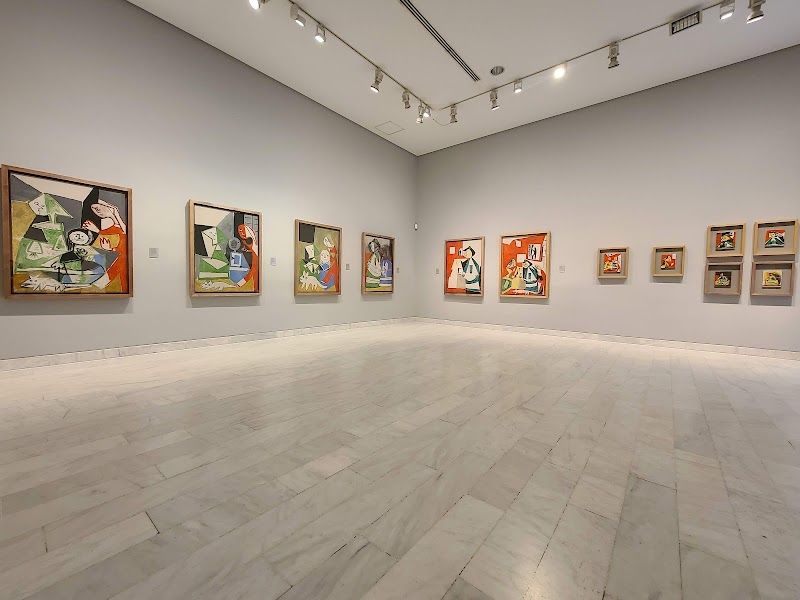
Picasso Museum
Five connected medieval palaces on Carrer de Montcada - one of the most beautiful streets in Barcelona - housing over 4,200 works that trace Picasso's evolution from teenage prodigy to the artist who broke art open and rebuilt it. If you're expecting Guernica, that's in Madrid. What you get here is arguably more interesting: the formative years, the Blue Period, and the Las Meninas series - Picasso's 58 obsessive reinterpretations of the Velazquez masterpiece that take up an entire room and show you how a genius thinks through a problem. The buildings themselves are part of the experience. The five palaces date to the 13th-15th centuries, with stone courtyards, carved staircases, and medieval ceilings that most museums would charge admission for on their own. Carrer de Montcada was Barcelona's most prestigious address in the Middle Ages, and the architecture hasn't changed much - walking from palace to palace feels like moving through centuries. The €12 entry is fair for what you get. Free admission on Thursday evenings from 4-7 PM, but the queue forms by 3 PM and the rooms get packed - worth it if you're patient and don't mind elbows. Book online any other time to skip the ticket queue; the security queue is separate and moves fast. Budget 90 minutes for the permanent collection, maybe 2 hours if the temporary exhibition on the top floor is good (they often are, and they're included in the ticket). The collection is strongest in the early rooms - the academic drawings Picasso made as a teenager in Malaga and Barcelona are almost unsettlingly precise, and they make the later cubist work land differently because you can see he didn't break the rules from ignorance. He mastered them first, then systematically demolished them. The Science and Charity painting, done at age 15, could hang in any classical museum. Knowing what came after makes it fascinating rather than merely impressive.
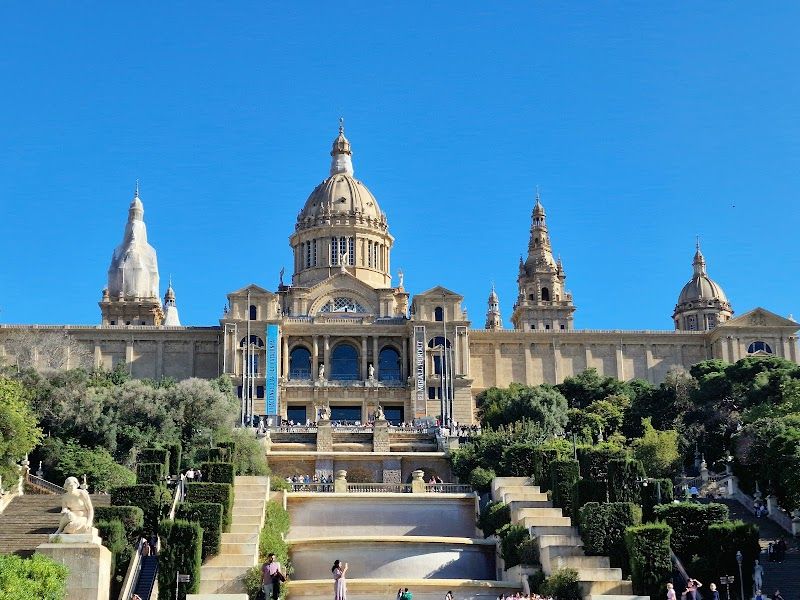
Museu Nacional d'Art de Catalunya
MNAC houses Europe's most comprehensive collection of Romanesque frescoes, dramatically displayed in recreated church apses that make you feel like you're standing in medieval Catalonia. The Gothic collection includes stunning altarpieces, while the modern art section covers Catalan masters like Gaudí sketches and early Picasso works. The building itself - the grand Palau Nacional built for the 1929 World's Fair - rivals any museum in Europe with its soaring domes and marble halls. You'll start in the basement with the Romanesque frescoes arranged in dimly lit galleries that recreate the original church settings where these 11th-century masterpieces once lived. The flow takes you chronologically upward through Gothic halls filled with golden altarpieces, then Renaissance works, before ending with 19th and 20th-century Catalan art. The rooftop terrace breaks up the visit perfectly - most people stumble upon it accidentally and end up spending 20 minutes just staring at the view. Most guides oversell the entire collection - focus on the Romanesque frescoes (genuinely world-class) and skip the coin collection entirely. Entry costs €12, but Saturday afternoons after 3pm are free, making it ridiculously crowded then. The modern art section disappoints compared to Barcelona's other offerings, but the building's architecture makes even mediocre galleries worth walking through.
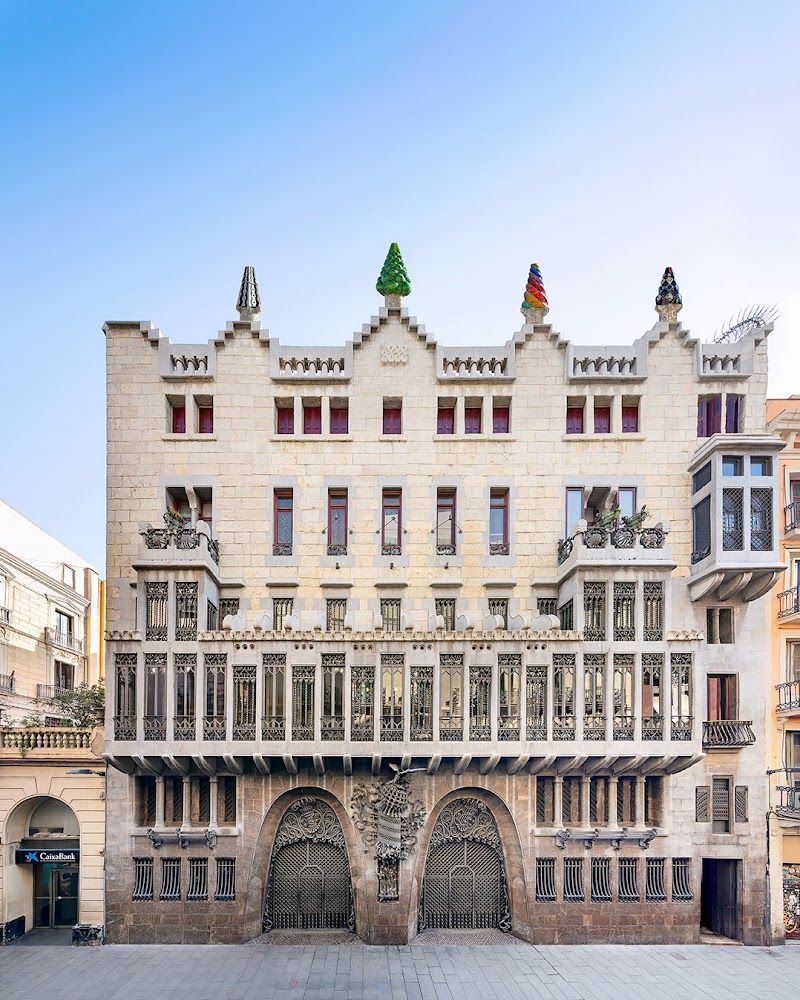
Palau Güell
Palau Güell showcases Gaudí's genius before he became world-famous, built as a private residence for his biggest patron between 1886-1888. You'll explore rooms where Catalan nobles once entertained, featuring soaring ceilings, intricate metalwork, and Gaudí's signature parabolic arches. The showstopper is the central hall with its dome pierced by tiny holes that create a starry sky effect, plus those famous rooftop chimneys covered in trencadís mosaics. The visit flows upward through increasingly impressive spaces. You start in the ground-floor stables with mushroom-shaped columns, climb through family rooms with dark wood and stained glass, then reach the dramatic central salon where concerts once echoed off stone walls. The rooftop delivers the Instagram moment everyone's after - those colorful chimney sculptures look like abstract art against Barcelona's skyline. Audio guides keep you moving at a good pace through seven floors. Most people rush through to get to the famous chimneys, but the real magic happens in those middle floors where you see Gaudí solving practical problems with wild creativity. At €12 for adults (€9 for students), it's cheaper than Sagrada Família and far less crowded. Skip the overpriced café in the basement and spend your time on the noble floor - those ceiling details are what separate this from typical Barcelona tourist traps.
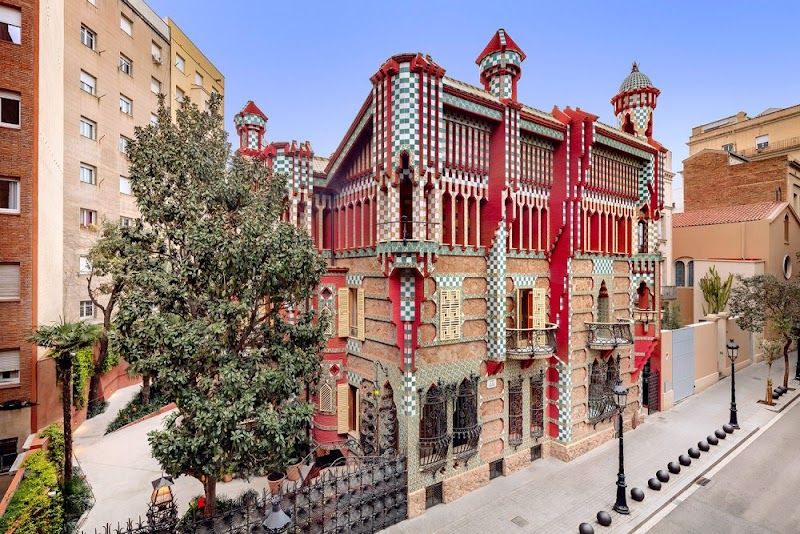
Casa Vicens
Casa Vicens is where Gaudí's genius first emerged in 1885, showing none of the flowing curves he'd become famous for but packed with intricate Moorish tiles, wrought iron palmetto leaves, and a facade that shifts from red brick to green and white ceramics. You'll walk through the actual rooms where the Vicens family lived for over a century, seeing original furnishings, hand-painted ceilings, and Gaudí's obsession with natural motifs in every decorative detail. The small smoking room with its papier-mâché ceiling of ivy and jasmine flowers is breathtaking. The self-guided audio tour takes you through four floors, starting in the basement where interactive displays explain Gaudí's influences, then up through the restored living spaces that feel surprisingly intimate. The highlight is stepping onto the main floor balcony where you're surrounded by those famous ceramic tiles depicting marigolds and palmetto leaves - it's like being inside a jewel box. The garden, though much smaller than the original, gives you perspective on how the house fits into Gràcia's narrow streets. At €16 for adults, it's fairly priced compared to Sagrada Família's €26, and you actually get to explore freely without being herded around. Most people rush through in 45 minutes, but spend the full hour-plus - the devil's in the details here. Skip the expensive gift shop and focus on the first-floor rooms where Gaudí's decorative work is most concentrated.
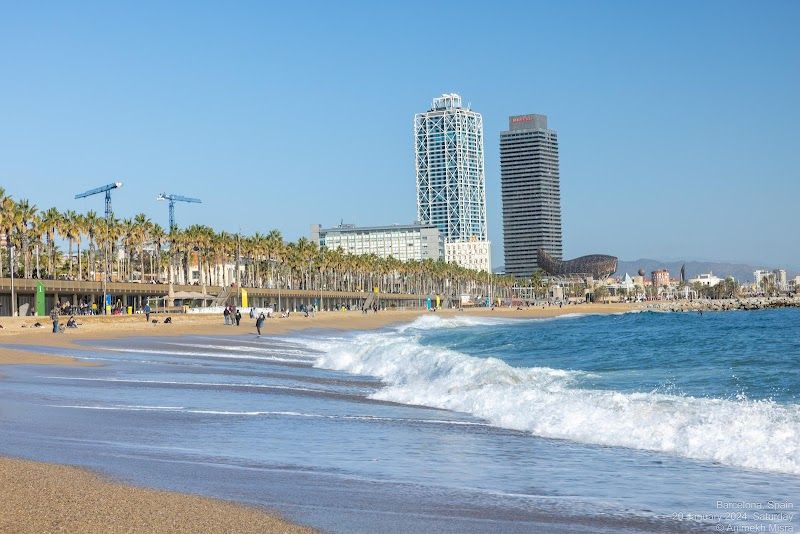
Platja de la Barceloneta
Platja de la Barceloneta stretches 1.1km of genuine Mediterranean coastline right in Barcelona's center, where you can swim in surprisingly clean waters while looking back at the city skyline. The beach fills with locals playing volleyball, families building sandcastles, and groups sharing massive paellas from the beachside chiringuitos - these casual restaurants serve decent seafood paella for around €15-18 per person. You'll find proper facilities including showers, toilets, and lifeguards stationed every few hundred meters along the shore. The atmosphere shifts dramatically throughout the day - mornings belong to joggers and early swimmers, while afternoons bring intense sun and packed sand where finding space becomes a strategic game. The promenade buzzes with street vendors selling cold drinks (€2-3) and the sound of waves mixing with multiple languages creates an authentically international beach vibe. By evening, the chiringuitos transform into proper dining spots where locals linger over cava and grilled fish. Most guides won't mention that the northern end near the W Hotel gets significantly less crowded and has better sand quality - the central sections can feel like a human zoo in summer. Skip the overpriced beach clubs and stick to the public chiringuitos like Xiringuito Escribà for better value. The playground areas are genuinely well-designed for kids, but avoid weekends in July and August unless you enjoy sardine-can beach experiences.
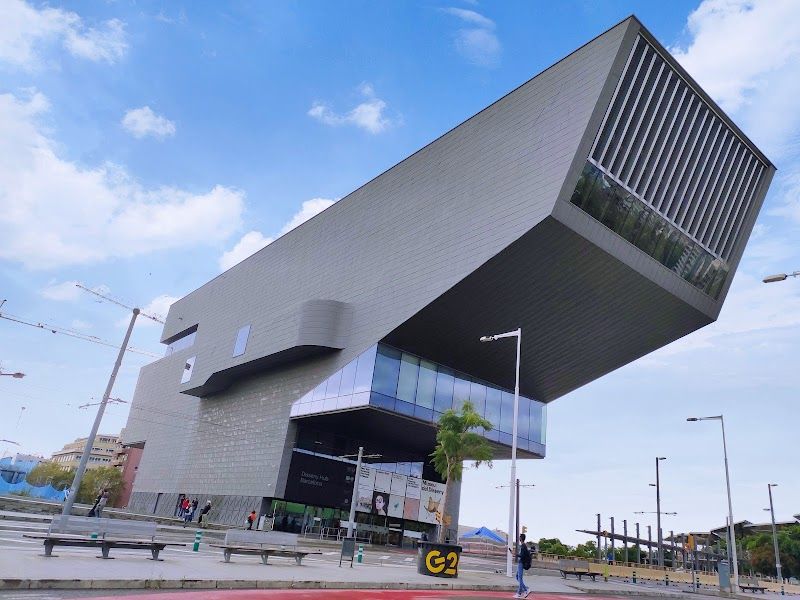
Disseny Hub Barcelona
Disseny Hub Barcelona houses Europe's most comprehensive design collection, with 70,000 objects spanning ceramics, textiles, furniture, and graphic design from medieval times to today. You'll find everything from 12th-century Islamic ceramics to contemporary fashion pieces by local designers, plus rotating exhibitions that make design history interesting. The building itself is worth the visit; a copper-clad structure that looks like a folded origami sculpture dropped into the middle of Plaça de les Glòries. The permanent collection flows across multiple floors, starting with decorative arts (the medieval ceramics are genuinely impressive) before moving through industrial design, fashion, and graphic design. The fashion section showcases pieces from Custo Dalmau and Palomo Spain alongside international names, while the graphic design floor traces Barcelona's poster art evolution. The spaces are airy and well-lit, with interactive displays that let you zoom into textile details or flip through design sketches on digital screens. At €6 for adults (€4.20 reduced), it's good value compared to Barcelona's pricier museums. Most visitors rush through, but you need at least 2-3 hours to appreciate the breadth properly. Skip the ground floor shop as it is overpriced tourist stuff, and head straight to the fourth floor first when it is less crowded. The temporary exhibitions are often more engaging than the permanent collection, so check what's running before you go.
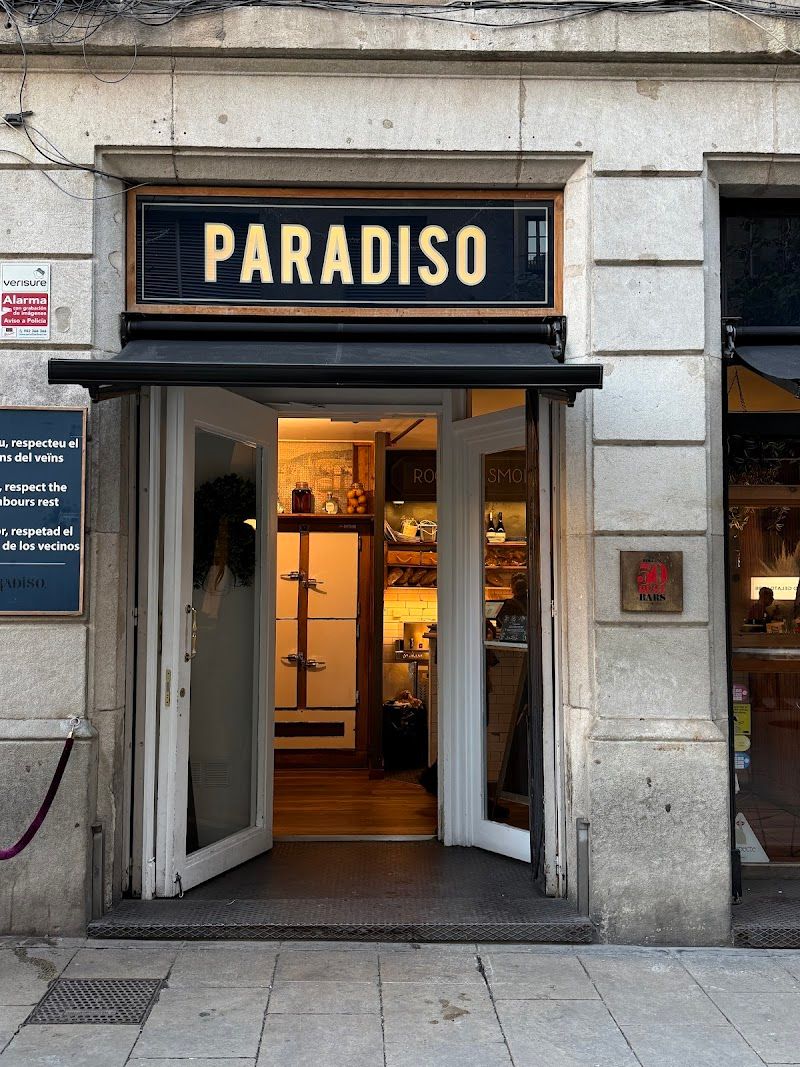
Paradiso
Hidden behind a pastrami bar's refrigerator door, this award-winning speakeasy is ranked among the World's 50 Best Bars. The inventive cocktails feature house-made ingredients and theatrical presentation, with a lush interior that evokes a tropical paradise.
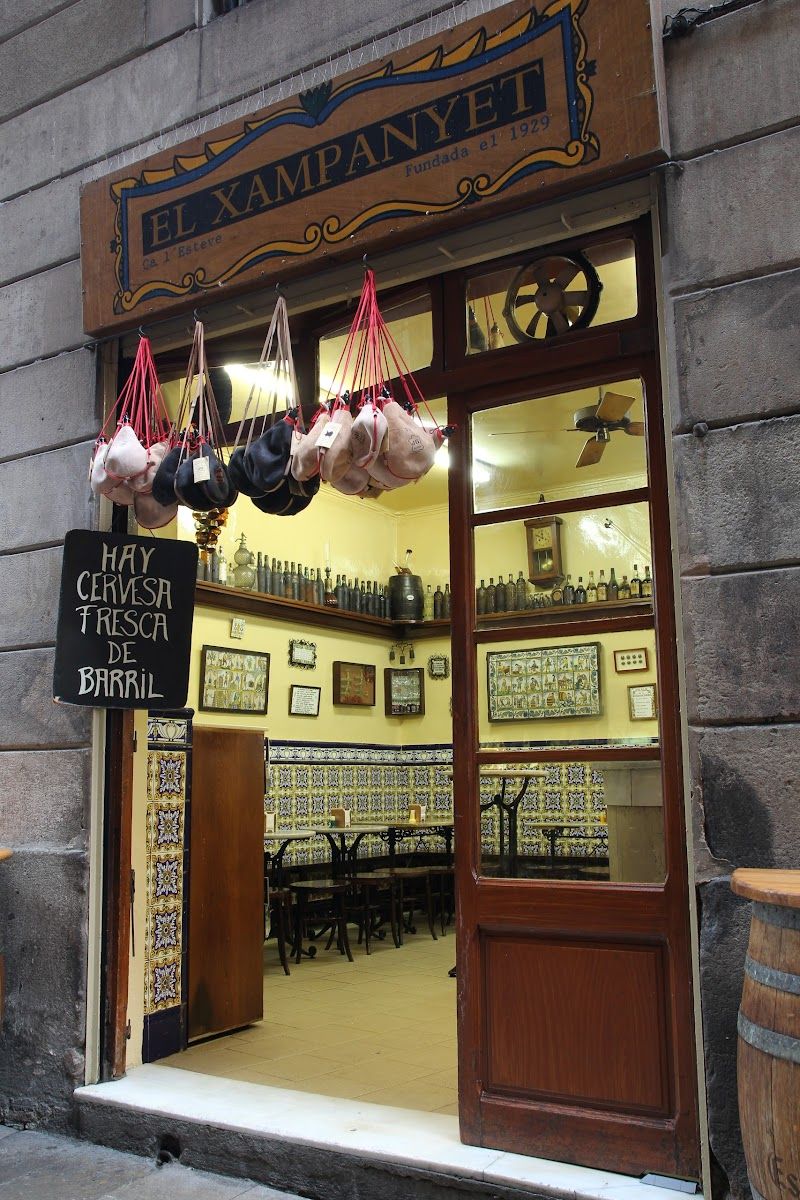
El Xampanyet
Century-old tapas bar with colorful tiled walls and marble tables, famous for its house cava served from porcelain taps. The anchovies in vinegar, pan con tomate, and potato bombes are simple but perfectly executed. Cash only and standing room fills up fast.
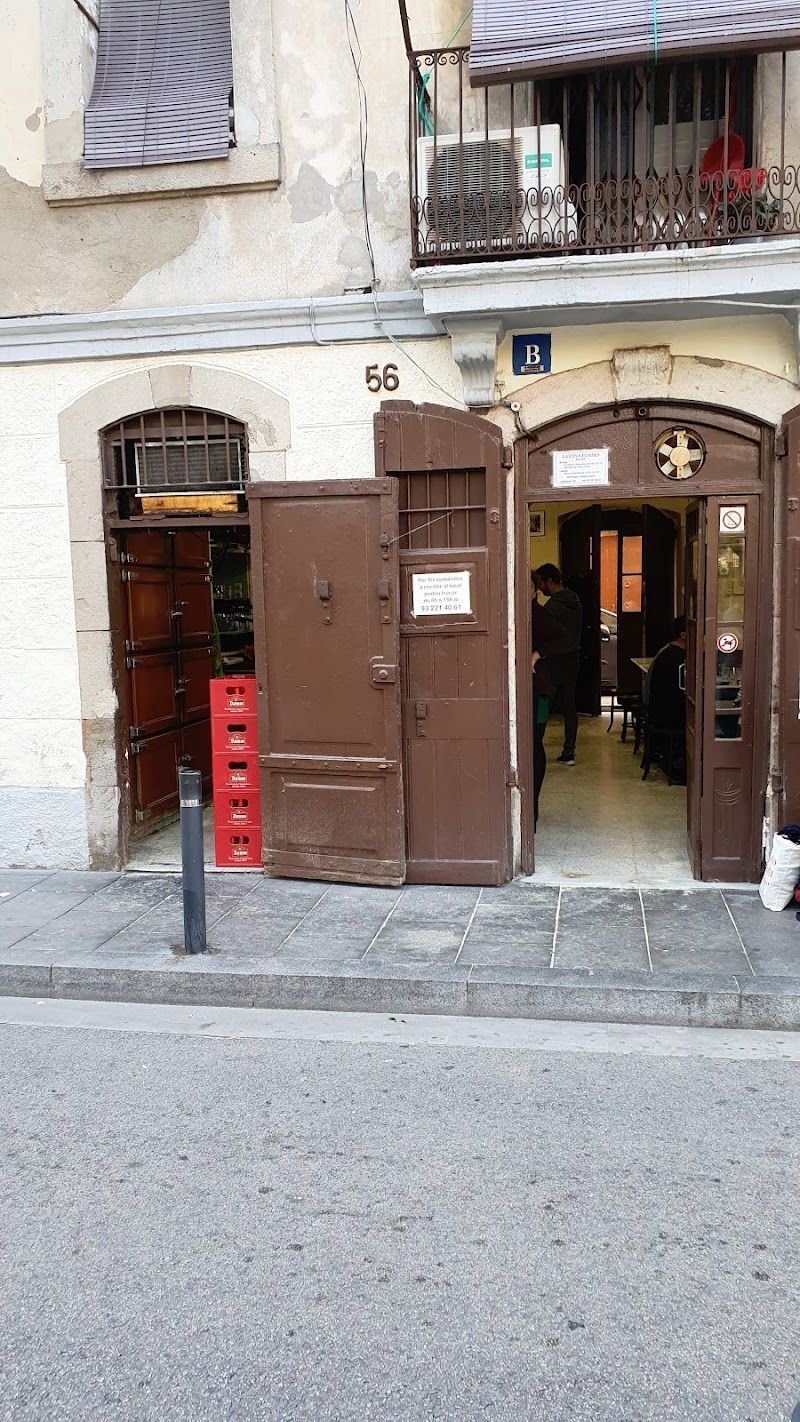
La Cova Fumada
Tiny neighborhood bar credited with inventing the bomba—a fried potato ball stuffed with meat and topped with aioli and spicy sauce. The grilled sardines and chickpeas with pine nuts are equally beloved by locals who've been coming for decades. Expect to stand and wait.
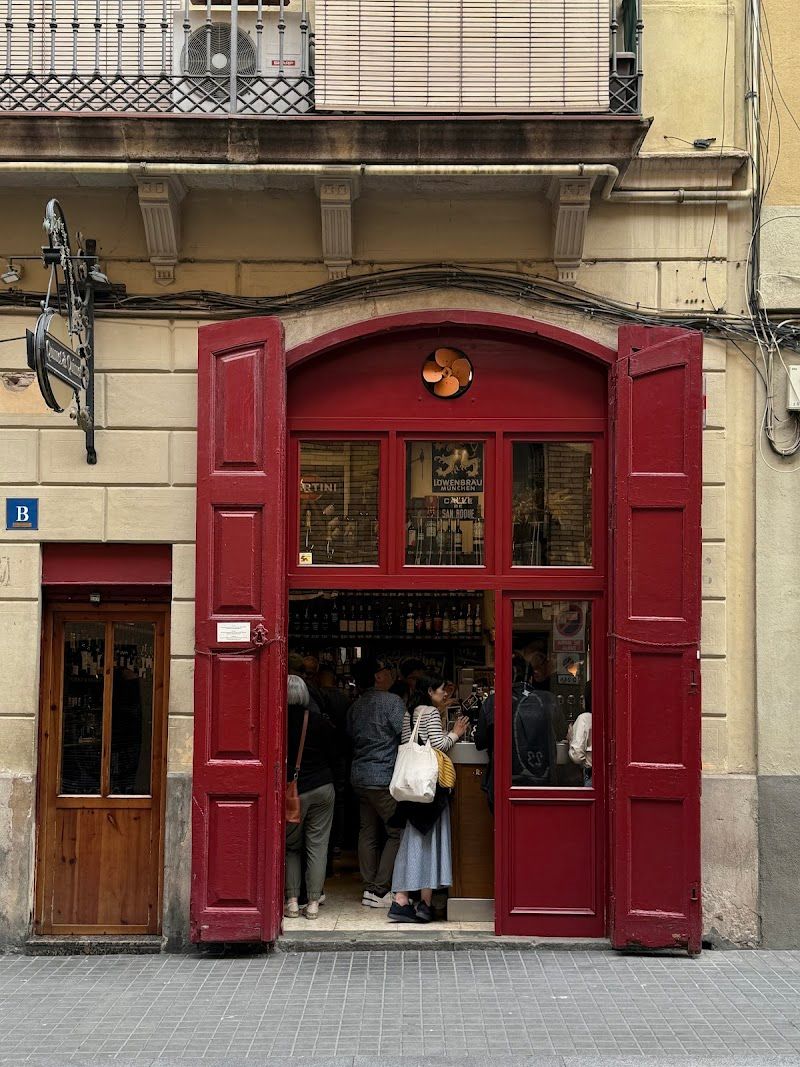
Quimet & Quimet
Standing-room-only tapas bar legendary for creative montaditos topped with conservas, smoked fish, and caviar. The tiny space is packed floor to ceiling with wine bottles, and the walls are covered with yellowed newspaper clippings. Fourth-generation family-run with encyclopedic wine knowledge.
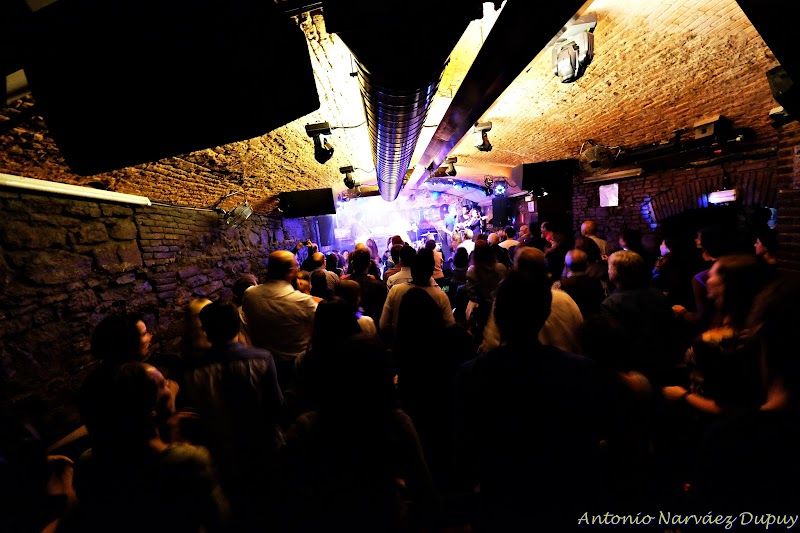
Jamboree Jazz Club
Located in medieval stone vaults beneath Plaça Reial, this iconic jazz club has hosted legends like Chet Baker and Bill Coleman since 1960. After the jazz sets end around midnight, it transforms into a club playing funk, soul, and hip-hop until dawn.
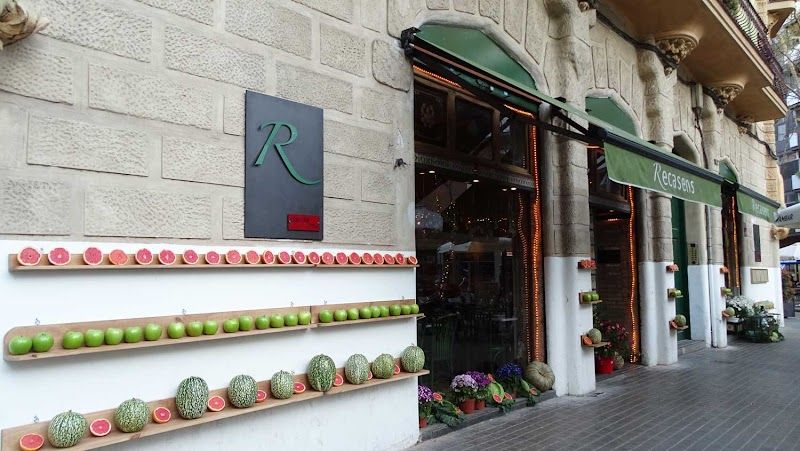
Can Recasens
Historic family-run tavern serving traditional Catalan cuisine since 1965. The walls are covered with vintage tiles and the menu features house specialties like bacallà (salt cod) and homemade vermouth. This is an authentic neighborhood gem frequented by locals who have been coming here for generations.
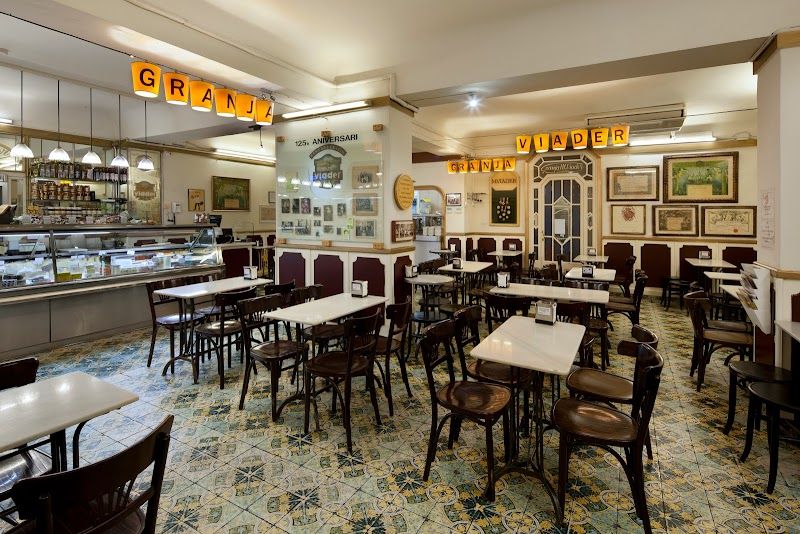
Granja Viader
This 1870 family-run granja claims to have invented Cacaolat, Catalunya's beloved chocolate milk drink. The marble tables and vintage mirrors create an authentic time-capsule atmosphere where locals still queue for thick hot chocolate with churros or the famous mel i mató dessert.
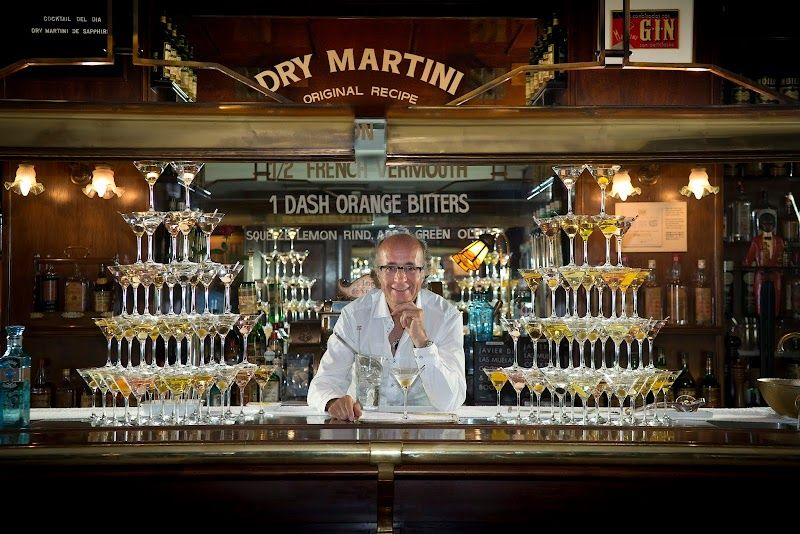
Dry Martini
Founded in 1978, this legendary cocktail bar is helmed by expert bartenders who craft perfect martinis and classic cocktails with surgical precision. The elegant, wood-paneled interior feels like a gentleman's club, with over 80 gins and a serious approach to mixology that has influenced Barcelona's entire cocktail scene.
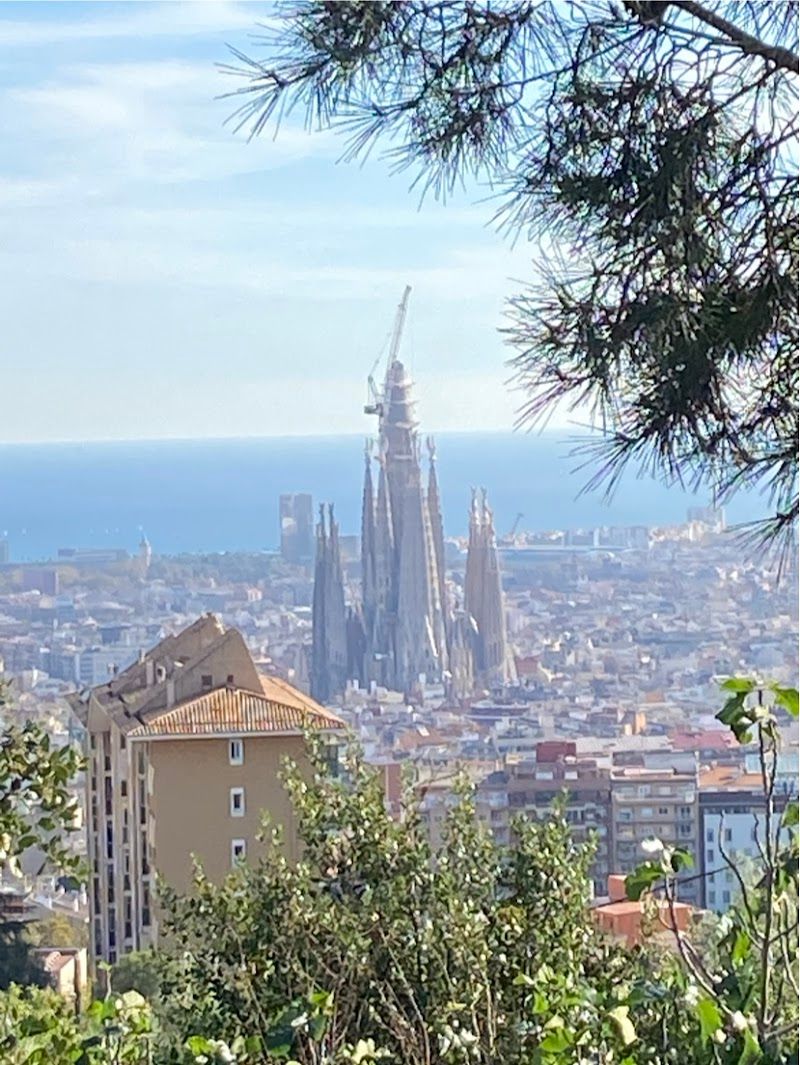
Bunkers del Carmel
These concrete ruins on Turó de la Rovira hill were anti-aircraft gun positions built during the Spanish Civil War to defend Barcelona from fascist bombing raids. Today they're the city's best free viewpoint, offering unobstructed 360-degree views across Barcelona - you'll see the Sagrada Familia, Torre Agbar, the Gothic Quarter's spires, and the Mediterranean stretching to infinity. It's where locals gather at sunset with beers and wine, creating an impromptu outdoor party atmosphere that beats any rooftop bar. The climb up from the nearest bus stop takes about 15 minutes on steep, winding paths through scrubland that feels surprisingly wild for being in the city. Once you reach the bunkers, you're standing on chunky concrete platforms where cannons once sat, now occupied by couples sharing bottles of cava and groups of friends with portable speakers. The sunset crowd arrives early and claims the best spots - the western-facing platforms fill up fast, while the eastern side stays quieter. Most travel guides don't mention that the walk up is genuinely challenging if you're not in decent shape, and there's zero shade once you're at the top. Summer evenings can stay crowded until nearly midnight, while winter sunsets offer the same views with half the people. Don't bother with the overpriced drinks at the bottom of the hill - grab supplies from any supermarket for a fraction of the cost.
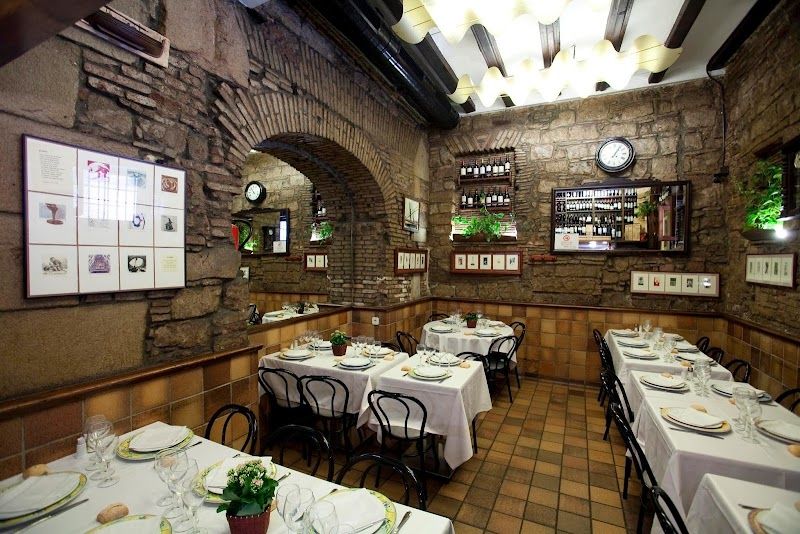
Cal Pep
Standing-room-only seafood institution where chef Pep serves impeccably fresh fish, prawns, and clams from the open kitchen. The energy is frenetic, the turnover is fast, and the quality is consistently outstanding. No reservations for the bar, which is where the action is.
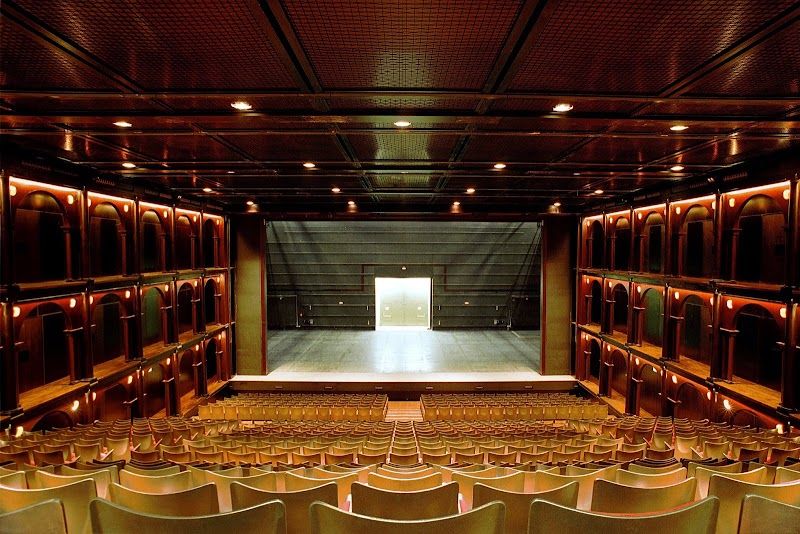
Teatre Lliure
Teatre Lliure occupies a stunning 1929 agricultural cooperative building that's been transformed into Barcelona's most respected independent theater. You'll experience cutting-edge Catalan productions alongside international works in two intimate spaces - the larger Fabià Puigserver hall (285 seats) and the smaller Espai Lliure (100 seats). The theater champions contemporary drama, experimental works, and bold reinterpretations of classics, with shows running entirely in Catalan and Spanish. The moment you enter, the preserved industrial architecture strikes you - exposed brick walls, soaring ceilings, and original cooperative details create an atmospheric backdrop. The lobby buzzes with Barcelona's cultural crowd before shows, and the theaters themselves feel refreshingly intimate compared to the city's grander venues. Between acts, you can explore the small exhibitions about the building's agricultural past and the theater's 40-year history. Tickets range from €18-35 depending on the production and seating, which is reasonable for this caliber of theater. Most tourists skip Teatre Lliure entirely since shows aren't in English, but if you speak Spanish or Catalan, it's infinitely more rewarding than the touristy flamenco shows. Book directly through their website rather than third-party sites - they often release last-minute discounted seats two hours before curtain.
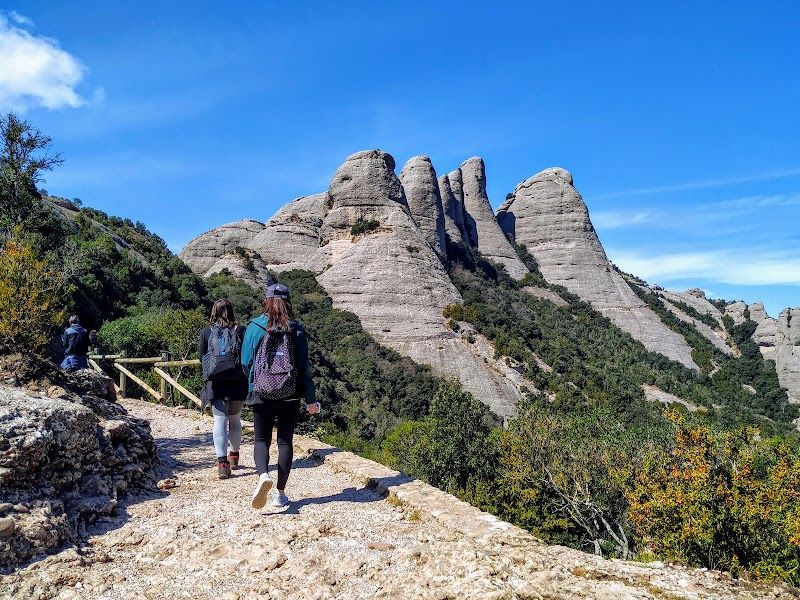
Montserrat Tour & Hiking Experience
Half-day excursion to Montserrat mountain including rack railway journey, visit to the Black Madonna basilica, and guided hike to Sant Jeroni peak at 1,236 meters. The route passes rock formations and hermitages with panoramic views to the Pyrenees.
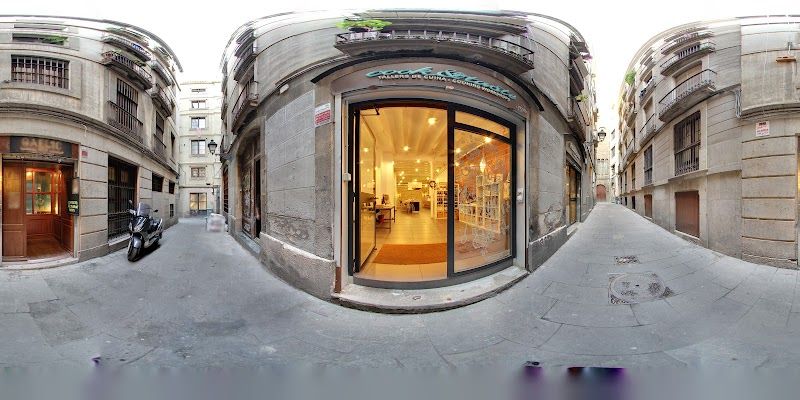
Cook & Taste Barcelona
Hands-on paella and tapas cooking class in a professional kitchen near La Boqueria market. Start with a market tour to select ingredients, then prepare four dishes including authentic Valencian paella over an open flame.
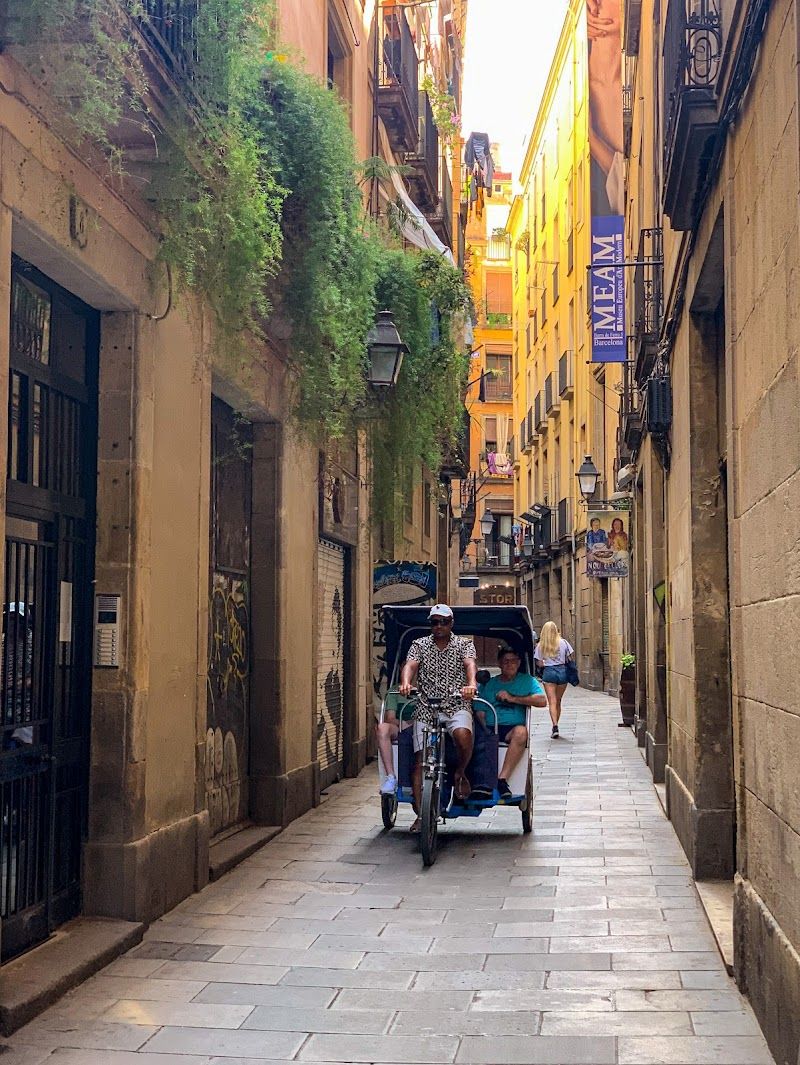
Carrer de Montcada
This medieval street in El Born preserves some of Barcelona's finest Gothic and Renaissance palaces, built by merchant families in the 13th-15th centuries. Several palaces now house the Museu Picasso, while others contain galleries and cultural spaces. The narrow stone-paved street with its noble facades offers a glimpse into medieval Barcelona's wealthy merchant class.
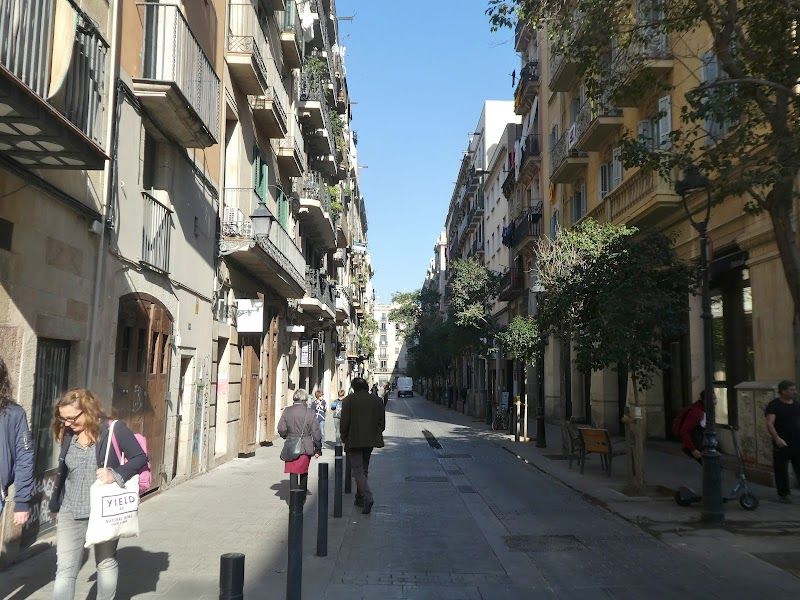
Carrer del Rec
A narrow medieval street in El Born that has become the neighborhood's fashion and design corridor. Independent boutiques sell everything from handmade jewelry to vintage furniture and local designer clothing. The street follows the path of a medieval irrigation channel.
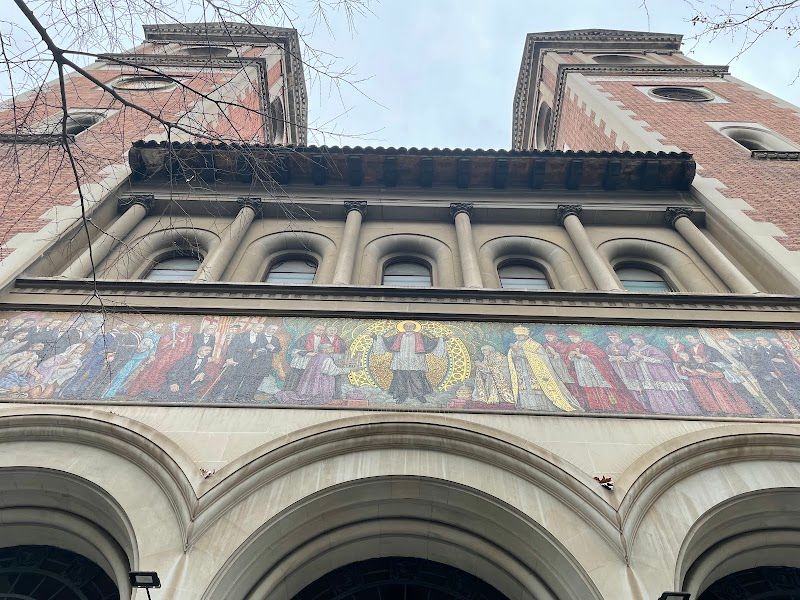
Antica Esquerra de l'Eixample
Authentic Catalan restaurant serving traditional home-style cooking in a cozy, unpretentious setting. Known for their excellent cannelloni, botifarra amb mongetes, and seasonal dishes that showcase local ingredients at very reasonable prices.
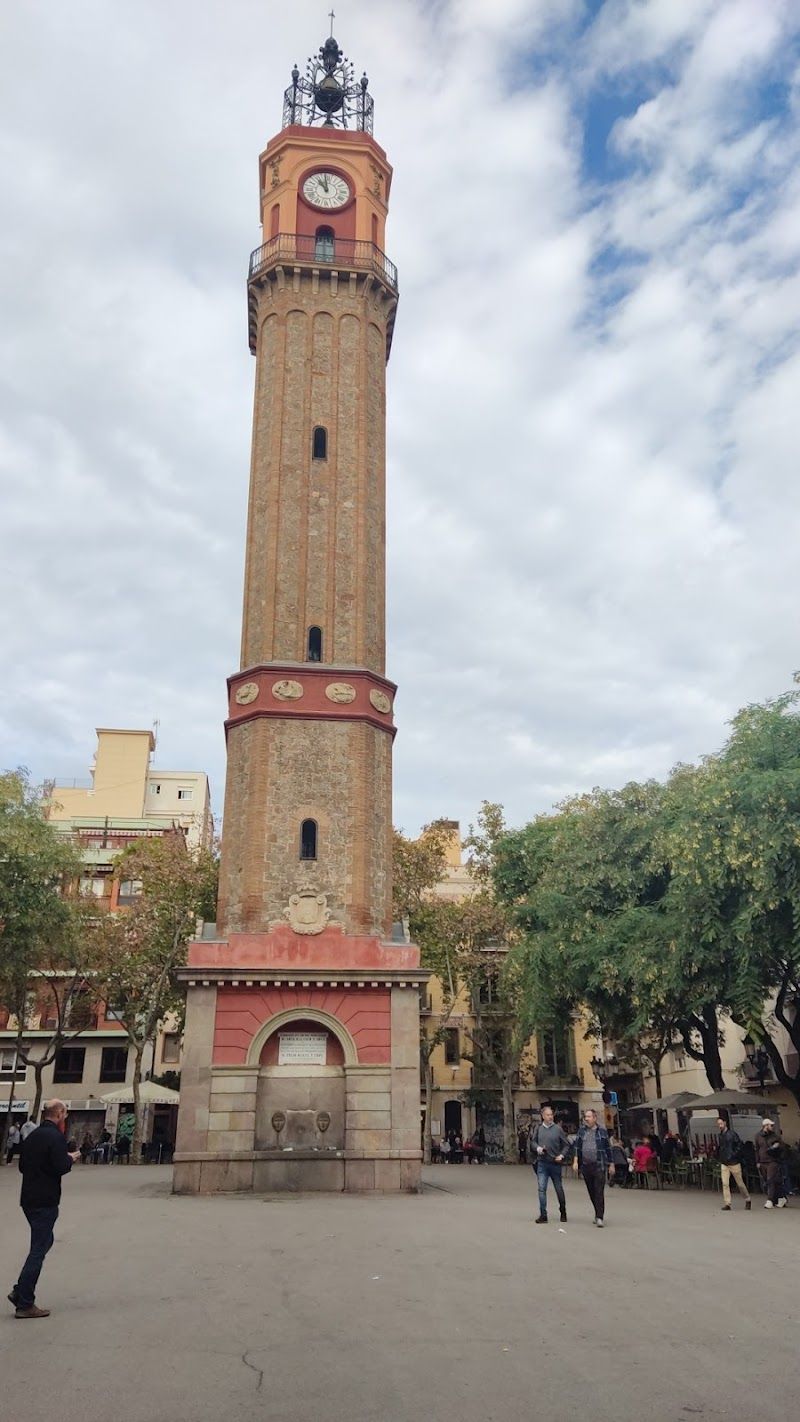
Plaça de la Vila de Gràcia
Gràcia's historic main square features a distinctive clock tower dating from 1862 and is surrounded by cafés with outdoor terraces under the plane trees. This pedestrian square hosts the neighborhood's famous August festival, Festa Major de Gràcia, and serves as a meeting point for locals year-round. The architecture reflects Gràcia's village origins before Barcelona absorbed it.
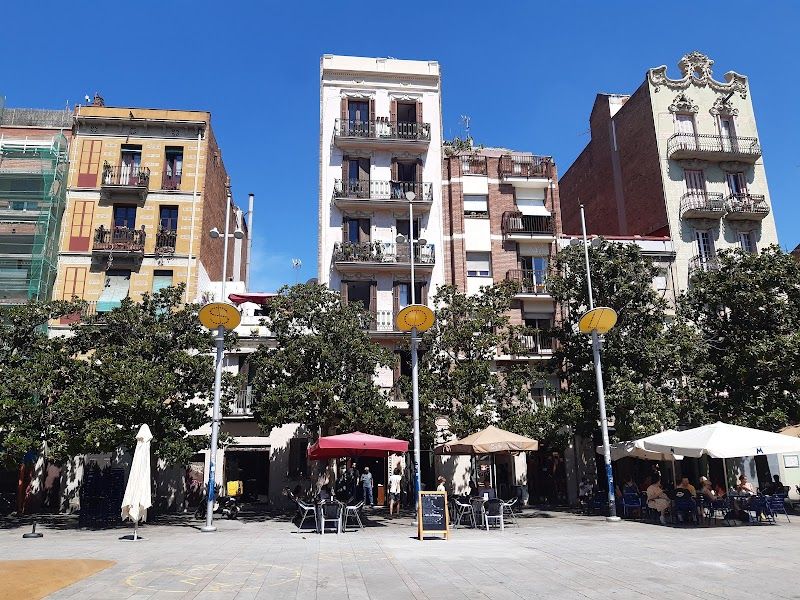
Plaça del Sol
The social heart of Gràcia neighborhood, surrounded by indie shops, vintage stores, and artisan boutiques on radiating streets. The square itself is a gathering place for locals, with a bohemian atmosphere that has attracted creatives for decades. Small galleries and concept stores line Carrer de Verdi and surrounding lanes.
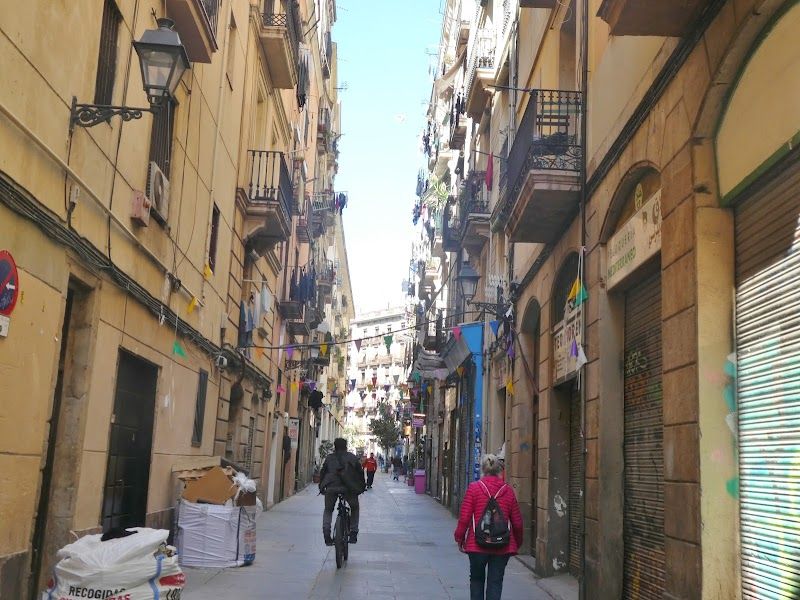
Carrer de la Riera Baixa
El Raval's vintage and second-hand clothing street, packed with stores selling everything from 1970s denim to designer consignment pieces. The narrow pedestrian lane has a counter-culture vibe with record shops and alternative fashion boutiques. Street art covers many walls between the shops.
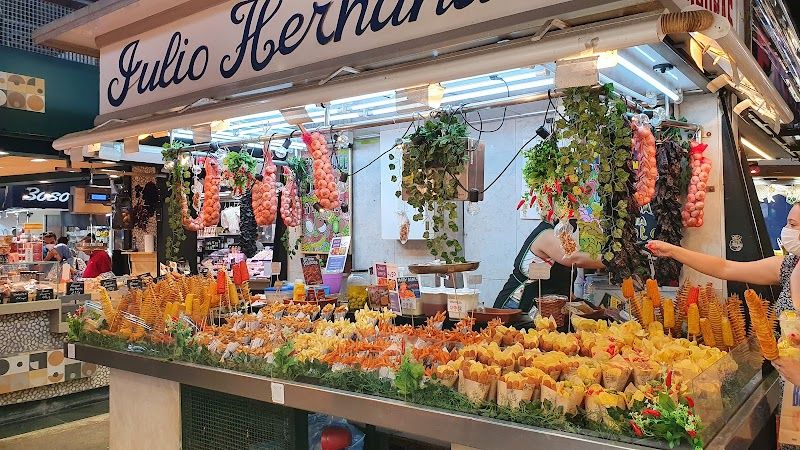
Boqueria Market & Tapas Tour
This isn't your typical tourist market walk-through. You'll spend two hours with a guide who actually knows the vendors at La Boqueria, tasting jamón ibérico that costs €45/kg retail, aged Manchego, and surprisingly good oysters from the fish section. The second half takes you to three nearby tapas bars where your guide orders dishes that aren't on any English menu - think grilled razor clams, house-made morcilla, and whatever the kitchen recommends that day. The market portion moves fast since you're tasting, not shopping. Your guide stops at maybe six stalls, explaining why this jamón costs triple what the tourist stalls charge and letting you try three different Manchego ages. The atmosphere shifts completely once you hit the tapas bars - suddenly you're standing shoulder-to-shoulder with locals who've been coming here for decades, drinking vermouth and eating things you can't pronounce. Most food tours in Barcelona are overpriced tourist traps, but this one actually delivers. Expect to spend around €65-75 per person depending on the company, and you'll genuinely eat well. Skip the afternoon tours entirely - by 2pm La Boqueria turns into a photo-op circus and the good tapas bars are slammed. The guide makes all the difference here, so book with smaller companies that cap groups at 8-10 people maximum.
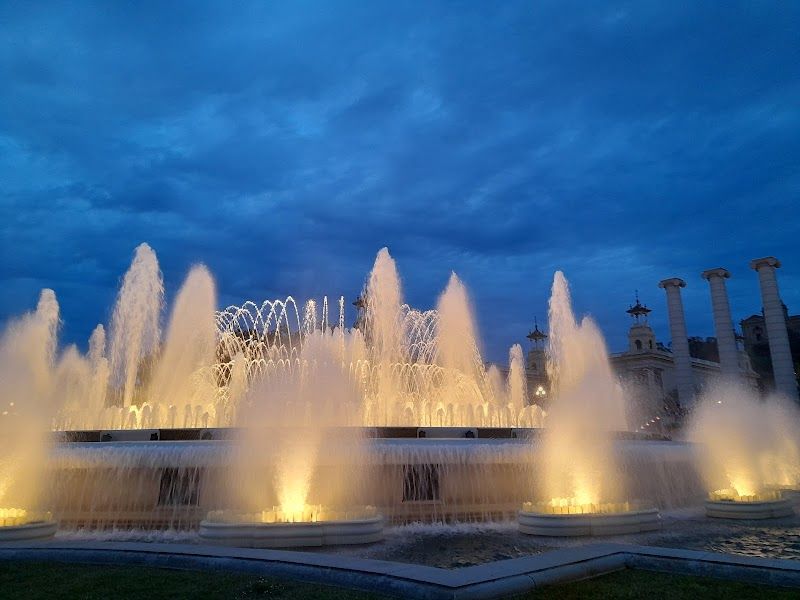
Montjuïc Sunset & Magic Fountain Night Tour
This three-hour evening tour combines Barcelona's best sunset spot with its most spectacular free show. You'll take the cable car up Montjuïc hill to catch golden hour views from the 17th-century castle, then walk through the Olympic Ring where the 1992 Games transformed the city. The finale is the Magic Fountain's 15-minute choreographed display - jets of water dancing to music while colored lights create a proper spectacle that draws crowds every weekend. The cable car ride gives you sweeping views across the port and city as you ascend, and the castle offers genuinely stunning panoramas over Barcelona's grid system and coastline. Walking through the Olympic sites feels like a history lesson - you'll see Palau de la Música Catalana and the athletics stadium while your guide explains how '92 changed everything. The fountain show itself is surprisingly moving, with classical music synchronized to water choreography that reaches 50 meters high. Most tours rush the castle portion, but that's actually the highlight - the fountain show, while impressive, lasts just 15 minutes and you can easily see it on your own for free. The cable car costs €13.20 each way if you go solo, so tours around €45-55 offer decent value if you want the commentary. Skip this entirely from November to February when the fountain's closed - the sunset views are still there, but half the experience disappears.
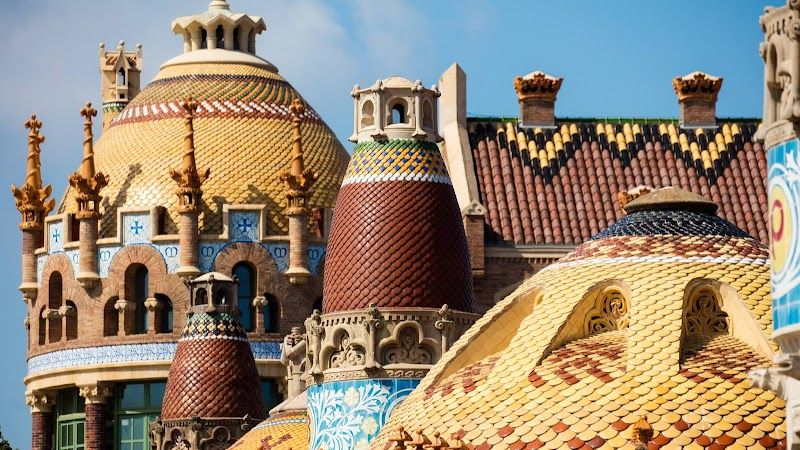
Recinte Modernista de Sant Pau
This sprawling hospital complex showcases Lluís Domènech i Montaner's vision of healing through beauty - 12 ornate pavilions connected by underground tunnels, each dedicated to different medical specialties. You'll wander through rooms lined with ceramic mosaics, stained glass windows, and sculptural details that make Casa Batlló look restrained. The operating theater in the Sant Rafael pavilion still has original surgical equipment, while the administration building houses temporary exhibitions about modernist architecture. It's essentially a small modernist city that actually functioned as Barcelona's main hospital until 2009. The self-guided route takes you through restored pavilions where patients once recovered surrounded by art nouveau masterpieces. Underground passages connect the buildings - originally designed so patients wouldn't see other medical cases, now they provide dramatic architectural reveals. The gardens between pavilions offer breathing space, and you'll often have entire rooms to yourself, unlike the shoulder-to-shoulder experience at Park Güell. The audio guide (included) explains the therapeutic philosophy behind decorating a hospital like a palace. Most visitors rush through in 45 minutes, but you need at least 90 minutes to appreciate the details. Entry costs €15 (€11 for students), and morning visits mean better light for photos through those stained glass windows. Skip the gift shop - it's overpriced postcards. The real value here is experiencing world-class modernist architecture without fighting crowds, something increasingly rare in Barcelona.
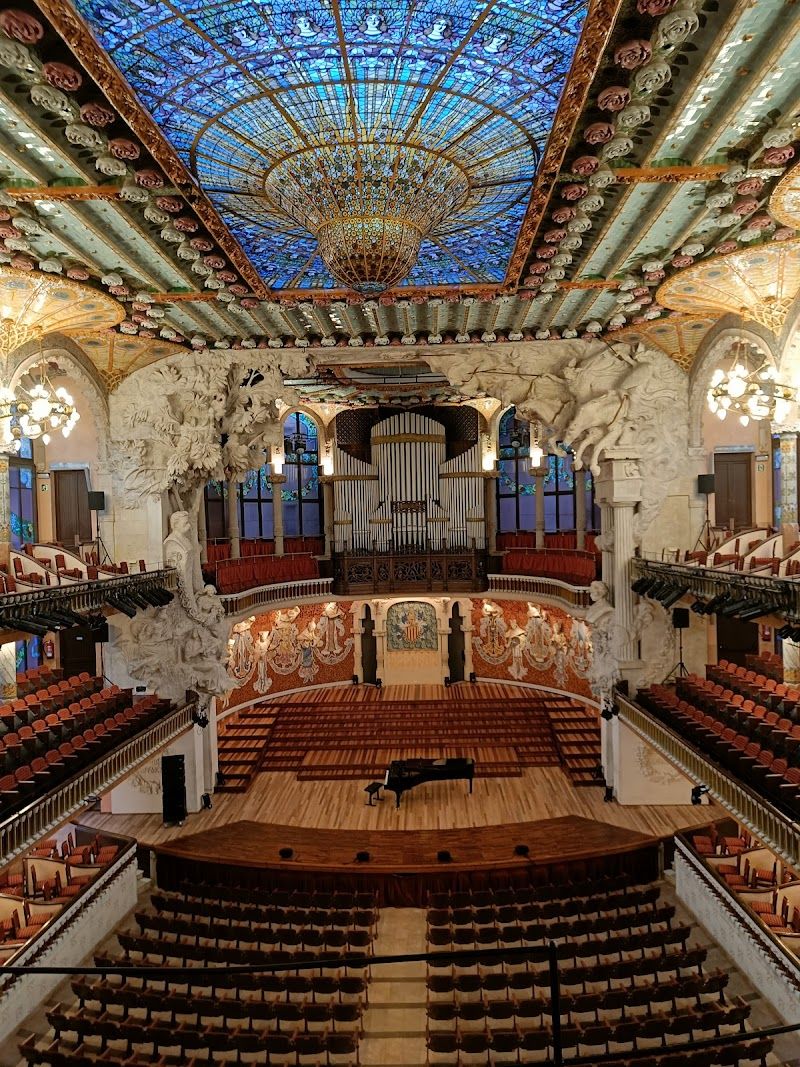
Palau de la Música Catalana
This 1908 modernista masterpiece by Lluís Domènech i Montaner remains the world's only concert hall lit entirely by natural light. The main auditorium explodes with color - an inverted stained glass dome crowns the space while mosaic columns spiral up like palm trees. Sculptural muses seem to burst from the stage backdrop, and every surface displays intricate tilework and carved stone. You'll tour backstage areas, the stunning rehearsal hall, and learn why UNESCO calls this architectural jewelry box irreplaceable. The 50-minute guided tours move through intimate spaces where you can actually touch the tilework and examine the craftsmanship up close. The revelation comes when you enter the main hall - most visitors gasp audibly as that incredible skylight comes into view. The acoustics are perfect even when empty, and guides often demonstrate by singing a few notes. Natural light filters through stained glass creating an almost ethereal atmosphere that changes throughout the day. Guided tours cost €20 and run every 30 minutes, but they're often rushed and crowded. The self-guided audio option (€15) lets you linger in the main hall as long as you want, which is crucial for photography. Skip the expensive concert tickets unless you're genuinely interested in the music - you'll see everything spectacular on the tour. Book morning slots when the light is best and crowds are thinner.
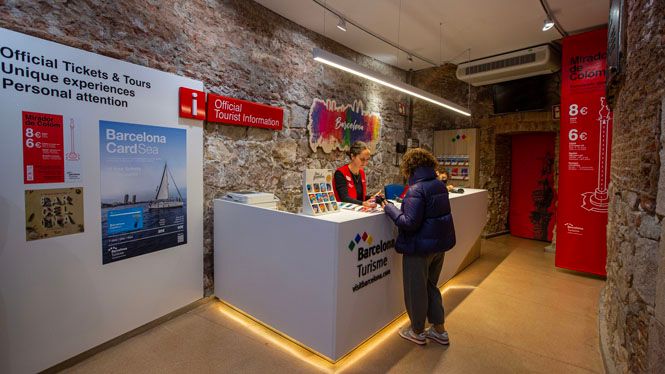
Mirador de Colom
This 60-meter iron column topped with Columbus pointing seaward gives you Barcelona's most central aerial view. The tiny elevator carries just six people up to a circular viewing platform that looks directly over Port Vell's marina, across to Barceloneta beach, and down into the medieval streets of the Gothic Quarter. It's the only viewpoint where you can see how the old city connects to the harbor - something that's impossible to grasp from street level. The experience is quick but satisfying. You'll queue briefly at the base (unless it's peak summer), then squeeze into what feels like the world's smallest elevator for a 30-second ride up. The viewing platform is compact with thick glass panels, so expect to shuffle around other visitors to get clear shots. The perspective is genuinely helpful - you can trace Las Ramblas stretching inland, spot the cathedral's spires, and understand how Barcelona's grid system works beyond the old town. At €6, it's reasonable compared to Barcelona's other paid viewpoints, though the experience lasts maybe 15 minutes total. Most travel guides oversell this as essential, but honestly, if you're doing Park Güell or Sagrada Familia, skip it. However, if you're spending your time in the old city and want a quick orientation tool, it delivers exactly what it promises without pretense.
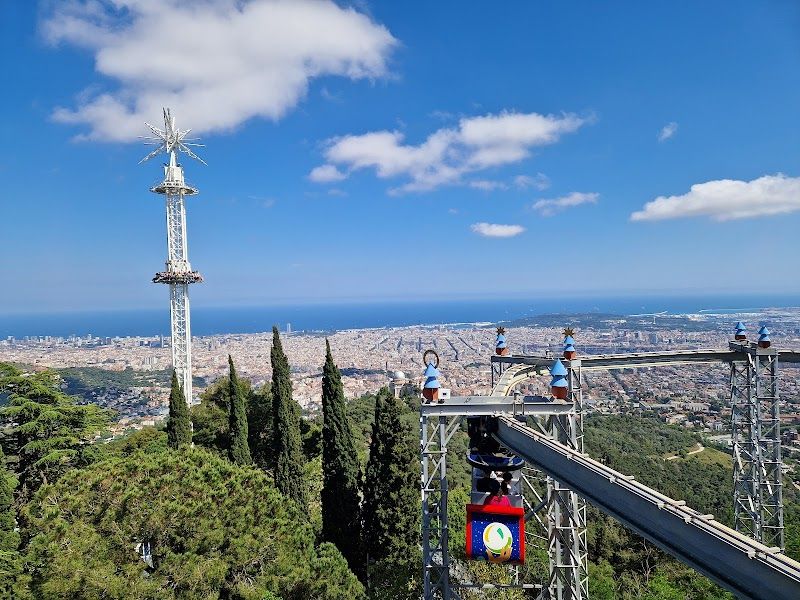
Tibidabo Amusement Park
Tibidabo sits 512 meters above Barcelona, making it Europe's most dramatically positioned amusement park. You'll find a fascinating mix of century-old mechanical rides alongside modern roller coasters, plus the towering Sagrat Cor basilica that dominates Barcelona's skyline. The real draw isn't just the rides - it's the sweeping views across the entire city, Mediterranean coastline, and Pyrenees mountains on clear days. The park feels like stepping back in time, especially on the vintage wooden Airplane ride from 1928 that still creaks and sways as it spins. The historic Ferris wheel and carousel maintain their original charm, while newer attractions like the Pendulum provide modern thrills. The atmosphere is distinctly nostalgic rather than flashy - families picnic between rides, and the pace feels relaxed compared to typical theme parks. The basilica looms overhead, and you can climb its tower for even more spectacular panoramas. Most guides don't mention that ride prices vary wildly - individual tickets cost €2-8 each, making the Sky Walk pass (€28.50) worthwhile if you plan to do more than four attractions. Skip the overpriced restaurant and bring snacks instead. The park often closes sections during weekdays in low season, so check the website before traveling up the mountain. Sunset visits are magical but remember the last funicular down leaves at 9:30pm.
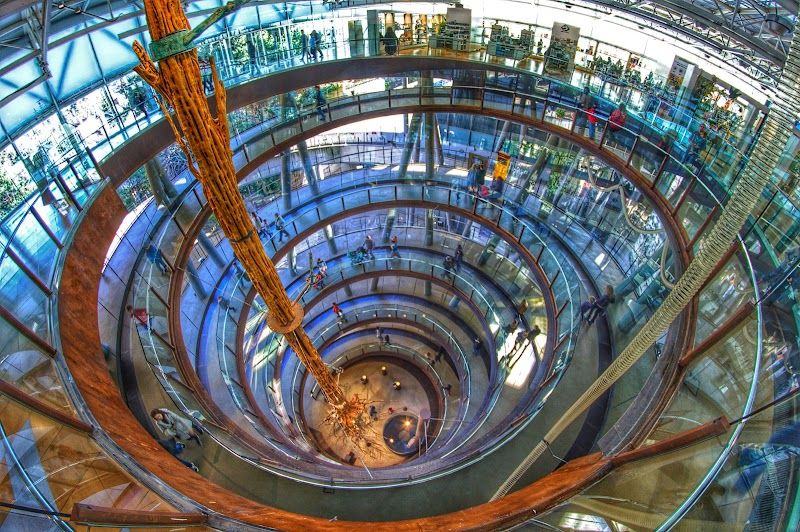
Cosmocaixa Barcelona
CosmoCaixa isn't your typical push-button science museum. The centerpiece is a genuine 1,000-square-meter slice of Amazon rainforest complete with 100 species of plants, free-roaming birds, caimans, and poisonous frogs behind glass barriers you can walk right up to. The flooded forest section recreates a real ecosystem where you'll watch piranhas swim beneath massive cecropia trees while tropical birds fly overhead. Beyond the rainforest, the geological wall traces Earth's history through actual rock formations, and the Matter Room lets you experiment with pendulums, optical illusions, and wave machines that actually teach physics concepts. The experience flows downward through the building's spiraling architecture, starting with temporary exhibitions on the top floor before descending into the permanent collections. The rainforest feels genuinely immersive - humid air, bird calls, and the smell of wet earth make you forget you're in a museum. Kids press their faces against glass barriers watching caiman barely move while colorful birds dart between branches above their heads. The physics section gets crowded with families, but the hands-on experiments actually work and demonstrate real scientific principles rather than flashy gimmicks. Adults pay €6, kids under 16 get in free, and the BCN transport card knocks off €1. Most visitors spend too long in the physics area and rush the rainforest - do the opposite. The planetarium costs extra (€4) and honestly isn't worth it unless you're killing time. Weekend mornings bring school groups and families, so aim for weekday afternoons if you want to linger in the Amazon section without dodging strollers.
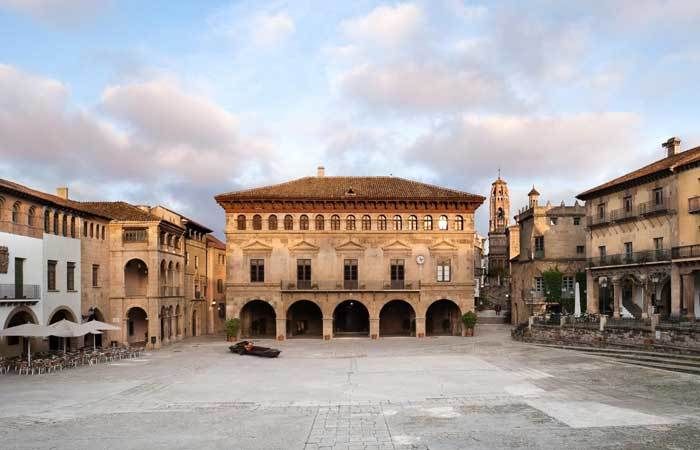
Poble Espanyol
Poble Espanyol is Spain in miniature, cramming 117 authentic buildings from across the country into one walkable village on Montjuïc hill. You'll stroll from Andalusian white-washed courtyards to Basque stone houses to Galician granite structures, all full-scale reproductions built for Barcelona's 1929 World's Fair. Live artisans work in glass-blowing studios, pottery workshops, and leather shops - you can watch them craft pieces and buy directly from the makers. The village flows like a real Spanish town, with narrow medieval streets opening onto sun-drenched plazas where kids run around fountains. The architecture genuinely transports you - one minute you're in a Castilian castle courtyard, the next in a Catalan farmhouse patio. Street musicians often play in the squares, and the mix of families, tourists, and working craftspeople gives it an authentic community feel rather than a sterile museum atmosphere. Most guides oversell this as essential Barcelona, but it's actually perfect for families with kids who need space to roam and adults interested in Spanish regional architecture. Skip the overpriced restaurants inside - the food's mediocre tourist fare. The evening ticket after 8pm costs just €7.20 (versus €14.40 during the day) and the lighting transforms the village into something magical. Prioritize the artisan quarter where the real craftspeople work.
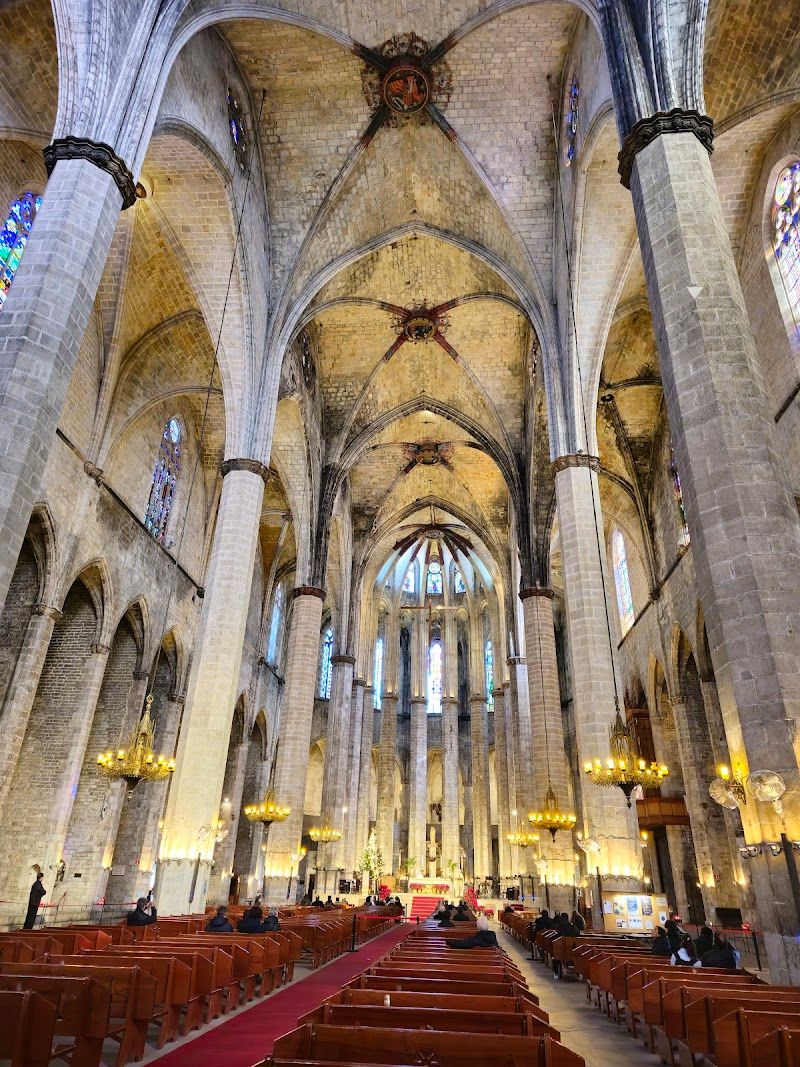
Basílica de Santa Maria del Mar
Santa Maria del Mar is a prime example of Catalan Gothic architecture, built by the medieval maritime community of Barcelona between 1329-1383. The interior displays mathematical precision, with three perfectly proportioned naves supported by octagonal columns that appear highly slender for their height. These columns were made from stone quarried from Montjuïc and transported through the city, often carried by shipbuilders who considered this church their personal cathedral. Walking inside feels like entering a stone forest where light filters down from 30-meter-high clerestory windows. The acoustics are notable, with even whispers carrying across the space. Unlike the Sagrada Familia's elaborate decoration, this church achieves its power through restraint and geometry. The ambulatory behind the altar allows you to circle the entire space, and you'll notice how the columns create different perspectives from every angle. Most visitors spend 15 minutes taking photos and leave, missing the true experience. The free entry allows you full access to the church, but paying €10 to climb to the roof transforms your visit. You'll walk across the actual stone vaults and emerge onto terraces with unobstructed views over El Born's medieval streets. Visit early morning when the light streams through the eastern windows at the perfect angle.
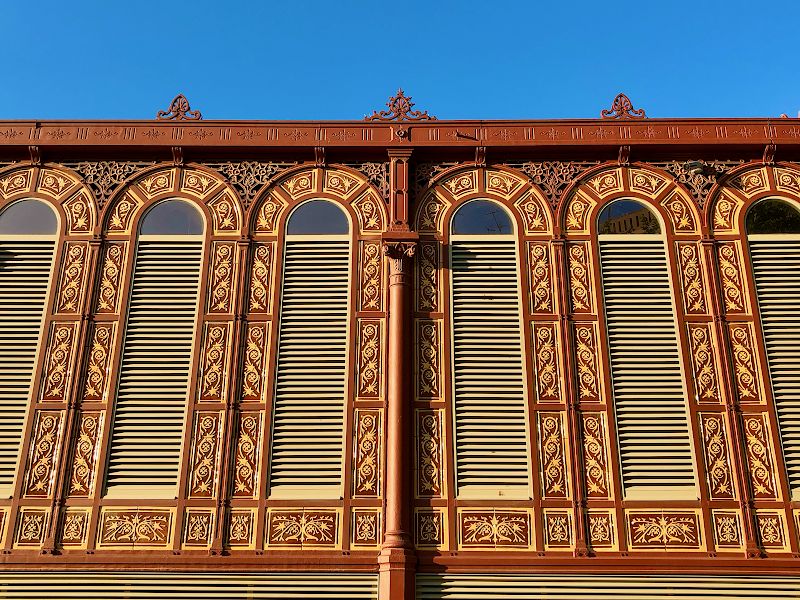
Mercat de Sant Antoni
Mercat de Sant Antoni is what Barcelona food markets should be - a gorgeous 1882 iron-and-glass pavilion that serves actual locals instead of just tourists. Inside you'll find proper neighborhood vendors selling exceptional produce, fresh seafood, and quality meats at prices that won't make you wince. The recent decade-long restoration kept all the architectural beauty while adding modern conveniences, and on Sundays the exterior transforms into a legendary book and collectibles market. The market feels authentically Barcelonan in a way that La Boqueria stopped being years ago. You'll navigate wide aisles between stalls where vendors actually know their regular customers, and the lighting through those restored glass panels creates an almost cathedral-like atmosphere. The Sunday book market wraps around the building's perimeter with dealers spreading vintage comics, rare books, and old postcards on tables - it's genuinely fascinating even if you're not buying. Most food guides skip this place entirely, which keeps it blissfully uncrowded. The produce prices are roughly 30-40% cheaper than touristy markets, and the quality is noticeably better. Don't bother coming after 2pm on weekdays as many stalls start closing, and avoid Saturday mornings when local shopping peaks. The book market is worth timing your visit around if you're here on Sunday.
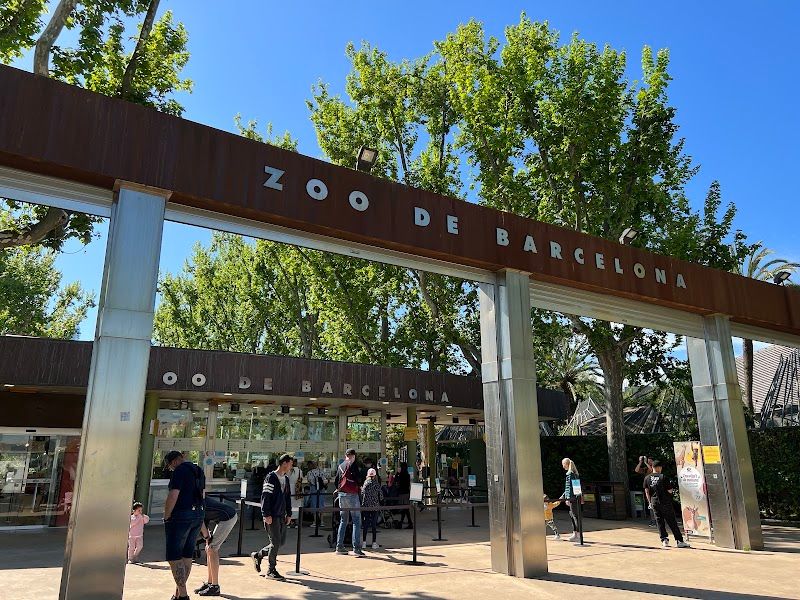
Zoo de Barcelona
Zoo de Barcelona sits inside Parc de la Ciutadella and houses over 2,000 animals across 315 species, making it one of Europe's most comprehensive city zoos. You'll find western lowland gorillas, Komodo dragons, Iberian lynx, and an impressive reptile collection. The dolphin show runs three times daily, and the zoo's claim to fame is pioneering naturalistic habitats in Spain - the enclosures actually look like proper ecosystems rather than concrete pens. The layout follows winding paths through dense vegetation, creating genuine shade that's a lifesaver in summer. You'll spend most of your time walking between themed zones - the primates section feels like walking through a jungle, while the farm area lets kids pet goats and sheep. The dolphin amphitheater draws huge crowds, but the real magic happens at feeding times when animals become genuinely active. Unlike many European zoos, this one doesn't feel cramped or outdated. Admission costs €21.40 for adults, €12.95 for kids, which is fair value for three hours of entertainment. Skip the overpriced restaurant inside and pack snacks - there are plenty of shaded picnic spots. Most visitors rush through to hit every enclosure, but you're better off picking five or six areas and actually watching the animals. The playground near the entrance is perfect for tired kids, and the exit dumps you right into Ciutadella Park for more family time.
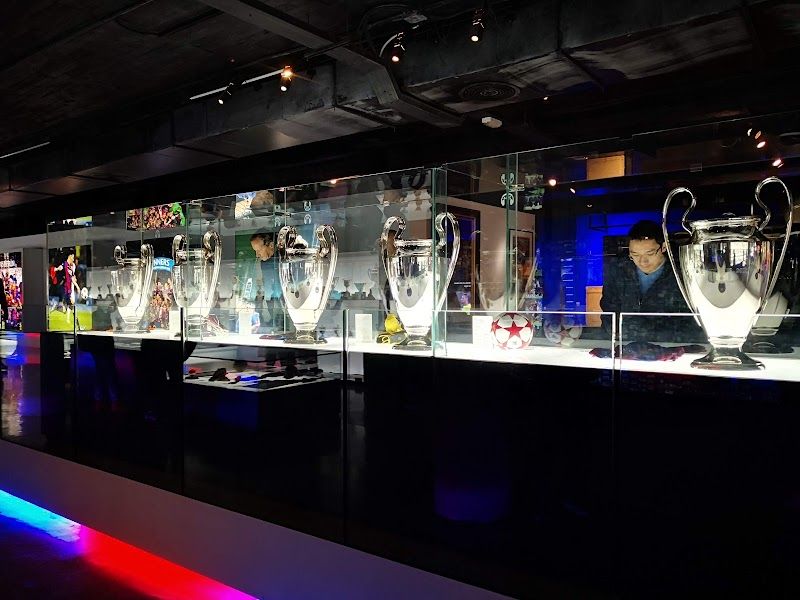
FC Barcelona Stadium Tour & Museum
Camp Nou is where you'll understand why football moves Barcelona in ways that go beyond sport - this is a pilgrimage site for 1.28 billion Barça fans worldwide. The self-guided tour takes you through the players' tunnel (you'll get goosebumps walking where Messi once did), into the press room where post-match drama unfolds, and onto the pitch where you can sit in the same seats where 99,000 people create earthquakes of sound. The museum chronicles 125 years of victories, failures, and pure football artistry with six European Cups, countless La Liga trophies, and interactive displays that'll make you appreciate the beautiful game even if you're not a fan. You'll start in the museum, moving through chronological exhibits that trace the club from 1899 rebels to modern global phenomenon, then descend into the bowels of the stadium. Walking through that tunnel onto the pitch is genuinely spine-tingling - the scale hits you immediately as you realize you're standing where football history happens weekly. The press room feels surprisingly intimate after seeing it on TV, and sitting pitch-side gives you perspective on just how fast and physical professional football really is. Here's what nobody tells you: the renovation chaos means you're paying full price (€29) for a significantly reduced experience - large sections are closed and construction noise is constant. The museum part is excellent and unaffected, but if you're here purely for the stadium experience, you might leave disappointed. Skip the overpriced audio guide (€5) since everything's well-labeled in English, and avoid weekends when tour groups clog the narrow walkways.
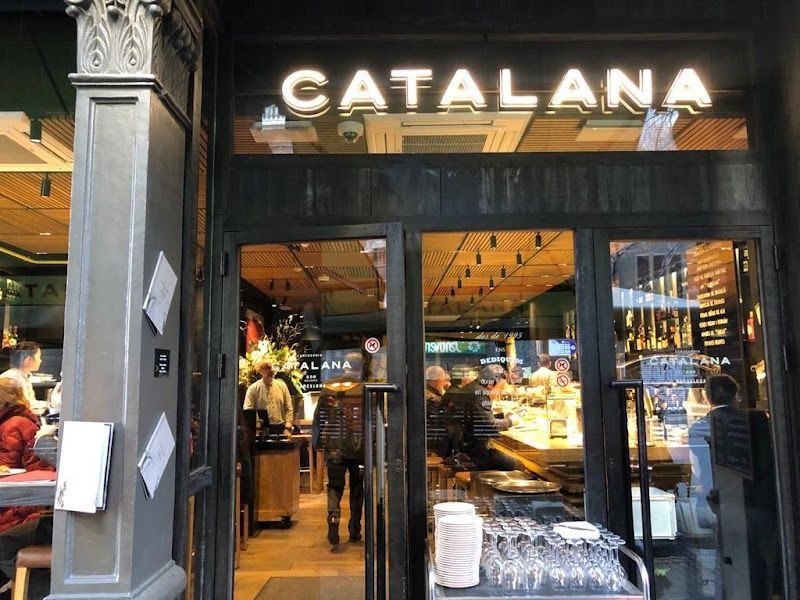
Cervecería Catalana
Perpetually packed tapas bar on Passeig de Gràcia serving an exhaustive selection of montaditos, pinchos, and hot tapas. The quality remains high despite the volume, with standout items like foie gras with apple and octopus carpaccio. The bustling terrace is prime people-watching territory.
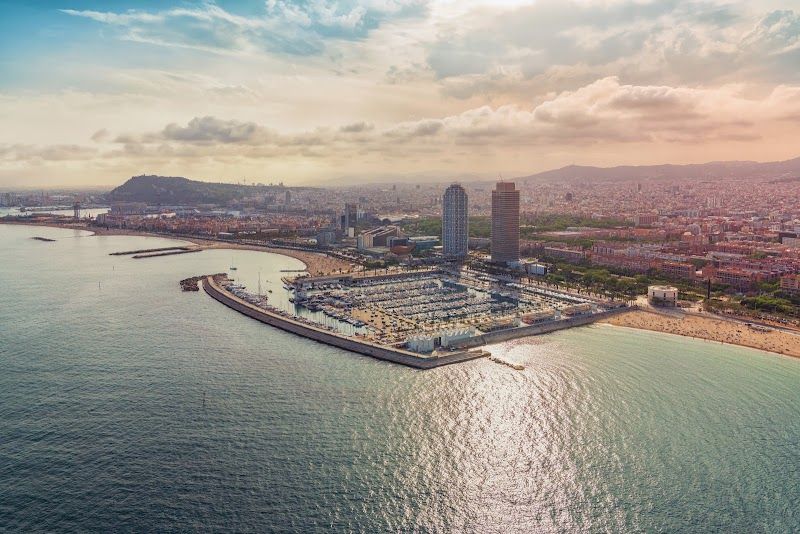
Port Olímpic
Port Olímpic is Barcelona's sleekest waterfront district, built from scratch for the 1992 Olympics and still looking remarkably fresh three decades later. The twin towers - the copper-clad Hotel Arts and glass Torre Mapfre - create a dramatic gateway to the Mediterranean, while Frank Gehry's golden fish sculpture catches sunlight above 2km of sandy beaches. You'll find a working marina with hundreds of yachts, a casino, and waterfront restaurants that range from decent to overpriced tourist traps. The experience flows naturally from the broader Barceloneta boardwalk, where families stroll past the massive Gehry fish toward the more polished marina area. The contrast hits you immediately - you go from old-school beach bars to sleek yacht clubs and high-end dining terraces. The promenade curves around the harbor, giving you constantly changing views of boats, towers, and the coastline stretching toward Poblenou. It's surprisingly peaceful for such a developed area, especially on the harbor's quieter northern edge. Most guides oversell the dining scene here - the restaurants charge Barcelona's highest prices (mains €25-40) for mediocre paella aimed at tourists. Come for the architecture and marina views, then eat elsewhere. The best part is actually free: walking the full promenade loop takes about 30 minutes and gives you Barcelona's most polished waterfront experience. Skip the casino unless you're genuinely into gambling, and don't bother with the shopping center - it's bland international chains you can find anywhere.
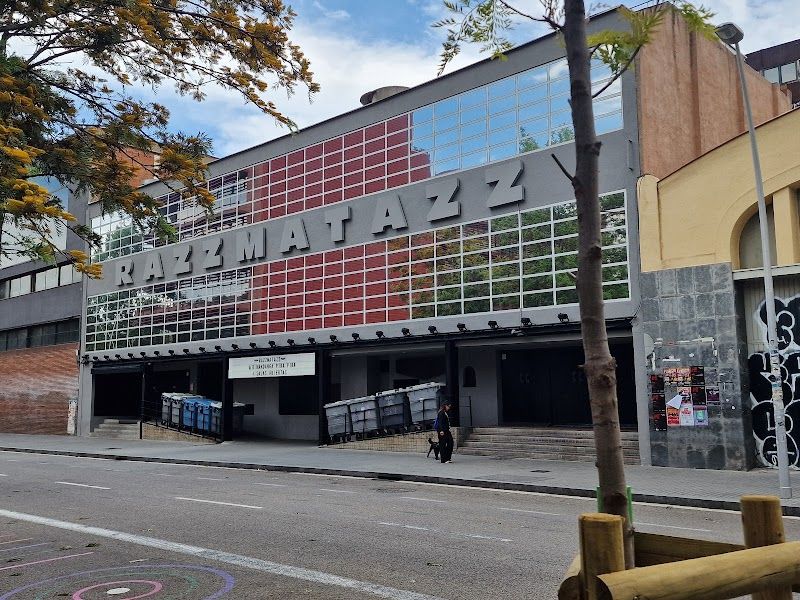
Razzmatazz
This massive five-room nightclub is Barcelona's premier live music venue, hosting international acts and club nights across multiple floors playing everything from indie rock to techno. The industrial space includes The Loft for rock concerts, The Lolita room for pop, and The Razz Club for electronic music.
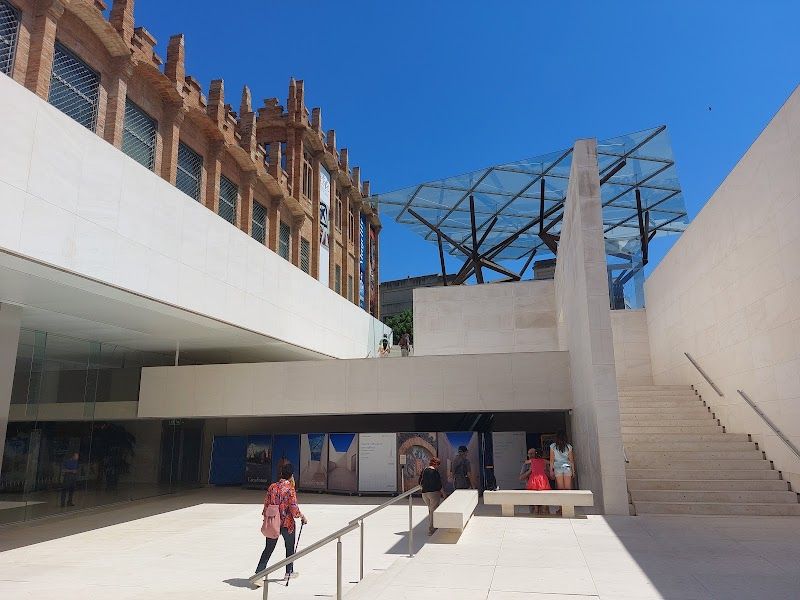
CaixaForum Barcelona
CaixaForum Barcelona transforms a century-old Puig i Cadafalch textile factory into one of Europe's most architecturally striking galleries. Japanese architects Arata Isozaki and Aiko Miyawaki gutted the original building and lifted it off the ground, creating the illusion it's floating above a glass-walled entrance. You'll find rotating exhibitions from major international museums - recent shows have featured Picasso from MoMA, ancient Egyptian artifacts from the British Museum, and contemporary photography from Centre Pompidou. The entrance through the glass base feels like walking under a suspended brick cathedral. Inside, the preserved industrial bones blend seamlessly with sleek modern galleries across four floors. The rooftop sculpture garden offers sweeping views over Montjuïc while the basement auditorium hosts concerts ranging from chamber music to electronic performances. The original factory's massive windows flood the galleries with natural light, making this one of the most pleasant spaces to view art in Barcelona. Here's what most guides won't tell you: the quality varies dramatically between exhibitions, so check what's on before visiting. The permanent collection is minimal - you're coming for temporary shows. Entry is completely free, making this Barcelona's best art bargain, but the gift shop is overpriced. Skip the basement café and head to the rooftop instead - the views alone justify the visit even if the current exhibition disappoints.
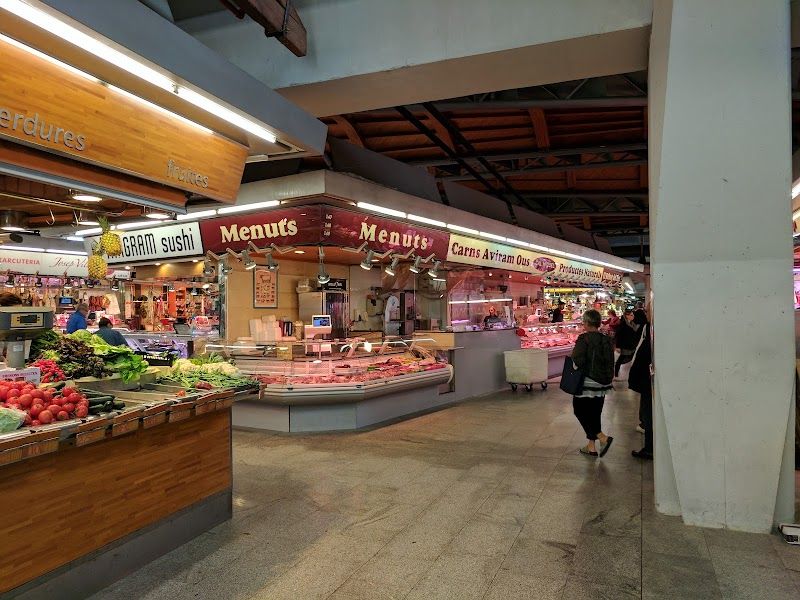
Mercat de Santa Caterina
Mercat de Santa Caterina is Barcelona's most architecturally stunning market, topped by Enric Miralles' undulating ceramic mosaic roof that ripples like colorful waves above the Gothic Quarter. Built on a 15th-century convent site, you can peer through glass floor panels at medieval stone foundations while vendors sell pristine seafood, mountain cheeses, and seasonal produce around you. The market combines serious food shopping with excellent tapas bars where locals grab quick lunches. The experience flows naturally from browsing stalls packed with jamón ibérico, fresh anchovies, and pyramids of tomatoes to claiming a spot at one of several bar counters. The curved roof creates an almost cathedral-like atmosphere, filtering Mediterranean light through its ceramic tiles. You'll hear vendors calling out prices in Catalan, smell grilled seafood from the bars, and watch Barcelona residents doing their daily shopping with canvas bags and wheeled carts. Most tourists snap photos of the roof and leave, missing the point entirely. The real draw is joining locals for a proper market meal - Bar Joan's calamari sandwich costs €8 and beats any restaurant version, while Cal Pep next door does excellent grilled prawns for €12-15. Skip the overpriced tourist stalls near the entrance and head straight to the back where prices drop and quality improves.
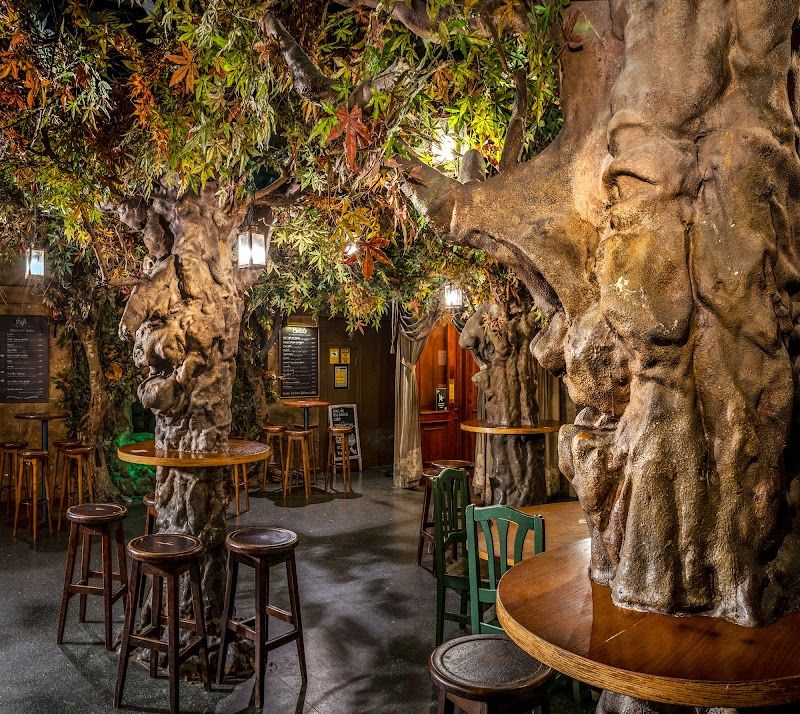
El Bosc de les Fades
El Bosc de les Fades transforms a cramped basement near the Wax Museum into an elaborate fairy-tale forest, complete with artificial trees sprouting from tables, mini waterfalls trickling down rock walls, and dozens of fairy figurines perched throughout dimly lit nooks. You'll wind through interconnected grottos where mushroom stools serve as seats and tree roots create natural-looking partitions between tables. The lighting stays deliberately low, creating shadows that make the plastic foliage look surprisingly convincing. The experience feels like drinking inside a theme park attraction - every surface tells part of the enchanted forest story, from gnarled tree bark covering the walls to the sound of running water masking conversations at nearby tables. Kids wander wide-eyed between the different themed areas while parents nurse cocktails (around €8-10) or mocktails (€5-7) served in ornate glasses. The space stays intimate despite accommodating dozens of visitors, with servers dressed as woodland creatures navigating between the artificial vegetation. Most travel sites oversell this as revolutionary, but it's essentially an elaborate themed bar that happens to welcome families during afternoon hours. The drinks are standard Barcelona prices with below-average quality - you're paying for the ambiance, not the bartending. After 8pm it shifts to a pickup scene for tourists, so families should stick to the 2-5pm window when kids can explore freely without bumping into tipsy adults making out against fake tree trunks.
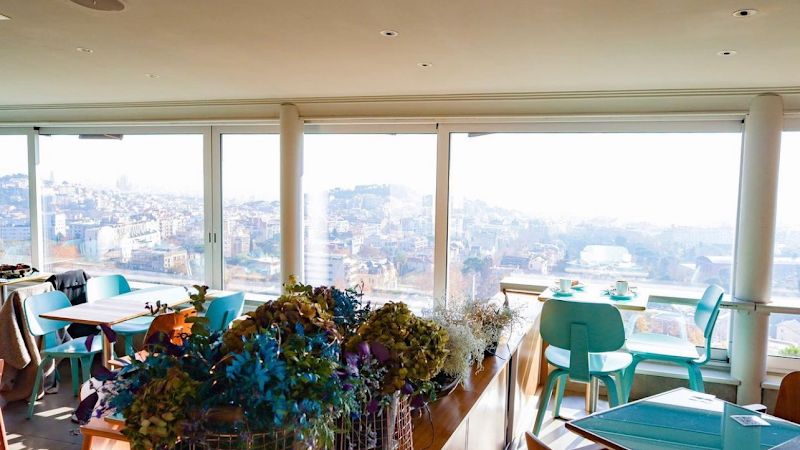
Mirablau
High on Tibidabo mountain, this classic bar features wraparound windows overlooking the entire city and Mediterranean beyond. The 1950s interior is unchanged, and locals come for affordable drinks with million-dollar views before heading to nearby clubs.
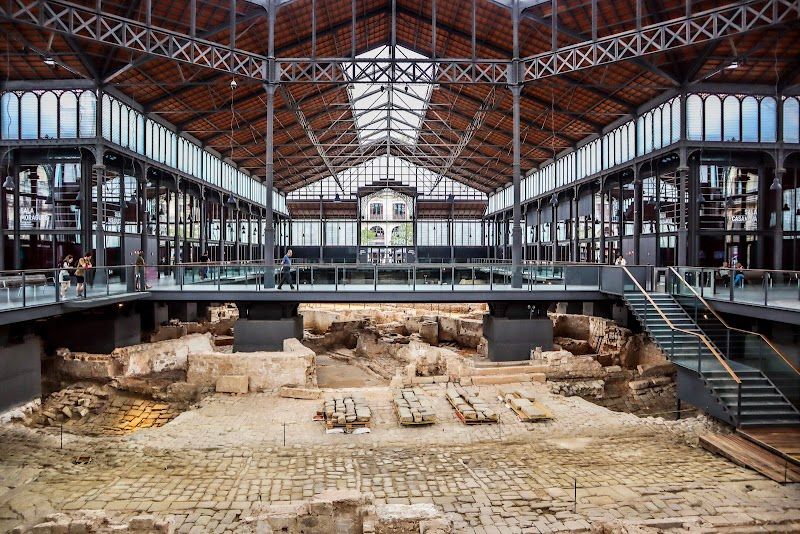
El Born Cultural Center Underground Tour
Walk through the actual cobblestone streets of 1700s Barcelona, preserved 12 feet underground when the city literally built over this neighborhood after demolishing it in 1714. You'll see intact shop fronts, tavern floors with original ceramic tiles, and residential courtyards where families lived before the Bourbon army tore everything down. The archaeological remains span three city blocks, making this one of Europe's largest preserved urban excavations. The self-guided route follows elevated walkways above the ruins, with excellent multilingual panels explaining what each space was used for. You can peer into a chocolate maker's workshop, see where a tavern keeper stored his wine barrels, and walk above streets where cart wheels wore grooves still visible in the stone. The lighting creates an almost theatrical atmosphere, and the scale genuinely surprises - this isn't just foundation stones, but shoulder-high walls and complete room layouts. At €4.40 for adults, it's Barcelona's best cultural bargain, though most guidebooks barely mention it. The audio guide costs extra (€3) but isn't necessary since the written explanations are thorough. Skip the temporary exhibitions upstairs unless you're genuinely interested - the underground section is the real draw and you could easily spend the full 90 minutes just down there. Tuesday evenings after 3pm are free for EU residents.
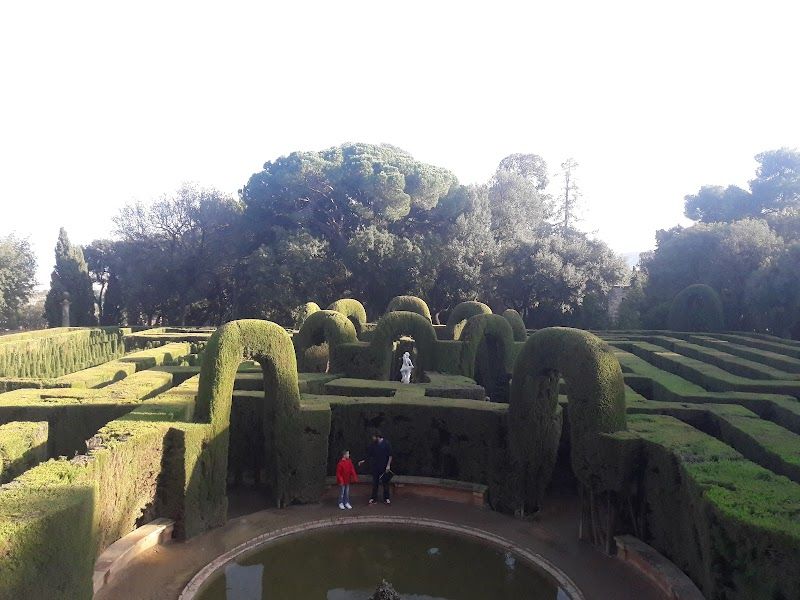
Parc del Laberint d'Horta
Parc del Laberint d'Horta sits in Barcelona's northern hills as the city's oldest surviving garden, built in 1791 by an Italian marquis who clearly had maze obsession. The centerpiece hedge labyrinth takes 10-15 minutes to solve if you're decent at puzzles, longer if you're easily flustered. Beyond the maze, you'll find neoclassical temples, a romantic grotto with artificial waterfalls, and terraced gardens that climb the hillside with genuine 18th-century statuary. The park splits into two distinct areas - the formal neoclassical lower section with the maze and pavilions, then a looser romantic garden above with winding paths and shaded groves. Most visitors beeline for the maze (fair enough), but the upper gardens reward wandering, especially the pavilion with valley views. The whole place feels wonderfully removed from Barcelona's intensity, filled with dog walkers and local families rather than tour groups. Here's what guidebooks skip: entry costs €2.23 on most days, free Wednesday and Sunday. The maze isn't particularly large or complex compared to famous European examples, so don't expect to be lost for ages. The romantic garden section can feel overgrown and neglected compared to the manicured lower area. Skip weekends unless you enjoy watching children shriek through hedgerows - weekday mornings give you the contemplative atmosphere this place deserves.
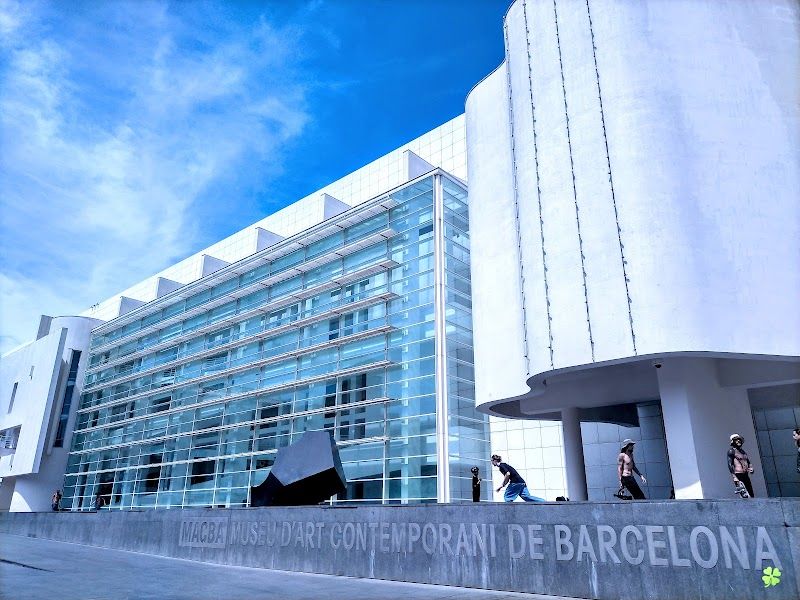
MACBA - Museu d'Art Contemporani de Barcelona
Richard Meier's gleaming white MACBA building houses Barcelona's most important contemporary art collection, with three floors of rotating exhibitions featuring Spanish and international artists from the 1950s onward. You'll find everything from video installations to conceptual pieces, with particularly strong collections of Catalan avant-garde and experimental photography. The museum takes contemporary art seriously - this isn't beginner-friendly crowd-pleasers but challenging, thought-provoking work that changes every few months. The experience starts before you even enter, as the plaza outside has become Europe's most famous skateboarding spot - the sound of wheels on concrete creates a constant urban soundtrack. Inside, the white-walled galleries feel clinical but purposeful, with natural light flooding in through Meier's signature windows. The layout flows logically across three floors, though some installations can feel pretentious or inaccessible if contemporary art isn't your thing. Honestly, unless you're genuinely into contemporary art, the free Saturday afternoon slot (4-8pm) is your best bet - paying full price (€12) feels steep for what's often hit-or-miss programming. Skip the basement level unless there's a special exhibition, and don't feel obligated to read every wall text. The real magic happens in the plaza afterward, watching skaters perform tricks against Meier's architectural backdrop.
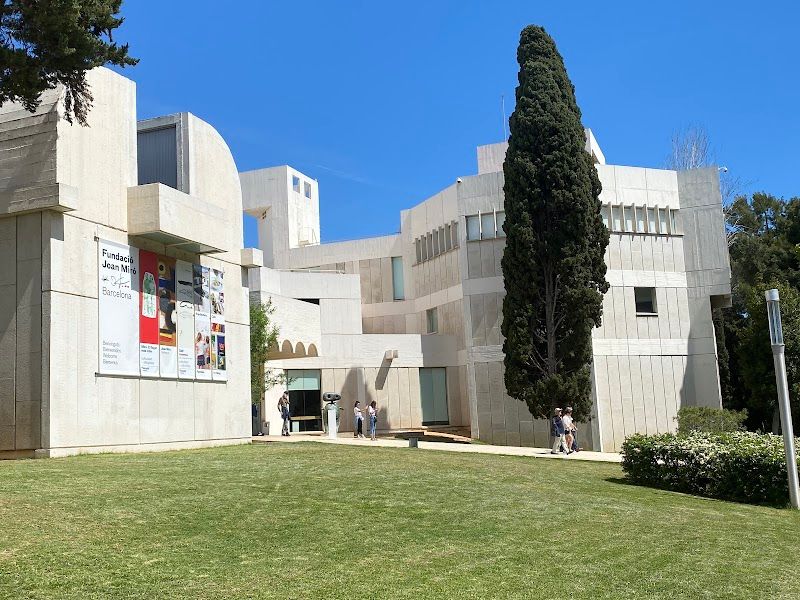
Fundació Joan Miró
This purpose-built museum houses the world's largest collection of Joan Miró's work, from his 1940s Constellations series to massive late tapestries that fill entire walls. You'll see over 200 paintings, 150 sculptures, and thousands of drawings that trace his evolution from realistic portraits to the playful, childlike style he's famous for. The building itself, designed by his friend Josep Lluís Sert, feels like a bright Mediterranean villa with white walls and floor-to-ceiling windows that flood the galleries with natural light. The visit flows chronologically through airy, connected rooms where Miró's primary colors pop against stark white walls. The outdoor sculpture terraces are the real highlight - bronze figures and abstract forms set against panoramic views of Barcelona's skyline. Inside, you'll find yourself lingering over his experimental periods, especially the dark, tortured works from the Spanish Civil War that contrast sharply with his later whimsical pieces. Most guides oversell this as essential Barcelona viewing, but honestly, you need to genuinely like Miró's style to enjoy spending €12 here. The permanent collection rotates, so signature pieces aren't always on display. Skip the temporary exhibitions unless they're specifically about Miró - they're often weak and feel like filler.
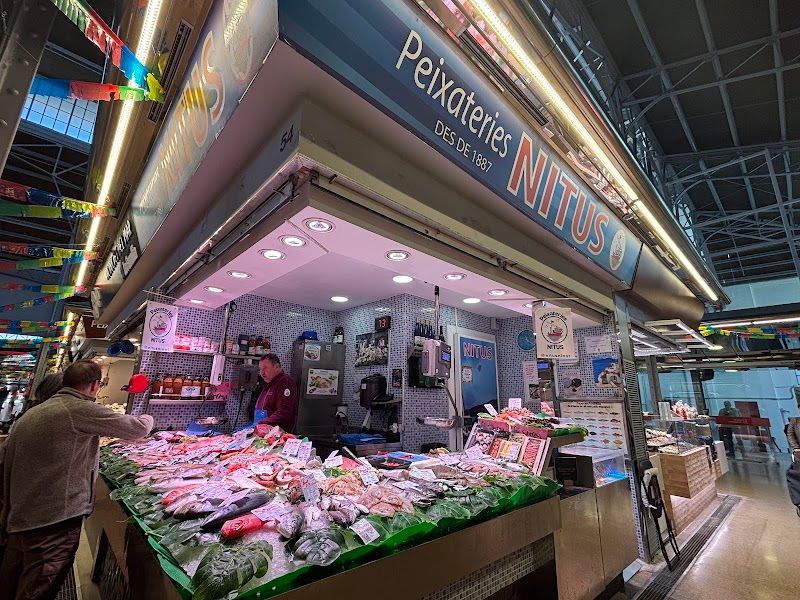
Mercat del Ninot
Mercat del Ninot sits in Barcelona's upscale Eixample district, where wealthy locals have shopped for premium ingredients since 1888. You'll find 70 stalls selling extraordinary produce - glossy tomatoes from Penedès, wild mushrooms from the Pyrenees, and seafood so fresh it arrived this morning from the Costa Brava. The renovated interior blends original ironwork with modern refrigeration, creating a market that feels both historic and hygienic. The atmosphere here is serious business - this isn't a tourist destination but a working market where professional chefs and discerning home cooks haggle over the best cuts of meat. You'll hear vendors calling out prices in rapid Catalan while customers squeeze peaches and inspect fish gills. The central wine bar draws a sophisticated crowd, especially around noon when locals stop for vermouth and olives between errands. Most food tours skip this place entirely, which keeps it authentic but means you'll need to navigate solo. The seafood counter near the Mallorca entrance has the best selection but prices run 20-30% higher than Boqueria. Skip the tourist-friendly explanations you get elsewhere - vendors here assume you know your jamón grades and won't coddle beginners. Go before 11am when selection peaks and locals haven't cleared out the best items.
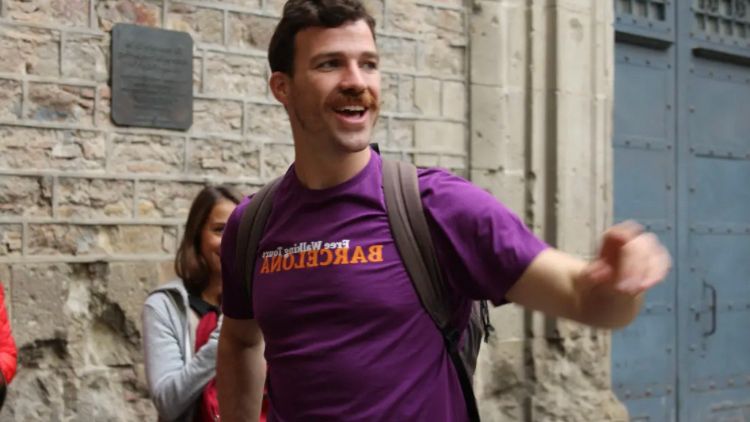
Gaudí's Barcelona 3-Hour Walking Tour
This expert-led walking tour connects four of Gaudí's most important works while explaining how his architectural revolution reflected Catalonia's cultural awakening. You'll start at the Manzana de la Discordia on Passeig de Gràcia, comparing Casa Batlló's undulating facade to works by rival architects Domènech i Montaner and Puig i Cadafalch. The route continues to La Pedrera's wave-like balconies before ending at the Sagrada Família, where guides decode the religious symbolism carved into every surface. Your guide weaves together architecture, politics, and religion as you walk between buildings, explaining how Gaudí's nature-inspired forms became symbols of Catalan identity during Spanish oppression. The commentary gets progressively deeper - casual observations about Casa Batlló's dragon-scale roof evolve into detailed explanations of the Passion Facade's mathematical proportions. Groups rarely exceed 15 people, so you can ask questions and get close enough to spot details like the ceramic fragments spelling out "Ave Maria" on Casa Batlló's facade. Most architecture tours rush through surface-level facts, but this one digs into the why behind Gaudí's choices. The exterior-only format works perfectly - you get the essential visual impact and historical context without paying €35+ for each interior. Tours run year-round and guides speak excellent English, though book ahead during peak season when slots fill quickly.
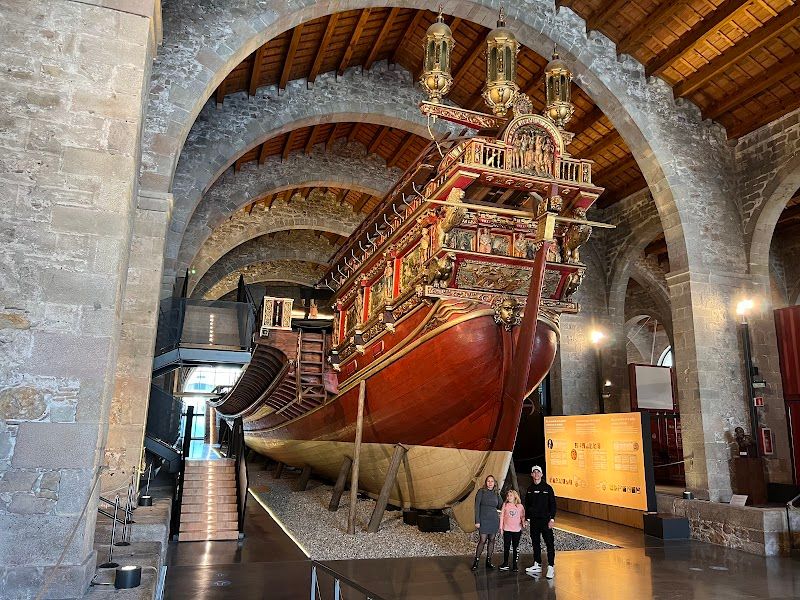
Museu Marítim de Barcelona
Barcelona's Maritime Museum sits inside the Reials Drassanes, Gothic shipyards where galleys were built for Mediterranean conquests from the 13th century onward. The centerpiece is an incredible full-scale replica of the royal galley that fought at Lepanto in 1571 - you can walk around it and peer inside at the rowing benches where 236 oarsmen powered this war machine. The museum also covers Catalonia's fishing traditions, transatlantic trade, and modern shipping through the port that still dominates Barcelona's economy today. The experience flows through soaring stone arches that once echoed with shipbuilders' hammers. You'll start with early navigation instruments and work chronologically through galleries showing how Barcelona became a Mediterranean trading powerhouse. The galley replica dominates the main hall - it's genuinely impressive at 60 meters long, complete with bronze cannons and period rigging. Interactive displays let you test knot-tying skills and explore cargo manifests from colonial voyages to the Americas. Most visitors rush through in 45 minutes, but you need at least 90 minutes to appreciate the details properly. Entry costs €7 for adults, €5 for students and seniors. The audio guide (€3 extra) is worth it for the galley section but skippable elsewhere. Many people miss that your ticket includes boarding the Santa Eulàlia schooner at Port Vell - it's a 10-minute walk and often less crowded than the main museum.
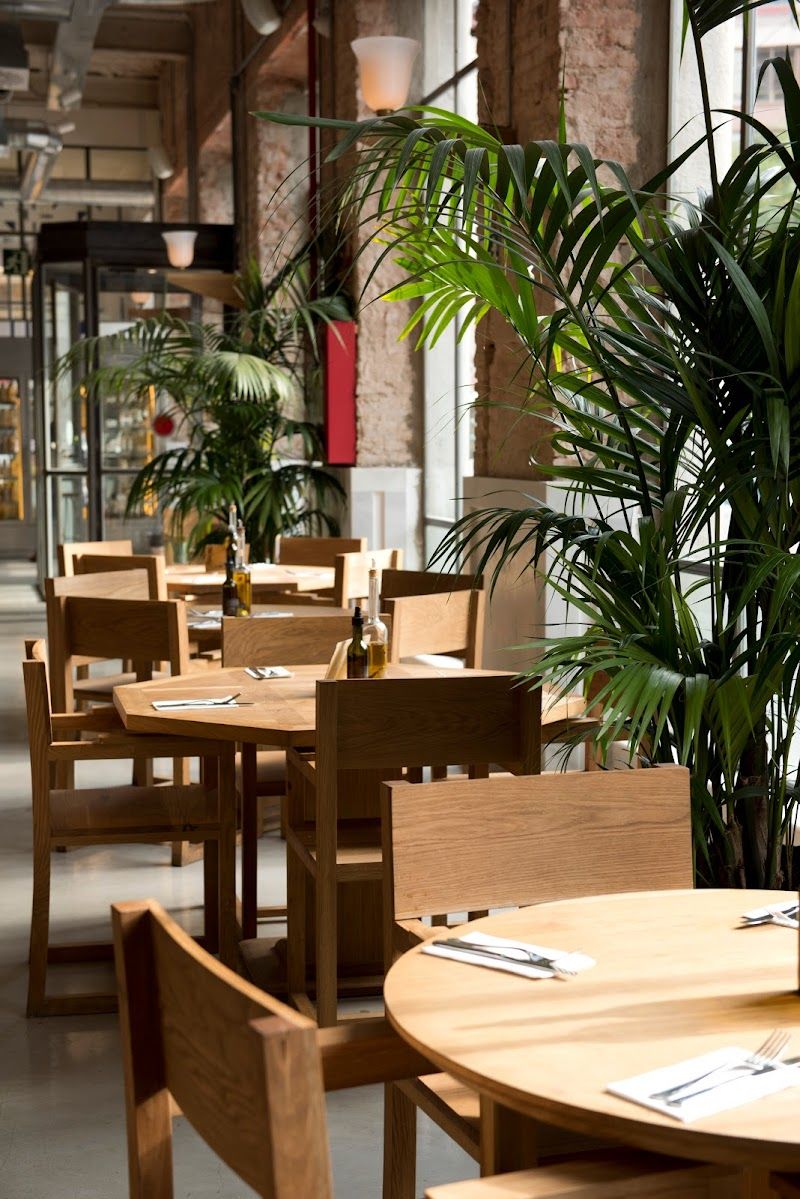
Flax & Kale
Modern healthy-eating restaurant focusing on flexitarian cuisine with plant-based, organic, and gluten-free options. The grain bowls, cold-pressed juices, and superfood smoothies attract a health-conscious local crowd. Weekend brunch is especially popular.
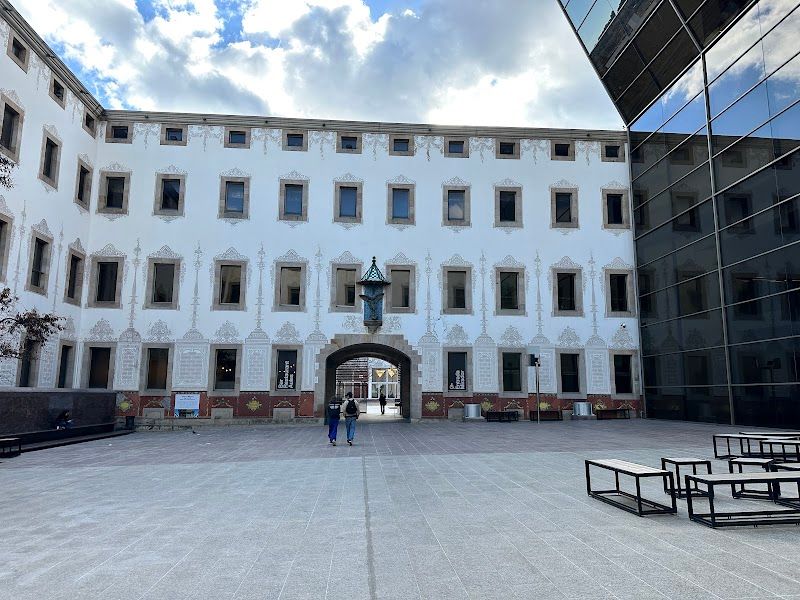
CCCB - Centre de Cultura Contemporània de Barcelona
CCCB transforms a beautiful 18th-century almshouse into Barcelona's smartest cultural venue, focusing on how cities, technology, and society intersect. You'll find exhibitions that actually make you think - recent shows have tackled everything from urban planning disasters to AI's impact on creativity. The centerpiece is a stunning glass-walled courtyard where 300-year-old stone meets contemporary design, creating one of the city's most photogenic interior spaces. The visit flows naturally through interconnected galleries surrounding that dramatic courtyard - you'll find yourself returning to peer up at the glass ceiling between exhibitions. Unlike traditional museums, CCCB feels more like wandering through a series of thought experiments. The space breathes with natural light, and you can always step into the courtyard when you need a break from the heavier conceptual work. Evening events transform the atmosphere completely, with the glass walls glowing and crowds gathering for screenings or talks. Most guides oversell this as a 'must-see' alongside MACBA next door, but honestly, CCCB is far more engaging if you're not already deep into contemporary art. Skip it if you're rushing through Barcelona's hits - this place rewards slow browsing and actual reading. Admission varies by exhibition (typically €6-8), but they're generous with free days and student discounts. The bookshop is excellent but overpriced.
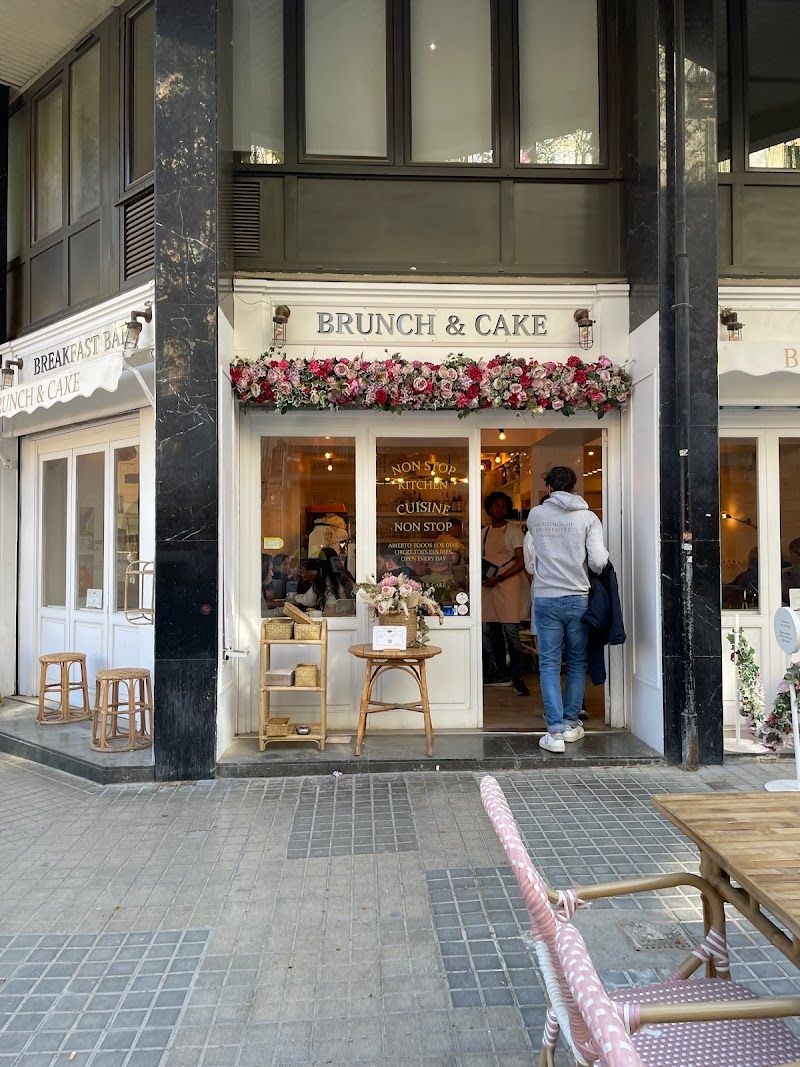
Brunch & Cake
The original location of Barcelona's brunch empire, famous for over-the-top Instagram-worthy dishes like freakshakes and colorful pancake stacks. Despite the tourist appeal, the quality remains solid with generous portions and creative presentations.
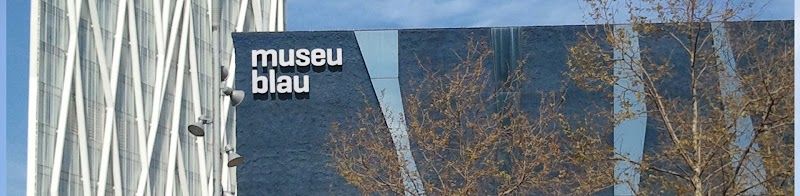
Museu de Ciències Naturals de Barcelona - Museu Blau
Barcelona's natural history museum sits inside a dramatic blue triangular building that looks like it crash-landed at Parc del Fòrum. The permanent 'Planeta Vida' exhibition walks you through 4.6 billion years of evolution across 3,000 square meters, featuring a complete diplodocus skeleton, interactive touchscreens, and mineral collections that actually sparkle under the lighting. You'll find live specimens in terrariums, fossil displays you can touch, and multimedia stations where kids (and adults) get genuinely absorbed. The visit flows chronologically from Earth's formation through today's biodiversity crisis, with the massive dinosaur skeleton dominating the central space. The building's angular architecture creates unexpected sightlines - you'll spot exhibits from multiple levels and find yourself drawn to sections you hadn't planned to visit. The sound design is subtle but effective, with ambient nature sounds that change as you move between ecosystems. Most visitors spend 90 minutes here, though the interactive elements can easily stretch that to two hours. Honestly, the permanent collection feels a bit sparse for such a large space, and some displays look dated compared to world-class natural history museums. The temporary exhibitions on the ground floor are often more engaging and better designed. Entry costs €6 for adults, but that first Sunday free admission deal is genuine - just expect crowds. Skip the audio guide (€3) and focus on the hands-on elements instead.
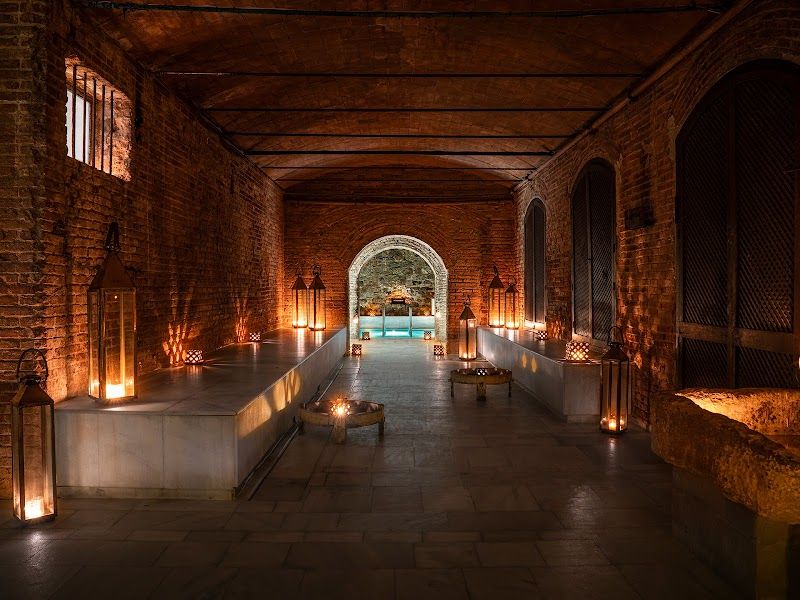
Aire Ancient Baths Barcelona
Aire Ancient Baths transforms a historic stone building into Barcelona's most atmospheric spa experience, with seven pools ranging from icy 14°C plunges to soothing 40°C thermal baths. The Roman-inspired pools are carved from stone and lit entirely by candles, creating an almost mystical underground world just steps from Ciutadella Park. You'll spend two hours moving between different temperature pools, a salt water float pool, and steam rooms that feel genuinely ancient rather than artificially themed. The experience flows naturally - you start by changing in modern lockers, then descend into candlelit stone chambers where time seems to stop. Most people gravitate toward the warm pools first, but the real magic happens when you alternate between hot and cold water as the Romans did. The sound design is perfect - just water trickling and quiet conversations echoing off vaulted ceilings. Unlike typical spas with piped music and bright lighting, this feels like stepping into another century. Basic entry costs €45-65 depending on day and time, but massage add-ons push it toward €150+ and aren't worth the premium. The space gets packed during weekend afternoons, which kills the serene vibe entirely. Skip the wine service (overpriced at €15) and don't bother with the flotarium if you've never done sensory deprivation - it's cramped and the main pools are far more relaxing. Book weekday evenings for half the crowds and double the atmosphere.
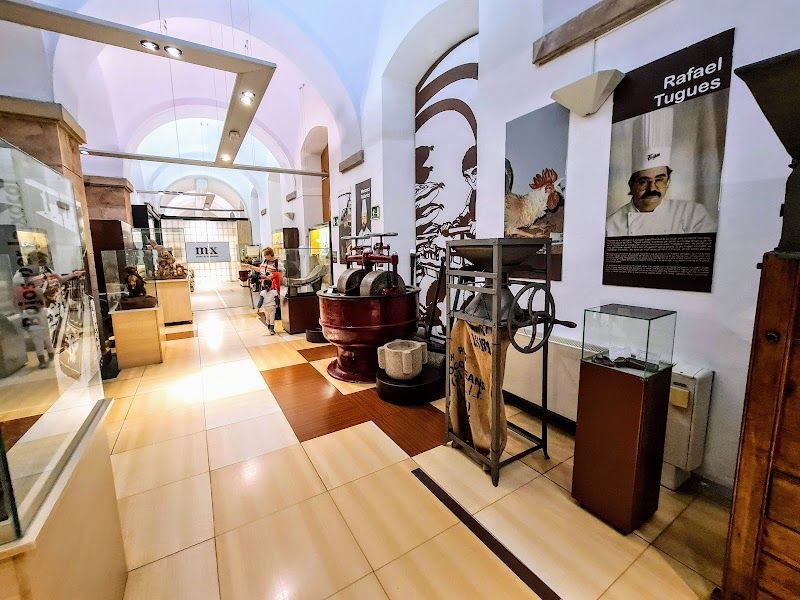
Museu de la Xocolata
The Chocolate Museum occupies a former military barracks in El Born and delivers exactly what it promises - a sweet journey through chocolate's history with impressive edible sculptures. You'll see life-sized chocolate recreations of famous Barcelona landmarks like the Sagrada Família, intricate modernist pieces, and seasonal displays that change throughout the year. The real draw is the hands-on workshops where kids (and adults) can mold their own chocolate creations, plus your €6 admission ticket is literally made of chocolate you can eat. The museum flows chronologically from cocoa's Mayan origins through its arrival in Europe and modern production techniques. Interactive displays let you smell different cocoa varieties, and the chocolate sculptures are genuinely impressive - some standing over a meter tall with incredible detail. The workshop area buzzes with activity as families work with melted chocolate, and there's a small café serving hot chocolate made from scratch. The space feels intimate rather than overwhelming, perfect for the 90-minute visit. Honestly, this works best if you're traveling with kids or you're genuinely fascinated by chocolate history. Adults without children might find it thin on substance after 30 minutes. The workshops (€4 extra) are worth it for families but book ahead - they're limited to 12 people. Skip the overpriced chocolate shop at the exit unless you want novelty Barcelona-shaped bars. The museum gets packed on rainy afternoons when families need indoor activities.
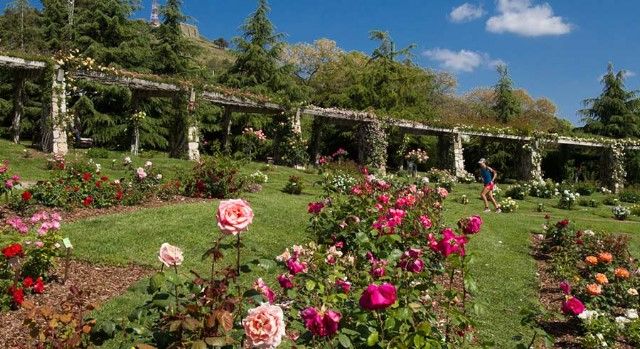
Parc de Cervantes
Parc de Cervantes is Europe's most serious rose garden, with 11,000 bushes representing 245 varieties arranged in precise geometric patterns. You'll walk through labeled sections showcasing everything from climbing English roses to compact hybrid teas, making it feel like an outdoor botanical classroom. The park hosts Barcelona's international rose competition each May, when varieties from around the world compete for prizes - and you get to see them at peak perfection. The garden feels surprisingly formal for Barcelona, with straight gravel paths dividing the roses into neat rectangular beds. Each variety is clearly labeled with both common and scientific names, plus growing information that's actually useful if you garden yourself. The scent hits you in waves as you walk - some sections smell like tea, others like spice or fruit. It's quiet here, mostly locals walking dogs or reading on benches between the rose beds. Most guides oversell this as romantic when it's really more educational than Instagram-pretty. The roses are stunning in May but pretty ordinary by August when Barcelona's heat takes over. Skip it entirely in winter - there's literally nothing to see except thorny sticks. The park is free and takes about an hour to see properly, making it perfect filler between other Diagonal attractions.
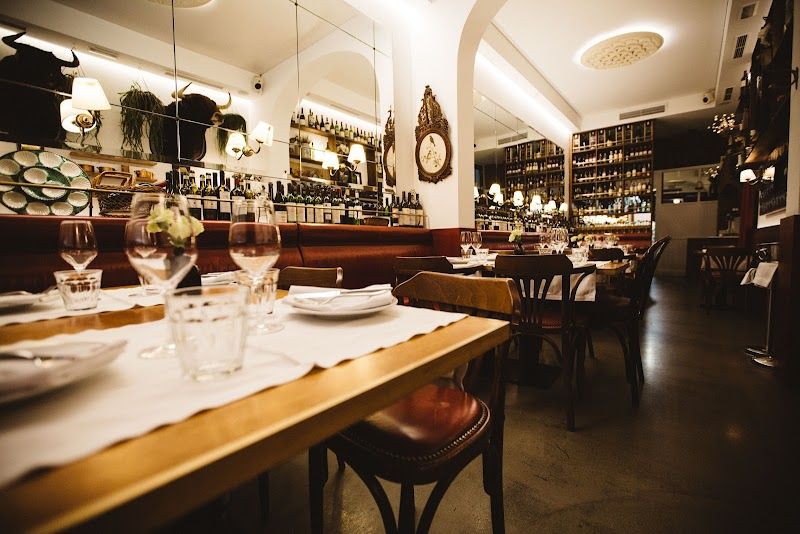
Bar Cañete
Bustling tapas bar near the Liceu opera house serving traditional Barcelona tapas with impeccable execution. The jamón, croquettes, and grilled seafood are textbook perfect. The counter seats offer the best views of the kitchen action.
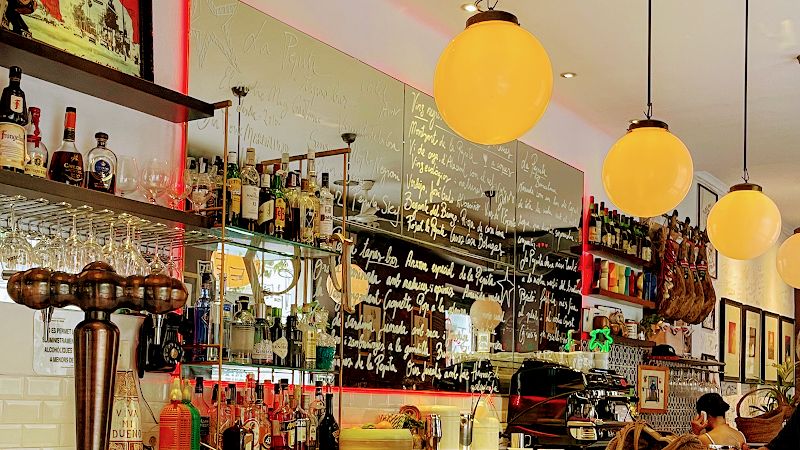
La Pepita
Contemporary tapas bar blending traditional Catalan flavors with modern presentation and international influences. The beef tartare, octopus, and mini burgers are menu highlights. The lively atmosphere makes it popular for groups, though solo diners are welcome at the bar.
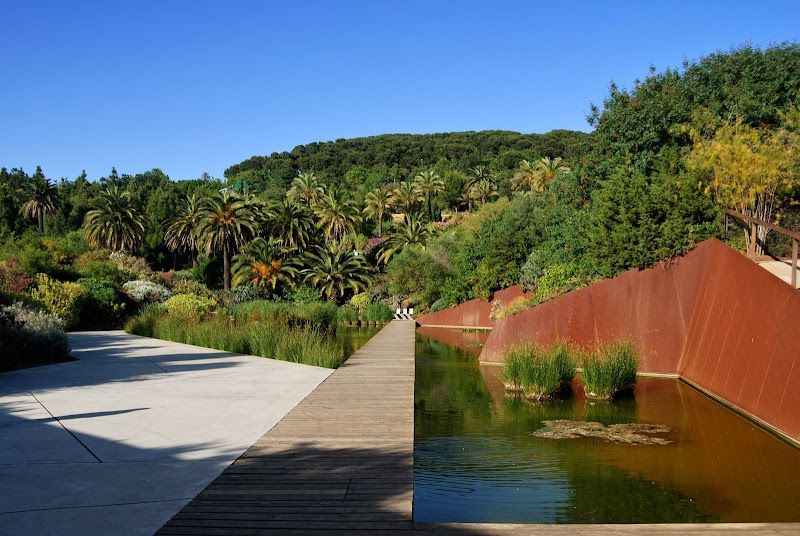
Botànic
The Jardí Botànic sits on Montjuïc's slopes as Barcelona's modern botanical garden, showcasing Mediterranean plants from five climate zones around the world. You'll walk through carefully designed landscapes representing Australia, California, Chile, South Africa, and the Mediterranean Basin, with over 1,400 species arranged by geography rather than plant families. The terraced design follows the hillside's natural contours, creating microclimates where cork oaks from Catalonia grow near Australian banksias and South African proteas. The visit flows downhill through interconnected terraces, each transition revealing new plant communities and increasingly better views over Barcelona's port and skyline. The pathways are wide and well-maintained, making this more contemplative than physically demanding. Spring brings explosive blooms, while summer showcases drought-adapted plants at their best. The sound of the city fades as you descend, replaced by rustling grasses and the occasional chirping of resident birds. Most botanical gardens feel academic and dry, but this one succeeds because it focuses on landscapes rather than individual specimens. Skip the small café - it's overpriced at €4-6 for basic snacks. The best value is the combined ticket with the adjacent Museum of Natural Sciences (€7 total versus €14 separately), though honestly, the museum disappoints compared to the garden. Come in late afternoon when the light hits the terraces beautifully and you'll have the place mostly to yourself.
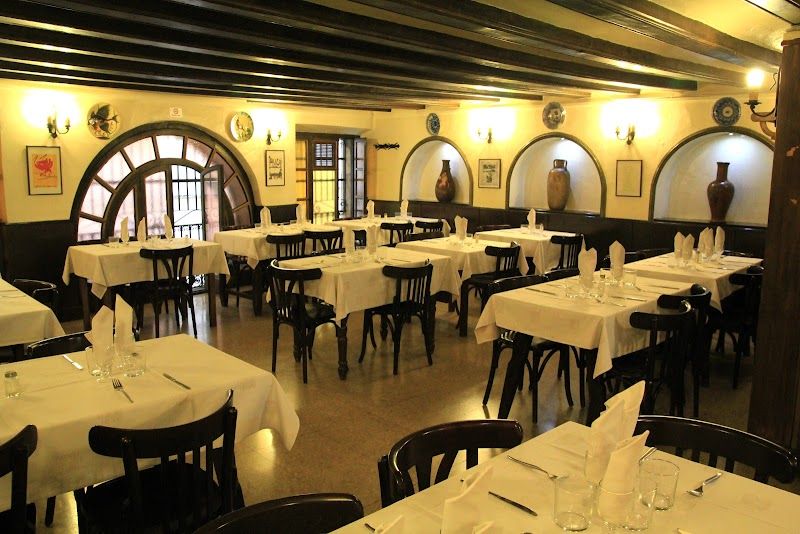
Can Culleretes
Barcelona's oldest restaurant since 1786, serving traditional Catalan cuisine in a historic setting with tiled walls and wooden beams. The menu features classic dishes like cannelloni, escudella stew, and roast chicken. Despite its touristy reputation, locals still come for the reliable traditional cooking and reasonable prices.
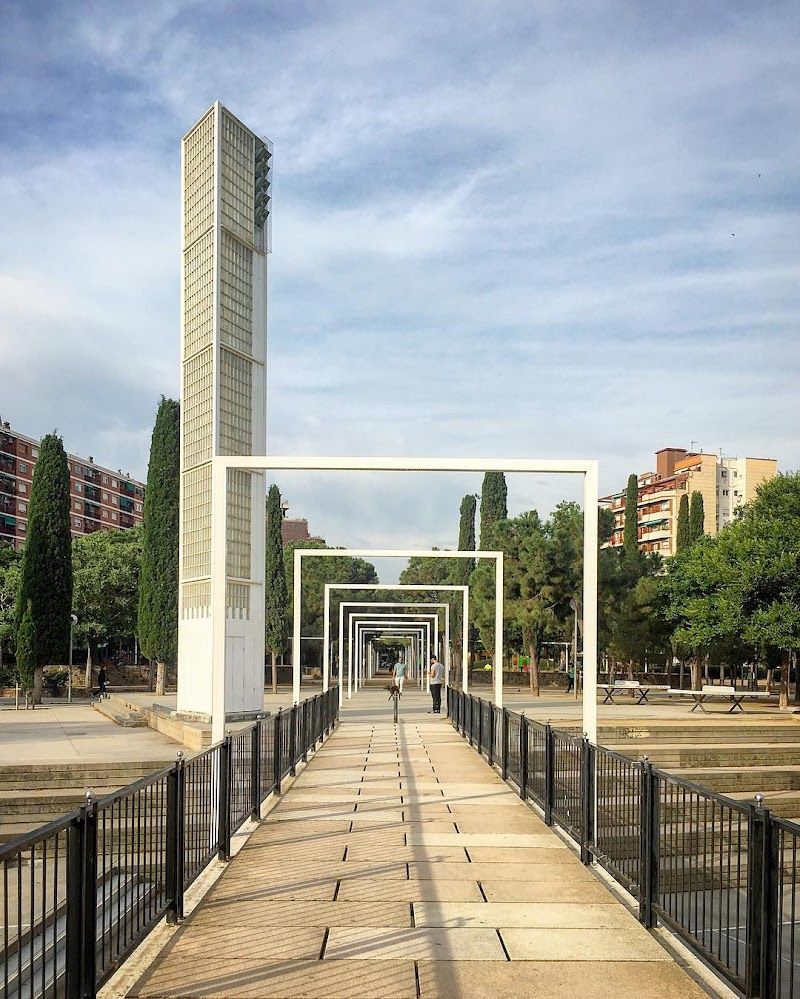
Parc del Clot
This reclaimed railway yard proves Barcelona knows how to repurpose industrial spaces without losing their soul. The park wraps around massive red brick arches from the old train depot, turning them into dramatic focal points for lawns and walking paths. You'll find a sunken garden where tracks once ran, plus that distinctive water tower that's now a lookout point. It's genuinely peaceful here - local families treat it like their backyard, which makes the whole experience feel authentic rather than touristy. The layout flows naturally around the preserved structures, so you're constantly discovering new angles on those impressive arches. Kids scramble around modern playgrounds while parents claim benches in the shade of pine trees. The elevated walkways give you perspective on how cleverly the designers worked with what was already here. There's something satisfying about seeing heavy industry turned into a place where toddlers chase pigeons and teenagers practice skateboard tricks. Most travel guides oversell this as some architectural marvel - it's not. It's just a really well-designed neighborhood park that happens to look cool in photos. The water tower climb is free but the stairs are steep and narrow, so skip it if you're claustrophobic. Come on weekday mornings for the best light through those arches, and don't expect fancy cafés or tourist facilities. Bring your own snacks and enjoy watching regular Barcelona life unfold.
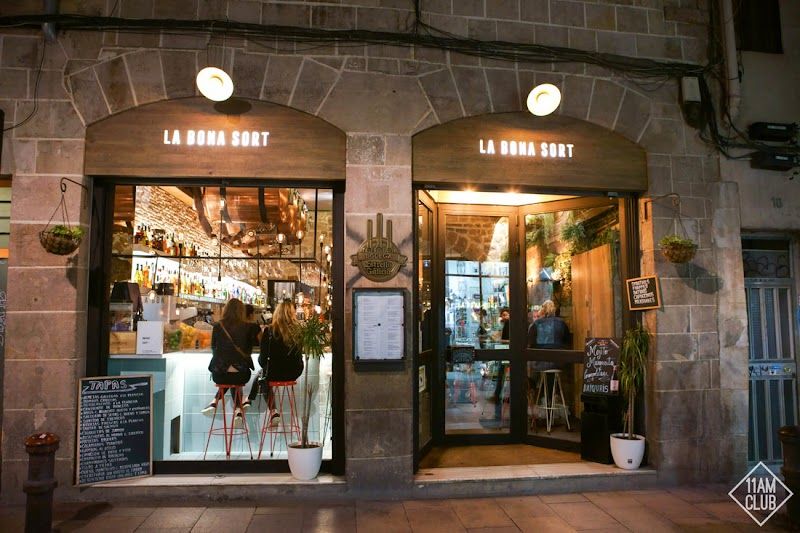
La Bona Sort
Neighborhood vermuteria in Gracia serving house-made vermouth and traditional tapas in a relaxed atmosphere. The outdoor tables on the quiet square are perfect for lingering over afternoon drinks. Popular with local families and the older generation of Gracia residents.
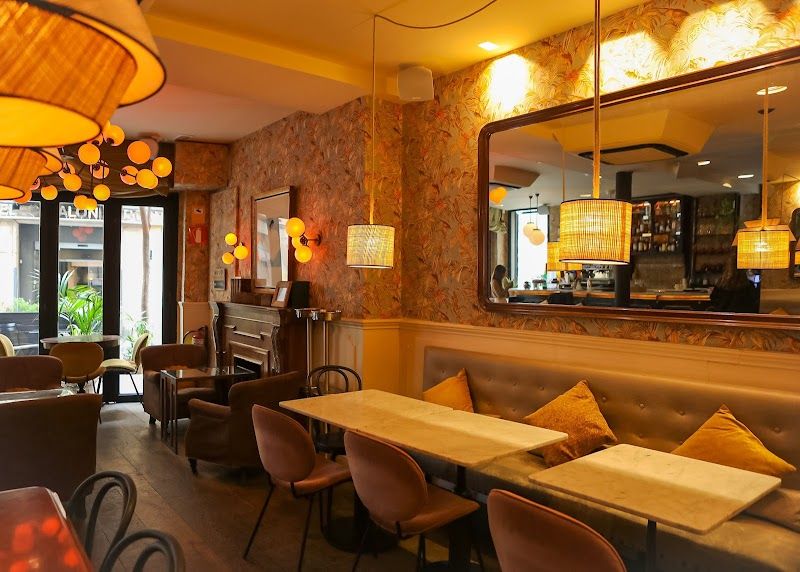
Elsa y Fred
A vintage-styled cafe in Barceloneta serving homemade cakes, fresh juice, and creative brunch dishes in a retro setting with mismatched furniture. The walls display rotating local art, and the vibe is decidedly more bohemian than the beach bars nearby.
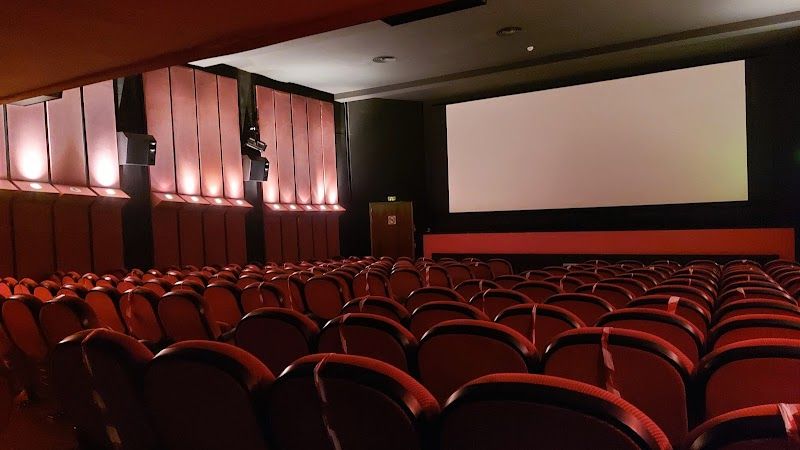
Verdi Cinema
Verdi Cinema is Barcelona's most beloved arthouse theater, screening foreign and independent films in their original languages with Spanish subtitles since 1987. You'll find everything from Korean thrillers to French comedies alongside carefully curated Hollywood releases, all in a neighborhood cinema that feels authentically local. The main building houses four screens, while Verdi Park across the street adds three more intimate theaters to this Gràcia institution. Walking into Verdi feels like stepping into a film lover's living room - the lobby buzzes with genuine cinephiles discussing the evening's selections over coffee from the small bar. The theaters themselves are compact but comfortable, with decent sound systems and that slightly worn charm of a place that prioritizes programming over polish. Between screenings, Carrer Verdi transforms into an impromptu film festival corridor as moviegoers spill into the street's tapas bars and wine shops. Tickets run about €8-10, which is reasonable for Barcelona's cinema scene. Most travel guides skip this entirely, but it's where you'll actually mingle with locals rather than tourists. The 9:30pm screenings draw the biggest crowds and best atmosphere, though afternoon shows offer more elbow room. Skip the overpriced lobby snacks and grab something from the surrounding bars instead.
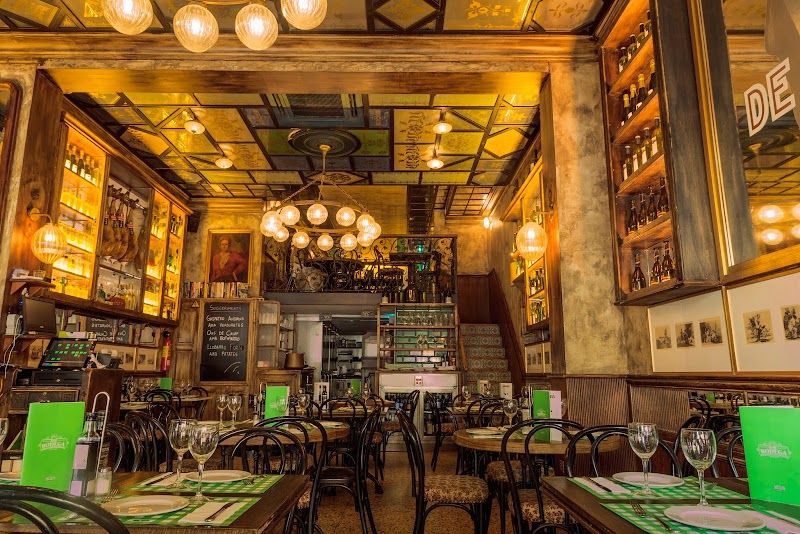
Casa Delfín
Unpretentious neighborhood restaurant serving market-fresh Mediterranean cuisine with daily changing menus. The cooking focuses on quality ingredients prepared simply—grilled fish, seasonal vegetables, and house-made desserts. Locals fill the small dining room nightly.
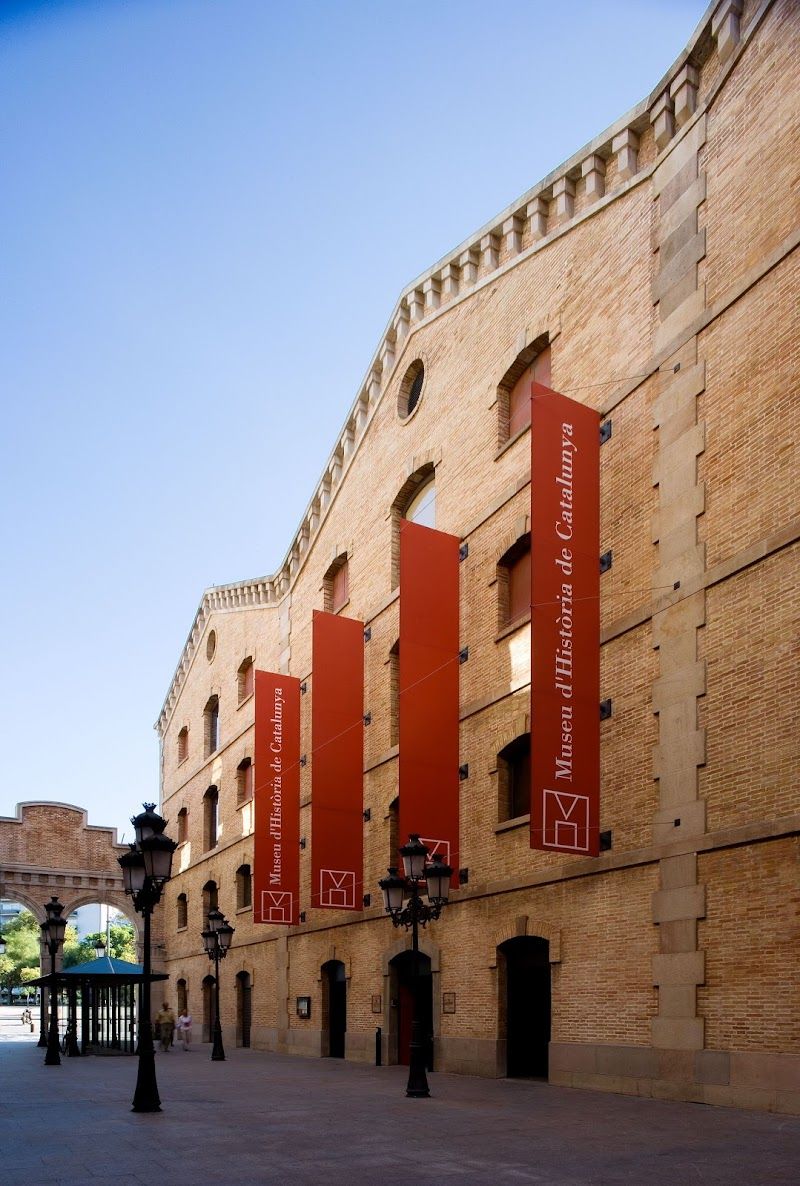
Museu d'Història de Catalunya
This converted maritime warehouse transforms Catalonia's story into something you can actually touch and experience. You'll step into recreated medieval streets, try on chain mail, crawl through a genuine Civil War bunker, and sit in a 1960s café complete with original furniture and Spanish pop music. The exhibits span from Roman settlements to Franco's dictatorship, but it's the hands-on approach that makes dry history come alive - kids love the interactive displays, adults appreciate the nuanced take on Catalonia's complex relationship with Spain. The museum flows chronologically across four floors, starting with prehistoric cave paintings and ending with modern democracy. Each era gets its own immersive environment - you'll walk through a medieval marketplace, experience the sounds of 1930s Barcelona, and handle replica tools from different periods. The Civil War section hits hardest, especially the air raid shelter where recorded sirens and testimonies create genuine tension. The building itself, a former warehouse from 1881, adds industrial atmosphere to the experience. At €4.50 for adults, it's Barcelona's best museum bargain, though most travel guides criminally underrate it. Skip the audio guide (€3) - the exhibits explain themselves well in English. Start on the top floor and work down to avoid crowds, and don't miss the rooftop café even if you're not visiting the museum. The Franco dictatorship section on the third floor is the most powerful but gets rushed - give it extra time.
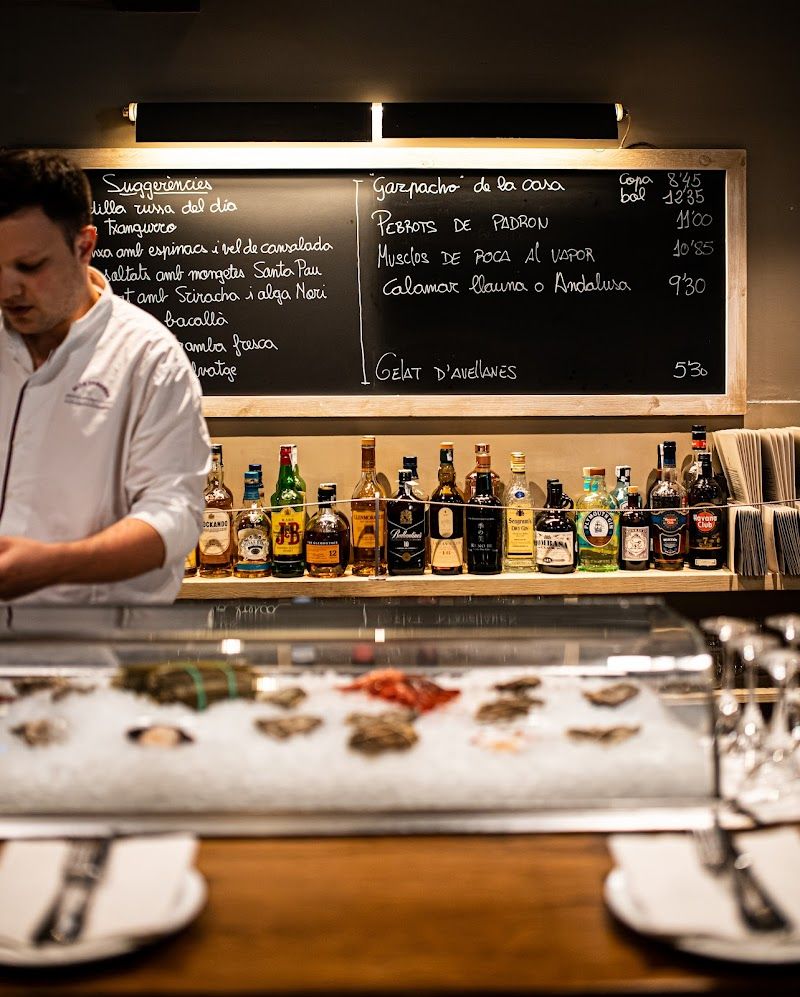
Paco Meralgo
Modern tapas bar serving Galician-influenced dishes with an emphasis on premium seafood and Iberian ham. The octopus a la gallega and percebes are house specialties. The lively atmosphere and professional service make it reliable for groups.
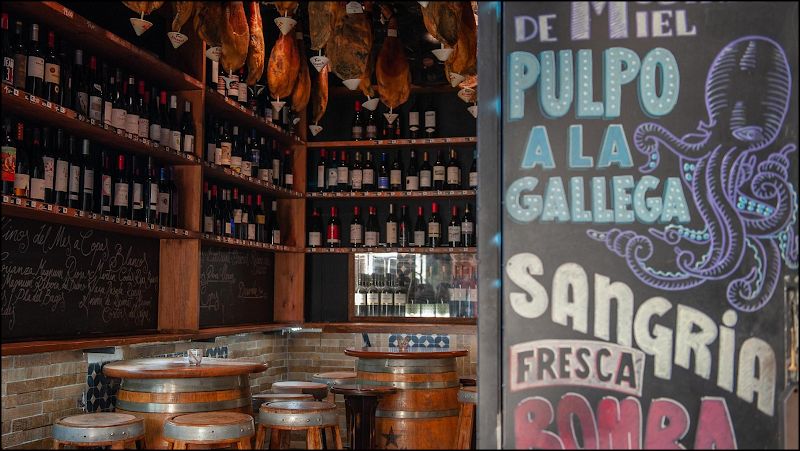
Perikete
Small neighborhood restaurant in Poble Sec known for enormous portions of traditional Catalan dishes at rock-bottom prices. The croquettes, patatas bravas, and grilled meats are simple but satisfying. The no-frills atmosphere attracts locals looking for value over ambiance.
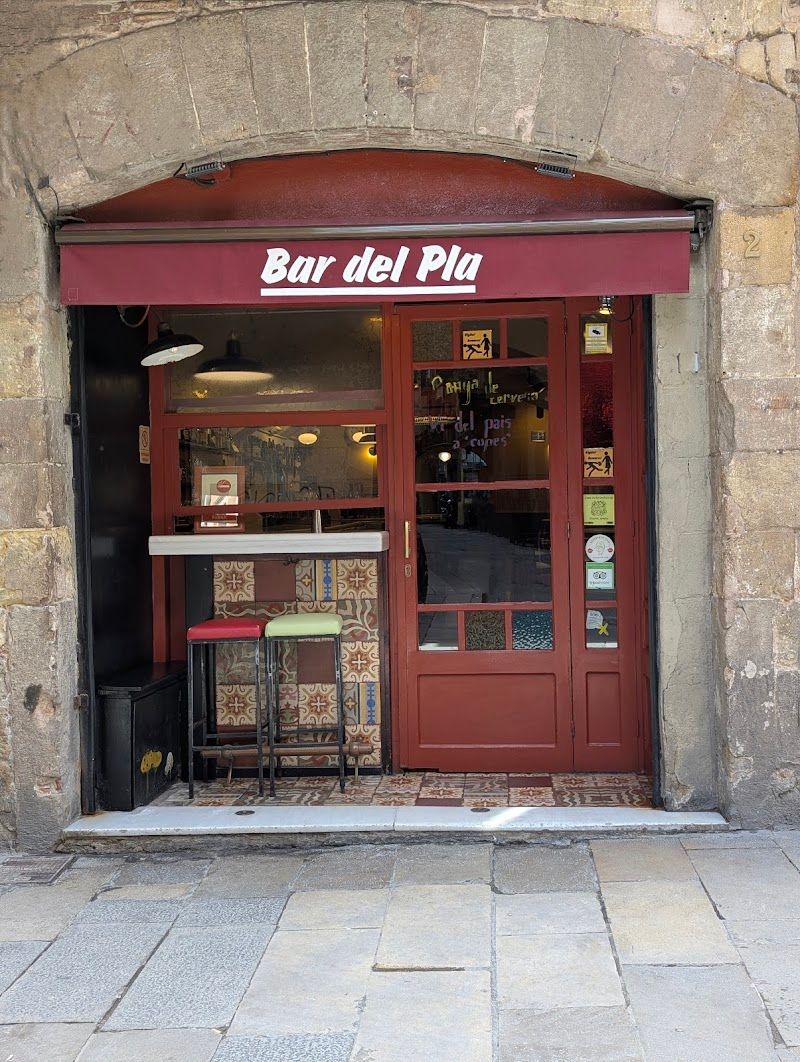
Bar del Pla
Intimate tapas bar with exposed brick walls serving creative small plates that blend Catalan and international influences. The duck cannelloni and steak tartare are house signatures. The wine list is exceptionally curated with natural and biodynamic options.
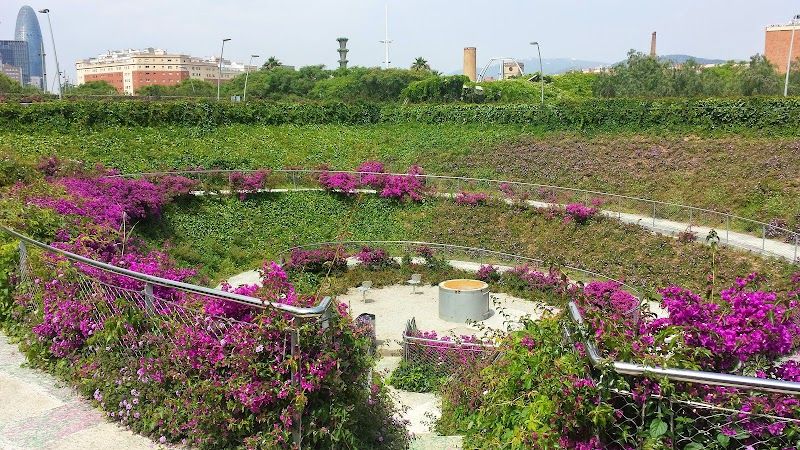
Parc del Centre del Poblenou
This linear park stretches along Avinguda Diagonal through Barcelona's transformed tech quarter, designed by acclaimed architect Jean Nouvel. You'll find clean geometric lines, preserved industrial chimneys from old factories, and thoughtfully placed modern sculptures that reference the area's manufacturing past. The park serves as a green corridor connecting different parts of the 22@ district, with wide lawns perfect for picnics and dedicated cycling lanes that actually get used by commuting locals, not just tourists. Walking through feels like experiencing Barcelona's urban planning at its most ambitious - the park deliberately contrasts sleek contemporary elements with rough industrial remnants. You'll pass office workers grabbing lunch on benches, kids using the well-designed playground equipment, and cyclists commuting between the tech companies that now occupy former factory spaces. The preserved chimney from the old Can Ricart textile factory stands as a striking centerpiece, while modern art installations appear at regular intervals without feeling forced. Most travel guides oversell this as a destination when it's really best experienced as part of exploring the broader Poblenou neighborhood. The park works brilliantly for a rest stop while walking between the beach and the city center, but don't make a special trip unless you're genuinely interested in contemporary urban design. Skip the southern section near Glòries - the northern stretch toward the sea offers better views and fewer construction disruptions from ongoing development projects.
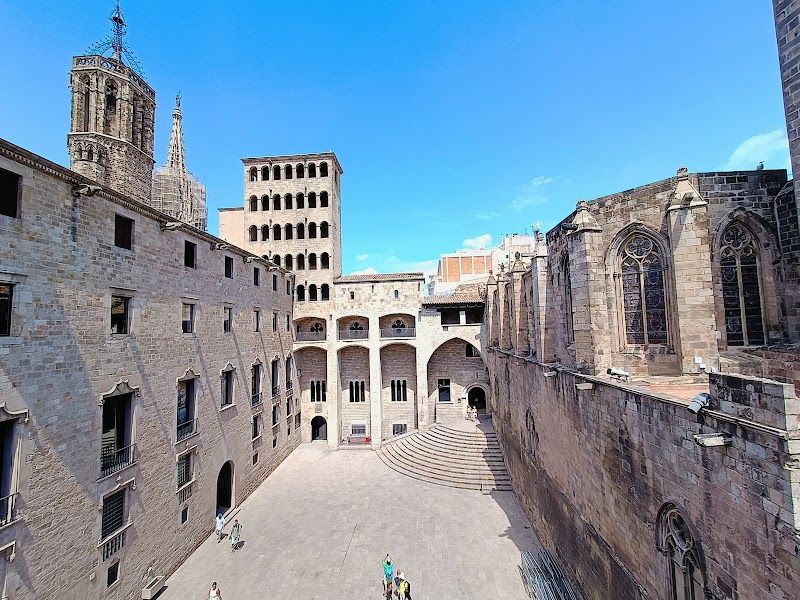
MUHBA Plaça del Rei
Barcelona's history museum takes you underground to walk through excavated Roman streets and houses. Above ground, explore the medieval royal palace where Columbus supposedly met the Catholic Monarchs after returning from America. The combination of Roman ruins and medieval halls makes this unique.
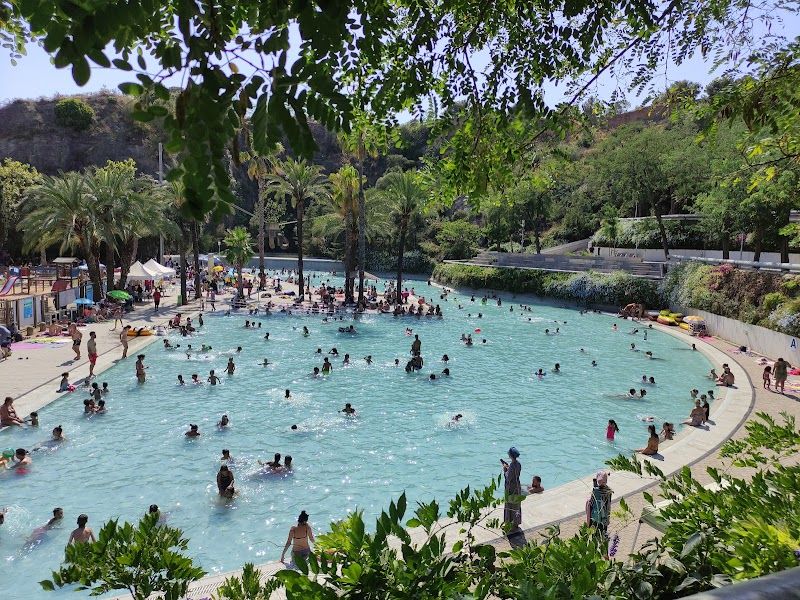
Parc de la Creueta del Coll
This former quarry turned park sits on a hillside in Gràcia, carved into terraced levels that create natural amphitheater seating overlooking Barcelona. The centerpiece is Eduardo Chillida's massive suspended concrete sculpture, "Elogio del Agua," which hangs dramatically over the large public swimming pool below. You'll find locals sunbathing on the grassy terraces, kids splashing in the pool during summer months, and genuine city views without the tourist crowds that pack Park Güell. The terraced design means you're constantly walking up or down stone steps between different levels, each offering a new perspective of the sculpture and cityscape. The pool area buzzes with local families during summer, while the upper terraces stay quieter for reading or picnicking. The raw concrete and stone give it an industrial edge that feels distinctly Barcelona - not prettified for postcards but genuinely functional as a neighborhood gathering spot. Most guidebooks barely mention this place, which keeps it refreshingly local. The pool (€5, June-September) is the real draw - proper lap swimming with those city views, not just a tourist photo op. Skip it on rainy days since there's no shelter, and don't expect manicured gardens or fancy facilities. It's about 20 minutes uphill from Joanic metro, so factor in the walk or take bus 24.
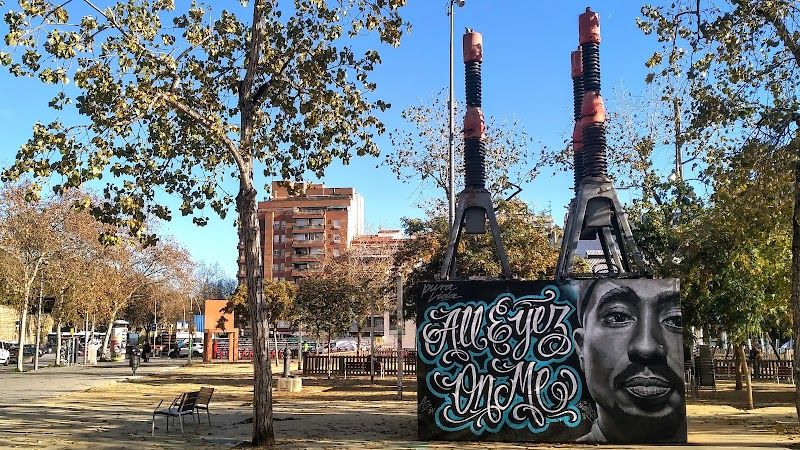
Jardins de les Tres Xemeneies
This terraced park transforms the site of Barcelona's old thermal power plant into a surprisingly peaceful green space where three massive brick chimneys rise like industrial sculptures. You'll climb winding paths through drought-resistant Mediterranean gardens - lavender, rosemary, and olive trees - with the smokestacks creating dramatic focal points throughout your walk. The upper terraces offer unexpected angles of Montjuïc and glimpses toward the port, making it feel like you've discovered Barcelona's secret rooftop garden. The park unfolds in levels, each terrace revealing different perspectives of the towering chimneys that somehow manage to look both imposing and elegant. Locals treat this as their neighborhood backyard - you'll see people reading on benches, kids running between the aromatic plants, and couples sharing evening picnics on the grass areas. The industrial heritage creates an unexpectedly photogenic backdrop, especially when late afternoon light hits the red brick towers. Most guides oversell this as a major attraction when it's really a pleasant neighborhood park that works best as a pit stop or picnic spot. The views are nice but not spectacular, and you'll cover the entire space in 30 minutes unless you're lingering with food or a book. Skip it if you're pressed for time - Parc de la Ciutadella or Park Güell offer more bang for your sightseeing buck.
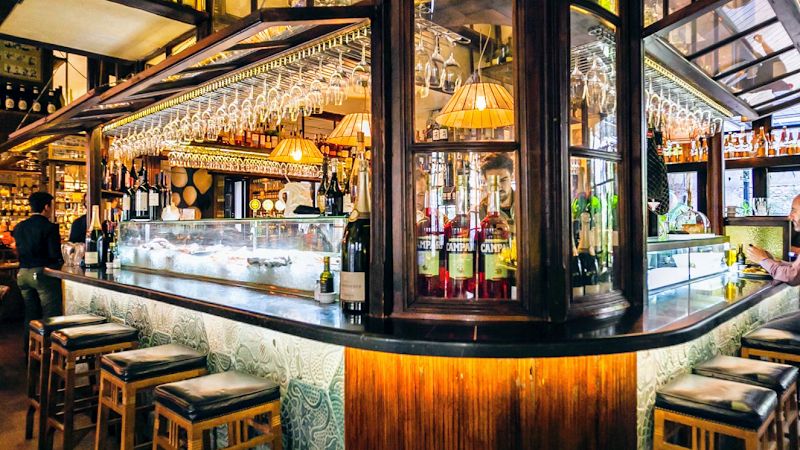
Boca Grande
This Barceloneta institution is both a beach chiringuito by day and a cocktail bar by night, with tables on the sand and a festive atmosphere. The mojitos are legendary, and the location right on the beach makes it perfect for sunset drinks before dinner.
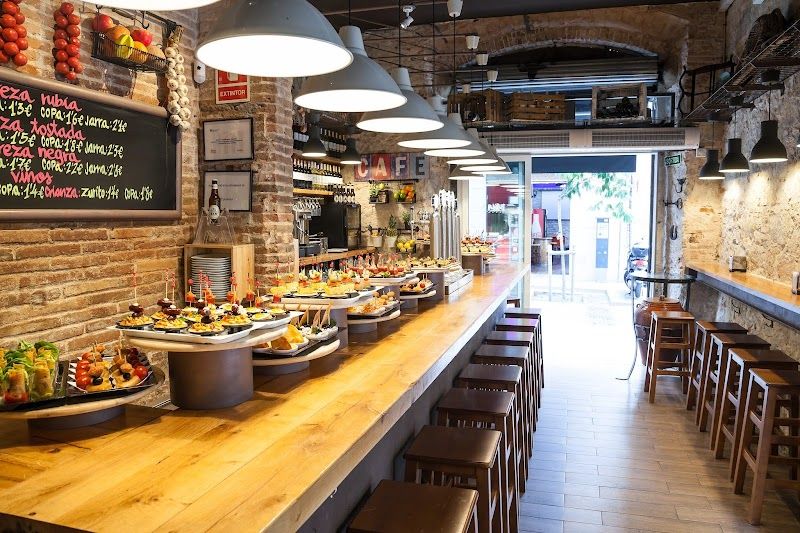
Bodega Blai 9
No-frills pintxos bar on the famous Carrer de Blai tapas street, where the entire bar counter is lined with creative small bites on bread. You help yourself to pintxos and count your toothpicks at the end to tally the bill. The bomba and bikini sandwiches are standouts.
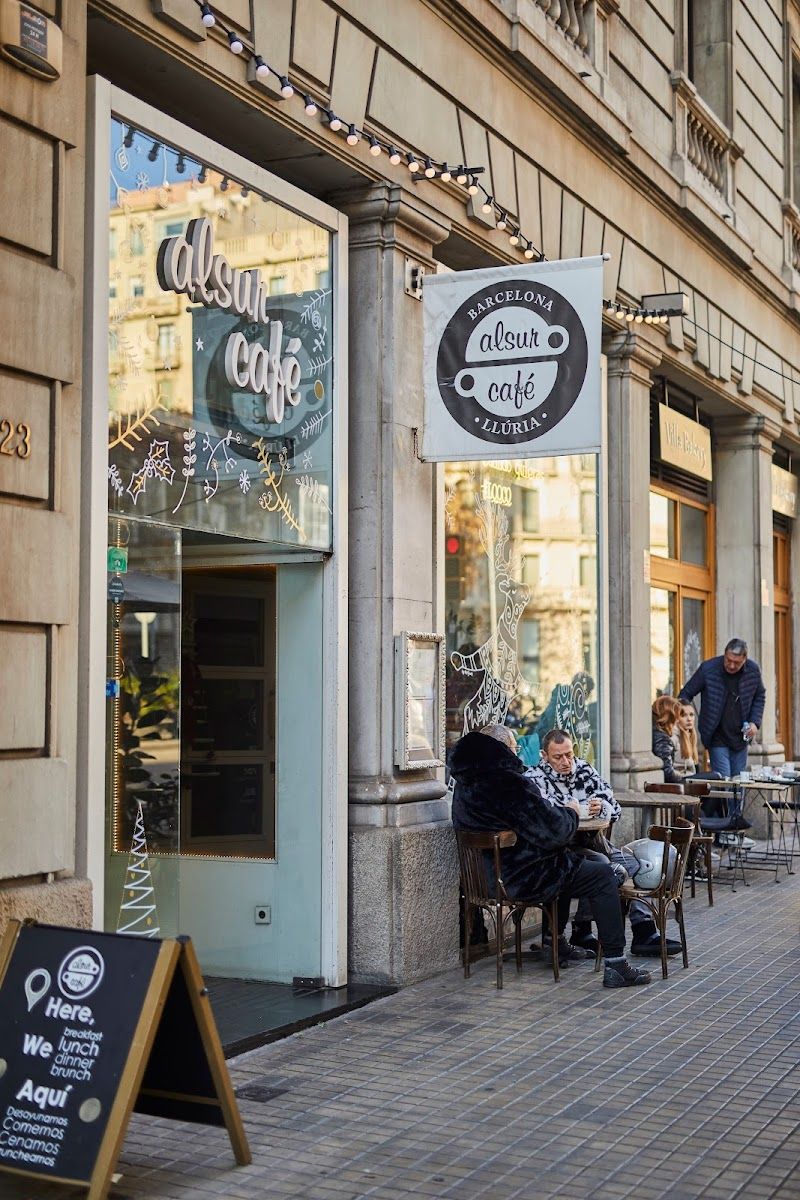
Alsur Café
A popular brunch chain with the best location on Plaça Reial's colonnade, offering a front-row seat to Gothic Quarter action. The eggs benedict variations and fresh-squeezed orange juice attract tourists and locals alike, though service can be slow during peak hours.
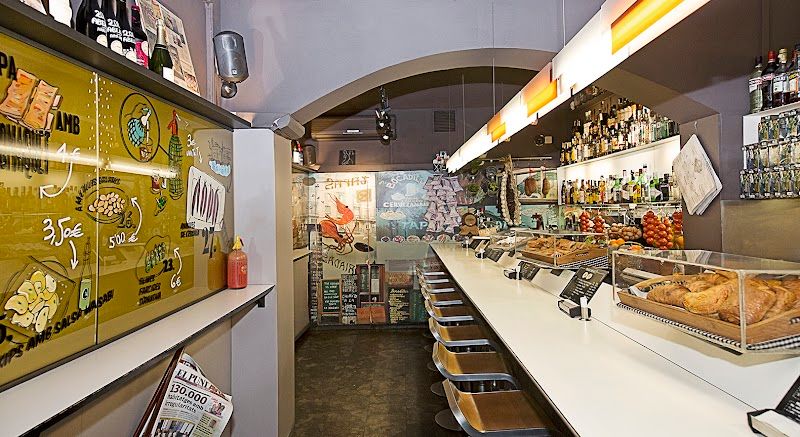
Tapas 24
Casual gourmet tapas bar from Carles Abellan offering elevated versions of Spanish classics. The bikini truffle sandwich and McFoie burger have achieved cult status. Despite the playful names, execution is serious and ingredients are premium quality.
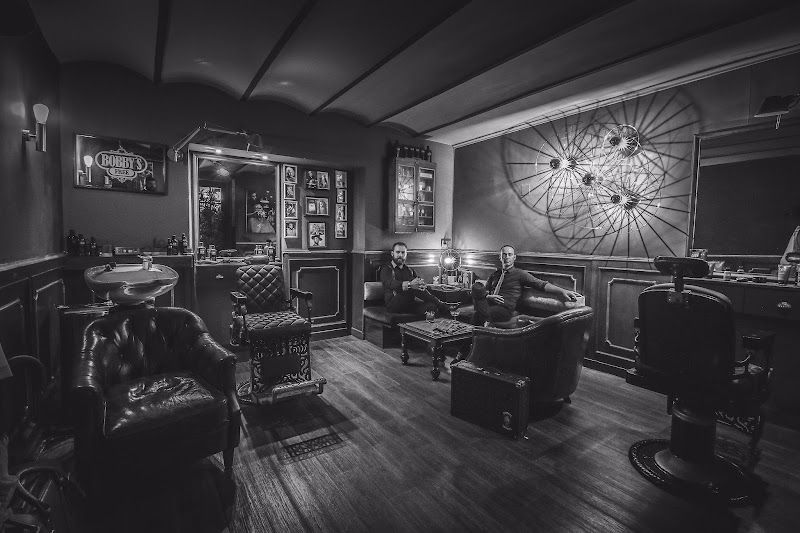
Bobby's Free
Enter through a vintage barber shop to discover this acclaimed speakeasy where mixologists craft cocktails inspired by 1920s prohibition-era recipes. The intimate space features only 35 seats, antique mirrors, and a menu organized by spirit base rather than style.
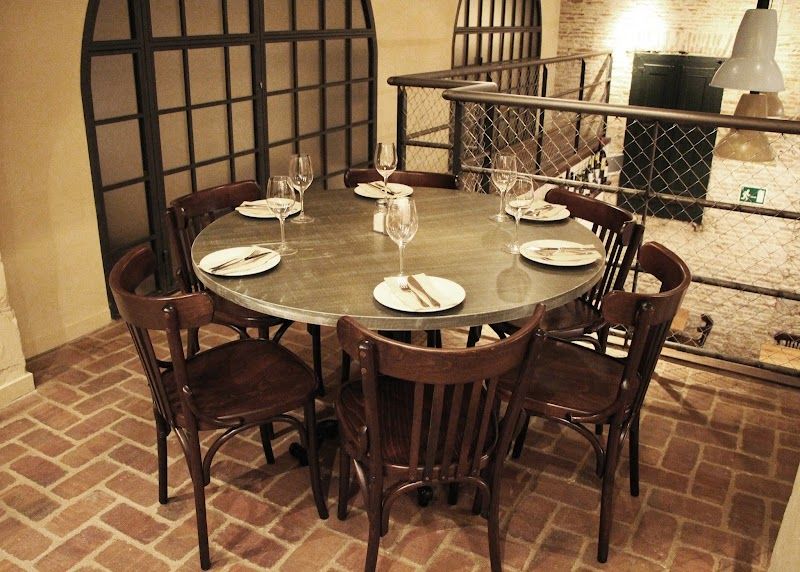
Bodega La Puntual
Traditional vermuteria serving house-made vermouth and classic tapas in a century-old bodega setting. The mantecados, olives, and potato chips accompany the vermut perfectly. The vintage tiles and marble bar preserve authentic Barcelona bodega character.
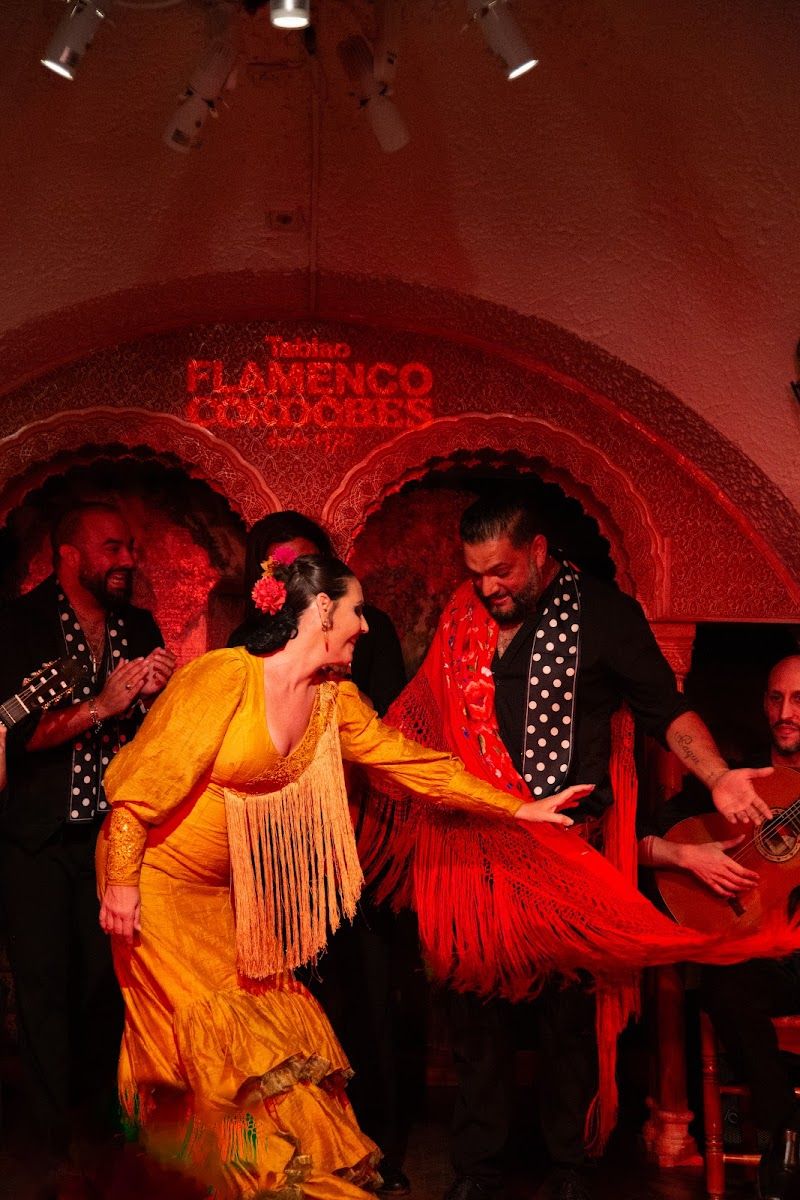
Tablao Flamenco Cordobes
Tablao Flamenco Cordobes delivers authentic flamenco in a restored 19th-century theater right on Las Ramblas, where the wooden floors amplify every heel strike and guitar strum. The intimate 120-seat venue hosts professional dancers, singers, and guitarists who've won national competitions - this isn't tourist flamenco, it's the real deal with powerful zapateado footwork that reverberates through the old building. Shows run nightly at 8:30pm and 10:30pm, lasting exactly one hour of pure performance. You'll sit at small tables facing a raised wooden stage where the acoustics are deliberately raw and immediate. The lighting stays moody and the atmosphere intense - when a bailaor launches into rapid-fire footwork, you feel it in your chest. The musicians sit stage-left, creating an intimate triangle with the dancers, and the traditional call-and-response between singer and guitarist builds genuine tension that keeps you riveted. Most venues on Las Ramblas are tourist traps, but Cordobes maintains serious artistic standards while charging serious prices - expect €45-65 for show-only tickets. Skip the dinner package (€85-105) since the food is mediocre and the service disrupts the performance. The 8:30pm show draws fewer crowds than the late session, giving you better table selection and a more focused audience that actually appreciates the artistry.
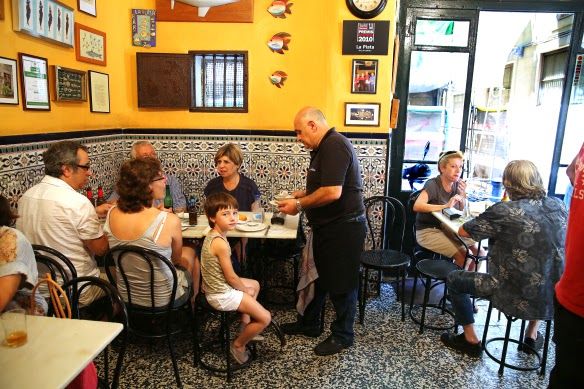
La Estrella de Plata
Neighborhood bodega serving traditional tapas and excellent house vermut in an unpretentious setting. The bomba potatoes, patatas bravas, and grilled squid are executed flawlessly. Popular with local artists and creatives from the surrounding studios.
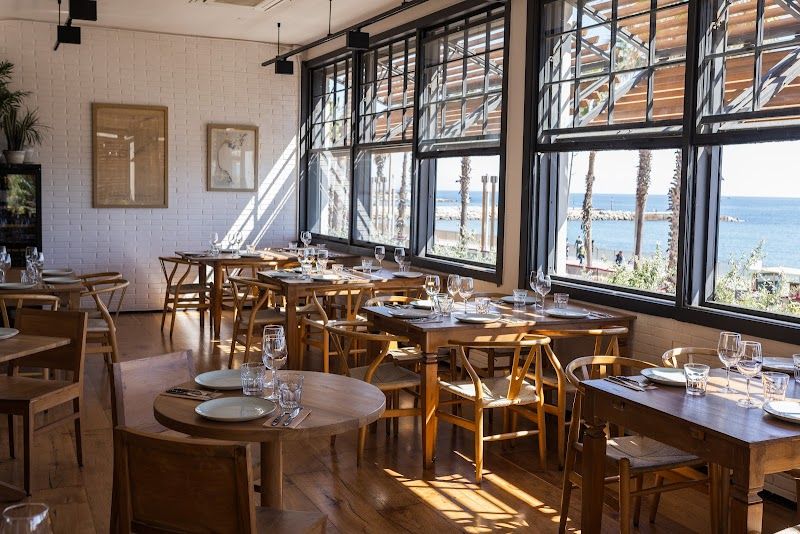
Barraca
Beachfront rice specialist from the Tragaluz Group focusing on paellas, arroces, and seafood in a stylish setting with floor-to-ceiling windows overlooking the Mediterranean. The black rice and lobster paella are standouts. Service is professional and knowledgeable about rice preparations.
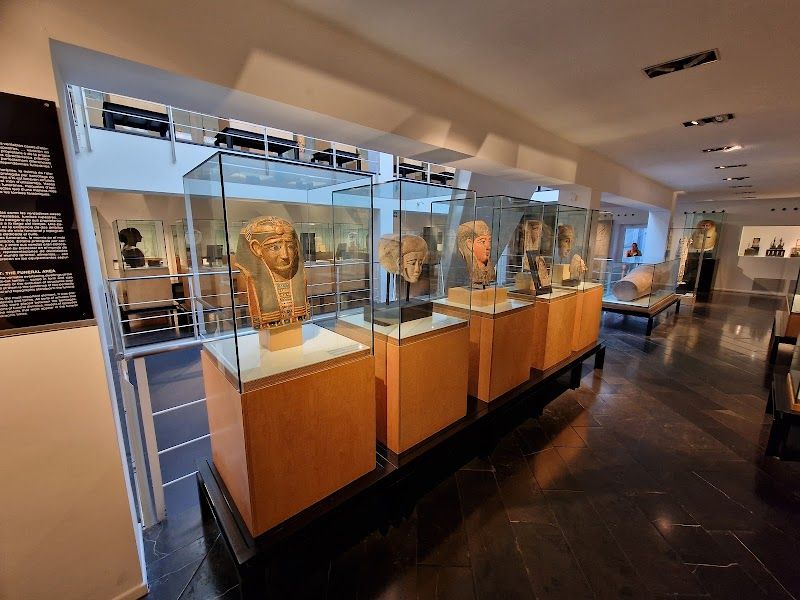
Museu Egipci de Barcelona
This private collection packs over 1,000 genuine Egyptian artifacts into an intimate space that puts the British Museum's Egyptian wing to shame. You'll see perfectly preserved mummies, intricate pharaonic jewelry, canopic jars, and painted sarcophagi dating back 3,000 years. The displays are smartly organized by theme rather than chronology, so you'll understand daily life in ancient Egypt instead of just memorizing dynasties. Owner Jordi Clos spent decades building this collection, and it shows in the quality - these aren't museum shop replicas. The museum feels more like exploring a wealthy collector's private study than wandering through sterile museum halls. Each room focuses on a different aspect of Egyptian culture - death rituals, religious beliefs, everyday objects - with detailed explanations in multiple languages. The lighting is dramatic without being theatrical, and you can actually get close to examine the craftsmanship on jewelry and pottery. Most visitors spend about an hour here, moving at their own pace through six well-designed rooms. At €12 for adults, it's expensive for the size but worth it if you're genuinely interested in ancient Egypt. Skip it if you're just checking boxes - this isn't a quick Instagram stop. The temporary exhibitions on loan from Cairo are genuinely spectacular and justify the entrance fee alone. Go midweek when it's quieter; weekends can feel cramped with the small room sizes.
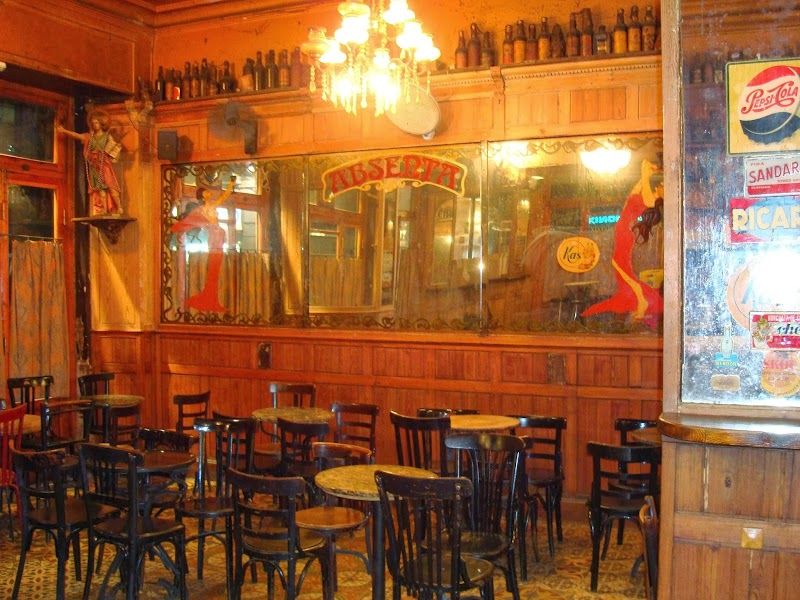
Bar Marsella
Since 1820, this legendary bohemian bar in Raval has served absinthe to artists, writers, and revolutionaries including Hemingway and Picasso. The walls are covered in layers of vintage posters, mirrors are yellowed with age, and the furniture hasn't changed in decades.
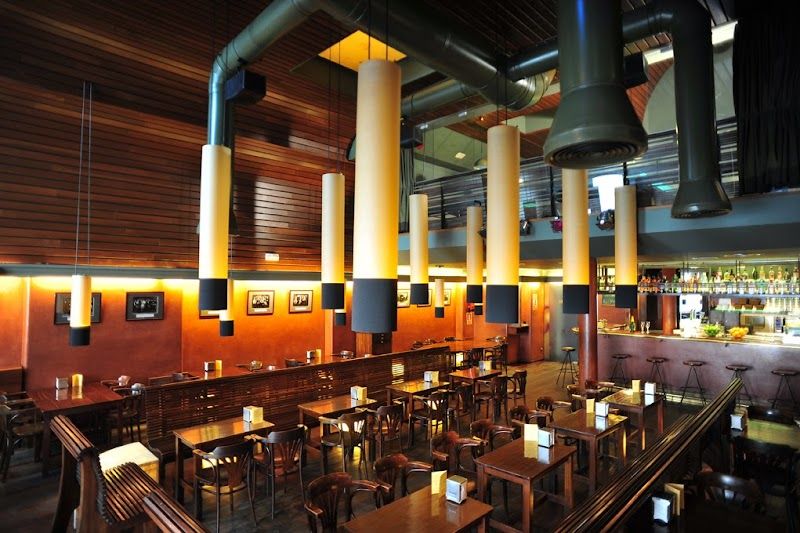
Cafè Salambó
Classic Gràcia café with vintage charm, marble tables, and a loyal neighborhood following since 1909. Famous for their croissants, cortados, and the locals who spend hours reading newspapers at the bar. The interior retains its original modernista details and authentic atmosphere.
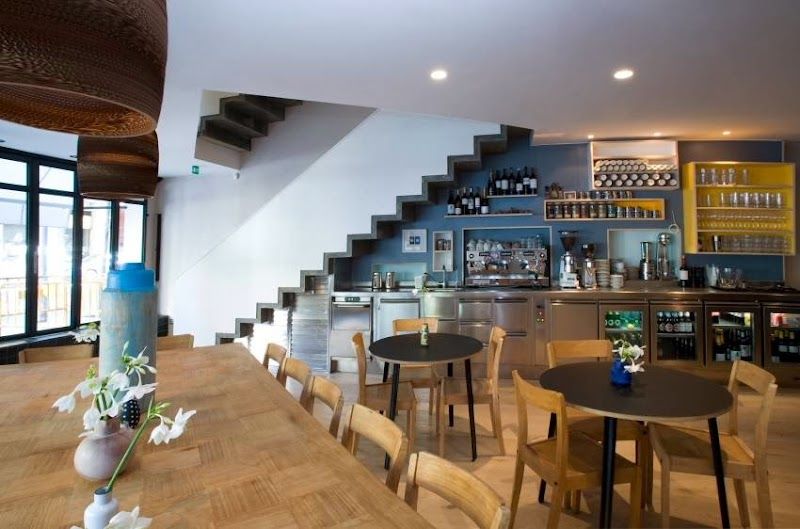
Federal Poble Sec
Australian-inspired café serving excellent brunch and coffee in a bright, plant-filled space with a neighborhood vibe. Known for their avocado toast variations, healthy bowls, and specialty coffee roasted in-house. A favorite workspace for digital nomads and weekend brunch spot for locals.
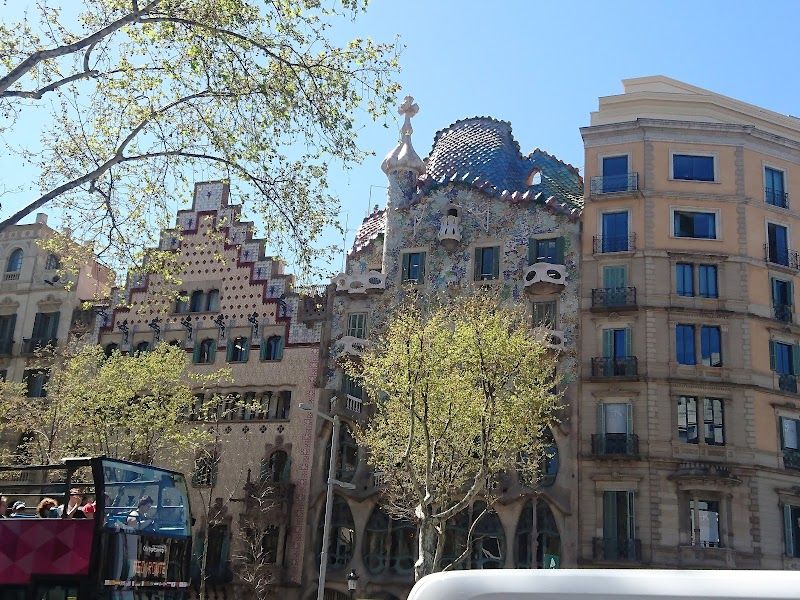
Passeig de Gràcia
This 2-kilometer boulevard cuts through the heart of Eixample, connecting Plaça Catalunya to Gràcia district. You'll walk past two of Gaudí's most famous buildings - Casa Batlló with its dragon-scale facade and La Pedrera's wavy rooftops - plus Casa Amatller and Casa Lleó Morera forming the architectural Block of Discord. Between the Modernista masterpieces, you'll find flagship stores for every major luxury brand from Chanel to Louis Vuitton, making this Barcelona's answer to Fifth Avenue. The wide sidewalks give you space to crane your neck at the elaborate facades without blocking foot traffic. Those distinctive hexagonal pavement tiles beneath your feet were actually designed by Gaudí himself, though most people never notice. The ornate street lamps and mosaic benches add artistic touches between the high-end storefronts. You'll find yourself constantly looking up then down - the architectural details are as impressive at ground level as they are six stories up. Don't try to shop and sightsee simultaneously - you'll miss both experiences. Casa Batlló charges €35 for entry while La Pedrera costs €25, but their exteriors are honestly 80% of the appeal. The luxury shopping is genuine but overpriced even by European standards. Skip the northern section past Diagonal - it becomes generic retail territory. Focus your time between Plaça Catalunya and Carrer d'Aragó where the architectural concentration is highest.
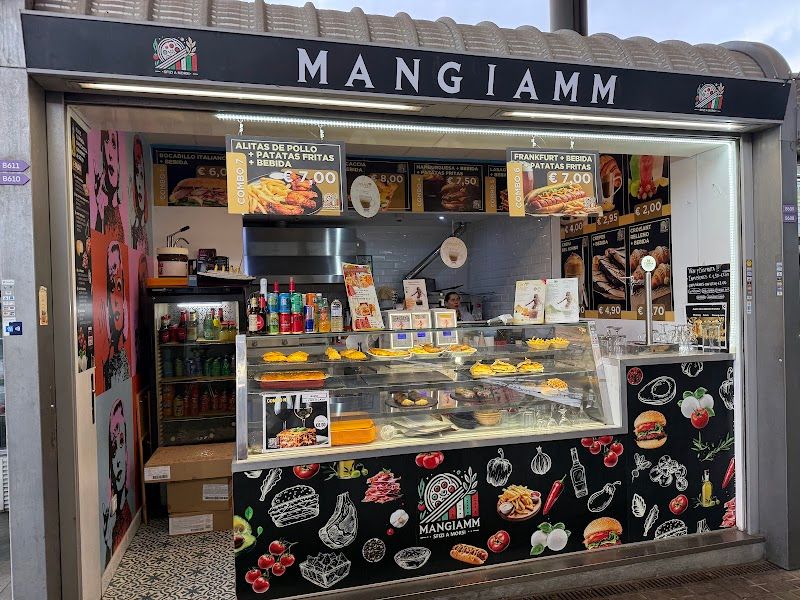
Encants Barcelona
Encants Barcelona is Europe's oldest flea market, trading continuously since the 14th century and now sheltered under a spectacular mirrored canopy that reflects the city skyline. You'll find serious antique dealers selling 18th-century furniture alongside vendors hawking secondhand electronics, vintage clothing, and genuinely bizarre curiosities - I once saw a collection of 1960s medical equipment next to a stall of designer handbags. The market operates Monday, Wednesday, Friday, and Saturday, with around 500 stalls spreading across the covered space and outdoor areas. The experience feels like treasure hunting with purpose - dealers know their stuff and prices reflect real value rather than tourist markups. The mirrored roof creates an almost kaleidoscopic effect as morning light filters down, making even mundane objects look dramatic. You'll hear Catalan, Spanish, and broken English as serious collectors negotiate over art deco lamps or vintage cameras. The atmosphere shifts throughout the day, starting businesslike at 9am and becoming more relaxed as afternoon approaches. Most guidebooks oversell this as a casual browse, but you need stamina and focus - it's genuinely overwhelming with three floors of goods. The antique section on the upper level offers the best quality but expect to pay €50-200+ for worthwhile pieces. Skip the electronics unless you're hunting very specific vintage items, and avoid Saturdays when tour groups clog the narrow aisles. The outdoor section often has the most interesting oddities at better prices.
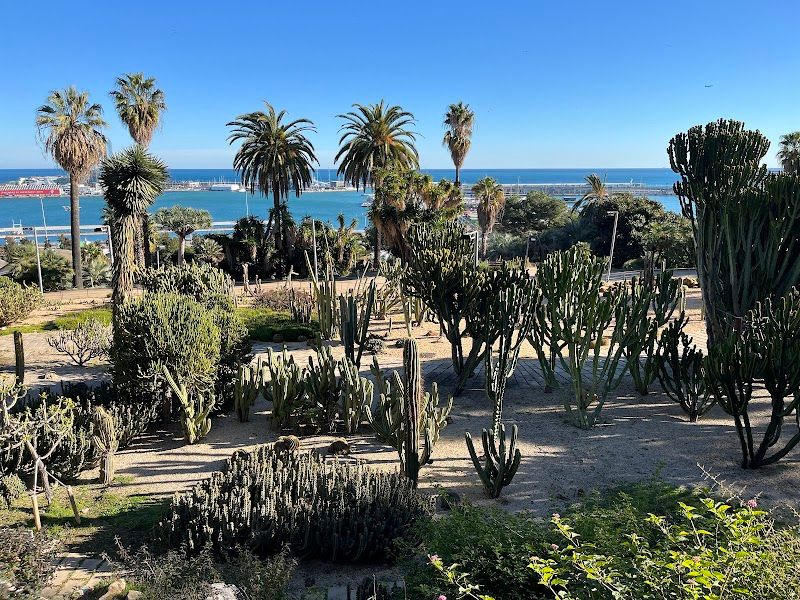
Jardins de Mossèn Costa i Llobera
This botanical garden houses over 800 species of cacti and succulents on Montjuïc's sun-baked slopes, creating one of Europe's most impressive desert plant collections. You'll find massive barrel cacti from Mexico, towering euphorbias from Africa, and rare Australian desert roses arranged across terraced hillsides. The Mediterranean climate lets these plants grow to extraordinary sizes - some specimens are over a century old and tower above head height. Walking the winding paths feels like exploring different desert landscapes without leaving Barcelona. The garden's terraced design means you're constantly discovering new sections, from dense clusters of prickly pears to sculptural agave gardens that look almost alien. The western-facing slope catches afternoon light beautifully, and the elevated position gives you sweeping views over Barcelona's port and the Mediterranean beyond. Most visitors rush through in 20 minutes, but you'll want the full hour to properly appreciate the diversity. The garden is completely free, which makes it one of Barcelona's best value attractions. Skip it if you're pressed for time - while beautiful, it's fairly niche unless you're genuinely interested in desert plants. The paths can be steep and there's minimal shade, so avoid midday visits in summer.
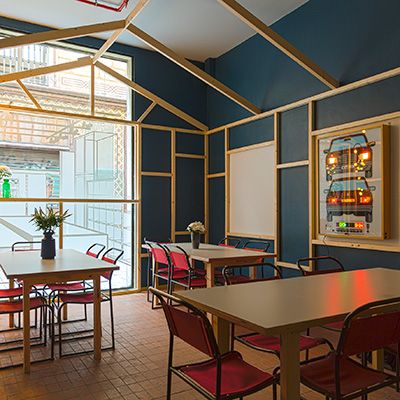
Federal Café
Australian-style café serving all-day breakfast, brunch, and lunch with specialty coffee. The avocado toast, açai bowls, and eggs benedict draw crowds, especially on weekends. The relaxed atmosphere makes it popular with digital nomads and international residents.
La Nena
A whimsical chocolate shop in Gràcia where thick hot chocolate with homemade whipped cream is served in bowls, accompanied by generous plates of cookies for dunking. Board games line the shelves, and toys keep children entertained while adults linger over their drinks.
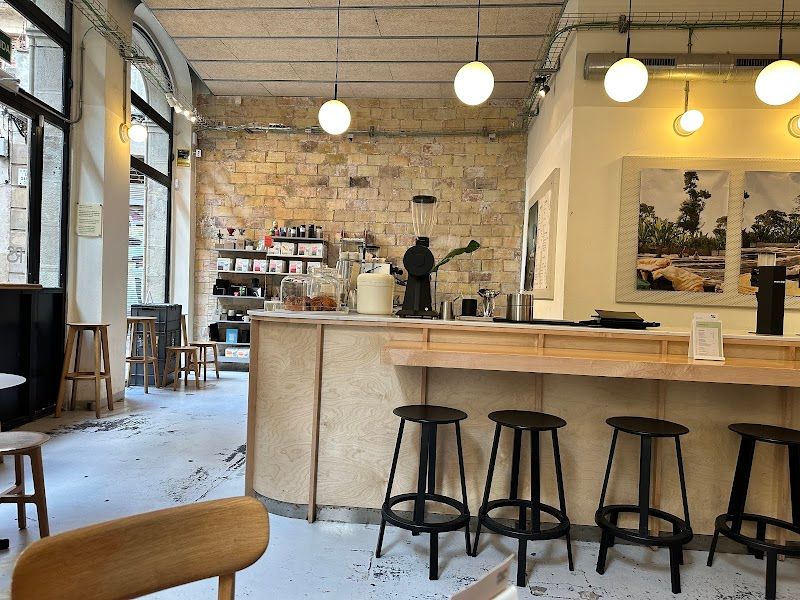
Satan's Coffee Corner
Barcelona's original third-wave coffee pioneer serving meticulously prepared single-origin espresso and filter coffee in a minimalist corner space. The baristas are serious about extraction times and water temperature, treating each cup like a science experiment. No laptop policy during peak hours keeps the vibe social.
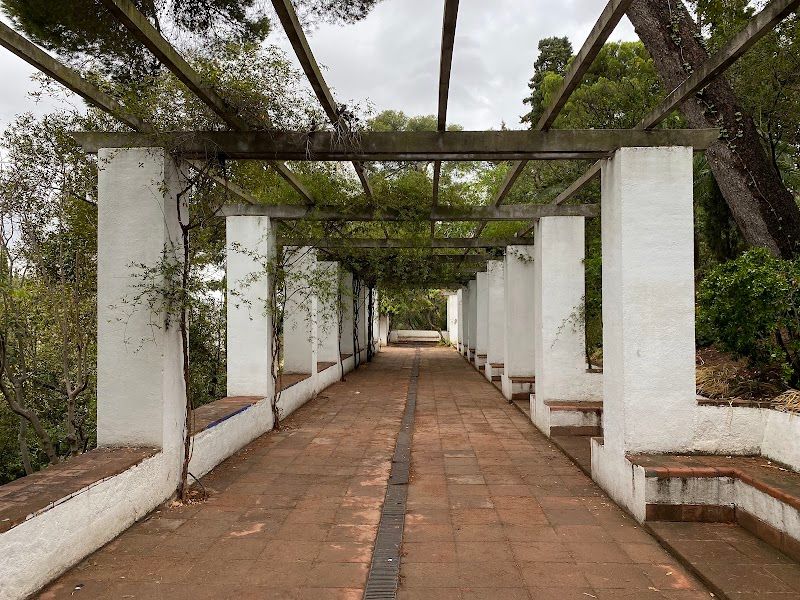
Jardins de Laribal
Jardins de Laribal transforms a steep Montjuïc hillside into a Mediterranean paradise through clever terraced design by French landscape architect Jean-Claude Nicolas Forestier. You'll climb romantic stone staircases past fountains, pergolas draped with wisteria, and groves of pine and cypress trees that smell incredible on warm days. The gardens connect Poble Sec below to the higher reaches of Montjuïc, offering genuine respite from Barcelona's crowds. The experience flows like a gentle uphill journey through different garden rooms. Stone balustrades guide you past trickling water features while gravel paths crunch underfoot. The pergolas create cool shade tunnels, and every turn reveals new views - first glimpses of the harbor through pine branches, then wider panoramas as you climb higher. It feels authentically Mediterranean rather than tourist-designed. Most people rush through heading to bigger Montjuïc attractions, which is their loss. The gardens are free and genuinely peaceful, especially weekday mornings. Skip the upper sections if you're short on time - the best fountains and views are in the lower two-thirds. Don't expect manicured perfection; this is designed to feel natural and slightly wild, which makes it infinitely more charming than Barcelona's formal parks.
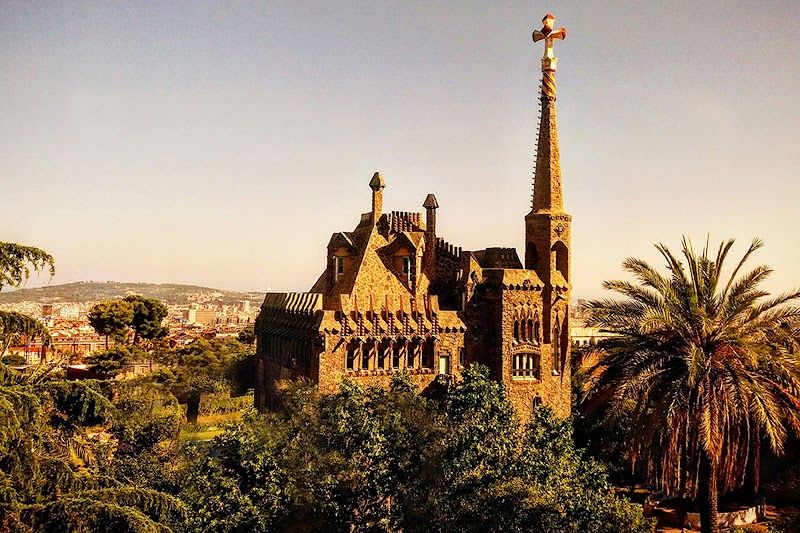
Torre Bellesguard
Torre Bellesguard is Gaudí's most overlooked masterpiece, a neo-Gothic fairy tale house built atop a 15th-century royal castle's foundations. You'll explore a medieval-meets-modernista creation where Gaudí used natural stone, ceramic mosaics, and his signature organic curves to honor King Martin the Humane's original fortress. The self-guided tour takes you through restored medieval vaults, up a spiraling tower with dragon-scale ceramics, and onto a rooftop terrace where the Collserola mountains frame Barcelona's skyline. The experience feels intimate compared to Gaudí's circus-like attractions. You'll wander through quiet medieval gardens where original castle walls peek through modern landscaping, then climb the distinctive spired tower that looks like something from a Brothers Grimm story. Inside, the house blends Gothic arches with Gaudí's flowing lines, and stained glass windows cast colored shadows across stone floors. The rooftop access is the real payoff - you're practically alone up there with 360-degree views. At €16 for adults, it's Barcelona's best value Gaudí experience and you can usually walk up without booking. Most visitors rush through in 45 minutes, but give yourself an hour to properly absorb the gardens and rooftop. The audio guide is decent but skippable - the architecture speaks for itself, and you'll want extra time photographing those views without crowds.
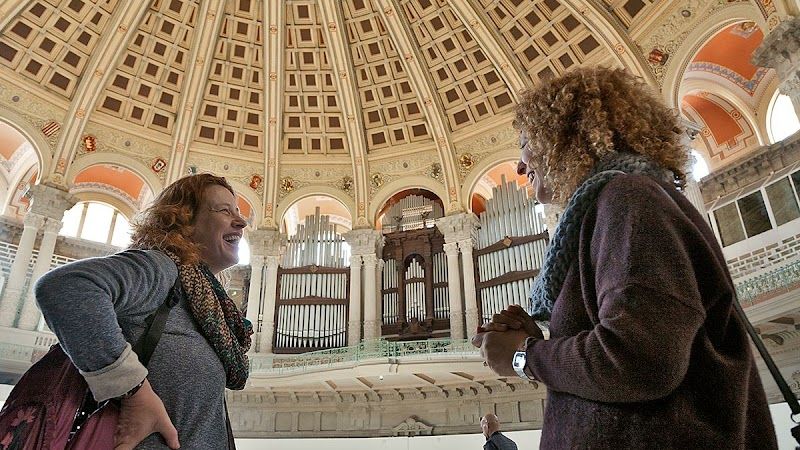
Runner Bean Tours Barcelona
Runner Bean Tours delivers Barcelona's most comprehensive free walking tour, led by actual historians who've spent years researching the city's layers. You'll trace 2000 years from Roman Barcino's foundations through medieval guilds to Civil War bomb shelters, seeing remnants most tourists walk past without noticing. The route covers genuine archaeological finds - Roman walls embedded in Gothic buildings, medieval Jewish quarter remnants, and Franco-era bullet holes still visible on cathedral stones. The 2.5-hour walk moves at a steady pace through narrow Gothic Quarter streets, with your guide pointing out details like Roman aqueduct fragments and medieval merchant symbols carved into doorways. Groups typically include 20-30 people, and the historians are genuinely passionate - they'll answer questions about everything from Visigothic invasions to modern Catalan independence. The atmosphere feels like a university seminar that happens to take place in ancient streets, with stops at small plazas where the guide sketches historical layouts on a whiteboard. Most free tours stick to obvious landmarks, but Runner Bean digs deeper into archaeology and social history that paid tours often skip. The Civil War section is particularly strong - you'll learn about neighborhood resistance networks and see actual bomb damage from 1938. Tips typically run €10-15 per person, which is fair given the research depth. Skip this if you want surface-level sightseeing, but it's perfect for understanding why Barcelona looks the way it does.
Nomad Coffee Lab & Shop
Barcelona's most awarded coffee roastery operates this bright corner cafe where they roast beans on-site and host cupping sessions. The space doubles as a training lab, so you might witness barista competitions or latte art throwdowns while sipping your cortado.
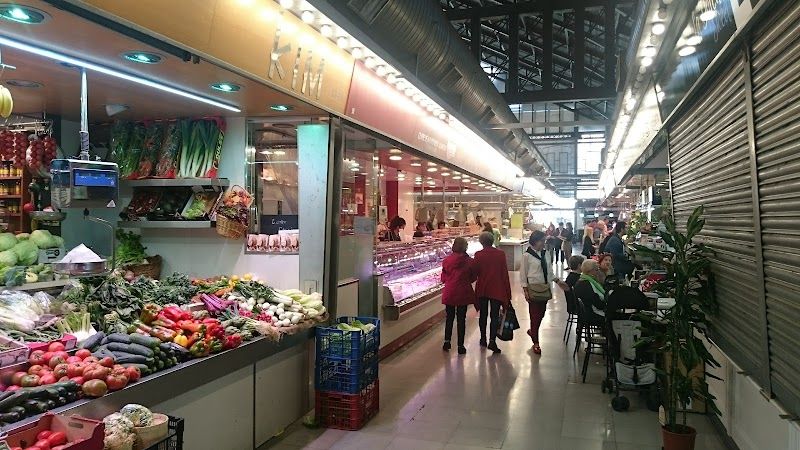
Mercat de la Barceloneta
This modernized neighborhood market sits right where Barceloneta meets the sea, housed in a sleek glass and steel pavilion that replaced the old structure in 2007. You'll find the city's best selection of just-caught fish and seafood, with vendors who've been working these stalls for decades alongside their families. The real draw isn't just shopping - several excellent bars inside serve tapas made from the same ingredients you see at the stalls, creating this perfect cycle of market to plate. The atmosphere shifts throughout the day, starting calm with serious shoppers examining red prawns and monkfish, then building energy as the tapas bars fill up around 11am. You'll hear vendors calling out prices in Catalan, smell grilled sardines from the bars, and watch locals debate the merits of different catches with surprising intensity. The modern architecture keeps everything bright and airy, a welcome change from Barcelona's darker traditional markets. Most food tours rush through here, but you're better off taking your time at the bars - Els Fogons de la Barceloneta will cook whatever you buy from the stalls for just a few euros cooking fee. Skip the overpriced tourist restaurants on the beach nearby. Morning visits (9-11am) give you the best fish selection, but afternoon (2-4pm) has better tapas energy. Expect to spend €15-25 for excellent seafood plates.
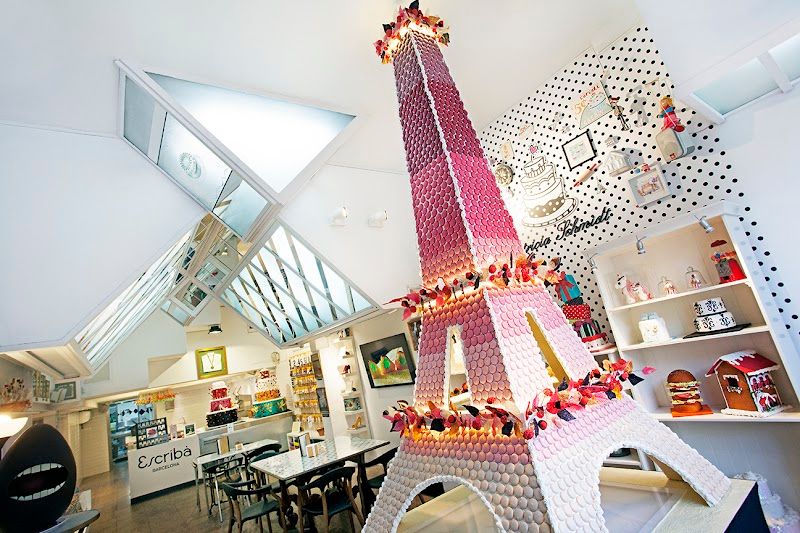
Escribà
Historic pastry shop and café founded in 1906, featuring spectacular Art Nouveau mosaics on the facade. Famous for their artisanal pastries, chocolates, and the iconic croissants, all made with traditional techniques passed down through generations.
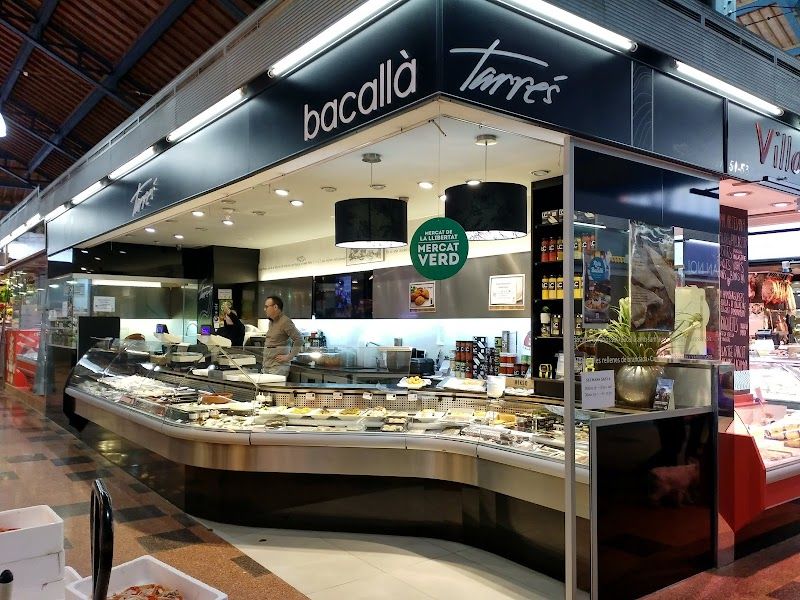
Mercat de la Llibertat
This 1893 modernista market in Gràcia showcases the elegant ironwork and ceramic detailing that made Barcelona's neighborhood markets architectural treasures. Francesc Berenguer, Gaudí's close collaborator, designed the striking facade with its floral ceramic panels and intricate metalwork that frames the main entrance on Plaça de la Llibertat. Inside, you'll find about 40 stalls selling everything from line-caught fish to organic vegetables, with several excellent prepared food counters. The market operates like a genuine neighborhood hub where Gràcia residents do their daily shopping. You'll hear vendors calling out prices in Catalan, smell fresh bread from the bakery stalls, and watch locals examine tomatoes with the seriousness of wine connoisseurs. The restored interior balances original architectural details with modern functionality - high ceilings keep things airy while traditional tile work adds character. Unlike the tourist-packed La Boqueria, conversations flow naturally between vendors and regulars. Most travel guides oversell this as purely architectural, but the real draw is experiencing how Barcelona locals actually shop for food. Skip the weekend crowds when it's harder to navigate and vendors are rushed. The cheese and charcuterie stalls offer generous samples if you ask politely, and the fishmonger near the back entrance sells excellent prepared croquettes for around €1.50 each. You'll cover the entire market in 30 minutes, but linger longer if you're planning to cook.
Gresca
Contemporary bistro serving market-driven tasting menus that highlight seasonal Catalan ingredients. Chef Rafa Peña's cooking is technically accomplished yet unpretentious, focusing on flavor over theater. The intimate size ensures attentive service and a personal dining experience.
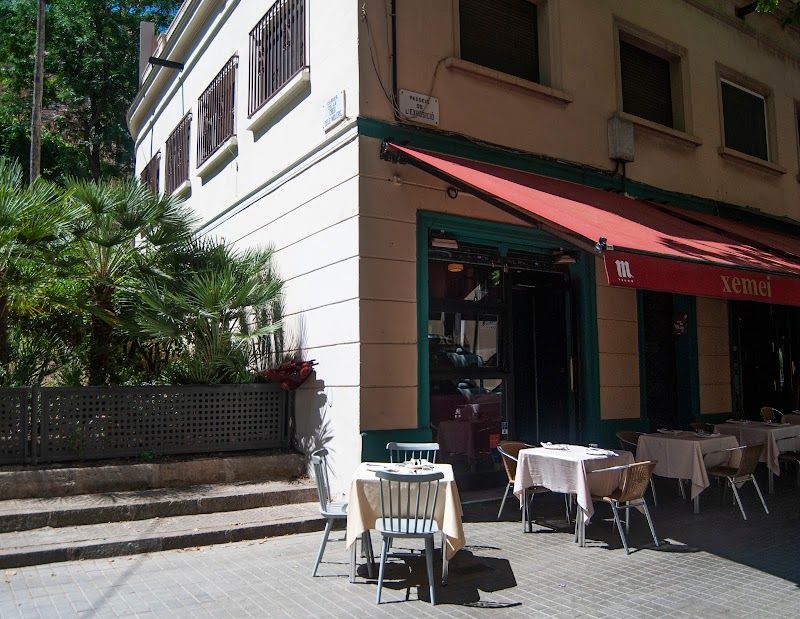
Xemei
Venetian-inspired restaurant serving cicchetti and Italian small plates with a Catalan twist. The Italian owners import ingredients directly from Venice, and the wine list focuses on Italian natural wines. The tiramisu is worth saving room for.
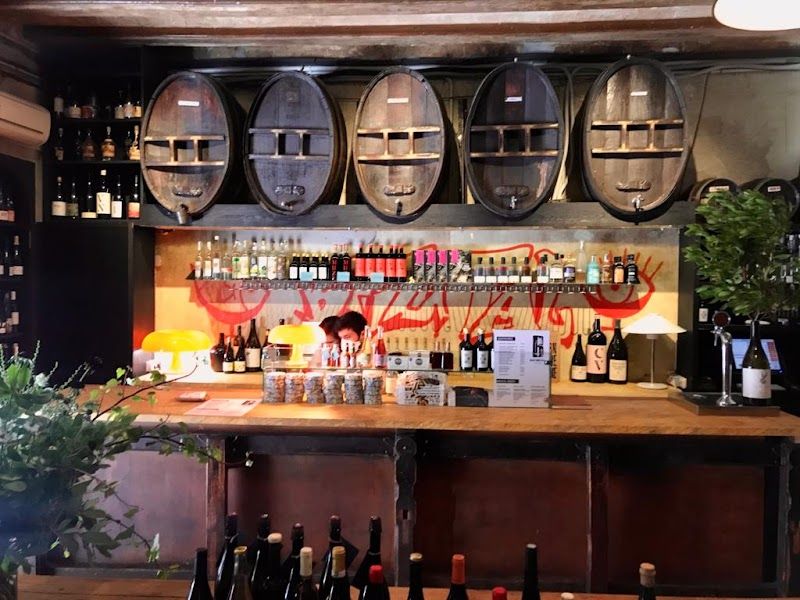
Bar Brutal
Industrial-chic wine bar specializing in natural wines paired with creative small plates. The ever-changing menu features seasonal Catalan ingredients prepared with international techniques. The knowledgeable staff guide wine selections for every taste and budget.
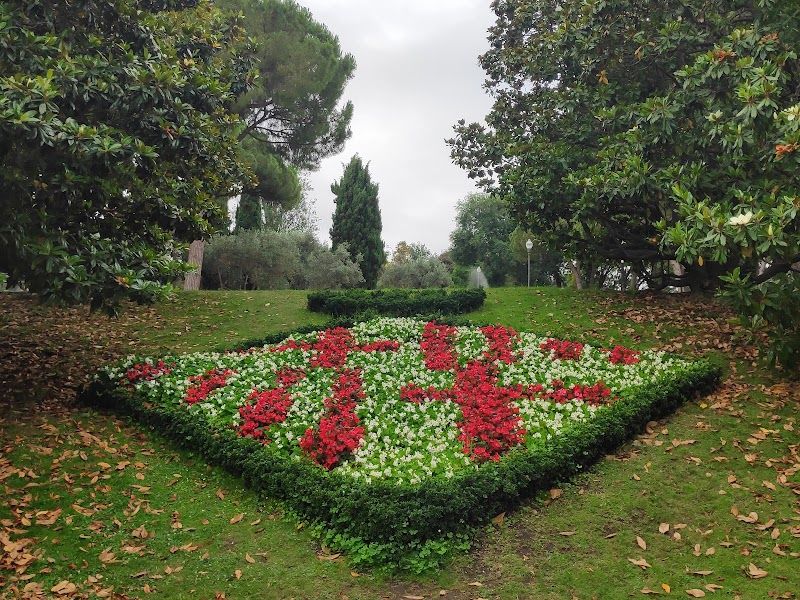
Jardins de Mossèn Cinto Verdaguer
These terraced botanical gardens cascade down Montjuïc's slopes, specializing in aquatic plants and seasonal bulb displays that most Barcelona visitors never discover. You'll find water lilies floating in geometric pools, thousands of tulips carpeting the terraces in spring, and iris beds that bloom in waves throughout the year. The upper terraces offer some of the best unobstructed views over Barcelona's rooftops and harbor, without the crowds that pack Montjuïc Castle or the cable car stations. The gardens flow naturally from level to level, with stone pathways connecting different themed sections. Water features bubble throughout, creating a cooling effect that's especially welcome in summer heat. The aquatic plant pools are the real highlight - lotus flowers bloom dramatically from June through August, while the seasonal displays change completely every few months. You'll hear more Catalan than English here, as this remains genuinely popular with locals who bring books and picnic lunches. Most guides barely mention these gardens, which works in your favor since you'll often have entire sections to yourself. The best views are from the uppermost terrace near the Miramar entrance - don't waste time at the lower levels if you're short on time. Entry is completely free, and there's no need to visit other Montjuïc attractions the same day since this feels totally separate from the tourist circuit.
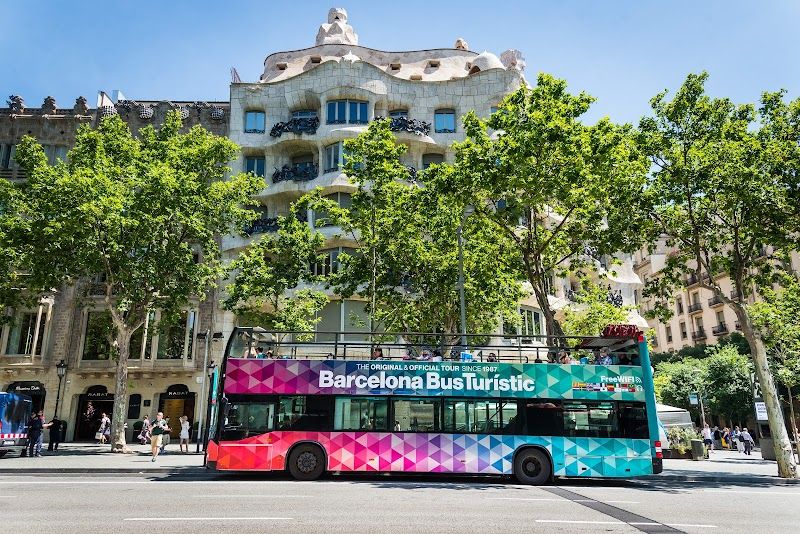
Barcelona Bus Turistic
The Barcelona Bus Turistic runs three color-coded routes covering the city's main attractions over 45 stops, letting you hop on and off with a single ticket. The Red Route hits the classics like Sagrada Familia and Park Güell, the Blue Route climbs to Tibidabo, and the Green Route (East) reaches Poblenou's beaches and the contemporary architecture district. Each double-decker comes with multilingual audio commentary that's actually decent, and the open-top views give you proper perspective on Gaudí's spires and the Mediterranean coastline. The experience feels touristy because it is, but that's not necessarily bad - you'll cover serious ground without navigating Barcelona's confusing bus system or climbing those brutal hills to Park Güell. The buses run every 10-20 minutes depending on season, and you'll spend most of your time listening to commentary while watching the city unfold below. The top deck gets windy and hot, but the views of the Eixample's geometric blocks and Montjuïc's green slopes are worth it. Here's what most guides won't tell you: at €30 for one day or €40 for two days, it's expensive for what amounts to a city bus with headphones. Skip it if you're comfortable with public transport - the regular metro and buses cost €2.40 per ride and get you places faster. But if you're short on time, have mobility issues, or traveling with kids who'd struggle with Barcelona's hills, the convenience justifies the cost.
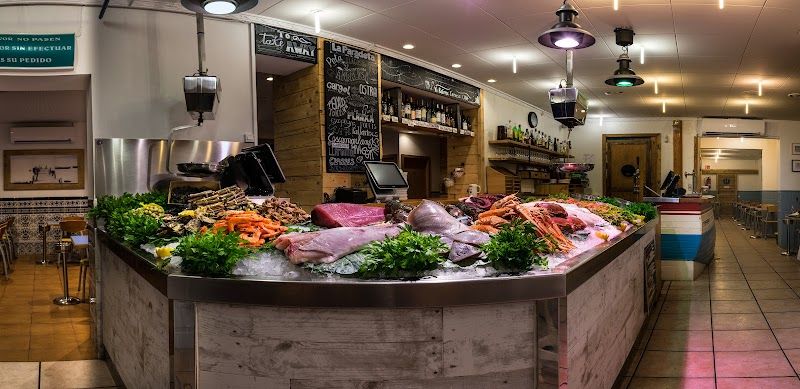
La Paradeta
Self-service seafood restaurant where you select fresh fish and shellfish from the market-style counter, then they cook it to your specifications. The casual atmosphere and reasonable prices make it popular with locals who want quality seafood without fine dining formality. The grilled razor clams and mixed seafood platters are standouts.
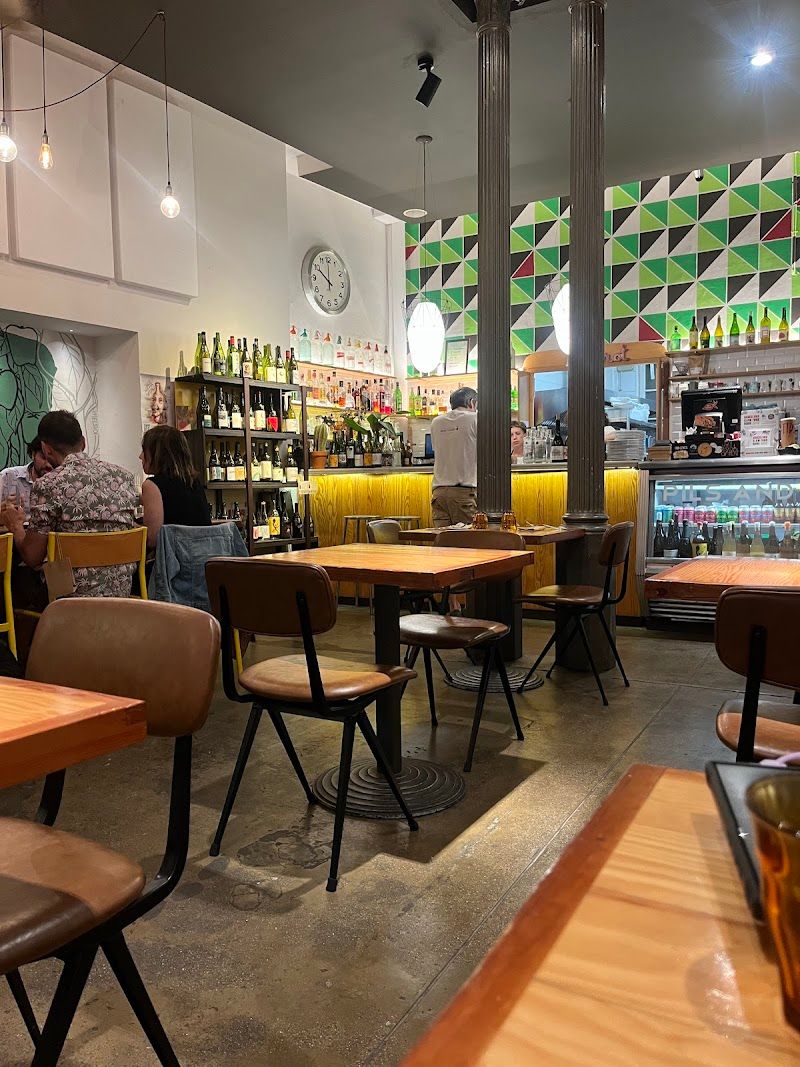
Rasoterra
Vegetarian and vegan restaurant focusing on organic, locally-sourced produce prepared with Mediterranean flavors. The tasting menu format showcases vegetables at their peak seasonality. The natural wine list is carefully curated to complement plant-based dishes.
La Bella Napoli
Family-run pizzeria serving authentic Neapolitan pizza since 1955, one of the oldest in Barcelona. The wood-fired oven produces perfectly charred, puffy-crusted pizzas using imported Italian ingredients and traditional techniques. A Poble Sec institution with a loyal local following.
Can Maño
No-frills neighborhood tavern in Barceloneta serving massive portions of grilled seafood, paella, and Catalan classics. The atmosphere is chaotic, the service is gruff but efficient, and locals pack the shared tables. Cash only and absolutely no reservations.
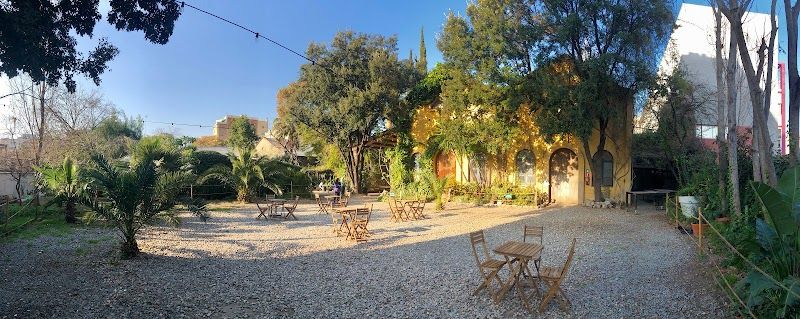
Palo Alto Market
Palo Alto Market transforms a weathered industrial courtyard in Poblenou into Barcelona's coolest monthly creative gathering. You'll find around 100 vendors selling genuine vintage pieces (not tourist knockoffs), handmade jewelry, local art prints, and upcycled furniture scattered across the concrete space. Live bands play from a small stage while food trucks serve everything from Korean tacos to craft beer, creating an authentic community vibe that locals actually attend. The raw industrial setting feels like stumbling into Barcelona's creative underground. Vendors set up between old factory walls and concrete pillars, giving everything an authentic edge that's missing from touristy markets. You'll hear Spanish, Catalan, and English as young locals browse alongside expat families, while kids run around the open space. The atmosphere builds throughout the day, starting mellow in the morning and becoming more social as people settle in with drinks and music. Most travel guides oversell this as some undiscovered treasure, but it's actually well-known among locals - just not touristy. The vintage clothing is genuinely good quality (expect 15-30€ for shirts, 40-80€ for jackets), but jewelry and art can be overpriced. Skip the crowded food trucks and eat before you come, focusing your time on the unique finds. The market only runs once monthly, so check dates carefully - missing it means waiting another month.
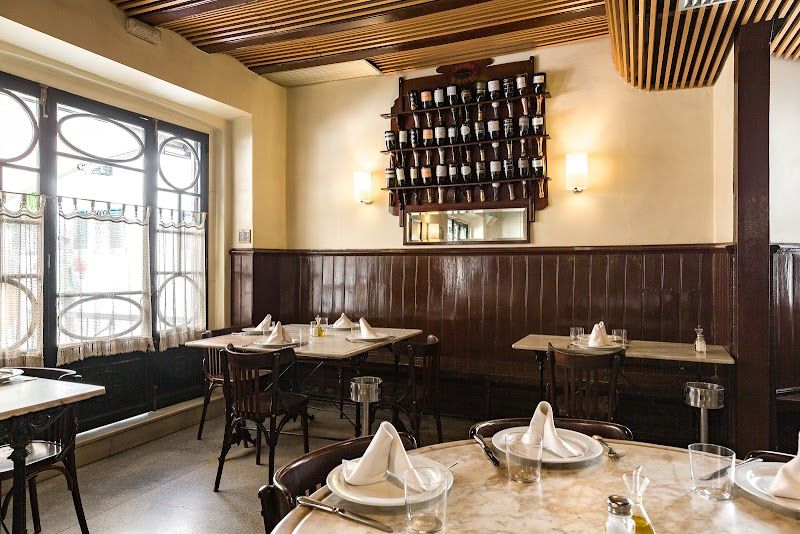
Els Pescadors
Former fishermen's tavern serving exceptional seafood and rice dishes in a charming setting on a quiet square. The restaurant maintains connections with local fish markets ensuring daily fresh catches. The suquet de peix (fish stew) and black rice are house specialties.
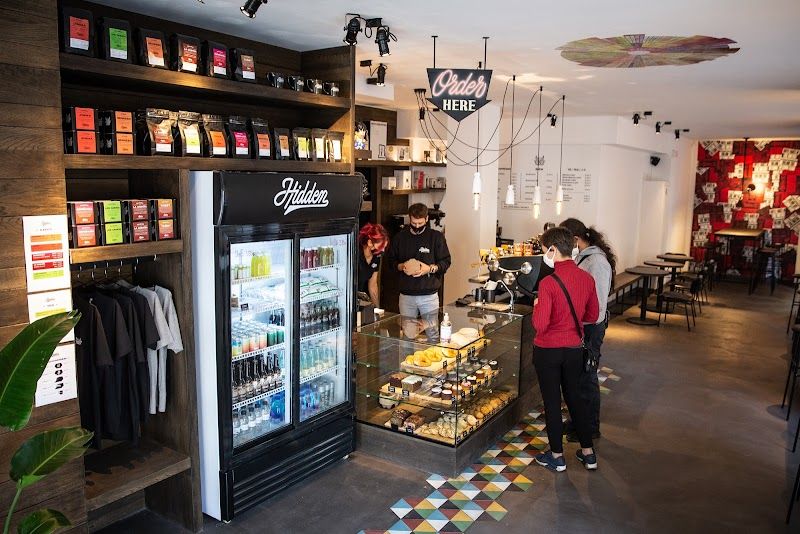
Hidden Café
Tucked down a Gothic Quarter alley, this laptop-free cafe focuses on conversation over productivity. The exposed stone walls, vintage furniture, and carefully curated music create an intimate atmosphere for slow mornings with excellent coffee and homemade pastries.
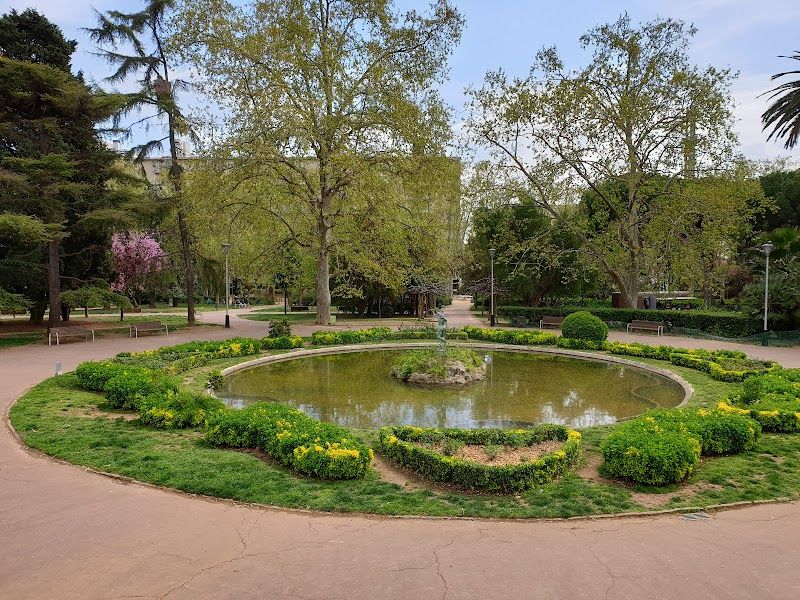
Jardins de la Vil·la Amèlia
Hidden tranquil garden tucked away in the heart of Gràcia, featuring shaded pathways, historic trees, and peaceful benches. This former private estate garden offers a serene escape from the bustling neighborhood streets. Perfect spot for reading or a quiet break during your Gràcia exploration.
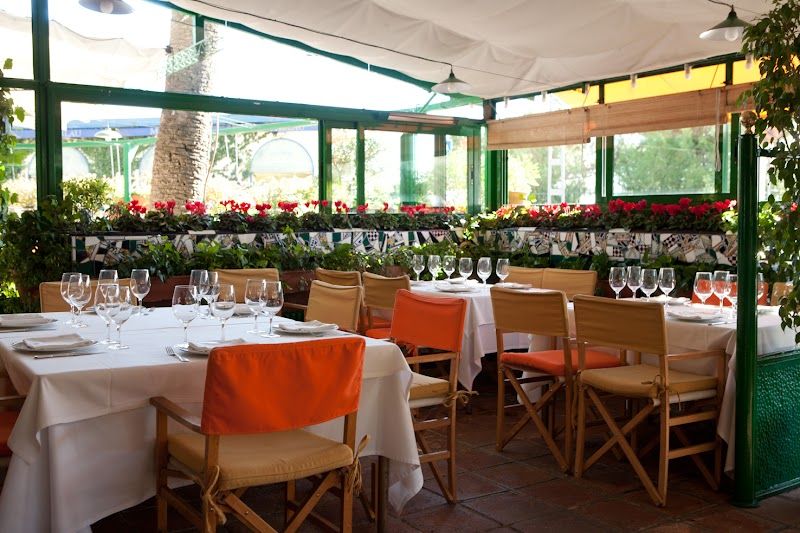
La Venta
Historic restaurant perched on Tibidabo mountain offering panoramic city views alongside traditional Catalan cuisine. The elegant dining room maintains its 1920s character while serving updated classics like canelons and rice dishes. The terrace is magical for sunset dinners.
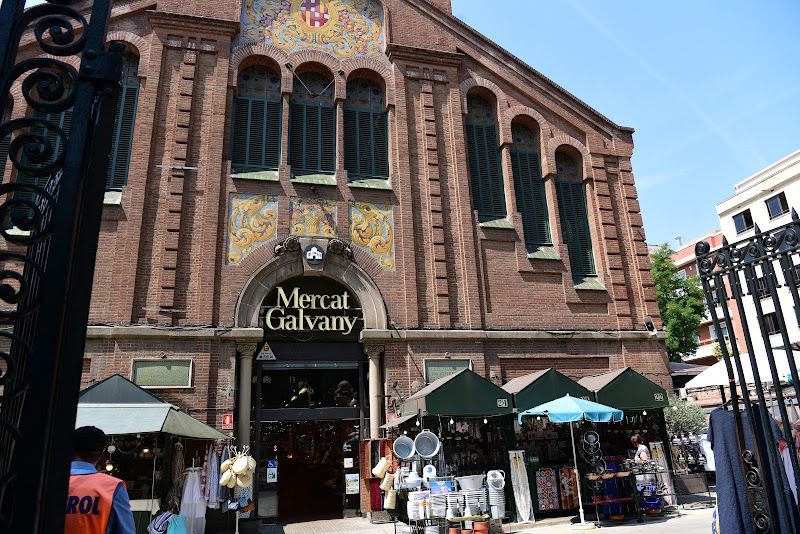
Mercat de Galvany
A traditional market in the upscale Galvany neighborhood serving a discerning clientele with premium products. The market is known for exceptional quality butchers, fishmongers, and specialty food shops. The restored 1927 building maintains its original character with modern upgrades.
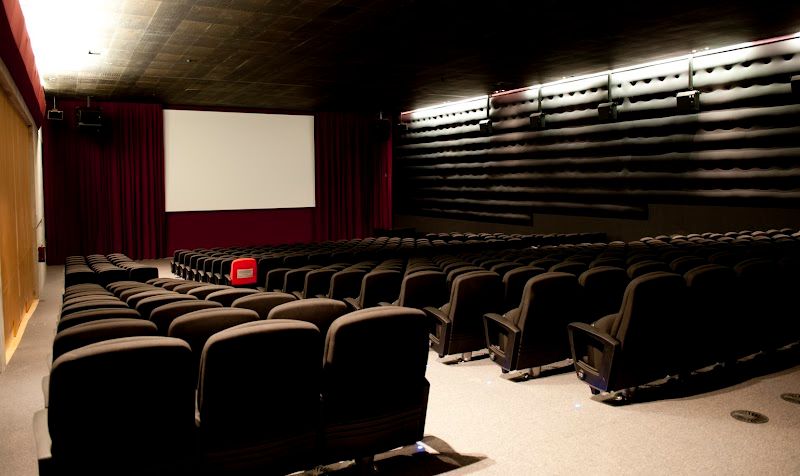
Filmoteca de Catalunya
Catalonia's film archive and cinematheque housed in a striking modern building designed by Josep Lluís Mateo. Features daily screenings of classic, contemporary, and experimental cinema in original versions, plus exhibitions exploring film history and culture.
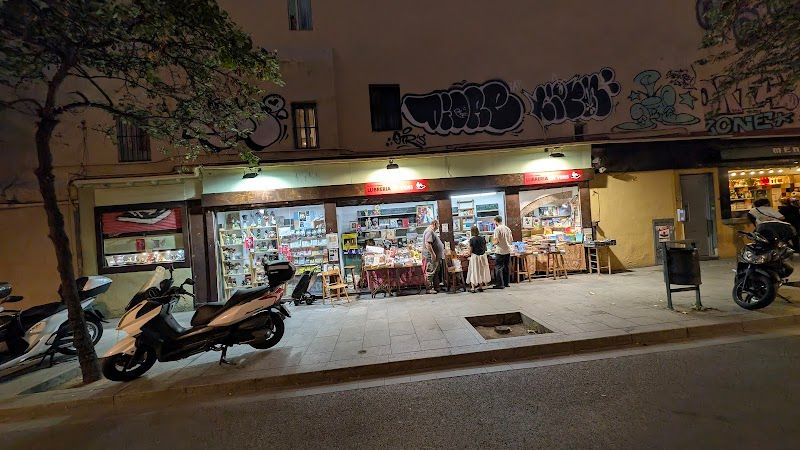
Bar Mendizábal
A historic cafe since 1942 on the edge of Montjuïc, popular with locals heading to the Poble Sec market or before hiking the hill. The simple breakfast menu of tostadas con tomate and cortados served at marble-topped tables hasn't changed in decades.
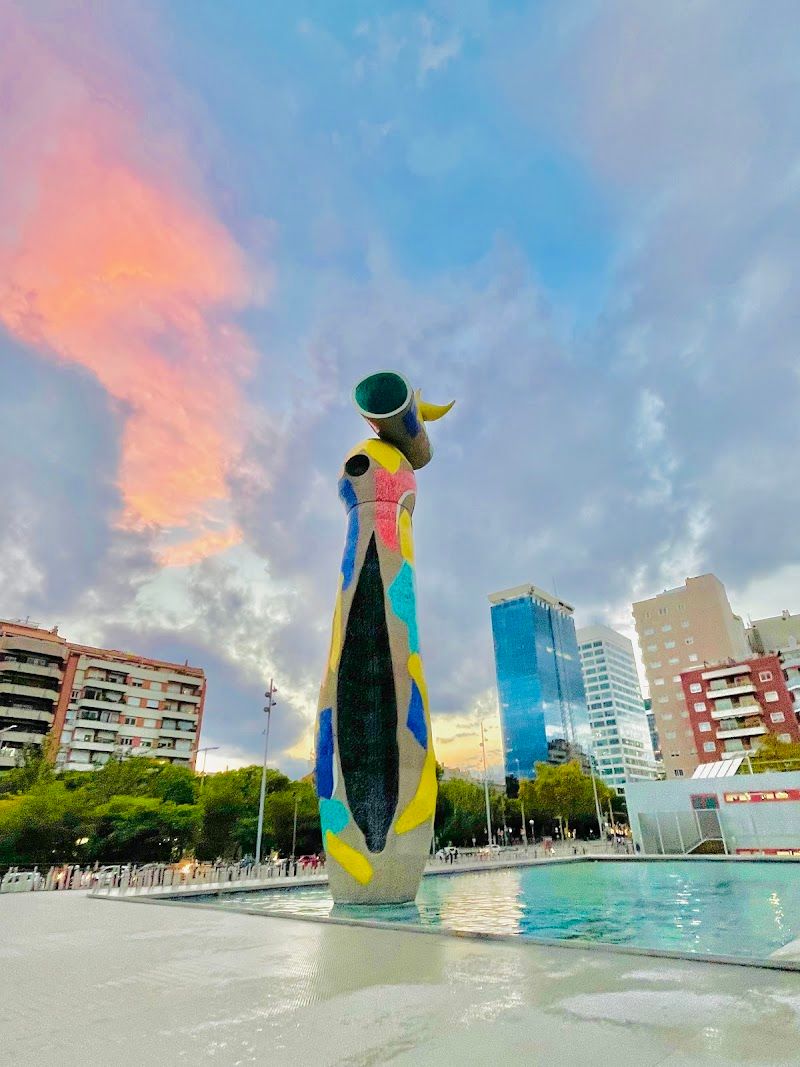
Parc de Joan Miró
A modern urban park built on the site of a former slaughterhouse, dominated by Miró's 22-meter tall sculpture 'Dona i Ocell' (Woman and Bird). The park features palm-lined promenades, a shallow pool, and abstract landscaping. It's a popular spot for locals to exercise and walk dogs.
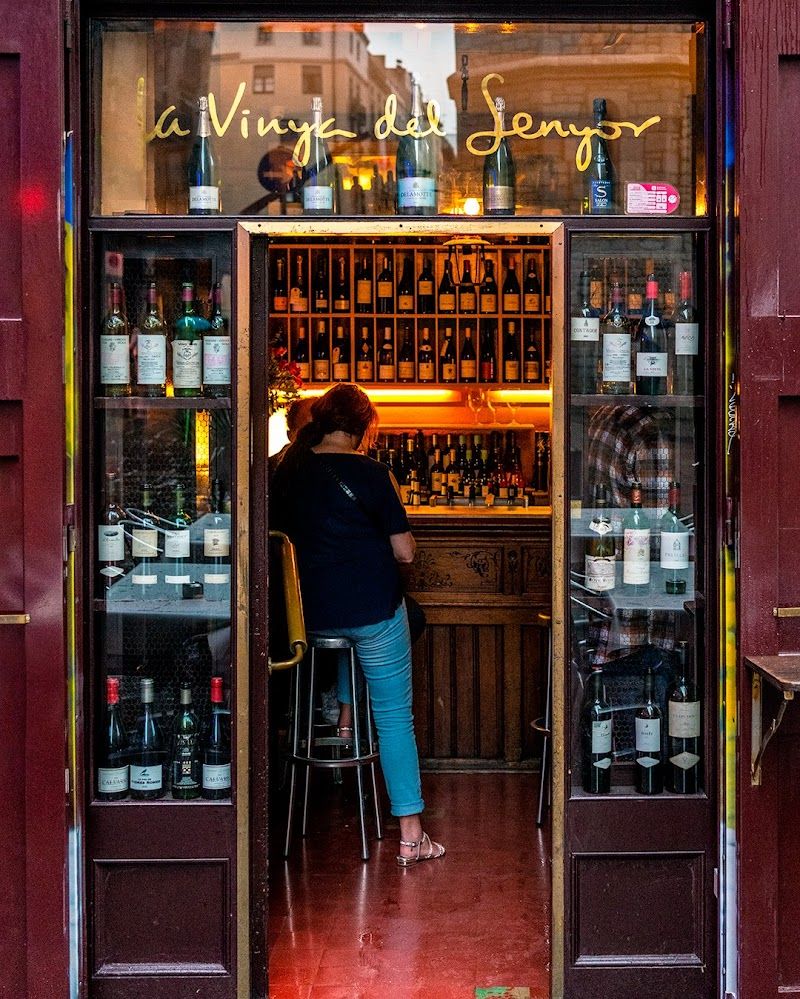
La Vinya del Senyor
This tiny wine bar directly faces the Gothic Santa Maria del Mar basilica, with outdoor tables offering one of Barcelona's most atmospheric settings. The extensive wine list focuses on Spanish regions with over 300 labels, and knowledgeable staff guide selections.
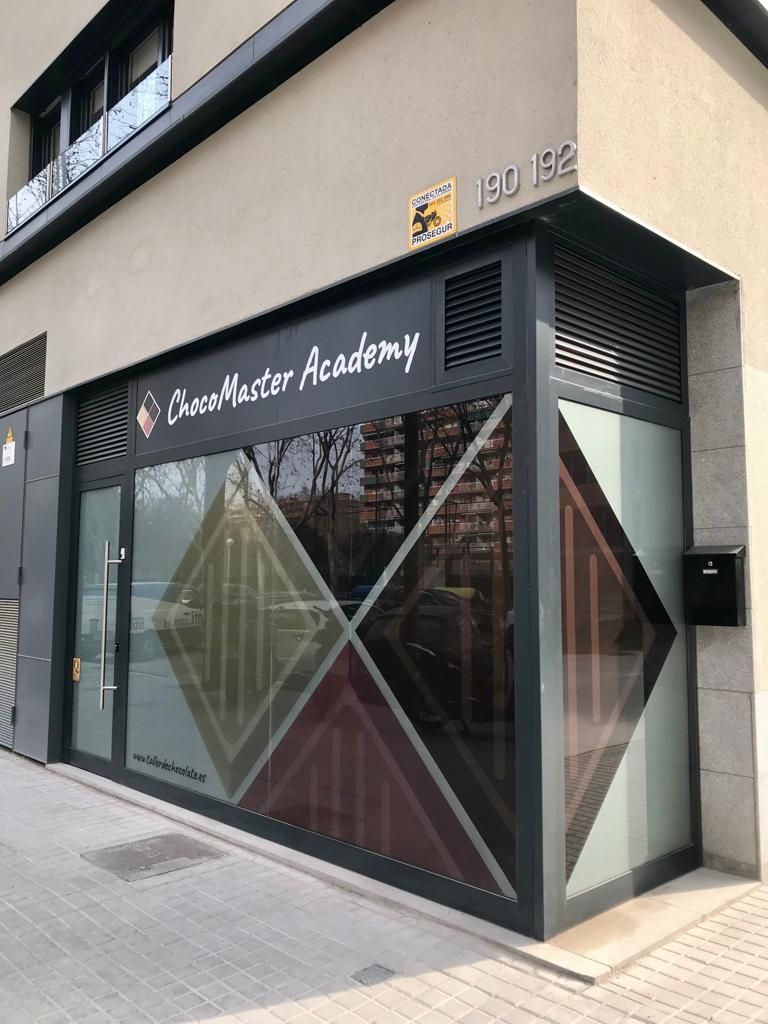
Barcelona Chocolate Workshop
Ninety-minute hands-on workshop learning to temper chocolate and create truffles and bonbons in a professional chocolatier's studio. The class covers bean-to-bar process, tempering techniques, and Catalan chocolate traditions dating to the colonial trade era.
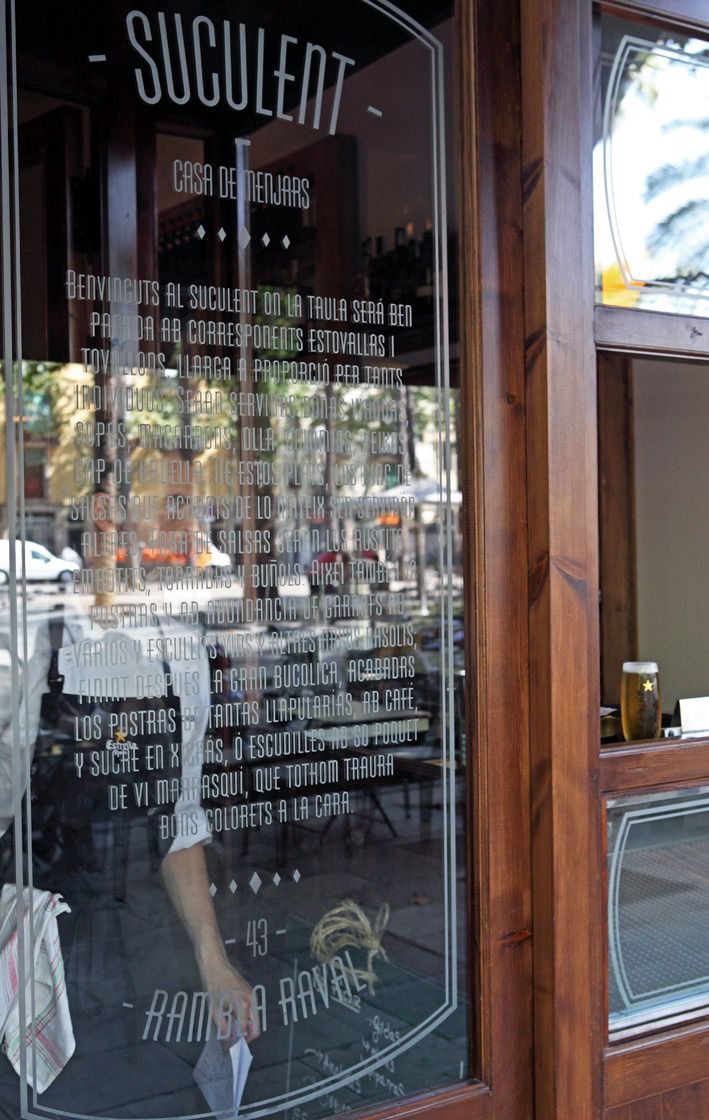
Suculent
Contemporary Catalan restaurant from celebrated chef Antonio Romero, offering market-driven tasting menus in a stylish industrial space. The cooking showcases seasonal Catalan ingredients with modern techniques. The lunch menu del dia is exceptional value for this quality level.
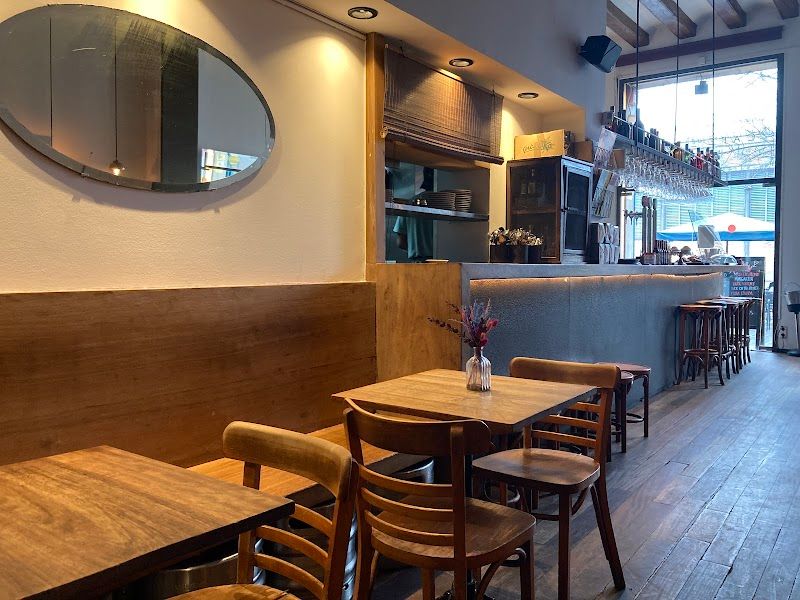
Café del Born Nou
A cozy neighborhood cafe steps from the Born Cultural Center, serving proper cortados for €1.40 alongside bocadillos and fresh pastries. The terrace offers prime people-watching on one of El Born's prettiest side streets.
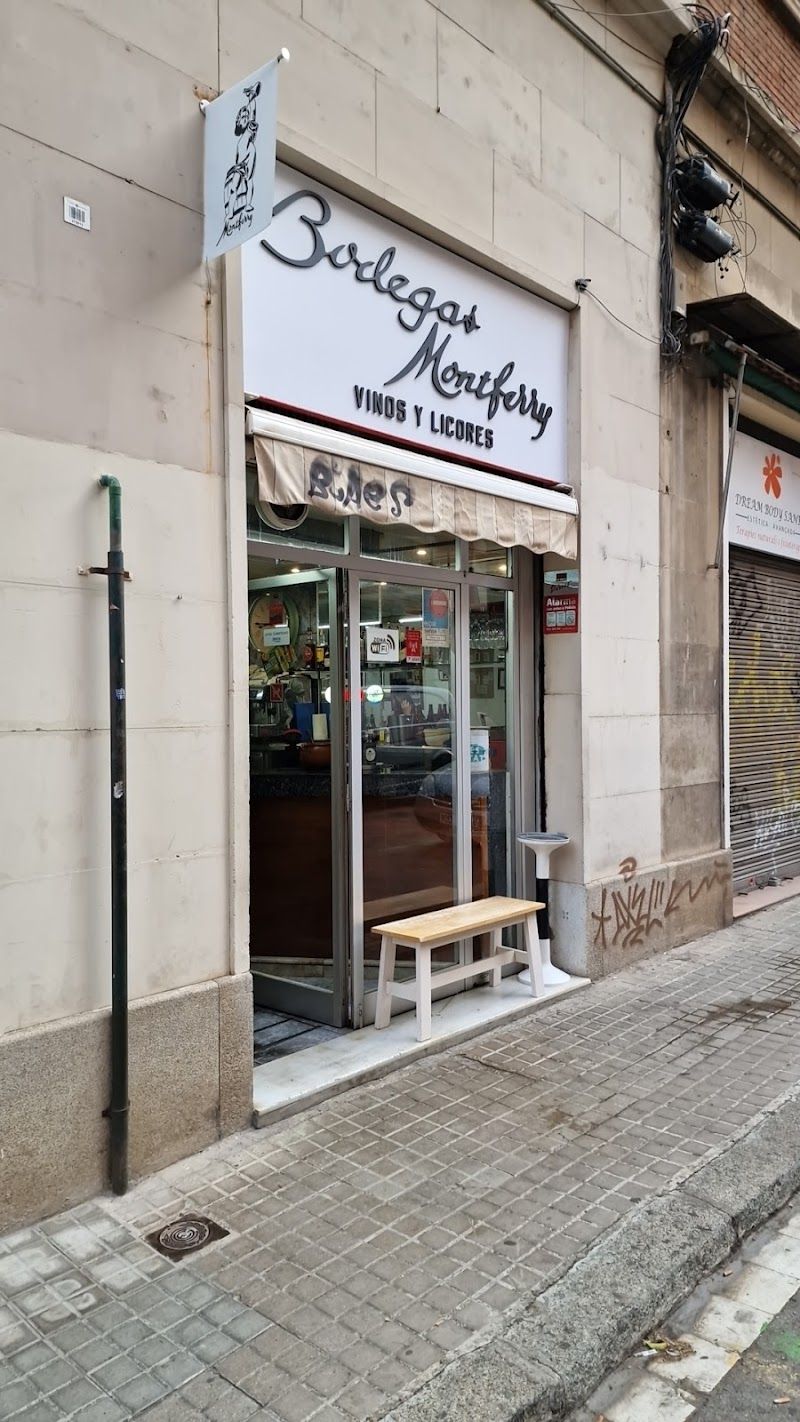
Bodega Montferry
Traditional neighborhood bodega with marble tables, wooden barrels, and locals playing cards over vermouth. The house vermut on tap is excellent and cheap, paired with simple tapas like olives, anchovies, and cured meats. The atmosphere is authentically old Barcelona.
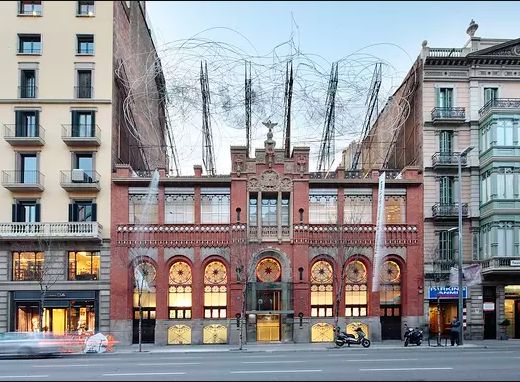
Fundació Antoni Tàpies
Early modernista building by Domènech i Montaner topped with Tàpies' wire sculpture 'Cloud and Chair'. Inside, the museum holds a comprehensive collection of abstract works by the Catalan artist known for incorporating unconventional materials like marble dust and earth into his paintings.
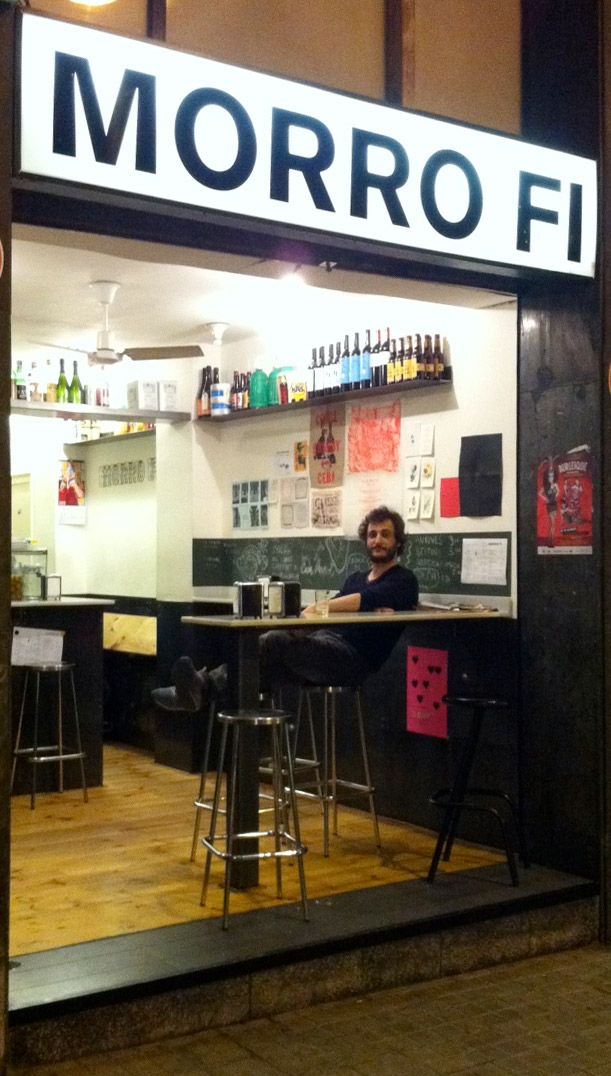
Morro Fi
Intimate tapas bar in a former butcher shop, now serving creative small plates that blend Catalan traditions with global influences. The charcuterie is house-made, and the wine list focuses on natural and biodynamic producers. Only seats about 20 people total.
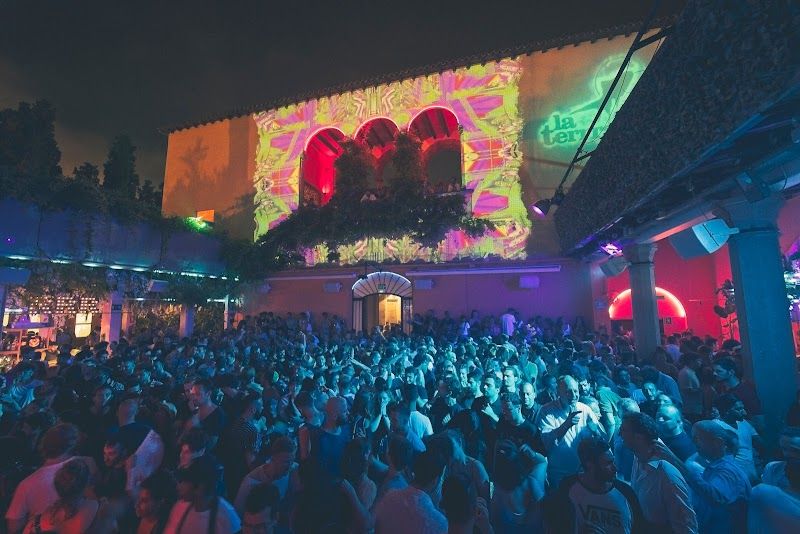
Terrazza
This open-air summer nightclub operates only from May to September on Montjuïc, featuring international DJs spinning house and electronic music under the stars. The venue is set among gardens with the Poble Espanyol complex as a backdrop, creating a unique party atmosphere.
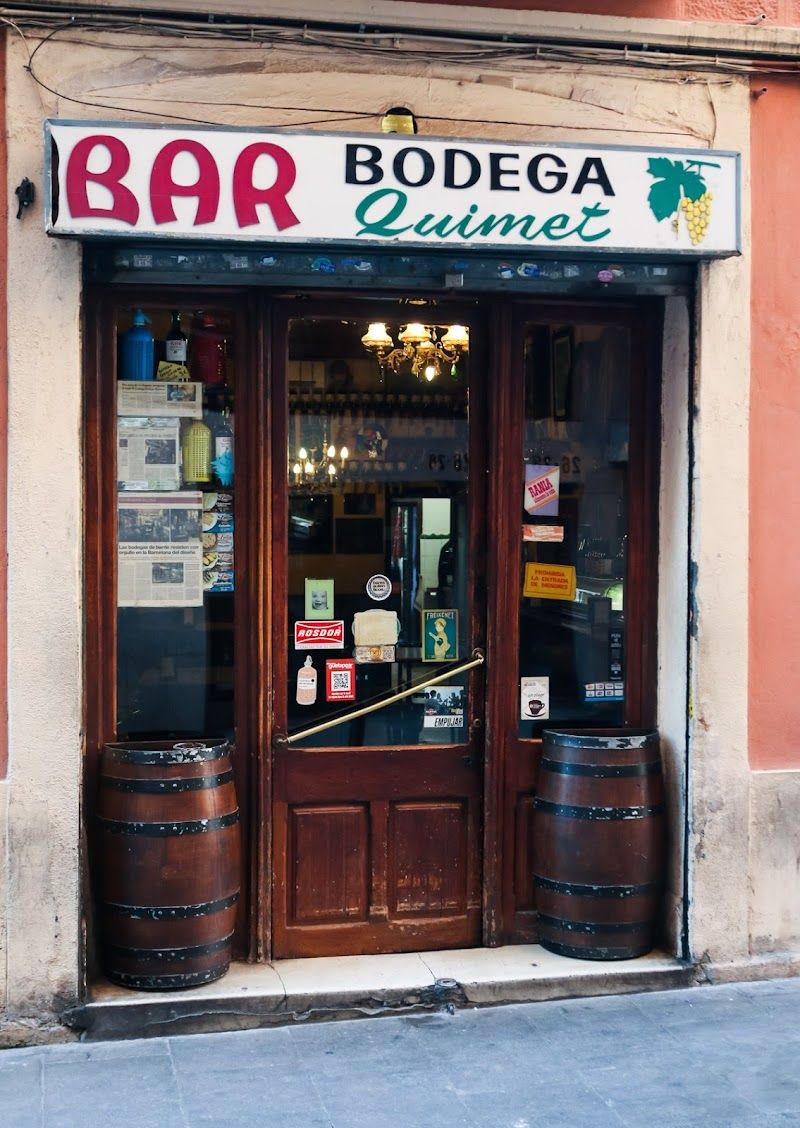
Bar Bodega Quimet
Traditional vermuteria with classic Barcelona bodega atmosphere, featuring marble-topped tables and antique vermouth taps. The house vermut is served with traditional accompaniments like olives, chips, and boquerones. Popular with neighborhood locals who gather for weekend vermut sessions.
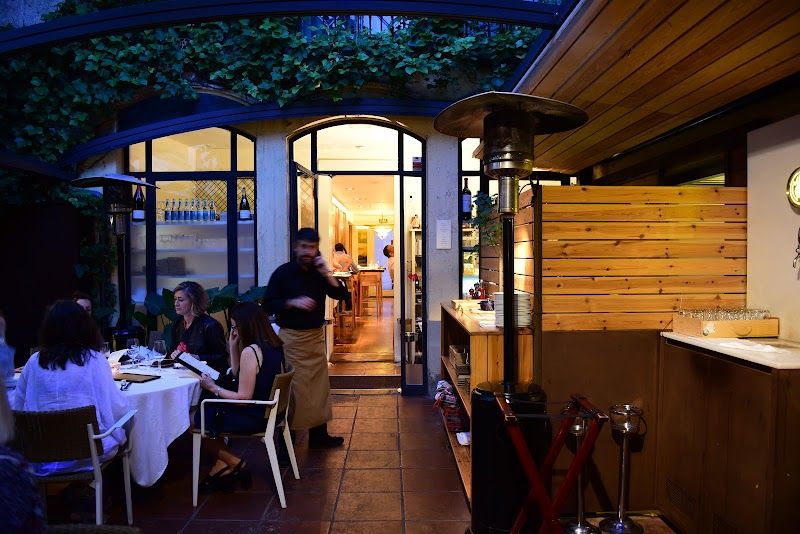
Vivanda
Neighborhood bistro serving market-fresh Catalan cuisine in a cozy setting with exposed stone walls. Chef Jordi Vilà's cooking emphasizes seasonal ingredients prepared simply to let quality shine. The menu del dia at lunch is exceptional value.
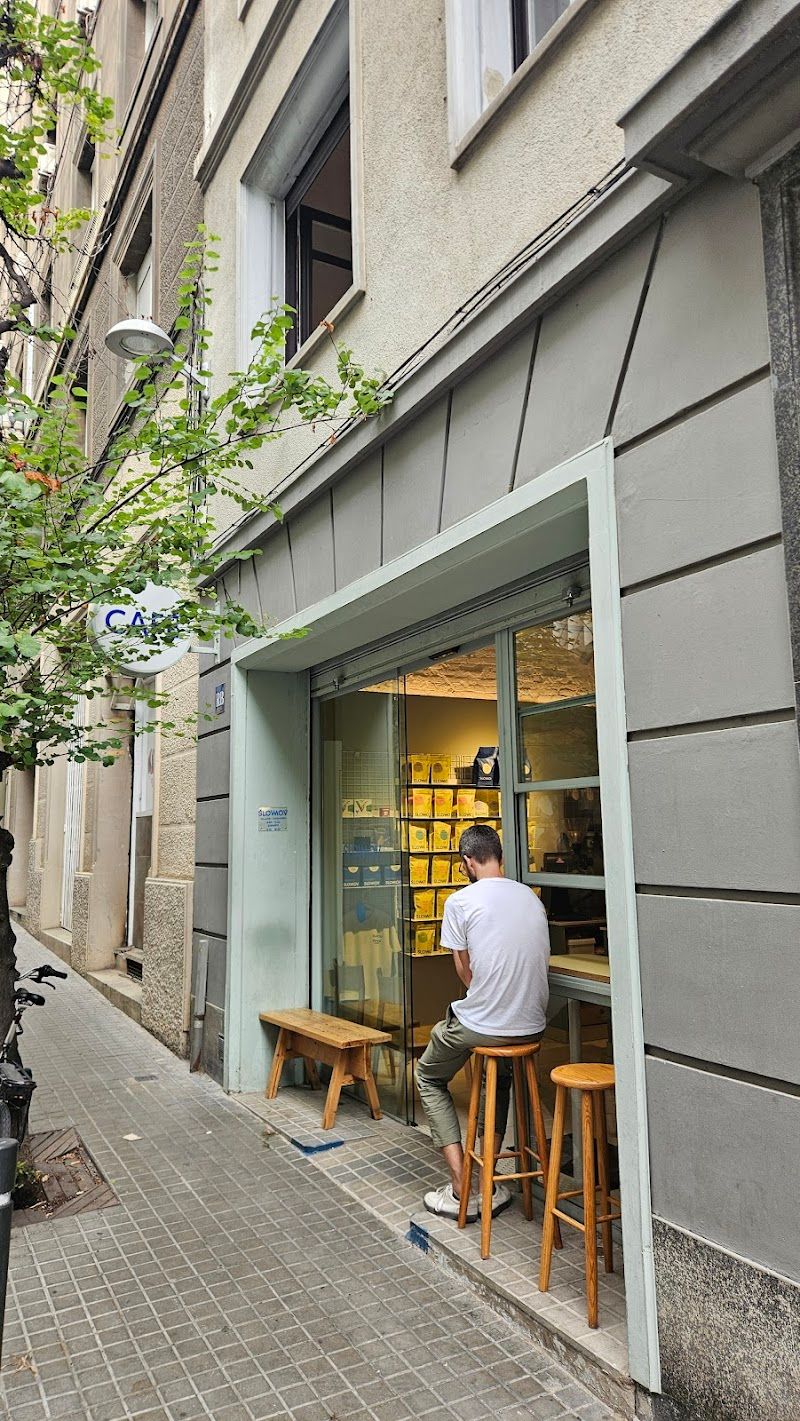
SlowMov
A specialty coffee shop in Poblenou emphasizing slow extraction methods and sustainable sourcing. The industrial-chic space features exposed brick, communal tables, and a curated selection of local pastries from nearby bakeries.
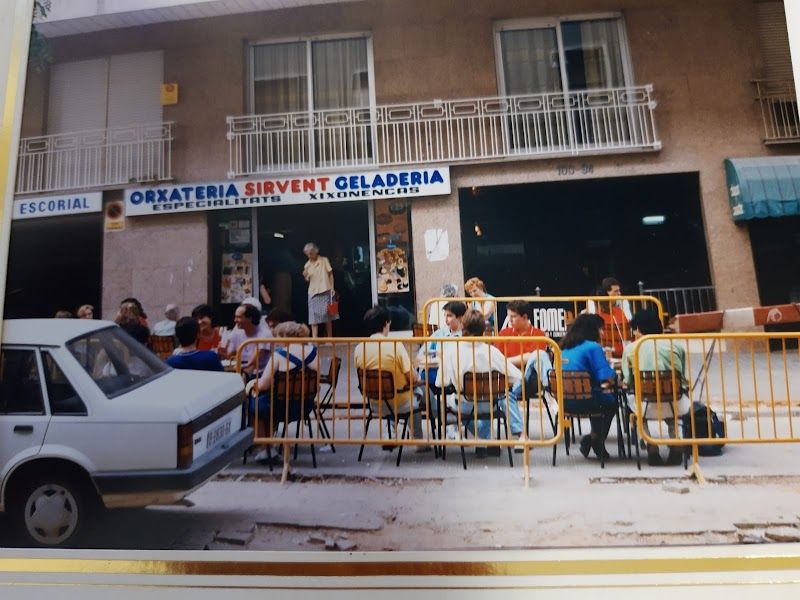
Orxateria Sirvent
A family business since 1920 specializing in horchata de chufa, the traditional Valencian tiger nut drink served ice-cold. They make it fresh daily using their own recipe and serve it with fartons (sweet elongated pastries) for dipping.
Barcelona Sailing Day
Two-hour sailing experience departing from Port Vell with views of the Barcelona skyline and Montjuïc hill. The tour includes swimming stops, paddle boarding, and complimentary cava served on deck.
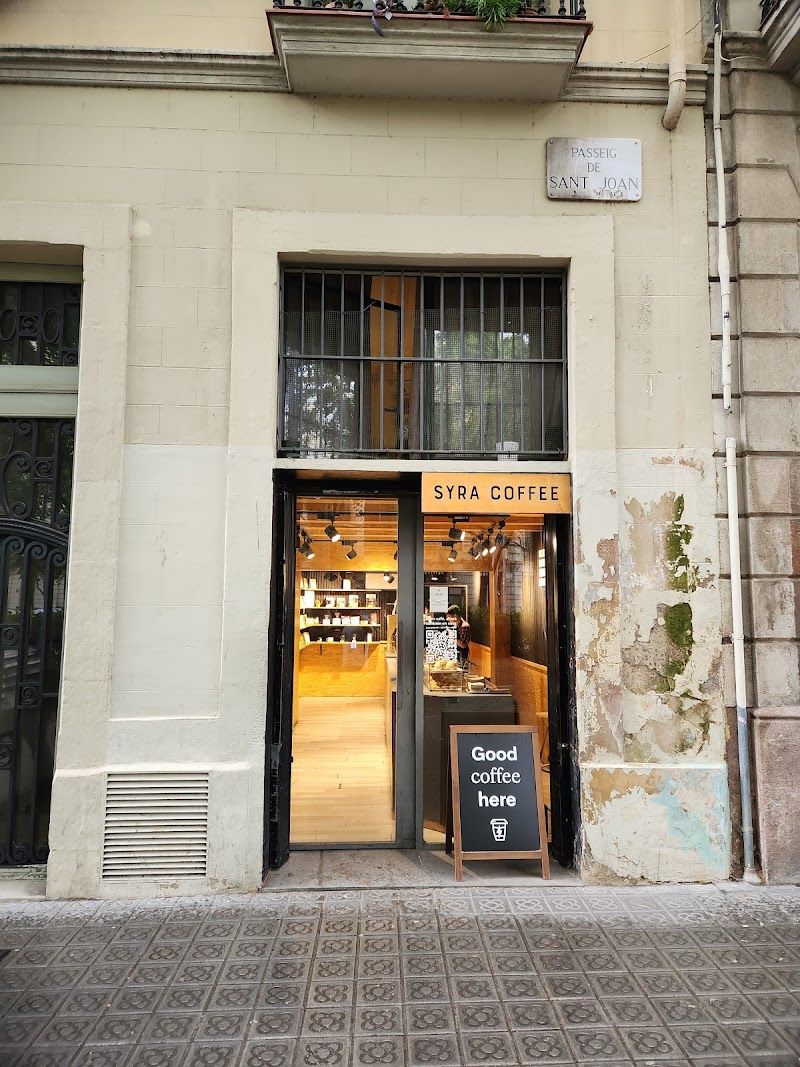
Syra Coffee
A tiny specialty coffee bar in Gràcia run by passionate baristas who compete internationally. They rotate single-origin beans weekly and offer V60 pour-overs alongside espresso drinks, with detailed tasting notes on a chalkboard behind the counter.
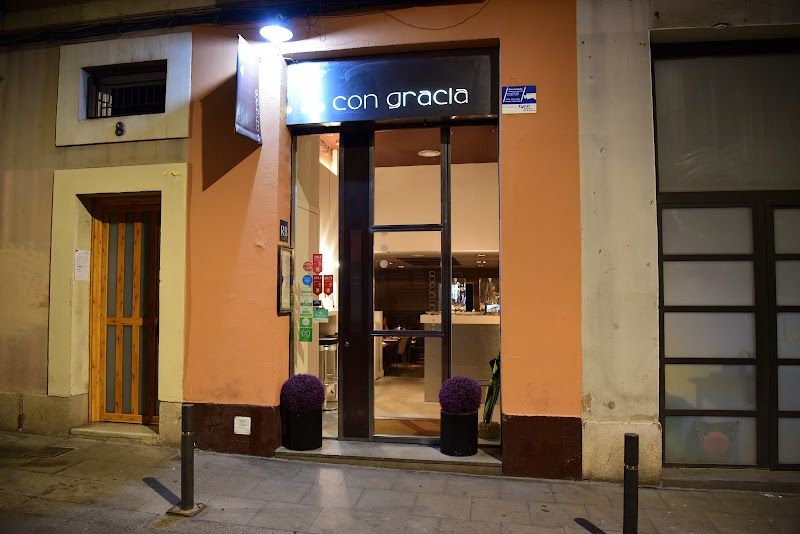
Con Gracia
Intimate restaurant serving market-driven tasting menus in a converted pharmacy space with original architectural details. Chef Jaime Tejedor's cooking emphasizes Catalan ingredients with subtle Asian influences. The small size ensures personalized attention from the service team.
Girona & Costa Brava Day Trip
Full-day coach tour combining medieval Girona's Jewish Quarter with Costa Brava coastal villages including Pals and Calella de Palafrugell. The tour includes walking time in each location and stops at clifftop viewpoints over the Mediterranean.
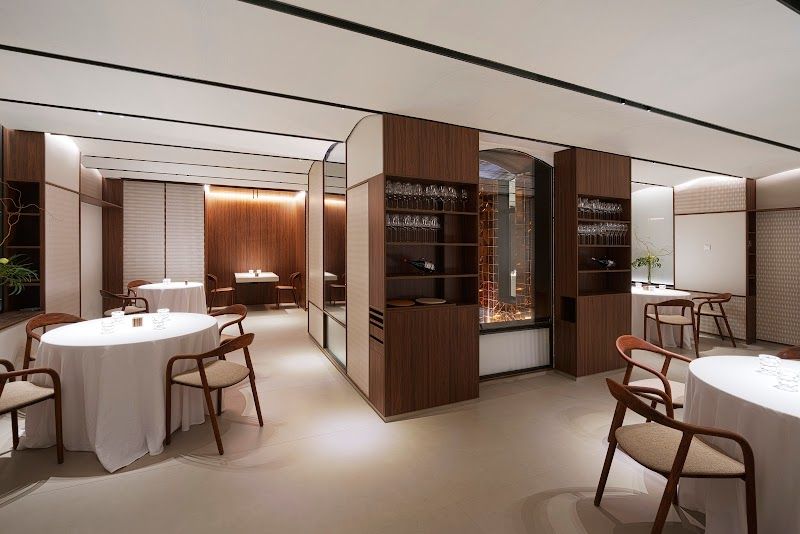
Cinc Sentits
Michelin-starred restaurant offering contemporary Catalan tasting menus that showcase seasonal ingredients from small local producers. Chef Jordi Artal's cooking is technically precise yet approachable, avoiding molecular gastronomy gimmicks. The wine pairings feature excellent Catalan and Spanish selections.
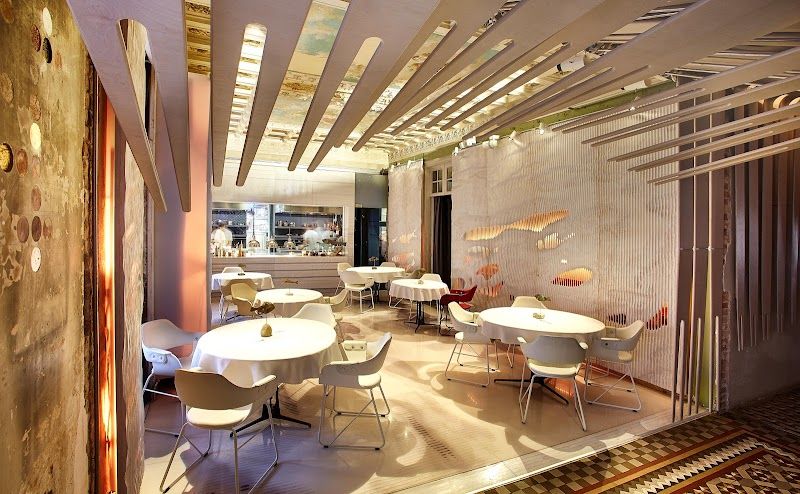
Alkimia
Michelin-starred restaurant from chef Jordi Vilà serving contemporary Catalan cuisine in a modern space near Sagrada Familia. The tasting menus reinterpret traditional dishes with modern techniques and artistic presentations. The wine list emphasizes lesser-known Catalan producers.
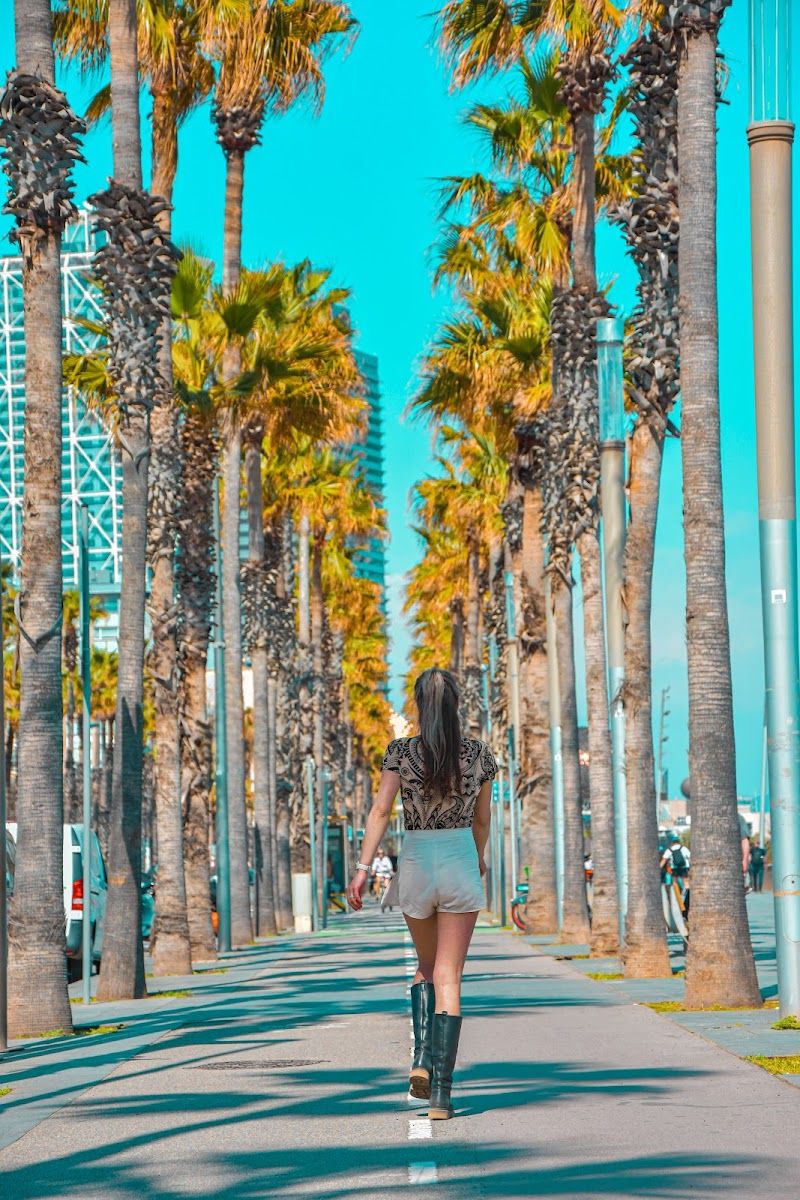
Barcelona Bike Tour
Barcelona is flat where it matters - from the Gothic Quarter through Barceloneta, along the waterfront, and up through Ciutadella Park. A bike tour covers three times the ground of walking and you'll hit spots most walking tours skip: the Olympic Port, the Frank Gehry fish sculpture, the old fishing quarter streets. Fat Tire Tours and Barcelona Ciclo Tour both run good 3-hour routes (€28-35). The electric bike option is worth it if you're doing the afternoon - less sweat, more ground.
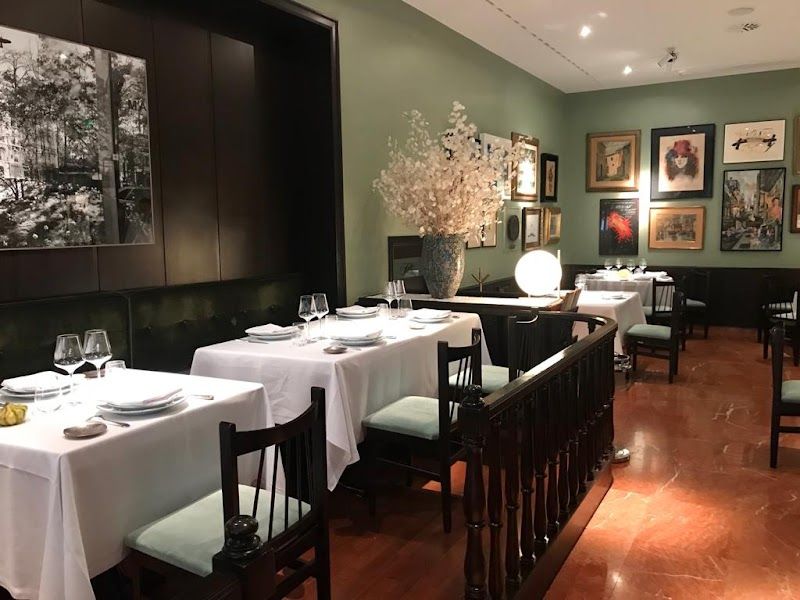
Ca l'Isidre
Family-run restaurant since 1970 serving haute Catalan cuisine in an elegant setting with exposed brick and modern art. The traditional recipes are elevated with premium ingredients like percebes, cigalas, and wild mushrooms. The wine cellar holds over 3,000 bottles.
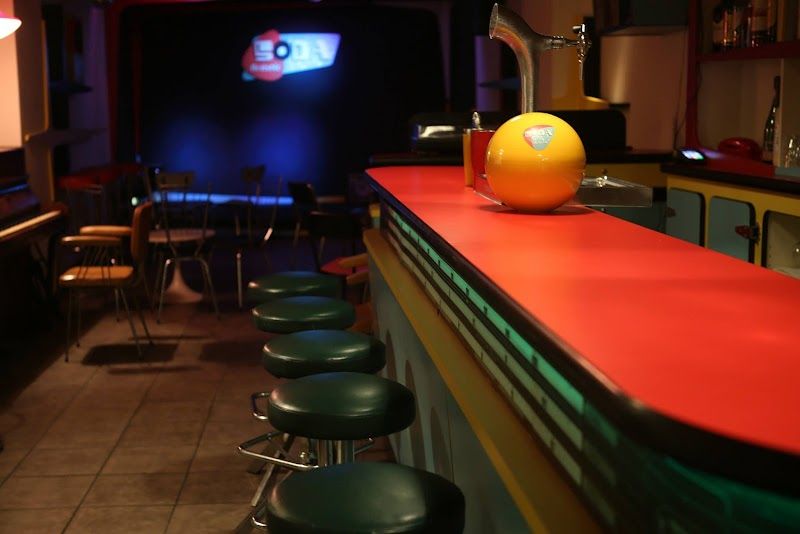
Soda Acústic
This intimate Poble Sec venue showcases acoustic performances, singer-songwriters, and small jazz ensembles in a cozy brick-walled space. The programming focuses on up-and-coming local artists and the atmosphere is relaxed, with cushioned seating and affordable drinks.
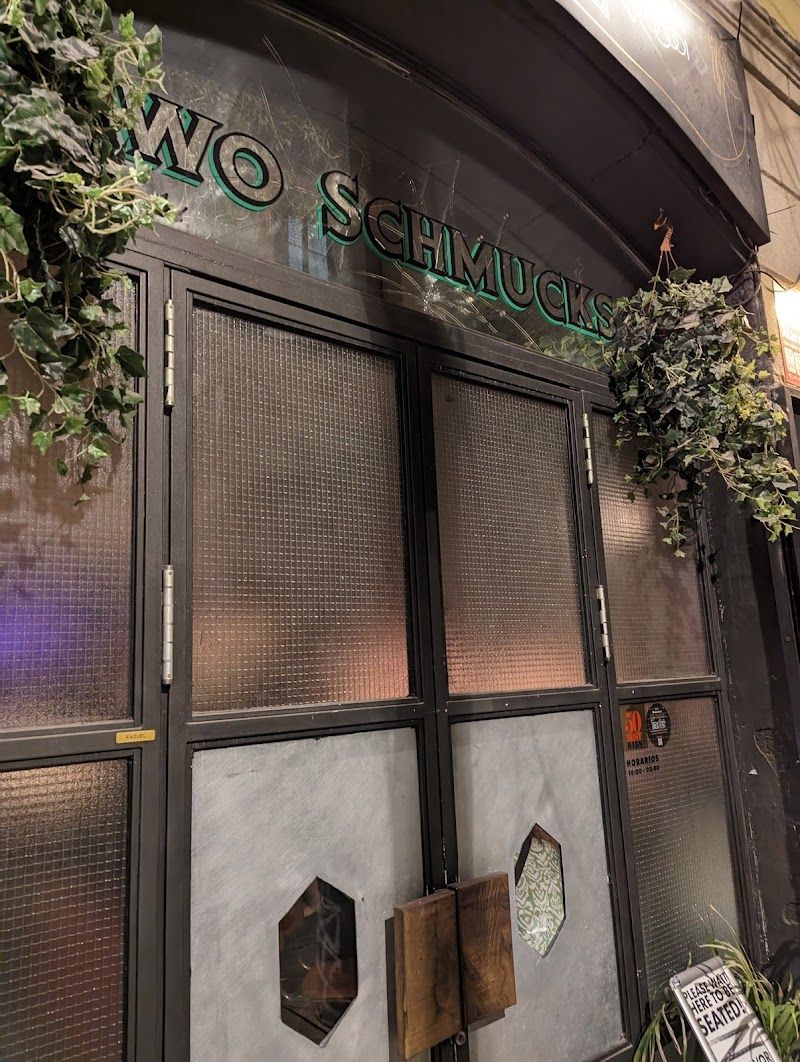
Two Schmucks
This casual, fun-loving cocktail bar was named one of the World's 50 Best Bars and serves creative drinks with irreverent names in a laid-back atmosphere. The bartenders are known for their friendly banter and willingness to create custom cocktails based on your preferences.
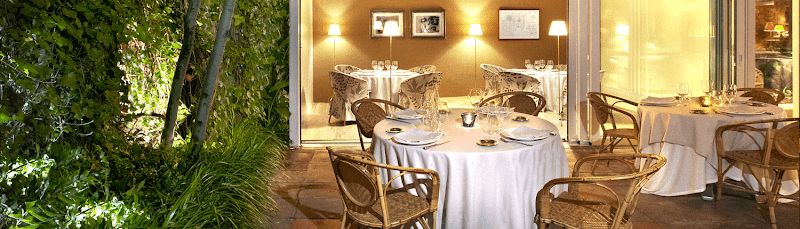
Roig Robí
Elegant Catalan restaurant in a modernist townhouse serving refined regional cuisine. The menu showcases Catalan culinary traditions with seasonal game, wild mushrooms, and premium seafood. The garden terrace is magical for summer dining.
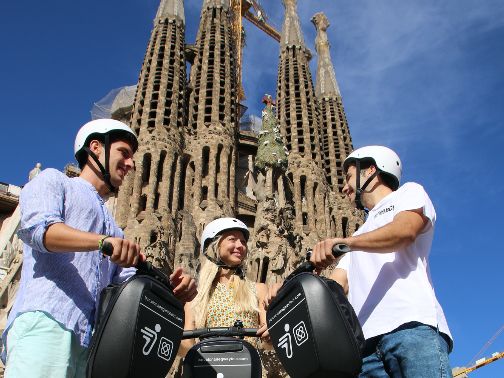
Barcelona Segway Tour
Two-hour Segway experience gliding from Ciutadella Park through the Gothic Quarter to Barceloneta beach. The route covers more ground than walking tours while guides pause at hidden squares to share history through headset communication.
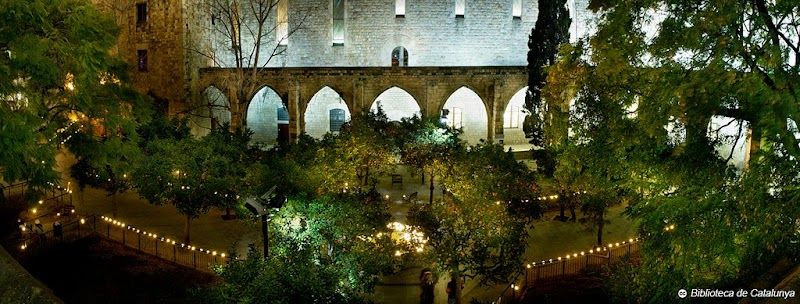
Biblioteca de Catalunya
A stunning former hospital dating from 1401, now housing Catalonia's national library with incredible Gothic architecture. The main reading room features a dramatic vaulted ceiling and peaceful courtyards perfect for a quiet escape from the busy neighborhood.
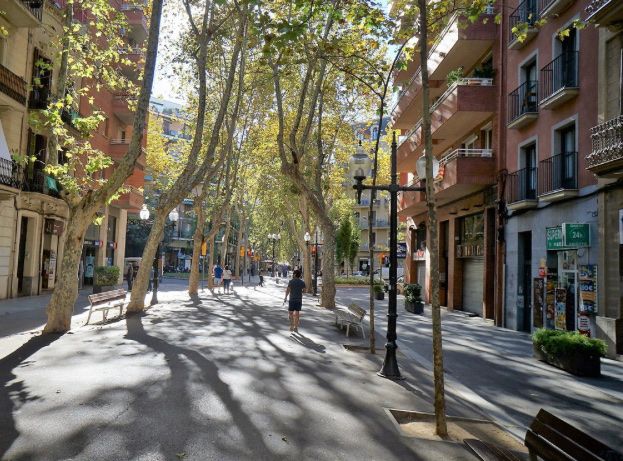
Rambla del Poblenou
This tree-lined pedestrian rambla in the former industrial district runs from the Auditori to the beach, offering a quieter alternative to the tourist-packed Las Ramblas. Local residents gather at the outdoor terraces, and the street hosts neighborhood festivals and a weekly market. The mix of old factory buildings and modern architecture tells the story of Poblenou's transformation.
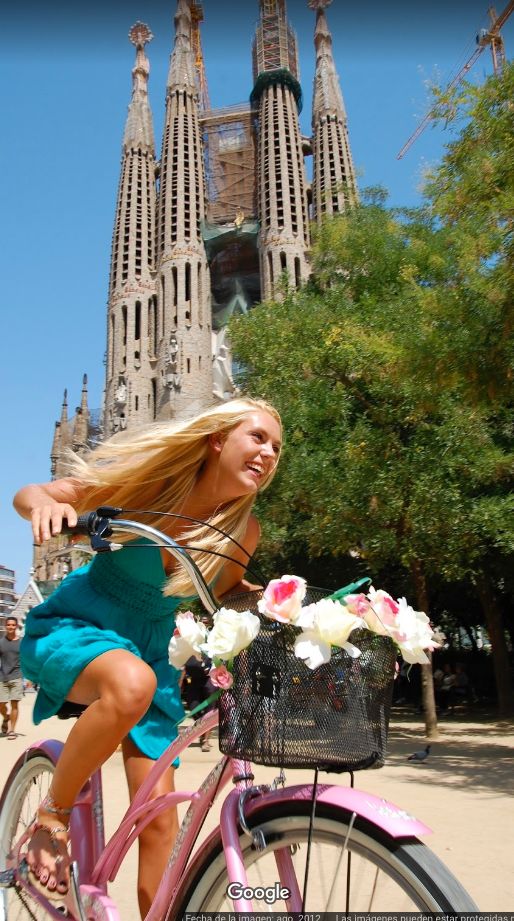
Barcelona Bike Tours
Small-group cycling tour covering 15km through Barcelona's highlights from Barceloneta beach to Park Güell. The route includes stops at lesser-known modernist buildings and hidden plazas that most walking tours miss.
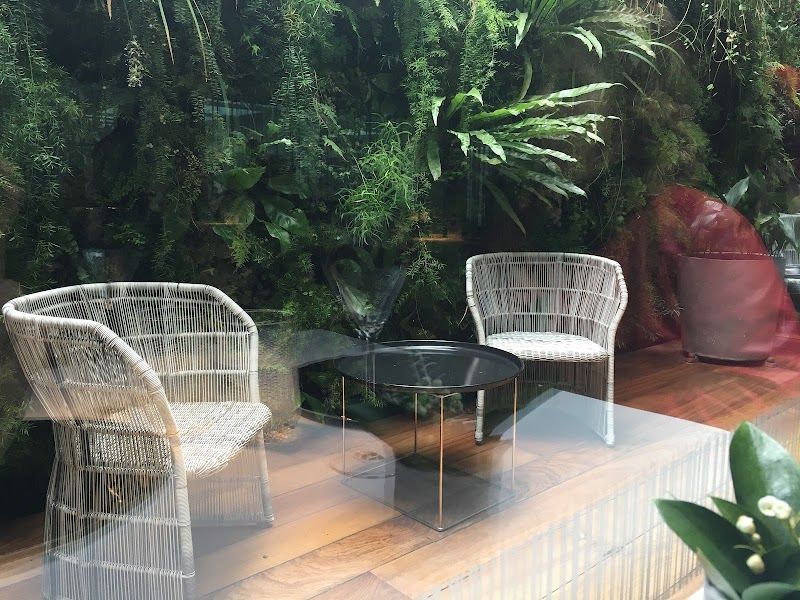
Moments
Two-Michelin-starred restaurant at the Mandarin Oriental led by Carme Ruscalleda and son Raül Balam, celebrating Catalan culinary traditions through refined tasting menus. The elegant dining room and impeccable service match the sophisticated cooking. Wine pairings expertly highlight Catalan producers.
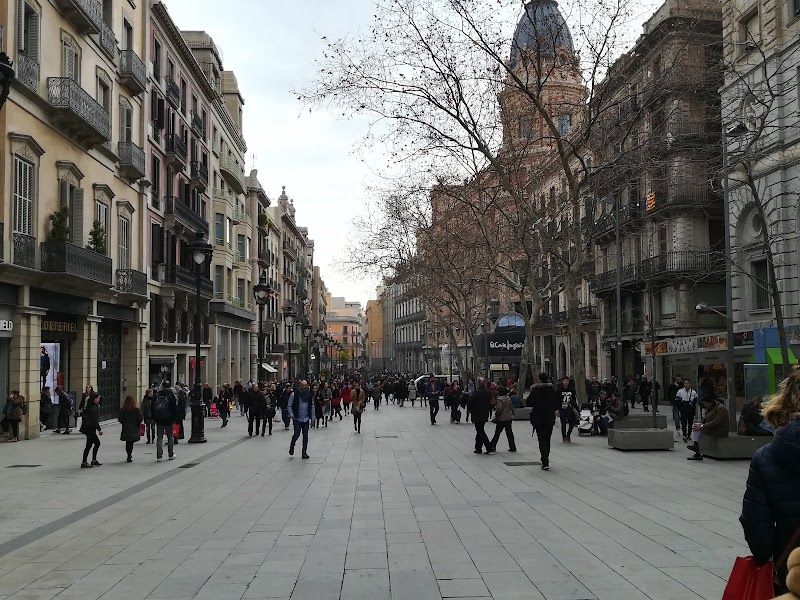
Avinguda del Portal de l'Àngel
One of Spain's most trafficked shopping streets, a pedestrian avenue connecting Plaça Catalunya to the Gothic Quarter. The street is lined with international chains and Spanish brands, making it popular for mainstream shopping. The name comes from a medieval angel statue that once marked the city gate.
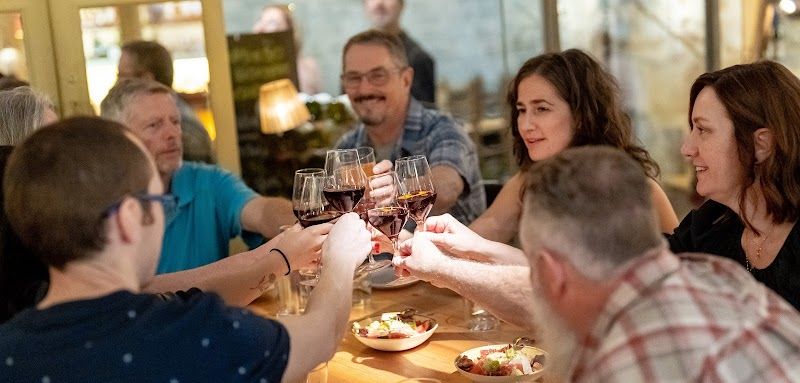
Barcelona Tapas Walking Tour
Evening food crawl through Poble Sec's traditional tapas bars on Carrer de Blai, known for pintxos served on baguette slices. This 3-hour tour visits 5 family-run bars where locals outnumber tourists, with wine and beer included.
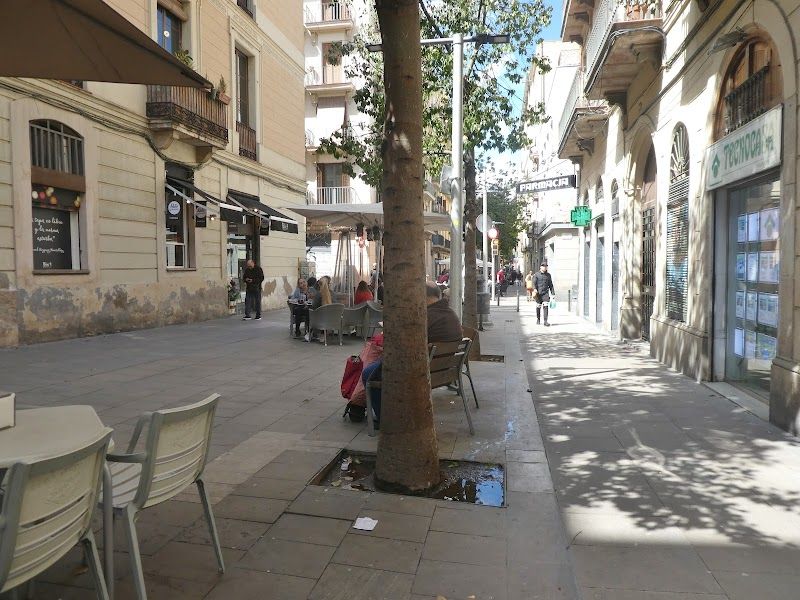
Carrer de Blai
This narrow pedestrian street in Poble Sec has become Barcelona's unofficial pintxos alley, with nearly every doorway leading to a tapas bar displaying creative small bites on toothpicks. The street comes alive in the evenings when locals bar-hop, paying only for the toothpicks accumulated at each stop. It's a budget-friendly way to sample diverse flavors in a festive atmosphere.
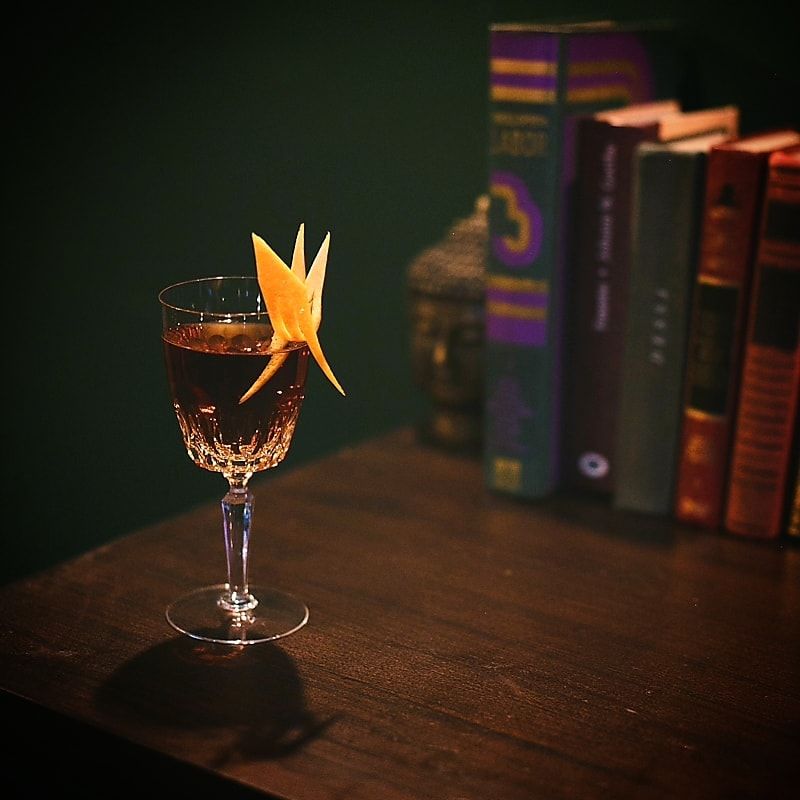
Barcelona Cocktail Making Class
Two-hour mixology workshop in a Gràcia cocktail bar teaching three classic cocktails and modern molecular techniques. Learn shaking, muddling, and garnishing while a bartender explains spirits sourcing and Catalan ingredients like herbs from Montserrat.
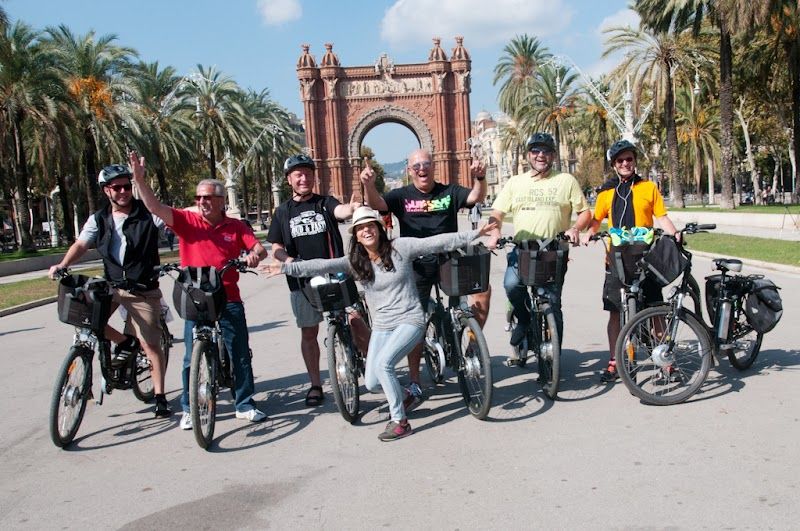
Barcelona E-Bike Tours
Electric bike tour making Gaudí's distant masterpieces easily accessible, from Sagrada Família to Park Güell and Casa Vicens. The e-bikes handle Gràcia's hills effortlessly while guides share stories about Gaudí's eccentric personality and working methods.
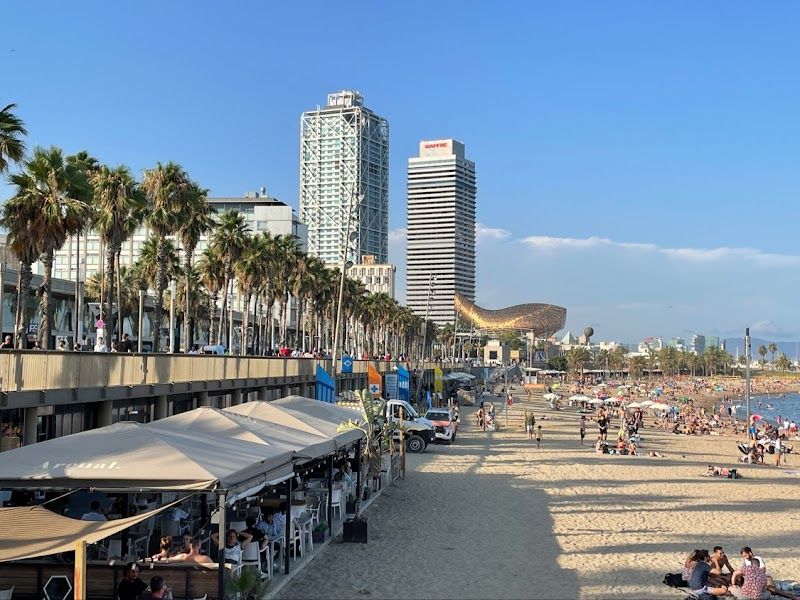
Passeig Marítim de la Barceloneta
This beachfront promenade runs for nearly two kilometers from Barceloneta to Port Olímpic, separating the sandy beaches from the palm-lined walkway dotted with chiringuitos (beach bars) and public art installations. The wide pedestrian path attracts joggers, cyclists, and evening strollers, with constant views of the Mediterranean. Public showers, beach volleyball courts, and changing facilities line the route.

Barcelona Boat Party
Three-hour sunset catamaran cruise with DJ, open bar, and swimming stops off Barcelona's coast. The party boat accommodates 150 people with a dance floor on deck and serves unlimited beer, sangria, and soft drinks.
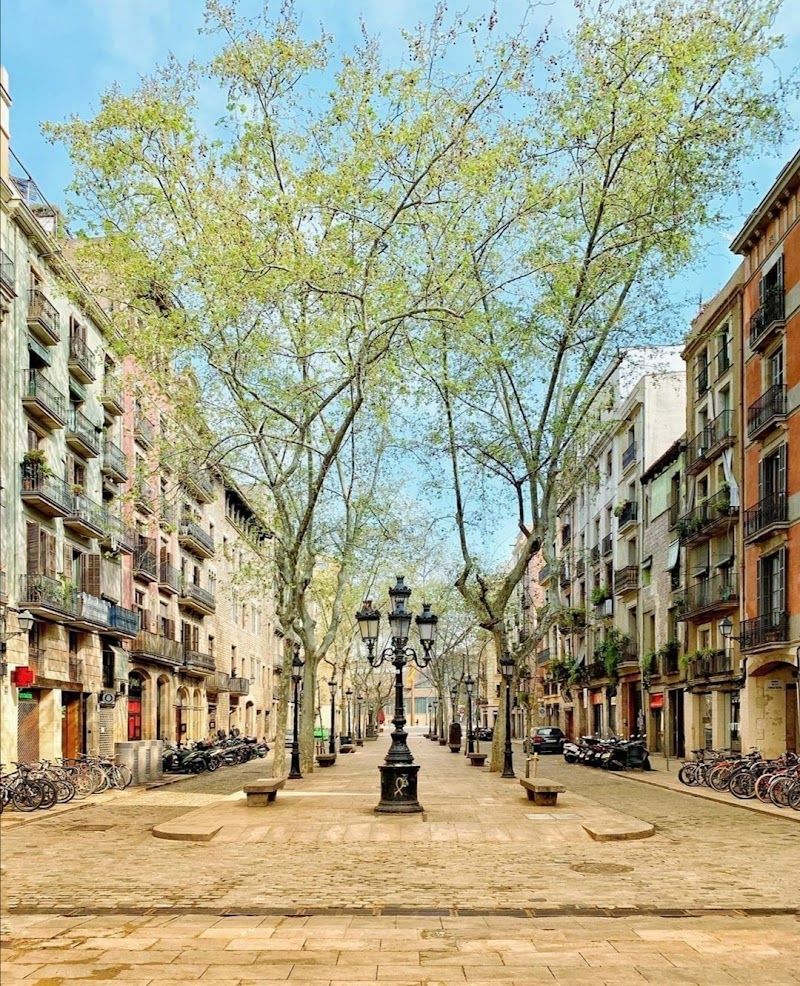
Passeig del Born
This wide pedestrian promenade in El Born was the site of medieval jousting tournaments and executions, now serving as the neighborhood's main social spine. Plane trees provide shade over terraces where locals drink vermouth, while the iron structure of the Mercat del Born anchors one end. Street performers and artisan markets activate the space on weekends.
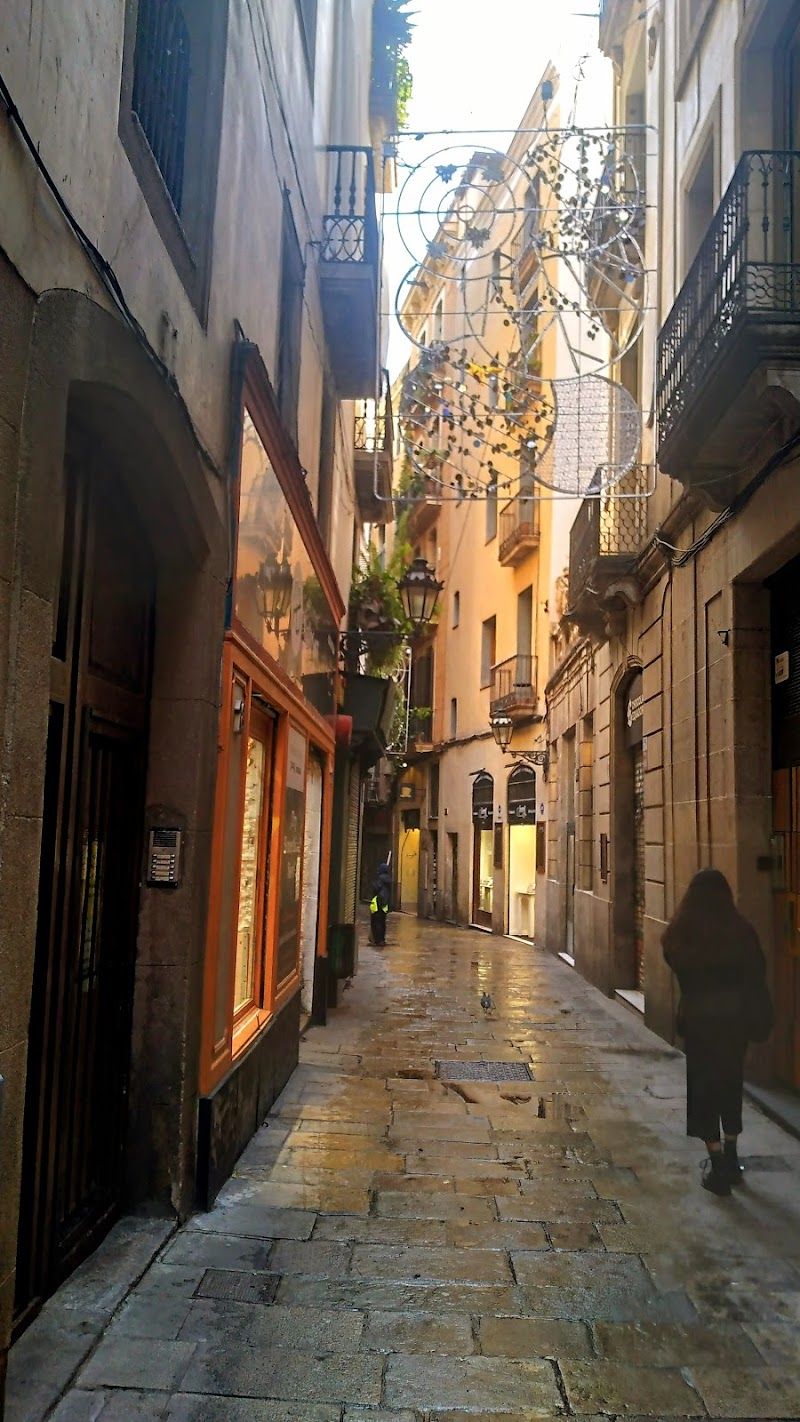
Carrer de Petritxol
This narrow pedestrian street connecting Plaça del Pi to Carrer de la Portaferrissa has been Barcelona's chocolate and churros corridor since the 18th century. Historic granjas (milk bars) and xocolateries occupy medieval buildings, with art galleries interspersed between sweet shops. The street maintains its traditional character despite surrounding tourist development.
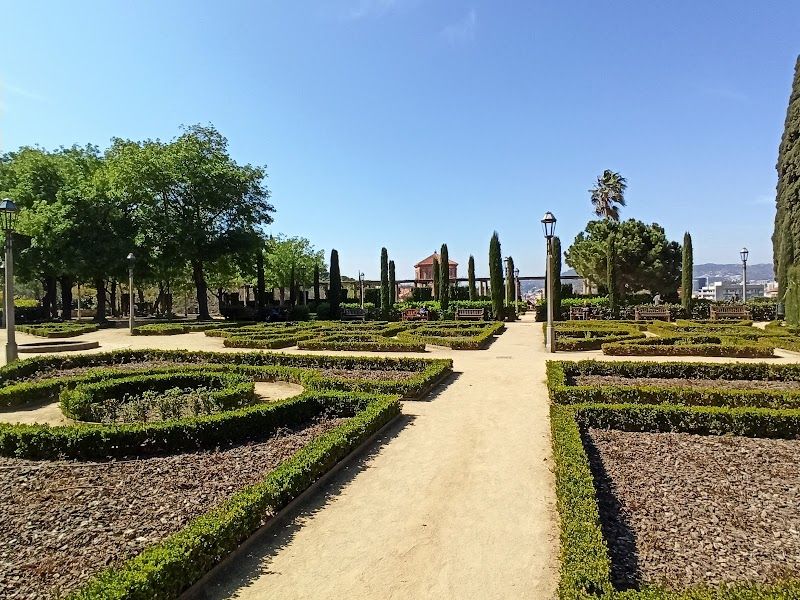
Jardins del Teatre Grec
Romantic hillside gardens on Montjuïc surrounding an open-air Greek-style amphitheater built for the 1929 exhibition. Terraced gardens with sculptures, fountains, and Mediterranean plants create a peaceful escape. The amphitheater hosts the Grec Festival each summer.
Cruising Barcelona Catamaran
Intimate sailing experience on a 40-foot catamaran limited to 12 passengers, departing from Port Olimpic for 2-hour Mediterranean cruises. Includes swimming, paddleboarding, drinks, and snacks with reggae music onboard.
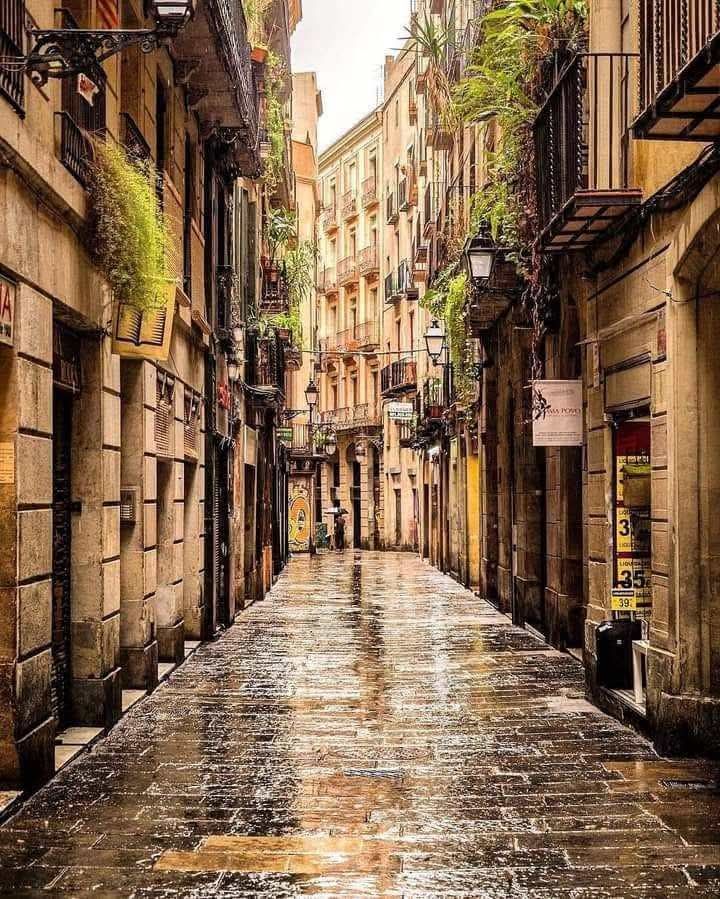
Carrer dels Banys Nous
This ancient street in the Gothic Quarter follows the route of medieval bathhouses (banys) and winds through the former Jewish Quarter (El Call). Antique shops, art galleries, and vintage stores now occupy Gothic-era buildings with stone facades. The street connects Plaça Sant Josep Oriol to Plaça Sant Jaume, offering a quieter alternative to the main tourist routes.
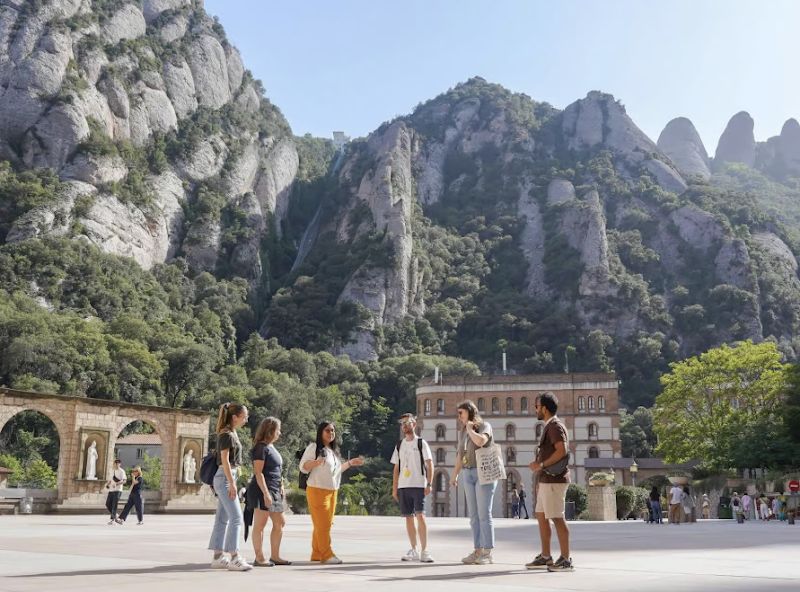
Montserrat Day Trip
An hour northwest of Barcelona by train, the Montserrat monastery clings to a jagged mountain that looks like it was sculpted by a giant. The Black Madonna statue in the basilica draws pilgrims, but the views from the Sant Joan funicular are what you'll remember. The Sant Joan trail (moderate, 45 minutes) leads to the chapel with the best panorama. Take the R5 train from Placa Espanya plus the rack railway - the combination ticket (€25 round trip) is the easiest option.