First Time in Bath: What You Need to Know
Hot springs, Georgian architecture, Jane Austen, and getting around
Everything before your first visit: what the hot springs actually are, which Georgian buildings matter and why, what Jane Austen thought of Bath (she hated it), and how to get around without a car.
The Hot Springs: Roman History vs. Actually Getting Wet
Bath has Britain's only naturally occurring hot spring, pumping out 1.17 million litres of 46-degree water daily. The Romans built around it in 70 AD, the Georgians turned it into a social scene in the 1700s, and now you have two ways to experience it. The Roman Baths (£26) lets you see the ancient infrastructure and understand what made this city exist, but you can't swim in that green water because it's not safe. The Thermae Bath Spa (£42 for 2 hours) puts you in the same spring water on a rooftop pool heated to 33-35 degrees with views of Bath Abbey. If you only have time for one, the Roman Baths is more historically significant. If you want to actually feel what drew people here for 2,000 years, that's the Thermae. With two days, do both.
The Georgian City: Why Bath Looks Like Nowhere Else
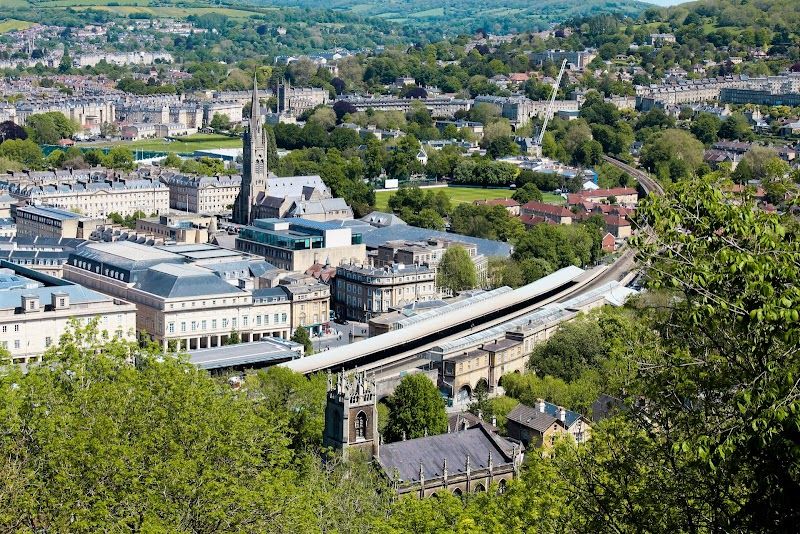
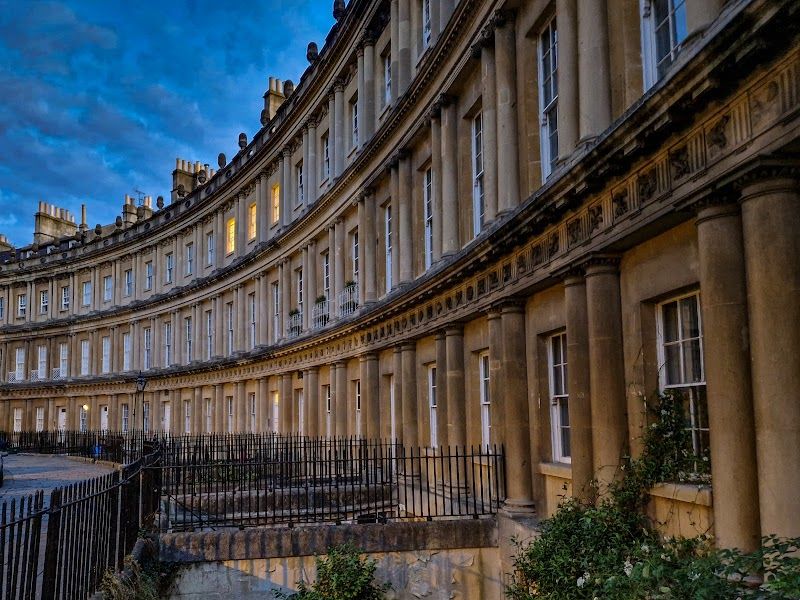
Bath was almost entirely rebuilt between 1720 and 1800, which is why it looks architecturally coherent in a way no other English city does. Two men, John Wood the Elder and John Wood the Younger, designed the major set pieces that define the city. The sequence runs Queen Square (1729-1736, the first Georgian development), The Circus (1754-1768, 33 houses in a perfect circle), Royal Crescent (1767-1774, 30 houses in a sweeping arc), and Assembly Rooms (1769-1771, where Georgian society gathered). Everything is built from Bath stone, the honey-coloured limestone quarried from hills above the city that turns gold in afternoon sun. The entire city centre is UNESCO World Heritage, and the exteriors are free to admire. For interiors, No. 1 Royal Crescent (£12.50) shows you how the wealthy lived, and the Assembly Rooms (free) recreate the social heart of Georgian Bath.
Jane Austen and Bath: A Complicated Relationship
Austen lived in Bath from 1801 to 1806 and hated it. She wrote almost nothing during those years and described the city as shallow social competition and noise. She set two novels here: Northanger Abbey (written before she moved, based on a 1797 visit when she still found it exciting) and Persuasion (written after she left, much more critical). The Jane Austen Centre (£14, 40 Gay Street) covers her Bath years in detail, though it's more for committed Austen readers than casual visitors. The annual Jane Austen Festival in September brings readers worldwide for a week of events and a Regency costume parade. If you know the novels, walk Gay Street (her daily route), visit Sydney Place (where she lived), and see the Pump Room (appears in both books). If you don't care about Austen, the Roman Baths and Georgian architecture are the real reasons to come.
What to Eat: Avoiding Tourist Traps
The streets immediately around the Roman Baths and Bath Abbey charge £4-5 more per dish for the same quality you'll get one street away. Head to Kingsmead Square (£15-25 mains, better restaurants, more locals) or Walcot Street (£10-18 lunch, the most independent stretch in Bath). Sally Lunn's (6 North Parade Passage, oldest house in Bath, open since 1482) serves the Bath bun, a large enriched bread roll with sweet or savoury toppings for £8-12. It's touristy but the bun is legitimately local and the building is worth seeing. For the full Georgian experience, afternoon tea at the Pump Room (£35-45 per person) requires booking ahead but puts you in the exact grand room Austen wrote about. Coffee: Colonna and Small's on Chapel Row (3 minutes from the Baths) does specialty roasts for £2.50-4 and serves the best coffee in Bath.
Getting Around: Small City, Big Hills
Bath fits within a 20-minute walk in any direction. Roman Baths to Royal Crescent is 15 minutes uphill, and that's the key word: uphill. Bath sits in a bowl and the Georgian quarter climbs steeply up from the river. If hills are a problem, take First Bus 4 to the Royal Crescent area to avoid the worst climbs. For Prior Park (National Trust garden with the best view of Bath), it's 25 minutes uphill on foot or 10 minutes on First Bus 2 from Dorchester Street (£2.50, no car park at Prior Park). Trains from London Paddington take 1 hour 25 minutes (£25-50 off-peak return), making day trips entirely doable. There's no metro or tram, just buses and walking.
Ready to Visit Bath?
Get a personalized itinerary tailored to your travel style and interests.
Plan Your Bath TripMore Bath Guides
1-2 Days in Bath: The Right Order to See Everything
How to see Bath in 1 or 2 days: Roman Baths before the crowds, the Georgian loop from the Circus to the Royal Crescent, the Thermae Spa at dusk, and the restaurants that are not overpriced.
6 min
Eating in Bath: Where to Go Beyond the Tourist Centre
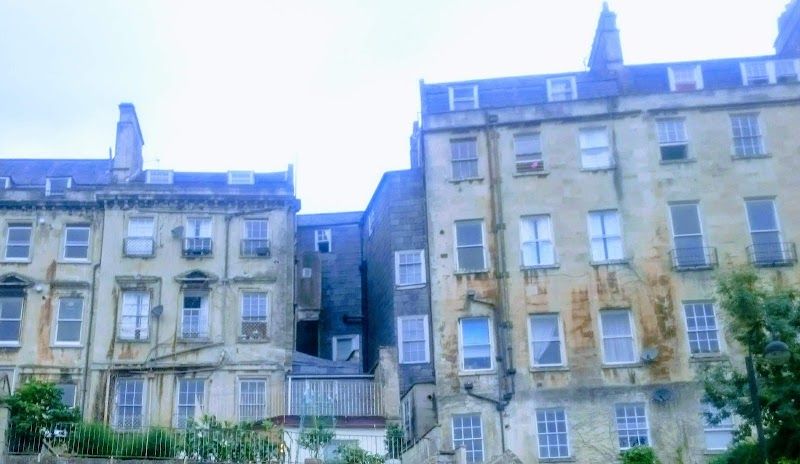
Bath has good food if you know where to look. The tourist zone near the Baths is expensive for what it is. Two streets away the prices drop and the quality improves.
5 min