Bergen
Things to Do
44 attractions, museums, and experiences
Bergen Guide Service
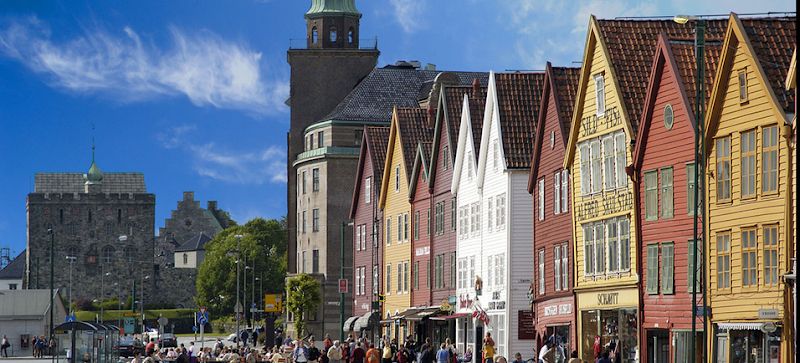
Bergen Guide Service runs the only walking tour that gets you inside Bryggen's narrow passageways and private courtyards, places you'd never find wandering solo. Your certified guide explains how German Hanseatic merchants controlled Bergen's cod trade for four centuries, turning this waterfront into medieval Europe's northern trading powerhouse. You'll see original 14th century timber foundations, learn about the devastating 1955 fire, and understand how the colorful wooden facades you photograph today are actually careful reconstructions. The two hour tour moves at a comfortable pace through Bryggen's maze of wooden buildings, with your guide unlocking gates to courtyards where merchants once stored dried cod bound for European markets. You'll duck through low doorways, climb creaking staircases, and hear stories about the apprentice system that kept German culture alive in Bergen for generations. The best moments happen in the quiet back alleys where cruise ship crowds can't follow, surrounded by timber walls that smell of centuries of salt air and fish. Most Bryggen tours are surface level photo walks, but these guides actually know the architecture and trading history in detail. Book directly through their website for 350 NOK per person, cheaper than the generic hop on buses. Skip the afternoon tours when cruise passengers flood the area. The morning slot gives you better light for photos and lets you hear your guide without shouting over crowds.
Stoltzekleiven
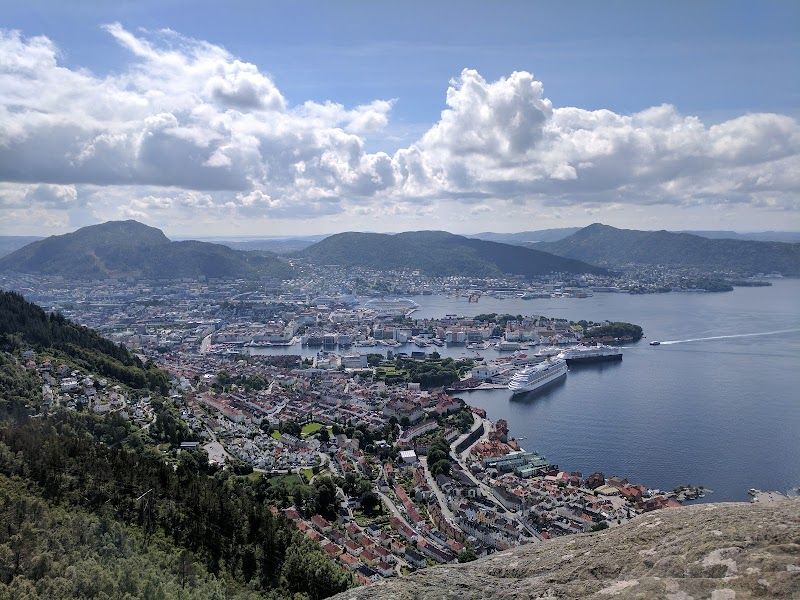
Stoltzekleiven is Bergen's steepest hiking trail, a brutal stone staircase with roughly 900 steps carved directly up Mount Fløyen's face. This isn't a gentle nature walk: it's a proper workout that'll have your legs burning within minutes. The trail cuts through dense Norwegian forest, past centuries-old stone retaining walls that locals built to prevent erosion. At the top, you'll connect with the main Fløyen trail network and get panoramic views over Bergen's colorful wooden houses and the surrounding fjords. The climb starts innocuously near Sandviken's quiet residential streets, then immediately turns savage. You'll be breathing hard by step 200, and the wooden planks mixed with ancient stone steps create an uneven rhythm that tests your balance. Locals pound up here at dawn like it's their personal gym, many doing multiple rounds. The forest closes in around you, creating a green tunnel effect, and the only sounds are your own huffing and the occasional mountain biker rattling down the parallel path. Most travel guides romanticize this as a 'moderate hike' but it's genuinely tough, especially if you're not fit. Skip it entirely if you have knee problems or just want scenic views: take the funicular instead for 95 NOK. The real reward isn't the summit (which is crowded), but proving to yourself you can handle Norway's outdoor culture. Go early or you'll be stuck behind Instagram photographers stopping every ten steps.
Fisketorget
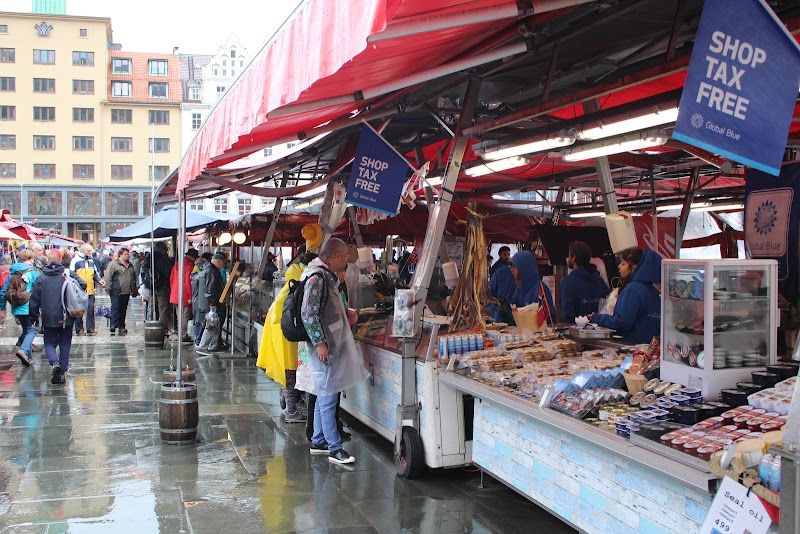
Bergen's open-air fish market operating since 1276, where fishmongers sell fresh shrimp, king crab, and prepared seafood from outdoor stalls. The most authentic Bergen experience is buying a bag of fresh reker (shrimp) to eat standing at the counter. Fish soup is served in bread bowls for a quick, filling meal.
Bergenhus Fortress
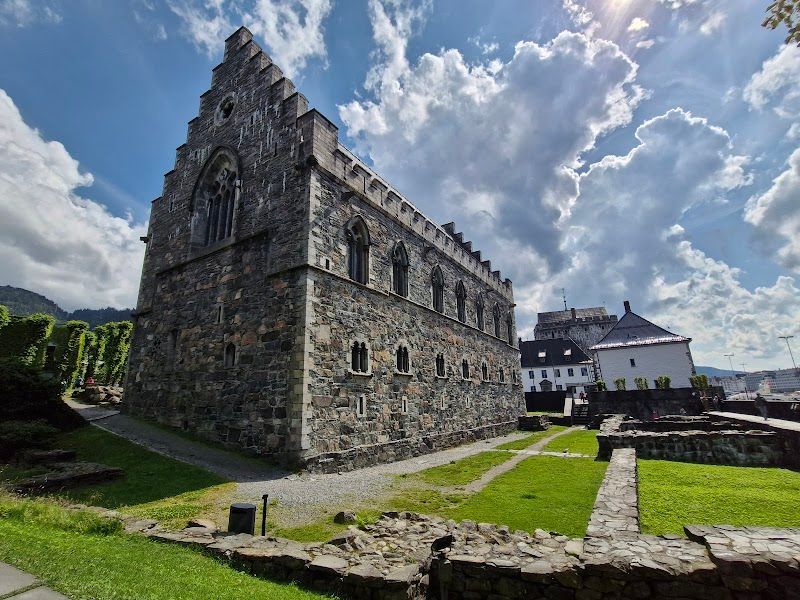
Bergenhus Fortress sits right at Bergen's harbor entrance, where Norwegian kings built their royal residence starting in the 1240s. You'll walk through 700 years of fortifications, from medieval stone walls to WWII bunkers, all while getting the best harbor views in Bergen. The crown jewel is Haakon's Hall, a massive Gothic ceremonial building from 1261 that hosted royal banquets and still functions for state events today. The experience feels like stepping through different centuries as you explore. You'll climb thick stone ramparts where cannons once defended the harbor, peer into dark medieval chambers, and walk the same paths where kings held court. The fortress grounds sprawl across several acres, with narrow passages between buildings and sudden openings onto dramatic harbor vistas. Inside Haakon's Hall, soaring stone arches and massive fireplaces show you exactly how medieval royalty lived. Here's what most guides won't tell you: the fortress grounds are completely free and honestly offer 80% of the experience. Haakon's Hall costs NOK 100 and takes 30 minutes max, it's impressive but not essential unless you're really into medieval interiors. The best views are from the outer ramparts facing the harbor, not from inside the buildings. Skip the small museum displays and focus your time on the walls themselves.
Akvariet i Bergen
Bergen Aquarium houses Norway's largest collection of marine life in a surprisingly intimate setting at the tip of Nordnes peninsula. You'll find everything from massive sharks circling overhead in the tunnel tank to playful seals performing acrobatics in outdoor pools that overlook the harbor. The Nordic fish section showcases species you'd actually encounter in Norwegian waters, while the tropical tanks feel almost secondary to the local focus. The layout flows naturally from indoor exhibits to outdoor viewing areas where African penguins waddle around artificial rockwork. Feeding times transform the place completely: seals suddenly become athletic performers, diving and spinning for fish while kids press faces against underwater viewing windows. The atmosphere shifts from quiet contemplation to excited chatter as crowds gather around the outdoor pools. Harbor views from the penguin area are genuinely spectacular on clear days. Most visitors spend too much time indoors and miss the best parts outside. Adult tickets cost 295 NOK, which feels steep for what you get, but kids under 3 enter free. Skip the gift shop entirely (overpriced trinkets) and don't bother with the cafe unless you're desperate. The shark tunnel is impressive for about five minutes, then you've seen it all. Focus your time around the feeding schedule and outdoor areas for the best value.
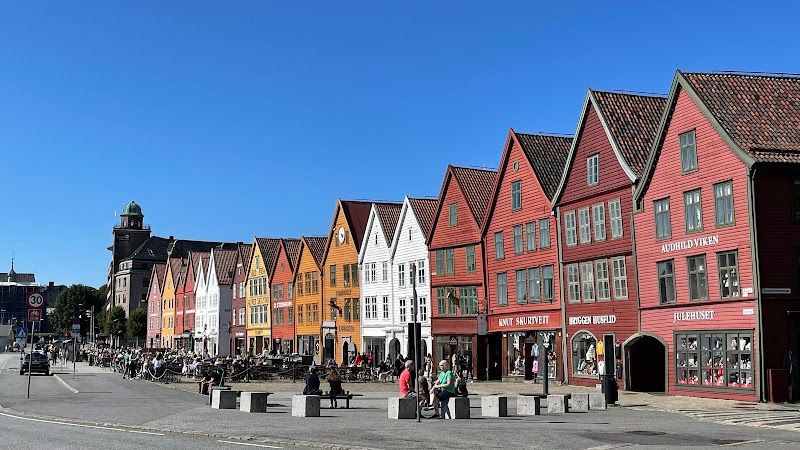
Bryggen Wharf
Bryggen is Bergen's surviving row of medieval Hanseatic warehouses, where German merchants once controlled Norway's cod trade. You'll see 14th century trading posts rebuilt after countless fires, their colorful wooden facades (red, ochre, yellow) leaning precariously on 800 years of accumulated rubble. Behind these postcard-perfect fronts lies a maze of narrow wooden alleys connecting original warehouse spaces now housing craftspeople, galleries, and small restaurants. Walking through feels like entering a living museum where tourism and craftsmanship coexist. The harbor-facing facades are pure Instagram gold, but the real magic happens in the back alleys where wooden walkways creak underfoot and you can peer into workshops where artisans blow glass or carve wood. The buildings genuinely lean at odd angles, some looking ready to topple, creating an Alice in Wonderland effect as you navigate the narrow passages. Most visitors snap photos from the harbor and leave, missing the entire back network where the interesting shops are. The Hanseatic Museum (NOK 130) is worth it for seeing an original merchant's quarters, but skip the Bryggen Museum unless you're obsessed with archaeological foundations. Come early morning for photos without crowds, and don't bother with the overpriced restaurants inside, they're tourist traps.
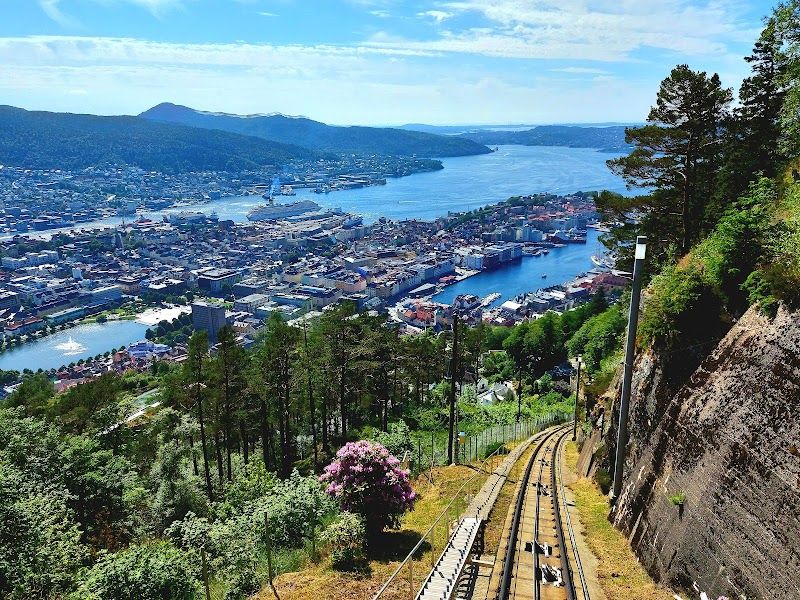
Fløibanen Funicular
The Fløibanen funicular is Bergen's 100-year-old railway that hauls you 320 meters up Mount Fløyen in just 8 minutes, delivering genuinely spectacular views over Bergen's harbor and the surrounding fjord archipelago. On clear days (which happen about 70 times per year), you can see all the way to the outer islands. The summit has a large viewing platform, a decent cafe, and marked hiking trails that let you walk back down through the forest for free. The ride itself feels like stepping into a time capsule: the original wooden carriages creak and sway as they climb the steep track, passing through neighborhoods and forests. At the top, you'll find yourself on a proper mountain summit with sweeping 360-degree views. The viewing platform gets packed during cruise ship season, but there's enough space to find your spot. The forest trail back down is well-maintained and takes about 45 minutes, winding through pine forests with occasional glimpses of the city below. Here's what most guides won't tell you: Bergen's weather changes every 15 minutes, so don't panic if it's cloudy when you arrive. Check yr.no the night before and aim for clear mornings when the light is best. Skip the return ticket (NOK 135) and walk down instead, saving NOK 60. The summit cafe charges NOK 55-75 for coffee, which is reasonable by Norwegian standards but you're paying for the location.
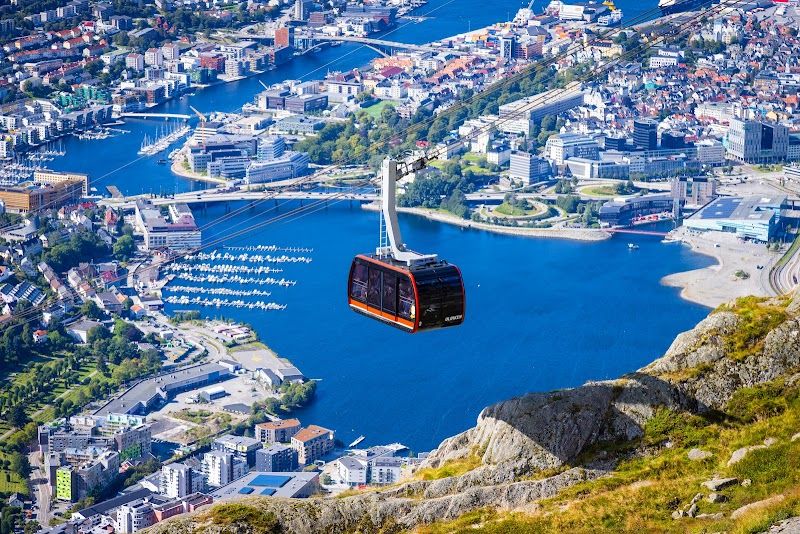
Ulriken643
Ulriken643 hauls you 642 meters up Bergen's tallest peak in sleek gondolas that feel more dramatic than Fløyen's funicular. The 10-minute ride swings over steep forest and exposed rock faces, delivering you to sweeping views across Bergen's red rooftops, the North Sea, and seven surrounding mountains. At the summit, well-marked trails connect to neighboring peaks like Fløyfjellet, while the mountaintop restaurant serves reindeer and other Norwegian specialties. The gondola experience feels properly alpine, especially when clouds roll beneath you halfway up the mountain. At 642 meters, the summit offers a genuine sense of height that Fløyen can't match. The viewing platform gets busy during cruise ship arrivals, but the mountain plateau is large enough to find quiet spots. Weather changes fast up here, so you might ascend through fog and emerge into brilliant sunshine, or vice versa. Most guides don't mention that visibility makes or breaks this experience completely. Check the live webcam before spending 395 NOK on the round trip ticket (190 NOK for children). The restaurant is overpriced at 300+ NOK for main courses, so pack snacks if you're hiking the connecting trails. Skip the souvenir shop entirely, but do take the stone steps partway down for photos of the gondola system against the mountainside.
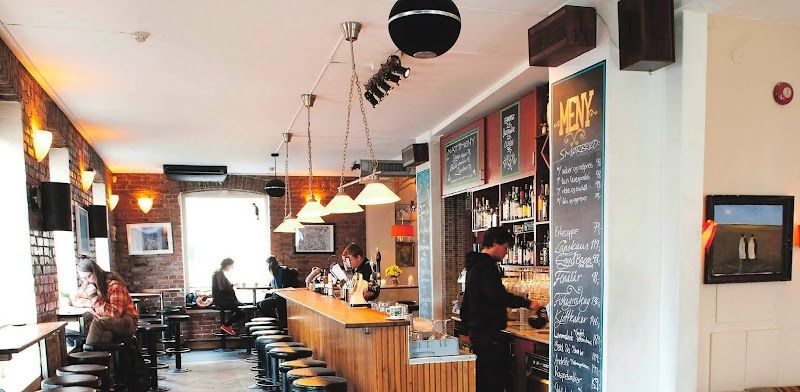
Pingvinen
Old-school neighbourhood restaurant serving traditional Norwegian comfort food since 1964, with worn wooden booths and vintage beer signs on the walls. Their fiskebollar (fish balls in white sauce) and lapskaus (Norwegian stew) are exactly as locals remember from childhood. This is where Bergen taxi drivers and dock workers eat.
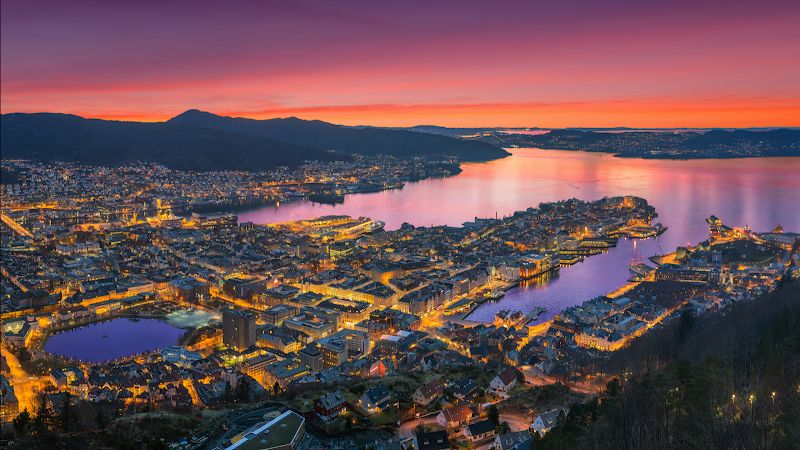
Fløyen
Fløyen sits 320 meters above Bergen, offering the city's best panoramic views across colorful wooden houses, seven mountains, and multiple fjords. The Fløibanen funicular takes four minutes to reach the summit, but the real draw is the extensive trail network spreading into surrounding forests. You'll find 150 kilometers of marked paths, from gentle 20-minute loops to serious mountain hikes that'll keep you busy for days. The summit itself gets packed with cruise ship tourists snapping photos at the viewing platform, but walk five minutes in any direction and you'll have the forest to yourself. The trails are well-maintained with clear red, blue, and yellow markers, winding through thick pine and birch forests where you'll hear nothing but wind and birdsong. Weather changes fast up here, and fog can roll in within minutes, transforming the experience from sunny stroll to atmospheric Nordic adventure. Most visitors pay 95 NOK roundtrip for the funicular and spend 20 minutes at the crowded viewpoint before heading down. You're missing the point entirely. Buy a one-way ticket up (60 NOK) and walk down the red trail, which takes 45 minutes through beautiful forest and saves money. The summit restaurant is overpriced tourist food, so bring snacks. Trail maps are free at the top, grab one even for short walks since fog disorients quickly.
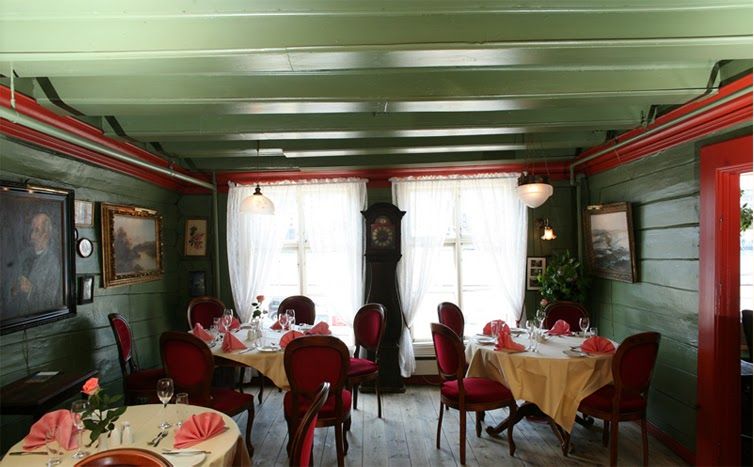
Enhjørningen Fiskerestaurant
Historic fish restaurant in a 1700s Hanseatic building on Bryggen, specializing in traditional Norwegian seafood. Their fiskesuppe is Bergen's finest - thick, creamy, and loaded with salmon, cod, and prawns. The timber-beamed dining room overlooks the harbour through small medieval windows.
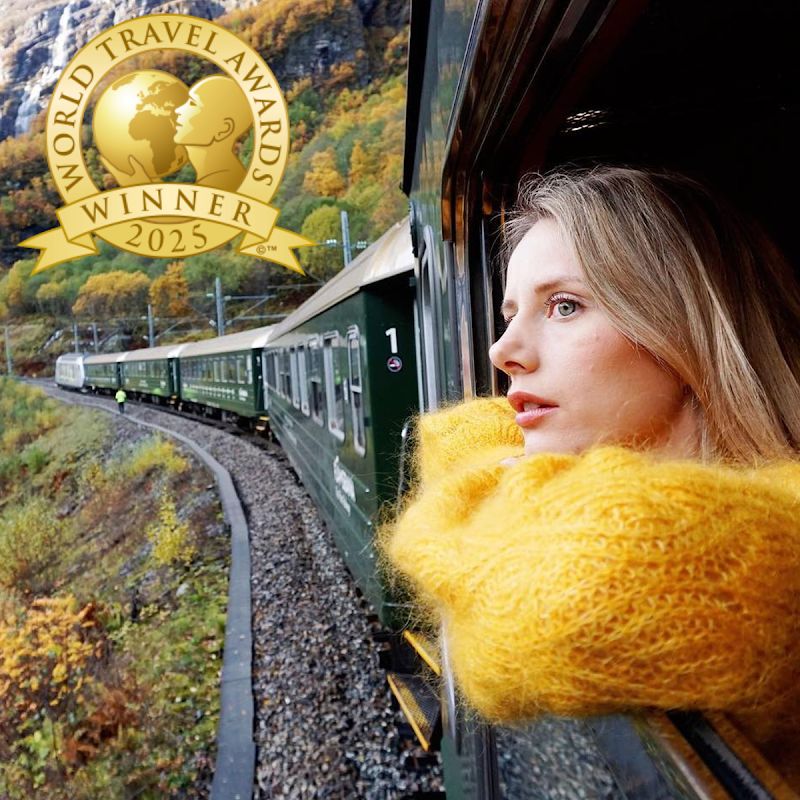
Fjord Tours Bergen
Fjord Tours Bergen runs full-day trips to Hardangerfjord, Norway's gentlest fjord where apple and cherry orchards cascade down hillsides instead of dramatic cliff faces. You'll catch ferries across mirror-still water, walk through Utne's fruit farms, and stand at the base of 182-meter Vøringsfossen waterfall where the spray creates permanent rainbows. The tour operates year-round, but spring brings the orchards into bloom while autumn paints the valleys gold. The day starts with a bus ride through Bergen's suburbs before hitting winding mountain roads with views that make everyone reach for their cameras. At Utne, you'll have two hours to wander between apple trees and traditional wooden houses, then ferry across to Eidfjord where locals still tend family orchards passed down for generations. The Vøringsfossen stop is pure drama: a viewing platform suspended over the gorge where you can feel the waterfall's power through the ground vibrations. Most operators charge around 1,200 NOK for this route, but Fjord Tours keeps it closer to 950 NOK without cutting corners. Skip the overpriced lunch at Eidfjord's tourist restaurant and pack your own - the best spots are the benches overlooking the water near Utne's small harbor. The weather changes fast here, so bring a waterproof jacket even on sunny days.
Håkonshallen
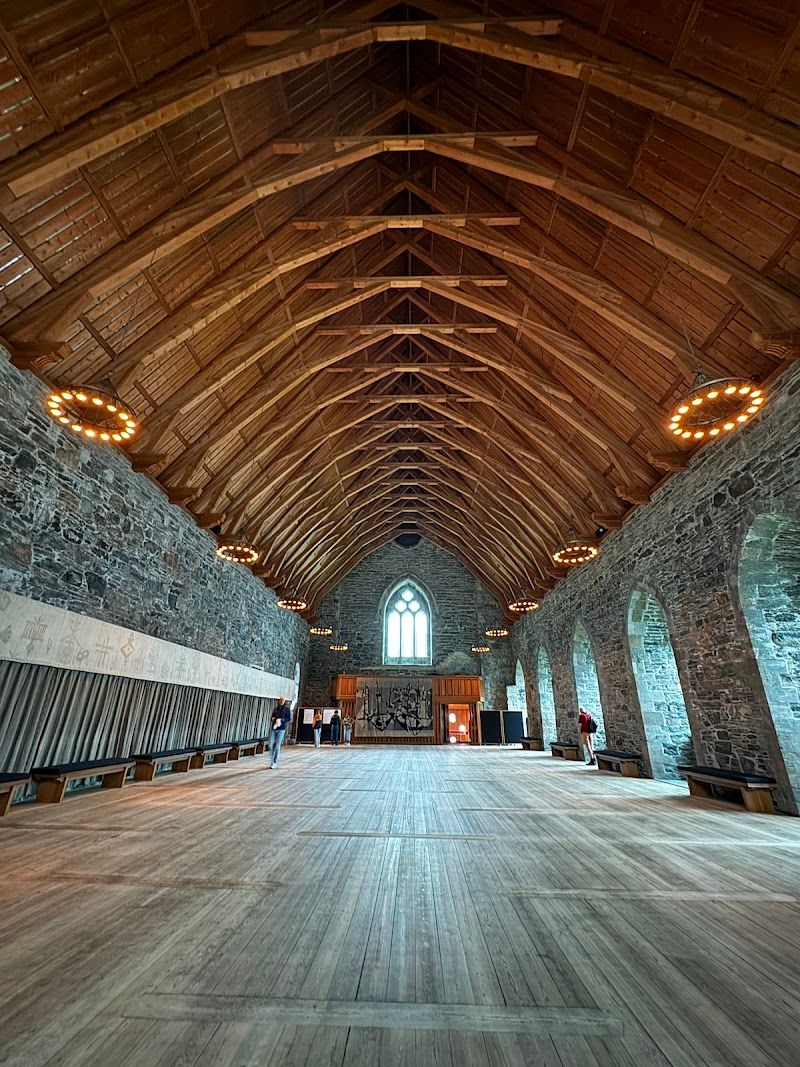
Håkonshallen isn't just another medieval building, it's Norway's largest surviving secular structure from the 1200s, and when you step inside, the scale hits you immediately. The massive stone walls rise to support soaring timber beams that were painstakingly reconstructed after Allied bombing in 1944 flattened the roof. You're looking at where King Håkon threw royal banquets for 400 guests, and the acoustics are so perfect that whispers carry across the entire space. The moment you enter, the temperature drops noticeably and your footsteps echo off stones that have witnessed 760 years of ceremonies. The hall stretches 37 meters long, and there's almost no furniture, which actually works in its favor because nothing distracts from the architectural drama. Windows set high in thick walls create dramatic shafts of light, and you can still see original stonework alongside the careful post war reconstruction. The space feels simultaneously intimate and grand. At 100 NOK, it's pricey for what amounts to one impressive room, but most guides won't tell you that entry also includes Rosenkrantz Tower next door, which doubles the value. Skip the audio guide and just absorb the atmosphere. The hall hosts concerts regularly, and if there's a rehearsal happening, you'll hear it from outside, which gives you a preview of those famous acoustics before you decide whether to pay.
Hanseatic Museum and Schøtstuene
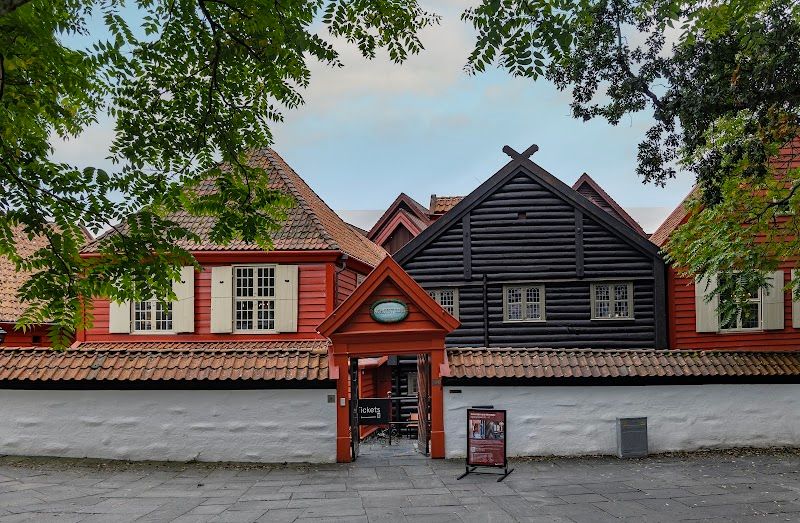
This isn't just another museum display: it's the only surviving intact Hanseatic merchant house in all of Northern Europe. You'll walk through the actual 1704 warehouse where German traders lived and worked for centuries, sleeping in cramped wooden bunks and conducting business deals worth fortunes in cod. The rooms remain exactly as they were abandoned, complete with original furniture, trading scales, and personal belongings that tell the story of Bergen's 400-year domination by the Hanseatic League. The experience feels genuinely eerie as you climb narrow wooden staircases and duck through low doorways into pitch-black storage rooms. Your guide explains how 20 men shared a single room no bigger than a modern bedroom, forbidden from lighting fires or speaking Norwegian. The Schøtstuene assembly rooms next door contrast sharply: warm, communal spaces with massive fireplaces where traders could finally escape the bone-chilling warehouse conditions and conduct their secretive guild business. Most visitors rush through in 30 minutes, but you'll miss the fascinating details about cod grading systems and medieval apprenticeship rituals. Entry costs 120 NOK for adults, and frankly, it's worth every krone for history buffs. Skip it if you're claustrophobic or uninterested in social history: the rooms are genuinely cramped and dark, just as they were 300 years ago.
KODE 2
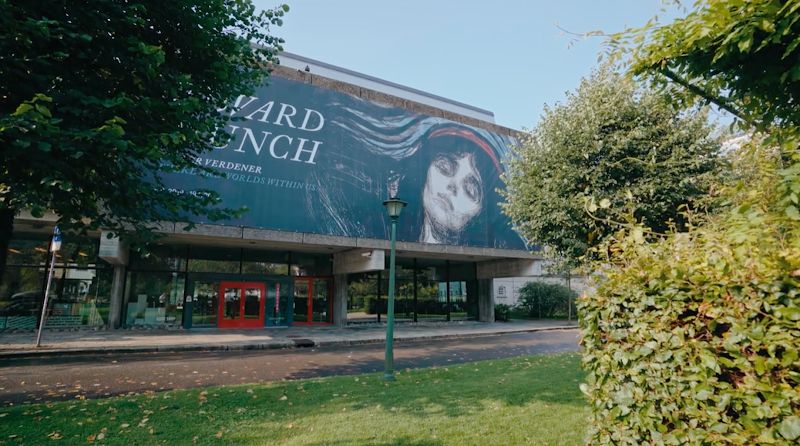
KODE 2 houses the world's largest collection of Nikolai Astrup's work, Norway's most distinctive post-expressionist painter who captured western Norway's mystical landscapes in the early 1900s. You'll see his famous woodcuts of midnight sun festivals, Midsummer bonfires, and fjord villages rendered in intense blues and greens that feel almost supernatural. The collection spans his entire career, from early paintings to his groundbreaking color woodcut technique that made him internationally recognized. The gallery flows chronologically through Astrup's development, starting with darker early works before exploding into the vivid landscapes he's known for. His paintings of Jølster (his home village) dominate the main rooms, where you can study his unique technique up close: thick paint application and bold color choices that make Norwegian rural life look like a fairy tale. The woodcut section shows his painstaking process of creating multiple color blocks for single prints. Most visitors rush through, but Astrup rewards slow looking. His technique becomes addictive once you notice how he builds light effects layer by layer. Single venue tickets cost 120 NOK (much better value than the full KODE pass at 180 NOK if you're only interested in Astrup). Skip the temporary exhibitions downstairs unless you have extra time, the permanent Astrup collection upstairs is why you're here.
Fløyen Folkerestaurant
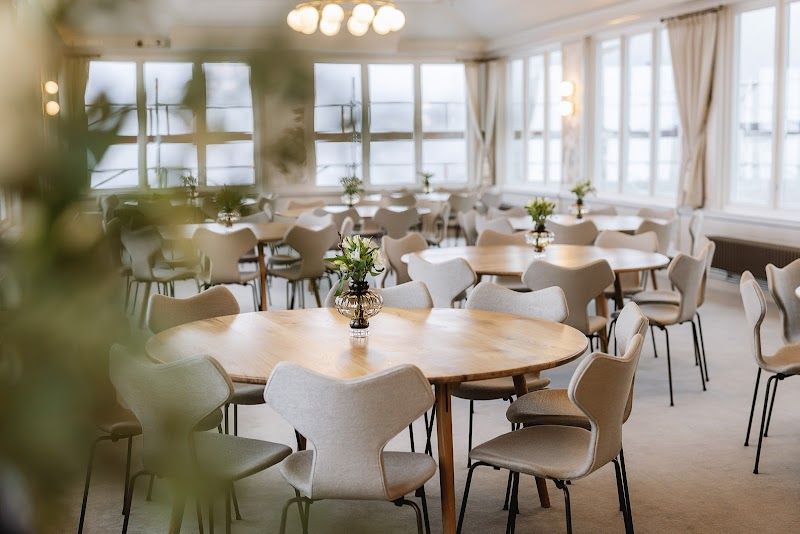
Traditional mountain restaurant at the top of Fløyen offering hearty Norwegian meals and spectacular panoramic views over Bergen and the fjords. The restaurant serves traditional dishes like reindeer, fish soup, and kjøttkaker in a rustic lodge setting. Perfect stop after hiking or taking the funicular.
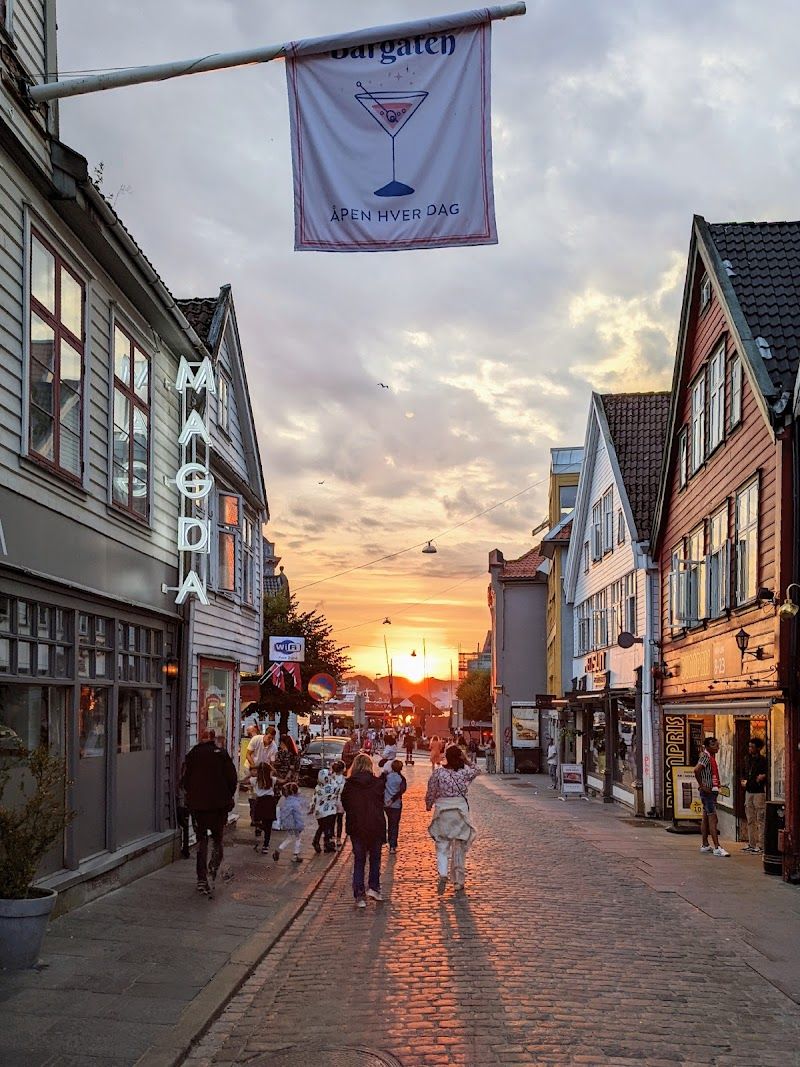
Kong Oscars gate
Kong Oscars gate is Bergen's actual main street, a pedestrian zone that cuts straight through the city center from the harbor to the National Theatre. You'll find everything from H&M and Zara to local Norwegian chains like Cubus, plus dozens of cafés where Bergensers actually grab their coffee. Street musicians set up regularly, and the northern end has some genuinely good local shops that tourists rarely discover. The street has this relaxed energy that's completely different from touristy Bryggen. Locals use it as their living room: students sprawl outside cafés with laptops, office workers take long lunch breaks, and families window shop without dodging cruise ship crowds. The southern end near the harbor gets busier, but once you pass the main shopping area, it opens up into quieter stretches with better architecture and fewer chain stores. Most guides barely mention Kong Oscars gate, which is exactly why it works. Coffee runs about 35-45 NOK at the chain places, but you can find better cups for 30 NOK at the smaller spots further north. Skip the southern section entirely if you're avoiding crowds. The real payoff is using this street as your base for exploring: it connects everything and gives you a genuine feel for how Bergen actually functions beyond the postcard shots.
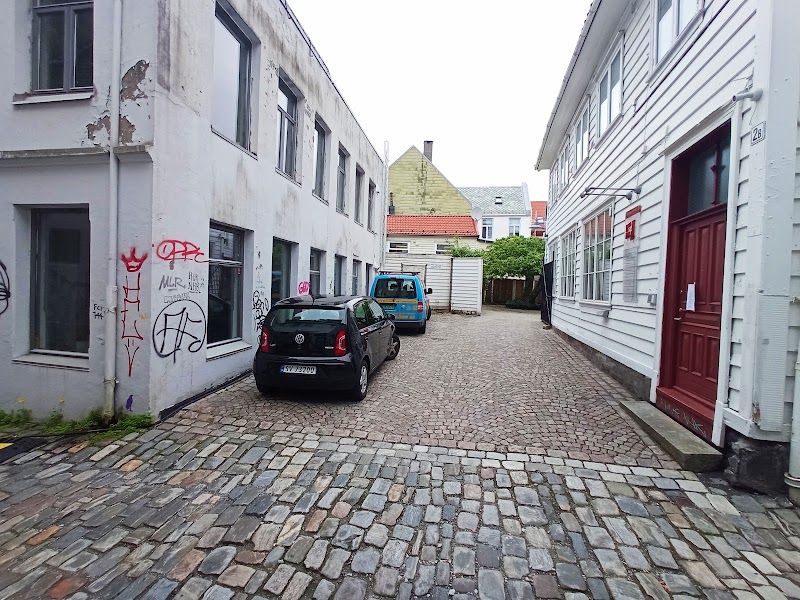
Lille Øvregaten
Lille Øvregaten is a perfectly preserved residential street from the 1700s and 1800s where locals still live in the same colorful wooden houses their ancestors built. You'll walk along cobblestones past butter-yellow, deep red, and forest-green timber homes with traditional Norwegian details like carved window frames and steep-pitched roofs. Unlike the tourist-packed Bryggen area five minutes away, this feels like stepping into someone's neighborhood, which it literally is. The street runs uphill for about 200 meters, lined with maybe two dozen houses on each side. You can peek into front gardens where residents grow vegetables and flowers, and you'll notice how each house sits slightly differently, following the natural slope of the hill. The architecture tells Bergen's story better than any museum: these homes survived fires that destroyed other parts of the city, and you can see centuries-old construction techniques in the overlapping wood planks and hand-forged iron details. Most guidebooks make this sound more exciting than it is. You're looking at houses, not entering them, and the whole street takes 15 minutes to walk end to end. Come here after visiting Bryggen when you want a breather from crowds, not as a destination itself. The houses look best in morning light around 9-10am when the sun hits them directly. Skip it if you're pressed for time, there are no cafes or shops here.
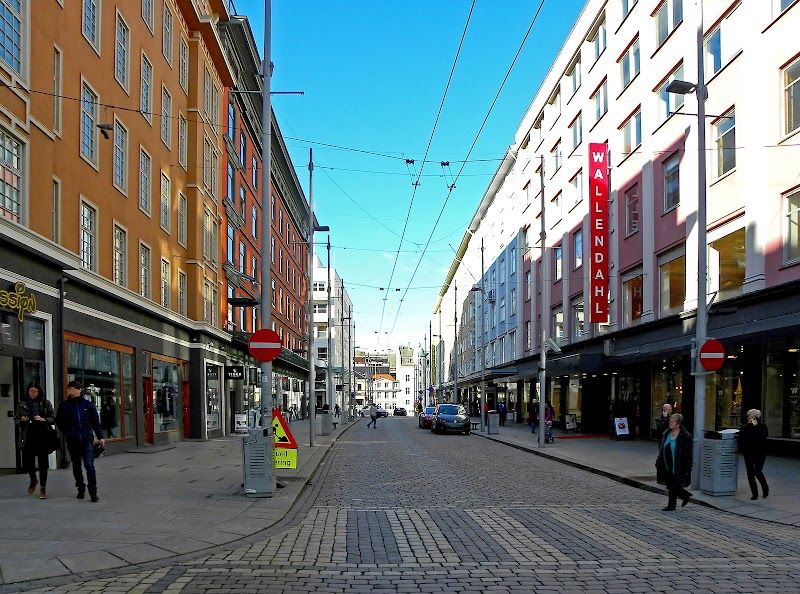
Strandgaten
Strandgaten runs parallel to the famous Bryggen wharf, but this working street tells Bergen's less polished story. You'll walk past modern office buildings with medieval stone foundations poking through at street level, remnants of merchant houses that survived multiple fires over seven centuries. The contrast is striking: contemporary Bergen business life happening literally on top of Hanseatic trading post ruins. It's not prettified for tourists, which makes it more authentic than the reconstructed wooden buildings next door. The walk feels like peeling back layers of Bergen's timeline. Office workers grab coffee while medieval stone walls frame their lunch spots. You'll notice how the street level has risen over centuries, with original foundations now sitting below modern sidewalks. The buildings change architectural styles every few doors, showing how each fire and reconstruction added new layers. It's quieter than Bryggen but more lived in, giving you a sense of how Bergen actually evolved rather than how it's preserved for visitors. Most guides skip Strandgaten entirely, which is their loss and your gain. The medieval remains are more extensive than what you'll see at the overcrowded Bryggen Museum (which charges 120 NOK). Walk it in the morning when office workers are arriving for the most authentic atmosphere. Don't expect Instagram moments, but do expect to understand Bergen's real urban archaeology better than most tourists ever will.
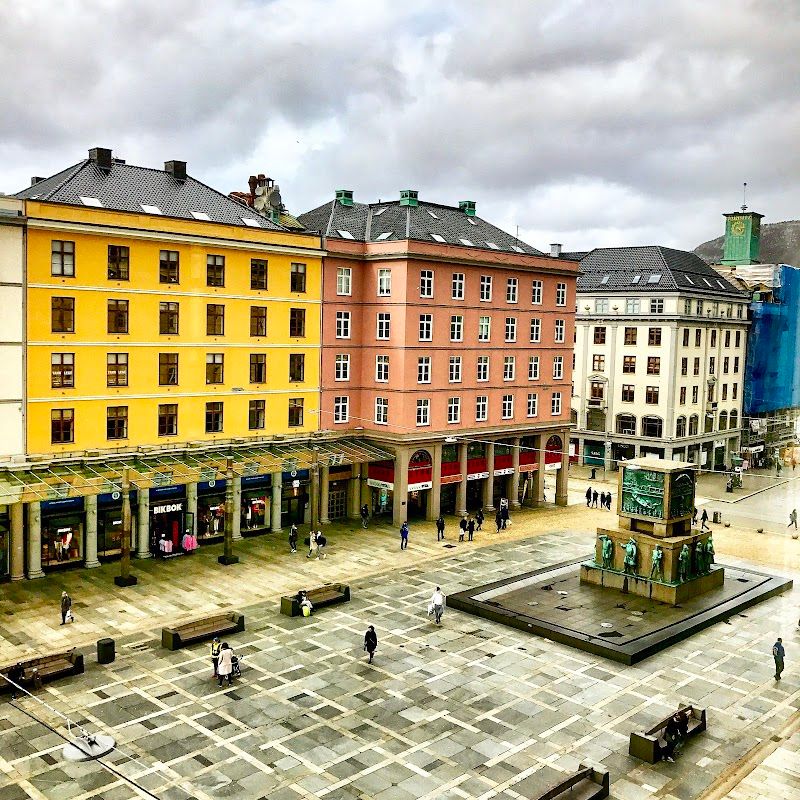
Torgallmenningen
Torgallmenningen is Bergen's main public square, a wide pedestrian plaza that connects the historic Bryggen area to the modern shopping district along Torgalmenningen street. You'll find yourself crossing this space constantly as you navigate between Bergen's key attractions, and it serves as the city's unofficial outdoor living room. The square hosts everything from Saturday farmers markets to major festivals, plus Bergen's biggest Christmas market in December with dozens of wooden stalls selling local crafts and mulled wine. The space feels surprisingly open for cramped Bergen, with modern water features and plenty of room to breathe between the surrounding buildings. During market days the square fills with locals buying fresh produce and tourists browsing crafts, creating a genuine community atmosphere rather than a sterile tourist zone. The fountains provide a soundtrack of flowing water, and kids often play around them while parents sit on the surrounding benches. Street performers regularly set up here, especially during summer months. Most guides oversell this as a destination in itself, but it's really more of a transit hub that happens to be pleasant. The farmers market on Saturdays is genuinely worth timing your visit around, with excellent local cheeses and seafood, but skip the weekday souvenir stalls that pop up. The Christmas market is Bergen's best holiday experience but gets packed after 4pm, so go earlier. Don't expect architectural drama here, it's function over form.
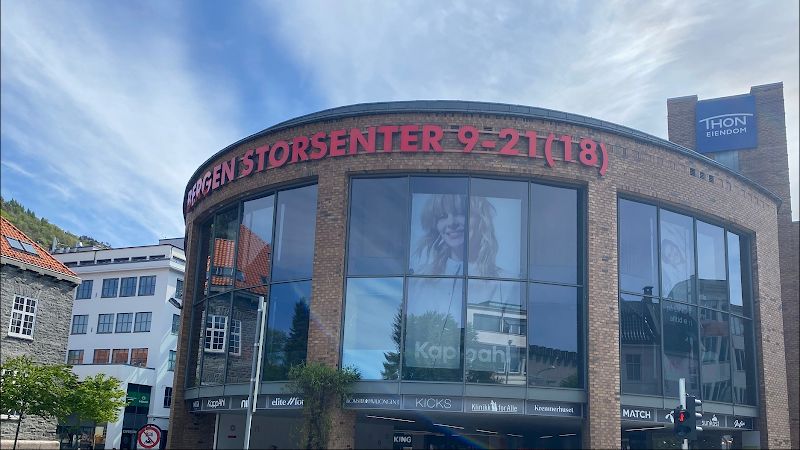
Sandviken Senter
Sandviken Senter is Bergen's most authentic neighborhood shopping center, where you'll experience daily Norwegian life without any tourist polish. This two-story mall serves the residential Sandviken district with a Coop Extra supermarket, pharmacy, small cafes, and practical services like hair salons and dry cleaning. You'll find genuine Norwegian grocery brands, local produce prices, and the kind of everyday interactions that give you real insight into how Bergen residents actually live. The atmosphere feels refreshingly normal after Bergen's tourist-heavy center: families with strollers navigate wide aisles, elderly locals chat in Norwegian dialects, and teenagers grab snacks after school. The Coop Extra dominates the ground floor with aisles of Norwegian specialties like lefse, brunost, and local seafood at prices locals actually pay (not inflated tourist rates). The upper level houses smaller shops and services, while large windows offer views toward Bergen's harbor in the distance. Most travel guides skip places like this entirely, but that's exactly why it's valuable. Skip the small clothing shops (limited selection, higher prices than downtown), but definitely explore the supermarket's Norwegian food section where you'll pay 30-50 NOK less per item compared to tourist shops. The pharmacy stocks Norwegian skincare brands unavailable elsewhere, and the cafe serves decent coffee for 25 NOK versus 45 NOK downtown.
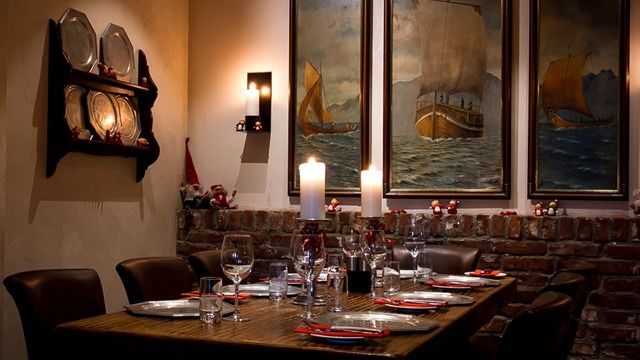
Bryggeloftet & Stuene
Traditional Norwegian restaurant in an 18th-century wooden building on Bryggen, serving classic dishes like reindeer, lutefisk, and Bergen's signature creamy fish soup. The upstairs dining rooms retain original wooden beams and small-paned windows. Tourist-focused but reliably good for experiencing historical Norwegian cuisine in an authentic setting.
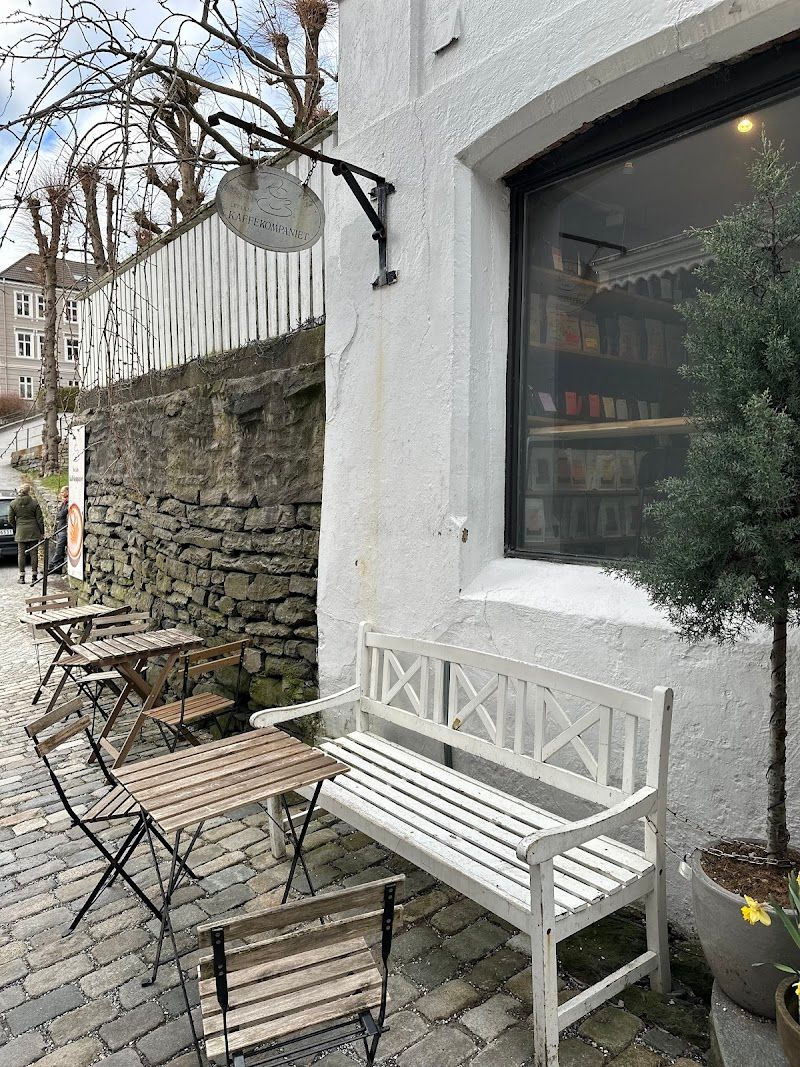
Det Lille Kaffekompaniet
Tiny specialty coffee bar with just six seats, tucked down a pedestrian alley near Torgallmenningen. The single barista pulls espresso shots and makes cappuccinos with beans from Norwegian micro-roasteries that rotate weekly. Standing room only, but the coffee is exceptional and the prices are reasonable for Bergen.
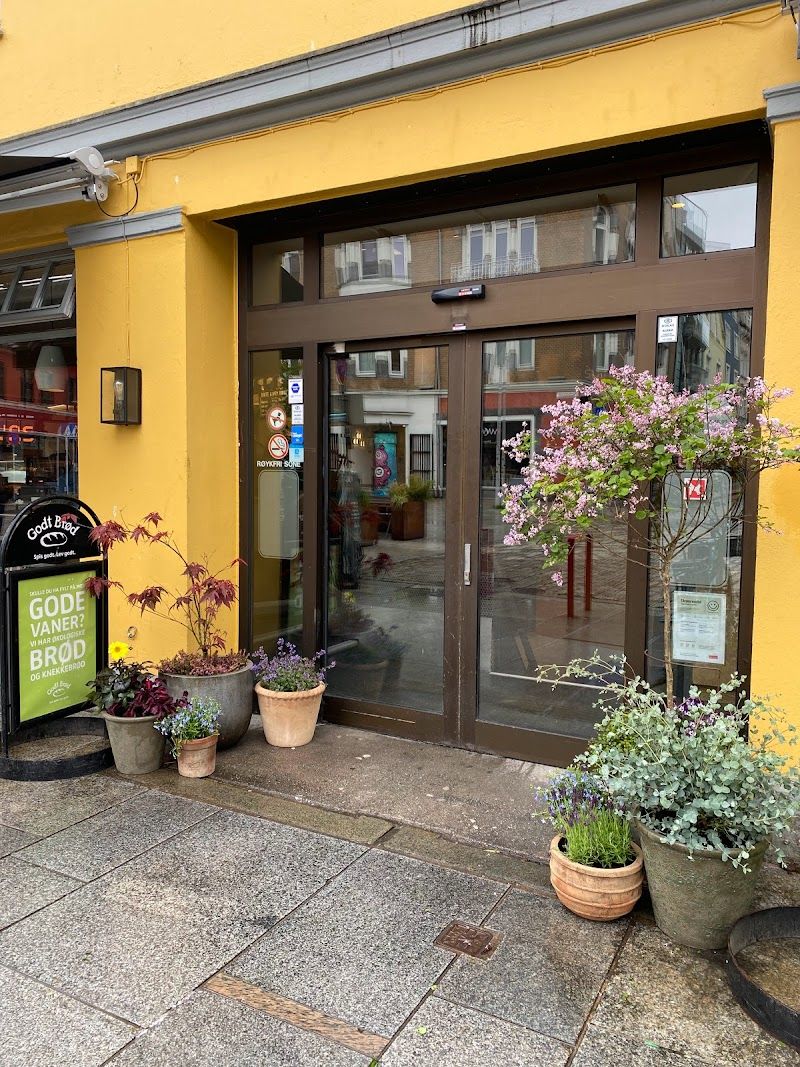
Godt Brød Verftet
Organic bakery and café in the Verftet cultural centre, serving sourdough breads, open-faced sandwiches, and pastries made from stone-ground Norwegian grains. The coffee is organic and fair-trade, and the casual atmosphere attracts students and artists from the surrounding studios. Part of a small Norwegian chain focused on traditional baking methods.
Cornelius Sjømatrestaurant
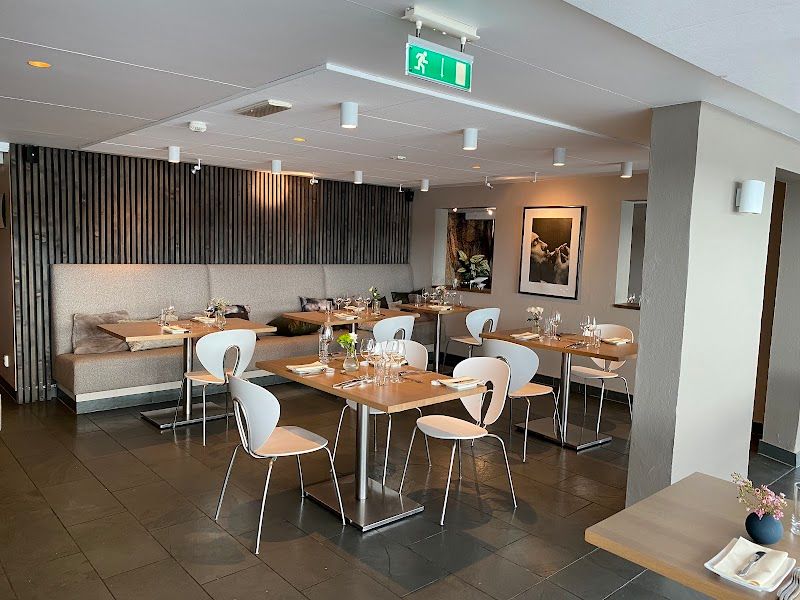
Remote seafood restaurant on a tiny island 20 minutes by boat from Bergen's harbour, accessible only by the restaurant's own ferry. Chef Kjartan Skjelde serves ultra-fresh fish and shellfish caught within sight of the dining room windows. The tasting menu features whatever arrived from the fishermen that morning.
Kaffe Magisteren
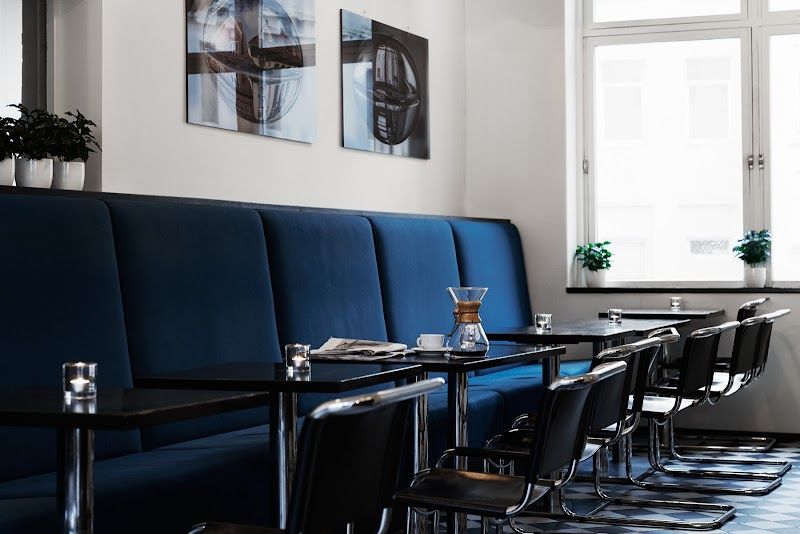
Bergen's original specialty coffee roastery and café in a bright corner space near Vågsalmenningen. They roast their own beans on-site and serve pour-overs, espresso drinks, and filter coffee alongside simple pastries. The baristas are serious about coffee and happy to discuss brewing methods.
Bryggen Museum
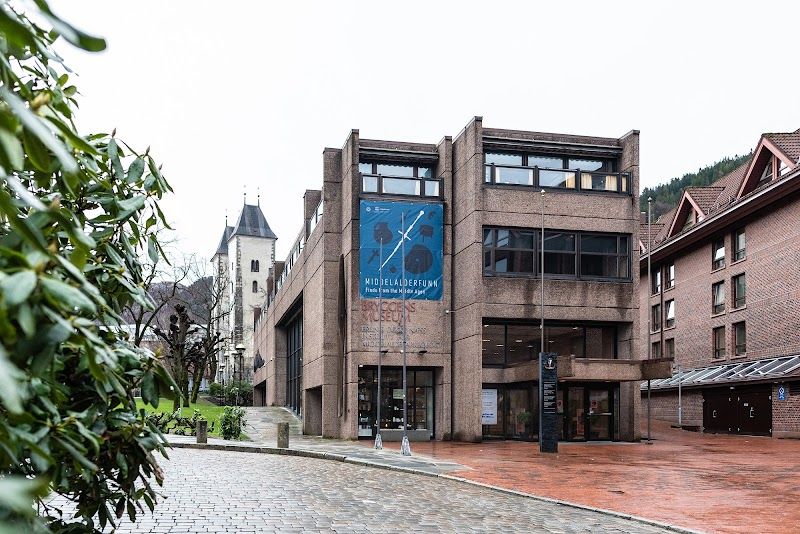
The Bryggen Museum was built around the excavation of the medieval city that was exposed when the northern part of Bryggen burned in 1955 and workers discovered 800 years of accumulated urban layers beneath. The exhibition is built into the excavation site: medieval house foundations, artefacts, and the stratified layers of Bergen's history from the 11th century are displayed under glass in the museum floor. NOK 120 entry. Open daily. The museum covers Bergen as a Hanseatic trading city and the social history of the people who lived in the wooden buildings. Allow 1-1.5 hours.
Zupperia
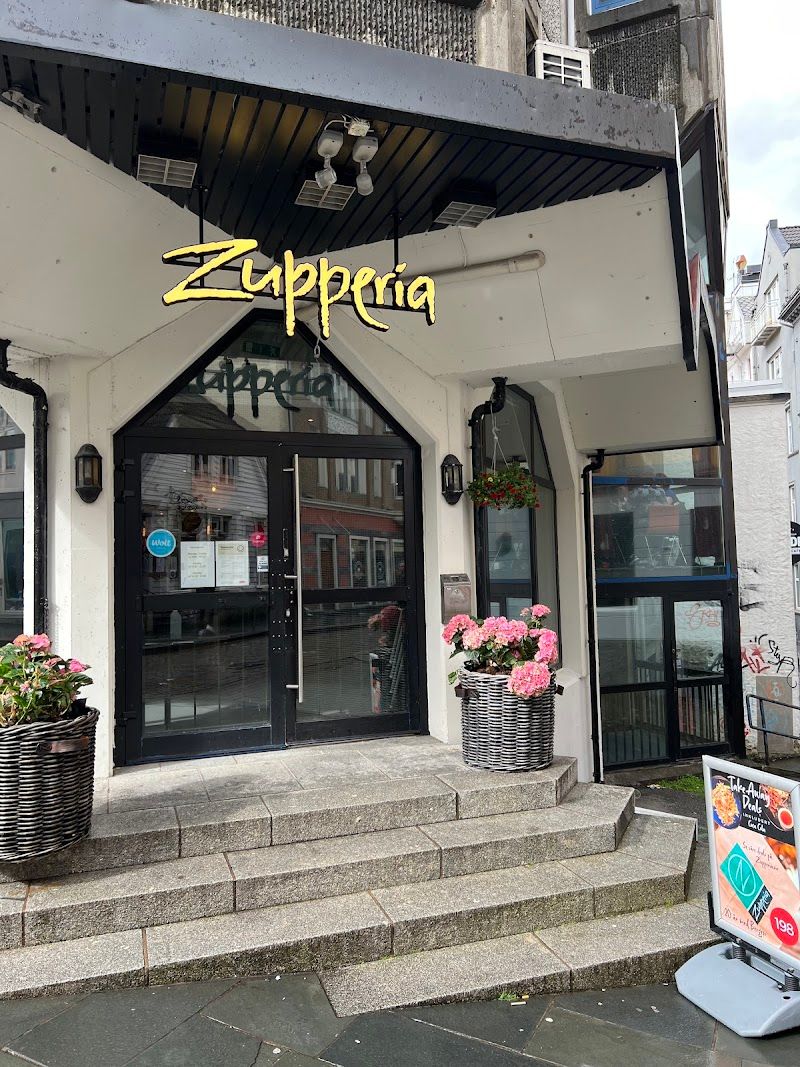
Asian noodle house serving Vietnamese pho, Thai curries, and Japanese ramen in a casual setting near Ole Bulls plass. While not Norwegian cuisine, locals love it for authentic Asian flavours and generous portions at reasonable Bergen prices. The spicy seafood ramen features Norwegian fish and shellfish in a Japanese-style broth.
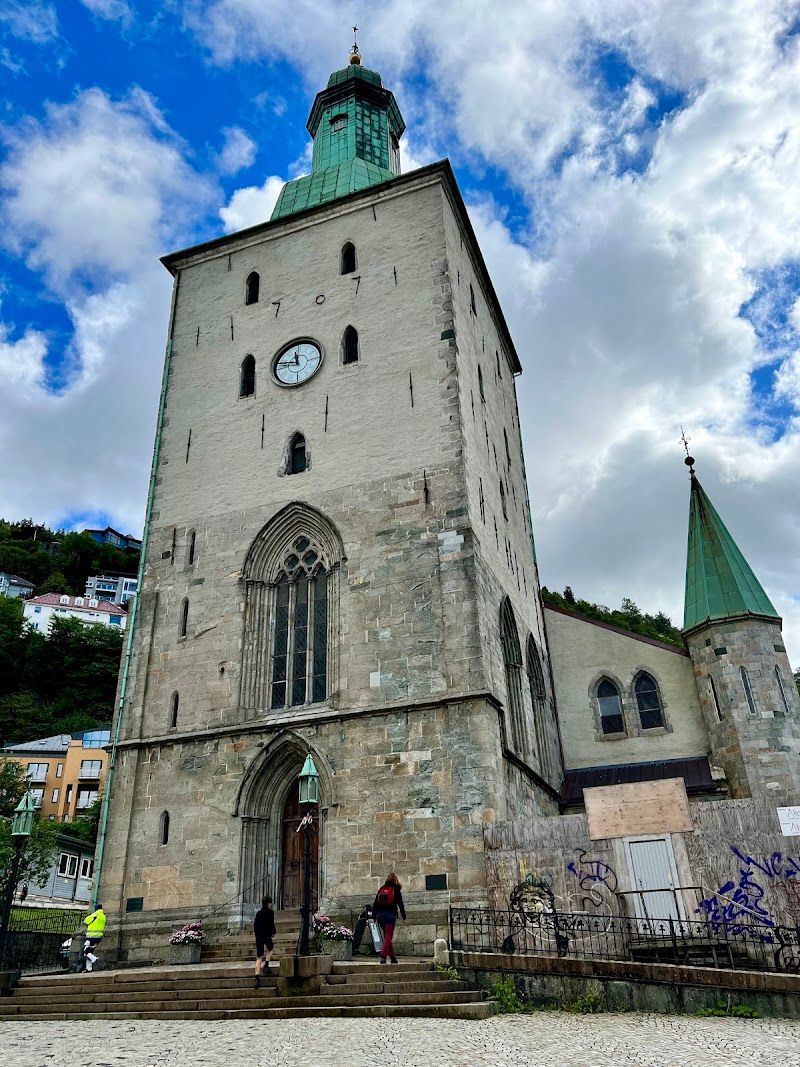
Bergen Cathedral
Bergen Cathedral looks unassuming from the street, but step inside and you're walking through 900 years of Norwegian church history. The current building sits on 12th-century foundations, though fires have forced multiple rebuilds over the centuries. What makes it fascinating is how each era left its mark: medieval stone walls, baroque wooden details from the 1880s renovation, and modern stained glass that actually works with the older elements. Entry is free, and you can easily see everything in 20-30 minutes. The interior feels more intimate than grand, with wooden pews facing a surprisingly ornate altar area. The acoustics are excellent, so if you're lucky enough to visit during choir practice or a service, the sound fills every corner beautifully. The mix of architectural styles should feel jarring but somehow doesn't. Light filters through both old and new windows, creating different moods throughout the day. The small scale means you can examine details up close: carved wooden elements, old memorial plaques, and stonework that survived multiple disasters. Most travel guides oversell this as a major attraction, but that misses the point. It's not spectacular like Nidaros Cathedral in Trondheim, it's quietly interesting. The real value is the 10-minute break from Bergen's tourist crowds and the chance to see how a working church adapts across centuries. Skip it if you're rushed, but if you're exploring Bryggen anyway, it's a pleasant detour that costs nothing.
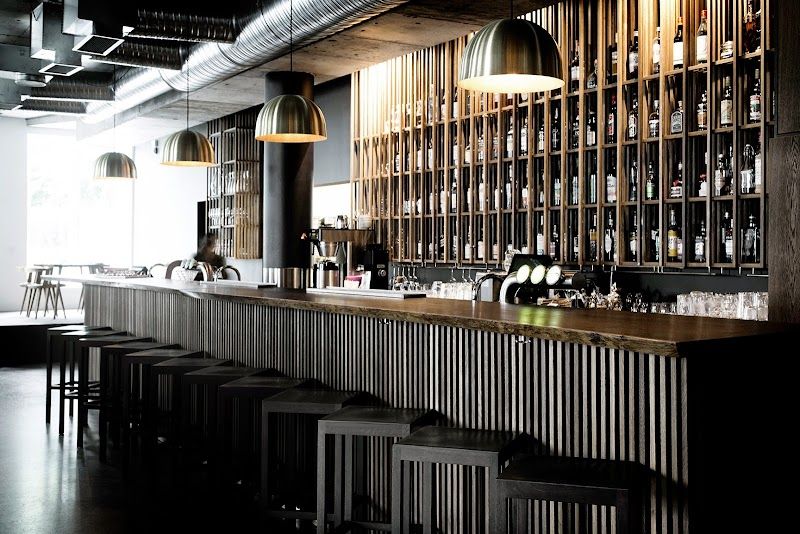
Lysverket
Contemporary Nordic restaurant inside KODE 4 art museum, where chef Christopher Haatuft creates inventive dishes from coastal Norwegian ingredients. The menu changes weekly based on what's available from local fishermen and farmers. The dining room features floor-to-ceiling windows overlooking Lille Lungegårdsvannet lake.
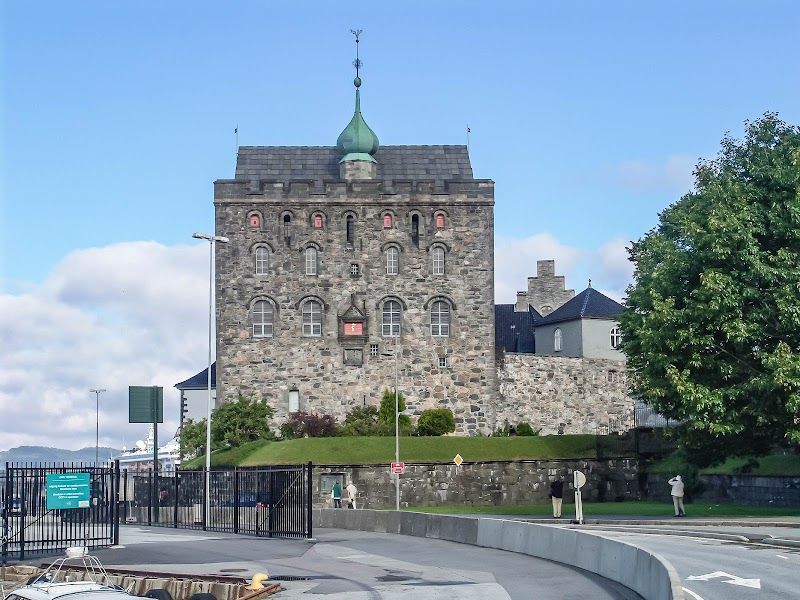
Rosenkrantz Tower
A 16th-century defensive tower within Bergenhus Fortress that combines medieval fortifications with Renaissance residential quarters. Climb the narrow stone staircases to reach panoramic viewing platforms offering 360-degree views of Bergen city, harbour, and mountains for NOK 100. A combined ticket with Haakon's Hall is available for better value.
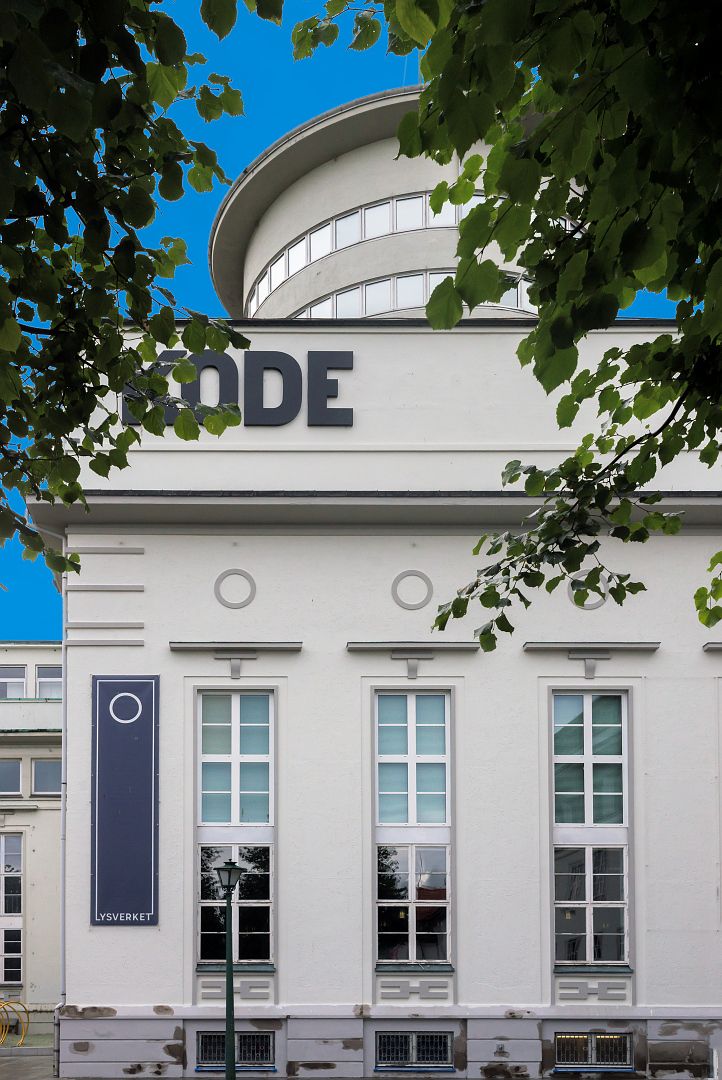
Kode Art Museums
Kode is four separate museum buildings on Rasmus Meyers alle facing Bergen's city park (Byparken), containing the largest collection of Nordic art outside Copenhagen and Stockholm. The four buildings (Kode 1-4) cover 600 years: Bergen Silver (Kode 1), Nikolai Astrup and Norwegian expressionism (Kode 2), Norwegian Golden Age painting and international modernists including Munch, Picasso, and Klee (Kode 3), and design and applied arts (Kode 4). NOK 150 covers all four buildings for one day. Open Tuesday-Sunday from 10 AM. Allow 2-3 hours to cover the highlights.
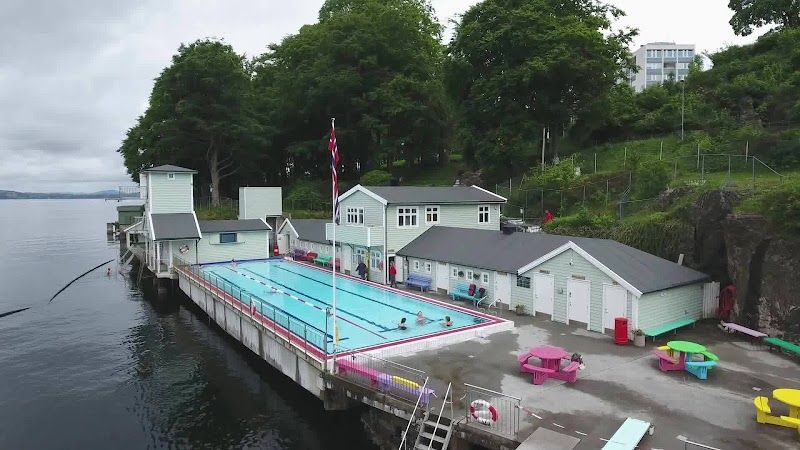
Nordnes Sjøbad
A beloved public sea bath at the tip of Nordnes peninsula, featuring saltwater pools, diving platforms, and a sauna. Open from June to August, this facility offers panoramic views across the harbor to Mount Fløyen while you swim in crystal-clear seawater pumped directly from the fjord.
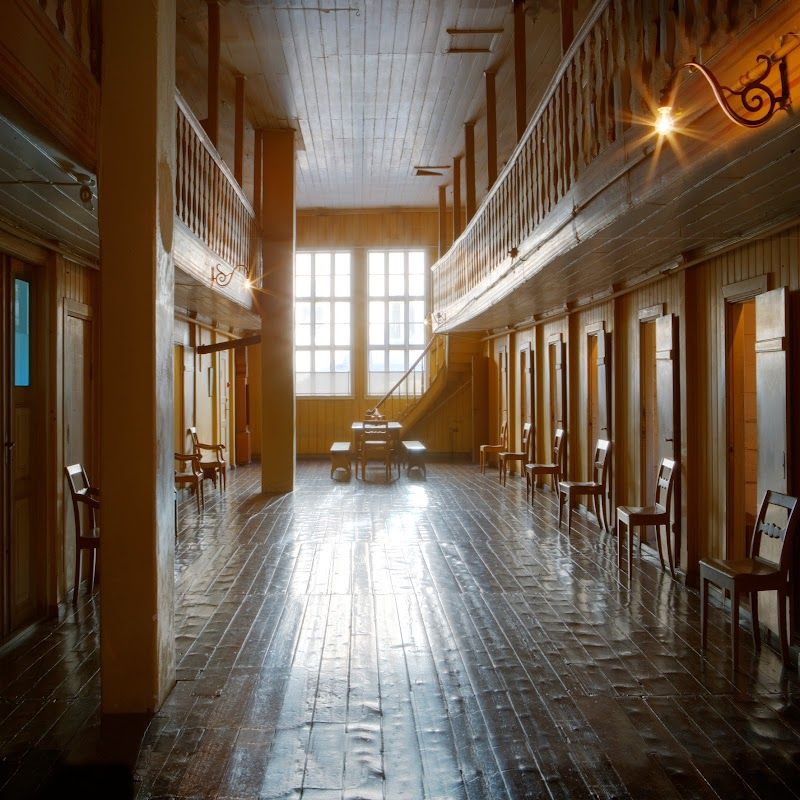
Lepramuseet - Bergen Leprosymuseum
Housed in the actual hospital where Dr. Armauer Hansen discovered the leprosy bacteria in 1873, this small museum documents Bergen's role as a world center for leprosy research. The preserved hospital wards, medical instruments, and patient records tell the story of how Bergen contributed to conquering one of history's most feared diseases.
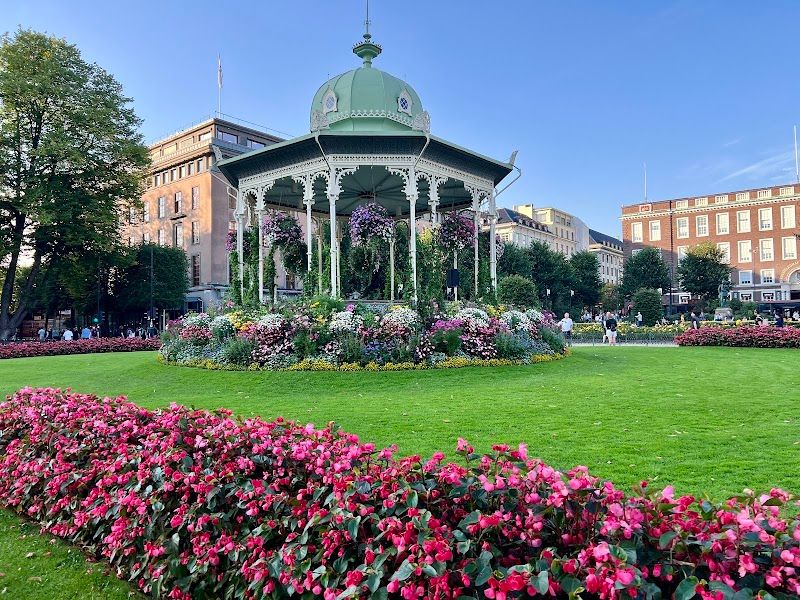
Byparken
Bergen's central park located directly opposite the KODE art museums, featuring a large ornamental pond with fountain, tree-lined pathways, and benches for people-watching. This compact green space serves as the city's living room, often hosting outdoor concerts and gatherings during summer months.
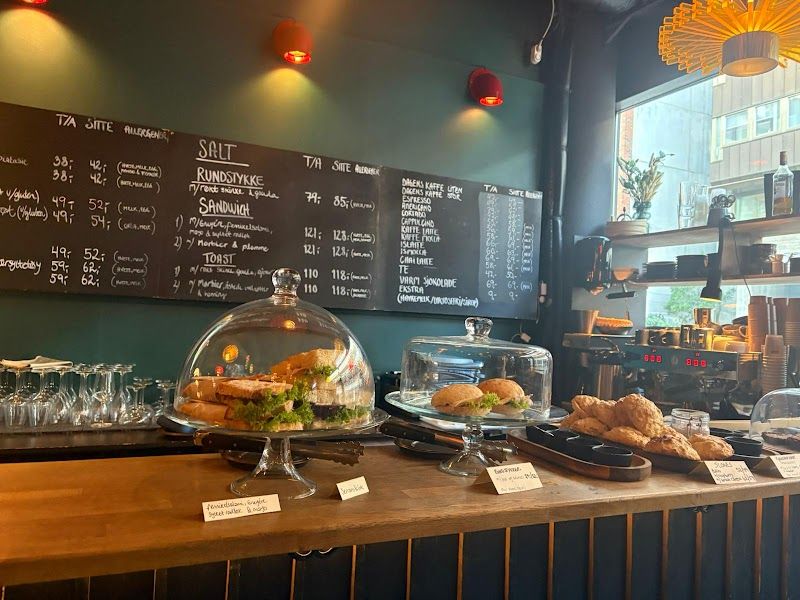
Blåmann Bar
Intimate neighborhood bar known for its carefully curated selection of natural wines and craft beers. This locals' favorite has a laid-back atmosphere with knowledgeable staff who are passionate about their drinks. The small space features exposed brick walls and a cozy bar counter perfect for conversation.
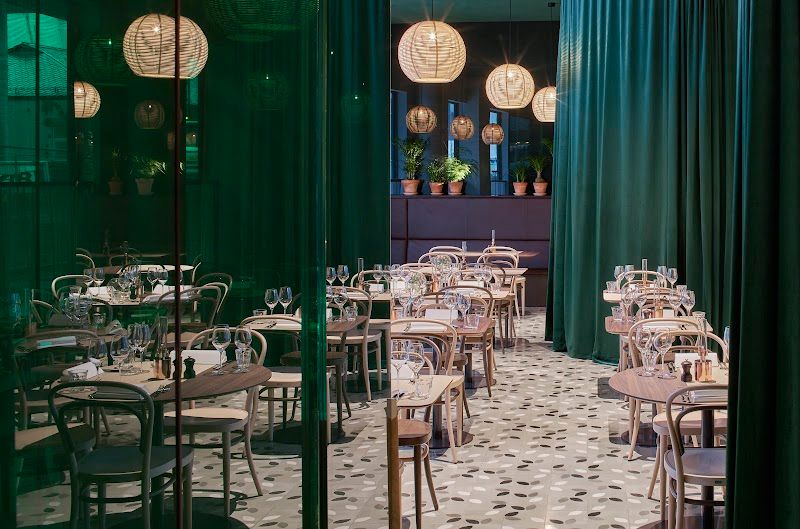
Skansen Matbar
Cozy neighborhood restaurant serving modern Norwegian cuisine with a focus on seasonal ingredients. Located near the Fløibanen lower station, it offers a warm atmosphere with wooden interiors and mountain views. Known for their excellent lunch menu and Sunday roasts.
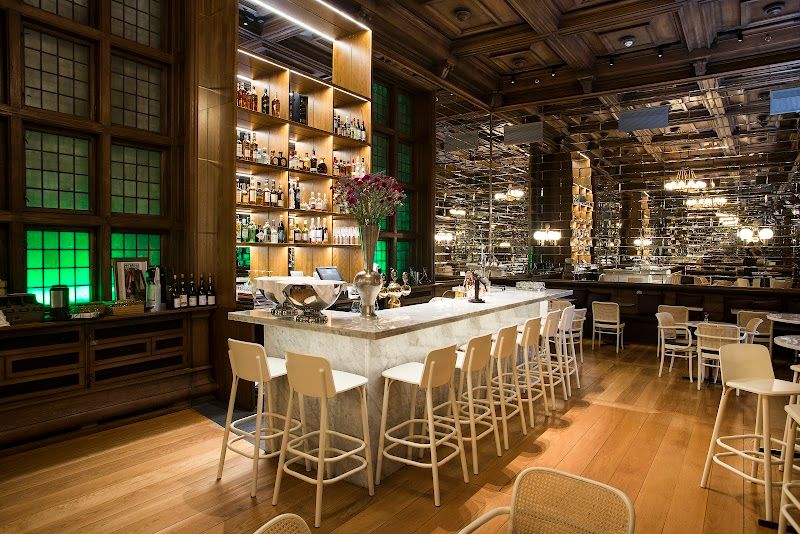
Bare Vestland
Regional restaurant celebrating Western Norwegian food traditions with dishes made from ingredients sourced within 100 km of Bergen. The menu features local cheeses, cured meats, seasonal vegetables, and fish prepared using traditional preservation methods. The space is modern despite the traditional focus.
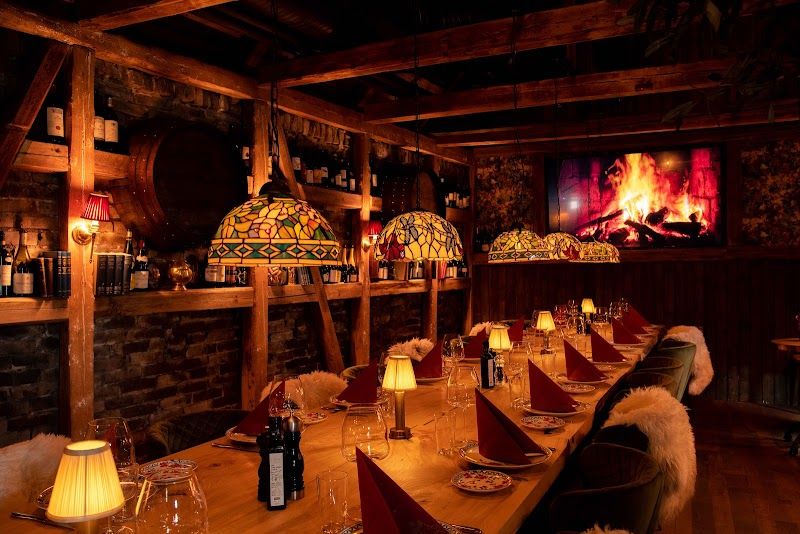
Skostredet Mat & Vinhus
Intimate wine bar and restaurant on Bergen's restaurant row, specializing in natural wines and sharing plates of seafood, charcuterie, and seasonal vegetables. The wine list features small European producers rarely seen in Norway. The exposed brick and candlelit tables create a romantic atmosphere in the evenings.
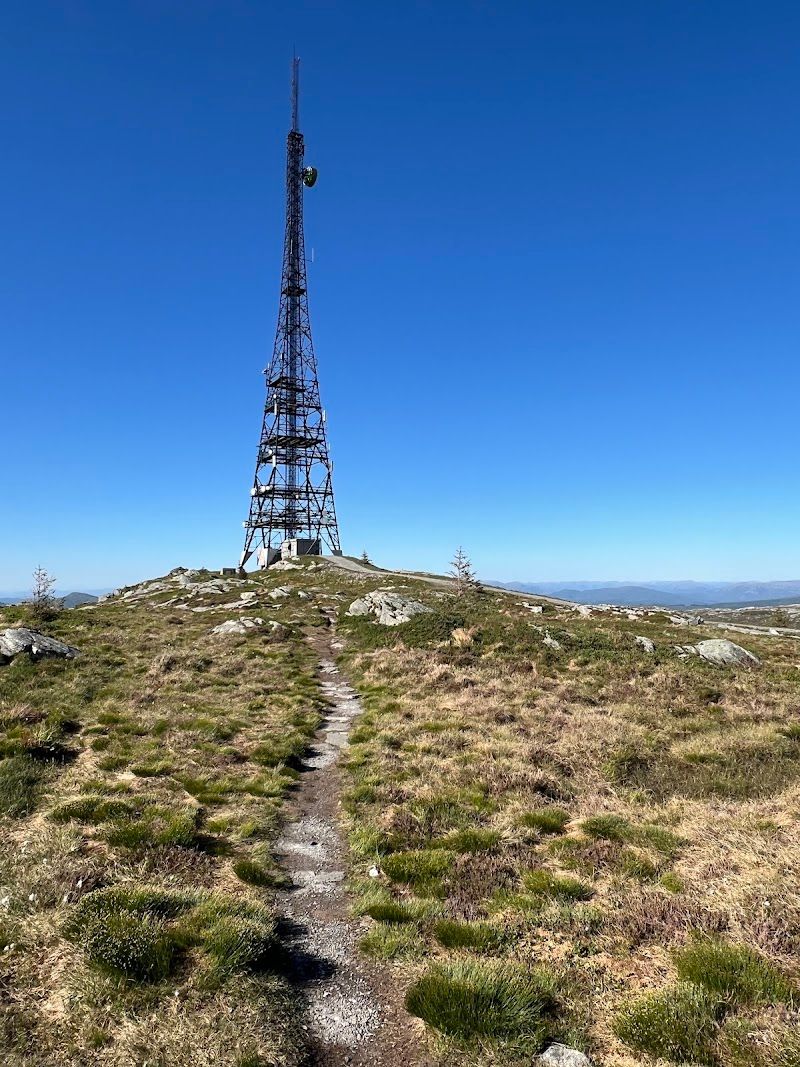
Rundemanen
A scenic mountain peak at 568 meters offering one of Bergen's best panoramic viewpoints, less crowded than Fløyen. Accessible via hiking trails from Fløyen or directly from the city, it provides sweeping 360-degree views of Bergen, surrounding mountains, and fjords. Popular with locals for sunset watching and photography.
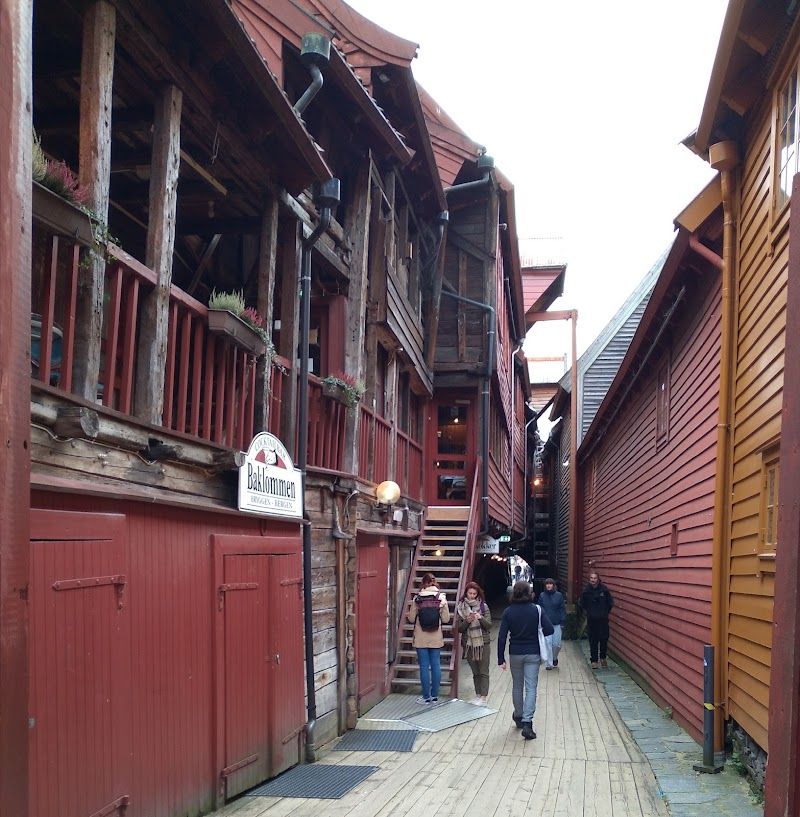
Theta Museum
Hidden behind an innocuous door in a Bryggen warehouse, this tiny museum occupies the actual secret room where Norwegian resistance fighters operated a clandestine radio station during Nazi occupation. The cramped space, concealed behind a false wall, still contains original equipment and documents from the dangerous intelligence work conducted here from 1942-1944.
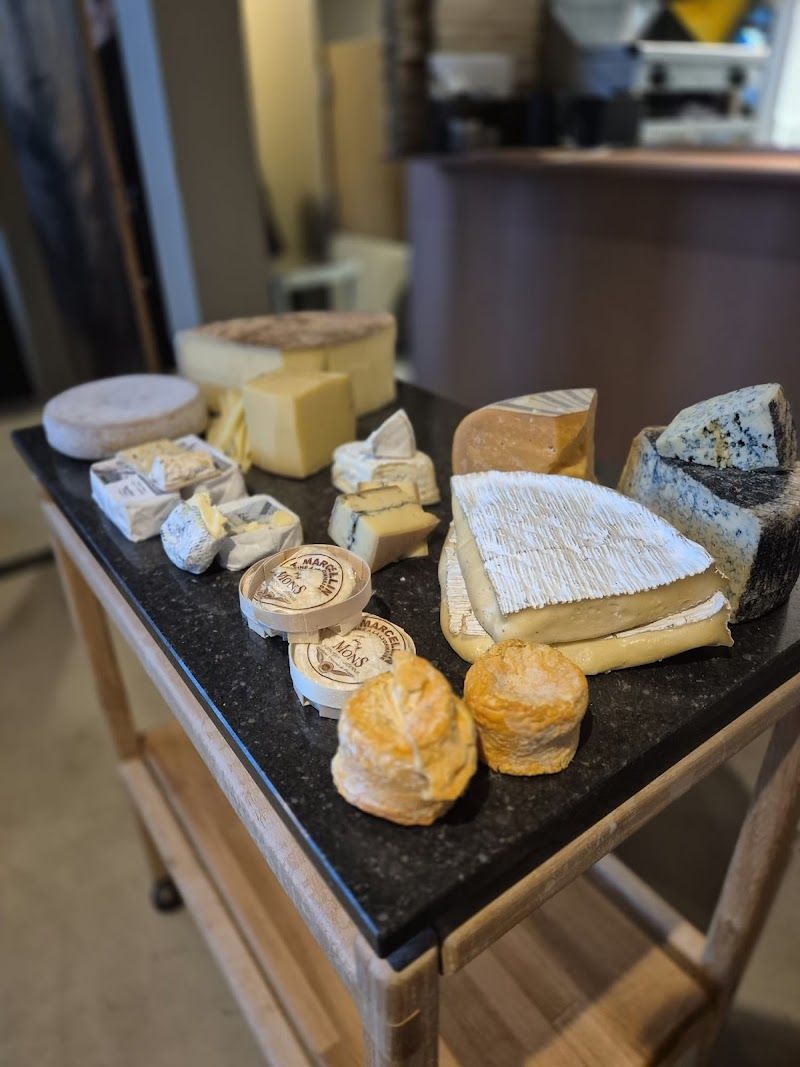
Colonialen
Upscale restaurant and deli in a converted 1907 bank building, known for beautifully plated Nordic cuisine and an extensive wine list. The attached shop sells imported cheeses, charcuterie, and pantry items. Chef Atle Davik sources ingredients from small Norwegian producers and changes the menu monthly.
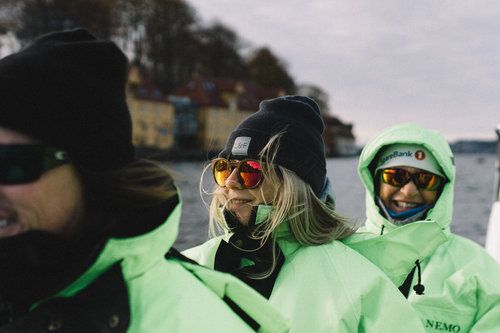
Bergen Fjord Adventures
Guided sea kayaking tours on Byfjorden just outside Bergen, suitable for beginners with no prior experience required. Paddling along rocky coastlines and past small islands, guides explain local marine life and geology. Wetsuits, equipment, and basic instruction are included in the 5-6 hour tour.
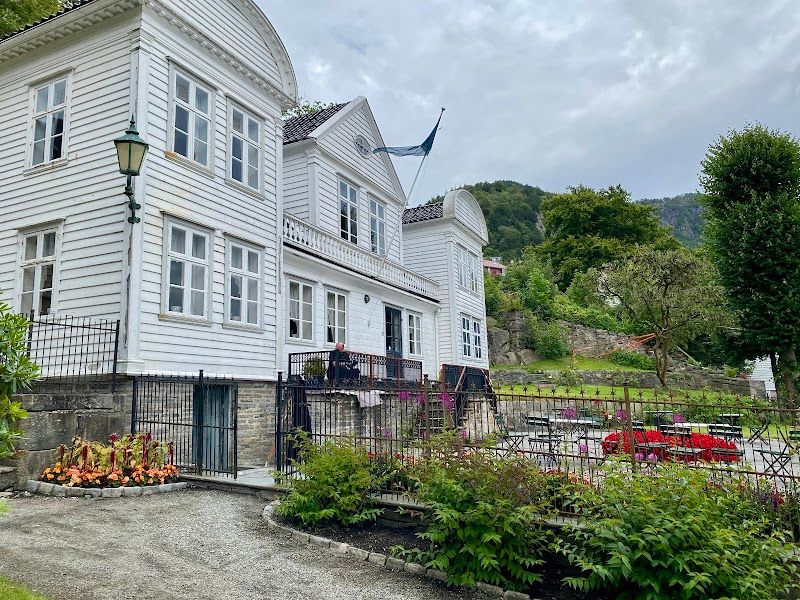
Gamle Bergen Museum
This open-air museum in Sandviken preserves 55 historic wooden buildings from 1700-1900, relocated from central Bergen to recreate an entire neighborhood of timber houses, shops, and workshops. Costumed guides lead summer tours through furnished interiors including a dentist's office, bakery, and merchant homes, bringing 18th and 19th-century Bergen life to vivid reality.