
Berlin
Things to Do
157 attractions, museums, and experiences
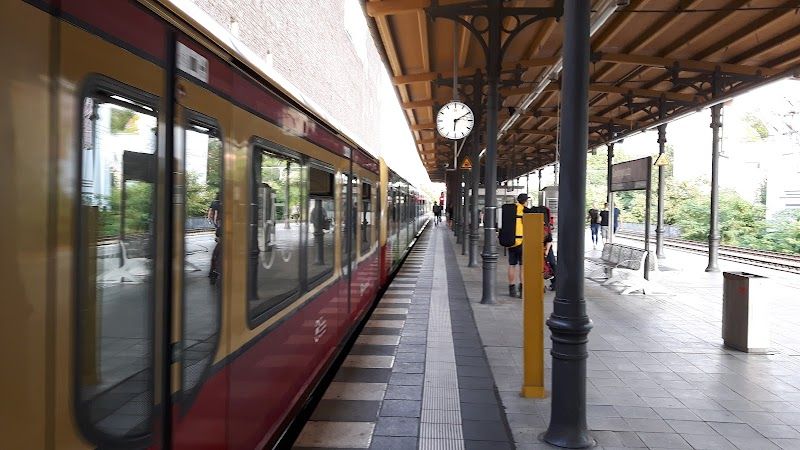
Savignyplatz
Leafy square surrounded by elegant Wilhelmine architecture, bookshops, and cafes. The square features beautiful S-Bahn viaduct arches housing antique shops and small galleries. It's the heart of literary Charlottenburg and a popular meeting spot for locals.
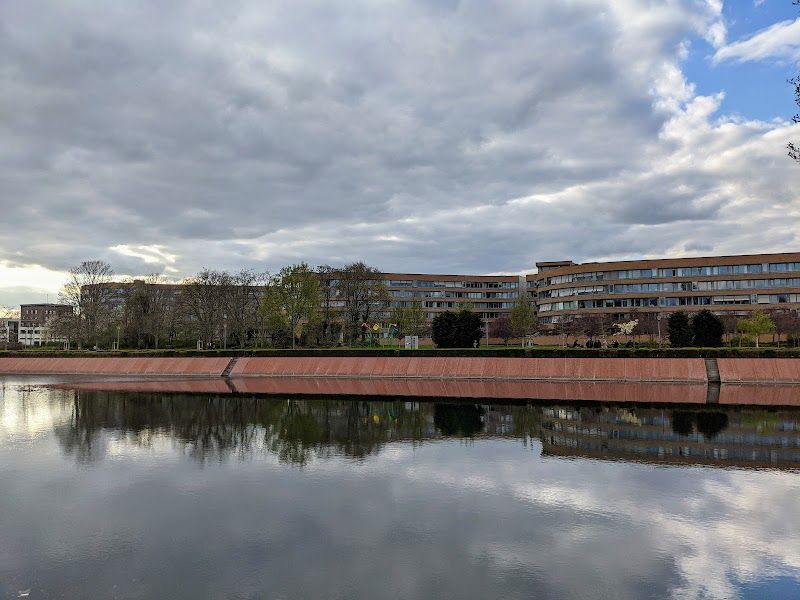
Moabiter Werder
Hidden island park in the Spree River accessible via a small footbridge, offering a wild, naturalistic landscape rarely seen in central Berlin. This former industrial site has been transformed into a nature reserve with wetlands, meadows, and bird watching opportunities. The peaceful trails feel worlds away from the urban surroundings.
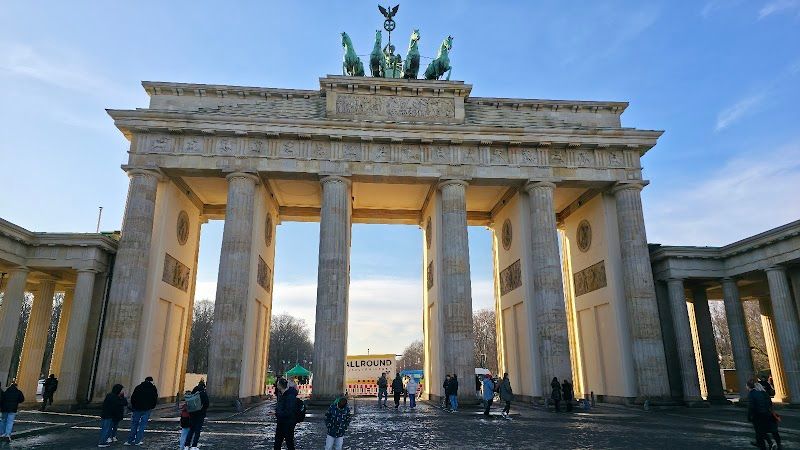
Brandenburg Gate
The symbol of Berlin, and the symbol that changes meaning with every era. Built in 1791 as a neoclassical triumphal arch marking the entrance to Unter den Linden, it became the backdrop for Napoleon's march into the city, Nazi torchlight parades, Kennedy's "Ich bin ein Berliner" speech, and then the most visible landmark of a divided city when the Wall ran directly in front of it for 28 years. On November 9, 1989, it became the place where East and West Berliners finally met. Today the Brandenburg Gate stands in an open plaza (Pariser Platz), floodlit at night, with the Reichstag visible to the north and the tree-lined boulevard of Unter den Linden stretching east toward Alexanderplatz. The scale is impressive up close: six Doric columns, 26 meters tall, topped by the Quadriga, a chariot driven by the goddess of victory. Napoleon stole the Quadriga and took it to Paris in 1806; the Prussians brought it back after defeating him in 1814. The gate is free, always open, and works best at the edges of the day. Dawn gives you the plaza to yourself with soft eastern light hitting the columns. Dusk brings a golden glow and the first of the floodlights. Midday means tour buses, selfie sticks, and people dressed as Cold War soldiers charging EUR3-5 for photos. Walk through the gate rather than just standing in front of it: the Tiergarten opens up on one side and the formal geometry of Pariser Platz frames you on the other.
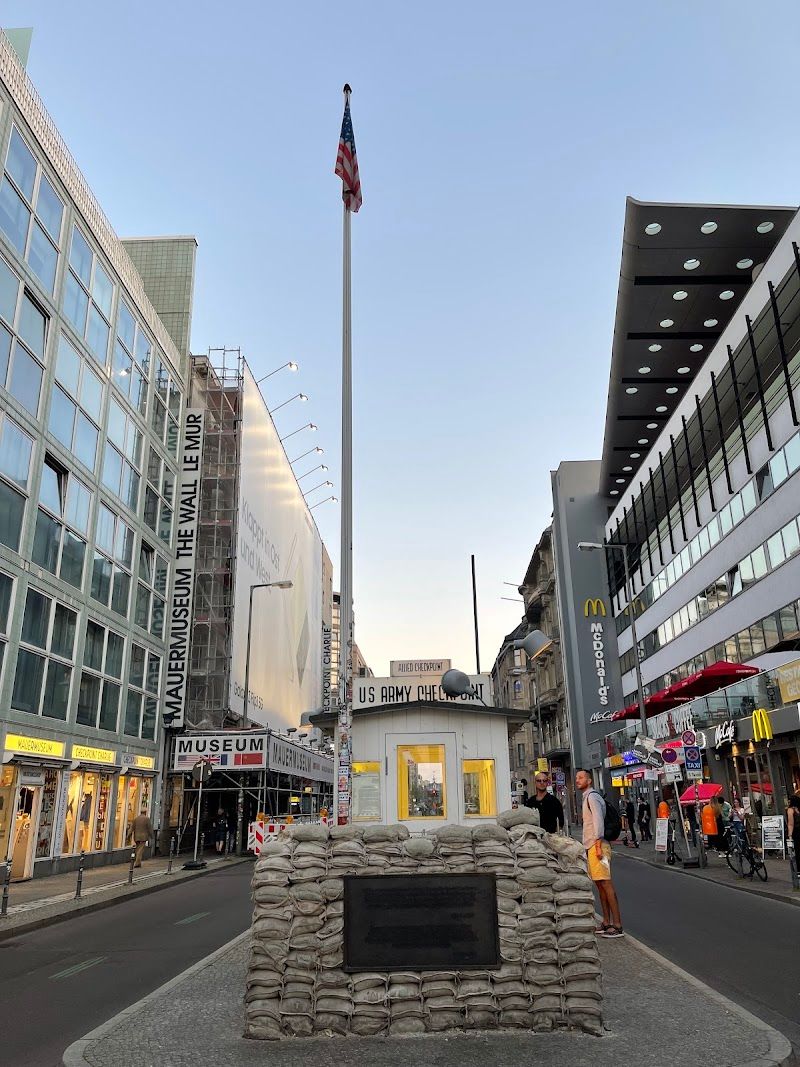
Checkpoint Charlie
The most famous Cold War crossing point between East and West Berlin, at the junction of Friedrichstrasse and Zimmerstrasse. The outdoor area is, frankly, touristy: the reconstructed guardhouse, the actors in uniforms charging EUR3-5 for photos, the souvenir shops selling fragments of "genuine Wall" that were manufactured in a factory somewhere. If you stop here, you will wonder what the fuss is about. But go upstairs. The Mauermuseum (Wall Museum, EUR17.50) is genuinely worth an hour and tells the stories that the outdoor circus does not. The escape vehicles are the centerpiece: a modified car with a hiding compartment barely large enough for a person, a homemade hot air balloon that carried two families across the border, a mini-submarine, and suitcases modified to conceal children. Each exhibit tells a specific story of a specific person who risked everything to cross a concrete line. The museum is chaotic, overstuffed, and feels like it was curated by someone who acquired objects faster than they could organize them. That is because it was, Rainer Hildebrandt started collecting escape stories in 1963, two years after the Wall went up, and the collection grew organically. The disorder is part of the experience. The Black Box Cold War exhibition across the street is free, more modern, and provides geopolitical context that the Mauermuseum deliberately avoids in favor of personal stories. The best way to understand Checkpoint Charlie is to visit it as part of a longer walk: start at the Topography of Terror (10 minutes south), then walk north to the checkpoint, then continue to Gendarmenmarkt for lunch.
East Side Gallery
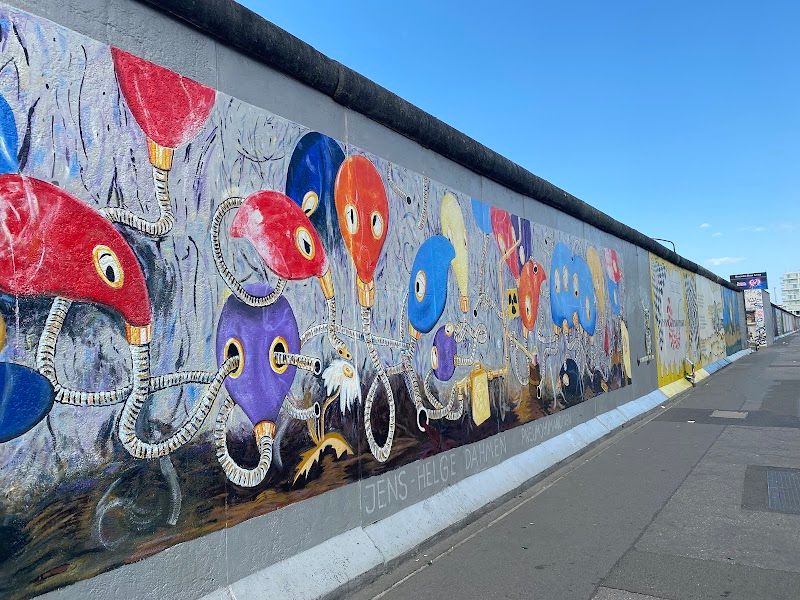
The longest remaining stretch of the Berlin Wall: 1.3 km of concrete covered in over 100 murals painted in 1990 by artists from 21 countries. Dmitri Vrubel's "My God, Help Me Survive This Deadly Love" (the Brezhnev-Honecker kiss) is the most photographed, a socialist-realist embrace between the Soviet and East German leaders that manages to be both satirical and sincere. Birgit Kinder's Trabant crashing through the Wall captures the euphoria of November 1989 in a single image. The murals were painted on the east-facing side of the Wall, the side that East Berliners could not see during the division. That detail matters. The entire gallery is a statement about freedom of expression on a surface that once represented its absence. The works have been restored multiple times (controversially, not always with the original artists' involvement), and some are fading or tagged over. Walk the full 1.3 km from Ostbahnhof to Warschauer Strasse. The Spree river runs along the other side of the Wall, and the contrast between the bright murals and the grey concrete is striking. The gallery is free, always open, and best visited in the early morning before the selfie crowds build from the Warschauer Strasse end. Weekend mornings before 10 AM give you space to actually look at the art rather than navigating around phone screens. Some of the most powerful panels are not the famous ones. Look for Kani Alavi's "It Happened in November," showing faces pressing through a crack in the Wall, and Thierry Noir's bold, cartoonish heads that were among the first paintings on the Wall, applied illegally while it was still standing.
KaDeWe
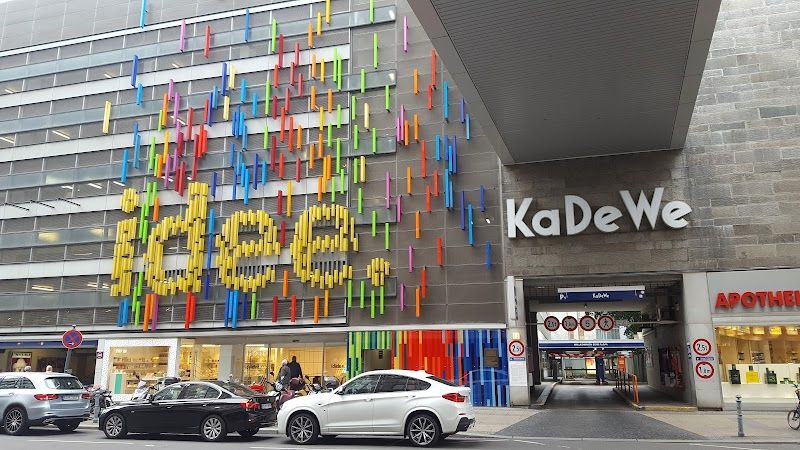
The Kaufhaus des Westens, continental Europe's largest department store, sprawls across seven floors of luxury goods. The legendary sixth-floor food hall features 34,000 gourmet products, champagne bars, and oyster counters under art nouveau glass domes. This is pre-war Berlin grandeur meets contemporary consumerism.
Fernsehturm (TV Tower)
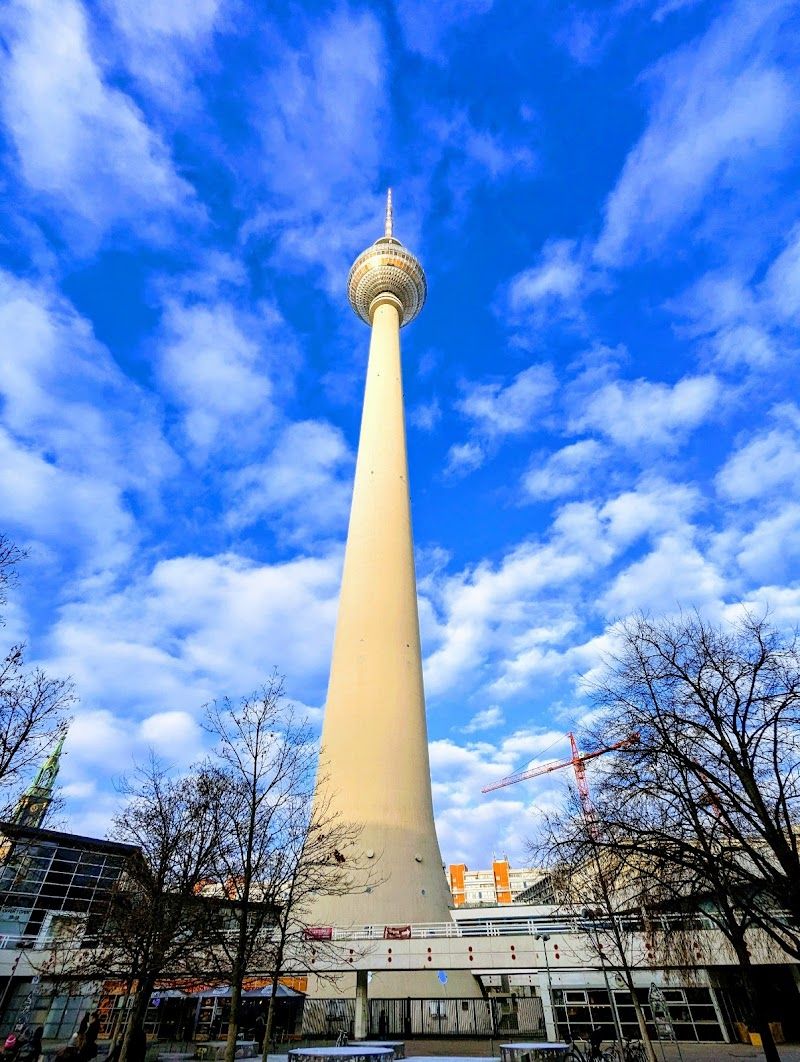
Berlin's tallest structure at 368 meters, built by the GDR in the 1960s as a showcase of socialist engineering prowess. The observation deck at 203 meters gives a 360-degree panorama that on a clear day extends 40 km in every direction: you can trace the S-Bahn ring, pick out the Reichstag dome, follow the Spree through the city, and understand Berlin's sprawling geography in a way that no street-level walk can provide. The tower was meant to demonstrate East German technological superiority, but it famously produced an unintended PR problem: when the sun hits the tiled sphere at a certain angle, it creates a cross-shaped reflection that Berliners dubbed "the Pope's revenge," a religious symbol atop the atheist state's proudest monument. The government was not amused. The revolving restaurant one floor above the observation deck is overpriced by Berlin standards (EUR25 minimum spend), but a window table at sunset is genuinely memorable. The full rotation takes 30 minutes. Below the tower, Alexanderplatz is the former heart of East Berlin, an enormous concrete square anchored by the Weltzeituhr (World Time Clock) and surrounded by socialist-era architecture that is gradually being filled in with modern buildings. Tickets for the observation deck cost EUR24.50 standard or EUR39.50 for fast-track, which skips the queue that can exceed an hour on busy days. Book the earliest morning slot or a sunset slot online. On overcast days the deck can be inside the clouds, so check the weather forecast before committing. The free alternative for panoramic views is the Reichstag dome, which has better-quality architecture but a narrower perspective.
Holocaust Memorial (Memorial to the Murdered Jews of Europe)
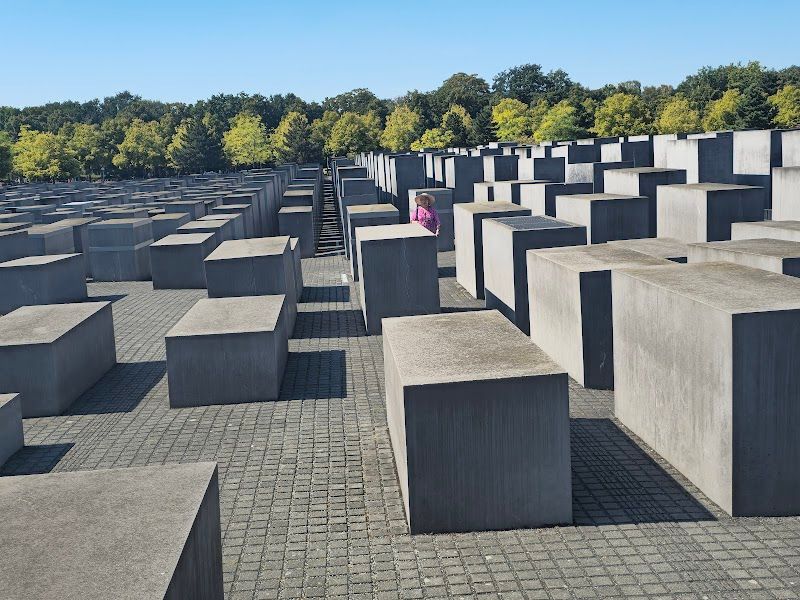
Peter Eisenman's memorial is 2,711 concrete slabs (stelae) arranged on a sloping field near the Brandenburg Gate. There are no names on the slabs, no inscriptions, no flowers. The grid is disorienting by design: as you walk into the center, the slabs rise above your head, the ground dips unevenly, and you lose sight of the surrounding streets. The effect is claustrophobic, isolating, and deliberately uncomfortable. You are meant to feel lost. The underground Information Centre is free and documents the Holocaust through individual stories rather than statistics. One room reads the names of all known victims aloud in a cycle that takes over six years to complete. Another room displays final postcards and letters. The effect of moving from the abstract field above to the specific human details below is devastating and intentional. The memorial sits on prime real estate between the Brandenburg Gate and Potsdamer Platz, a deliberate choice. Germany placed its largest Holocaust memorial in the center of its capital, visible from the Reichstag, unavoidable on any walking tour of the government district. This was not accidental. The 19,000 square meters of undulating concrete are a permanent interruption in the urban landscape, designed to make forgetting impossible. Visit alone if you can. Walk into the center of the field where the slabs tower above you and the sounds of the city fade. Give the Information Centre at least 45 minutes. Do not climb on the slabs, do not pose for cheerful photos, and do not treat it as a playground. This is not entertainment. It is witness.
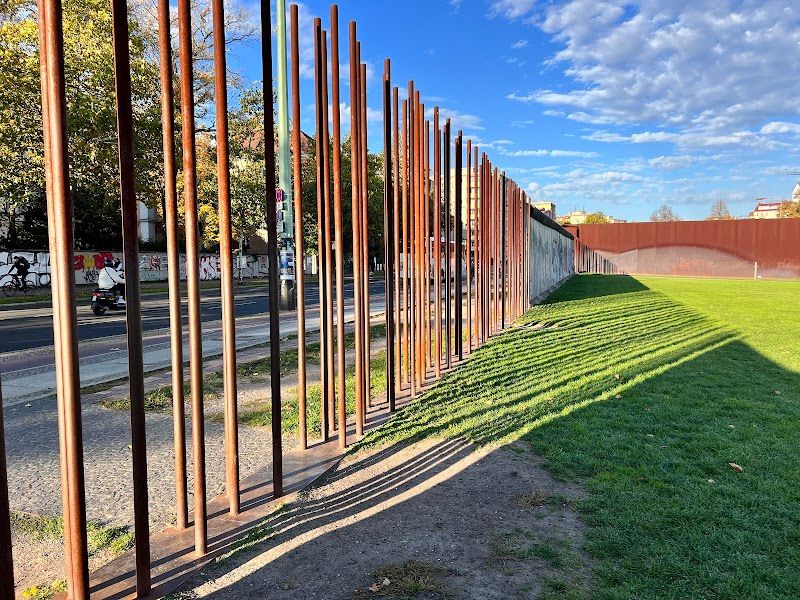
Berlin Wall Memorial (Gedenkstatte Berliner Mauer)
The most comprehensive and emotionally powerful Wall site in Berlin. Stretching 1.4 km along Bernauer Strasse in Wedding and Prenzlauer Berg, the memorial preserves the full depth of the border installation: the inner wall, the death strip, watchtowers, anti-vehicle barriers, and the outer wall. This is not the colorful, muraled East Side Gallery. This is about the human cost of division. The Documentation Centre has a viewing platform that looks down on the former death strip from above, giving you the guard's perspective. The open-air exhibition tells stories of individual escape attempts, marked with steel posts along the route. The escape tunnel exhibition documents the tunnels dug beneath the Wall by desperate families and organized groups, some successful, some not. The Chapel of Reconciliation, built on the former death strip using rammed earth walls that incorporate rubble from the demolished Church of Reconciliation (which the East German government blew up in 1985 to clear sightlines), is a quiet space for reflection. Bernauer Strasse was where some of the Wall's most dramatic early moments occurred. When the border was sealed on August 13, 1961, residents of buildings along the street found their front doors suddenly in East Berlin while their back windows faced West. People jumped from upper floors into nets held by West Berlin firefighters. The window-jumping photographs from Bernauer Strasse became defining images of the division. The memorial is free, open daily, and deserves 90 minutes minimum. Start at the Visitor Center (Bernauer Strasse 119) and pick up the free map. Walk the outdoor exhibition from south to north, stopping at the Documentation Centre along the way.
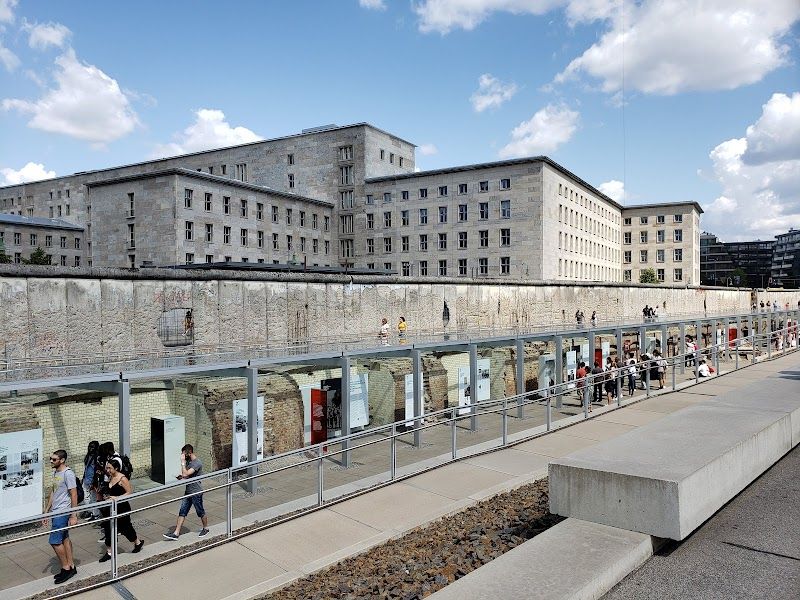
Topography of Terror
Built on the exact site of the former Gestapo and SS headquarters at Prinz-Albrecht-Strasse (now Niederkirchnerstrasse), this free museum documents how the Nazi terror apparatus functioned with photographs, documents, orders, and eyewitness accounts. A preserved section of the Berlin Wall runs along one side of the property, adding a second layer of German history to the site. The exhibition is methodical, chronological, and devastating in its detail. It traces the rise of the SS and Gestapo from 1933, the systematic persecution of Jews, Roma, political opponents, and other targeted groups, the administration of the concentration camp system, and the organization of the Holocaust. It does not editorialize. It lets the documents speak: typed orders, photographed faces, bureaucratic memos that reduce human lives to logistics problems. The building itself is a deliberate architectural statement. The simple, transparent structure by architect Peter Zumthor (replaced by Ursula Wilms after Zumthor withdrew) sits partially above the excavated cellars where prisoners were held and interrogated. You walk above the ruins. The outdoor exhibition along the preserved Wall section is separate from the indoor museum and covers the history of the site itself. This is arguably the most important free museum in Germany. It receives over a million visitors a year and does not charge admission, a deliberate choice. Plan 90 minutes minimum. The documentation is text-heavy and emotionally demanding, so pace yourself. The audio guide (EUR3) is worthwhile for context, especially for the outdoor exhibition where the ruins require interpretation.
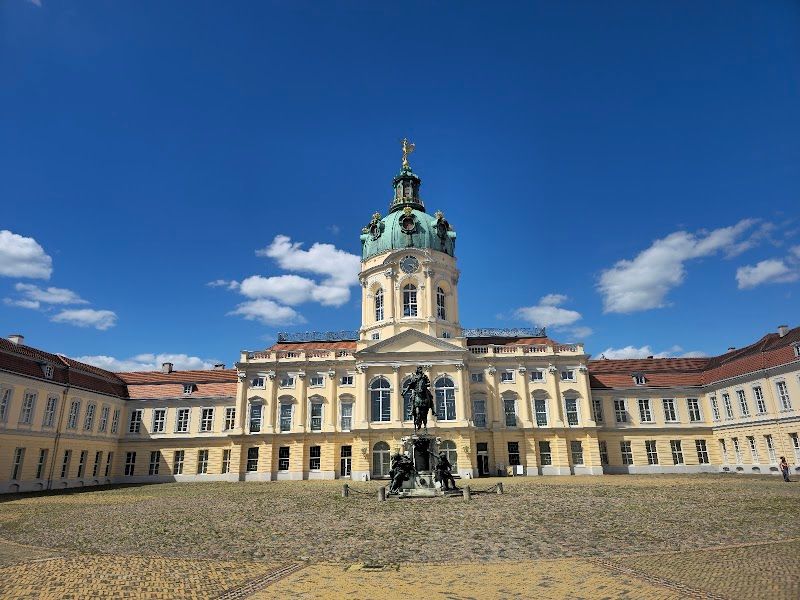
Charlottenburg Palace
The largest palace in Berlin, built starting in 1695 for Sophie Charlotte, the first Queen of Prussia, and expanded over two centuries by successive rulers. The Baroque original is flanked by the New Wing (added by Frederick the Great) and surrounded by formal gardens that extend to the Spree river. It is the only major royal palace in Berlin and the closest thing the city has to Versailles, though on a more intimate, human scale. The Old Palace interior includes the porcelain cabinet (floor to ceiling with Chinese and Japanese porcelain) and the chapel with its ornate ceiling fresco. The New Wing (EUR12) is the better visit: the Golden Gallery is one of the finest Rococo rooms in Germany, 42 meters of gold leaf and mirrors, and Frederick the Great's apartments show how an 18th-century Prussian king actually lived (answer: with a lot of French furniture and an obsession with flute music). The gardens are the underrated highlight and they are free. The formal Baroque garden near the palace gives way to an English landscape garden behind it, with paths leading along the Spree and a mausoleum containing the tombs of Prussian royals. In spring the gardens are full of cherry blossoms; in autumn the lime trees turn gold. Morning visits catch the best light on the palace facade. The Berggruen Museum across the street (EUR10) has one of Europe's best Picasso collections, plus Klee, Giacometti, and Matisse, in a manageable-sized building you can see in 90 minutes. The Scharf-Gerstenberg Collection next door focuses on Surrealism. Together with the palace, this corner of Charlottenburg holds a full day of world-class art and architecture.
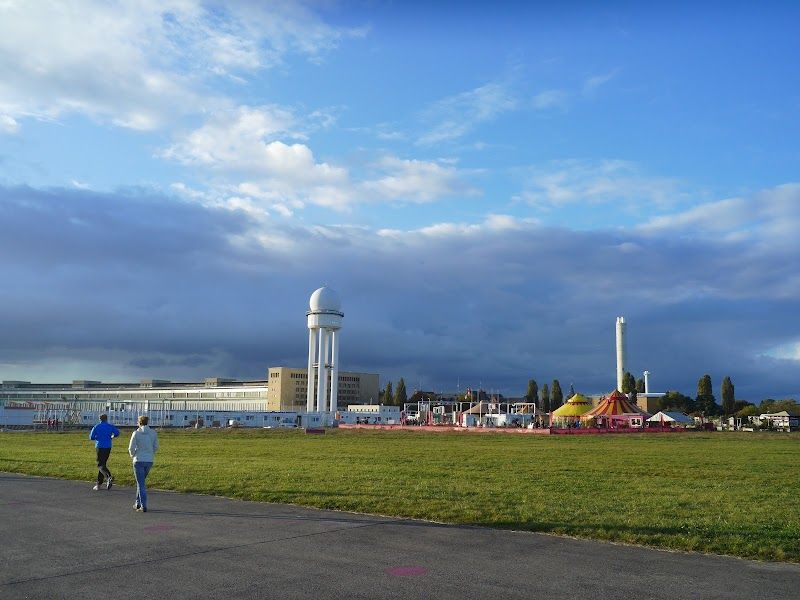
Tempelhofer Feld
A former airport turned into the most Berlin park in Berlin. Tempelhof Airport, once one of Europe's busiest, closed in 2008 after the new BER airport was announced (which then took 14 years to actually open, but that is another story). Instead of developing the 386-hectare site into apartments and offices, Berliners voted in a 2014 referendum to keep it as open public space. The vote was not close. The city said no to money, and yes to runways. Now people cycle, rollerblade, and kite-surf on actual runways, tend community gardens between taxiways, barbecue next to the old terminal building, and walk dogs on the grass that grows through cracks in the tarmac. The flat, open expanse is unlike any other urban park in Europe: you can see the entire Berlin skyline from the center of the field, with the TV Tower, Kreuzberg's Viktoriapark, and Neukolln's apartment blocks surrounding you on all sides. The terminal building itself, one of the largest in Europe, was designed by Nazi architect Ernst Sagebiel in 1936 and served as an air force base during WWII. During the Berlin Blockade of 1948-49, Allied planes landed here every 90 seconds to supply West Berlin. The terminal is not regularly open to the public, but guided tours (EUR15, weekends, book ahead) explore the Nazi-era architecture, Cold War candy bomber history, and the underground tunnels. Enter from the Oderstrasse gate on the Neukolln side for the least crowded start. The full runway loop is 6 km. Bring your own drinks and snacks because there are no kiosks inside the field. Gates close at sunset.
DDR Museum
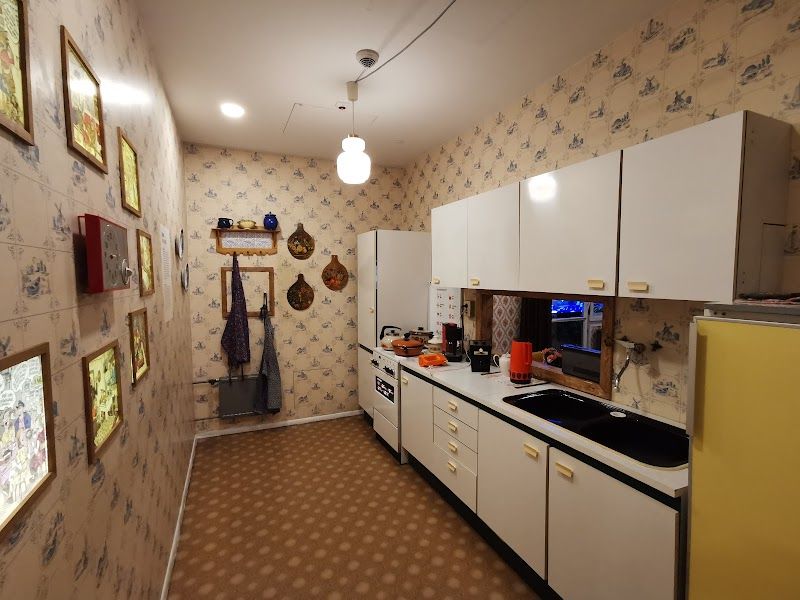
An interactive museum about daily life in East Germany, where you can sit in a Trabant, walk through a reconstructed GDR apartment with period-accurate wallpaper and TV programs, and learn how the Stasi surveillance state monitored its own citizens, all through hands-on exhibits. It is more engaging than it sounds. The museum takes the everyday details of East German life (fashion, food, holidays, education, television, sport) and shows how an entire society was constructed, maintained, and ultimately collapsed. The Trabant driving simulator is the most popular exhibit, with a virtual drive through East Berlin streets. The reconstructed apartment is the most revealing: the standardized furniture, the limited product choices, the state-controlled television, and the files showing how neighbors informed on each other. The exhibit on Stasi surveillance methods, including microphones hidden in watering cans and cameras concealed in ties, is both absurd and chilling. Located directly on the Spree across from the Berlin Cathedral, the DDR Museum pulls strong visitor numbers and can get crowded, especially during school holidays. EUR13.50 entry (book online to skip the ticket queue). The museum is popular with families because children can touch everything, which makes it a practical option for parents managing attention spans. The DDR Museum is not a deep historical study; it is more experiential than analytical. For serious research into the GDR, the Stasi Museum in Lichtenberg and the Hohenschonhausen Memorial (former Stasi prison) go much deeper. But for a tactile, accessible introduction to what life behind the Wall actually felt like, this is the best option in central Berlin.
Treptower Park
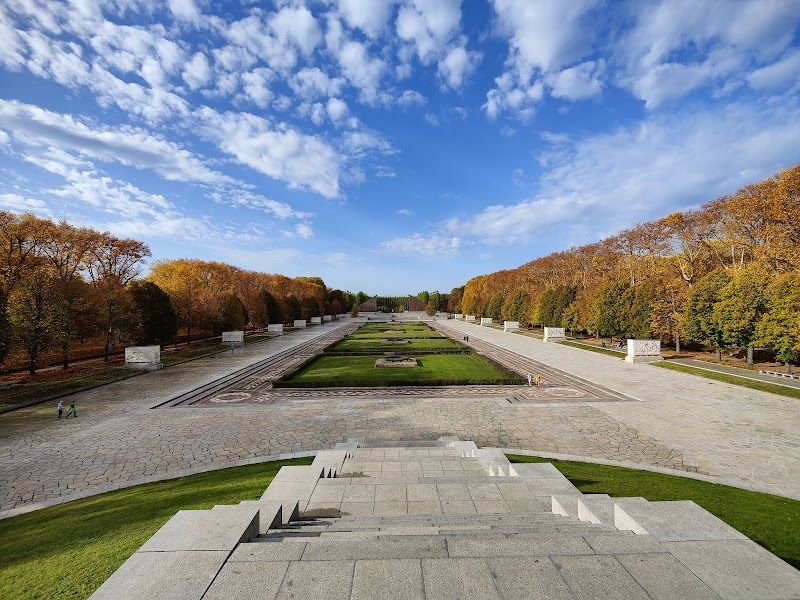
Home to the colossal Soviet War Memorial, one of Europe's largest World War II monuments, featuring a 12-meter bronze soldier statue atop a hill surrounded by mass graves. The riverside park along the Spree offers peaceful waterfront walks and beer garden vibes. The memorial's socialist realist architecture and sheer scale make it unforgettable.
Großer Tiergarten
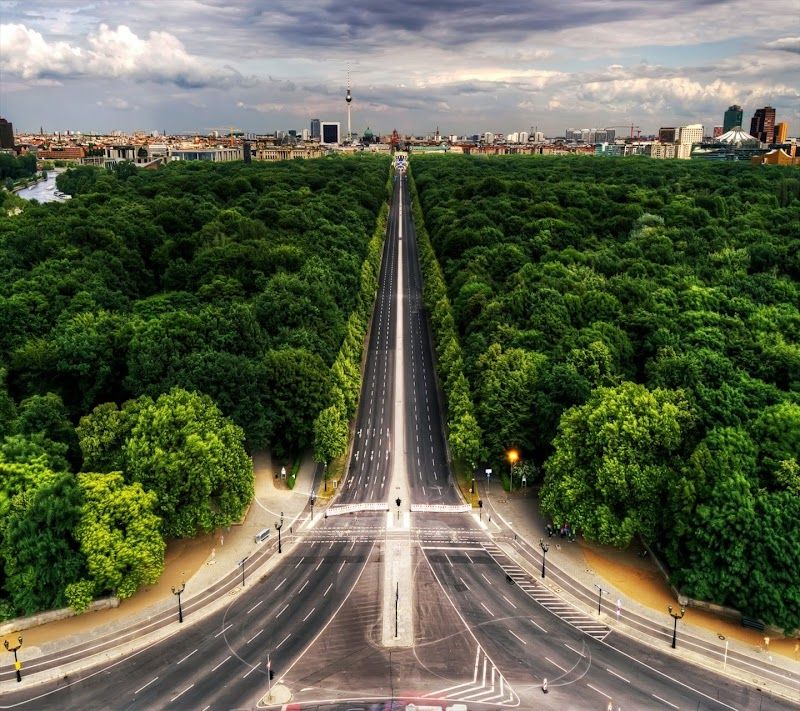
Berlin's massive central park stretches 520 acres with tree-lined paths, meadows, and the iconic Victory Column at its heart. Originally a hunting ground for Prussian royalty, it now offers dense woodland trails and the serene Neuer See with its lakeside café. The park's English landscape design makes it feel much larger than it is.
Mauerpark
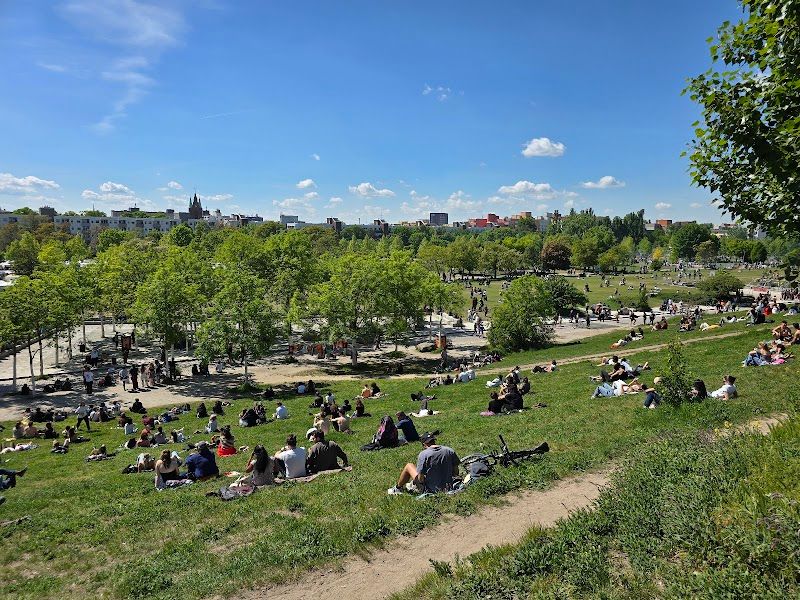
A park built on the former death strip of the Berlin Wall, now famous for its Sunday flea market and open-air karaoke. The name means "Wall Park," and a small remaining section of the Wall runs along the western edge, tagged and painted over so many times that the concrete is now a palimpsest of 30 years of street art. The Sunday flea market (9 AM to 6 PM) is a sprawling affair of vintage clothes, vinyl records, GDR memorabilia, handmade jewelry, and questionable antiques. The quality varies wildly, which is part of the appeal. Haggling is expected. The food stalls at the edges do good business in bratwurst, crepes, and the occasional excellent burrito. Arrive before 11 AM for the best finds; by noon the paths are shoulder-to-shoulder. The karaoke amphitheater starts around 3 PM and is one of Berlin's great free experiences. The stone terraces fill with 2,000+ spectators who cheer enthusiastically for anyone brave enough to step up to the microphone. The song choices range from Bohemian Rhapsody (always) to obscure German schlager (occasionally). The host keeps things moving. The quality of singing is irrelevant. The crowd makes it work. The rest of the week, Mauerpark is a quiet neighborhood green space popular with joggers, dog walkers, and families using the playground at the northern end. The basketball courts see regular pickup games. The Wall section and the faded graffiti on surrounding buildings are worth photographing even on a Tuesday, but Sunday is the event.
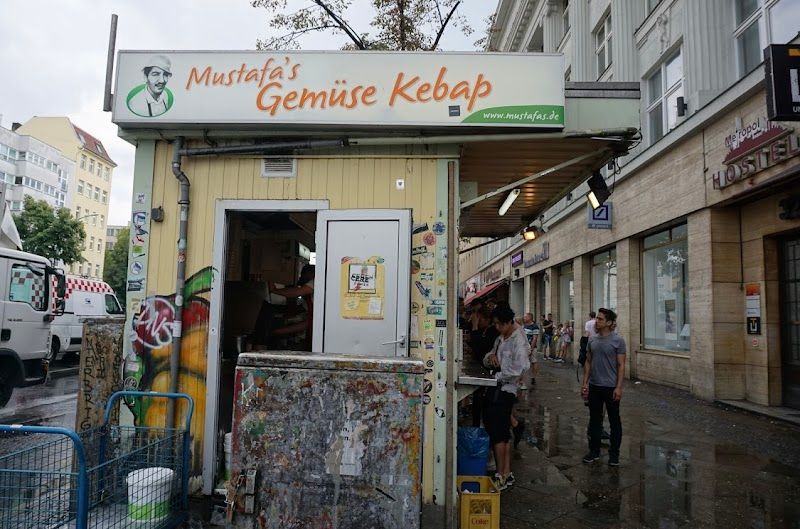
Mustafa's Gemüse Kebap
Berlin's most famous döner kebap stand with legendary hour-long queues. The signature vegetable kebap features grilled halloumi, roasted vegetables, and herb-lemon sauce in fresh-baked bread.
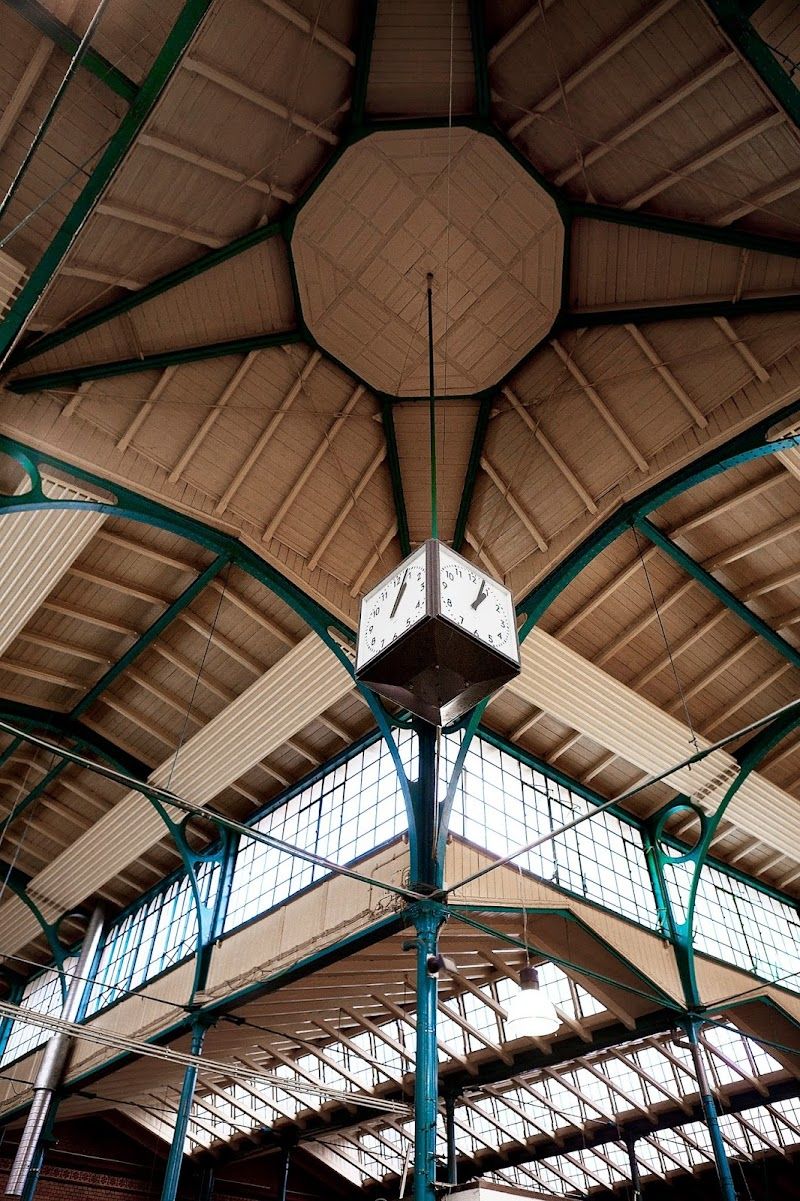
Markthalle Neun
Renovated 1891 market hall hosting permanent food stalls and the legendary Thursday Street Food market. Weekly breakfast markets on Saturdays feature regional producers and cheese mongers.
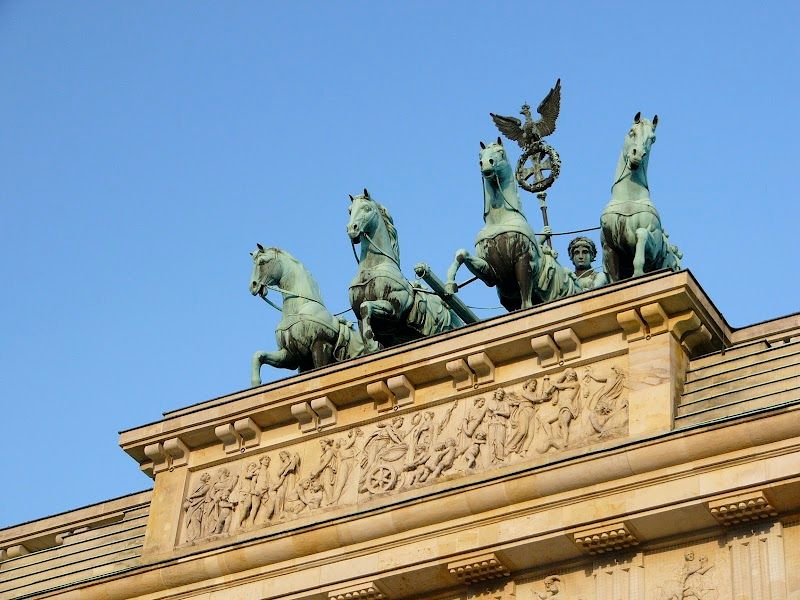
InsiderTour
Specialized historical walking tours led by historians and PhD students focusing on Berlin's Jewish heritage. The Jewish Life in Berlin tour covers the New Synagogue, missing House memorial, and hidden courtyards of the Scheunenviertel with nuanced stories beyond the typical narrative.
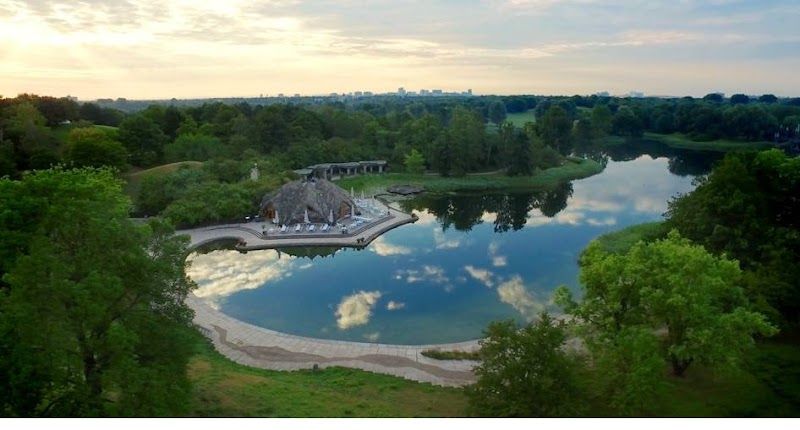
Britzer Garten
An expansive landscape park featuring themed gardens, a lake, and seasonal flower displays including a spectacular tulip show in spring. The park includes a miniature railway, playgrounds, and large meadows perfect for picnics. It's a favorite among locals for weekend family outings.
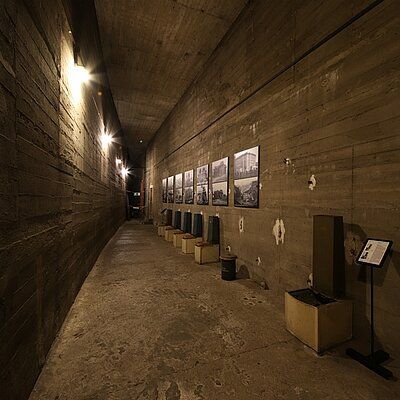
Berliner Unterwelten e.V.
Explore Berlin's hidden underground world through guided tours of WWII bunkers, air-raid shelters, and Cold War escape tunnels. The most popular Tour 1 takes you through a massive WWII civilian bunker with original artifacts and chilling stories of life below ground during the bombing raids.
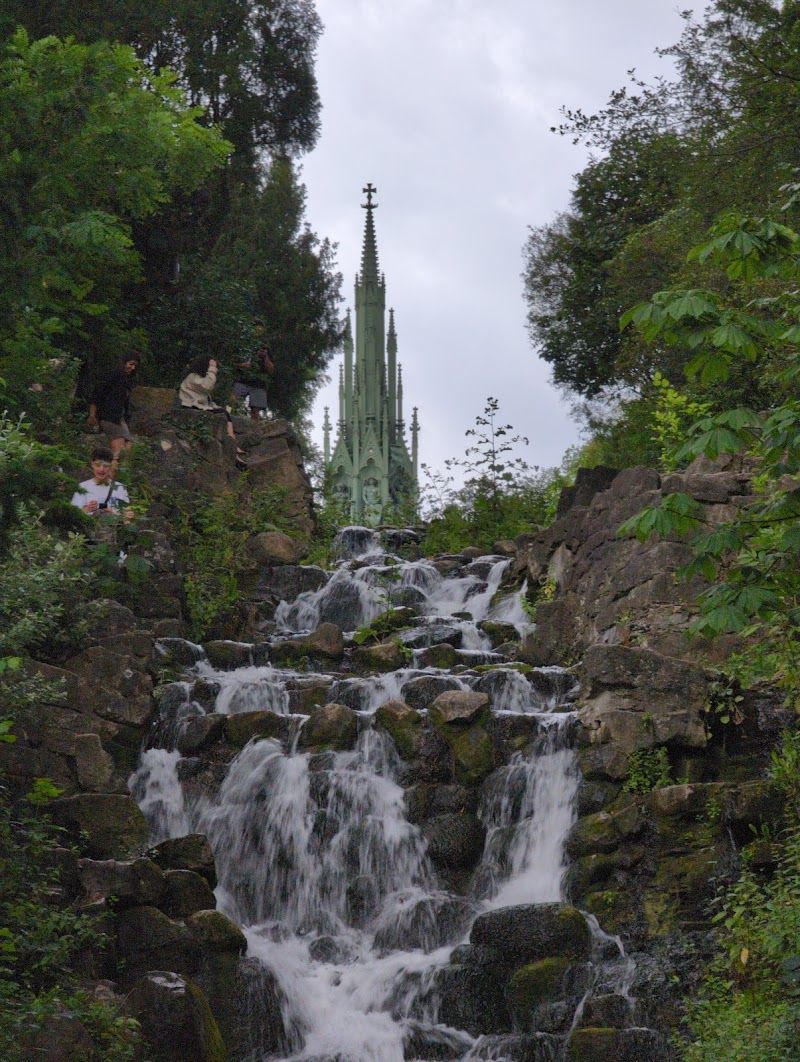
Viktoriapark
Kreuzberg's namesake hill crowned by Schinkel's Gothic war monument offers one of Berlin's best elevated viewpoints. An artificial waterfall cascades down the hillside in summer, creating the city's only mountainous landscape. Wine-growing terraces occupy the sunny slopes below the peak.
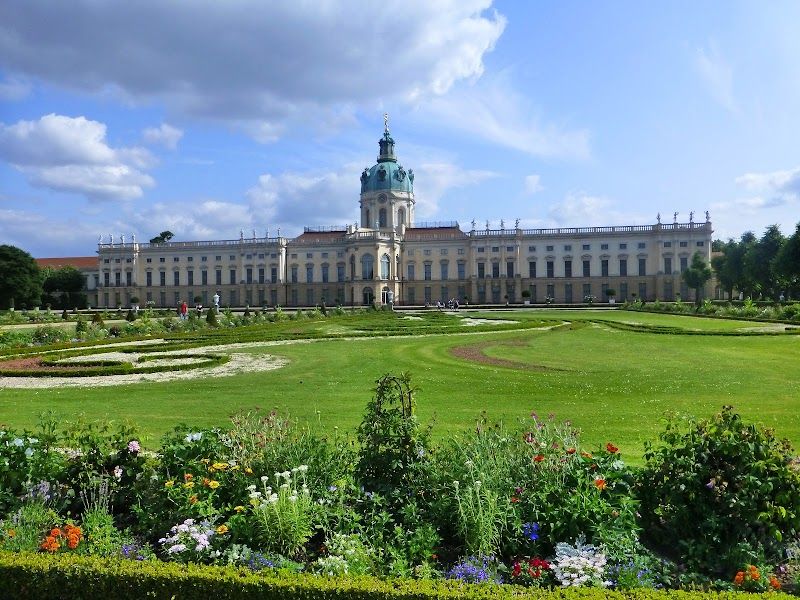
Schlossgarten Charlottenburg
Expansive baroque palace gardens behind Charlottenburg Palace, featuring formal French-style gardens, an English landscape park, and a romantic lake with a pavilion. The gardens include the Belvedere tea house and the mausoleum of Queen Luise. It's a peaceful escape with tree-lined paths perfect for strolling.
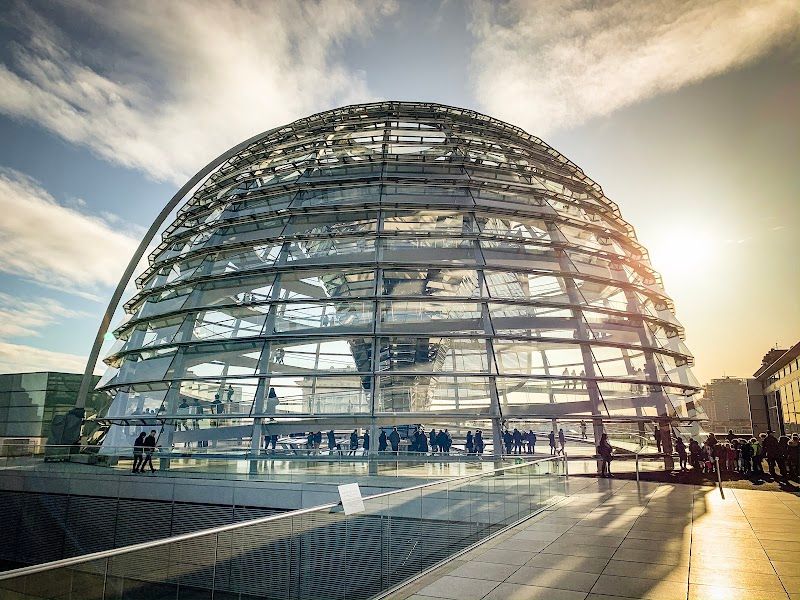
Reichstag Building
The seat of the German parliament, rebuilt after reunification with a glass dome designed by Norman Foster that lets visitors look down on the plenary chamber in session. The transparency metaphor was deliberate: Foster wanted citizens to literally be able to watch their elected representatives work below them. The dome's spiral ramp leads you upward past mirrors that reflect daylight into the chamber, with an audio guide narrating Berlin's skyline, the building's destruction in 1933 and 1945, and its reconstruction. The Reichstag's history is written in its walls. The building opened in 1894, was gutted by fire in 1933 (an event the Nazis used to consolidate power), was bombarded by Soviet artillery in 1945, and sat unused during the division. After reunification, the German parliament voted to return from Bonn to Berlin, and Foster wrapped the old stonework in glass and steel. During the renovation, workers discovered graffiti carved into the walls by Soviet soldiers in 1945, Russian names and messages preserved behind the new interior (visible on guided tours). The rooftop terrace and dome are free but require advance booking at bundestag.de, with slots opening 2-3 weeks ahead. Sunset visits are the most popular for good reason: the Tiergarten glows green below and the Brandenburg Gate is visible to the east. Bring ID or a passport. The rooftop restaurant Kafer offers dome access through a dinner reservation, bypassing the separate booking system if the dome slots are full.
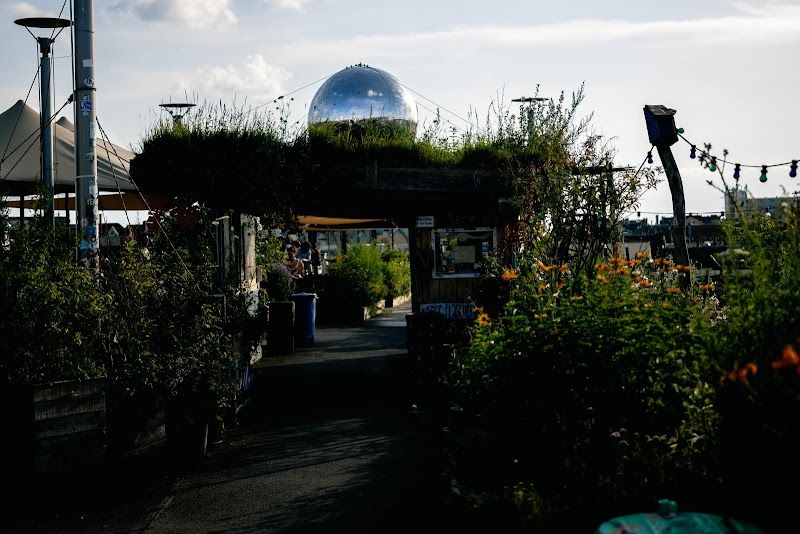
Klunkerkranich
Rooftop bar and cultural space atop a Neukölln parking garage, featuring panoramic city views, urban garden, and diverse programming. Summer hosts DJs, live music, film screenings, and yoga sessions in a relaxed, creative atmosphere. Built and decorated by a community collective with reclaimed materials and plants.
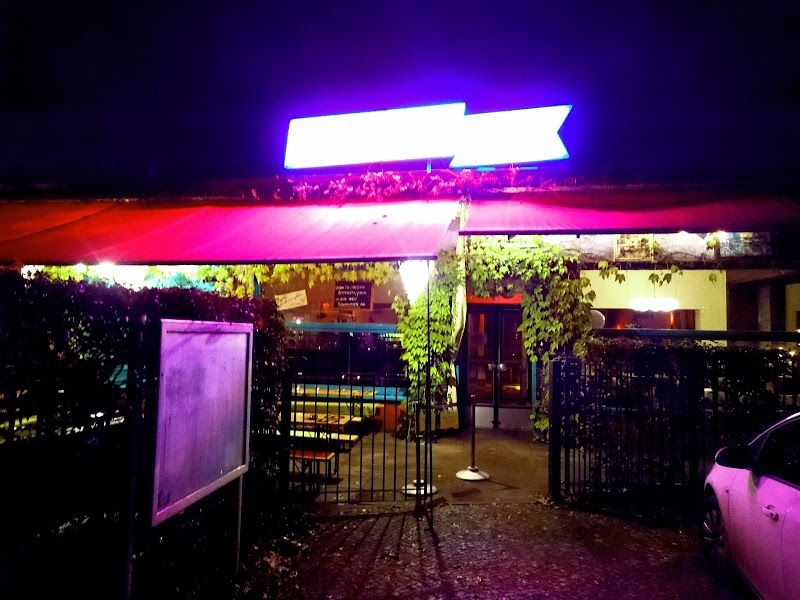
Schleusenkrug
Traditional Berlin beer garden situated directly on the canal with waterside seating and a relaxed atmosphere. Serving classic German dishes and local beers, it's a favorite spot for watching boats pass through the historic lock system. The setting under old chestnut trees creates an authentic Berlin summer experience.
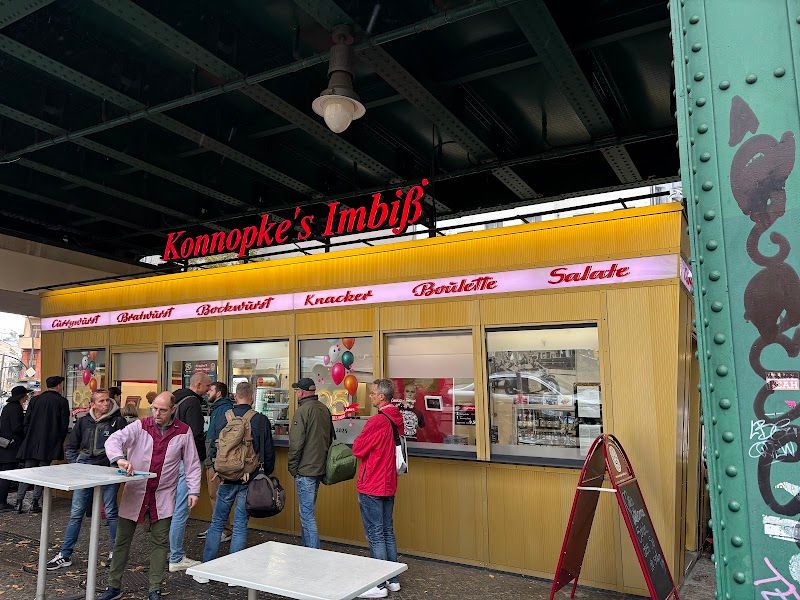
Konnopke's Imbiss
Operating since 1930 under the U-Bahn tracks, this institution serves classic Berlin currywurst with a secret family curry powder recipe. Cash only, standing tables only, exactly how Berliners want it.
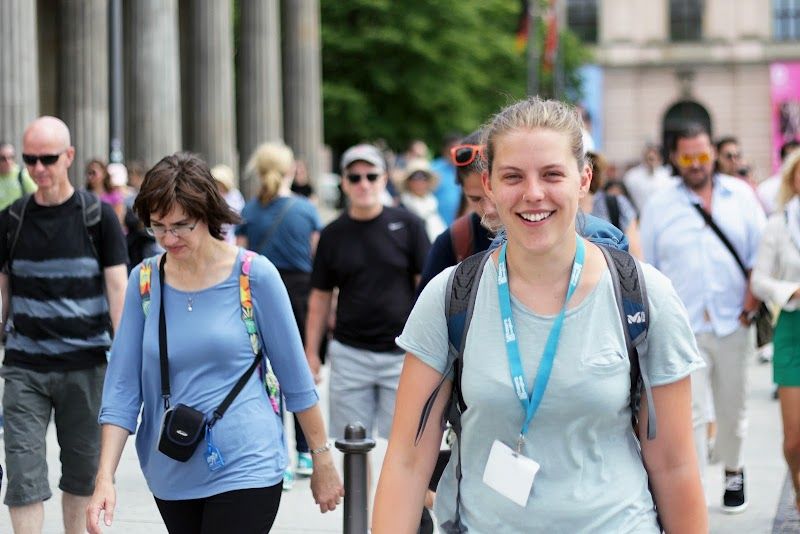
Original Berlin Walks
Established walking tour company offering expert-led Third Reich and Jewish Life tours through Berlin's historic core. Their Infamous Third Reich Sites tour covers the Nazi government quarter, Hitler's bunker site, and the Memorial to the Murdered Jews of Europe with British and American historians.
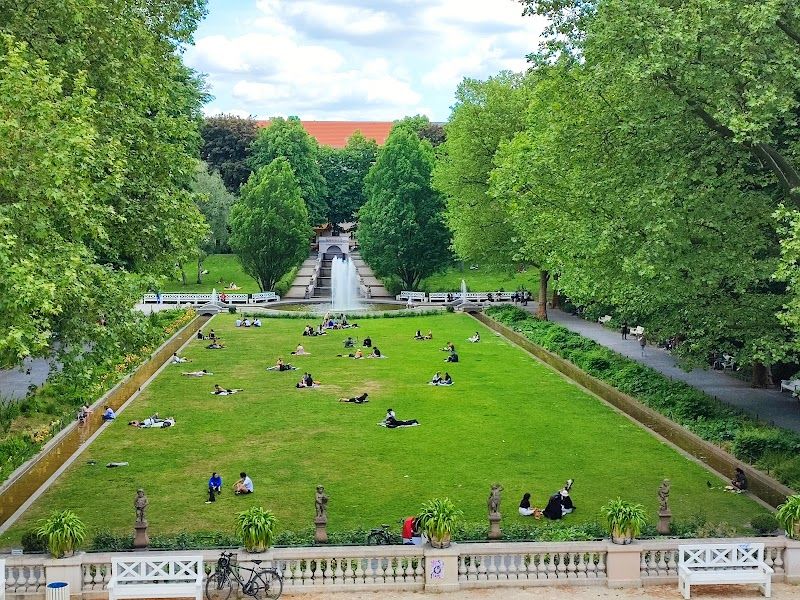
Körnerpark
A beautifully manicured baroque-style garden park featuring formal flowerbeds, fountains, and an ornamental gallery. This hidden gem offers a peaceful retreat with carefully maintained landscaping and seasonal flower displays. The park hosts occasional concerts and cultural events in its gallery space.
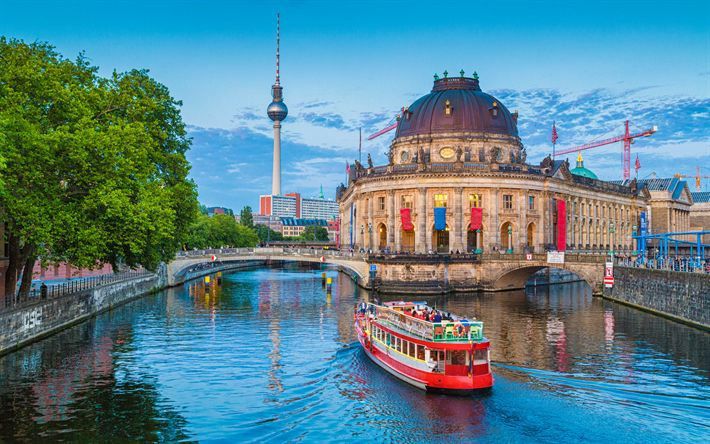
Museum Island (Museumsinsel)
Five world-class museums on a UNESCO-listed island in the Spree, holding collections that span 6,000 years of human history. The Pergamon Museum's south wing (main halls closed until 2027) holds the Ishtar Gate of Babylon and the Market Gate of Miletus, both reconstructed at full scale inside the museum. The Neues Museum has Nefertiti's 3,400-year-old painted limestone bust, which is smaller than you expect and more beautiful, displayed alone in a room designed specifically for it. The Alte Nationalgalerie covers 19th-century art from Caspar David Friedrich's moody landscapes to French Impressionists. The Bode Museum has Byzantine art and one of Europe's best sculpture collections. The Altes Museum holds Greek and Roman antiquities in a Karl Friedrich Schinkel building that is itself a masterpiece of neoclassical architecture. A day pass (EUR22) covers all five museums and is worth it if you plan to visit three or more. The James Simon Galerie, opened in 2019, serves as the central entrance with lockers, a cafe, and a bookshop. Thursday evenings most museums stay open until 8 PM with significantly smaller crowds and a different atmosphere under artificial light. Museum Island is not a casual afternoon stop. Each museum deserves at minimum 90 minutes. If you have one day, prioritize the Neues Museum (Nefertiti plus the Egyptian collection) and the Pergamon south wing (Ishtar Gate). If you have two days, add the Alte Nationalgalerie and the Bode. The Altes Museum is excellent but comes fifth in the ranking.
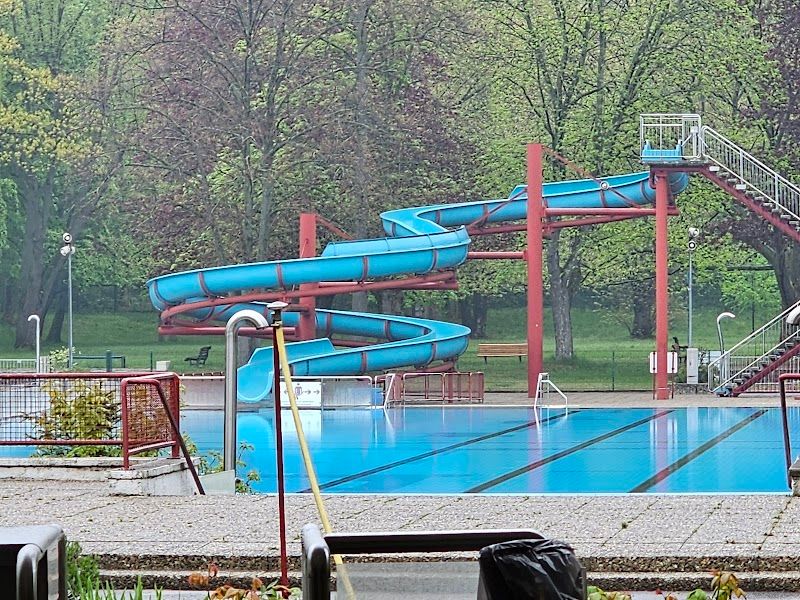
Humboldthain
A sprawling hilltop park featuring WWII flak tower ruins, rose gardens, and panoramic city views from its elevated bunker. The park includes a public outdoor pool, playgrounds, and one of Berlin's best outdoor climbing facilities.
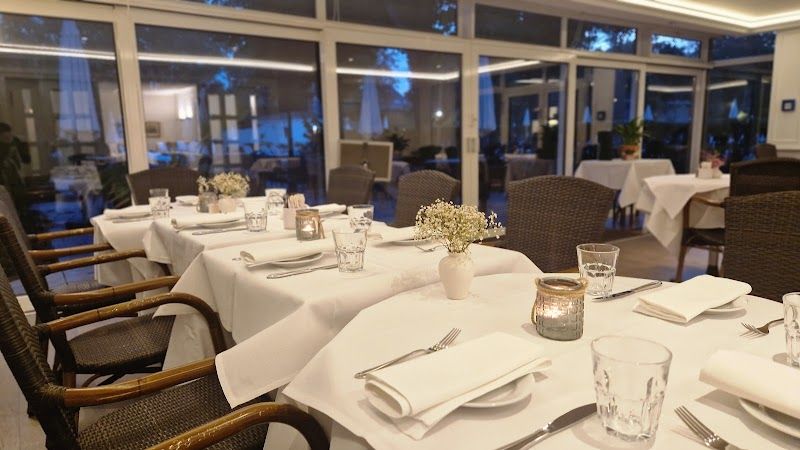
Café Wintergarten im Literaturhaus
Elegant café housed in a beautifully restored 1889 villa with a glass-enclosed winter garden overlooking a quiet courtyard. The café serves excellent breakfast, lunch, and homemade cakes in a refined literary atmosphere. Attached to the Literaturhaus which hosts readings and cultural events.
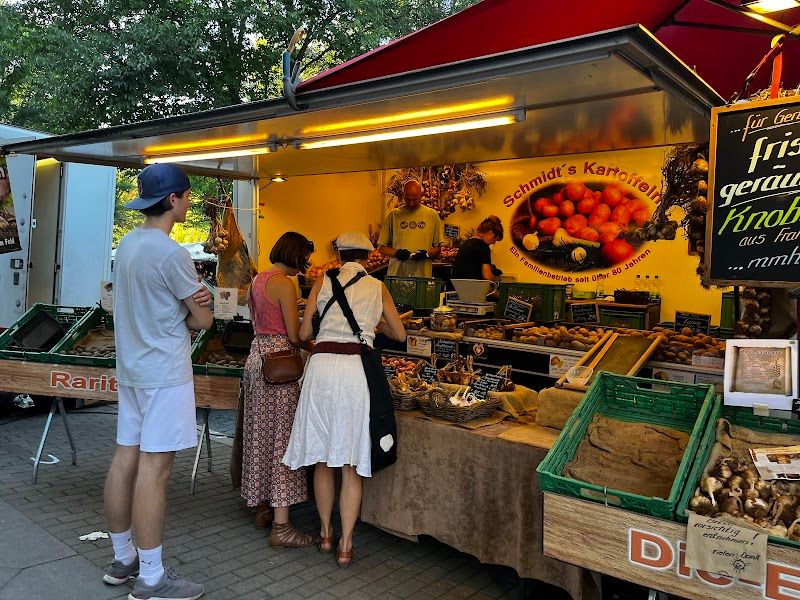
Türkenmarkt am Maybachufer
Berlin's most vibrant Turkish market lines the Landwehr Canal every Tuesday and Friday with fruit, vegetable, spice, and textile vendors. The calls of sellers, fresh gözleme being griddled, and piles of colorful produce create a sensory bazaar experience. This is where Berlin's Turkish community shops for ingredients you won't find in supermarkets.
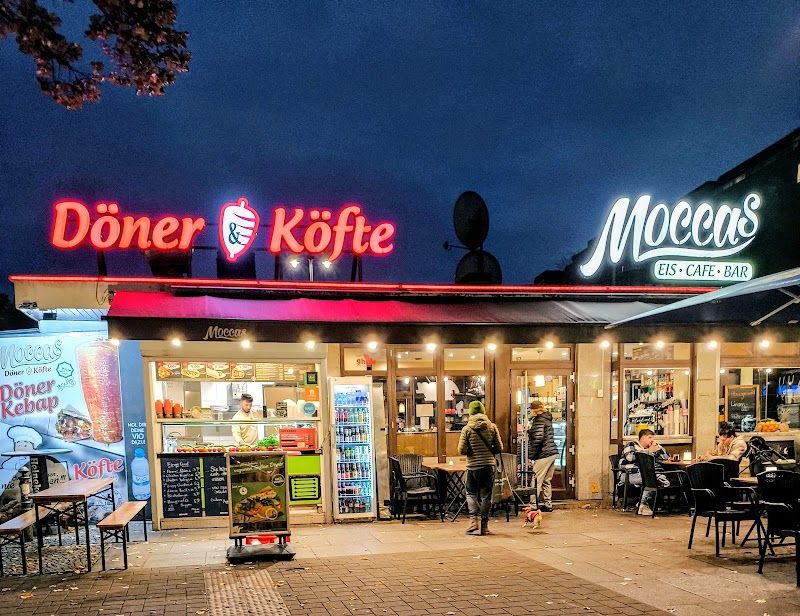
Winterfeldtmarkt
Schöneberg's beloved weekly market operating since 1892, offering fresh produce, flowers, cheese, baked goods, and international specialties. The Saturday market is particularly lively with locals doing their weekly shopping. One of Berlin's most authentic neighborhood markets with a strong community atmosphere.
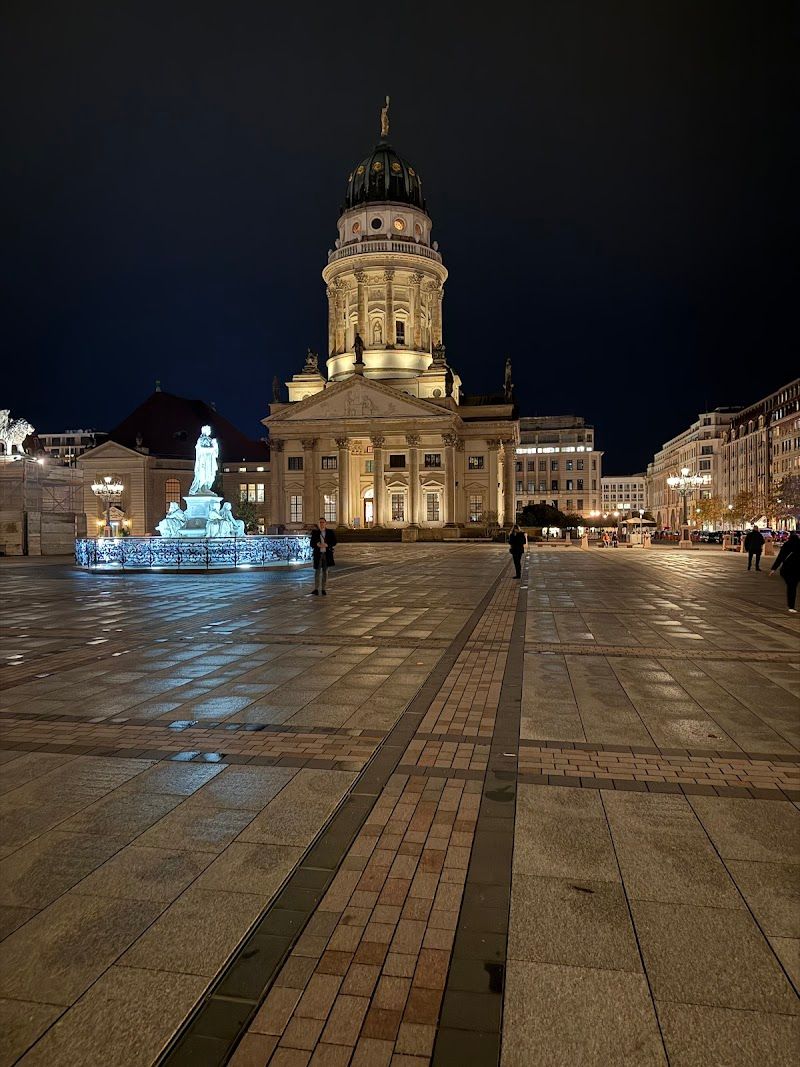
Gendarmenmarkt
Berlin's most architecturally harmonious square features three monumental buildings: the Konzerthaus concert hall flanked by symmetrical French and German cathedrals with their domed towers. The 18th-century ensemble represents Prussian Baroque at its finest. The square transforms into one of Berlin's premium Christmas markets in December.
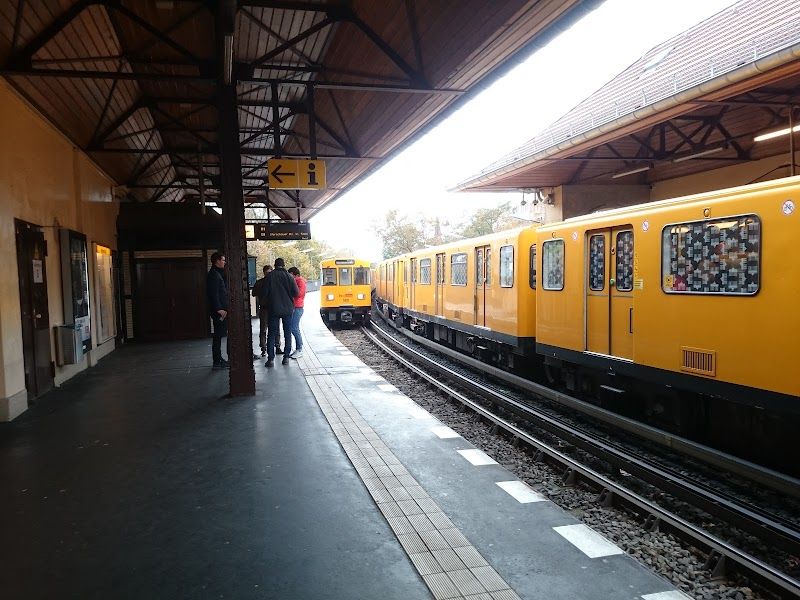
Schlesi
An institution in Neukölln's nightlife scene, this former cinema turned club features multiple floors with different music styles from techno to indie rock. The outdoor area is perfect for summer nights. It attracts a diverse, unpretentious crowd of locals.
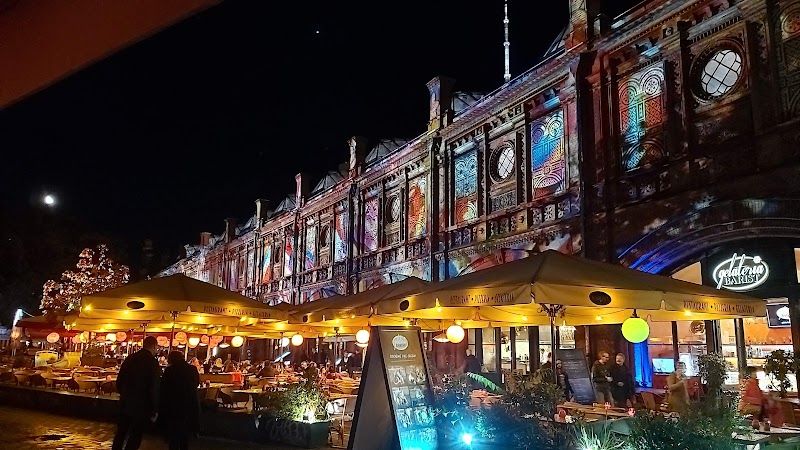
Hackescher Markt
The cobblestone square and surrounding courtyards form Mitte's boutique shopping hub, with indie fashion, jewelry designers, and concept stores tucked into restored pre-war buildings. The adjacent Hackesche Höfe's art nouveau courtyards house galleries and specialty shops. This area epitomizes Berlin's post-reunification retail gentrification.
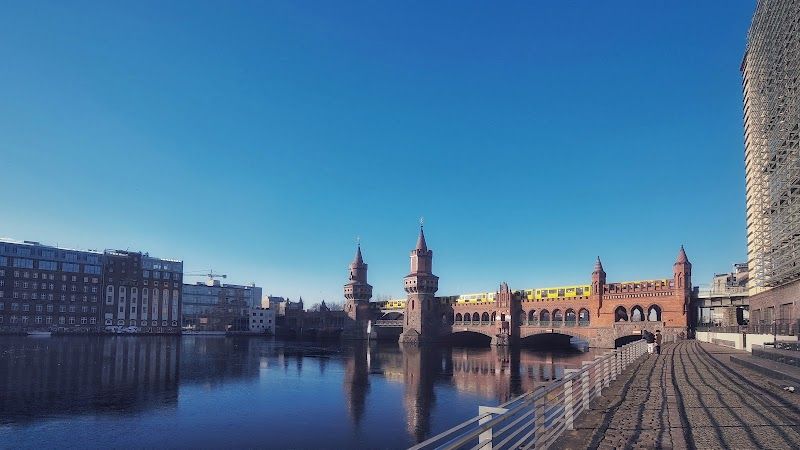
Oberbaumbrücke
This red-brick Gothic Revival double-deck bridge spanning the Spree between Kreuzberg and Friedrichshain became a symbol of reunification. Once a border crossing point, the 1896 bridge carries U-Bahn trains on the upper level and vehicles below. Its distinctive brick towers and arched design make it Berlin's most photogenic bridge.
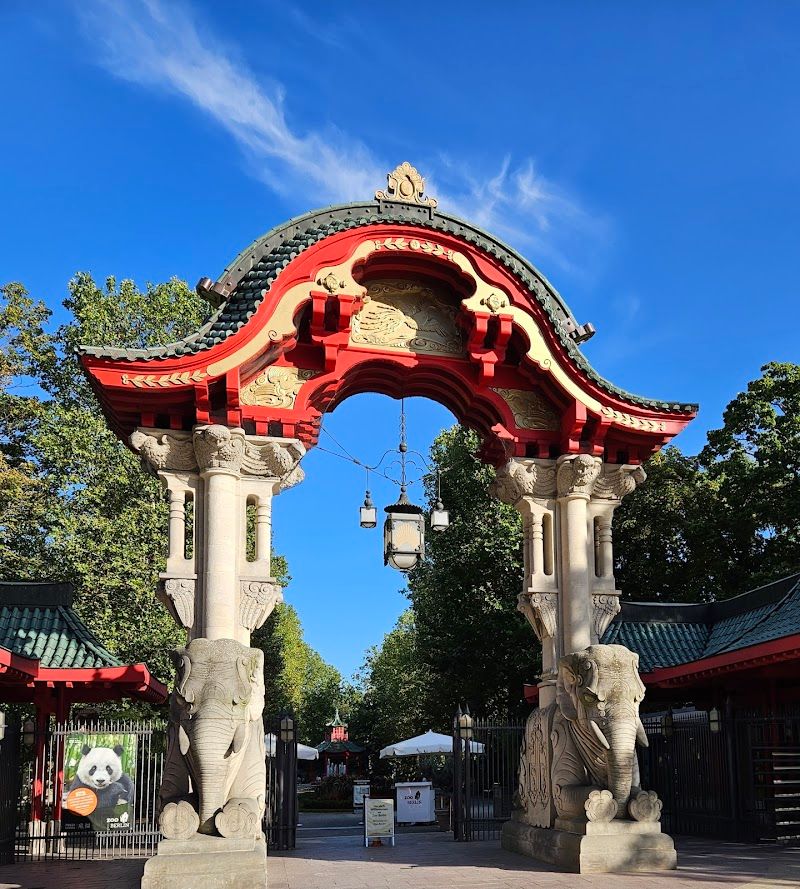
Berlin Zoo (Zoologischer Garten)
One of the oldest and most comprehensive zoos in the world, founded in 1844, with over 20,000 animals of 1,200 species. The zoo sits next to the Tiergarten and is directly accessible from Zoo Station (Zoologischer Garten U/S-Bahn). The aquarium building (separate or combo ticket) has a crocodile hall, insectarium, and a walk-through jellyfish tunnel. The panda enclosure draws the biggest crowds. It is a full-day experience for families or a half-day for adults who want the highlights.
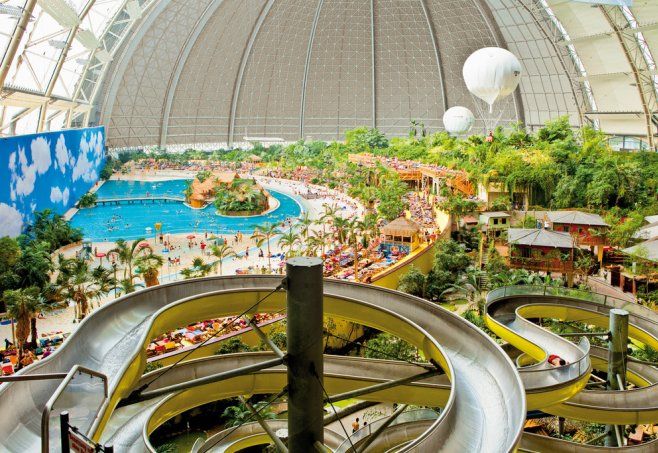
Tropical Islands
Massive indoor tropical resort in a former airship hangar 60km south of Berlin, featuring year-round 26°C temperatures, Germany's largest indoor pool, water slides, lagoons, and a rainforest with 50,000 plants. The 66,000 square meter space creates an artificial tropical paradise complete with beach, flamingos, and evening shows.
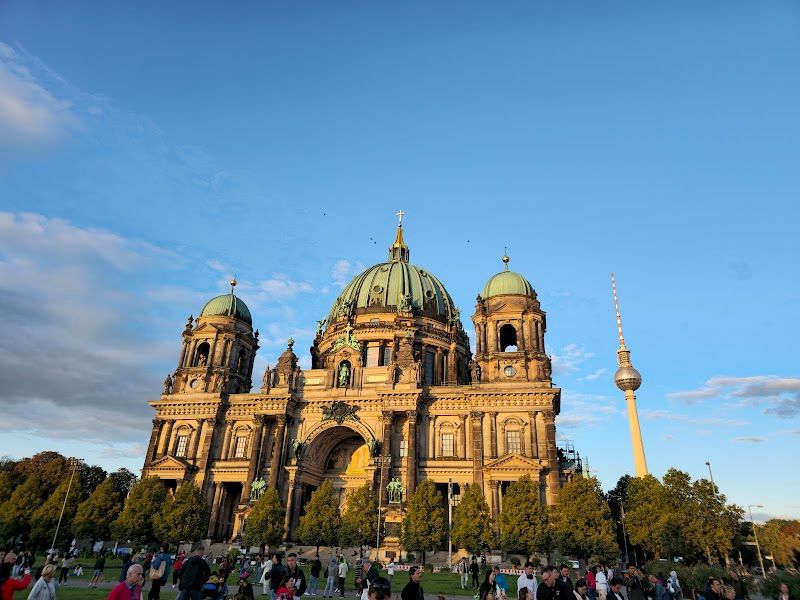
Berliner Dom
Berlin's largest church combines Italian Renaissance and Baroque Revival architecture with its massive green dome dominating Museum Island. The imperial staircase, Sauer organ with 7,000 pipes, and Hohenzollern crypt containing 94 sarcophagi make this more palace than parish church. Climb 270 steps to the dome walkway for panoramic city views.
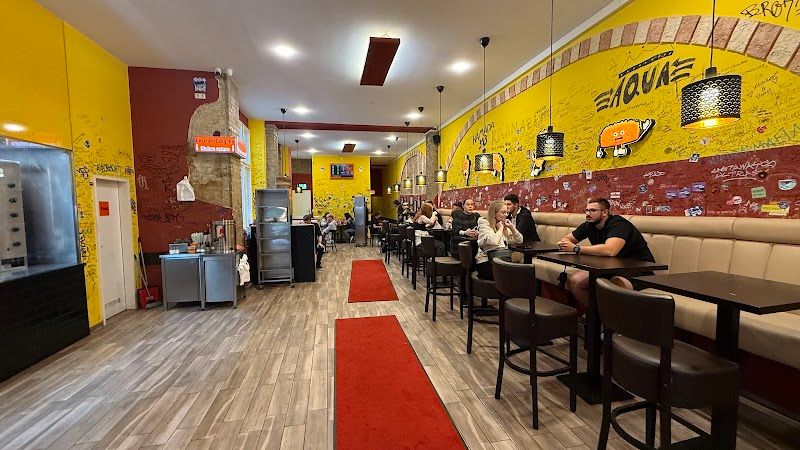
Rüyam Gemüse Kebap
Neukölln favorite for döner and their specialty börek, with house-made bread baked fresh throughout the day. The ayran is perfectly salted and the Turkish tea service is complimentary.
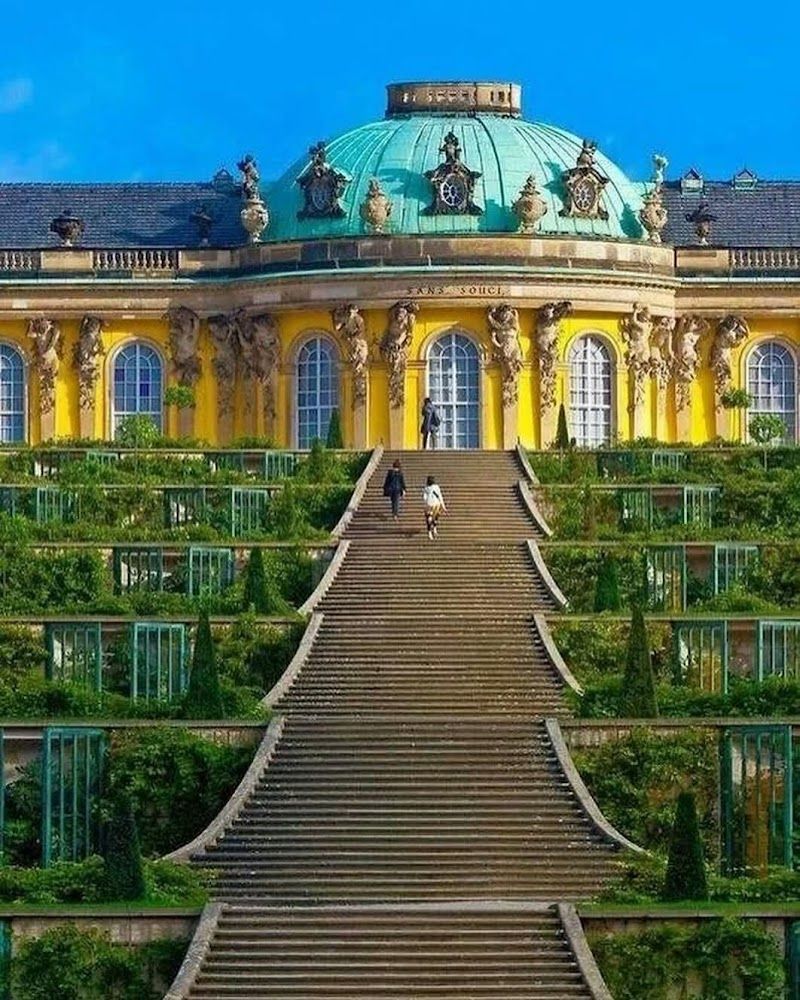
Potsdam & Sanssouci Palace Day Trip
A day trip to Potsdam, 30 minutes southwest of Berlin by S-Bahn, to visit Sanssouci Palace and the surrounding UNESCO-listed parks. Frederick the Great's summer palace (1747) is a Rococo gem with terraced vineyards, a Chinese tea house, and the New Palace at the far end of the park. Potsdam's Dutch Quarter and the reconstructed city center are worth exploring on foot. Independent visit by S7 train (covered by Berlin ABC ticket) or guided tours with transport included.
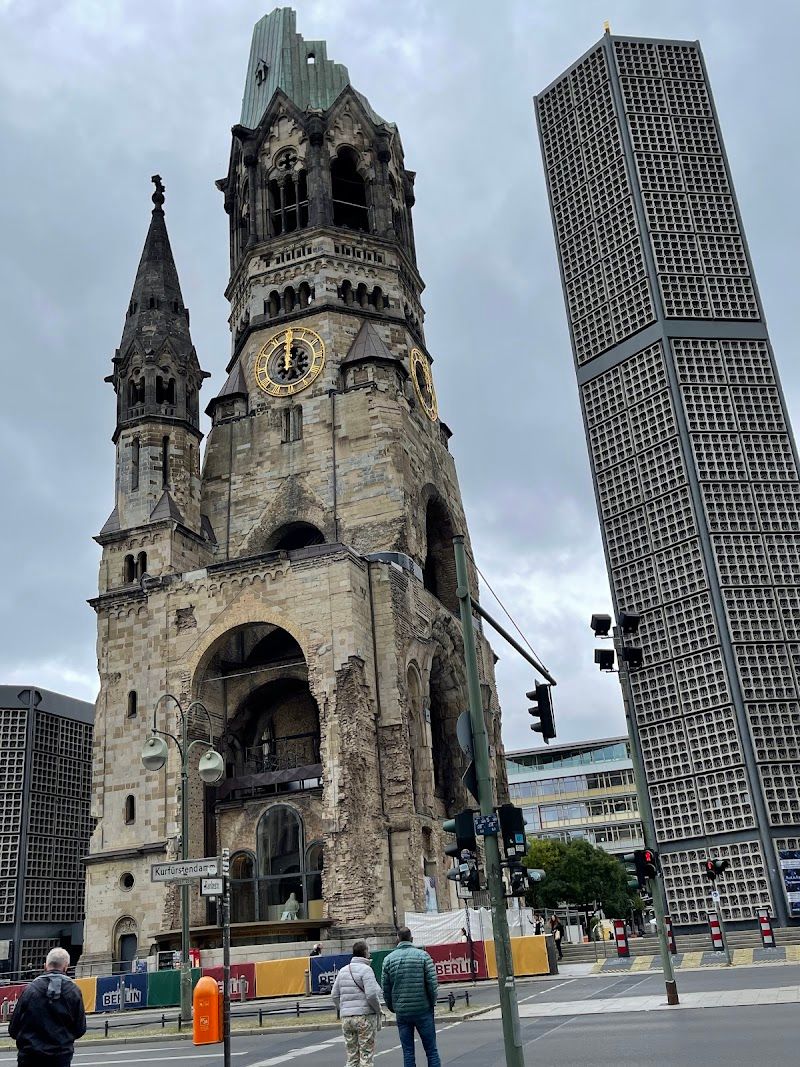
Kaiser-Wilhelm-Gedächtnis-Kirche
The bombed-out church tower stands deliberately unrepaired as Berlin's most prominent war memorial, nicknamed 'hollow tooth' by locals. Egon Eiermann's 1961 modern chapel addition features 20,000 pieces of blue glass creating ethereal interior light. The contrast between neo-Romanesque ruins and modernist addition symbolizes destruction and renewal.
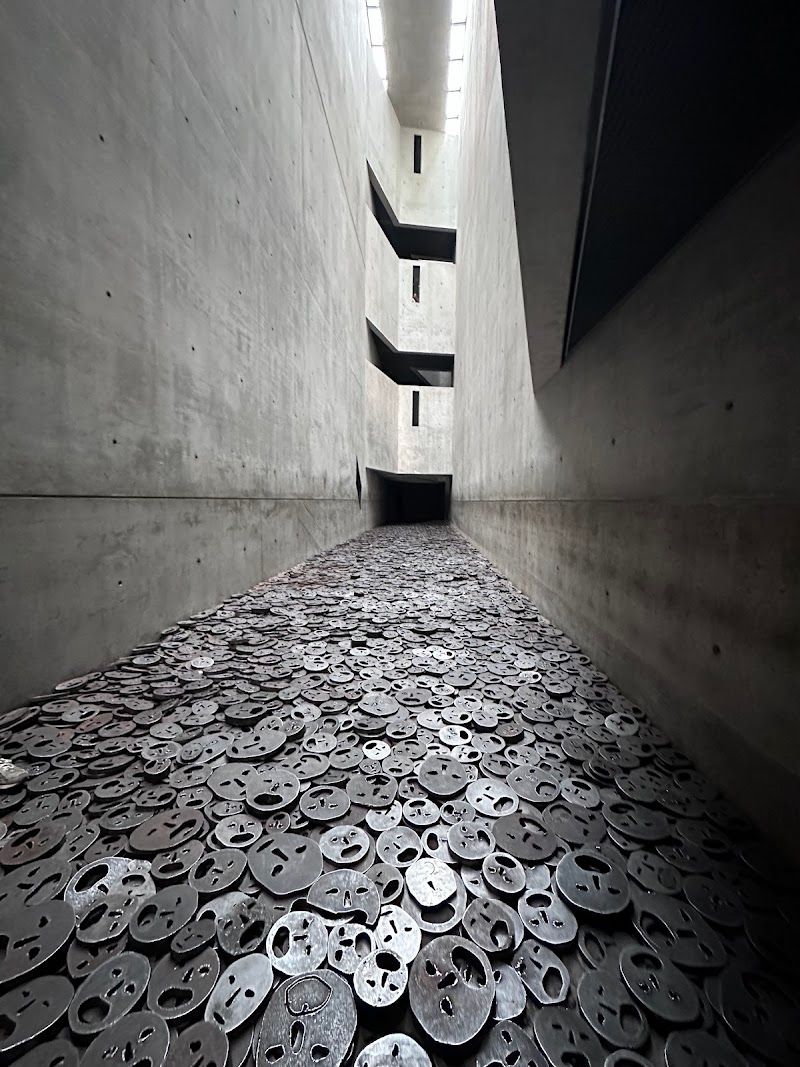
Jüdisches Museum Berlin
Daniel Libeskind's zinc-clad architectural masterpiece chronicles German-Jewish history through two millennia. The building's sharp angles, voids, and disorienting corridors create an emotional journey before you even read the exhibits. The Garden of Exile and Holocaust Tower are visceral architectural experiences.
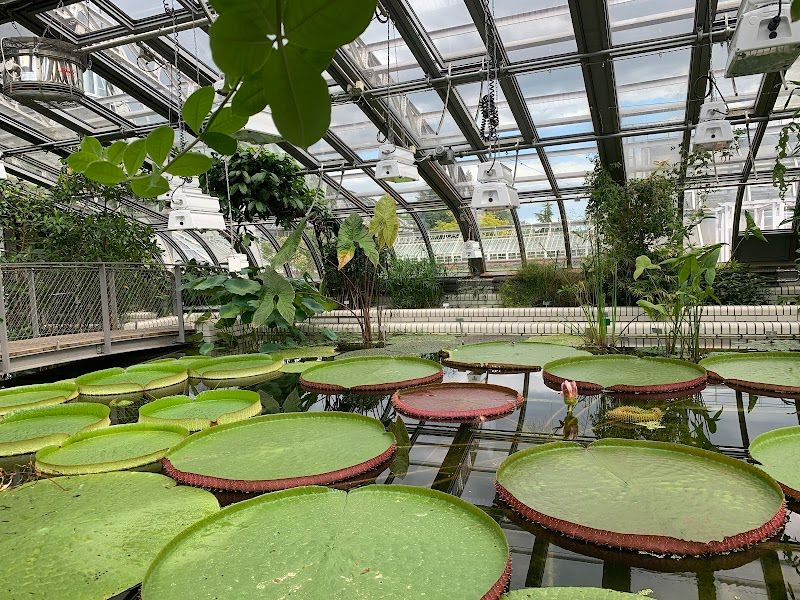
Botanischer Garten und Botanisches Museum Berlin
One of the world's largest botanical gardens with 43 acres of themed landscapes, from Alpine meadows to tropical rainforest. The Victorian-era greenhouses are architectural masterpieces, especially the soaring glass palm house. Over 20,000 plant species make this a living encyclopedia far beyond typical parks.
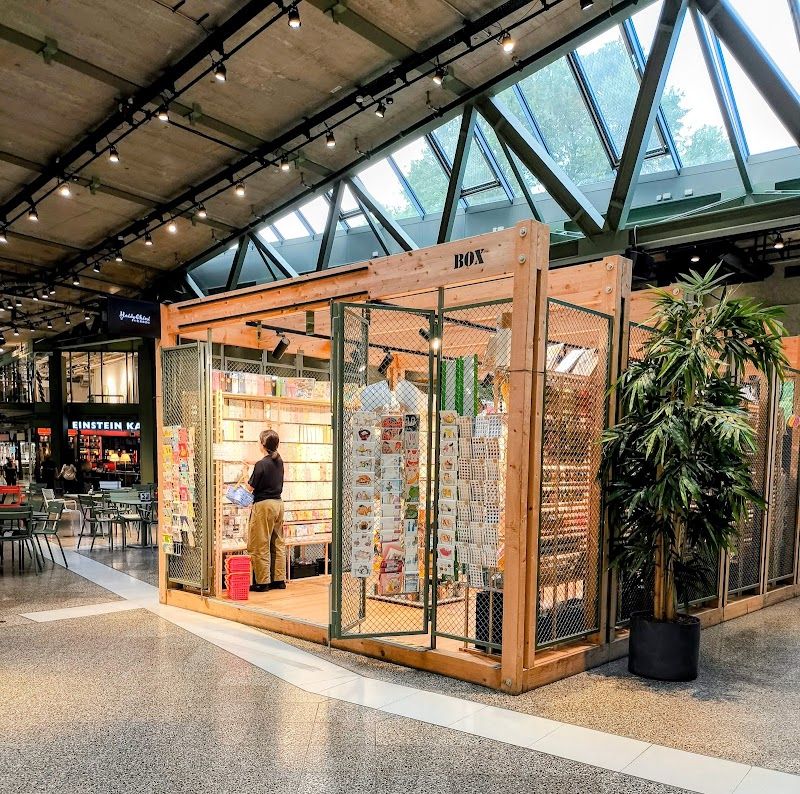
Bikini Berlin
A concept mall inside a 1950s modernist building facing the Zoo, mixing indie fashion boutiques, pop-up boxes for emerging designers, and a rooftop terrace overlooking the monkey enclosure. The three-floor 'shopping box' model gives small brands affordable retail space. The design-forward curation feels distinctly un-mall-like.
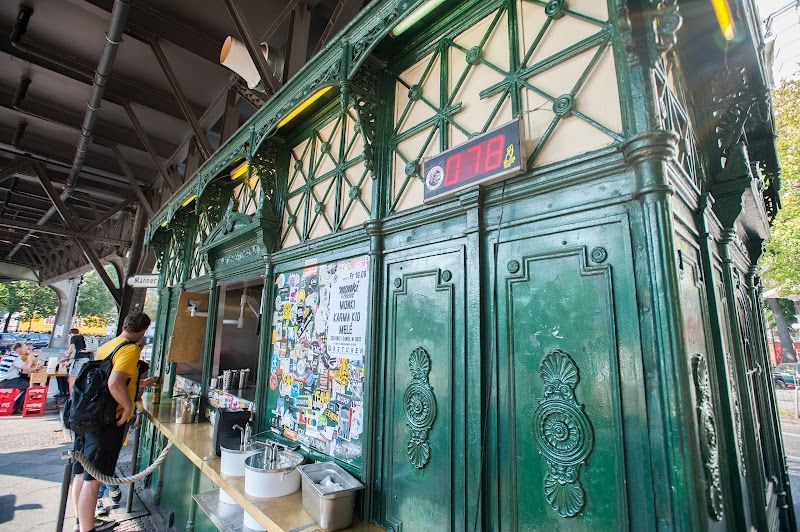
Burgermeister
Burger joint operating from a converted 1930s public toilet beneath the U1 tracks in Kreuzberg. The burgers use fresh-ground beef patties and the setting is uniquely Berlin bizarre.
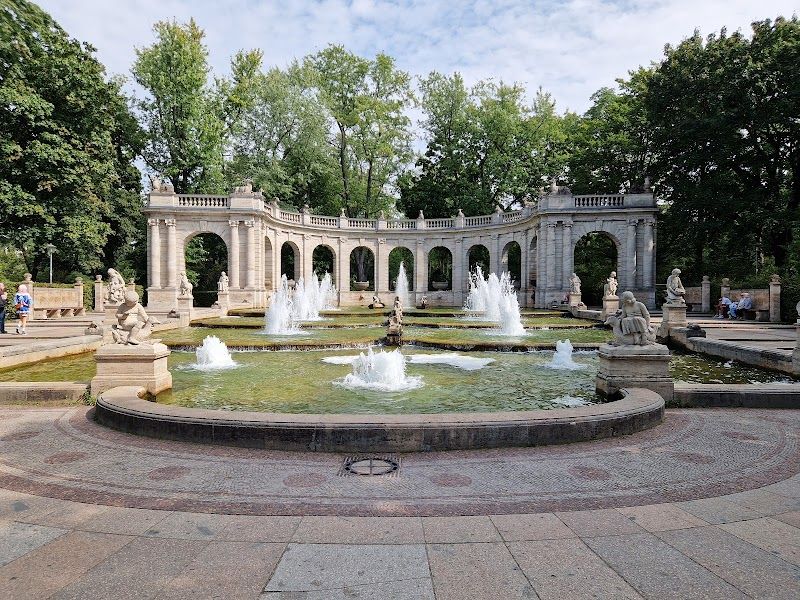
Volkspark Friedrichshain
Berlin's oldest public park features fairy-tale fountain sculptures, WWII bunker hills now used for sledding, and the ornate Märchenbrunnen with its mosaic-decorated cascades. Half-pipe skaters, picnicking students, and outdoor cinema crowds populate this Friedrichshain institution. The park's two artificial hills were built from war rubble.
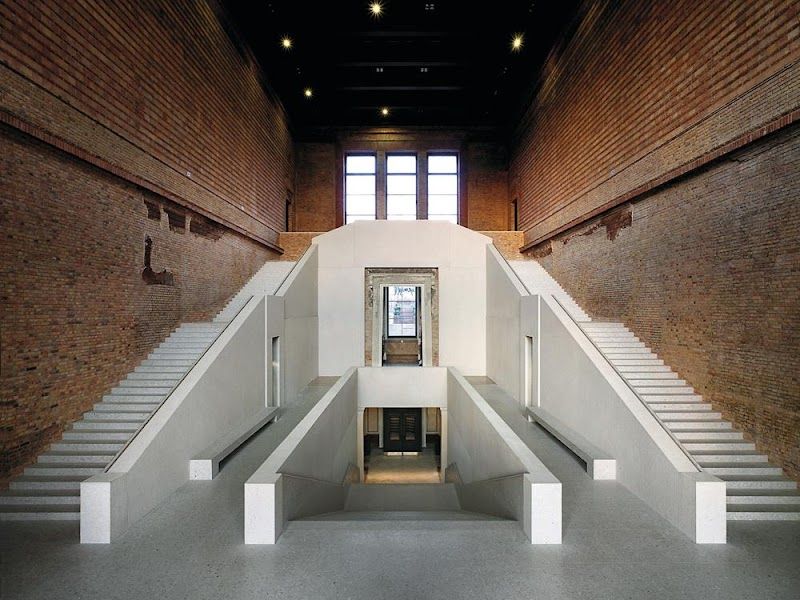
Neues Museum
David Chipperfield's masterful restoration preserves war damage while creating modern museum spaces for Egyptian and prehistoric collections. The star attraction is the 3,300-year-old bust of Nefertiti, displayed in its own domed room. The building itself tells stories through exposed brick, filled gaps, and architectural layers.
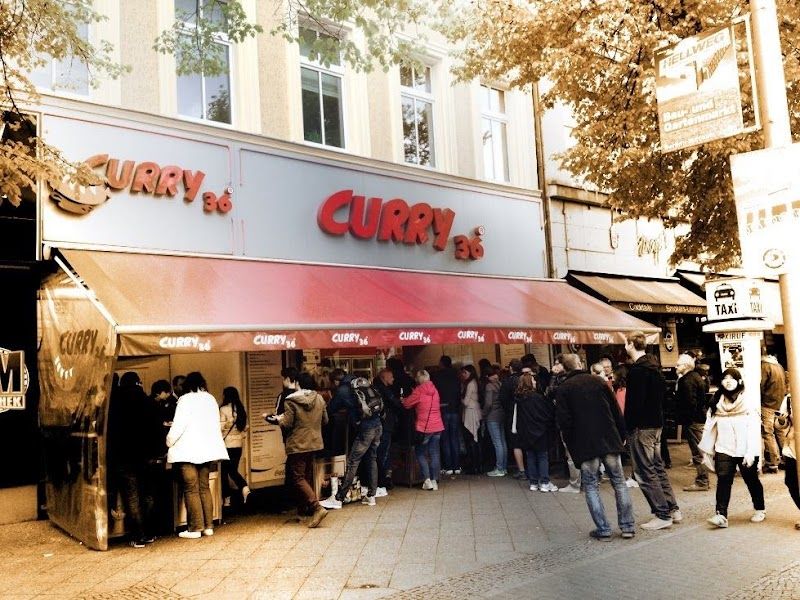
Curry 36
Kreuzberg's 24-hour currywurst institution serving since 1980, favored by night shift workers, club-goers, and currywurst purists. Their curry sauce hits different at 3am after a night out.
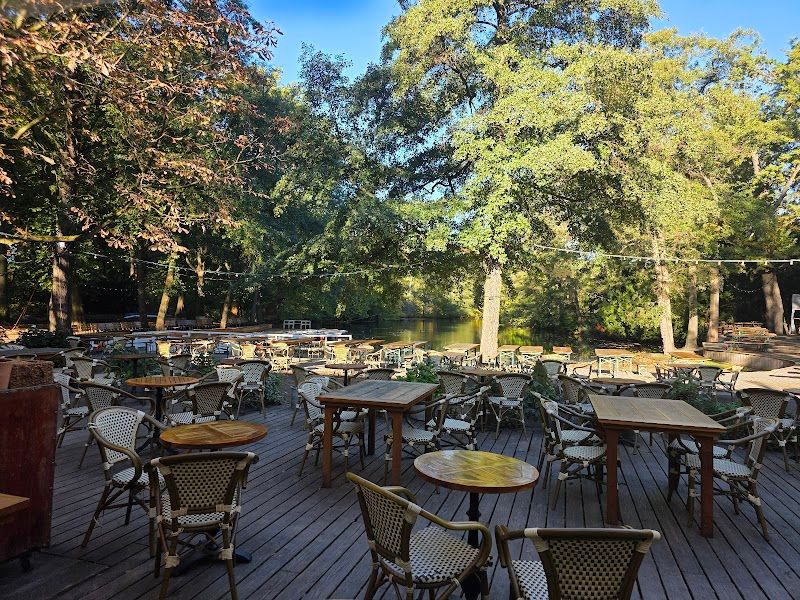
Cafe am Neuen See
Lakeside beer garden and restaurant in Tiergarten park, set on the shore of a small lake where visitors can rent rowboats. The sprawling garden serves Bavarian specialties and local beers under old trees. Winter transforms it into a cozy restaurant with reduced outdoor seating.
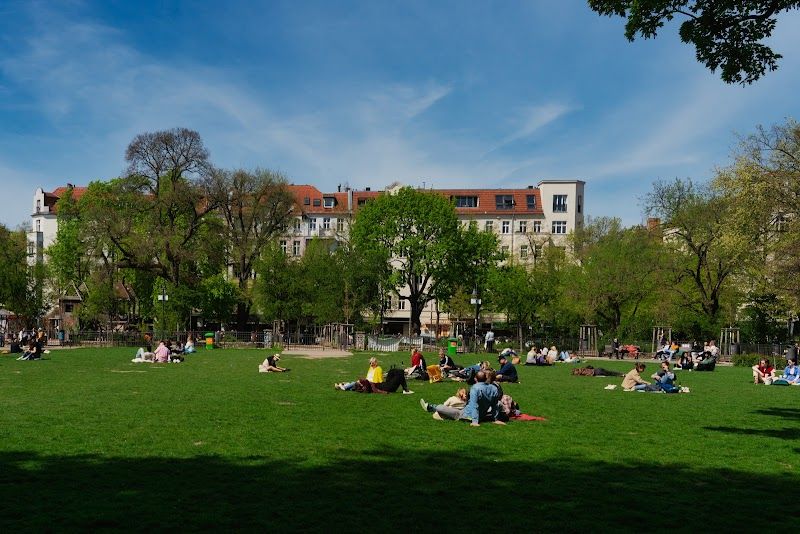
Boxhagener Platz Flohmarkt
Friedrichshain's community square transforms into a flea market every Saturday and a food market on Sundays. Vintage clothing, vinyl records, GDR-era memorabilia, and handmade crafts spread across the plaza while cafés around the edges buzz with brunch crowds. The surrounding streets offer more vintage shops and bars.
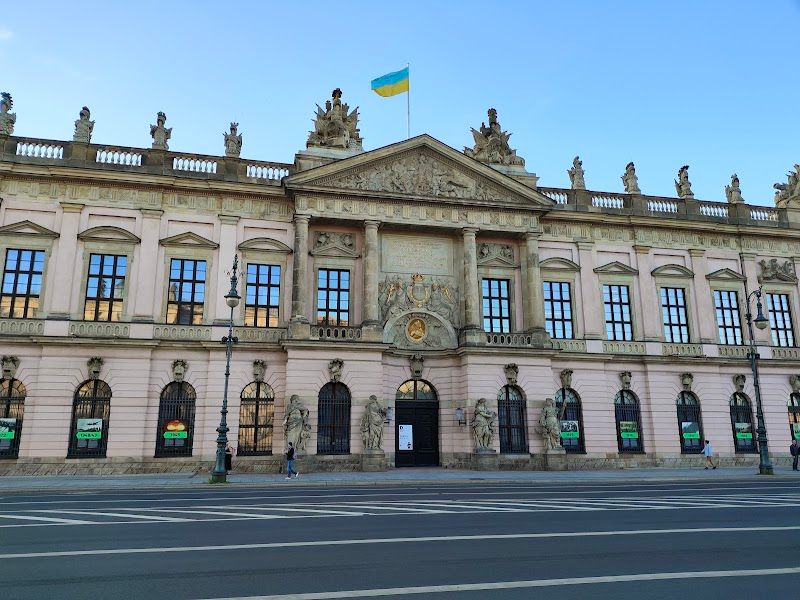
Deutsches Historisches Museum
Germany's national history museum spans 1,500 years in the baroque Zeughaus arsenal and I.M. Pei's glass-spiral modern extension. The permanent exhibition presents German history within European contexts, with exceptional collections of artifacts from medieval times through reunification. Pei's addition features rotating exhibitions and architectural photography opportunities.
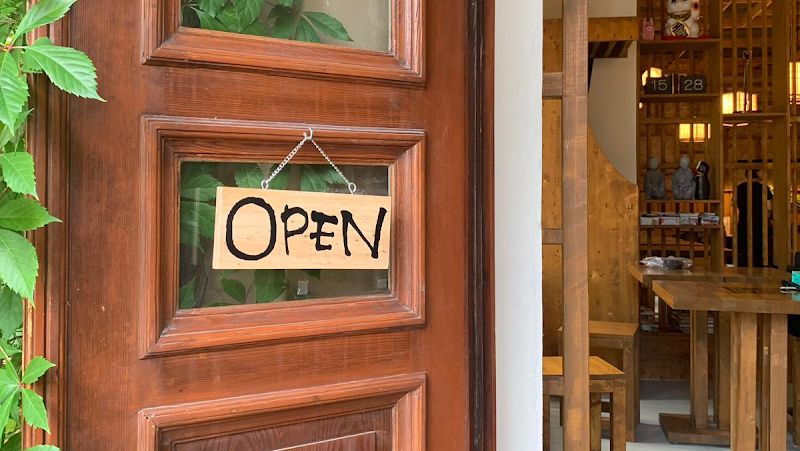
Hako Ramen
Friedrichshain ramen shop specializing in shoyu and shio broths with Hakata-style thin noodles. The chashu pork is torched to order and the eggs are perfectly jammy.
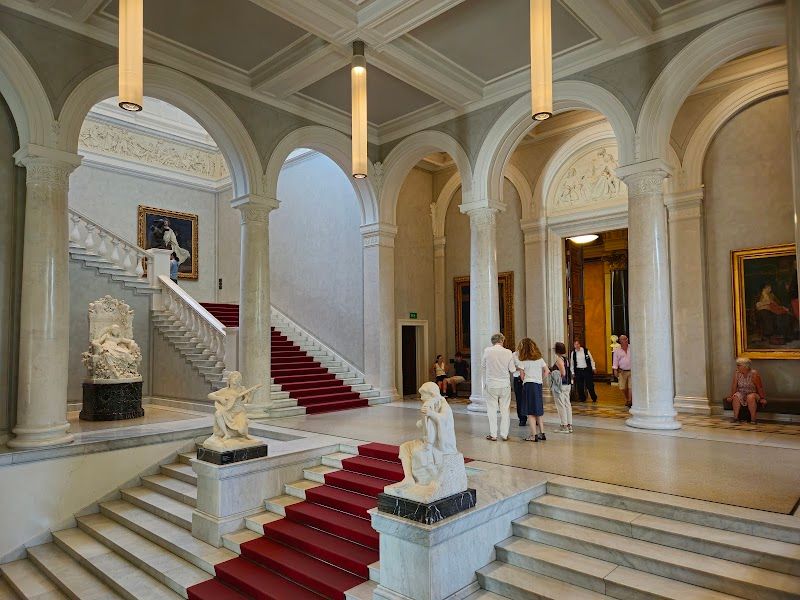
Alte Nationalgalerie
This temple-like gallery on Museum Island houses 19th-century European art including major works by Caspar David Friedrich, Karl Friedrich Schinkel, and French Impressionists. The building itself replicates a Corinthian temple raised on a high podium. The collection spans Romanticism through early Modernism with particular strength in German Romantic painting.
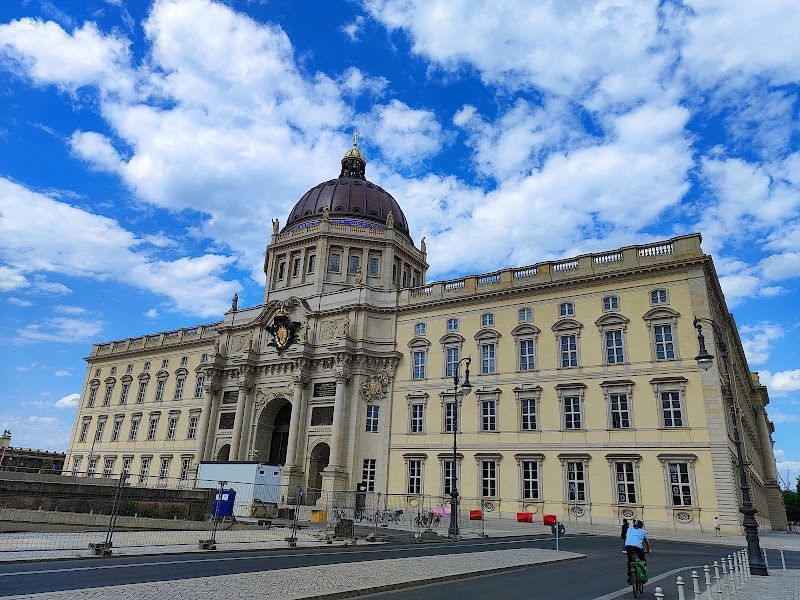
Humboldt Forum
The reconstructed Berlin Palace houses museums showcasing non-European art and Humboldt University collections in a controversial baroque-facade building completed in 2020. The ethnological collections moved from Dahlem include artifacts from Africa, Asia, and Oceania. The rooftop terrace offers sweeping views across Museum Island.
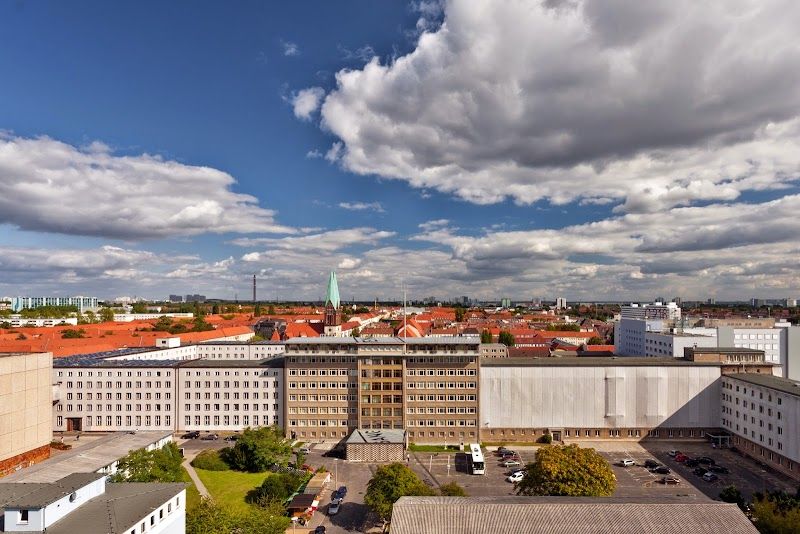
Stasi Museum
The preserved headquarters of East Germany's secret police sits exactly as it was left in 1990, with Erich Mielke's wood-paneled office, surveillance equipment, and filing systems intact. The building itself served as the nerve center for monitoring 6 million citizens. Displays reveal the bureaucratic machinery of state surveillance and its psychological impact.
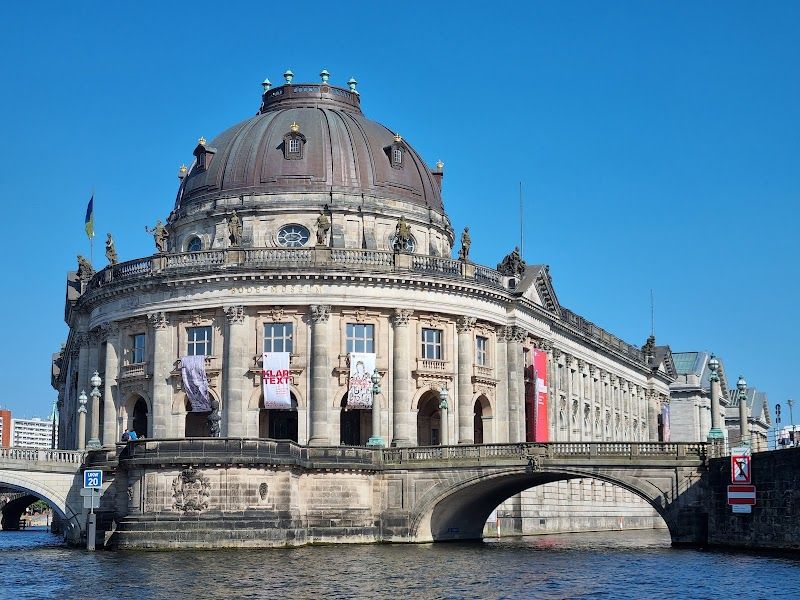
Bode-Museum
This baroque masterpiece at Museum Island's northern tip houses Byzantine art and one of the world's great sculpture collections spanning medieval through 18th-century Europe. The building's triangular footprint and prominent dome create Berlin's most distinctive museum silhouette. The Basilica hall's soaring space showcases religious sculpture in architectural context.
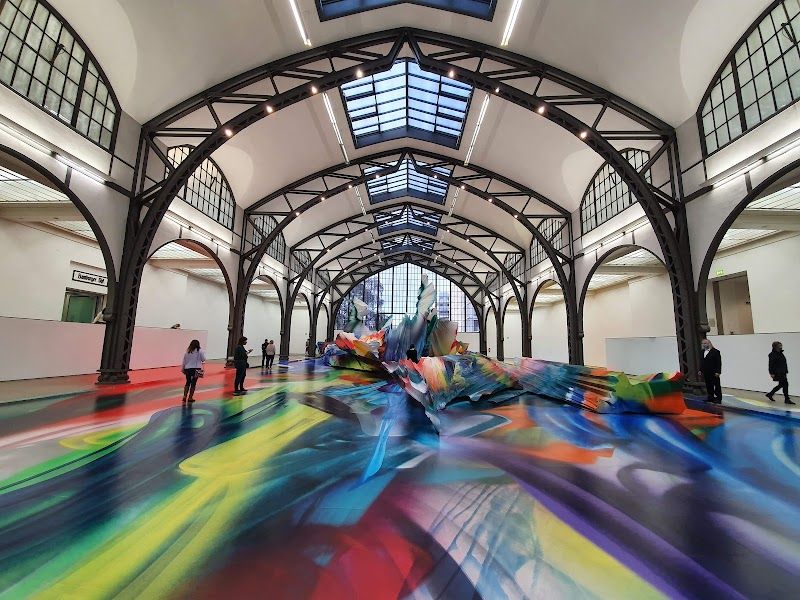
Hamburger Bahnhof - Nationalgalerie der Gegenwart
Contemporary art from 1960 onward fills this converted 1847 railway terminus, with major works by Warhol, Lichtenstein, Kiefer, and Beuys in the permanent collection. The Rieckhallen behind the main building provide vast spaces for large-scale installations. The Marx Collection represents one of Europe's most significant private contemporary art holdings.
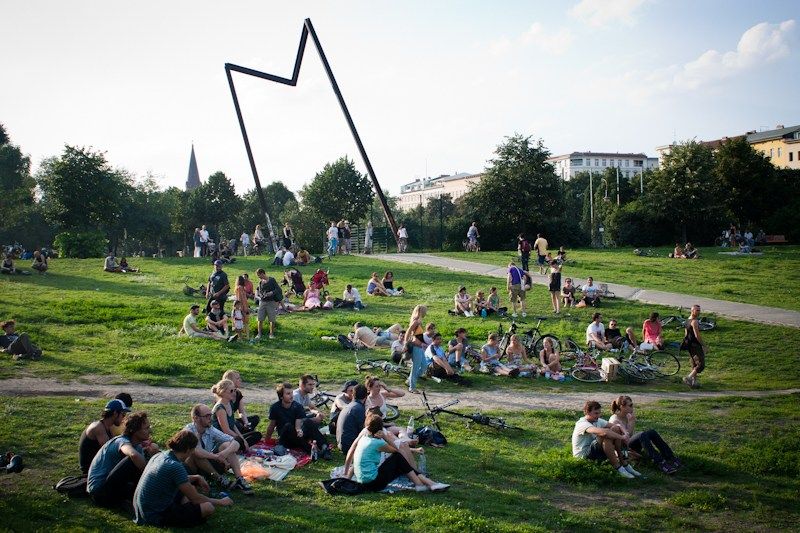
Görlitzer Park
A former railway station transformed into Kreuzberg's grittiest park, known for its wild meadows, diverse crowd, and distinctly unpolished character. Turkish families barbecue alongside alternative youth, while a small city farm with goats and chickens occupies one corner. The park embodies Berlin's raw, ungentrified spirit.
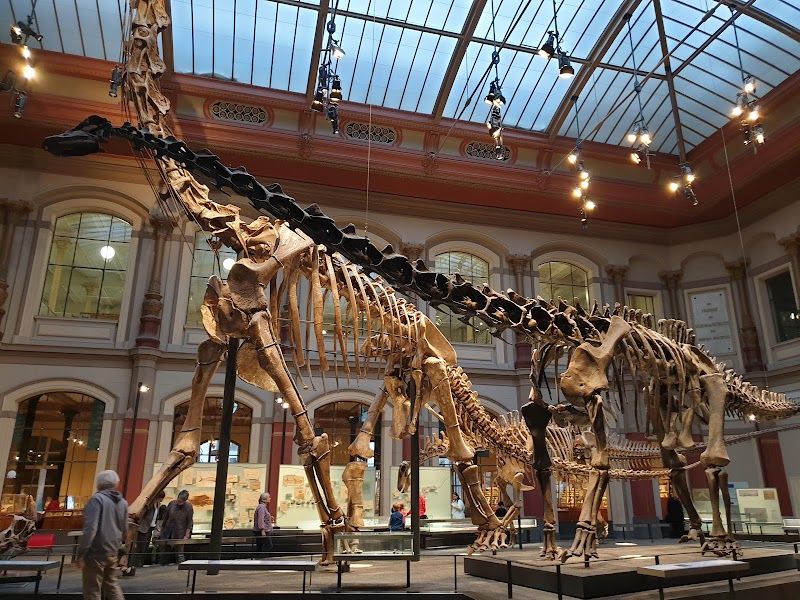
Museum fur Naturkunde (Natural History Museum)
Home to the tallest mounted dinosaur skeleton in the world (Giraffatitan brancai, 13.27 meters), along with the Archaeopteryx fossil and a biodiversity wall displaying 3,000 specimens behind glass. The dinosaur hall alone is worth the EUR11 entry. The wet collection room, with 81,880 jars of preserved specimens on illuminated shelves, is unlike anything else in Berlin. Interactive exhibits on minerals, the solar system, and evolution keep kids engaged for 2-3 hours. Consistently one of the best family experiences in the city.
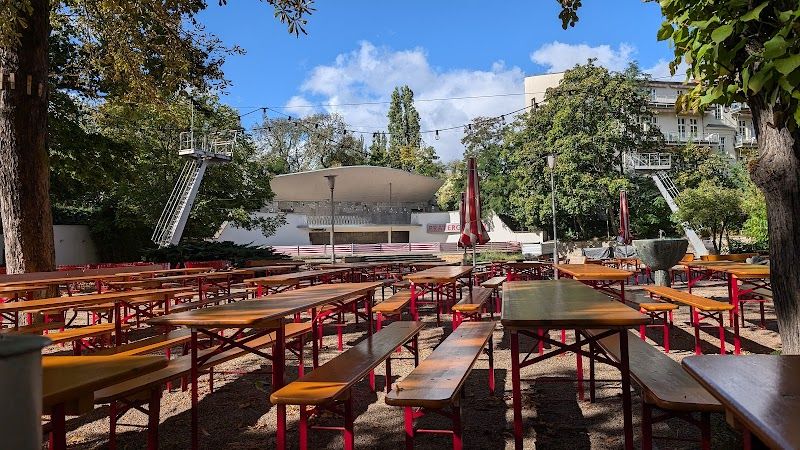
Prater Garten
Berlin's oldest beer garden, established in 1837, featuring 600 seats under chestnut trees in Prenzlauer Berg. Traditional self-service beer garden serving German dishes and Prater's own brewery beer. The adjacent venue hosts concerts and theater performances during summer months.
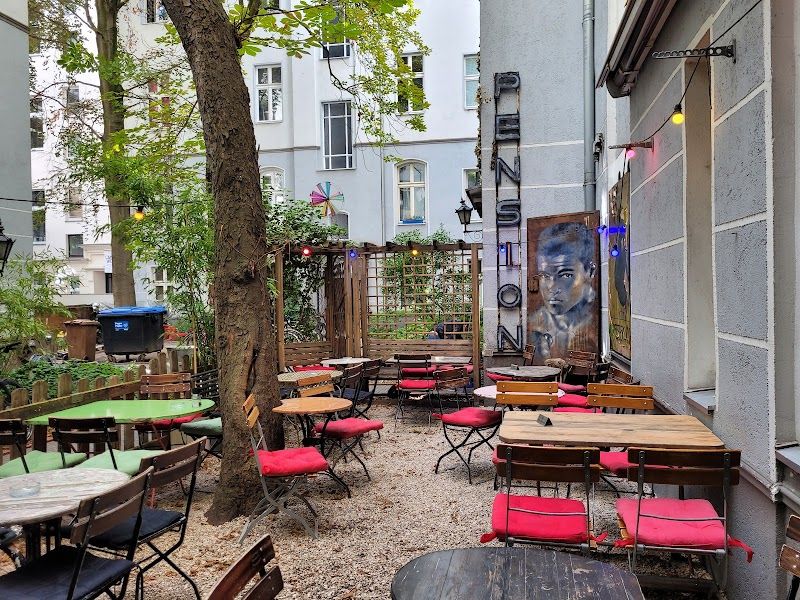
Schwarzes Café
24-hour institution in Charlottenburg serving breakfast, cakes, and hot meals around the clock since 1978. The dark, theatrical interior with black walls and candlelit tables attracts night owls, shift workers, and anyone craving Rührei at 4am. A true Berlin original that refuses to modernize.
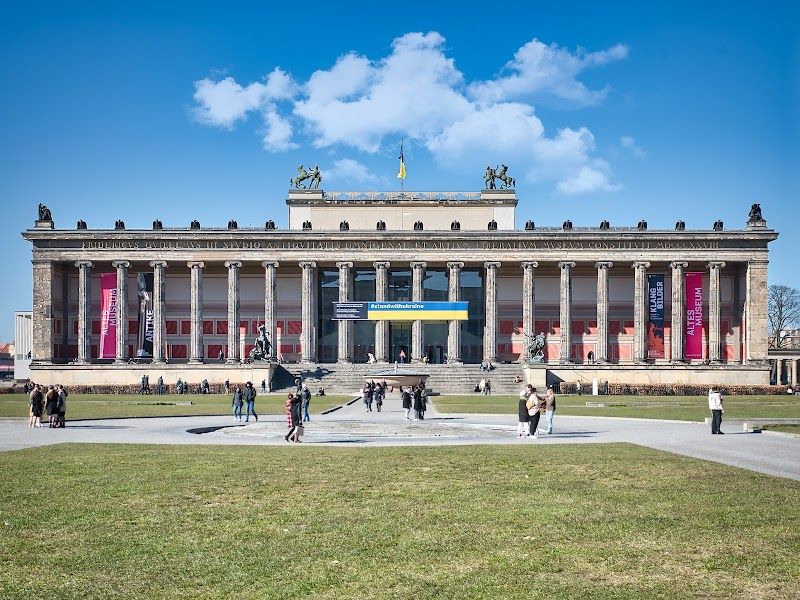
Altes Museum
Schinkel's 1830 neoclassical masterpiece introduced the modern museum concept with its Greek temple design and rotunda inspired by Rome's Pantheon. The collection focuses on Greek, Etruscan, and Roman antiquities with exceptional bronze and terracotta work. The building's architecture and natural lighting are as significant as the objects displayed.
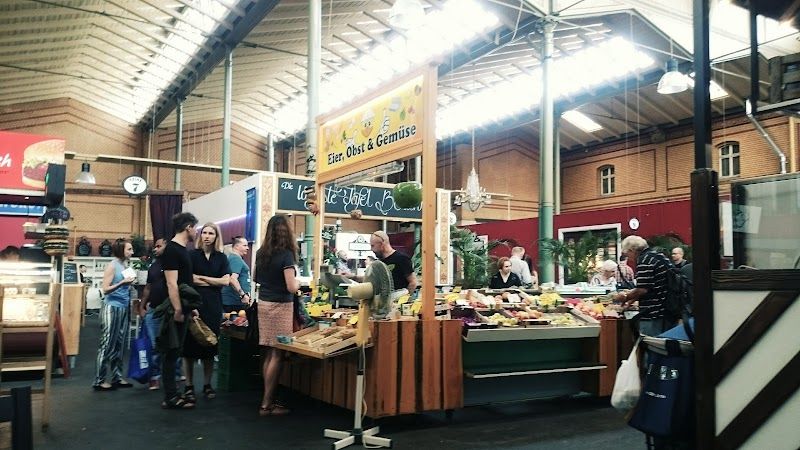
Arminiusmarkthalle
Historic 1891 market hall in Moabit with permanent food stalls including Turkish breakfast, Thai noodles, Italian antipasti, and craft beer. Saturday mornings feature regional farmers selling produce.
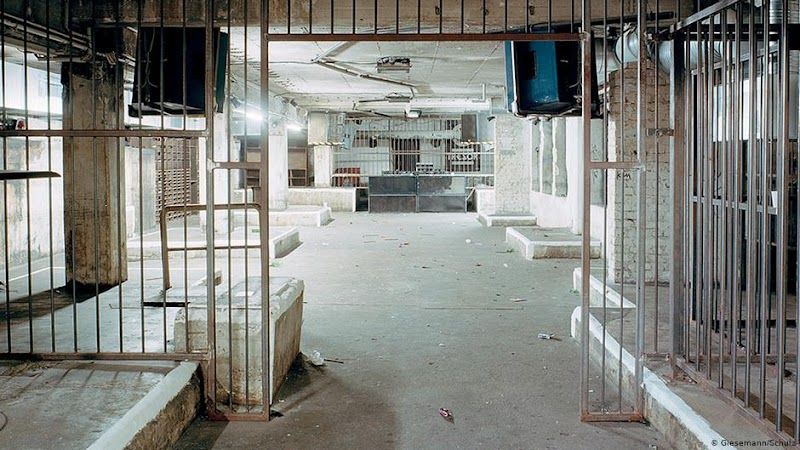
Tresor
Legendary techno institution housed in a former power plant, featuring raw industrial architecture and a booming Funktion-One sound system. The vault downstairs and Globus hall upstairs host international DJ talent across hard techno and experimental electronic music. Operating since 1991, it's one of the defining clubs of Berlin's techno culture.
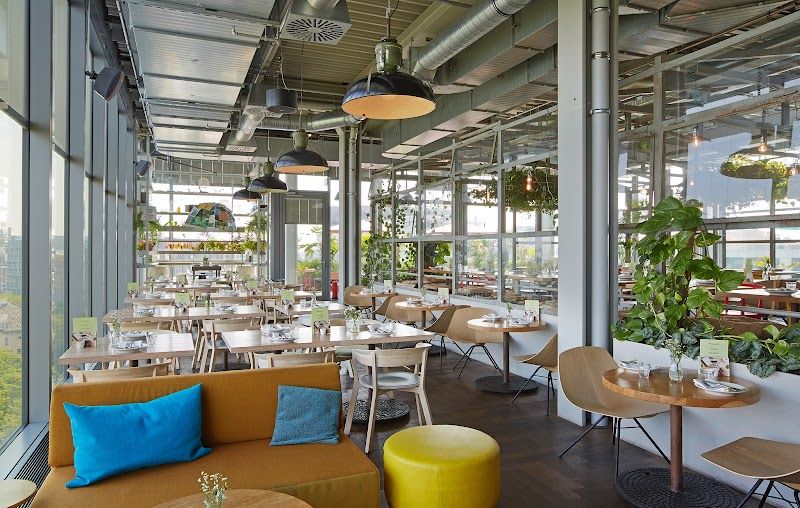
Neni Berlin
Israeli-Mediterranean restaurant on the 10th floor of the 25hours Hotel Bikini with panoramic views of the Zoologischer Garten. Breakfast spreads feature shakshuka, labneh, and fresh-baked challah.
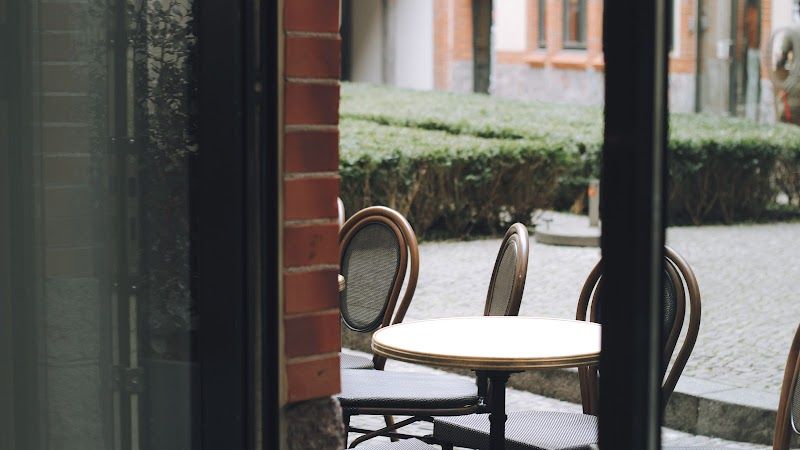
Father Carpenter Coffee Brewers
Nordic-minimalist café serving meticulously crafted coffee alongside fresh pastries and substantial breakfast plates. The Scandinavian-influenced interior features blonde wood, white tiles, and abundant natural light. Their specialty is the precision-brewed filter coffee using a rotating selection of beans.
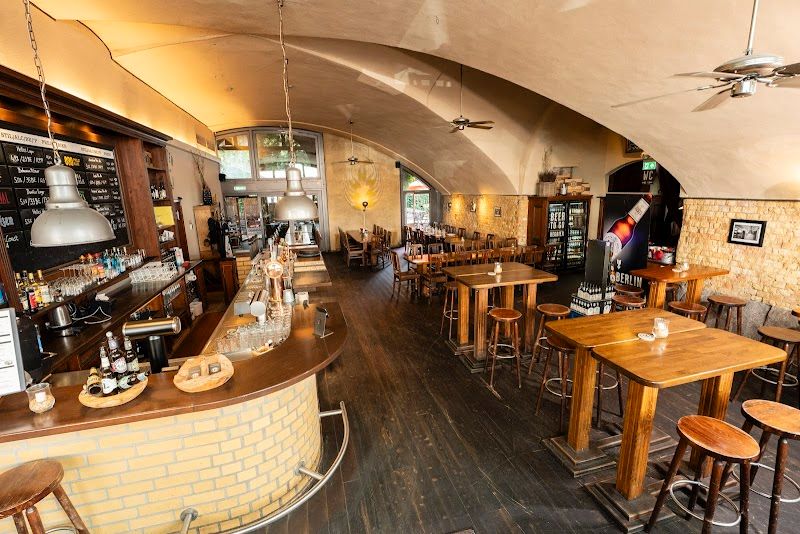
Lemke am Alex
Brewpub at Alexanderplatz brewing pilsner, weizen, and seasonal beers on-site. The food is solid Berlin pub fare: schnitzel, sausages, and pretzels to soak up the beer.
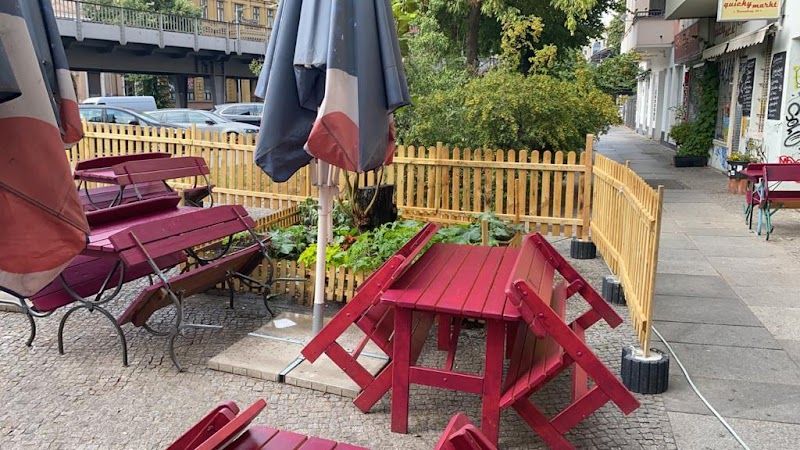
Baraka
Kreuzberg's North African restaurant serving tagines, couscous, and grilled merguez sausage. The interior features authentic Moroccan tiles and low seating with cushions.
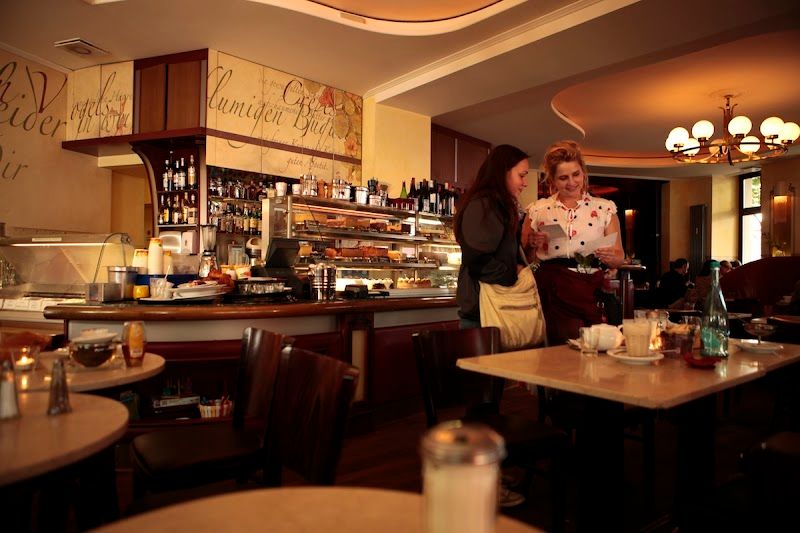
Anna Blume
Iconic Prenzlauer Berg café known for extraordinary breakfast platters arranged like edible flower bouquets. The art nouveau interior is perpetually busy with locals lingering over Sunday brunch and towering cake displays. Named after a Dada poem, the kitschy-romantic atmosphere is quintessentially Berlin.
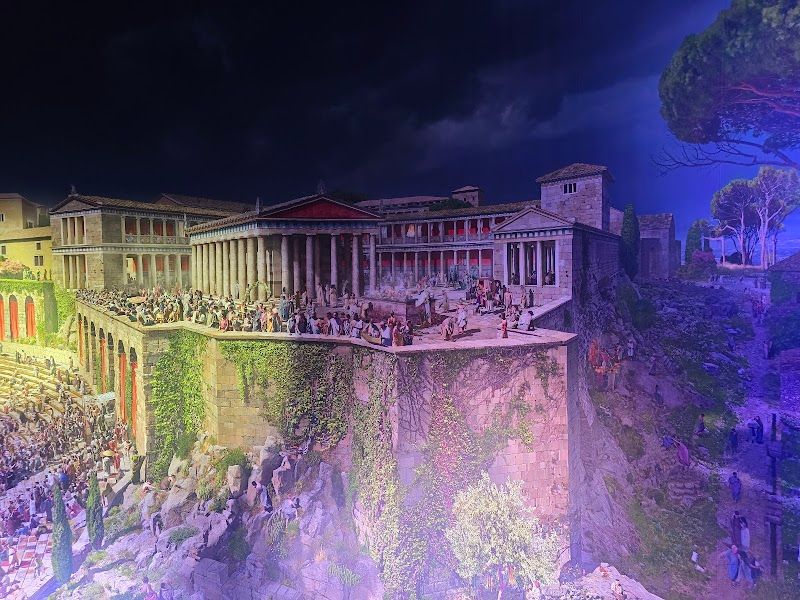
Pergamonmuseum
Monumental ancient architecture including Babylon's Ishtar Gate and the Market Gate of Miletus are reconstructed at full scale inside this massive museum complex. The Pergamon Altar hall is closed for renovation until 2027, but the Middle East and Islamic Art collections remain accessible. These are archaeological artifacts as immersive environments.
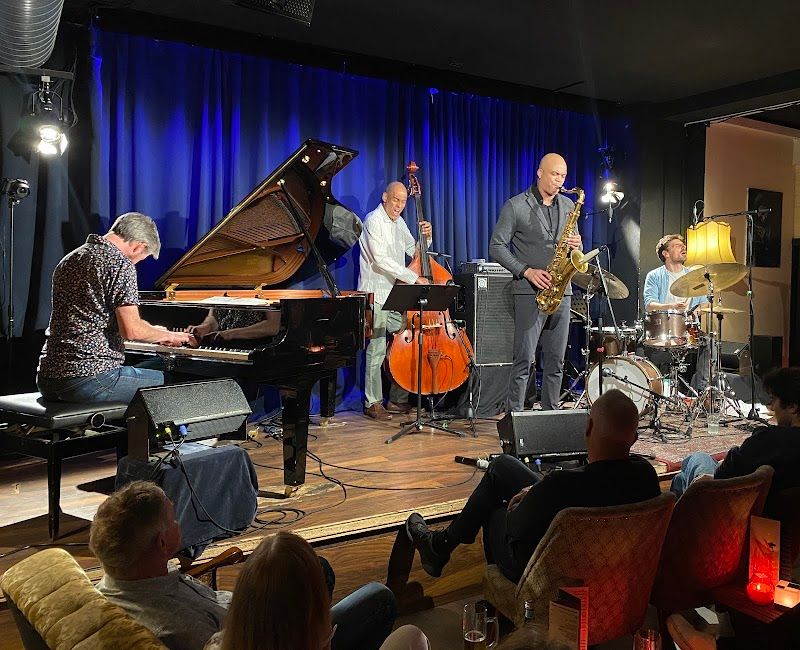
Zig Zag Jazz Club
Underground jazz venue beneath the Bleibtreu hotel featuring vaulted brick ceilings and nightly live performances. Programming includes modern jazz, Latin, blues, and soul with both local and touring musicians. The cozy, cave-like atmosphere seats about 90 people around small tables.
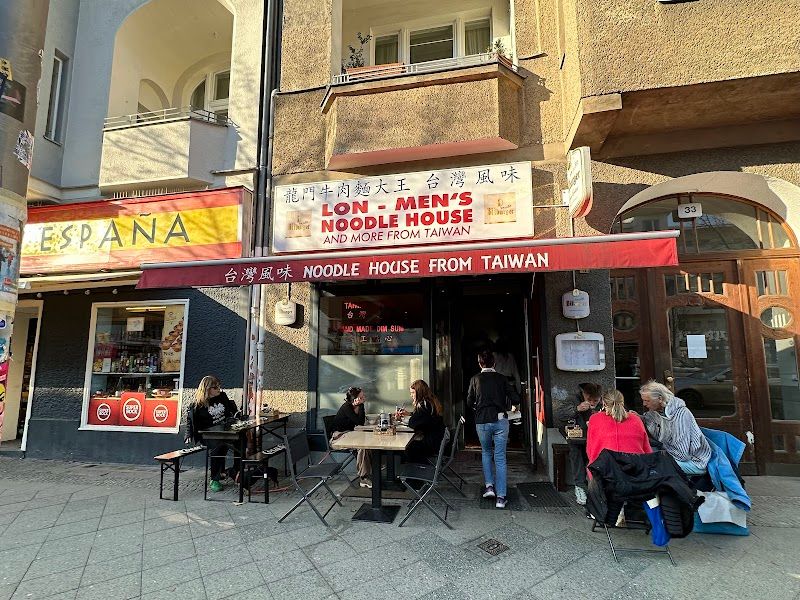
Lon Men's Noodle House
Mitte's go-to spot for hand-pulled Lanzhou beef noodles, where you can watch the noodle master stretch dough through the window. The clear broth with tender beef and fresh cilantro is restorative.
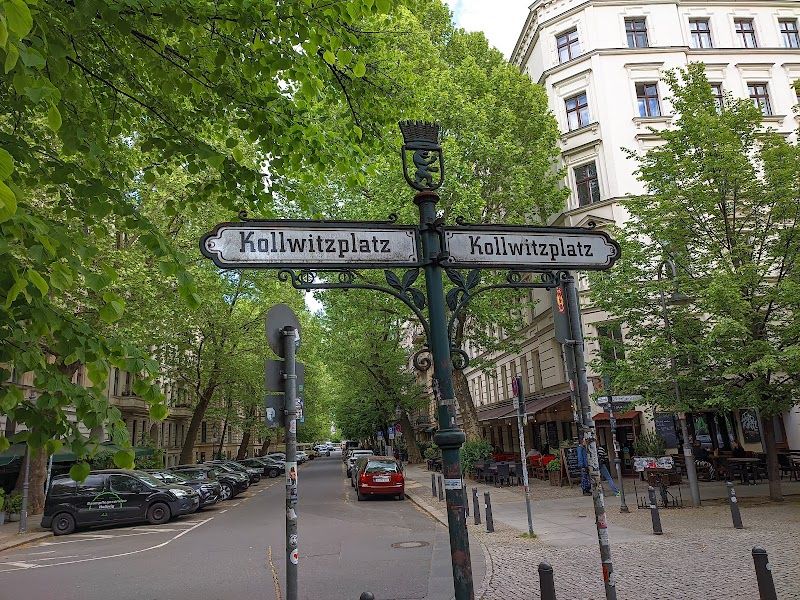
Kollwitzplatz
This leafy Prenzlauer Berg square honors artist Käthe Kollwitz who lived nearby with a bronze sculpture at its center. The surrounding streets contain independent boutiques, cafés, and the popular Thursday and Saturday organic market. The square serves as the neighborhood's living room where locals gather year-round.
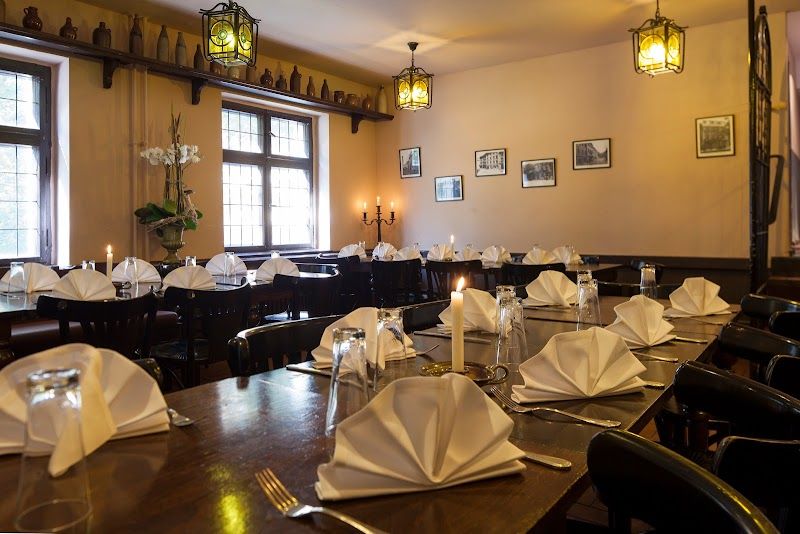
Zur letzten Instanz
Berlin's oldest restaurant dating to 1621, serving traditional Berlin cuisine like Eisbein and Königsberger Klopse. Napoleon, Beethoven, and Angela Merkel have all dined here.
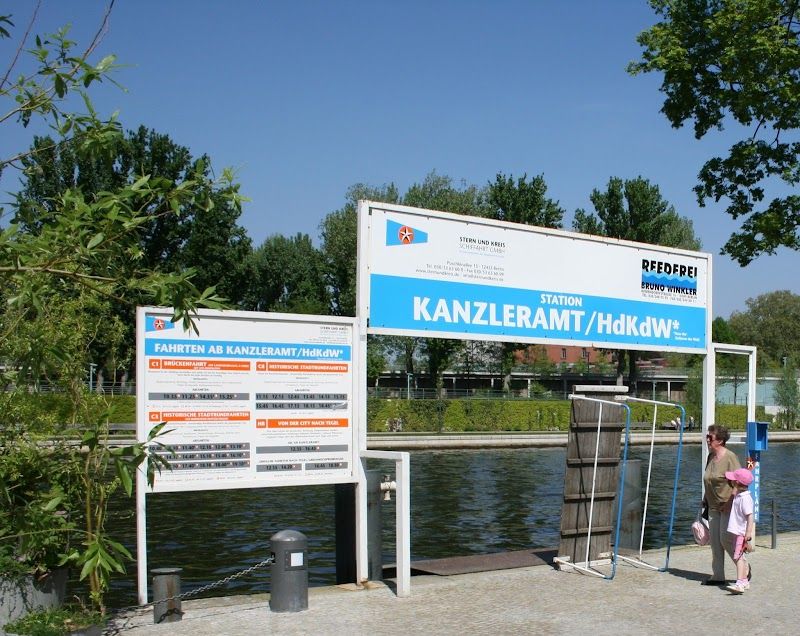
Haus der Kulturen der Welt
This striking modernist building, nicknamed the 'pregnant oyster,' hosts cutting-edge international contemporary arts, exhibitions, and cultural performances. The venue focuses on non-European perspectives and hosts thought-provoking exhibitions, concerts, and discussions throughout the year.
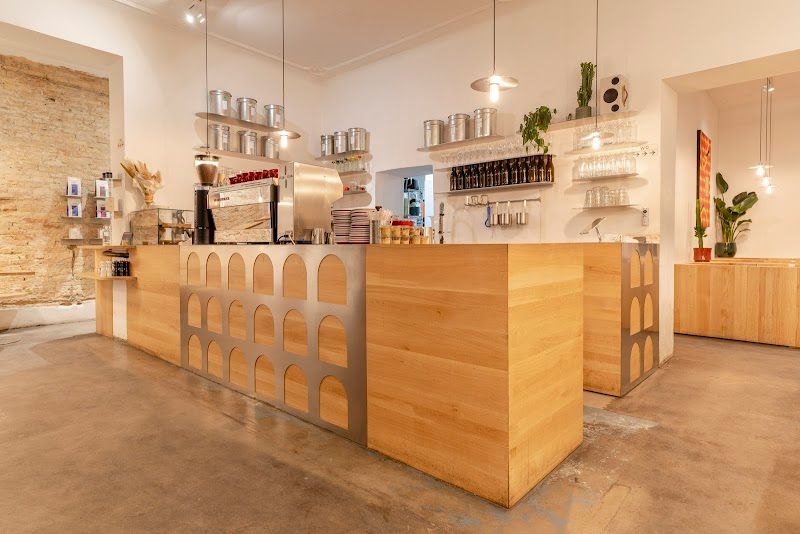
Silo Coffee
Minimalist coffee bar and micro-roastery in a former grain warehouse with exposed concrete and floor-to-ceiling windows. The focus is purely on coffee excellence with constantly rotating single-origin beans and expert baristas happy to discuss extraction ratios. No food, no wifi, just exceptional coffee.
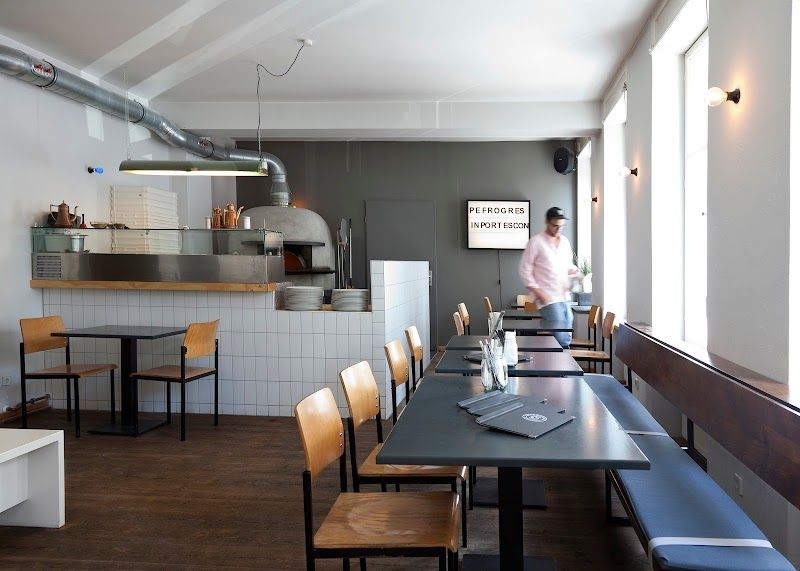
Standard Serious Pizza
Neapolitan-style pizza in Prenzlauer Berg with naturally leavened dough fermented 48 hours. The daily specials change based on seasonal produce, and they're serious about the 90-second bake time.
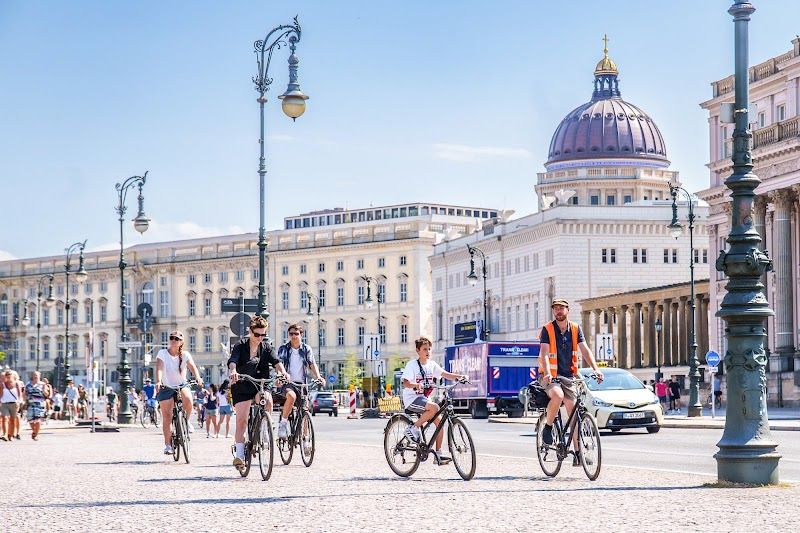
Berlin on Bike - Bike Rental & Tours
Specialized Cold War and Berlin Wall bike tour following the former death strip along 30km of preserved wall sections, watchtowers, and memorial sites. Expert guides explain the division's impact on daily life with stops at Checkpoint Charlie, East Side Gallery, and Mauerpark.
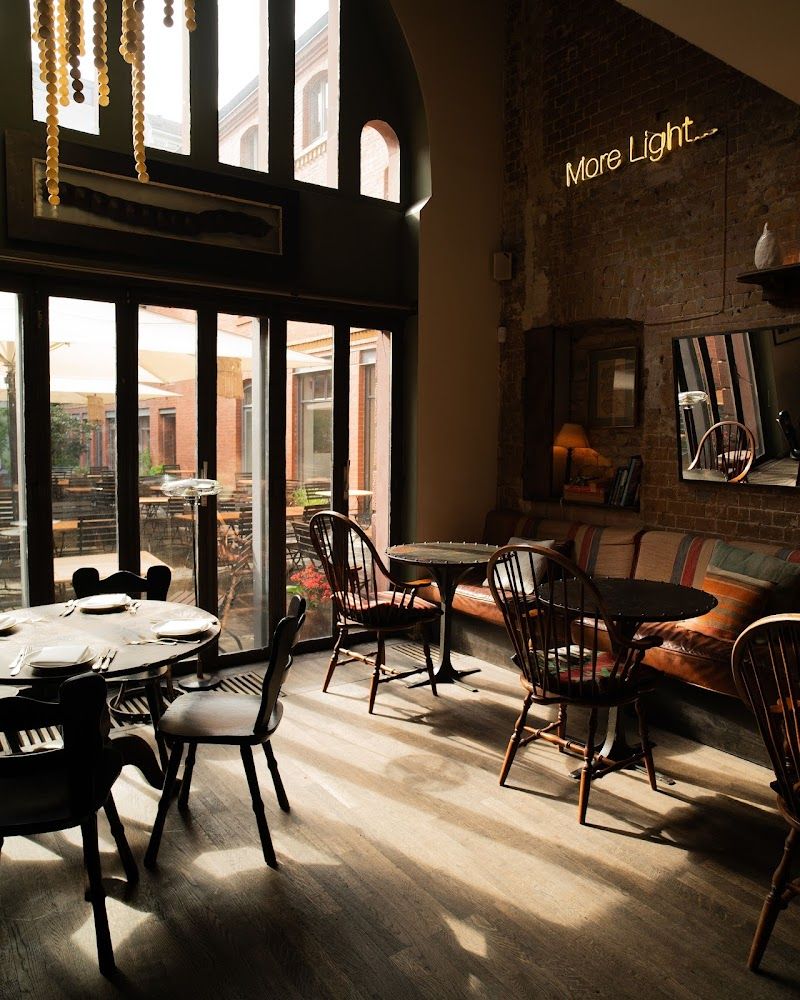
Katz Orange
Farm-to-table restaurant in a former brewery courtyard in Mitte, specializing in slow-roasted meats and organic vegetables. The changing menu reflects Brandenburg seasonal produce.
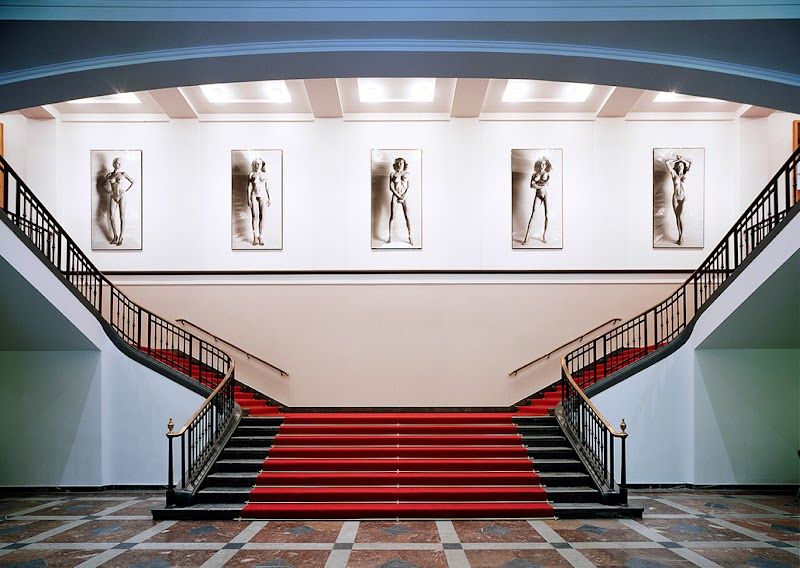
Museum für Fotografie
Dedicated photography museum housed in a restored 1950s building, showcasing the Helmut Newton Foundation collection alongside rotating exhibitions. The permanent collection features Newton's iconic fashion and portrait photography, while temporary exhibitions cover contemporary and historical photography. Intimate space with excellent curation.
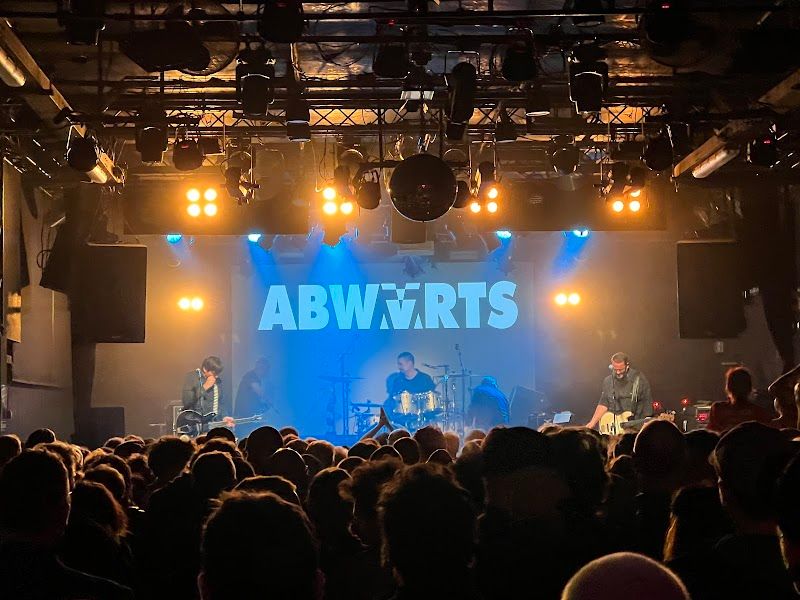
SO36
Historic punk venue operating since 1978, integral to Berlin's alternative and LGBTQ+ scenes. Hosts punk and hardcore concerts, themed club nights including the legendary Gayhane party, and political events. The gritty, unpretentious space maintains its underground spirit and community focus.
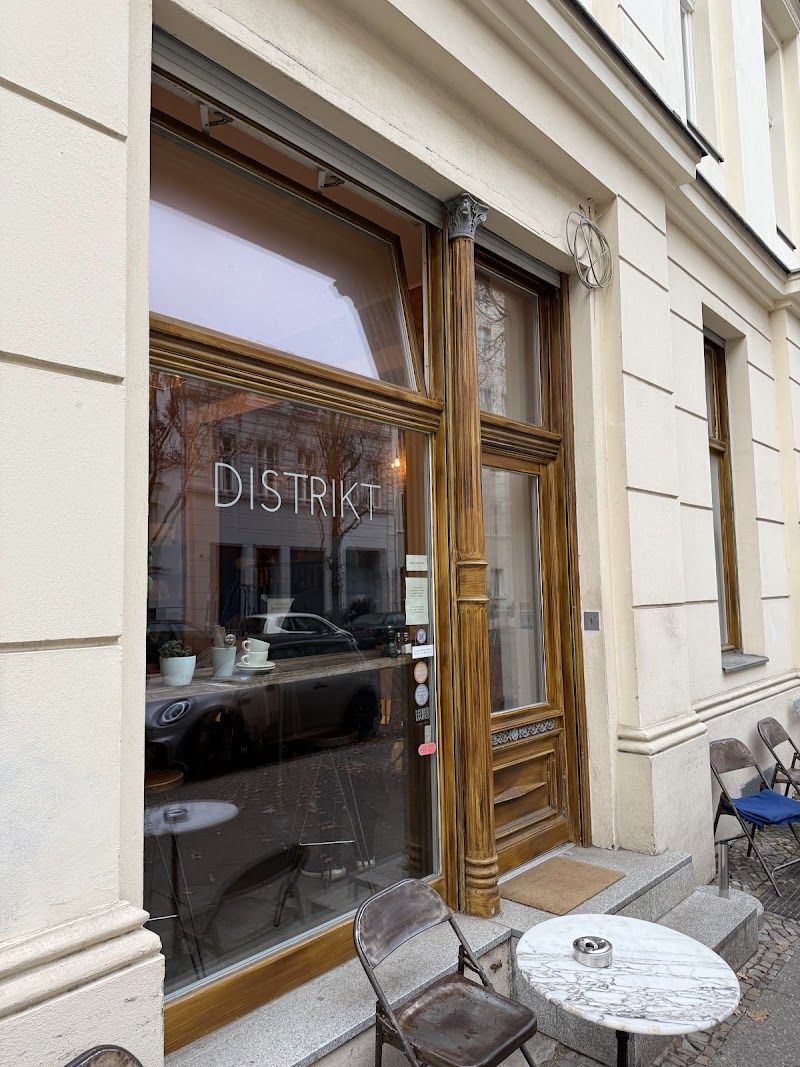
Distrikt Coffee
Industrial-chic café and roastery in a former factory space with 5-meter ceilings and concrete floors. The Berlin-roasted beans shine in meticulously prepared pour-overs and espresso drinks, while the food menu focuses on seasonal, locally-sourced ingredients. Popular with Mitte's creative professionals.
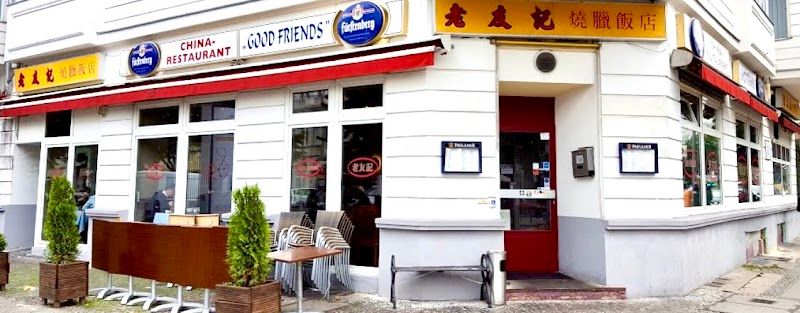
Good Friends
Authentic Cantonese restaurant that's been a Charlottenburg favorite since the 1980s, known for its dim sum and roasted meats. The restaurant features an open kitchen with hanging roasted duck and pork, and serves some of Berlin's best Chinese food. Popular with the local Chinese community, which is always a good sign.
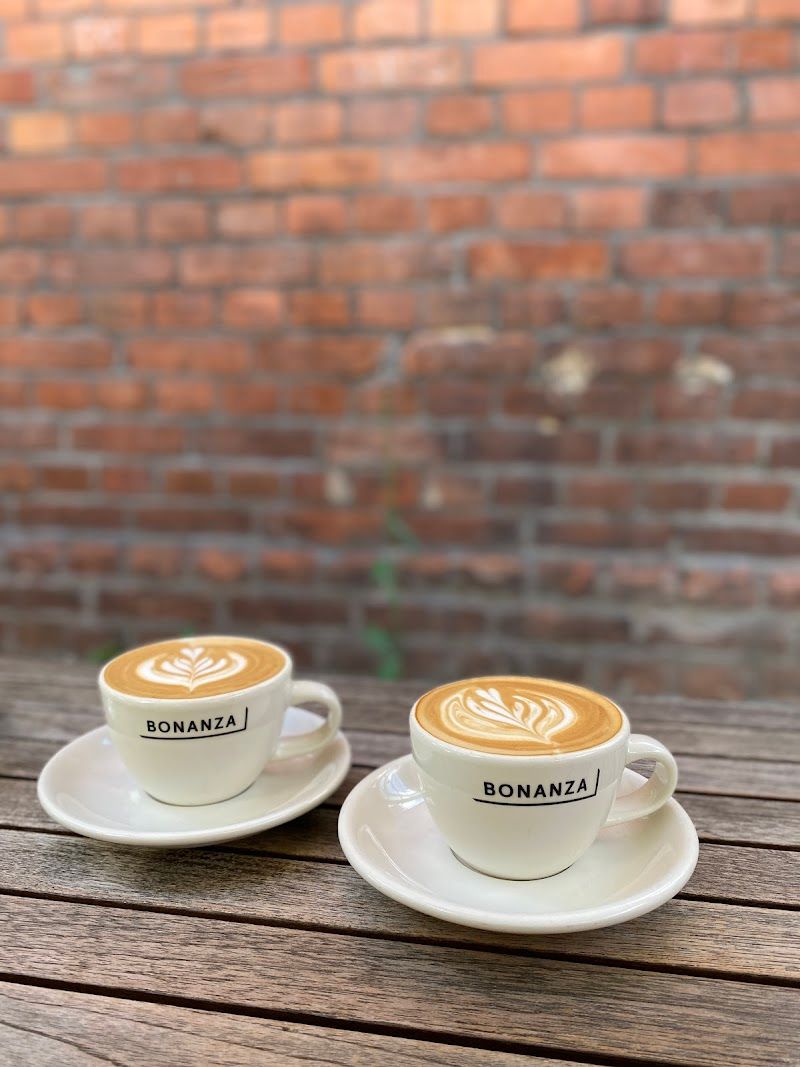
Bonanza Coffee
Industry-leading coffee roastery in a former brewery with an industrial aesthetic and serious barista credentials. The rotating selection of single-origin espressos and filters draws coffee professionals from across Europe. They pioneered the direct-trade model in Berlin's coffee scene.
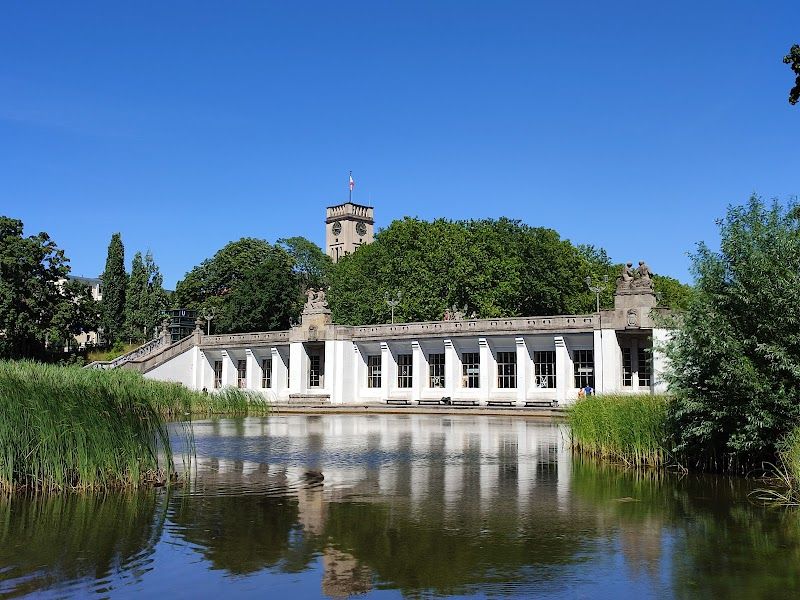
Rudolph-Wilde-Park
A peaceful green space in the heart of Schöneberg with mature trees, walking paths, and a charming pond. Popular with locals for morning jogs, picnics, and dog walking. The park features a beautiful rose garden and playground, making it a genuine neighborhood gathering spot.
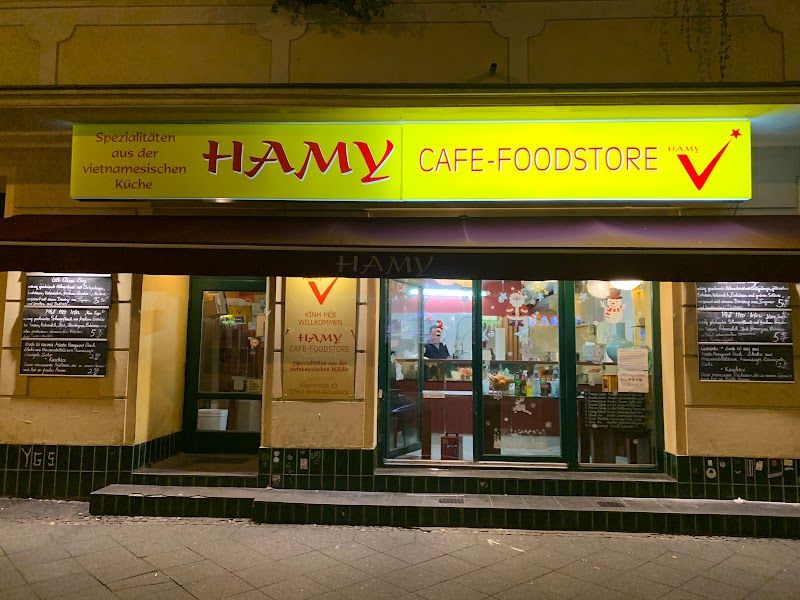
Hamy Cafe
Vietnamese restaurant in Lichtenberg serving pho, bun cha, and banh mi to the local Vietnamese community. Portions are generous, prices low, and the northern Vietnamese flavors are spot-on.
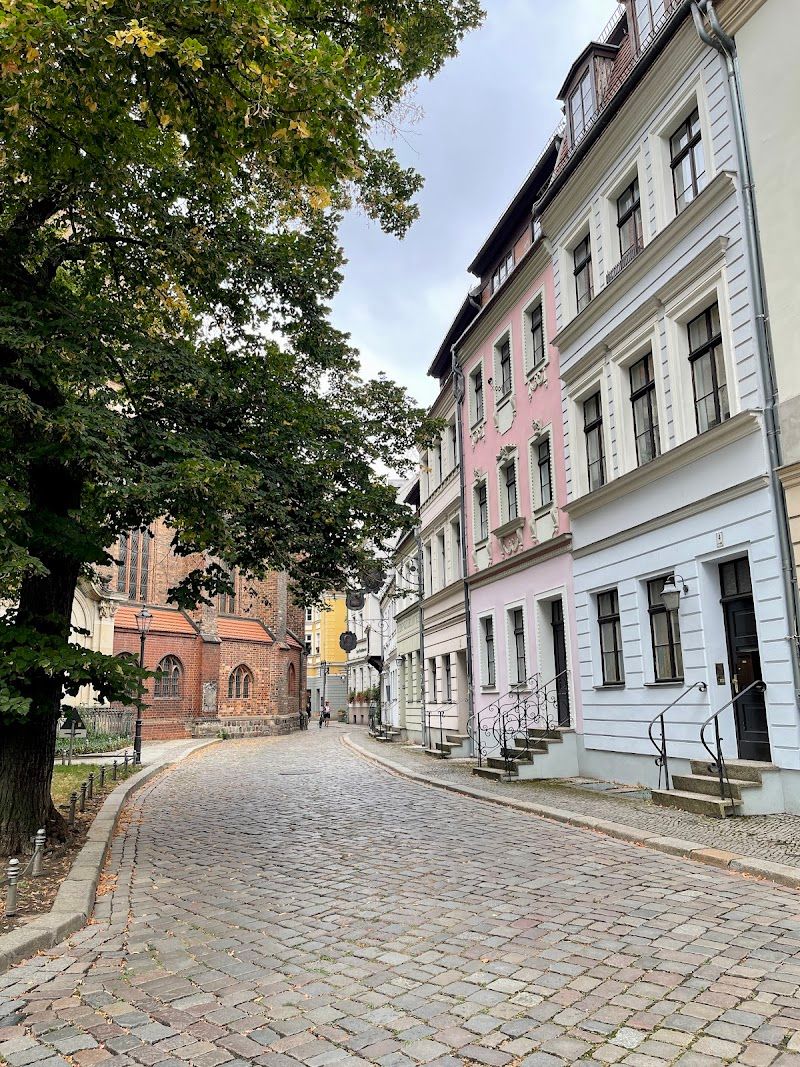
Nikolaiviertel
This reconstructed medieval quarter around Berlin's oldest church (1230) recreates the city's founding area with cobblestone lanes and gabled houses. While rebuilt in the 1980s as a GDR showcase project, the quarter preserves the street pattern and scale of historic Berlin. The Nikolaikirche itself contains a museum on Berlin's early history.
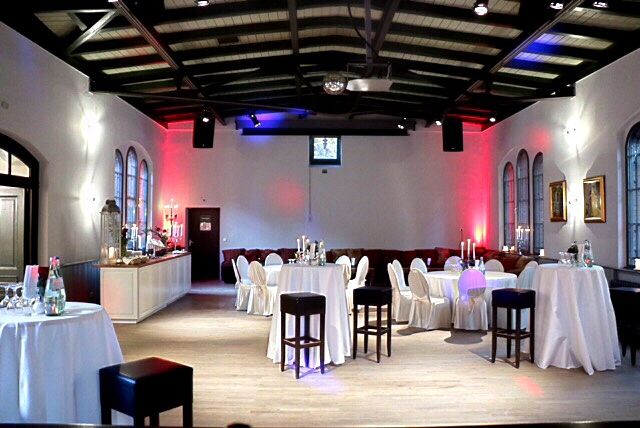
Tomasa
Israeli-Mediterranean restaurant in Neukölln's Schillerkiez serving sharing plates like roasted cauliflower with tahini and housemade laffa bread. Small natural wine selection rotates weekly.
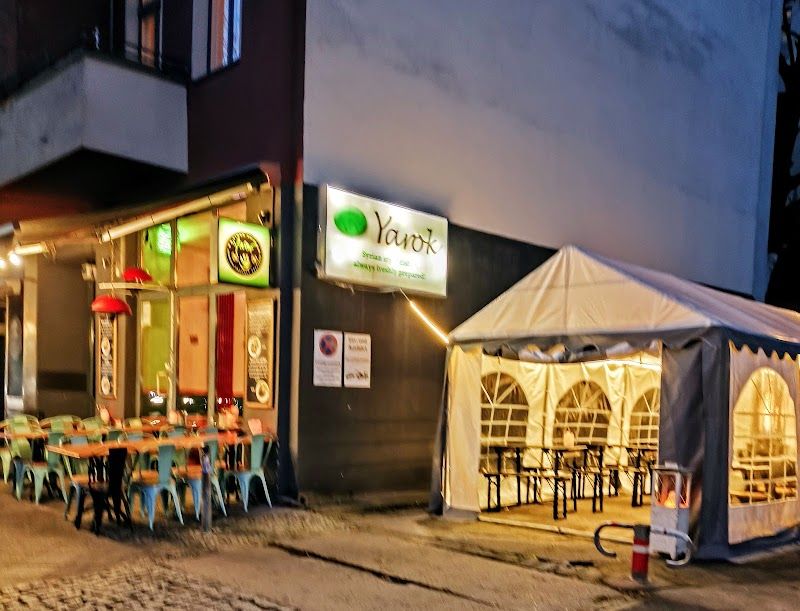
Yarok
Fine dining Israeli restaurant in Mitte focusing on seasonal vegetables and Middle Eastern techniques. The tasting menu changes monthly and features produce from Brandenburg organic farms.
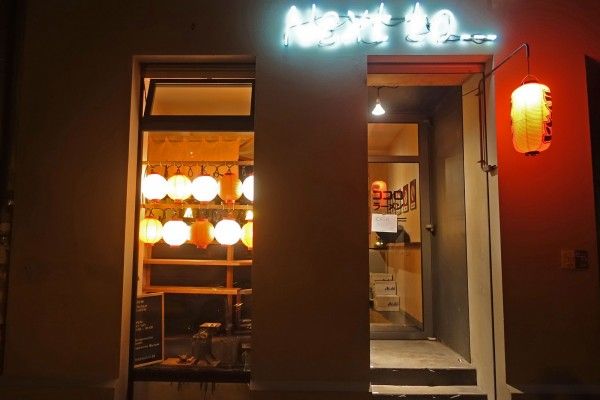
Cocolo Ramen
Tiny 20-seat ramen shop in Mitte serving rich tonkotsu broth simmered for 18 hours. No reservations, cash preferred, and they close when the broth runs out.
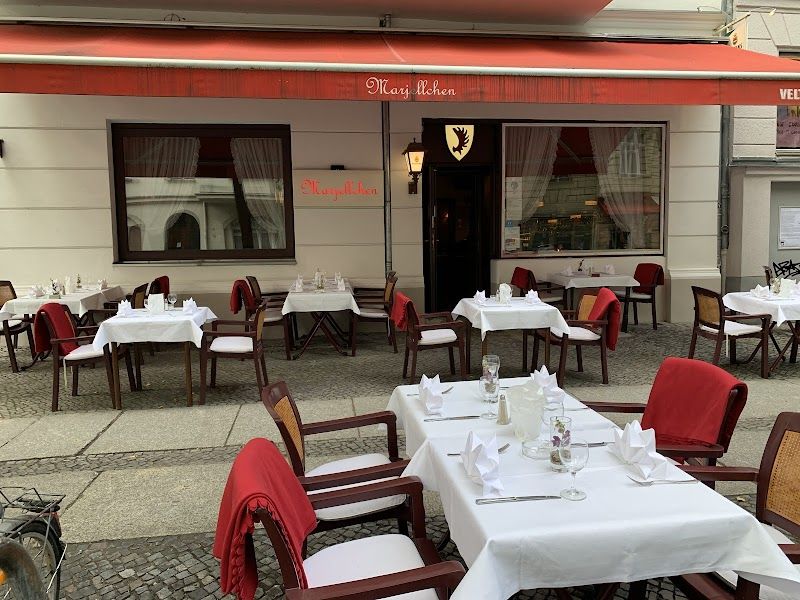
Restaurant Marjellchen
Cozy traditional restaurant serving authentic East Prussian cuisine in a warm, nostalgic setting with old photographs and memorabilia. The menu features hearty dishes from former German eastern territories like Königsberger Klopse and various game preparations. This family-run establishment has been a Charlottenburg institution since 1982.
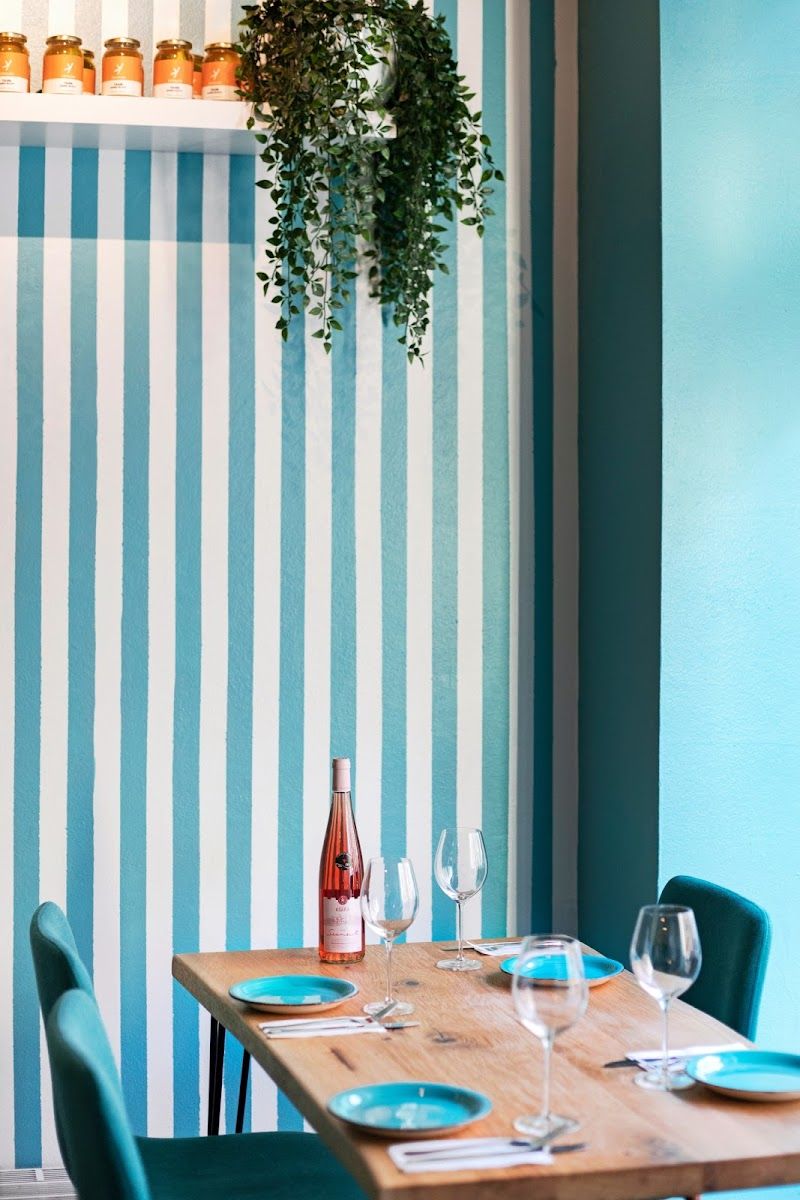
Kanaan
Prenzlauer Berg restaurant celebrating Palestinian-Israeli cuisine with dishes like hummus msabbaha and fried cauliflower with tahini. Run by a Palestinian-Jewish duo promoting coexistence through food.
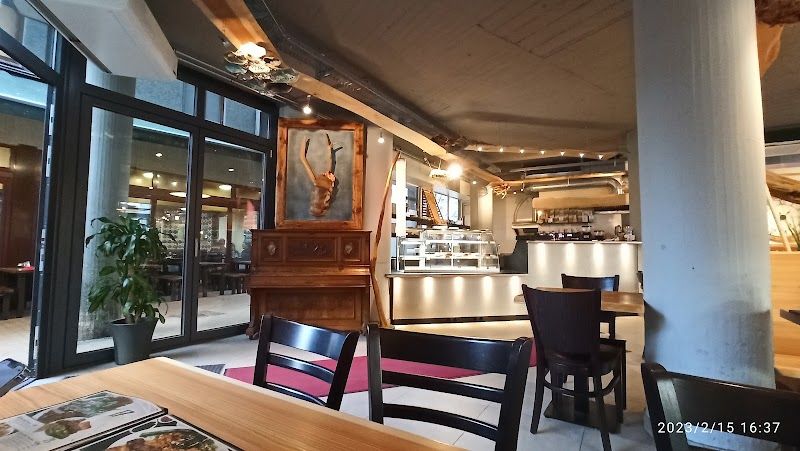
Doyum Grillhaus
No-frills Kreuzberg grill house serving charcoal-grilled meats, lahmacun, and Adana kebap until late. The mixed grill plate for two is piled high with lamb chops, chicken wings, and köfte.
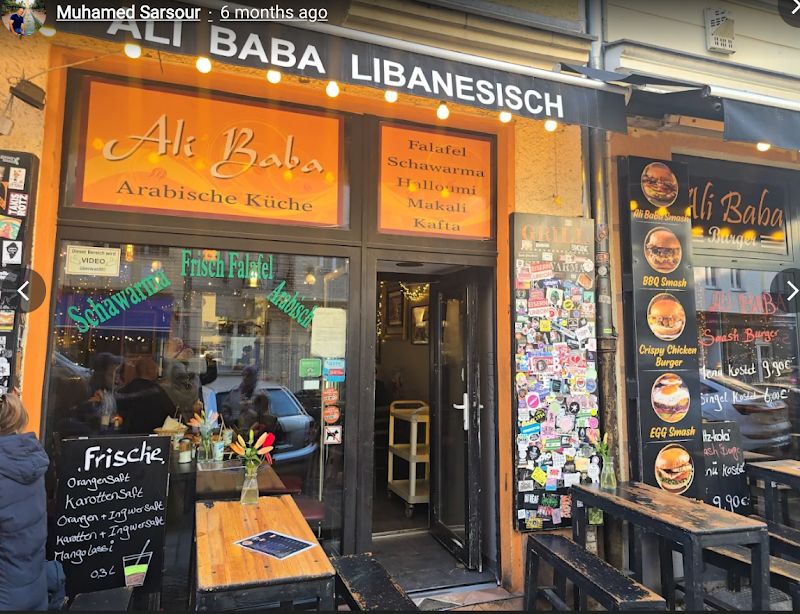
Ali Baba Falafel & Shisha Lounge
No-frills spot serving some of Berlin's best falafel wraps with perfectly crispy balls and generous fresh vegetables. The homemade sauces and warm pita bread make this a local favorite for a quick, satisfying meal. Despite the simple setting, the quality and value are outstanding.
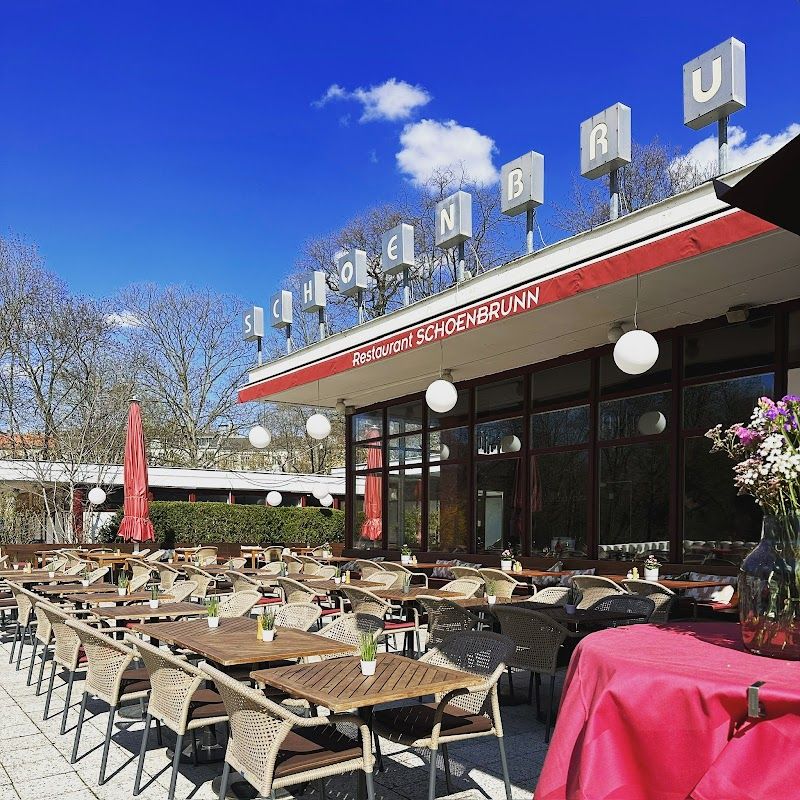
Schoenbrunn
Viennese restaurant in Kreuzberg serving schnitzel, tafelspitz, and Kaiserschmarrn in a wood-paneled dining room. The Sunday brunch includes Sekt and draws local families.
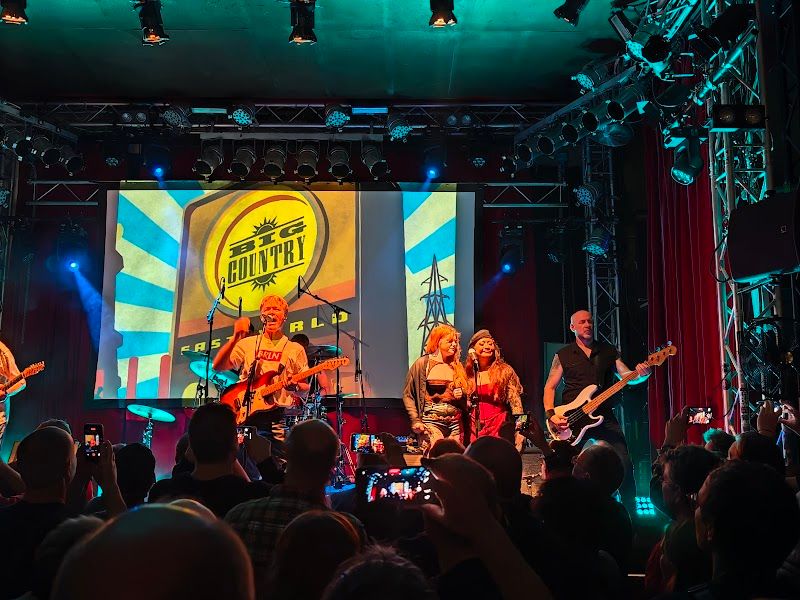
Lido
Versatile concert venue and club in a former cinema hosting live indie, rock, electronic, and hip-hop acts before transitioning to DJ sets. The intimate 500-capacity hall features a balcony level and excellent acoustics. Regular club nights on weekends span house, techno, and disco.
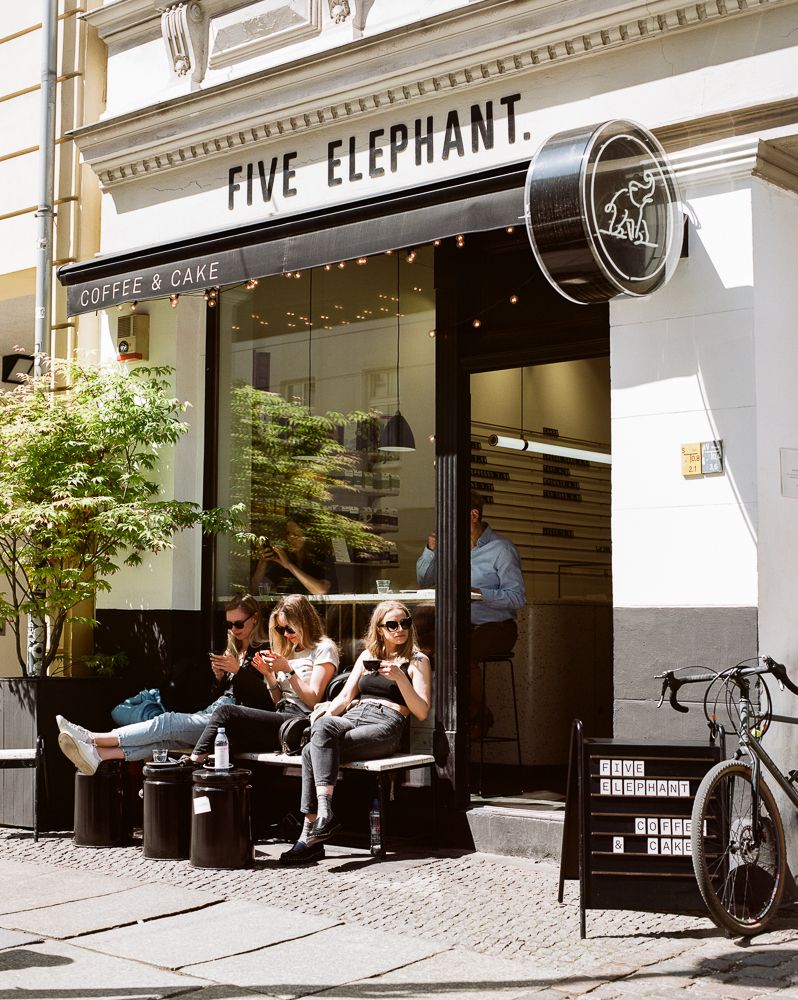
Five Elephant
American-style cheesecake meets third-wave coffee in this Reichenberger Kiez favorite housed in a bright corner space. The creamy New York cheesecake is legendary among locals, and the expertly pulled espresso uses their own roasted beans. Weekend brunch queues stretch down the block.
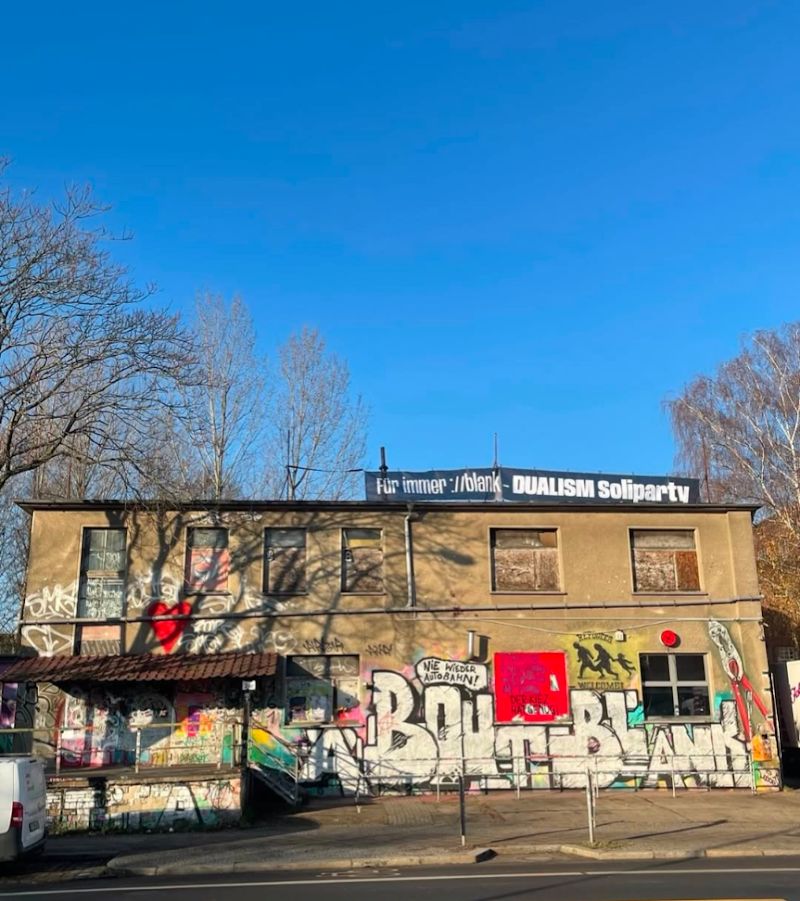
about:blank
Raw outdoor club space in an industrial courtyard featuring two floors, a large garden, and a no-frills approach to techno and house. The open-air setting hosts Sunday day parties that run until Monday evening. Known for a welcoming, queer-friendly atmosphere and strictly enforced photo ban.
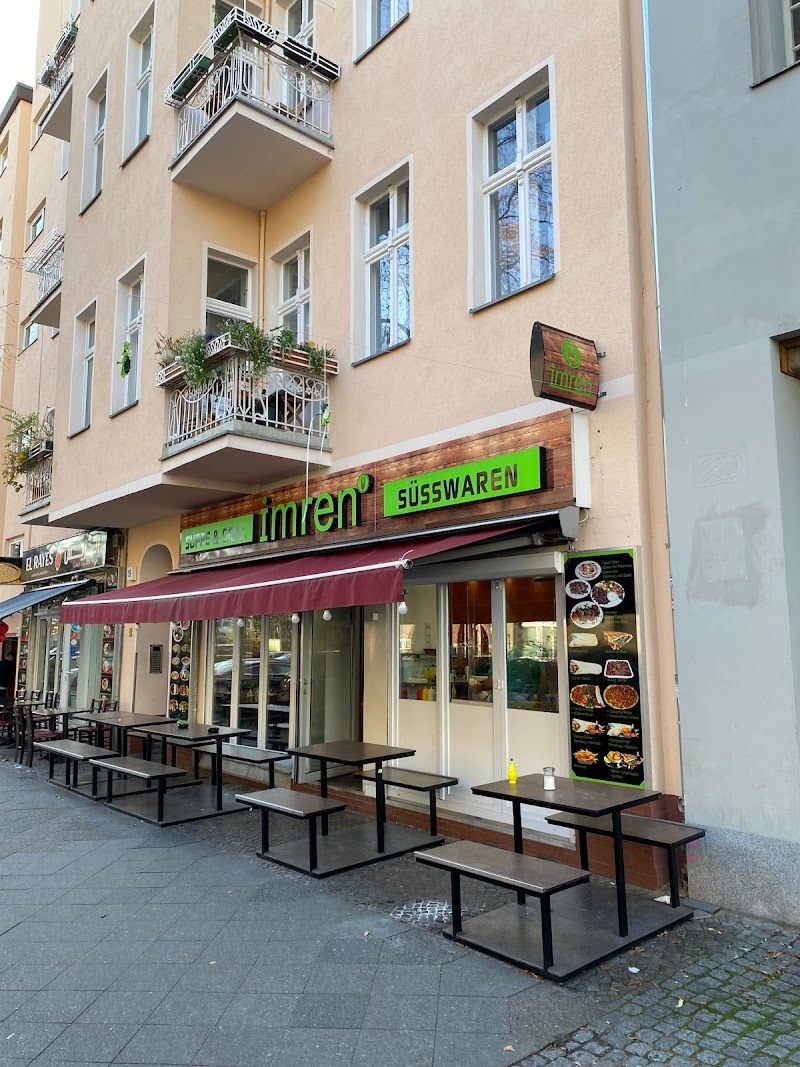
Imren Grill
Wedding döner institution since 1985, famous for their charcoal-grilled döner and generous ayran. Family-run with the same recipes for four decades.
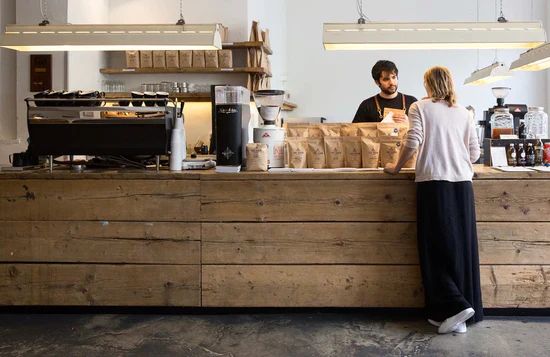
The Barn Roastery
Berlin's pioneering specialty coffee roaster in a minimalist space with exposed brick and concrete. Watch beans being roasted while sipping meticulously prepared pour-overs from single-origin beans sourced directly from farms. The flat white here set the standard for third-wave coffee in Germany.
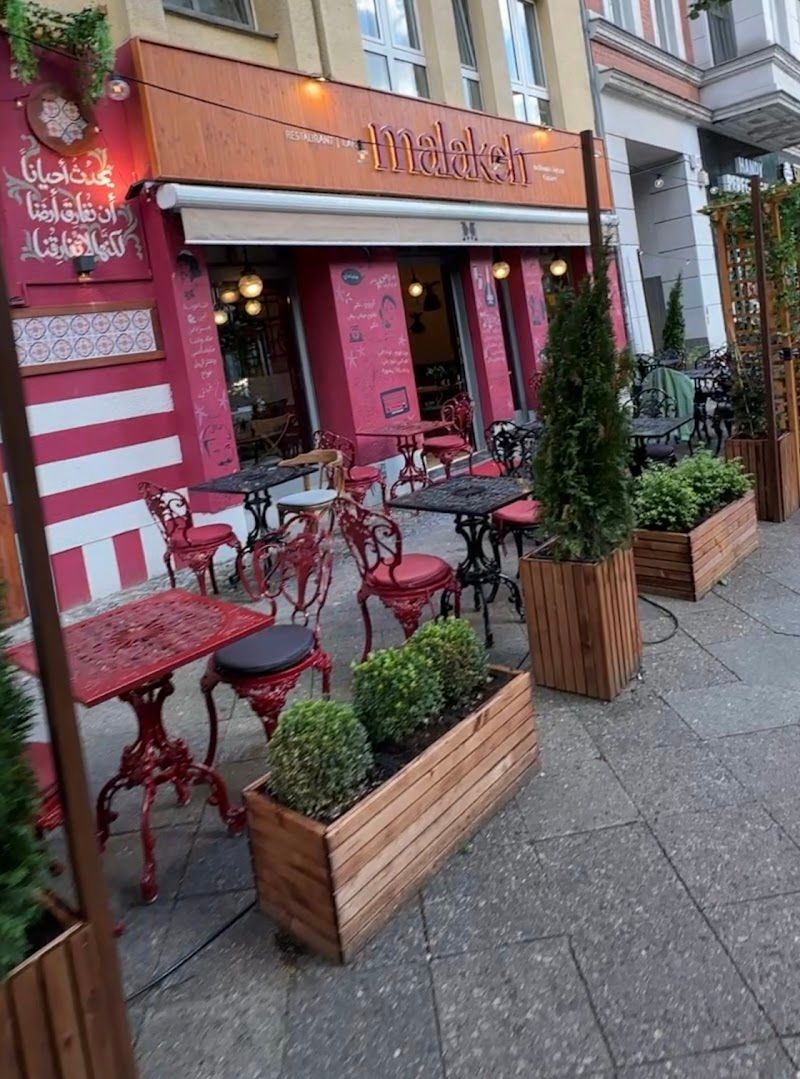
Malakeh
Syrian restaurant in Charlottenburg run by a Damascus-trained chef, serving delicate fattoush, slow-cooked makloubeh, and the best hummus in Berlin according to Syrian regulars.
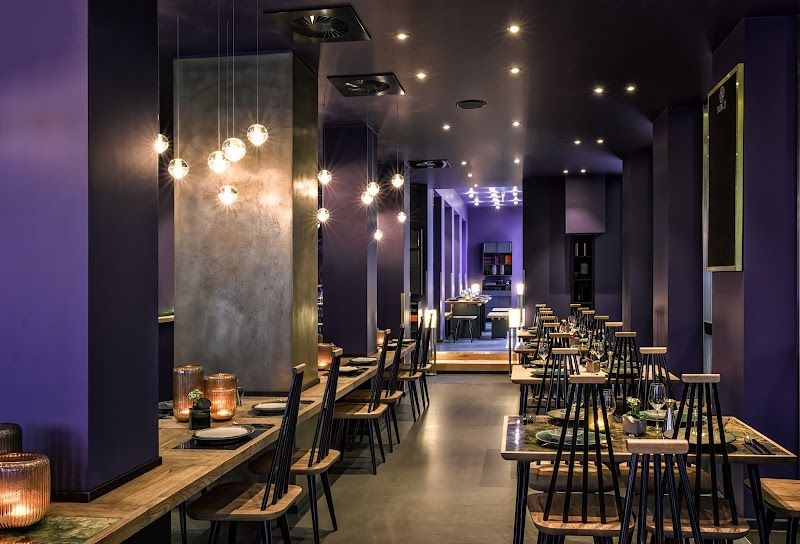
Dudu
Vietnamese-Asian fusion in Mitte with a focus on fresh summer rolls, pho, and creative cocktails. The space is stylish and the playlist is always on point.
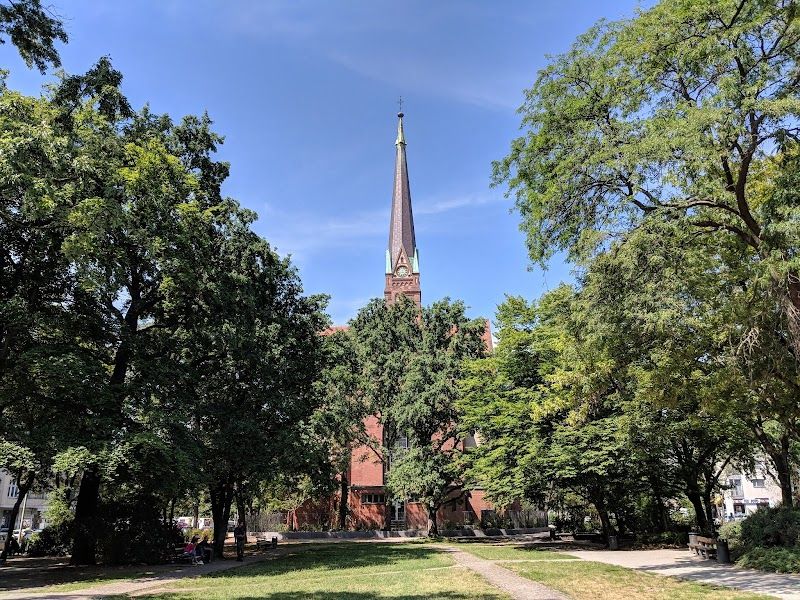
Kleine Tiergarten
Charming urban park in the heart of Moabit with winding paths, mature trees, and open green spaces. This smaller cousin to the Großer Tiergarten offers a peaceful retreat with playgrounds, a small rose garden, and plenty of spots for picnics. Popular with joggers and families from the surrounding neighborhood.
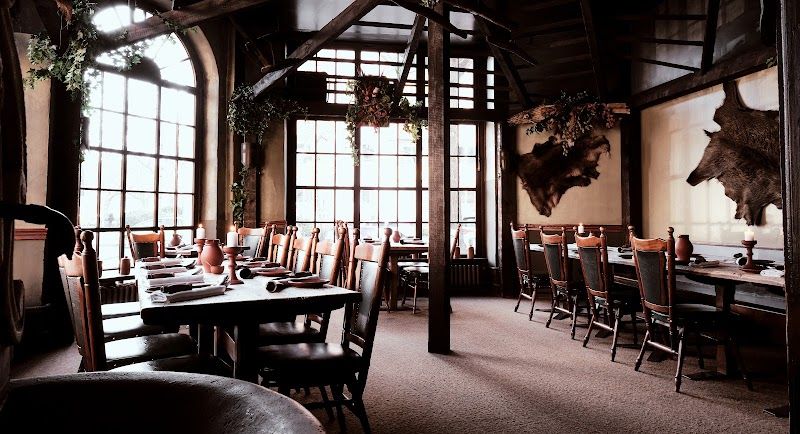
Berlins Tafelrunde
Dinner party cooking classes in a professional kitchen near Prenzlauer Berg's Kollwitzplatz. Learn to prepare a complete three-course German menu with wine pairings, then sit down together to enjoy your creations in a convivial group atmosphere.
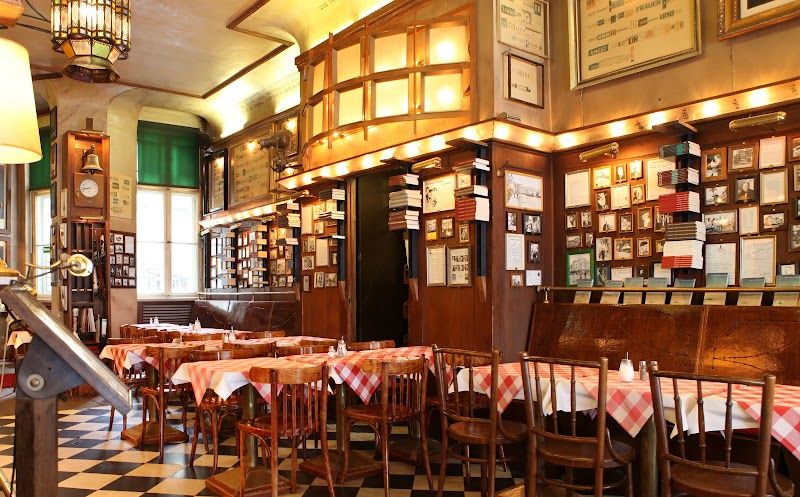
Joseph-Roth-Diele
A hidden gem authentic Berlin tavern serving traditional German comfort food in an intimate, literary-themed setting. Named after the famous Austrian-German writer, this no-frills restaurant offers hearty schnitzels, rouladen, and daily changing lunch specials at remarkably fair prices.
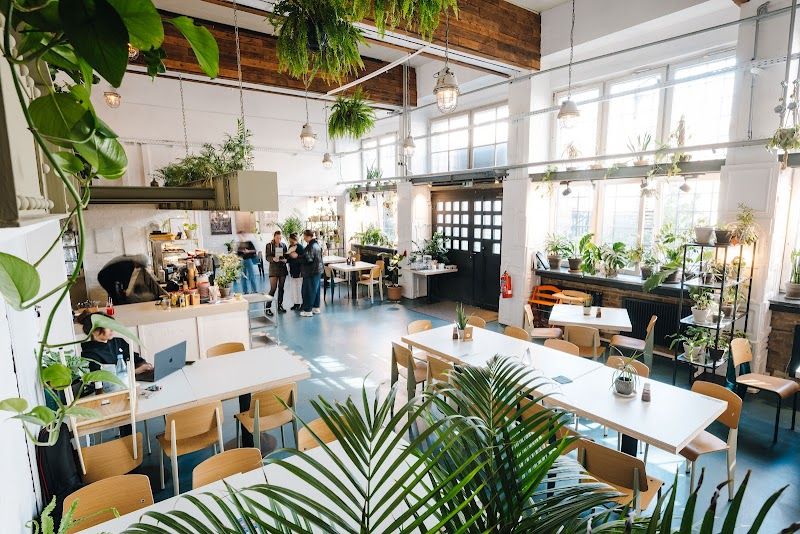
Green in Prenz
Cozy neighborhood bar and café on Akazienstraße known for its relaxed atmosphere and excellent breakfast menu served until late afternoon. Popular with locals for its comfortable seating, good coffee, and casual vibe. The outdoor seating is perfect for people-watching on this charming street.
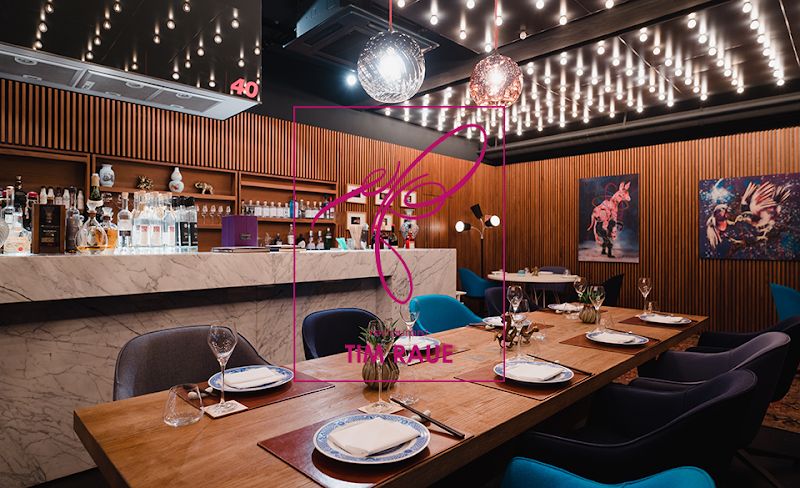
Tim Raue
Two Michelin-starred restaurant in Kreuzberg combining Asian techniques with European ingredients. The signature menu explores Japanese-Thai-Chinese flavors through a Berlin lens.
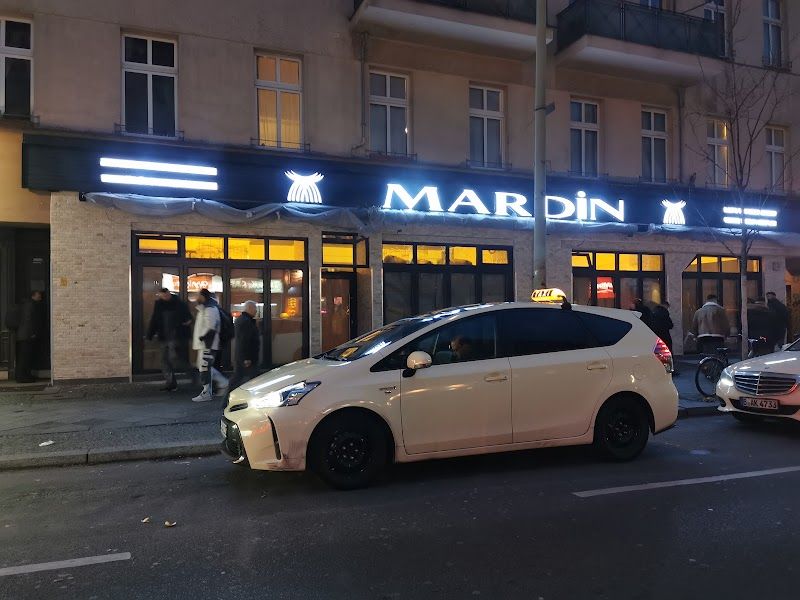
Kreuzberg Kulinarisch
Guided food tour through multicultural Kreuzberg sampling Turkish börek, Kurdish lahmacun, Vietnamese pho, and craft beer at local institutions. Groups visit 5-6 family-run spots with insights into Berlin's immigrant food culture and the neighborhood's transformation.
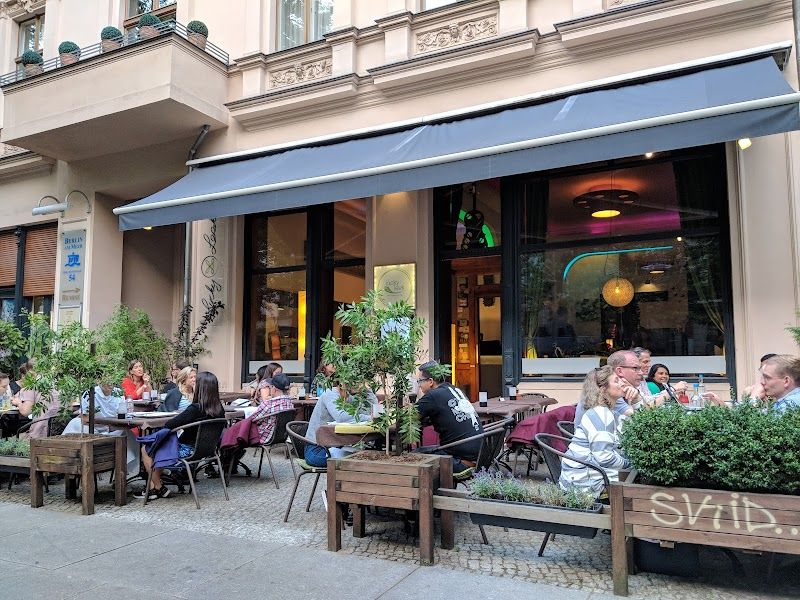
Lucky Leek
Upscale vegan restaurant in Prenzlauer Berg with refined plant-based cuisine that even meat-eaters rave about. The mushroom consommé and celery schnitzel are technical showcases.
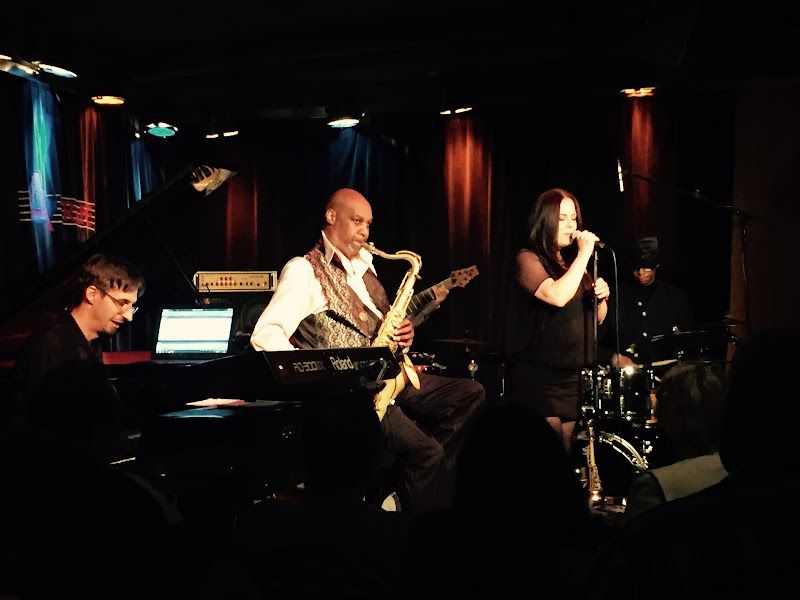
A-Trane
Intimate jazz club in Charlottenburg presenting world-class musicians in a 70-seat room with excellent acoustics. Operating since 1992, it features nightly concerts spanning mainstream jazz, avant-garde, and international guest artists. The small space creates an up-close, authentic jazz club atmosphere.
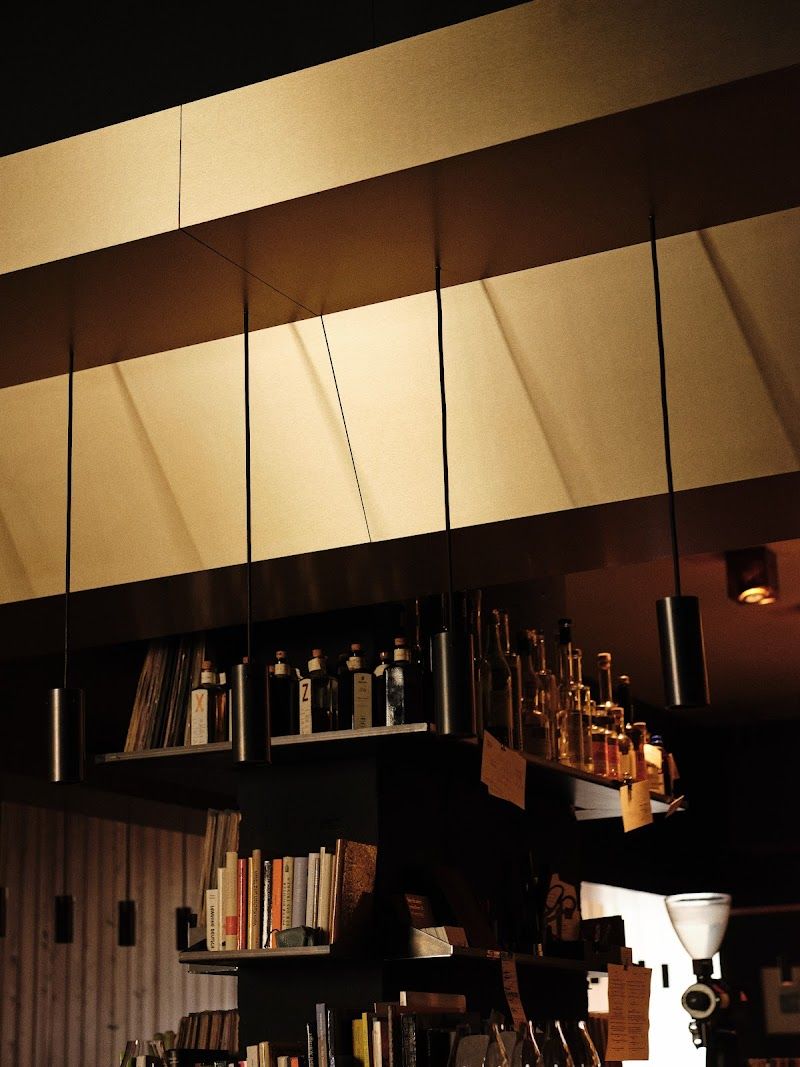
Nobelhart & Schmutzig
Michelin-starred restaurant in Kreuzberg serving only ingredients from within 200km of Berlin. The brutally local philosophy means no lemons, no bananas, no olive oil -just Brandenburg terroir.
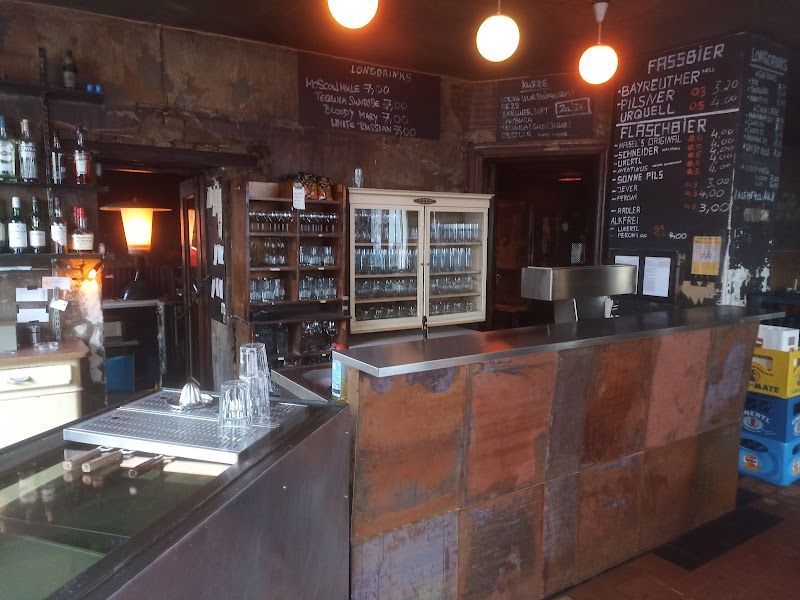
Ä
An intimate neighborhood restaurant known for innovative, seasonal German cuisine with a constantly changing menu. The chefs work in an open kitchen, creating a personal dining experience where every dish showcases local ingredients. Reservations are essential at this Michelin-recommended spot.
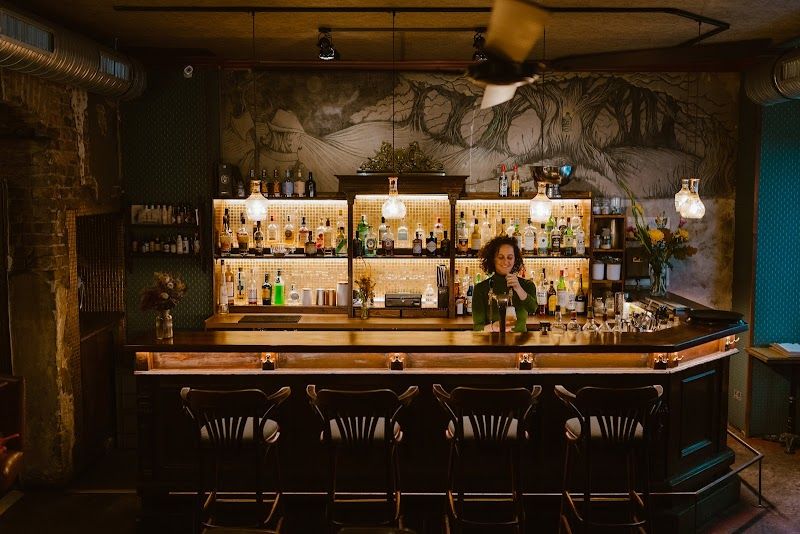
Geist im Glas
A craft cocktail bar focusing on house-made infusions and seasonal ingredients, with an ever-changing menu of creative drinks. The intimate space has a speakeasy feel with expert bartenders who take pride in their craft. They also offer cocktail-making workshops.
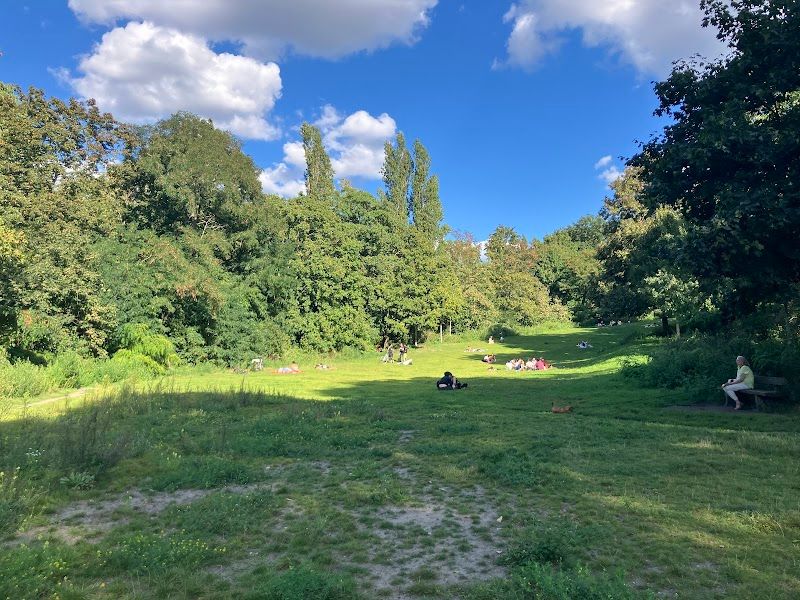
Fritz-Schloß-Park
A peaceful neighborhood park in Moabit featuring open lawns, playgrounds, and tree-lined paths. Popular with local families and dog walkers, it offers a quiet escape from the urban bustle. The park has a small pond and plenty of benches for relaxing.
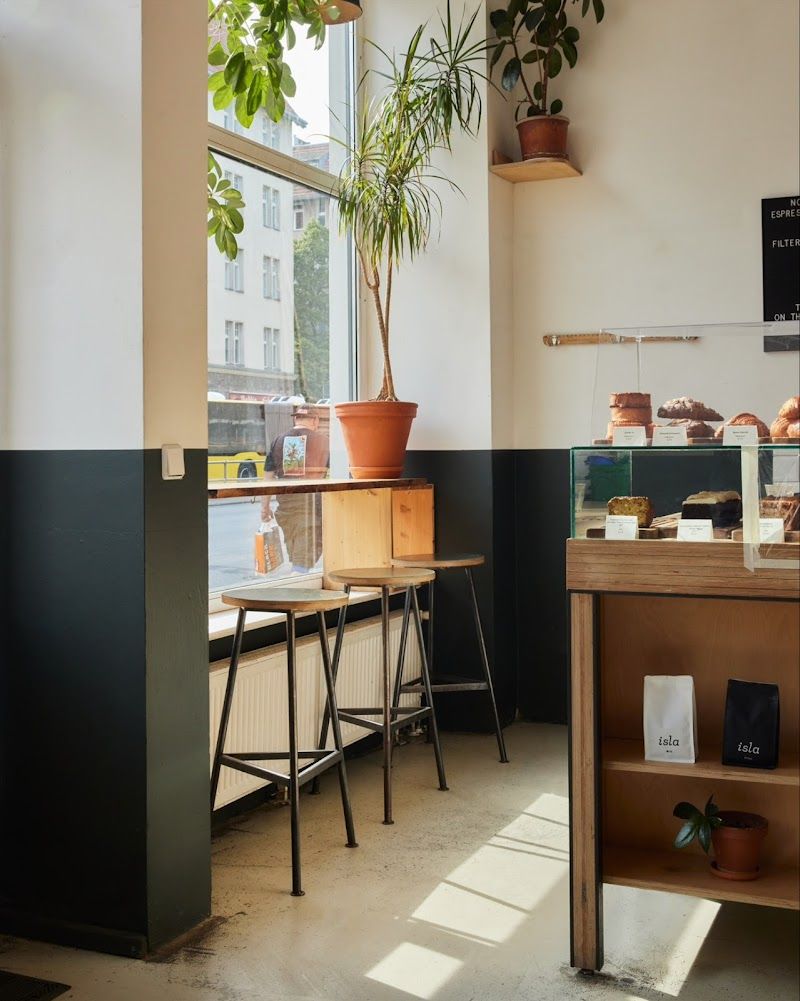
Isla Coffee Berlin
Award-winning micro-roastery and café in Wedding focused on Colombian single-origin beans and experimental processing. The Colombian owners bring direct relationships with farmers, and the rotating menu includes rare varieties impossible to find elsewhere. The cortado is perfectly balanced.
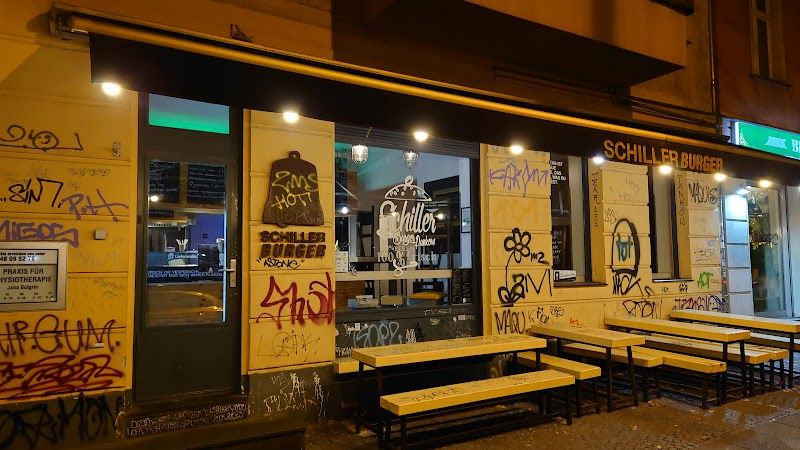
Schiller Burger
A neighborhood burger joint serving high-quality patties with creative toppings in a casual, friendly setting. Their burgers use locally sourced beef and come with perfectly crispy fries and homemade sauces.
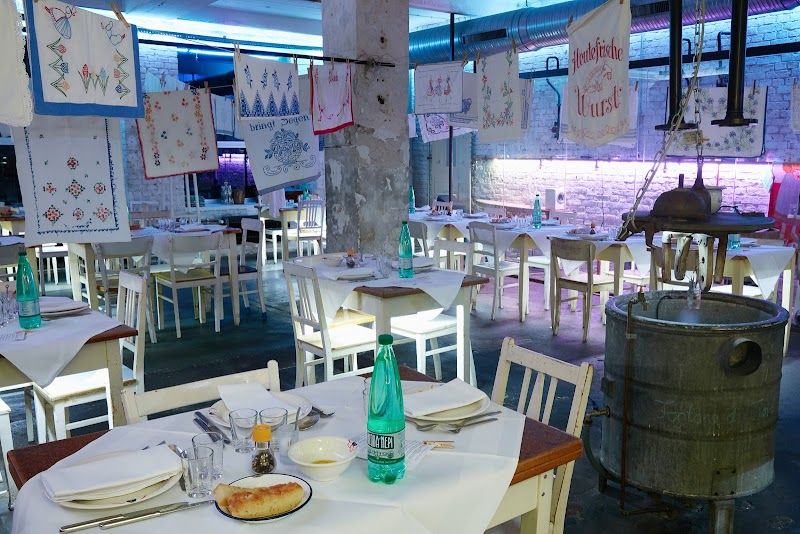
Lavanderia Vecchia
A cozy Italian restaurant housed in a former laundromat, serving authentic Neapolitan-style pizzas and homemade pasta. The intimate atmosphere and traditional recipes make it a neighborhood favorite. The wine selection features excellent Italian natural wines.
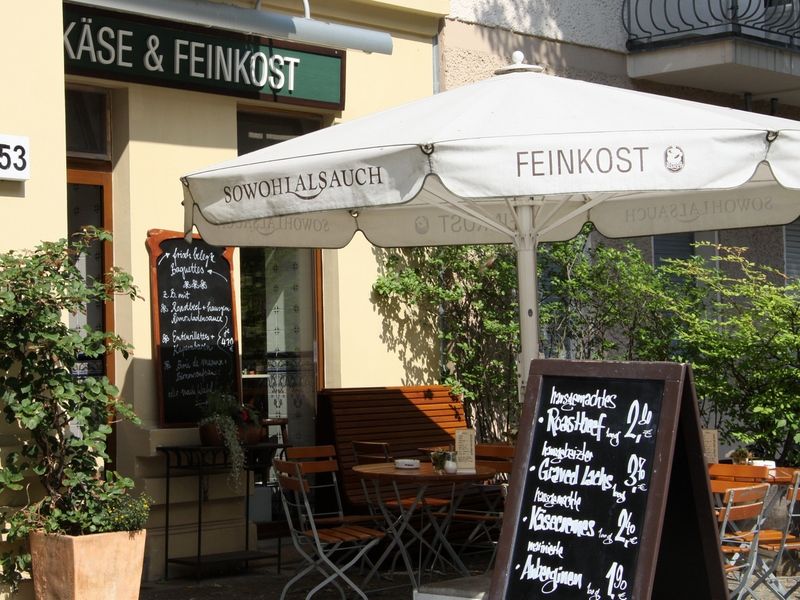
Kaffeehaus SowohlAlsAuch
Charming café in a renovated corner building serving exceptional homemade cakes and regional German breakfast specialties. The bright, airy space with high ceilings and large windows creates a perfect reading spot. The Sachertorte and Apfelstrudel rival Vienna's best.
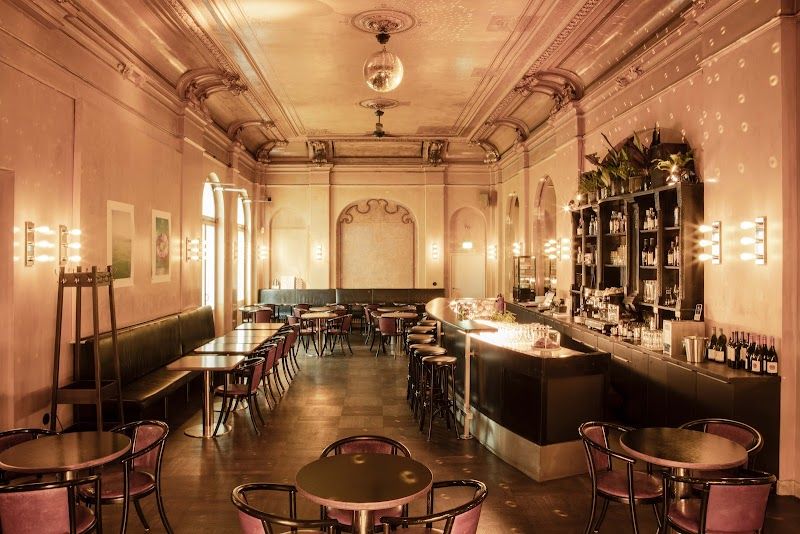
Café Rix
A retro-style café and bar located in a former cinema, featuring vintage décor, a large outdoor terrace, and a diverse menu ranging from breakfast to late-night snacks. It's a popular spot for weekend brunch and evening drinks. The interior retains charming details from its cinema days.
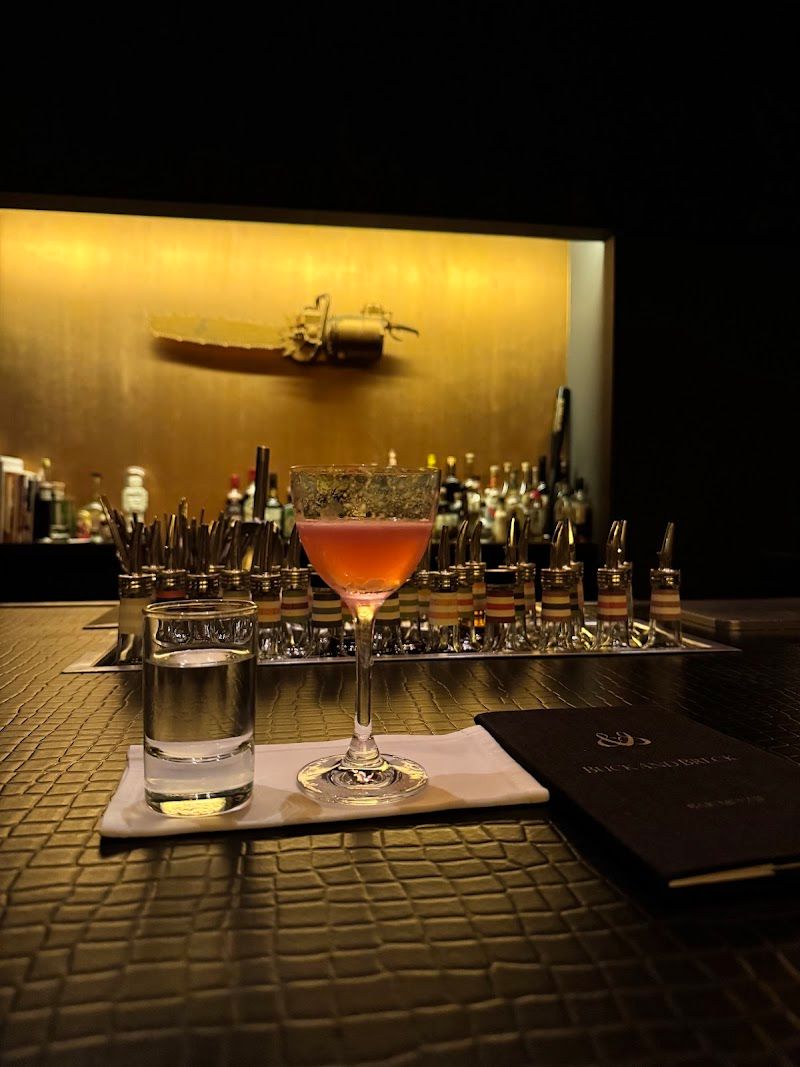
Buck and Breck
Unmarked speakeasy-style cocktail bar requiring a buzzer entry, limited to 20 guests at a time. Gonçalo de Sousa Monteiro crafts precise classics and inventive drinks in an intimate, conversation-focused setting. No menu -describe your preferences and let the bartender guide you.
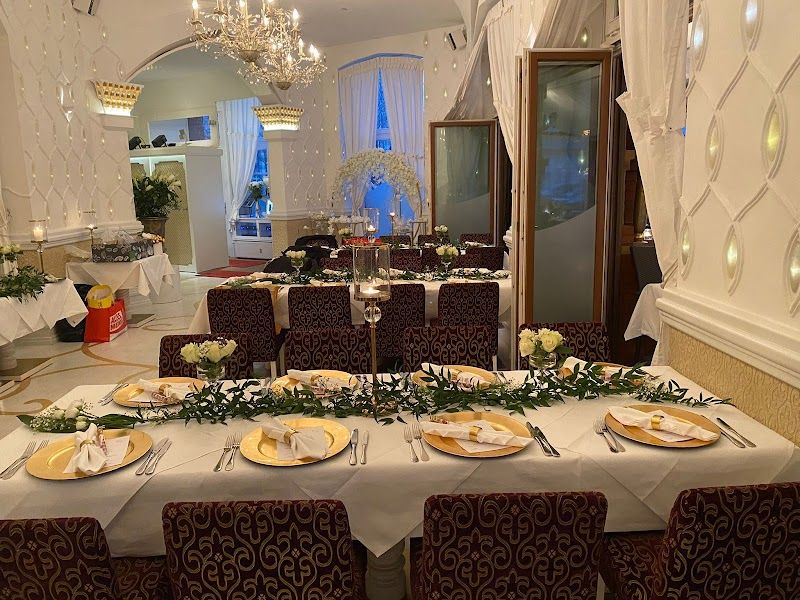
Osmanya Restaurant
Somali-Ethiopian restaurant in Wedding serving injera with spiced stews, sambusas, and strong Ethiopian coffee. The vegetarian combination platter showcases six different lentil and vegetable preparations.
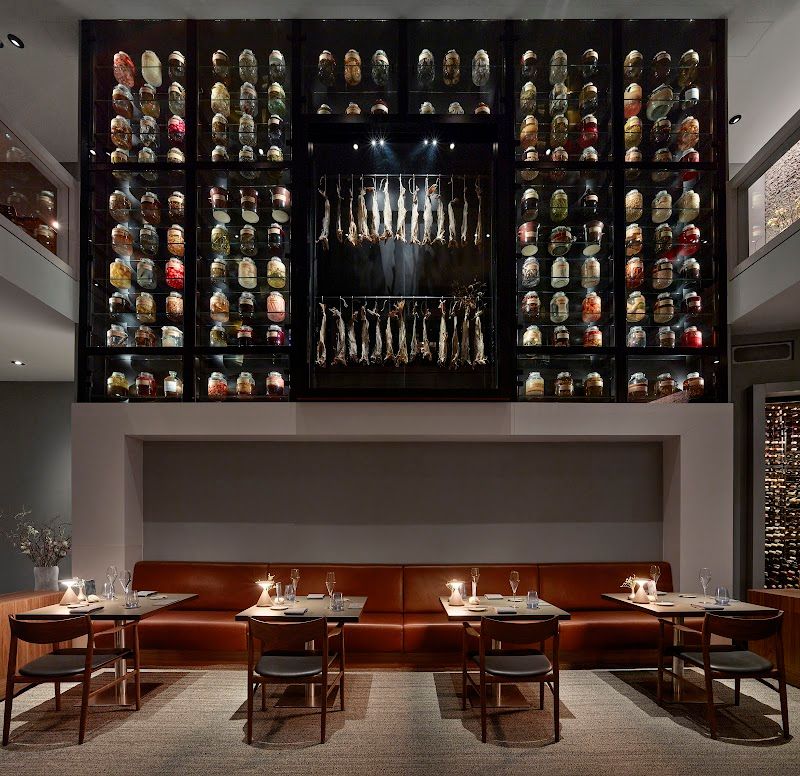
Rutz Weinbar
Michelin-starred restaurant in Mitte with one of Germany's best wine lists featuring 1,000+ labels. The tasting menus are modern German cuisine with technical precision.
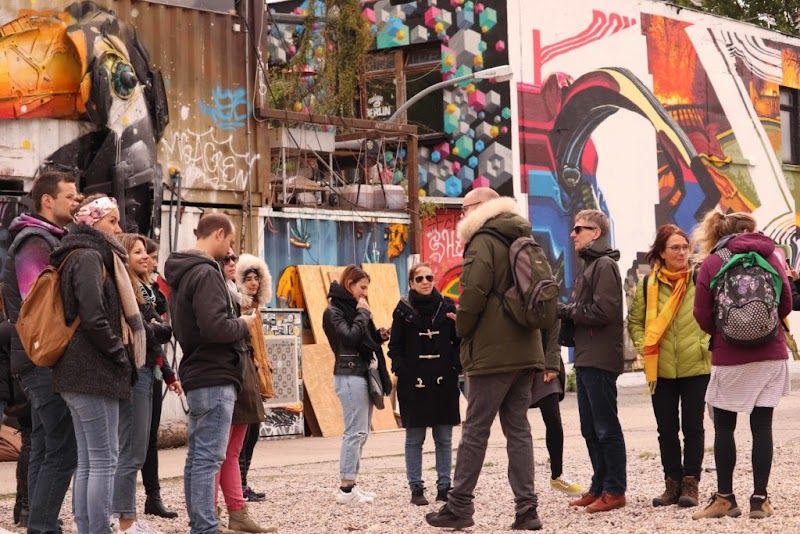
Alternative Berlin Tours
Countercultural tours led by local artists, musicians, and activists exploring Berlin's underground scene. The Street Art and Graffiti Workshop includes a 2-hour neighborhood walk followed by hands-on spray painting instruction under a highway overpass with all materials provided.
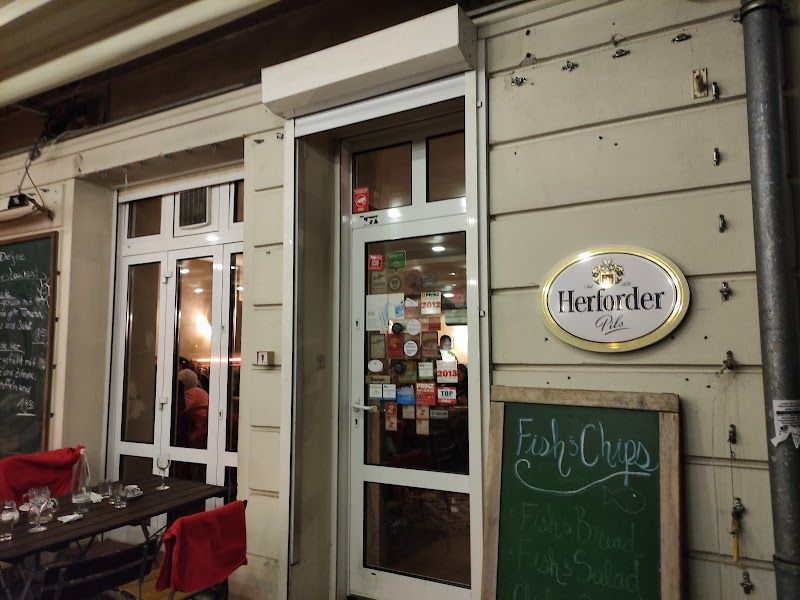
Defne
Traditional Turkish restaurant in Kreuzberg specializing in Anatolian home cooking like manti, pide, and slow-cooked lamb. The meze selection changes daily based on what's fresh at the Turkish market.
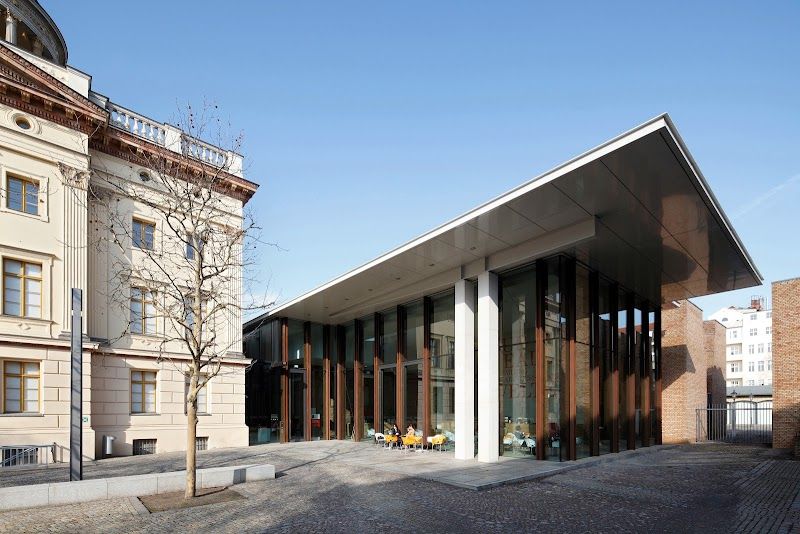
Sammlung Scharf-Gerstenberg
This specialist museum opposite Charlottenburg Palace focuses on Surrealism and its predecessors from Piranesi through Goya to Dalí, Magritte, and Max Ernst. The collection emphasizes fantastical and grotesque imagery across centuries. The intimate scale and thematic focus provide relief from Museum Island's encyclopedic institutions.
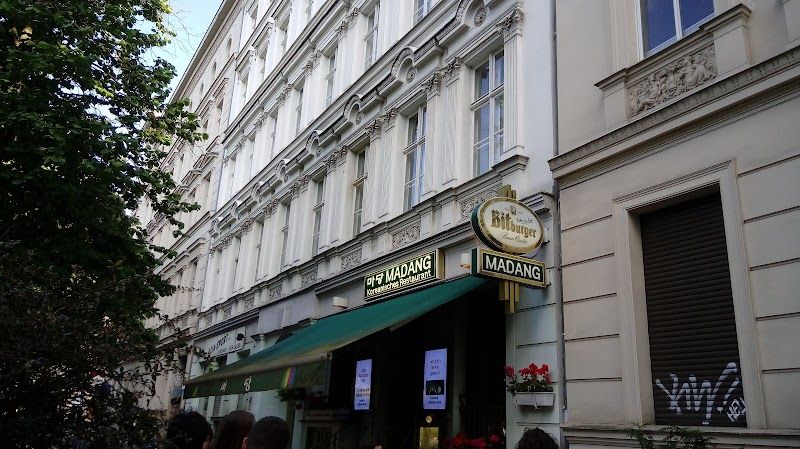
Madang
Korean BBQ restaurant in Charlottenburg where you grill marinated meats at your table. The banchan side dishes are continuously refilled, and the kimchi is fermented in-house for six weeks.
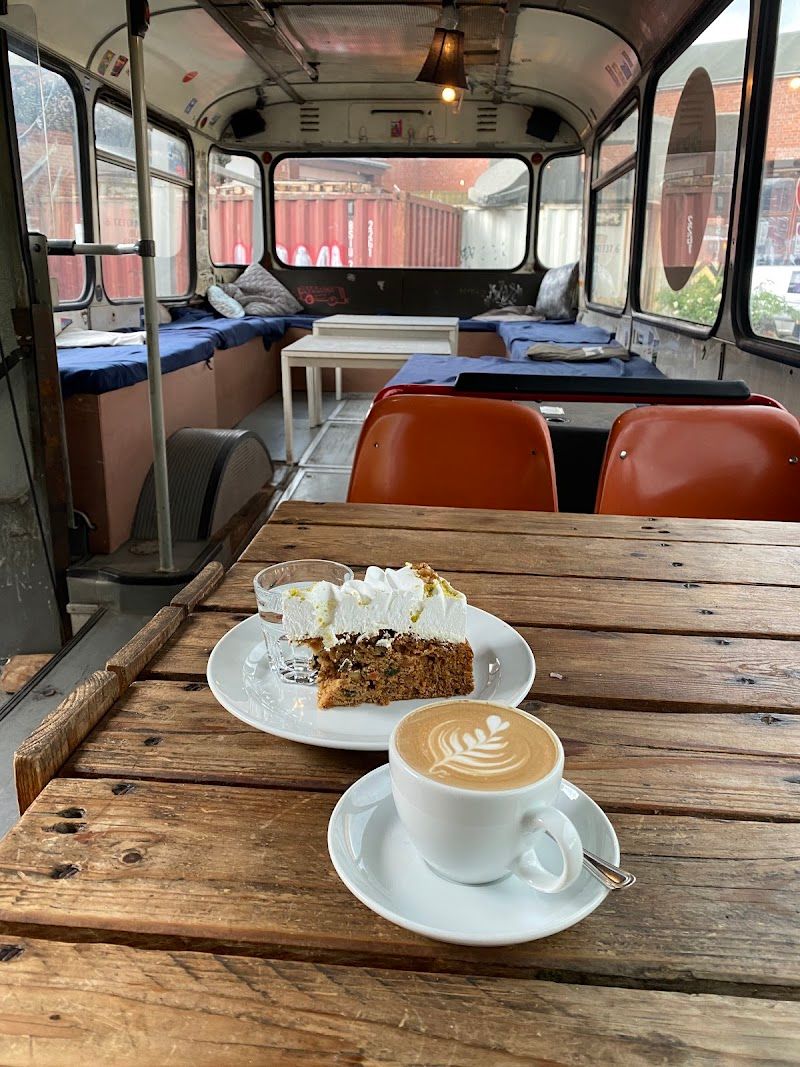
Café Pförtner
A cozy neighborhood café housed in a former gatekeeper's lodge, serving excellent coffee, homemade cakes, and seasonal breakfast dishes. The small outdoor seating area overlooks the greenery of Humboldthain park.
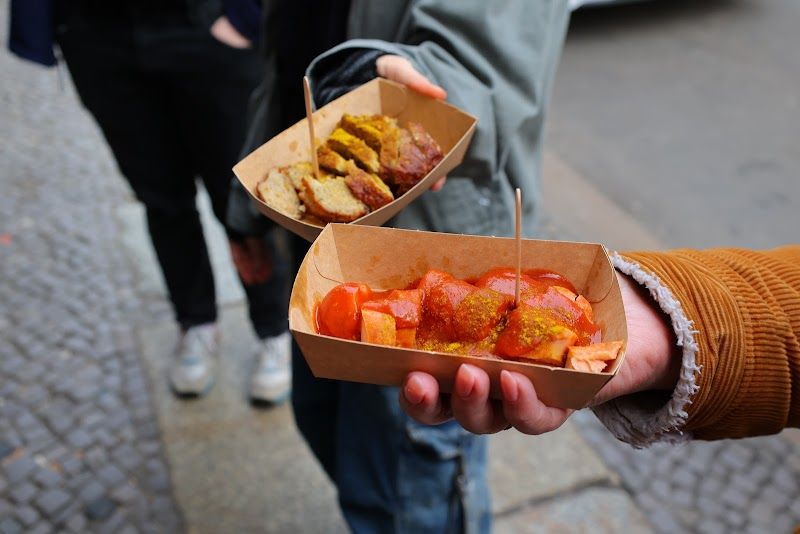
Berlin Food Tour: Kreuzberg & Neukolln
A 3-4 hour walking food tour through Berlin's two best eating neighborhoods. Tours typically include 6-8 stops: Turkish breakfast, doner kebab, falafel, currywurst, a Markthalle Neun tasting, and a Spati beer. The best operators run small groups (max 10) with guides who know the food history behind the Turkish Gastarbeiter community, the Vietnamese in Lichtenberg, and how immigration shaped Berlin's food identity.
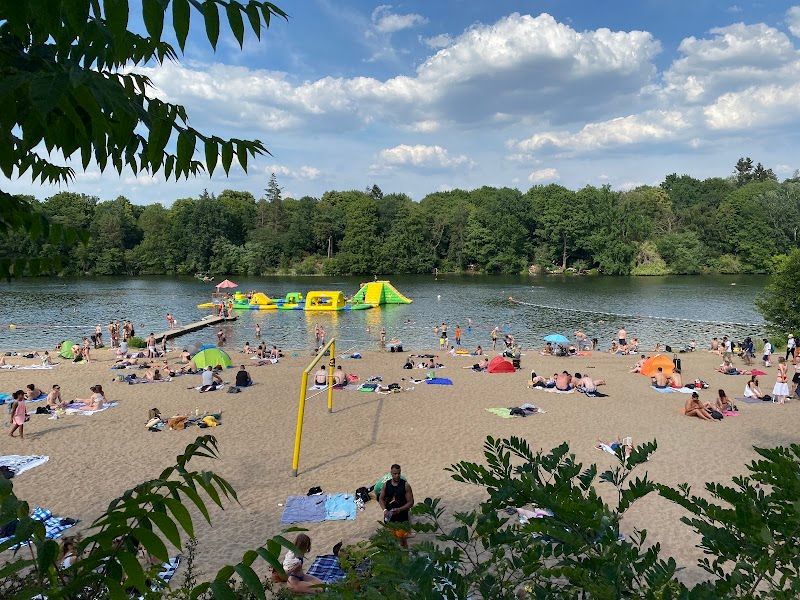
Plötzensee
A peaceful lake with a small but popular public beach, offering a local swimming spot away from the crowded tourist areas. The surrounding Volkspark Rehberge provides walking trails and green spaces for picnicking.
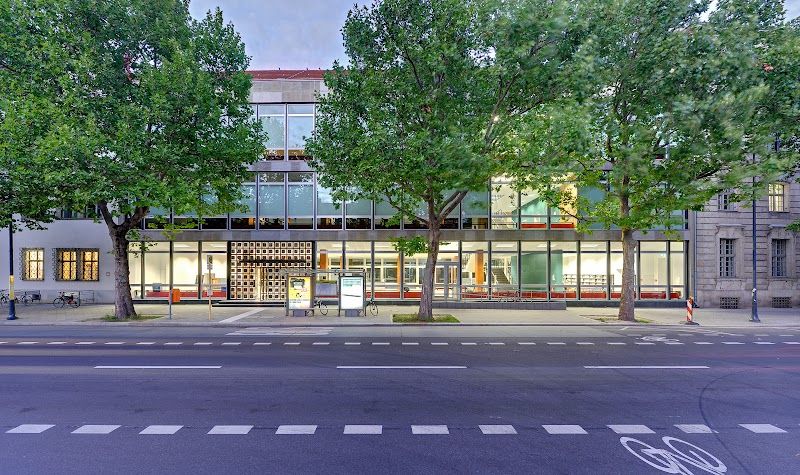
Zentral- und Landesbibliothek Berlin
Berlin's central public library housed in a striking modern building with an impressive atrium and extensive collections. Beyond books, it offers free exhibitions, reading rooms with natural light, and a rooftop terrace. The architecture alone makes it worth visiting, with its open, light-filled design.
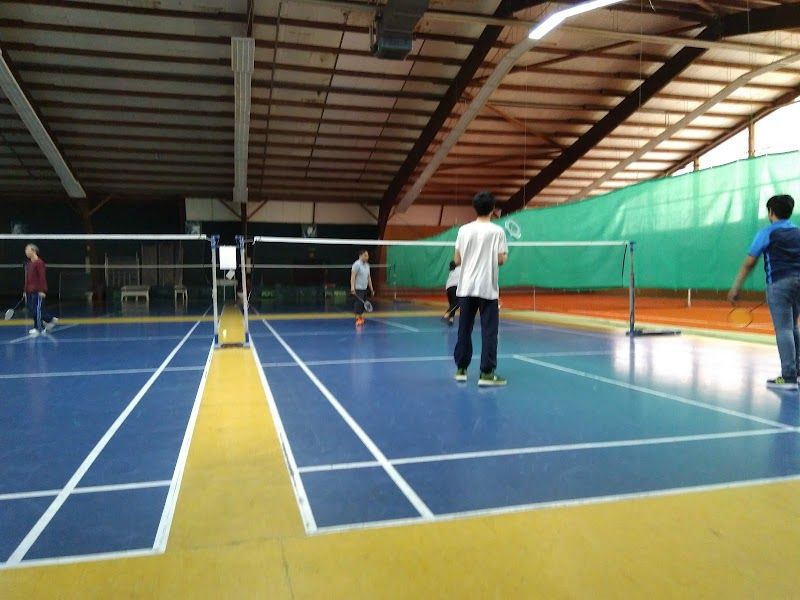
Preußenpark
Known as Thai Park, this Wilmersdorf green space transforms into an open-air Thai food market on summer Sunday afternoons. Thai families spread blankets and sell homemade som tam, pad thai, and curries from coolers and portable burners. It's an authentic community gathering, not a formal market -cash only, bring your own plates if possible.
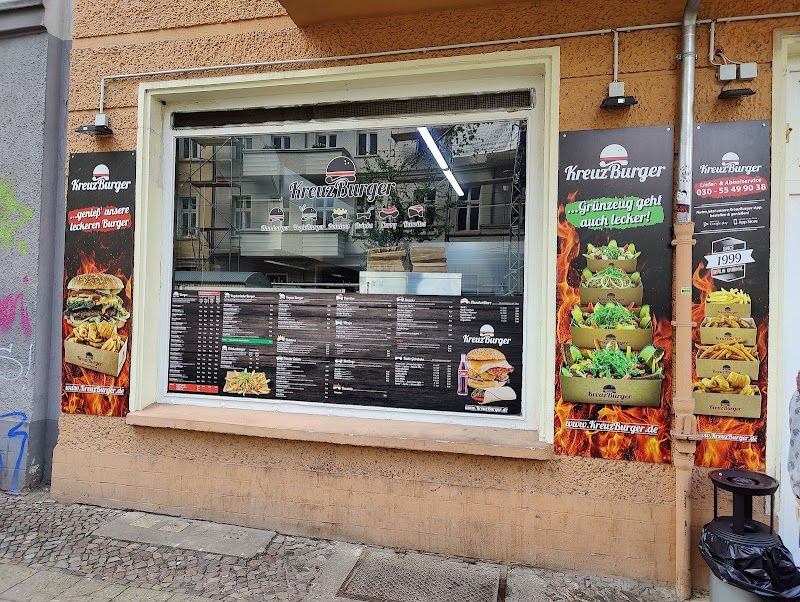
Kreuz-Burger
Friedrichshain burger joint known for their Kreuz-Sauce, a secret tangy mayo-based sauce that locals swear by. The patties are hand-pressed daily from organic beef.
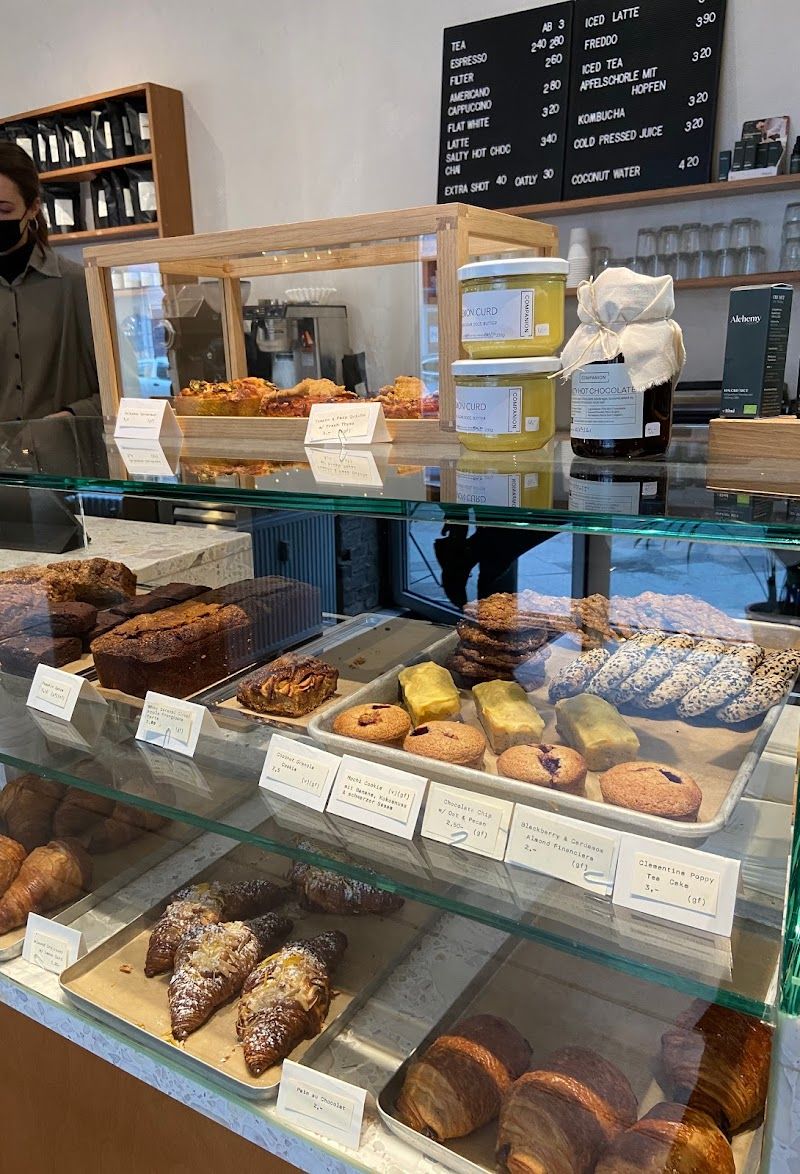
Companion Coffee
Tiny coffee bar in Moabit's Arminius Market Hall serving exclusively espresso-based drinks with beans roasted on-site. The standing-room-only space forces interaction between customers and baristas. This is coffee culture stripped to its essence in Berlin's emerging neighborhood.
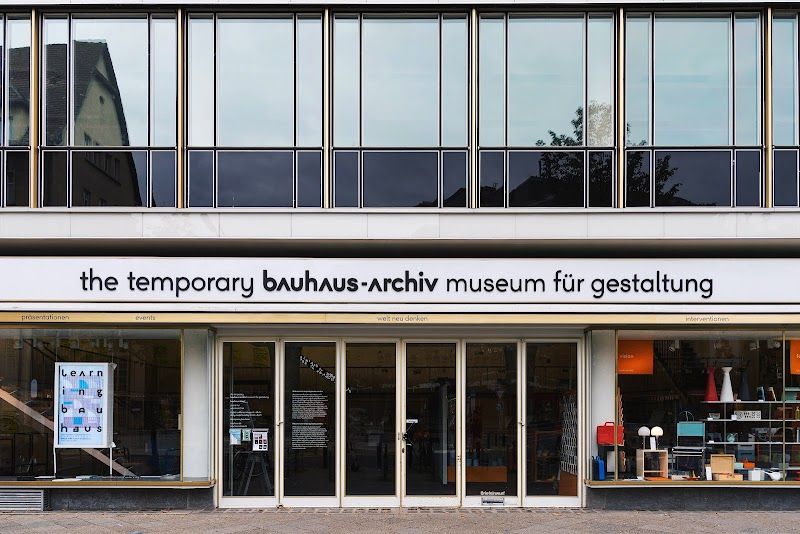
Bauhaus-Archiv / Museum für Gestaltung
Walter Gropius designed this purpose-built archive housing the world's largest Bauhaus collection, showcasing furniture, ceramics, textiles, and graphics from the revolutionary design school. The building's white shed-roof forms reflect Bauhaus principles. Currently undergoing expansion, check opening status before visiting.
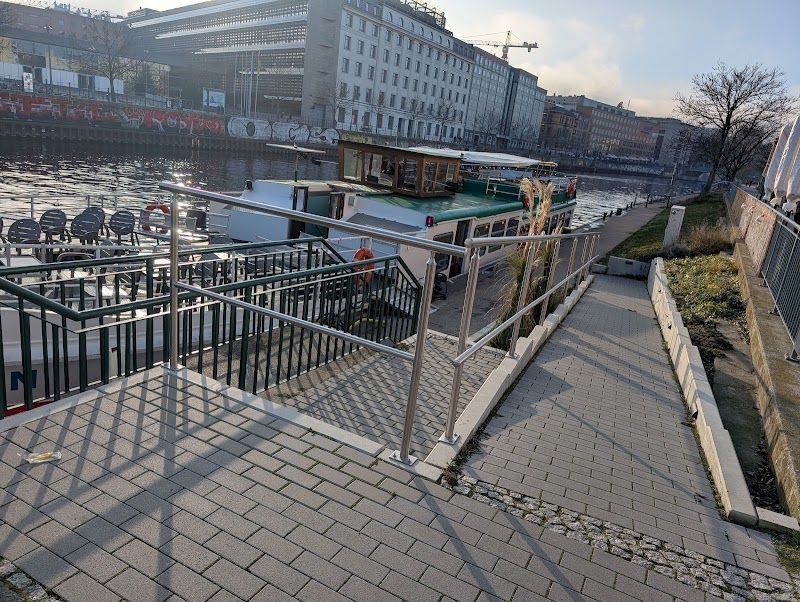
Spree River Boat Tour
A one-hour boat cruise on the Spree passing Museum Island, the Reichstag, Hauptbahnhof, the Chancellery, and the East Side Gallery. Several operators run hourly departures from near the Berlin Cathedral and Friedrichstrasse. The open-top boats (EUR18-22) give better views than the enclosed ships, and the audio commentary covers the buildings and history along the route. Evening cruises at sunset add a different atmosphere.
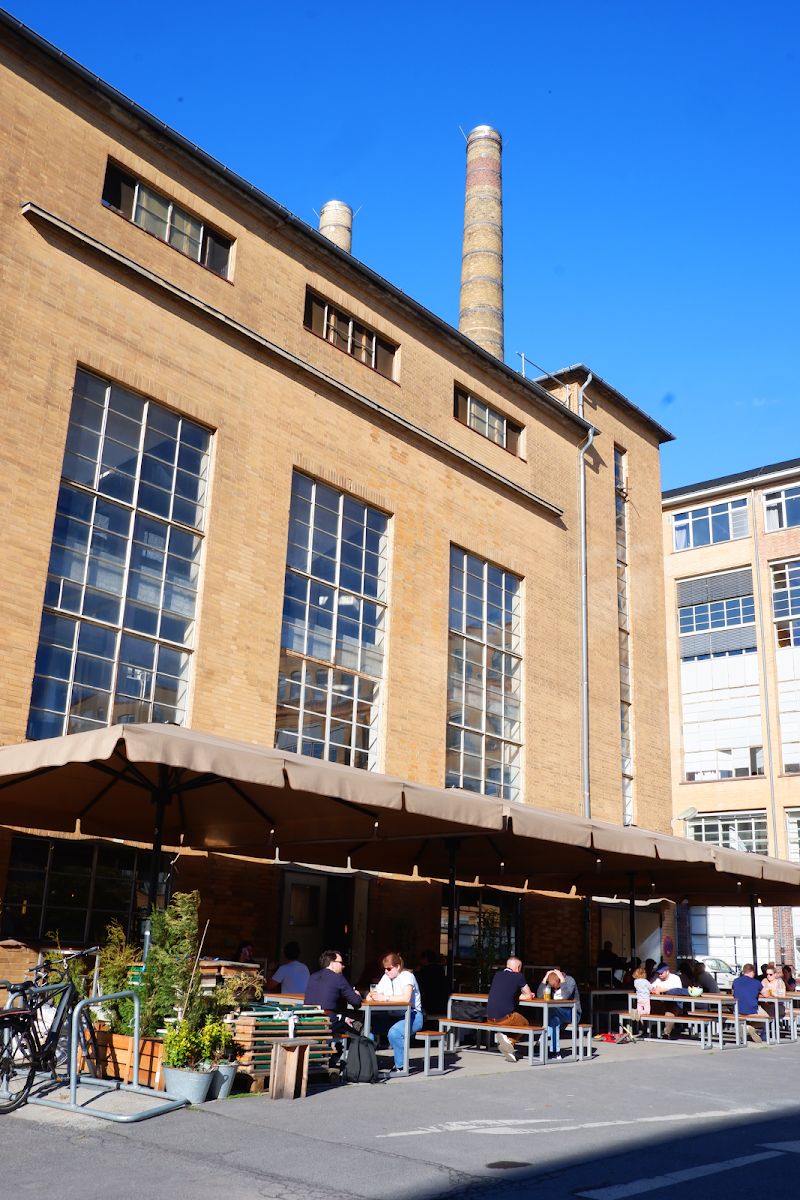
Vagabund Brauerei
Wedding's pioneering craft brewery run by three American expats, offering a rotating selection of IPAs, stouts, and seasonal beers brewed on-site. The industrial taproom has communal tables and a relaxed neighborhood vibe, often hosting live music and food pop-ups.
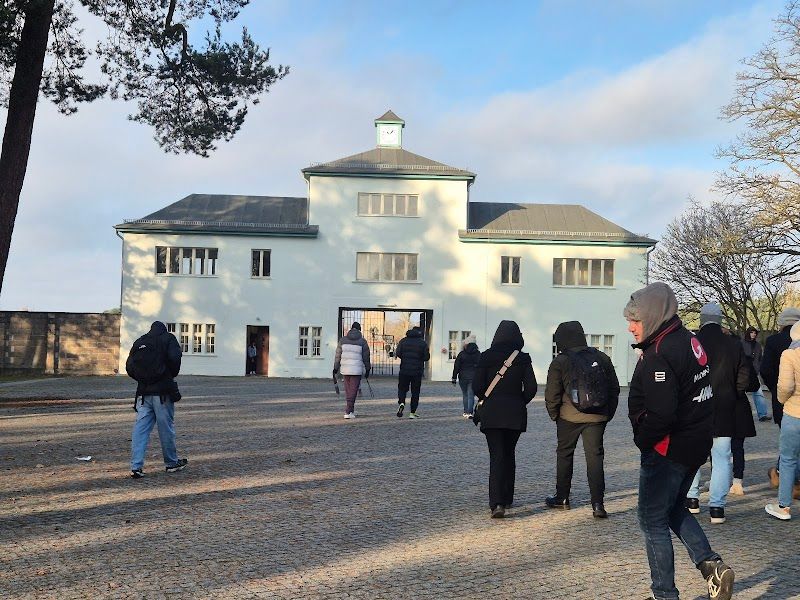
Sachsenhausen Concentration Camp Memorial Tour
A guided day trip to Sachsenhausen memorial, 35 km north of Berlin. The camp operated from 1936 to 1945 and held over 200,000 prisoners. A guided tour (5-6 hours including transport) provides essential historical context for the preserved barracks, punishment cells, execution trenches, and memorial sites. This is not entertainment; it is an education. The guided tour is strongly recommended over visiting independently because the site is vast and the stories require a guide to bring them to life.
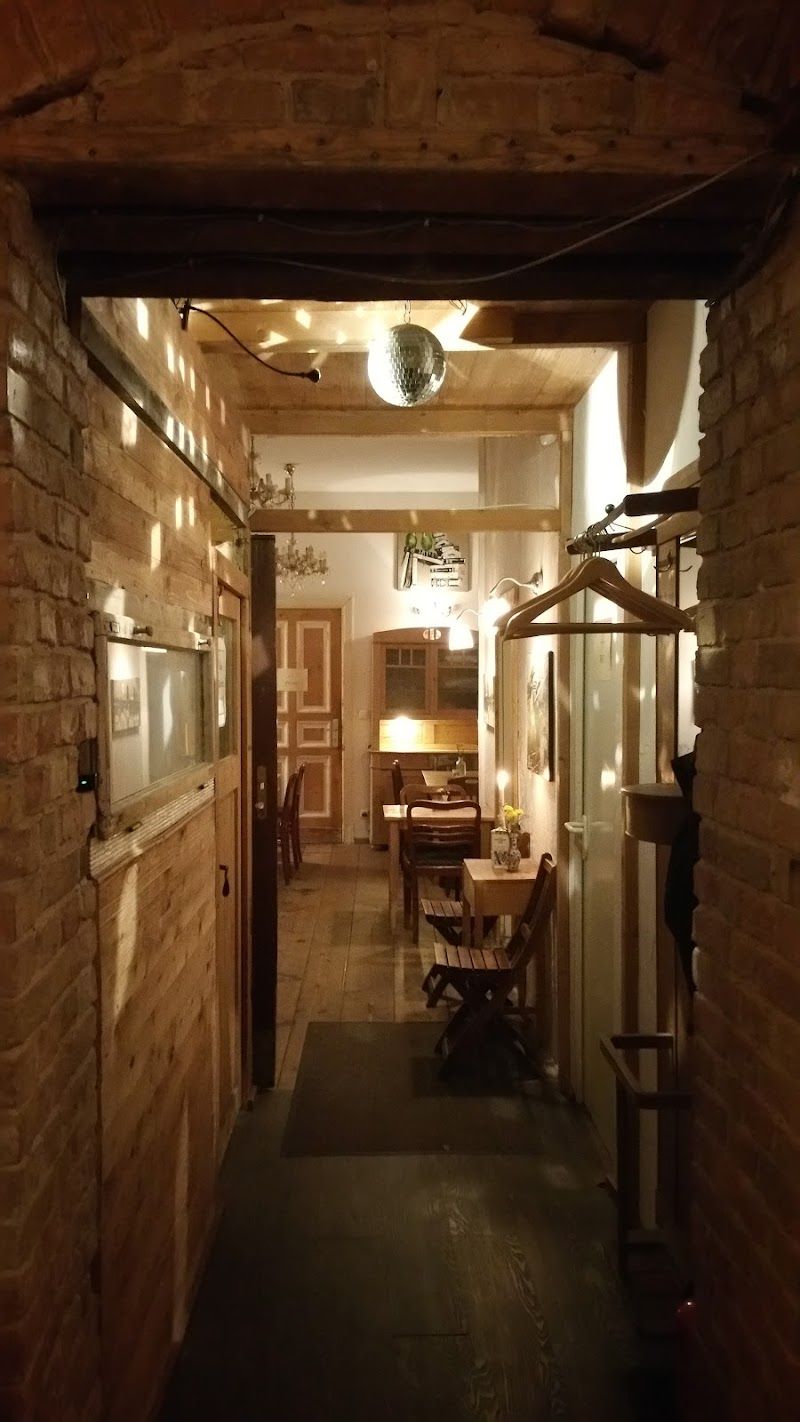
Vin Aqua Vin
A natural wine bar and bottle shop specializing in organic and biodynamic wines from small producers. The knowledgeable staff provides excellent recommendations, and the rotating selection features rare finds. Small plates of cheese and charcuterie complement the wine perfectly.
Kumpir & Kumpir
Schöneberg Turkish baked potato spot loading massive spuds with unlimited toppings from 20+ options. The portions are absurd and prices are student-friendly.
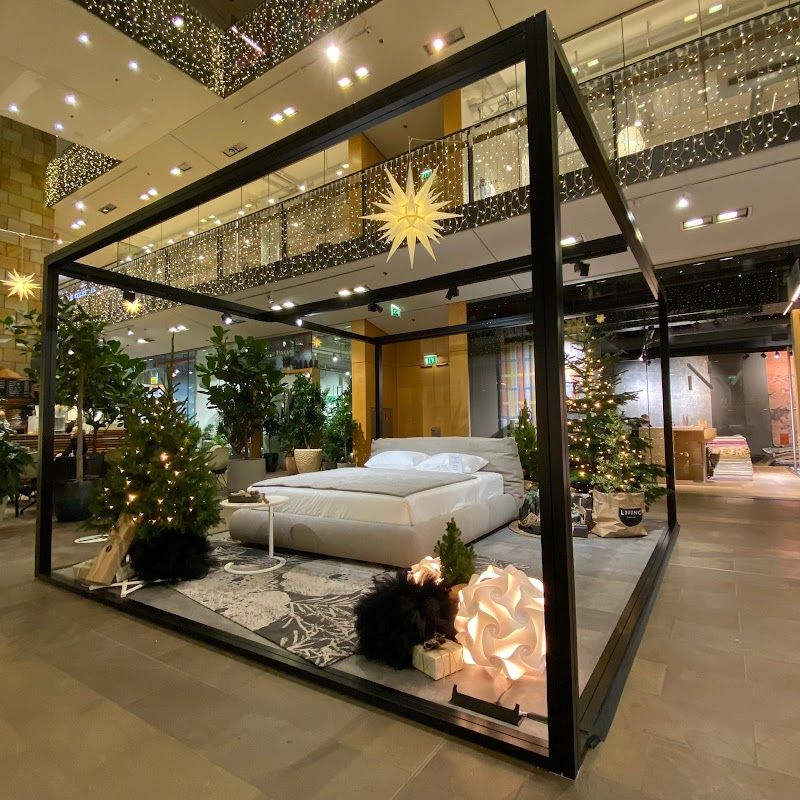
Stilwerk Berlin
Four-floor design center showcasing high-end furniture, lighting, and interior design from international and German brands. This is where Berlin architects and interior designers shop, featuring showrooms from companies like Cassina, Vitra, and B&B Italia. The building itself is a renovated historic space with an impressive atrium.
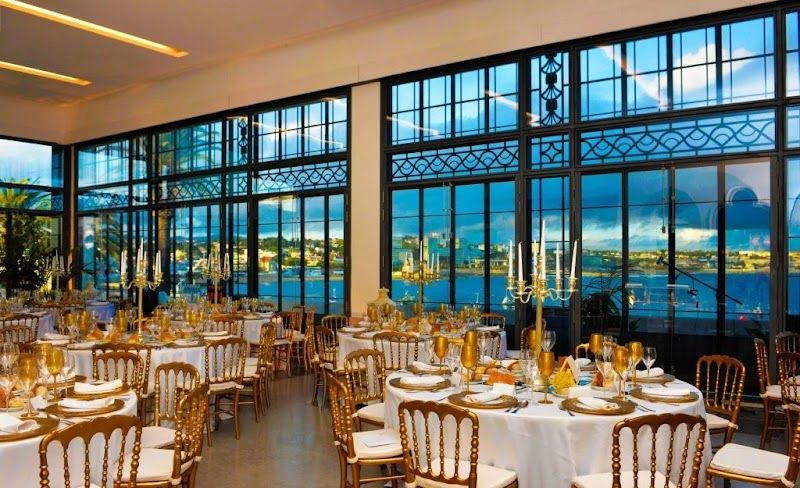
Cocktail Classes Berlin
Hands-on mixology workshop in a Mitte cocktail bar teaching classic and contemporary cocktails. Learn proper technique for 4-5 drinks including Berlin-inspired creations, then enjoy your cocktails and receive recipe cards to recreate at home.
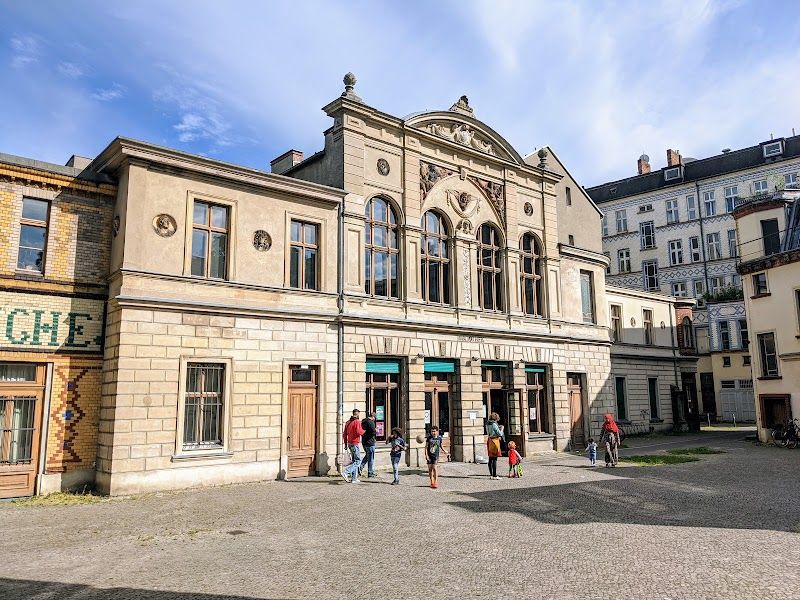
Bibliothek am Luisenbad
A striking modern library housed in a beautifully renovated historic bathhouse building, featuring contemporary architecture alongside preserved 19th-century elements. The library hosts cultural events, readings, and provides a peaceful study space for locals.
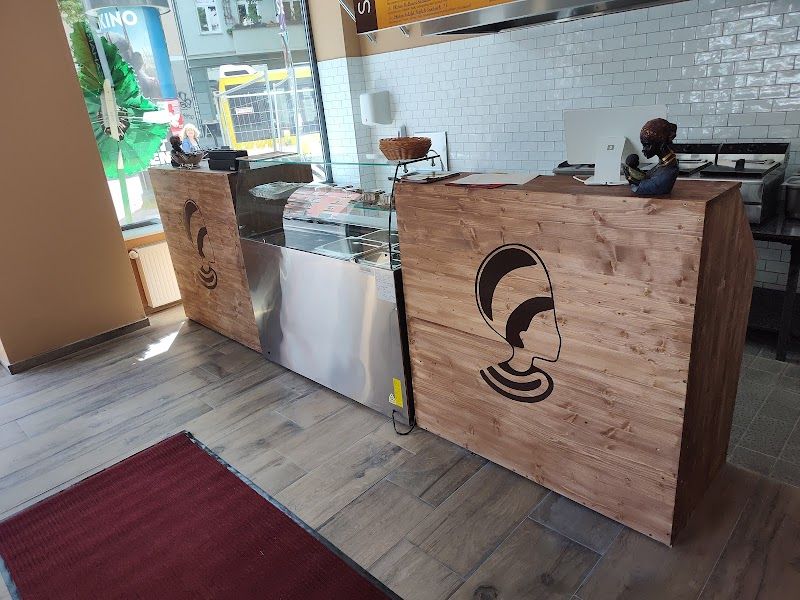
Sahara Imbiss
Wedding falafel stand with cult following for their crispy-outside, creamy-inside falafel and tangy tahini sauce. The EUR 4 falafel sandwich is Berlin's best value meal.
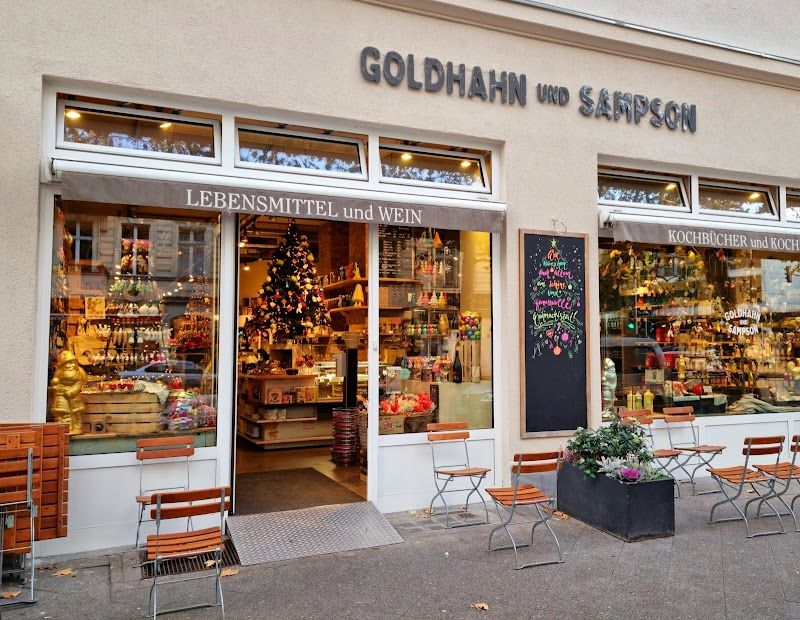
Goldhahn und Sampson Kochstudio
Intimate cooking classes in a beautiful Charlottenburg kitchen shop and wine bar. Classes focus on seasonal German cuisine, regional specialties, and wine pairings, with a maximum of 12 participants ensuring hands-on instruction from professional chefs.
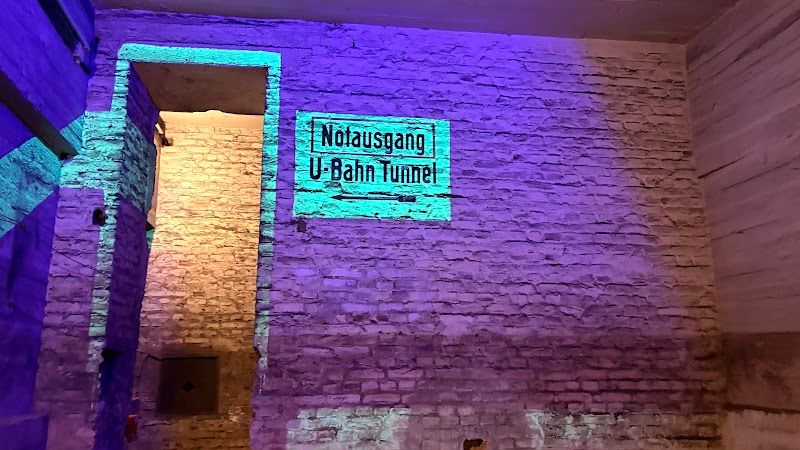
Berlin Unterwelten Tour D
Specialized bunker tour exploring a massive Cold War nuclear shelter beneath Pankstraße U-Bahn that could house 3,339 people. See the original emergency supplies, decontamination showers, and hospital facilities in this time capsule of Cold War paranoia.
Huong Sen Restaurant
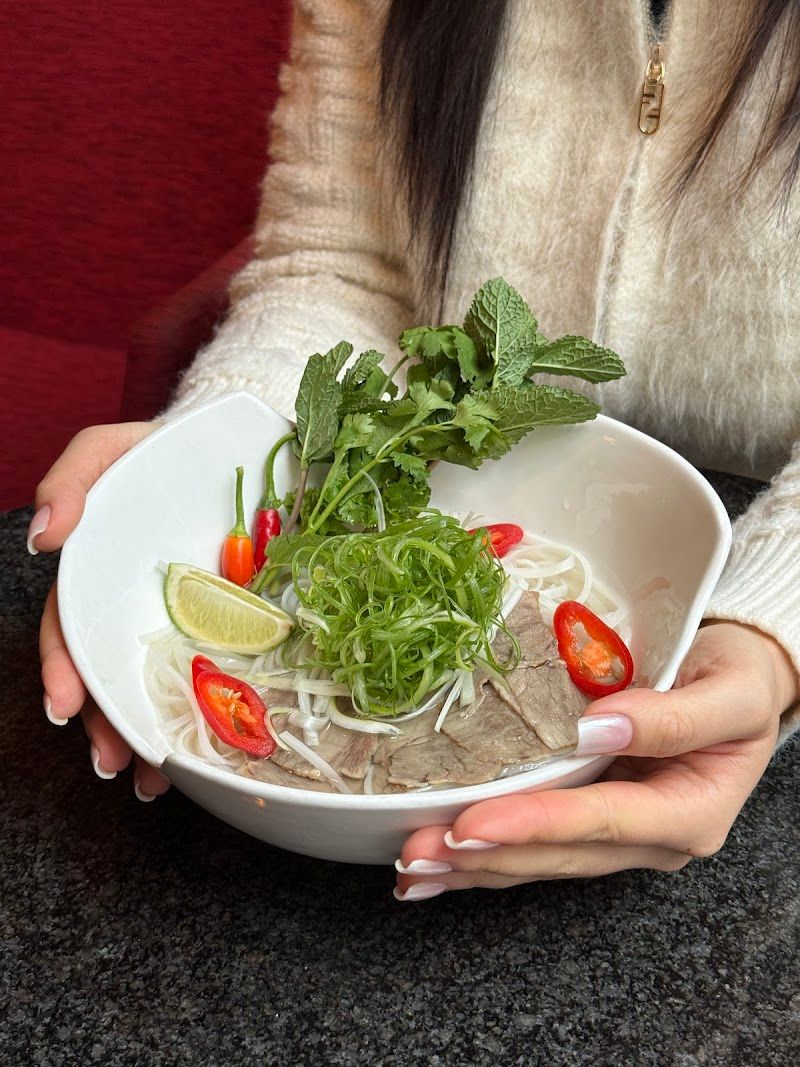
Lichtenberg Vietnamese restaurant known for bun bo Hue and crispy duck with tamarind sauce. Run by a Hanoi family, it's where Berlin's Vietnamese community celebrates special occasions.
Schöneberg Food Tour
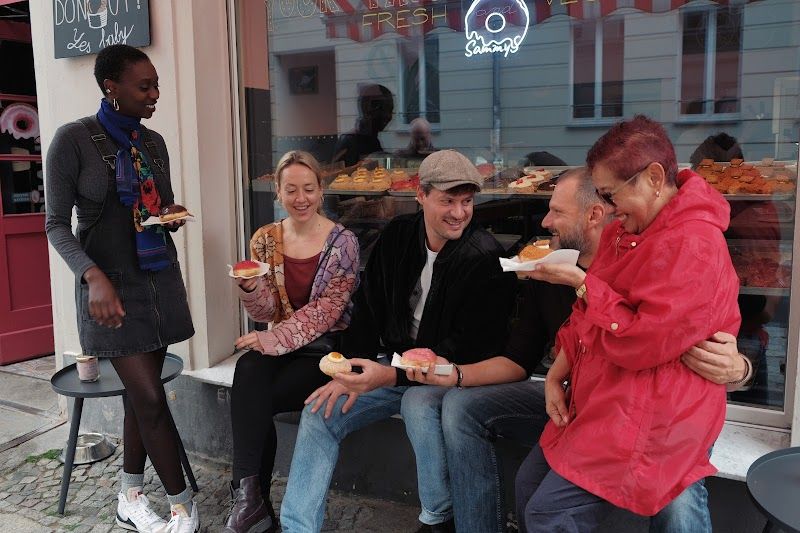
Guided culinary walk through diverse Schöneberg sampling traditional German bakers, artisan chocolatiers, international delis, and LGBT-friendly cafes. The tour covers the neighborhood's transformation from David Bowie's residence to today's food scene with 6-7 tastings.
Trattoria Paparazzi
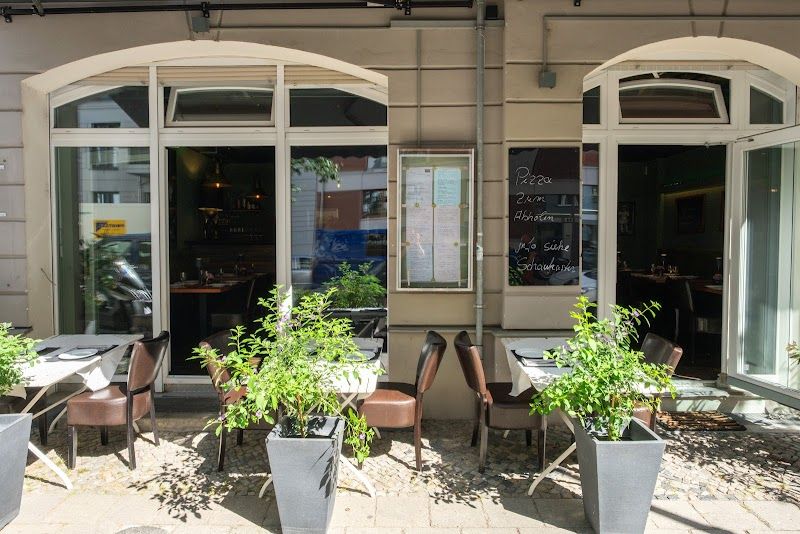
Classic Italian trattoria in Schöneberg serving handmade pasta and Sicilian seafood since 1991. The daily specials board features whatever fish arrived fresh that morning.
Aziz Bar & Restaurant
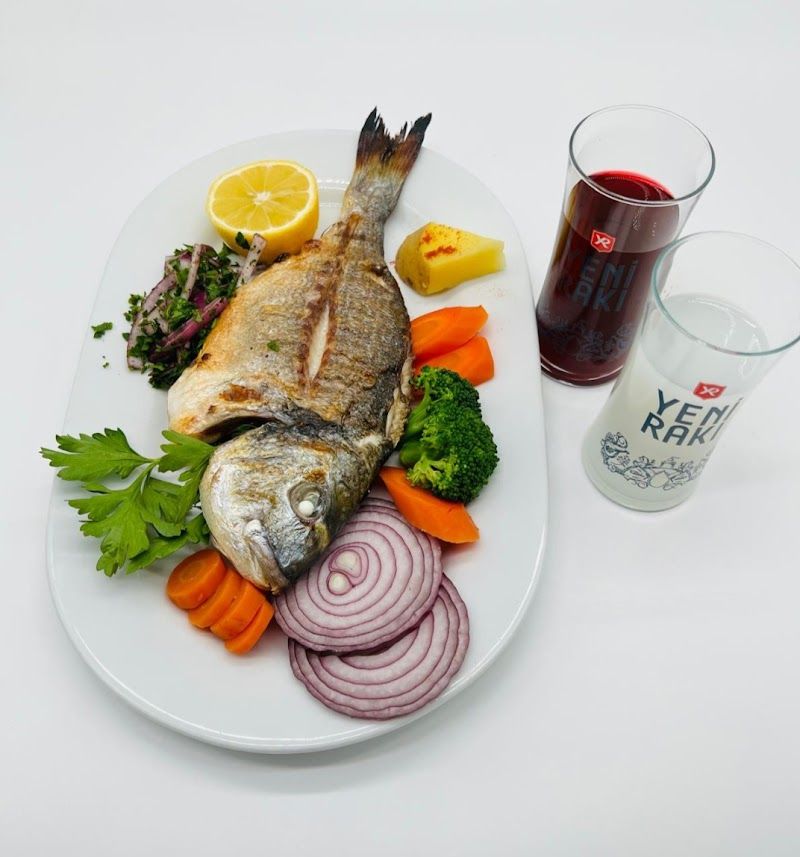
Wedding's beloved Turkish restaurant known for massive breakfast spreads for two featuring 20+ items: cheeses, olives, jams, menemen, and fresh-baked bread. Weekend brunch requires booking ahead.
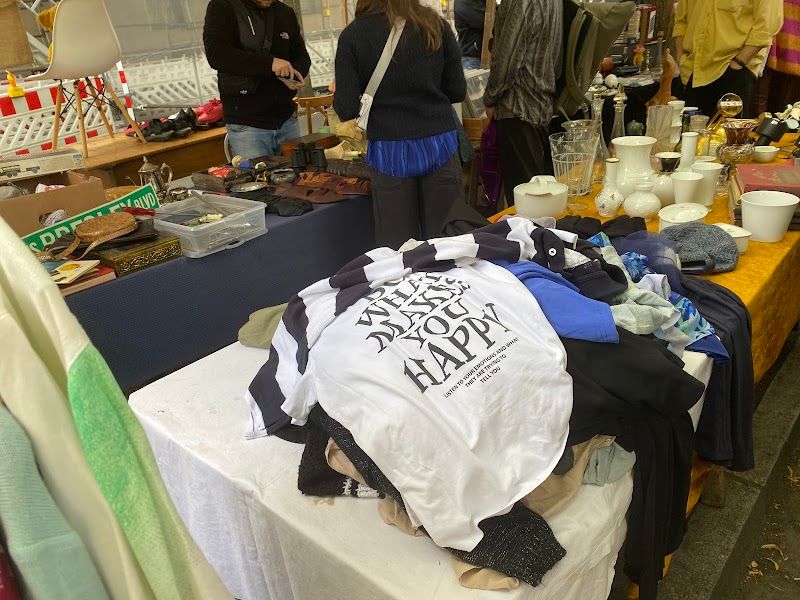
nowkoelln flowmarkt
A curated design market held on Sundays in a Neukölln courtyard, featuring independent designers, vintage fashion, and handmade goods. Unlike typical flea markets, vendors here focus on quality over quantity with carefully selected contemporary and vintage items. The courtyard location creates an intimate, neighbourhood-insider atmosphere.
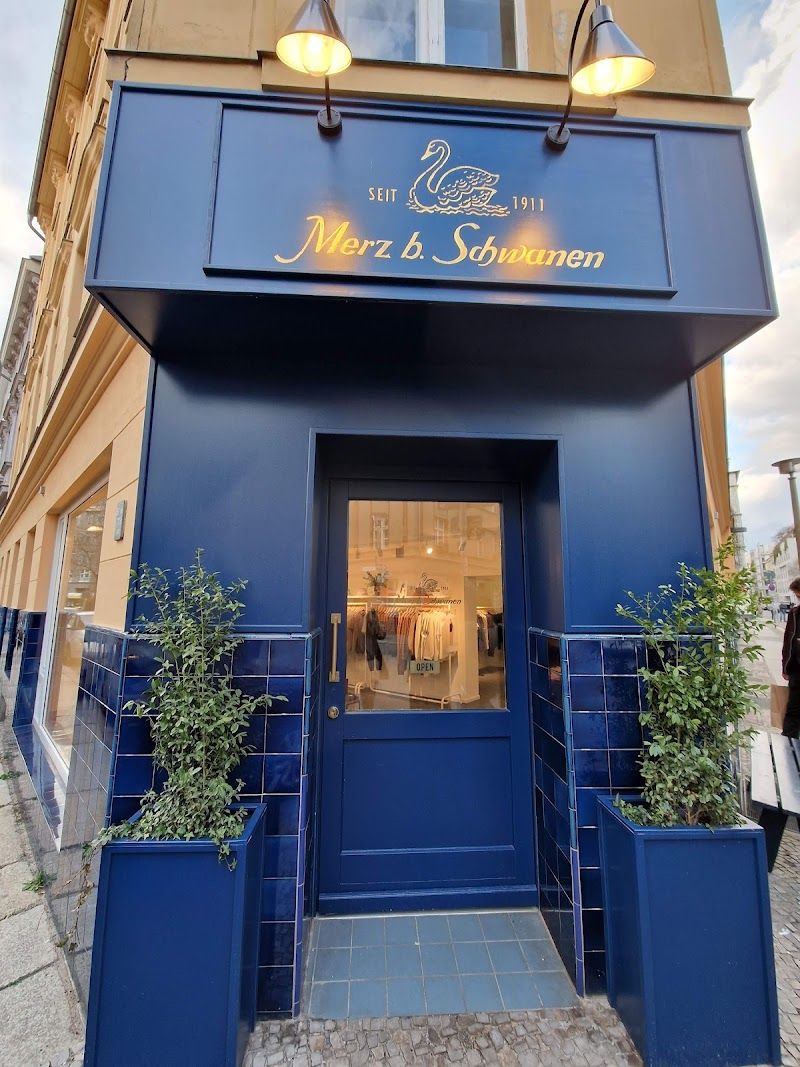
Buchhandlung Merz
An independent bookstore specializing in literature, art books, and graphic novels with a carefully curated selection. The knowledgeable staff provides personalized recommendations, and they host regular author readings and literary events. It's a beloved community gathering spot for book lovers.
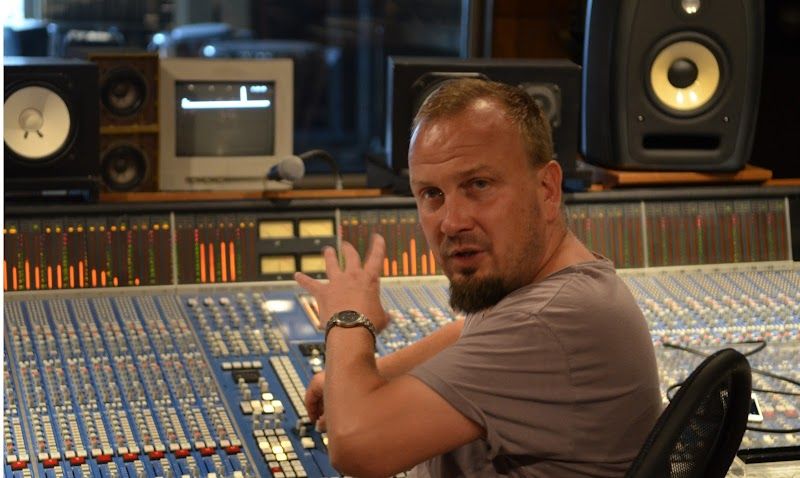
Berlin Music Tours
Nightlife and club culture tours led by DJs and music journalists exploring the city's legendary techno scene. Visit iconic venues like Berghain's exterior, Watergate, and underground bars while learning about Berlin's unique club culture, door policies, and techno history.
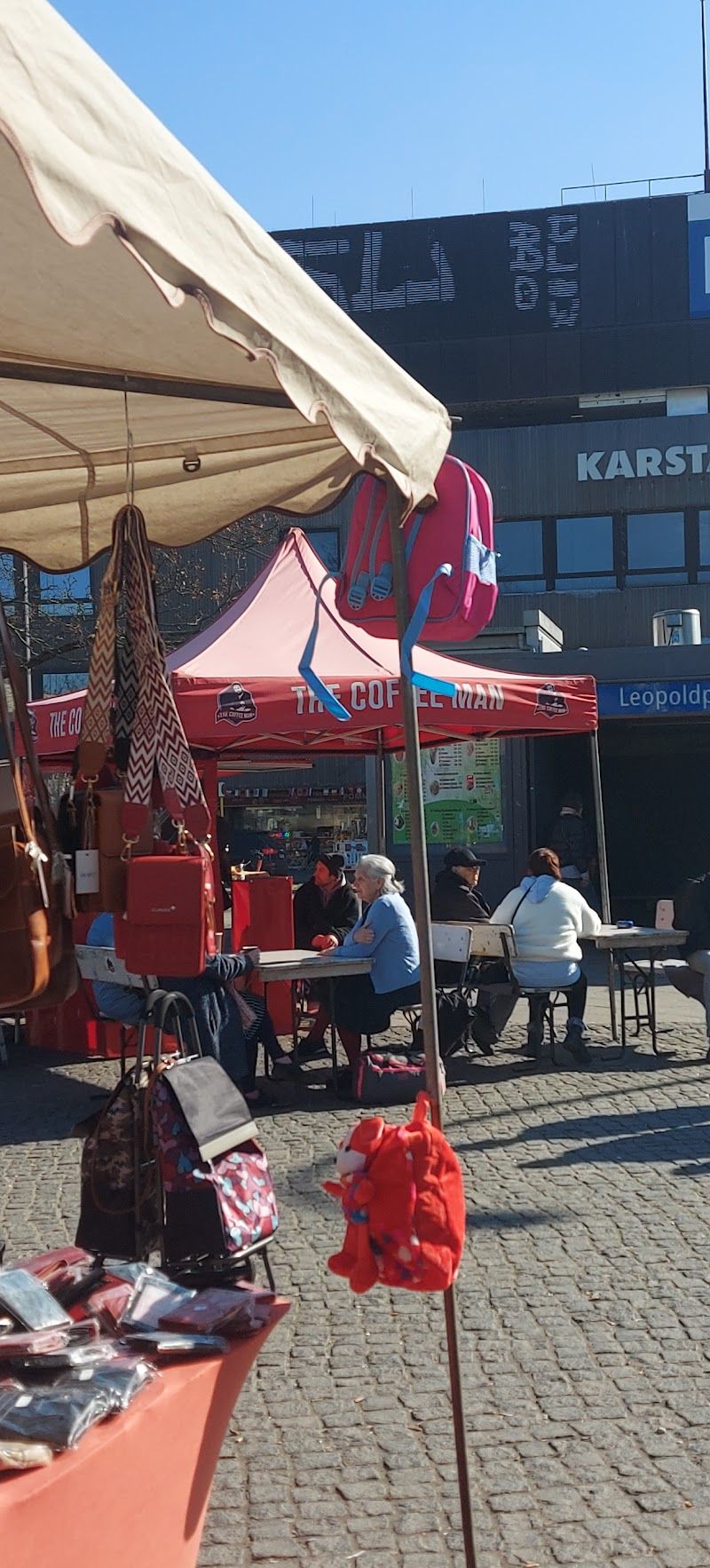
Weddingmarkt
A vibrant weekly market at Leopoldplatz offering fresh produce, international street food, and a genuine neighborhood atmosphere. Turkish, Arabic, and Eastern European vendors sell everything from spices to textiles, reflecting Wedding's multicultural character.
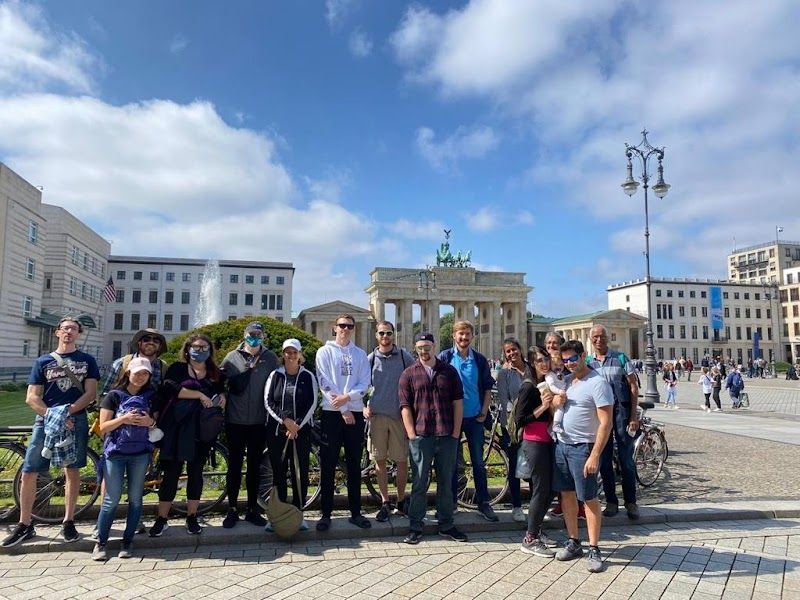
Berlin Wall & Cold War Walking Tour
A 3-4 hour guided walking tour covering the major Wall sites: Checkpoint Charlie, Topography of Terror, a preserved Wall section, and the history of division from 1961 to 1989. The best tours are led by historians who provide context beyond what the plaques offer, connecting the Wall to the broader Cold War and its human stories. Several operators run daily tours in English, most starting near Checkpoint Charlie or Brandenburg Gate.