
Germany
Berlin
History carved into concrete, techno bleeding through warehouse walls, and the best doner kebab outside Istanbul
Best Time
May-September for warm weather, December for Christmas markets
Ideal Trip
4-5 days
Language
German (English widely spoken)
Currency
EUR
Budget
EUR 43-97/day (excl. hotel)
About Berlin
Berlin is a city that refuses to be finished. The Wall came down, the cranes went up, and three decades later the place is still reinventing itself one neighborhood at a time. That restlessness is the point. You can stand at the Brandenburg Gate where Cold War guards once stared each other down, then walk twenty minutes to a Kreuzberg courtyard where someone is running a natural wine bar out of a former squat.
The history here is not behind glass. The East Side Gallery stretches a kilometer of Wall covered in murals that peel and get repainted. Stolpersteine, small brass stones in the sidewalk, mark where Holocaust victims lived before deportation. The Reichstag dome lets you look down on parliament in session, a transparency metaphor the architects meant literally. Checkpoint Charlie is touristy outside, but the Mauermuseum upstairs is worth an hour.
But Berlin is not a memorial. It is a city of 3.7 million people who eat doner kebabs at 3 AM, argue about which Spati has the best beer selection, and treat Sunday as a day so sacred that everything closes by law. The food scene runs on immigration: Turkish breakfast spreads in Neukolln, Vietnamese pho in Lichtenberg, Japanese ramen in Charlottenburg, and currywurst everywhere. Markthalle Neun in Kreuzberg does Street Food Thursday better than most cities do their entire food culture.
Berlin is also absurdly cheap by capital-city standards. A flat white costs EUR3. A kebab is EUR5. Club entry is EUR10-20 if you get past the bouncer. The U-Bahn runs 24 hours on weekends and a day pass costs EUR8.80. You could spend a week here and spend less than a long weekend in London. Pack comfortable shoes. The city sprawls. The best things happen after midnight. And nobody cares what you look like.
Neighborhoods
Each district has its own personality
Mitte
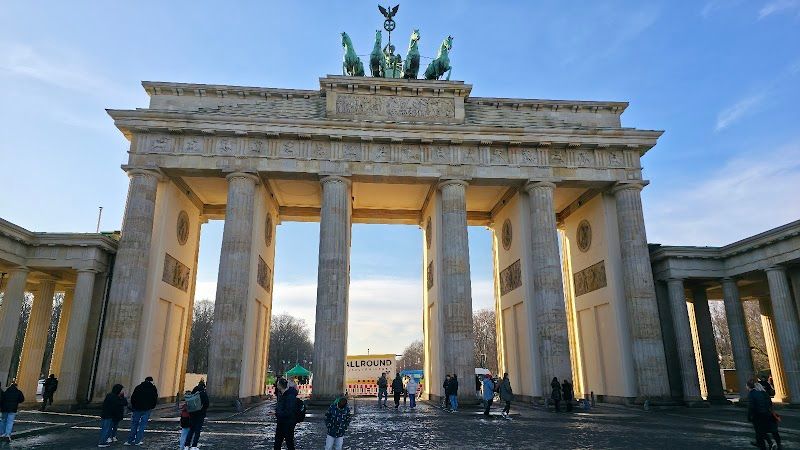
Historic center, Museum Island, Brandenburg Gate, where Cold War history meets modern Germany
Kreuzberg
Rebellious heart, Turkish community, doner kebabs, Markthalle Neun, street art, nightlife
Neukolln
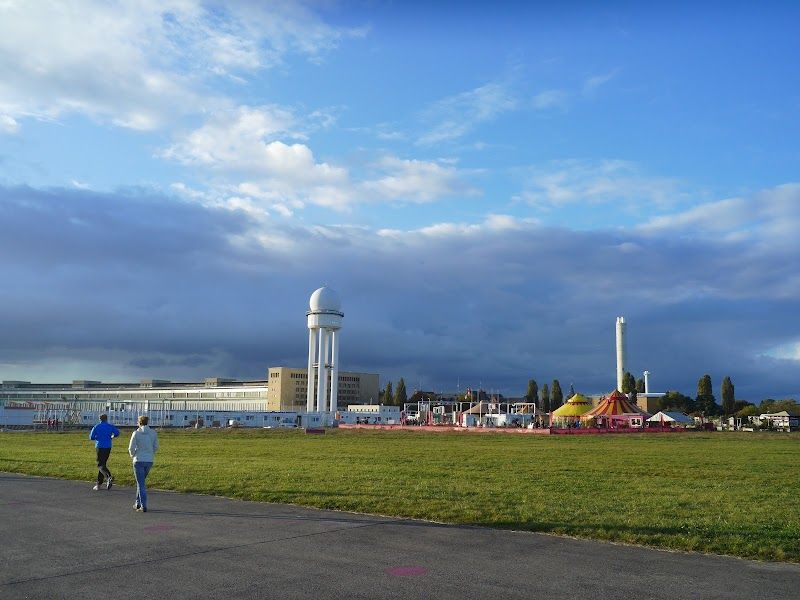
Creative spillover from Kreuzberg, Arab bakeries, Tempelhofer Feld, rooftop bars, young international crowd
Prenzlauer Berg
Brunch capital, restored pre-war buildings, Mauerpark flea market, young families, great coffee
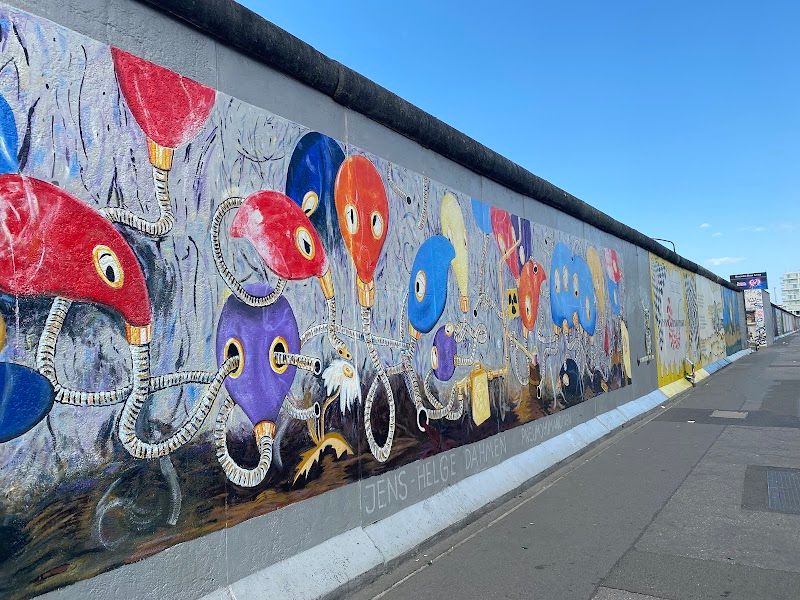
Friedrichshain
East Side Gallery, nightlife hub, RAW Gelande, street art, Spree riverbank bars
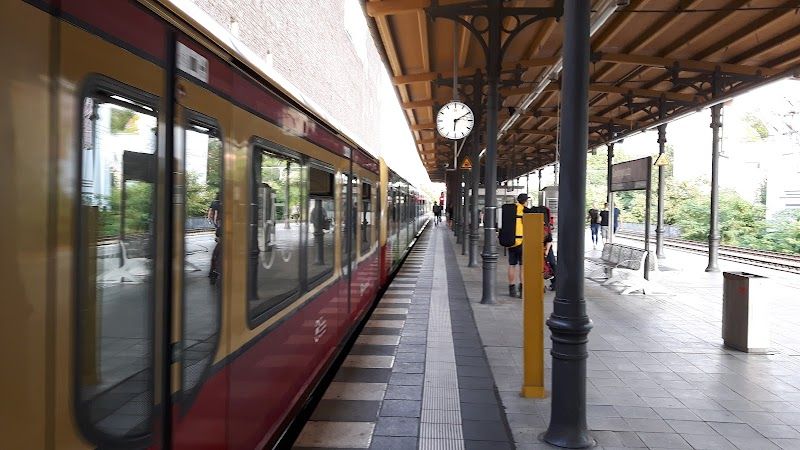
Charlottenburg
Old-money elegance, Charlottenburg Palace, KaDeWe, Savignyplatz intellectuals, pre-war cafe culture
Things to Do
Top experiences in Berlin
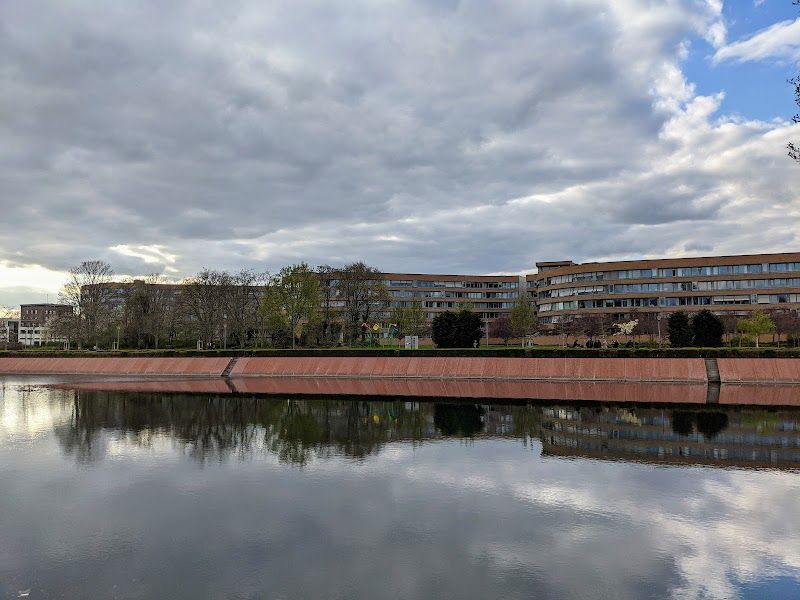
Moabiter Werder
Hidden island park in the Spree River accessible via a small footbridge, offering a wild, naturalistic landscape rarely seen in central Berlin. This former industrial site has been transformed into a nature reserve with wetlands, meadows, and bird watching opportunities. The peaceful trails feel worlds away from the urban surroundings.
Savignyplatz
Leafy square surrounded by elegant Wilhelmine architecture, bookshops, and cafes. The square features beautiful S-Bahn viaduct arches housing antique shops and small galleries. It's the heart of literary Charlottenburg and a popular meeting spot for locals.
Brandenburg Gate
The symbol of Berlin, and the symbol that changes meaning with every era. Built in 1791 as a neoclassical triumphal arch marking the entrance to Unter den Linden, it became the backdrop for Napoleon's march into the city, Nazi torchlight parades, Kennedy's "Ich bin ein Berliner" speech, and then the most visible landmark of a divided city when the Wall ran directly in front of it for 28 years. On November 9, 1989, it became the place where East and West Berliners finally met. Today the Brandenburg Gate stands in an open plaza (Pariser Platz), floodlit at night, with the Reichstag visible to the north and the tree-lined boulevard of Unter den Linden stretching east toward Alexanderplatz. The scale is impressive up close: six Doric columns, 26 meters tall, topped by the Quadriga, a chariot driven by the goddess of victory. Napoleon stole the Quadriga and took it to Paris in 1806; the Prussians brought it back after defeating him in 1814. The gate is free, always open, and works best at the edges of the day. Dawn gives you the plaza to yourself with soft eastern light hitting the columns. Dusk brings a golden glow and the first of the floodlights. Midday means tour buses, selfie sticks, and people dressed as Cold War soldiers charging EUR3-5 for photos. Walk through the gate rather than just standing in front of it: the Tiergarten opens up on one side and the formal geometry of Pariser Platz frames you on the other.
Checkpoint Charlie
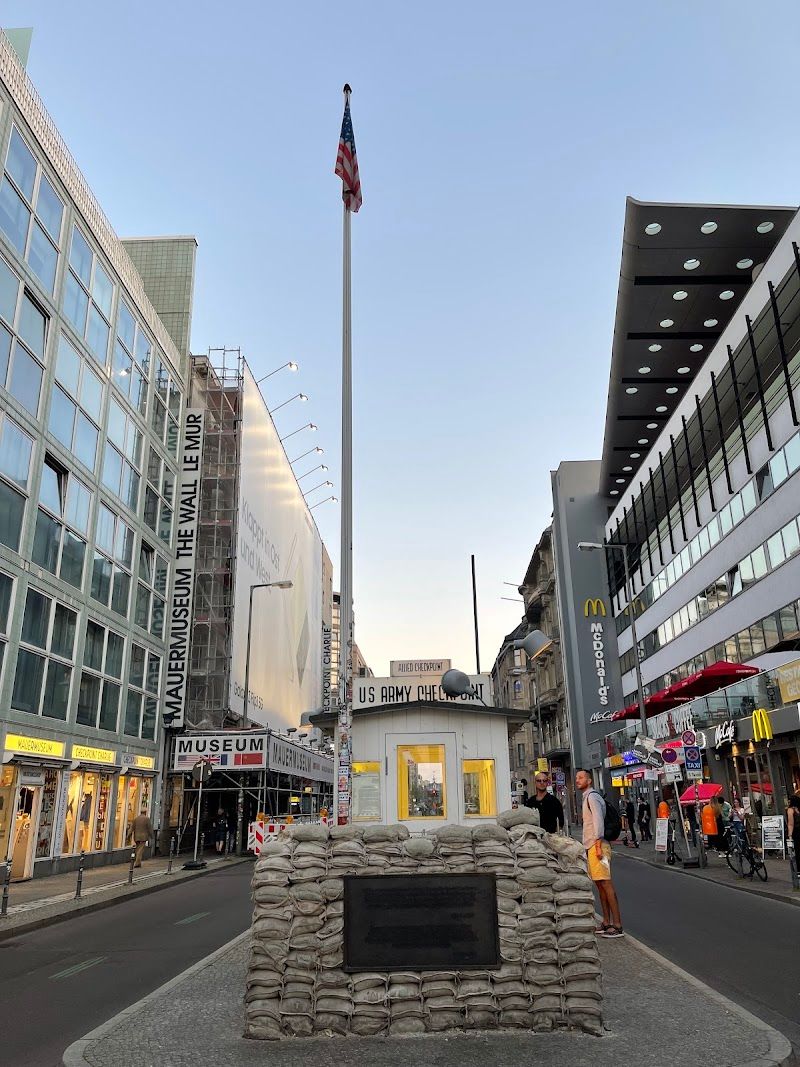
The most famous Cold War crossing point between East and West Berlin, at the junction of Friedrichstrasse and Zimmerstrasse. The outdoor area is, frankly, touristy: the reconstructed guardhouse, the actors in uniforms charging EUR3-5 for photos, the souvenir shops selling fragments of "genuine Wall" that were manufactured in a factory somewhere. If you stop here, you will wonder what the fuss is about. But go upstairs. The Mauermuseum (Wall Museum, EUR17.50) is genuinely worth an hour and tells the stories that the outdoor circus does not. The escape vehicles are the centerpiece: a modified car with a hiding compartment barely large enough for a person, a homemade hot air balloon that carried two families across the border, a mini-submarine, and suitcases modified to conceal children. Each exhibit tells a specific story of a specific person who risked everything to cross a concrete line. The museum is chaotic, overstuffed, and feels like it was curated by someone who acquired objects faster than they could organize them. That is because it was, Rainer Hildebrandt started collecting escape stories in 1963, two years after the Wall went up, and the collection grew organically. The disorder is part of the experience. The Black Box Cold War exhibition across the street is free, more modern, and provides geopolitical context that the Mauermuseum deliberately avoids in favor of personal stories. The best way to understand Checkpoint Charlie is to visit it as part of a longer walk: start at the Topography of Terror (10 minutes south), then walk north to the checkpoint, then continue to Gendarmenmarkt for lunch.
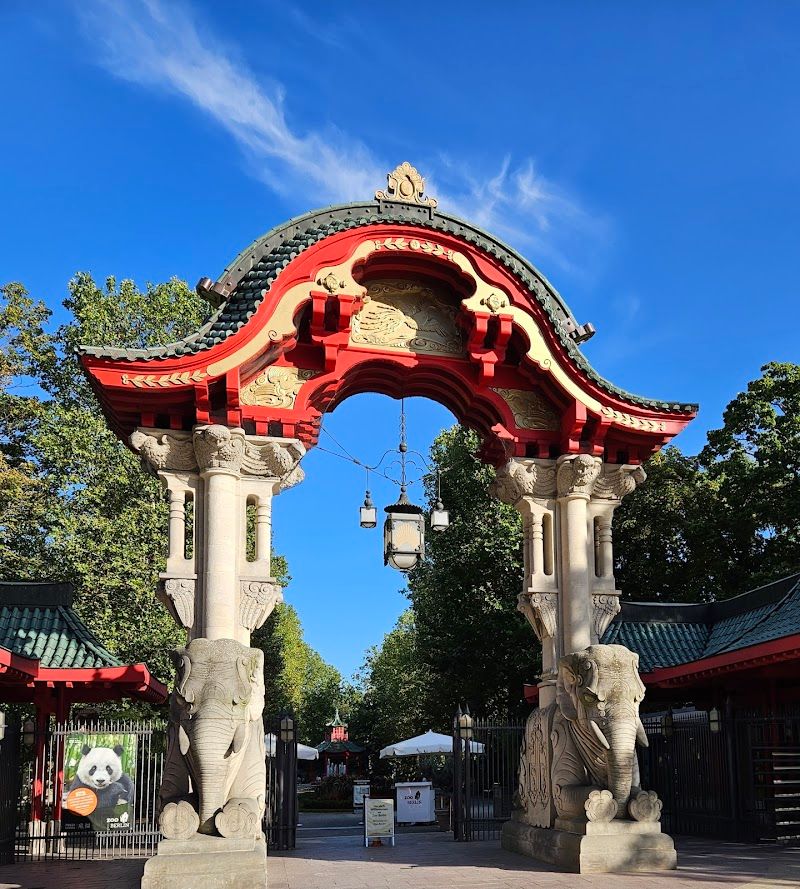
Berlin Zoo (Zoologischer Garten)
One of the oldest and most comprehensive zoos in the world, founded in 1844, with over 20,000 animals of 1,200 species. The zoo sits next to the Tiergarten and is directly accessible from Zoo Station (Zoologischer Garten U/S-Bahn). The aquarium building (separate or combo ticket) has a crocodile hall, insectarium, and a walk-through jellyfish tunnel. The panda enclosure draws the biggest crowds. It is a full-day experience for families or a half-day for adults who want the highlights.
East Side Gallery
The longest remaining stretch of the Berlin Wall: 1.3 km of concrete covered in over 100 murals painted in 1990 by artists from 21 countries. Dmitri Vrubel's "My God, Help Me Survive This Deadly Love" (the Brezhnev-Honecker kiss) is the most photographed, a socialist-realist embrace between the Soviet and East German leaders that manages to be both satirical and sincere. Birgit Kinder's Trabant crashing through the Wall captures the euphoria of November 1989 in a single image. The murals were painted on the east-facing side of the Wall, the side that East Berliners could not see during the division. That detail matters. The entire gallery is a statement about freedom of expression on a surface that once represented its absence. The works have been restored multiple times (controversially, not always with the original artists' involvement), and some are fading or tagged over. Walk the full 1.3 km from Ostbahnhof to Warschauer Strasse. The Spree river runs along the other side of the Wall, and the contrast between the bright murals and the grey concrete is striking. The gallery is free, always open, and best visited in the early morning before the selfie crowds build from the Warschauer Strasse end. Weekend mornings before 10 AM give you space to actually look at the art rather than navigating around phone screens. Some of the most powerful panels are not the famous ones. Look for Kani Alavi's "It Happened in November," showing faces pressing through a crack in the Wall, and Thierry Noir's bold, cartoonish heads that were among the first paintings on the Wall, applied illegally while it was still standing.
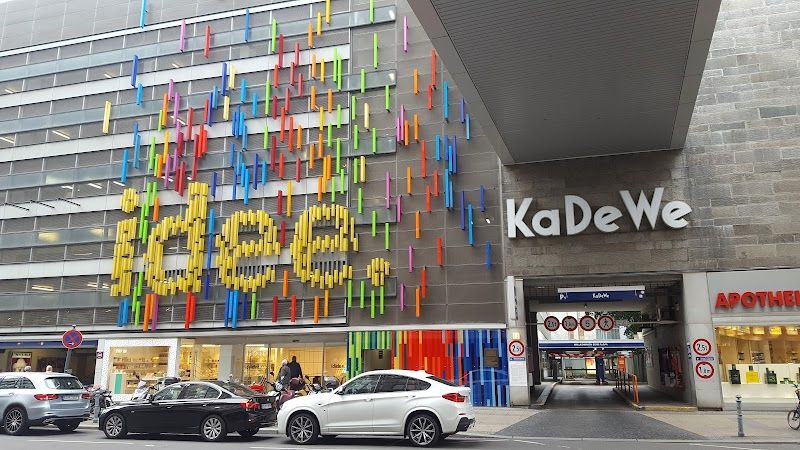
KaDeWe
The Kaufhaus des Westens, continental Europe's largest department store, sprawls across seven floors of luxury goods. The legendary sixth-floor food hall features 34,000 gourmet products, champagne bars, and oyster counters under art nouveau glass domes. This is pre-war Berlin grandeur meets contemporary consumerism.
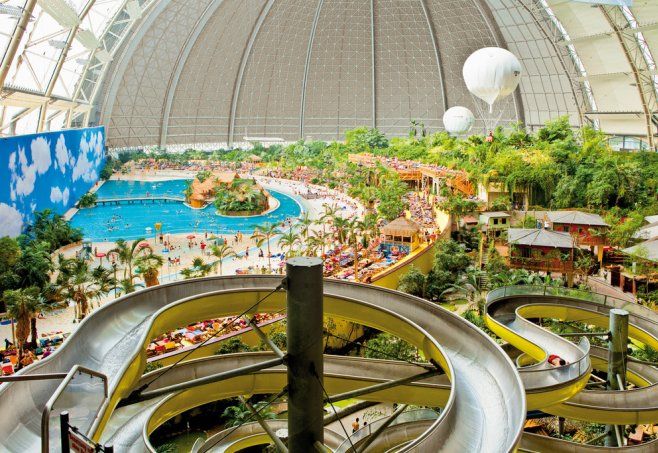
Tropical Islands
Massive indoor tropical resort in a former airship hangar 60km south of Berlin, featuring year-round 26°C temperatures, Germany's largest indoor pool, water slides, lagoons, and a rainforest with 50,000 plants. The 66,000 square meter space creates an artificial tropical paradise complete with beach, flamingos, and evening shows.
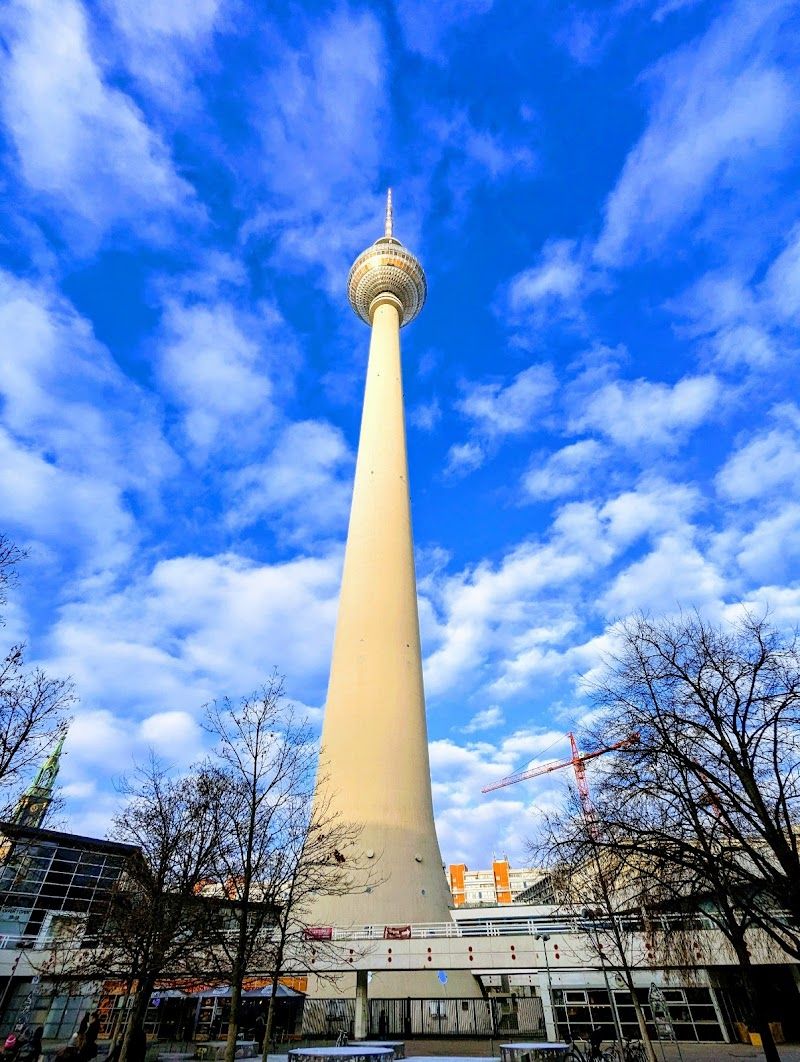
Fernsehturm (TV Tower)
Berlin's tallest structure at 368 meters, built by the GDR in the 1960s as a showcase of socialist engineering prowess. The observation deck at 203 meters gives a 360-degree panorama that on a clear day extends 40 km in every direction: you can trace the S-Bahn ring, pick out the Reichstag dome, follow the Spree through the city, and understand Berlin's sprawling geography in a way that no street-level walk can provide. The tower was meant to demonstrate East German technological superiority, but it famously produced an unintended PR problem: when the sun hits the tiled sphere at a certain angle, it creates a cross-shaped reflection that Berliners dubbed "the Pope's revenge," a religious symbol atop the atheist state's proudest monument. The government was not amused. The revolving restaurant one floor above the observation deck is overpriced by Berlin standards (EUR25 minimum spend), but a window table at sunset is genuinely memorable. The full rotation takes 30 minutes. Below the tower, Alexanderplatz is the former heart of East Berlin, an enormous concrete square anchored by the Weltzeituhr (World Time Clock) and surrounded by socialist-era architecture that is gradually being filled in with modern buildings. Tickets for the observation deck cost EUR24.50 standard or EUR39.50 for fast-track, which skips the queue that can exceed an hour on busy days. Book the earliest morning slot or a sunset slot online. On overcast days the deck can be inside the clouds, so check the weather forecast before committing. The free alternative for panoramic views is the Reichstag dome, which has better-quality architecture but a narrower perspective.
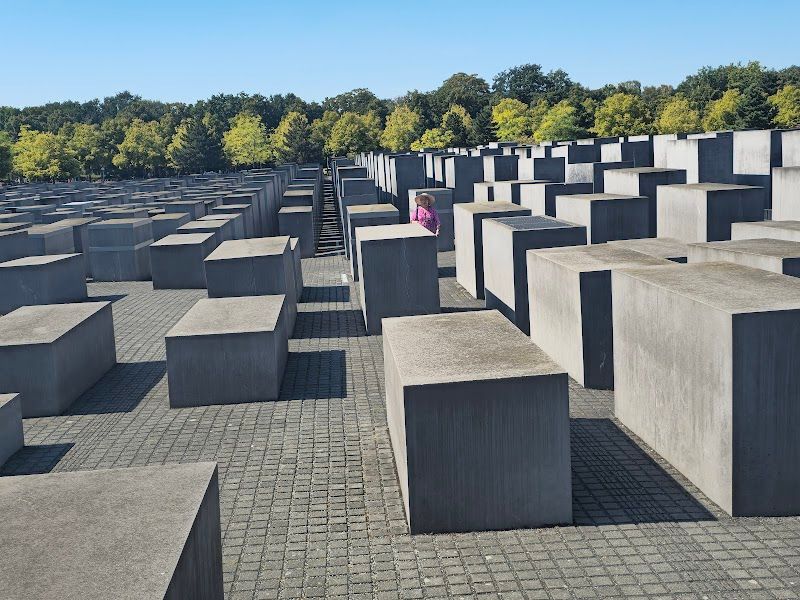
Holocaust Memorial (Memorial to the Murdered Jews of Europe)
Peter Eisenman's memorial is 2,711 concrete slabs (stelae) arranged on a sloping field near the Brandenburg Gate. There are no names on the slabs, no inscriptions, no flowers. The grid is disorienting by design: as you walk into the center, the slabs rise above your head, the ground dips unevenly, and you lose sight of the surrounding streets. The effect is claustrophobic, isolating, and deliberately uncomfortable. You are meant to feel lost. The underground Information Centre is free and documents the Holocaust through individual stories rather than statistics. One room reads the names of all known victims aloud in a cycle that takes over six years to complete. Another room displays final postcards and letters. The effect of moving from the abstract field above to the specific human details below is devastating and intentional. The memorial sits on prime real estate between the Brandenburg Gate and Potsdamer Platz, a deliberate choice. Germany placed its largest Holocaust memorial in the center of its capital, visible from the Reichstag, unavoidable on any walking tour of the government district. This was not accidental. The 19,000 square meters of undulating concrete are a permanent interruption in the urban landscape, designed to make forgetting impossible. Visit alone if you can. Walk into the center of the field where the slabs tower above you and the sounds of the city fade. Give the Information Centre at least 45 minutes. Do not climb on the slabs, do not pose for cheerful photos, and do not treat it as a playground. This is not entertainment. It is witness.
Berlin Wall Memorial (Gedenkstatte Berliner Mauer)
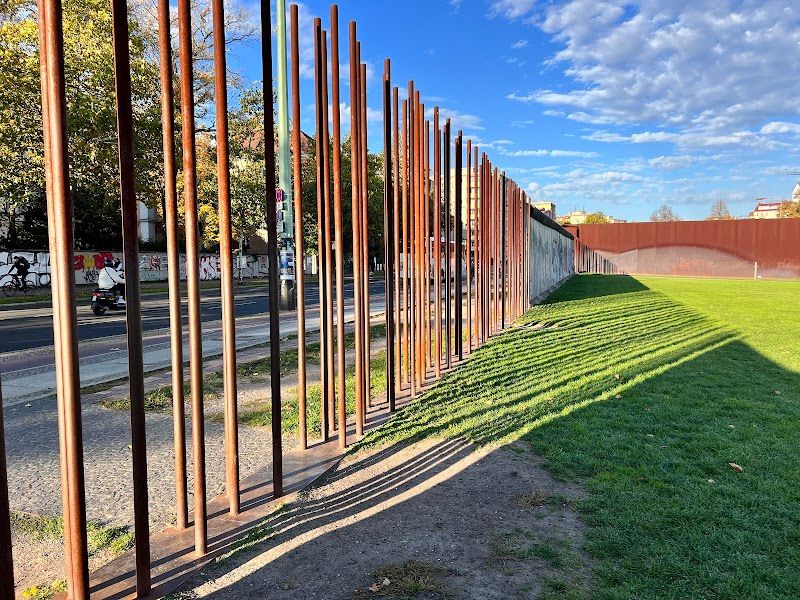
The most comprehensive and emotionally powerful Wall site in Berlin. Stretching 1.4 km along Bernauer Strasse in Wedding and Prenzlauer Berg, the memorial preserves the full depth of the border installation: the inner wall, the death strip, watchtowers, anti-vehicle barriers, and the outer wall. This is not the colorful, muraled East Side Gallery. This is about the human cost of division. The Documentation Centre has a viewing platform that looks down on the former death strip from above, giving you the guard's perspective. The open-air exhibition tells stories of individual escape attempts, marked with steel posts along the route. The escape tunnel exhibition documents the tunnels dug beneath the Wall by desperate families and organized groups, some successful, some not. The Chapel of Reconciliation, built on the former death strip using rammed earth walls that incorporate rubble from the demolished Church of Reconciliation (which the East German government blew up in 1985 to clear sightlines), is a quiet space for reflection. Bernauer Strasse was where some of the Wall's most dramatic early moments occurred. When the border was sealed on August 13, 1961, residents of buildings along the street found their front doors suddenly in East Berlin while their back windows faced West. People jumped from upper floors into nets held by West Berlin firefighters. The window-jumping photographs from Bernauer Strasse became defining images of the division. The memorial is free, open daily, and deserves 90 minutes minimum. Start at the Visitor Center (Bernauer Strasse 119) and pick up the free map. Walk the outdoor exhibition from south to north, stopping at the Documentation Centre along the way.
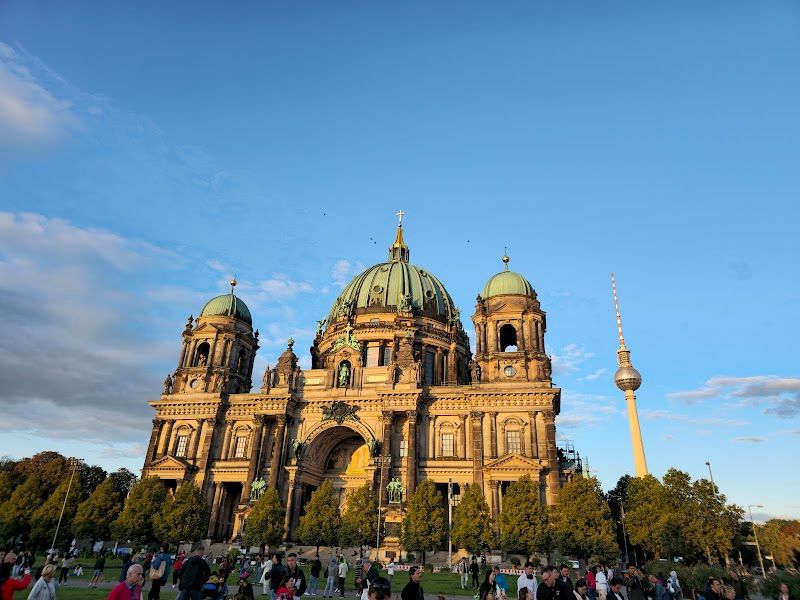
Berliner Dom
Berlin's largest church combines Italian Renaissance and Baroque Revival architecture with its massive green dome dominating Museum Island. The imperial staircase, Sauer organ with 7,000 pipes, and Hohenzollern crypt containing 94 sarcophagi make this more palace than parish church. Climb 270 steps to the dome walkway for panoramic city views.
Travel Guides
Expert guides for every travel style

Best of Kreuzberg: A Walking Guide
11 min read

Where to Eat in Berlin: A Neighborhood Food Guide
15 min read

First Time in Berlin: Everything You Need to Know
10 min read

Berlin with Kids: Family-Friendly Guide
12 min read

5 Days: The Complete Berlin Experience
18 min read

3 Days in Berlin: First-Timer's Itinerary
14 min read
Practical Tips
Berlin's payment landscape has modernized significantly, though cash remains useful. Most restaurants and bars now accept cards and contactless payments, including Apple Pay and Google Pay. However, traditional corner shops (Spatis), some food markets, and older establishments still prefer cash. Carry EUR 20-40 for these situations and small purchases like currywurst (EUR 3.5-6) or bakery breakfast (EUR 4-7). Use Sparkasse, Deutsche Bank, or Postbank ATMs to avoid fees. Public transport ticket machines accept cards, but some street food vendors and late-night spots operate cash-only.
Almost everything is closed on Sundays by law. No supermarkets, no shops, no pharmacies (except emergency). Stock up on Saturday. Restaurants and cafes stay open, but kitchens close earlier than you expect. Spatis are your lifeline for basics.
Get an AB zone day pass (EUR8.8) for unlimited rides. The U-Bahn runs 24 hours on Friday and Saturday nights. Berlin uses an honor system with no barriers, but plainclothes inspectors check tickets regularly. The EUR60 fine is not worth the gamble.
Berlin clubs have strict door policies, especially Berghain. Go in small groups (2-3 max), dress dark and understated, do not take photos in the queue, speak quietly, and do not ask what music is playing. Arrive after 1 AM. Rejection is common and not personal.
Berlin is nine times the size of Paris. Neighborhoods are not walkable between each other. Plan your day by area: Mitte for history, Kreuzberg for food and bars, Prenzlauer Berg for brunch and parks, Charlottenburg for old-money culture. The ring-bahn (S41/S42) circles the city in an hour.
Frequently Asked Questions
Four to five days is the sweet spot. Day 1 for the history corridor (Brandenburg Gate, Holocaust Memorial, Reichstag). Day 2 for Kreuzberg and Neukolln food and street culture. Day 3 for Museum Island and Prenzlauer Berg. Day 4 for Charlottenburg, Schoneberg, or a Potsdam day trip. A fifth day gives you breathing room for the East Side Gallery, Tempelhofer Feld, and whatever you stumbled across at 2 AM.
By capital-city standards, remarkably so. A döner kebab costs EUR4.5-7, a flat white EUR2.5-4.5, a pint of beer EUR4.5-7, and a restaurant meal EUR10-18. Hotels average EUR80-150/night, hostels EUR18-35. Club entry runs EUR10-20. You can eat, drink, and sightsee for EUR50-70/day if you are not splurging.
Very safe overall. Violent crime is rare. Watch for pickpockets on the U-Bahn (especially U2 and U8 lines) and around Alexanderplatz and Hauptbahnhof. Bike theft is common, so always lock with a U-lock. Some parks (Gorlitzer Park, Hasenheide) have visible drug dealing but are generally fine during the day.
Not really. Berlin is the most English-friendly city in Germany by far. Most restaurant menus are bilingual, museum signage is in English, and younger Berliners switch to English automatically. That said, a few words (Danke, Entschuldigung, Zahlen bitte) go a long way, especially in less touristy neighborhoods like Wedding or Lichtenberg.
The FEX (Airport Express) train runs to Hauptbahnhof in 30 minutes and costs EUR 3.8 with an AB+C zone ticket. S-Bahn S9 takes 50 minutes to Alexanderplatz but is covered by a regular ABC ticket. Taxis cost EUR 45-60 to central Berlin. The airport is far south, so factor in transit time.