
Berlin
Charlottenburg
Old-money elegance, Charlottenburg Palace, KaDeWe, Savignyplatz intellectuals, pre-war cafe culture
About Charlottenburg
Charlottenburg is the Berlin that existed before the Wall, before reunification, before the tech startups and the club scene. This was West Berlin's cultural center: the neighborhood of the Kurfurstendamm (Kudamm), the Kaiser Wilhelm Memorial Church, and the kind of cafe culture where intellectuals argued about philosophy over torte and coffee.
The Palace is the anchor. Charlottenburg Palace is the largest royal residence in Berlin, a Baroque masterpiece with formal gardens that stretch back to the Spree. The interior is worth the ticket (EUR12), but the gardens are free and beautiful in any season. The adjacent Berggruen Museum has one of Europe's best Picasso collections.
KaDeWe (Kaufhaus des Westens) on Tauentzienstrasse is the department store equivalent of a museum. The sixth-floor food hall is legendary: 34,000 square feet of gourmet food from around the world, with stand-up oyster bars and champagne counters. Even if you buy nothing, walking through is an experience. Savignyplatz is the intellectual quarter, with bookshops (Bucherbogen under the S-Bahn arches is a design bookshop worth the detour), wine bars, and old-school restaurants that have not changed their menus in decades.
Things to Do
Top experiences in Charlottenburg
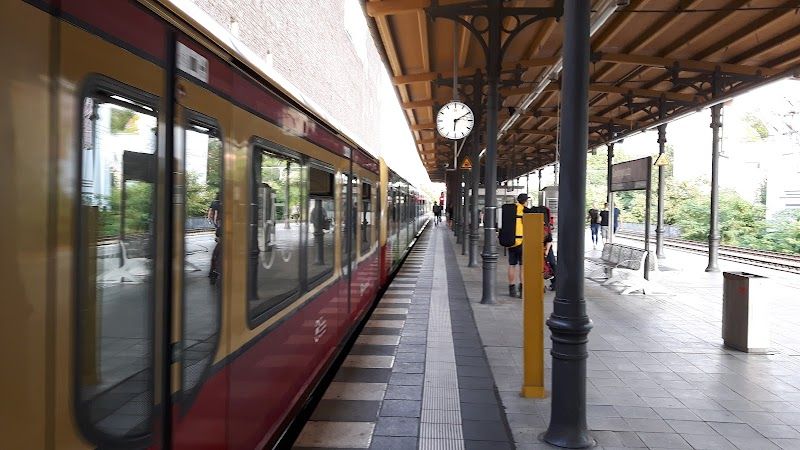
Savignyplatz
Leafy square surrounded by elegant Wilhelmine architecture, bookshops, and cafes. The square features beautiful S-Bahn viaduct arches housing antique shops and small galleries. It's the heart of literary Charlottenburg and a popular meeting spot for locals.
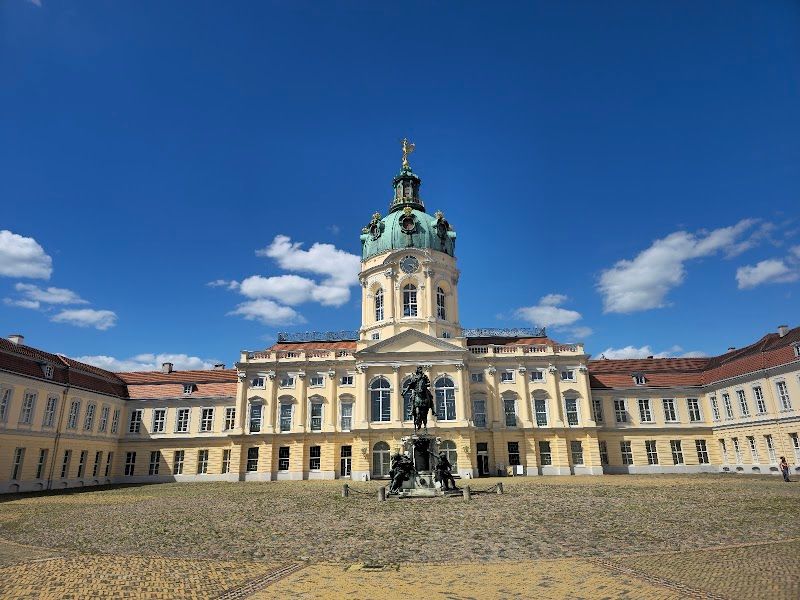
Charlottenburg Palace
The largest palace in Berlin, built starting in 1695 for Sophie Charlotte, the first Queen of Prussia, and expanded over two centuries by successive rulers. The Baroque original is flanked by the New Wing (added by Frederick the Great) and surrounded by formal gardens that extend to the Spree river. It is the only major royal palace in Berlin and the closest thing the city has to Versailles, though on a more intimate, human scale. The Old Palace interior includes the porcelain cabinet (floor to ceiling with Chinese and Japanese porcelain) and the chapel with its ornate ceiling fresco. The New Wing (EUR12) is the better visit: the Golden Gallery is one of the finest Rococo rooms in Germany, 42 meters of gold leaf and mirrors, and Frederick the Great's apartments show how an 18th-century Prussian king actually lived (answer: with a lot of French furniture and an obsession with flute music). The gardens are the underrated highlight and they are free. The formal Baroque garden near the palace gives way to an English landscape garden behind it, with paths leading along the Spree and a mausoleum containing the tombs of Prussian royals. In spring the gardens are full of cherry blossoms; in autumn the lime trees turn gold. Morning visits catch the best light on the palace facade. The Berggruen Museum across the street (EUR10) has one of Europe's best Picasso collections, plus Klee, Giacometti, and Matisse, in a manageable-sized building you can see in 90 minutes. The Scharf-Gerstenberg Collection next door focuses on Surrealism. Together with the palace, this corner of Charlottenburg holds a full day of world-class art and architecture.
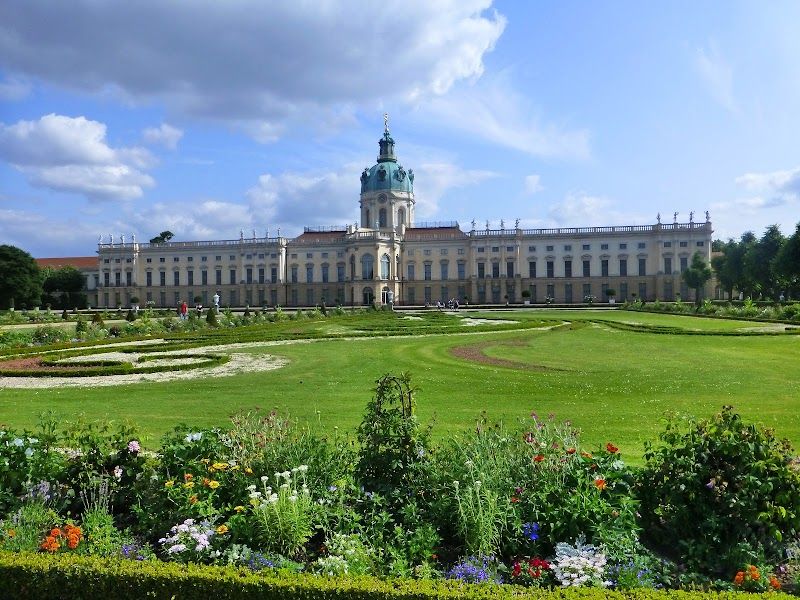
Schlossgarten Charlottenburg
Expansive baroque palace gardens behind Charlottenburg Palace, featuring formal French-style gardens, an English landscape park, and a romantic lake with a pavilion. The gardens include the Belvedere tea house and the mausoleum of Queen Luise. It's a peaceful escape with tree-lined paths perfect for strolling.
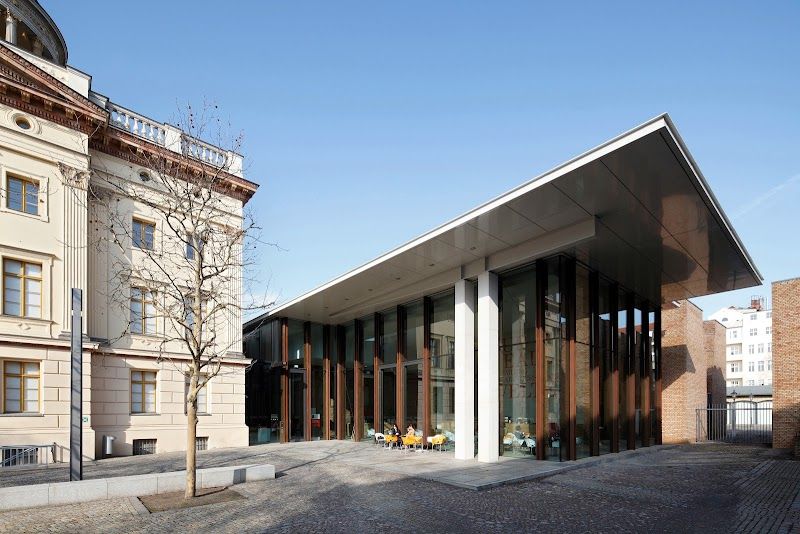
Sammlung Scharf-Gerstenberg
This specialist museum opposite Charlottenburg Palace focuses on Surrealism and its predecessors from Piranesi through Goya to Dalí, Magritte, and Max Ernst. The collection emphasizes fantastical and grotesque imagery across centuries. The intimate scale and thematic focus provide relief from Museum Island's encyclopedic institutions.
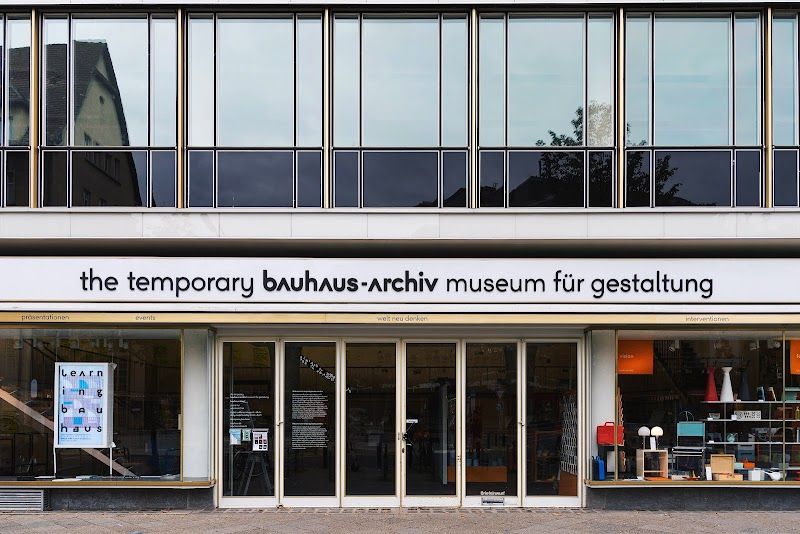
Bauhaus-Archiv / Museum für Gestaltung
Walter Gropius designed this purpose-built archive housing the world's largest Bauhaus collection, showcasing furniture, ceramics, textiles, and graphics from the revolutionary design school. The building's white shed-roof forms reflect Bauhaus principles. Currently undergoing expansion, check opening status before visiting.
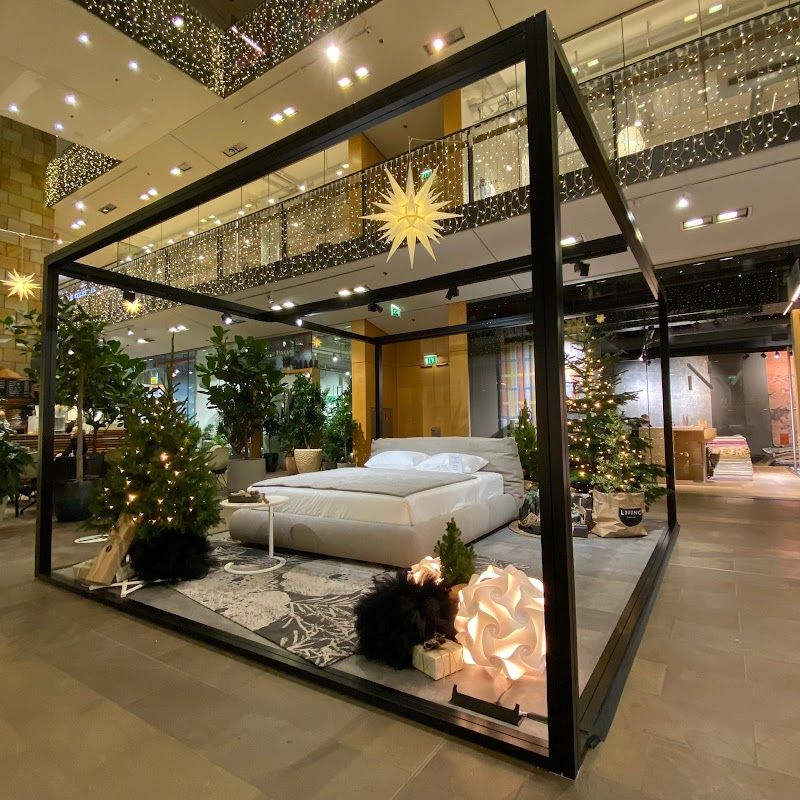
Stilwerk Berlin
Four-floor design center showcasing high-end furniture, lighting, and interior design from international and German brands. This is where Berlin architects and interior designers shop, featuring showrooms from companies like Cassina, Vitra, and B&B Italia. The building itself is a renovated historic space with an impressive atrium.
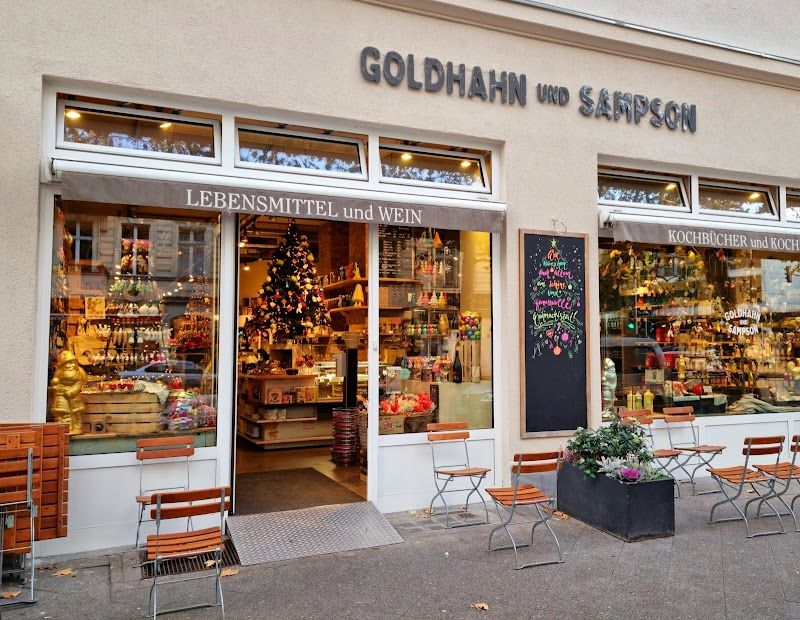
Goldhahn und Sampson Kochstudio
Intimate cooking classes in a beautiful Charlottenburg kitchen shop and wine bar. Classes focus on seasonal German cuisine, regional specialties, and wine pairings, with a maximum of 12 participants ensuring hands-on instruction from professional chefs.
Where to Eat
Restaurants and cafes in Charlottenburg
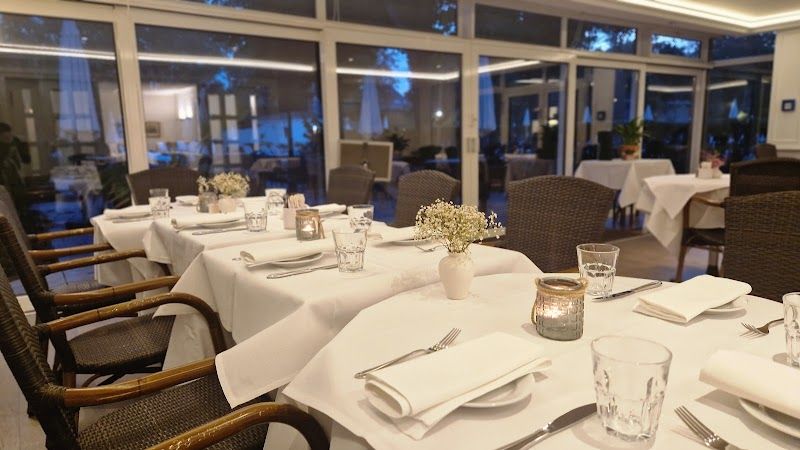
Café Wintergarten im Literaturhaus
CafeElegant café housed in a beautifully restored 1889 villa with a glass-enclosed winter garden overlooking a quiet courtyard. The café serves excellent breakfast, lunch, and homemade cakes in a refined literary atmosphere. Attached to the Literaturhaus which hosts readings and cultural events.
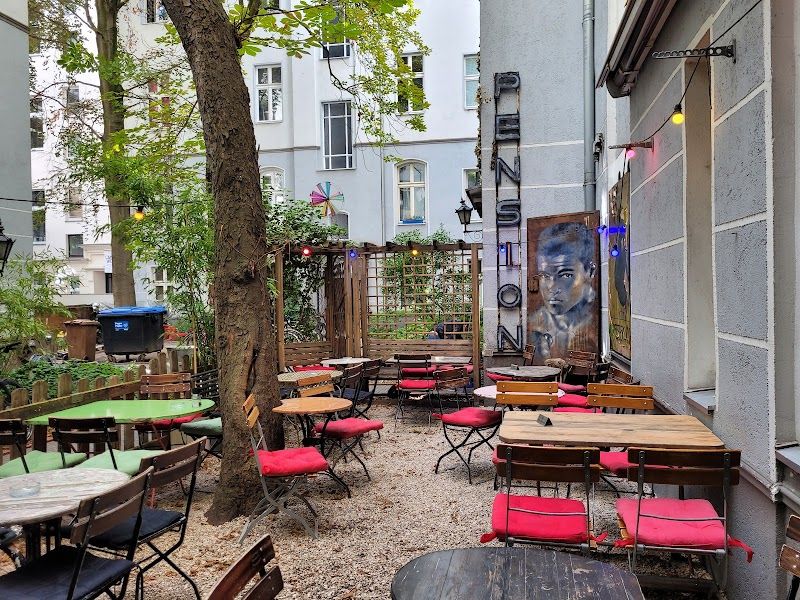
Schwarzes Café
Cafe24-hour institution in Charlottenburg serving breakfast, cakes, and hot meals around the clock since 1978. The dark, theatrical interior with black walls and candlelit tables attracts night owls, shift workers, and anyone craving Rührei at 4am. A true Berlin original that refuses to modernize.
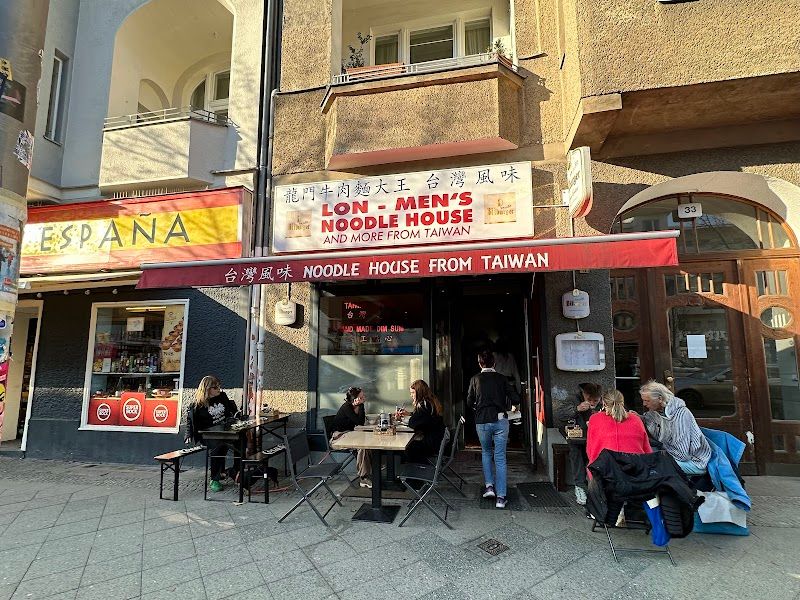
Lon Men's Noodle House
RestaurantMitte's go-to spot for hand-pulled Lanzhou beef noodles, where you can watch the noodle master stretch dough through the window. The clear broth with tender beef and fresh cilantro is restorative.
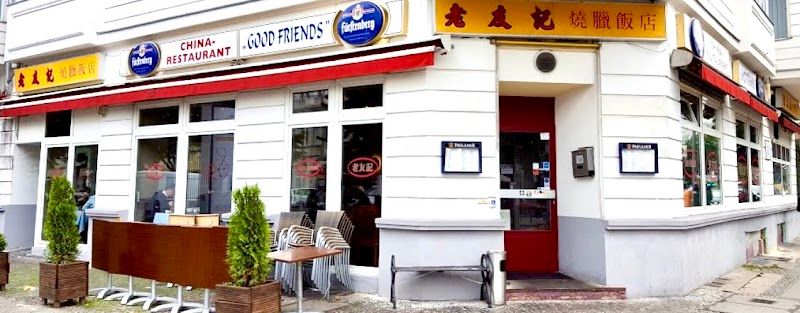
Good Friends
RestaurantAuthentic Cantonese restaurant that's been a Charlottenburg favorite since the 1980s, known for its dim sum and roasted meats. The restaurant features an open kitchen with hanging roasted duck and pork, and serves some of Berlin's best Chinese food. Popular with the local Chinese community, which is always a good sign.
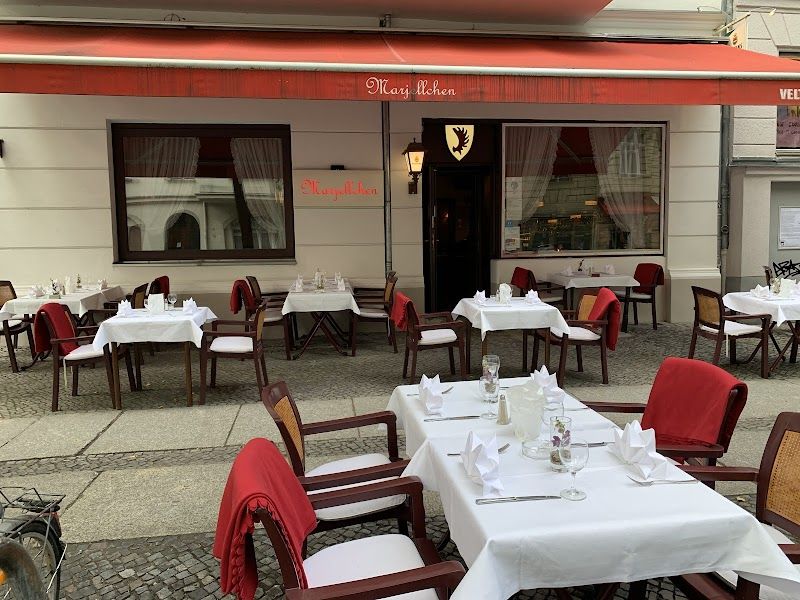
Restaurant Marjellchen
RestaurantCozy traditional restaurant serving authentic East Prussian cuisine in a warm, nostalgic setting with old photographs and memorabilia. The menu features hearty dishes from former German eastern territories like Königsberger Klopse and various game preparations. This family-run establishment has been a Charlottenburg institution since 1982.
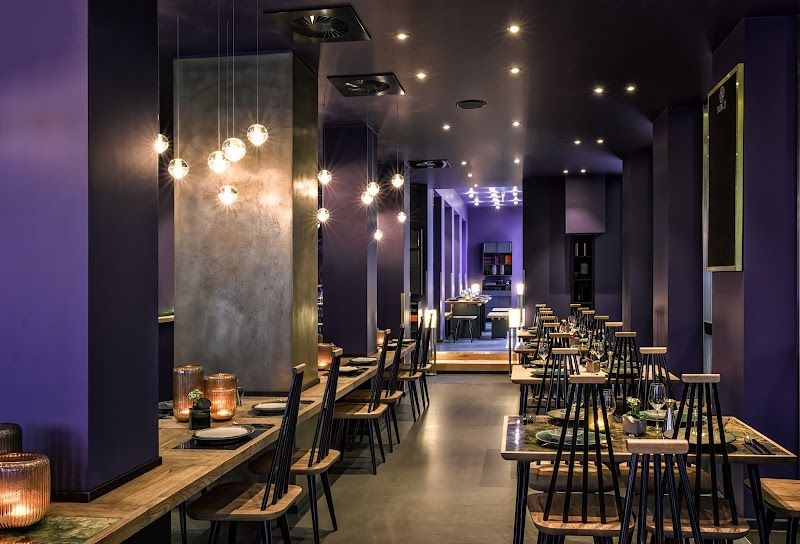
Dudu
RestaurantVietnamese-Asian fusion in Mitte with a focus on fresh summer rolls, pho, and creative cocktails. The space is stylish and the playlist is always on point.
Nightlife
Bars and nightlife in Charlottenburg
Getting Here
Metro Stations
Getting There
U2 and U9 converge at Zoologischer Garten. S-Bahn stops at Savignyplatz and Charlottenburg. Bus M45 runs from Zoo Station to the Palace entrance.
On Foot
The Kudamm corridor is walkable (Savignyplatz to KaDeWe is 15 minutes). The Palace is a bit further west - take the U-Bahn or bus unless you enjoy a 25-minute walk.
By Bike
Wide, well-maintained bike lanes along Kantstrasse and Bismarckstrasse. The Schlossstrasse approach to the Palace is a scenic ride.
Insider Tips
KaDeWe Food Hall Strategy
Go to the sixth floor of KaDeWe hungry. The stand-up counters serve everything from fresh oysters to sushi to wurst. Budget EUR15-25 for a proper food hall lunch. Skip the ground floor tourist crowd.
Palace Garden Mornings
Charlottenburg Palace gardens are free and open early. Walk the formal Baroque garden first, then the English landscape garden behind it. Morning light through the lime trees is worth the early start.
Savignyplatz Evening
Savignyplatz comes alive in the evening. Start with wine at Diener Tattersall (a Berlin institution since 1893), then dinner at Paris Bar or any of the Italian spots on Knesebeckstrasse.
Nearby Neighborhoods
Continue exploring
Tiergarten
Berlin's green lung, Victory Column, Philharmonic, Potsdamer Platz, vast park, political quarter

Schoneberg
LGBTQ+ history, Winterfeldtplatz market, David Bowie's old neighborhood, understated local charm

Moabit
Island neighborhood, Hauptbahnhof gateway, Turkish market hall, Spree riverbank, local and quiet
Plan a trip featuring Charlottenburg
Get a personalized Berlin itinerary with Charlottenburg built in.
Start Planning