Berlin
Kreuzberg
Rebellious heart, Turkish community, doner kebabs, Markthalle Neun, street art, nightlife
About Kreuzberg
Kreuzberg is the neighborhood that made Berlin cool before anyone used that word for cities. It started as the cheap quarter next to the Wall, where Turkish Gastarbeiter, punks, squatters, and draft dodgers built a community because nobody else wanted the buildings. The Wall came down, but the attitude stayed.
The Turkish influence runs deep and it is the best thing about the food here. Mustafa's Gemuse Kebap on Mehringdamm has a permanent queue for a reason, but the real move is the sit-down Turkish breakfast places in the side streets off Kottbusser Tor: unlimited tea, eggs, cheese, sucuk, honey, and bread for EUR12-15 per person. Markthalle Neun does Street Food Thursday every week, and on a good night it is the best food event in Berlin, with 40+ vendors in a 19th-century iron market hall.
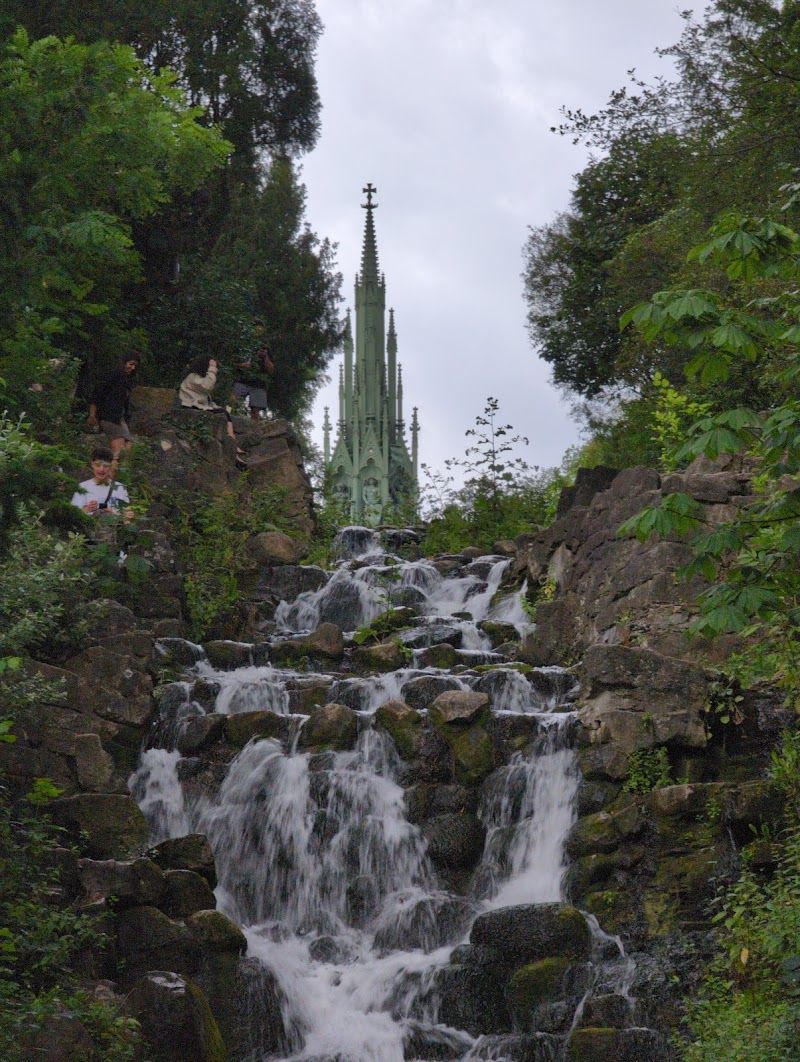
The canal along Paul-Lincke-Ufer is summer in Berlin distilled: people sitting on the banks with Spati beers, someone playing guitar badly, the Admiralbrucke crowd spilling onto the bridge. Viktoriapark has the waterfall and the best sunset view of the skyline. Oranienstrasse is still the street art and bar corridor, though the rents have pushed some of the original spirit east into Neukolln. Kreuzberg has gentrified, and everyone here knows it, but it is still the most alive neighborhood in Berlin after dark.
Things to Do
Top experiences in Kreuzberg
Checkpoint Charlie
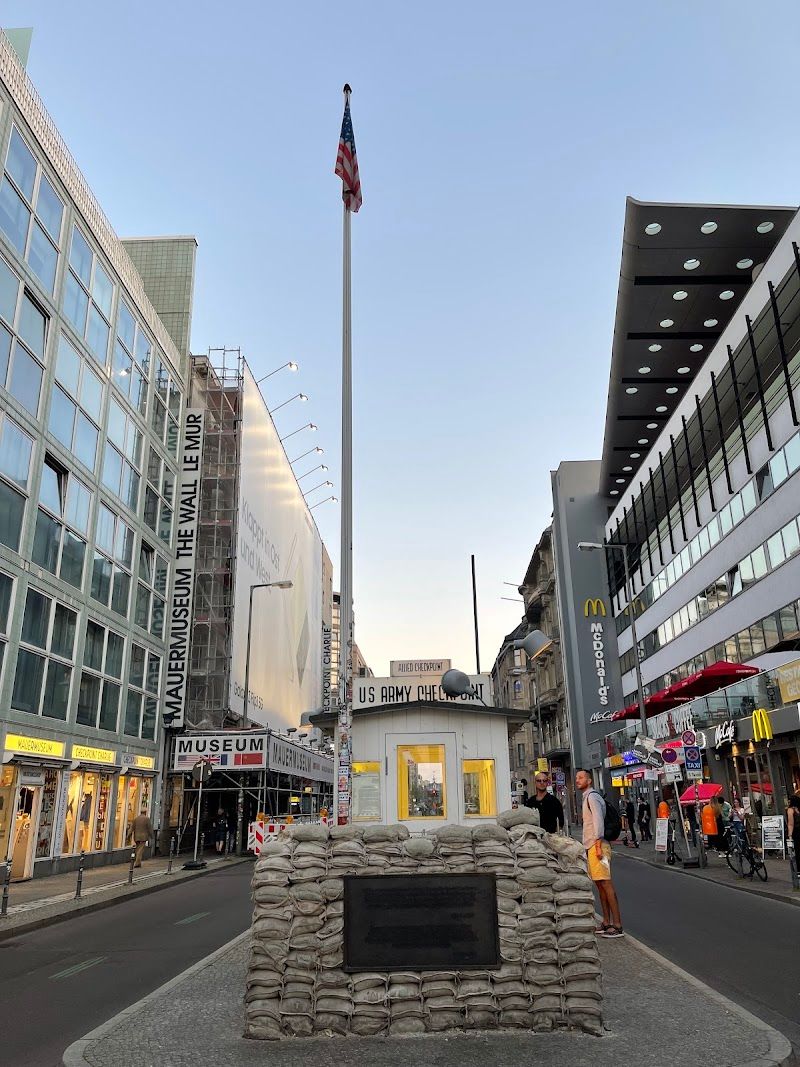
The most famous Cold War crossing point between East and West Berlin, at the junction of Friedrichstrasse and Zimmerstrasse. The outdoor area is, frankly, touristy: the reconstructed guardhouse, the actors in uniforms charging EUR3-5 for photos, the souvenir shops selling fragments of "genuine Wall" that were manufactured in a factory somewhere. If you stop here, you will wonder what the fuss is about. But go upstairs. The Mauermuseum (Wall Museum, EUR17.50) is genuinely worth an hour and tells the stories that the outdoor circus does not. The escape vehicles are the centerpiece: a modified car with a hiding compartment barely large enough for a person, a homemade hot air balloon that carried two families across the border, a mini-submarine, and suitcases modified to conceal children. Each exhibit tells a specific story of a specific person who risked everything to cross a concrete line. The museum is chaotic, overstuffed, and feels like it was curated by someone who acquired objects faster than they could organize them. That is because it was, Rainer Hildebrandt started collecting escape stories in 1963, two years after the Wall went up, and the collection grew organically. The disorder is part of the experience. The Black Box Cold War exhibition across the street is free, more modern, and provides geopolitical context that the Mauermuseum deliberately avoids in favor of personal stories. The best way to understand Checkpoint Charlie is to visit it as part of a longer walk: start at the Topography of Terror (10 minutes south), then walk north to the checkpoint, then continue to Gendarmenmarkt for lunch.
Topography of Terror
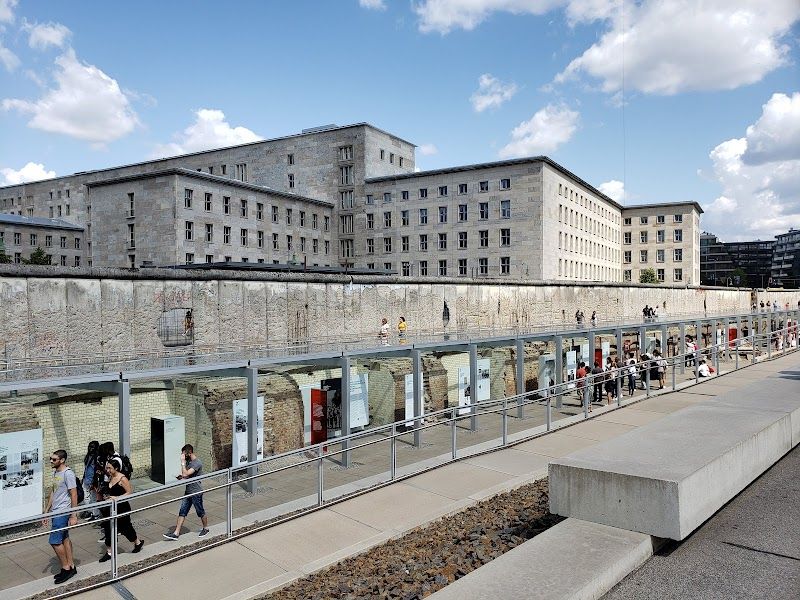
Built on the exact site of the former Gestapo and SS headquarters at Prinz-Albrecht-Strasse (now Niederkirchnerstrasse), this free museum documents how the Nazi terror apparatus functioned with photographs, documents, orders, and eyewitness accounts. A preserved section of the Berlin Wall runs along one side of the property, adding a second layer of German history to the site. The exhibition is methodical, chronological, and devastating in its detail. It traces the rise of the SS and Gestapo from 1933, the systematic persecution of Jews, Roma, political opponents, and other targeted groups, the administration of the concentration camp system, and the organization of the Holocaust. It does not editorialize. It lets the documents speak: typed orders, photographed faces, bureaucratic memos that reduce human lives to logistics problems. The building itself is a deliberate architectural statement. The simple, transparent structure by architect Peter Zumthor (replaced by Ursula Wilms after Zumthor withdrew) sits partially above the excavated cellars where prisoners were held and interrogated. You walk above the ruins. The outdoor exhibition along the preserved Wall section is separate from the indoor museum and covers the history of the site itself. This is arguably the most important free museum in Germany. It receives over a million visitors a year and does not charge admission, a deliberate choice. Plan 90 minutes minimum. The documentation is text-heavy and emotionally demanding, so pace yourself. The audio guide (EUR3) is worthwhile for context, especially for the outdoor exhibition where the ruins require interpretation.
Viktoriapark
Kreuzberg's namesake hill crowned by Schinkel's Gothic war monument offers one of Berlin's best elevated viewpoints. An artificial waterfall cascades down the hillside in summer, creating the city's only mountainous landscape. Wine-growing terraces occupy the sunny slopes below the peak.
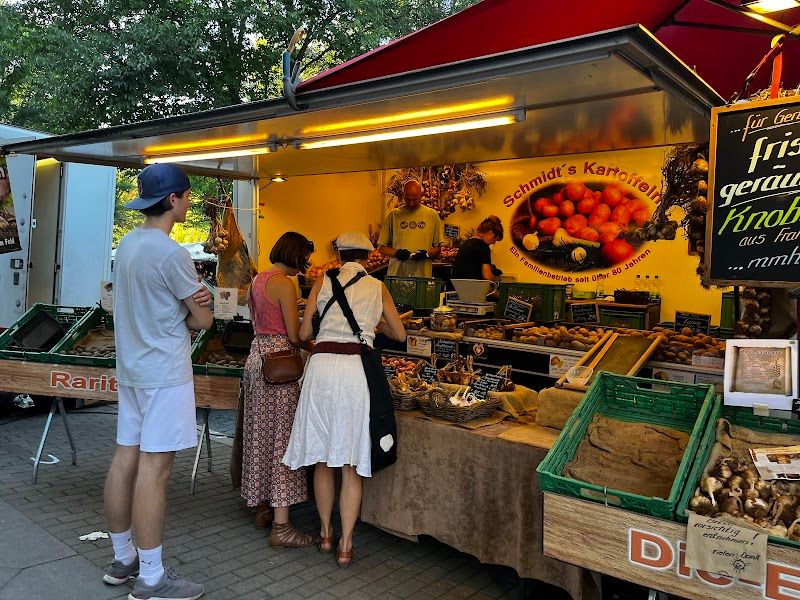
Türkenmarkt am Maybachufer
Berlin's most vibrant Turkish market lines the Landwehr Canal every Tuesday and Friday with fruit, vegetable, spice, and textile vendors. The calls of sellers, fresh gözleme being griddled, and piles of colorful produce create a sensory bazaar experience. This is where Berlin's Turkish community shops for ingredients you won't find in supermarkets.
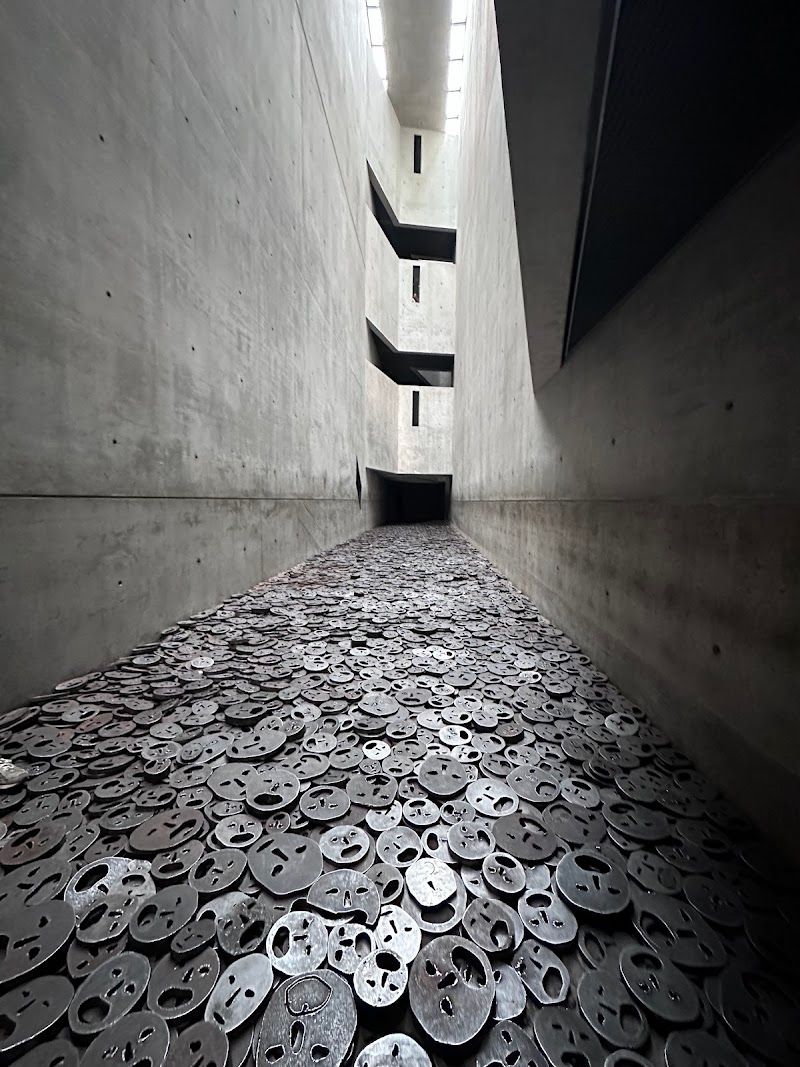
Jüdisches Museum Berlin
Daniel Libeskind's zinc-clad architectural masterpiece chronicles German-Jewish history through two millennia. The building's sharp angles, voids, and disorienting corridors create an emotional journey before you even read the exhibits. The Garden of Exile and Holocaust Tower are visceral architectural experiences.
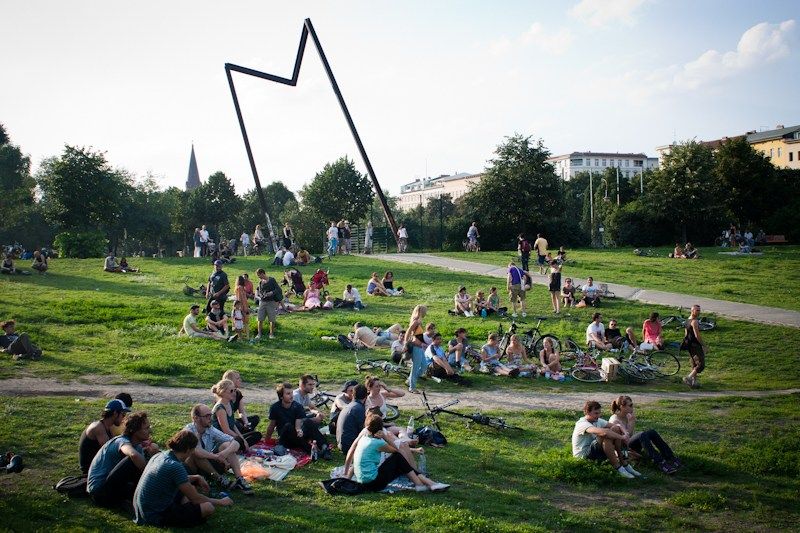
Görlitzer Park
A former railway station transformed into Kreuzberg's grittiest park, known for its wild meadows, diverse crowd, and distinctly unpolished character. Turkish families barbecue alongside alternative youth, while a small city farm with goats and chickens occupies one corner. The park embodies Berlin's raw, ungentrified spirit.
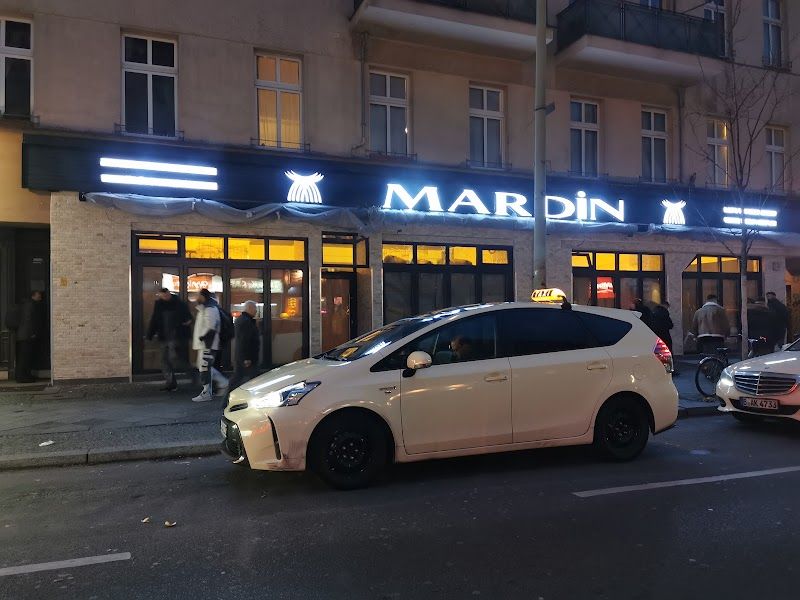
Kreuzberg Kulinarisch
Guided food tour through multicultural Kreuzberg sampling Turkish börek, Kurdish lahmacun, Vietnamese pho, and craft beer at local institutions. Groups visit 5-6 family-run spots with insights into Berlin's immigrant food culture and the neighborhood's transformation.
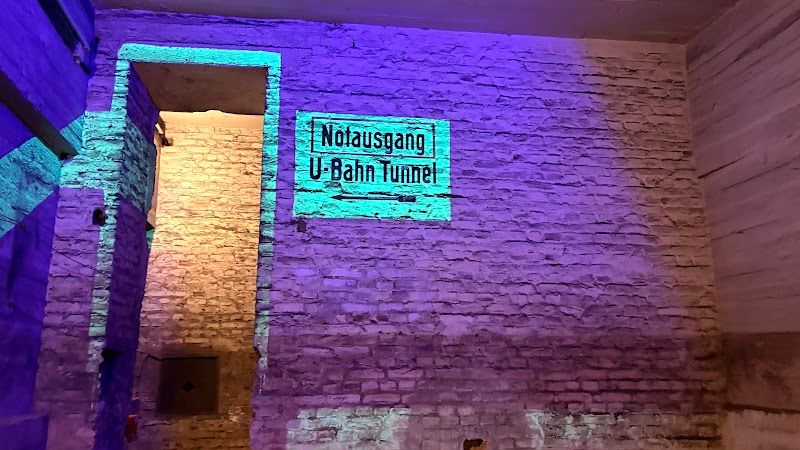
Berlin Unterwelten Tour D
Specialized bunker tour exploring a massive Cold War nuclear shelter beneath Pankstraße U-Bahn that could house 3,339 people. See the original emergency supplies, decontamination showers, and hospital facilities in this time capsule of Cold War paranoia.
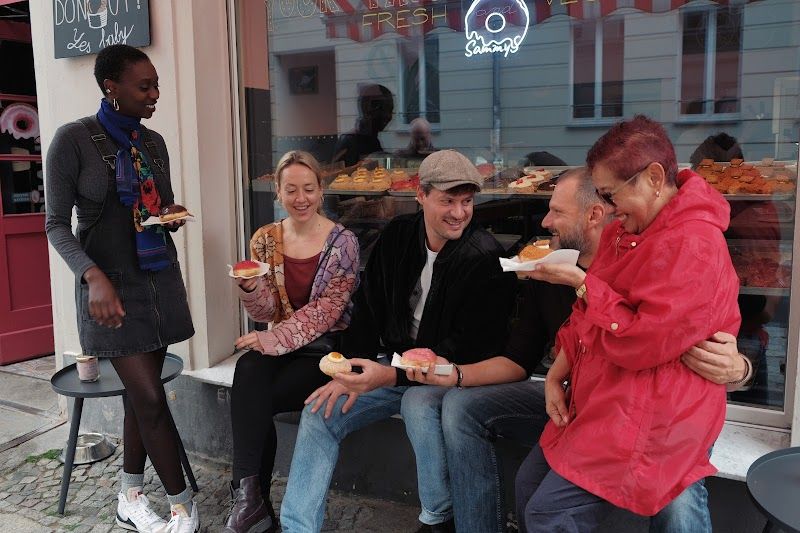
Schöneberg Food Tour
Guided culinary walk through diverse Schöneberg sampling traditional German bakers, artisan chocolatiers, international delis, and LGBT-friendly cafes. The tour covers the neighborhood's transformation from David Bowie's residence to today's food scene with 6-7 tastings.
Where to Eat
Restaurants and cafes in Kreuzberg
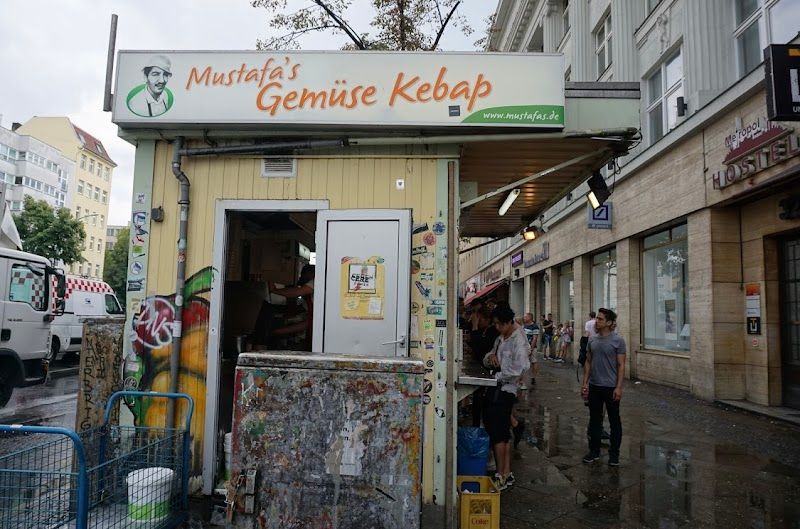
Mustafa's Gemüse Kebap
RestaurantBerlin's most famous döner kebap stand with legendary hour-long queues. The signature vegetable kebap features grilled halloumi, roasted vegetables, and herb-lemon sauce in fresh-baked bread.
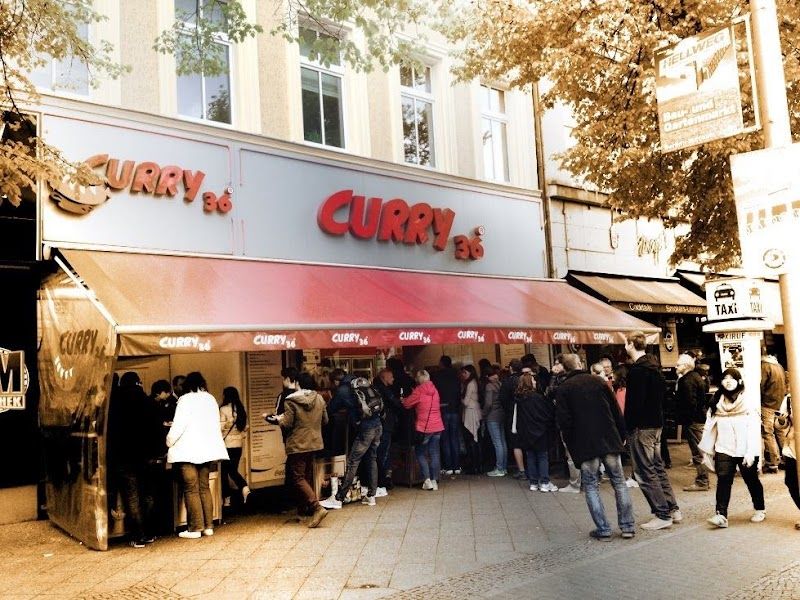
Curry 36
RestaurantKreuzberg's 24-hour currywurst institution serving since 1980, favored by night shift workers, club-goers, and currywurst purists. Their curry sauce hits different at 3am after a night out.
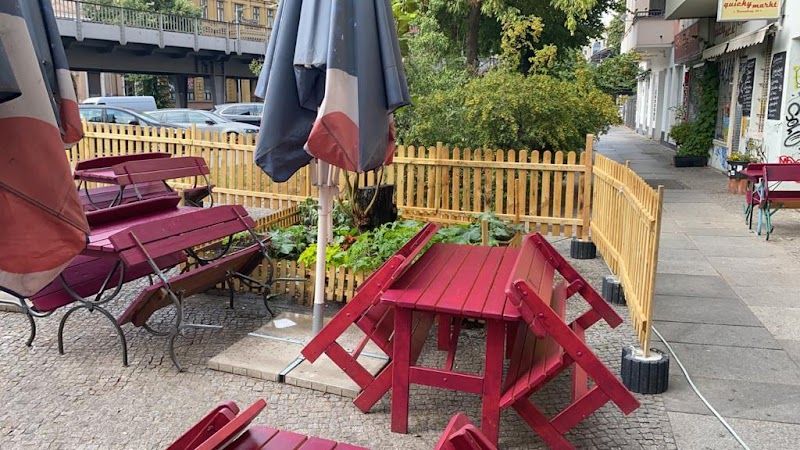
Baraka
RestaurantKreuzberg's North African restaurant serving tagines, couscous, and grilled merguez sausage. The interior features authentic Moroccan tiles and low seating with cushions.
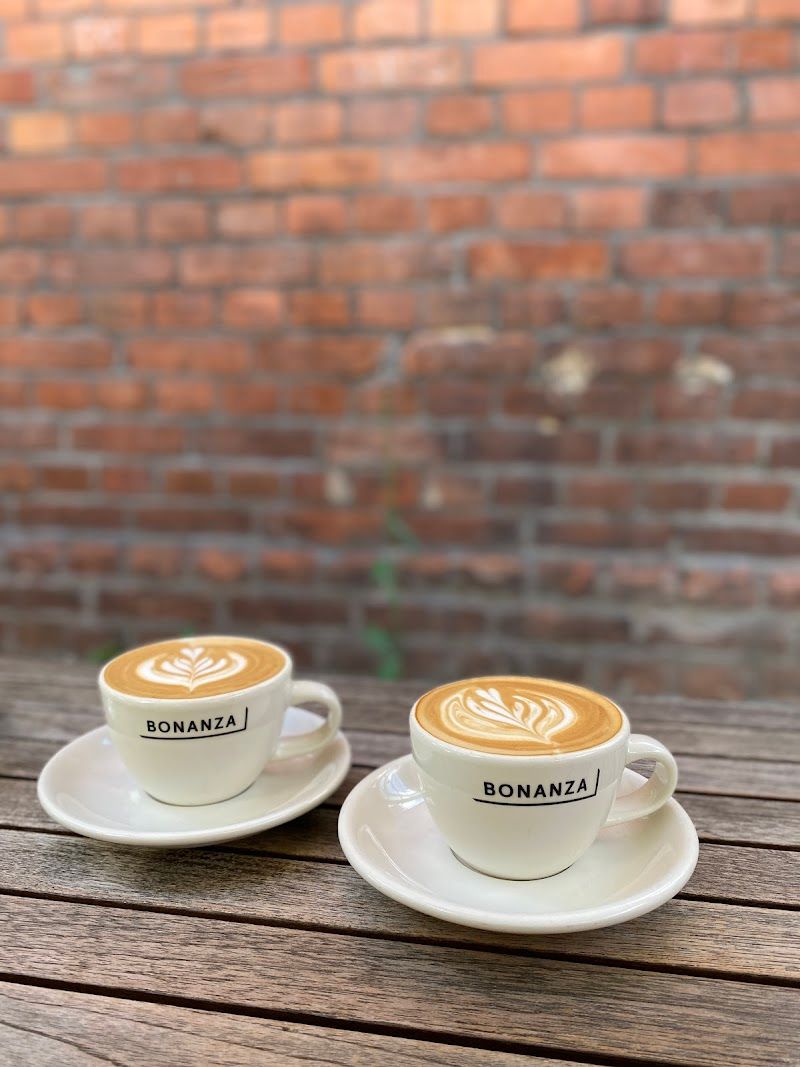
Bonanza Coffee
CafeIndustry-leading coffee roastery in a former brewery with an industrial aesthetic and serious barista credentials. The rotating selection of single-origin espressos and filters draws coffee professionals from across Europe. They pioneered the direct-trade model in Berlin's coffee scene.
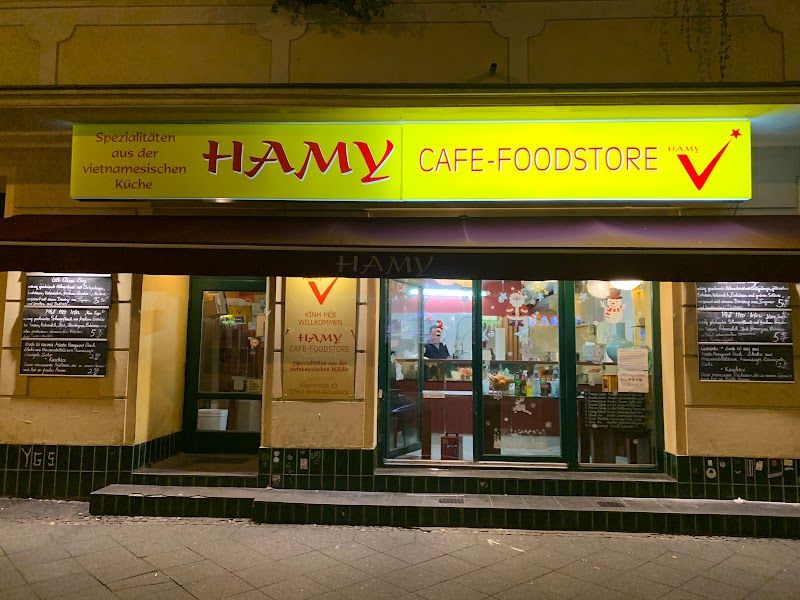
Hamy Cafe
RestaurantVietnamese restaurant in Lichtenberg serving pho, bun cha, and banh mi to the local Vietnamese community. Portions are generous, prices low, and the northern Vietnamese flavors are spot-on.
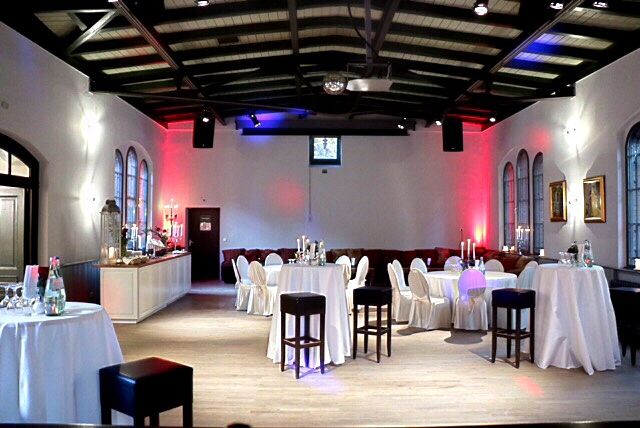
Tomasa
RestaurantIsraeli-Mediterranean restaurant in Neukölln's Schillerkiez serving sharing plates like roasted cauliflower with tahini and housemade laffa bread. Small natural wine selection rotates weekly.
Nightlife
Bars and nightlife in Kreuzberg
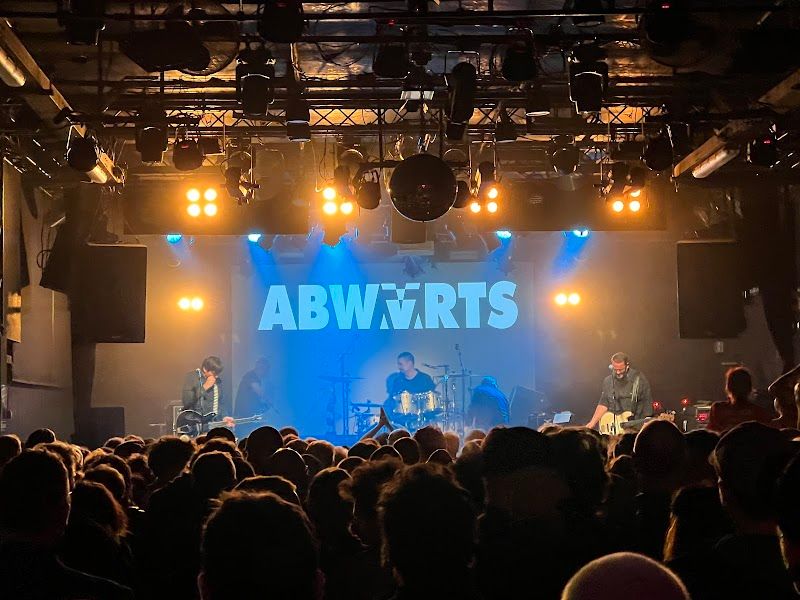
SO36
NightlifeHistoric punk venue operating since 1978, integral to Berlin's alternative and LGBTQ+ scenes. Hosts punk and hardcore concerts, themed club nights including the legendary Gayhane party, and political events. The gritty, unpretentious space maintains its underground spirit and community focus.
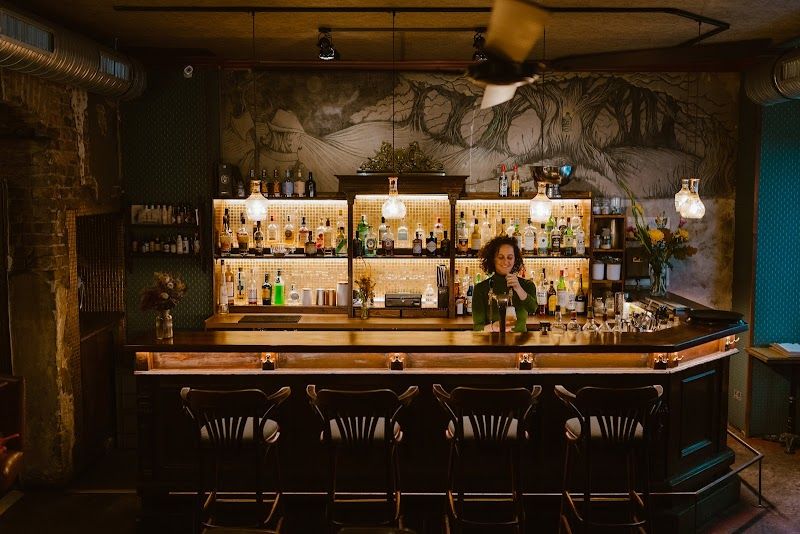
Geist im Glas
NightlifeA craft cocktail bar focusing on house-made infusions and seasonal ingredients, with an ever-changing menu of creative drinks. The intimate space has a speakeasy feel with expert bartenders who take pride in their craft. They also offer cocktail-making workshops.
Getting Here
Metro Stations
Getting There
U1 runs the spine of Kreuzberg from Schlesisches Tor to Kottbusser Tor and west. U6/U7 converge at Mehringdamm. U8 at Moritzplatz. Coverage is excellent.
On Foot
Very walkable within Kreuzberg. Kottbusser Tor to Schlesisches Tor is 15 minutes on foot. The Bergmannstrasse corridor to Viktoriapark is a pleasant 20-minute stroll.
By Bike
Kreuzberg is flat and bike-friendly. The canal paths along Landwehr Canal are the best cycling routes. Lock your bike properly - theft is common here.
Insider Tips
Mustafa's Queue Hack
The Mustafa's Gemuse Kebap line averages 30-45 minutes. Go at 11 AM or after 10 PM for shorter waits. The vegetable kebab is the signature, but the chicken doner is just as good without the wait at nearby shops.
Street Food Thursday
Markthalle Neun's Street Food Thursday runs 5-10 PM. Arrive by 5:30 PM to beat the crowds. Bring cash - many vendors do not take cards. The regular weekday market (Tue-Sat) is less crowded and just as good for produce and deli items.
Admiralbrucke Sunset
The crowd on Admiralbrucke peaks around 8-9 PM on summer evenings. Grab beers from the nearest Spati (EUR1-2 per bottle) and find a spot on the canal bank if the bridge is too packed.
Nearby Neighborhoods
Continue exploring

Neukolln
Creative spillover from Kreuzberg, Arab bakeries, Tempelhofer Feld, rooftop bars, young international crowd
Friedrichshain
East Side Gallery, nightlife hub, RAW Gelande, street art, Spree riverbank bars

Mitte
Historic center, Museum Island, Brandenburg Gate, where Cold War history meets modern Germany
Related Articles

Plan a trip featuring Kreuzberg
Get a personalized Berlin itinerary with Kreuzberg built in.
Start Planning