
Berlin
Friedrichshain
East Side Gallery, nightlife hub, RAW Gelande, street art, Spree riverbank bars
About Friedrichshain
Friedrichshain is the East Berlin that stayed East. Where Prenzlauer Berg got renovated and gentrified upward, Friedrichshain kept its edges: Soviet-era apartment blocks on Karl-Marx-Allee, the longest remaining stretch of the Wall at the East Side Gallery, and RAW Gelande, a former railway repair yard turned open-air culture compound with clubs, climbing walls, a skate park, and flea markets.
The East Side Gallery is the most photographed piece of the Wall, 1.3 km of murals painted in 1990 by artists from around the world. The Brezhnev-Honecker kiss ("My God, Help Me Survive This Deadly Love") and the Trabant breaking through the Wall are the most iconic. It is free, outdoors, and always open. Walk it in the morning before the tour groups arrive.
Simon-Dach-Strasse is the nightlife artery, lined with bars and restaurants that fill up every evening. The quality is mixed - this is the most tourist-facing bar street in the neighborhood - but the side streets hide better options. The real nightlife happens at the Spree riverbank clubs (Holzmarkt, Kater Blau) and in the warehouse venues scattered around the industrial edges. Boxhagener Platz hosts a Saturday flea market and Sunday food market that locals actually use, and the surrounding streets have the best brunch-to-bar-crawl ratio in the city.
Things to Do
Top experiences in Friedrichshain
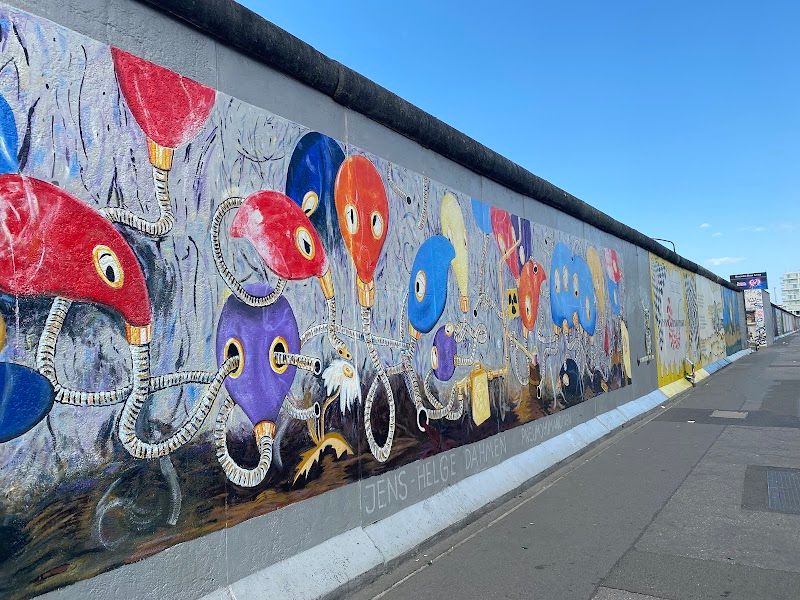
East Side Gallery
The longest remaining stretch of the Berlin Wall: 1.3 km of concrete covered in over 100 murals painted in 1990 by artists from 21 countries. Dmitri Vrubel's "My God, Help Me Survive This Deadly Love" (the Brezhnev-Honecker kiss) is the most photographed, a socialist-realist embrace between the Soviet and East German leaders that manages to be both satirical and sincere. Birgit Kinder's Trabant crashing through the Wall captures the euphoria of November 1989 in a single image. The murals were painted on the east-facing side of the Wall, the side that East Berliners could not see during the division. That detail matters. The entire gallery is a statement about freedom of expression on a surface that once represented its absence. The works have been restored multiple times (controversially, not always with the original artists' involvement), and some are fading or tagged over. Walk the full 1.3 km from Ostbahnhof to Warschauer Strasse. The Spree river runs along the other side of the Wall, and the contrast between the bright murals and the grey concrete is striking. The gallery is free, always open, and best visited in the early morning before the selfie crowds build from the Warschauer Strasse end. Weekend mornings before 10 AM give you space to actually look at the art rather than navigating around phone screens. Some of the most powerful panels are not the famous ones. Look for Kani Alavi's "It Happened in November," showing faces pressing through a crack in the Wall, and Thierry Noir's bold, cartoonish heads that were among the first paintings on the Wall, applied illegally while it was still standing.
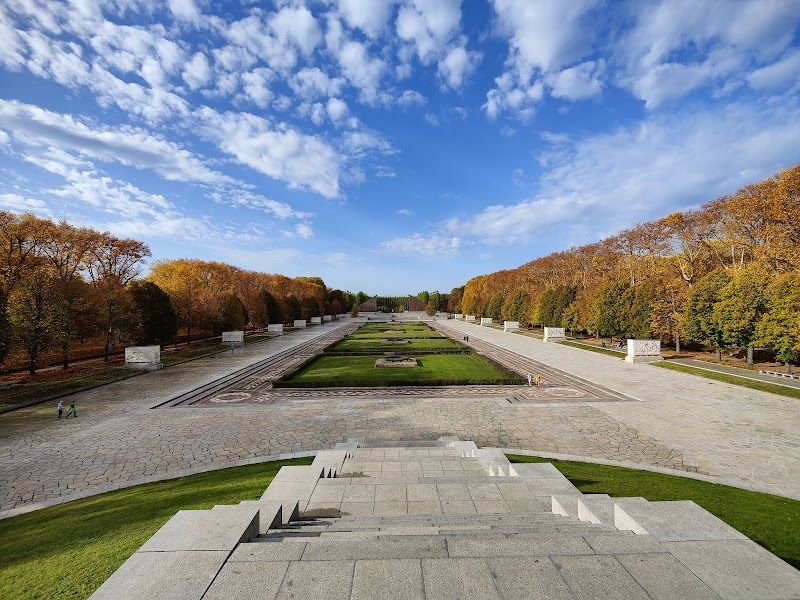
Treptower Park
Home to the colossal Soviet War Memorial, one of Europe's largest World War II monuments, featuring a 12-meter bronze soldier statue atop a hill surrounded by mass graves. The riverside park along the Spree offers peaceful waterfront walks and beer garden vibes. The memorial's socialist realist architecture and sheer scale make it unforgettable.
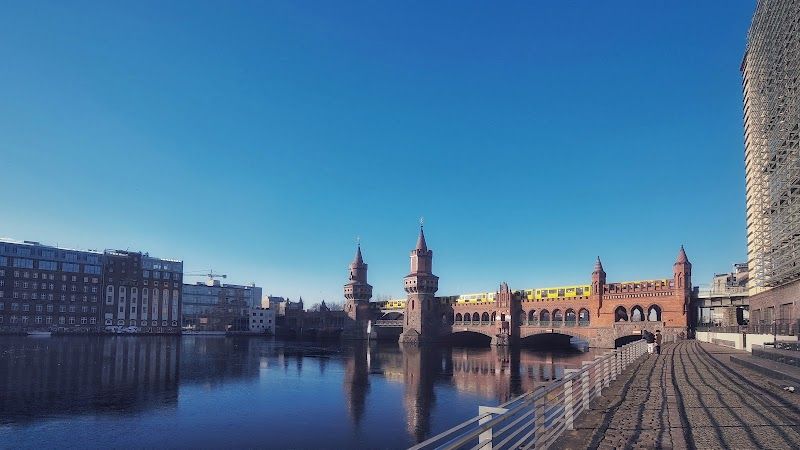
Oberbaumbrücke
This red-brick Gothic Revival double-deck bridge spanning the Spree between Kreuzberg and Friedrichshain became a symbol of reunification. Once a border crossing point, the 1896 bridge carries U-Bahn trains on the upper level and vehicles below. Its distinctive brick towers and arched design make it Berlin's most photogenic bridge.
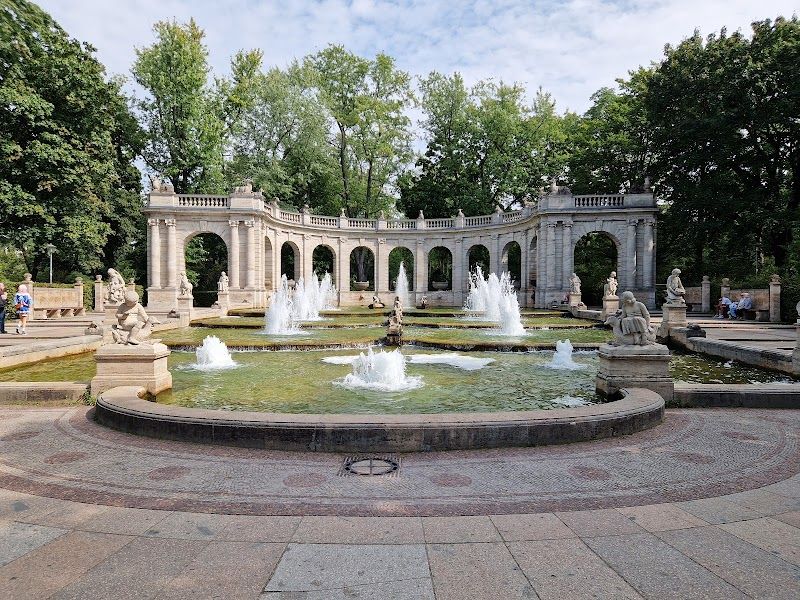
Volkspark Friedrichshain
Berlin's oldest public park features fairy-tale fountain sculptures, WWII bunker hills now used for sledding, and the ornate Märchenbrunnen with its mosaic-decorated cascades. Half-pipe skaters, picnicking students, and outdoor cinema crowds populate this Friedrichshain institution. The park's two artificial hills were built from war rubble.
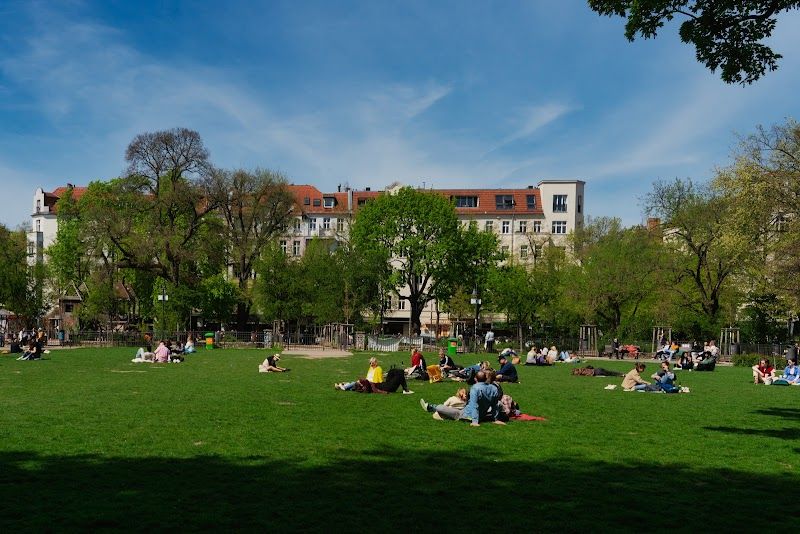
Boxhagener Platz Flohmarkt
Friedrichshain's community square transforms into a flea market every Saturday and a food market on Sundays. Vintage clothing, vinyl records, GDR-era memorabilia, and handmade crafts spread across the plaza while cafés around the edges buzz with brunch crowds. The surrounding streets offer more vintage shops and bars.
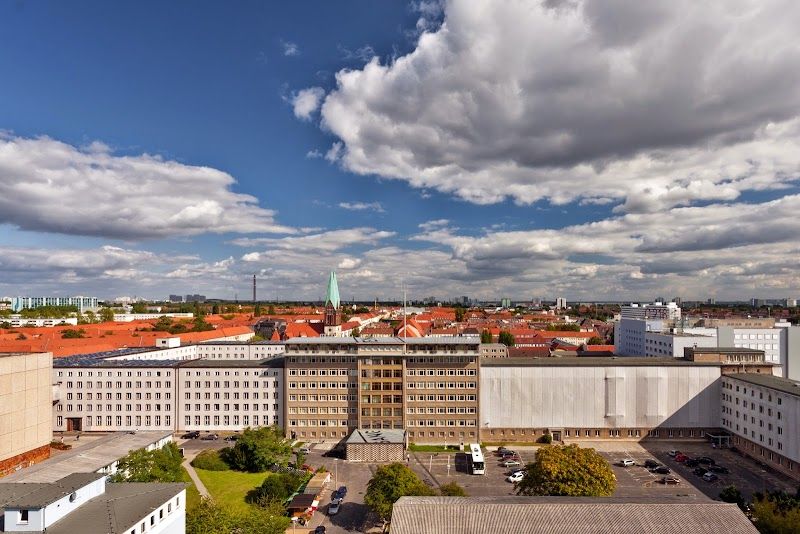
Stasi Museum
The preserved headquarters of East Germany's secret police sits exactly as it was left in 1990, with Erich Mielke's wood-paneled office, surveillance equipment, and filing systems intact. The building itself served as the nerve center for monitoring 6 million citizens. Displays reveal the bureaucratic machinery of state surveillance and its psychological impact.
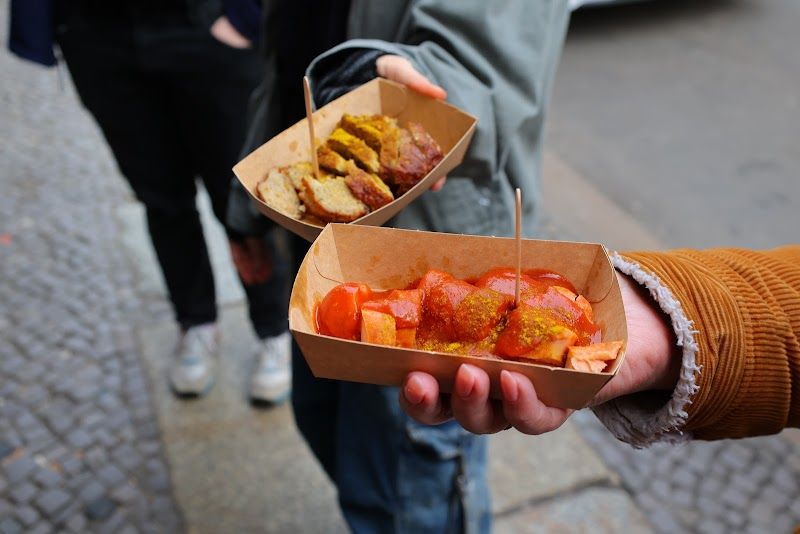
Berlin Food Tour: Kreuzberg & Neukolln
A 3-4 hour walking food tour through Berlin's two best eating neighborhoods. Tours typically include 6-8 stops: Turkish breakfast, doner kebab, falafel, currywurst, a Markthalle Neun tasting, and a Spati beer. The best operators run small groups (max 10) with guides who know the food history behind the Turkish Gastarbeiter community, the Vietnamese in Lichtenberg, and how immigration shaped Berlin's food identity.
Where to Eat
Restaurants and cafes in Friedrichshain
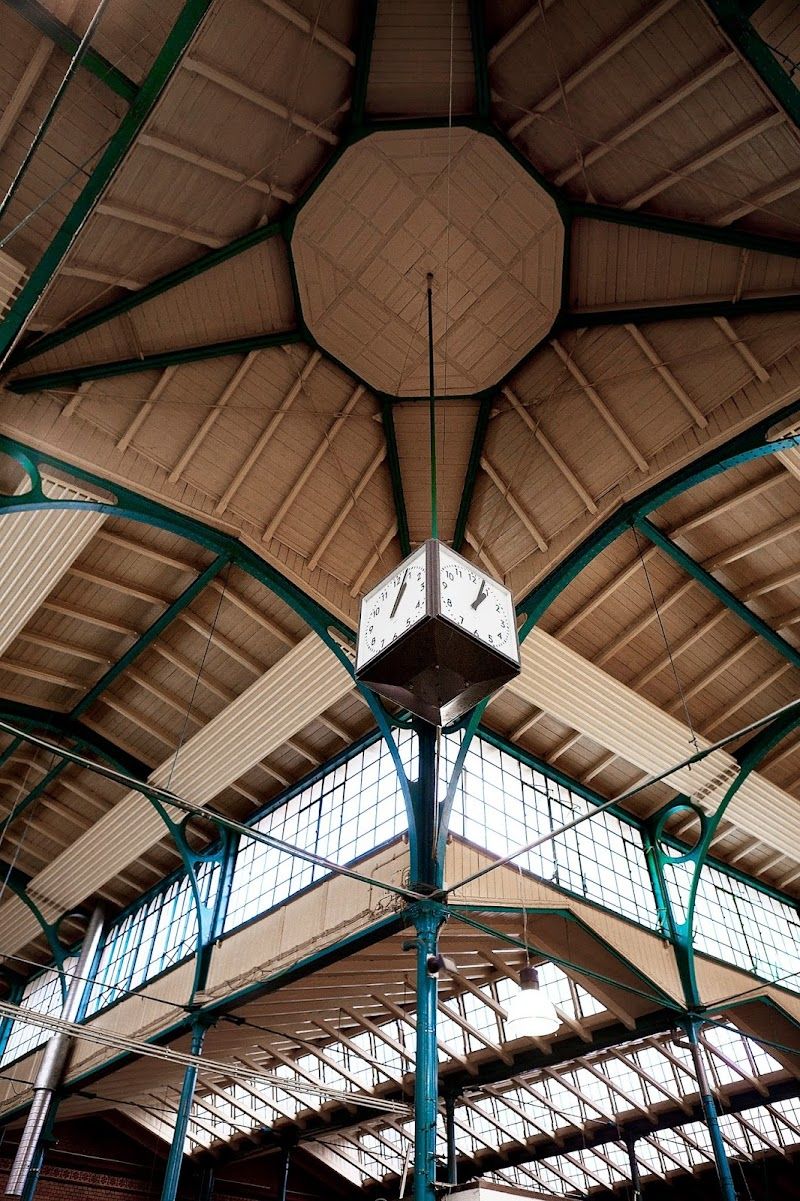
Markthalle Neun
RestaurantRenovated 1891 market hall hosting permanent food stalls and the legendary Thursday Street Food market. Weekly breakfast markets on Saturdays feature regional producers and cheese mongers.
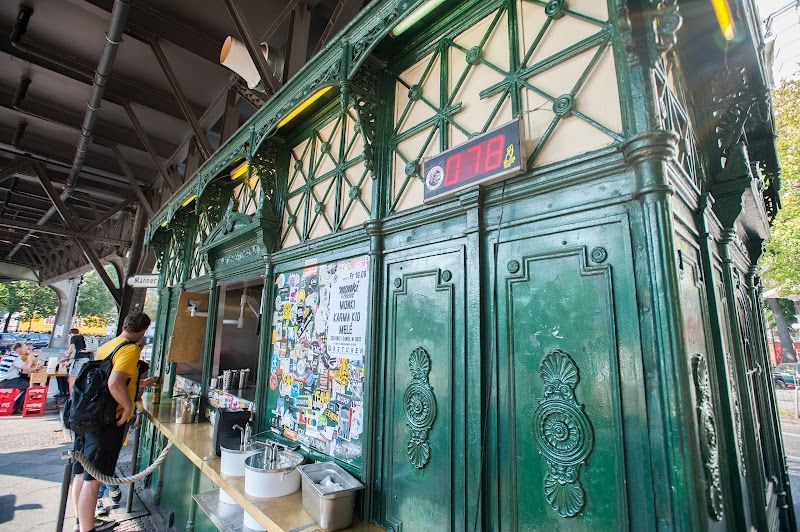
Burgermeister
RestaurantBurger joint operating from a converted 1930s public toilet beneath the U1 tracks in Kreuzberg. The burgers use fresh-ground beef patties and the setting is uniquely Berlin bizarre.
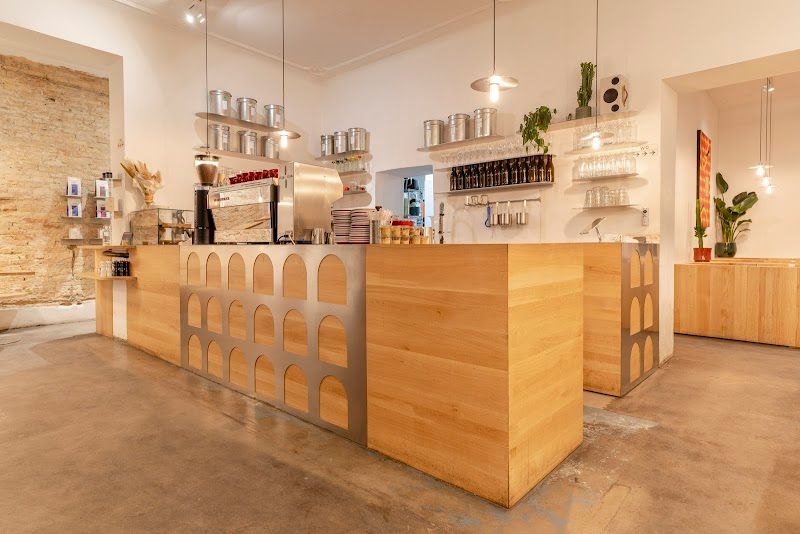
Silo Coffee
CafeMinimalist coffee bar and micro-roastery in a former grain warehouse with exposed concrete and floor-to-ceiling windows. The focus is purely on coffee excellence with constantly rotating single-origin beans and expert baristas happy to discuss extraction ratios. No food, no wifi, just exceptional coffee.
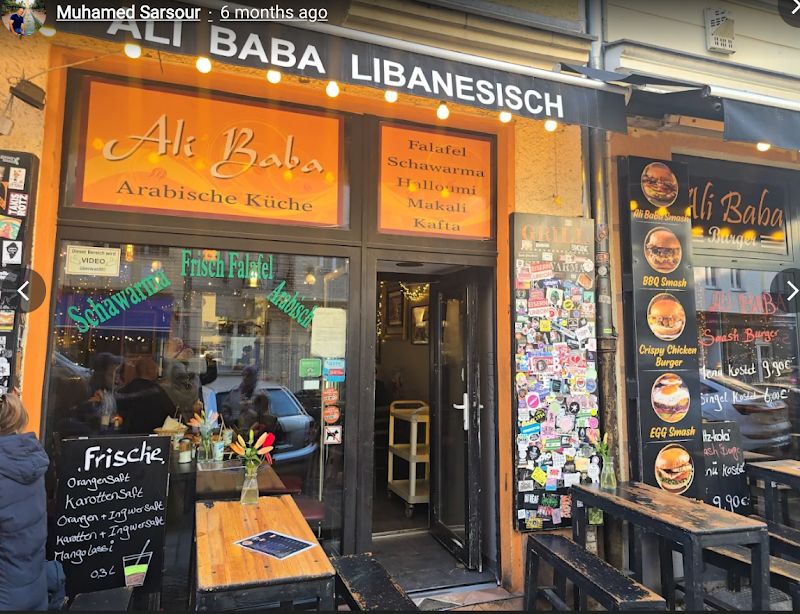
Ali Baba Falafel & Shisha Lounge
RestaurantNo-frills spot serving some of Berlin's best falafel wraps with perfectly crispy balls and generous fresh vegetables. The homemade sauces and warm pita bread make this a local favorite for a quick, satisfying meal. Despite the simple setting, the quality and value are outstanding.
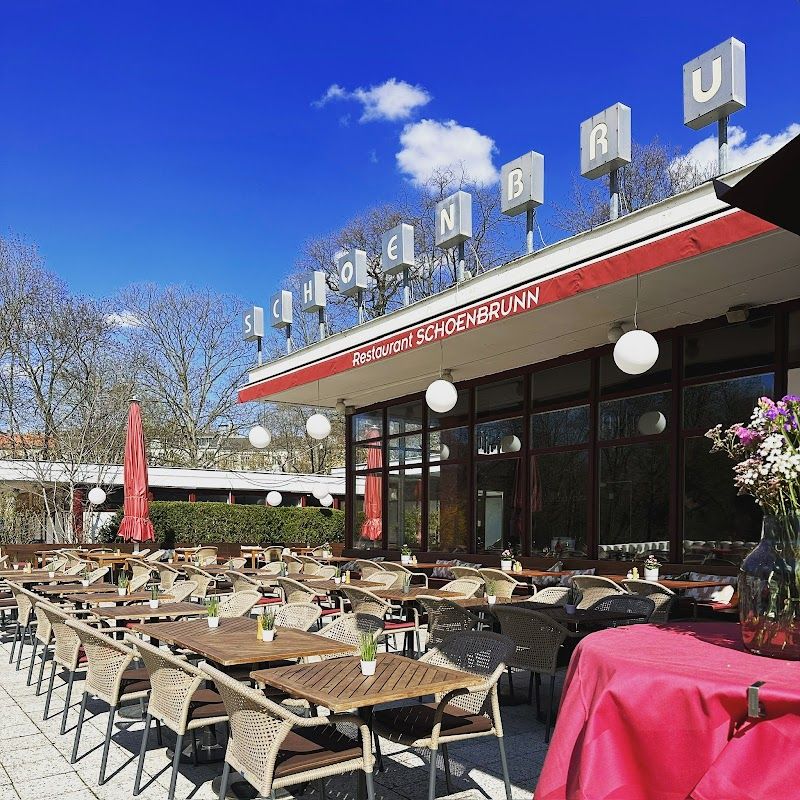
Schoenbrunn
RestaurantViennese restaurant in Kreuzberg serving schnitzel, tafelspitz, and Kaiserschmarrn in a wood-paneled dining room. The Sunday brunch includes Sekt and draws local families.
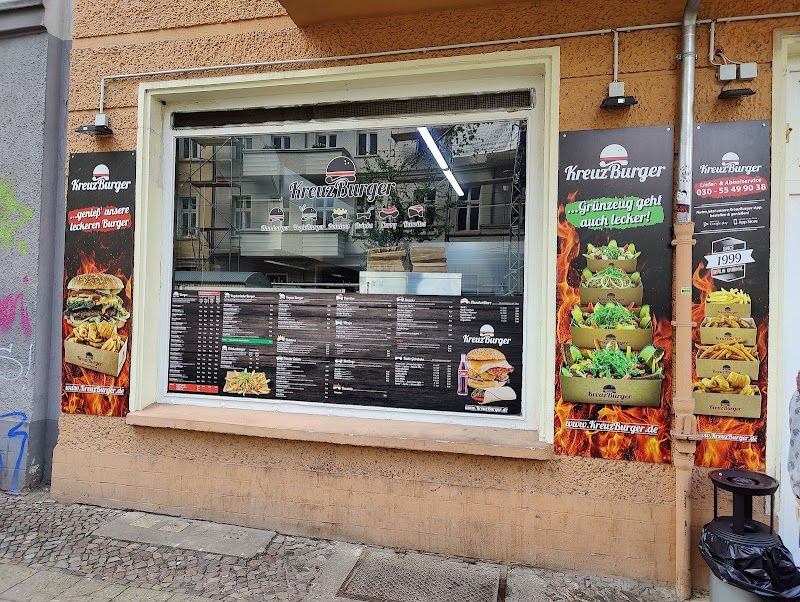
Kreuz-Burger
RestaurantFriedrichshain burger joint known for their Kreuz-Sauce, a secret tangy mayo-based sauce that locals swear by. The patties are hand-pressed daily from organic beef.
Nightlife
Bars and nightlife in Friedrichshain
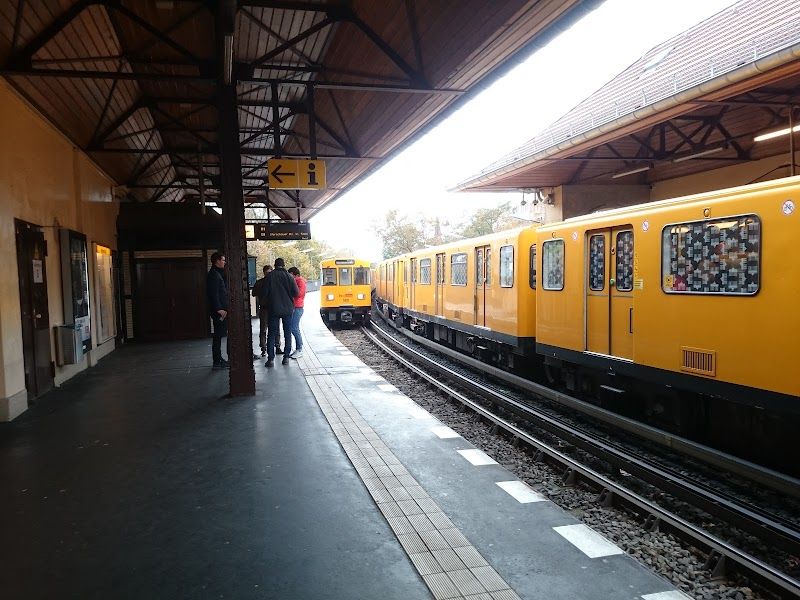
Schlesi
NightlifeAn institution in Neukölln's nightlife scene, this former cinema turned club features multiple floors with different music styles from techno to indie rock. The outdoor area is perfect for summer nights. It attracts a diverse, unpretentious crowd of locals.
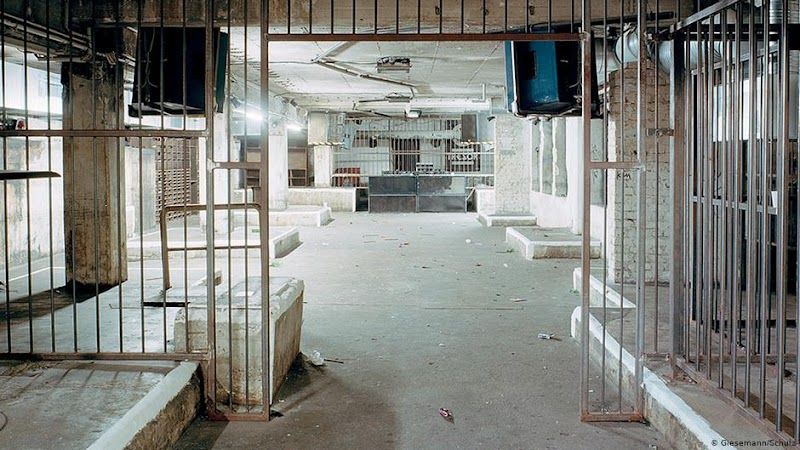
Tresor
NightlifeLegendary techno institution housed in a former power plant, featuring raw industrial architecture and a booming Funktion-One sound system. The vault downstairs and Globus hall upstairs host international DJ talent across hard techno and experimental electronic music. Operating since 1991, it's one of the defining clubs of Berlin's techno culture.
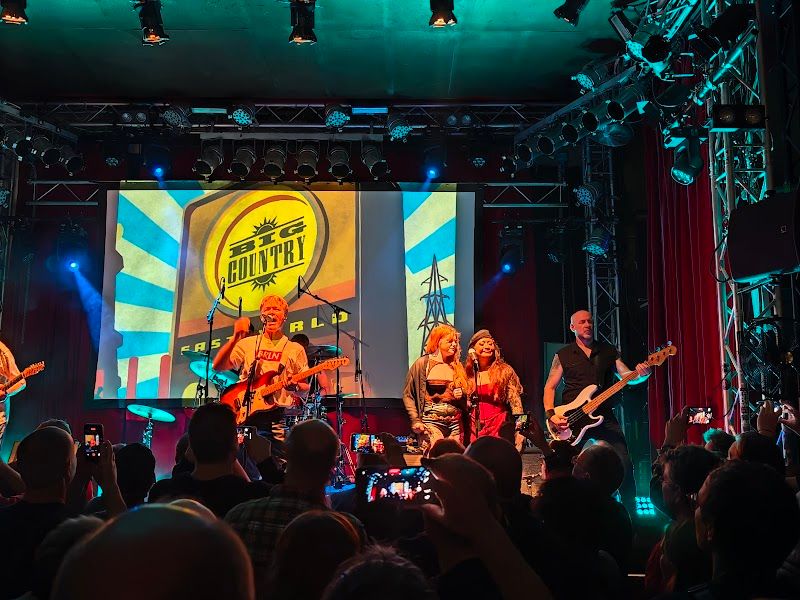
Lido
NightlifeVersatile concert venue and club in a former cinema hosting live indie, rock, electronic, and hip-hop acts before transitioning to DJ sets. The intimate 500-capacity hall features a balcony level and excellent acoustics. Regular club nights on weekends span house, techno, and disco.
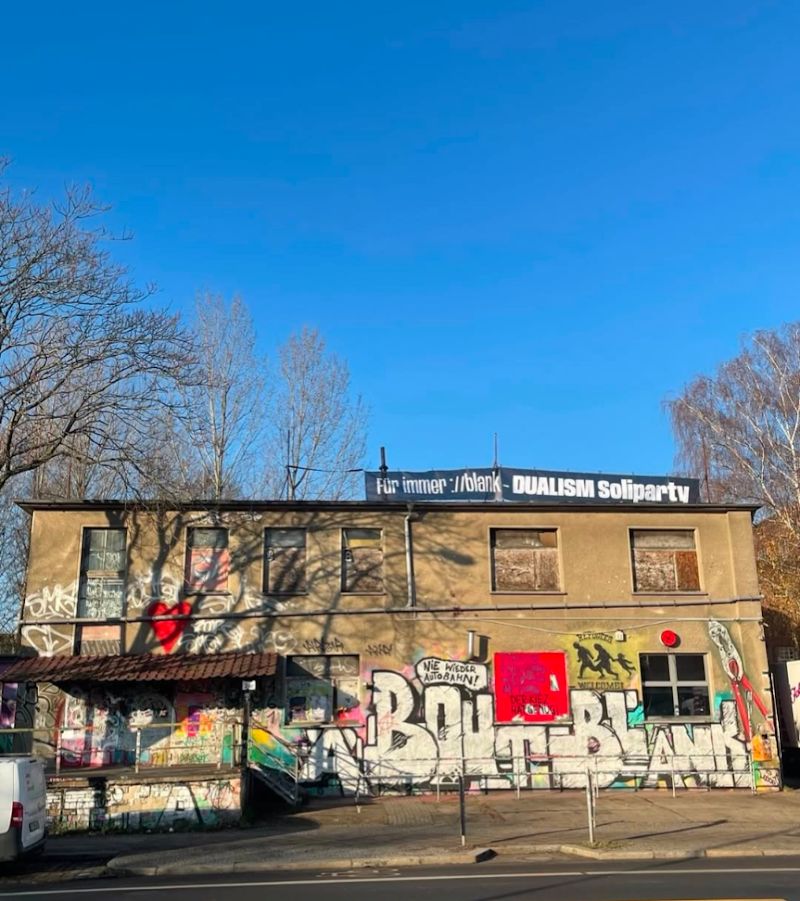
about:blank
NightlifeRaw outdoor club space in an industrial courtyard featuring two floors, a large garden, and a no-frills approach to techno and house. The open-air setting hosts Sunday day parties that run until Monday evening. Known for a welcoming, queer-friendly atmosphere and strictly enforced photo ban.
Getting Here
Metro Stations
Getting There
Warschauer Strasse is the main hub with U1 and S-Bahn connections. U5 runs to Frankfurter Tor and east along Karl-Marx-Allee. Ostkreuz S-Bahn is a major interchange.
On Foot
The core area (Warschauer Strasse to Boxhagener Platz) is a 10-minute walk. Karl-Marx-Allee stretches east for another 2 km - take the U-Bahn for that section.
By Bike
Wide, flat streets. Karl-Marx-Allee has generous bike lanes. The Spree riverside path connects west to Kreuzberg and Mitte.
Insider Tips
East Side Gallery Morning
Walk the East Side Gallery before 9 AM for photos without crowds. Start from the Ostbahnhof end and walk toward Warschauer Strasse. The morning light hits the murals better from this direction.
RAW Gelande Nights
RAW Gelande is best on weekend evenings. The flea market runs Sundays. Suicide Circus and about:blank are the club picks. Check resident advisor for lineups. Bring cash.
Boxhagener Platz Markets
Saturday flea market (10 AM-4 PM) for vintage and records. Sunday food market (10 AM-5 PM) for street food and produce. The surrounding cafes on Gryphiusstrasse and Simon-Dach-Strasse are packed by 11 AM for weekend brunch.
Nearby Neighborhoods
Continue exploring
Kreuzberg
Rebellious heart, Turkish community, doner kebabs, Markthalle Neun, street art, nightlife

Prenzlauer Berg
Brunch capital, restored pre-war buildings, Mauerpark flea market, young families, great coffee

Mitte
Historic center, Museum Island, Brandenburg Gate, where Cold War history meets modern Germany
Related Articles

Plan a trip featuring Friedrichshain
Get a personalized Berlin itinerary with Friedrichshain built in.
Start Planning