
Berlin
Prenzlauer Berg
Brunch capital, restored pre-war buildings, Mauerpark flea market, young families, great coffee
About Prenzlauer Berg
Prenzlauer Berg is what East Berlin looks like when the renovation money arrives. The pre-war Altbau buildings survived the bombing mostly intact, and after reunification the entire neighborhood got a facelift that turned crumbling facades into the most beautiful residential streets in Berlin. The result is a neighborhood that looks like it could be in Paris, except everyone is wearing sneakers and pushing a stroller.
The brunch culture here is relentless. Every other corner has a cafe doing avocado toast, shakshuka, or Fruhstuck platters (the German breakfast spread with cold cuts, cheese, bread, and eggs) for EUR10-15. Kollwitzplatz is the center of gravity, with a Thursday organic market and Saturday flea market surrounded by some of the best cafes in the city. The streets radiating outward - Rykestrasse, Husmannstrasse, Oderberger Strasse - are pure architectural pleasure.
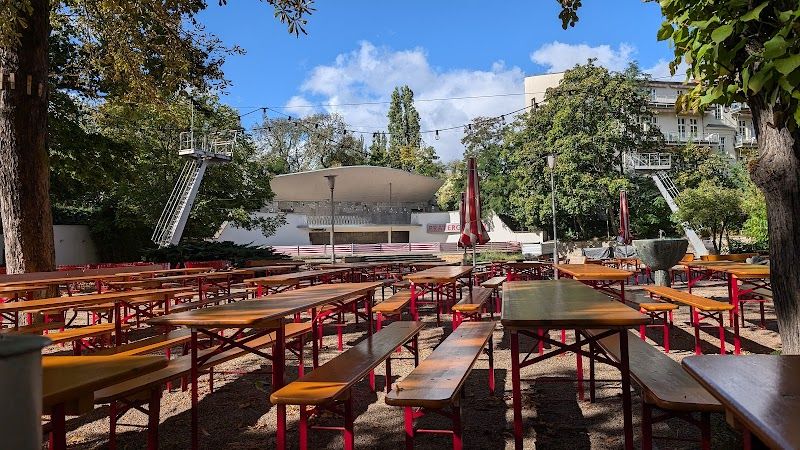
Mauerpark on Sundays is the Berlin experience that everyone talks about. The flea market takes over the park with vintage clothes, vinyl records, GDR memorabilia, and handmade jewelry. The karaoke amphitheater draws hundreds of spectators cheering on strangers. The Wall memorial at Bernauer Strasse is a 10-minute walk south and delivers the most powerful, understated account of the division: preserved guard towers, escape tunnel sites, and a documentation center that tells individual stories rather than grand narratives.
Things to Do
Top experiences in Prenzlauer Berg
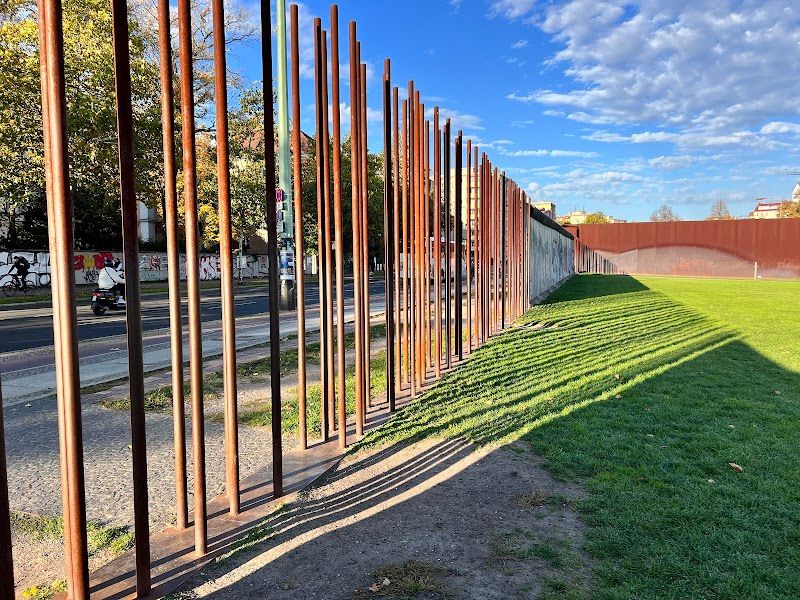
Berlin Wall Memorial (Gedenkstatte Berliner Mauer)
The most comprehensive and emotionally powerful Wall site in Berlin. Stretching 1.4 km along Bernauer Strasse in Wedding and Prenzlauer Berg, the memorial preserves the full depth of the border installation: the inner wall, the death strip, watchtowers, anti-vehicle barriers, and the outer wall. This is not the colorful, muraled East Side Gallery. This is about the human cost of division. The Documentation Centre has a viewing platform that looks down on the former death strip from above, giving you the guard's perspective. The open-air exhibition tells stories of individual escape attempts, marked with steel posts along the route. The escape tunnel exhibition documents the tunnels dug beneath the Wall by desperate families and organized groups, some successful, some not. The Chapel of Reconciliation, built on the former death strip using rammed earth walls that incorporate rubble from the demolished Church of Reconciliation (which the East German government blew up in 1985 to clear sightlines), is a quiet space for reflection. Bernauer Strasse was where some of the Wall's most dramatic early moments occurred. When the border was sealed on August 13, 1961, residents of buildings along the street found their front doors suddenly in East Berlin while their back windows faced West. People jumped from upper floors into nets held by West Berlin firefighters. The window-jumping photographs from Bernauer Strasse became defining images of the division. The memorial is free, open daily, and deserves 90 minutes minimum. Start at the Visitor Center (Bernauer Strasse 119) and pick up the free map. Walk the outdoor exhibition from south to north, stopping at the Documentation Centre along the way.
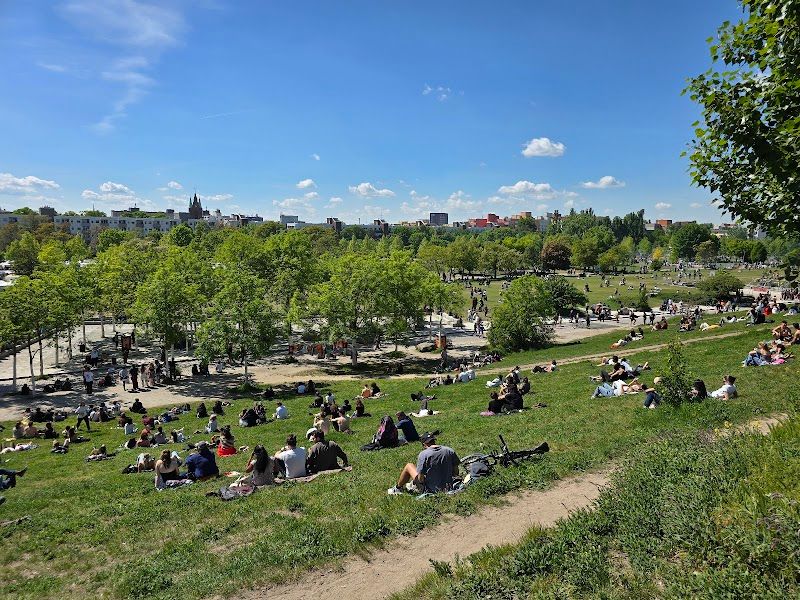
Mauerpark
A park built on the former death strip of the Berlin Wall, now famous for its Sunday flea market and open-air karaoke. The name means "Wall Park," and a small remaining section of the Wall runs along the western edge, tagged and painted over so many times that the concrete is now a palimpsest of 30 years of street art. The Sunday flea market (9 AM to 6 PM) is a sprawling affair of vintage clothes, vinyl records, GDR memorabilia, handmade jewelry, and questionable antiques. The quality varies wildly, which is part of the appeal. Haggling is expected. The food stalls at the edges do good business in bratwurst, crepes, and the occasional excellent burrito. Arrive before 11 AM for the best finds; by noon the paths are shoulder-to-shoulder. The karaoke amphitheater starts around 3 PM and is one of Berlin's great free experiences. The stone terraces fill with 2,000+ spectators who cheer enthusiastically for anyone brave enough to step up to the microphone. The song choices range from Bohemian Rhapsody (always) to obscure German schlager (occasionally). The host keeps things moving. The quality of singing is irrelevant. The crowd makes it work. The rest of the week, Mauerpark is a quiet neighborhood green space popular with joggers, dog walkers, and families using the playground at the northern end. The basketball courts see regular pickup games. The Wall section and the faded graffiti on surrounding buildings are worth photographing even on a Tuesday, but Sunday is the event.
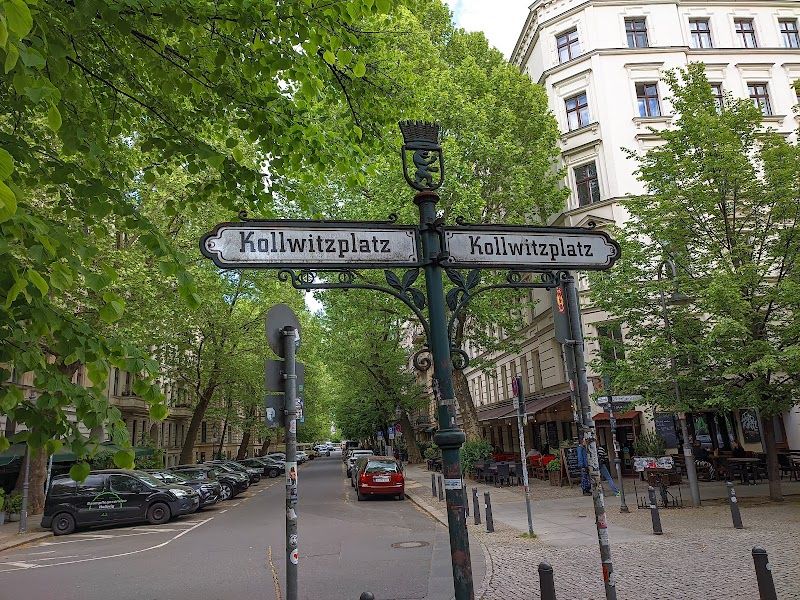
Kollwitzplatz
This leafy Prenzlauer Berg square honors artist Käthe Kollwitz who lived nearby with a bronze sculpture at its center. The surrounding streets contain independent boutiques, cafés, and the popular Thursday and Saturday organic market. The square serves as the neighborhood's living room where locals gather year-round.
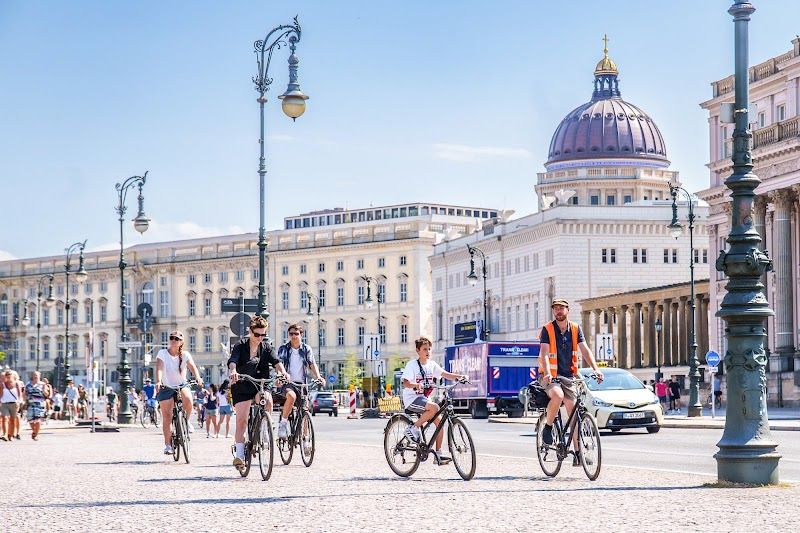
Berlin on Bike - Bike Rental & Tours
Specialized Cold War and Berlin Wall bike tour following the former death strip along 30km of preserved wall sections, watchtowers, and memorial sites. Expert guides explain the division's impact on daily life with stops at Checkpoint Charlie, East Side Gallery, and Mauerpark.
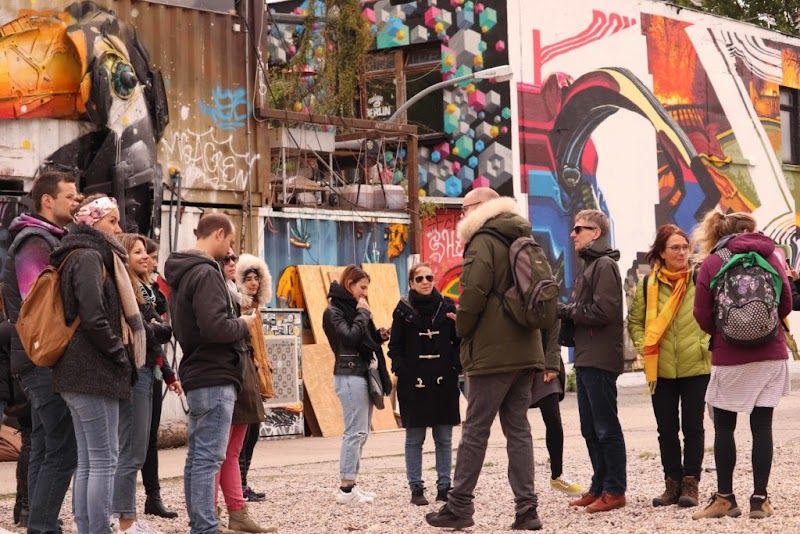
Alternative Berlin Tours
Countercultural tours led by local artists, musicians, and activists exploring Berlin's underground scene. The Street Art and Graffiti Workshop includes a 2-hour neighborhood walk followed by hands-on spray painting instruction under a highway overpass with all materials provided.
Where to Eat
Restaurants and cafes in Prenzlauer Berg
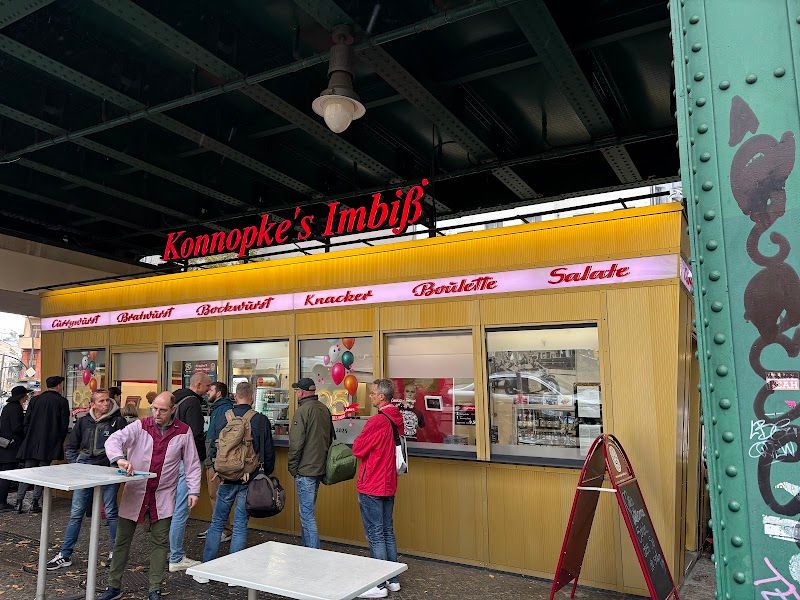
Konnopke's Imbiss
RestaurantOperating since 1930 under the U-Bahn tracks, this institution serves classic Berlin currywurst with a secret family curry powder recipe. Cash only, standing tables only, exactly how Berliners want it.
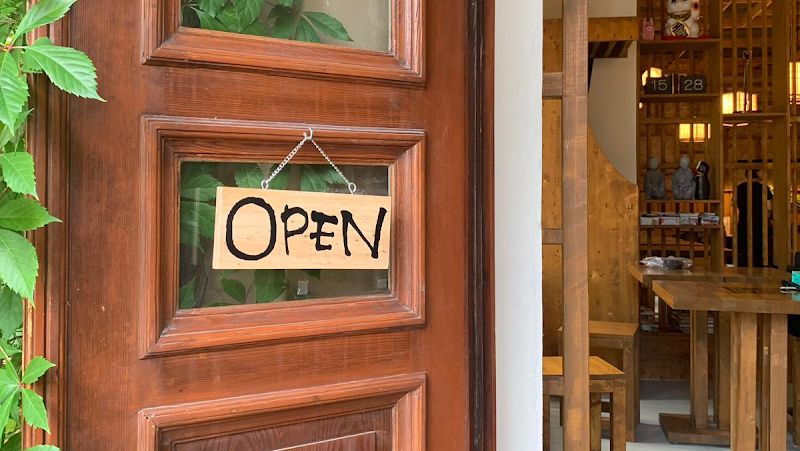
Hako Ramen
RestaurantFriedrichshain ramen shop specializing in shoyu and shio broths with Hakata-style thin noodles. The chashu pork is torched to order and the eggs are perfectly jammy.
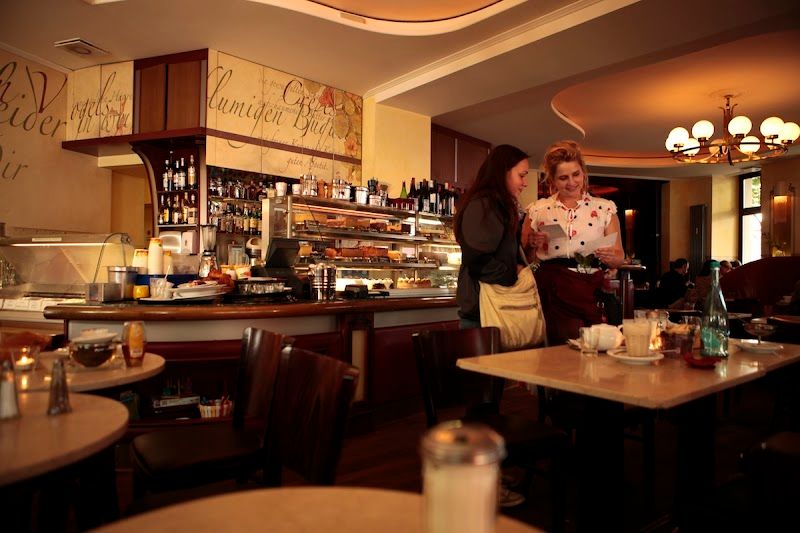
Anna Blume
CafeIconic Prenzlauer Berg café known for extraordinary breakfast platters arranged like edible flower bouquets. The art nouveau interior is perpetually busy with locals lingering over Sunday brunch and towering cake displays. Named after a Dada poem, the kitschy-romantic atmosphere is quintessentially Berlin.
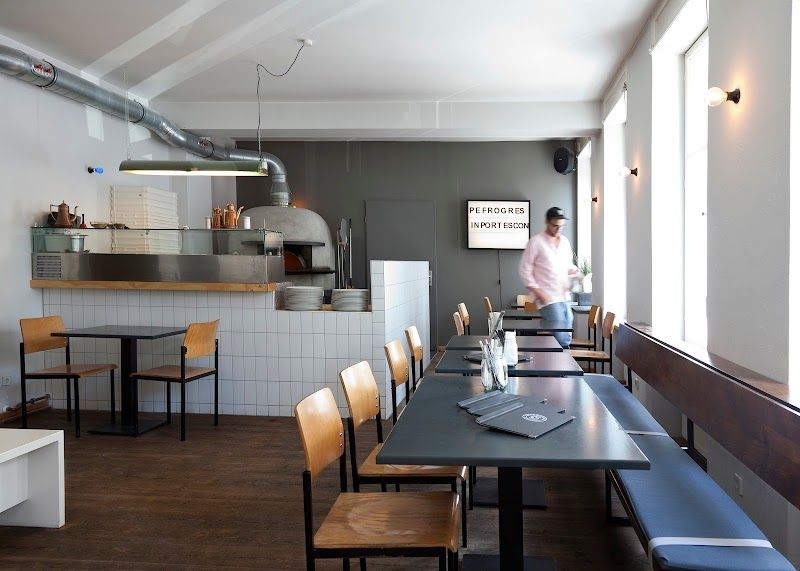
Standard Serious Pizza
RestaurantNeapolitan-style pizza in Prenzlauer Berg with naturally leavened dough fermented 48 hours. The daily specials change based on seasonal produce, and they're serious about the 90-second bake time.
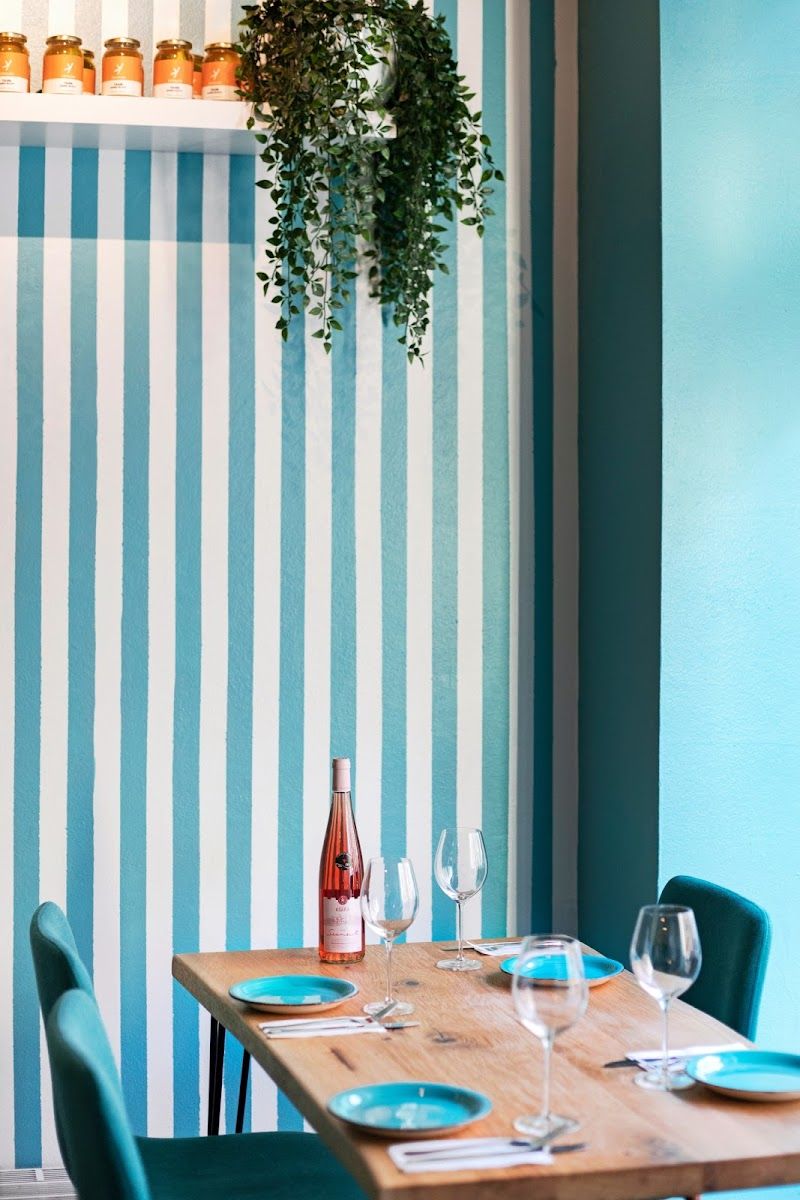
Kanaan
RestaurantPrenzlauer Berg restaurant celebrating Palestinian-Israeli cuisine with dishes like hummus msabbaha and fried cauliflower with tahini. Run by a Palestinian-Jewish duo promoting coexistence through food.
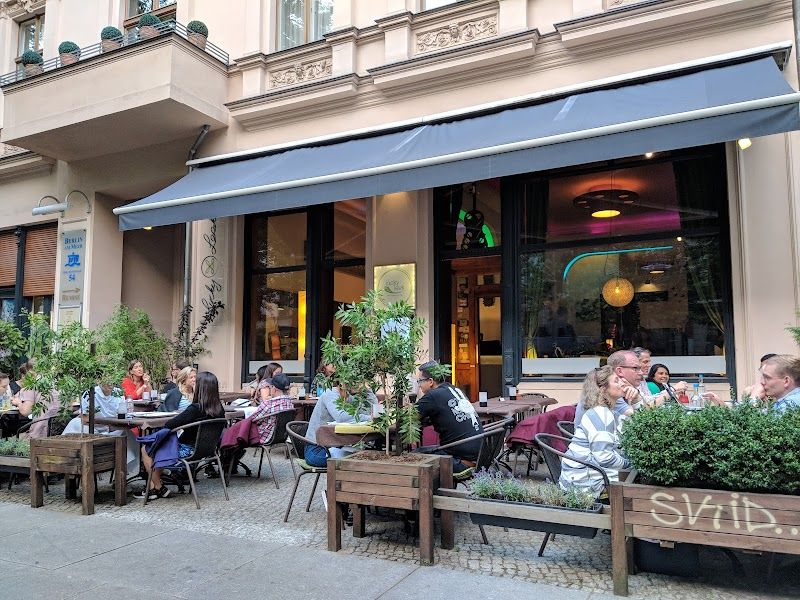
Lucky Leek
RestaurantUpscale vegan restaurant in Prenzlauer Berg with refined plant-based cuisine that even meat-eaters rave about. The mushroom consommé and celery schnitzel are technical showcases.
Nightlife
Bars and nightlife in Prenzlauer Berg
Getting Here
Metro Stations
Getting There
U2 runs along the southern edge (Eberswalder Strasse and Senefelderplatz). M10 tram connects to Friedrichshain and Mitte. S-Bahn ring stops at Prenzlauer Allee.
On Foot
Highly walkable. The core area (Kollwitzplatz to Mauerpark) is a 20-minute walk. The beautiful streetscapes make walking the best way to experience the neighborhood.
By Bike
Wide streets, gentle terrain, and excellent bike infrastructure. The neighborhood was designed for trams but works perfectly for bikes. Racks everywhere.
Insider Tips
Mauerpark Sunday Timing
Arrive at Mauerpark before 11 AM for the best flea market finds. Karaoke starts around 3 PM in the amphitheater. By noon the paths are shoulder-to-shoulder. The western entrance off Bernauer Strasse is less congested.
Kollwitzplatz Markets
Thursday organic market (noon-7 PM) is smaller and more local than the Saturday version. Grab lunch from the market stalls and eat on the benches around the Kathe Kollwitz statue.
Oderberger Strasse Pool
The Stadtbad Oderberger is a stunning 19th-century swimming pool restored and reopened inside a boutique hotel. Non-guests can swim for EUR12. The architecture alone is worth the visit.
Nearby Neighborhoods
Continue exploring


Related Articles

Plan a trip featuring Prenzlauer Berg
Get a personalized Berlin itinerary with Prenzlauer Berg built in.
Start Planning