1-2 Days in Colmar: First-Timer's Itinerary
Isenheim Altarpiece, Petite Venise, winstub lunch, and the wine villages
How to spend 1-2 days in Colmar: Unterlinden Museum at opening, Petite Venise by boat or bridge, winstub lunch, Dominican Church, and a day trip to Eguisheim and the wine villages.
1-2 Days in Colmar: First-Timer's Itinerary
Colmar is small enough to see properly in one solid day, but pleasant enough that you'll want a second day to visit the wine villages or just slow down. The old town is compact and walkable, so you can cover the essential sights without rushing. Most visitors make the mistake of spending too much time taking photos in Petite Venise and missing the actual art that makes this place worth visiting.
Colmar Old Town
This is your art and architecture day in the compact old town. You'll start early at the museum when the crowds are light, then spend the afternoon wandering the half-timbered streets and canals. The day has a rhythm: serious art in the morning, leisurely exploration in the afternoon, and proper Alsatian food in the evening.
- Isenheim Altarpiece at Unterlinden Museum
- Petite Venise canal walks
- Winstub dinner
Morning: Unterlinden Museum
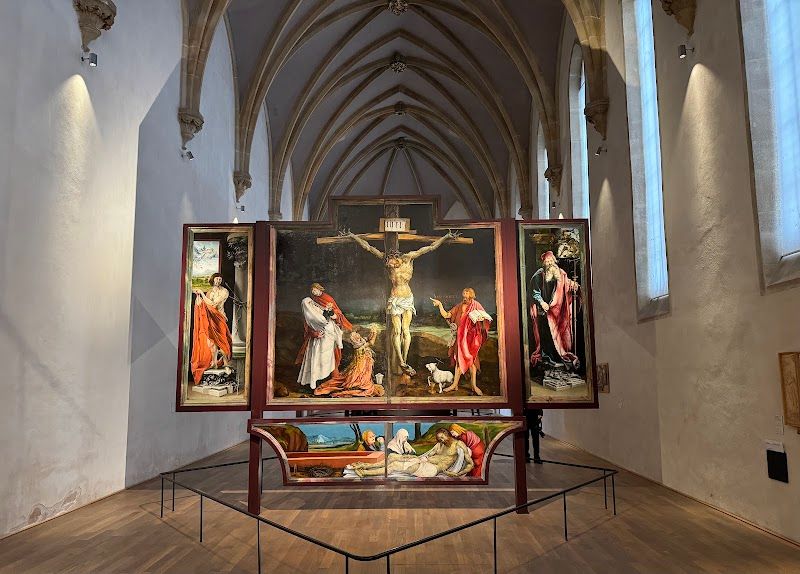
Get to the Unterlinden Museum right at 9am opening (EUR 13). The Isenheim Altarpiece by Matthias Grunewald is genuinely one of Europe's great paintings, and you need at least an hour to absorb it properly. The crucifixion panel is brutal and unflinching, the resurrection panel blazes with color, and the temptation of St. Anthony is full of grotesque medieval demons. Most people rush through in 20 minutes and miss the point entirely. The rest of the museum is fine but secondary. From the museum, walk south through the old town toward Petite Venise, passing the half-timbered Maison Pfister on Rue des Marchands. The building leans at angles that shouldn't be structurally possible.
Late Morning: Petite Venise
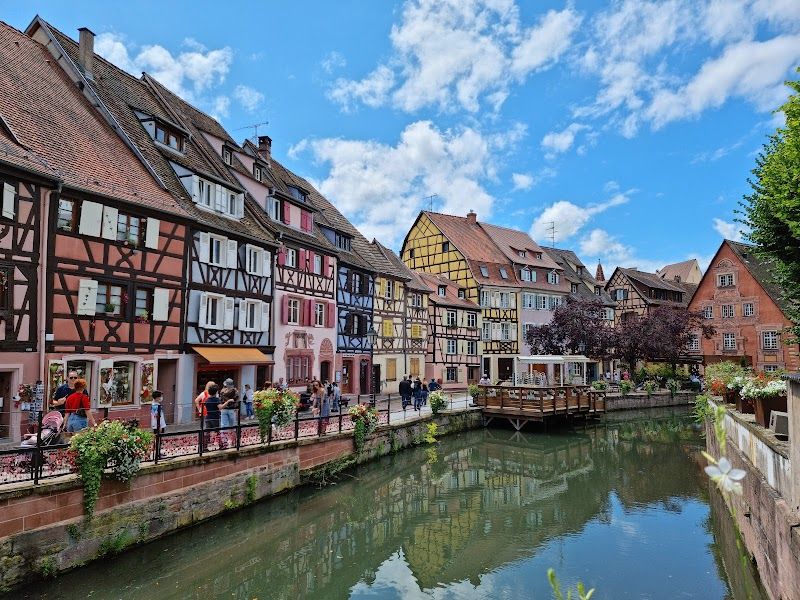
Petite Venise is the canal district where the Lauch River runs through town, lined with pastel-colored houses that reflect in the water. Yes, it's touristy, but the architecture is genuinely beautiful and the canals serve a real purpose. You can take a boat ride for EUR 7 if you want the water perspective, but walking the bridges gives you better views. The Pont Tournant is where everyone takes their photos because the canal curves and you get the classic postcard shot. Early morning is better than midday when the tour groups arrive.
Lunch: Winstub in Quartier des Tanneurs
Head to the Quartier des Tanneurs for lunch at a proper winstub. Tarte flambee runs EUR 10-14 and comes paper-thin with cream, onions, and lardons. Order a glass of local Riesling for EUR 4-6. The quarter gets its name from the leather tanners who used to work here, and the narrow streets still feel like a working neighborhood rather than a museum. Avoid the places with menus in five languages right on the main squares.
Afternoon: Dominican Church and Tanners' Quarter
Walk to the Dominican Church (free entry) to see Martin Schongauer's Madonna of the Rose Bower from 1473, which hangs behind the altar. The painting is smaller than you expect but the detail is extraordinary. The church itself is plain Gothic, which makes the painting stand out more. From there, walk along Rue des Tanneurs in the Quartier des Tanneurs. The street is lined with narrow houses in yellow, pink, and green, and you can see how the different guilds built their houses with subtle variations in window styles and decorative details.
Late Afternoon: Marche Couvert
If it's Tuesday through Saturday, stop at the Marche Couvert for Munster cheese and local charcuterie. The market hall is small but the vendors know their products. Munster cheese smells terrible and tastes fantastic, especially with a bit of local bread. Buy some for later if you're staying somewhere you can store it. The market closes at 6pm and isn't open Sunday or Monday.
Evening: Petite Venise at Twilight and Dinner
Return to Petite Venise around twilight when the light is softer and most of the day tourists have left. The reflections in the water are better in the evening light, and you can actually walk at your own pace. For dinner, find a traditional winstub away from the main tourist drag. Order choucroute garnie (sauerkraut with sausages and pork, around EUR 18-22) or baeckeoffe (slow-cooked meat and potato stew, EUR 16-20) with a bottle of local Gewurztraminer. The wine is floral and pairs well with the rich, heavy food.
Wine Villages (Optional)
The second day takes you into the Alsatian countryside to see how wine villages actually look and function. These aren't theme parks but working towns with real vineyards, though Eguisheim gets plenty of visitors. You'll taste wine where it's made, walk medieval streets that follow the landscape, and understand why this region changes hands between France and Germany.
- Eguisheim circular village
- Wine tasting
- Kaysersberg castle views
Morning: Eguisheim
Drive or take the bus 15 minutes to Eguisheim, which is built in concentric circles around a central castle courtyard. The layout is medieval and practical: you can walk the entire village by following the circular streets outward from the center. The houses are half-timbered with small courtyards where vintners still store their equipment. For wine tasting, try Domaine Emile Beyer or Domaine Paul Ginglinger. Tastings cost nothing if you buy a bottle, otherwise EUR 5-10. The wines here are drier and more mineral than what you might expect from Alsace.
Morning Option: Turckheim or Kaysersberg
From Eguisheim, you can continue to Turckheim, which still has its medieval walls and feels less visited, or drive 20 minutes south to Kaysersberg. Kaysersberg is larger and more tourist-oriented (it's Albert Schweitzer's birthplace), but the ruined castle above town offers genuinely good valley views if you don't mind the 20-minute uphill walk. The town also has better bakeries if you want to pick up pastries. Choose based on whether you want quieter (Turckheim) or more to see (Kaysersberg).
Afternoon: Return to Colmar
Head back to Colmar for a late lunch and try kougelhopf, the local yeasted cake that's less sweet than you expect and goes well with coffee. Most bakeries make it fresh in the morning, so afternoon is when you'll find it at the right texture. If you have time, walk through any parts of the old town you missed yesterday, or just sit at a cafe and watch how the light changes on the half-timbered houses as the day ends.
Practical Notes
The old town is entirely walkable, but wear comfortable shoes on the cobblestones
Many restaurants close between lunch and dinner (2pm-6pm), so plan accordingly
Wine village buses run regularly but check return times, especially on weekends
Book winstub dinners ahead in summer, they're small and locals eat there too
Parking in old town Colmar is limited, use the Parc Rapp lot and walk 5 minutes
Ready to Visit Colmar?
Get a personalized itinerary tailored to your travel style and interests.
Plan Your Colmar TripMore Colmar Guides
First Time in Colmar: What You Need to Know
Everything before your first visit: 35-minute train from Strasbourg, the 5 Christmas markets across the old town, free parking on the edge, wine tasting etiquette, and whether one day is enough.
5 min
Where to Eat in Colmar: Winstubs, Markets & Kougelhopf
Colmar food guide: winstub culture, tarte flambee (EUR 10-14, the basic version is the one to order), choucroute garnie, kougelhopf, Munster cheese, and the Marche Couvert.
5 min