France
Colmar
Pastel half-timbered houses on canals, the Isenheim Altarpiece, tarte flambee in a winstub, and a Christmas market the locals prefer
Best Time
May-June, September, and December (Christmas markets)
Ideal Trip
1-2 days
Language
French and Alsatian German, English in tourist areas
Currency
EUR
Budget
EUR 44-89/day (excl. hotel)
About Colmar
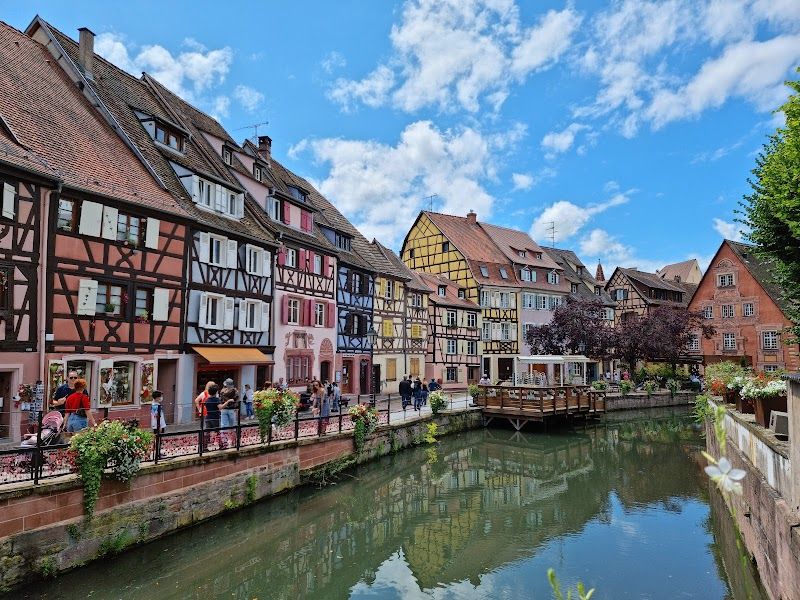
Colmar is the town that looks like someone illustrated a children's book and then accidentally built it. The half-timbered houses along the Lauch River are painted in pastels that should clash and somehow do not: mint green next to salmon pink next to butter yellow, with geranium boxes on every window and reflections in the canal that double the effect. Petite Venise (Little Venice) is the district where this reaches peak absurdity, and the boat rides through the canals (EUR 7, 30 minutes) are touristy and completely worth it because the perspective from the water is different from the bridges.
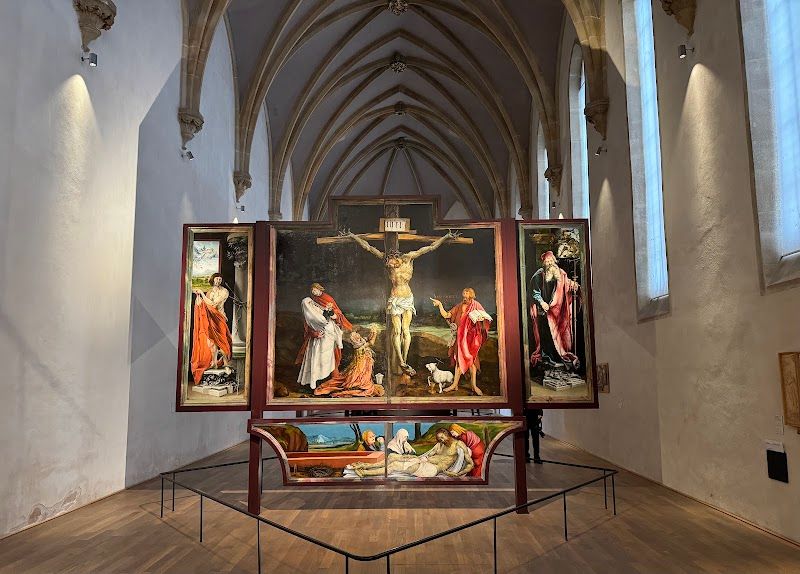
The Unterlinden Museum (EUR 13) is the reason art historians come to Colmar. The Isenheim Altarpiece by Matthias Grunewald, painted in the 1510s, is one of the most powerful works of art in Europe. The crucifixion panel is violent and human in a way that nothing else from this period matches, and the resurrection panel glows with a light that the museum's architects designed the entire building around. The museum also has a Cranach, a Holbein, and a good collection of Alsatian folk art, but the altarpiece is what you came for.
The food is Alsatian at its most concentrated. Tarte flambee (EUR 10-14) at every winstub, choucroute (EUR 16-22, the Alsatian version with smoked pork belly, sausages, and potatoes), and kougelhopf (the Alsatian bundt cake with almonds and raisins, EUR 3-4 a slice). The Marche Couvert (covered market, Tuesday-Saturday mornings) has charcuterie, Munster cheese that smells like a dare and tastes like a reward, and the kind of local wine that never leaves the region. The Christmas market (late November-December) is smaller than Strasbourg's but considered by locals to be better because it has not yet been overwhelmed by tour buses.
Neighborhoods
Each district has its own personality
Petite Venise & Old Town
The canal district with the pastel houses, the Pont Tournant, the Maison Pfister (1537), the Collegiate Church of St
Unterlinden & Museum Quarter
The cultural anchor of Colmar: the Unterlinden Museum with the Isenheim Altarpiece, the Dominican Church with the Schongauer Madonna, Place de la Cathedrale, and the Bartholdi Museum in the house where the Statue of Liberty sculptor was born
Quartier des Tanneurs
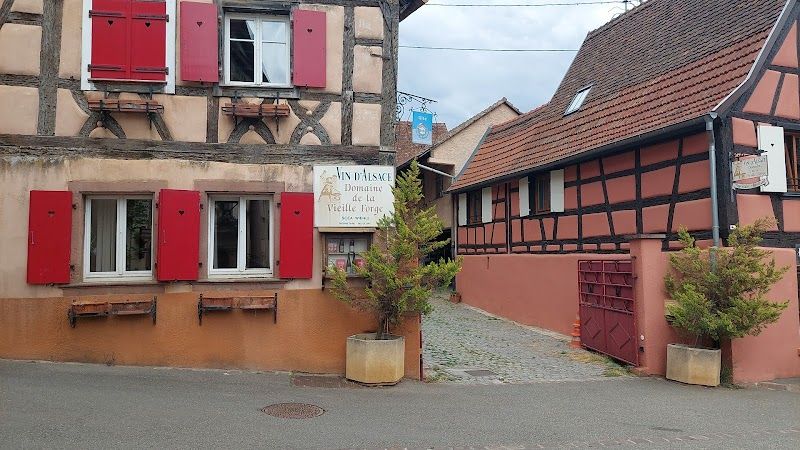
The old tanners' quarter between Petite Venise and the centre: tall, narrow half-timbered buildings where tanners dried hides on the upper floors, now restaurants, wine bars, and artisan shops
Things to Do
Top experiences in Colmar
Petite Venise Canal District
Petite Venise is where Colmar's half-timbered houses hit peak fairy tale ridiculousness along the Lauch River canal. You'll find pastel-painted facades in mint green, salmon pink, and butter yellow with geranium boxes spilling from every window, creating picture-perfect reflections in the still water below. The 30-minute boat rides (EUR 7 from Pont Saint-Pierre, April to October) give you the best perspective since you're floating right alongside these 16th-century houses. The experience feels like drifting through a movie set where everything is almost too pretty to be real. From water level, the house facades tower above you while their reflections create a doubled image in the canal. The Maison Pfister at the canal junction stands out with its octagonal turret and painted murals, while Quai de la Poissonnerie showcases the most intact medieval timber work. You'll hear multiple languages as tourists lean over bridges snapping endless photos. Most people crowd the Pont Tournant for photos, but honestly, the view from Pont Saint-Pierre is just as good with half the people. Skip the middle of the day when tour buses arrive: the lighting is harsh and you'll be fighting for space. The boat ride is worth every euro for the unique angle, but don't expect commentary in English. Early morning or late afternoon gives you golden light and breathing room.
Parc du Champ de Mars
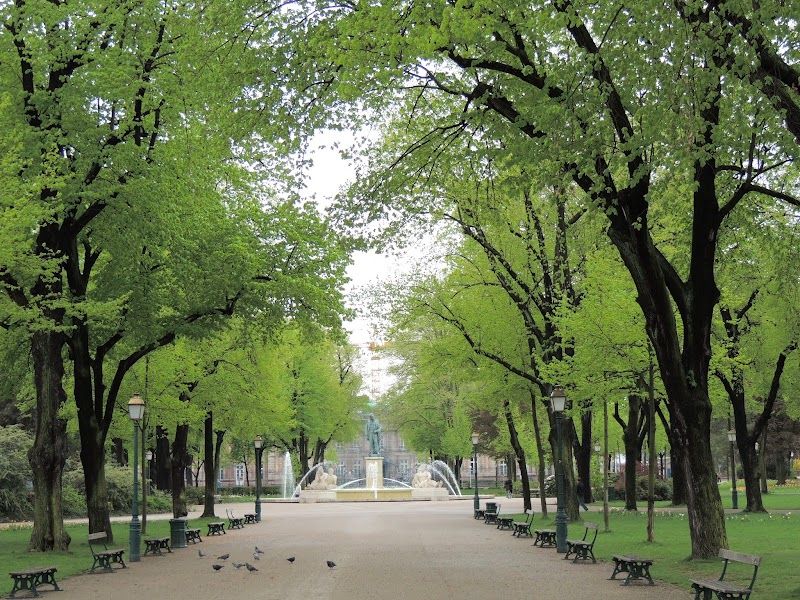
Parc du Champ de Mars serves as Colmar's main green lung, stretching along Avenue de la République where the old town meets the newer districts. You'll find wide gravel paths perfect for jogging, clusters of mature plane trees offering shade, and the park's star attraction: a 12-meter replica of the Statue of Liberty honoring Auguste Bartholdi, Colmar's most famous son. The park also features a decent playground, open lawns for picnics, and benches positioned for people-watching. The atmosphere here shifts throughout the day, starting quiet with dog walkers and joggers in the morning, then filling with families by afternoon. The Liberty statue dominates the northern end, and you'll constantly see tourists posing for photos while locals treat it as background scenery. The gravel crunches underfoot as you walk the main paths, and the mature trees create natural corridors that feel surprisingly spacious for a city center park. Most guides oversell this as a major attraction when it's really just a pleasant city park with one notable feature. The Liberty statue is worth a quick photo, but don't expect the impact of seeing the original. The playground equipment looks recently updated, making it genuinely useful if you're traveling with kids. Skip the southern section near the road, which gets noisy with traffic, and focus your time around the statue and the quieter western paths where locals actually hang out.
Unterlinden Museum and Isenheim Altarpiece
The Unterlinden Museum houses one of Europe's most emotionally devastating works of art: Matthias Grünewald's Isenheim Altarpiece, painted between 1512 and 1516. This isn't your typical religious art. The crucifixion panel shows Christ's body covered in thorns and lacerations, with figures below consumed by physical grief. The resurrection panel blazes with supernatural light that Herzog & de Meuron literally designed their 2015 building extension around. The altarpiece has three configurations that were rotated through the liturgical year, so you'll see multiple layers of panels. You'll enter through the modern wing before reaching the altarpiece in its climate-controlled sanctum. Most people gasp when they first see the crucifixion, it's that visceral. The space stays quiet, almost reverent, even with crowds. After the altarpiece's intensity, the 13th-century Dominican cloister offers relief with its peaceful arches. The museum also holds works by Cranach and Holbein, plus Alsatian folk art, but honestly, you came here for Grünewald. At EUR 13, it's expensive for what amounts to seeing one masterpiece, but that masterpiece justifies the trip to Colmar entirely. Skip the upper floors of regional artifacts unless you have extra time. The audio guide costs EUR 3 and helps with the altarpiece's complex iconography, though the visual impact needs no explanation. Plan 45 minutes minimum for the altarpiece alone.
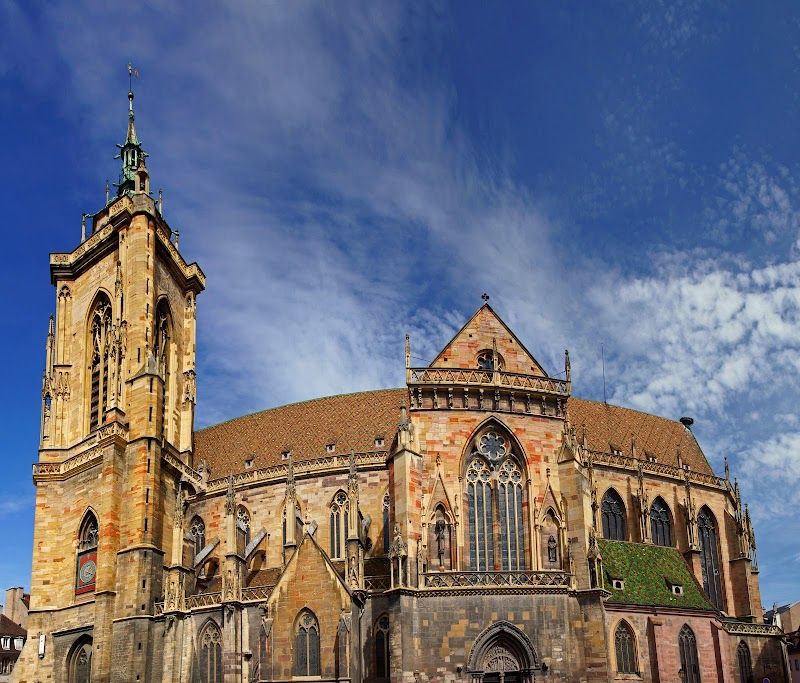
Collégiale Saint-Martin
Collégiale Saint-Martin stands as Colmar's primary church, showcasing a fascinating blend of 13th-century Romanesque foundations with 14th-century Gothic additions. The copper-green roof and bell tower serve as navigation points throughout the old town, while inside you'll find some of Alsace's finest stained glass and a remarkable 1755 Silbermann organ. The church occupies the heart of Place de la Cathédrale, surrounded by the colorful half-timbered houses that define Colmar's postcard appeal. Stepping inside feels like entering a medieval time capsule where centuries of architectural evolution tell their story through stone and glass. The nave reveals the transition from sturdy Romanesque columns to soaring Gothic arches, while afternoon light filters through exceptional stained glass windows, casting jeweled patterns across worn stone floors. The acoustics under the vaulted ceiling are remarkable, especially when the Silbermann organ fills the space during services or concerts. Most visitors rush through in five minutes for photos, but you're missing the real show if you don't look up at the intricate ceiling work and spend time with the stained glass details. Entry is free, though donations are welcomed. Skip the crowds by visiting early morning when locals attend services, and you'll have the space mostly to yourself for photography.
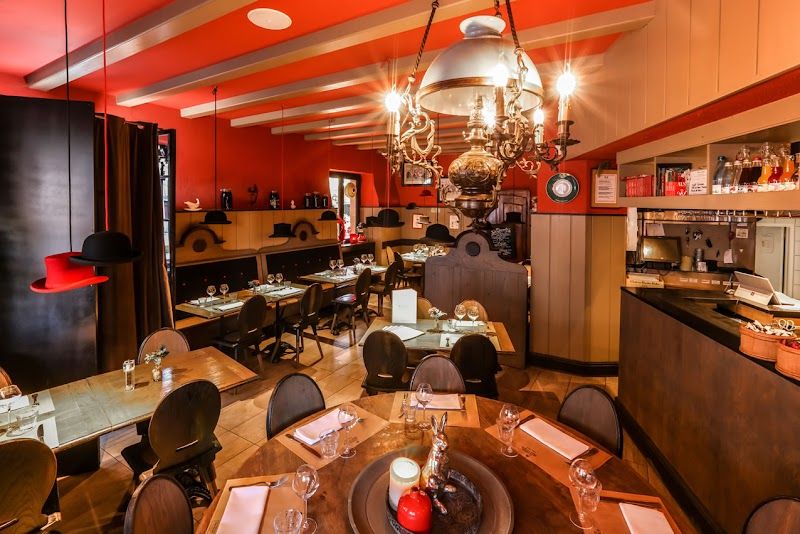
Winstub Brenner
Family-run winstub since 1753 with low ceilings and copper pots hanging from beams. The baeckeoffe (meat and potato casserole) is prepared in traditional terracotta and requires 24-hour advance ordering. Menu written on a chalkboard changes based on what the owner finds at market.
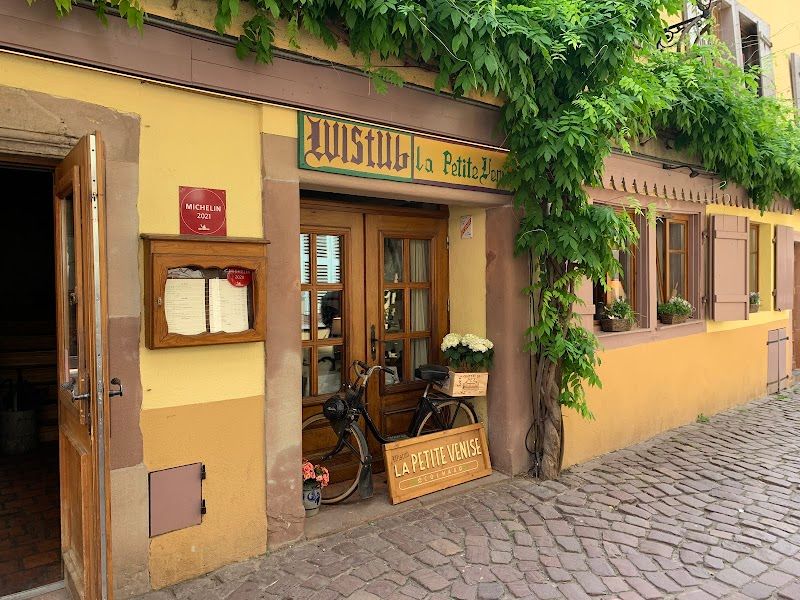
Wistub de la Petite Venise
Traditional winstub with wood panelling and checkered tablecloths serving tarte flambee and choucroute garnie in generous portions. The Riesling by the glass pairs well with the Munster cheese plate. Located directly on the canal with views of the half-timbered houses.
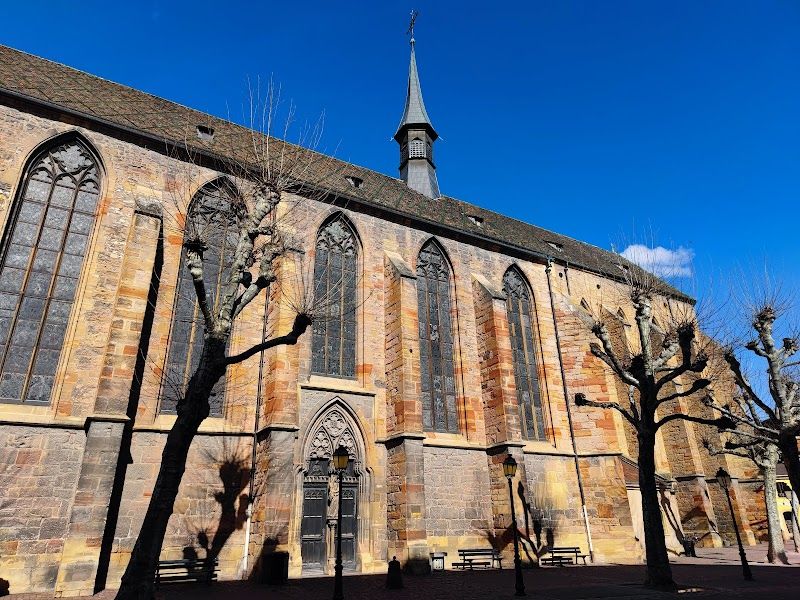
Dominican Church and Schongauer Madonna
The Dominican Church houses Martin Schongauer's Madonna of the Rose Bower (1473), arguably the most exquisite painting in Alsace. This 14th century Gothic church on Place des Dominicains contains a masterpiece that most tourists rush past on their way to the Isenheim Altarpiece. Schongauer, born in Colmar, was one of Europe's finest engravers, and his Madonna shows that precision: every rose petal, bird feather, and gold thread is rendered with microscopic detail. The painting hangs behind the altar in a climate controlled case, depicting Mary and Christ in a rose garden surrounded by songbirds. Walking into this church feels like discovering a secret. The nave stays surprisingly quiet while tour groups swarm Little Venice outside. Afternoon light streams through 14th and 15th century stained glass, casting colored shadows across stone floors. You'll likely have the Schongauer Madonna nearly to yourself, able to study details that would be impossible in a crowded museum. The painting's botanical accuracy is stunning: Schongauer painted actual rose varieties and identifiable bird species. Most guides barely mention this place because the Unterlinden Museum gets all the attention. That's your advantage. Entry is completely free, and you can spend as long as you want examining the Madonna's intricate details. The church opens daily from 10 AM to 6 PM, though afternoon visits around 3 PM offer the best light through those medieval windows. Skip the rushed morning museum crowds and come here instead for 30 minutes of genuine peace with a Renaissance masterpiece.
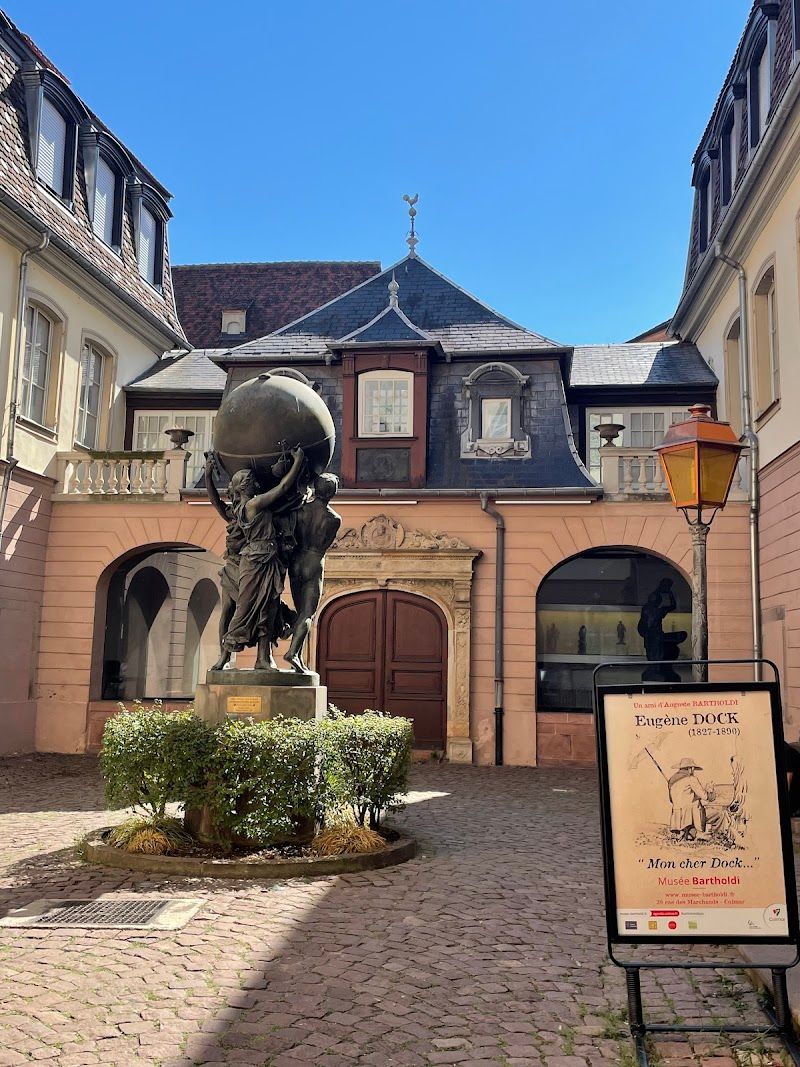
Musée Bartholdi
Step into the birthplace of Auguste Bartholdi, the sculptor who gave America its most famous statue. This 18th-century townhouse displays original plaster models of the Statue of Liberty at various scales, plus the impressive Lion of Belfort monument that guards the eastern entrance to France. You'll see his personal sketches, tools, and correspondence that reveal how a small-town Alsatian artist landed the commission of a lifetime. The building itself tells two stories: period rooms showing bourgeois life in Colmar, and galleries dedicated to Bartholdi's ambitious public monuments. The visit flows chronologically through three floors, starting with his early life and training. The real wow moment comes on the second floor where you stand face-to-face with a 2.5-meter model of Liberty's head, complete with the original patina samples. His workshop on the third floor feels frozen in time, with half-finished sculptures and sketches scattered across wooden tables. The contrast between intimate family portraits and massive public monuments shows just how dramatically his career evolved. Most guides oversell this as essential Colmar viewing, but it's really for sculpture enthusiasts or Liberty obsessives. At 7 EUR for adults, it's reasonably priced but skip it if you're rushing between Strasbourg and the wine route. The third floor workshop is genuinely fascinating, while the ground floor period rooms feel like filler. Come here after you've seen his Lion of Belfort fountain in town, it gives his smaller works much more context.
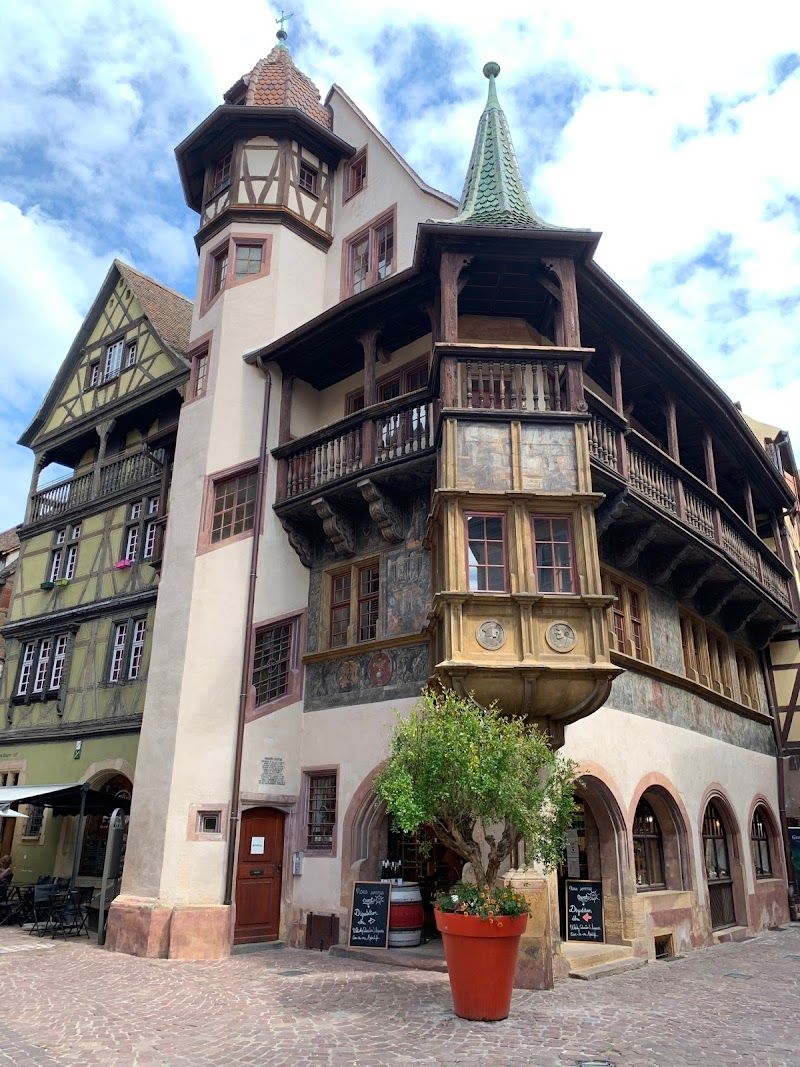
Maison Pfister
Maison Pfister stands as Colmar's most elaborate Renaissance merchant house, built in 1537 when Alsace traded freely with German cities. The painted facade depicts biblical scenes and German emperors in surprising detail, while the octagonal corner turret shows off wooden galleries that once displayed the owner's wealth to passing merchants. You're looking at the best preserved example of how successful 16th century traders advertised their prosperity through architecture. The house dominates the corner of Rue des Marchands, forcing you to crane your neck to take in the full facade. Morning light brings out the mural colors beautifully, especially the reds and golds on the upper floors. The ground floor now houses a wine shop, but the real attraction is standing across the narrow street to photograph the painted scenes. Other tourists cluster here constantly, so you'll be sharing the prime viewing spots. Most guides gush about this being unmissable, but honestly, 10 minutes is plenty unless you're really into architectural details. The painted murals look better in photos than up close where you can see the restoration work. Skip the wine shop inside unless you're actually buying, the exterior is the whole point. Come early morning or late afternoon when tour groups aren't clogging the street corner.
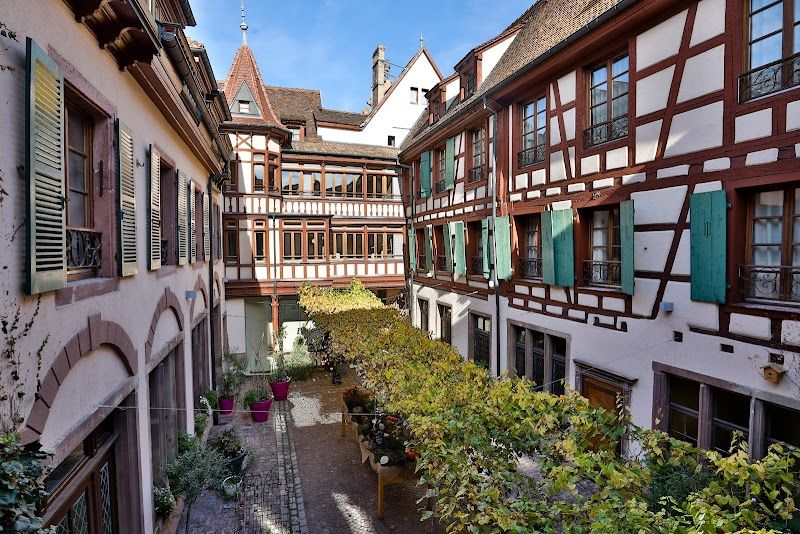
Maison des Têtes
The Maison des Têtes stands out as Colmar's most photogenic facade, with 106 individually carved stone heads covering every surface of this 1609 Renaissance building. You'll find yourself scanning the elaborate stonework for bearded merchants, cherubic faces, and grotesque masks that seem to watch passersby. The building now houses an upscale hotel and restaurant, but you can admire the exterior freely from the cobblestone street. Standing on Rue des Têtes feels like being scrutinized by a crowd from four centuries ago. The heads range from whimsical to slightly menacing, each one carved with remarkable detail that becomes more apparent as you move closer to the building. Bartholdi's copper statue of a cooper crowns the peaked roof, adding another layer to this visual feast. The morning light hits the facade perfectly, bringing out shadows and details in the carved faces. Most people snap a quick photo and move on, but you'll get much more by spending 10 minutes actually studying individual faces. The hotel's ground floor restaurant charges premium prices (mains around 35-45 EUR), so unless you're staying here, stick to exterior viewing. The building looks spectacular but don't expect to go inside unless you're dining or booking a room.
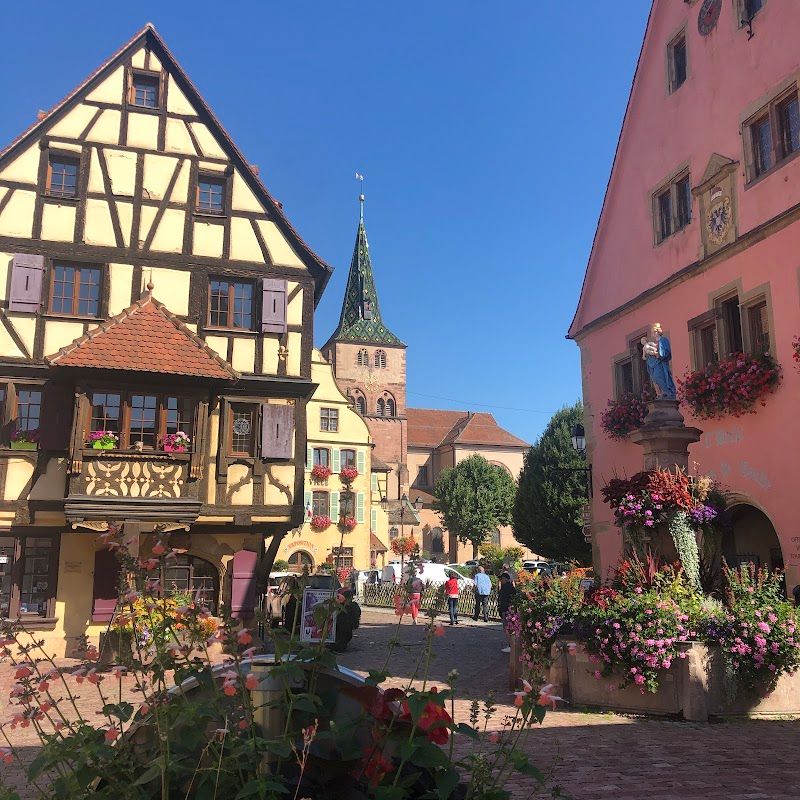
Turckheim Night Watchman Tour
Every night from May through October, Turckheim's costumed night watchman recreates a 500-year-old tradition by patrolling the medieval streets at exactly 10 PM. He carries a lantern, rings his bell, and chants warnings in Alsatian dialect about fire safety and locking doors. You'll follow him through the town's three historic gates (Porte de France, Porte du Brand, and Porte de Munster) as he stops at key points to deliver his melodic proclamations in the local Germanic dialect. The atmosphere feels genuinely medieval as you walk cobblestone streets lit only by streetlamps and the watchman's lantern. The procession moves slowly through Place Turenne, past half-timbered houses, and under stone archways while the watchman's voice echoes off ancient walls. Summer crowds can reach 200 people, but the reverent silence during his chants creates an unexpectedly intimate experience. The Alsatian dialect sounds hauntingly beautiful, even if you can't understand the words. Most travel guides oversell this as some grand spectacle, but it's actually quite simple and repetitive. The charm lies in its authenticity rather than entertainment value. If you're staying in Colmar, the 15-minute drive is worth it, but don't make a special trip just for this. The tour is completely free, though you'll see tip jars afterward. Skip it in peak summer unless you enjoy being part of large tourist crowds.
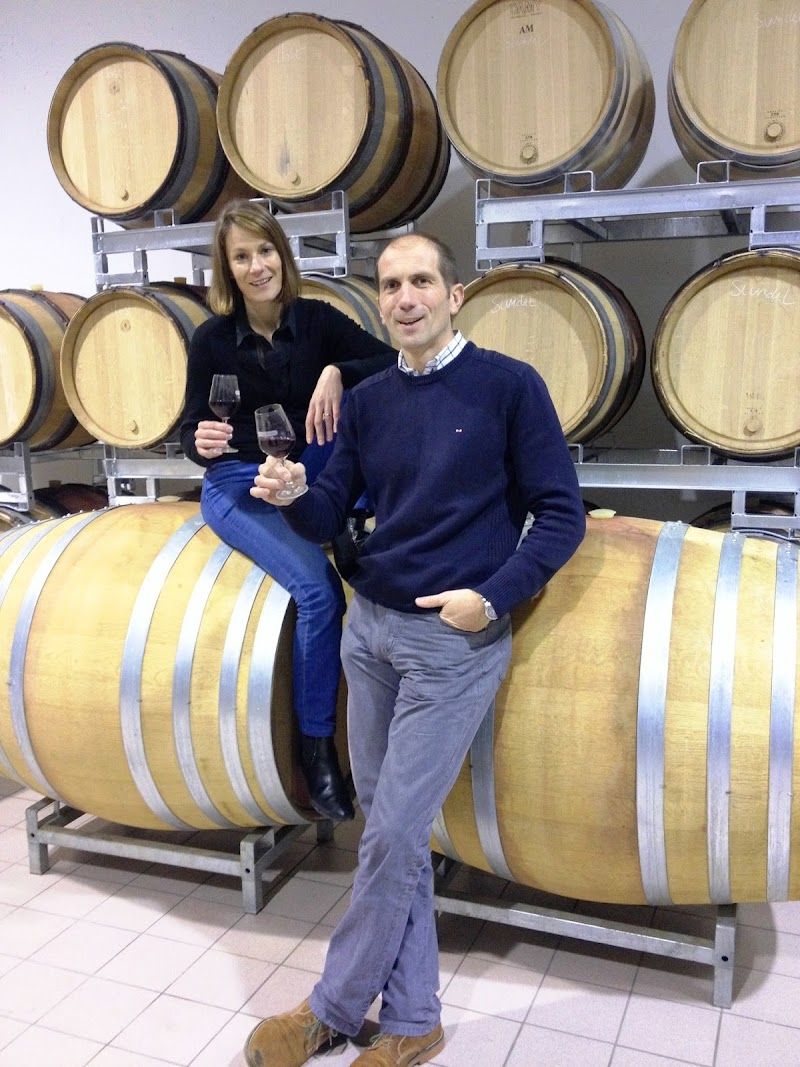
Domaine Emile Beyer
Domaine Emile Beyer sits in Eguisheim, one of Alsace's most photogenic wine villages, where the Beyer family has crafted wines since 1580. You'll taste their acclaimed Riesling and Gewürztraminer in a 16th-century stone cellar that feels genuinely medieval, not tourist-themed. The complimentary tastings include 4-5 wines, and they'll explain the terroir differences between their various vineyard plots without the usual sales pitch. The tasting happens in vaulted cellars with original stonework where wine barrels line ancient walls. It's intimate, usually just your group and maybe one other, with the winemaker or family member guiding you through each pour. Between tastings, you can wander Eguisheim's concentric medieval streets, where half-timbered houses display flower boxes that look almost too perfect. The village feels like a fairy tale set piece, but locals still live here and go about their daily routines. Most wine guides don't mention that Beyer's Grand Cru Eichberg Riesling (around 18 EUR) consistently outperforms bottles costing twice as much. Skip the basic Gewürztraminer and focus on their single-vineyard selections. The village gets packed with tour buses between 11am-2pm, so arrive early morning or late afternoon. You can buy directly from the winery at significantly better prices than in Colmar shops.
Travel Guides
Expert guides for every travel style
Where to Eat in Colmar: Winstubs, Markets & Kougelhopf
Colmar food guide: winstub culture, tarte flambee (EUR 10-14, the basic version is the one to order), choucroute garnie, kougelhopf, Munster cheese, and the Marche Couvert.
5 min
First Time in Colmar: What You Need to Know
Everything before your first visit: 35-minute train from Strasbourg, the 5 Christmas markets across the old town, free parking on the edge, wine tasting etiquette, and whether one day is enough.
5 min
Frequently Asked Questions
TER train, 35 minutes, EUR 13-16 each way. Trains run every 30 minutes during the day. The Colmar train station is a 15-minute walk from Petite Venise and the old town. No car needed within Colmar itself - the centre is compact and pedestrianised.
One full day covers the old town, Petite Venise, and the Unterlinden Museum comfortably. Two days lets you add the wine villages (Eguisheim 15 minutes, Riquewihr 25 minutes, Kaysersberg 20 minutes by car). If you only have half a day, prioritise the Unterlinden Museum and a walk through Petite Venise.
Late November to late December. Colmar has 5 markets spread across the old town. The children's market at Place des Six Montagnes Noires is the most charming. Book accommodation early - Colmar is smaller than Strasbourg and fills up faster. Weekday visits are significantly less crowded.
Tarte flambee (EUR 10-14, the basic creme fraiche/onion/lardon version is the one to order), choucroute garnie (EUR 16-22, order in winter), kougelhopf (the Alsatian bundt cake, EUR 3-4 a slice from bakeries). The Marche Couvert (Tuesday-Saturday mornings) has Munster cheese and charcuterie. Any winstub in the Quartier des Tanneurs will serve honest Alsatian food at reasonable prices.