Colmar
Quartier des Tanneurs
The old tanners' quarter between Petite Venise and the centre: tall, narrow half-timbered buildings where tanners dried hides on the upper floors, now restaurants, wine bars, and artisan shops.
About Quartier des Tanneurs
The Quartier des Tanneurs sits between Petite Venise and the centre of the old town and has a different character from both. The buildings here are taller and narrower than in the rest of Colmar because the tanners needed the upper floors to dry animal hides - the open lofts with their slatted walls are still visible on many buildings along Rue des Tanneurs. The quarter was the working-class heart of medieval Colmar and retains some of that grittier energy even as it has filled with restaurants, wine bars, and artisan shops. Rue des Tanneurs is the photogenic street: the half-timbered buildings lean toward each other across the narrow lane, and the morning light creates strong shadows on the timber frames. The winstubs here are less tourist-oriented than the ones on Grand'Rue - you are more likely to hear Alsatian dialect from the table next to you. This is where locals go for a quiet dinner of tarte flambee and a carafe of Riesling without the crowds of Petite Venise.
Things to Do
Top experiences in Quartier des Tanneurs
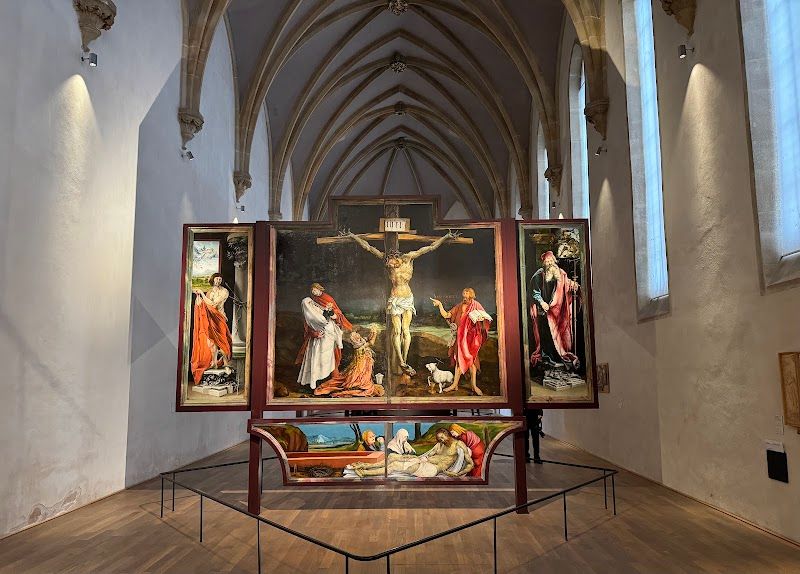
Unterlinden Museum and Isenheim Altarpiece
The Unterlinden Museum houses one of Europe's most emotionally devastating works of art: Matthias Grünewald's Isenheim Altarpiece, painted between 1512 and 1516. This isn't your typical religious art. The crucifixion panel shows Christ's body covered in thorns and lacerations, with figures below consumed by physical grief. The resurrection panel blazes with supernatural light that Herzog & de Meuron literally designed their 2015 building extension around. The altarpiece has three configurations that were rotated through the liturgical year, so you'll see multiple layers of panels. You'll enter through the modern wing before reaching the altarpiece in its climate-controlled sanctum. Most people gasp when they first see the crucifixion, it's that visceral. The space stays quiet, almost reverent, even with crowds. After the altarpiece's intensity, the 13th-century Dominican cloister offers relief with its peaceful arches. The museum also holds works by Cranach and Holbein, plus Alsatian folk art, but honestly, you came here for Grünewald. At EUR 13, it's expensive for what amounts to seeing one masterpiece, but that masterpiece justifies the trip to Colmar entirely. Skip the upper floors of regional artifacts unless you have extra time. The audio guide costs EUR 3 and helps with the altarpiece's complex iconography, though the visual impact needs no explanation. Plan 45 minutes minimum for the altarpiece alone.
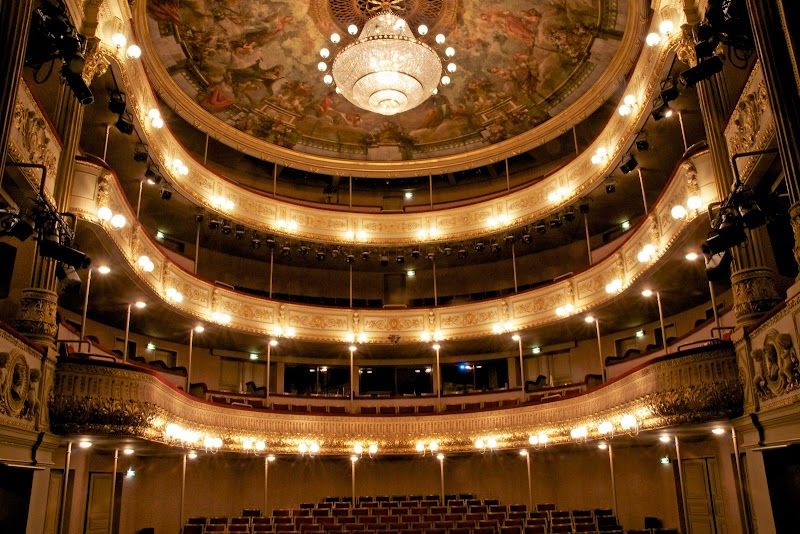
Théâtre Municipal de Colmar
This neoclassical theater from 1849 sits right in Colmar's old town, and you'll recognize it immediately by its cream-colored columns and elegant pediment. The real draw is the interior: a jewel box auditorium with velvet seats, ornate ceiling frescoes, and three tiers of balconies that feel authentically 19th-century. You can catch opera, classical concerts, ballet, and contemporary theater here from September through May, with performances typically starting at 20:30. The experience begins in the marble-floored foyer where locals gather for intermission champagne, speaking in hushed French and German. Once inside the 700-seat auditorium, you'll notice how intimate everything feels compared to modern venues. The acoustics are genuinely excellent from any seat, and the sight lines mean you're never more than 20 rows from the stage. During intermission, you can explore the grand staircase and admire the period details that survived both world wars. Most travel guides treat this as a quick photo stop, but it's really meant to be experienced during a performance. Tickets range from 15 EUR for upper balcony seats to 65 EUR for orchestra level. Skip the expensive front row seats, the third row gives you better perspective without the neck strain. The weekday matinee performances offer the best value and smaller crowds.
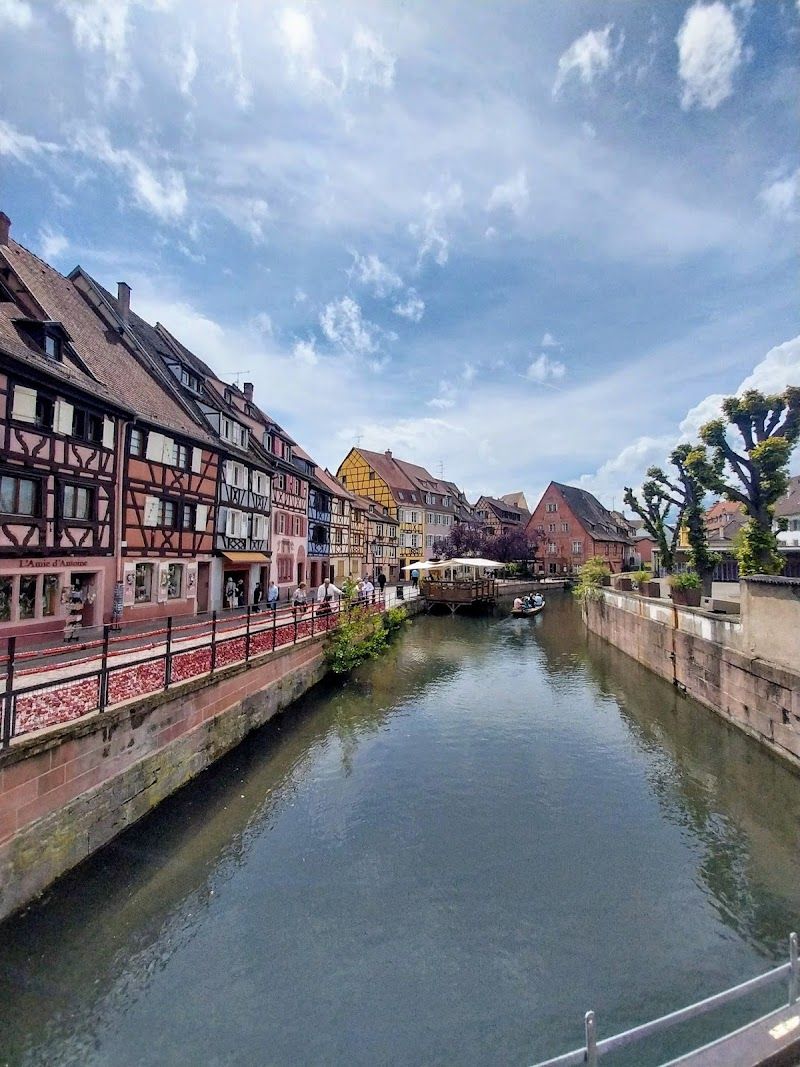
Colmar Old Town Walking Tour
A guided walking tour of Colmar's old town covers the architectural and historical context that self-guided walking misses: the meaning of the half-timbered house carvings (guild symbols, dates, family crests), the shift from Alsatian German to French administration visible in the building styles, and the canal system that gave Petite Venise its name. Tours typically last 1.5-2 hours, EUR 10-15 per person, departing from the Tourist Office near the Unterlinden Museum. The guide quality varies: the best are Colmar natives who can explain the bilingual heritage and point out details on facades that you would otherwise walk past. Some tours combine the old town with a wine tasting at a producer's shop (EUR 15-20). Christmas market tours (November-December) add the illuminated route and a vin chaud stop.
Getting Here
On Foot
A 3-minute walk from Petite Venise, 5 minutes from the Unterlinden Museum. Entirely pedestrian.
Insider Tips
Less crowded dining
The winstubs in the Tanneurs quarter are the same quality as those on Grand'Rue but with fewer tourists and marginally lower prices. The tarte flambee (EUR 10-12) and the choucroute (EUR 16-20) are standard Alsatian fare done well. Look for places with chalkboard menus in French rather than translated tourist menus.
Rue des Tanneurs
The main street of the quarter is worth walking for the architecture alone. The tall, narrow buildings with their open-slatted upper floors (the drying lofts) are unique to this quarter. Morning light from the east creates the best contrast on the timber frames.
Wine bars
Several small wine bars in the quarter pour local Alsatian wine by the glass (EUR 4-6 for Riesling, Gewurztraminer, or Pinot Gris). These are less formal than the winstubs and good for a late-afternoon glass before dinner.
Nearby Neighborhoods
Continue exploring
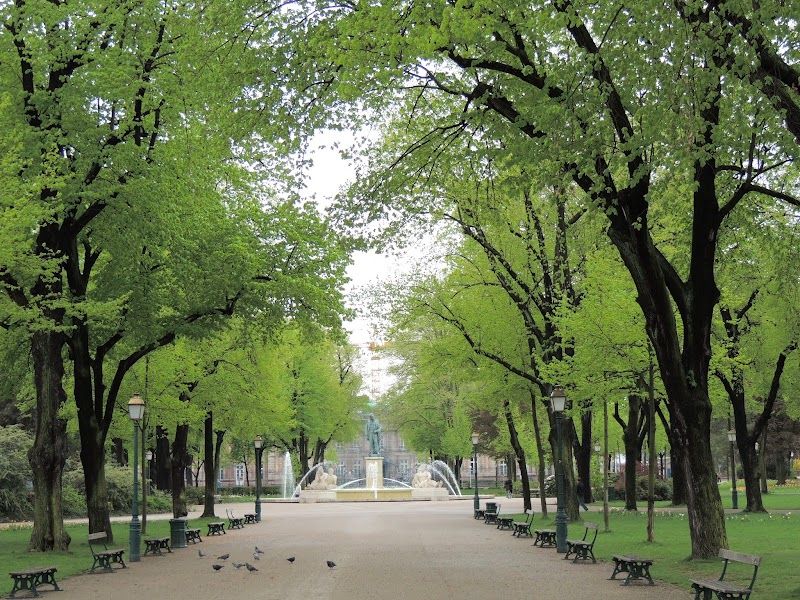
Petite Venise & Old Town
The canal district with the pastel houses, the Pont Tournant, the Maison Pfister (1537), the Collegiate Church of St. Martin, and the pedestrian streets between Grand'Rue and Rue des Marchands.
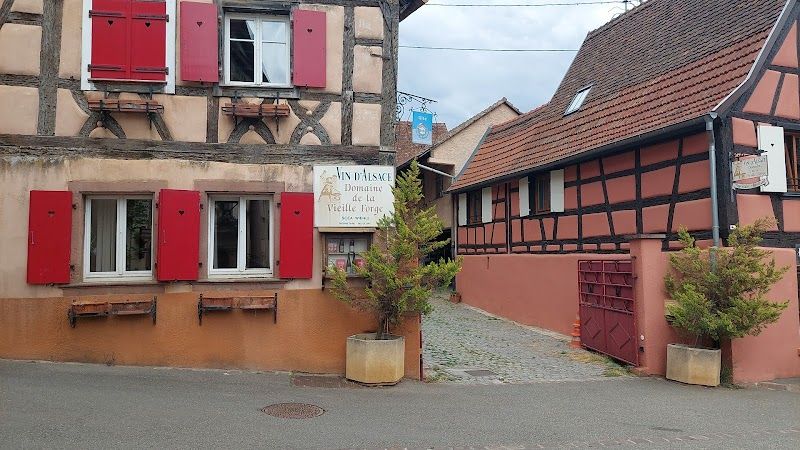
Unterlinden & Museum Quarter
The cultural anchor of Colmar: the Unterlinden Museum with the Isenheim Altarpiece, the Dominican Church with the Schongauer Madonna, Place de la Cathedrale, and the Bartholdi Museum in the house where the Statue of Liberty sculptor was born.
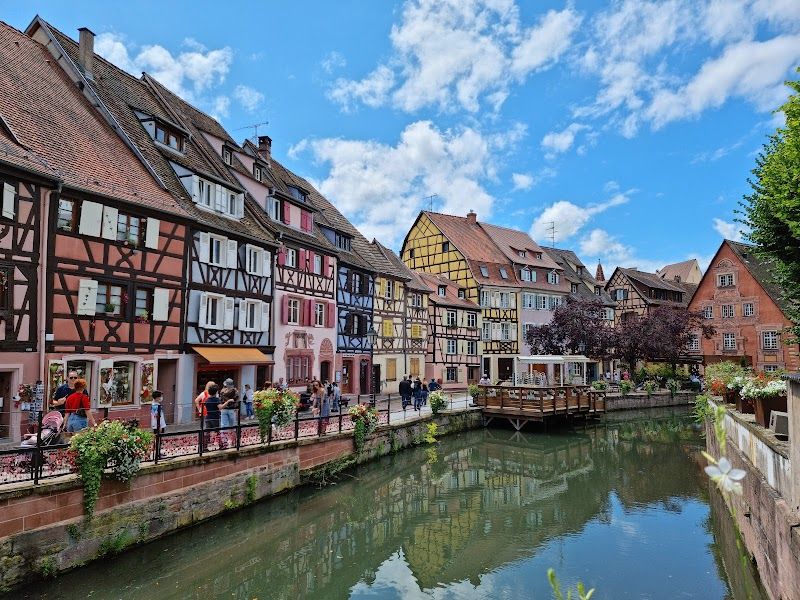
Little Vineyard Route (Colmar Surrounds)
The vineyards start at the edge of town. Turckheim, Eguisheim, and the trail through the vines between them - the start of the wine route proper, walkable from Colmar if you have energy.
Plan a trip featuring Quartier des Tanneurs
Get a personalized Colmar itinerary with Quartier des Tanneurs built in.
Start Planning